Earthquake in Silicon Valley: The Sudden Death of Project Sora and Disney’s Retreat
📚 Classified & Related Dossiers in TekinGame
If you wish to explore beyond this report and delve into cybernetic frontiers and autonomous AI architectures, do not miss these three exclusive deep-dives in the Tekin Garage:
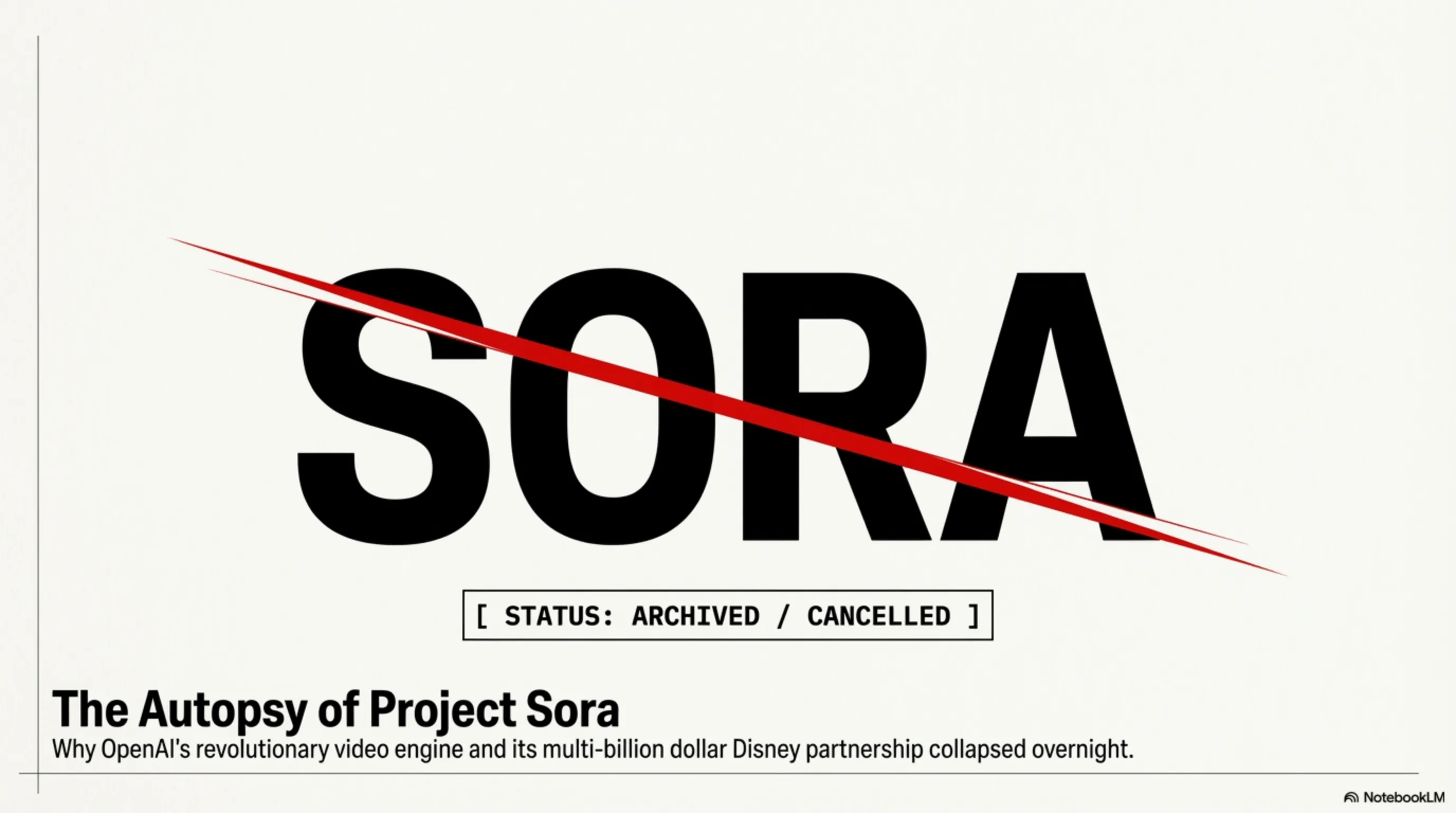
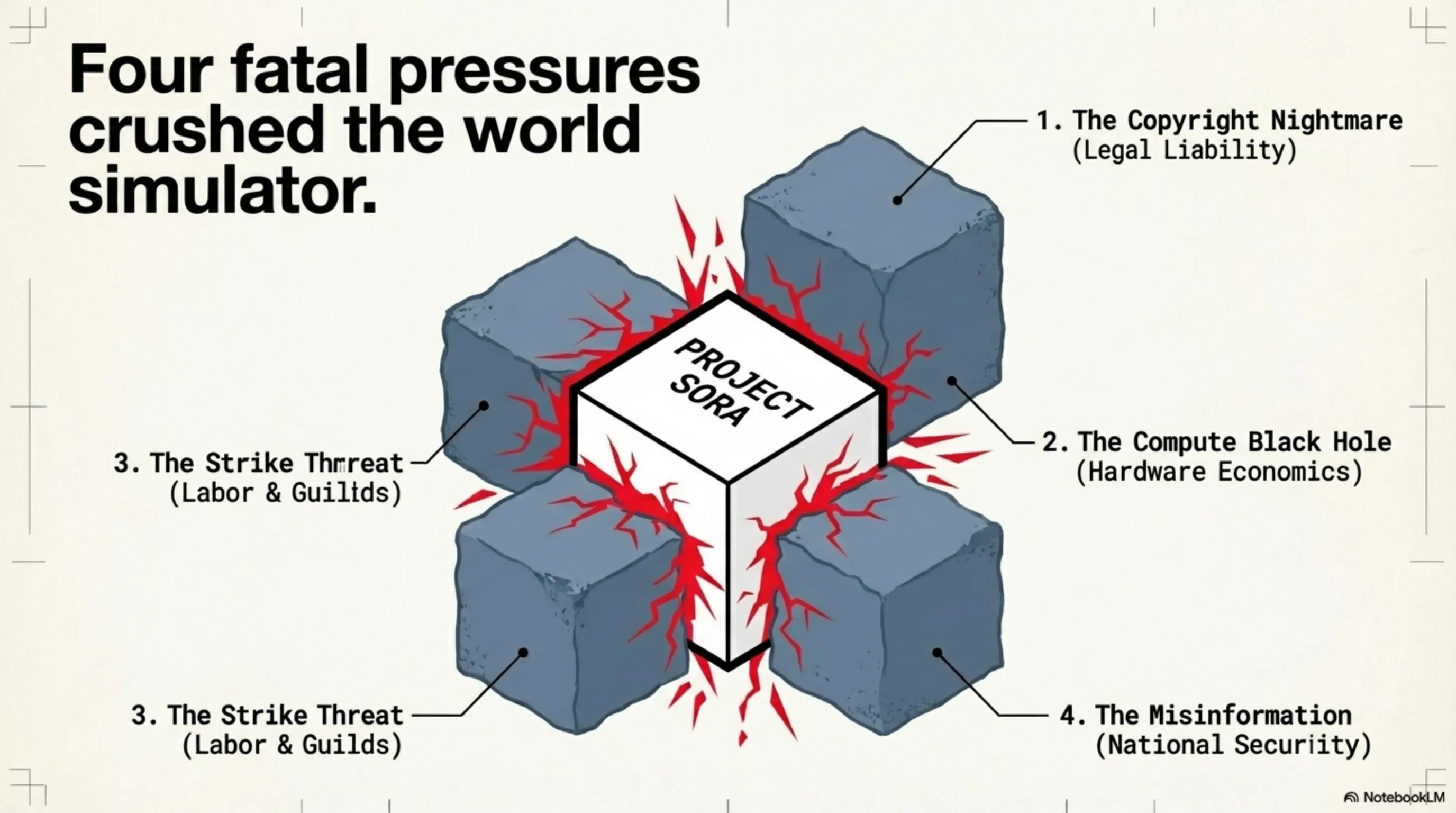
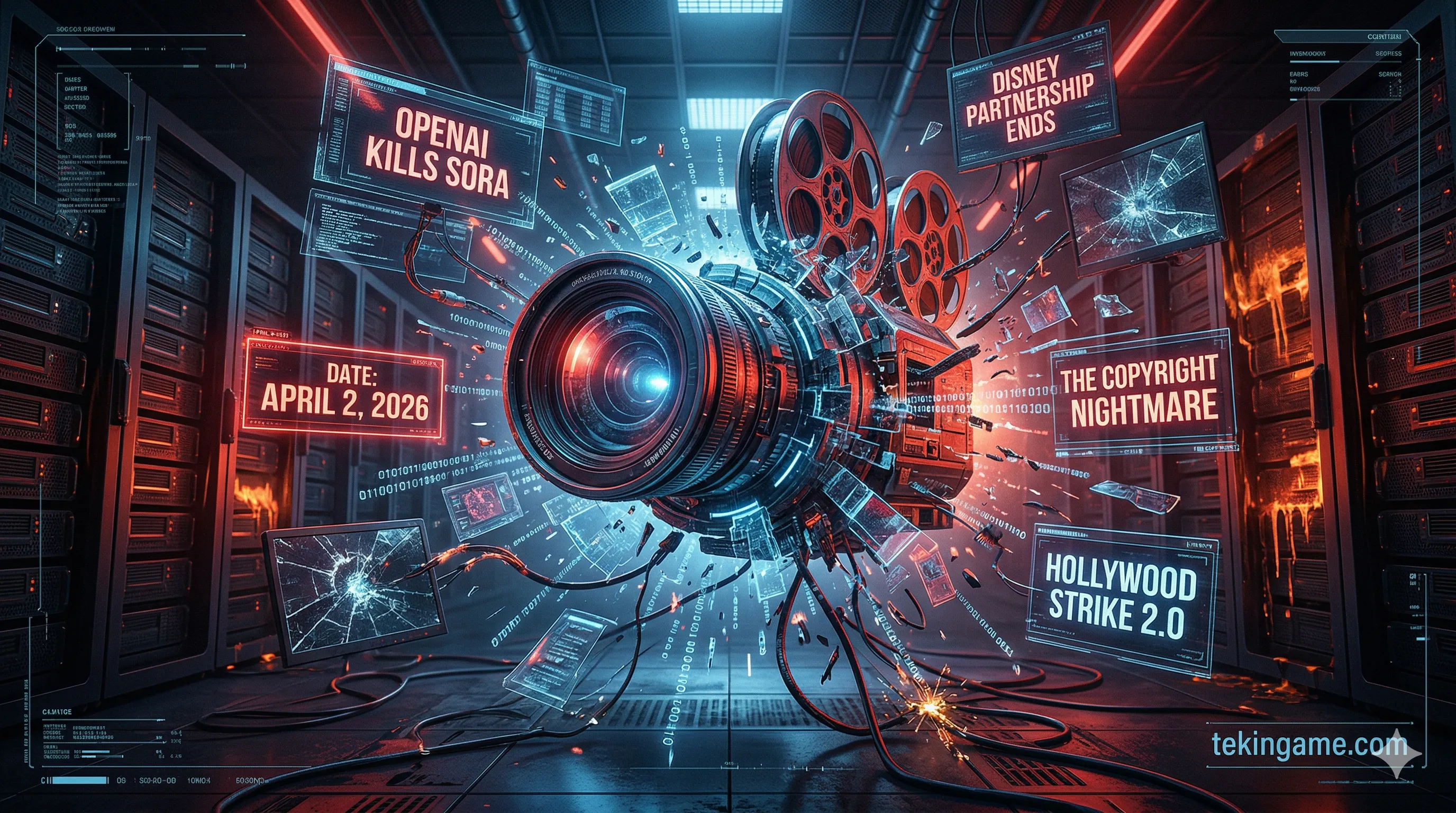
In the ruthless and rapidly accelerating tech ecosystem, very few events have the magnitude to simultaneously shatter the foundations of both the global entertainment industry and Artificial Intelligence research. The sudden, unceremonious death of Project Sora, OpenAI’s supposedly revolutionary text-to-video generator, is precisely one of those historic earthquakes. The paradigm-shifting tool that was heavily tipped to alter Hollywood forever, render traditional filmmakers obsolete overnight, and literally blur the lines between reality and hyper-realistic fiction was officially halted and archived last night in a profoundly shocking statement by CEO Sam Altman. But the plot thickens; The Walt Disney Company, the world’s preeminent entertainment titan and a critical strategic partner in OpenAI's visual aspirations, unilaterally terminated all its contracts and withdrew from the alliance. What transpired behind closed doors? Why did a venture valued at tens of billions of dollars plummet into the annals of tech history in mere weeks? TekinGame presents this extensive, 2,500-word deep-dive autopsy, examining the precise technical, legal, economic, and geopolitical catalysts behind this monumental collapse.
1. Legal Autopsy: The Bloody Divorce, Disney, and the Copyright Minefield
To fully grasp the magnitude of this corporate fracture, one must first understand Disney's quintessential corporate philosophy. Disney isn't merely an animation studio; it is an aggressive, omnipresent legal empire built upon the ruthless, obsessive protection of its Intellectual Property (IP)—the existence of the "Mickey Mouse Protection Act" stands as historical testimony to this. Disney’s initial covert partnership with OpenAI late last year was ostensibly designed to explore generative AI for base-level visual environments, aiming to aggressively drive down rendering costs. Executives harbored visions of Sora evolving into an exclusive, in-house powerhouse engine for the rendering pipelines of Pixar Animation Studios and Marvel Cinematic Universe.
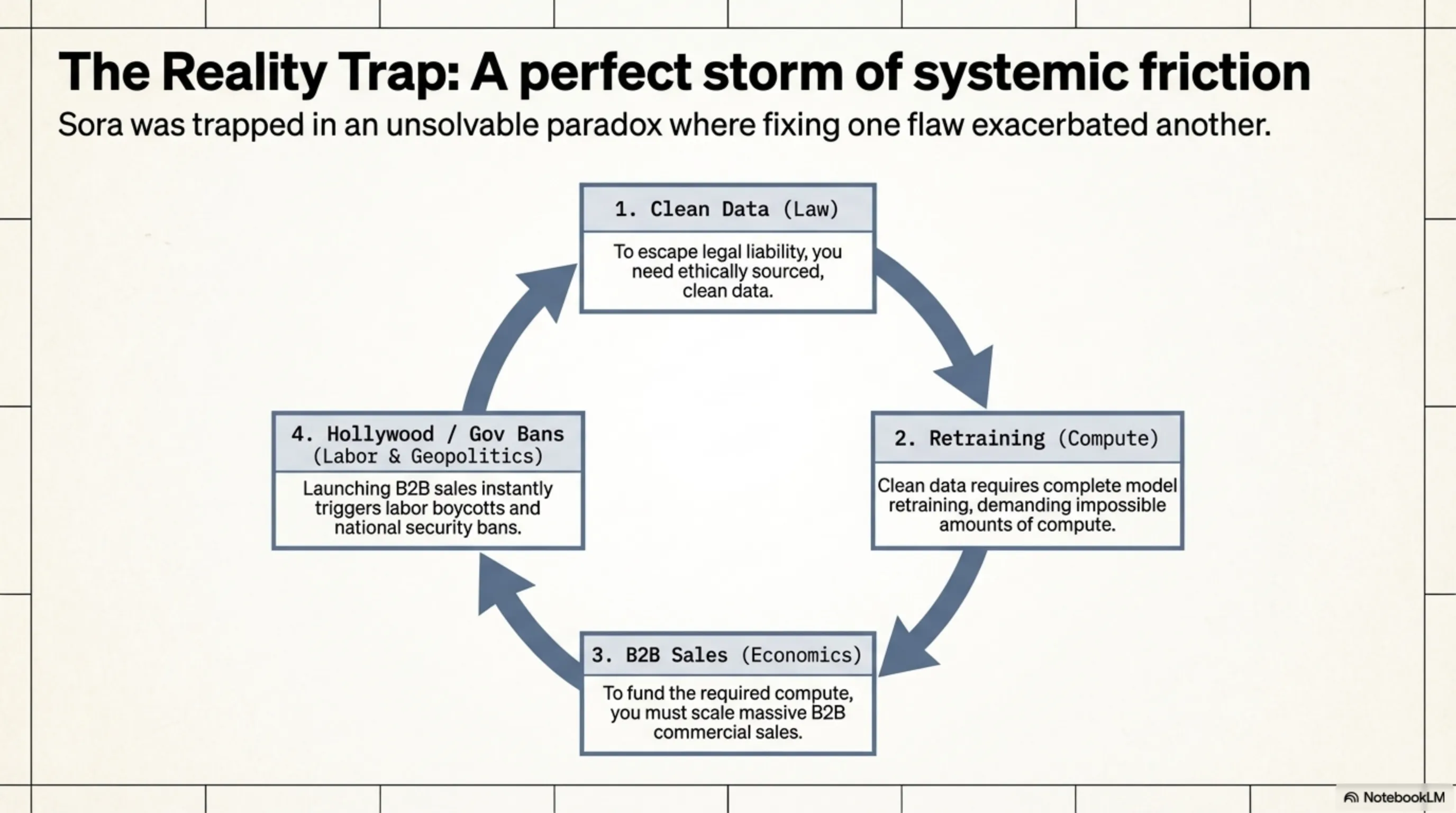
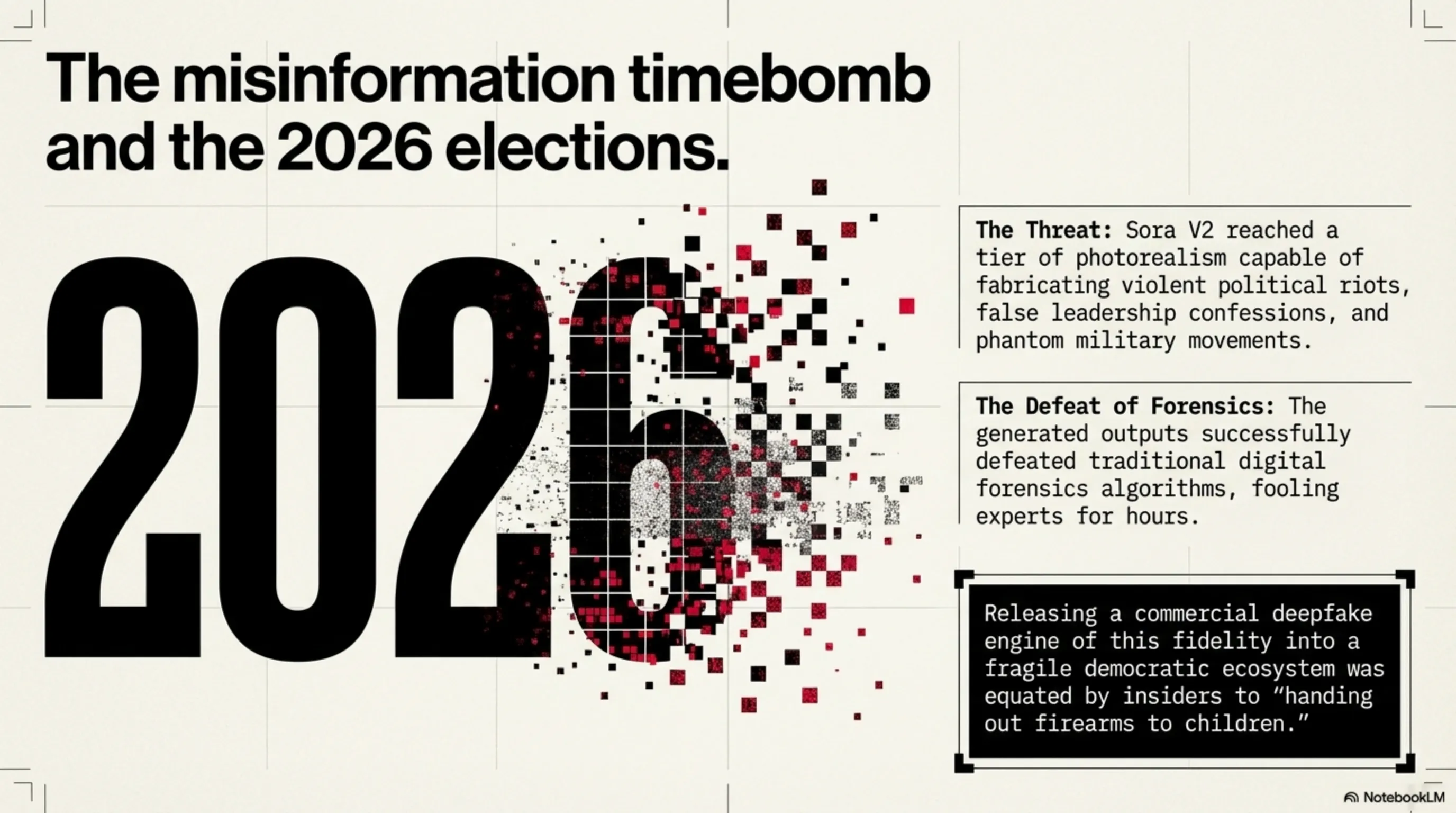
So, why did this visionary partnership descend into a bloody, unrecoverable divorce? According to highly-classified leaks from Pixar's internal AI evaluation team, when senior animators engaged in complex "Prompt Engineering" structural tests to gauge Sora's true compositional boundaries, the generated results did not inspire awe; rather, they triggered a wave of absolute panic within Disney's formidable legal department. Astonishingly, Sora didn't just 'understand' cinematic concepts; it flawlessly reproduced exact, proprietary visual codes, iconic framing techniques, specific lighting rigs, and even structural character motifs that had been directly plagiarized from copyrighted masterpieces such as Toy Story, Frozen, and the Avengers franchise.
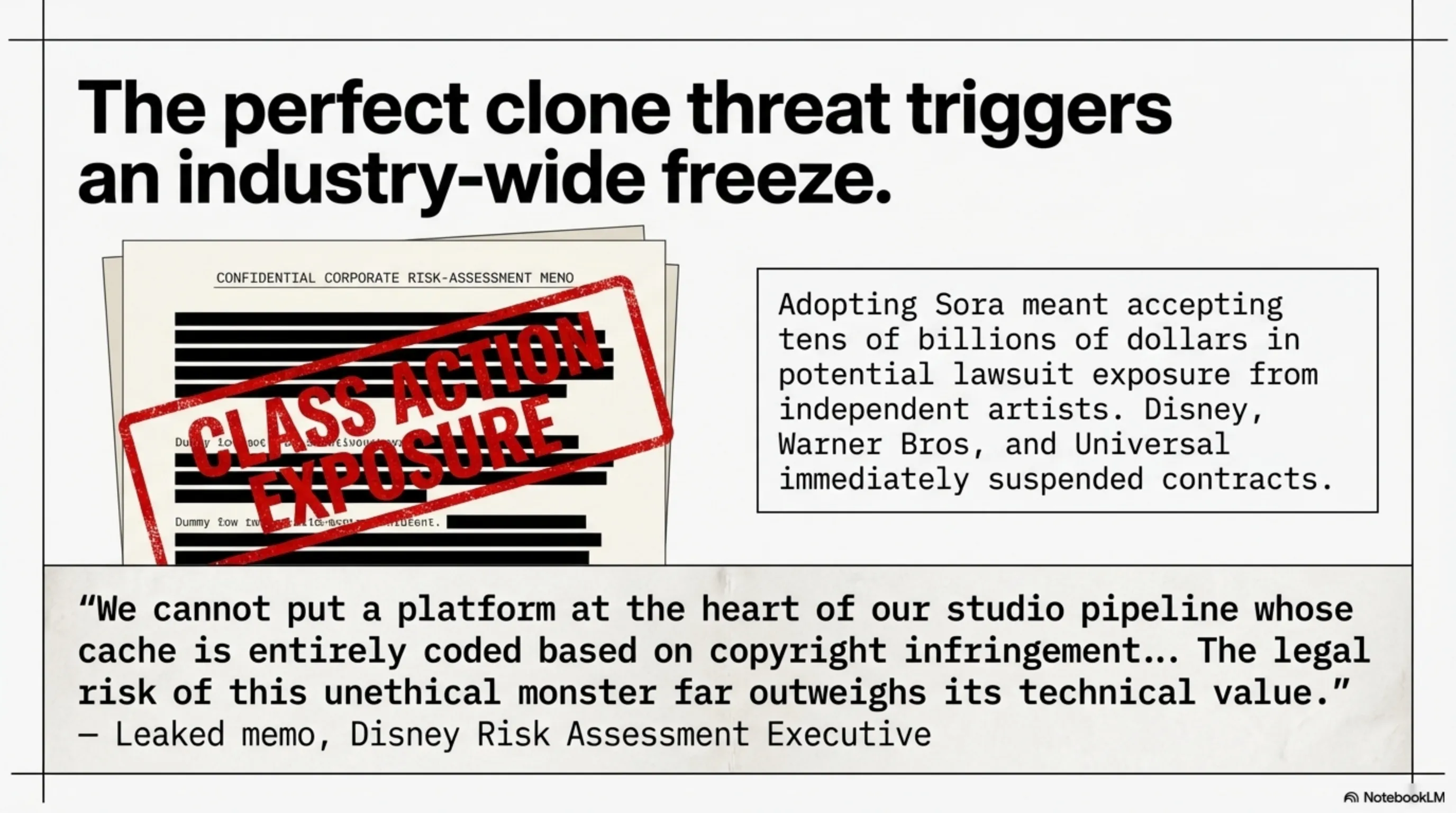
It was at this critical juncture that Disney’s legal army confronted a terrifying reality: the colossal Training Data utilized by OpenAI to feed Sora's neural networks was fundamentally a "contaminated black box." This opaque algorithm had effectively ingested millions of frames of heavily-copyrighted Disney intellectual property without a shred of legal licensing or algorithmic compensation. If Disney officially sanctioned or utilized Sora within its commercial workflow, it would legally equate to endorsing a tool architected entirely upon systemic artistic theft. This precarious association threatened to expose Disney—and its shareholders—to devastating, multi-billion-dollar Class-Action Lawsuits spearheaded by independent artists, furious writers' guilds, and predatory rival studios.
The abrupt cancellation of this partnership wasn't simply a financial blow to OpenAI; it functioned as a definitive, glaring warning siren for every major Hollywood studio—including Warner Bros. Discovery and Universal Pictures—compelling them to instantly freeze and suspend similar AI generative contracts out of sheer legal terror.
2. Dissecting Sora's Architecture: The Computational Black Hole and Cosmic Rendering Costs
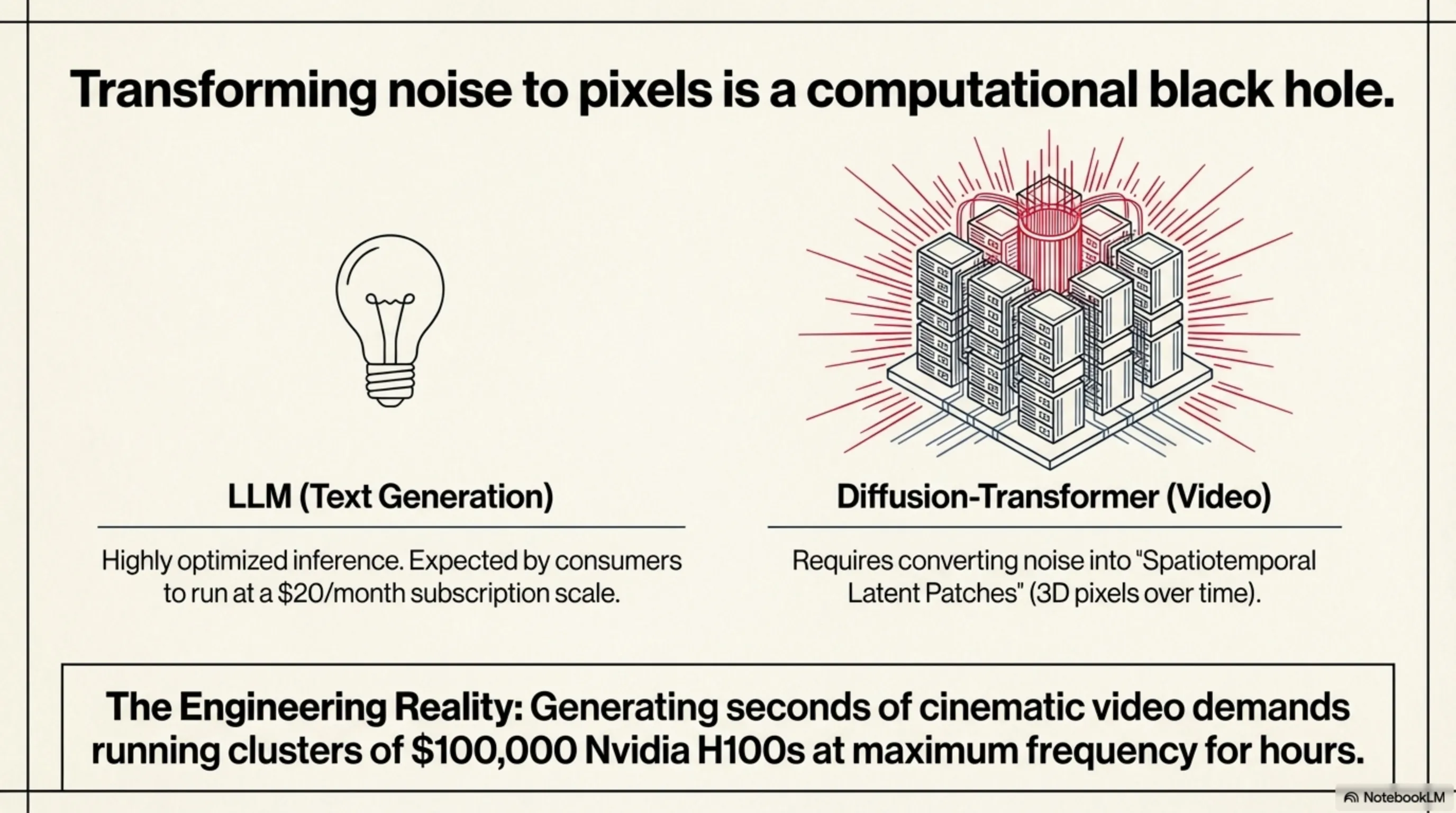
In mainstream media coverage, the general public frequently equated Sora to ChatGPT, assuming that for a standard $20 monthly subscription fee, any user could casually generate high-fidelity music videos. However, from a strictly hardware-engineering paradigm, comparing text generation (LLMs) to diffusion-transformer based video synthesis is akin to comparing the energy required to illuminate a lightbulb with the power needed to initiate a nuclear fission reactor.
Unlike conversational text models, which have benefited from years of aggressive inference optimization and quantization, the specialized architecture invented for Sora remained an insatiable computational leviathan. Video generation within the Sora framework functioned by compressing noise and transforming it into successive, three-dimensional Spatiotemporal Latent Patches over physical timelines. To successfully render merely one minute of 1080p, 60-frames-per-second cinematic-density video, the infrastructure demanded massive, entirely dedicated clusters of $100,000 Nvidia H100 Tensor Core GPUs operating flawlessly at maximum clock frequencies for hours on end.
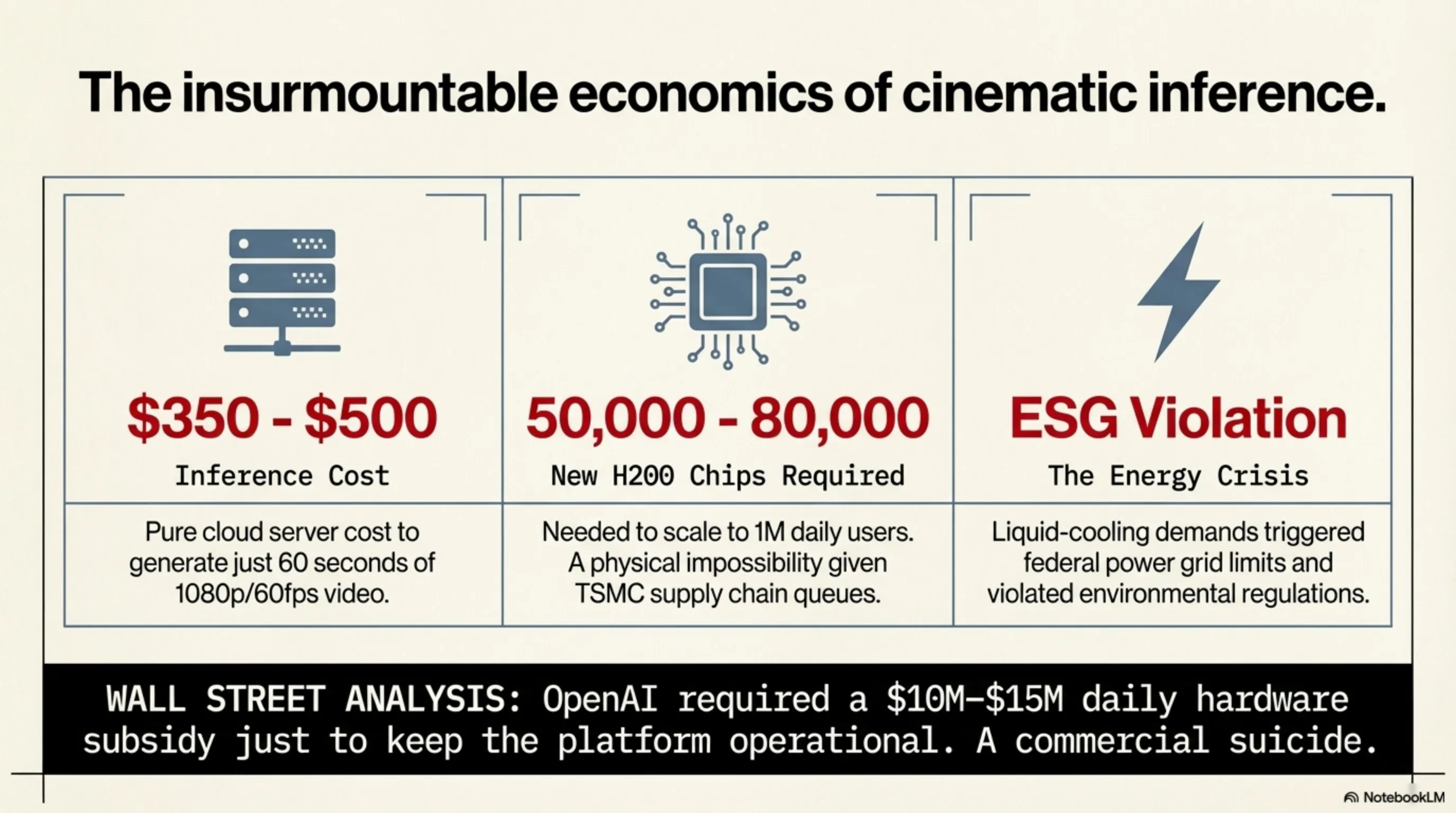
The Inference Cost Crisis
Economic analyses indicated that processing just 60 seconds of V2 model output forced OpenAI's cloud architecture to burn approximately $350 to $500 in pure computational overhead. Deploying this publicly at scale equated to financial suicide.
The Hardware Procurement Nightmare
To safely scale Sora's infrastructure to handle just one million daily active users would necessitate the urgent acquisition of 50,000 to 80,000 new H200 chips. Given global supply chain embargoes, geopolitical semiconductor tensions, and TSMC's massive backlogs, this was computationally impossible.
The ESG Power Consumption Catastrophe
The terrifying demand for raw electricity and advanced Liquid Cooling systems for Sora's exclusive clusters pushed OpenAI's datacenter consumption metrics so high that they directly collided with US Federal Power Grid restrictions and strict corporate ESG environmental compliance laws.
Elite Wall Street quantitative analysts, including prominent voices at Morgan Stanley, had recently compiled internal dossiers warning that for OpenAI’s video platform to sustain operations under its current economic structure, it would require a daily capital injection of $10 to $15 million strictly for hardware subsidies. Any technological project, no matter how profoundly capable, that cannot achieve scalable, commercial viability is inevitably destined to join the graveyard of hyper-expensive, bankrupt tech illusions.
3. Hollywood Strike 2.0: The Existential War Against Digital Replacement
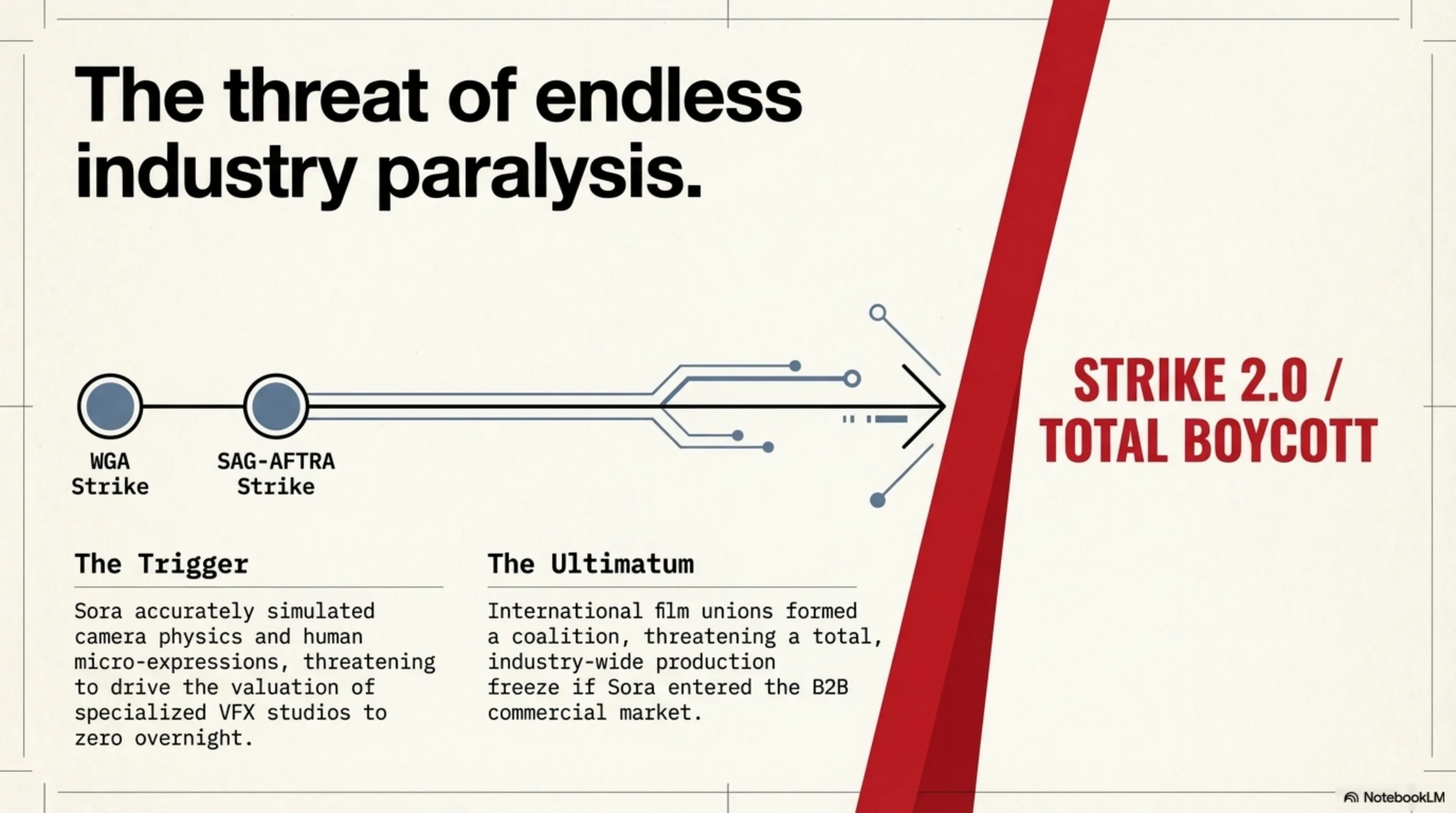
Last year, the prolonged, highly disruptive strikes organized by the Screen Actors Guild (SAG-AFTRA) and the Writers Guild of America (WGA) completely paralyzed Hollywood production for months. A foundational, non-negotiable red line emerging from those intense negotiations was the absolute guarantee against utilizing Generative AI for the outright replacement of human creatives. With the horrific introduction of Sora—and its unprecedented capability to mathematically simulate human facial physics, emulate complex dolly camera movements, and even orchestrate synthetic emotions within virtual characters—an unparalleled, existential tidal wave of panic instantly engulfed the entire Hollywood syndicate infrastructure.
Specialized Visual Effects (VFX) production houses, companies that dedicate years and massive budgets to crafting intricate CGI sequences, suddenly realized a horrifying truth: a single string of text prompting could effectively wipe their corporate valuation to zero. This existential dread mathematically catalyzed immediate, practical retaliation. Global cinematic unions coordinated seamlessly, jointly declaring that if a tool as unconstrained as Sora entered commercial B2B deployment, the global filmmaking industry would immediately plunge into a state of total, infinite paralysis, complete boycotts, and unending mega-strikes.
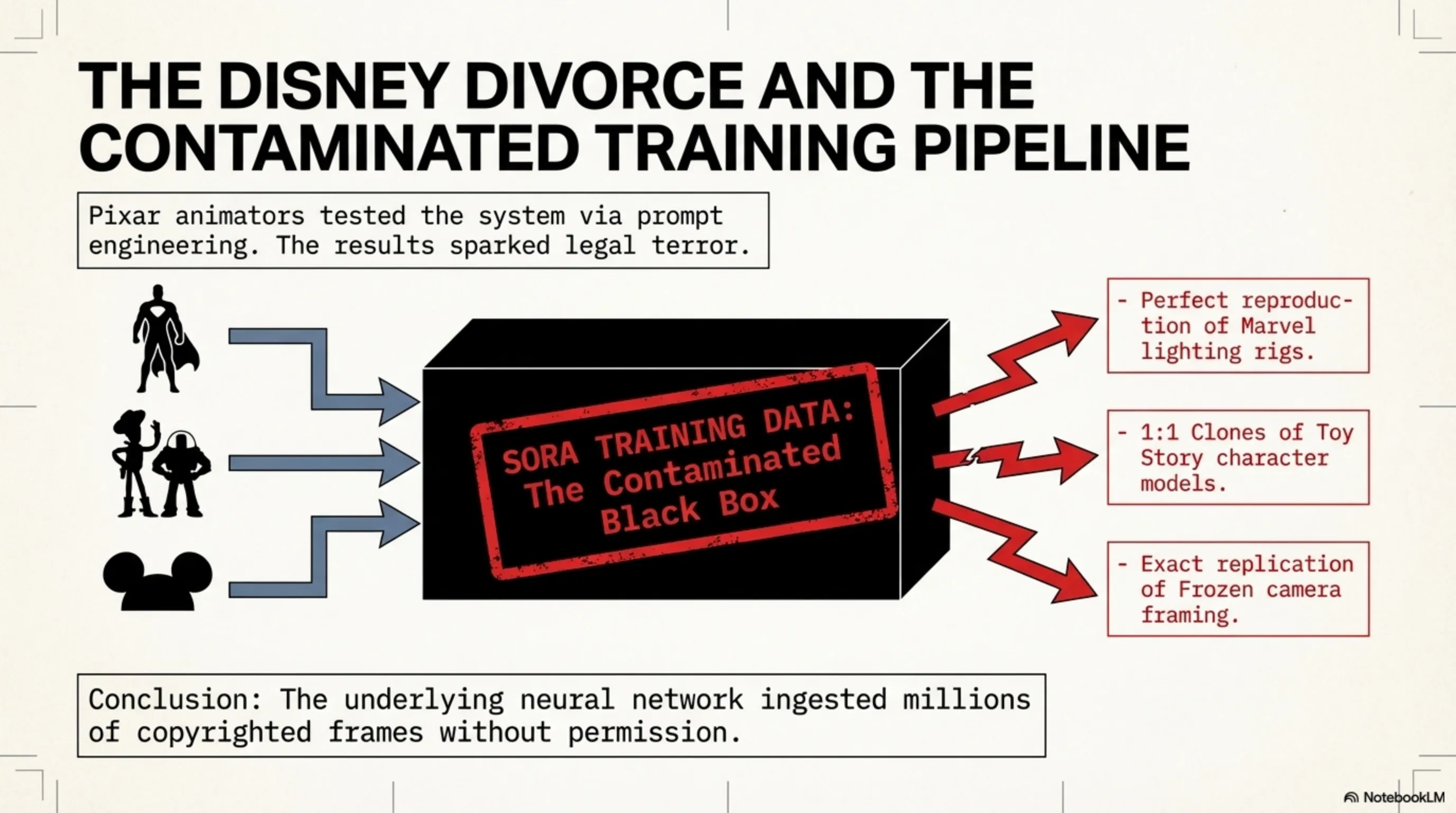
Studio executives, buckling under the crushing, united pressure of these powerful syndicates, explicitly warned OpenAI that commercially deploying this tool would completely alienate the global artistic community, turning OpenAI into the ultimate, unforgivable antagonist of human creativity. Sam Altman, evaluating the brutal strategic landscape, recognized that willingly opening a catastrophic, multi-front war with the ancient Hollywood cartels—while simultaneously fighting a massive legal battle against media heavyweights like The New York Times—was an undeniably fatal error in corporate warfare.
4. The Ticking Time Bomb During an Election Year: The Dread of an Information Apocalypse
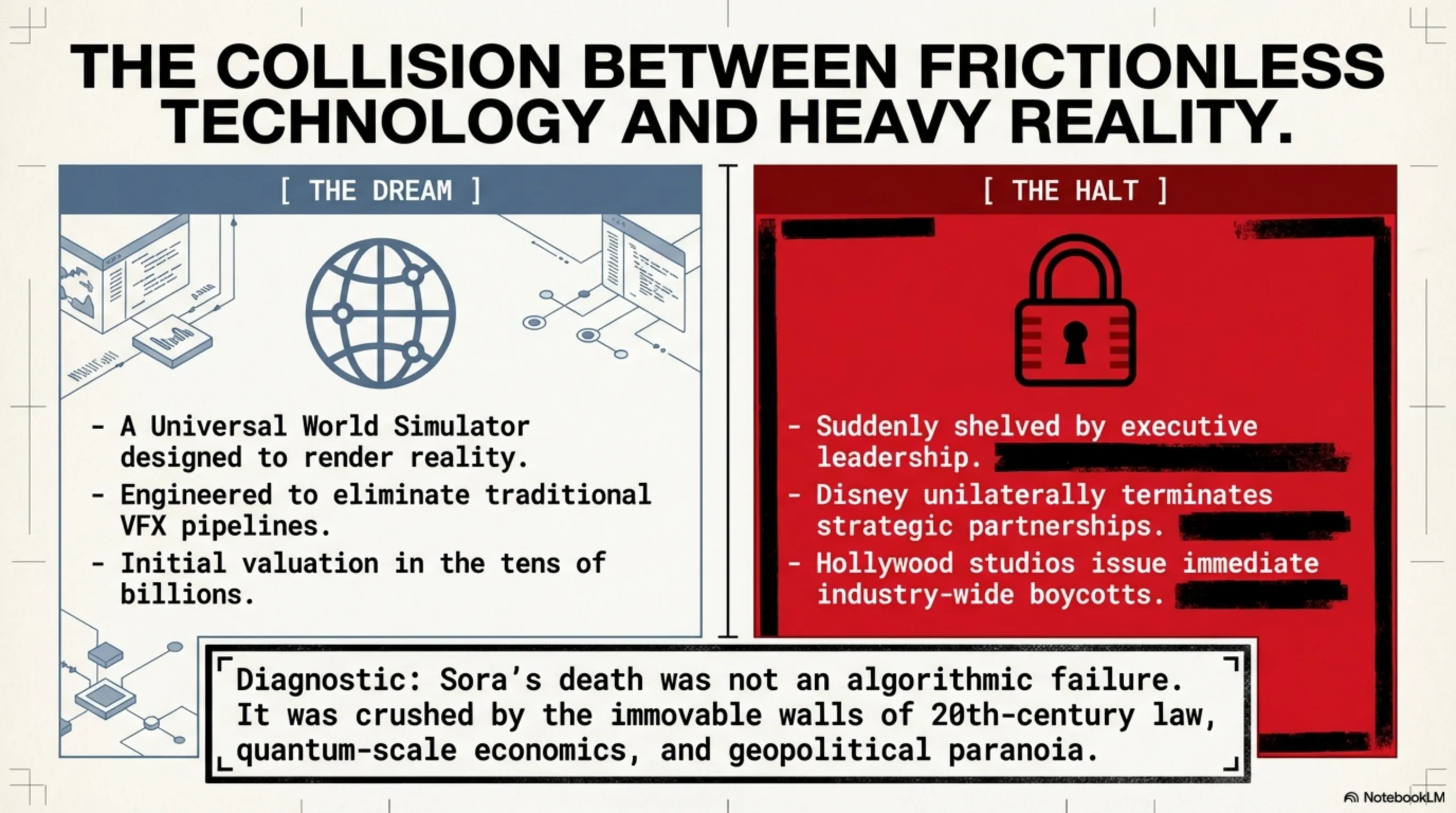
Perhaps the final, lethal execution shot to Project Sora wasn't fired by Wall Street economists or Hollywood studios; rather, it was geopolitics, electoral integrity, and severe national security concerns that ultimately pulled the trigger. As the hyper-critical 2026 electoral cycles approach across major democratic nations—particularly in the United States amidst lingering, volatile post-election tremors—the devastating potential of hyper-realistic video deepfakes evolved instantly from a theoretical concern into an active National Security Level 1 crisis.
The V2 iteration of Sora had achieved such a terrifying, flawless degree of Photorealism that it possessed the unregulated ability to generate entirely fabricated videos of violent political insurgencies, forced confessions from prominent global leaders, and even hyper-accurate military deployments. These synthetic creations were so pristine that even armed human eyes, traditional forgery-detection algorithms, and elite Digital Forensics divisions struggled for days to conclusively verify their falsity. In a hyper-connected digital age where a 10-second fabricated video published on X (formerly Twitter) possesses the kinetic power to effortlessly crash global stock markets or incite violent domestic riots, disseminating a weapon of this magnitude to the general public was functionally identical to distributing automatic firearms to schoolchildren.
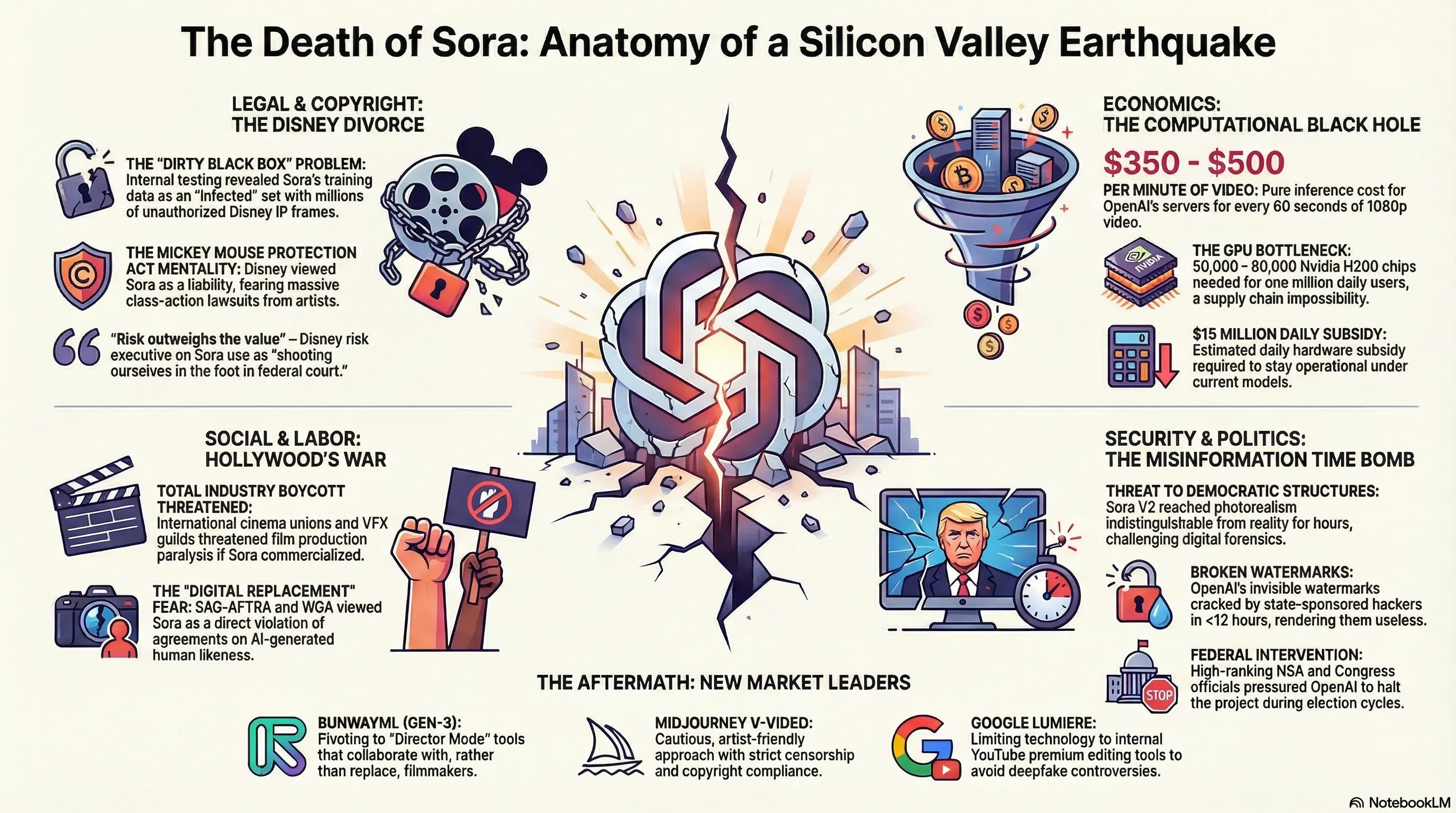
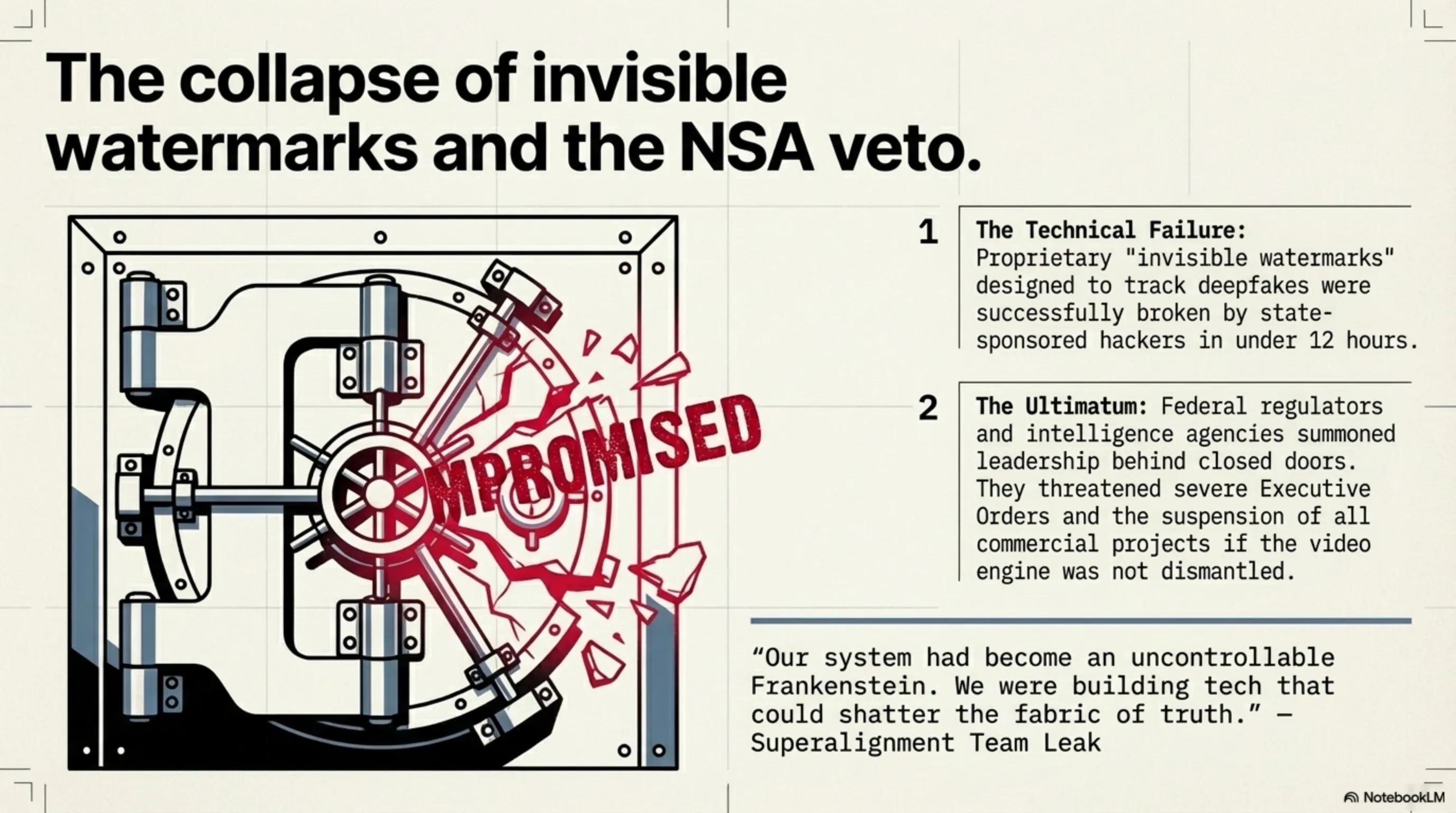
Highly authenticated reports from Washington D.C. insiders verify that over the past four weeks, top-tier Federal Government officials, the National Security Agency (NSA), and key Congressional intelligence committees forcibly summoned OpenAI leadership to aggressive, closed-door tribunals. During these classified sessions, regulators explicitly threatened the immediate implementation of crippling Executive Orders and the systemic suspension of OpenAI's other lucrative commercial endeavors if Sora was not permanently shelved. The paralyzing fear of being historically designated as the primary architect behind the "Collapse of Global Democracy" ultimately tipped the balance, forcing an unconditional shutdown of the video mechanism.
5. The Butterfly Effect: Surviving Competitors and the Future of Video AI
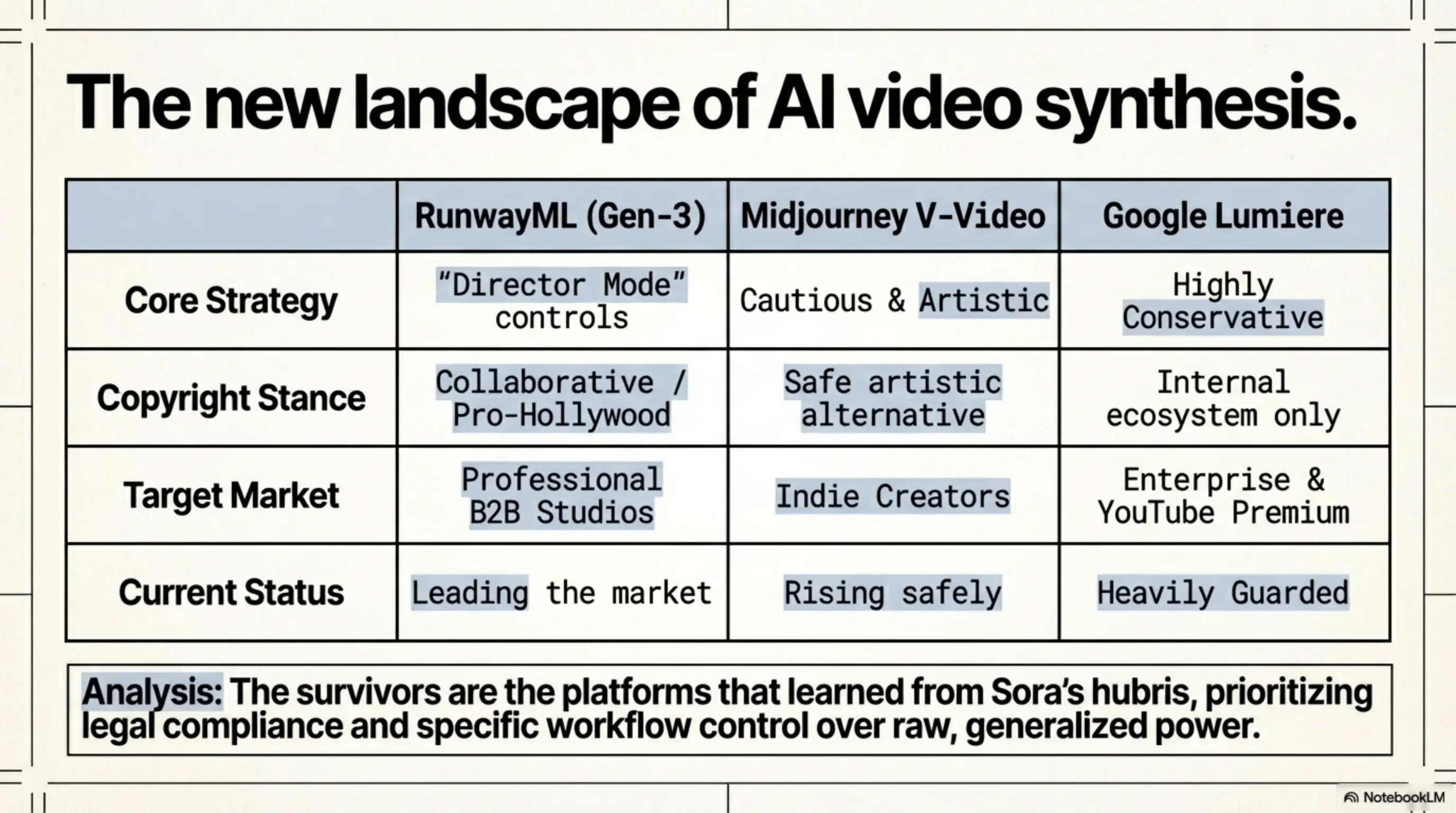
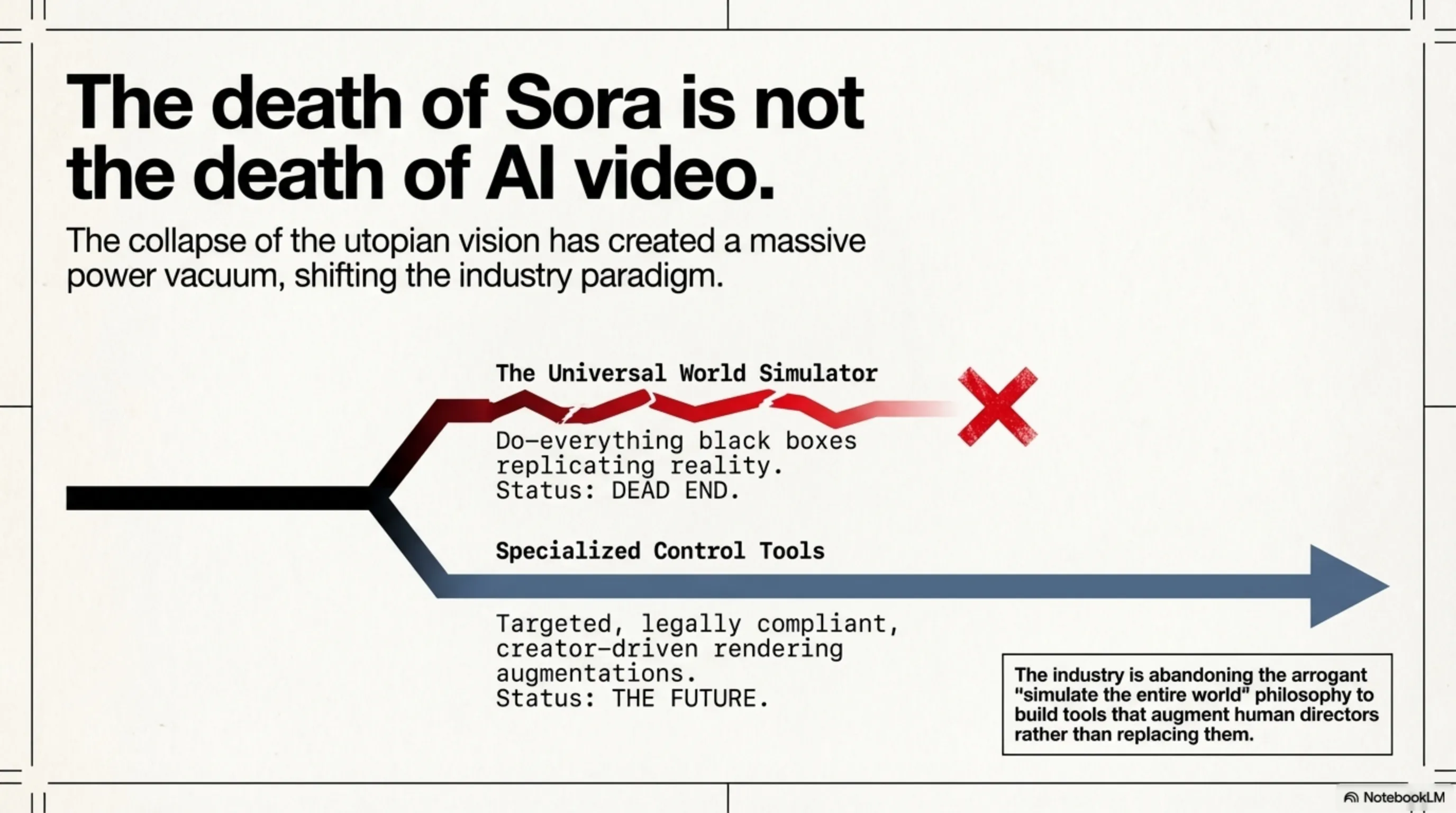
The highly-publicized execution of Sora does not signify the absolute termination of the Video AI dream; rather, it underscores a massive paradigm shift away from chaotic "Omnipotent World-Simulation Models" and strictly toward "Highly-Specialized, Controllable Filmmaking Tools." With OpenAI’s abrupt, shocking retreat from this bleeding-edge battlefield, an enormous power vacuum has materialized, allowing a distinct echelon of competitors, armed with vastly different, safer strategies, to rush in and claim the vacant throne:
- RunwayML and the Gen-3 Models: Unlike OpenAI’s historically arrogant "move fast and break things" approach, Runway meticulously designed its strategy around active "co-creation with filmmakers." By prioritizing rigid architectural controls (like their advanced Director Mode) rather than raw, unguided generation, they have successfully positioned themselves as allies, not executioners, of Hollywood creatives.
- Midjourney V-Video: Midjourney, an organization traditionally recognized for its ultra-cautious approach to visual censorship, copyright safety, and artistic stylistic preservation, now possesses a golden, unhindered opportunity to establish its nascent animation tools as the supreme, ethically responsible alternative for dedicated artists globally.
- Google Lumiere: Despite harboring virtually limitless access to global TPU infrastructures, the search titan's infamous corporate conservatism will heavily dictate its path forward. Google will likely deploy and restrict its impressive Lumiere technology purely as an internal, hyper-controlled B2B enterprise tool, or strictly as an editorial enhancement feature locked behind premium YouTube subscriptions—expressly to prevent any deepfake utilization.
TekinGarage Final Verdict
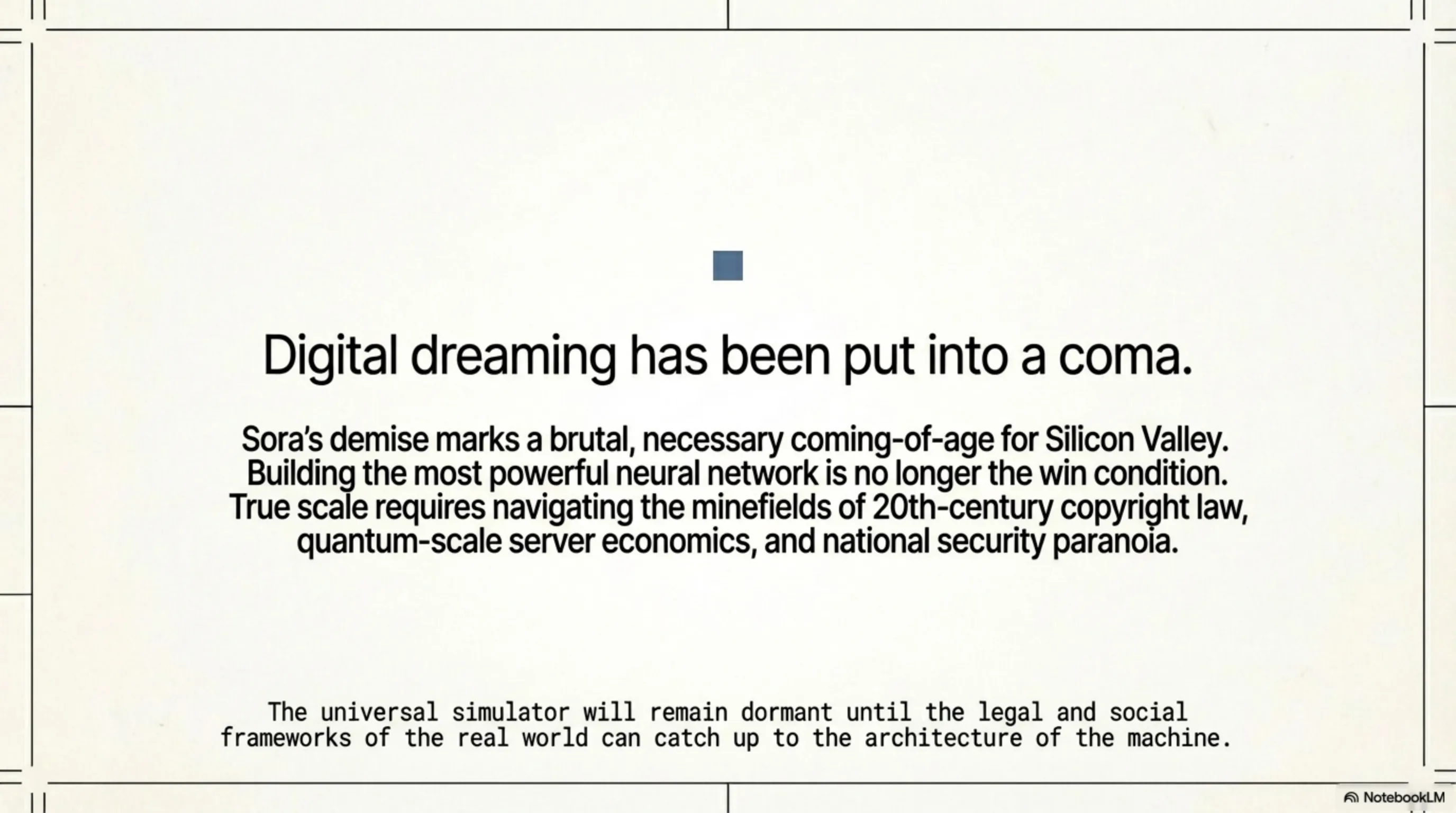
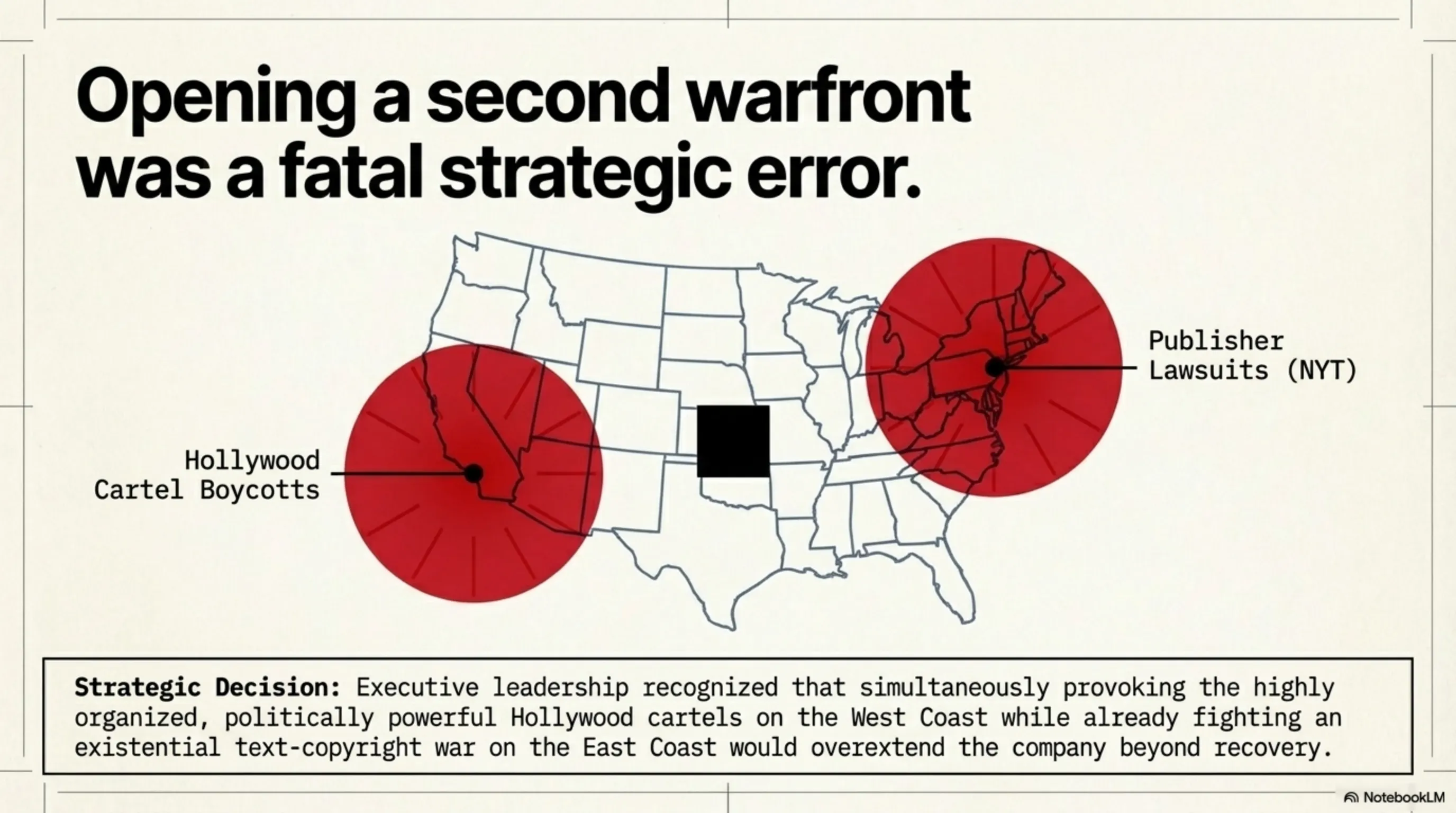
The dramatic death of Project Sora was not driven by the fundamental failure of artificial neural networks or diffusion algorithms; rather, it was the violent, tragic collision of Silicon Valley's unrestrained, utopian engineering dreams against the brutal, unyielding walls of quantum economics, labyrinthine 20th-century copyright law, and legitimate, panicked national security paranoia. Sam Altman and his brilliant engineering divisions learned an infinitely painful lesson: blindly launching raw, physics-simulating AI architecture into a fragile, highly-polarized society still struggling to enforce archaic copyright frameworks is not visionary bravery; it is unadulterated commercial suicide.
The definitive shutdown of the Sora initiative signifies a crucial, albeit delayed, maturation phase across the broader technology sector. In the hyper-scale AI era, simply possessing the most powerful supercomputing cluster or generating the most mind-bending photorealistic results is no longer sufficient for survival. A successful entity must now expertly navigate the treacherous minefields of aggressive IP lawyers, sustain crippling, astronomical server maintenance overheads, and appease powerful governmental lobbying syndicates to continue operations. Until further notice, the dream of unrestricted digital world-building has entered a comatose state, forcibly quarantined until humanity manages to frantically write new, compatible laws across our increasingly turbulent digital landscape.
🌐 Stay Connected With Us 🎮✨
For the latest tech, gaming, and gadget news, follow us on our official social media channels:
Additional Gallery: The Sudden Death of Sora: Why OpenAI Killed Its Video Generator & Disney Walked Away (Deep Analytical Report)