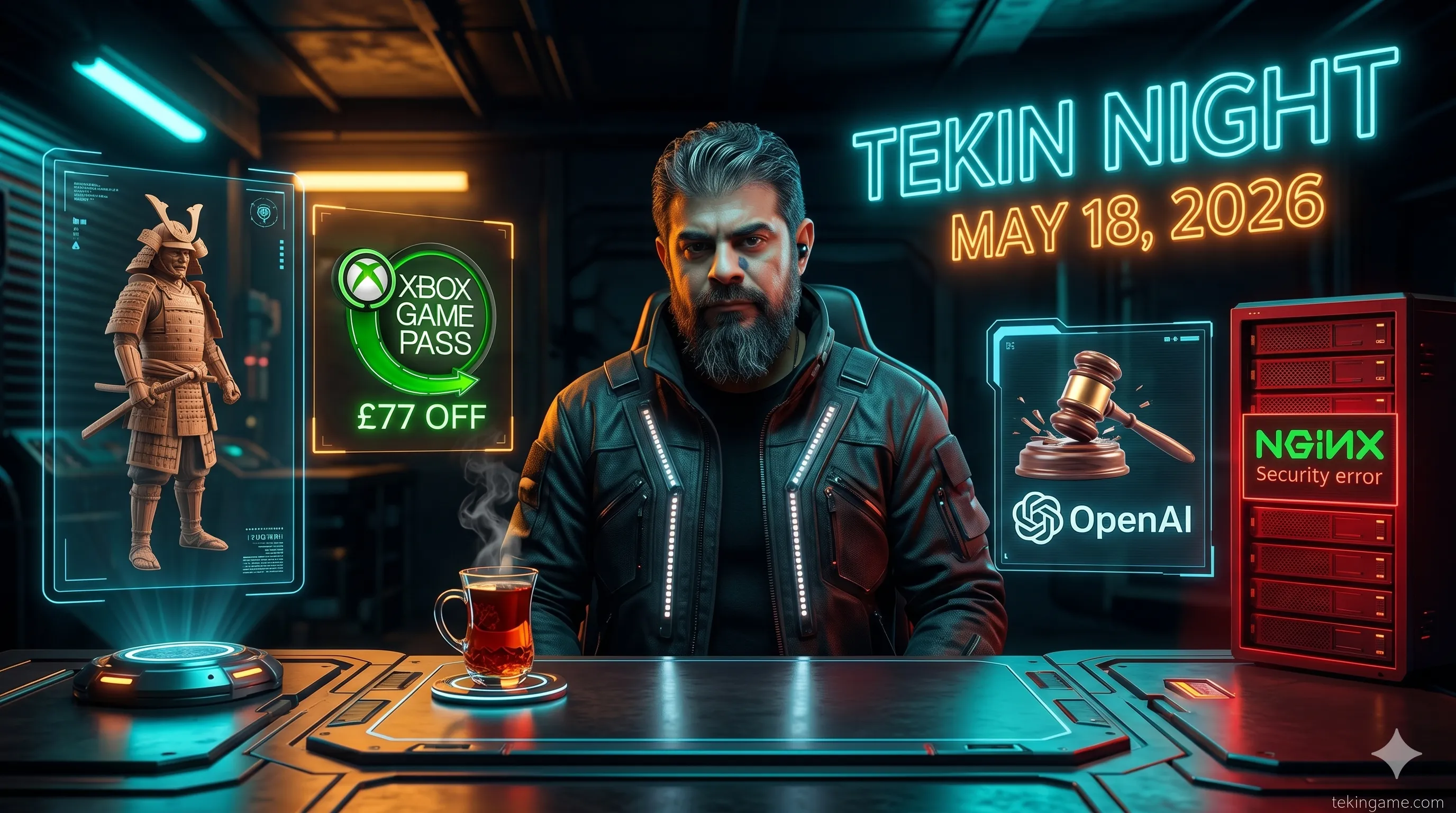
🌙 Welcome to Tekin Night May 18, 2026
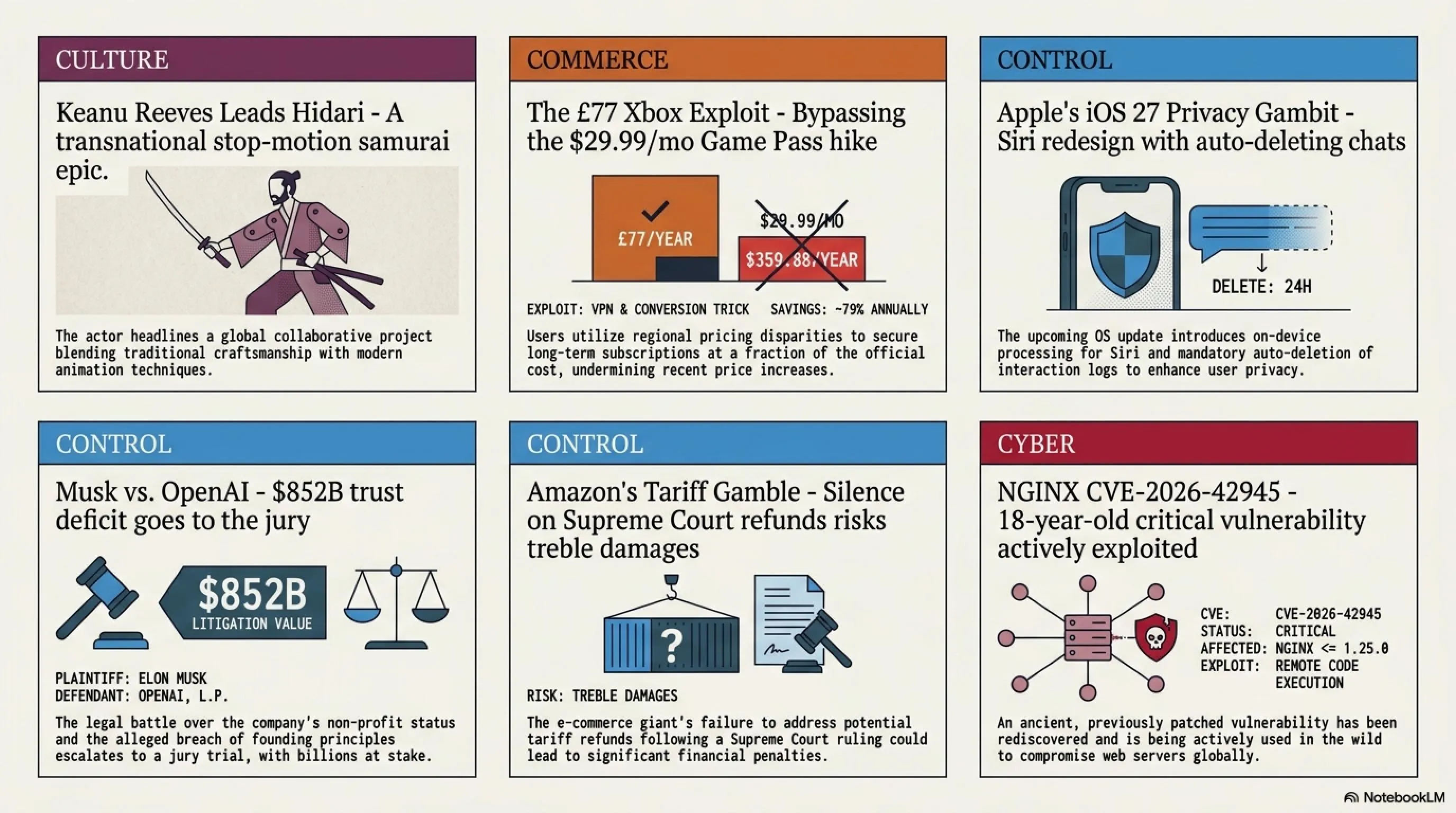
Good evening, tech enthusiasts! Tonight we bring you 6 explosive stories that are reshaping the technology landscape: from Keanu Reeves' groundbreaking role in a Japanese stop-motion samurai epic to a critical NGINX vulnerability threatening millions of servers worldwide. We'll dissect the Musk-OpenAI trial's trust crisis, explore Apple's privacy-first Siri redesign, uncover Amazon's controversial tariff refund scandal, and reveal a clever Xbox Game Pass Ultimate hack that could save you nearly $100.
⚡ Tonight's Headlines:
🎬 Keanu Reeves Leads Japanese Stop-Motion Samurai Film Hidari
🎮 Xbox Game Pass Ultimate: 10 Months for £77 with EA Play Trick
⚖️ Musk-OpenAI Trial: Is Sam Altman Trustworthy?
🤖 Apple's Standalone Siri App with Auto-Deleting Chats
💰 Amazon Faces Class Action Over Unreturned Tariff Refunds
🔒 NGINX CVE-2026-42945: Critical 9.2 Vulnerability Exploited in the Wild
🌃 Grab your coffee and join us for tonight's deep dive into the tech world!
🎬 Keanu Reeves to Voice Lead in Hidari: A Japanese Stop-Motion Samurai Epic
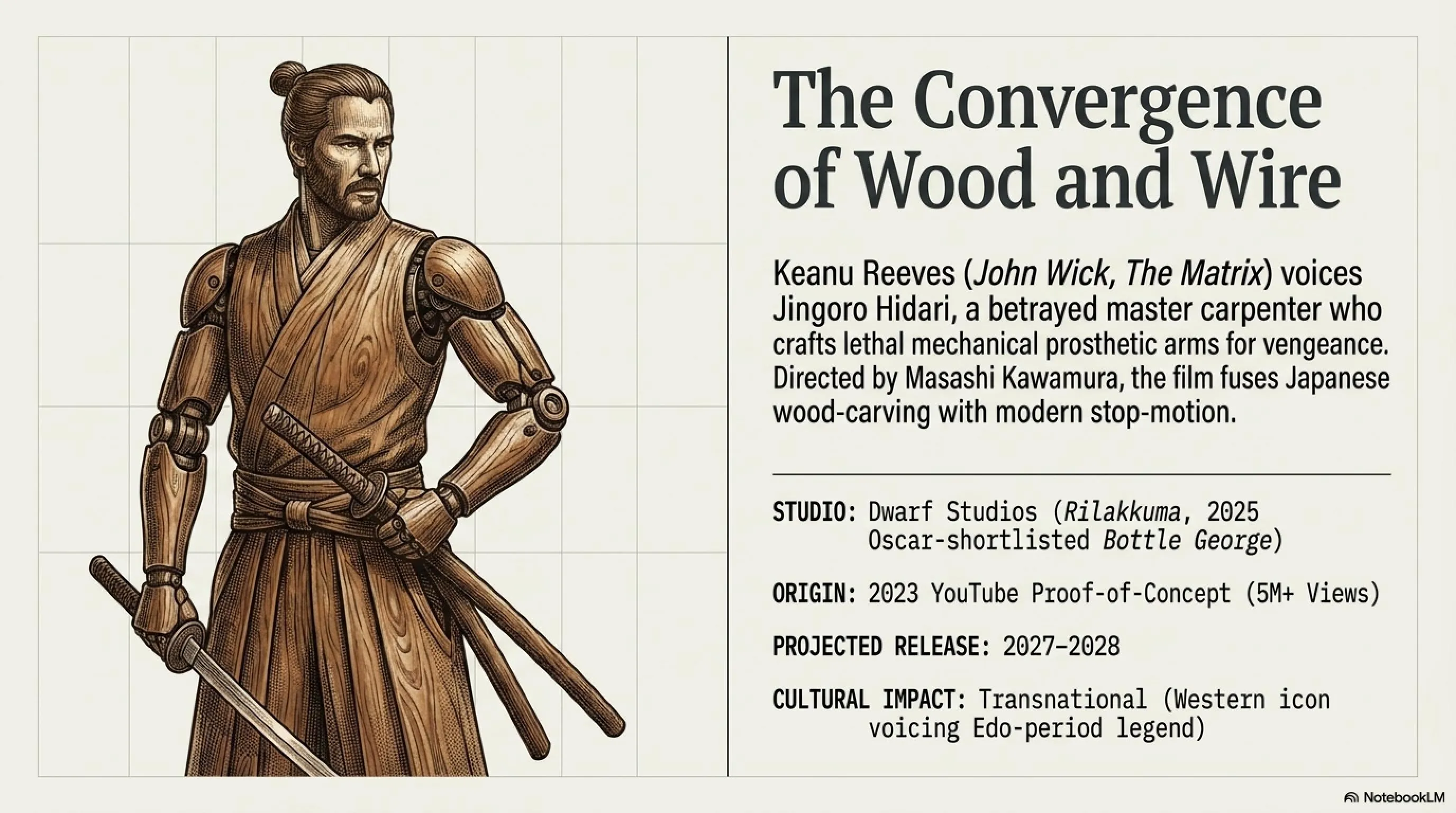
Keanu Reeves, the beloved star of John Wick and The Matrix franchises, is set to voice the lead character in Hidari, a groundbreaking Japanese stop-motion samurai film directed by Masashi Kawamura. This project represents a unique fusion of traditional Japanese craftsmanship and modern animation techniques, with characters carved from wood and brought to life through meticulous stop-motion animation.
The film tells the story of Jingoro Hidari, a master carpenter who loses his right arm to betrayal and embarks on a quest for vengeance. Armed with his extraordinary carpentry skills, Jingoro creates a series of lethal mechanical prosthetic arms and carves his own path to justice. The project began as a proof-of-concept short film released on YouTube in 2023, which garnered nearly 5 million views and captivated audiences worldwide with its stunning visual style and innovative approach to stop-motion animation.
🎭 Tekin Analysis: Why This Project Matters
Keanu Reeves has evolved into a cultural icon not just for his action roles, but for his thoughtful selection of artistic and unconventional projects. Hidari represents a convergence of traditional Japanese art and cutting-edge animation technology. The use of stop-motion with wooden sculptures creates a unique visual experience rarely seen in contemporary animation. The film is produced by Dwarf Studios, the Japanese animation house that partnered with Netflix on the Rilakkuma series and whose recent short film Bottle George was shortlisted for the 2025 Academy Awards. This pedigree suggests Hidari could be a serious contender for animation awards in 2027-2028.
What makes this particularly significant is the cultural bridge it represents. Stop-motion animation has deep roots in both Eastern and Western cinema, but the specific technique of wood-carving animation is distinctly Japanese, drawing from centuries-old traditions of woodblock printing and puppet theater. By bringing Keanu Reeves — a Western icon with Japanese heritage — into this project, Hidari becomes a truly transnational artistic statement.
The narrative of Hidari draws from the legend of Hidari Jingoro, a semi-mythical Japanese sculptor and carpenter from the Edo period, known for his incredibly lifelike carvings. The film reimagines this historical figure as a vengeful warrior who uses his craftsmanship to create weapons of justice. This blend of historical legend and action-adventure storytelling creates a rich narrative tapestry that should appeal to both animation enthusiasts and fans of samurai cinema.
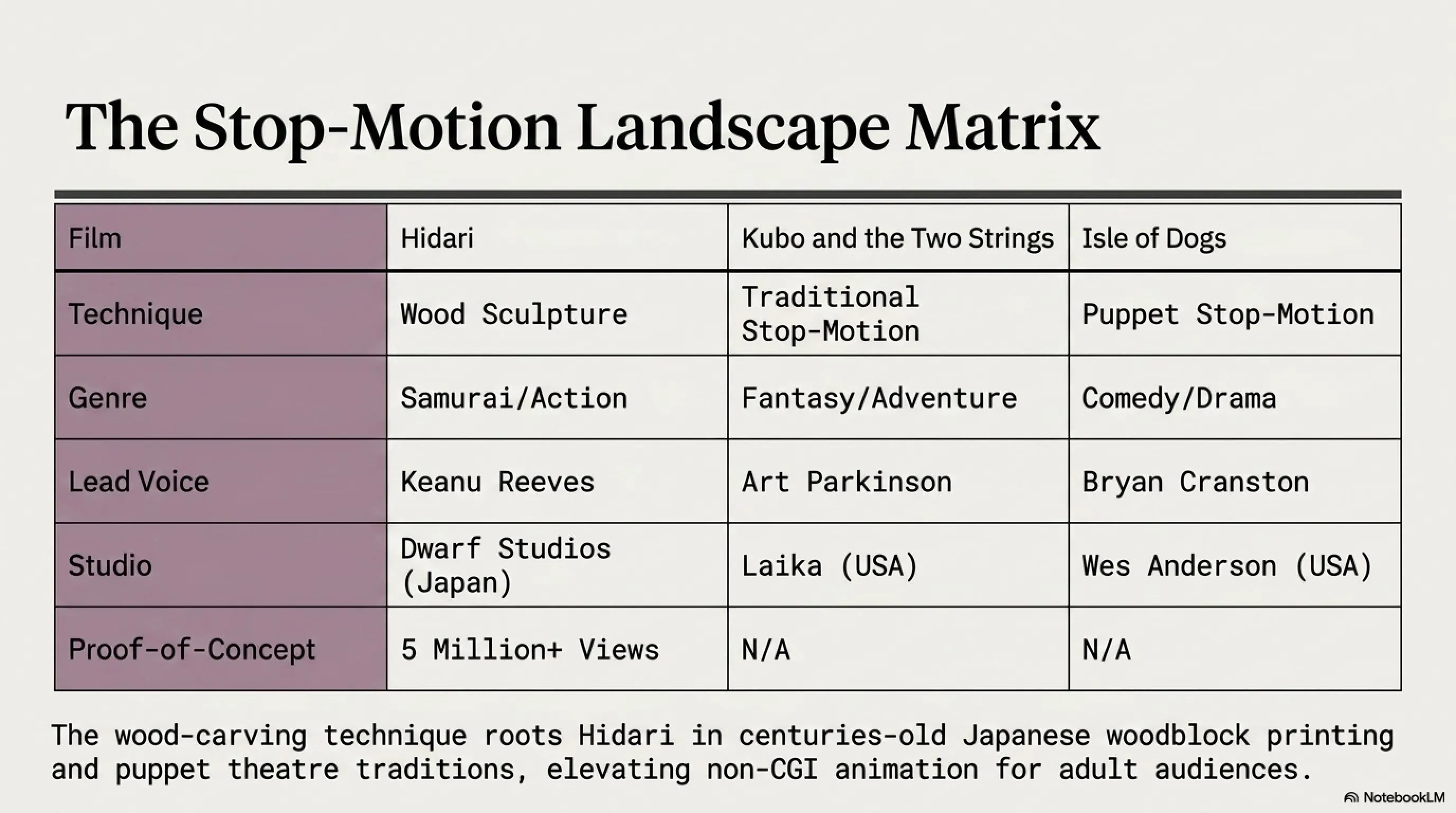
📊 Comparative Analysis: Hidari vs. Contemporary Stop-Motion Films
| Feature | Hidari | Kubo and the Two Strings | Isle of Dogs |
|---|---|---|---|
| Technique | Wood Sculpture Stop-Motion | Traditional Stop-Motion | Puppet Stop-Motion |
| Genre | Samurai/Action | Fantasy/Adventure | Comedy/Drama |
| Lead Voice | Keanu Reeves | Art Parkinson | Bryan Cranston |
| Studio | Dwarf Studios (Japan) | Laika (USA) | Wes Anderson (USA) |
| Cultural Origin | Japanese | Japanese-inspired | Japanese-set |
| Proof-of-Concept Views | 5 million+ | — | — |
💡 What This Means for You
For animation enthusiasts and Keanu Reeves fans, Hidari represents a rare opportunity to experience a truly innovative form of storytelling. The film's success could pave the way for more experimental animation projects that blend traditional craftsmanship with modern narrative techniques. For the broader film industry, this project demonstrates that there's still appetite for non-CGI animation and that stop-motion remains a viable and artistically valuable medium. Keep an eye on festival circuits in 2027 — Hidari could be a major contender at Annecy, Ottawa, and even the Oscars.
🎮 Xbox Game Pass Ultimate Hack: 10 Months for £77 Using EA Play Conversion
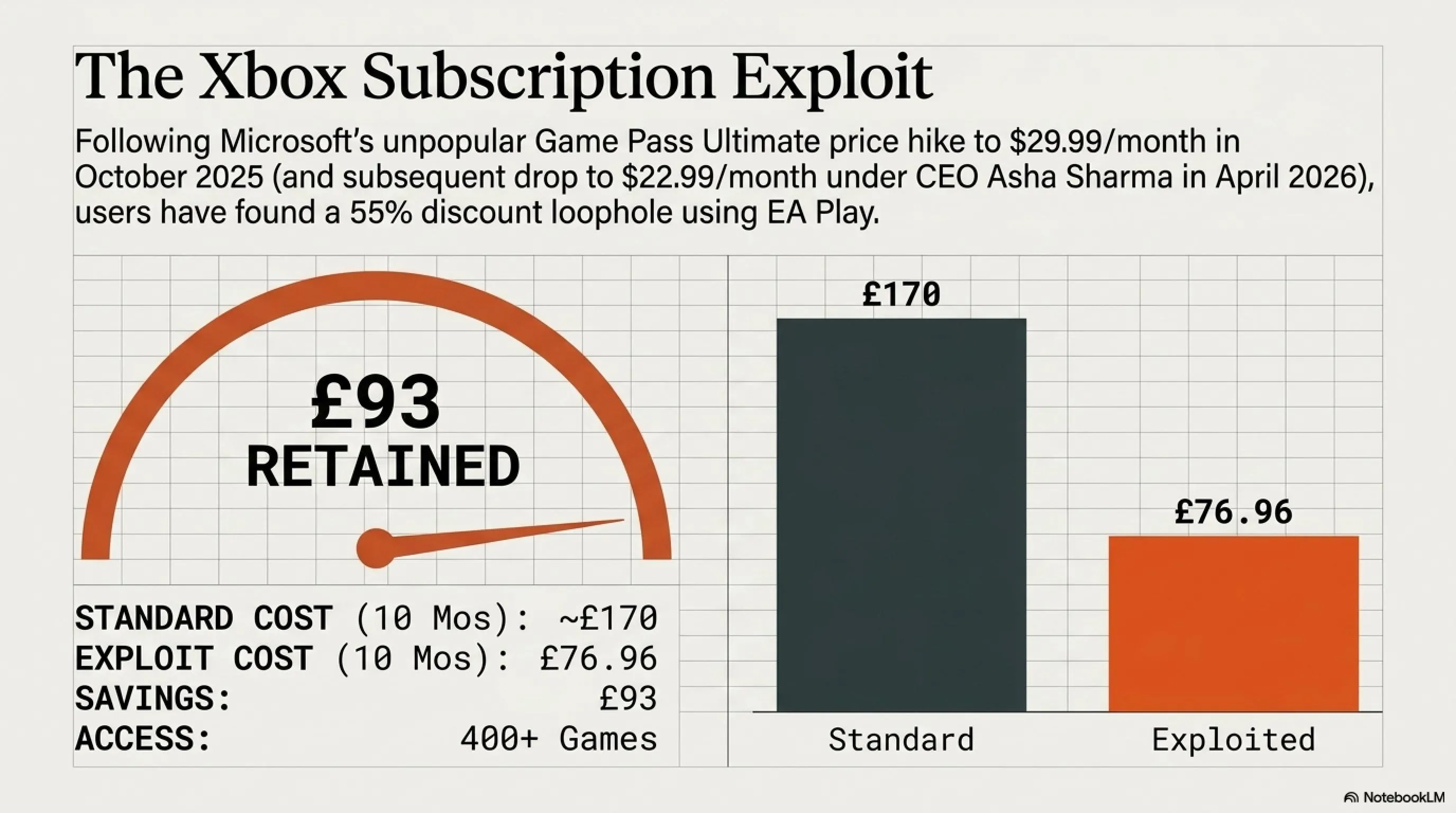
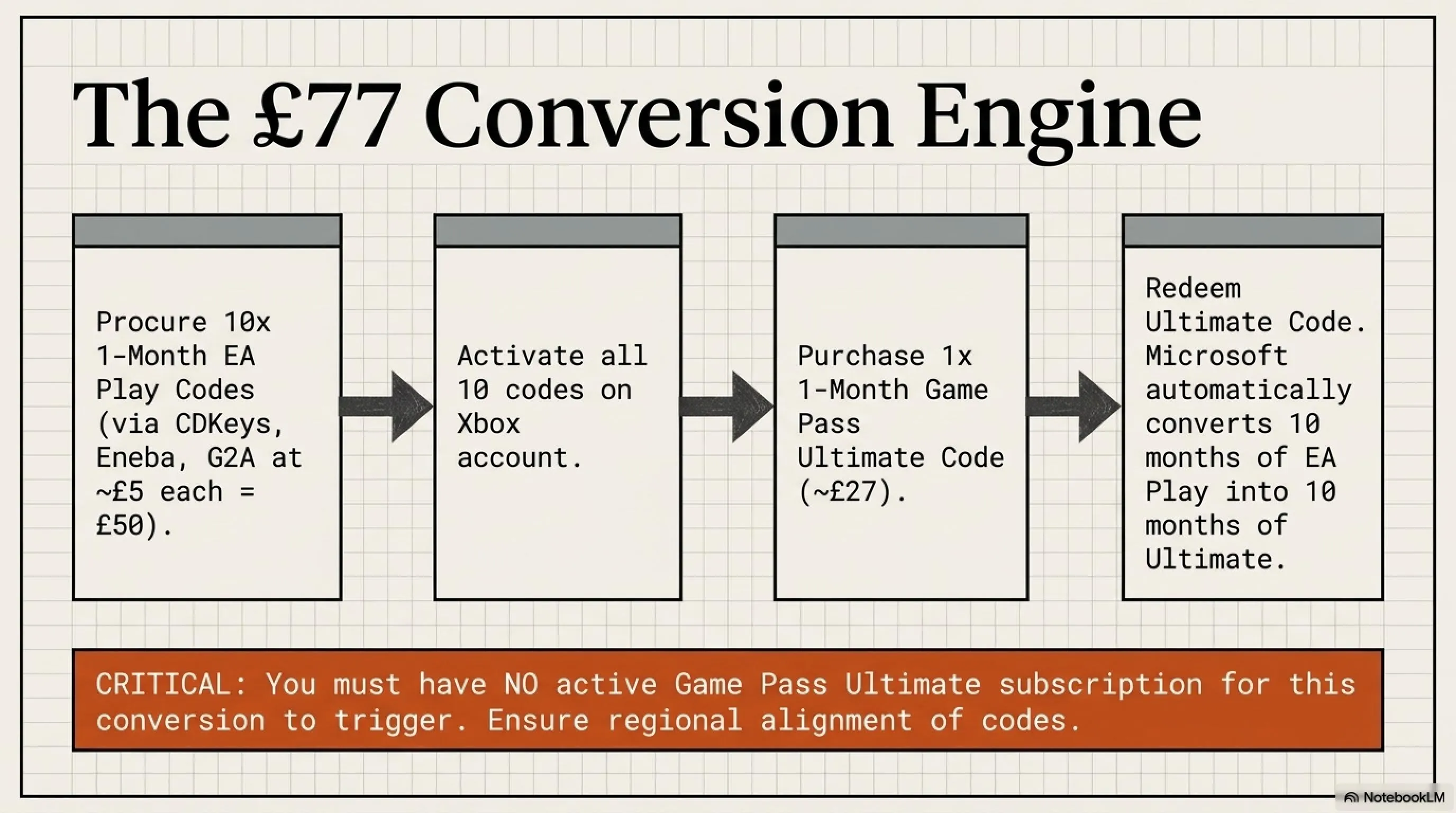
Xbox gamers have discovered a clever workaround that can save nearly £100 on Xbox Game Pass Ultimate subscriptions. By exploiting Microsoft's EA Play conversion mechanism, savvy users can secure 10 months of Game Pass Ultimate for just £76.96 (approximately $100) — compared to the standard price of around £170 for the same period.
This trick leverages a conversion system built into Microsoft's subscription architecture: when you have an active EA Play subscription and then redeem an Xbox Game Pass Ultimate code, Microsoft automatically converts your remaining EA Play time into Game Pass Ultimate time. This means if you stack 10 months of EA Play and then activate a 1-month Ultimate code, you'll end up with 10 months of Ultimate access — all for a fraction of the regular cost.
🎯 Step-by-Step Guide to the EA Play Conversion Trick
- Purchase 10 months of EA Play: Buy 10 individual 1-month EA Play codes from reputable key resellers like CDKeys, Eneba, or G2A (approximately £5 per code, totaling ~£50)
- Redeem all EA Play codes: Activate all 10 codes on your Xbox account to stack 10 months of EA Play subscription
- Buy 1 month of Game Pass Ultimate: Purchase a single 1-month Xbox Game Pass Ultimate code (approximately £27)
- Activate the Ultimate code: When you redeem the Ultimate code, Microsoft's system will automatically convert your 10 months of EA Play into 10 months of Game Pass Ultimate
- Result: You now have 10 months of Xbox Game Pass Ultimate for less than £80!
⚠️ Important Caveats and Considerations
- No Active Ultimate Subscription: This trick only works if you don't currently have an active Game Pass Ultimate subscription. If you do, you'll need to let it expire first.
- Buy from Reputable Sellers: Only purchase codes from trusted key resellers like CDKeys, Eneba, or G2A. Avoid sketchy marketplaces that might sell invalid or region-locked codes.
- Time-Limited Opportunity: Microsoft could patch this conversion mechanism at any time, so act quickly if you want to take advantage of this deal.
- Regional Restrictions: Ensure the codes you purchase match your account's region. Mismatched regions can cause redemption failures.
- Price Fluctuations: EA Play code prices can vary. Shop around for the best deals to maximize your savings.
This trick comes at an interesting time for Xbox. After raising Game Pass Ultimate prices to $29.99/month in October 2025, Microsoft faced significant backlash and eventually dropped the price to $22.99/month in April 2026 under new Xbox CEO Asha Sharma. Despite this price reduction, the EA Play conversion trick still offers substantial savings — nearly 55% off the regular monthly rate.
⚖️ Musk vs. OpenAI Trial: Trust in Sam Altman Becomes Central Question
As the landmark trial between Elon Musk and OpenAI enters its final days, one question has emerged as central to the case: Can Sam Altman be trusted? The trial, which began on April 27, 2026, goes to jury deliberation today (May 18) and could have profound implications for the future of AI governance and corporate accountability.
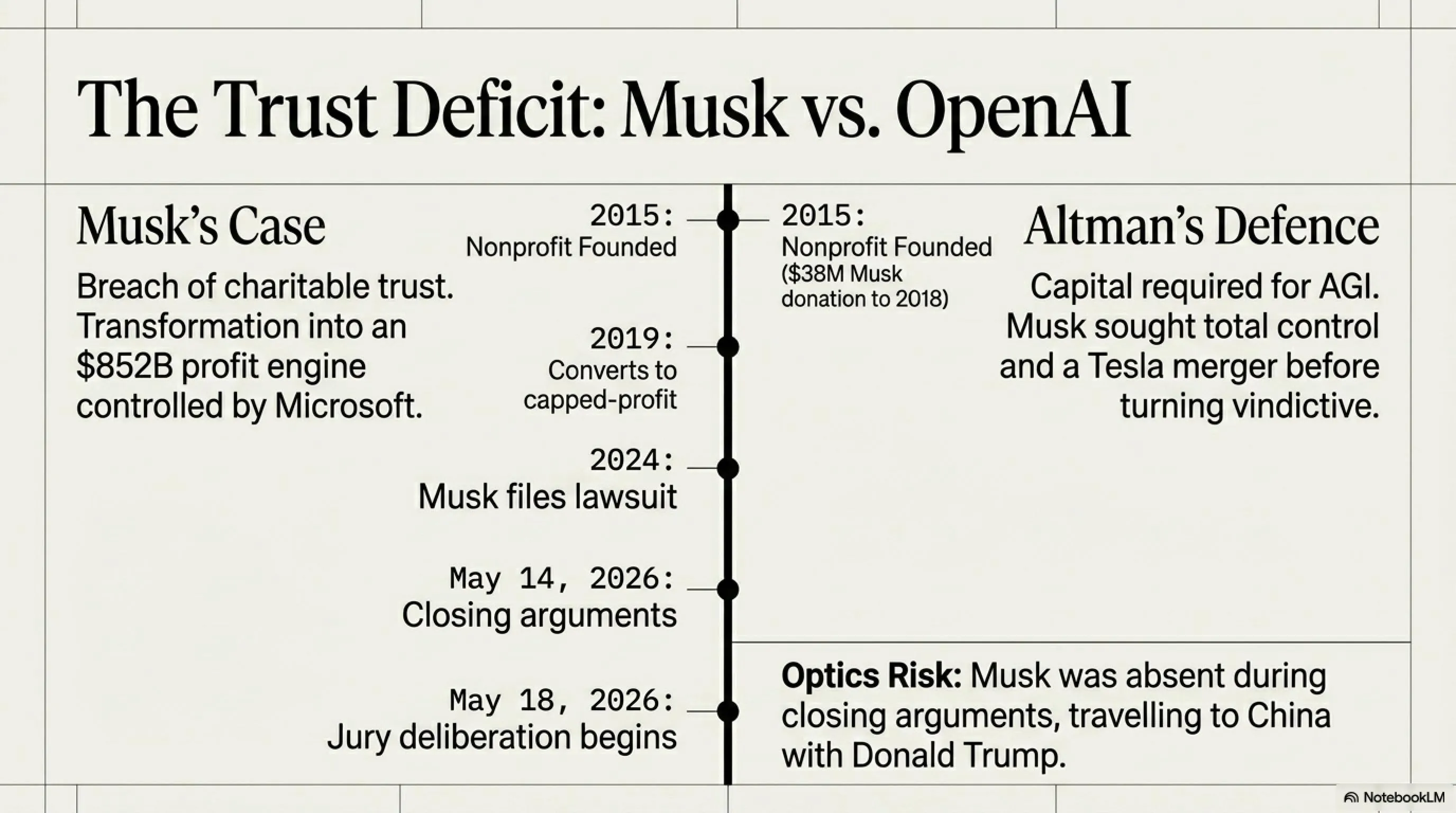
Elon Musk sued OpenAI, Sam Altman, and Greg Brockman (OpenAI's president) in 2024, alleging they breached a charitable trust by abandoning OpenAI's original nonprofit mission. Musk, who donated approximately $38 million to OpenAI between 2015 and 2018, claims this money was used for unauthorized commercial purposes. He argues that Altman deceived him and transformed OpenAI from a nonprofit research lab into an $852 billion for-profit company controlled by Microsoft.
🔍 Tekin Analysis: Why This Trial Matters Beyond the Courtroom
This case transcends a personal feud between two billionaires. At its core, it asks: Who should control artificial intelligence? Should AI development be driven by profit-seeking corporations and venture capital, or should it remain a public good accessible to all? Musk argues that OpenAI has strayed from its original safety-first mission and become a profit engine for Microsoft. Altman counters that Musk himself wanted to control OpenAI or merge it with Tesla, and that the shift to a "capped-profit" model was necessary to attract the capital needed for AGI development.
The trust question is particularly significant. Throughout the trial, Musk's legal team has painted Altman as an opportunist who manipulated Musk's idealism to secure funding, then pivoted to a commercial model once the technology proved valuable. Altman's defense has focused on portraying Musk as a control-seeking investor who wanted to dominate OpenAI and became vindictive when he couldn't. The jury's verdict on Altman's trustworthiness could set a precedent for how courts evaluate founder disputes in the AI industry.
⚖️ Trial Timeline
| Date | Event |
|---|---|
| 2015 | OpenAI founded as nonprofit by Musk, Altman, and others |
| 2018 | Musk resigns from OpenAI board |
| 2019 | OpenAI converts to "capped-profit" structure |
| 2023 | Microsoft invests $10 billion in OpenAI |
| 2024 | Musk files lawsuit against OpenAI |
| April 27, 2026 | Trial begins in Oakland, California |
| May 14, 2026 | Closing arguments (Musk absent, traveling with Trump to China) |
| May 18, 2026 | Jury deliberation begins |
One of the trial's most controversial moments came when Musk was absent from closing arguments, having traveled to China with President Donald Trump. His lead counsel was forced to apologize to the jury for his absence — a move that some legal analysts believe could negatively impact the jury's perception of Musk's commitment to the case. The optics of prioritizing a diplomatic trip over the trial's conclusion may undermine Musk's narrative that he's fighting for AI safety and accountability.
💡 What This Means for the AI Industry
The outcome of this trial could establish precedent for how AI companies are governed and held accountable. If Musk wins, it could force AI labs to maintain greater transparency about their missions and prevent them from pivoting from nonprofit to for-profit structures without donor consent. If OpenAI wins, it signals to investors that nonprofit-to-profit conversions are legally defensible, potentially encouraging more AI startups to adopt similar structures. Beyond the legal implications, this trial has become a referendum on trust in AI leadership — a question that will only grow more important as AI systems become more powerful and pervasive.
🤖 Apple Launching Standalone Siri App with Auto-Deleting Chat History
📚 Classified & Related Dossiers in TekinGame
If you wish to explore beyond this report and delve into cybernetic frontiers and autonomous AI architectures, do not miss these three exclusive deep-dives in the Tekin Garage:
Apple is set to unveil a standalone Siri application at WWDC 2026 (June 8) featuring auto-deleting chat history — a privacy-first feature that distinguishes it from competing AI assistants. This app, which will be part of iOS 27, represents a major shift in how users interact with Siri and underscores Apple's commitment to privacy in the AI era.
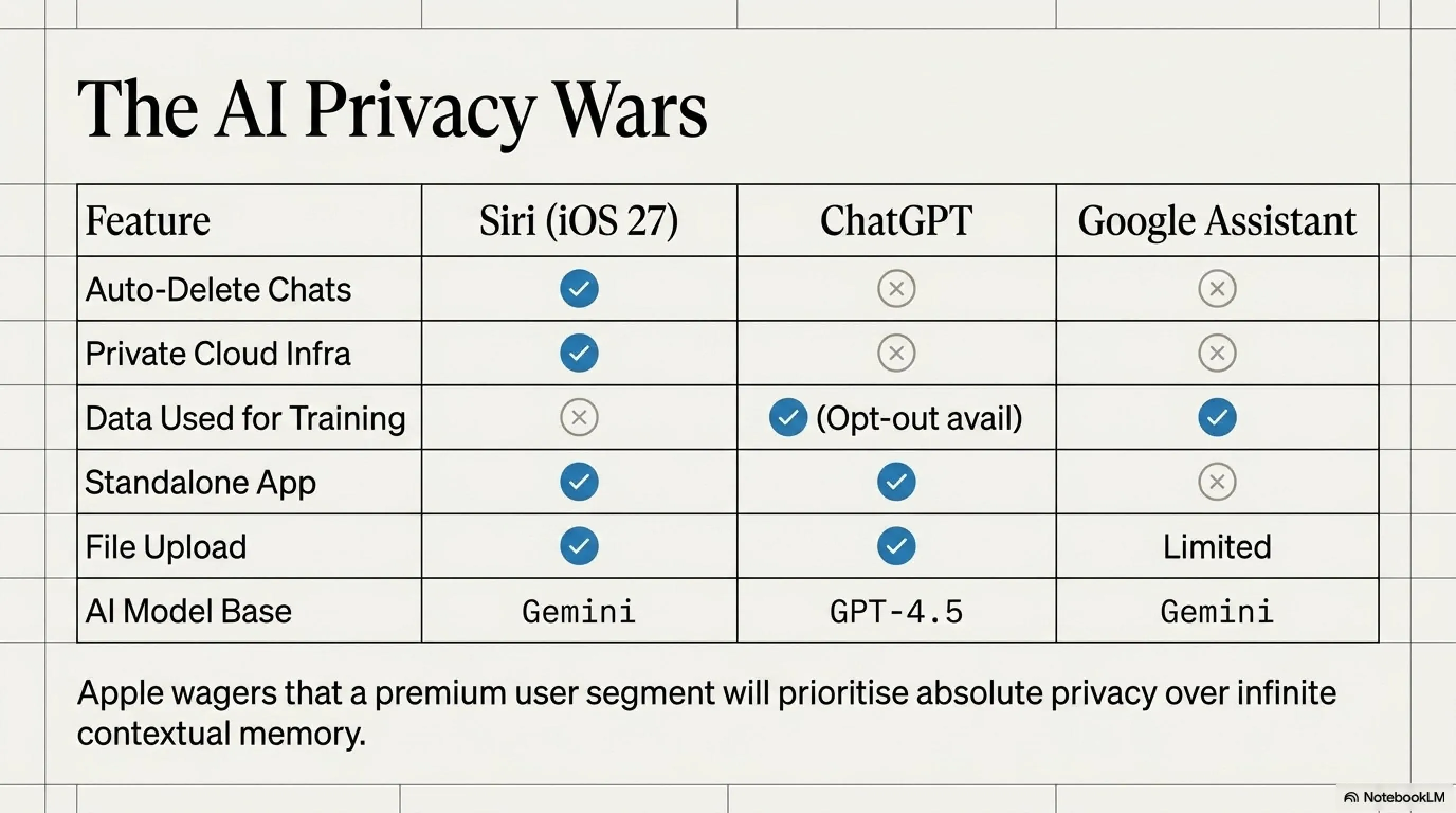
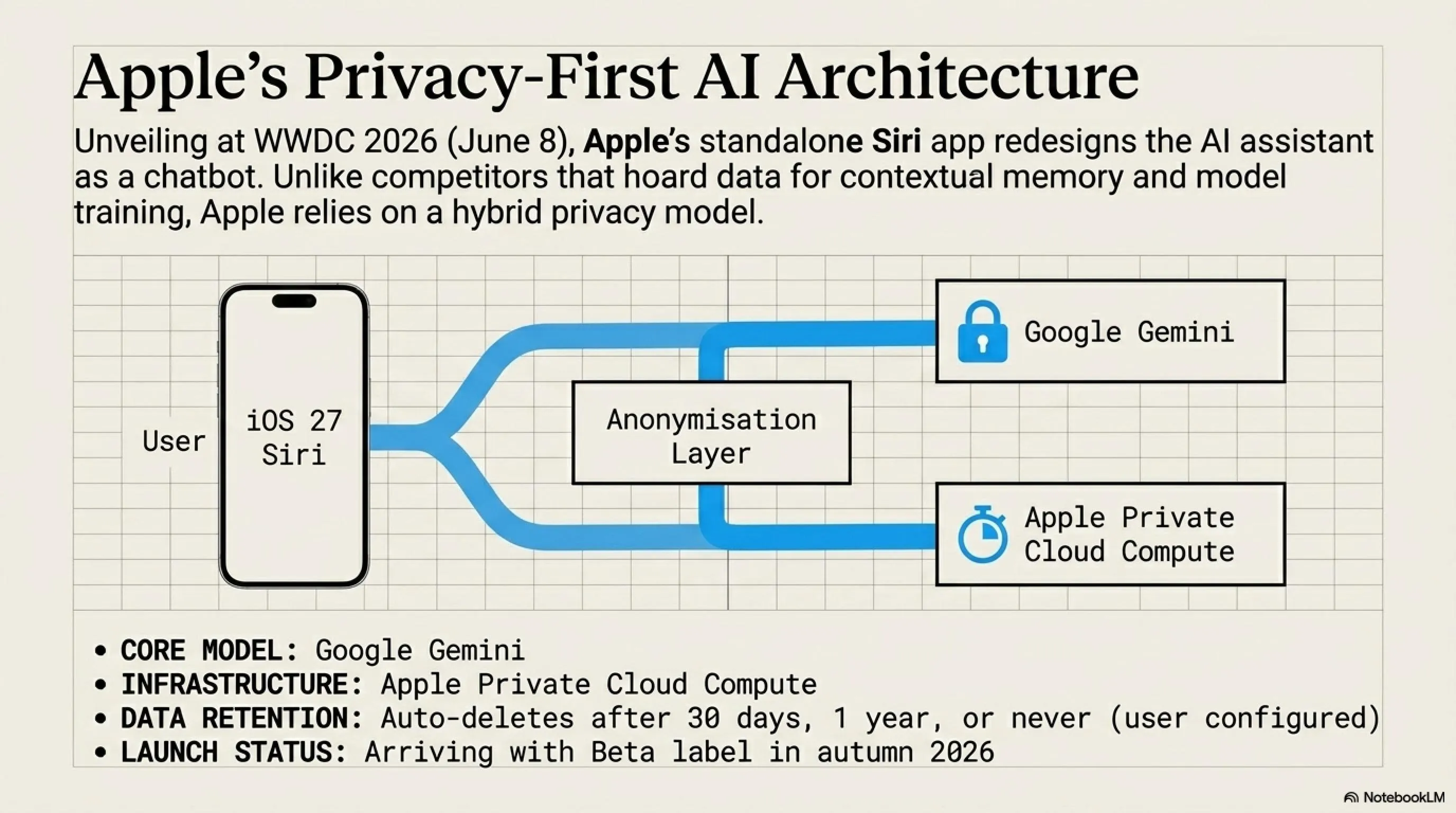
According to Bloomberg's Mark Gurman, the new Siri app will resemble popular chatbots like ChatGPT, featuring a prompt box and response window for back-and-forth conversations. But the key differentiator is privacy: users will be able to configure the app to automatically delete chat history after 30 days, 1 year, or keep it indefinitely — mirroring the Message History feature in the Messages app. This stands in stark contrast to competitors like ChatGPT, Gemini, and Claude, which retain conversation history to train AI models and provide personalized responses.
🔐 Tekin Analysis: Apple's Privacy Gambit in the AI Wars
Most AI chatbots retain conversation history for two reasons: to improve model performance through training data, and to provide contextual, personalized responses. Apple is betting that a significant segment of users will prioritize privacy over personalization. This strategy aligns with Apple's broader positioning as the privacy-conscious tech giant, but it also presents challenges. Without persistent conversation history, Siri may struggle to provide the same level of contextual awareness as ChatGPT or Gemini.
However, Apple has a clever workaround: the new Siri is powered by Google's Gemini models, but runs on Apple's Private Cloud Compute infrastructure. This means Google doesn't have direct access to your conversations, and Apple can leverage Gemini's capabilities without compromising user privacy. It's a hybrid approach that could set a new standard for privacy-preserving AI assistants.
📊 Siri vs. Competitors: Privacy and Features Comparison
| Feature | Siri (iOS 27) | ChatGPT | Google Assistant |
|---|---|---|---|
| Auto-Delete Chats | ✅ Yes | ❌ No | ❌ No |
| AI Model | Gemini (Google) | GPT-4.5 | Gemini |
| Private Cloud | ✅ Yes | ❌ No | ❌ No |
| File Upload | ✅ Yes | ✅ Yes | Limited |
| Standalone App | ✅ Yes | ✅ Yes | ❌ No |
| Data Used for Training | ❌ No | ✅ Yes (opt-out available) | ✅ Yes |
Gurman also reports that the new Siri app will launch with a beta label, even when it becomes publicly available in fall 2026. This echoes Apple's approach with previous major feature launches (like Apple Maps in 2012) and suggests the company wants to manage expectations while it refines the experience. The beta label also provides Apple with cover if Siri's performance doesn't immediately match competitors like ChatGPT or Claude.
💰 Amazon Faces Class Action Lawsuit Over Unreturned Tariff Refunds
Amazon is facing a proposed class-action lawsuit alleging the company retained hundreds of millions of dollars in tariff-related costs that should have been refunded to customers. These tariffs were imposed by the Trump administration but were later ruled unconstitutional by the U.S. Supreme Court in February 2026 in a 6-3 decision.
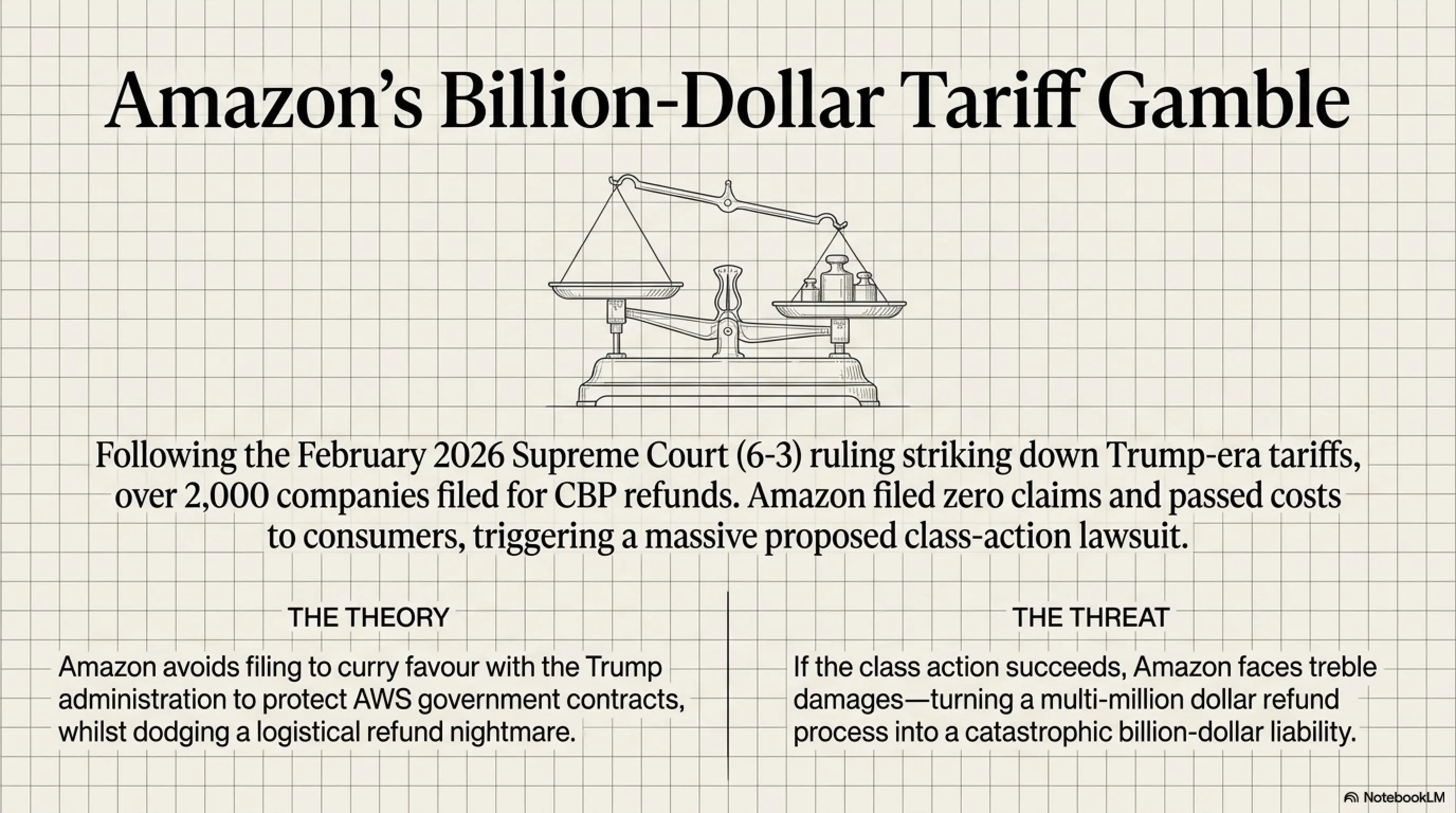
According to reports, nearly 2,000 companies have filed claims with U.S. Customs and Border Protection to recover tariff payments, but Amazon has not filed a single claim. The lawsuit alleges that Amazon passed these tariff costs onto customers through higher prices, but after the Supreme Court struck down the tariffs, Amazon failed to refund customers. The complaint even suggests Amazon is avoiding refund requests to "curry favor with the Trump administration" for future government contracts.
⚖️ Tekin Analysis: Why Amazon Isn't Refunding
Two theories dominate: 1) Amazon doesn't want to antagonize the Trump administration, as it relies on government contracts for AWS and other services. Filing tariff refund claims could be seen as undermining Trump's trade policies. 2) Refunding hundreds of millions of dollars to customers is a complex and expensive process that Amazon would prefer to avoid. The company would need to identify affected purchases, calculate refund amounts, and process millions of individual refunds — a logistical nightmare.
However, this strategy could backfire spectacularly. If the class-action lawsuit succeeds, Amazon could be forced to pay treble damages (three times the actual harm), turning a few hundred million in refunds into a billion-dollar liability. The lawsuit also damages Amazon's reputation as a customer-centric company, potentially eroding trust among its massive user base.
🔒 NGINX CVE-2026-42945: Critical Vulnerability Exploited in the Wild
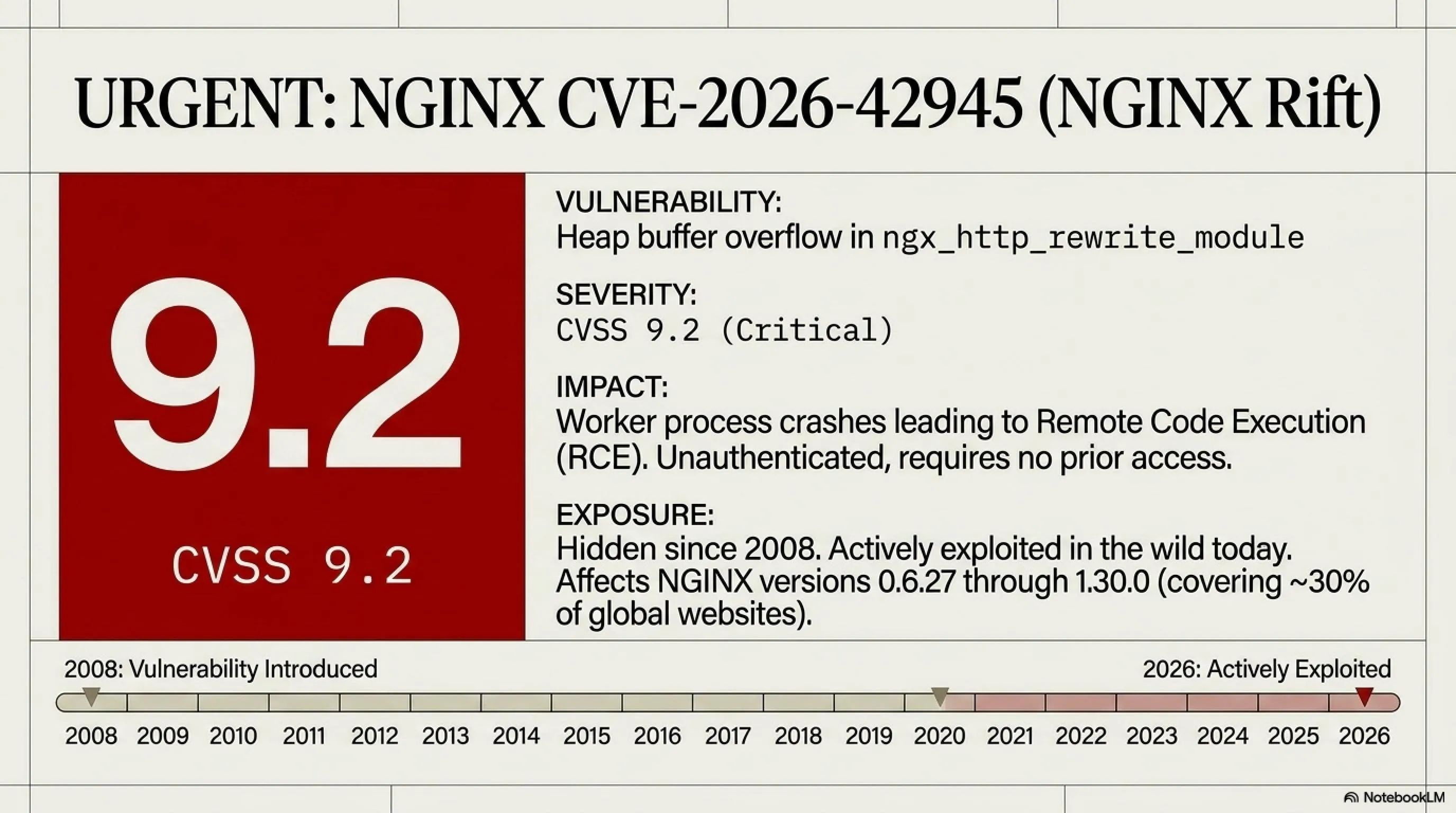
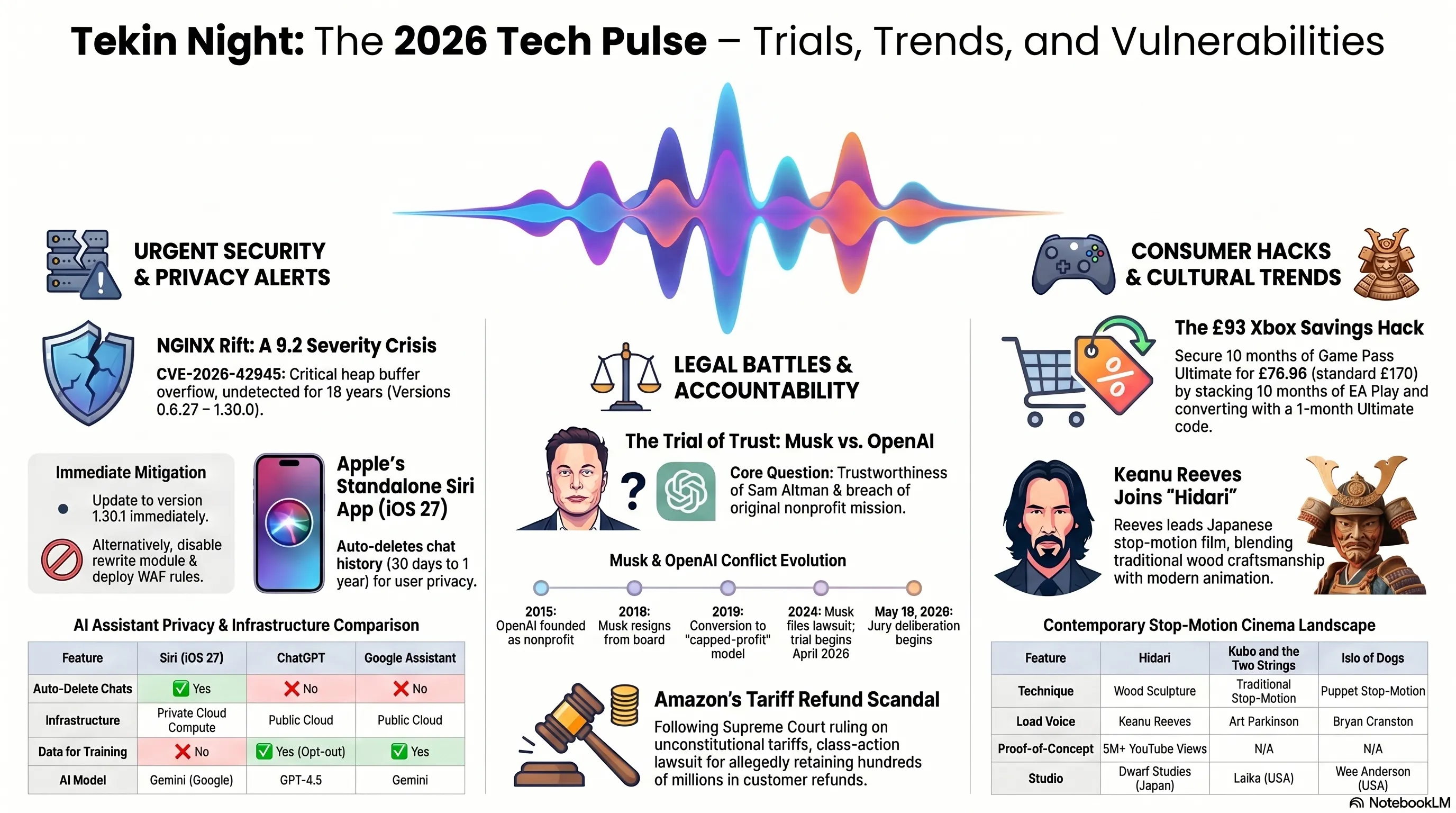
A critical vulnerability in NGINX that has lurked in the codebase for 18 years is now being actively exploited in the wild. Tracked as CVE-2026-42945 with a CVSS score of 9.2, this heap buffer overflow vulnerability in the ngx_http_rewrite_module affects NGINX versions 0.6.27 through 1.30.0 and can lead to worker process crashes or remote code execution (RCE).
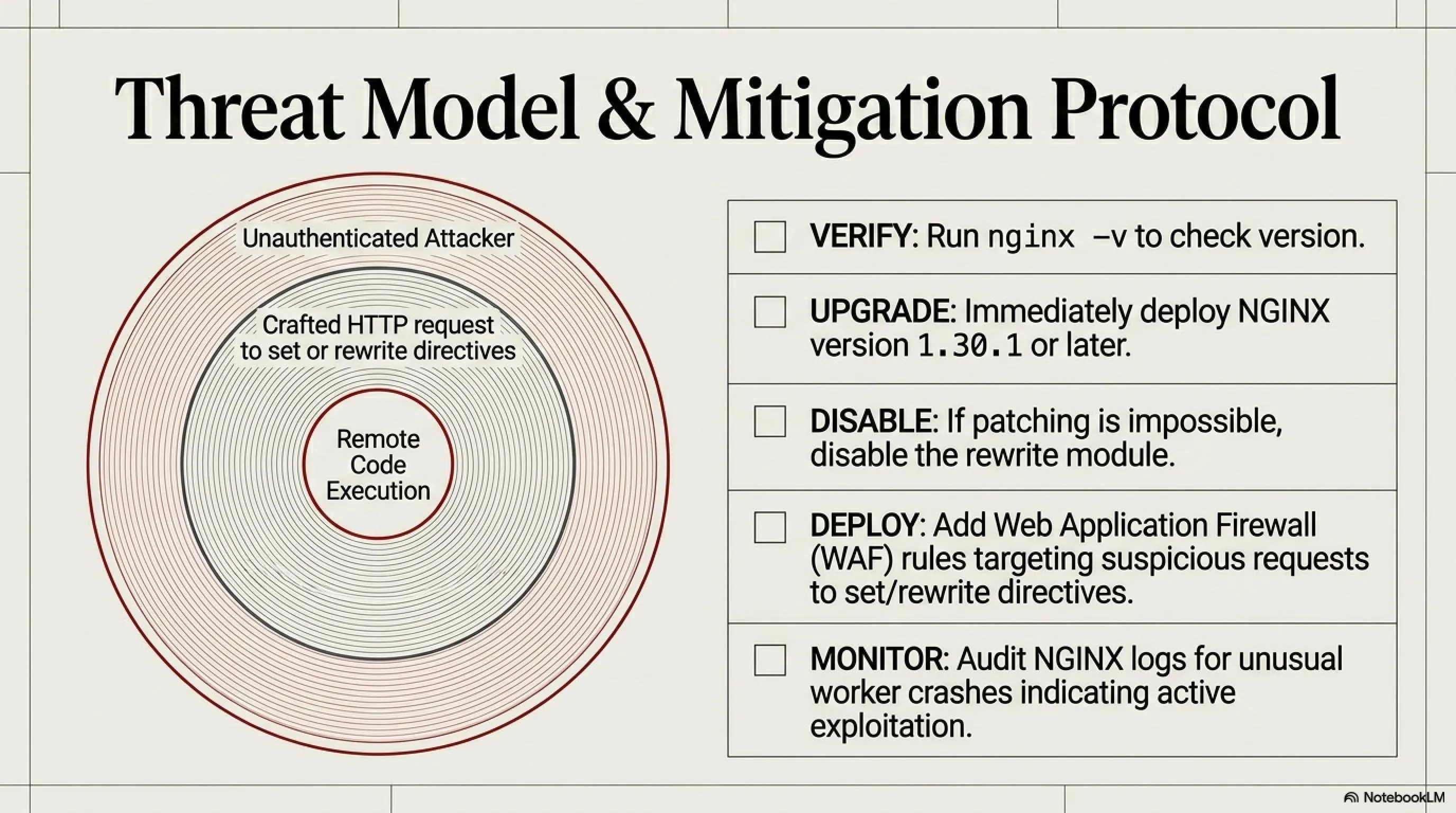
The vulnerability, discovered by security firm depthfirst, was introduced in 2008 and has remained undetected for nearly two decades. Attackers can exploit it by sending crafted HTTP requests to servers configured with set or rewrite directives. The vulnerability has been dubbed "NGINX Rift" and represents one of the most serious web server vulnerabilities discovered in recent years.
⚠️ Urgent Warning: Who's at Risk?
If you're running NGINX and your configuration includes set or rewrite directives, update to version 1.30.1 or later immediately. This vulnerability can be exploited by unauthenticated attackers and requires no prior access. Millions of websites and APIs running NGINX are potentially at risk. The fact that this bug has existed for 18 years means countless servers have been vulnerable without knowing it.
🛡️ Immediate Mitigation Steps
- Update Immediately: Upgrade to NGINX version 1.30.1 or later
- Disable Rewrite Module: If you can't update immediately, disable the rewrite module
- Deploy WAF Rules: Add Web Application Firewall rules to detect suspicious requests
- Monitor Logs: Check NGINX logs for unusual worker crashes or suspicious activity
- Incident Response: If you suspect exploitation, conduct a full security audit
📊 Impact Statistics
- 18 years: Duration the bug remained hidden in NGINX codebase (since 2008)
- 30%+ of websites: Estimated percentage of global websites running NGINX
- CVSS 9.2: One of the highest severity scores in 2026
- Active exploitation: Attackers are currently exploiting this vulnerability in the wild
- Unauthenticated RCE: No credentials required to exploit
❓ Frequently Asked Questions (FAQ)
Does the Xbox Game Pass Ultimate trick still work?
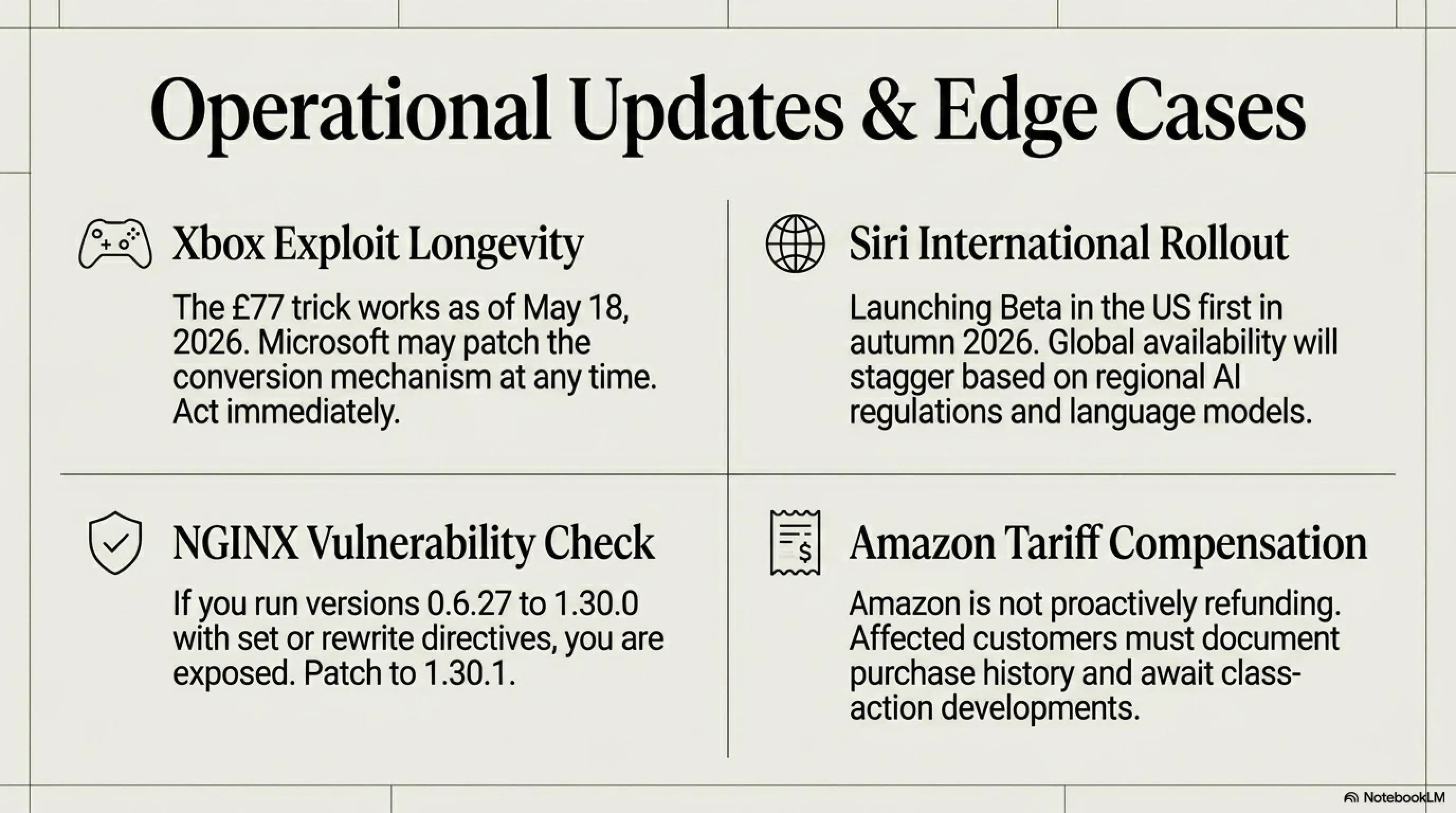
Yes, as of May 18, 2026, this EA Play conversion trick still works. However, Microsoft could patch this mechanism at any time, so we recommend acting quickly if you want to take advantage of it. Also note that this only works if you don't currently have an active Game Pass Ultimate subscription.
Will the new Siri app be available outside the US?
Apple typically rolls out major AI features gradually across regions. While the new Siri app will debut at WWDC 2026 in June, it will likely launch in beta in the US first, with international rollout following in subsequent months. Regional availability may also depend on language support and local regulations around AI assistants.
How do I check if my NGINX server is vulnerable?
Run nginx -v to check your version. If you're running any version between 0.6.27 and 1.30.0, and your configuration uses set or rewrite directives, you're vulnerable. Update to version 1.30.1 or later immediately.
What happens if Musk wins the OpenAI trial?
If Musk prevails, it could establish legal precedent requiring AI companies to maintain transparency about their missions and prevent nonprofit-to-profit conversions without donor consent. This could force OpenAI to restructure or return funds to Musk. More broadly, it would signal that courts will hold AI companies accountable to their founding principles, potentially slowing the commercialization of AI research.
Can I get a refund from Amazon for the unlawful tariffs?
Currently, Amazon is not proactively offering refunds. However, if the class-action lawsuit succeeds, affected customers may be eligible for compensation. If you believe you paid inflated prices due to these tariffs, consider joining the class action or contacting Amazon customer service to request a refund. Document your purchases and any communication with Amazon.
When will Hidari be released?
No official release date has been announced yet. The film is currently in production at Dwarf Studios. Based on typical stop-motion production timelines and the fact that Keanu Reeves was just announced as the lead voice actor, we estimate a 2027-2028 release window. The film will likely premiere at major animation festivals before wider theatrical or streaming release.
🌟 Final Thoughts
Tonight's stories paint a vivid picture of technology's multifaceted evolution. From Keanu Reeves' artistic venture into Japanese stop-motion animation to the critical NGINX vulnerability threatening millions of servers, from clever Xbox subscription hacks to high-stakes courtroom battles over AI governance — each story reveals a different facet of our tech-driven world.
Key Takeaways: If you're running NGINX, update immediately — this is not a drill. If you're an Xbox gamer, the EA Play trick could save you serious money. If you care about privacy, Apple's new Siri approach is worth watching. If you're invested in AI's future, the Musk-OpenAI verdict will be consequential. And if you're an Amazon customer affected by unlawful tariffs, the class-action lawsuit could bring justice.
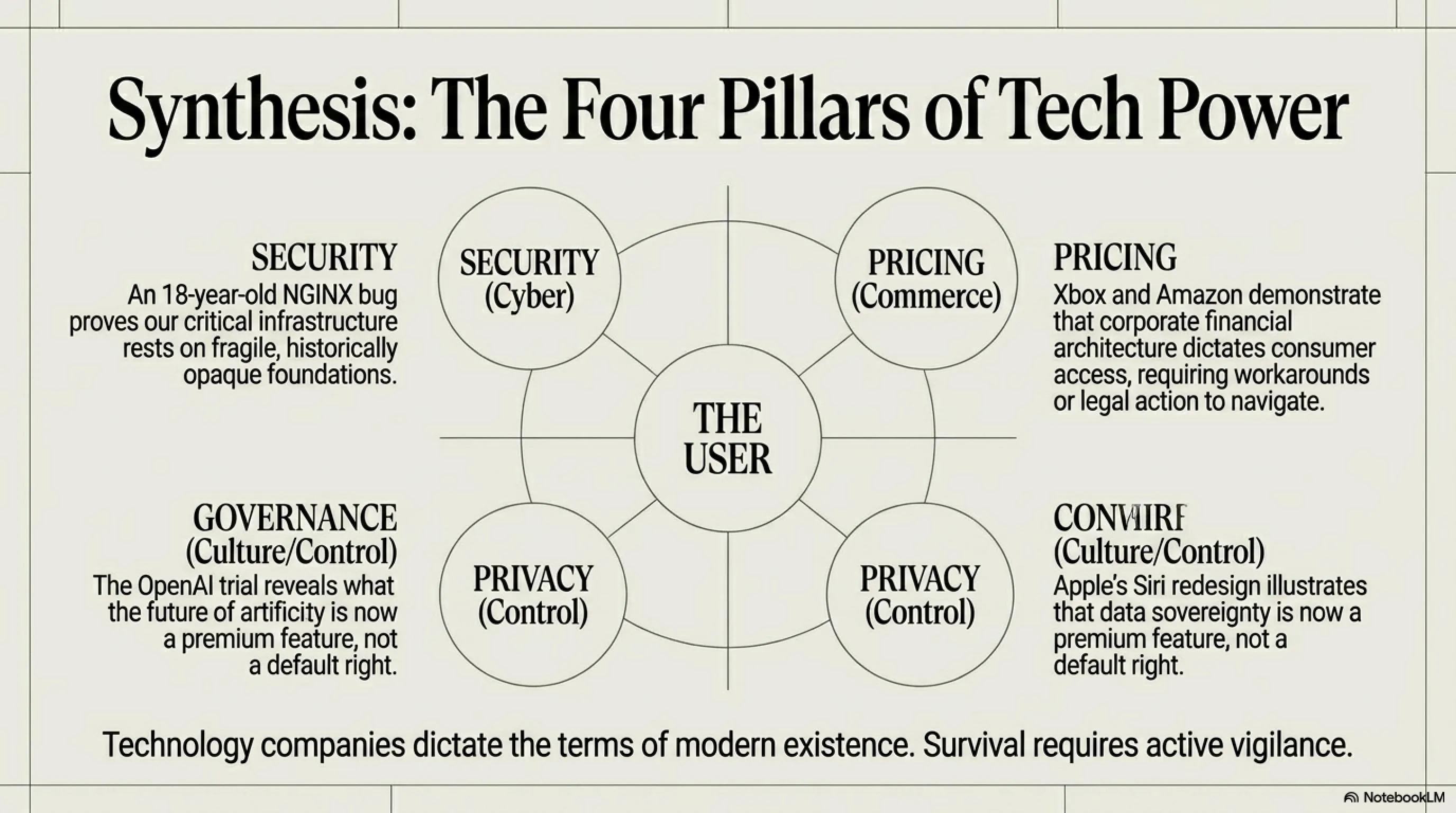
The common thread? Technology companies wield enormous power, and how they exercise that power — whether through security practices, pricing strategies, privacy policies, or corporate governance — directly impacts all of us. Stay informed, stay vigilant, and stay engaged.
Join us tomorrow morning for Tekin Morning, where we'll bring you the latest breaking news from the tech world. Good night! 🌙
📚 Sources
News Sources: IGN, TechCrunch, 9to5Mac, Engadget, The Hacker News, Bloomberg, Hollywood Reporter, Variety, CNBC, Forbes, SecurityWeek, Reuters, Fox Business, PC Mag, Axios, MIT Technology Review
Research and Analysis: Tekin Editorial Team
Publication Date: May 18, 2026
🌐 Stay Connected With Us
For the latest tech, gaming, and gadget news, follow us on social media:
🌐 Stay Connected With Us 🎮✨
For the latest tech, gaming, and gadget news, follow us on our official social media channels:
Additional Gallery: 🌙 Tekin Night May 18: Keanu Reeves Samurai Film, Xbox Trick, Musk-OpenAI Trial & Critical NGINX Flaw