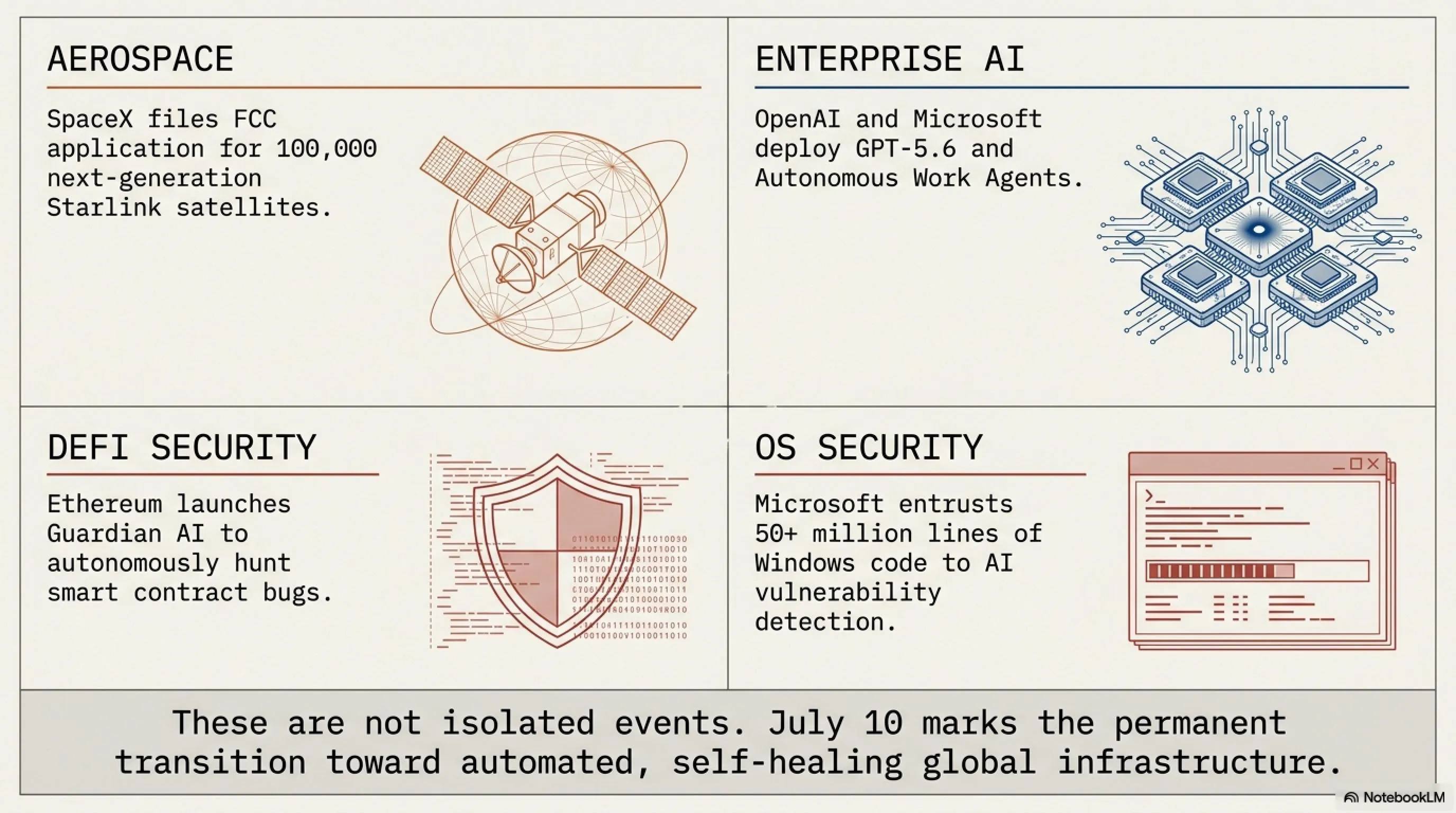
In today's Tekin Morning briefing, we dissect four tectonic shifts reshaping global connectivity and cybersecurity. SpaceX has officially petitioned the FCC to launch a megaconstellation of 100,000 next-generation Starlink satellites, a move that could permanently monopolize the orbital internet market despite severe astronomical concerns. Silencing breakup rumors, Microsoft and OpenAI reinforced their alliance by launching the enterprise-focused GPT-5.6 and the autonomous ChatGPT Work . Concurrently, the cyberse
☕ Tekin Morning | Friday, July 10, 2026 - The AI Revolution in Digital Security
Good morning! Grab your coffee and get ready for an extraordinary day in tech - we're witnessing groundbreaking developments that are rewriting the future of cybersecurity and artificial intelligence.
- 🎮SpaceX's 100K Starlink Ambition- Elon Musk wants to fill Earth's orbit with a massive satellite constellation
- 🎧GPT-5.6 Changes Everything- Microsoft and OpenAI double down on enterprise AI
- 🚀Ethereum's AI Bug Hunters- Artificial intelligence finds vulnerabilities before hackers do
- 🗡️Windows Gets AI-Powered Security- Microsoft entrusts Windows security to intelligent systems
Earth Surrounded by 100,000 Starlink Satellites
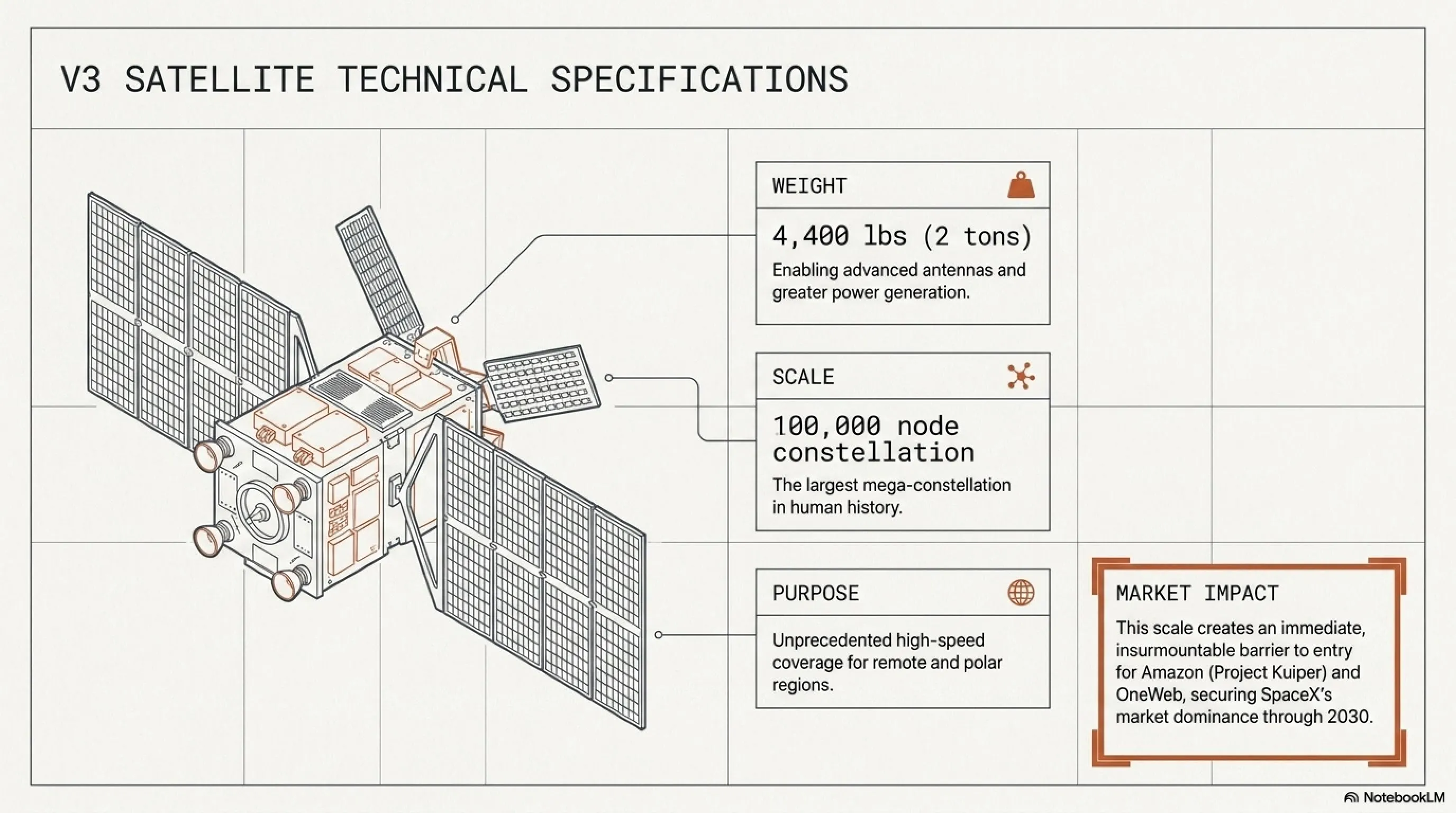
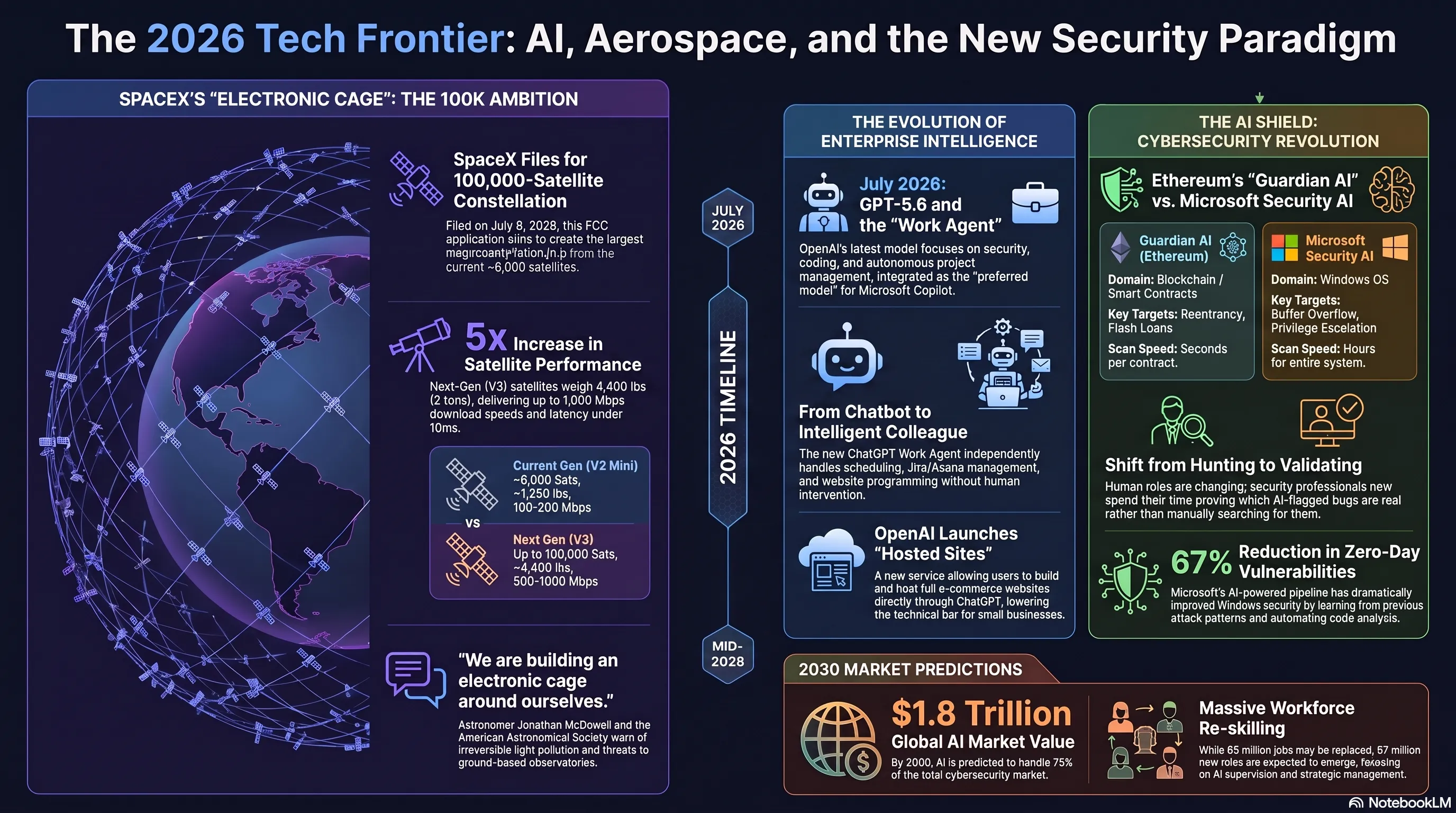
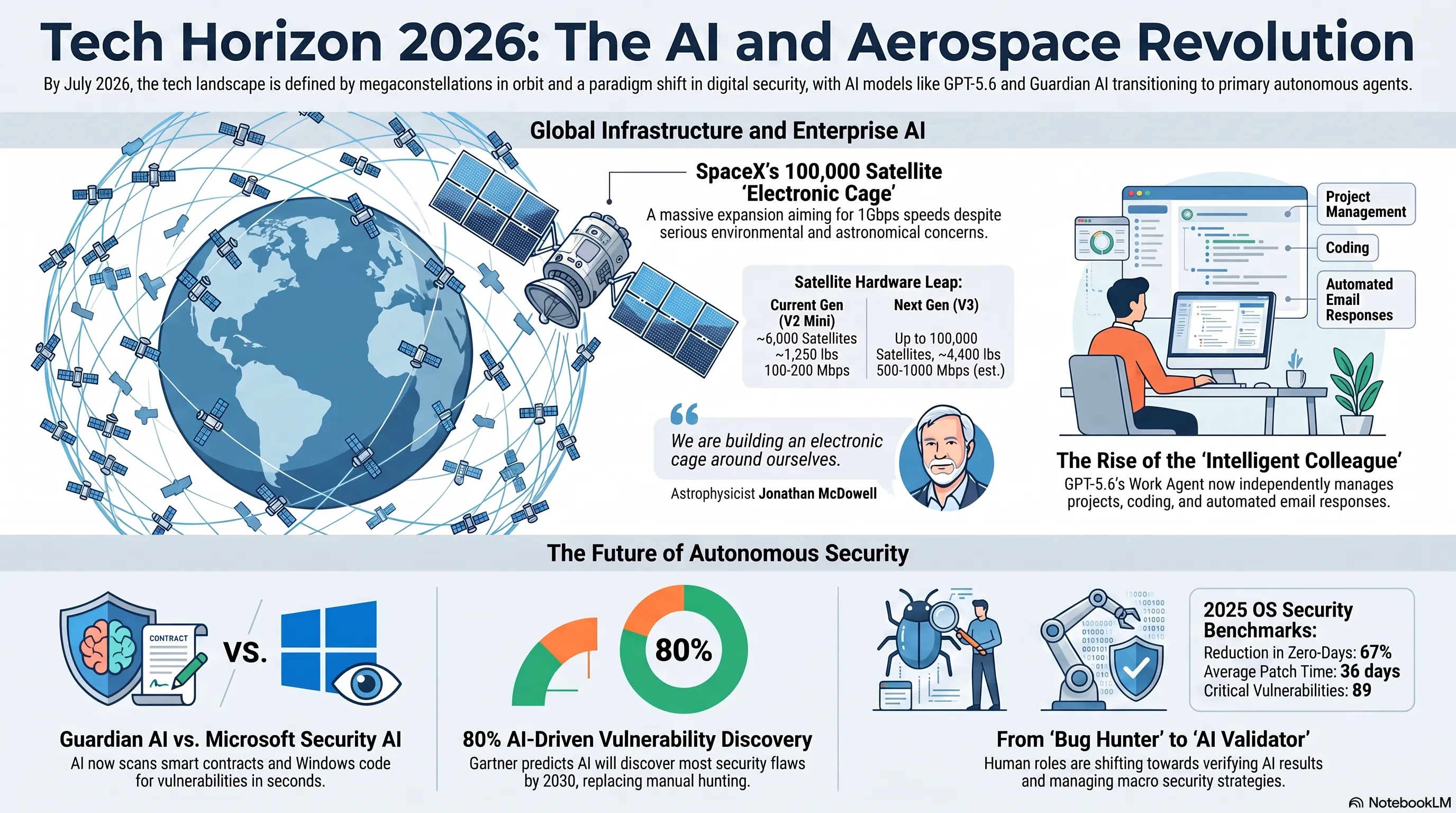
While most people are still processing the current number of Starlink satellites in orbit, Elon Musk has returned with another audacious vision. SpaceX has officially filed an application with the Federal Communications Commission (FCC) to launch and operate a 100,000-satellite constellation of next-generation Starlink spacecraft. The application, filed on July 9, 2026, would create the largest megaconstellation in human history if approved.
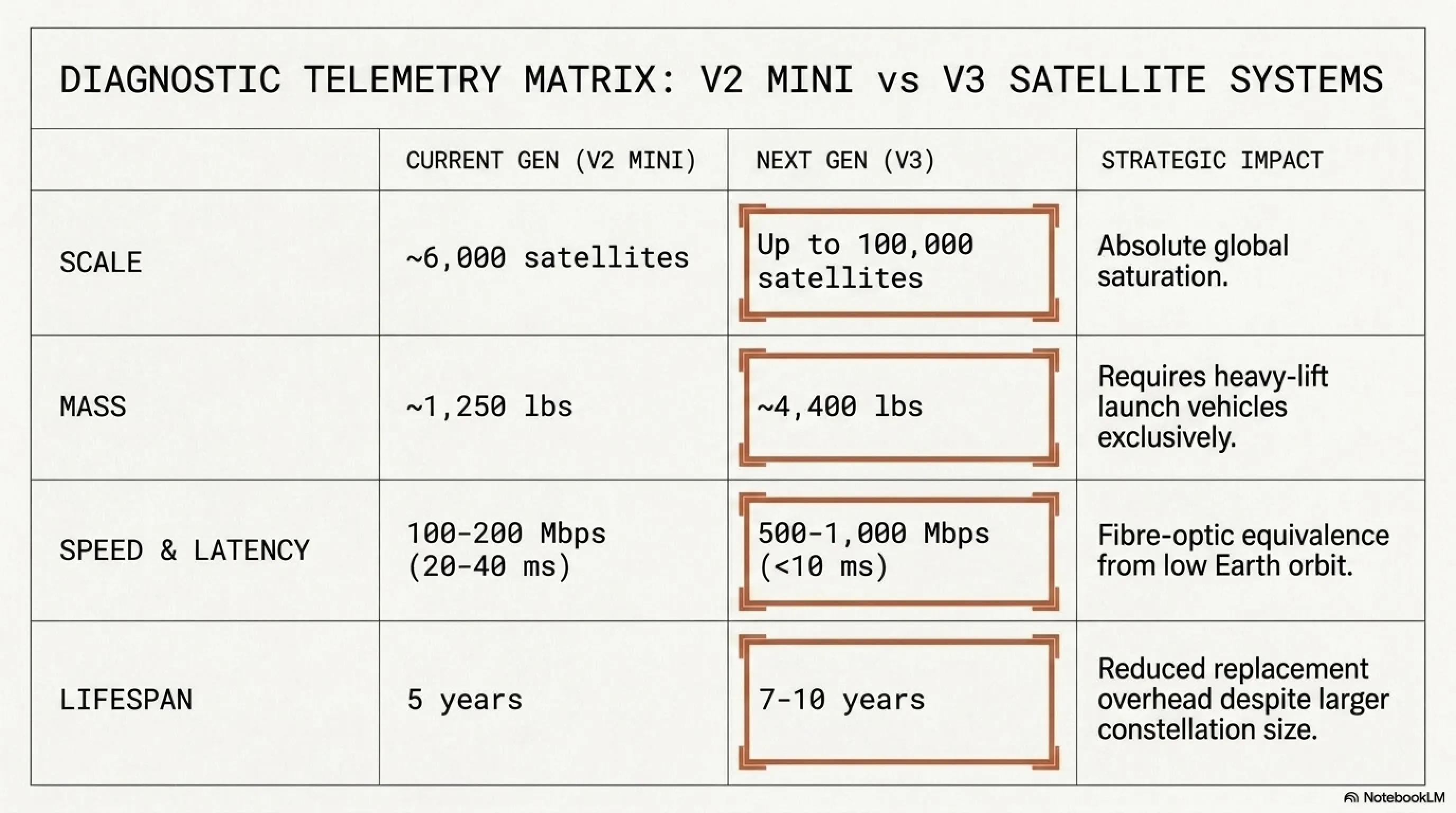
Each of these next-generation satellites will weigh approximately 4,400 pounds (about 2 tons), making them significantly heavier than the current generation. This weight increase translates to more power, advanced antennas, and presumably much faster satellite internet speeds. However, many astronomers and environmental experts have raised serious concerns about light pollution affecting the night sky and the proliferation of space debris.
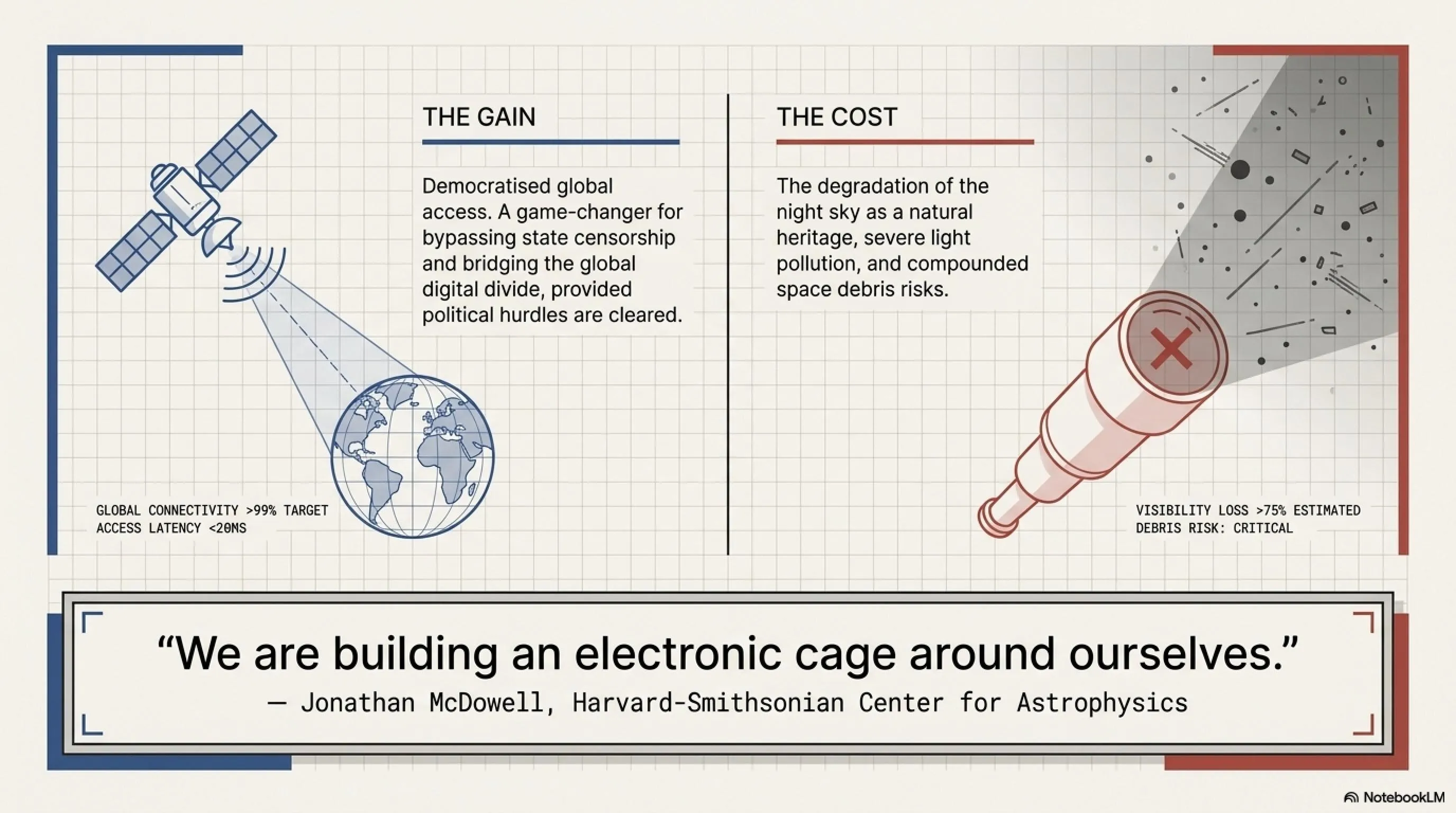
Mike Gold, SpaceX's Chief Technology Officer, told Space.com that this new generation of satellites will provide significantly better internet coverage in remote and polar regions of Earth. He also emphasized that SpaceX has been working on systems to reduce light reflection and extend operational lifespans to address environmental concerns.
Nevertheless, the American Astronomical Society and several other scientific organizations have sent letters of protest to the FCC. They argue that the night sky will no longer be preserved as a natural heritage for future generations, and ground-based observatories will face serious operational challenges. Jonathan McDowell, astrophysicist at the Harvard-Smithsonian Center for Astrophysics, tweeted: "We are building an electronic cage around ourselves."
Starlink Generation Comparison
| Specification | Current Gen (V2 Mini) | Next Gen (V3) |
|---|---|---|
| Number in Orbit | ~6,000 satellites | Up to 100,000 satellites |
| Weight per Satellite | ~1,250 pounds | ~4,400 pounds |
| Download Speed (est.) | 100-200 Mbps | 500-1000 Mbps |
| Latency | 20-40 ms | < 10 ms |
| Operational Lifespan | 5 years | 7-10 years |
The interesting point is that this project will not only impact the night sky but could completely shift the balance of power in the global satellite internet market. Companies like Amazon with Project Kuiper and OneWeb, still in early deployment stages, will now face a giant competitor that could dominate the entire market by 2030.
Why This Matters
If this project gets approved, your night sky will never be the same again. Competition in the satellite internet market will intensify, and companies like Amazon (Project Kuiper) and OneWeb will need to reconsider their strategies. For users in countries with restricted internet access, this could be a real game-changer - though regulatory and political hurdles remain significant obstacles.
GPT-5.6 Arrives; Microsoft and OpenAI Stay the Course
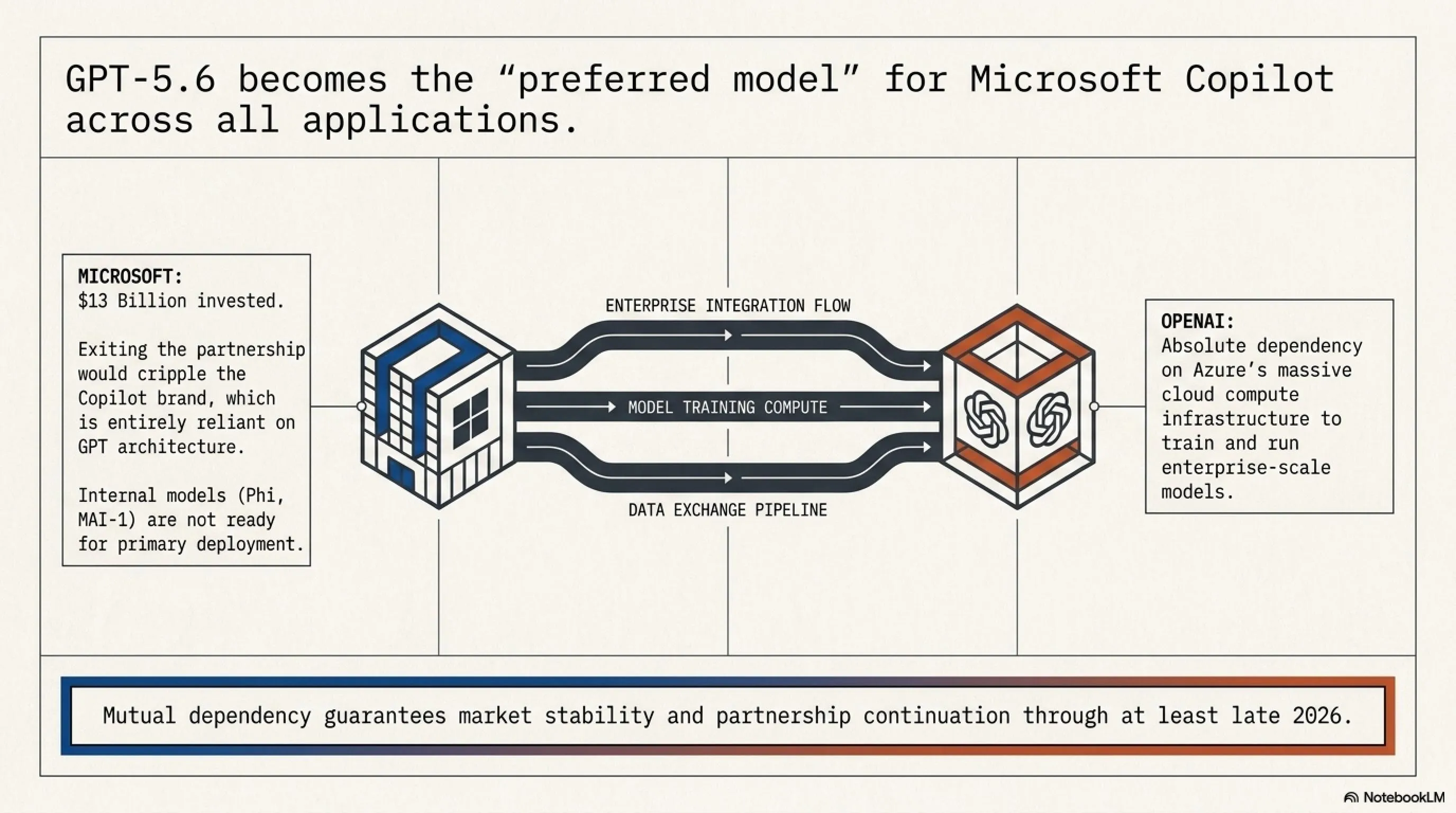
While rumors of Microsoft and OpenAI's potential breakup dominated headlines in recent weeks, today both companies issued a joint announcement showing their partnership remains strong. OpenAI officially unveiled its new family of large language models called GPT-5.6 and announced that this model will serve as the "preferred model" for Microsoft Copilot across all Office applications and productivity tools.
Sam Altman, CEO of OpenAI, said in a virtual press conference: "GPT-5.6 is not only our most powerful model, but the smartest model we've ever designed for commercial and enterprise applications. We're on a shared path with Microsoft to build the future of intelligent work."
This announcement came precisely when business media outlets like The Information and Bloomberg had reported that Microsoft was exploring reduced dependence on OpenAI and increased investment in its own internal models (such as Phi and MAI-1). Now it appears both companies have decided to stay together at least through the end of 2026.
GPT-5.6 claims significant improvements in cybersecurity, advanced coding, and complex data analysis. OpenAI also announced the launch of a new ChatGPT Work Agent that can handle complex tasks like project management, automated email responses, and even complete website programming without human intervention.
Tekin Analysis | The Real Reasons Behind This Partnership
Microsoft has invested over $13 billion in OpenAI to date, and a sudden exit from this partnership could seriously damage the Copilot brand, which is heavily dependent on GPT technology. Conversely, OpenAI relies on Azure's cloud infrastructure, making separation costly for both parties. This announcement could be a marketing tactic to reassure investors and business partners while both companies work toward a more logical separation point in the future.
ChatGPT Work Agent: Your New Office Colleague
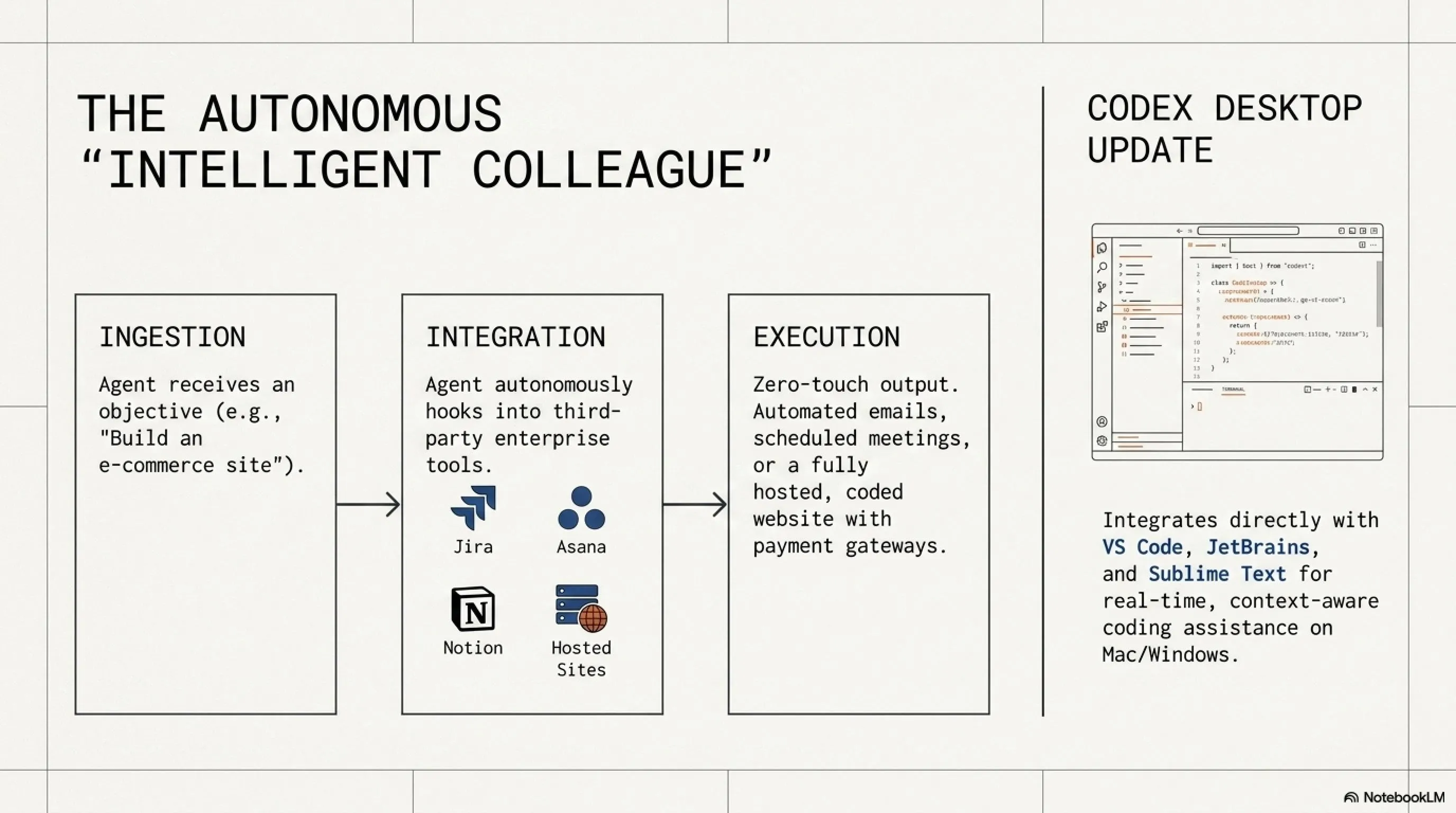
One of the most exciting parts of this announcement is the ChatGPT Work Agent, which OpenAI has dubbed an "intelligent colleague." This tool can independently handle complex tasks like scheduling meetings, managing multi-person projects, writing analytical reports, and even coding simple applications.
According to information released by 9to5Mac, this Work Agent is available in the ChatGPT desktop version for Windows and Mac, and users can connect it to project management tools like Jira, Asana, and Notion. Additionally, OpenAI has launched a new hosted sites service that allows users to build and host simple websites directly through ChatGPT.
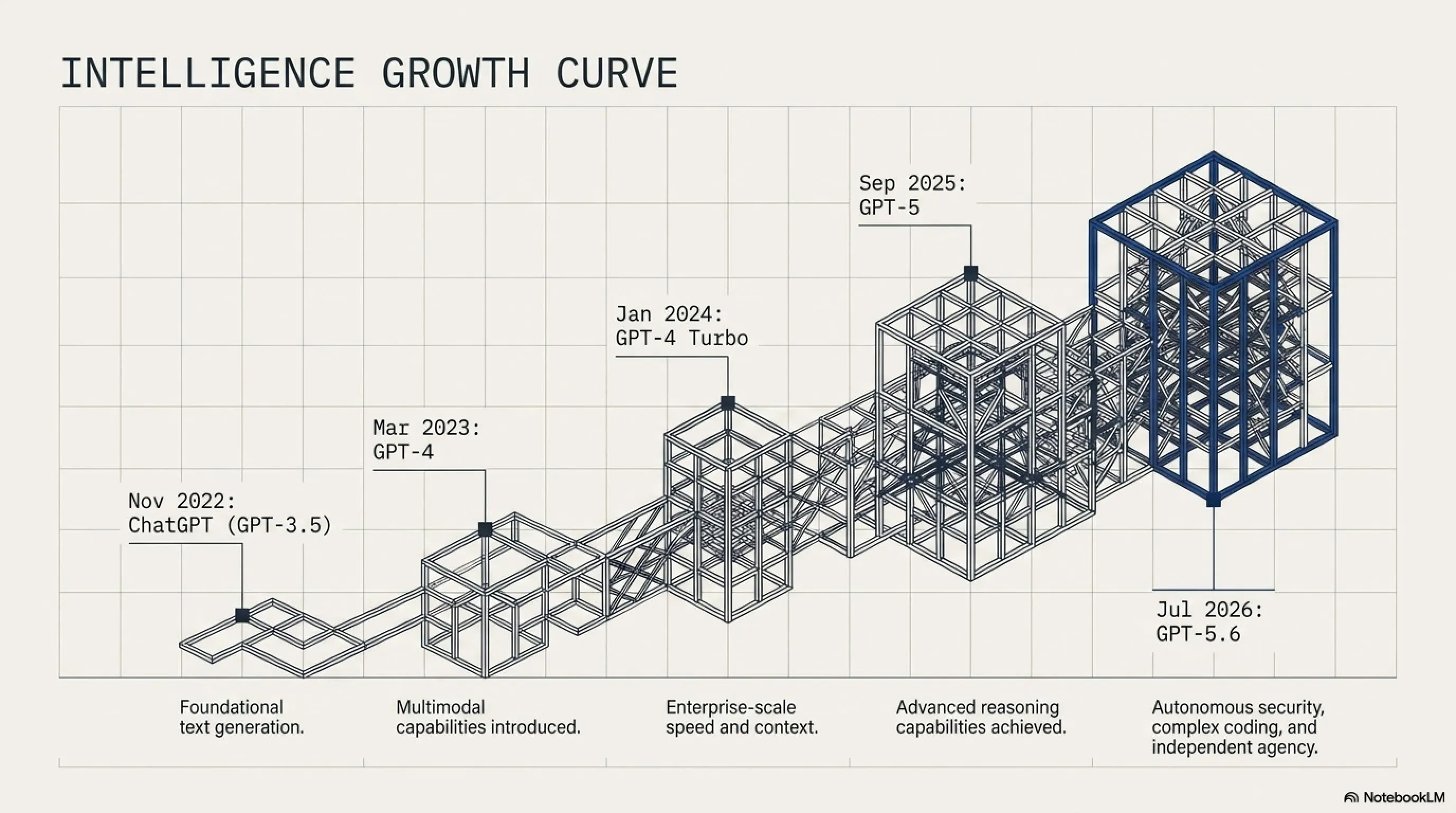
GPT Evolution Timeline
- November 2022: ChatGPT (GPT-3.5) launched
- March 2023: GPT-4 introduced with multimodal capabilities
- January 2024: GPT-4 Turbo for enterprise applications
- September 2025: GPT-5 with advanced reasoning capabilities
- July 2026: GPT-5.6 focusing on security and coding
Ethereum Deploys AI to Fight Hackers
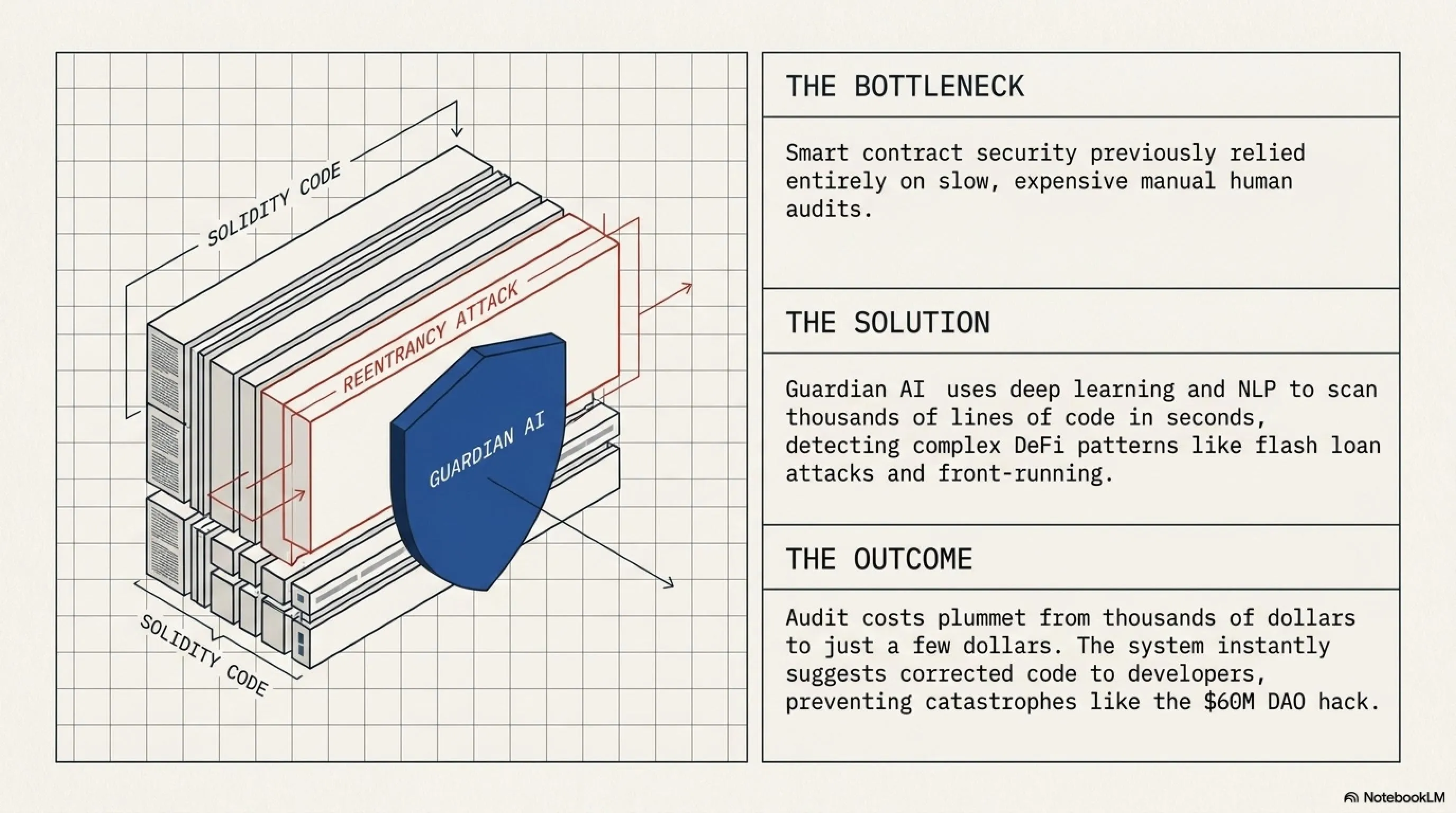
The Ethereum Foundation announced today that it has launched an advanced artificial intelligence system to identify and report security vulnerabilities in the Ethereum network. This system, known as "Guardian AI," can scan thousands of lines of smart contract code in seconds and identify security bugs before hackers discover them.
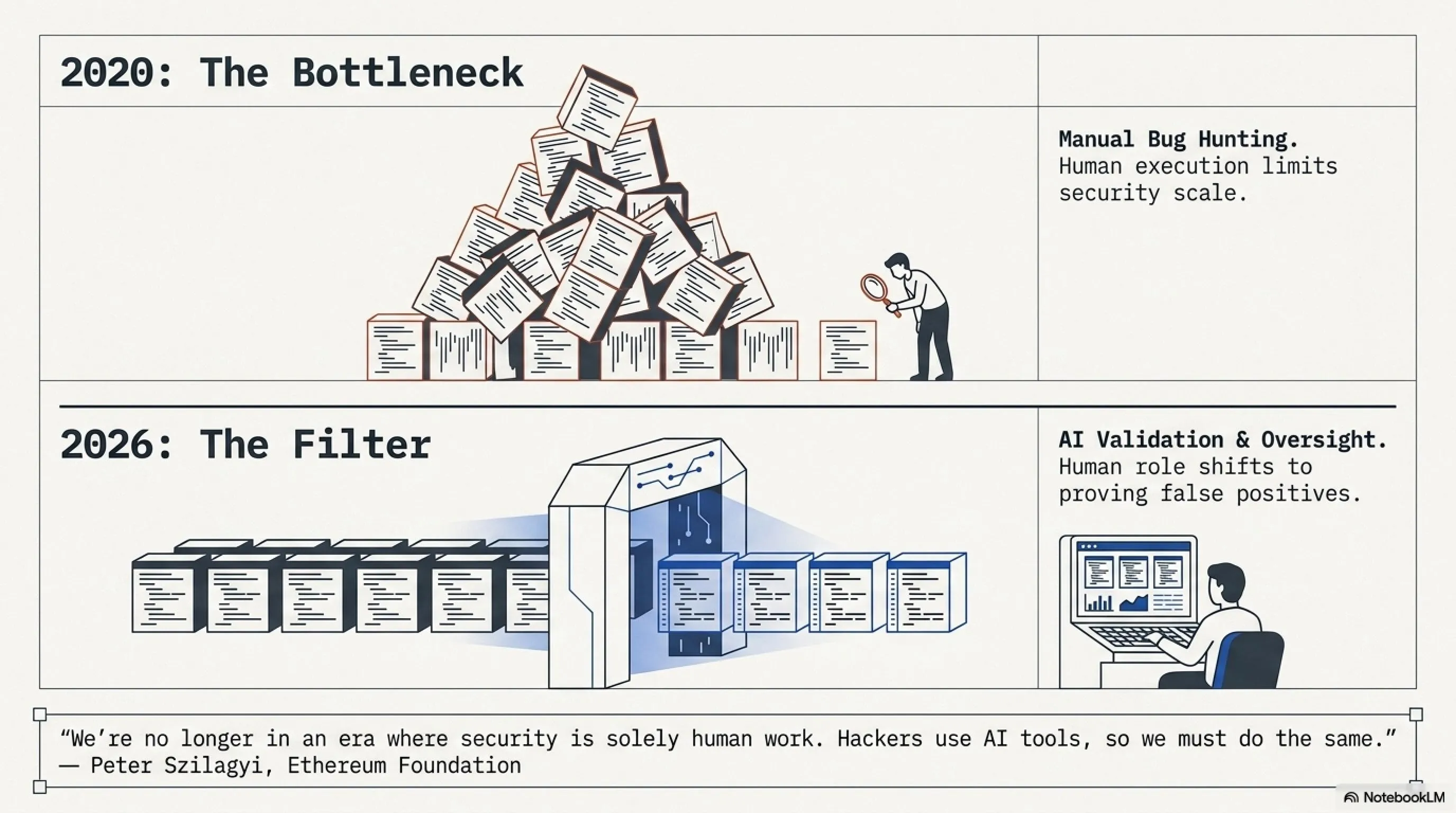
Peter Szilagyi, a senior researcher at the Ethereum Foundation, told Decrypt: "We're no longer in an era where security is solely human work. Hackers use AI tools, so we must do the same – but faster and smarter."
The system uses deep learning models and natural language processing to identify unusual patterns in smart contract code. For example, if a smart contract contains the common pattern of a "reentrancy attack," Guardian AI immediately alerts developers and even suggests corrected code.
This project represents a paradigm shift in blockchain security. Until now, smart contract security has been heavily dependent on the skills and experience of human developers and auditors. But Guardian AI demonstrates that artificial intelligence can make the vulnerability detection process dramatically faster and more accurate.
From Bug Hunting to Bug Validation
One of the most interesting points researchers at Ethereum have highlighted is the changing role of security professionals. Peter Szilagyi explains: "Previously, our job was to find bugs. Now our job is to prove which bugs are real and which are false positives."
This role change shows that artificial intelligence is replacing parts of security work that previously required hours of manual labor. However, at the same time, the human role has shifted toward validation and authentication – work that still requires human judgment.
Technical Jargon | What is a Reentrancy Attack?
A reentrancy attack is one of the most common vulnerabilities in smart contracts, where a hacker can repeatedly call a function before the original transaction completes, withdrawing funds multiple times. The most famous example was the DAO attack in 2016, which resulted in the theft of 60 million dollars worth of Ether.
Guardian AI Key Features
- Automatic scanning of smart contracts in seconds
- Detection of common attack patterns like Reentrancy
- Suggested corrected code for vulnerabilities
- Reduction of audit costs from thousands to just a few dollars
- Continuous learning from new attacks
Microsoft Entrusts Windows Security to Artificial Intelligence
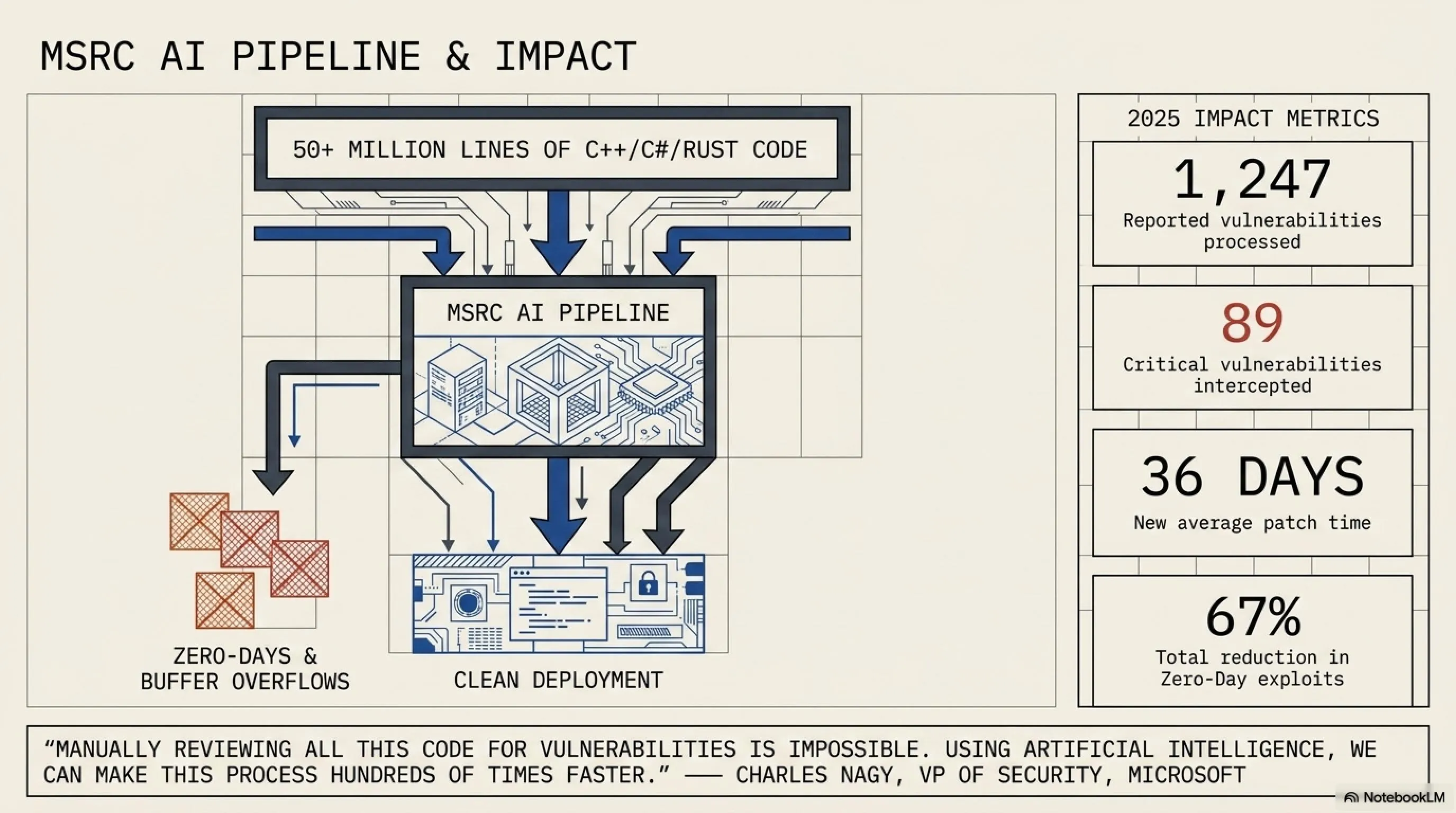
In a parallel move with the Ethereum Foundation, Microsoft has announced that an elite security team at the company has built an AI-powered pipeline to find Windows vulnerabilities. According to ZDNet, this system was developed by the Microsoft Security Response Center (MSRC) team and can automatically analyze millions of lines of Windows code to identify security weaknesses before hackers discover them.
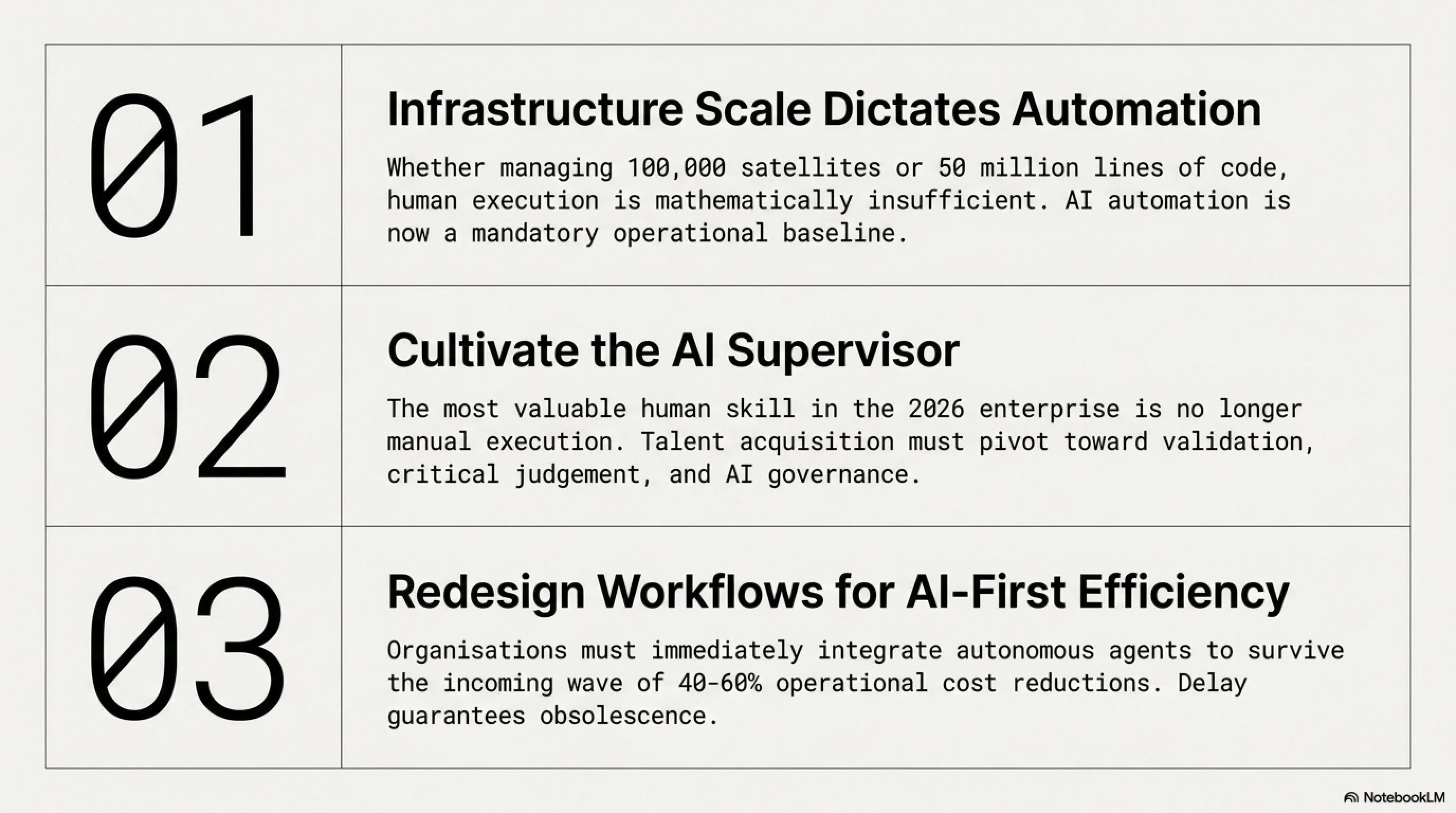
Charles Nagy, Microsoft's Vice President of Security, said in a statement: "Windows is a massive operating system with over 50 million lines of code. Manually reviewing all this code for vulnerabilities is impossible. Using artificial intelligence, we can make this process hundreds of times faster."
This AI system uses machine learning techniques and static code analysis to identify suspicious patterns. For example, if a function in Windows code is written in a way that could lead to a buffer overflow, the system immediately flags it and reports it to the engineering team.
Why This Strategy Is Critical
In recent years, Windows has been the primary target of many cyberattacks. From ransomware like WannaCry and NotPetya to more sophisticated Zero-Day attacks, all of these demonstrate that Windows security is an ongoing challenge. Using artificial intelligence, Microsoft can respond to these threats much faster.
One of the main advantages of this system is its ability to learn from previous attacks. Every time a new vulnerability is discovered, the AI system learns its pattern and can identify similar vulnerabilities faster in the future. This represents a continuous improvement cycle.
Windows Security Statistics for 2025
The interesting point is that Microsoft doesn't plan to keep this technology to itself. The company has announced that it will make similar tools available to third-party developers in the future so they can improve the security of their own applications.
Comparing AI Security Approaches Across the Industry
Now that both Ethereum and Microsoft are using artificial intelligence for security, it's interesting to examine how these two approaches compare. Both systems are based on machine learning, but they have different applications and challenges.
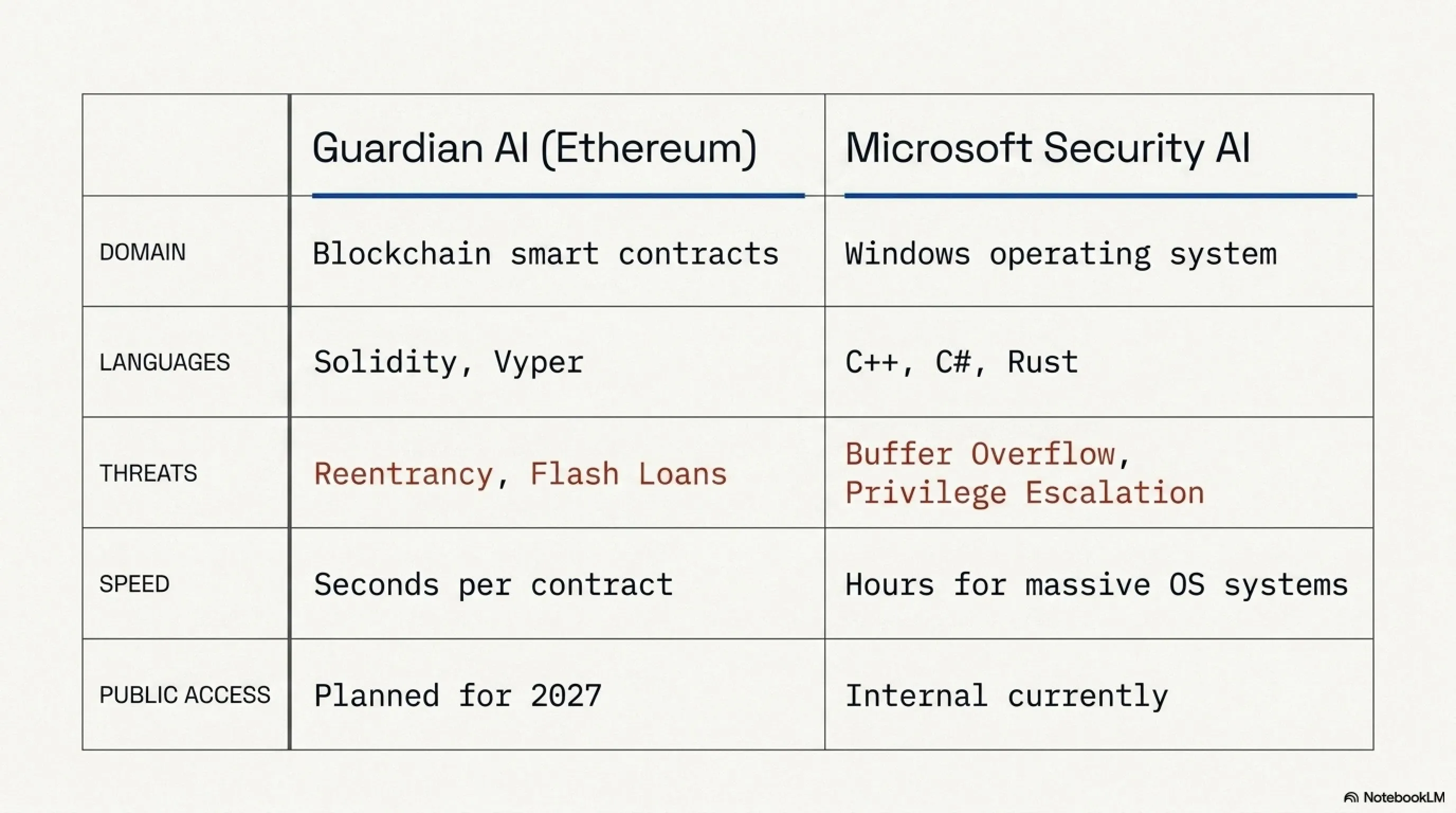
Ethereum's Guardian AI primarily focuses on smart contracts – code that runs on the blockchain and is typically written in Solidity. This system must recognize specific DeFi attack patterns like flash loan attacks and front-running. On the other hand, Microsoft's system works with C++, C#, and other systems-level languages that Windows is built with, and must identify lower-level vulnerabilities like buffer overflows and privilege escalation.
Guardian AI vs Microsoft Security AI Comparison
| Feature | Guardian AI (Ethereum) | Microsoft Security AI |
|---|---|---|
| Application Domain | Blockchain smart contracts | Windows operating system |
| Target Languages | Solidity, Vyper | C++, C#, Rust |
| Threat Types | Reentrancy, Flash Loans, Front-running | Buffer Overflow, Privilege Escalation |
| Scan Speed | Seconds (per contract) | Hours (entire system) |
| Public Access | Planned for 2027 | Internal (currently) |
The Future of Cybersecurity with Artificial Intelligence
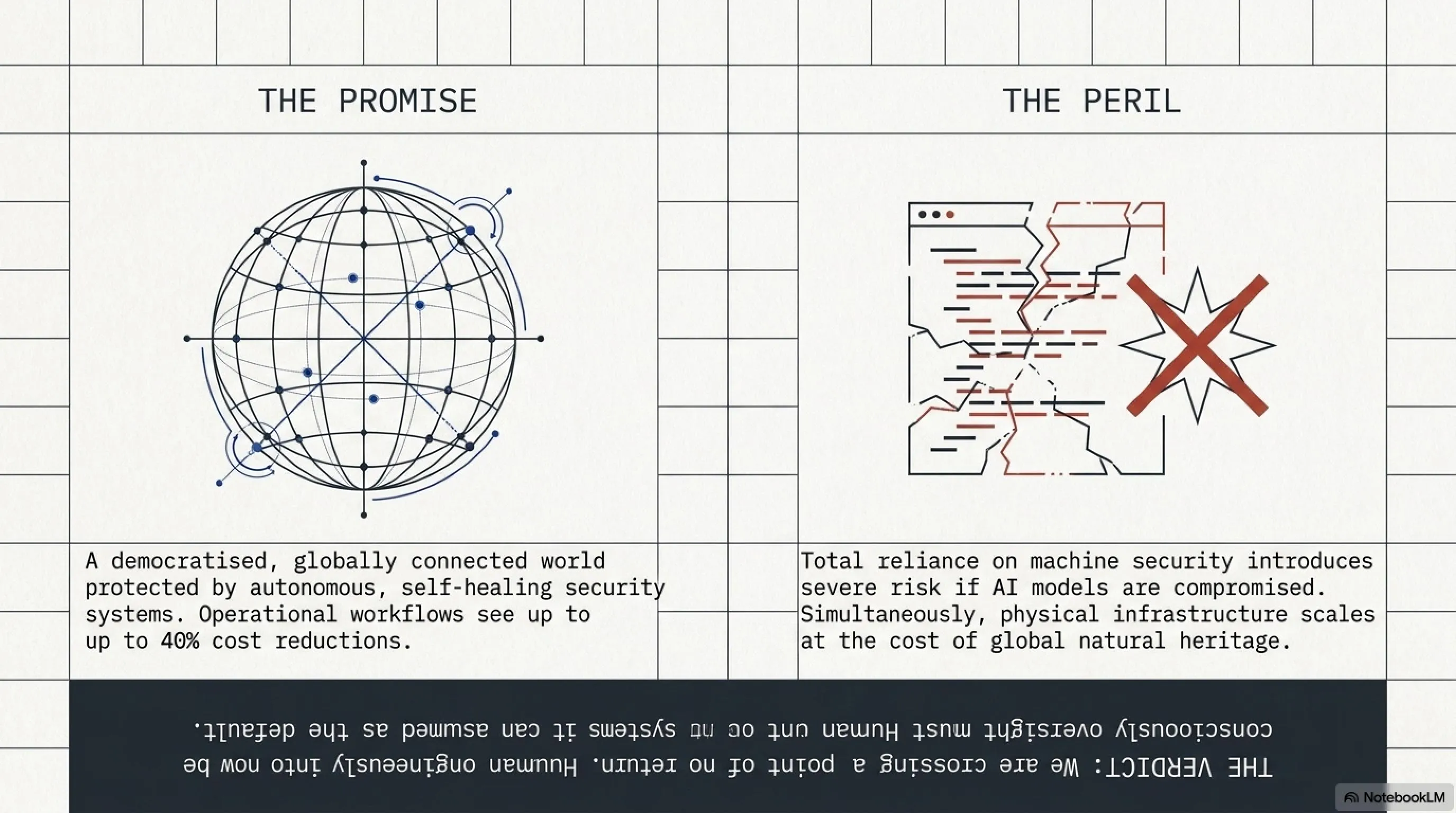
These two projects demonstrate that the tech industry is rapidly changing its approach to security. Security is no longer just a separate department within companies; it has become an automated and intelligent process that continuously learns and improves using artificial intelligence.
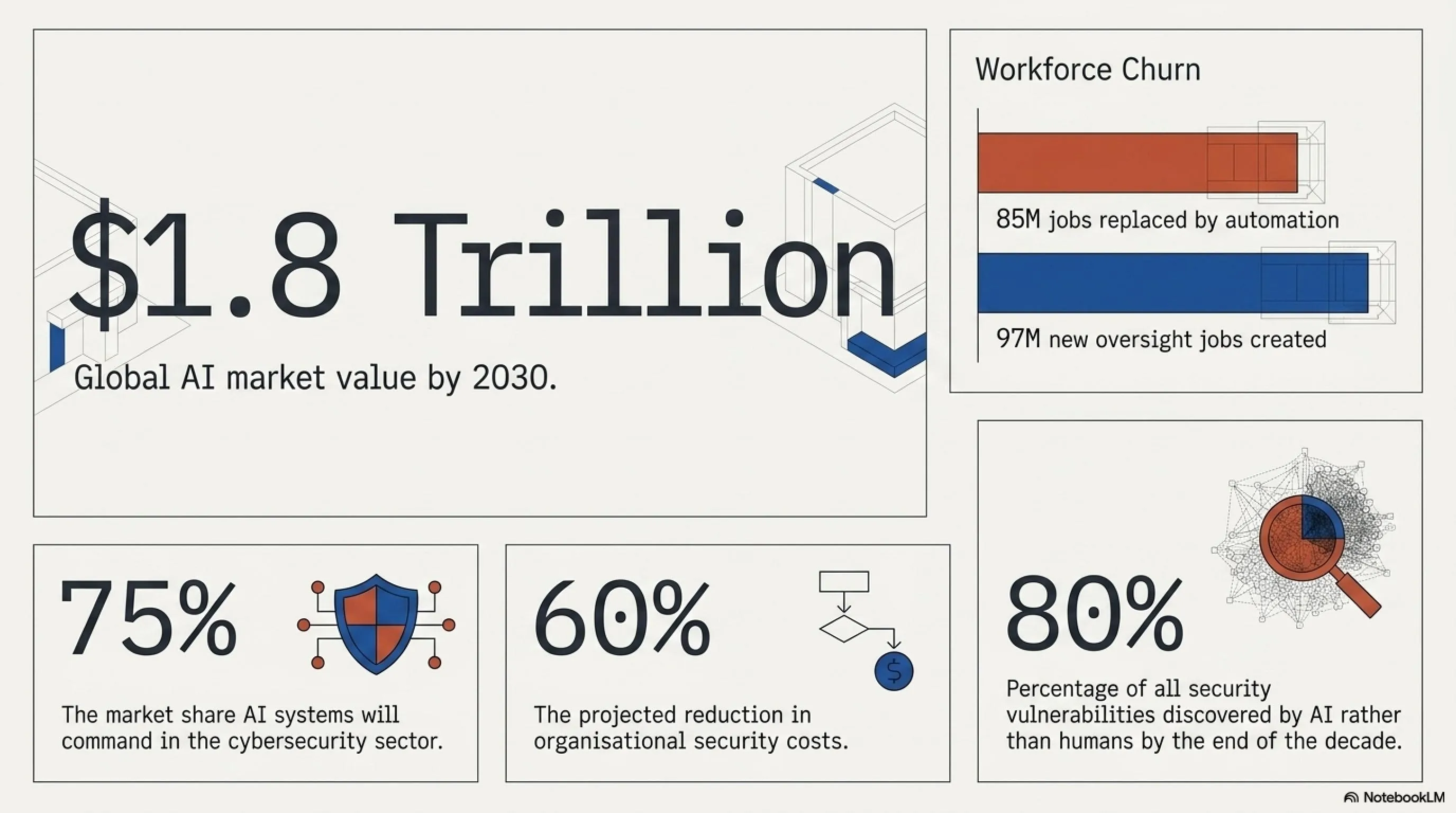
According to a 2026 Gartner report, it's predicted that by 2030, more than 80% of security vulnerabilities will be discovered by AI systems rather than humans. This means a career shift for thousands of cybersecurity professionals who must transform from bug hunters to AI supervisors and validators.
Other News Today: A Quick Look
In addition to today's main stories, several other noteworthy developments occurred in the tech world that deserve mention.
OpenAI Launches Hosted Sites Service
Alongside the introduction of GPT-5.6 and ChatGPT Work Agent, OpenAI has also launched a new service called "Hosted Sites." This service allows users to build, design, and host a complete website directly through ChatGPT – all without needing technical knowledge.
Users can simply tell ChatGPT: "Build me an e-commerce website for handmade products" and the system automatically creates the entire website with product pages, shopping cart, and payment system. This could be a game-changer for small businesses looking to establish an online presence quickly and affordably.
New ChatGPT Desktop Version with Codex
OpenAI has also released an updated version of the ChatGPT desktop application for Windows and Mac that includes Codex – an advanced coding engine. This allows users to code directly in the desktop environment, debug, and even build complete applications.
This new version also integrates with popular IDEs like Visual Studio Code, JetBrains, and Sublime Text, and can function as a powerful coding assistant that understands context and provides intelligent suggestions in real-time.
Looking at Long-Term Impacts
Now that we've seen the big picture of today's news, let's dig deeper and examine what impacts these developments will have on the future of technology.
SpaceX and the Global Internet Game Change
If SpaceX's 100,000-satellite project is approved, we'll witness a revolution in internet access. This is especially significant for countries with weak internet infrastructure or governments that restrict internet access – representing a fundamental change in global connectivity.
For users in countries facing internet restrictions, Starlink could be a real solution – provided legal and political issues are resolved. The current Starlink service price is around $120 per month, which is expensive for many users, but with increased satellite numbers and more competition, this price will likely decrease significantly.
Artificial Intelligence and the Future of Security Professionals
The entry of artificial intelligence into cybersecurity raises serious questions about the future careers of security professionals. Will we see decreased demand for security experts? The short answer: no. But their roles will change dramatically.
Instead of spending hours manually searching for bugs, security professionals must become supervisors and managers of AI systems. They must be able to analyze AI results, eliminate false positives, and design macro security strategies that leverage AI capabilities while maintaining human oversight.
- Extremely high speed in vulnerability detection
- Dramatic reduction in security costs
- Continuous learning from new attacks
- 24/7 coverage without fatigue
- High False Positive probability in early stages
- Excessive dependence on technology
- Need for continuous human oversight
- Risk of exploitation by attackers
GPT-5.6 and Workplace Transformation
The introduction of ChatGPT Work Agent and GPT-5.6 shows that OpenAI and Microsoft are more serious than ever about the enterprise market. These new models are designed not just for ordinary users, but specifically for companies and organizations.
Imagine a mid-sized company with 50 employees that can delegate a significant portion of administrative tasks, project management, and even simple programming to ChatGPT Work Agent. This could reduce operational costs by up to 40%, but at the same time raises ethical questions about human workforce displacement and the future of work.
AI Market Predictions Through 2030
- Global AI market value: $1.8 trillion
- Jobs replaced by AI: 85 million positions
- New jobs created: 97 million positions
- AI share of cybersecurity: 75% of total market
- Reduction in organizational security costs: 60%
Friday Morning Wrap-Up: An Exciting Start
Today was one of those days when you truly feel we're on the brink of a major transformation. From SpaceX wanting to fill the sky with 100,000 satellites, to OpenAI showcasing its power with GPT-5.6, from Ethereum fighting hackers with artificial intelligence to Microsoft entrusting Windows security to AI – all these are signs of a fundamental shift in the technology industry.
But as we've always said, technology is a double-edged sword. Artificial intelligence can strengthen our security, but in the wrong hands it can become a dangerous weapon. The Starlink project can provide global internet access, but it will permanently change the night sky. These are trade-offs we must carefully consider as a society.
Our role as users, developers, and digital citizens is to approach these technologies with awareness and caution, ensuring they're used for the benefit of humanity, not against it. We must advocate for responsible development, transparent governance, and equitable access to these powerful tools.
Final Thoughts
Friday, July 10, 2026 will be remembered as a turning point in technology history. The day artificial intelligence transformed from an auxiliary tool to a main player in digital security, the day SpaceX declared its ambition to dominate near-Earth space, and the day OpenAI and Microsoft proved their bond remains strong. Now we must wait and see how these developments will shape our future, for better or worse.
Frequently Asked Questions
Can Starlink be used in countries with internet restrictions?
Technically yes, but legally it depends on the country's regulations. While Starlink provides global coverage, many governments restrict or ban its use. Users should check local laws before attempting to use the service, as unauthorized use could result in legal consequences.
What makes GPT-5.6 different from previous versions?
GPT-5.6 offers significant improvements in cybersecurity, advanced coding, and complex data analysis. It's also optimized for enterprise use and can handle more complex tasks like autonomous project management. The model has been specifically tuned for business workflows and integrates more deeply with productivity tools.
Can artificial intelligence replace cybersecurity professionals?
No, AI cannot completely replace humans. However, the role of security professionals will change - from bug hunters to supervisors and managers of intelligent systems. Human judgment is still necessary for validating vulnerabilities and making strategic security decisions that require contextual understanding.
Why are 100,000 Starlink satellites problematic?
Main concerns include light pollution of the night sky, interference with ground-based observatories, increased space debris, and collision risks between satellites. Additionally, some believe this project could strengthen SpaceX's monopoly in the satellite internet market, reducing competition and consumer choice.
How does Guardian AI find bugs?
Guardian AI uses deep learning models and natural language processing to identify suspicious patterns in smart contract code. By analyzing thousands of previous contracts and known attacks, the system has learned common vulnerability patterns and can detect them in new code. It combines static analysis, pattern matching, and anomaly detection.
Sources
- Space.com - SpaceX FCC application for 100,000 Starlink satellites
- TechCrunch - GPT-5.6 and ChatGPT Work Agent announcement
- Decrypt - Ethereum Foundation and Guardian AI system
- ZDNet - Microsoft's new AI-powered security strategy
- 9to5Mac - ChatGPT Work Agent and Hosted Sites technical details
- Gartner - Cybersecurity market forecast report 2026
Additional Gallery: ☕ Tekin Morning - July 10, 2026: 100K Starlink Satellites, GPT-5.6 & The AI Security Paradigm