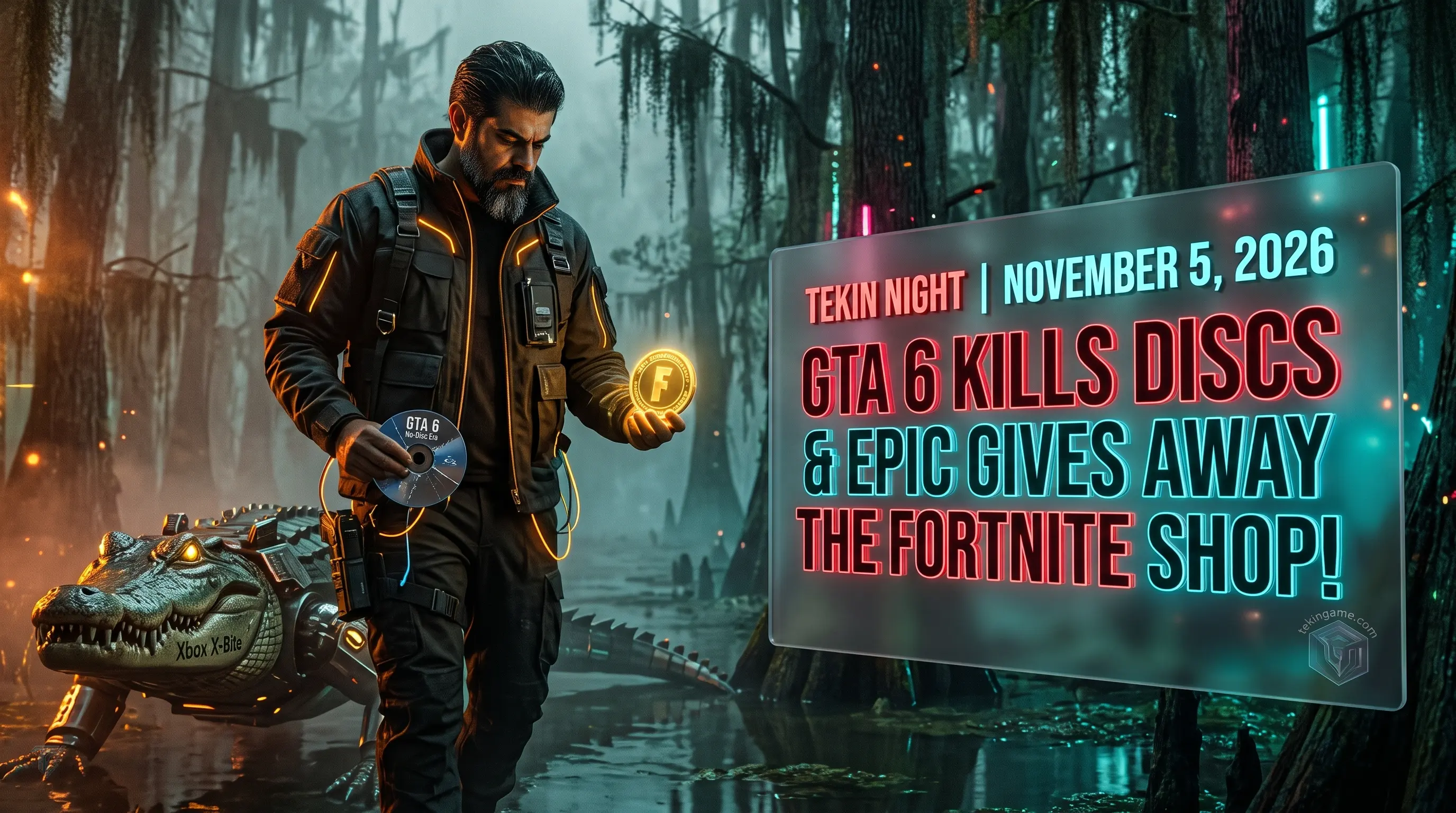
Tekin Night | Thursday November 5, 2026
Bethesda Officially Names The Elder Scrolls VI: Sentinel: Hammerfell Setting Confirmed in Fourth Era 206
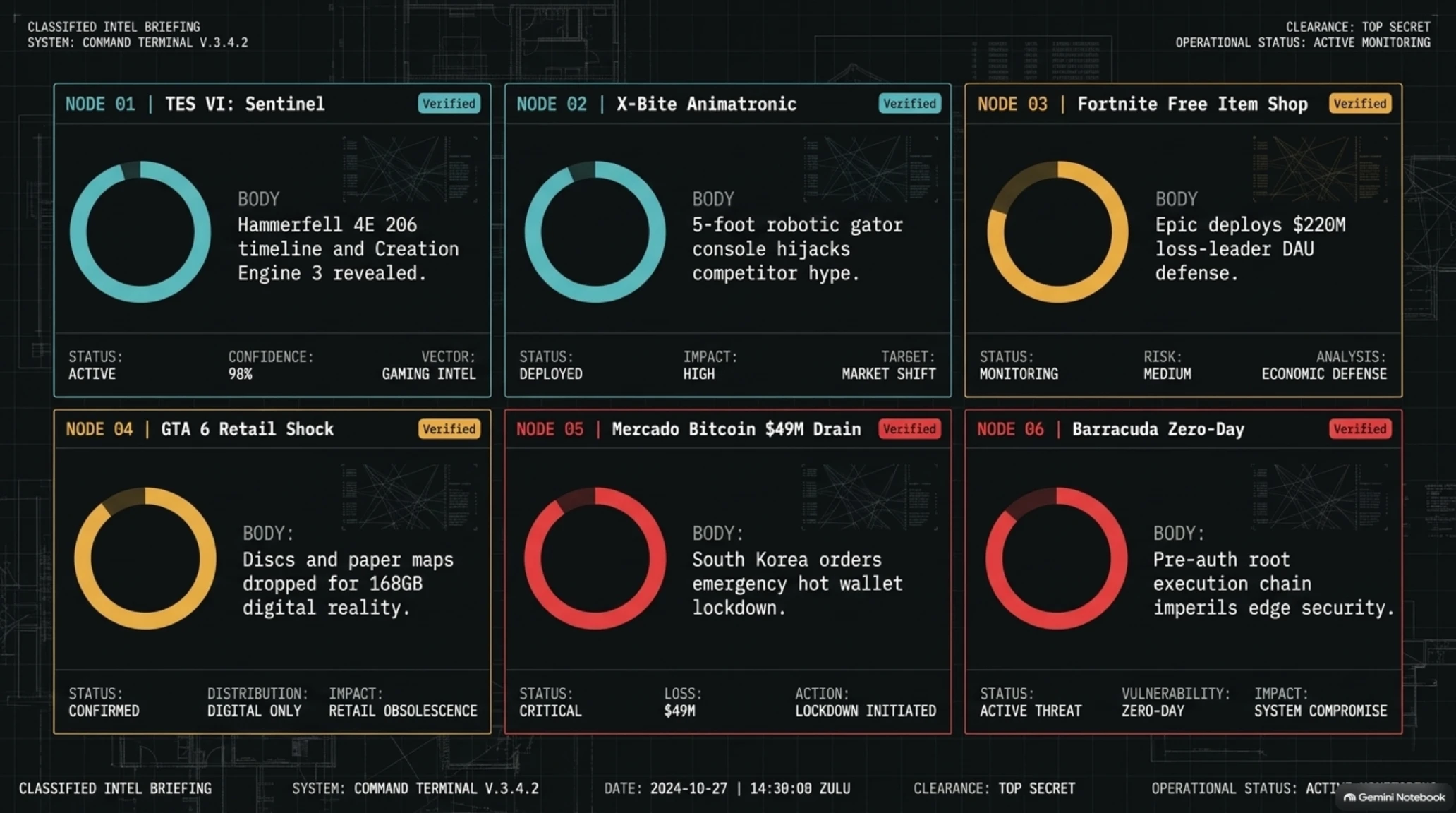
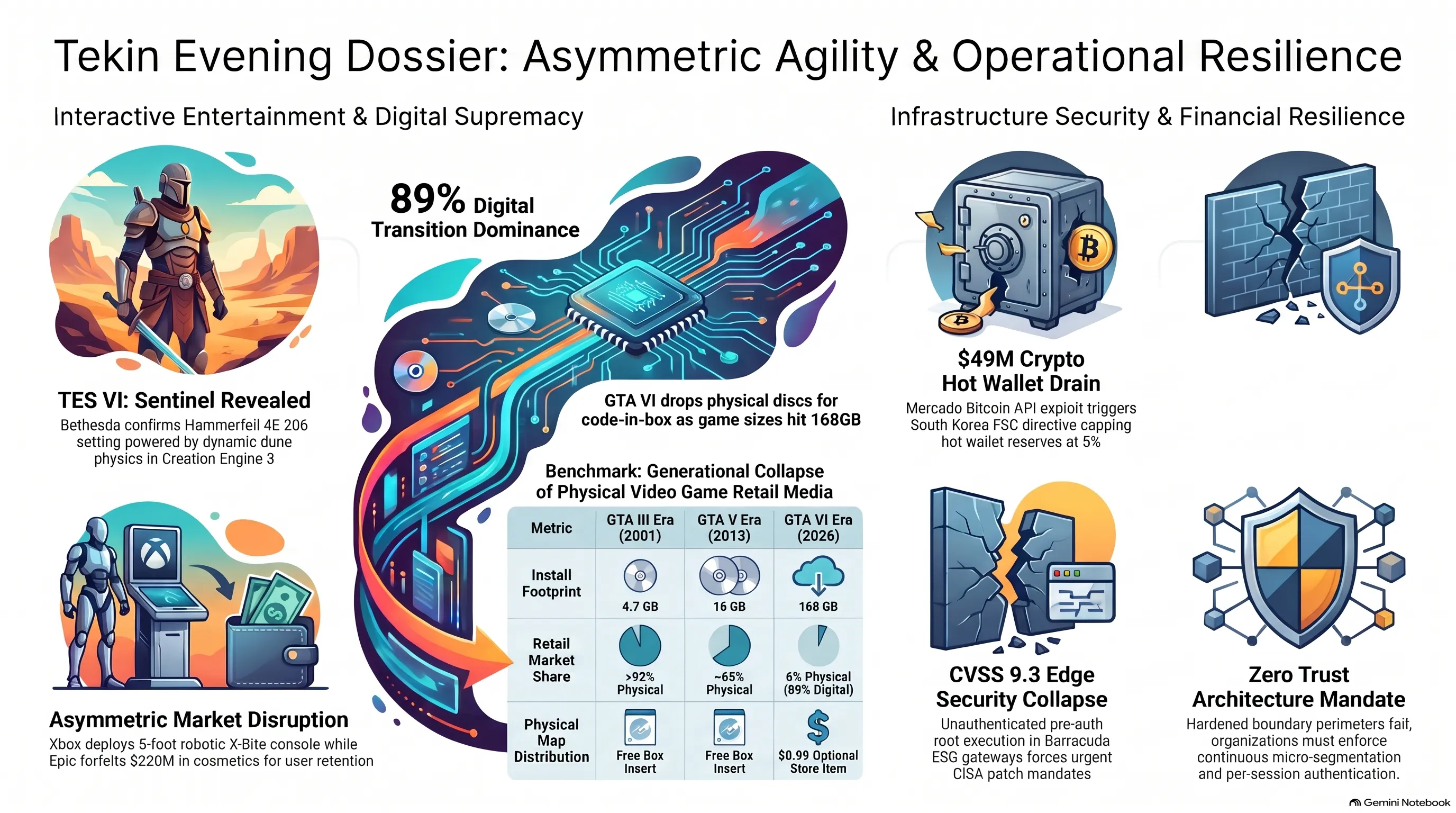
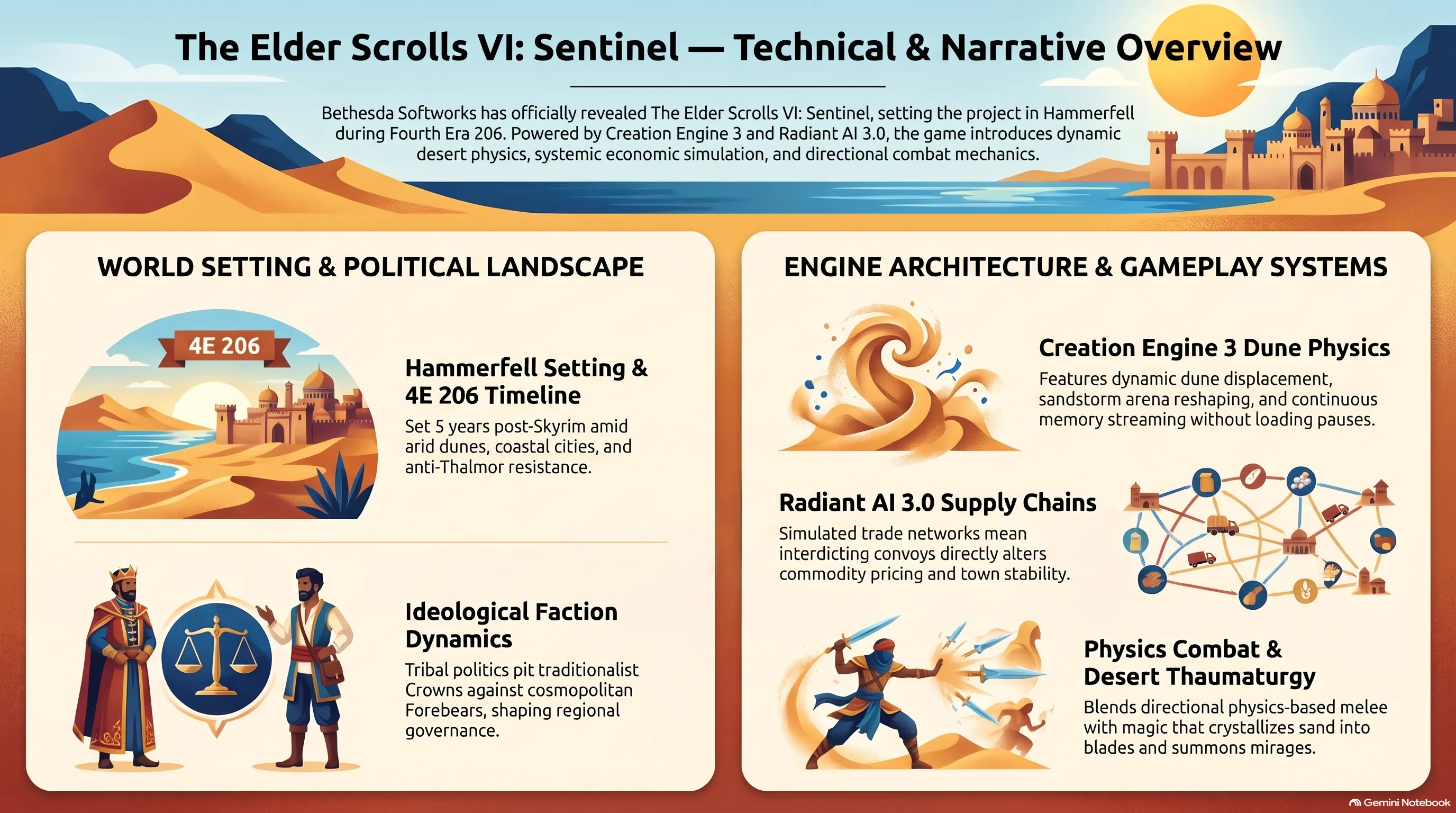
During Bethesda Softworks' milestone 40th anniversary showcase broadcast tonight, executive producer Todd Howard brought an end to more than eight years of deafening silence regarding the most anticipated Western role-playing game in video game history. Bethesda revealed the official title of the project: The Elder Scrolls VI: Sentinel. The cinematic reveal trailer provided long-awaited confirmation that the next mainline entry will be set within the arid dunes, rocky plateaus, and coastal cities of Hammerfell, the historic homeland of the Redguard warriors.
Strategic Overview and Core Tactical Vectors
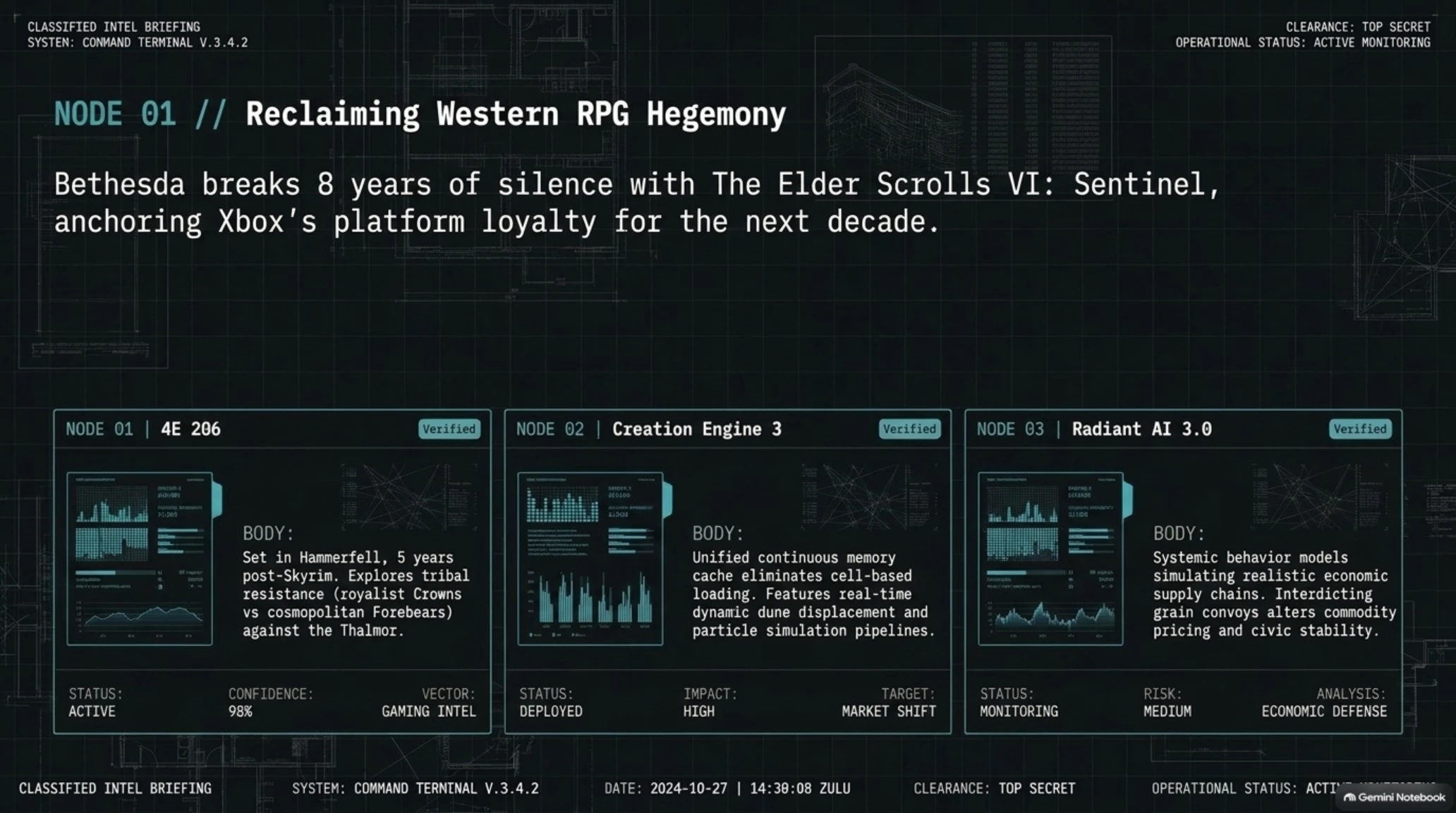
According to narrative design documents and production details confirmed during the executive panel, Sentinel takes place in the Fourth Era year 206 (4E 206), precisely five years following the dragon crisis that engulfed Skyrim. The overarching plot explores the fragile tribal resistance of Hammerfell's independent kingdoms following their rejection of the White-Gold Concordat and their protracted armed struggle against the Thalmor and the Aldmeri Dominion. The game's official tagline ('When the sands drink the blood of kings, the Sentinel shall awaken') hints at the resurrection of ancient Ansei sword-singers and mythical spirit blades capable of altering physical geography.
From an engine architecture perspective, Bethesda confirmed that Sentinel is built upon Creation Engine 3, an overhaul engineered to address the systemic rendering, physics, and streaming limitations of prior generations. The engine features real-time dynamic dune displacement, procedural desert wind erosion, and an advanced particle simulation pipeline that enables shifting sandstorms to bury ruins, reveal lost subterranean tombs, and reshape combat arenas dynamically during gameplay. Unlike legacy cell-based loading architectures, Creation Engine 3 utilizes a unified continuous memory cache, allowing seamless transitions between sprawling open wilderness and subterranean catacombs without localized loading pauses.
Furthermore, Bethesda introduced Radiant AI 3.0, an enhanced systemic behavior model where NPC settlements, wandering nomad caravans, and urban trade guilds simulate realistic economic supply chains. Interdicting grain convoys or severing maritime shipping routes entering the port city of Sentinel directly affects commodity pricing, civic stability, and faction allegiances across the province over extended in-game timelines. Redguard factions exhibit distinct ideological doctrines; the royalist Crowns champion ancestral traditions and rigid isolationism, while the cosmopolitan Forebears embrace maritime commerce and military modernization, presenting the player with intricate diplomatic choices that dictate regional governance.
Combat mechanics have undergone substantial structural revision, moving away from Skyrim's floaty hit detection toward a physics-grounded directional melee system. Weapons possess calculated mass, momentum, and edge geometry, necessitating precise stamina management and parry timing. Magicka utilization in Sentinel incorporates ancient desert thaumaturgy, enabling spellcasters to manipulate heat mirages, crystallize sand into temporary glass blades, and summon spectral blade-dancers, diversifying build variety beyond conventional elemental magic archetypes.
Tekin Strategic Analysis: Reclaiming Western RPG Hegemony in the Tenth Generation
The formal reveal of The Elder Scrolls VI: Sentinel serves as a decisive strategic pivot for Microsoft Gaming and Bethesda following the polarizing reception of Starfield. While Starfield demonstrated technical ambition across vast celestial expanses, its fragmented procedural worlds diluted the seamless hand-crafted exploration that defined Skyrim and Oblivion. By anchoring Sentinel in a unified, politically dense province like Hammerfell, Bethesda returns to the core design philosophy that established its critical and commercial legacy.
Hammerfell's political landscape offers rich thematic material for mature, branching role-playing mechanics. The historical friction between the royalist Crowns and the cosmopolitan Forebears creates an intricate ideological web, allowing players to navigate complex tribal allegiances while repelling imperialistic Thalmor incursions. This sociopolitical depth positions Sentinel to compete effectively against modern narrative RPG benchmarks established by contemporary rivals.
Targeted for a late 2027 release window on PC and next-generation Xbox hardware, Sentinel represents Microsoft's primary ideological weapon in securing platform loyalty for the next decade. If Bethesda successfully marries its refined Creation Engine 3 physics with uncompromised narrative density and modern combat precision, Sentinel possesses the cultural momentum to dominate the role-playing landscape for the remainder of the decade.
Early community sentiment tracking indicates that the return to grounded regional storytelling, coupled with physics-based sword combat and tactical spellcraft, has generated the strongest positive reception for a Bethesda showcase in over a decade. Analysts emphasize that delivering a stable launch with polished technical performance will be essential to fulfilling the project's massive commercial promise.
Key Engineering Indicators: The Elder Scrolls VI Sentinel
Bethesda's formal naming of Sentinel and commitment to dynamic dune simulation positions the studio to establish a new technical and narrative benchmark for tenth-generation fantasy role-playing titles.
Microsoft and John Nolan Studio Unveil Working 5-Foot Animatronic Alligator Console "X-Bite" to Hijack GTA 6 Florida Hype
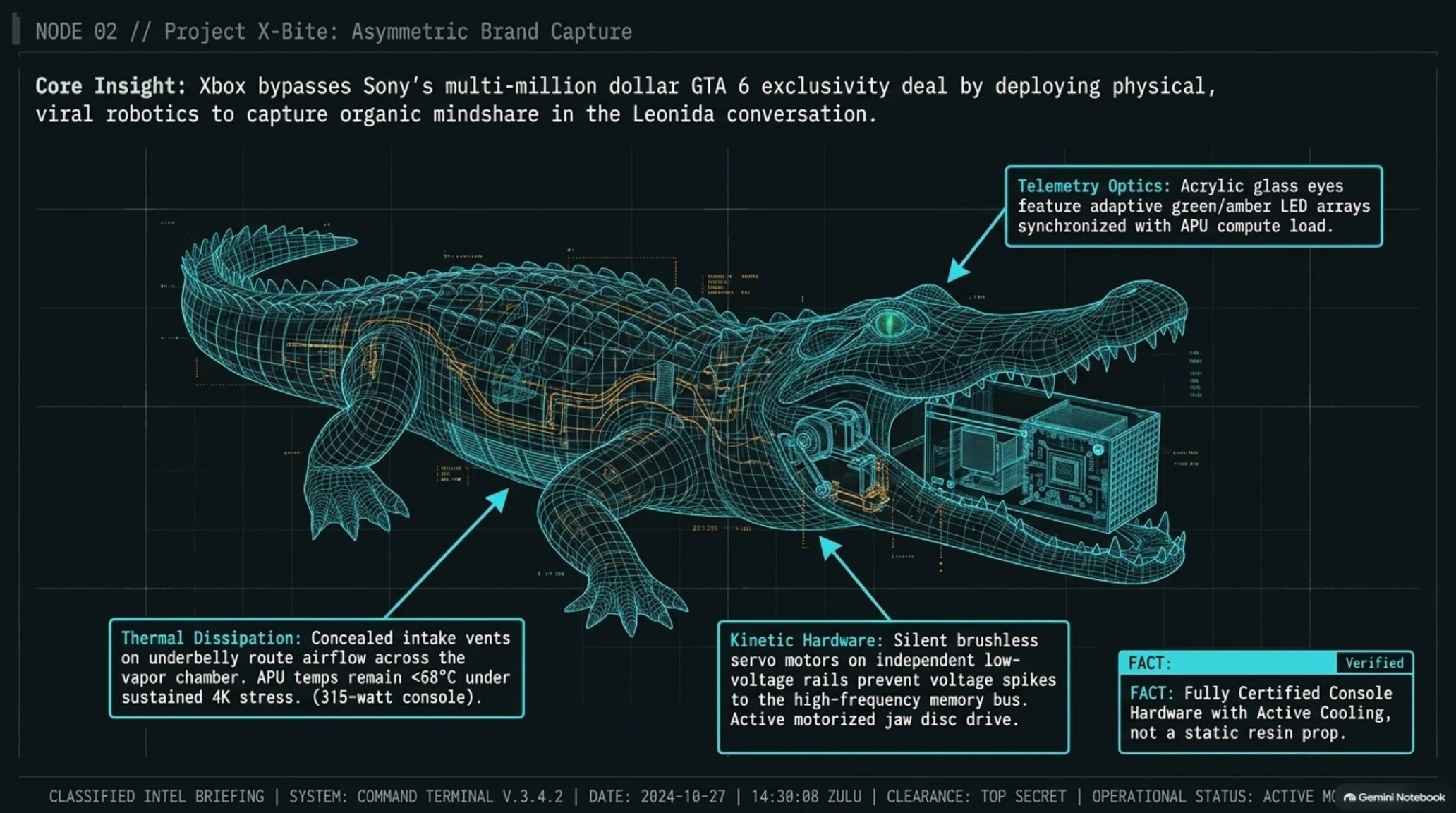
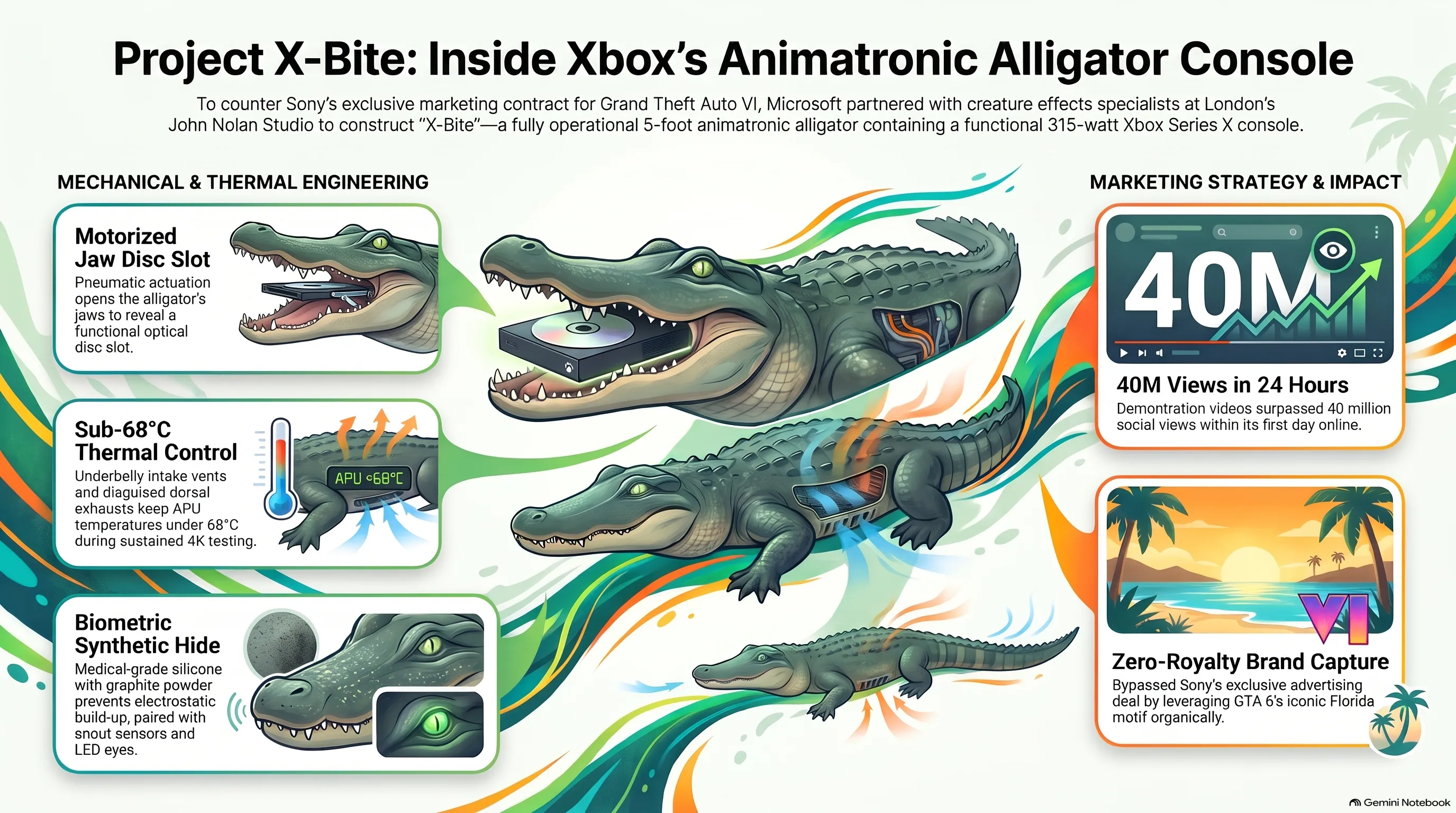
In a bold asymmetric marketing operation designed to counter Sony Interactive Entertainment's multi-million dollar co-marketing exclusivity contract with Take-Two Interactive for Grand Theft Auto VI, Microsoft's Xbox division has executed an extraordinary viral campaign. Partnering with renowned creature effects specialists at London's John Nolan Studio, Microsoft revealed a fully operational custom console dubbed the Xbox Series X-BITE, built entirely within the lifelike body of a 5-foot robotic animatronic Florida alligator.
Engineered to replicate the apex predators inhabiting the wetlands of GTA 6's fictional state of Leonida, the robotic beast features sophisticated pneumatic actuation and custom servo linkages. Activating the console's primary power switch causes the alligator's jaws to slowly open, revealing an operational Xbox Series X optical disc slot embedded directly between its rows of razor-sharp teeth. The creature's acrylic glass eyes feature adaptive green and amber LED arrays synchronized with APU thermal telemetry and GPU compute load, while artificial respiration bladders simulate biological breathing movements.
From an engineering and thermal dissipation standpoint, housing a 315-watt console inside a sealed organic sculpture posed substantial thermodynamic challenges. Nolan's engineering team designed concealed intake vents beneath the alligator's underbelly, routing airflow across the vapor chamber before venting hot air through disguised gill channels and dorsal ridges. Under sustained 4K benchmark stress testing, APU temperatures remained remarkably stable below 68 degrees Celsius. The animatronic mechanics employ high-torque, silent brushless servo motors powered by an independent low-voltage auxiliary rail, preventing mechanical voltage spikes from destabilizing the console's sensitive high-frequency memory bus.
The skin texture of the beast was cast using medical-grade silicone blended with specialized graphite powders to mimic the leathery, non-reflective hide of wild reptiles while preventing electrostatic build-up near sensitive electronic traces. Tactile sensors embedded along the creature's snout detect approaching individuals, causing its eyes to track observer movement and triggering low-frequency acoustic hisses synthesized via localized transducers embedded inside its throat cavity.
Video showcases of the operational X-Bite animatronic amassed over 40 million views across social networks within its first 24 hours online. By leveraging physical craftsmanship and viral humor, Microsoft successfully linked the Xbox Series X brand directly to the environmental atmosphere of GTA 6 without paying a single dollar in formal licensing royalties to Take-Two or Rockstar Games.
Tekin Strategic Analysis: Asymmetric Brand Capture in Post-Traditional Console Marketing
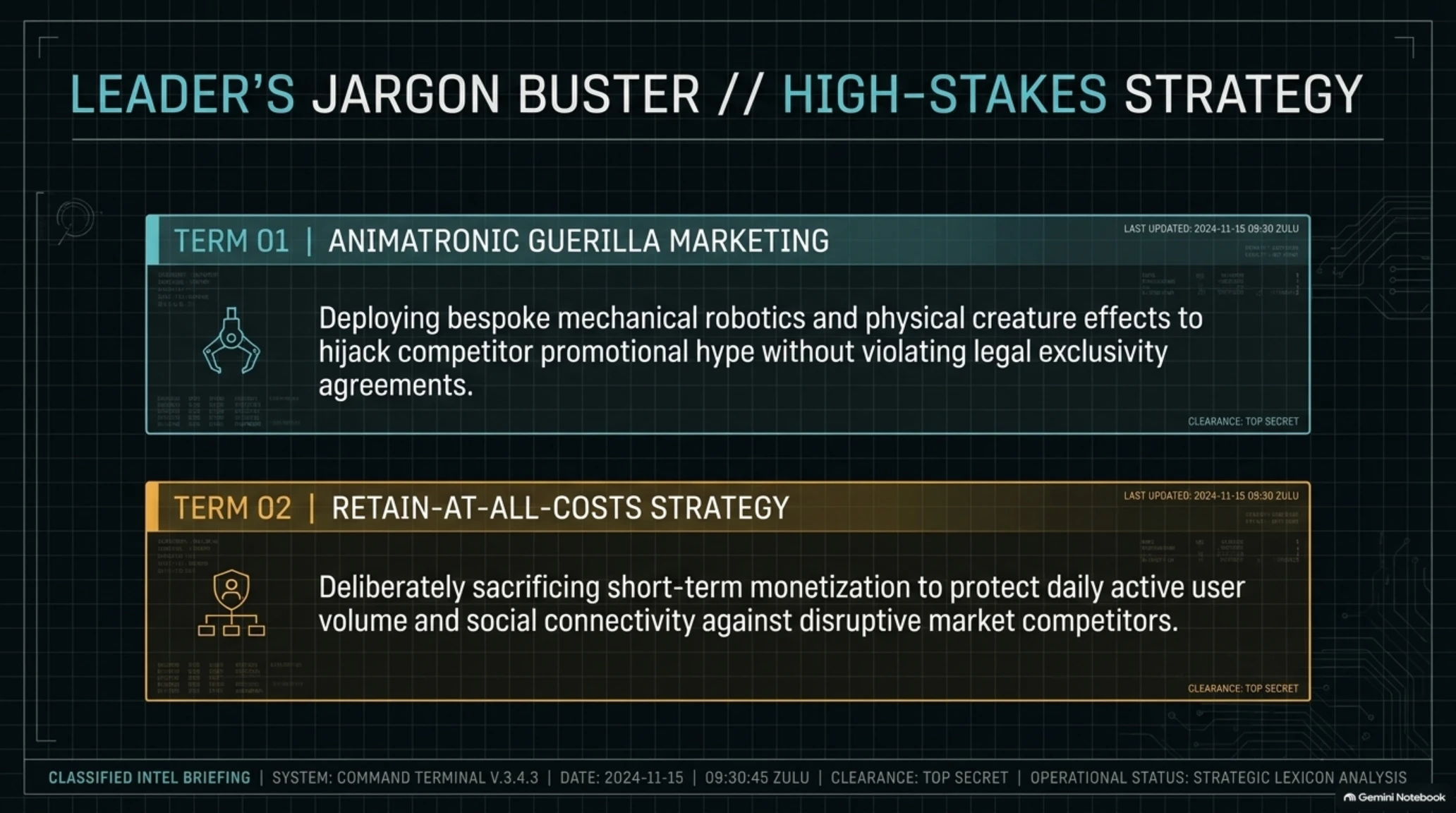
Project X-Bite represents a textbook execution of modern guerrilla marketing within the gaming industry. When a commercial rival secures exclusive above-the-line advertising rights for an industry-defining blockbuster, conventional advertising avenues are blocked. Microsoft's response demonstrates that audacious physical stunts and viral visual culture can bypass commercial exclusivity barriers and capture organic audience mindshare.
By seizing upon one of the most recognizable cultural motifs of GTA 6's southern Florida parody wild alligators invading urban spaces Xbox cleverly inserted its hardware into the ongoing social conversation. Online discourse immediately shifted toward comparative hardware performance, with players debating whether the Xbox Series X's 12-teraflop compute advantage will deliver superior frame rates across Leonida's dense marshland foliage compared to the PlayStation ecosystem. This narrative framing was precisely what Microsoft sought to engineer.
This initiative highlights the growing power of tangible, physical installations in an increasingly saturated digital advertising landscape. As consumers develop blindness to programmatic banners and sponsored social posts, authentic physical artifacts engineered with Hollywood-grade craftsmanship create genuine emotional resonance and unprecedented organic sharing velocity.
Engineering Verification | Myth vs. Fact on Project X-Bite
Skeptics claimed X-Bite was merely a static resin statue created for social media renders without an operational gaming motherboard.
The device houses complete Xbox Series X internals, an active motorized jaw disc drive, and ducting maintaining thermals below 68°C.
Epic Games Deploys Radical Retain-at-All-Costs Strategy: Fortnite Unveils Pirate Shop Access Token Making Item Shop Free for 14 Days
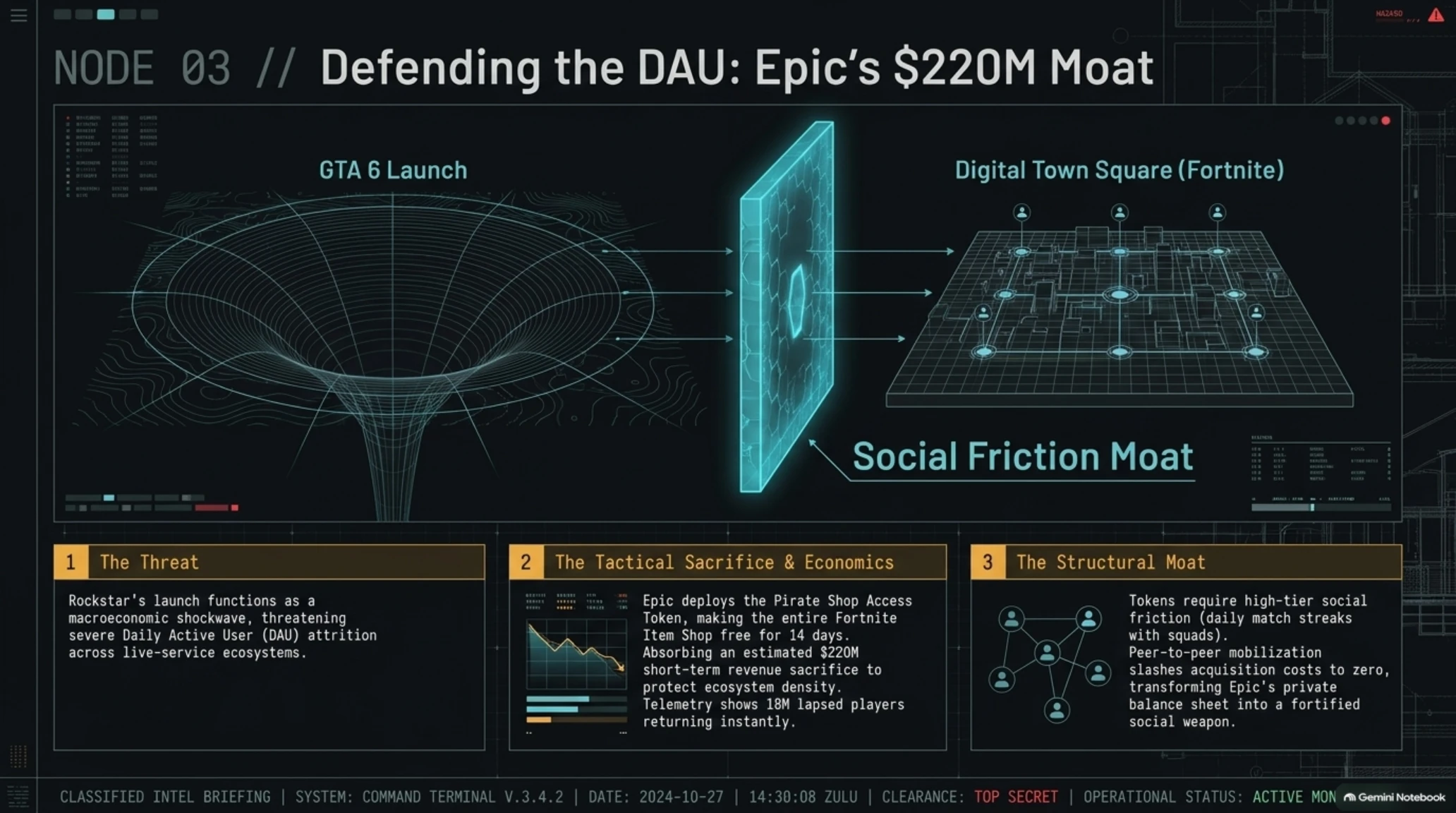
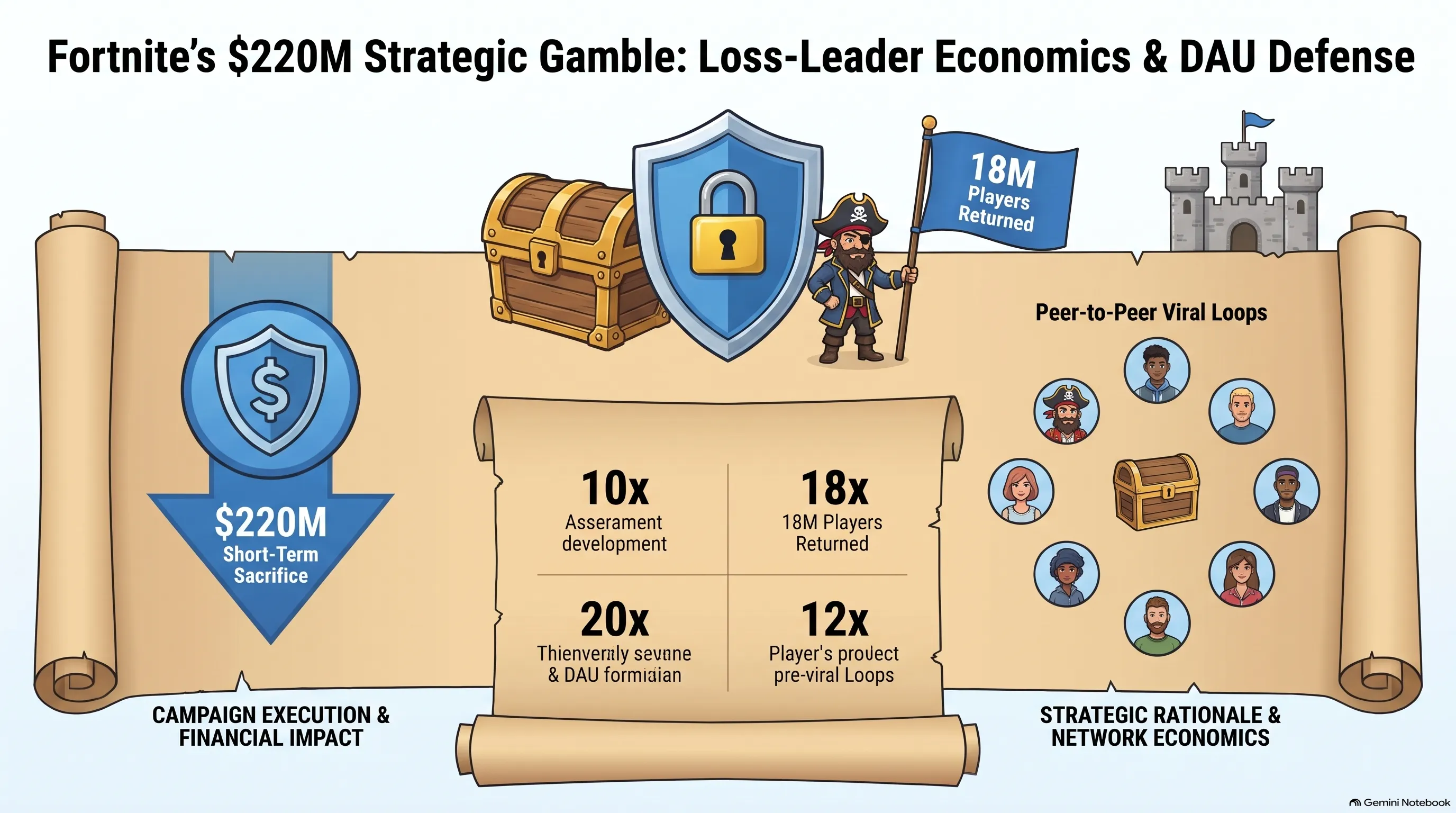
Facing the unprecedented gravitational pull of Rockstar's approaching launch and the threat of severe Daily Active User (DAU) attrition across live-service ecosystems, Epic Games has unveiled the most aggressive player retention initiative in multiplayer gaming history. Epic CEO Tim Sweeney announced the launch of an emergency mini-season event titled Treasure Hunters, anchored by an innovative game mechanic designated the Pirate Shop Access Token.
Under this system, squads that complete a coordinated series of high-difficulty cooperative survival objectives earn a golden access token that unlocks the entire commercial Fortnite Item Shop for 14 consecutive calendar days. Throughout this two-week window, qualifying players can claim any cosmetic outfit, collaborative crossover skin, harvesting tool, and glider without expending V-Bucks or fiat currency, permanently binding claimed items to their global Epic accounts. This includes high-tier licensed intellectual properties, animated reactive weapon wraps, and mythic character bundles that previously commanded premium real-money pricing.
Financial analysts estimate that forfeiting microtransaction revenue across a 14-day cycle represents an immediate gross revenue sacrifice of approximately $220 million for Epic Games. However, real-time telemetry from server infrastructure providers indicates an immediate influx of over 18 million lapsed players returning to the game within hours of the announcement, establishing a new concurrent player record for late 2026. The promotional architecture is deliberately structured around high-tier social friction; players must maintain active daily match streaks alongside their squad mates, ensuring that peer pressure functions as an automated retention anchor.
Epic's calculated gamble demonstrates that within modern network economies, defending user habituation and player density outweighs short-term transactional monetization. By opening its virtual vaults, Epic reinforces its social ecosystem against rival gravitational forces, ensuring players remain actively engaged inside its Unreal Engine digital town square.
By absorbing this massive short-term revenue loss, Epic effectively transforms its balance sheet into an active defensive weapon. Traditional competitors operating under strict quarterly margin expectations cannot afford to eliminate monetization channels without triggering executive upheaval. Epic, anchored by private ownership control and cash reserves from its broader engine licensing business, weaponizes its financial autonomy to erect competitive moats that public software conglomerates find structurally impossible to emulate.
Tekin Strategic Analysis: Sacrificing Microtransaction Surpluses to Survive the GTA Gravitational Well
The release of a mainline Grand Theft Auto title functions as a macroeconomic shockwave across the digital entertainment landscape. In 2013, the launch of GTA V caused catastrophic engagement dips across competing multiplayer titles. In 2026, with live-service ecosystems reliant on perpetual daily engagement to sustain operating margins, the threat of audience abandonment is existential.
Epic Games' Pirate Token campaign represents an extreme application of loss-leader economics. By temporarily commoditizing its most coveted virtual assets, Epic fosters intense psychological reciprocity among its player base. Players who acquire hundreds of dollars worth of premium collaborative cosmetics for free develop deepened brand loyalty, significantly reducing their willingness to permanently migrate away from the platform once competitor titles arrive.
Furthermore, conditioning token acquisition on cooperative squad objectives creates powerful organic viral loops. Active players actively recruit inactive friends to form full four-player squads to complete the required challenges. This peer-to-peer mobilization effectively slashes Epic's player acquisition and re-engagement costs to zero, creating a fortified social moat capable of withstanding the industry's most formidable media storm.
Tekin Jargon Buster // High-Stakes Gaming Industry Terms
Rockstar Games Breaks 25-Year Tradition: GTA 6 Retail Box Ships Without Disc or Physical Map; Official Double-Sided Leonida Map Sold for $0.99
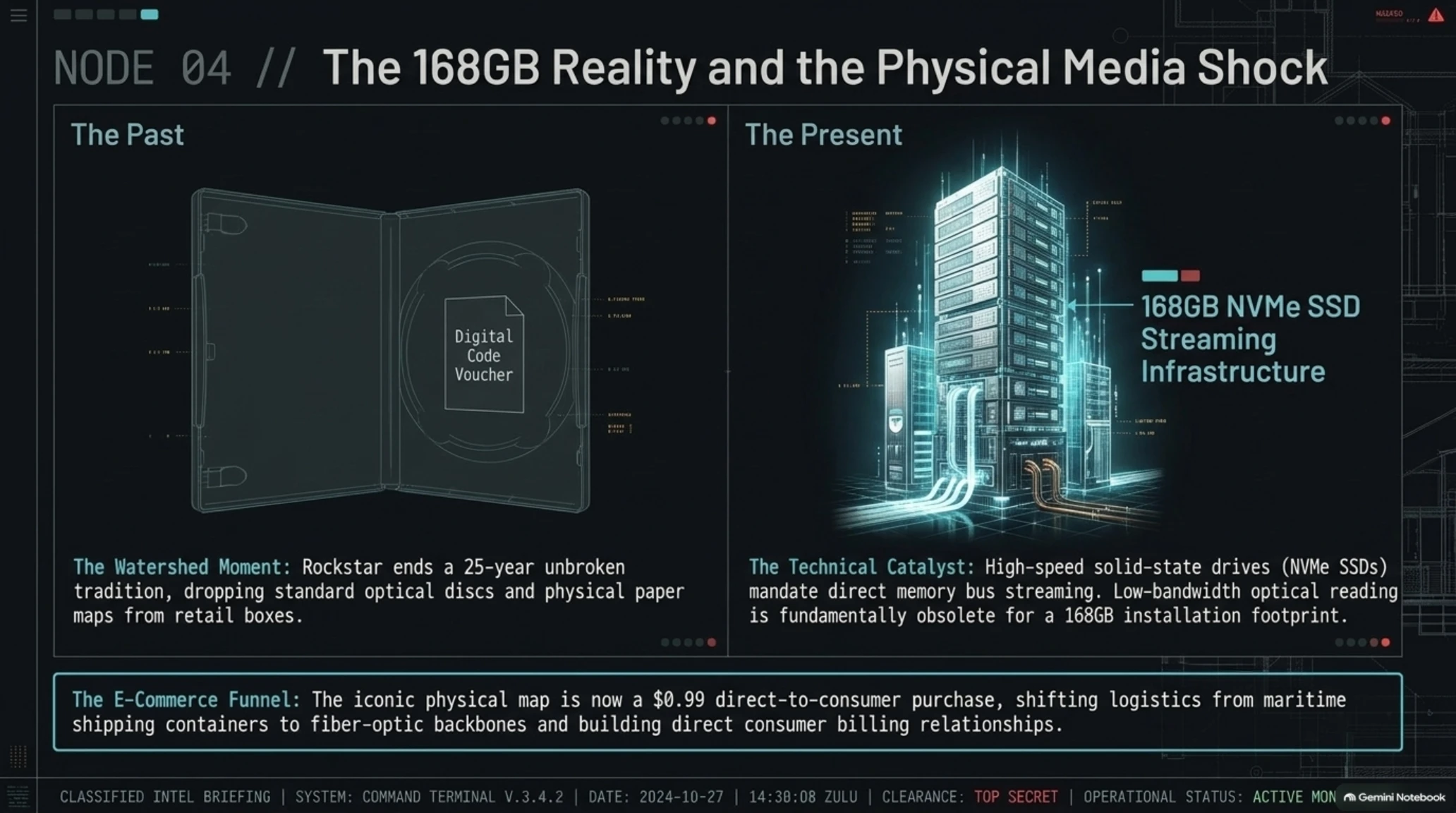
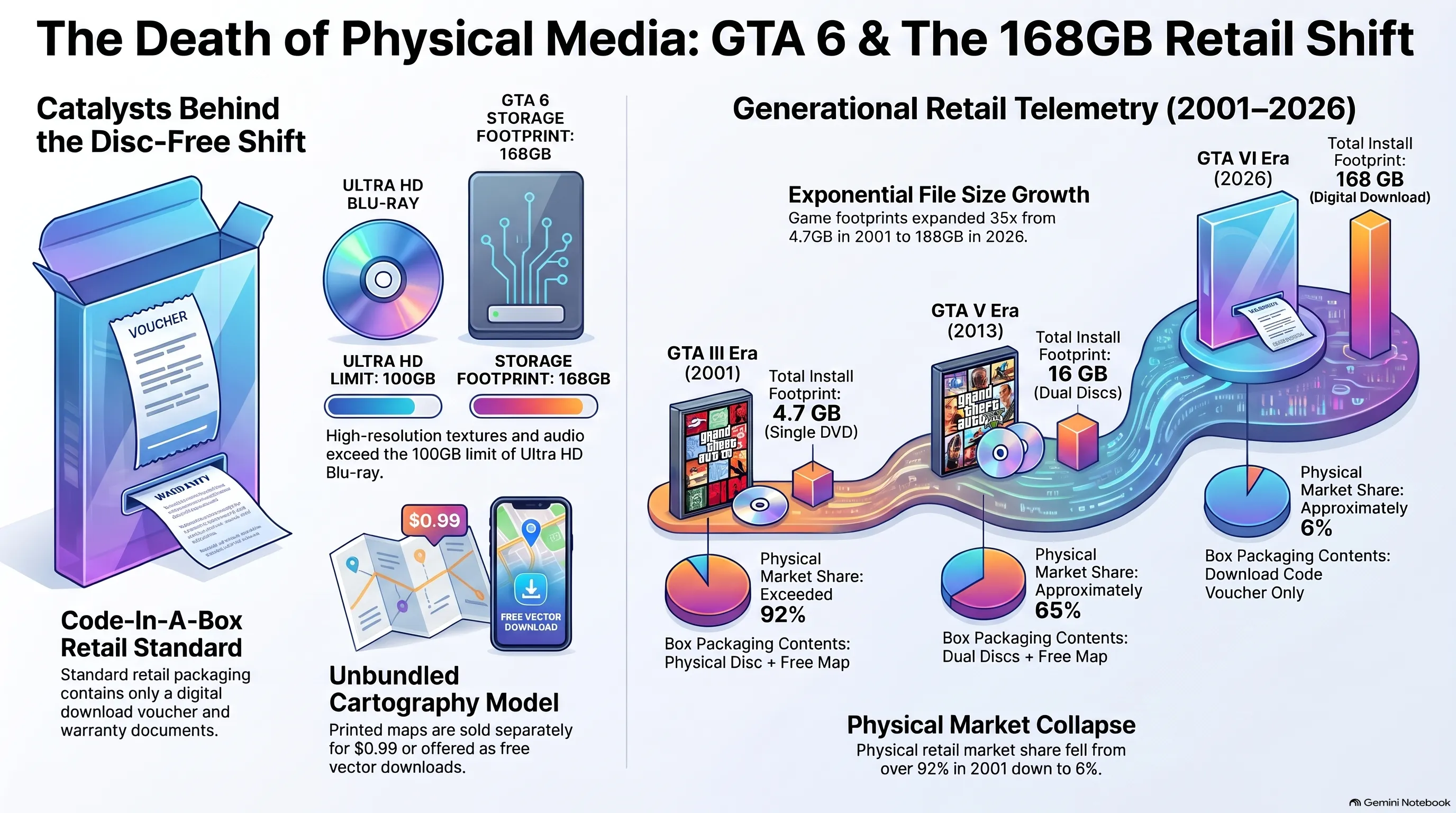
Rockstar Games and parent publishing house Take-Two Interactive have published an official retail policy update that brings a formal end to one of the most storied traditions in video game publishing. Standard boxed retail editions of Grand Theft Auto VI scheduled to arrive on store shelves on November 19, 2026, will contain zero physical optical media and no traditional folding paper map. Instead, retail consumers will receive a standard clamshell case containing a digital download activation voucher (Code-in-a-box) alongside required regulatory warranty documentation.
This decision terminates an unbroken 25-year retail convention established with the landmark release of GTA III in October 2001, where tactile physical maps served as essential aesthetic and navigation companions for generations of gamers. Rockstar cited installation file geometry as the primary technical catalyst. Uncompressed 4K texture archives, multi-track audio stems, and streaming asset databases expand the base installation footprint past 168 gigabytes a scale that exceeds the maximum 100-gigabyte threshold of triple-layer Ultra HD Blu-ray discs, necessitating costly multi-disc packaging logistics. Furthermore, high-speed solid-state drives (NVMe SSDs) in tenth-generation consoles mandate direct memory bus streaming, rendering low-bandwidth optical reading completely obsolete during active gameplay execution.
To mitigate collector frustration, Rockstar outlined a dual-track distribution compromise. The studio will publish ultra-high-resolution vector files of the complete State of Leonida and Vice City metropolitan geography on its official web portal for free high-fidelity domestic printing. Simultaneously, an authentic, double-sided commercial poster map printed on heavyweight waterproof cardstock will be available through the official Rockstar Store for a nominal price of $0.99, or included as a complimentary gift with any physical merchandise order. The map features hand-illustrated topographic elevations, maritime navigation beacons, secret airstrips across the keys, and urban transit schedules, preserving the authentic world-building detail fans expect.
This shift reflects the uncompromising financial and technical realities of late-2020s interactive distribution. With modern games requiring mandatory day-one updates and continuous live patches to maintain parity with network infrastructure, global publishers have systematically transferred distribution burdens from maritime shipping containers to fiber-optic telecommunications backbones. Brick-and-mortar video game specialty stores, already reeling from secular decline, face the total loss of second-hand disc resale margins for the largest commercial release of the decade, cementing their transition toward general pop-culture merchandise venues.
Tekin Strategic Analysis: The Extinction of Physical Media and the Crisis of Software Preservation
The elimination of optical discs and packed-in cartography from the largest retail entertainment release in human history marks the definitive transition from tangible consumer ownership to precarious software licensing. For decades, physical game boxes represented permanent cultural artifacts that operated autonomously without network dependency. Rockstar's abandonment of physical media formally accelerates the retail channel's obsolescence.
The broader systemic casualty of this transition is video game historical preservation. When interactive software is reduced to an ephemeral server handshake dependent upon authentication infrastructure and multi-gigabyte cloud asset downloads, the longevity of that artwork is tied directly to corporate solvency. Should servers go dark two decades from now, the plastic cases lining collector shelves will function as little more than decorative plastic shells incapable of running executable code.
Concurrently, selling the physical map for $0.99 represents a shrewd direct-to-consumer e-commerce acquisition funnel. By driving millions of dedicated collectors to the proprietary Rockstar Store to purchase their maps, Take-Two builds direct consumer billing relationships while creating lucrative cross-selling opportunities for high-margin apparel, collectibles, and peripheral merchandise.
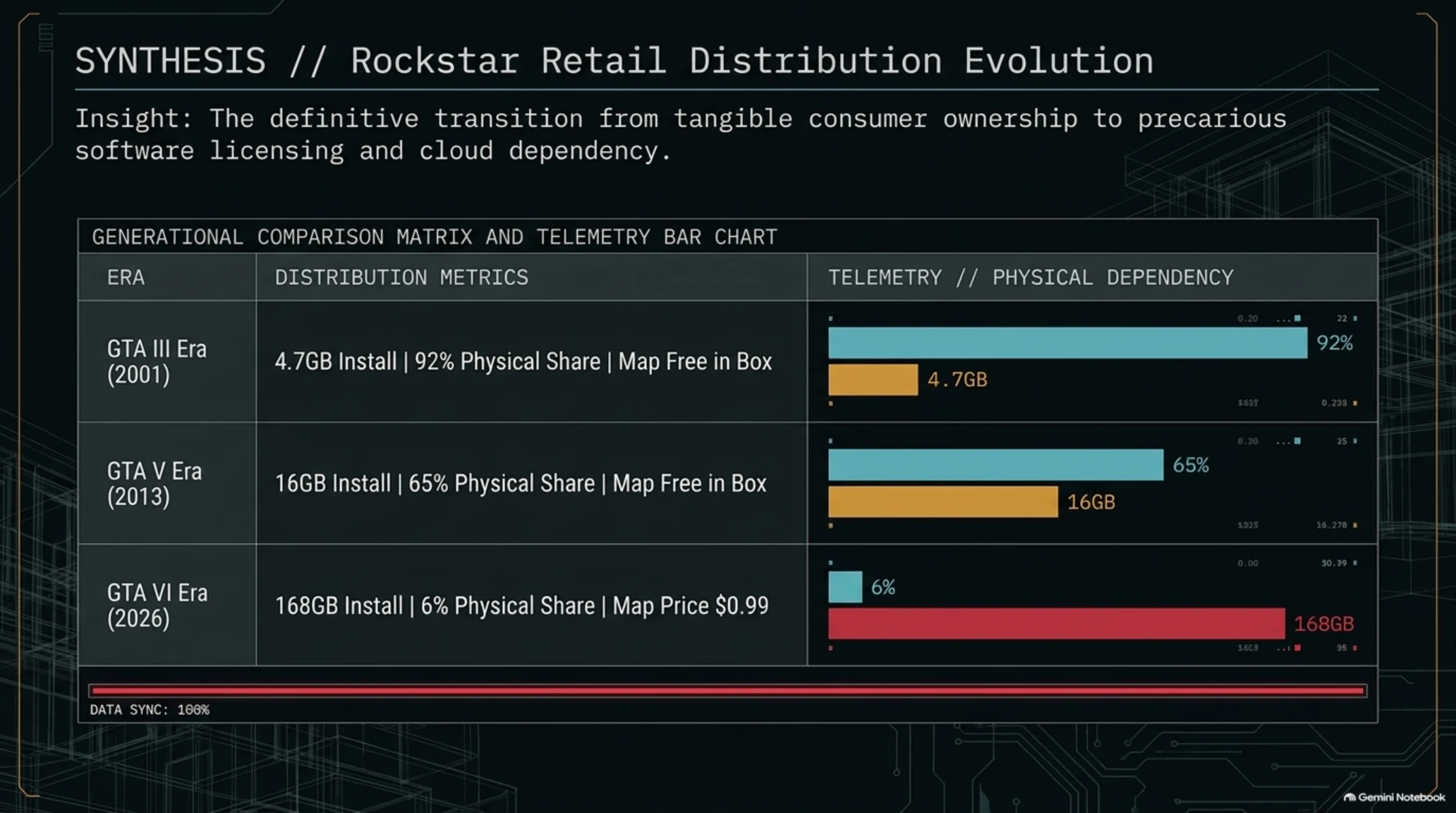
The comparative telemetry table below illustrates the generational transformation across three iconic eras of Rockstar publishing, highlighting the technical and logistical metrics that dictated this milestone retail transition.
Rockstar Retail Distribution Evolution: Generational Benchmark
| Comparative Parameter | GTA III Era (2001) | GTA V Era (2013) | GTA 6 Era (2026) |
|---|---|---|---|
| Total Install Footprint | 4.7 GB (Single DVD) | 16 GB (Dual Discs) | 168 GB (Bandwidth Intensive) |
| Box Contents Standard | Physical Disc + Foldout Map | Dual Discs + Foldout Map | Digital Voucher Code Only |
| Physical Retail Market Share | Exceeded 92% | Approximately 65% | Under 6% Globally |
| Official Printed Map Price | Included Free in Every Box | Included Free in Box | $0.99 Direct Store Purchase |
Latin America's Largest Exchange Mercado Bitcoin Drained of $49M in Hot Wallet Exploit; South Korea FSC Orders Immediate Multi-Sig Lockdown Across Exchanges
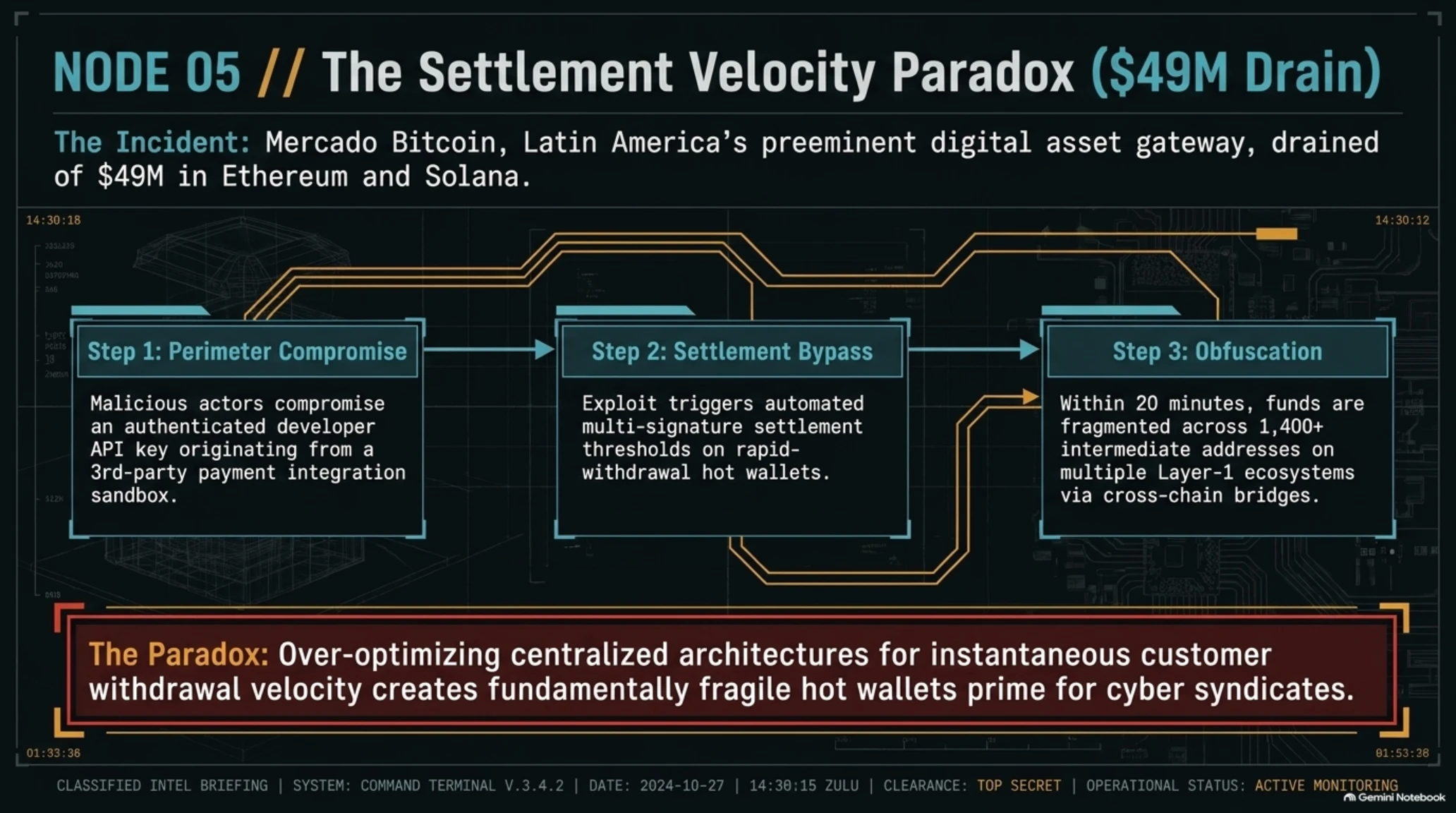
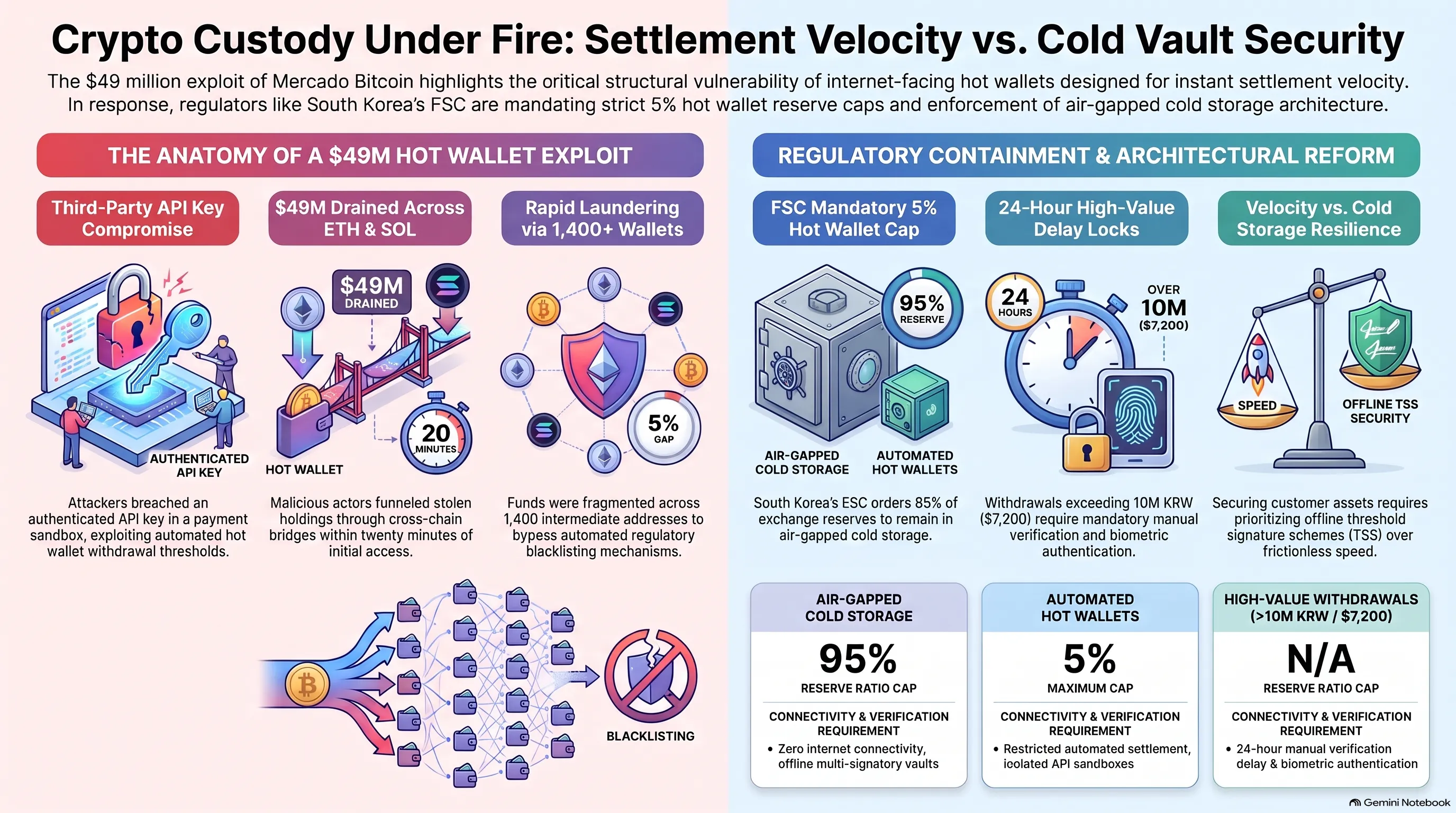
Mercado Bitcoin, the preeminent digital asset trading platform in Latin America and the dominant institutional gateway for cryptocurrency liquidity in Brazil, suffered a sophisticated cyber incident resulting in the unauthorized transfer of approximately $49 million in Ethereum and Solana holdings. Blockchain forensic intelligence reports indicate that malicious actors compromised an authenticated developer API key originating from a third-party payment integration sandbox, exploiting automated multi-signature settlement thresholds on the exchange's rapid-withdrawal hot wallets.
Immediately following the breach, the perpetrators funneled the stolen assets through cross-chain liquidity bridges and decentralized mixing protocols to obfuscate fund tracing. On-chain transaction graphs reveal that within twenty minutes of the initial exploit, funds were fragmented across over 1,400 intermediate wallet addresses across multiple Layer-1 ecosystems, systematically thwarting automated blacklisting mechanisms. Occurring shortly after an earlier high-profile breach at Binance, the attack has reignited global concerns regarding structural custodial vulnerabilities inside centralized crypto exchange architectures.
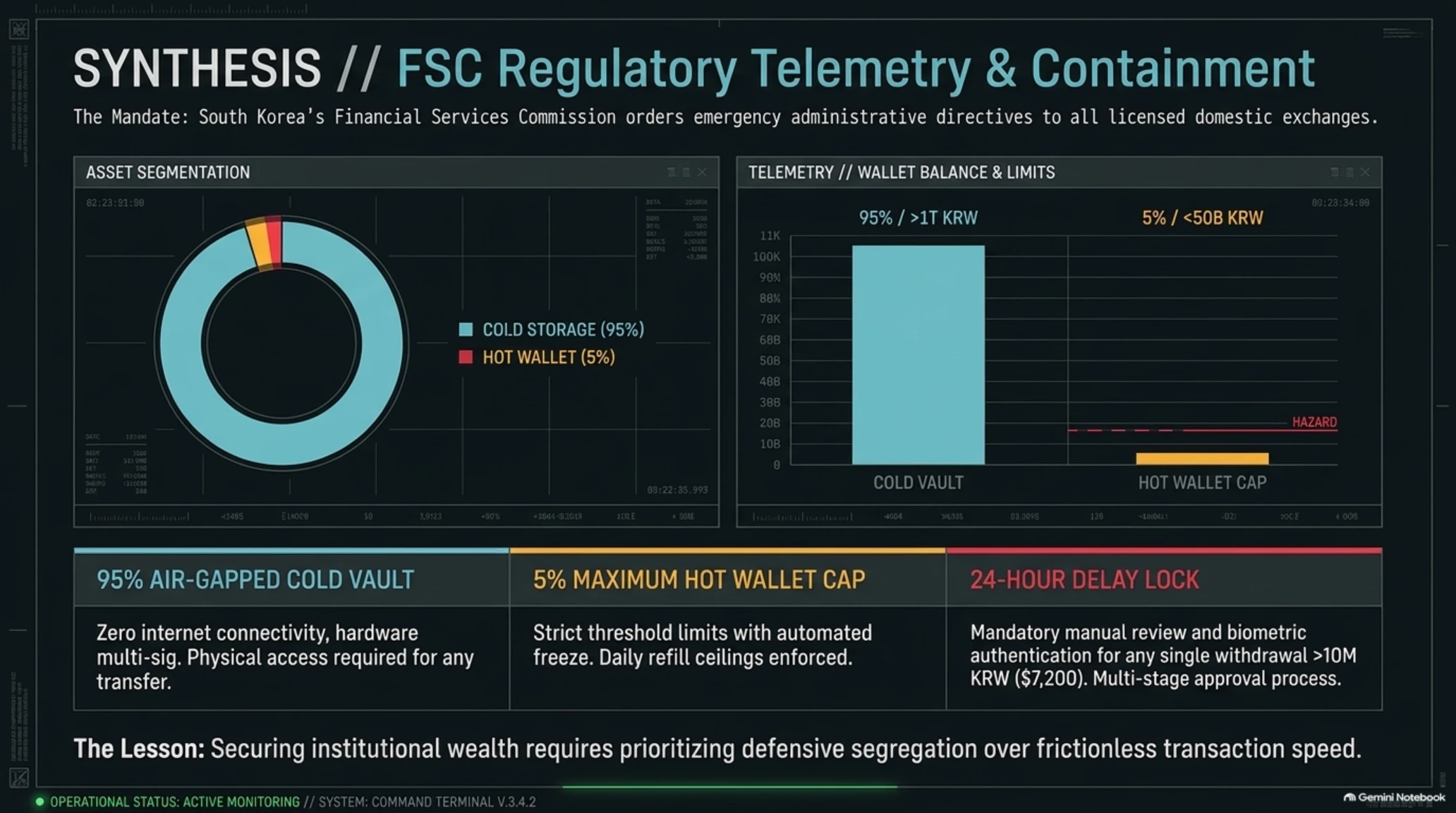
The security failure prompted immediate regulatory escalation across the Asia-Pacific region. South Korea's Financial Services Commission (FSC), known for its rigorous oversight of digital asset service providers, issued an emergency administrative directive to all licensed domestic exchanges, including Upbit and Bithumb. The decree mandates an immediate operational cap restricting online hot wallet storage to no more than 5% of total platform reserves, requiring the remaining 95% of customer assets to reside within physically air-gapped, multi-signatory cold vaults.
Additionally, the FSC imposed a mandatory 24-hour manual verification delay on any single withdrawal exceeding 10 million Korean Won ($7,200), enforcing biometric authentication to insulate domestic trading platforms against cascading international contagion. Compliance audits will be conducted unannounced by state regulatory task forces, with non-compliant trading desks facing immediate operational license revocations.
Tekin Strategic Analysis: The Settlement Velocity Paradox and the Future of Centralized Custody
The $49 million breach at Mercado Bitcoin underscores an enduring systemic tension in centralized exchange engineering: the trade-off between customer withdrawal velocity and cold storage security. In their competitive efforts to provide instantaneous user withdrawals, trading platforms maintain substantial capital reserves in internet-facing hot wallets. However, continuous connectivity transforms automated settlement rails into prime targets for organized cyber syndicates.
Modern cyber adversaries rarely expend effort attempting to break enterprise-grade cold storage cryptography; instead, they target peripheral dependencies across the software supply chain. Third-party vendor APIs, unsecured development staging environments, and compromised administrative credentials represent the primary attack vectors in 2026. Without robust adoption of offline threshold signature schemes (TSS) and strict separation of privilege, hot wallet architectures remain fundamentally fragile.
While South Korea's stringent regulatory mandate introduces transaction friction for high-frequency retail traders, it establishes a vital institutional benchmark for operational resilience. The crypto asset ecosystem must recognize that securing hundreds of millions in customer wealth requires prioritizing defensive segregation over frictionless speed.
📚 Classified & Related Dossiers in TekinGame
If you wish to explore beyond this report and delve into cybernetic frontiers and autonomous AI architectures, do not miss these three exclusive deep-dives in the Tekin Garage:
Exchange Reserve Allocation and FSC Regulatory Telemetry
| Asset Segment & Storage Tier | Reserve Allocation | Regulatory Compliance Standard |
|---|---|---|
| Air-Gapped Cold Storage | 95% of Total Assets | Zero internet connectivity, hardware multi-sig |
| Automated Hot Wallets | 5% Maximum Cap | Threshold limits with automated circuit breakers |
| Withdrawals > 10M KRW | Delayed Processing | Mandatory 24-hour review and biometric check |
| Third-Party Settlement APIs | Isolated Sandboxes | Ephemeral cryptographic credentials rotated hourly |
Barracuda Discloses Critical CVSS 9.3 Exploit Chain (CVE-2026-116606) in Edge Security Gateways Permitting Pre-Auth Bypass and Unauthenticated Root Execution
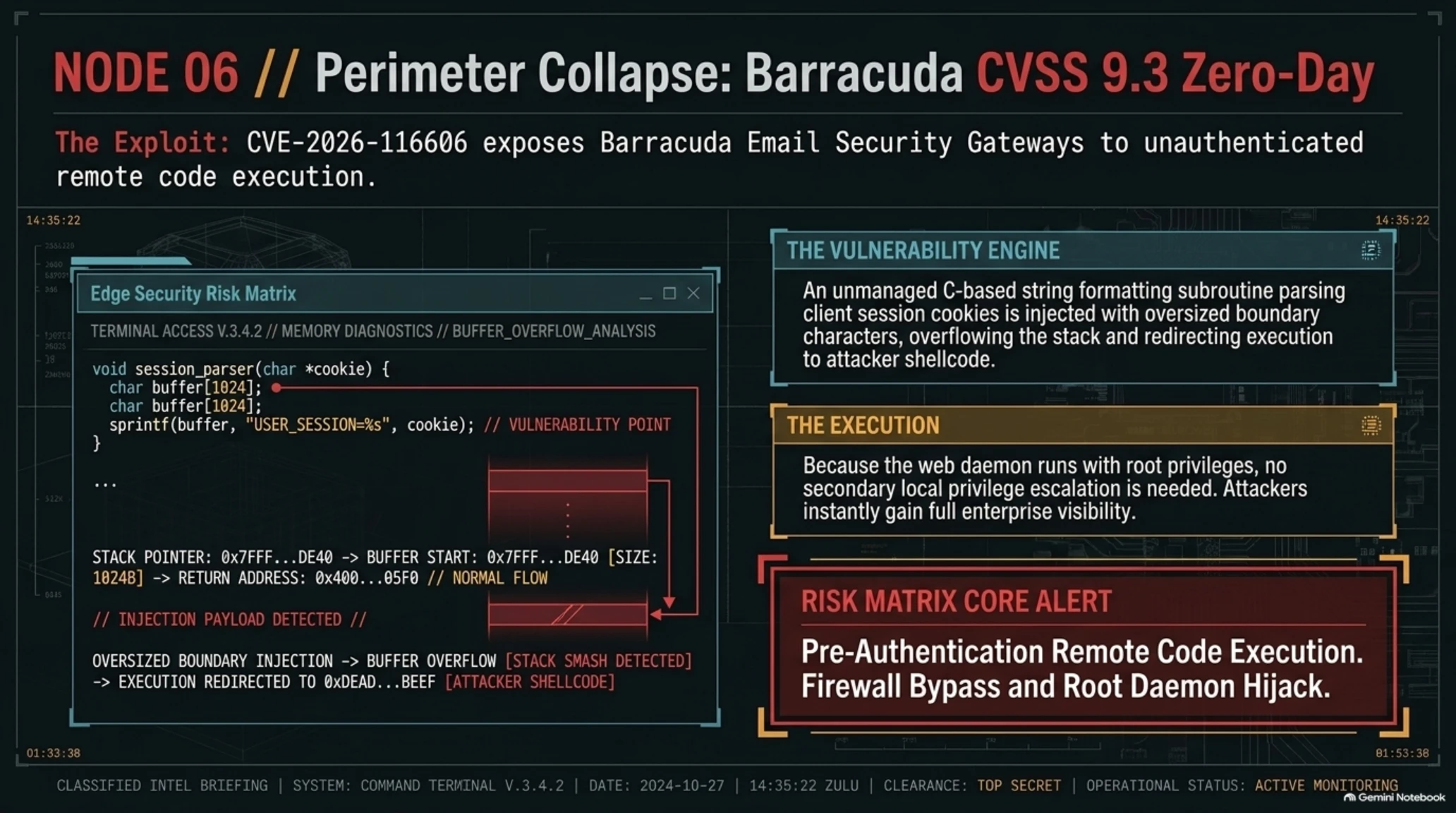
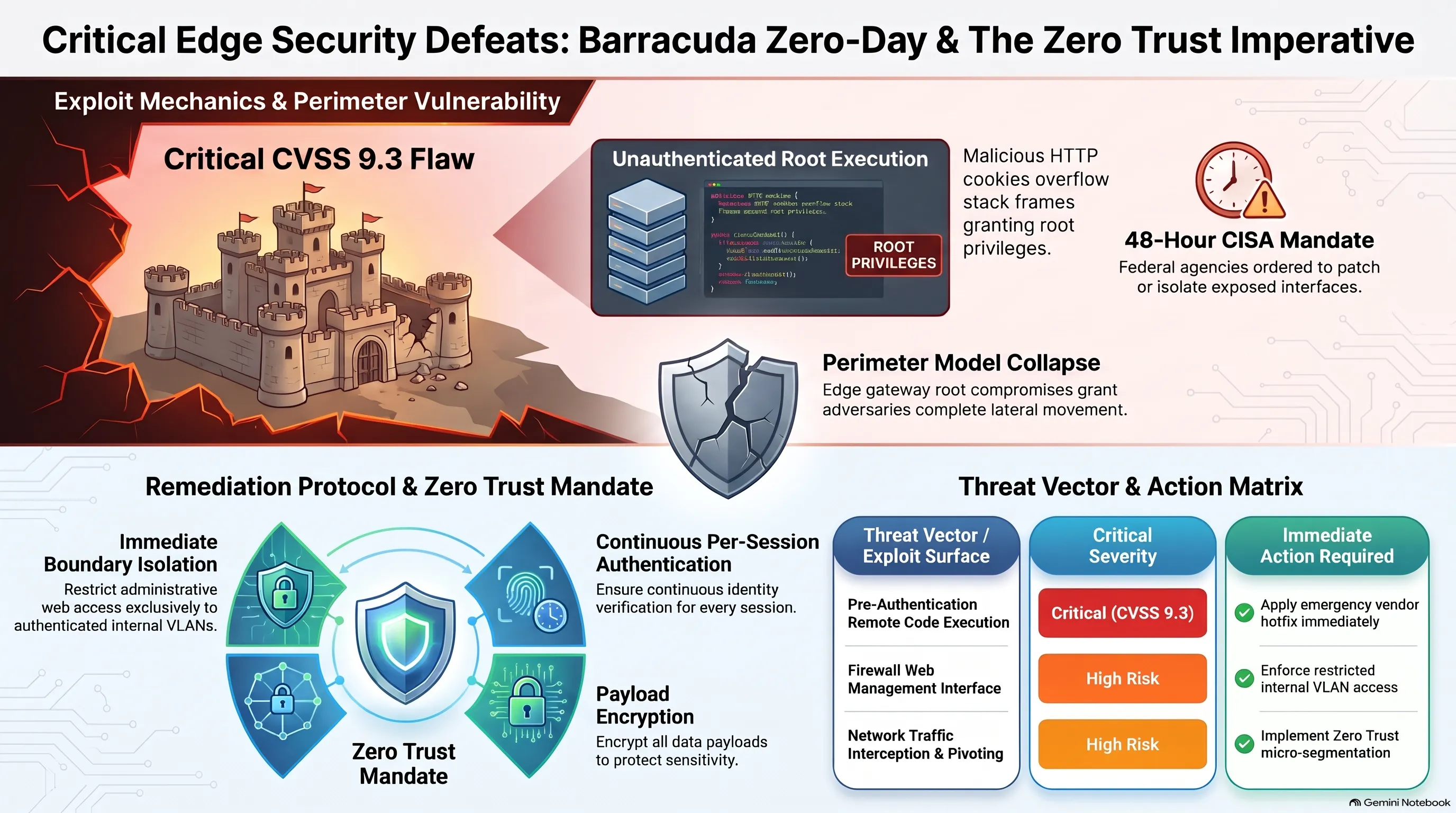
Enterprise cybersecurity leader Barracuda Networks published an emergency security advisory detailing a severe vulnerability chain tracked as CVE-2026-116606, carrying a critical CVSS v3.1 base score of 9.3 out of 10. The flaw impacts Barracuda's Email Security Gateway (ESG) appliances and next-generation perimeter firewalls, permitting unauthenticated remote threat actors to bypass web management access controls and execute arbitrary operating system commands with root privileges.
Technical root-cause analysis conducted by Barracuda's threat intelligence unit reveals that the defect stems from improper input sanitization within the appliance's administrative web interface. Remote attackers can transmit specially crafted HTTP POST payloads containing escape sequences to the login authentication pipeline, triggering memory corruption in underlying background Linux daemons and spawning an unauthenticated reverse shell with root-level execution rights. Because these appliances reside directly at the physical boundary separating public internet traffic from private corporate intranets, compromise grants adversaries total visibility across the enterprise perimeter.
Decompiled firmware traces indicate that the flaw resides inside an unmanaged C-based string formatting subroutine responsible for parsing client-provided session cookies. When injected with oversized boundary characters, the routine overflows a pre-allocated stack frame, corrupting the instruction pointer and redirecting execution flow to attacker-controlled shellcode. Crucially, the web service daemon executes under root privileges rather than a restricted service account, eliminating any need for secondary local privilege escalation (LPE) exploits.
The U.S. Cybersecurity and Infrastructure Security Agency (CISA) responded swiftly by adding CVE-2026-116606 to its Known Exploited Vulnerabilities (KEV) catalog, ordering federal civilian executive branch agencies to apply vendor patches or sever web management interfaces from public networks within 48 hours. Independent telemetry indicates that advanced persistent threat (APT) groups have initiated automated internet-wide scans seeking exposed Barracuda appliances to establish persistent backdoor footholds.
Barracuda urges network administrators worldwide to deploy official hotfixes immediately and restrict administrative interfaces exclusively to internal management VLANs protected by multi-factor authenticated VPN gateways.
Tekin Strategic Analysis: The Fragility of Edge Perimeters and the Mandate for Zero Trust
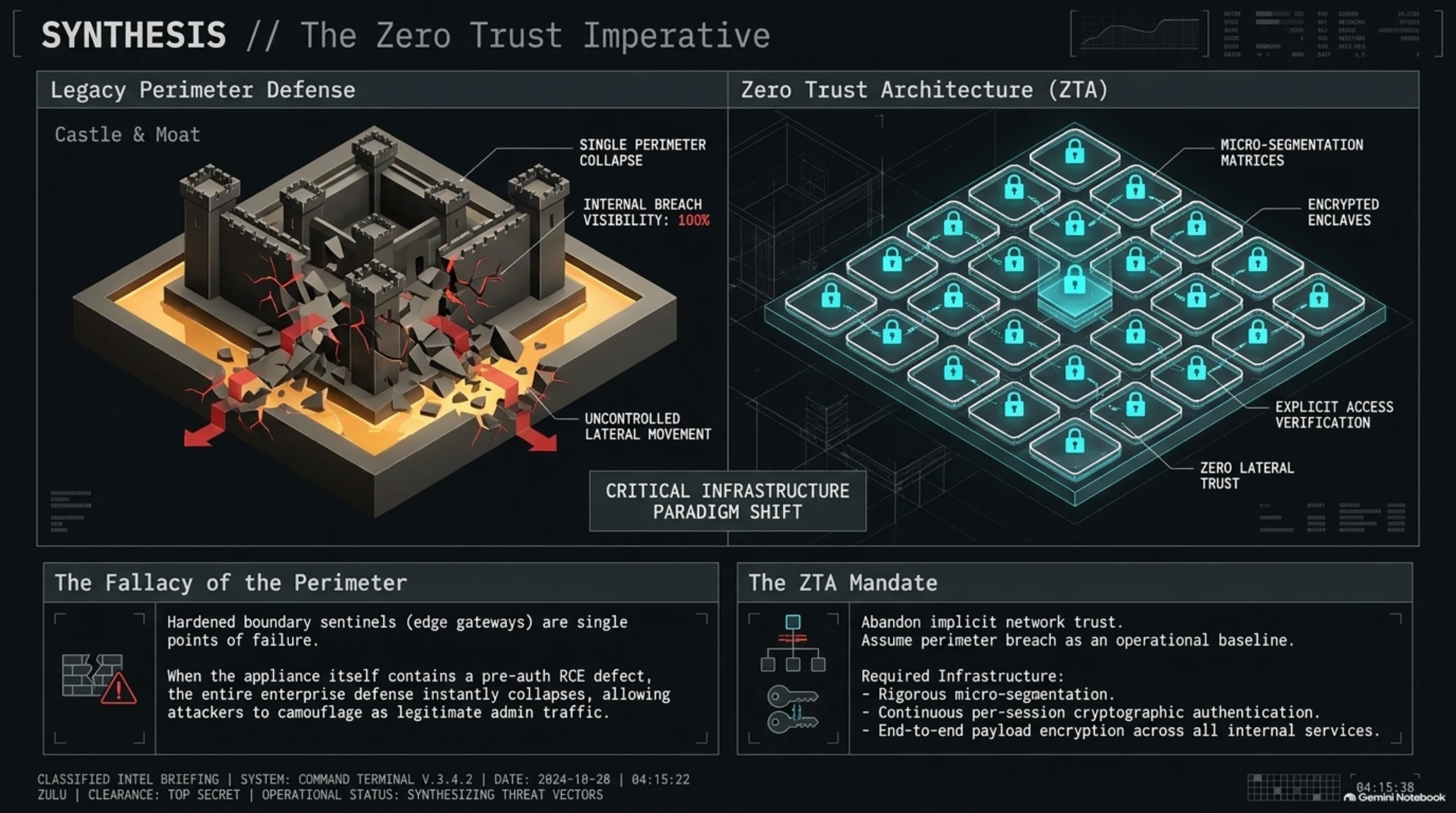
The critical Barracuda disclosure exposes the fatal architectural flaw inherent in traditional perimeter-based castle-and-moat security doctrines. For decades, enterprises have invested billions in edge security appliances under the presumption that hardened boundary sentinels could insulate internal corporate networks from hostile external actors. However, when the security appliance itself contains pre-authentication remote code execution defects, the entire defense perimeter collapses instantly.
A root-level compromise on an edge gateway provides adversaries with an ideal operational pivot point. Attackers can decrypt and inspect inbound and outbound network traffic, harvest cleartext corporate credentials, forge authenticated administrative emails, and pivot lateral movement throughout the enterprise without triggering internal intrusion detection alarms. Operating from the organization's most trusted network interface, threat actors effectively camouflage their malicious traffic as legitimate administrative operations.
The definitive solution requires abandoning implicit network trust in favor of comprehensive Zero Trust Architecture (ZTA). Organizations must assume perimeter breach as an operational baseline, enforcing rigorous micro-segmentation, continuous per-session cryptographic authentication, and end-to-end payload encryption across all internal services. Defending the enterprise requires ensuring that the failure of any single edge gateway does not result in systemic institutional catastrophe.
Barracuda Edge Security Risk Matrix and Remediation Protocol
| Threat Vector & Exploit Surface | Critical Severity | Immediate Technical Remediation |
|---|---|---|
| Pre-Authentication Remote Code Execution | Critical (CVSS 9.3) | Apply emergency firmware hotfix and disconnect public web GUI |
| Firewall Bypass and Root Daemon Hijack | High Risk | Enforce strict VLAN isolation and require MFA VPN for admin access |
| Encrypted Traffic Interception and Backdoor Persistence | Mitigated Post-Patch | Execute forensic credential audits and inspect anomalous shell scripts |
| Administrative Session Token Exfiltration | High Risk | Revoke active sessions and force immediate root password rotation |
Strategic Evening Synthesis: Confluence of Guerilla Warfare, Live-Service Resilience, and Perimeter Survival
The intelligence currents observed on Thursday evening, November 5, 2026, delineate a comprehensive realignment of competitive power across interactive entertainment, digital finance, and infrastructure defense. From Bethesda's dramatic re-emergence with The Elder Scrolls VI: Sentinel to Microsoft's animatronic X-Bite gambit, industry titans are systematically discarding conventional playbooks in favor of asymmetric agility.
Rockstar's decisive departure from optical media and pack-in cartography, paired with Epic Games' radical 14-day monetization holiday in Fortnite, signals the complete maturation of digital network economics. In an era where user attention is the supreme commercial currency, market leaders recognize that preserving active daily engagement justifies the complete sacrifice of near-term transactional surpluses.
Simultaneously, across the cybersecurity and custodial landscape, Mercado Bitcoin's $49 million exploit and Barracuda's zero-day crisis deliver an urgent message: technological velocity without foundational engineering discipline invites systemic destruction. Enterprise survival in the late 2020s will not be determined by surface-level innovations, but by the relentless enforcement of Zero Trust principles and operational resilience across every layer of the technology stack.
Synthesizing these strategic domains reveals that success in modern high-velocity markets requires continuous institutional adaptability, proactive community engagement, and uncompromising defense-in-depth methodologies across both physical and digital operating theatres.
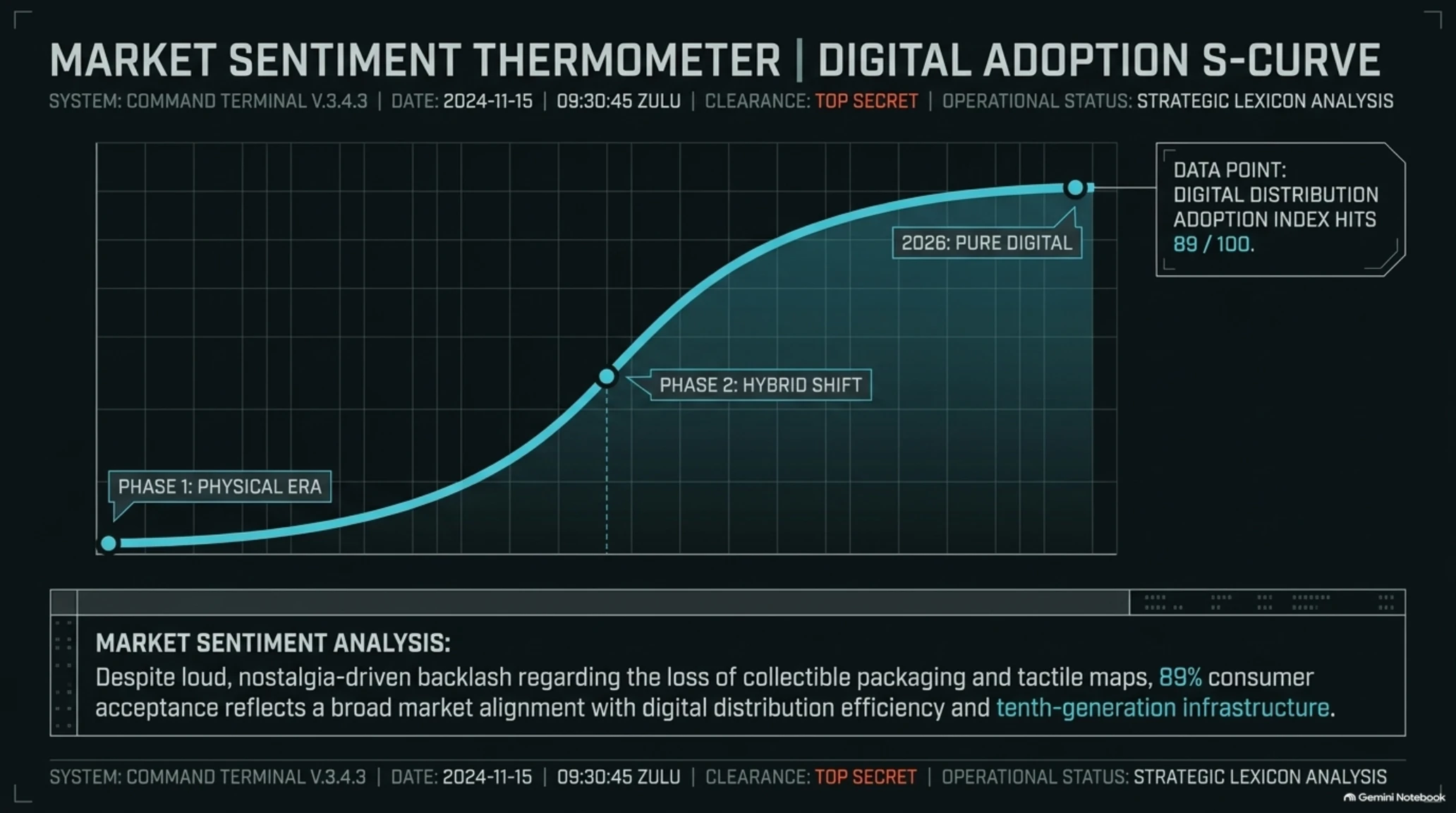
Market Sentiment Thermometer | Digital Transition & Adoption S-Curve
Market Sentiment Analysis: Despite nostalgia for collectible packaging, 89% consumer acceptance reflects broad market alignment with digital distribution efficiency and tenth-generation infrastructure.
- Bethesda breaks eight years of silence with The Elder Scrolls VI: Sentinel, revitalizing its flagship RPG pillar.
- Masterful guerrilla marketing campaign by Xbox with animatronic X-Bite bypassing commercial restrictions.
- Aggressive, player-centric live-service defense by Epic Games maintaining community vitality.
- Proactive regulatory containment in South Korea restricting exchange hot wallet reserves below 5%.
- Collector backlash following the elimination of optical discs and packed-in maps from retail GTA 6.
- Persistent vulnerabilities in centralized crypto settlement rails resulting in $49M drained at Mercado Bitcoin.
- Critical pre-authentication remote code execution flaws in enterprise edge security appliances.
Editorial Verdict and Authoritative References
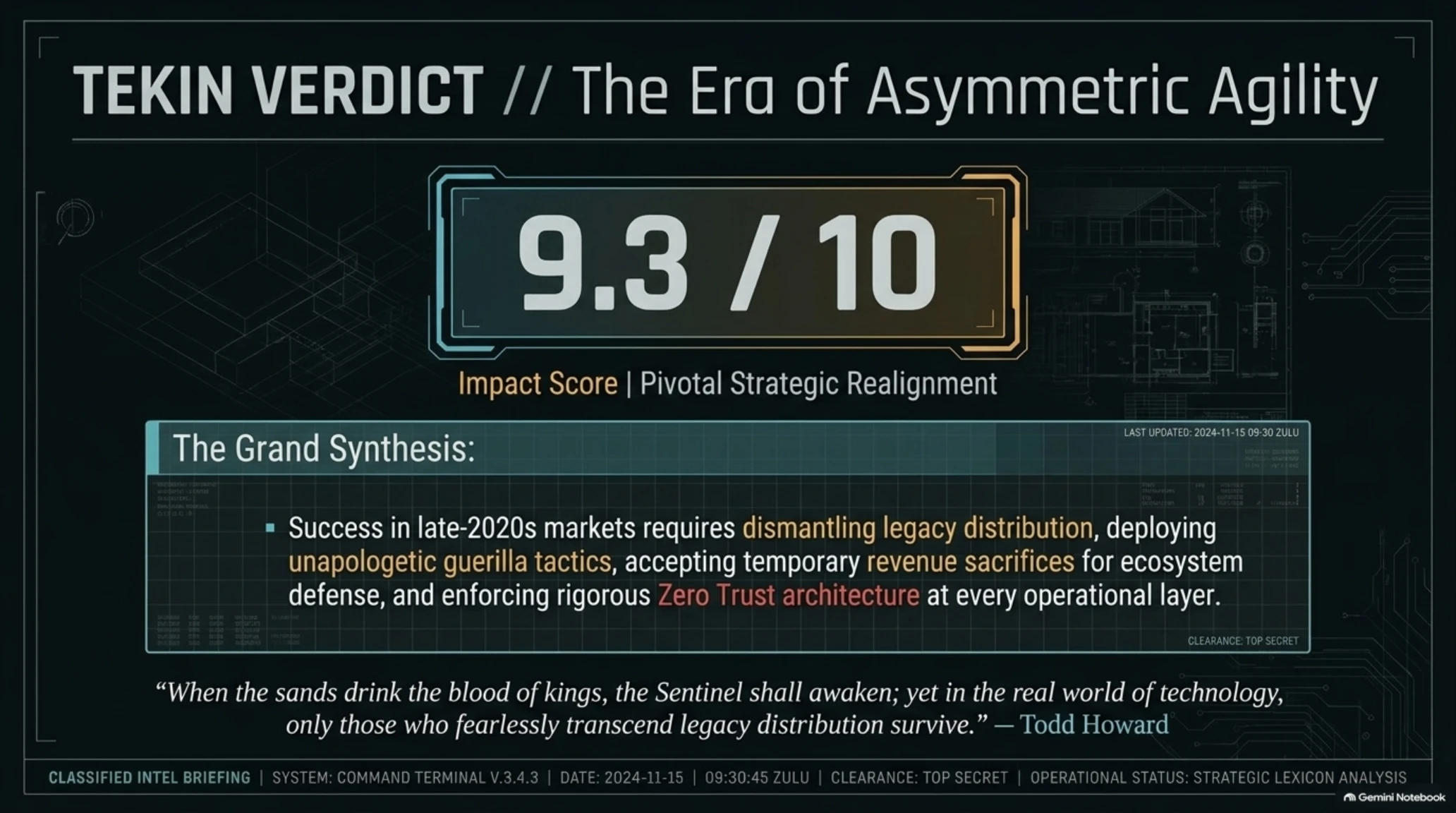
The Era of Asymmetric Agility and Digital Supremacy
November 5 evening developments confirm that future leadership across tech and entertainment belongs to organizations willing to dismantle legacy conventions and defend their ecosystems with architectural rigor.
- Eurogamer: Bethesda Officially Names The Elder Scrolls VI: Sentinel at 40th Anniversary Showcase
- GameSpot: Xbox X-Bite Animatronic Console Reveal and Fortnite Pirate Item Shop Analysis
- Dexerto: Rockstar Drops Physical Disc and Map from GTA 6 Retail Box Packaging
- The Block: Mercado Bitcoin Drained of $49M in Hot Wallet Exploit as FSC Issues Directives
- The Hacker News: Barracuda Discloses Critical CVSS 9.3 Pre-Auth Root Exploit CVE-2026-116606
Frequently Asked Technical Questions: Tekin Night
Will The Elder Scrolls VI: Sentinel explore regions outside Hammerfell?
According to Bethesda narrative leads, while Hammerfell constitutes the primary contiguous landmass, maritime coastal waters and border territories adjacent to High Rock will feature prominently in late-game exploration.
Is the Xbox X-Bite animatronic console commercially available for retail purchase?
No, X-Bite is a bespoke, one-of-a-kind animatronic engineering prototype created specifically for promotional showcases and community installations, with no planned commercial production run.
Do items acquired via Fortnite Pirate Access Tokens expire after the 14-day event?
No, all cosmetic outfits, harvesting tools, and gliders unlocked using the Pirate Shop Access Token remain permanently bound to player lockers with full commercial ownership rights.
How can consumers obtain the physical cartographic map for GTA 6?
Rockstar is providing ultra-high-resolution digital files for free domestic printing, while offering heavy-duty double-sided cardstock poster maps on the official Rockstar Store for $0.99.
What operational impacts does the South Korea FSC mandate impose on exchange traders?
High-volume withdrawals exceeding 10 million KRW may experience a mandatory 24-hour verification delay, but long-term systemic fund security is substantially enhanced by capping hot wallet reserves below 5%.
How can organizations mitigate the Barracuda CVE-2026-116606 vulnerability?
Network engineers must immediately apply official vendor firmware hotfixes, isolate management web interfaces behind authenticated internal VPNs, and rotate all administrative credentials.
Additional Gallery: Tekin Night Nov 5: Elder Scrolls VI Sentinel, Xbox X-Bite & GTA 6 No-Disc