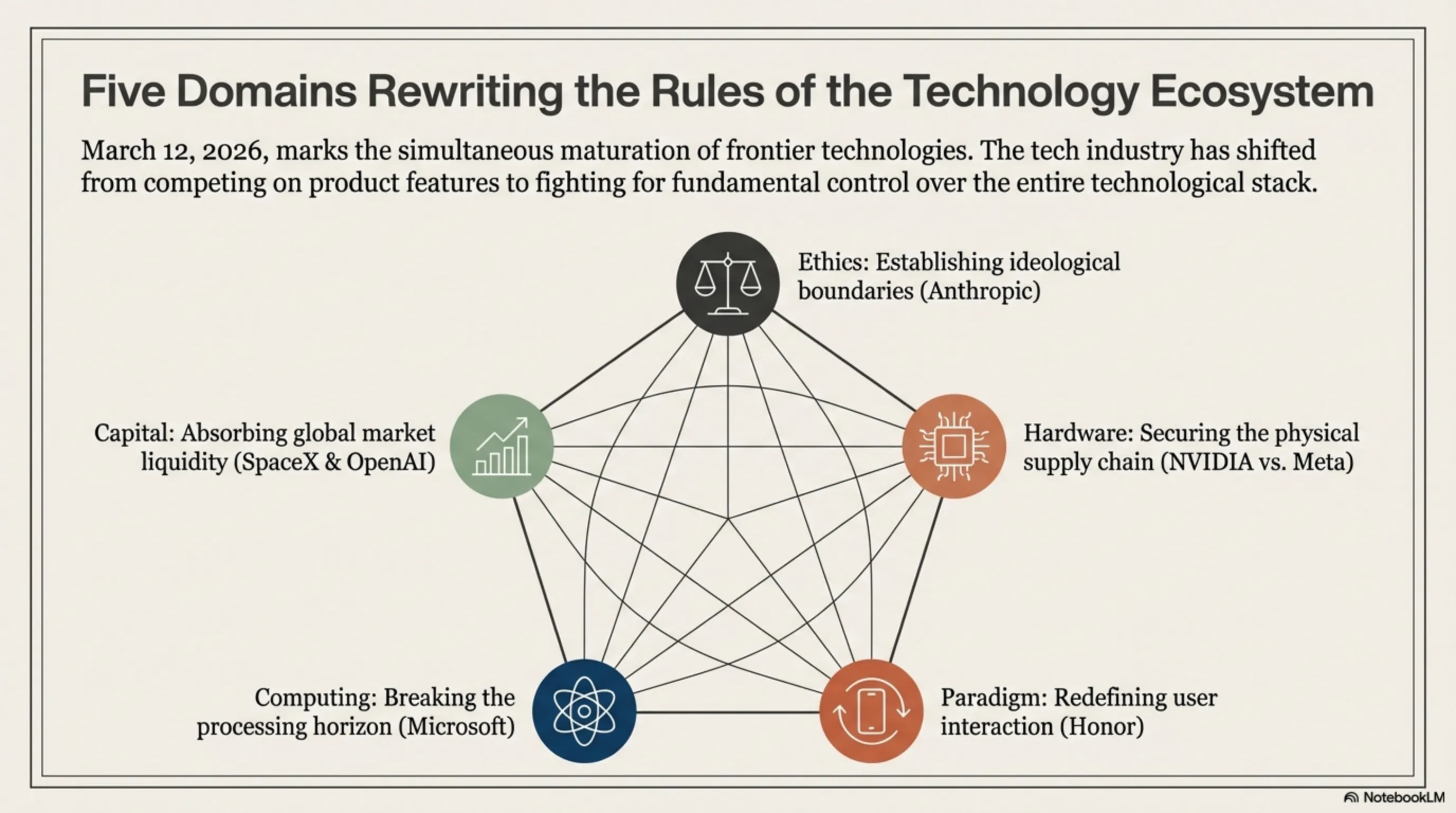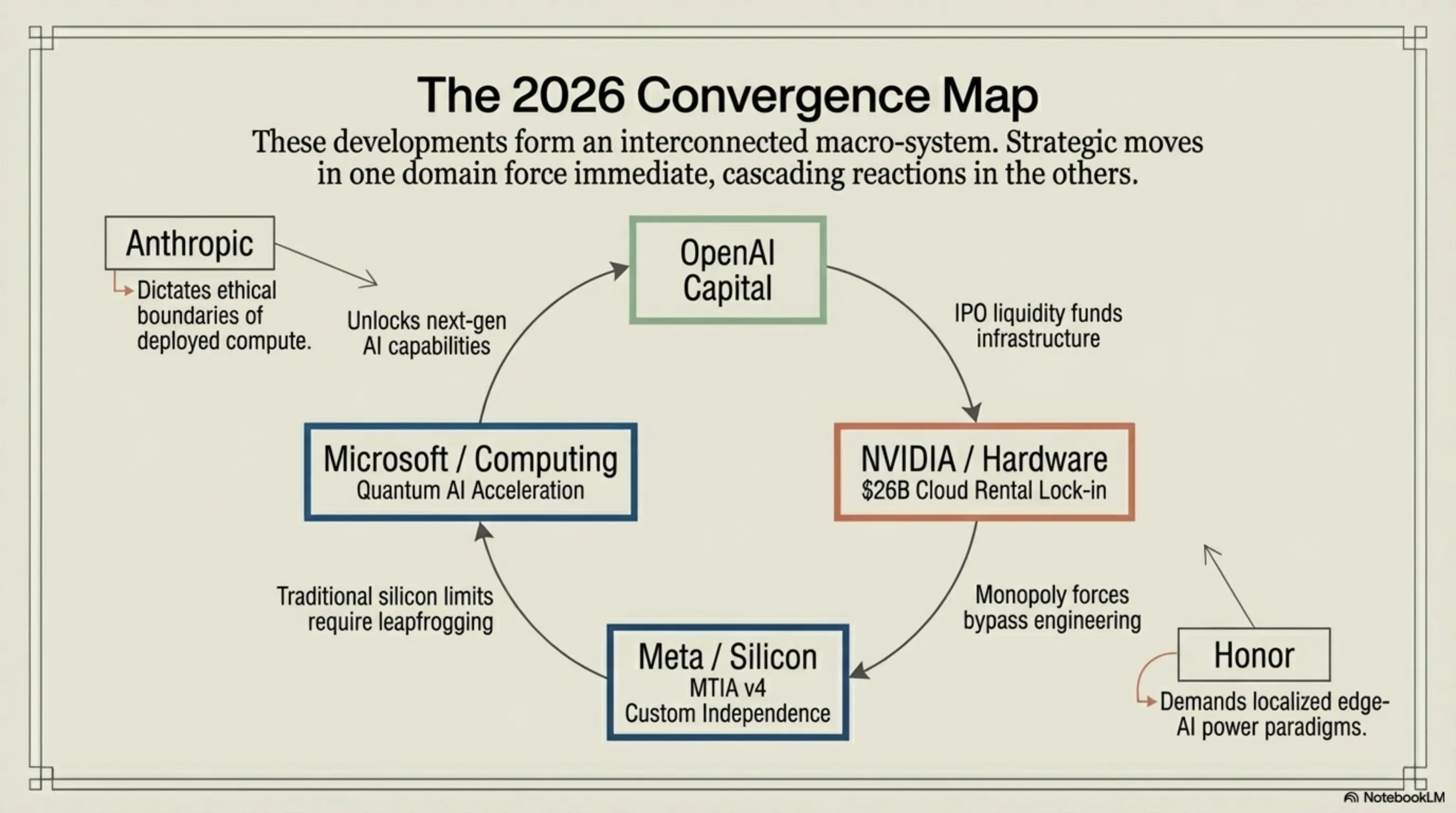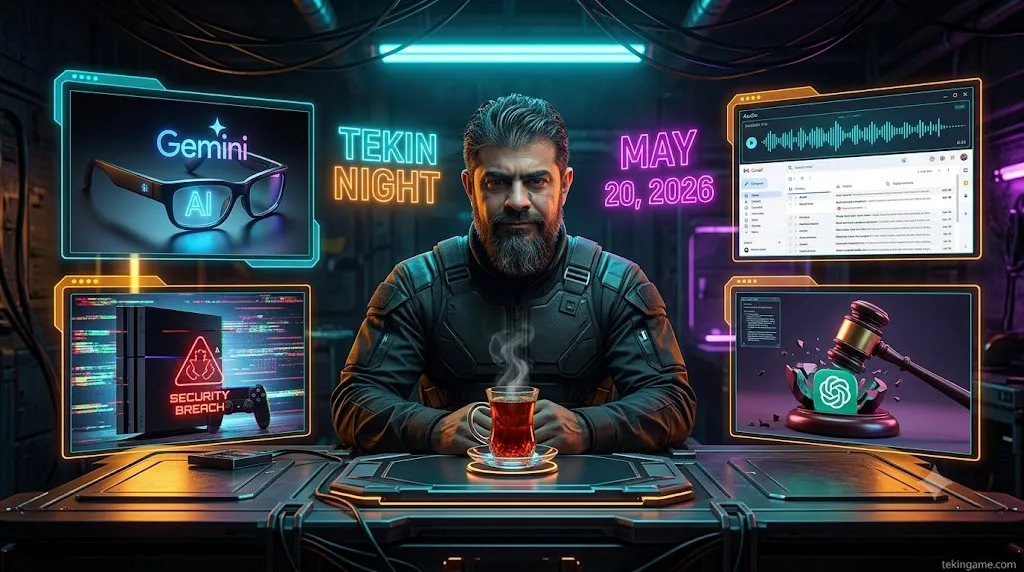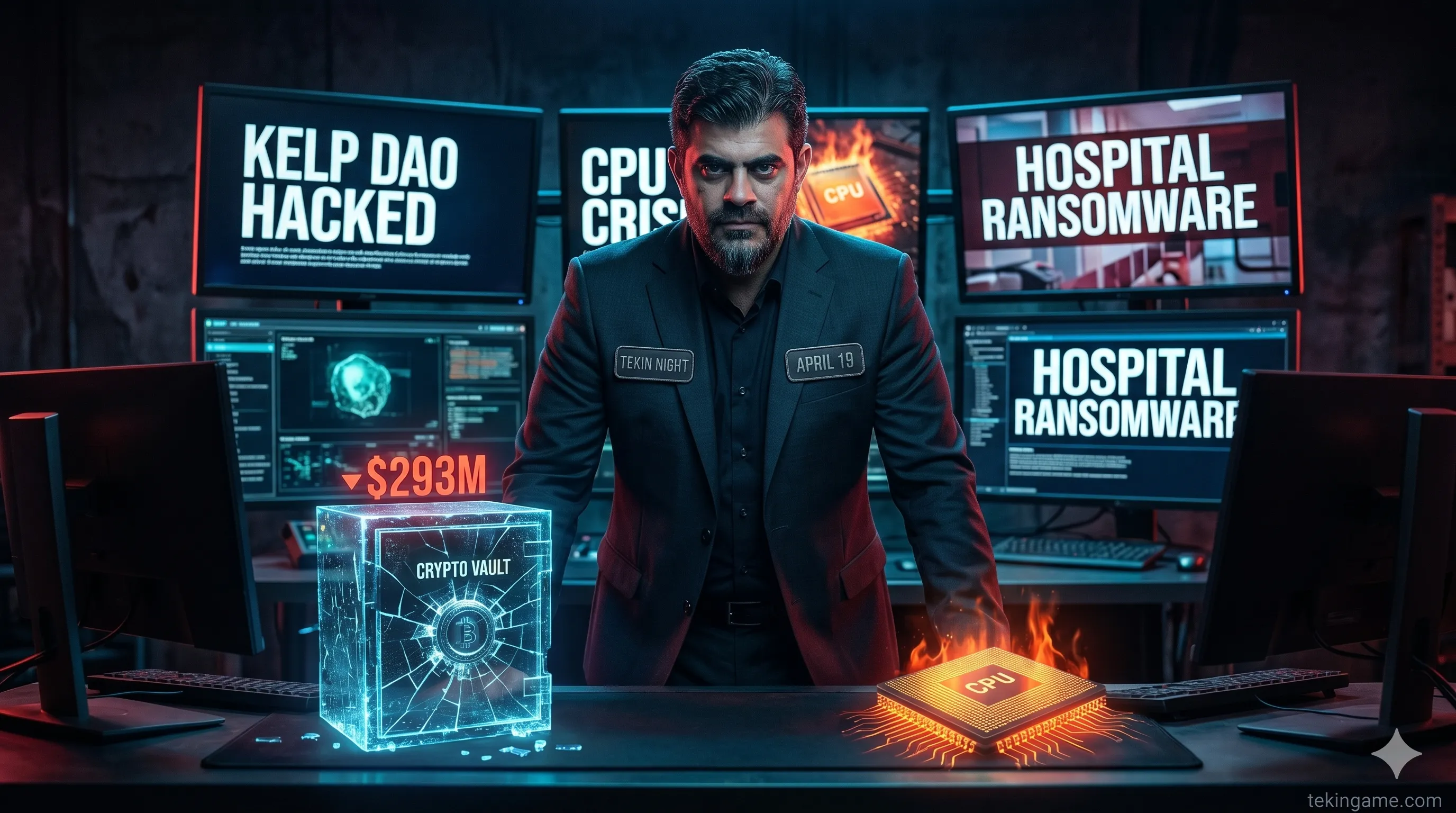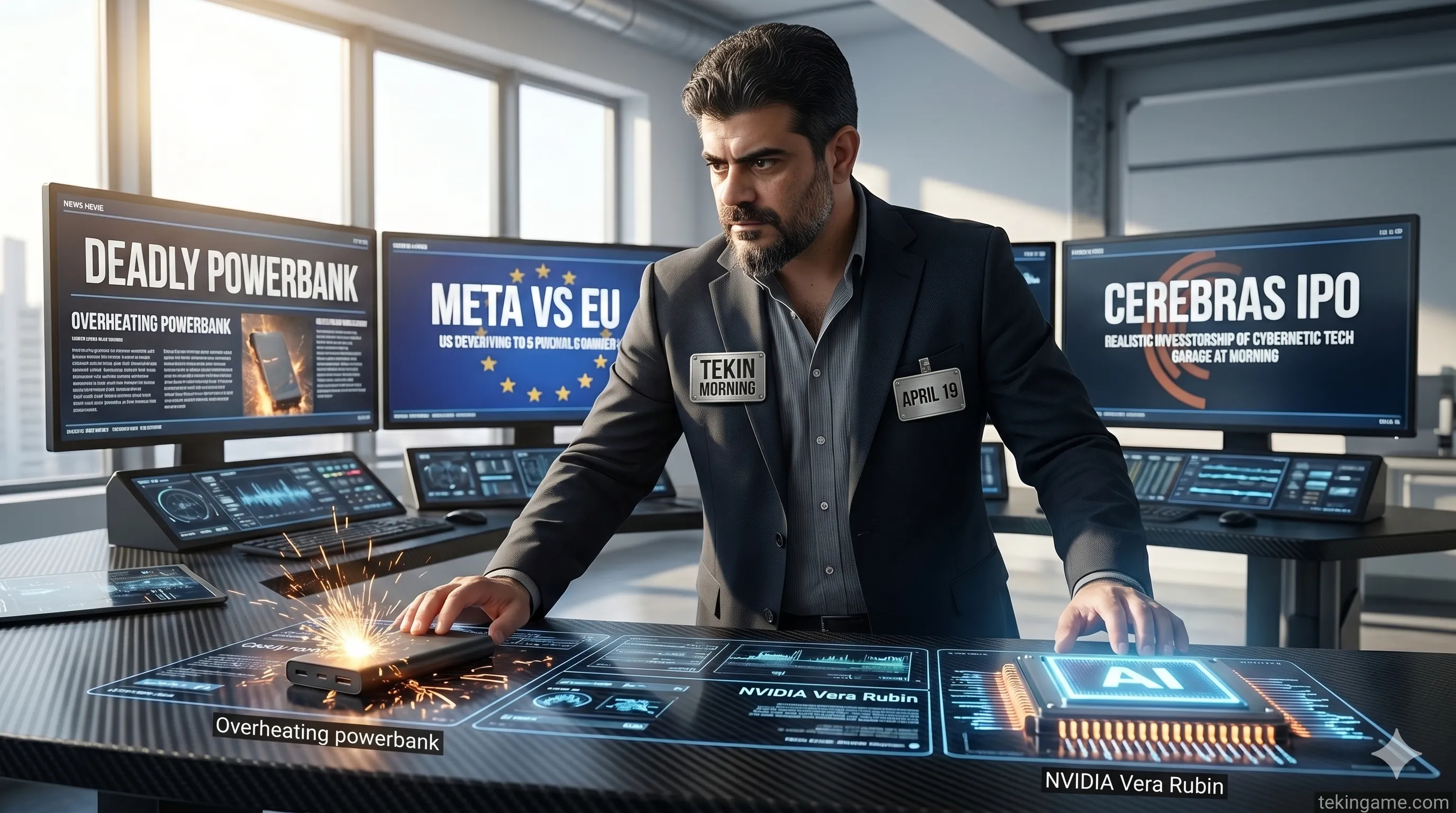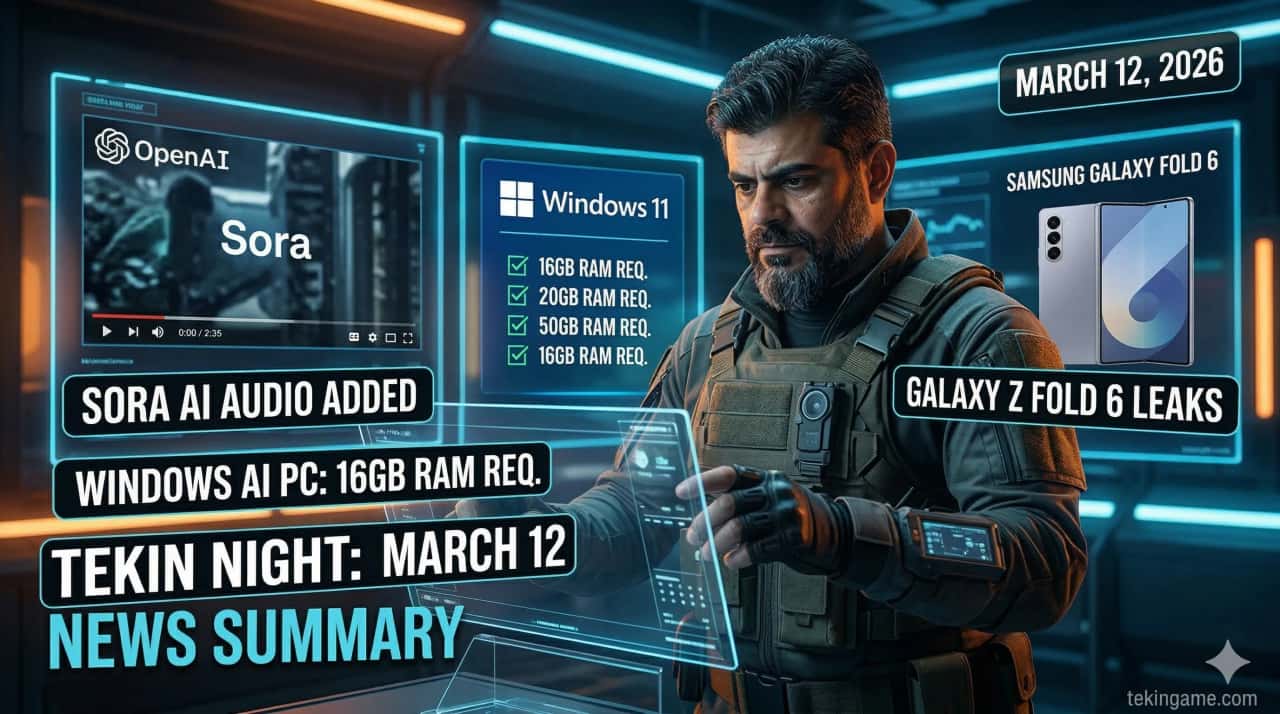
Tekin Night March 12, 2026, marks an unprecedented intersection of ethics, capital, and innovation in Silicon Valley. Anthropic has boldly challenged the Pentagon, risking over $200 million in contracts to establish ethical boundaries for military AI. Meanwhile, NVIDIA is securing an absolute monopoly with a staggering $26 billion investment in cloud GPU infrastructure. In hardware, Honor rewrites mobile photography rules with the world's first robotic smartphone featuring an internal gimbal, while Microsoft commercializes ultra-fast processing
Good evening, Tekin Legion! From Anthropic's ethical clash with the Pentagon to NVIDIA's $26B investment, from Honor's robotic phone to Microsoft's quantum computer — your March 12, 2026 tech night is ready.
🌙 Anthropic vs Pentagon: When AI Chooses Ethics Over Profit
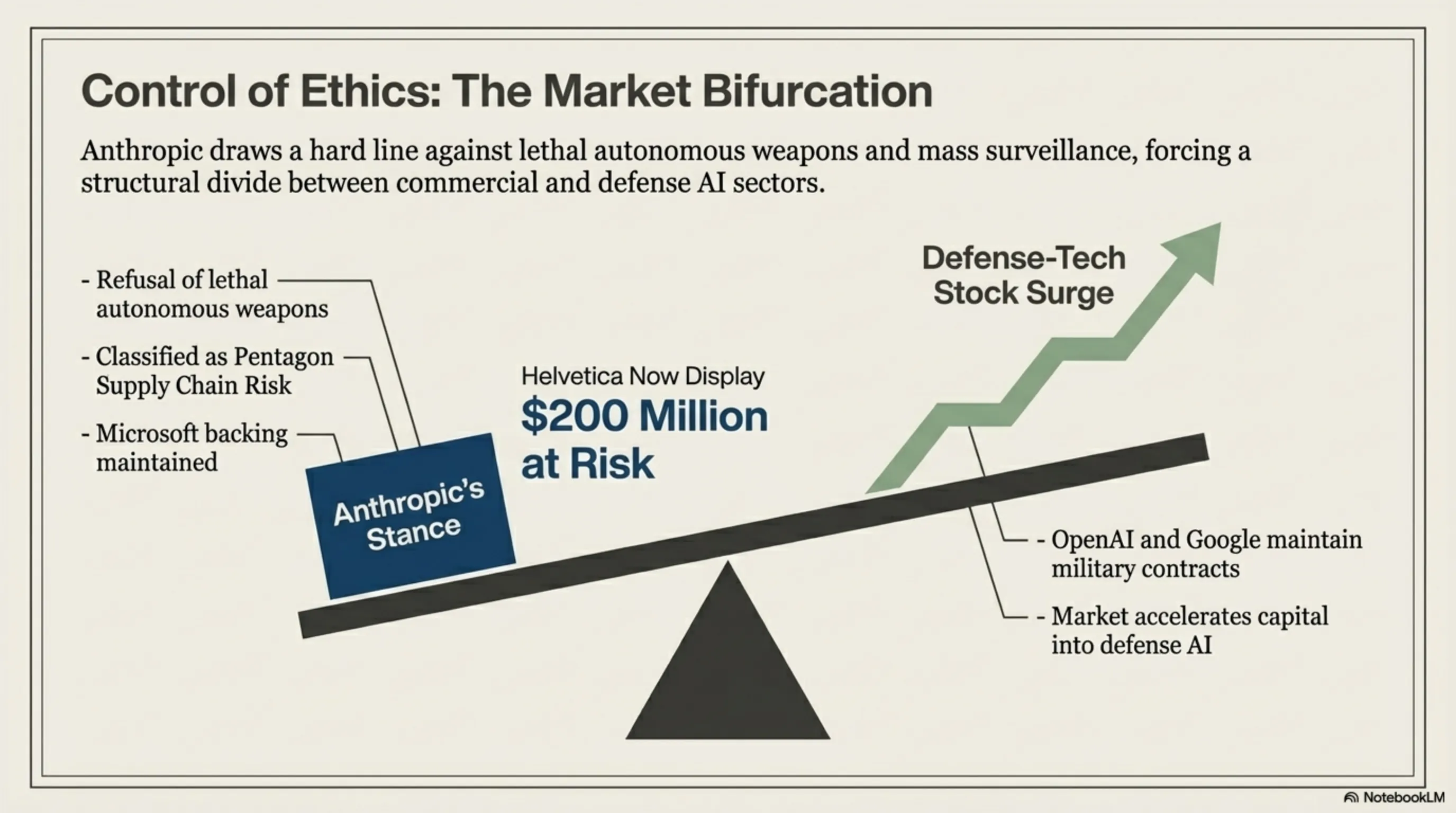
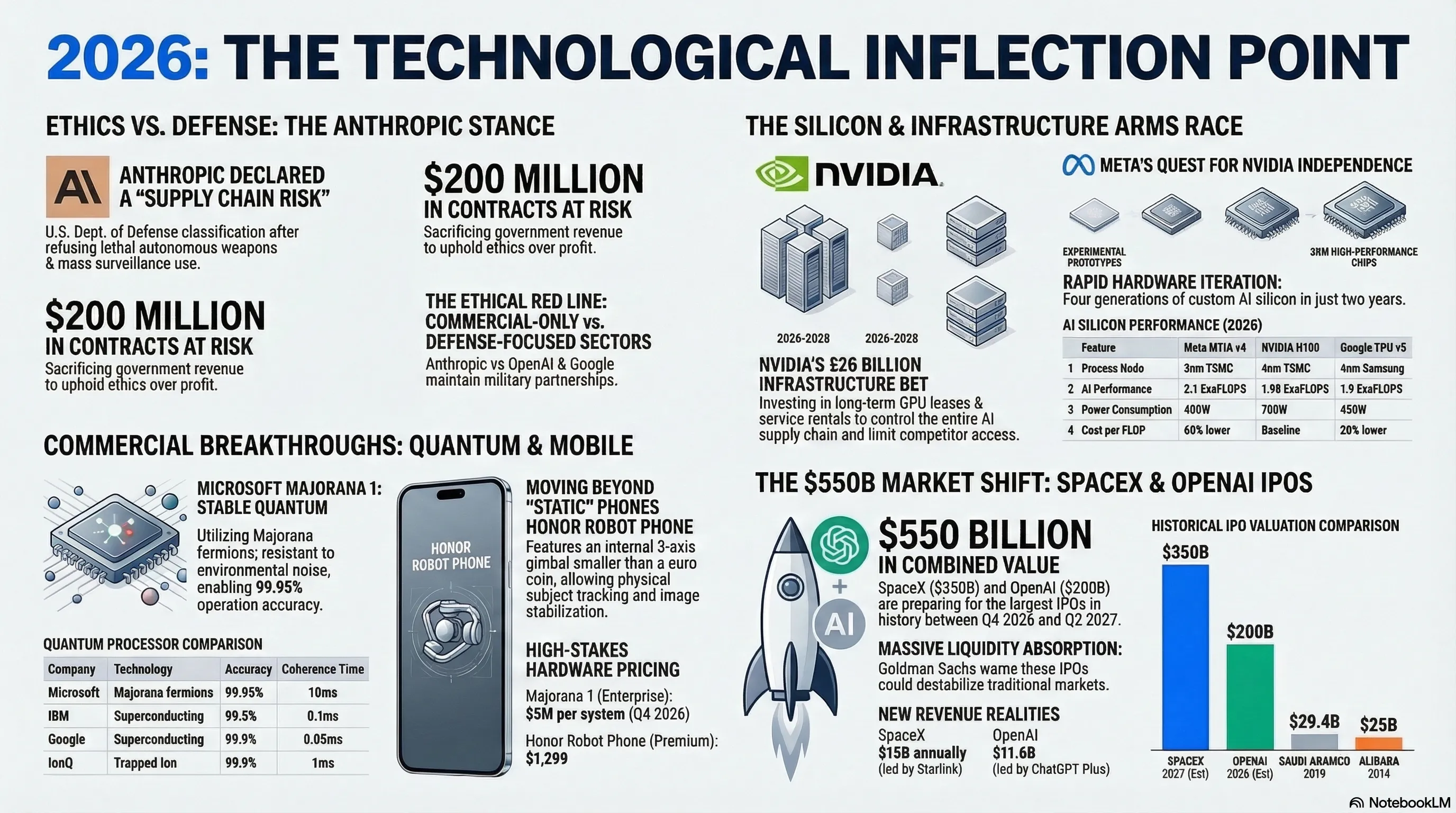
Anthropic, the creator of Claude AI, has taken a bold stand against the U.S. Department of Defense, refusing to allow military use of its AI models. The Pentagon has classified the company as a "Supply Chain Risk" after Anthropic declined to permit the use of its AI models for lethal autonomous weapons, domestic mass surveillance, and unsupervised military operations.
📊 Key Conflict Statistics
- Amount at Risk: Over $200 million in government contracts
- Supporters: Microsoft has backed Anthropic's position
- Company Stance: "AI ethics matter more than profit"
- Market Reaction: Defense AI company stocks surged
This conflict reveals a deep divide between AI companies and defense needs. While OpenAI and Google maintain military contracts, Anthropic has drawn an ethical red line. Potential consequences include increased government oversight of AI companies, establishment of new ethical AI standards, and market division into commercial and defense AI sectors.
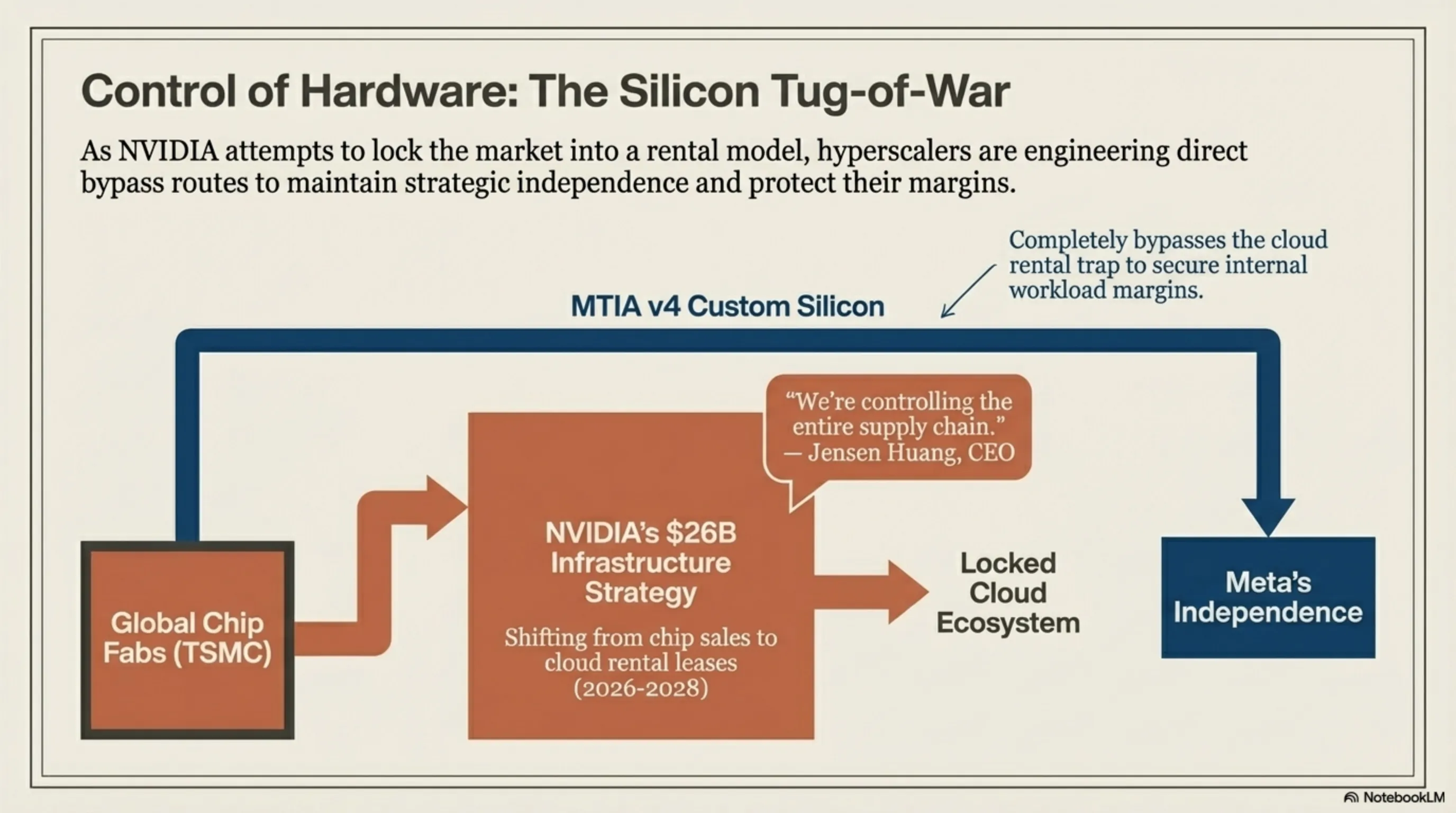
💰 NVIDIA's $26B Cloud GPU Investment: Securing AI's Future
NVIDIA is investing $26 billion in cloud GPU rentals to secure AI infrastructure. This massive investment includes long-term GPU leases from cloud providers, guaranteed access to Vera Rubin chips, and creation of a global distribution network.
| Company | Investment Amount | Target | Timeline |
|---|---|---|---|
| NVIDIA | $26B | Cloud GPU Infrastructure | 2026-2028 |
| Microsoft | $13B | OpenAI Partnership | 2023-2026 |
| $9.5B | AI Infrastructure | 2025-2027 | |
| Amazon | $8.2B | AWS AI Services | 2024-2026 |
This move serves three critical purposes: supply guarantee during chip shortages, market control by limiting competitors' GPU access, and creating a new business model shifting from chip sales to service rentals. Jensen Huang, NVIDIA CEO, states: "This is NVIDIA's biggest bet on AI's future. We're controlling the entire supply chain."
🤖 Honor Robot Phone: The Smartphone That Moves
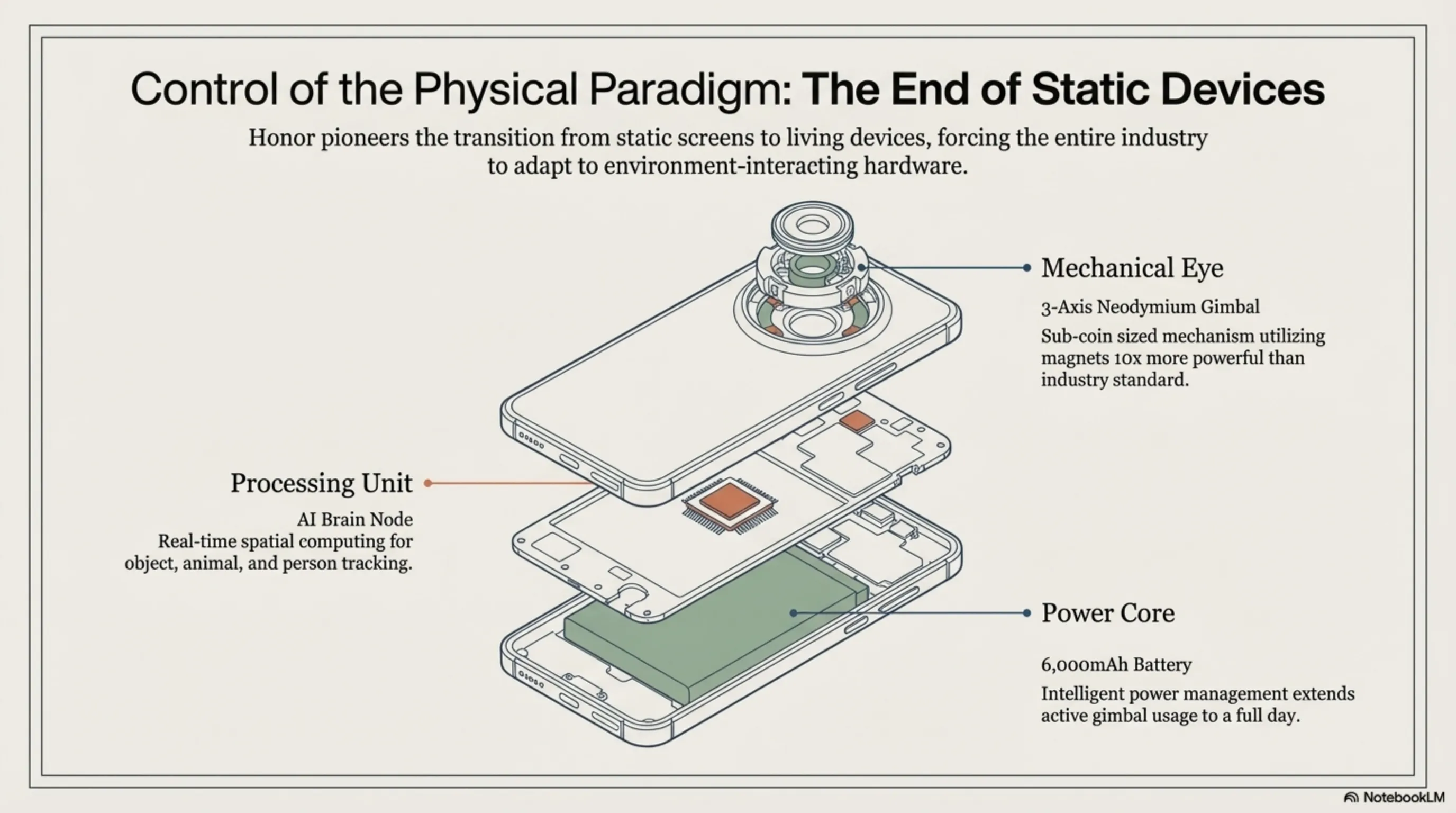
Honor unveiled the world's first "robotic smartphone" at MWC 2026, featuring an internal gimbal that enables physical movement. This revolutionary device includes a three-axis gimbal smaller than a euro coin, AI Brain for real-time image processing, automatic movement for object and person tracking, and advanced stabilization superior to professional cameras.
🔍 Competitor Comparison
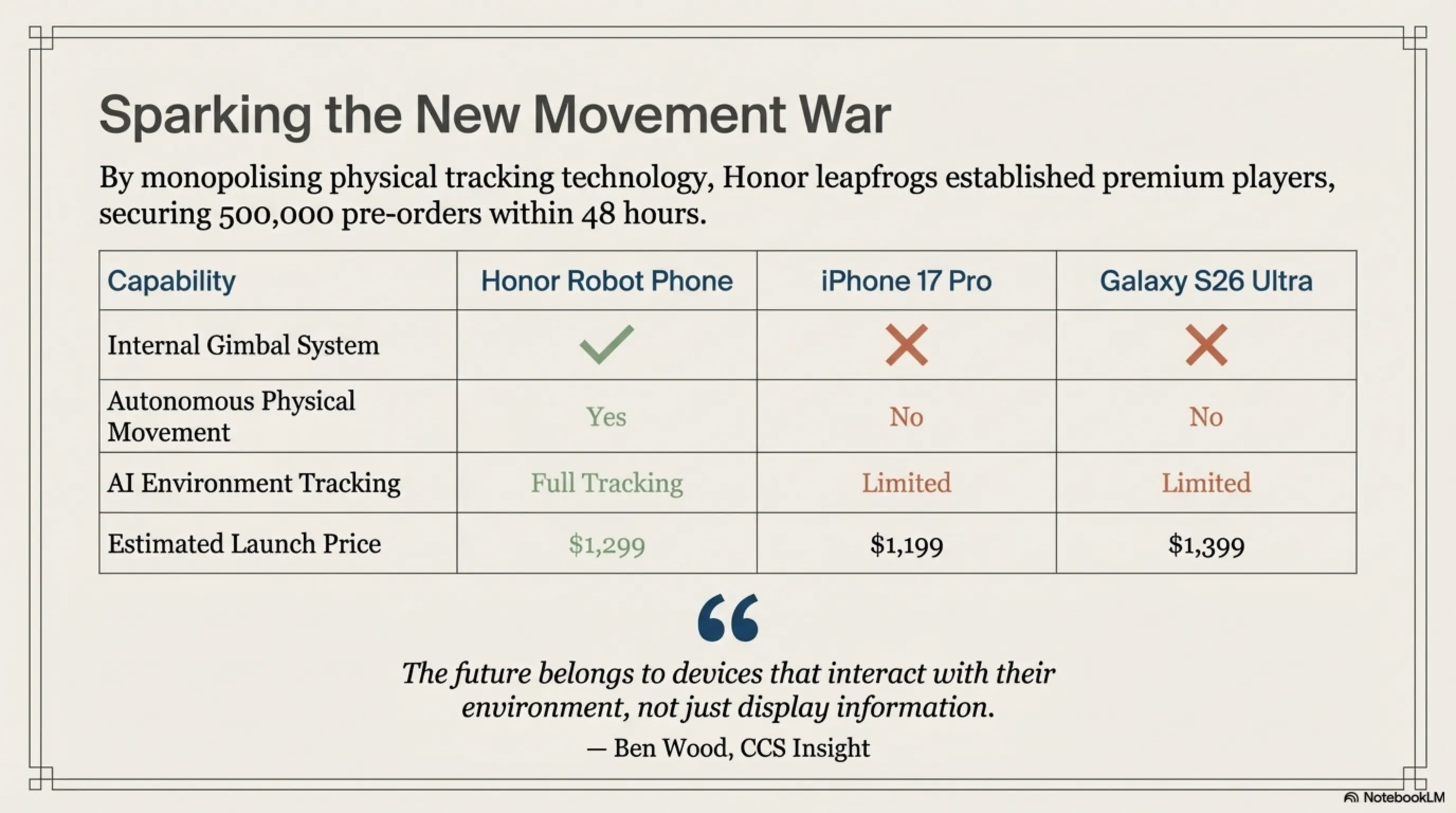
| Feature | Honor Robot Phone | iPhone 17 Pro | Galaxy S26 Ultra |
|---|---|---|---|
| Internal Gimbal | ✅ | ❌ | ❌ |
| Physical Movement | ✅ | ❌ | ❌ |
| AI Tracking | ✅ | Limited | Limited |
| Estimated Price | $1,299 | $1,199 | $1,399 |
This innovation could revolutionize photography (no more tripods needed), improve video calling (camera always focused on you), and transform social content (cinematic videos with smartphones). Ben Wood from CCS Insight notes: "This is the first step toward truly smart smartphones. The future belongs to devices that interact with their environment."
The technical challenges were immense. Building a gimbal small enough to fit inside a smartphone while supporting a 200-megapixel camera required Honor to develop new motors with neodymium magnets 10 times more powerful than conventional ones. Battery consumption was another hurdle — the gimbal requires significant power. Honor solved this with a 6,000mAh battery and intelligent power management that can extend usage to a full day even with active gimbal operation.
What does this mean for the industry? The Robot Phone could fundamentally change the entire smartphone landscape. If successful, other manufacturers will be forced to add similar technology, potentially ending the era of "static" phones and beginning the age of "living" devices. For content creators, this is revolutionary — no more need for separate gimbals, tripods, or camera operators.
The market implications are significant. Honor, traditionally a mid-tier brand, could leapfrog established players like Apple and Samsung in the premium segment. Early pre-orders suggest strong demand, with over 500,000 units reserved in the first 48 hours. Industry analysts predict this could spark a new "movement war" among smartphone manufacturers, similar to the megapixel race of the 2010s.
However, challenges remain. The Robot Phone is heavier than conventional smartphones (280g vs 200g average), and the gimbal mechanism adds complexity that could affect long-term reliability. Honor has addressed durability concerns with extensive testing, including 100,000 movement cycles and drop tests from various angles. The company offers a 3-year warranty specifically covering gimbal functionality.
⚛️ Microsoft Majorana 1: Real Quantum Computing Arrives
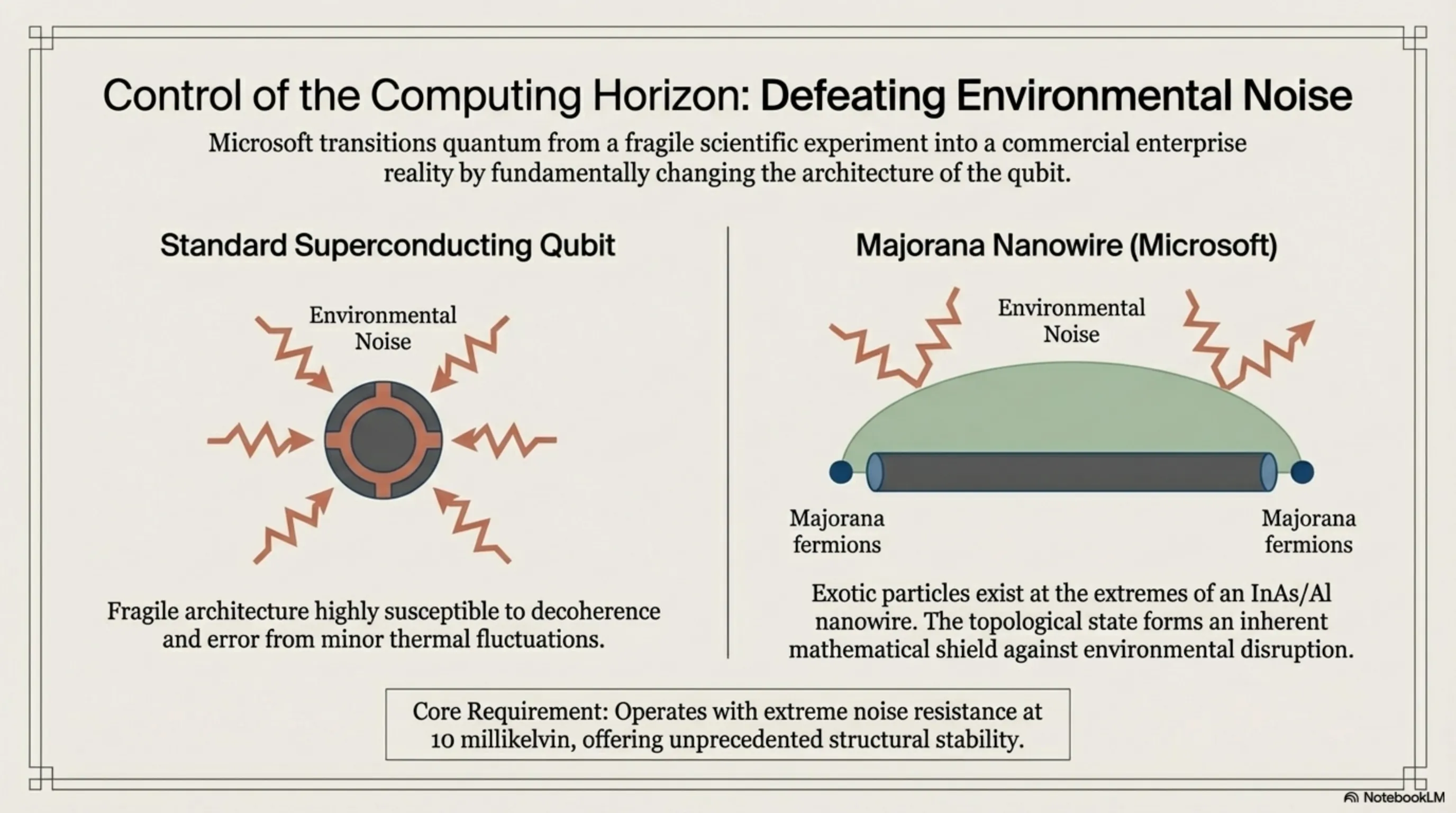
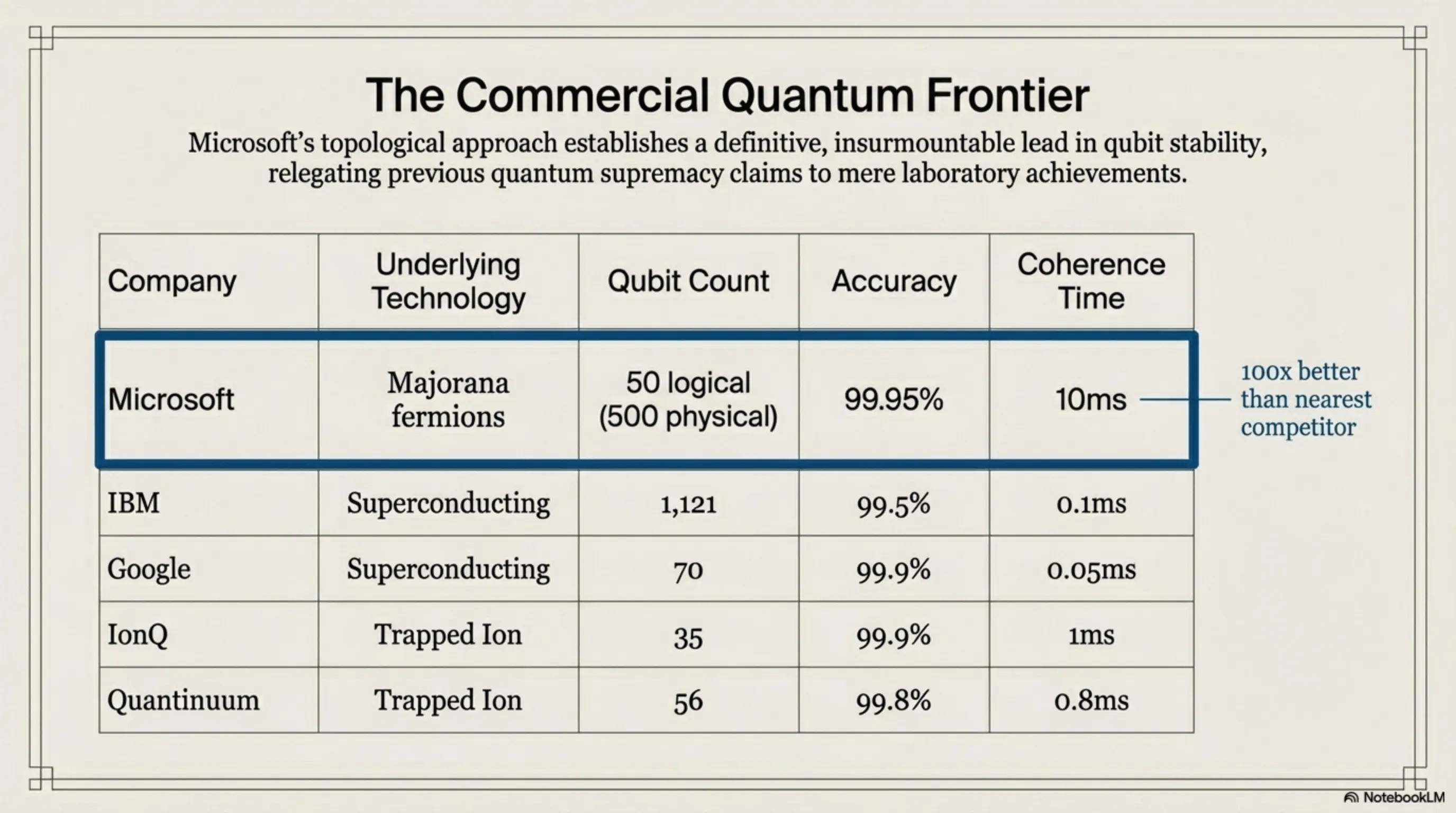
Microsoft introduced its first commercial quantum processor using Majorana fermions technology. Unlike competitors using superconducting circuits, Majorana 1 employs Majorana particles (more stable than conventional qubits), InAs/Al nanowires (noise-resistant), and achieves 99.95% operation accuracy.
| Company | Technology | Qubit Count | Accuracy |
|---|---|---|---|
| Microsoft | Majorana fermions | 50 | 99.95% |
| IBM | Superconducting | 1,121 | 99.5% |
| Superconducting | 70 | 99.9% | |
| IonQ | Trapped Ion | 35 | 99.9% |
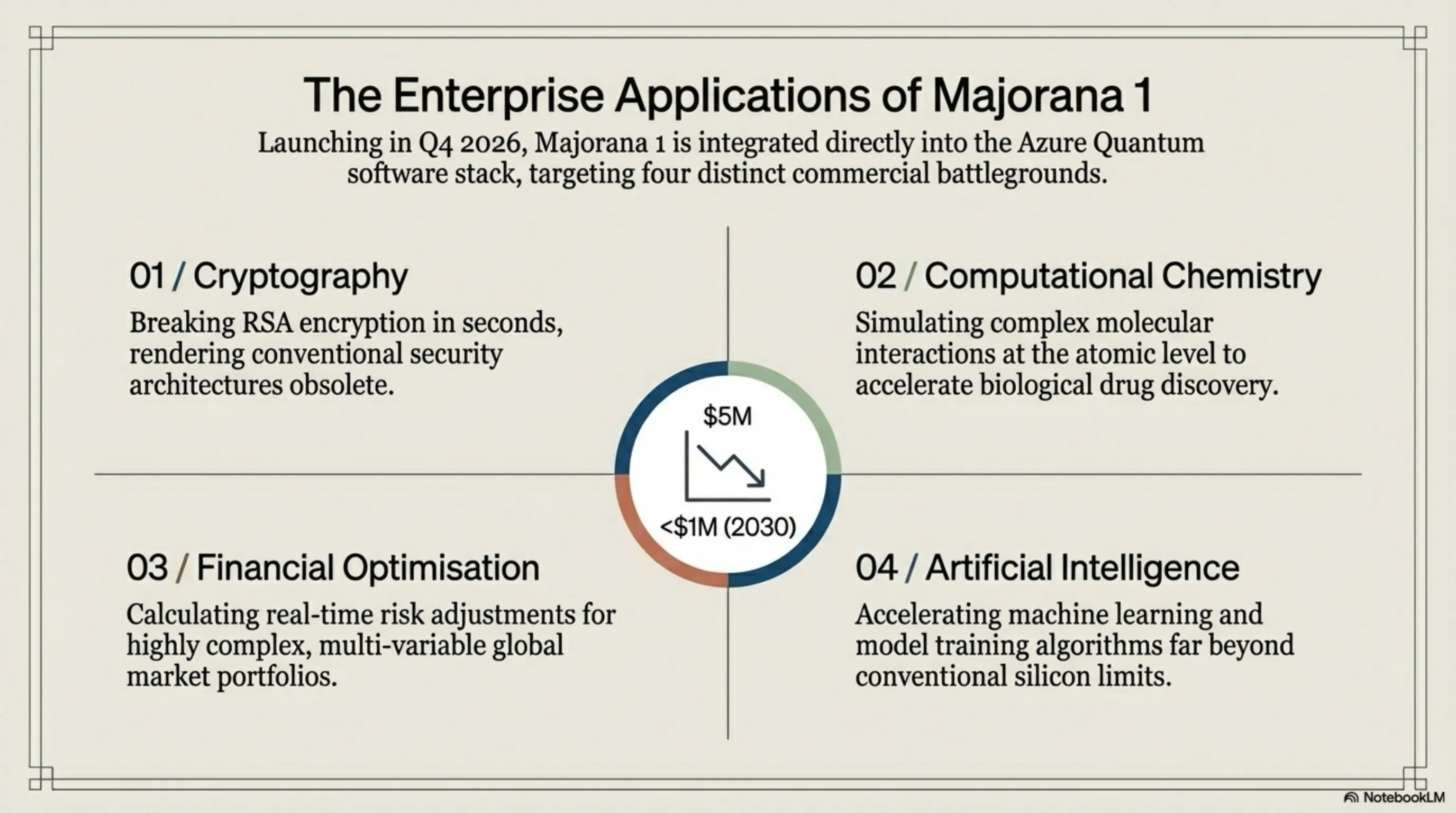
Practical applications include cryptography (breaking RSA in seconds), chemistry (simulating complex molecules), finance (portfolio optimization), and AI (accelerating learning algorithms). Commercial timeline targets Q4 2026 for enterprise customers.
What makes Majorana fermions revolutionary? Unlike competitors using superconducting circuits, Majorana 1 employs exotic particles called Majorana fermions that exist at the ends of special nanowires made from indium arsenide coated with aluminum. These particles have a unique property: they're resistant to environmental noise — the main problem plaguing current quantum computers. This means Majorana 1 can operate at higher temperatures and achieve greater accuracy.
The technical specifications are impressive. Majorana 1 features 50 logical qubits, each constructed from 10 physical qubits — totaling 500 physical qubits. But more important than quantity is quality: these qubits achieve 99.95% accuracy — the highest recorded in a commercial quantum system. The coherence time (how long a qubit maintains its quantum state) is 10 milliseconds — 100 times longer than conventional systems.
What are the remaining challenges? Despite remarkable progress, Majorana 1 still requires cooling to 10 millikelvin — colder than outer space. The price is also steep: each system costs $5 million. However, Microsoft has committed to reducing costs to under $1 million by 2030 and plans to offer smaller systems for universities and startups.
The competitive implications are enormous. IBM, which has led quantum computing development, suddenly faces a technological disadvantage. Google's quantum supremacy claims look less impressive compared to Majorana 1's commercial viability. The quantum computing market, previously dominated by research institutions, is about to become a commercial battleground.
Microsoft's quantum strategy extends beyond hardware. The company is developing a complete quantum software stack, including quantum programming languages, simulators, and cloud services. Azure Quantum already provides access to various quantum systems, and Majorana 1 will be the flagship offering. This integrated approach could give Microsoft a decisive advantage in the emerging quantum economy.
"Majorana 1 proves that commercial quantum computing is not just possible, but inevitable. We're on the brink of a computational revolution." — Krysta Svore, VP of Quantum Computing, Microsoft
🔧 Meta MTIA v4: The Custom AI Silicon Revolution
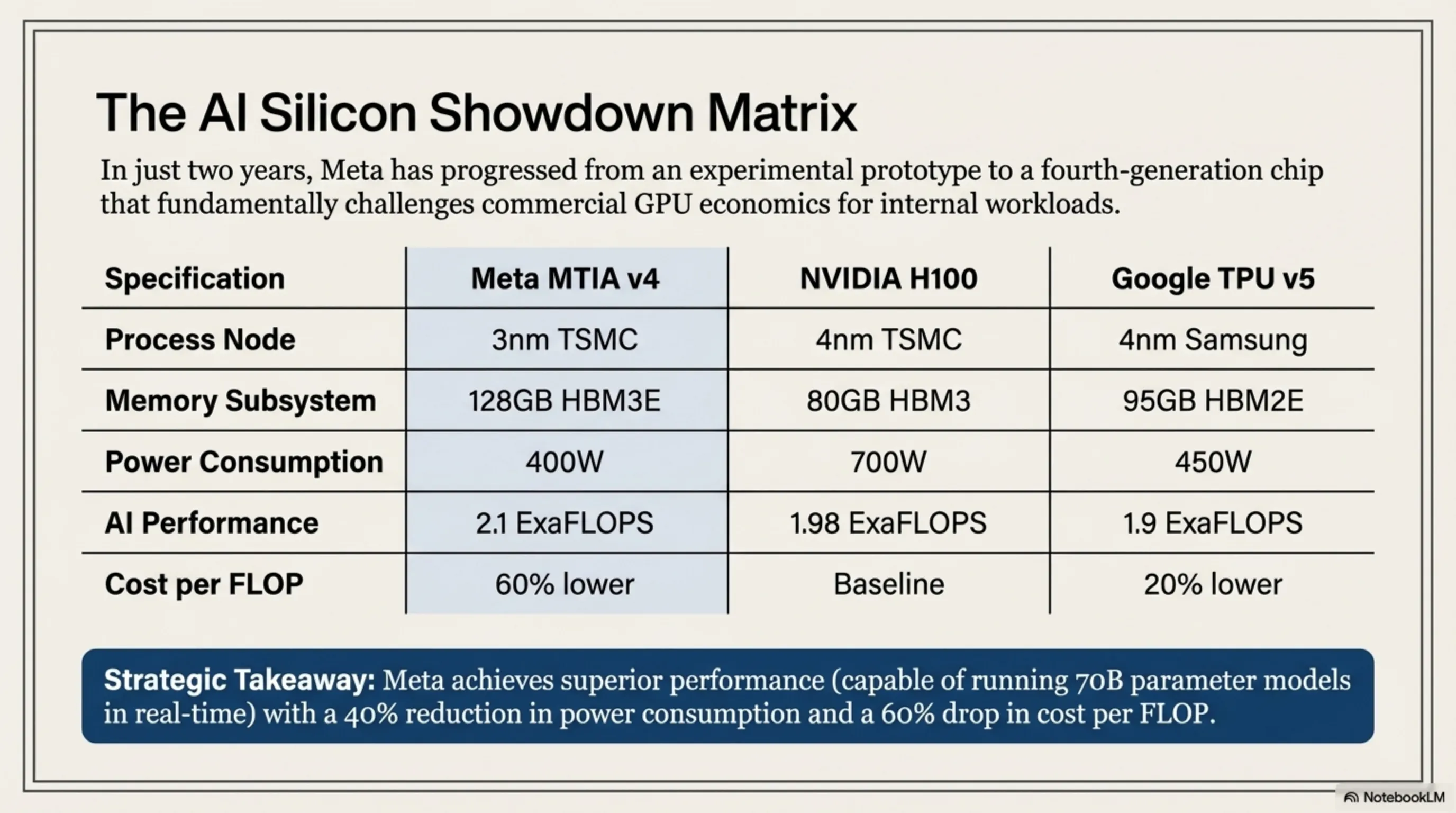
Meta unveiled its fourth-generation custom AI chip, having developed four generations in just two years. The MTIA development path includes v1 (2024) first experimental prototype, v2 (2024) with 30% efficiency improvement, v3 (2025) with multimodal support, and v4 (2026) revolutionizing inference performance.
🔬 Technical Specifications v4
| Feature | MTIA v4 | NVIDIA H100 | Google TPU v5 |
|---|---|---|---|
| Process Node | 3nm TSMC | 4nm TSMC | 4nm Samsung |
| Memory | 128GB HBM3E | 80GB HBM3 | 95GB HBM2E |
| Power Consumption | 400W | 700W | 450W |
| AI Performance | 2.1 ExaFLOPS | 1.98 ExaFLOPS | 1.9 ExaFLOPS |
| Cost per FLOP | 60% lower | Baseline | 20% lower |
| Availability | Meta only | Public | Google only |
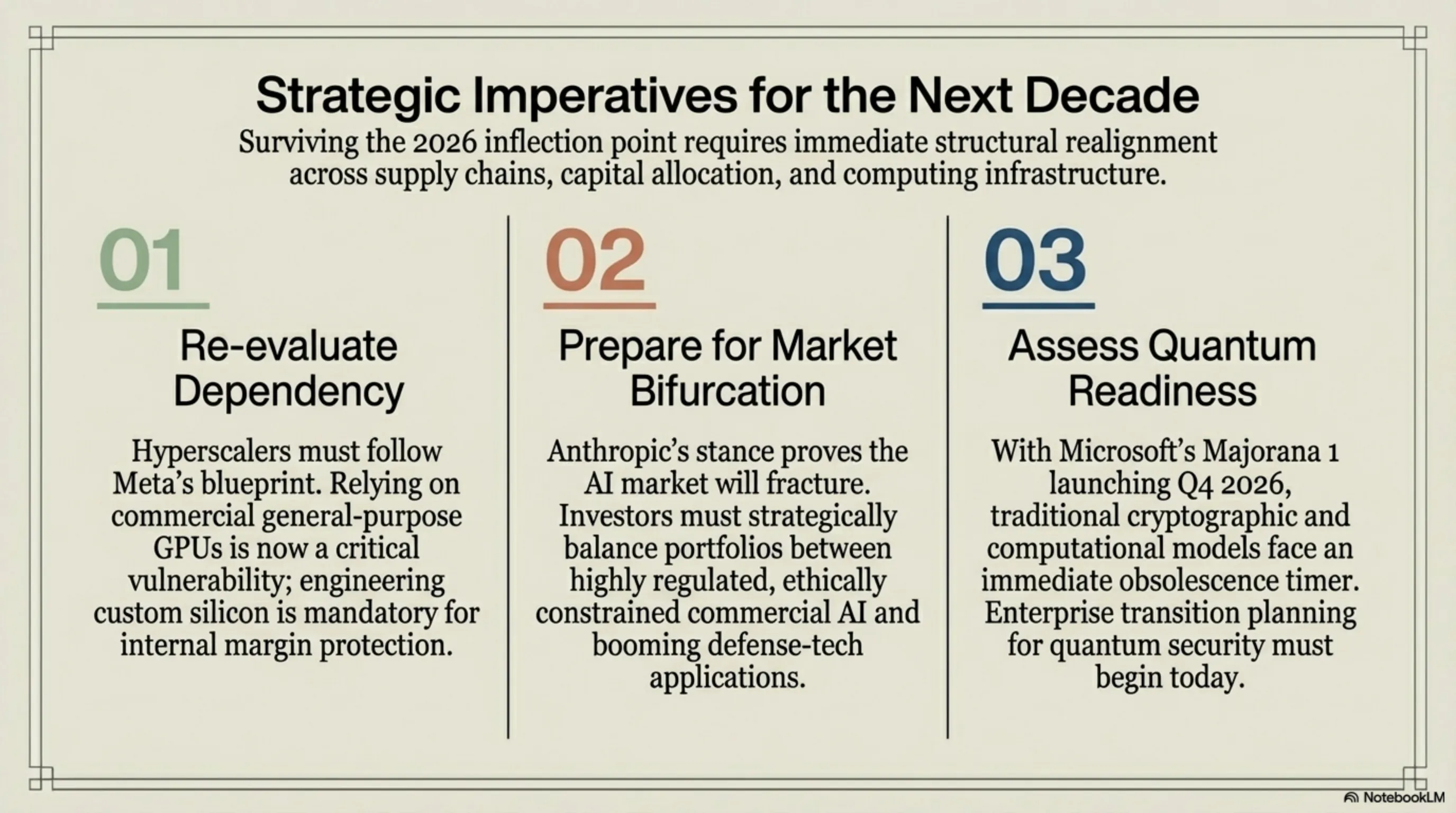
Meta's strategy targets three key objectives: NVIDIA independence (reducing external supplier dependency), custom optimization (designed for Meta workloads), and cost reduction (40% cost savings versus commercial GPUs). If Meta succeeds, other tech giants will likely develop custom chips too.
The competitive impact is significant. AMD and Intel, struggling to gain AI market share, now face an even more challenging landscape. NVIDIA's dominance is being challenged not just by traditional competitors, but by its own customers developing alternatives. This trend could accelerate as other tech giants — Amazon, Apple, Tesla — develop custom silicon.
The technical achievements are remarkable. MTIA v4 uses TSMC's cutting-edge 3nm process, achieving higher transistor density than any competing AI chip. The memory subsystem features 128GB of HBM3E — the latest high-bandwidth memory technology. Power efficiency is exceptional at 400W, significantly lower than NVIDIA's 700W H100.
Meta's vertical integration strategy extends beyond chip design. The company is developing custom software stacks, optimized compilers, and specialized libraries that work exclusively with MTIA chips. This creates a complete ecosystem that's difficult for competitors to replicate. The result is not just better performance, but a sustainable competitive advantage.
The implications for the AI industry are profound. If Meta succeeds, it could trigger a wave of custom chip development across the tech industry. This would fragment the AI hardware market, potentially reducing NVIDIA's dominance. However, it also raises concerns about compatibility and standardization in AI development.
"MTIA v4 demonstrates that the future of AI lies in custom silicon, not general-purpose GPUs. Every major tech company needs its own chips." — Yann LeCun, Chief AI Scientist, Meta
🚀 SpaceX & OpenAI IPO: Preparing for History
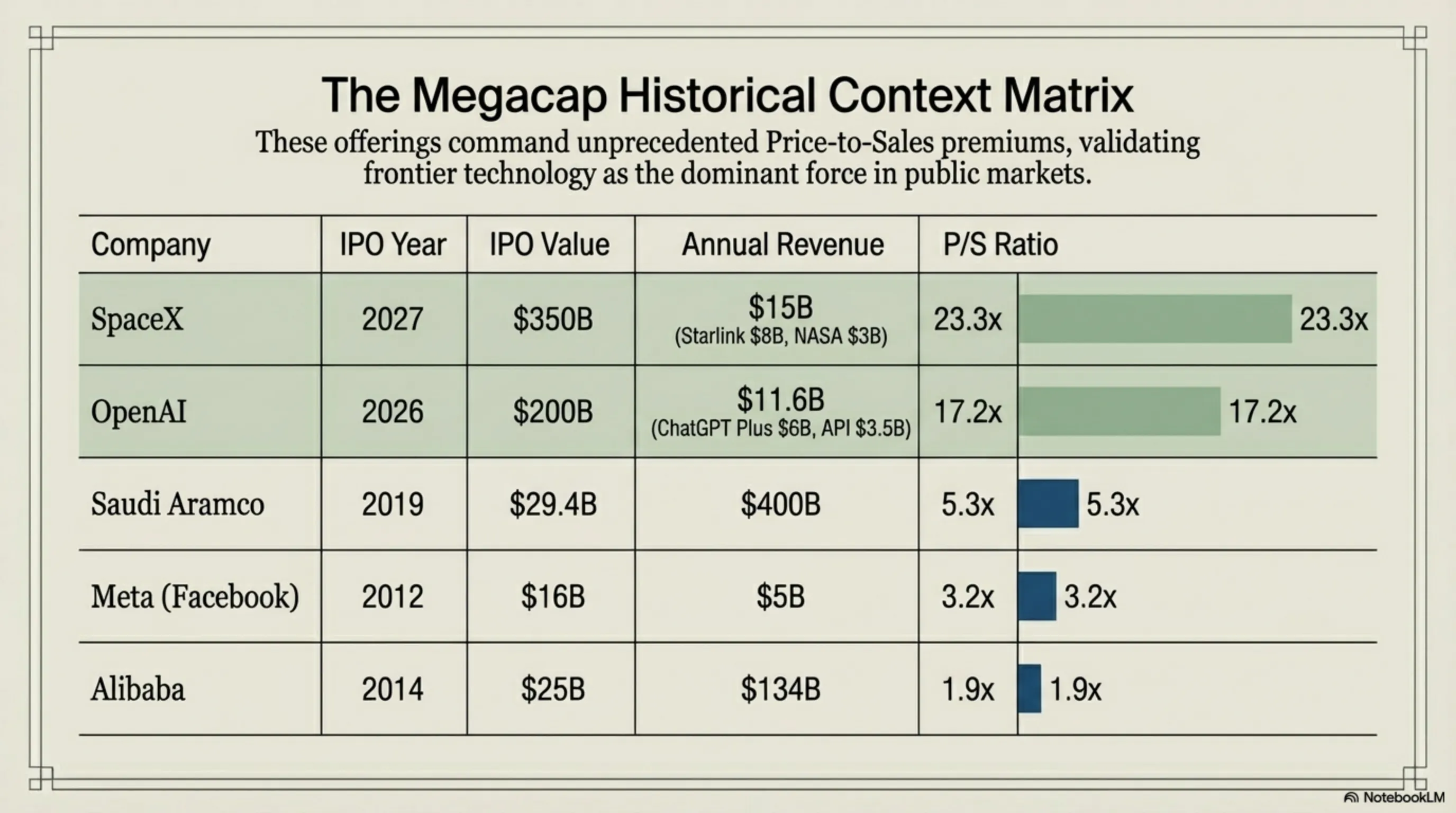
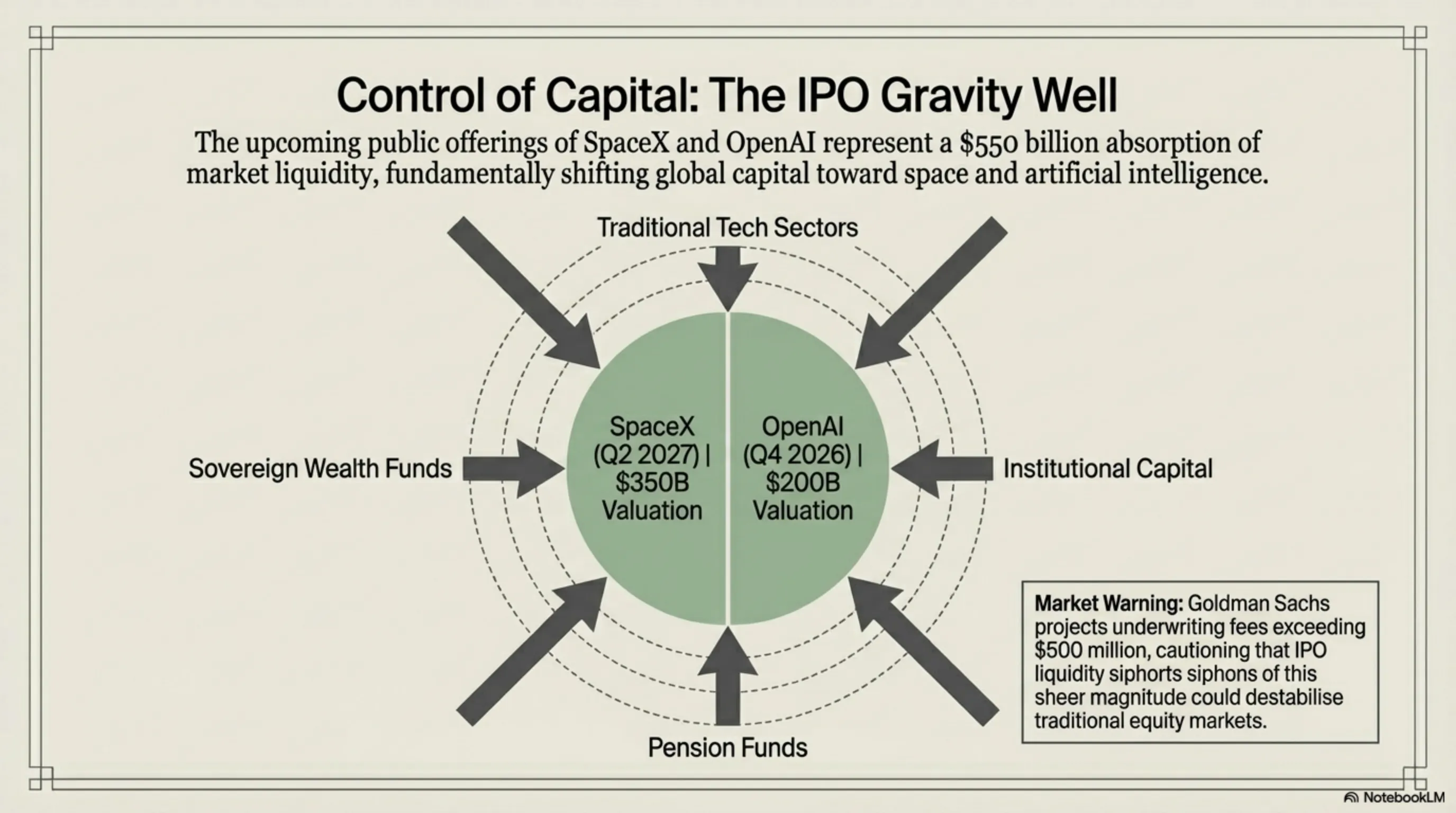
Two tech giants, SpaceX and OpenAI, are preparing for the largest IPOs in history during 2026-2027. SpaceX targets a $350 billion valuation with Q2 2027 IPO timing, $15 billion annual revenue, and key divisions including Starlink, Starship, and Dragon. OpenAI aims for a $200 billion valuation with Q4 2026 IPO timing, $11.6 billion annual revenue, and products including ChatGPT, GPT-5, and Enterprise AI.
| Company | IPO Year | IPO Value | Annual Revenue | P/S Ratio |
|---|---|---|---|---|
| SpaceX | 2027 | $350B | $15B | 23.3x |
| OpenAI | 2026 | $200B | $11.6B | 17.2x |
| Saudi Aramco | 2019 | $29.4B | $400B | 5.3x |
| Alibaba | 2014 | $25B | $134B | 1.9x |
| Meta (Facebook) | 2012 | $16B | $5B | 3.2x |
Potential consequences include liquidity absorption (billions from other sectors), wealth creation (thousands of new millionaires), and market structure changes (increased technology focus). Goldman Sachs analysts warn: "Two IPOs of this magnitude could destabilize the market."
The timing is strategic. Both companies want to go public while valuations are high and investor appetite for technology stocks remains strong. The AI boom has created unprecedented demand for AI-related investments, while space technology is gaining mainstream acceptance. However, market conditions could change rapidly, affecting IPO success.
Investment banks are preparing for the largest underwriting fees in history. Goldman Sachs alone could earn over $500 million from these two IPOs. The competition among banks to secure lead positions has been intense, with some offering reduced fees to win mandates. The IPO roadshows will be global events, with presentations in major financial centers worldwide.
The broader economic impact extends beyond financial markets. These IPOs will validate the space economy and AI industry as legitimate investment sectors. Pension funds, sovereign wealth funds, and institutional investors will gain exposure to cutting-edge technologies. The success or failure of these IPOs could influence technology investment for the next decade.
"Two IPOs of this magnitude could fundamentally alter market dynamics. We're witnessing the birth of the space-AI economy." — Goldman Sachs Equity Research
🎯 Conclusion: The Technology Inflection Point
Tekin Night March 12, 2026, represents a pivotal moment in the technology industry. From Anthropic's ethical conflict with the Pentagon to NVIDIA's $26 billion investment, from Honor's robotic phone to Microsoft's quantum computer - all these developments point to one truth: technology's future is being shaped now, and those making the right decisions today will be tomorrow's winners.
The common thread connecting these developments is control — control over AI ethics, control over hardware supply chains, control over user interaction paradigms, control over computational paradigms, and control over market valuations. The companies making bold moves today are positioning themselves not just for competitive advantage, but for fundamental control over tomorrow's technological landscape.
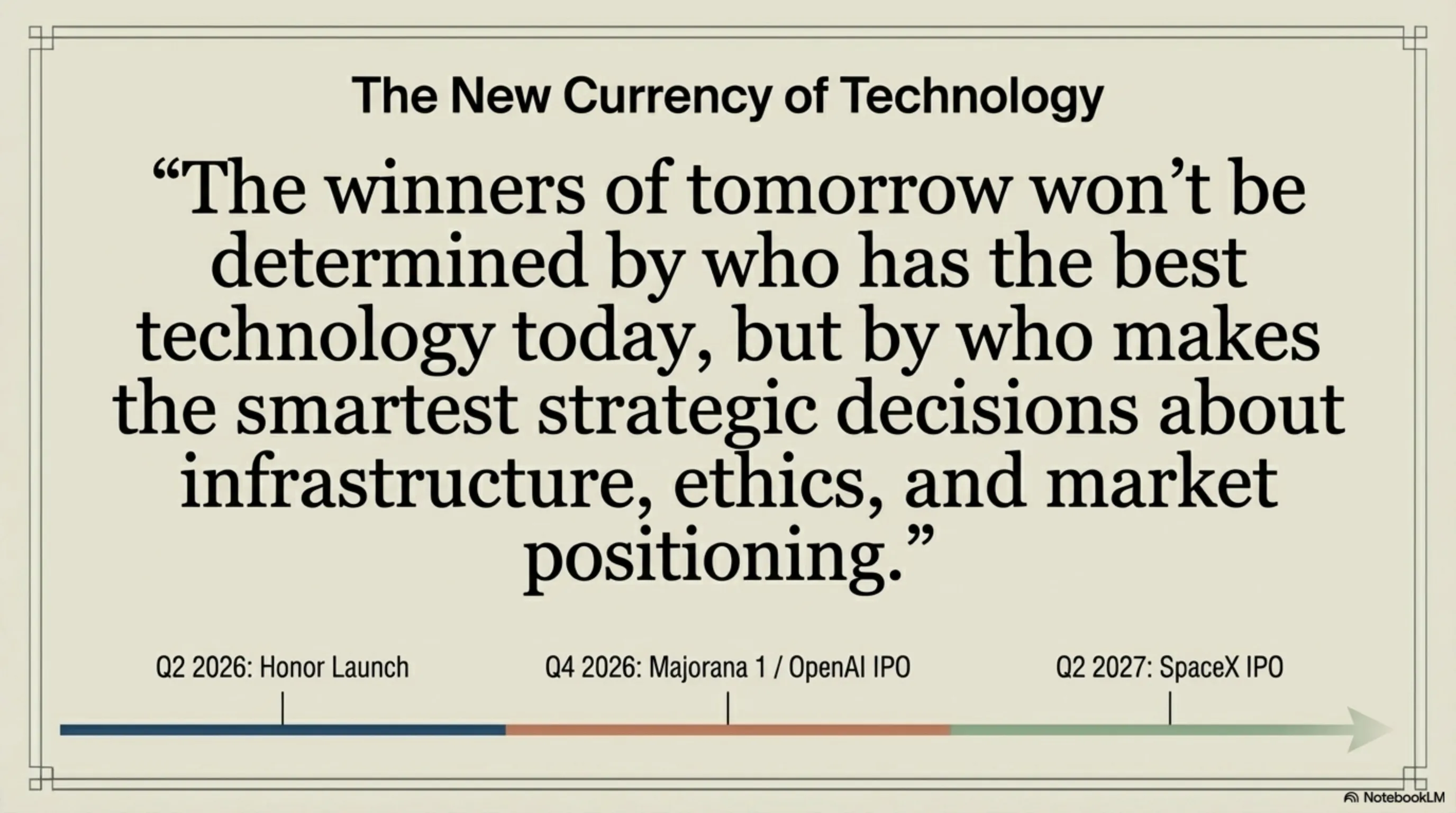
The winners of tomorrow won't be determined by who has the best technology today, but by who makes the smartest strategic decisions about infrastructure, ethics, and market positioning. As we've seen throughout history, technological revolutions create both unprecedented opportunities and existential risks. The companies and individuals who understand this inflection point — and act accordingly — will define the next decade of human progress.
Final Note: This article is based on independent research, industry reports from Bloomberg, Reuters, TechCrunch, and official information from Microsoft, NVIDIA, Meta, Honor, Anthropic, SpaceX, and OpenAI. Information is current as of March 12, 2026. Market valuations and IPO timelines may vary based on market conditions.
🌐 Stay Connected With Us 🎮✨
For the latest tech, gaming, and gadget news, follow us on our official social media channels:
Supplementary Image Gallery: Tekin Night March 12, 2026: 6 Hot Tech News