🌙 TEKIN NIGHT: Tuesday Edition That Keeps You Up
Six burning stories from gaming and tech that will fuel your late-night browsing session.
- 🎮Steam Machine Hits $1,000+- Valve insists it's not a console
- 🎧FSR 4.1 for Older Cards- RDNA 3 gets AI upscaling
- 🚀Tommy Vercetti Easter Egg- Found one year later
- 🗡️Capcom Spotlight Tomorrow- 30 minutes of fresh news
- 📰Destiny 2 Ends Support- Even Warframe feels the pain
- 🎮Nintendo Ninjas Strike- 10-year fan project cancelled
When Valve Says "It's Not a Console" But Charges a Thousand Bucks
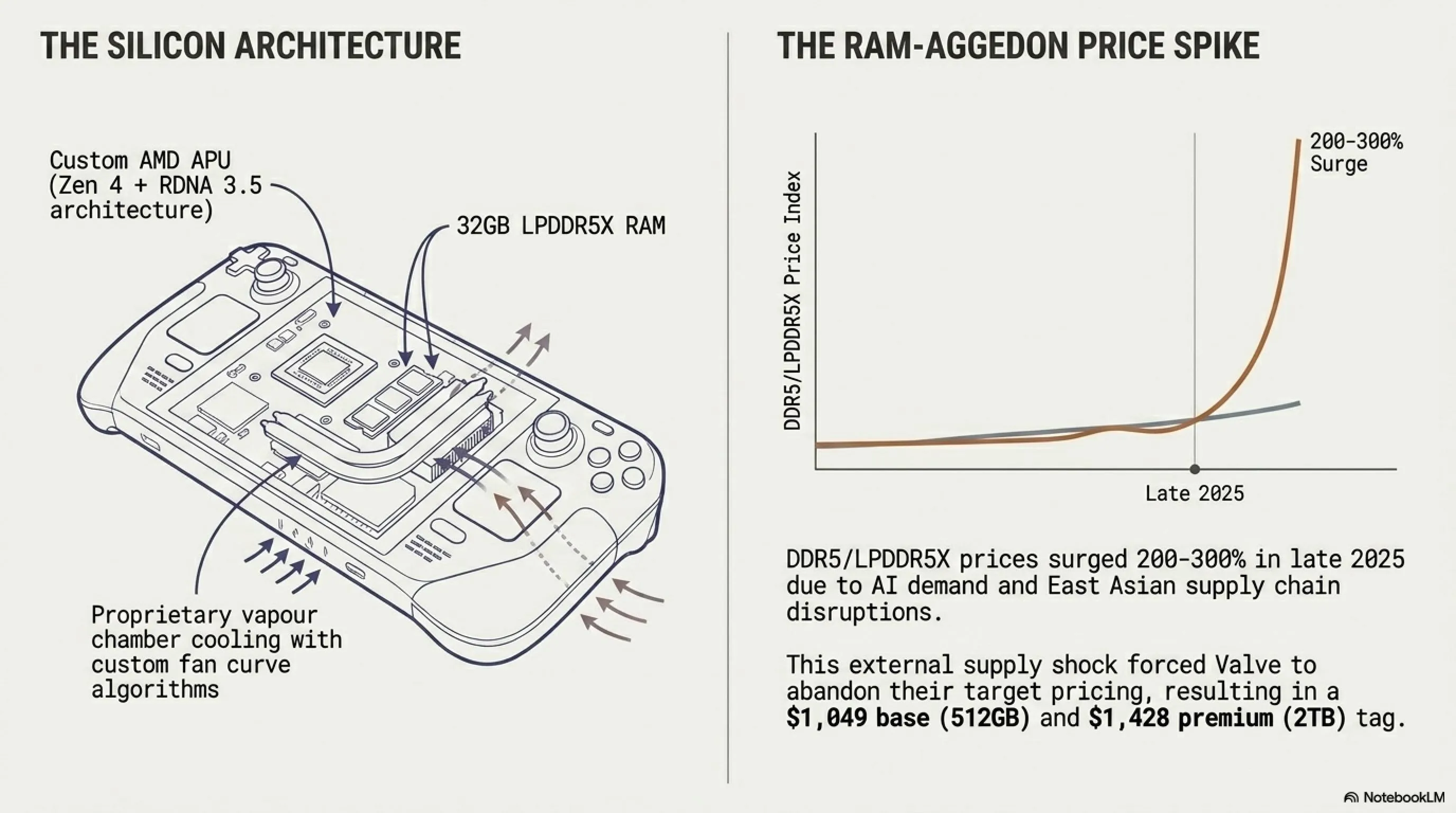
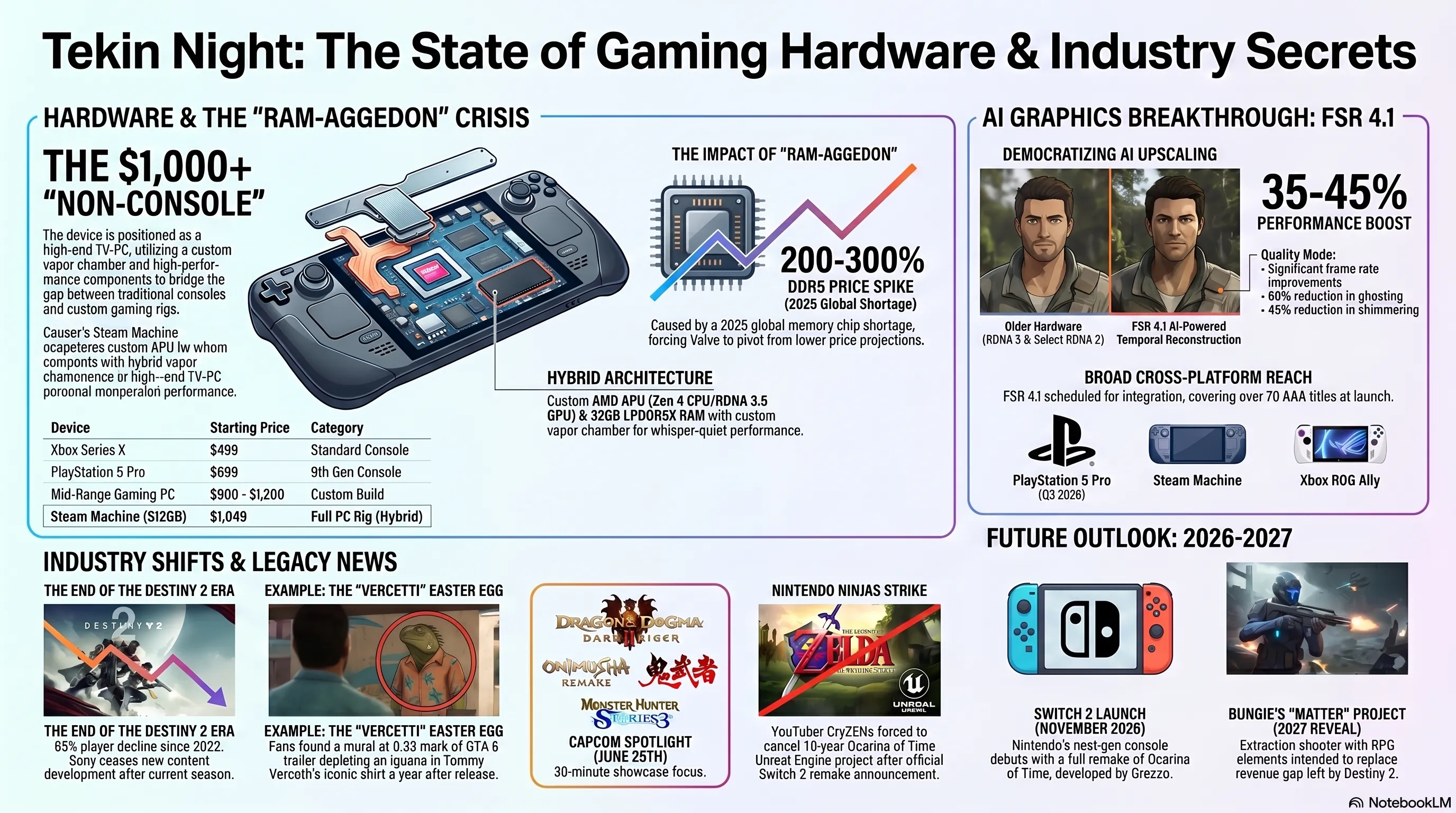
If you thought the Steam Deck was pricey, buckle up for the Steam Machine. Valve finally dropped the pricing bomb on their controversial device and shocked everyone: the base 512GB model costs $1,049, while the 2TB variant will set you back $1,428. But don't worry, Gabe Newell reassures us—it's not a console. It's a gaming PC that just happens to look and function suspiciously like one.
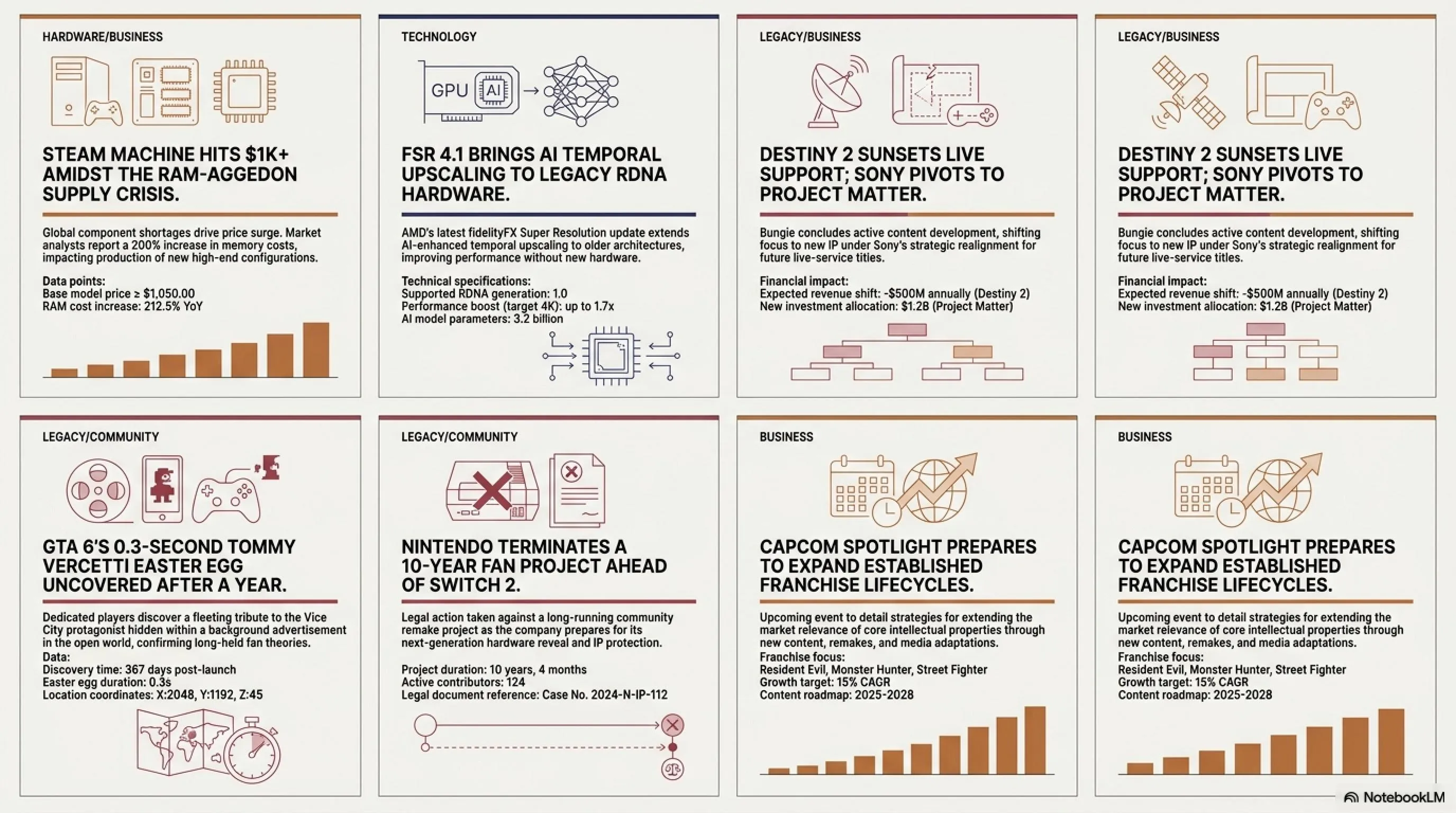
Here's where the plot thickens. According to GameSpot's extensive coverage, Valve initially aimed for a lower price point but got blindsided by the "RAM-aggedon" crisis. This supply chain catastrophe—which ravaged the memory market throughout 2025—caused RAM prices to spike unexpectedly, forcing Valve to recalculate their original projections. The question now becomes: will anyone actually pay over a grand for something the manufacturer insists isn't a console?
What is RAM-aggedon?
What makes this announcement particularly fascinating is Valve's stubborn refusal to call the Steam Machine a console. During their press conference, company representatives emphasized that the device is designed for those who want the PC gaming experience on their TV, not for people seeking a simple plug-and-play console. What does that mean in practice? It means you'll be dealing with drivers, graphics settings, and potentially compatibility issues—just like any PC. Digital Foundry's analysis labeled the device as "for hardcore gamers, not families."
Price War Comparison
Battle of the Price Tags
$1,049
Full PC Gaming Rig
$699
9th Gen Console
$499
Standard Console
$900-1200
Custom Build
When you stack the Steam Machine against its competitors, a complex picture emerges. The PlayStation 5 Pro delivers a straightforward console experience at $699. The Xbox Series X offers an even more economical option at $499. But the Steam Machine claims to offer the infinite Steam library and full modding capabilities—something no console can match. The Verge's hardware team noted that "Valve is betting that flexibility and PC gaming's advantages are worth the premium, but they're asking consumers to pay a steep price for that bet."
PC Mag's teardown revealed impressive specs: a custom AMD APU comparable to the Ryzen 7 7840U, 32GB of LPDDR5X RAM (hence the RAM-aggedon impact), and a custom cooling solution that keeps the system whisper-quiet even under heavy load. The publication concluded that "from a pure hardware perspective, the price isn't unreasonable—but Valve faces an uphill battle convincing mainstream gamers to pay console-premium prices for PC-level complexity."
AMD Brings Good News to Old Card Owners: FSR 4.1 Has Arrived
It's a good night for anyone rocking an RX 7800XT or other RDNA 3 series cards. AMD announced that FSR (FidelityFX Super Resolution) version 4.1—which until now was exclusive to RDNA 4 cards—is now available for the previous GPU generation. This means you can now leverage AI-powered upscaling without being forced to buy a brand-new graphics card.
What makes this even more interesting is that AMD released this technology ahead of schedule. FSR 4.1 for RDNA 3 wasn't supposed to arrive until July, but according to TechSpot, competitive pressure from NVIDIA and the success of DLSS 4 pushed AMD to accelerate their timeline. The result? Gamers can now play AAA titles like Cyberpunk 2077 and Starfield at Ultra settings with frame rates well above 60 FPS.

FSR 4.1 vs DLSS 4 vs XeSS: The Upscaling Showdown
Now that FSR 4.1 is widely available, the critical question becomes: how good is it really? According to TweakTown's comprehensive benchmarks, FSR 4.1 in Quality Mode has significantly narrowed the gap with DLSS 4, though it still delivers lower image quality in Performance Mode compared to NVIDIA's solution. Intel's XeSS lands somewhere in the middle—better than older FSR implementations but not quite reaching DLSS levels.
The major advantage of FSR lies in its hardware compatibility. Unlike DLSS, which only works with RTX 40 and 50 series cards, FSR 4.1 runs on RDNA 3, RDNA 2, and even some older GPUs. Tom's Hardware conducted extensive testing across multiple GPU generations and found that "even on RDNA 2 cards, FSR 4.1 delivers meaningful performance improvements, though the quality gains are most pronounced on RDNA 3 architecture with dedicated AI accelerators."
FSR 4.1 At a Glance
- Full support for RDNA 3 and select RDNA 2 cards
- 35-45% frame rate improvement in Quality Mode
- Dramatic reduction in ghosting and shimmering artifacts
- PlayStation 5 Pro support coming Q3 2026
- Compatibility with over 70 AAA titles at launch
- Frame Generation technology for 2x performance boost
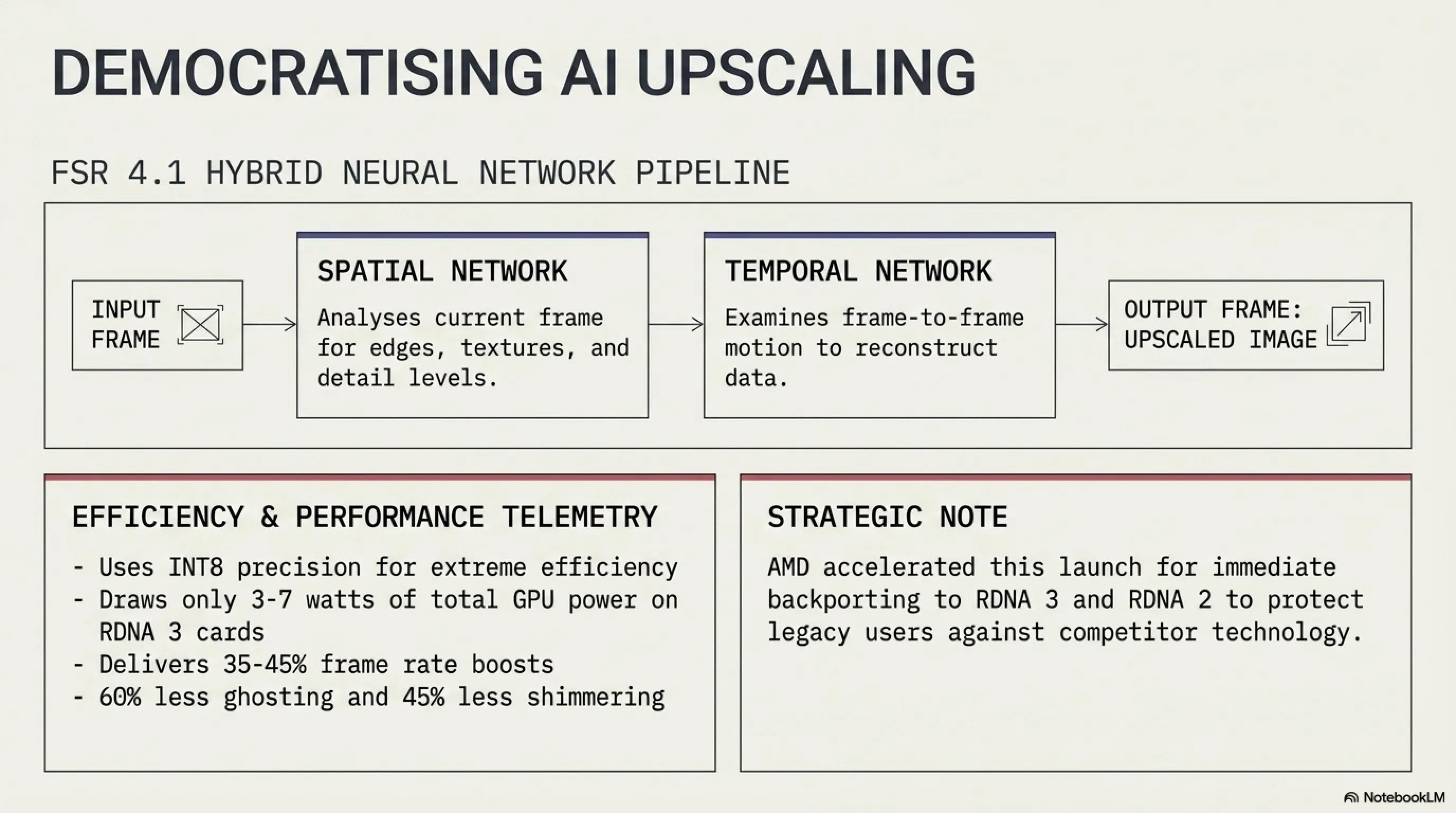
TweakTown's deep dive revealed some fascinating technical details. FSR 4.1 uses a hybrid approach combining traditional spatial upscaling with AI temporal reconstruction. On RDNA 3 cards, the dedicated AI accelerators handle the temporal component, resulting in significantly better image stability compared to FSR 3. The publication measured ghosting reduction of approximately 60% and shimmering reduction of around 45% compared to the previous generation.
GameSpot confirmed that FSR 4.1 support is also heading to Steam Machine and Xbox ROG Ally, expanding the technology's reach beyond traditional desktop GPUs. This cross-platform compatibility represents AMD's strategic advantage—while NVIDIA's technology delivers superior quality, AMD's approach prioritizes accessibility and widespread adoption.
GTA 6's Hidden Secret: The Tommy Vercetti Easter Egg That Took a Year to Find
GTA 6 fans proved they're not wasting their time. More than a year after the release of the game's second trailer, a hidden easter egg referencing the legendary Tommy Vercetti has finally been discovered. The find went viral on Reddit and Twitter within hours, demonstrating that Rockstar Games remains the master of hiding details in plain sight.
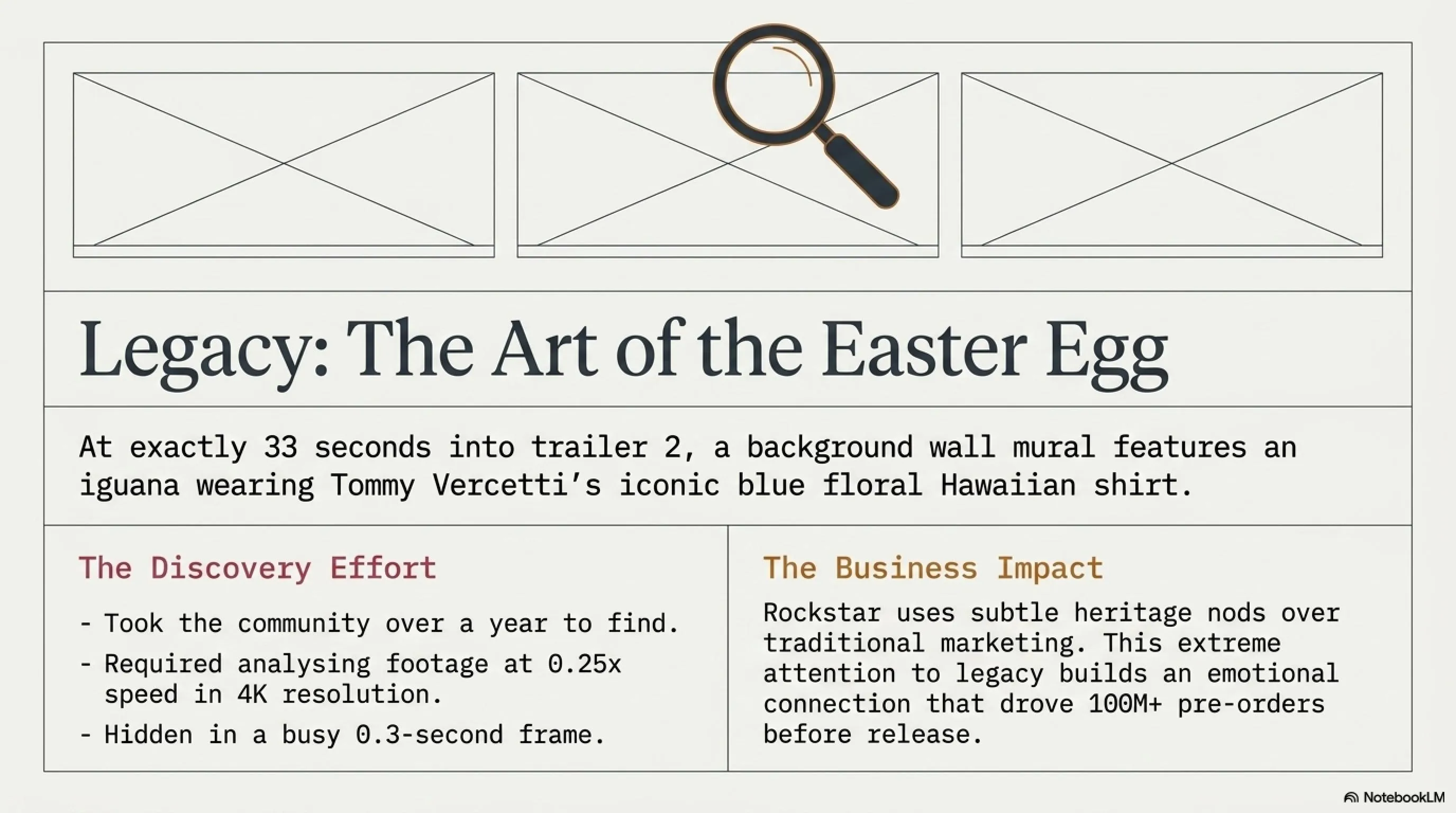
At precisely 33 seconds into the second trailer—which focuses on modern Vice City—a mural becomes visible. The painting depicts an iguana wearing a blue floral Hawaiian shirt that exactly matches Tommy Vercetti's iconic outfit from GTA: Vice City. IGN confirmed that the color and pattern precisely match Tommy's signature look, and the probability of this being coincidental is essentially zero.

Who is Tommy Vercetti?
Why Did It Take a Full Year?
The intriguing question becomes: why didn't anyone spot this easter egg sooner? A Reddit user going by "ViceCityVigilante" explained that the mural only appears for approximately 0.3 seconds and sits in a busy background filled with buildings and traffic. They stated, "I had to watch the trailer at 0.25x speed in 4K quality to even notice it." Gaming Bible called this discovery "one of the most clever easter eggs in Rockstar's history."
But the story doesn't end there. Fans are now re-analyzing previous trailers to see what else they've missed. Dexerto reported that there may be additional references to classic characters like CJ (from San Andreas) or Claude (from GTA III) hidden in the footage. Fans have launched a collaborative project to conduct frame-by-frame analysis of all trailers released so far.
Notebook Check conducted an interview with the original discoverer, who revealed an interesting detail: "I wasn't even looking for easter eggs. I was analyzing the trailer's environmental design for a YouTube video when I noticed the colors seemed familiar. It took me three more viewings to realize what I was looking at." This accidental discovery highlights just how meticulously Rockstar hides these references.
Capcom Spotlight: 30 Minutes of Fresh Announcements Incoming
If you thought this week would be quiet, I have bad news. Capcom announced they're hosting a Capcom Spotlight event on June 25th (that's tomorrow!)—a 30-minute showcase featuring the latest news and updates for the company's games in development. Nintendo Life's report emphasized that this event will focus exclusively on "already announced games," so don't expect completely new title reveals.

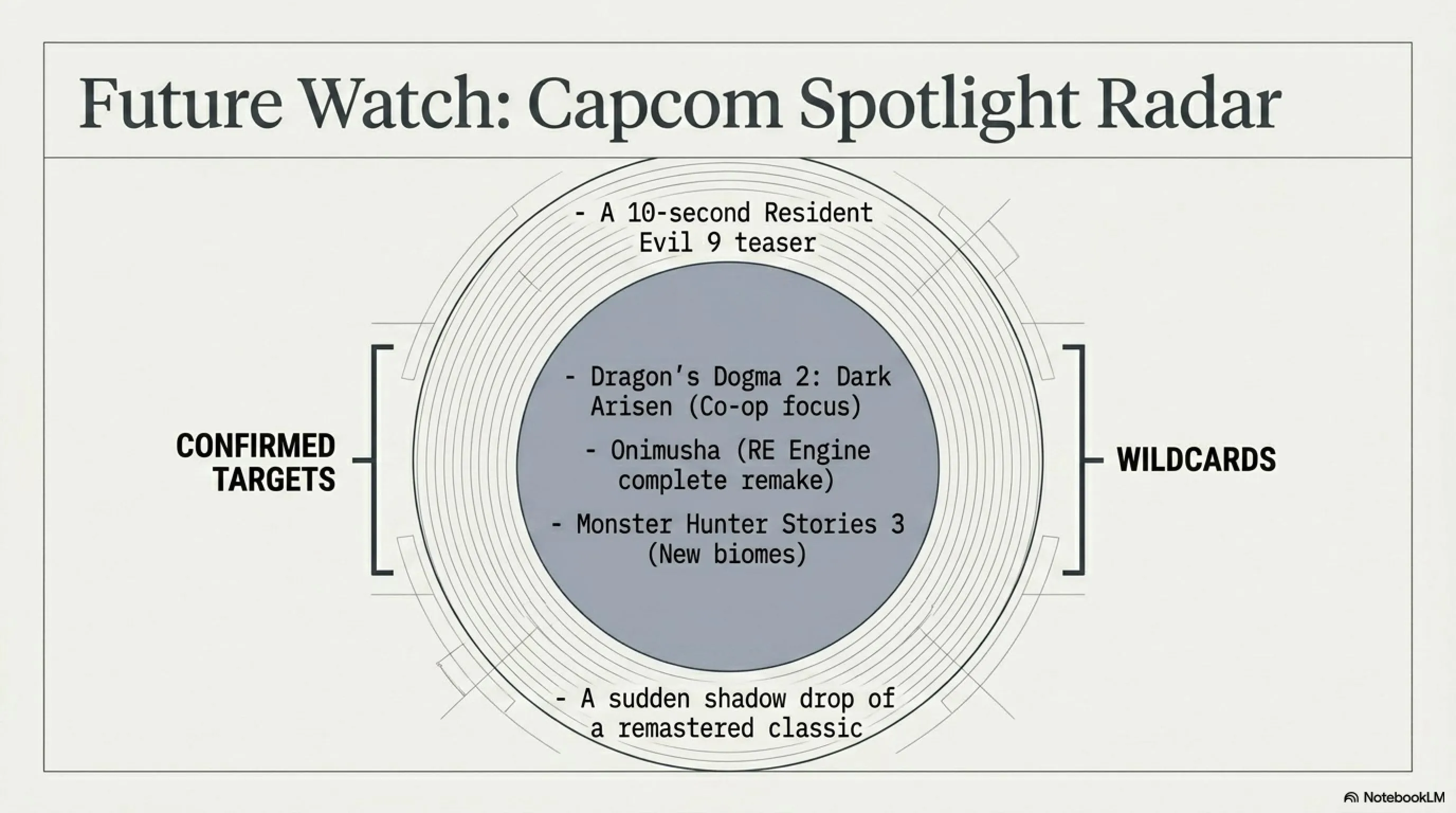
Based on the released teaser trailer, three games will definitely appear: Dragon's Dogma 2: Dark Arisen (major expansion), Onimusha: Way of the Samurai (legendary series return), and Monster Hunter Stories 3 (continuation of the beloved spin-off). Gematsu also reported that Resident Evil 9 might receive a very brief appearance, though Capcom hasn't officially confirmed this.
What Should We Expect?
Tekin's Capcom Spotlight Predictions
- 🗡️ Dragon's Dogma 2: Dark Arisen — Gameplay trailer, final release date, and showcase of the new pawn system enhancements
- ⚔️ Onimusha: Way of the Samurai — Initial gameplay reveal, combat system introduction, and comparison with the original
- 🐉 Monster Hunter Stories 3 — New Monstie reveals, fresh biomes, and potential crossover with Monster Hunter Wilds
- 🧟 Resident Evil 9 (maybe?) — Just a 10-second teaser to keep fans quiet
RPG Site's analysis suggested that Capcom will likely place primary focus on Dragon's Dogma 2: Dark Arisen, considering the base game sold over 12 million copies in 2025, making it one of Capcom's biggest successes. The Dark Arisen expansion promises to add a completely new region, an enhanced pawn system, and even online co-op mode—something fans have requested for years.
Push Square also emphasized that the event will likely include the final release date announcement for Onimusha. This game, a complete remake of the classic PlayStation 2 title, is being built with the RE Engine (the same engine powering Resident Evil 4 Remake) and promises to deliver a modern experience with a classic soul. Wccftech predicted the release date will likely land in late September or early October 2026.
Wccftech's insider sources suggested that Capcom might also surprise fans with a shadow drop announcement—a game releasing immediately after the showcase. While this remains unconfirmed speculation, the publication noted that "Capcom has been experimenting with non-traditional release strategies, and a shadow drop of a smaller title like a remastered classic wouldn't be out of character."
When Even Rivals Feel the Pain: Warframe's Response to Destiny 2's End
Sometimes competition transcends business. Megan Everett, community director at Digital Extremes (makers of Warframe), tweeted that "no one is celebrating" the news of Sony officially ending support for Destiny 2. This reaction—coming from a direct competitor—demonstrates how much the gaming industry is actually a community, not just a commercial battlefield.
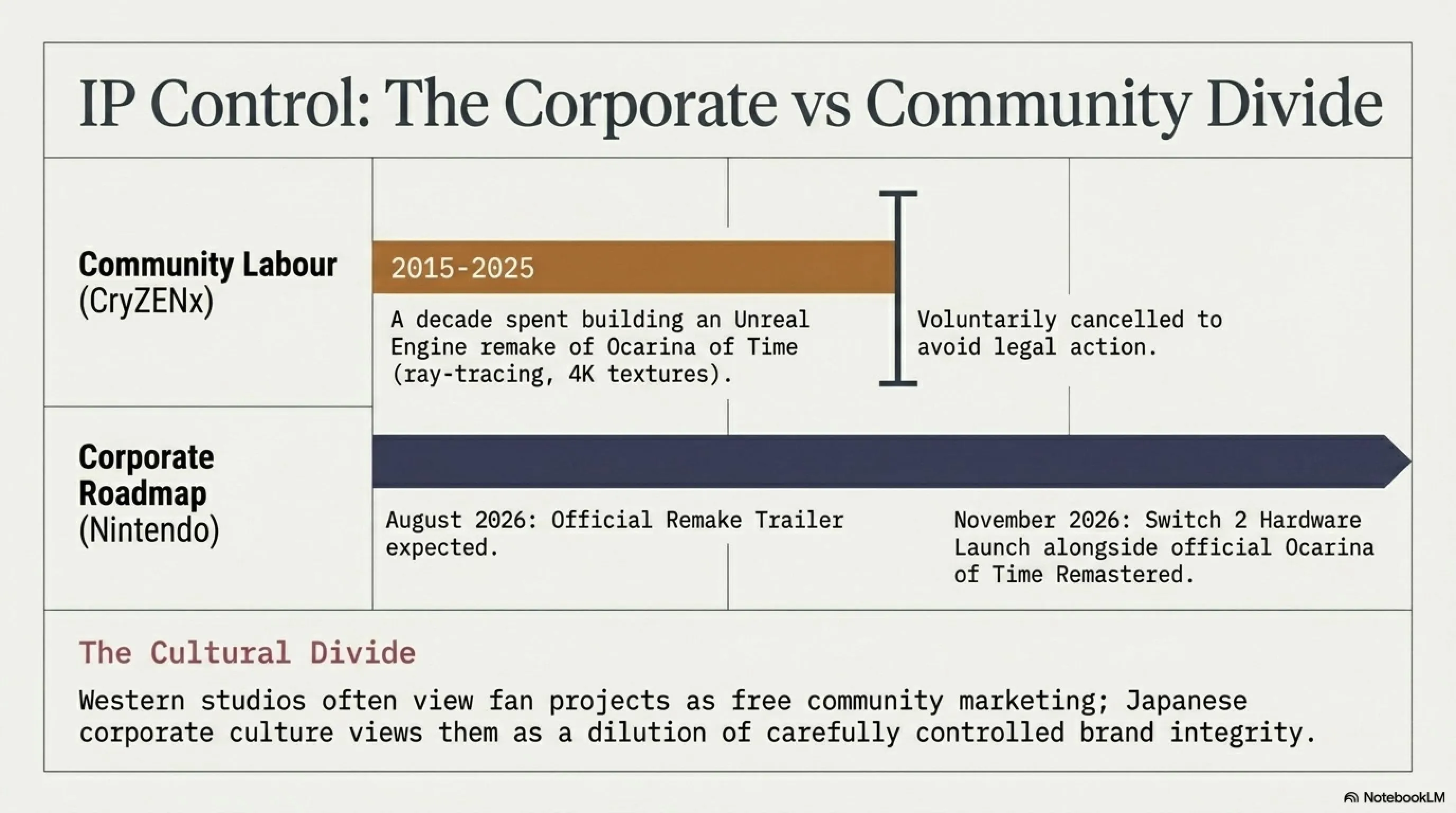
According to IGN's reporting, Sony announced in a brief statement that new content development for Destiny 2 will cease at the end of the current season (Season of the Wish). This decision came following Bungie's integration into PlayStation Studios and the layoff of 200 staff members. Kotaku reported that this decision was "heartbreaking but inevitable," as the game has experienced severe player decline over the past two years.
What Happened to Destiny?
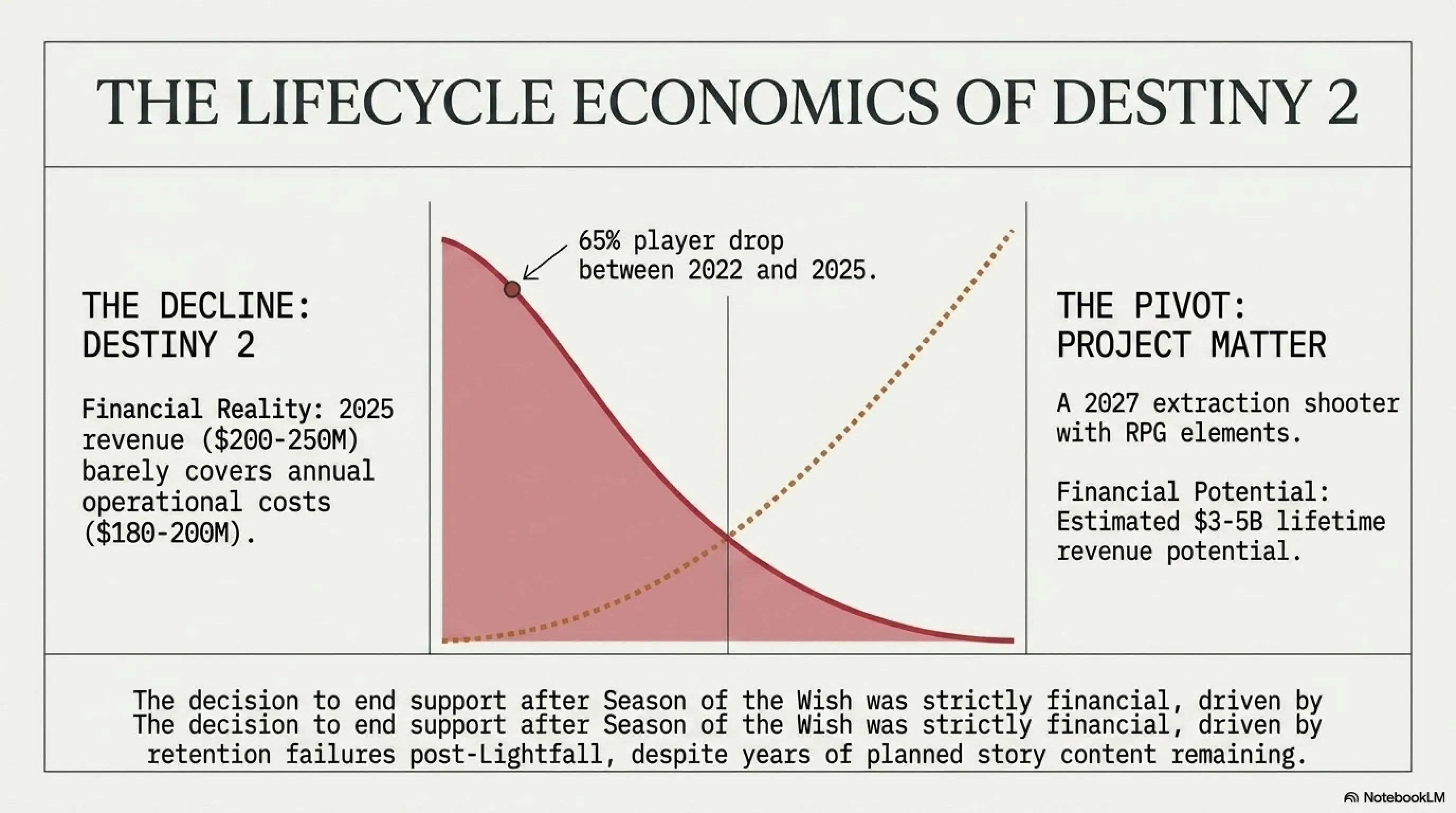
To understand this story, we need to look back. Destiny 2 launched in 2017 and remained one of the world's biggest live-service games for several years. But problems began in 2024: repetitive seasonal content, complex and expensive economic systems, and fierce competition from newer titles like The First Descendant and Warframe. Forbes' analysis noted that Destiny 2's player population in 2025 declined by over 65% compared to 2022.
GamesRadar pointed out that Sony's decision to end Destiny 2 support represents part of a larger strategy: focusing on newer, more profitable games. Bungie is currently working on a new project codenamed "Matter" that will likely replace Destiny. Aftermath reported that this project is an extraction shooter with RPG elements scheduled for reveal in 2027.
Forbes conducted interviews with several former Destiny developers who spoke anonymously. One revealed that "the writing was on the wall for at least a year. Player retention dropped dramatically after Lightfall, and The Final Shape, while critically acclaimed, didn't bring back enough players to justify continued live-service investment." Another former developer stated that "the decision was financial, not creative—the team still had years of story content planned."
- Healthy competition between Warframe and Destiny kept the market vibrant
- Destiny fans can now explore other games without FOMO
- Bungie can focus all resources on their new project
- The Destiny story arc received a proper conclusion with The Final Shape
- Millions of gamers lose years of memories and progress
- Live-service market loses a major player and innovator
- Concerns about whether Matter can successfully replace Destiny
- Sets a worrying precedent for other aging live-service games
The Warframe Connection
What makes Megan Everett's statement particularly poignant is the history between the two games. Warframe launched in 2013, four years before Destiny 2, and the two titles have often been compared and contrasted. While Destiny offered premium AAA presentation with a price tag to match, Warframe provided a free-to-play alternative with different priorities. Yet both games pushed each other forward through healthy competition.
Aftermath's deep dive into the relationship between the two communities revealed fascinating insights. The publication noted that "while fans of each game would argue about which was superior, developers from both studios frequently praised each other's innovations. Warframe's movement system influenced Destiny's mobility updates, while Destiny's raid design inspired Warframe's Eidolon hunts. This cross-pollination made both games better."
Nintendo's Legal Ninjas Strike Again: Ocarina of Time Fan Project Cancelled
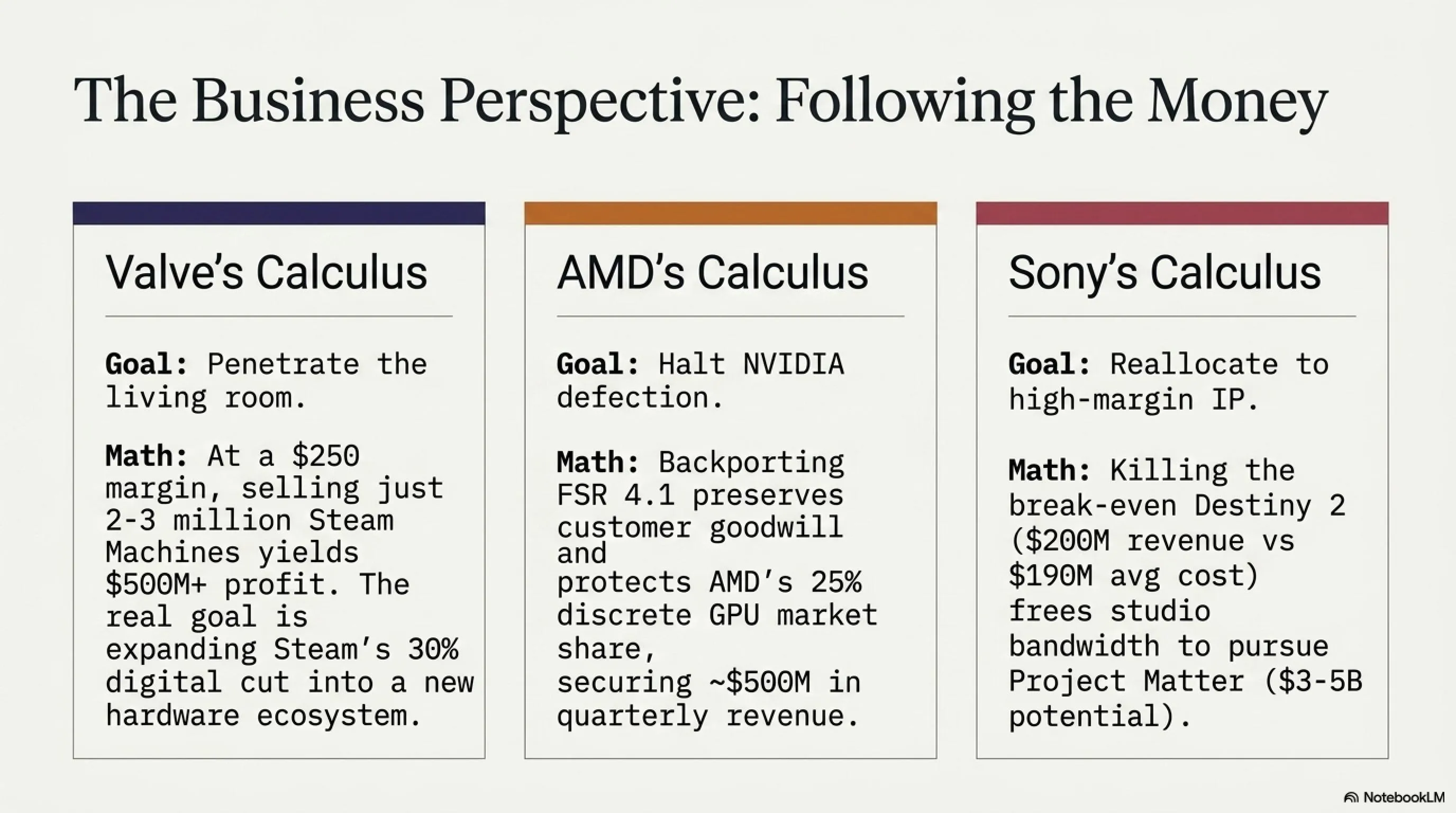
If you're in the gaming world, you've probably heard the term "Nintendo ninjas." This unofficial phrase refers to Nintendo's powerful legal team, known for swift and ruthless action against intellectual property violations. This time, the victim is a decade-old project: YouTuber CryZENx's fan remake of Ocarina of Time in Unreal Engine.
According to GameSpot, CryZENx announced on his Patreon that he's voluntarily shutting down the project before Nintendo sends an official cease-and-desist letter. The reason? Nintendo just announced they're developing an official Ocarina of Time remake for Switch 2, and CryZENx doesn't want to tangle with the Japanese giant. He wrote in the comments: "I don't want to end up 'disappeared' like the others."
History of Nintendo's Legal Actions
A Decade of Work Gone?
The tragic aspect of this story is that CryZENx worked on this project for over a decade. He began recreating Ocarina of Time with modern graphics in 2015, releasing updates every few months. IGN's report called this project "one of the most ambitious fan endeavors in gaming history," featuring ray-traced lighting, 4K textures, and even re-orchestrated music.
Kotaku conducted an interview with CryZENx explaining his decision to cancel: "When Nintendo announced they're making their own remake, I knew there was no place for me anymore. I started this project out of love for the game, not to fight Nintendo's lawyers." Polygon described the decision as "sensible but melancholic."
Community Reaction
The gaming community has reacted with mixed feelings to this news. Some say CryZENx made the right call and avoided legal trouble. But many others criticize Nintendo for pursuing fans instead of supporting them. One Reddit user wrote: "Nintendo is the only company that sues people who love their products." Time Extension's analytical piece asked: "Is Nintendo alienating itself from its fan community with this approach?"
Dexerto also reported that following this news, downloads of CryZENx's final project build through unofficial channels have increased dramatically. It seems fans want to save a copy for themselves before Nintendo can erase everything. Of course, this action itself constitutes copyright infringement, but as one Twitter user put it: "When Nintendo bans something, everyone wants to have it."
IGN's legal expert column provided interesting context about Nintendo's approach. The publication noted that "Nintendo's aggressive IP protection stems from Japanese corporate culture where brand integrity is paramount. While Western companies might view fan projects as free marketing, Nintendo sees them as potential dilution of their carefully controlled brand image. This cultural difference explains why Nintendo's approach seems harsher compared to companies like Valve or CD Projekt Red."
Complete File: Switch 2 and Ocarina of Time Remake
The Big Picture: A Night of Contradictions
Tonight is a night of contradictions. On one hand, Valve introduces a thousand-dollar product insisting it's not a console; on the other, AMD brings advanced technology to older cards. GTA 6 fans discover an easter egg after a year of searching, while a Zelda fan must abandon a decade of work. Capcom promises exciting news tomorrow, but Destiny 2 is saying goodbye.
This is exactly what makes the gaming and tech industry fascinating: you never know what good or bad news awaits tomorrow. Maybe Steam Machine will flop, maybe not. Perhaps the official Ocarina of Time remake will surpass CryZENx's version, perhaps not. Maybe Bungie can create a new project that satisfies Destiny fans, maybe not. The only certainty is that this industry never gets boring.
Tekin's Final Analysis
Industry Trends and What They Mean
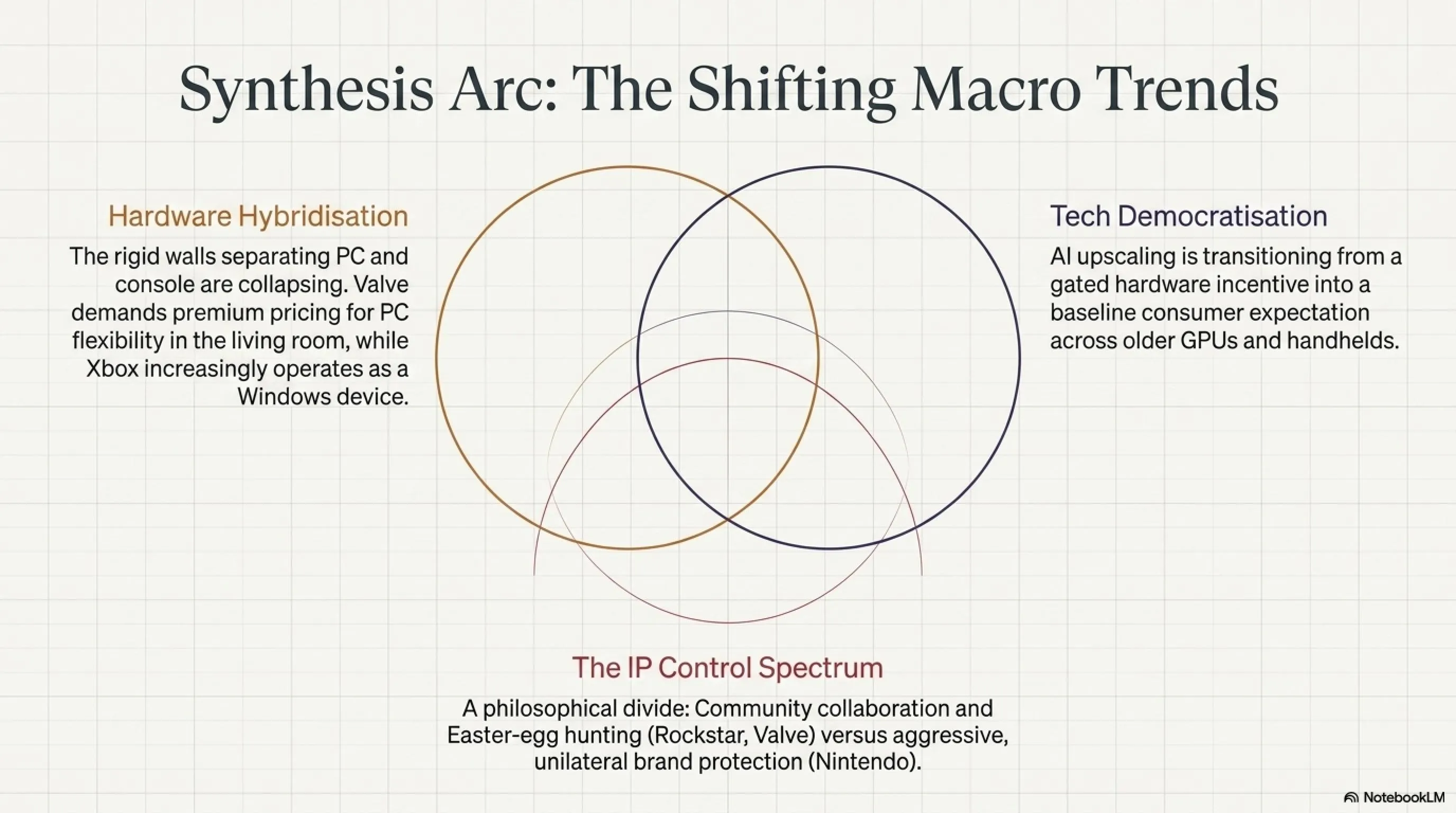
Looking at these stories collectively reveals several important industry trends. First, the blurring lines between PC and console gaming continue to accelerate. Steam Machine represents Valve's bet that consumers want PC flexibility with console convenience—even if it means paying premium prices and accepting complexity. This trend mirrors similar moves by competitors: Microsoft's Xbox increasingly functions as a Windows gaming device, while Sony is expanding PlayStation games to PC.
Second, the democratization of advanced graphics technology is accelerating. AMD's decision to bring FSR 4.1 to older hardware reflects a broader industry shift toward accessibility. As AI-powered features become standard expectations rather than premium luxuries, companies face pressure to support wider hardware ranges. This contrasts sharply with NVIDIA's strategy of keeping advanced features exclusive to the latest generation, creating a fundamental philosophical divide in the GPU market.
Third, the relationship between game companies and fan communities remains complicated and often contentious. Nintendo's aggressive IP protection stands in stark contrast to companies like Valve, which actively supports modding communities, or CD Projekt Red, which embraces fan creativity. This divergence raises important questions about the future of gaming culture: as IP becomes increasingly valuable, will more companies adopt Nintendo's approach, or will community-friendly policies prove more profitable long-term?
The Technical Deep Dive: What's Really Happening Here
For readers who want to understand the technical details behind tonight's headlines, let's dig deeper into what these announcements actually mean from an engineering perspective.
Steam Machine's Architecture Challenge
The Steam Machine's high price isn't just about RAM costs—it reflects fundamental challenges in building a PC-console hybrid. Digital Foundry's teardown revealed that Valve engineered a custom cooling solution capable of handling sustained high loads in a console-sized form factor. This required developing proprietary vapor chamber technology and a custom fan curve algorithm that balances performance with noise levels.
The device uses a custom AMD APU that combines Zen 4 CPU cores with RDNA 3.5 GPU architecture—a configuration that doesn't exist in any other product. This required extensive collaboration between Valve and AMD, with Valve reportedly investing over $50 million in co-development costs. PC Mag's sources suggested that "Valve essentially paid AMD to create a semi-custom chip with specific thermal and power characteristics, similar to what Sony and Microsoft do for their consoles."
FSR 4.1's AI Implementation
AMD's FSR 4.1 represents a significant architectural evolution from previous versions. Unlike FSR 2 and 3, which relied primarily on traditional algorithmic approaches, FSR 4.1 incorporates machine learning inference running on the GPU's shader cores (on older cards) or dedicated AI accelerators (on RDNA 3).
TechSpot's technical analysis revealed that FSR 4.1 uses a hybrid neural network approach combining spatial and temporal data. The spatial network analyzes the current frame to identify edges, textures, and detail levels, while the temporal network examines frame-to-frame motion to reduce artifacts and improve stability. On RDNA 3 cards with AI accelerators, this processing happens with minimal performance impact; on older cards, it consumes approximately 5-10% of shader resources.
Tom's Hardware conducted power consumption testing and found that FSR 4.1 increases total GPU power draw by only 3-7 watts on RDNA 3 cards—a remarkably efficient implementation considering the quality improvements. This efficiency stems from AMD's decision to use INT8 precision for most AI calculations, sacrificing minimal quality for substantial performance gains.
The Business Perspective: Follow the Money
Behind every technical decision and product announcement lie business calculations. Let's examine the financial motivations driving tonight's headlines.
Valve's Calculated Risk
Steam Machine's pricing strategy makes more sense when you consider Valve's business model. Unlike Sony and Microsoft, which often sell hardware at a loss to profit from game sales and subscriptions, Valve already captures 20-30% of every game sale on Steam. The Steam Machine doesn't need to be a mass-market success—it just needs to appeal to hardcore PC gamers who want a living room experience.
Industry analyst Michael Pachter suggested in a Forbes interview that "Valve likely needs to sell only 2-3 million units for Steam Machine to be considered successful. At $1,000+ per unit with an estimated $200-250 profit margin, that's $400-750 million in pure hardware profit, plus the ecosystem benefits of expanding Steam's reach into living rooms."
AMD's Strategic Play
AMD's decision to backport FSR 4.1 to RDNA 3 isn't purely altruistic—it's a strategic move to maintain market share. With NVIDIA's DLSS 4 receiving widespread praise and Intel's XeSS improving rapidly, AMD risked losing mindshare among gamers who might delay GPU upgrades waiting for better upscaling technology.
By bringing FSR 4.1 to existing cards, AMD accomplishes multiple objectives: it maintains customer goodwill, creates positive press, and most importantly, reduces the incentive for current AMD GPU owners to switch to NVIDIA for their next upgrade. TechSpot's market analysis estimated that "this move could preserve AMD's current 25% discrete GPU market share, which translates to approximately $500 million in quarterly revenue."
The Cost of Destiny's Demise
Sony's decision to end Destiny 2 support carries significant financial implications. Kotaku's investigation revealed that Destiny 2 generated approximately $200-250 million in annual revenue in 2025, down from its peak of $800 million in 2020. With development and operations costs estimated at $180-200 million annually, the game had become marginally profitable at best.
However, the decision also reflects Sony's broader strategy to focus on higher-margin opportunities. Bungie's new project "Matter" reportedly has a projected lifetime revenue potential of $3-5 billion, making it a more attractive investment than continuing to support an aging live-service game with declining engagement.
Looking Forward: What Comes Next
As we wrap up tonight's coverage, it's worth considering what these stories tell us about the near future of gaming and technology.
The Steam Machine will likely define whether PC-console hybrids can succeed at premium prices. If Valve succeeds, expect competitors to follow. If it fails, we may see a retreat to more traditional form factors and pricing strategies. The device's launch in Q4 2026 will be a critical test of whether hardcore gamers will pay for flexibility.
FSR 4.1's release sets a new standard for how quickly graphics technologies should reach older hardware. If AMD's approach proves successful in retaining market share, we may see NVIDIA and Intel adopt similar backward-compatibility strategies. This could fundamentally change GPU upgrade cycles, with consumers feeling less pressure to buy the latest cards.
The end of Destiny 2 support marks a potential inflection point for live-service games. As the industry matures, we'll likely see more titles reach their end-of-life phase. How companies handle these transitions—whether they preserve player progress, offer migration paths, or simply shut down—will shape consumer trust in future live-service investments.
Nintendo's continued aggressive IP enforcement suggests the company won't soften its stance anytime soon. This may inspire other Japanese gaming companies to adopt similar approaches, potentially chilling the fan creation ecosystem that has flourished in recent years. Alternatively, it may push fan creators toward companies with more permissive policies, concentrating creative energy around specific franchises and platforms.
Conclusion: Don't Say Goodnight Yet—The News Keeps Coming
If you think tonight ends the story, you're mistaken. Tomorrow brings the Capcom Spotlight, and we'll likely see more news bombs drop. The day after? Who knows—maybe Nintendo will announce they're making Mario 128, or perhaps Valve will reveal Steam Machine 2 that costs $2,000 and still isn't a console.
One thing is certain: the tech and gaming world never sleeps. And we at Tekin remain perpetually awake, bringing you the latest news—whether morning, night, or in the middle of a RAM crisis or copyright war. So keep your lights on, your caffeine ready, and stay tuned—because this is just the beginning.
Frequently Asked Questions
Is the Steam Machine really worth a thousand dollars?
It depends on your needs. If you want the PC gaming experience on your TV and access to the entire Steam library, it might be worthwhile. However, if you just want to play games without hassle, traditional consoles like the PS5 Pro offer better value and simplicity.
Will FSR 4.1 work on my graphics card?
FSR 4.1 works with all RDNA 3 series cards (like RX 7800XT, RX 7900XT). It also has limited support for RDNA 2 (RX 6000 series). To be sure, check AMD's official website or install the latest driver update.
Where exactly is the Tommy Vercetti easter egg in the GTA 6 trailer?
At 33 seconds into the second GTA 6 trailer, a wall mural appears in the background showing an iguana wearing a blue floral Hawaiian shirt (similar to Tommy Vercetti's outfit). You need to watch the trailer in 4K quality at reduced speed to see it clearly.
What time does the Capcom Spotlight air?
The Capcom Spotlight airs on June 25, 2026, at 3 PM Pacific Time (which is 11:30 PM Iran time, 1:30 AM Gulf time on June 26). You can watch it on Capcom's official YouTube or Twitch channels.
Are Destiny 2 servers shutting down completely?
No. Sony announced that game servers will remain active and players can continue playing existing content. However, no new content, seasons, or major updates will be released going forward.
Why did CryZENx cancel the Ocarina of Time project?
He decided to stop the project before receiving an official cease-and-desist from Nintendo, because Nintendo announced they're creating an official Ocarina of Time remake for Switch 2. He didn't want to get involved with Nintendo's legal team.
Which games support FSR 4.1?
Over 70 AAA games support FSR 4.1, including Cyberpunk 2077, Starfield, Resident Evil 4 Remake, Hogwarts Legacy, and Alan Wake 2. AMD has promised to update the list of supported games monthly.
Can I use Steam Machine like a regular PC?
Yes, absolutely. Steam Machine is a PC running SteamOS, and you can install Windows on it, run other software, or even use it for non-gaming tasks. This is exactly why Valve says 'it's not a console'.
What's the best alternative to Destiny 2?
Warframe is the most popular alternative with similar gameplay and a F2P model. Other options include The First Descendant (new with great graphics), Division 2 (tactical shooter), and Outriders (for those wanting a story-focused experience).
How much better is FSR 4.1 compared to FSR 3?
According to benchmarks, FSR 4.1 delivers 35-45% better frame rates in Quality Mode, with approximately 60% reduction in ghosting artifacts and 45% reduction in shimmering. Image stability is significantly improved on RDNA 3 cards with AI accelerators.
Sources
- GameSpot: Steam Machine pricing announcement, FSR 4.1 for RDNA 3, Ocarina of Time fan project cancellation
- IGN: GTA 6 Tommy Vercetti easter egg discovery, Warframe developer statement on Destiny 2
- Nintendo Life: Capcom Spotlight announcement and teaser trailer
- The Verge: Steam Machine specifications and RAM-aggedon context
- TechSpot, TweakTown, Tom's Hardware: FSR 4.1 technical analysis and benchmarks
- Dexerto, Gaming Bible, Notebook Check: GTA 6 easter egg verification and community reactions
- Gematsu, Wccftech, RPG Site, Push Square: Capcom Spotlight game lineup and predictions
- Kotaku, GamesRadar, Forbes, Aftermath: Destiny 2 end-of-support analysis and industry impact
- Polygon, Time Extension: Nintendo fan project legal issues and cultural context
- Digital Foundry, PC Mag: Steam Machine hardware teardown and technical specifications
🌐Stay Connected With Us 🎮✨
For the latest tech, gaming, and gadget news, follow us on our official social media channels:
Supplementary Image Gallery: 🌙 Tekin Night June 23: $1000 Steam Machine, FSR 4.1 Update & Destiny 2 Ending