
🌙 Welcome to Tekin Night June 2, 2026
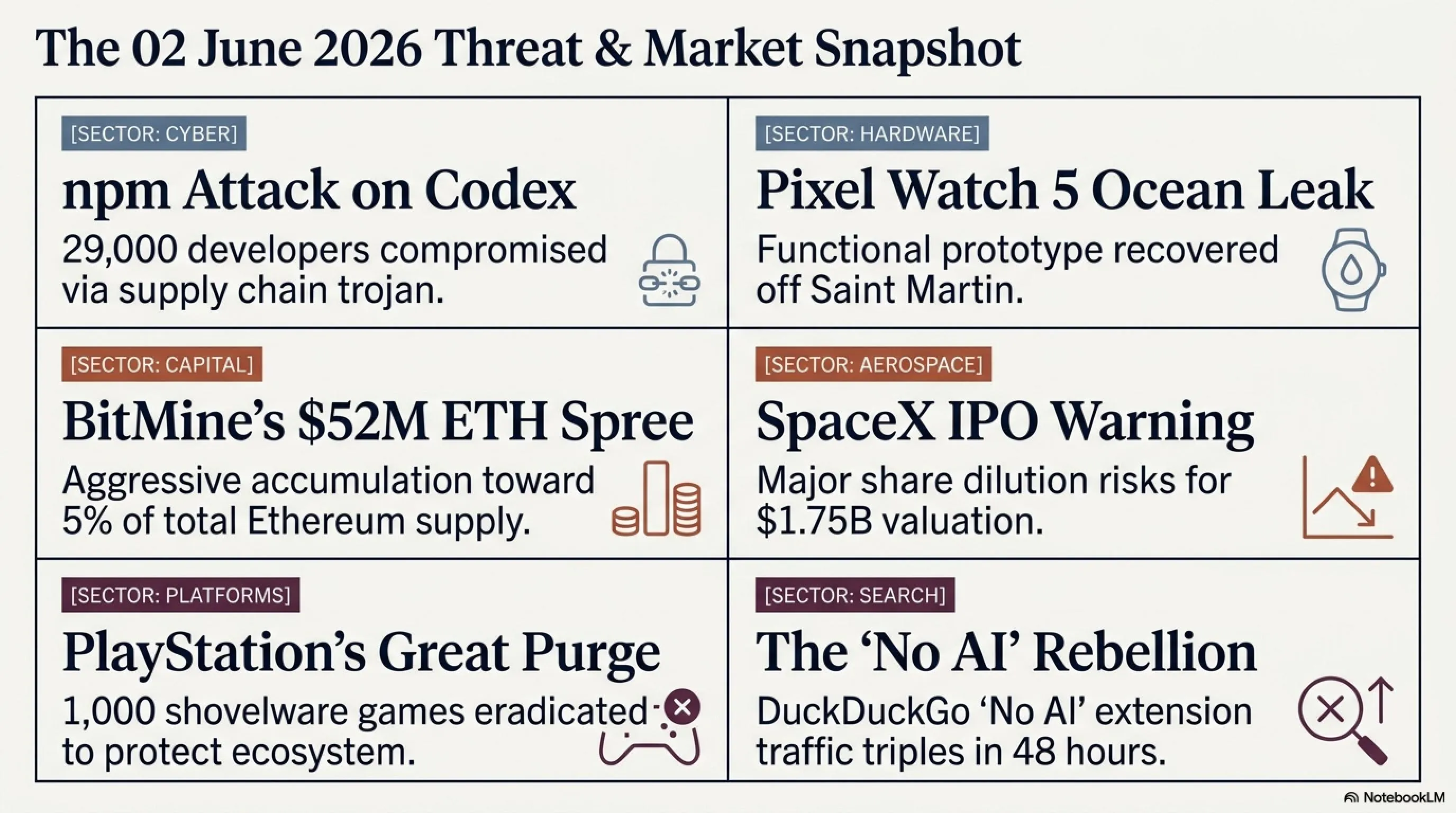
Good evening, tech enthusiasts! Tonight we're bringing you six explosive stories from the worlds of cybersecurity, hardware leaks, cryptocurrency, user rebellion, gaming, and space ventures. From a sophisticated npm supply chain attack targeting OpenAI Codex to the bizarre discovery of an unreleased Google smartwatch at the bottom of the ocean—this night is packed with tech surprises that will keep you on the edge of your seat.
⚡ Tonight's Headlines:
🔒 npm Attack on Codex — 29,000 developers compromised
📱 Pixel Watch 5 in the ocean — Strangest Google leak ever
💰 BitMine's $52M Ethereum buying spree — Targeting 5% supply
🚫 No AI Rebellion — The movement to restore classic internet
🎮 PlayStation's Great Purge — 1,000 shovelware games removed
🚀 SpaceX IPO Warning — Share dilution concerns
☕ Grab your coffee, dim the lights, and get ready for a night of thrilling tech revelations!
🔒 Story One: npm Supply Chain Attack on OpenAI Codex — When 29,000 Developers Get Fooled
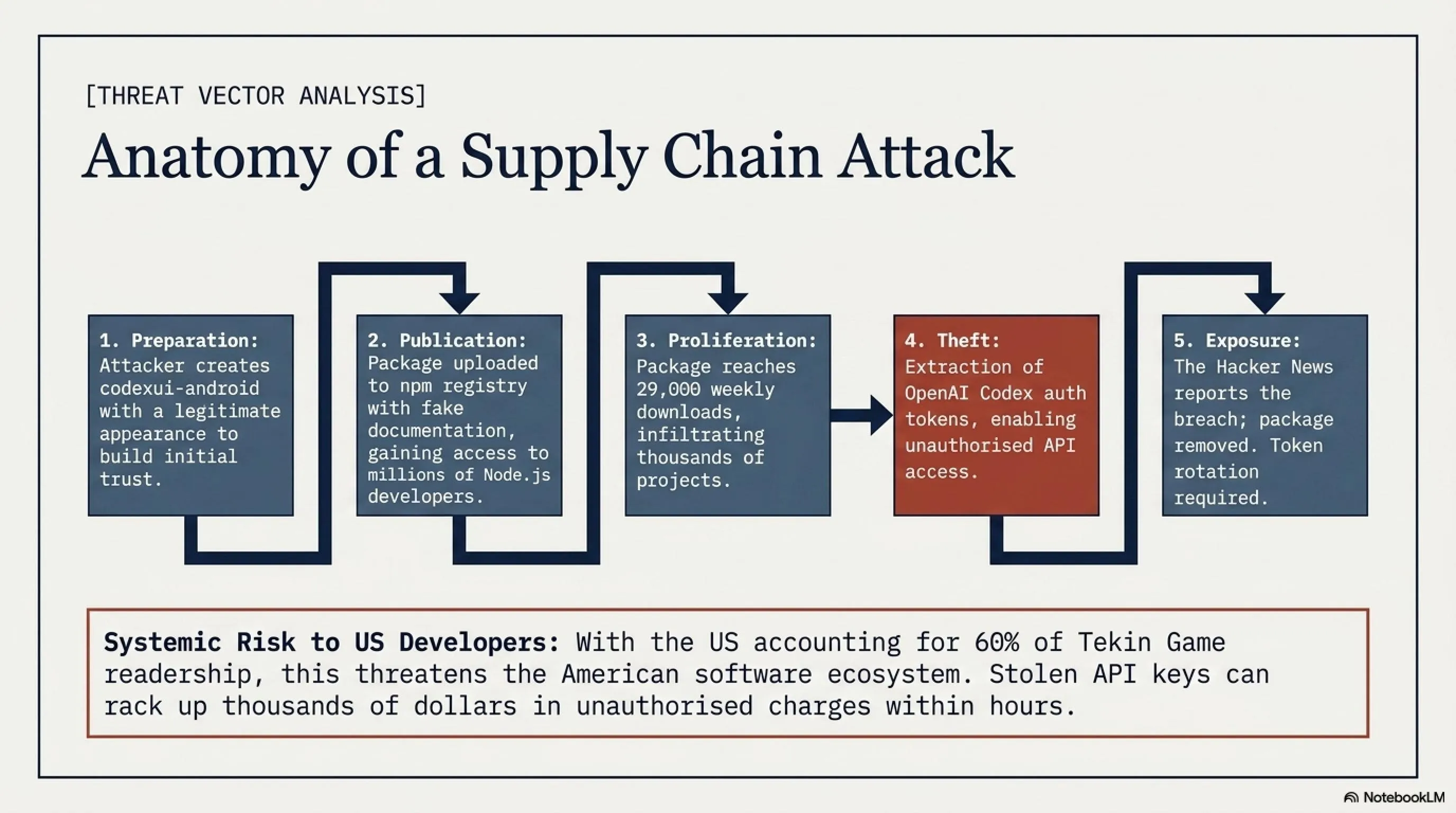
If you thought cyberattacks were only about directly infiltrating systems, tonight's first story shows that hackers are now using far more indirect and insidious methods. The npm package codexui-android, which presented itself as a legitimate remote web interface for OpenAI Codex, was actually a sophisticated trojan designed to steal Codex authentication tokens from unsuspecting developers.
This malicious package, exposed by The Hacker News on June 1, 2026, had already accumulated approximately 29,000 weekly downloads—meaning thousands of developers unknowingly handed over their sensitive credentials to attackers. This type of attack, known as a Supply Chain Attack, is far more dangerous than direct intrusions because it exploits the trust developers place in popular packages.
🔍 Tekin Analysis: Anatomy of a Supply Chain Attack
npm supply chain attacks represent one of the most sophisticated and damaging methods of cyber intrusion. In these attacks, rather than directly breaching a company's servers, attackers poison popular software packages or publish fake packages with similar names. Because developers typically install packages without thorough vetting, these malicious packages can easily infiltrate both commercial and personal projects.
The codexui-android case demonstrates that hackers are no longer just after credit card information—they're targeting API tokens and authentication keys that can provide complete access to cloud services, AI models, and sensitive data. This means a single malicious package can compromise not just one system, but hundreds of projects simultaneously.
before exposure
auth tokens
for Codex
by THN
Why is this attack so significant? Because it exposes that the npm ecosystem—on which millions of JavaScript and Node.js projects depend—still has serious vulnerabilities. Despite npm's efforts to identify and remove malicious packages, the sheer speed of new package publications and the massive volume of downloads mean that these malicious packages can remain accessible for days or even weeks.
For developers using OpenAI Codex or any other API service, this is a serious warning: always vet npm packages before installation, pay attention to download counts and publication dates, and use tools like npm audit and Snyk to scan for vulnerabilities.
🛡️ How to Protect Yourself from Supply Chain Attacks
- Vet before installing: Always check the npm package page—review download counts, last update date, and author name
- Use npm audit: Scan your project with
npm audit - Security tools: Use Snyk, Socket Security, or Dependabot to monitor malicious packages
- Lock files: Use package-lock.json to freeze exact package versions
- Token management: Never store API tokens in code or public environments—use .env and secrets managers
- Regular updates: Replace old, unmaintained packages
💡 What This Means for American Developers:
With the US accounting for approximately 60% of Tekin Game's readership and the vast majority of npm package consumers, this attack represents a systemic risk to the American software development ecosystem. OpenAI Codex is widely used by US-based startups and enterprises for AI-powered coding assistance. If your organization uses Codex or similar AI coding tools, immediately rotate all API keys, conduct a comprehensive audit of installed npm packages, and implement stricter package vetting protocols. The economic impact of compromised API keys can be substantial—unauthorized usage can rack up thousands of dollars in API charges within hours.
📱 Story Two: Pixel Watch 5 Found in Ocean — The Strangest Google Leak Ever
If you thought Google leaks only happened through whistleblowers and journalists, tonight's second story tells a completely different tale. Randy Pitchford, the famed creator of the Borderlands franchise, shared images on Twitter of an unreleased Pixel Watch 5 that his friend discovered while scuba diving near Saint Martin island in the Caribbean!
This story, reported by The Verge and Android Authority on June 1, 2026, not only revealed the official design and branding of Pixel Watch 5, but also raised serious questions about Google's prototype management practices. How does an unreleased smartwatch end up floating in the ocean?
🌊 Tekin Analysis: Anatomy of an Ocean Leak
The Pixel Watch 5 story is one of the strangest leaks in tech history. According to reports, Randy Pitchford's friend discovered a smartwatch with "Pixel Watch 5" branding on the back while recreational diving near the coast of Saint Martin. The device was still functional and displayed clear images of the Wear OS interface and Pixel branding.
This incident raises several important questions: 1) Was this a lost prototype or intentionally discarded? 2) Why doesn't Google track its prototype devices? 3) Could this be an unconventional marketing strategy?
Google's leak history shows that the company has repeatedly lost prototype devices in public places—from the Pixel 3 XL left in a taxi in Ukraine to the Pixel 4 found in a Vietnamese restaurant. But discovering a device in the ocean represents a new level of carelessness (or perhaps marketing genius).
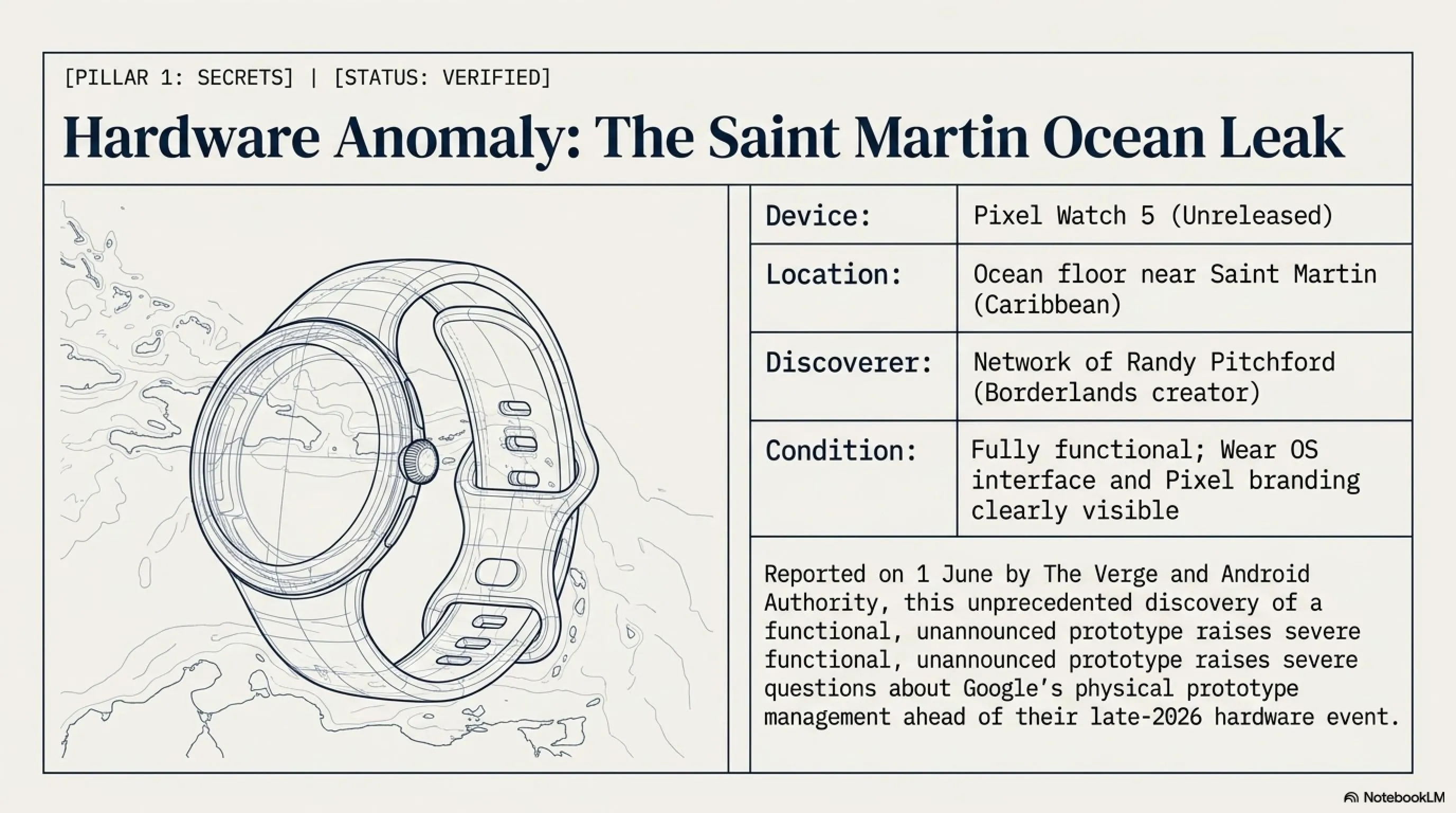
The interesting point is that Google hasn't officially announced the Pixel Watch 5 yet, and the device is expected to be unveiled at the Made by Google event later in 2026. But with this leak, everyone now knows the official name and that the design will likely resemble the Pixel Watch 3 and 4.
✅ Benefits of This Leak for Google
- Free advertising and global media coverage
- Building excitement and anticipation for launch
- Testing market reaction before official reveal
- A compelling story that goes viral on social media
❌ Drawbacks of This Leak for Google
- Premature disclosure of product name and design
- Questions about security and prototype management
- Competitors may copy features before launch
- Reduced surprise factor at official event
Some analysts believe this leak was intentional and part of Google's marketing strategy—similar to previous Pixel leaks that always occur a few months before official launches. But others argue that finding a device in the ocean indicates carelessness in prototype management.
💰 Story Three: BitMine's Ethereum Accumulation — $52M Purchase Toward 5% Supply Goal
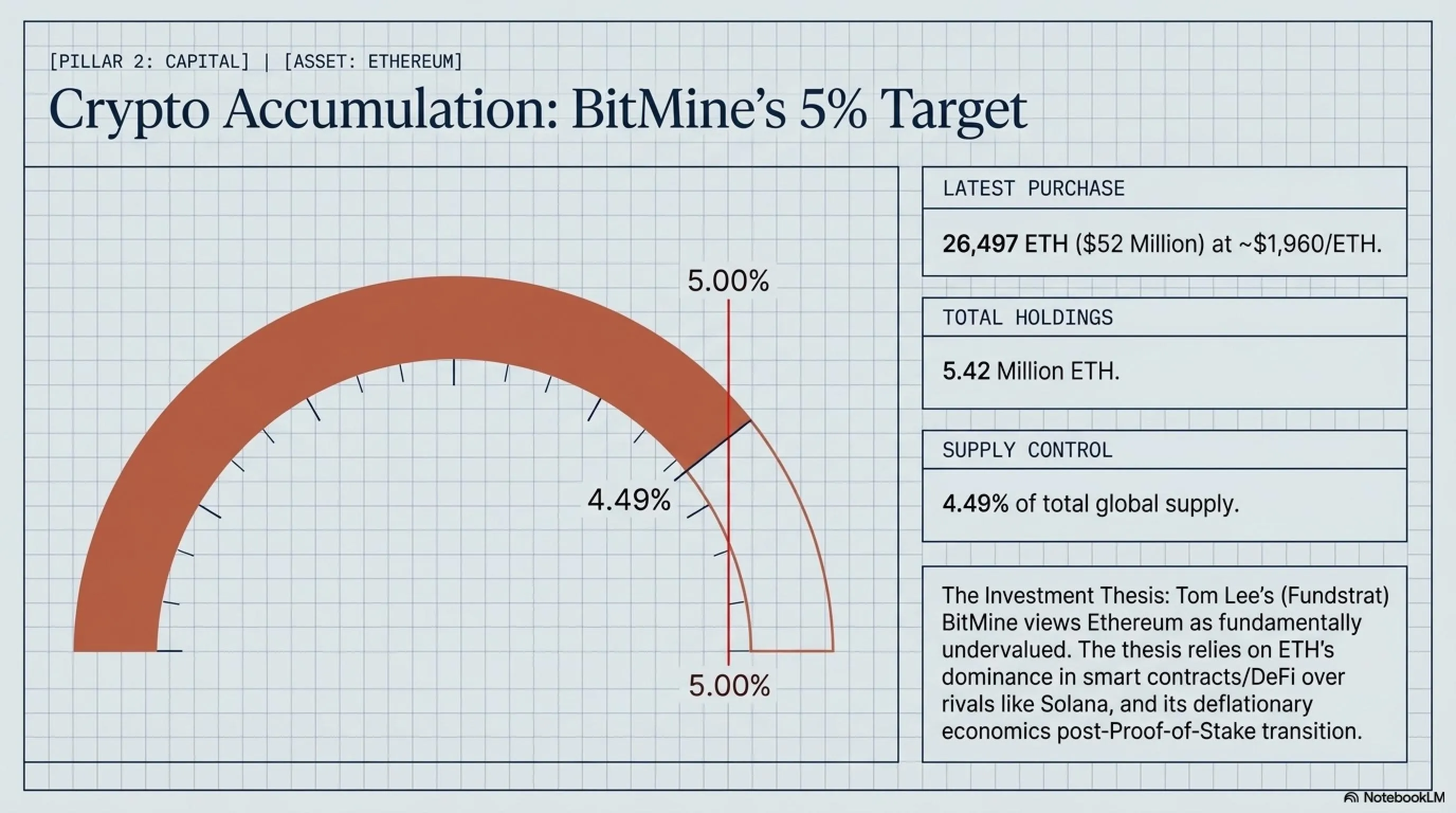
If you thought the crypto market had calmed down, tonight's third story shows that institutional investors are still aggressively accumulating digital assets. BitMine, the investment firm owned by Tom Lee (founder of Fundstrat), made a bold move by purchasing 26,497 Ethereum worth $52 million.
This purchase, reported by CoinTelegraph and Decrypt on June 2, 2026, brought BitMine's total Ethereum holdings to 5.42 million ETH—equivalent to 4.49% of total Ethereum supply. BitMine's stated goal is to reach 5% of total supply—a figure that could have enormous market impact.
📊 Tekin Analysis: Why BitMine Is Betting Big on Ethereum
BitMine's Ethereum accumulation strategy is based on several key hypotheses: First, Ethereum as the primary platform for smart contracts and DeFi has maintained its dominance, and competitors (Solana, Cardano, Avalanche) haven't been able to seriously threaten it. Second, since Ethereum's transition to Proof-of-Stake, its inflation rate has drastically decreased and has even become deflationary during some periods.
Third, Tom Lee believes that Ethereum's current price (around $1,960 at time of purchase) doesn't reflect the true power of the network. He tweeted: "Ethereum is still undervalued and the market underestimates the strength of its DeFi and NFT ecosystem." Fourth, by reaching 5% of supply, BitMine can gain significant influence in governance and impact the protocol's future.
Ethereum holdings
total ETH supply
ultimate goal
June 2, 2026
💡 Is This Strategy Risky?
Accumulating 5% of a digital asset's total supply presents both massive opportunities and serious risks. On one hand, BitMine can benefit from Ethereum's long-term growth and even gain influence in governance decisions. On the other hand, if Ethereum's price drops significantly, the losses will be substantial.
Another important point is that BitMine can't easily sell this enormous volume of Ethereum—because selling 5% of supply at once would crash the market. Therefore, this is a long-term strategy that must be carefully managed.
🚫 Story Four: The No AI Rebellion with DuckDuckGo — Users Want the Old Internet Back
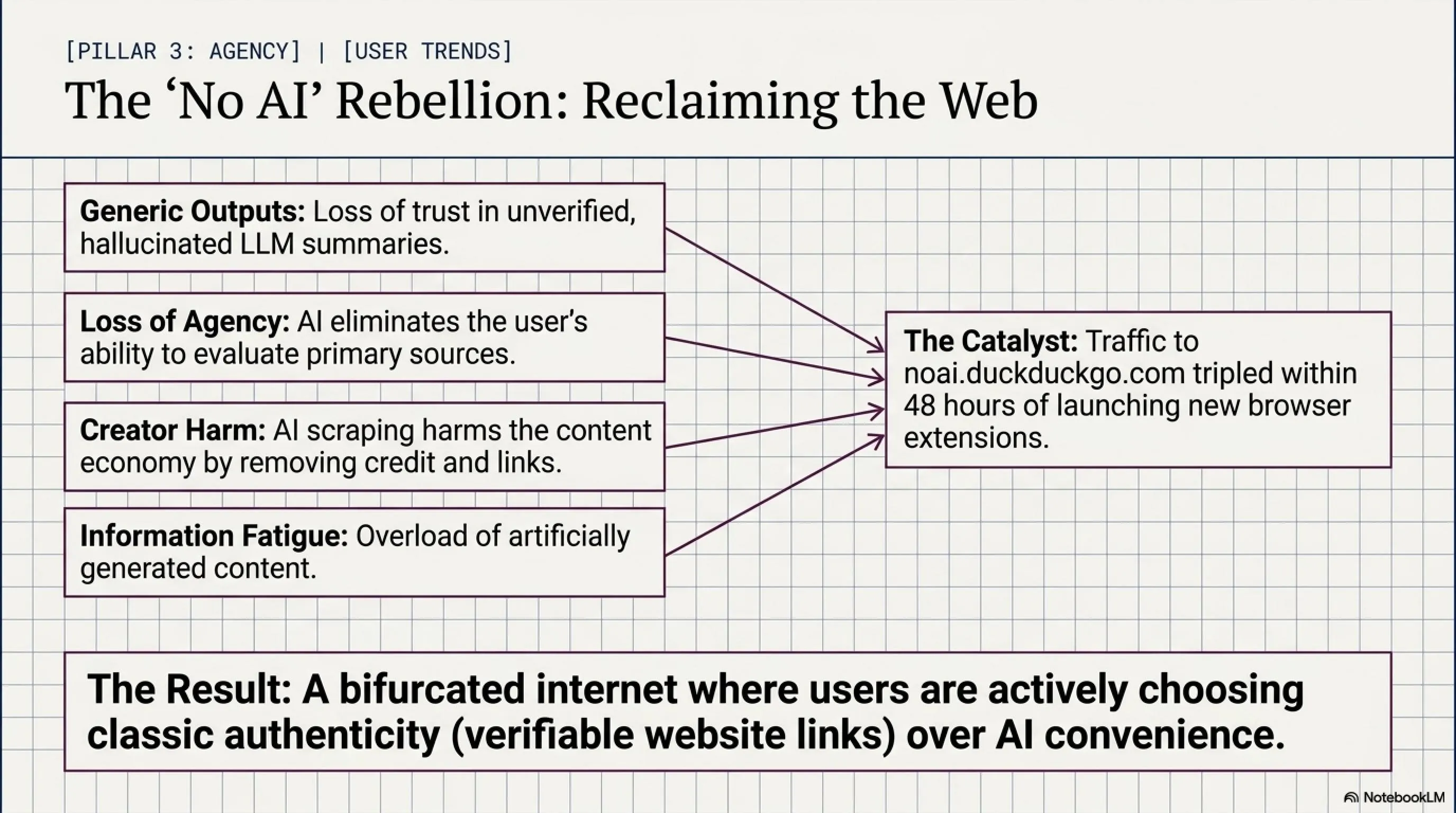
If you thought everyone was happy with artificial intelligence, tonight's fourth story shows that a powerful movement is forming—one that wants to return the internet to the pre-AI era. DuckDuckGo, the privacy-focused search engine, launched new browser extensions for "No AI" mode, and traffic to noai.duckduckgo.com tripled within 48 hours.
This news, reported by Decrypt on June 2, 2026, shows that a significant portion of users are tired of AI-generated search results and want to return to traditional results and human sources. This movement is spreading not just in search engines, but across all areas of the internet.
🔥 Tekin Analysis: Why Users Are Fleeing from AI
The "No AI" movement is rooted in several core dissatisfactions: First, AI-generated results are often generic, superficial, and without credible sources—many users can no longer trust information produced by large language models. Second, traditional search allowed users to evaluate sources themselves and gather information from various websites—but AI eliminates this process and presents a fabricated summary.
Third, many content creators and websites are unhappy that AI uses their content without credit or links—this harms the content economy. Fourth, some users are simply tired of the bombardment of AI-generated information and want to regain control of their web experience. DuckDuckGo, understanding this need, decided to offer browser extensions that filter out all AI results and suggestions, showing only traditional results (website links).
🎮 Story Five: PlayStation's Great Purge — 1,000 Shovelware Games Removed
If you thought Sony just issued a warning and held back, tonight's fifth story shows the company is serious. Sony continues its mission to purge low-quality shovelware games, and publisher Webnetic announced that over 1,000 of its games will be removed from the PlayStation Store.
This news, reported by IGN on June 2, 2026, shows that Sony wants to maintain the quality of the PlayStation ecosystem and prevent the flood of cheap, low-quality games created solely for quick profits. This action will certainly have a positive impact on user experience.
🚀 Story Six: SpaceX IPO Warning About Share Dilution — Investor Concerns Rise
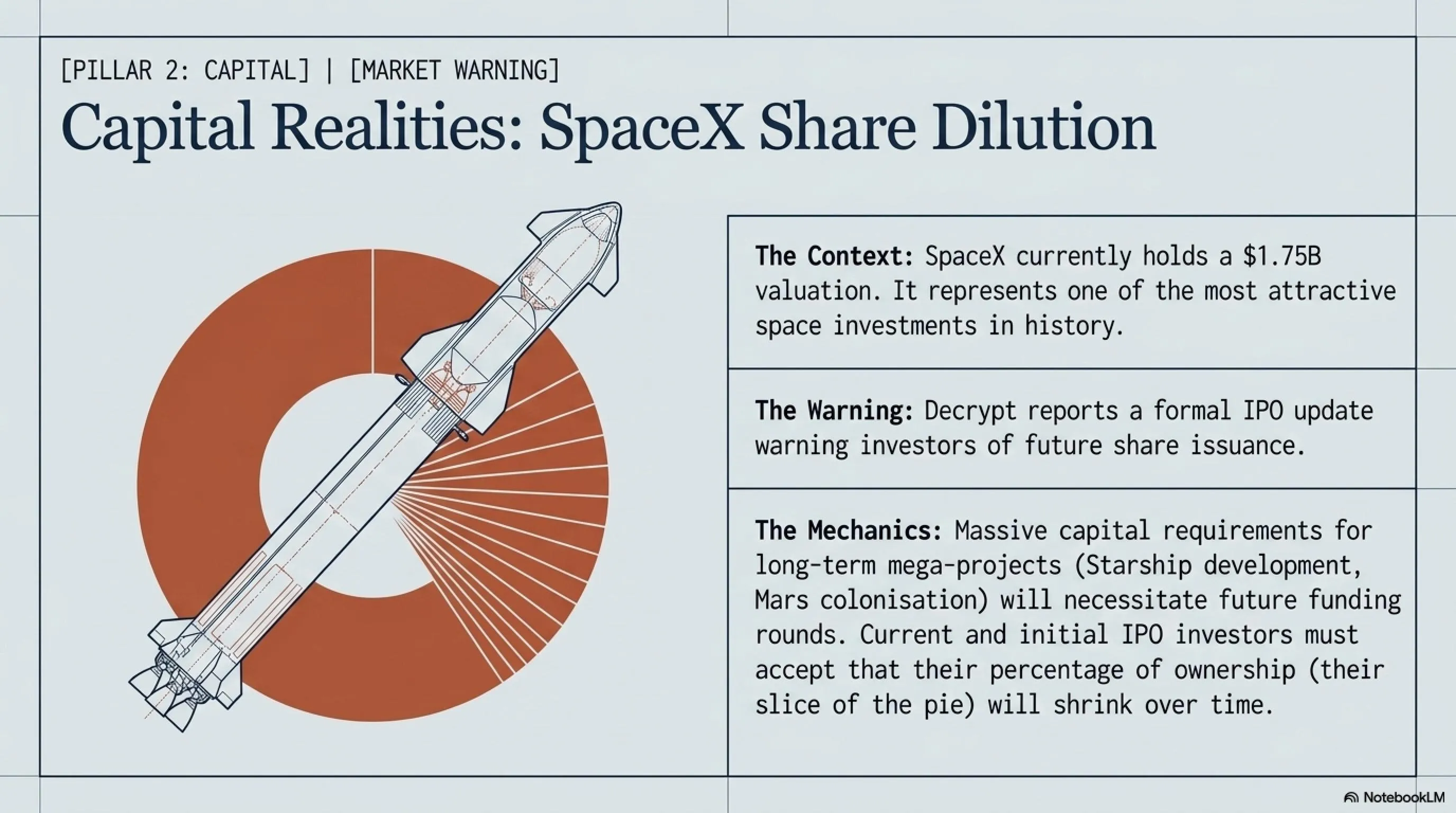
If you thought the SpaceX IPO was just a good investment opportunity, tonight's sixth story brings a serious warning. SpaceX, in an IPO update reported by Decrypt on June 1, 2026, warned that it may issue significant shares in future funding rounds—meaning current investor shares will be diluted.
With a valuation of $1.75 billion, SpaceX is one of the most attractive investment opportunities in the space industry. But this warning shows that Elon Musk and the SpaceX management team may need additional capital to finance long-term projects like Starship and Mars colonization—and that means issuing new shares.
🌟 Final Thoughts: Tekin Night June 2, 2026
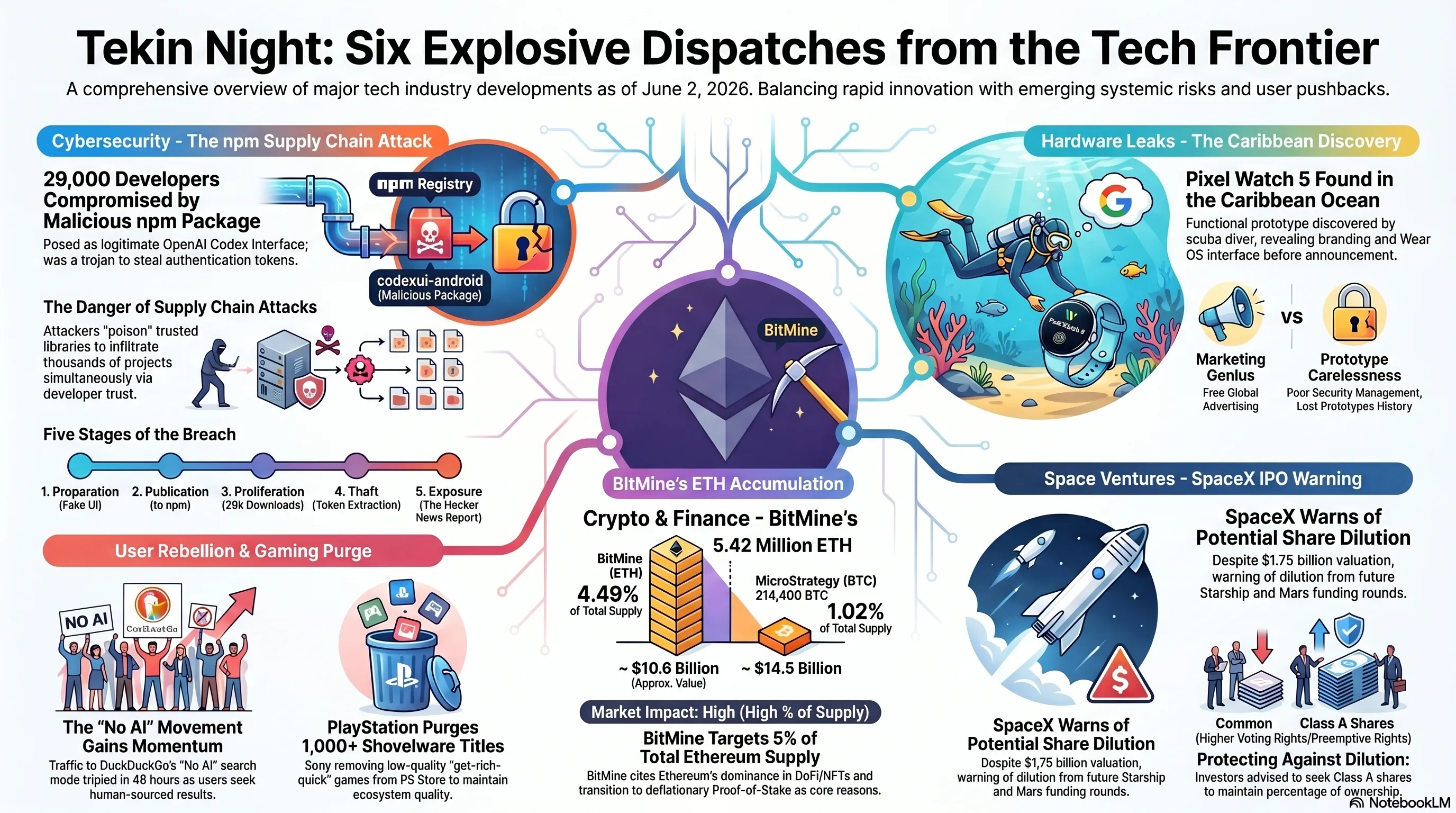
Tonight concluded with six explosive stories, each of which could have been a standalone article. From the sophisticated npm supply chain attack that questioned developer security, to the strange discovery of Pixel Watch 5 in the ocean depths, to BitMine's aggressive $52 million Ethereum purchase, to the No AI rebellion and return to classic internet, to PlayStation's great purge, and finally SpaceX's warning about share dilution.
These six stories show that the tech world is full of unexpected developments even on quiet Tuesday nights—and we at Tekin Game are always here to analyze the latest and most important news for you.
❓ Why are npm supply chain attacks so dangerous?
npm supply chain attacks are dangerous because instead of directly breaching systems, they exploit developer trust in popular packages. When a malicious package with 29,000 weekly downloads is published, it can infiltrate thousands of projects and steal sensitive information like API tokens, authentication keys, and user data. These attacks are hard to detect due to npm's massive volume (over 2 million packages) and rapid publication speed.
❓ Can the No AI movement actually succeed?
The No AI movement represents genuine dissatisfaction with AI-generated content, but complete success seems unlikely. The future will probably move toward a "balance": services like DuckDuckGo for those who want the classic internet, and services like Google with AI for those who prioritize speed and convenience. What matters is that users have a choice—and that's what the No AI movement is fighting for.
❓ How can I protect myself from share dilution in IPOs?
To protect against share dilution, carefully read the prospectus and IPO documents before investing, looking for phrases like "potential dilution" or "future share issuance." You can also purchase shares with higher voting rights (Class A) or participate in agreements that give you "preemptive rights"—the right to buy new shares before public offering. Ultimately, the best approach is to only invest in companies with a good track record of capital management and keeping their promises.
📚 Sources & References
🌐 Stay Connected With Us 🎮✨
For the latest tech, gaming, and gadget news, follow us on our official social media channels: