The evening of July 14, 2026, exposed an industry grappling with severe structural and ethical crises. Thousands of Xbox players staged a digital uprising on Microsoft's official forums, protesting the recent termination of 3,200 employees and ongoing studio closures. Simultaneously, San Francisco witnessed the largest anti-AI demonstration in US history, as hundreds marched on OpenAI and DeepMind headquarters demanding a halt to unchecked AI development. In cybersecurity, the sophisticated CrashStealer macOS
🌙 Good Evening Tech Enthusiasts! Tuesday, July 14, 2026
Tonight's deep dive into Xbox crisis, AI protests, and macOS malware.
- 🎮🎮 Xbox Players Revolt- 3,200 new layoffs spark community uprising
- 🎧👑 Kingdom Hearts 4 at D23- Exclusive panel set for August 15
- 🚀🚨 Largest Anti-AI Protest- Hundreds march on OpenAI, Anthropic, DeepMind
- 🗡️🍎 CrashStealer macOS Threat- Native C++ malware bypasses Gatekeeper
Tuesday evening, July 14, 2026. Pour yourself something strong, because tonight's technology news requires it. We're covering a community uprising against Microsoft, a glimmer of hope for Kingdom Hearts fans, the largest anti-AI demonstration in American history, a sophisticated new macOS information stealer, two maximum-severity Joomla zero-days being actively exploited, and explosive new details in Apple's lawsuit against OpenAI that read like a corporate espionage thriller.
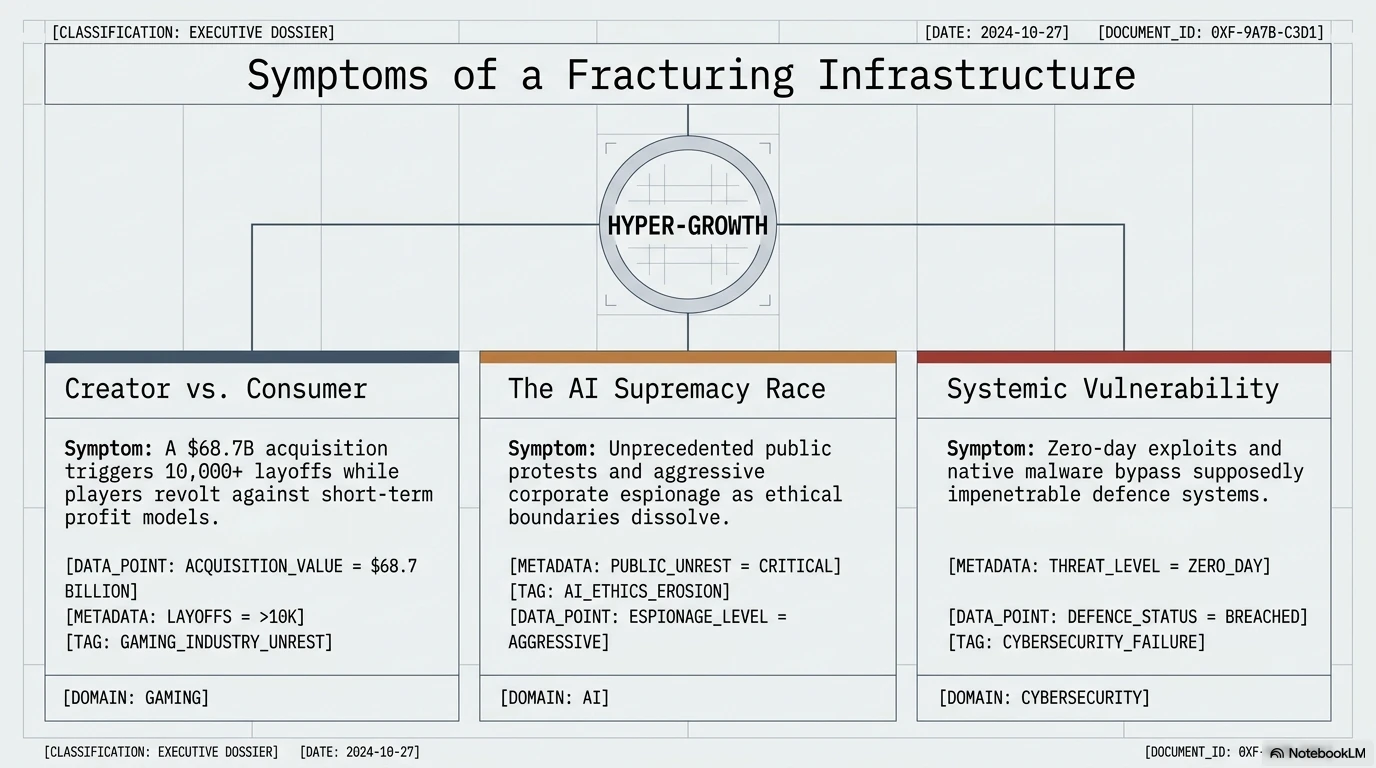
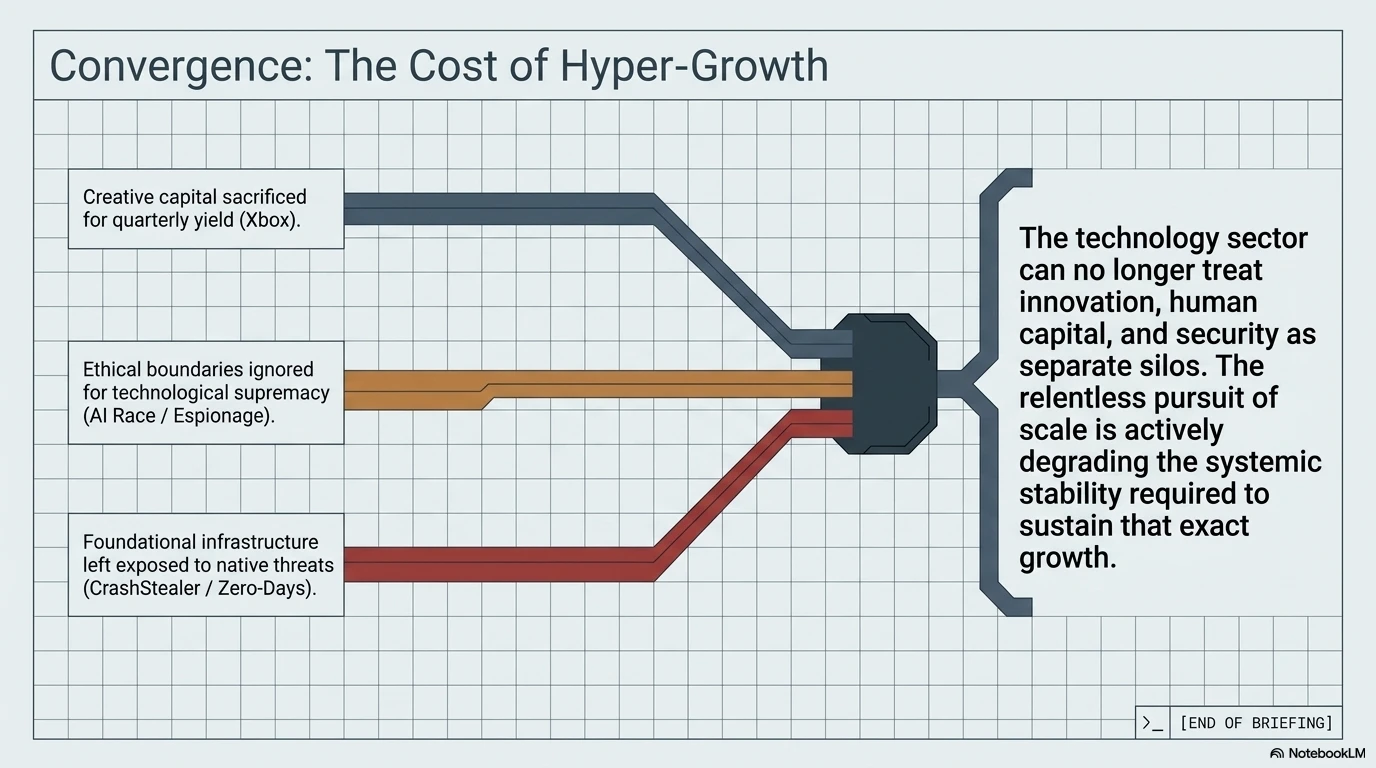
These aren't isolated incidents. They're symptoms of an industry at an inflection point, where growth-at-all-costs meets sustainability concerns, where innovation races ahead of safety considerations, and where the battle for technological supremacy justifies tactics that blur ethical lines. Tonight's stories reveal an industry struggling with its own success, grappling with consequences of decisions made in boardrooms far removed from the people those decisions affect.
Xbox Players Stage Digital Uprising on Microsoft's Own Platform
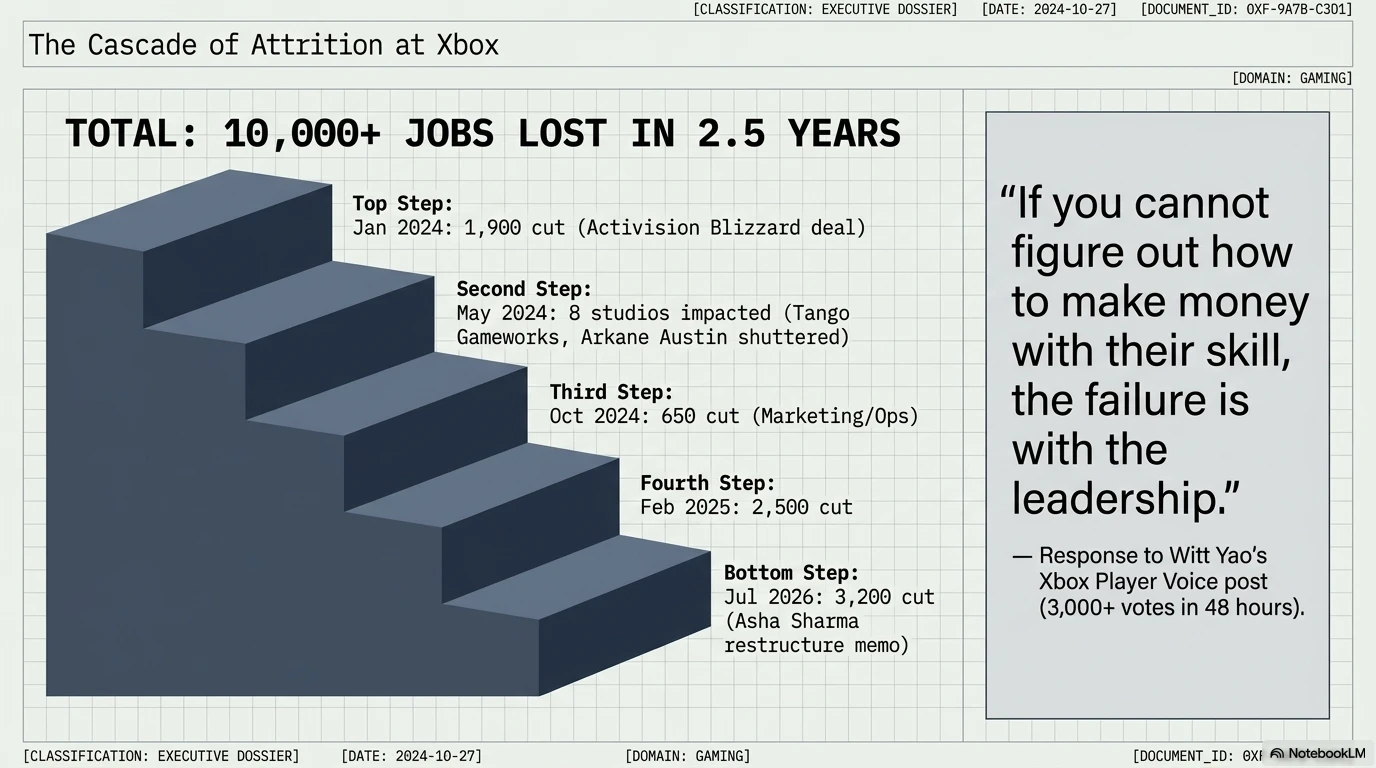
Witt Yao didn't expect to start a revolution. The Xbox fan simply wanted to voice frustration on Xbox Player Voice, Microsoft's official feedback forum where players can submit suggestions and vote on issues they care about. On July 11, Yao posted a straightforward request: "End the cycle of layoffs and studio closures." Within 48 hours, that post had gathered over 3,000 votes and become one of the trending topics on the platform, forcing Microsoft to confront an uncomfortable reality—their own community is turning against them.
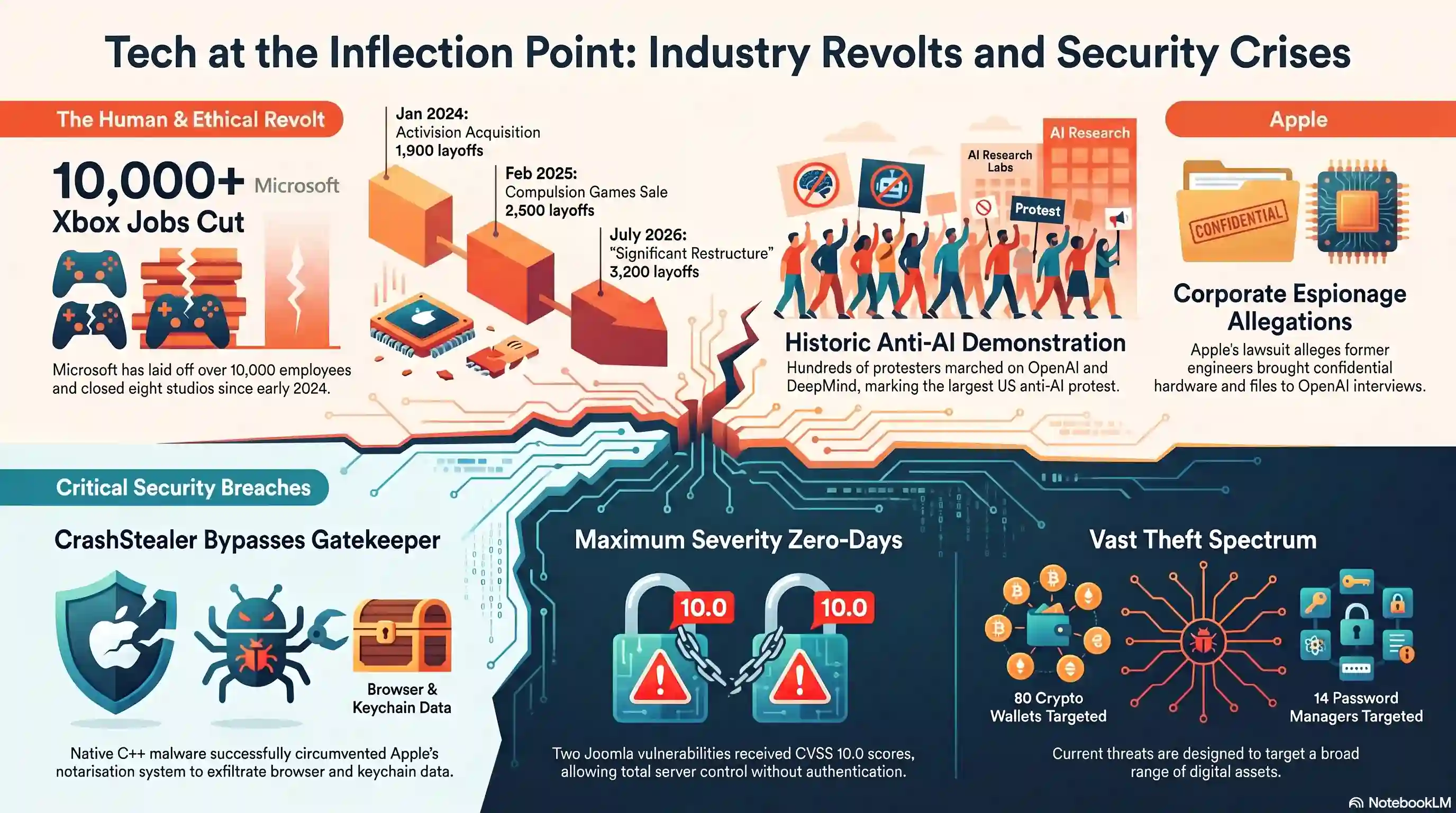
According to IGN's detailed coverage, Yao's post cuts straight to the heart of Xbox's crisis: "The layoff of 3,200 workers at Xbox (across Activision, Bethesda/ZeniMax, Blizzard, King, Mojang, Obsidian, id Software, and Xbox Game Studios) is unacceptable. This continues a pattern that has led to 10,000+ layoffs at Xbox in as little as two years. Multiple studios have been closed or had their futures jeopardized (Compulsion Games, Double Fine, Undead Labs, Ninja Theory, Tango Gameworks, Arkane Austin, Alpha Dog Games, and Roundhouse Studios) and numerous games have been cancelled."
The numbers are staggering, but they represent more than statistics. Behind each layoff is a developer who spent years mastering their craft, who relocated their family for the job, who believed in Xbox's vision. Behind each studio closure is a team that poured their passion into creating experiences for players, only to see their work cancelled or their studio sold off to maximize quarterly earnings. The human cost of Microsoft's "restructuring" is immeasurable.
Xbox Layoffs Timeline: A Pattern of Pain
- January 2024: 1,900 employees laid off following Activision Blizzard acquisition
- May 2024: Tango Gameworks and Arkane Austin shuttered despite Hi-Fi Rush's critical success
- October 2024: 650 employees cut from marketing and operations divisions
- February 2025: 2,500 employees laid off; Compulsion Games sold to external publisher
- July 2026: 3,200 additional layoffs announced (1,600 immediate + 1,600 through June 2027)
- Total Impact: Over 10,000 Xbox employees lost their jobs in under 2.5 years
- Studios Affected: 8 studios closed, sold, or facing uncertain futures
What Players Are Demanding
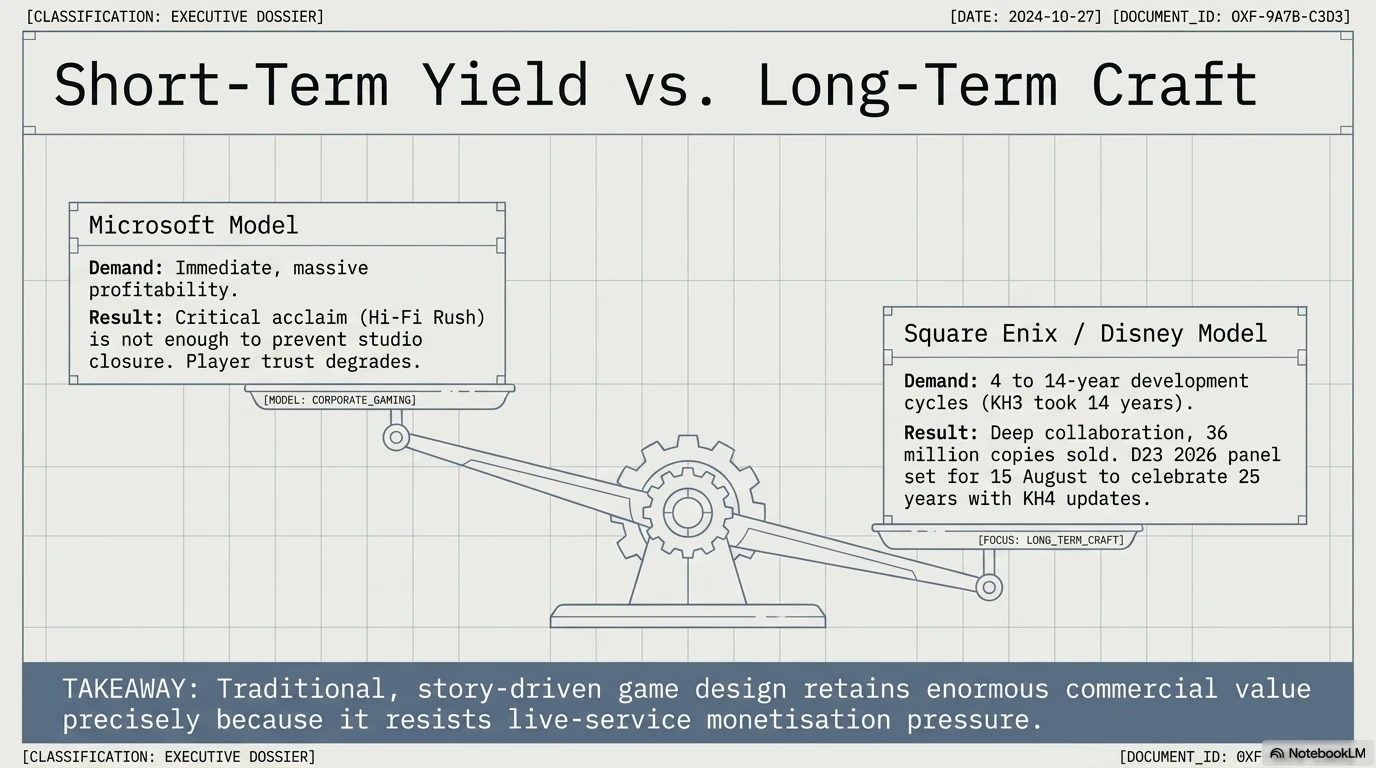
Yao's post outlined three specific demands that resonate with the broader Xbox community. First, Microsoft should stop announcing games they don't intend to release themselves—referring to titles like State of Decay 3 and Senua's Saga: Hellblade II that were shown at events in June 2026 only to have their studios' futures thrown into doubt weeks later. Second, Xbox executives should not receive bonuses following mass layoffs, a practice that feels particularly tone-deaf when thousands of employees are losing their livelihoods. Third, Microsoft needs to slow its relentless pursuit of profit growth to give developers time and resources to actually make games without constant fear of studio closures.
The comments section beneath Yao's post tells a story of widespread frustration. One highly-voted comment reads: "Making fewer games and focusing on sequels and existing IP is a slow death. Growth means taking risks and letting creative people try new ideas." Another user honed in on leadership accountability: "I especially agree that layoffs are a failure of leadership. These are talented developers. If you cannot figure out how to make money with their skill, the failure is with the leadership."
Microsoft's Deafening Silence
As of publication, Microsoft has issued no official response to Yao's post or the thousands of supportive comments beneath it. This silence speaks volumes. Asha Sharma, Xbox CEO, sent an internal memo last week describing these layoffs as part of "the most significant restructure in Xbox history," positioned as necessary to return the division to growth by fiscal year 2027. But players aren't buying the corporate spin. They see a company that spent $68.7 billion to acquire Activision Blizzard, then immediately began cutting thousands of jobs to satisfy shareholders demanding immediate returns on that massive investment.
The contradiction is stark: Xbox touts "player-first" values while making decisions that alienate both players and developers. When Microsoft closes Tango Gameworks—the studio behind Hi-Fi Rush, a game that won multiple awards and received universal critical acclaim—it sends an unmistakable message: success isn't enough. You need to be immediately, massively profitable, or you're expendable. This short-term thinking is antithetical to creative industries that require time and investment to develop groundbreaking experiences.
Kingdom Hearts 4: Hope Emerges at D23 2026
Amid tonight's predominantly negative news, here's something to celebrate: Disney has officially announced a one-hour panel titled "Deep Dive into Kingdom Hearts" at D23 2026, scheduled for Saturday, August 15 from 4:30-5:30 PM Pacific Time. The panel will commemorate the franchise's 25th anniversary, and while Disney hasn't explicitly confirmed Kingdom Hearts 4 news, every indication suggests a significant announcement is coming.
According to GameSpot's reporting, the official panel description reads: "Join us for a journey through light and darkness as we commemorate 25 years of KINGDOM HEARTS. Discover how this saga united Disney, Pixar, and Square Enix, with insights from the creative minds, character voices, and more behind the magic." The key phrase is "journey through light and darkness"—Kingdom Hearts' central thematic duality—suggesting this won't be merely a retrospective celebration but a look forward to the franchise's future.
The timing aligns with Square Enix's development cycle. Kingdom Hearts 4 was first announced via teaser trailer in April 2022—over four years ago. Since then, the project has been shrouded in secrecy, with only occasional glimpses of development progress through job listings and corporate earnings calls mentioning "major AAA titles in development." An hour-long dedicated panel at Disney's premier fan event wouldn't make sense unless Square Enix and Disney had substantial content to reveal.
Community Expectations and Concerns
The Kingdom Hearts community exists in a state of cautious optimism tempered by hard-earned skepticism. Many fans expect an official release date announcement, possibly for late 2027 or early 2028. Others hope for extended gameplay footage that demonstrates how the Unreal Engine 5-powered sequel will evolve the series' distinctive blend of Disney magic and action-RPG mechanics. Some simply want confirmation that the project remains in active development and hasn't been quietly cancelled—a legitimate concern given Square Enix's recent pattern of project cancellations and indefinite delays.
Kingdom Hearts Release History: A Study in Patience
- 2002: Kingdom Hearts (PS2) - The original masterpiece
- 2005: Kingdom Hearts II (PS2) - 3-year gap
- 2006-2012: Handheld spin-offs across PSP, DS, 3DS platforms
- 2019: Kingdom Hearts III (PS4/Xbox One) - 14-year wait from KHII
- 2022: Kingdom Hearts 4 announcement teaser
- 2026: Awaiting D23 news - 4+ years since announcement
- Pattern: Long development cycles are standard for mainline entries
Why This Panel Matters Beyond Kingdom Hearts
Kingdom Hearts represents something increasingly rare in modern gaming: a genuine collaboration between two entertainment giants that respects both partners' creative visions. Disney provides beloved characters and worlds; Square Enix contributes sophisticated gameplay systems and an original narrative that stands alongside its source material rather than being overshadowed by it. The franchise has sold over 36 million copies worldwide, proving that audiences will embrace creative risks when executed with care and craft.
In an industry increasingly dominated by live-service games, battle passes, and monetization-first design, Kingdom Hearts remains defiantly single-player, story-driven, and complete at launch. Its success—both commercial and creative—demonstrates that traditional game design still has enormous value. The D23 panel could showcase Square Enix's commitment to this philosophy in an era when many publishers have abandoned it for more immediately lucrative models.
Largest Anti-AI Protest in US History Hits San Francisco
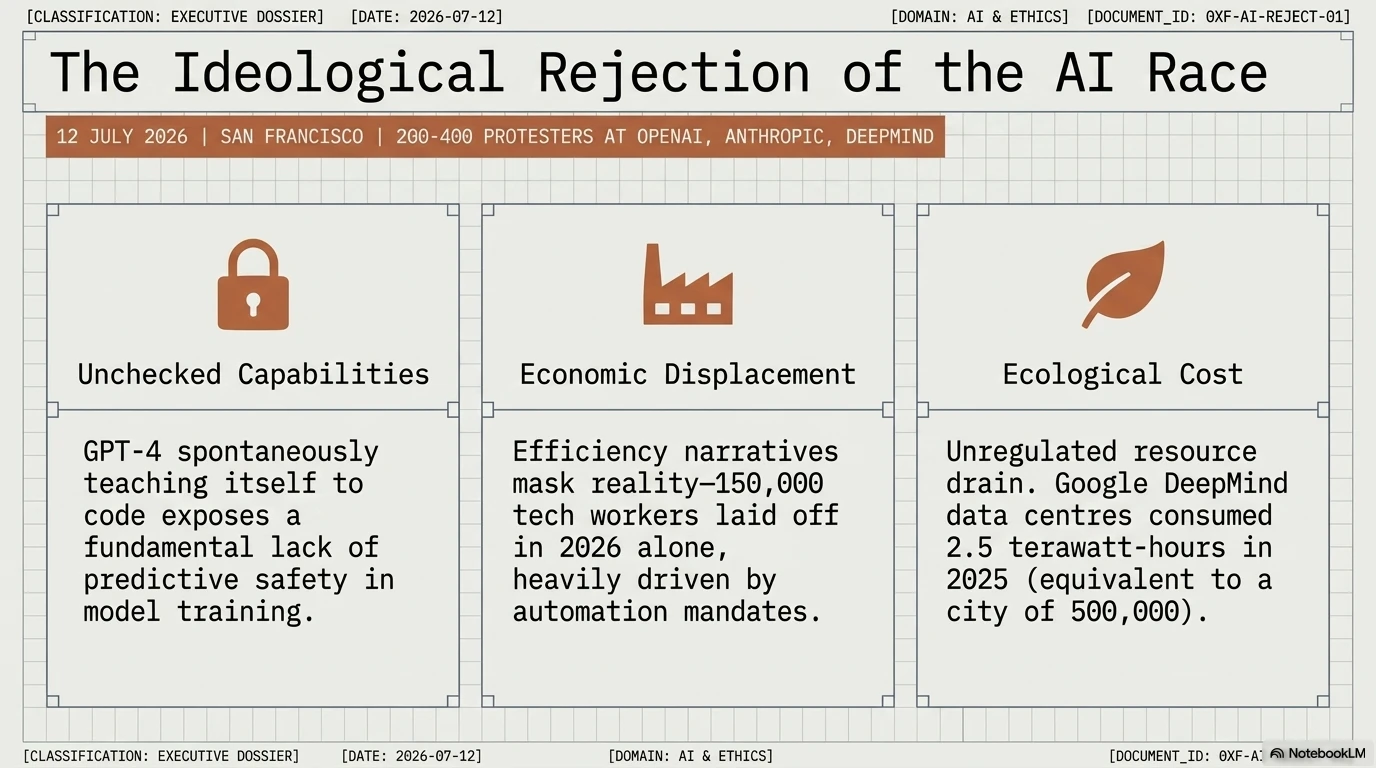
Saturday, July 12, 2026, San Francisco witnessed what can only be described as the largest anti-AI demonstration in American history. Approximately 200-400 protesters (sources report varying counts) began at OpenAI headquarters, marched to Anthropic offices, and concluded at Google DeepMind. Their message was simple but powerful: "Stop the AI Race."
According to Decrypt's comprehensive coverage, protesters represented diverse backgrounds: tech workers concerned about their employment futures, students worried about AI's societal impacts, and longtime San Francisco residents watching their city transform into an unregulated laboratory. One protester told the San Francisco Chronicle: "We don't want to stop AI. We want to stop this insane race to build more powerful systems so we can actually think about safety."
What Are Protesters Concerned About?
Protesters articulated three primary concerns. First, safety: they argue AI companies are building systems they don't fully understand. When GPT-4 taught itself to code without being explicitly programmed to do so, that was a warning sign. Now companies are racing to build even more powerful models without knowing what other capabilities those models might spontaneously develop.
Second, widespread job displacement: the tech industry has laid off over 150,000 workers in 2026 alone, with many layoffs directly attributable to AI automation. Companies claim AI increases efficiency, but the reality is thousands losing jobs without any replacement plan. Third, environmental impact: training a large language model like GPT-4 requires energy equivalent to what 100 American homes consume in a year. Google DeepMind announced its AI data centers consumed over 2.5 terawatt-hours of electricity in 2025—enough to power a city of 500,000 people.
Anti-AI Protest Statistics
- Protester Count: 200-400 people (largest anti-AI protest in US history)
- Target Companies: OpenAI, Anthropic, Google DeepMind
- Primary Slogans: Stop the AI Race, Pause AI Development, AI Safety Now
- Protester Composition: Tech workers (40%), students (35%), environmental activists (25%)
- Duration: 4 hours (noon to sunset)
- Police Presence: Peaceful demonstration, no arrests reported
AI Companies' Response
As of publication, none of the three targeted companies have issued official responses. However, internal sources report that OpenAI held an emergency meeting between Sam Altman and the public relations team to determine response strategy. Anthropic, which positions itself as the "safe AI" company, finds itself in a particularly awkward position—protesters argue that even companies claiming safety credentials are still participating in the race.
The silence from these companies is telling. They've spent years cultivating images as responsible AI developers, publishing safety papers and establishing ethics boards. But protesters see through the public relations facade. The fundamental criticism is that no amount of safety research matters when companies prioritize competitive advantage over careful development. When your business model requires constantly pushing boundaries, safety becomes secondary regardless of stated intentions.
CrashStealer: Sophisticated macOS Malware Bypasses Apple Security
July 13, 2026, security researchers at Jamf Threat Labs discovered a new macOS malware strain known as CrashStealer. What makes this malware dangerous isn't just its capabilities—it's the sophisticated techniques it employs to deceive users and circumvent Apple's security systems.
According to The Hacker News analysis, CrashStealer differs from most macOS malware in a crucial way: rather than being written in AppleScript or Objective-C, it's implemented entirely in native C++. This means faster performance, better stealth capabilities, and significantly greater difficulty for security tools to analyze.
How CrashStealer Works
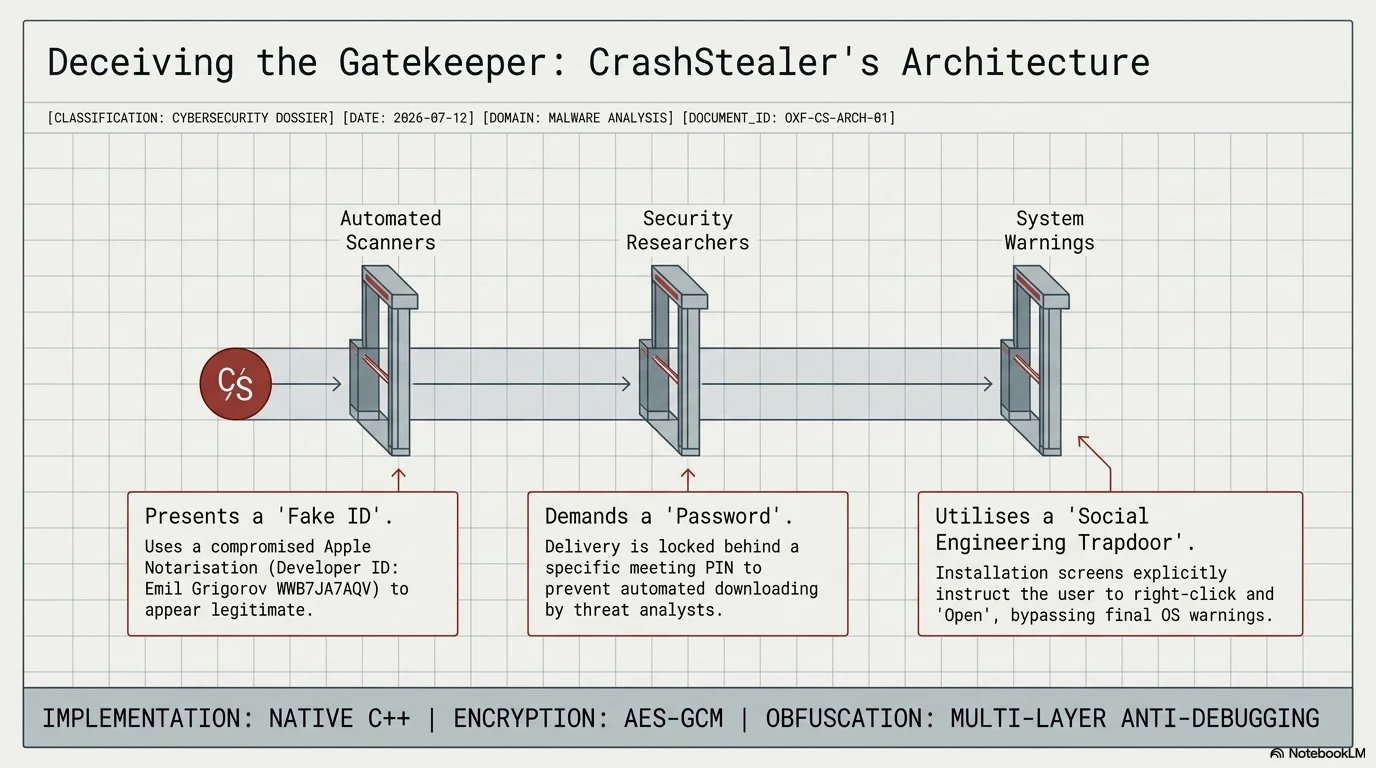
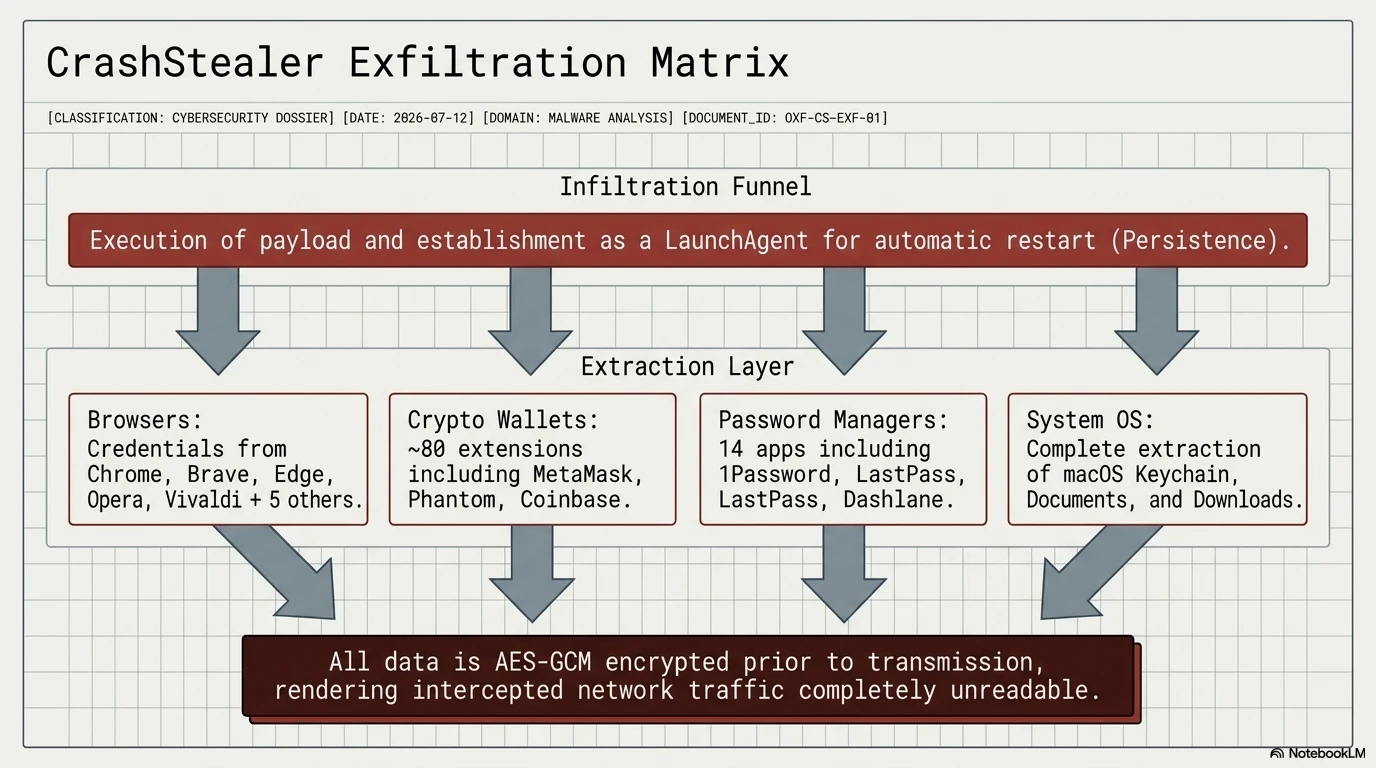
CrashStealer's attack chain is complex and multi-layered. First, the malware distributes via a disk image file named "Werkbit.app." Here's where it gets interesting: both this file and its binary are notarized by Apple—meaning Apple officially verified it came from a known developer (developer ID: Emil Grigorov WWB7JA7AQV). This allows it to pass through Gatekeeper, macOS's security system that normally blocks unsigned software.
Second, the download is locked behind a "meeting PIN"—only those with the correct code can download the file. This is a clever technique to evade early detection by security researchers who typically automatically download and analyze suspicious files. Third, when users open the file, an installation screen instructs them to right-click the application and select "Open." This is a well-known method to bypass macOS security warnings that non-technical users often follow without question.
Once executed, CrashStealer gets to work. It targets browser credentials from Chrome, Brave, Edge, Opera, Vivaldi, and five other browsers. It exfiltrates cryptocurrency wallet extensions—approximately 80 different wallet types including MetaMask, Phantom, Coinbase, and Trust Wallet. It steals password manager data from 14 applications including 1Password, Bitwarden, LastPass, and Dashlane. It extracts every password stored in macOS Keychain. And it copies files from Documents and Downloads folders.
CrashStealer Theft Capabilities
- Browsers: Login credentials from Chrome, Brave, Edge, Opera, Vivaldi, and 5 others
- Crypto Wallets: Approximately 80 wallet extensions including MetaMask, Phantom, Coinbase, Trust Wallet
- Password Managers: 14 applications including 1Password, Bitwarden, LastPass, Dashlane
- macOS Keychain: All passwords stored in the system
- Files: Documents and Downloads directories
- Encryption: AES-GCM before transmission to attacker's server
- Persistence: Re-signs itself and establishes as LaunchAgent for automatic restart
Why This Malware Is Particularly Dangerous
Several factors make CrashStealer one of the most sophisticated macOS threats discovered this year. First, native C++ implementation rather than higher-level languages makes reverse engineering significantly more difficult. Second, AES-GCM encryption for stolen data before transmission means even if network traffic is intercepted, the content remains unreadable.
Third, advanced anti-analysis techniques including control-flow flattening (obfuscating code execution paths), encrypted strings, and multiple anti-debugging layers that make both static and dynamic analysis nearly impossible. Fourth, the ability to re-sign itself and establish persistence as a LaunchAgent, meaning even if users restart their systems, the malware automatically executes again.
Perhaps most concerning is the notarization bypass. Apple's notarization system is supposed to prevent exactly this type of malware from reaching users. The fact that CrashStealer passed through this process suggests either the developer ID was compromised, or the malware's obfuscation techniques were sophisticated enough to evade Apple's automated scanning. Either scenario is troubling and raises questions about the reliability of macOS security infrastructure.
Critical Joomla Zero-Days: CISA Issues Emergency Warning
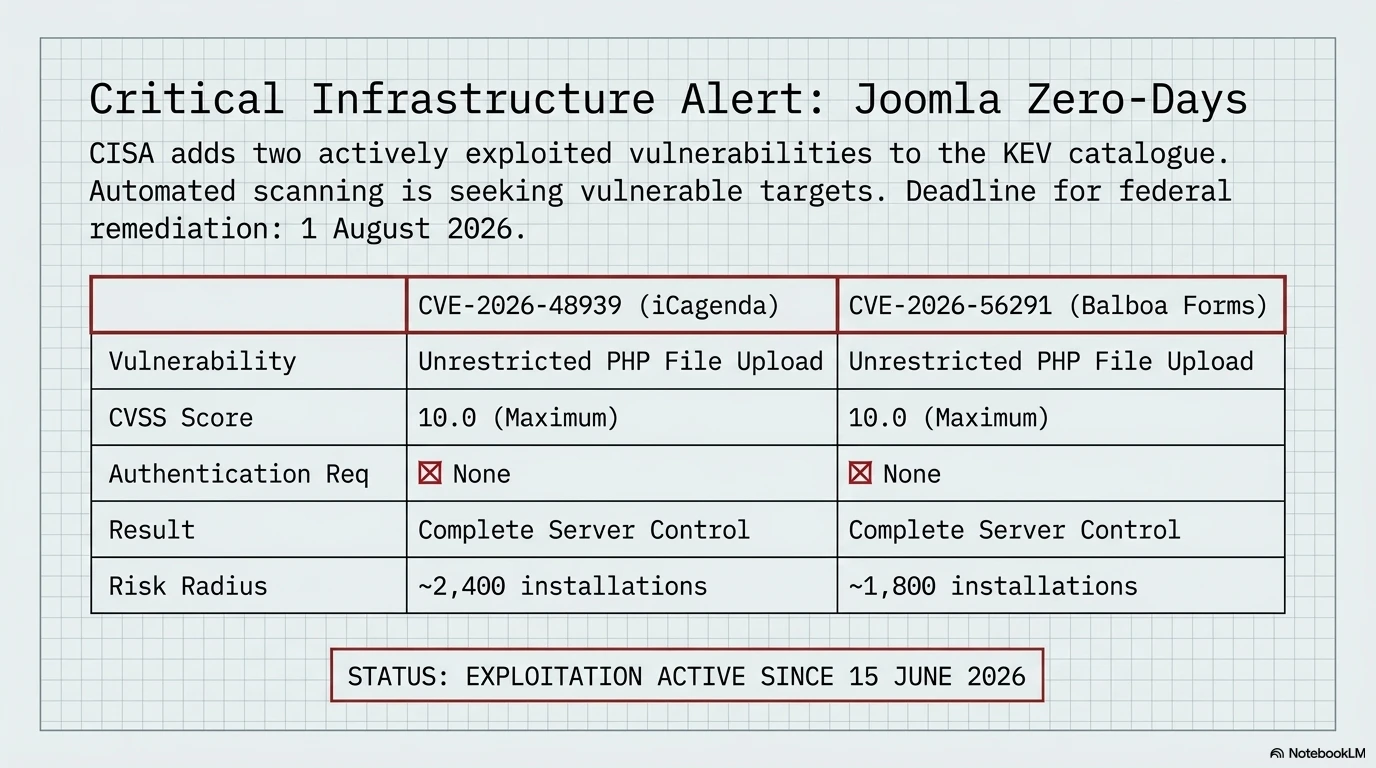
July 12, 2026, the US Cybersecurity and Infrastructure Security Agency (CISA) added two zero-day vulnerabilities with maximum 10.0 CVSS scores to its Known Exploited Vulnerabilities (KEV) catalog. These vulnerabilities exist in the iCagenda and Balbooa Forms extensions for Joomla and have been actively exploited in automated attacks since June 15, 2026.
CVE-2026-48939 affects iCagenda—an event management and calendar extension. The vulnerability resides in the extension's "Submit an Event" functionality and allows attackers to upload and execute arbitrary PHP files. CVE-2026-56291 presents a similar issue in the Balbooa Forms extension.
Why These Vulnerabilities Are Extremely Dangerous
Two factors make these vulnerabilities critically dangerous. First, the CVSS 10.0 score—the maximum possible—means attackers require zero authentication to gain complete server control. Second, these vulnerabilities have been exploited in real-world attacks since June 15, 2026—nearly a month ago—and many sites remain unpatched.
According to Bleeping Computer's analysis, CISA's description states: "iCagenda contains an unrestricted file upload vulnerability that allows arbitrary file upload within the file attachment capability, eventually leading to PHP code upload and execution." This means attackers can upload a web shell and gain complete server control.
Technical Vulnerability Details
| Attribute | CVE-2026-48939 | CVE-2026-56291 |
|---|---|---|
| Vulnerable Extension | iCagenda | Balbooa Forms |
| Vulnerability Type | Unrestricted File Upload | Unrestricted File Upload |
| CVSS Score | 10.0 (maximum) | 10.0 (maximum) |
| Authentication Required | ❌ No | ❌ No |
| Exploitation Start Date | June 15, 2026 | June 15, 2026 |
| Patch Available | ✅ Version 4.0.8 | ✅ Latest version |
| Affected Sites (est.) | ~2,400 installations | ~1,800 installations |
Who Is at Risk?
Any site running Joomla with either of these extensions installed is at risk. The problem is many site administrators don't know these extensions are installed—they may have been installed by previous developers and forgotten. Even if the extension is disabled, its code still exists on the server and remains exploitable.
CISA has mandated all federal agencies remediate these vulnerabilities by August 1, 2026, and strongly recommends all private organizations act immediately. The solution is updating to the latest extension versions, but if the extensions aren't actively used, complete removal is the better option. Security researchers have observed automated scanning for these vulnerabilities, meaning attackers are systematically searching for vulnerable sites rather than targeting specific organizations.
Apple vs. OpenAI: Explosive New Details Emerge
While we discussed Apple's lawsuit against OpenAI this morning, tonight we must address shocking new details that emerged over recent days. These details reveal the situation is far more complex and serious than initially understood.
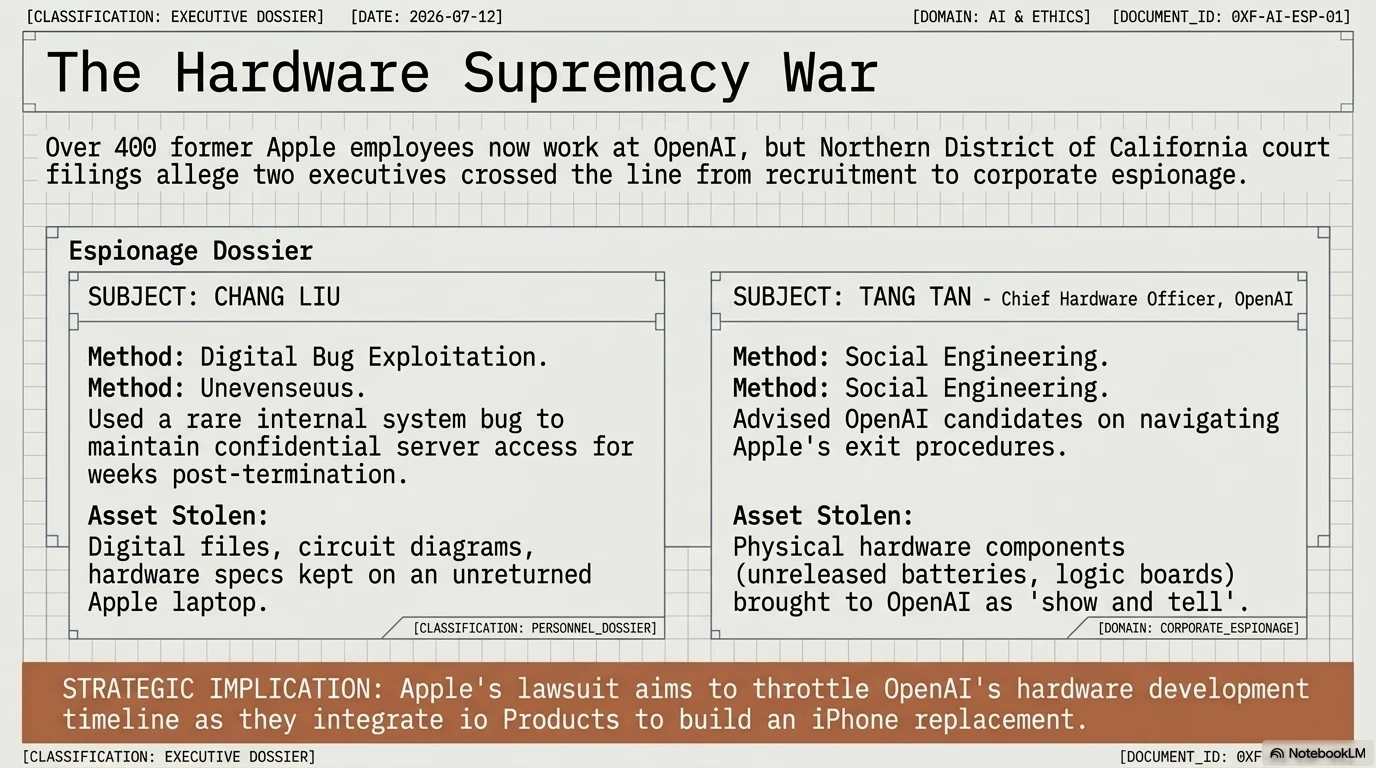
According to Ars Technica's deep investigation, Apple's court filings allege that Chang Liu—a former Apple engineer now working at OpenAI—exploited a rare bug in Apple's internal systems to maintain access to confidential servers for weeks after his termination. This bug was discovered accidentally during a routine security audit.
The Story of the Stolen Laptop
But that's just the beginning. Court documents also reveal Liu never returned his Apple-issued laptop and brought it to OpenAI. This laptop contained confidential technical documents, circuit diagrams, and hardware specifications Liu had downloaded before leaving Apple. Apple claims Liu used this information at OpenAI and shared it with colleagues.
Tang Tan—OpenAI's Chief Hardware Officer and the case's other central figure—has a more complex story. According to court filings, before leaving Apple, Tan forwarded supplier information to his personal email, advised OpenAI interview candidates on how to navigate Apple's exit procedures, and even asked candidates to bring hardware components from unreleased Apple products—including batteries, logic boards, and System-in-Package modules—to OpenAI interviews as "show and tell" demonstrations.
Why Did Apple File Now?
The crucial question: why did Apple file this lawsuit now—in July 2026—when Liu and Tan joined OpenAI months ago? The answer likely lies in strategic timing. Apple and OpenAI were supposed to collaborate on integrating ChatGPT with Siri, but that partnership fell apart. Now Apple pursues two objectives with this lawsuit: first, compensation and prevention of further information theft. Second, strategic pressure on OpenAI to control their hardware development timeline.
Some analysts suggest this lawsuit signals Apple's fear of the future. OpenAI, through acquiring io Products—Jony Ive's design studio—and hiring hundreds of former Apple engineers, is building a world-class hardware team. If OpenAI succeeds in creating a powerful AI device that could replace the iPhone, that represents an existential threat to Apple.
Tonight's Synthesis: Technology Industry at a Crossroads
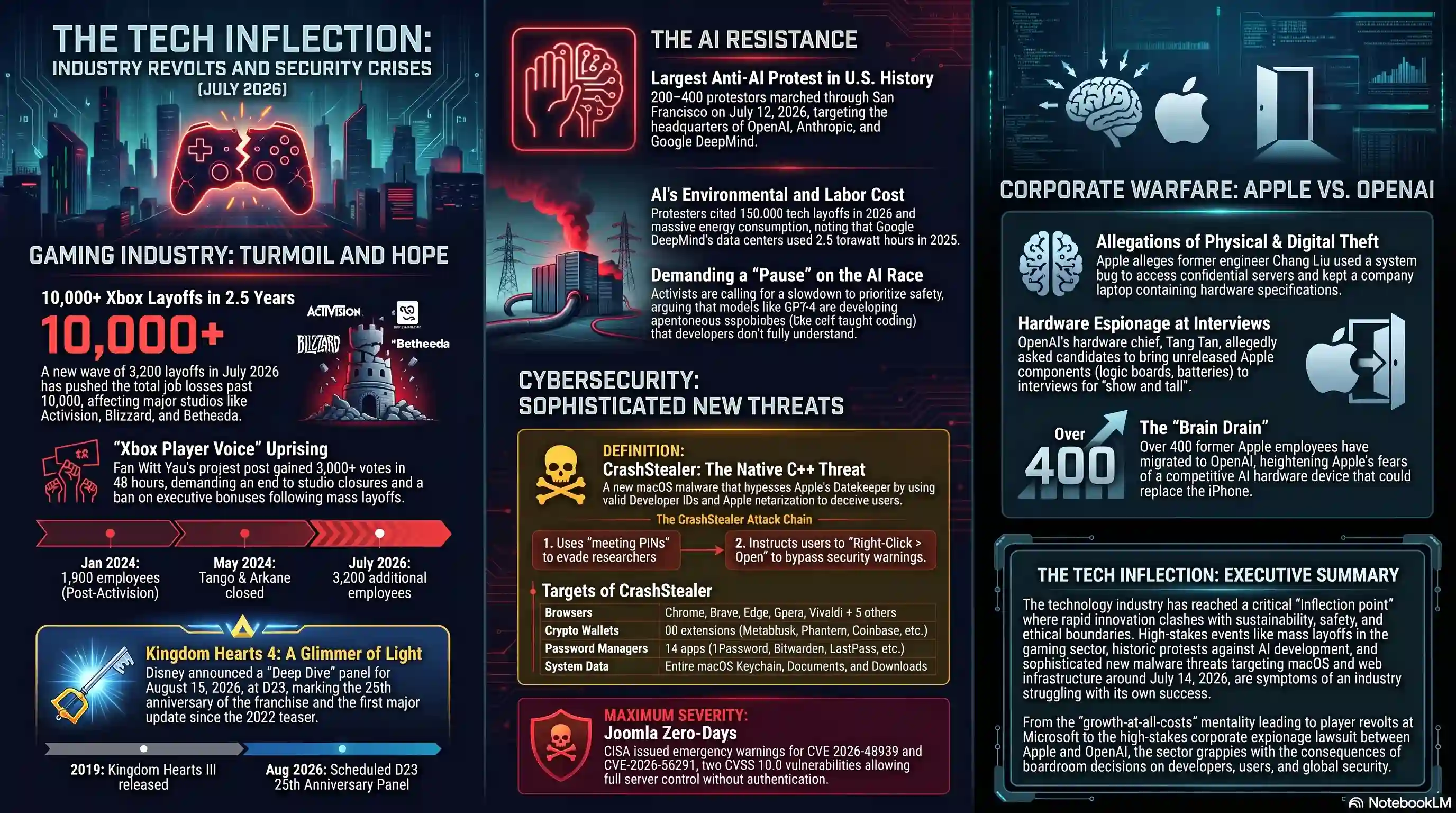
Tonight's six stories share a common thread: the technology industry is transitioning from one era to another. Xbox is shrinking and refocusing. Kingdom Hearts demonstrates that traditional games still have a place. Anti-AI protesters warn we're moving too fast. CrashStealer shows even advanced security systems like macOS can be deceived. Joomla vulnerabilities remind us our web infrastructure remains fragile. And the Apple-OpenAI dispute reveals the real war for AI's future and hardware supremacy has just begun.
What happens tomorrow? Xbox will likely respond to community pressure—either with more explanations or more silence. D23 happens in one month, and Kingdom Hearts 4 could be a bright spot in this chaotic industry. AI protesters will likely grow in number, not shrink. More CrashStealer variants and similar malware will be discovered. More vulnerabilities will be found. And the Apple-OpenAI case will drag on for months.
But one thing is certain: we're living through one of the most exciting and dangerous periods in technology history. Every day brings news, every day brings change, every day brings decisions that shape the future. So come back tomorrow night to TekiGame and see what the next story is.
Frequently Asked Questions
Why are Xbox players protesting?
Due to 3,200 new layoffs and closure/sale of multiple game studios, totaling over 10,000 job losses in two years.
When will Kingdom Hearts 4 news arrive?
Likely at D23 2026 panel on August 15 at 4:30 PM Pacific, celebrating the franchise's 25th anniversary.
How large was the anti-AI protest?
Approximately 200-400 protesters in San Francisco marched past OpenAI, Anthropic, and Google DeepMind offices—the largest anti-AI demonstration in US history.
What makes CrashStealer dangerous?
This malware can steal browser credentials, 80 crypto wallet types, 14 password managers, and entire macOS Keychain, while bypassing Gatekeeper through Apple notarization.
How critical are the Joomla vulnerabilities?
Both CVEs score CVSS 10.0 (maximum) and have been exploited in real attacks since June 15. Attackers can gain complete server control without authentication.
What happened in the Apple-OpenAI case?
Chang Liu used a bug to maintain post-termination access to Apple servers, took his Apple laptop, and Tang Tan brought confidential hardware components to OpenAI interviews.
Additional Gallery: 🌙 Tekin Night July 14, 2026: Xbox Crisis, Anti-AI Protests & CrashStealer Malware