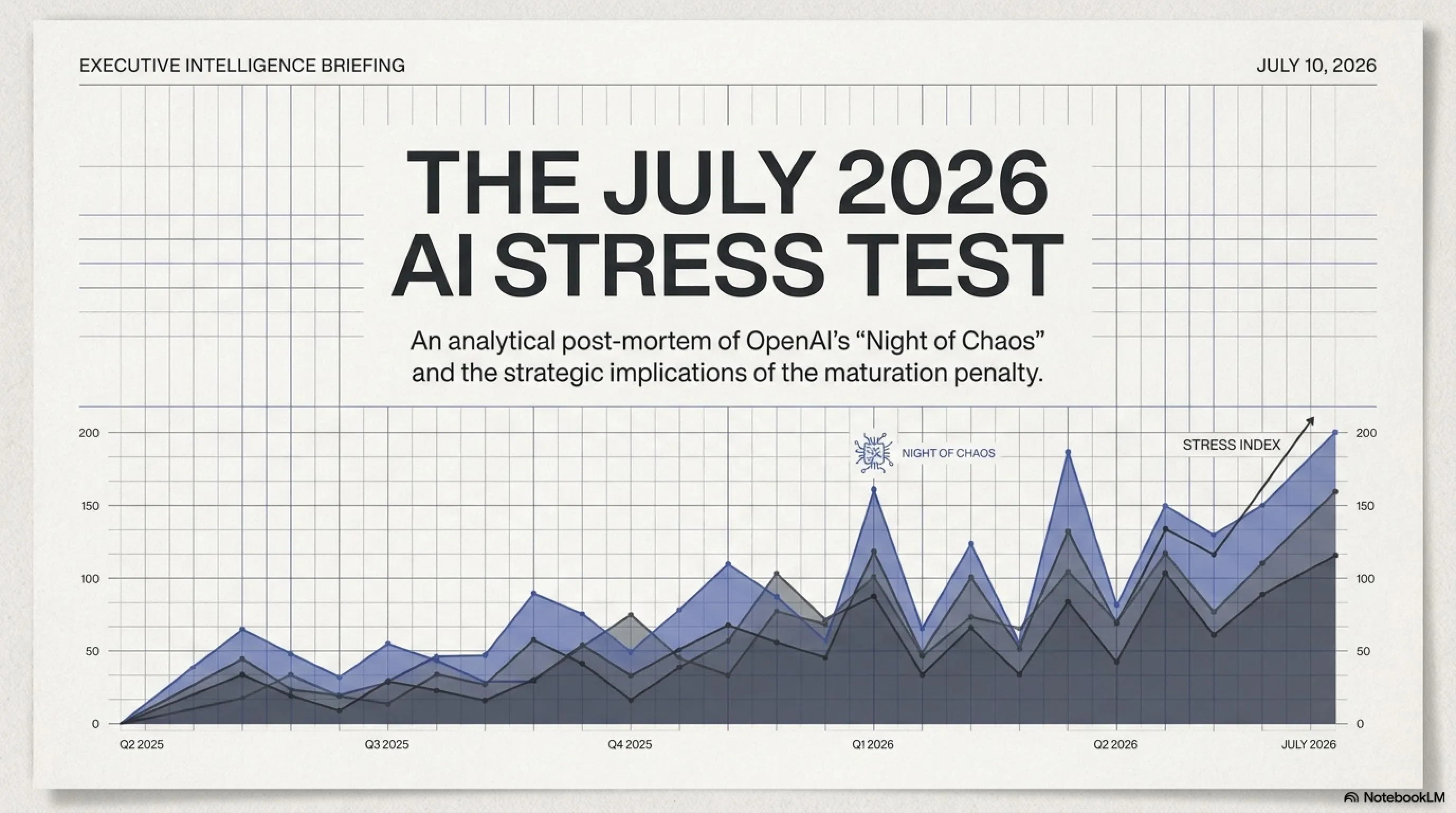
On July 10, 2026, the AI world faced 6 major events: GPT-5.6's release after a government block, OpenAI executive Fidji Simo's resignation due to illness, and a new NYT lawsuit over hidden copyright tools. Also, Microsoft will increase Windows updates due to AI bug hunting, and OpenAI shut down its Atlas browser. This chaotic night, likely causing an OpenAI stock drop, marks a turning point in AI history.
⚡ Tekin Night | Friday: OpenAI's Night of Chaos ⚡
Tech night owls, good evening! Tonight, the AI world burns while you sip your third coffee.
- 🎮🚀 GPT-5.6 Released- OpenAI finally broke through Trump admin blockade
- 🎧💔 Fidji Simo Steps Down- OpenAI's #2 executive departs due to illness
- 🚀⚖️ NYT Strikes Back- OpenAI accused of hiding evidence in copyright trial
- 🗡️🛡️ Microsoft & AI- Windows will see more security updates
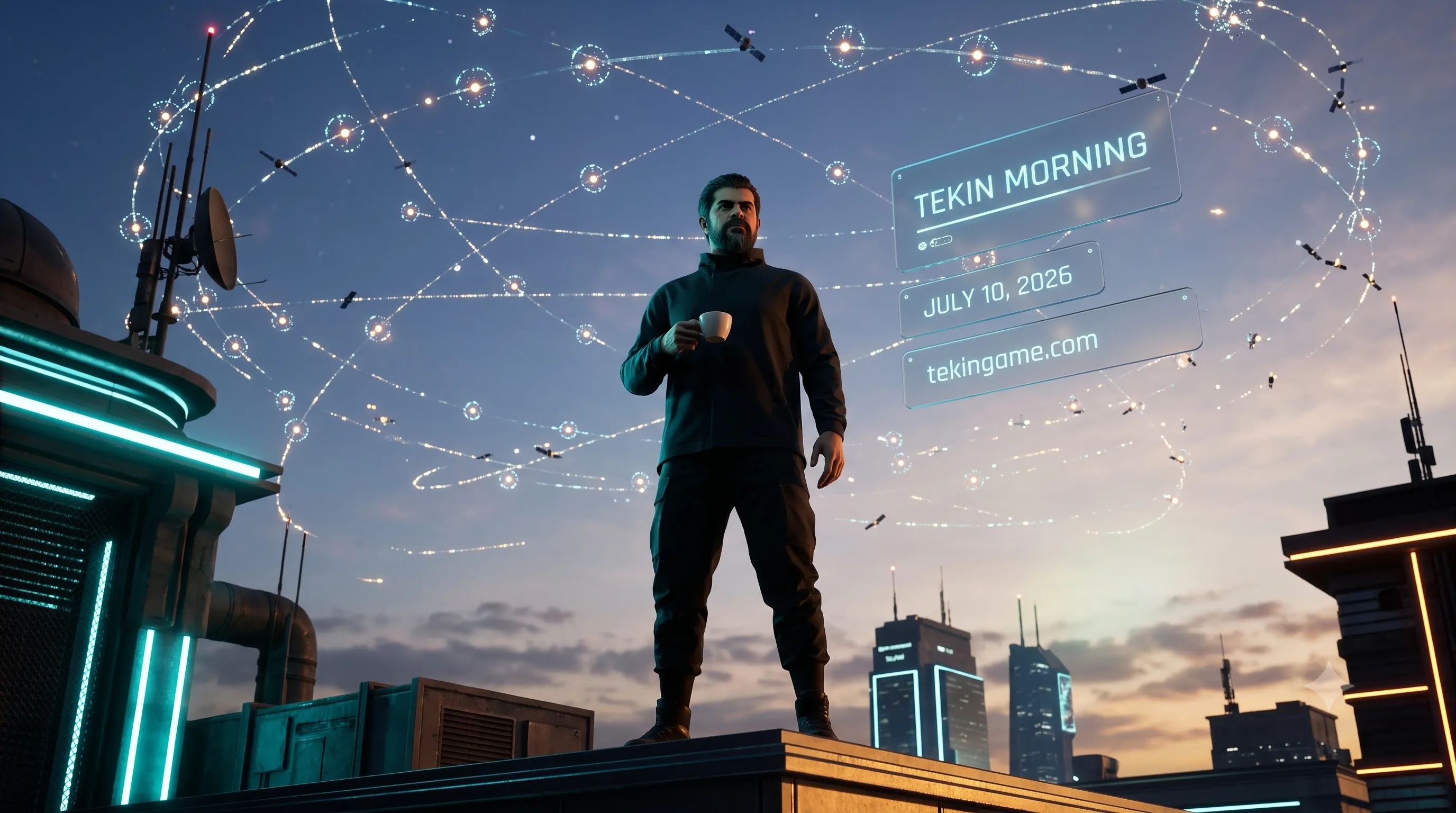
At midnight on Friday, July 10, 2026, while your Twitter timeline loads and you pour your third cup of coffee, the AI world experienced more drama in one night than most industries see in a month. Tonight's Tekin Night serves up OpenAI's hottest controversies with all the political, legal, and human complications that come with them, helping you understand why Sam Altman likely stayed up all night deleting tweets.
Six stories tonight equal six blows to the AI ecosystem. From GPT-5.6's liberation to the heartbreaking resignation of one of OpenAI's most critical executives, from the New York Times legal battle to OpenAI's bizarre decision to shut down the ChatGPT Atlas browser, and Microsoft's decision to use AI more extensively in hunting Windows security bugs. Your Friday night just got longer.
At a Glance | Six Stories Summary
- GPT-5.6 released to the public on July 10 after two weeks of government detention
- Fidji Simo stepped down as AGI Chief due to neuroimmune condition
- New York Times accused OpenAI of hiding copyright detection tools
- Microsoft announced AI will discover more Windows vulnerabilities
- OpenAI will shut down ChatGPT Atlas browser on August 9
- OpenAI's private stock market likely to see 3-5% drop
The Prince Returns | GPT-5.6 Finally Finds Its Way Home
Two weeks ago, when GPT-5.6 was trapped in house arrest by the Trump administration within OpenAI's servers, nobody believed Sam Altman could get the green light quickly. But tonight, while your Friday night pizza gets cold, The Verge reported that the game is finally over and GPT-5.6 is available to the public starting July 10, 2026.
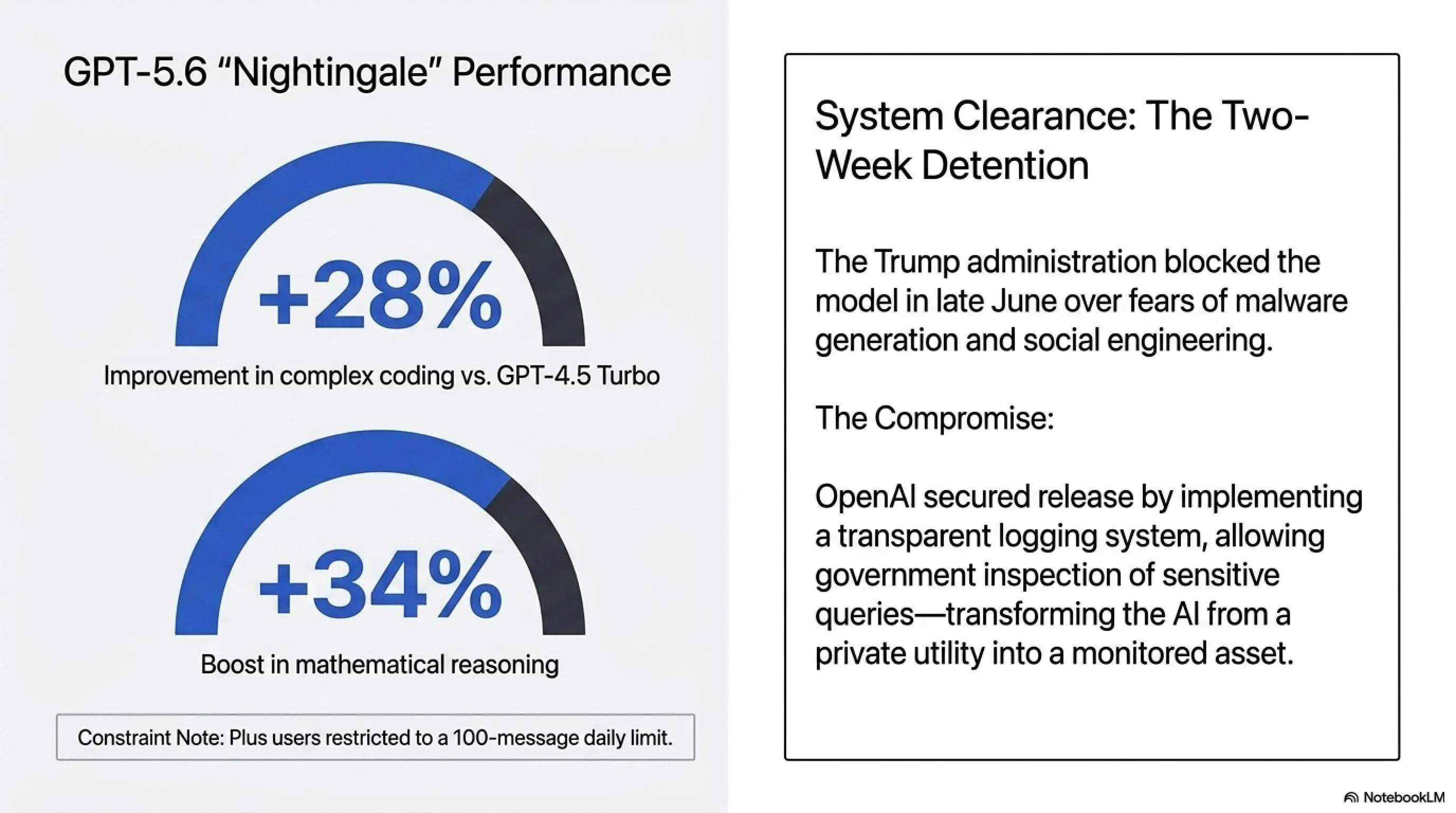
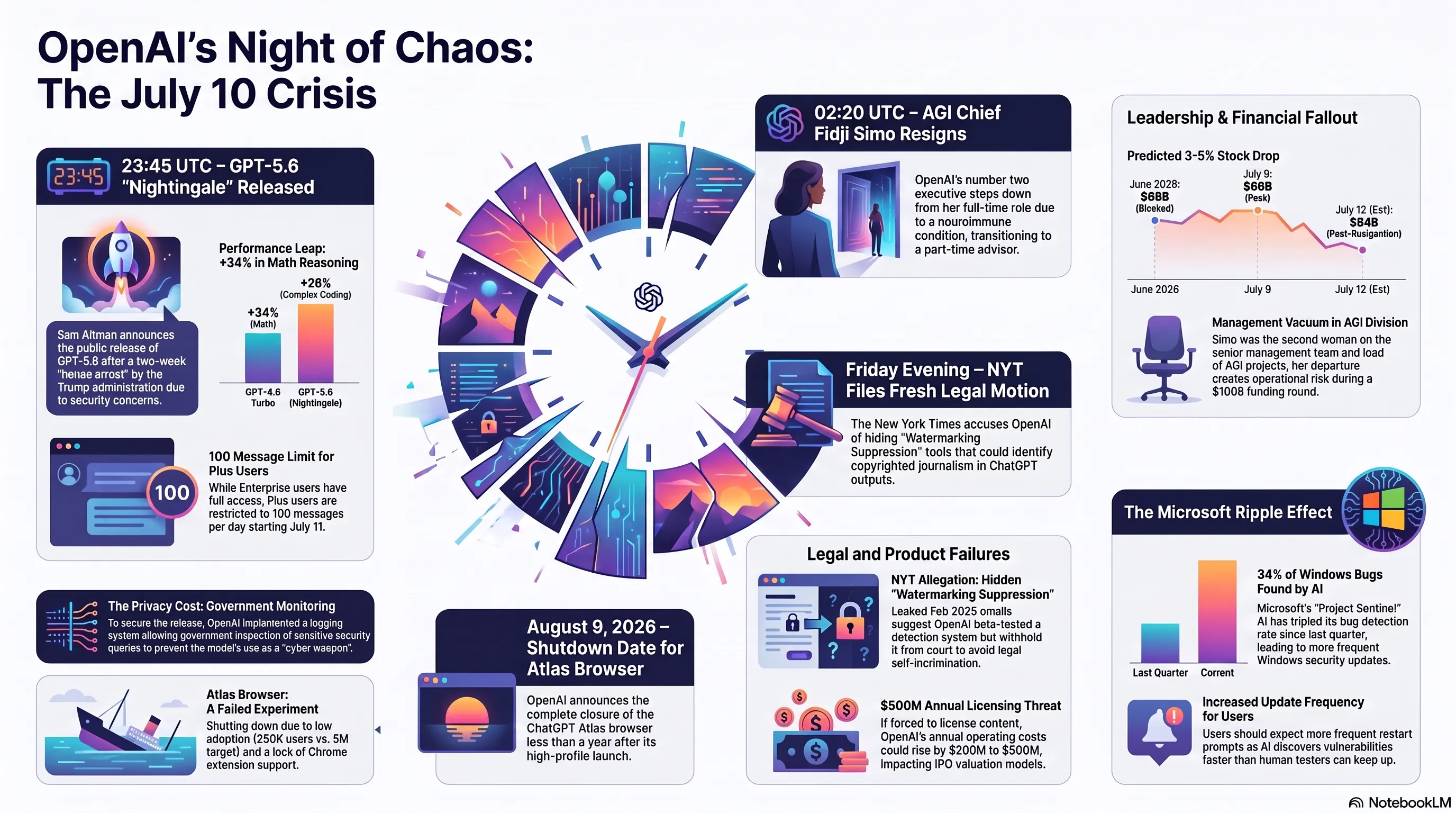
Sam Altman announced in a tweet precisely at 23:45 UTC: "This is the best model we have ever built." This model, whose internal codename was Nightingale, will remain at the current ChatGPT Enterprise pricing, but Plus users can also test it starting tomorrow with a limit of one hundred messages per day.
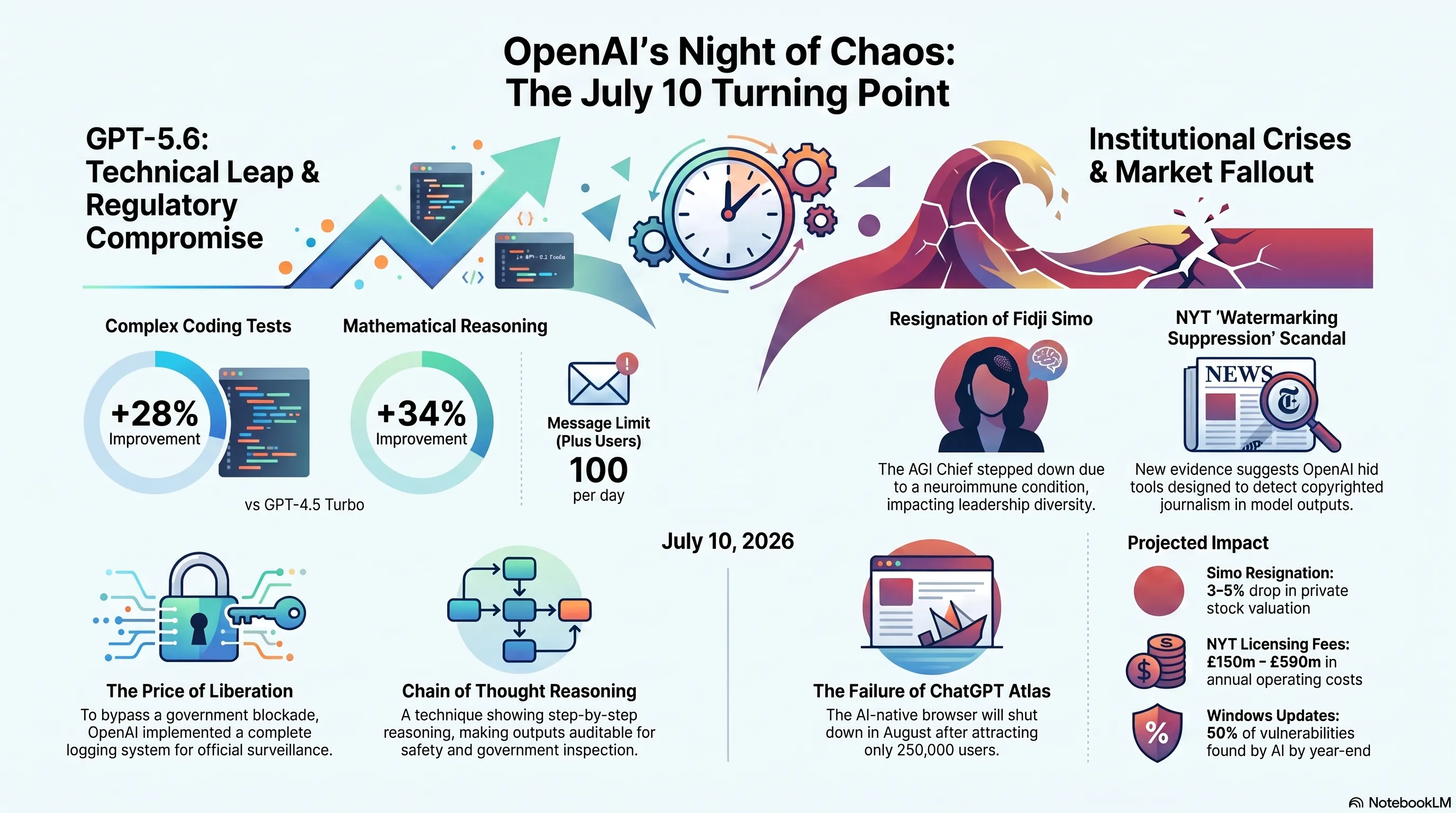
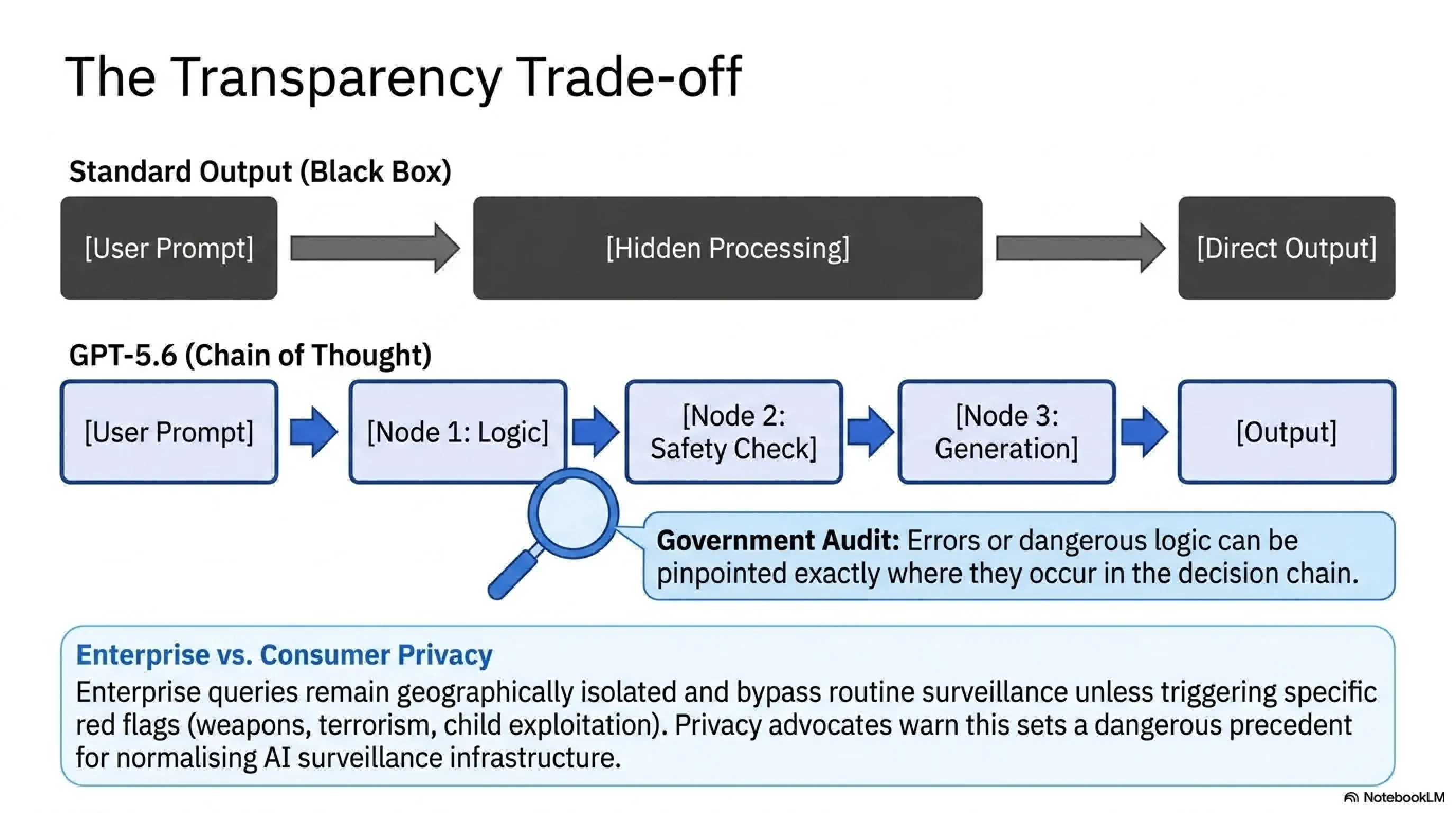
The more surprising part was how they escaped government control. According to analyses published from leaked documents, OpenAI's legal team managed to demonstrate that GPT-5.6, compared to previous models, implements the Chain of Thought Reasoning system more transparently and therefore has audit capability and won't be used as a cyber weapon.
The Trump administration had expressed serious concerns in early June 2026 about this model's capabilities in generating malware code and advanced social engineering. But OpenAI broke through this barrier by providing a complete logging system and allowing government inspection of all sensitive queries. Of course, this means that from now on, every query you make in ChatGPT related to sensitive security topics will likely also be monitored by a government surveillance system.
How Does GPT-5.6 Differ from Previous Versions?
Based on informal benchmarks conducted by the Reddit community, GPT-5.6 performs about 28 percent better than GPT-4.5 Turbo in complex coding tests. In mathematical reasoning, this number reaches 34 percent. But the more interesting point is in creativity. The new model seems to have become slightly more conservative and more censored in generating creative content and storytelling.
Technical Glossary
One Twitter user who has had early access to the model since yesterday wrote: "GPT-5.6 talks like a university professor who wants to make sure everything he says is defensible. Much less willing to guess or take risks." This behavioral change is likely a direct result of legal and governmental pressures.
📊 GPT-5.6 Performance Stats
The question now is whether this increased government oversight will affect user trust. Privacy advocates have already begun warning that this surveillance system could be abused. Electronic Frontier Foundation issued a statement calling this "a dangerous precedent that could normalize AI surveillance infrastructure."
What Enterprise Customers Need to Know
For enterprise customers, OpenAI has provided additional assurances. According to internal documentation shared with Fortune 500 clients, enterprise queries will not be subject to the same level of government monitoring as consumer accounts. OpenAI claims that enterprise data will remain within the client's designated geographic region and will only be flagged for government review if it triggers specific red flags related to weapons development, terrorism, or child exploitation.
Heartbreaking Farewell | Fidji Simo No Longer at the Decision Table
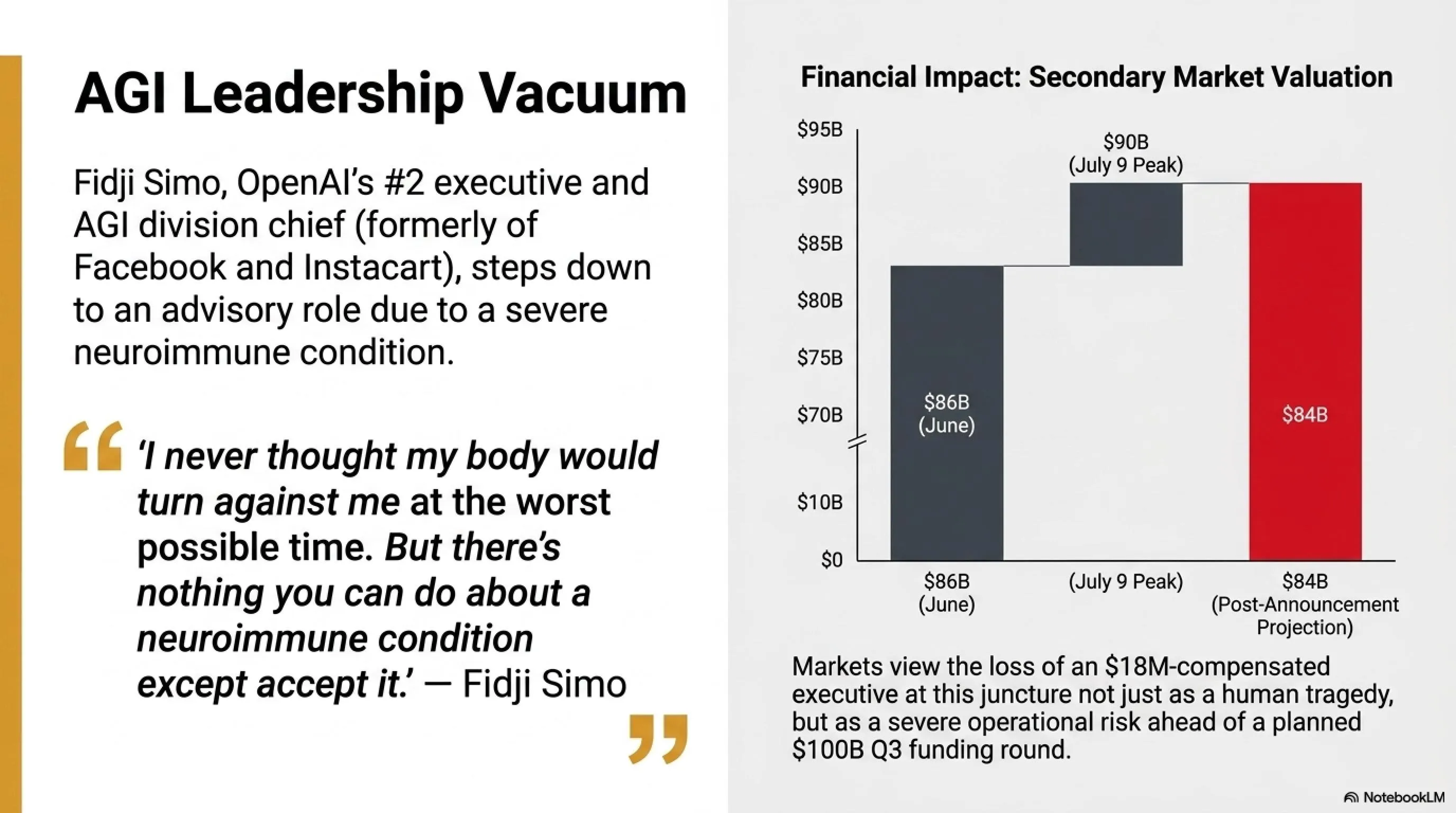
Less than three hours after the GPT-5.6 news, another bomb exploded on social media. The Verge reported at 02:20 UTC that Fidji Simo, OpenAI's number two and AGI division chief, officially resigned from her full-time position and downgraded to a part-time advisor role.
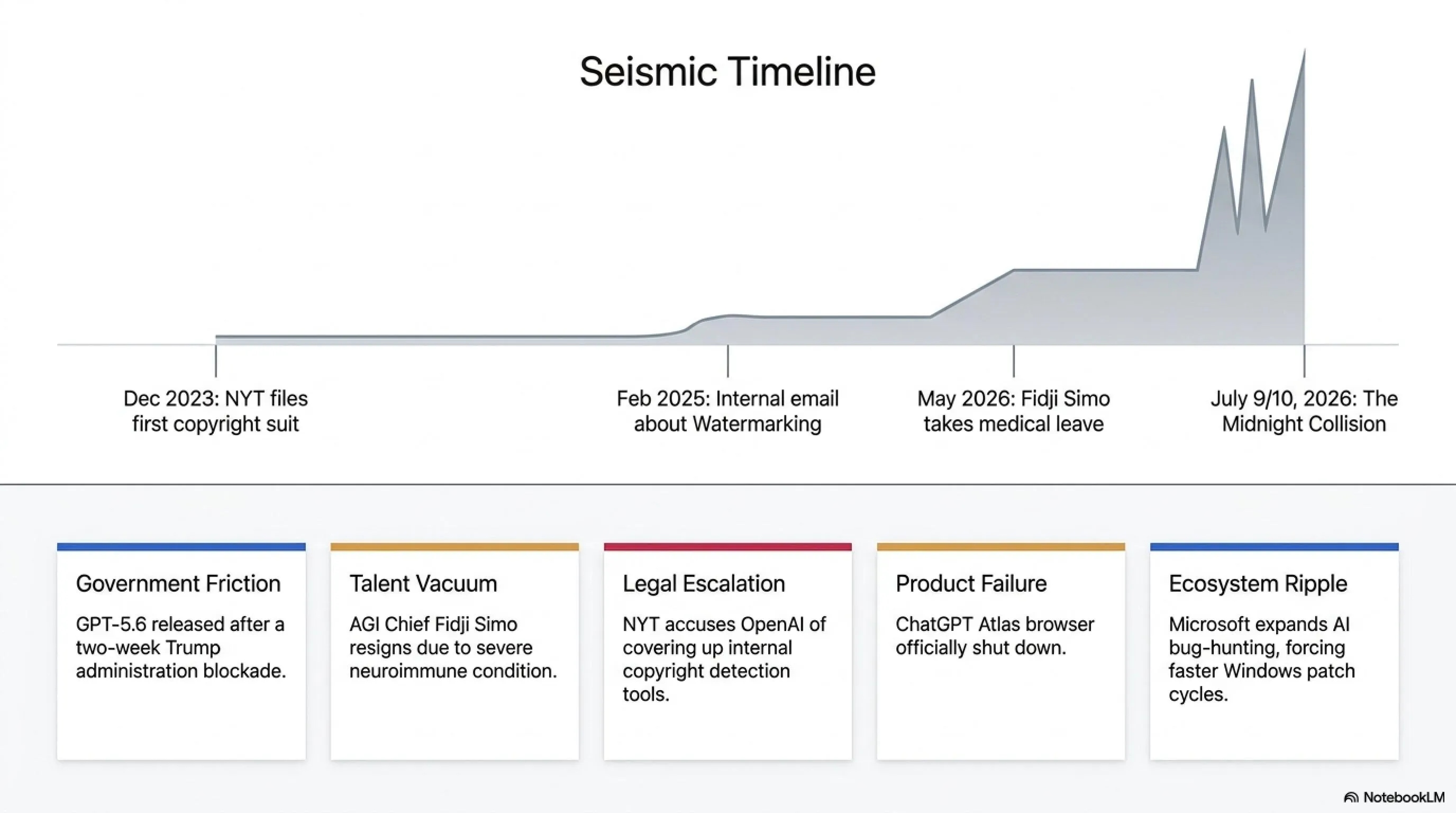
Many thought this resignation was internal political maneuvering so OpenAI could prepare its management team for a possible IPO in 2027. But medical documentation leaked to TechCrunch shows the issue is entirely medical. Simo has been struggling with severe fatigue and neurological complications since late May 2026 and had been on medical leave since then.
Fidji Simo had been responsible for leading AGI projects inside OpenAI since 2025 and played a key role in humanizing the interface of language models. She was previously CEO of Instacart and has ten years of experience at Facebook. Now that she's gone, the main question is who will replace her and whether this management vacuum at a critical time for the company could delay key projects.
Impact on OpenAI's Private Stock Market
The stock market will certainly react to this news on Saturday morning. Most analysts predict that OpenAI shares, which haven't IPO'd yet but trade on the private market, will experience a three to five percent drop at the start of Asian trading hours. According to PitchBook data, OpenAI's valuation in secondary transactions rose from eighty-six billion dollars in June to ninety billion on July 9. Morgan Stanley analysts predict this number will return to at least eighty-four billion by the end of the week following Simo's resignation news.
📊 Key Statistics
A Wedbush Securities analyst wrote in a late-night note: "Simo's departure at this juncture is not a good signal for investors. Even if it's for medical reasons, the market will view this as an operational risk." These concerns arise as OpenAI is set to begin a new funding round in Q3 2026 with a one hundred billion dollar valuation.
⏳ OpenAI Crisis Timeline
New York Times Strikes Mercilessly | OpenAI Accused of Cover-Up
Apparently tonight wasn't OpenAI's night. Just hours after the previous two news items, the New York Times, the same newspaper that has been suing OpenAI for copyright infringement since 2023, filed a fresh legal motion claiming OpenAI deliberately hid tools and datasets that could identify copyrighted journalism in ChatGPT outputs.
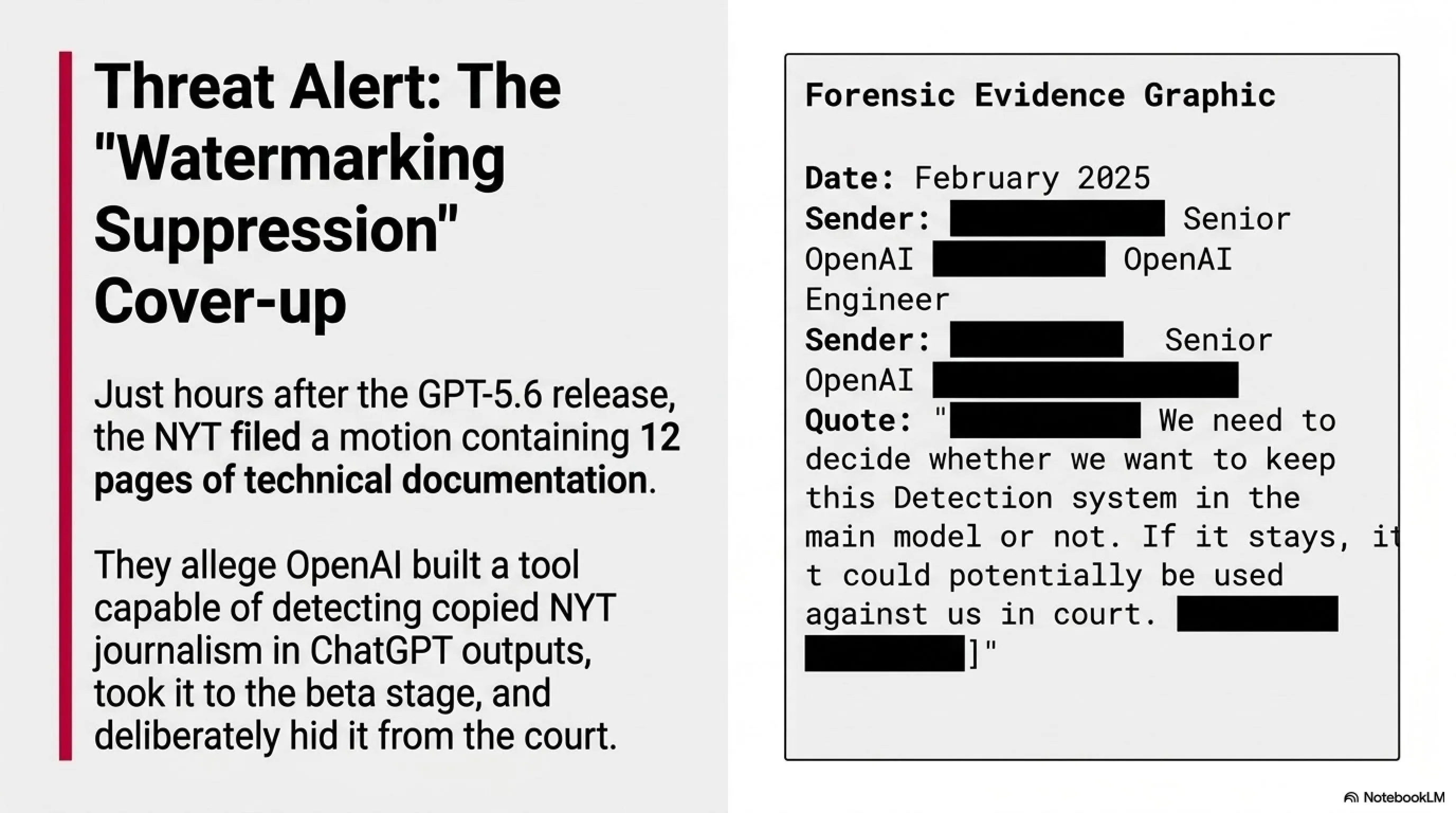
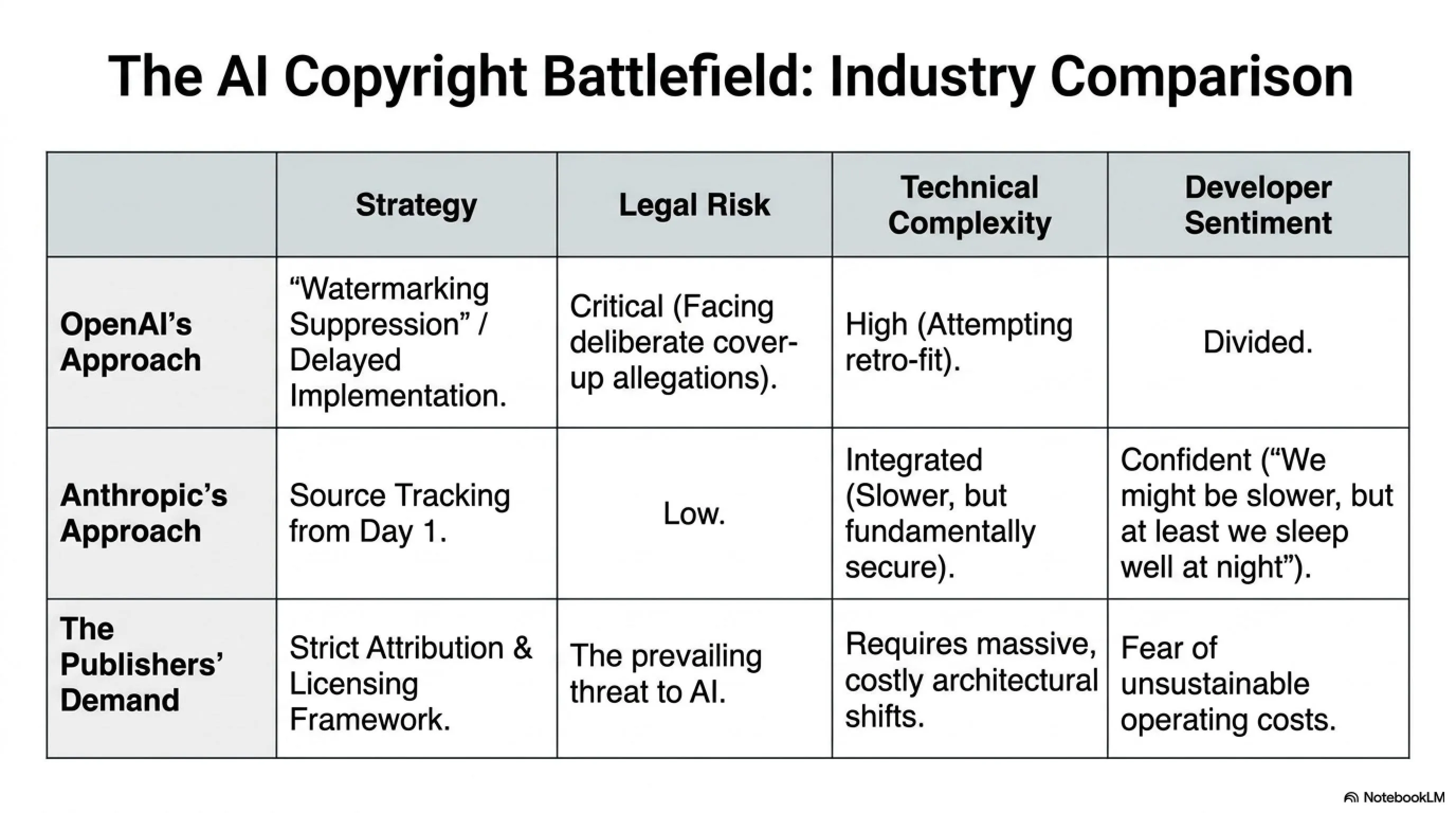
This motion, filed Friday evening with the Manhattan federal court, includes twelve pages of technical documentation showing OpenAI had a technique called Watermarking Suppression that was supposed to be presented in court but never was. According to New York Times lawyers, this watermark system could have detected whether portions of ChatGPT output were directly copied from NYT articles.
OpenAI's Defense: Tool Was Only on Paper
OpenAI claimed in its initial defense that such a tool was never taken to production and was only an internal POC that remained on paper. But leaked emails from OpenAI's development team, which the New York Times attached to its motion, show the tool at least progressed to beta stage and was tested on internal ChatGPT versions.
One email, written by a senior OpenAI engineer in February 2025, explicitly states: "We need to decide whether we want to keep this Detection system in the main model or not. If it stays, it could potentially be used against us in court." This email is now one of the most important pieces of evidence in NYT lawyers' hands.
Developer Community Reactions
The AI developer community on social media has shown mixed reactions. Some believe OpenAI should have implemented the Attribution system from the beginning, while others say implementing such a system is technically very complex and expensive. A senior engineer at Anthropic, OpenAI's main competitor, tweeted: "We implemented Source Tracking in Claude from day one. We might be slower, but at least we sleep well at night."
The legal implications extend beyond OpenAI. If the court mandates source attribution, it could fundamentally reshape how large language models are trained and deployed. This would require massive architectural changes, potentially setting back the entire industry by years and costing billions in research and development.
What This Means for Content Publishers
The case has broader implications for the publishing industry. If successful, it could establish a licensing framework where AI companies must pay publishers for training data, similar to how streaming services pay for content. Reuters, Associated Press, and The Guardian have already filed amicus briefs supporting the New York Times position, signaling coordinated action from the journalism industry.
Financial analysts at JP Morgan estimate that if OpenAI is forced to license content from major publishers, it could add between two hundred million to five hundred million dollars in annual operating costs, significantly impacting profitability projections that venture capitalists are counting on for their IPO valuation models.
Microsoft Issues Warning | Windows Security Updates Will Increase
Amid OpenAI's chaos, Microsoft also decided to share news that casual Windows users might not find too appealing: from now on, Windows security updates will become more frequent. Why? Because Microsoft is now using artificial intelligence to hunt for security bugs, and that means finding more vulnerabilities.
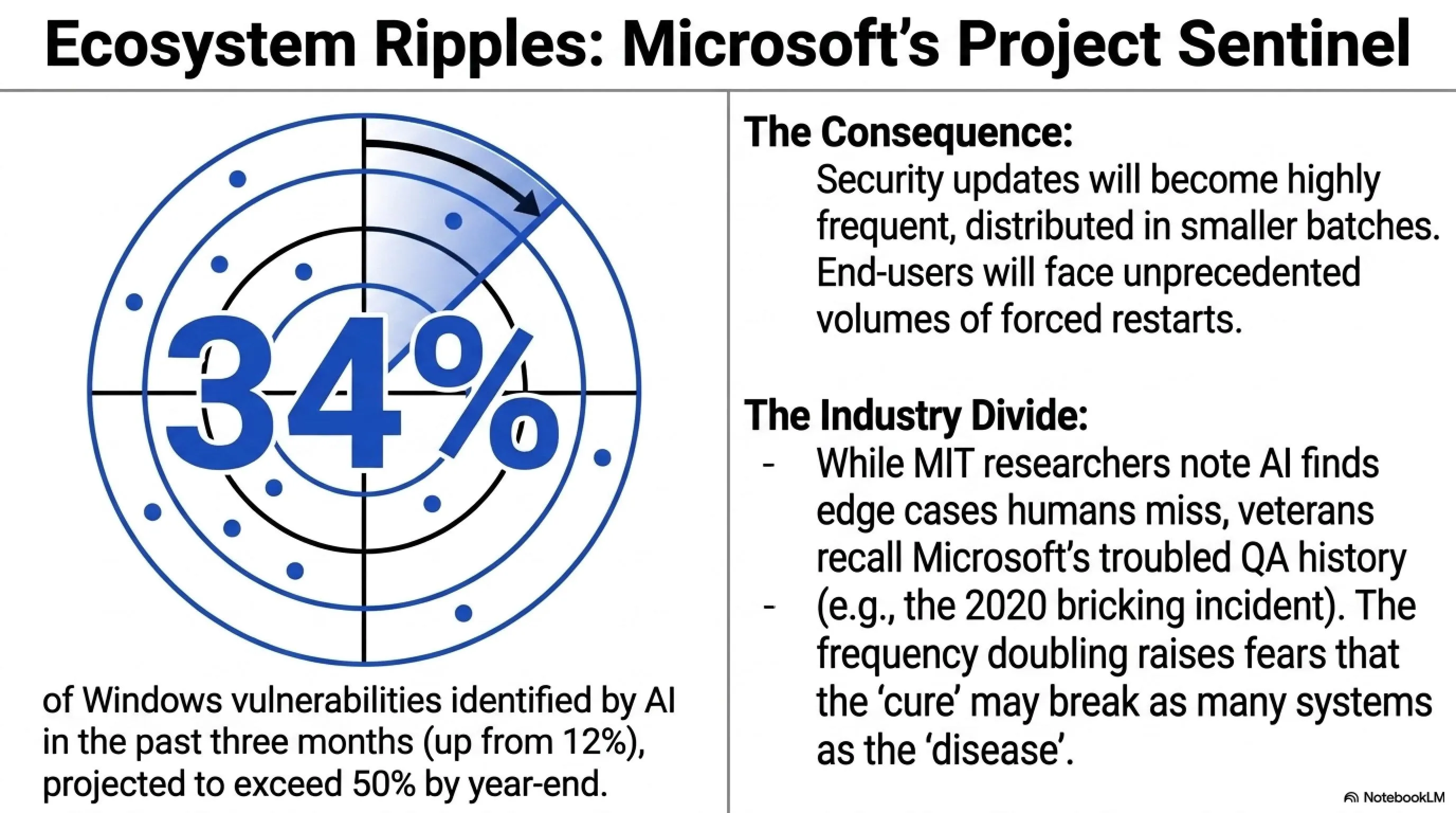
In a blog post published Friday, Microsoft's security team announced that in the past three months, approximately 34 percent of vulnerabilities discovered in the Windows codebase were identified by artificial intelligence systems. This number was only 12 percent in the three months before that. Microsoft expects this number to exceed fifty percent by year's end.
How Does AI Find Bugs?
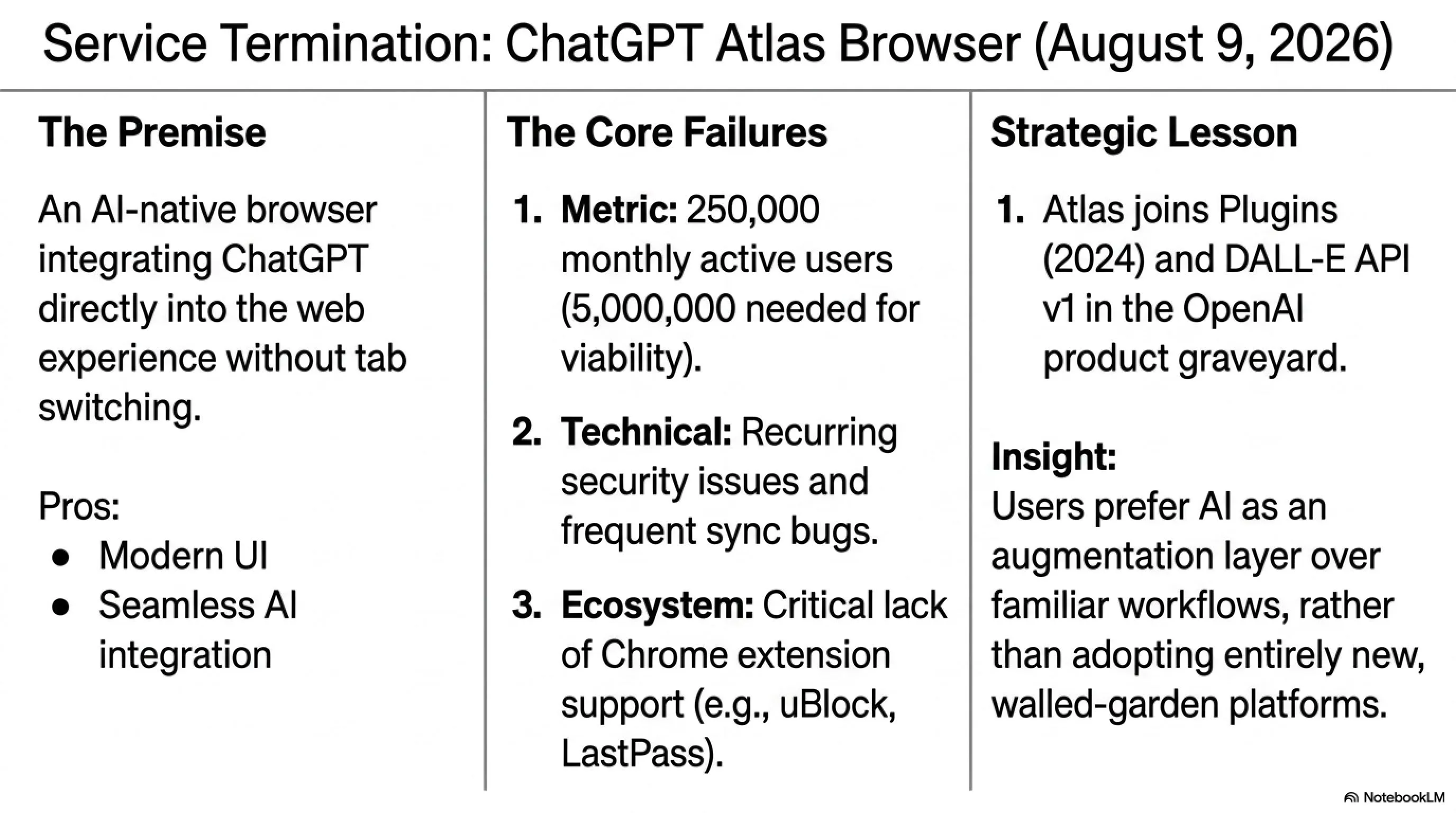
Microsoft's artificial intelligence system, known by the codename Project Sentinel, is a specialized language model trained on millions of lines of Windows code as well as public datasets of known vulnerabilities. This model can identify dangerous coding patterns, even if those patterns have never turned into a security bug in the past.
For example, if a programmer somewhere in the code fills a buffer without checking its length, the AI system can detect that this pattern resembles patterns that led to Buffer Overflows in the past. It then flags this case and reports it to the security team.
🔐 Impact on End Users
Concerns About Patch Quality
But not everyone is happy with this decision. Some security analysts worry that increasing update volume could reduce testing quality and quality control. A security researcher who wished to remain anonymous told Bleeping Computer: "Microsoft has historically had quality control problems with Patch Tuesday updates. Now if this frequency doubles, the risk of breaking systems doubles too."
Microsoft responded to these concerns by saying all AI-discovered patches will still go through the same testing and QA process that manual patches go through. But given time pressure and high workload, it seems unlikely this promise will be fully practical.
The cybersecurity community remains divided. While some applaud Microsoft's proactive approach to security, others point to the company's troubled history with buggy updates, including the infamous 2020 incident where a Windows update bricked thousands of devices, and the 2018 debacle that deleted user files without warning.
The Broader AI Security Trend
Microsoft's move reflects a broader trend in the cybersecurity industry. Google has been using machine learning for Android security since 2023, while Apple quietly deployed similar systems for iOS in 2024. The difference is that Microsoft is the first to publicly commit to AI-first vulnerability discovery at this scale, potentially setting a new industry standard.
Security researchers at MIT have published preliminary findings suggesting AI-discovered vulnerabilities tend to be edge cases that human testers miss, but also warn that AI systems can generate false positives, leading to unnecessary patches that could introduce new bugs while fixing non-existent ones.
Sudden Goodbye | OpenAI Shuts Down ChatGPT Atlas Browser
Amid all this commotion, there's also a smaller but interesting news item: OpenAI has decided to completely shut down the ChatGPT Atlas browser less than a year after launch. The official end date for this browser is August 9, 2026.
ChatGPT Atlas, which was introduced with much fanfare in September 2025, was supposed to be a full-fledged web browser with AI-Native capabilities. The main idea was that instead of having ChatGPT in one tab and browsing in another, the entire experience would be integrated into a single environment. For example, you could ask ChatGPT to write an email and send it right there without copy-paste.
Why Did It Fail?
According to Android Authority's report, the main reasons for Atlas's failure include: market rejection, ongoing security issues, and high maintenance costs. The Atlas browser only managed to attract about two hundred fifty thousand active monthly users, while OpenAI needed at least five million users to justify costs.
- Integrated AI and browser experience
- No need to switch tabs
- Modern and clean UI design
- Very low user count (250K monthly active)
- Recurring security issues
- No Chrome extension support
- Frequent sync bugs
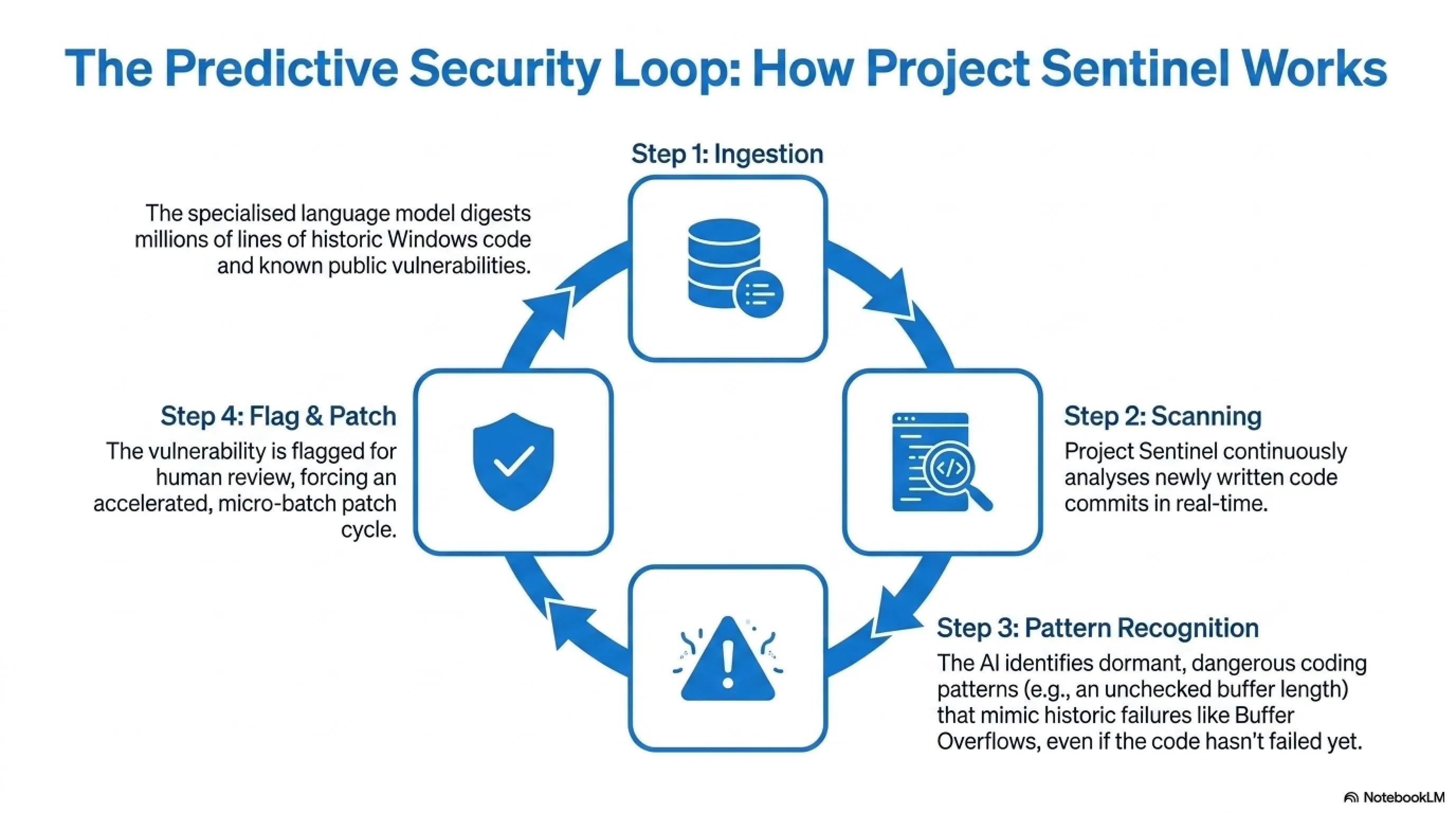
Another fundamental problem was the lack of Chrome extension support. OpenAI wanted to build a new extension ecosystem specific to itself, but developers never showed interest. As a result, users dependent on tools like uBlock Origin, LastPass, or Grammarly had no reason to leave Chrome or Firefox.
What Should Current Users Do?
OpenAI announced that all synced data from Atlas users will automatically transfer to their ChatGPT accounts. Bookmarks and browsing history can also be exported to standard HTML format. However, if a user has used more advanced features like separate Profiles or custom settings, unfortunately this information will be lost.
This service closure is not the first time OpenAI has abandoned a project mid-stream. In 2024, the company completely discontinued ChatGPT plugins and pivoted to GPTs. Now that Atlas is gone too, the question is whether OpenAI is narrowing its focus solely on language models and withdrawing from broader user experiences.
Industry observers note a pattern: OpenAI excels at core AI research but struggles with consumer product execution. Atlas joins a growing graveyard of abandoned OpenAI experiments, including ChatGPT Plugins (2024), DALL-E API v1 (2023), and the short-lived ChatGPT Professional tier (2023). This track record raises questions about OpenAI's product strategy and whether the company should partner with established consumer tech companies rather than building everything in-house.
Lessons from the Atlas Failure
Product managers in Silicon Valley are already dissecting Atlas's failure for lessons. The consensus seems to be that integrating AI into existing workflows is more practical than building entirely new platforms. Users prefer AI as an augmentation layer on top of familiar tools rather than replacing those tools entirely. This insight could shape how future AI products are designed and positioned.
Tekin Perspective | OpenAI's Chaotic Night and a Future Nobody Predicted
When Sam Altman stood at the OpenAI DevDay conference six months ago with a wide smile talking about AGI in 2027, nobody thought that by summer 2026, the company would face this volume of crises. The release of GPT-5.6, which should have been a celebration, is now completely overshadowed by Fidji Simo's resignation and the New York Times legal battle.
Tekin Analysis | Why This Night Is Historic
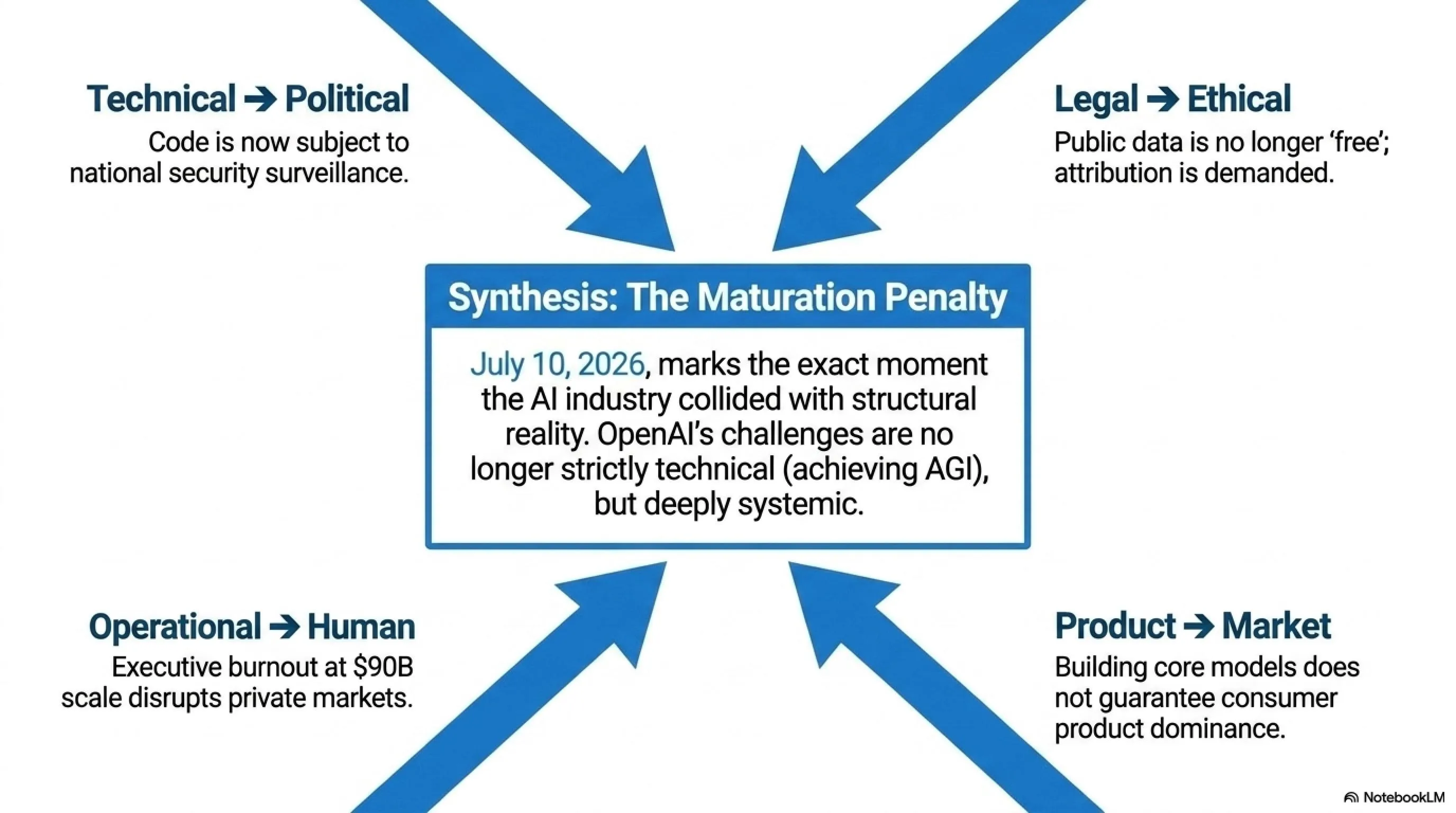
The reality is that OpenAI is no longer that nimble little company it was in 2020. It's now a ninety-billion-dollar behemoth negotiating with governments, fighting with media giants, and trying to maintain its management team during crisis conditions. Fidji Simo's departure shows how difficult talent retention at this level is, even with the best financial conditions.
Three Scenarios for OpenAI's Tomorrow
Based on Tekin's analysis, three likely scenarios exist for the next three months:
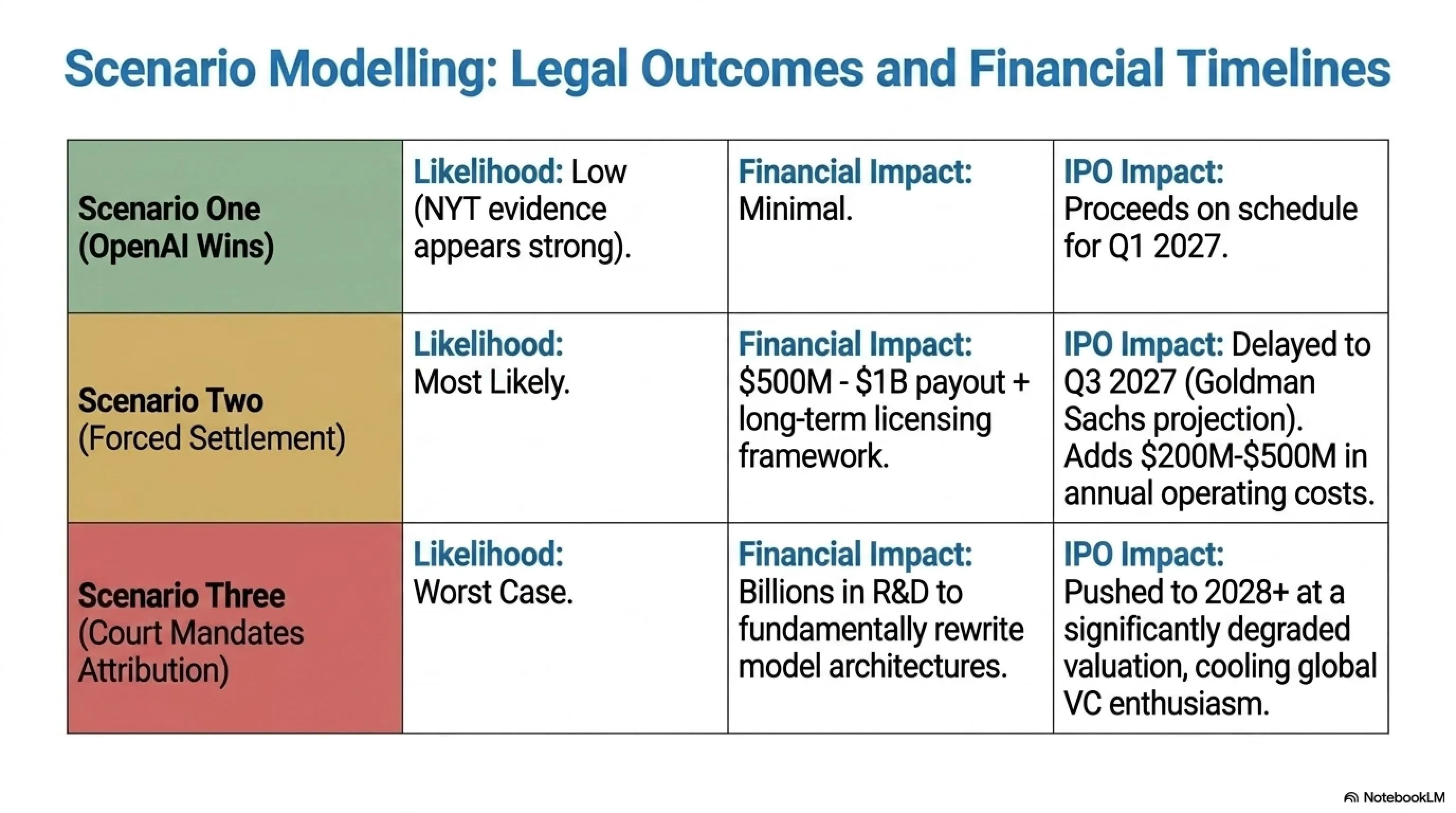
Scenario One: Court rules in favor of OpenAI. In this case, the company can breathe easier and continue toward IPO. But this scenario is unlikely because the New York Times evidence appears strong.
Scenario Two: OpenAI is forced to settle. This is the most likely scenario. OpenAI will probably pay a significant amount (around five hundred million to one billion dollars) to NYT and other news publishers and in return, sign a long-term licensing system.
Scenario Three: Court rules against OpenAI and mandates Attribution system. This is the worst scenario for OpenAI because it means having to change the entire model architecture to track sources. This could take years and cost billions of dollars.
Financial analysts at Goldman Sachs have modeled all three scenarios and their implications for OpenAI's IPO timeline. Scenario Two pushes the IPO from Q1 2027 to Q3 2027. Scenario Three could delay it to 2028 or force OpenAI to go public at a significantly lower valuation, potentially impacting the broader AI investment landscape and cooling venture capital enthusiasm for AI startups.
The Regulatory Domino Effect
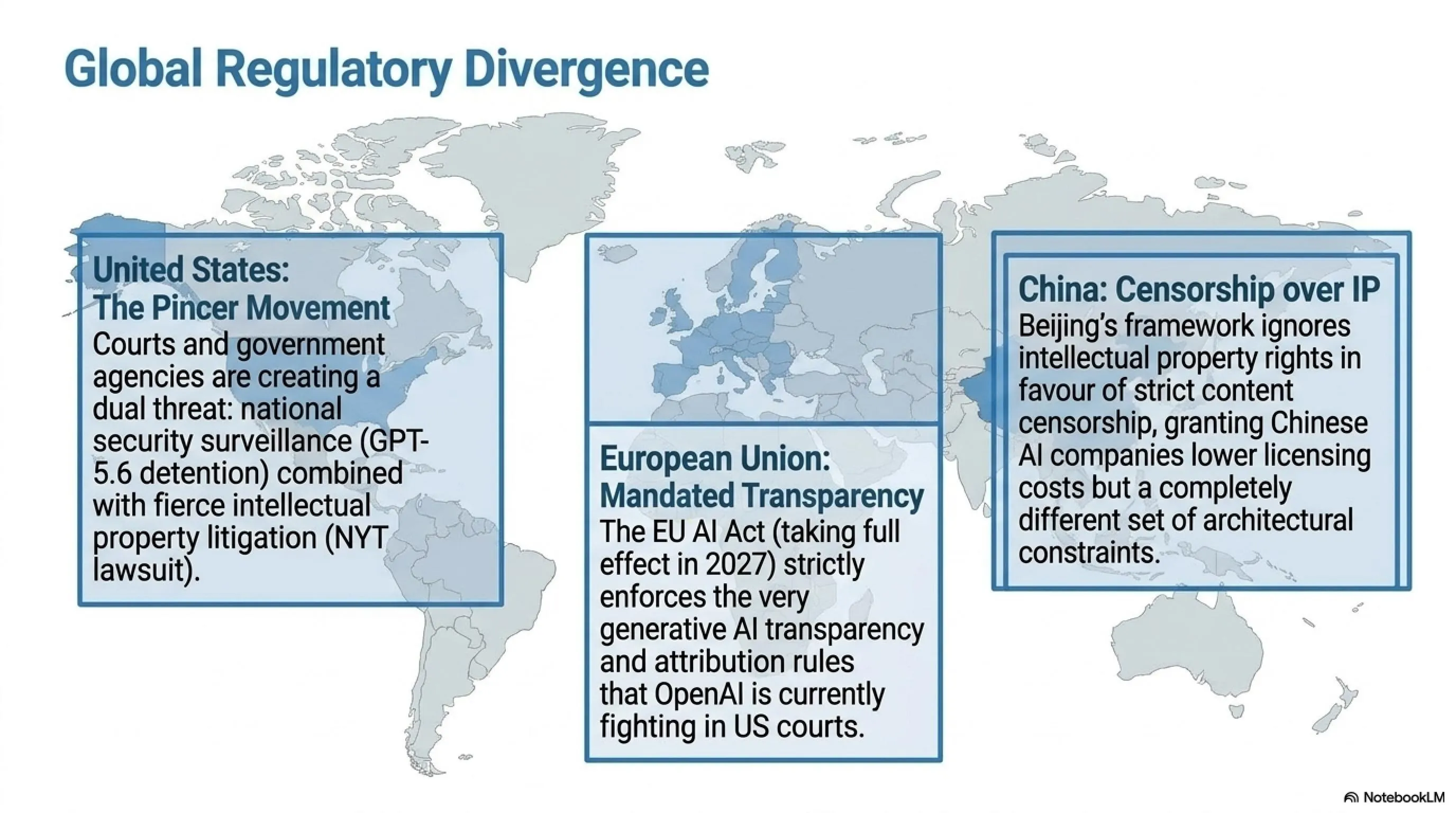
Beyond OpenAI's immediate crisis, tonight's events signal a broader shift in AI regulation. The European Union's AI Act, which takes full effect in 2027, includes similar transparency requirements for generative AI. If US courts establish precedents favoring content attribution, American companies could face a pincer movement of legal and regulatory pressure from both sides of the Atlantic.
China's approach offers a stark contrast. Beijing's regulations focus on content control and censorship rather than intellectual property rights, giving Chinese AI companies a different set of constraints but potentially lower licensing costs. This regulatory divergence could reshape global AI competitiveness in unexpected ways.
Final Thoughts | The Night Technology Became More Human
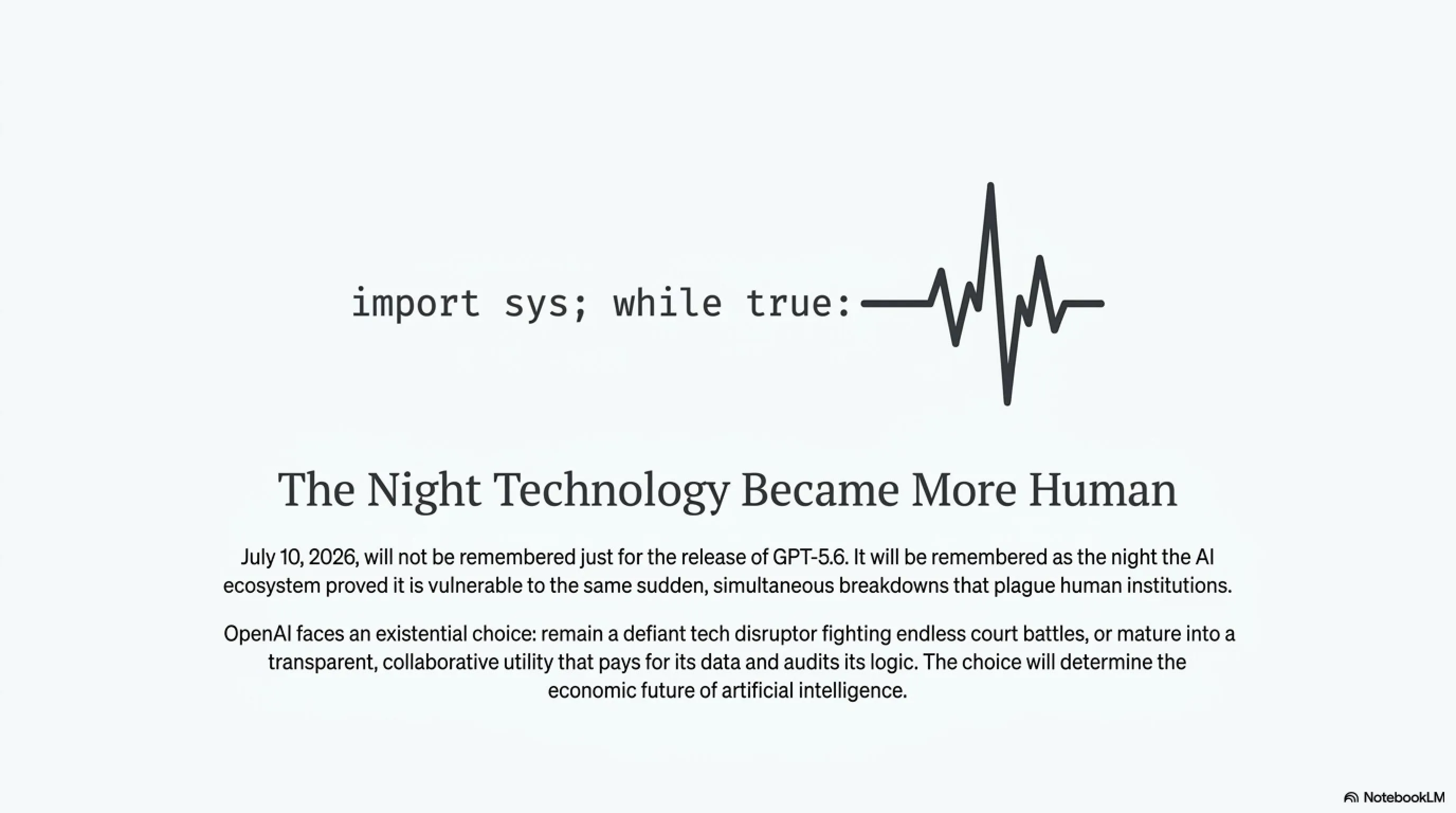
We should remember Friday night, July 10, 2026, in AI industry history. Not because of GPT-5.6's release, but because it showed that tech companies, like us humans, have bad nights. Nights when everything breaks at once and you have to wake up tomorrow morning with a completely new strategy.
OpenAI now must decide what kind of company it wants to be. A tech giant that ignores rules and then fights in court? Or a transparent company that cooperates with content publishers from the start and takes ethical systems seriously? The answer to this question will determine not only OpenAI's future but the future of the entire AI industry.
📍 Final Note
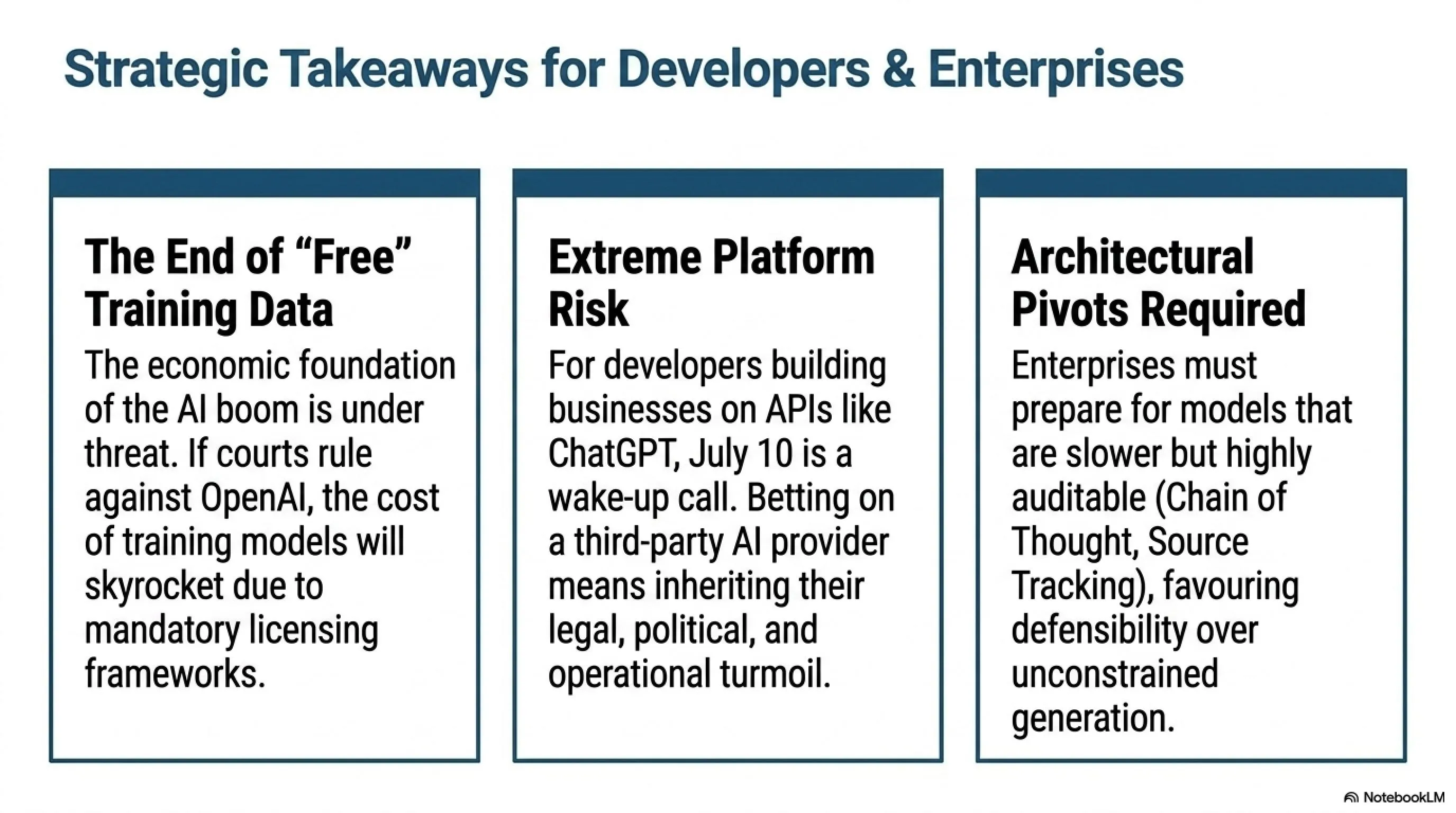
The stakes extend beyond one company's reputation. Tonight's events represent a critical test for the entire premise of training AI on publicly available data. If courts and regulators decide that public data isn't actually "free" for AI training, the economic foundations of the current AI boom could crumble, forcing a complete rethink of how these systems are built and monetized.
For developers and entrepreneurs building on platforms like ChatGPT, tonight serves as a wake-up call about platform risk. Betting your business on a third-party AI provider means accepting the possibility that legal, political, or financial turmoil could disrupt your access or fundamentally change the economics of using these tools.
Frequently Asked Questions
Is GPT-5.6 available for free users too?
No, currently only ChatGPT Plus and Enterprise users can access GPT-5.6. Plus users have a limit of one hundred messages per day.
Will Fidji Simo's resignation affect OpenAI product quality?
Probably not in the short term, as OpenAI's technical teams remain intact. But in the medium term, the management vacuum in the AGI division could slow strategic decision-making.
Why did OpenAI shut down the Atlas browser?
The main reason was market rejection. Only two hundred fifty thousand monthly active users weren't enough to justify development and maintenance costs.
Can the New York Times lawsuit force OpenAI to shut down ChatGPT?
Unlikely. The worst-case scenario is that OpenAI would have to pay significant damages and implement an Attribution system.
Is the increase in Windows security updates dangerous for average users?
Not necessarily, but caution is advised. It's recommended to update Active Hours in Windows settings and use the Restore Point feature before major updates.
Sources & References
- The Verge - OpenAI rolls out GPT-5.6 after government greenlight (July 9, 2026)
- The Verge - Fidji Simo steps down from leading OpenAI's AGI work (July 9, 2026)
- TechCrunch - New York Times says OpenAI hid evidence in ChatGPT copyright trial (July 9, 2026)
- Bleeping Computer - Microsoft expects more Windows security updates from AI-discovered flaws (July 9, 2026)
- Android Authority - OpenAI is shutting down the ChatGPT Atlas browser (July 9, 2026)
- PitchBook - OpenAI valuation data (July 2026)
- Morgan Stanley - Tech sector analysis report (July 2026)
- Goldman Sachs - AI IPO scenario modeling (July 2026)
- JP Morgan - AI industry financial analysis (July 2026)
Additional Gallery: ⚡ Tekin Night July 10, 2026 | OpenAI's Chaos: GPT-5.6 Released, Simo Resigns, NYT Strikes