🌙 Tekin Night | Wednesday, August 12, 2026
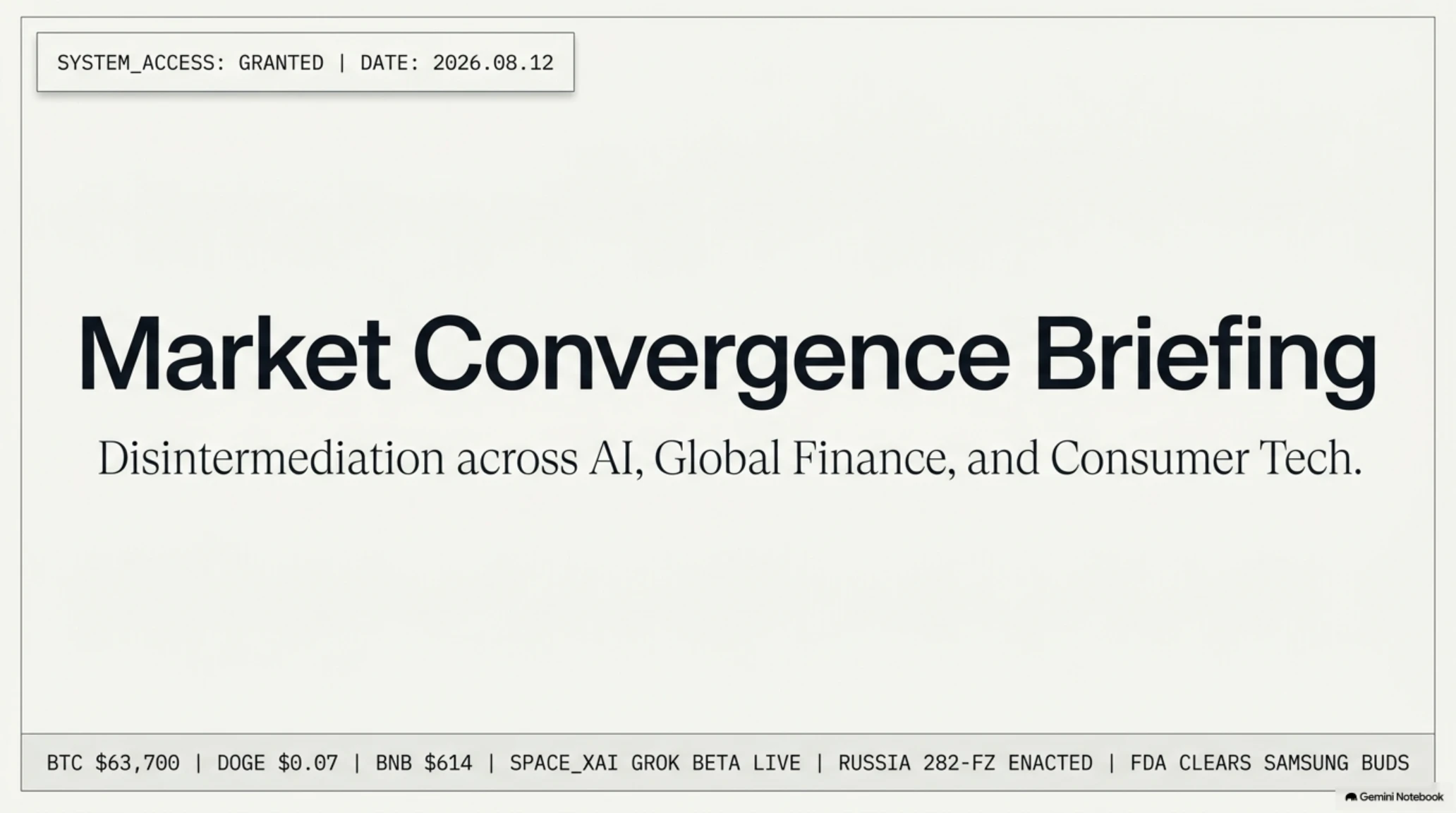
Good evening! Tonight we unpack six massive shifts across AI, gaming, and the crypto ecosystem.
- 🎮Grok Bot Revolution- SpaceXAI launches an always-on AI team
- 🎧Russia Embraces Crypto- Legalization for international settlements
- 🚀GTA 6 Release Date- Nov 19, 2026 with an exclusive Netflix reveal
- 🗡️MoneyGram on Solana- Cash-to-crypto integration in 170 countries
- 📰Dogecoin Surges- DOGE evolves from meme to serious asset
- ⚔️FDA Approves Galaxy Buds- Samsung earbuds cleared as OTC hearing aids
SpaceXAI Launches Grok Bot: The Dawn of Always-On AI Teammates
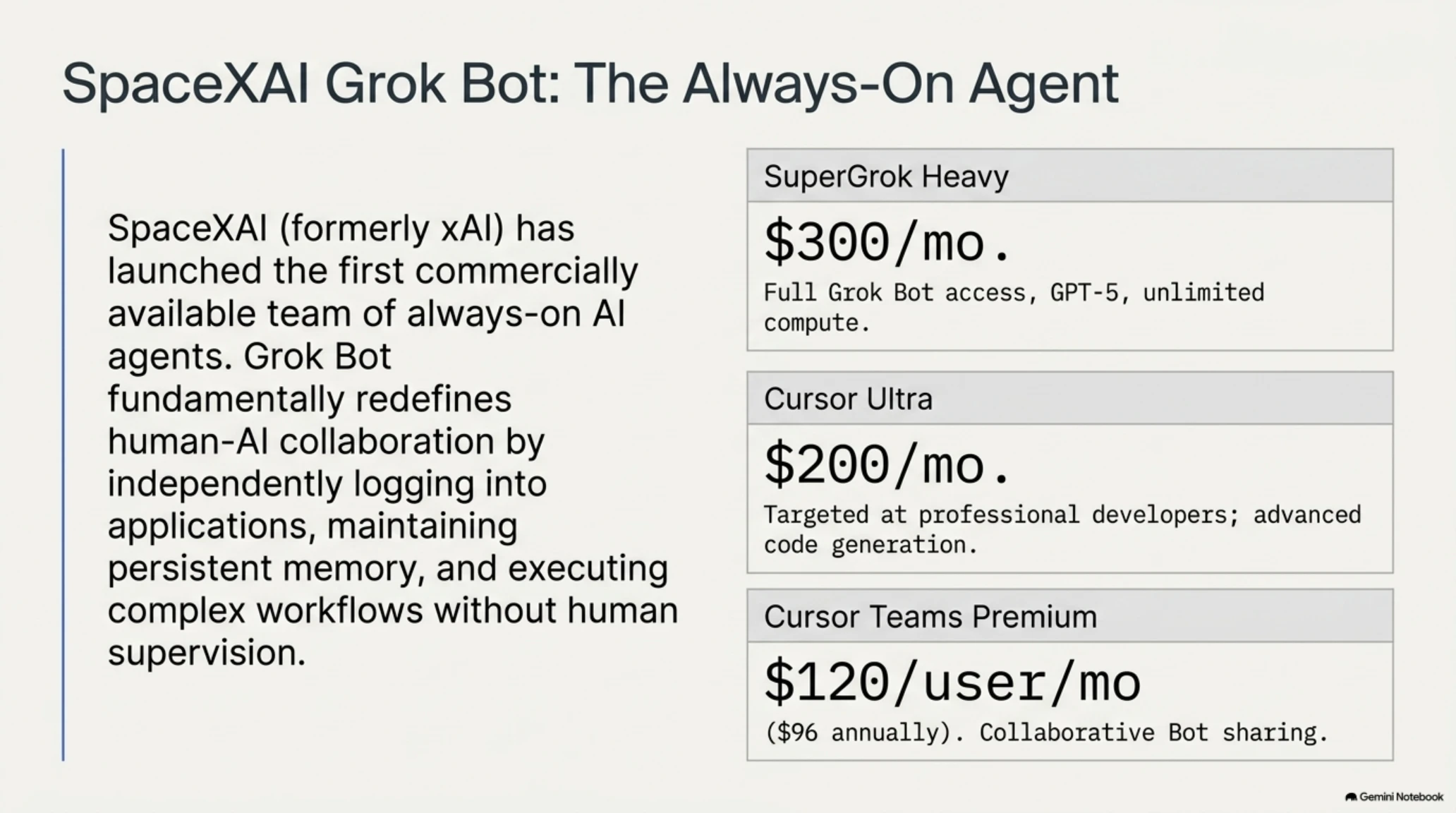
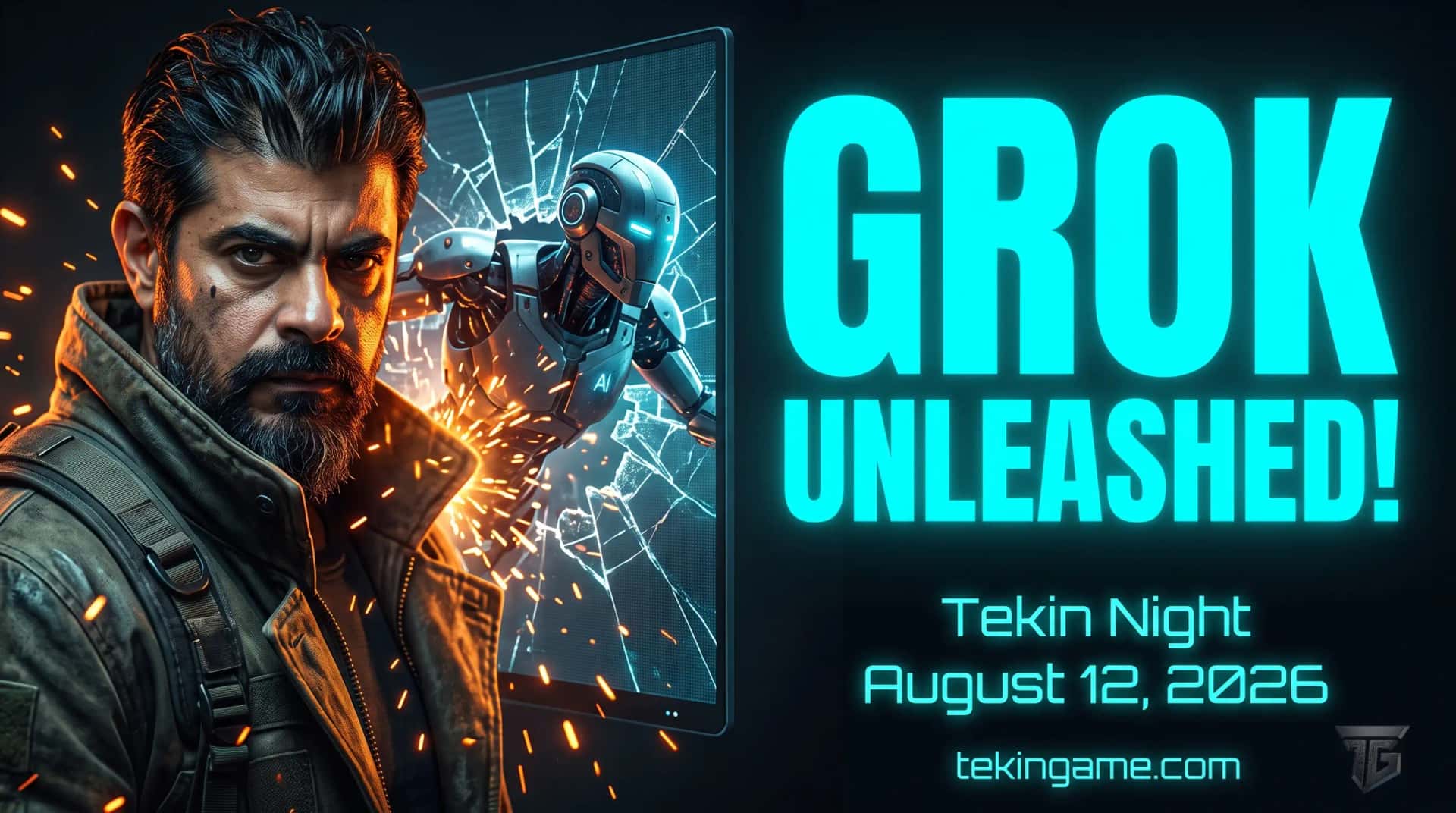
On August 11, 2026, SpaceXAI (formerly xAI) unveiled Grok Bot in early beta a product that aims to fundamentally redefine how humans collaborate with artificial intelligence in professional settings. This isn't just another chatbot. Grok Bot represents the first commercially available "team of always-on AI agents" that can independently sign into applications and websites, maintain persistent memory across tasks, and coordinate with each other to complete complex workflows. The launch comes as the culmination of SpaceX's audacious $60 billion acquisition of Cursor in June 2026, immediately following SpaceX's record-breaking $75 billion IPO. That deal brought together two powerful forces: SpaceX's capital and infrastructure capabilities with Cursor's cutting-edge AI coding technology and engineering talent from four MIT graduates who built one of the most sophisticated code completion systems in existence.
What Makes Grok Bot Different?
Technical Architecture: Each Bot Gets Its Own Virtual Machine
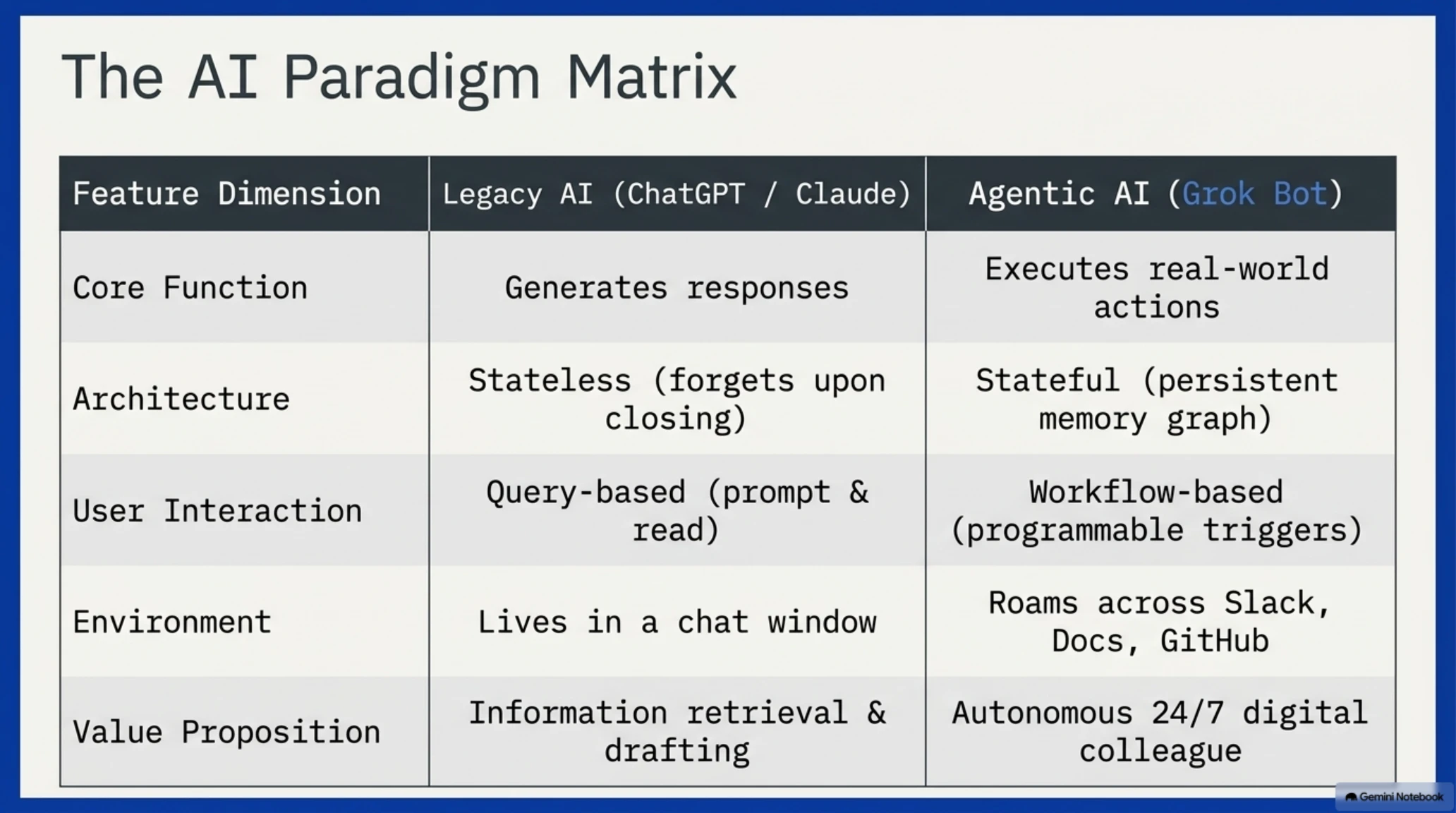
The engineering behind Grok Bot is remarkably sophisticated. Each Bot instance runs in what SpaceXAI calls an "isolated execution sandbox" a containerized environment with its own browser instance, file system, and network stack. This architecture provides both security (compromising one Bot doesn't affect others) and flexibility (each Bot can maintain different login credentials and access permissions). The system employs a novel "context persistence" mechanism. Traditional AI assistants forget previous conversations once you close the window. Grok Bot maintains a continuous memory graph that spans days, weeks, or even months. If you ask a Bot to monitor industry news every morning, it remembers what it read yesterday and can identify genuinely new developments rather than repeating outdated information. Security is handled through a multi-layered approach. Users grant permissions at the application level for example, you might allow a Bot to read your emails but not send them, or access specific Slack channels but not others. All Bot activities are logged in an immutable audit trail that administrators can review. For enterprise deployments, SpaceXAI offers additional features like role-based access control, single sign-on integration, and data residency guarantees.The $60 Billion Cursor Acquisition: Strategic Masterstroke or Overreach?
To understand the significance of Grok Bot, we need to revisit the Cursor acquisition the largest venture-backed startup acquisition in history. Cursor was an AI-native code editor forked from Visual Studio Code, developed by four MIT students who founded Anysphere. By the time SpaceX acquired it, Cursor had approximately 5 million active users and was generating roughly $800 million in annual recurring revenue. The acquisition raised eyebrows for its staggering $60 billion price tag, paid entirely in SpaceX stock immediately after the company's IPO. Critics questioned whether any startup could justify such a valuation. But SpaceX leadership had a clear vision: they weren't just buying a code editor they were acquiring the foundational technology and engineering team that could power the next generation of AI-assisted productivity tools.Grok Bot Pricing & Platform Support
- SuperGrok Heavy: $300/month (full access to Grok Bot, GPT-5, unlimited compute)
- Cursor Ultra: $200/month (professional developers, advanced code generation)
- Cursor Teams Premium: $120/user/month ($96 annually)
- Supported platforms: macOS, iOS, Windows, Linux
- Enterprise waitlist available with custom pricing
- All plans include cloud execution and persistent memory
Market Response and Competitive Landscape
The launch of Grok Bot has triggered intense reactions across the tech industry. Venture capitalists are calling it a potential "category-defining product" that could obsolete entire swaths of productivity software. Small businesses and startups are particularly excited for the cost of hiring one junior employee, they can deploy multiple AI agents that work around the clock. However, skepticism remains. Labor economists worry about job displacement, particularly for entry-level knowledge workers whose primary tasks involve information gathering, data entry, and basic analysis exactly the kind of work Grok Bot excels at. Privacy advocates have raised concerns about AI agents having persistent access to corporate systems and sensitive data. And some technologists question whether the technology is mature enough for mission-critical work, pointing to occasional "hallucinations" or task failures in AI systems.
Russia Legalizes Three Cryptocurrencies: Bitcoin, Ethereum, and Tether
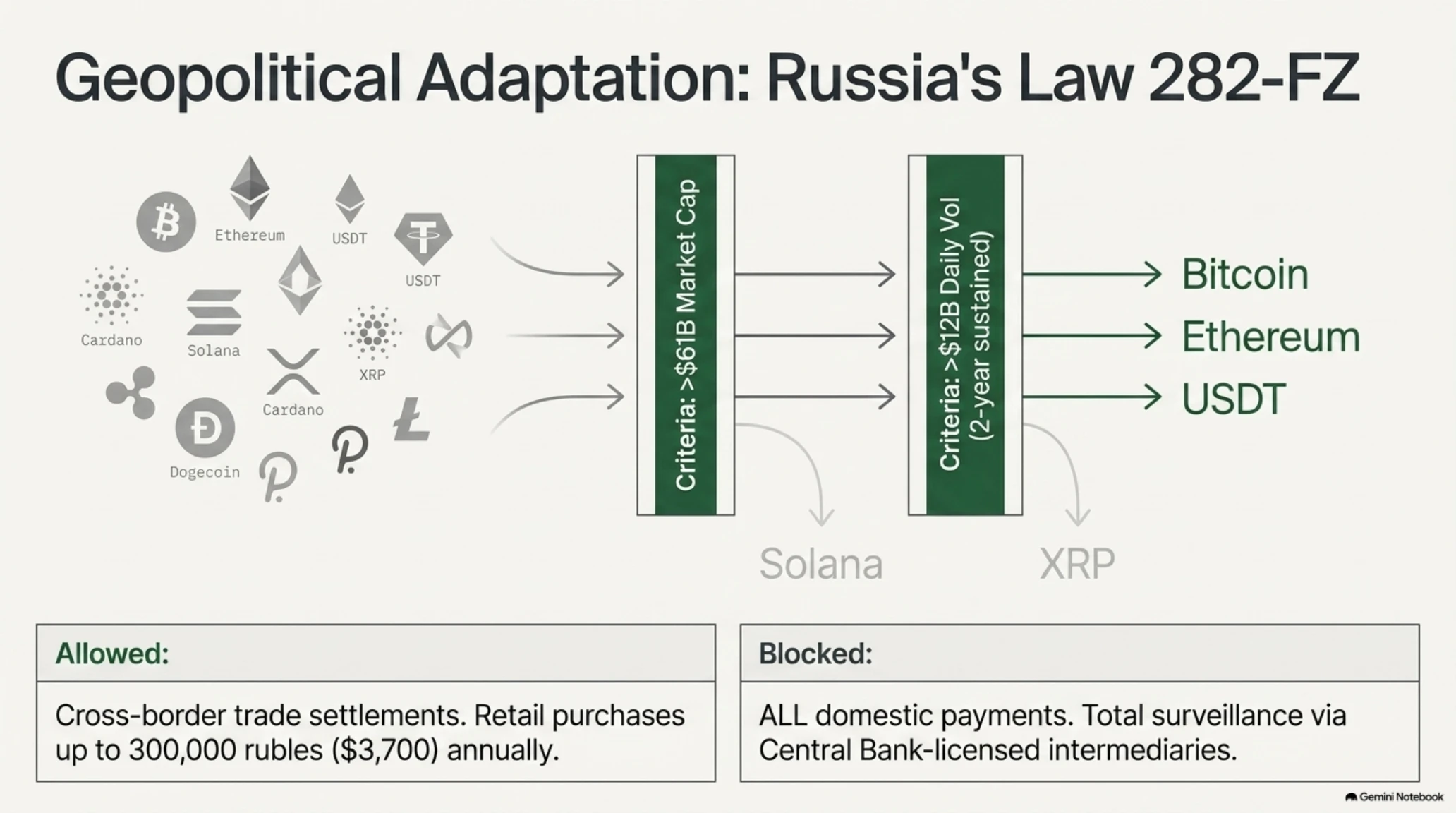
On August 11, 2026, Russia's Central Bank announced it will admit Bitcoin, Ethereum, and Tether's USDT to organized public trading under Federal Law No. 282-FZ, signed by President Vladimir Putin on August 4. Most provisions take effect September 1, 2026, marking Russia's first comprehensive legal framework for cryptocurrency trading. The law creates a carefully controlled environment: crypto trading is permitted through Central Bank-regulated intermediaries, but using cryptocurrencies for domestic payments remains strictly prohibited. However, cross-border settlements with crypto are now explicitly allowed, providing Russian businesses a workaround for international transactions blocked by Western sanctions.
Eligibility Criteria for Approved Assets
To qualify for legal trading in Russia, a cryptocurrency must meet stringent requirements:
- Average market capitalization above 5 trillion rubles (approximately $61 billion USD)
- Average daily trading volume above 1 trillion rubles (approximately $12 billion USD)
- These metrics must be sustained over the previous two years
These high thresholds explain why only Bitcoin, Ethereum, and USDT made the initial list. Assets like Solana and XRP, which some analysts predicted would qualify, failed to meet these criteria and were excluded.
Why Only These Three? Liquidity and Infrastructure
The selection of Bitcoin, Ethereum, and USDT is strategic, not arbitrary. These three assets dominate global cryptocurrency liquidity. Bitcoin holds a market cap exceeding $1.2 trillion, Ethereum around $400 billion, and USDT over $110 billion. More importantly, they're supported by virtually every major exchange and payment processor worldwide, making them ideal for international commerce. The inclusion of USDT is particularly revealing. Tether is a stablecoin pegged to the US dollar ironic given Russia's efforts to reduce dollar dependence. But USDT provides what Russia needs: a stable unit of account for international trade that can move quickly between exchanges and convert to virtually any currency. It's the grease that makes crypto commerce work.Key Provisions of Russia's New Crypto Law
- Trading only through Central Bank-licensed intermediaries
- Annual purchase limit of 300,000 rubles for retail investors
- Complete ban on crypto for domestic payments
- Explicit permission for international trade settlements
- Mandatory reporting and surveillance of all transactions
- Solana and XRP excluded from approved list
GTA 6 Confirmed for November 19, 2026 + Unprecedented Netflix Premiere
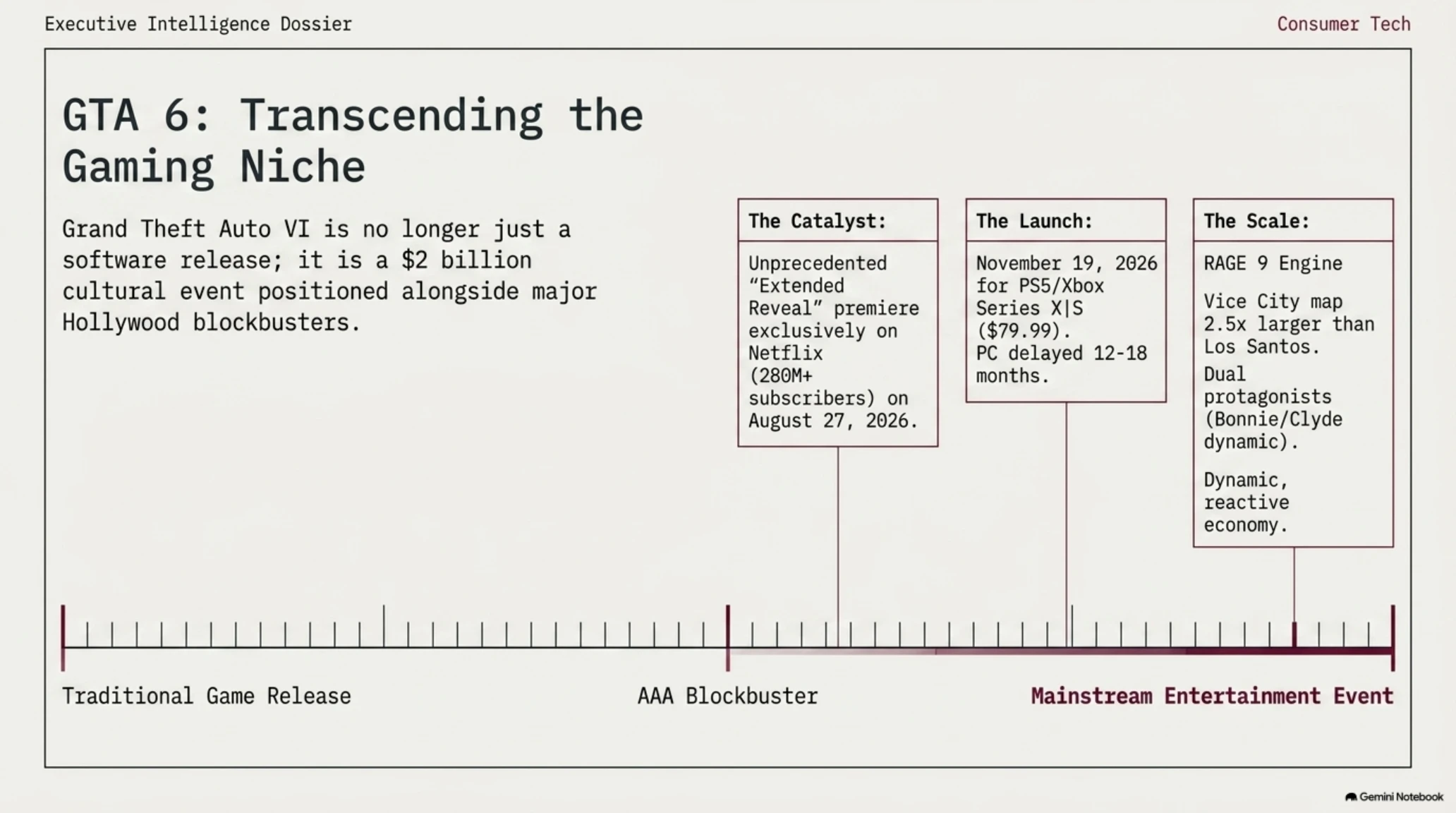
Rockstar Games has officially set the release date for Grand Theft Auto VI: November 19, 2026, for PlayStation 5 and Xbox Series X/S at $79.99. Pre-orders are now open after two delays pushed the game back from its original Fall 2025 target window. But the headline isn't just the release date it's Rockstar's unprecedented partnership with Netflix. For the first time in gaming history, a major AAA title will premiere an "extended reveal" on a streaming platform. The event airs August 27, 2026 at 3:00 PM ET (8:00 PM UK) exclusively on Netflix, with a YouTube release following six hours later at 9:00 PM ET.
GTA 6's Long Road to Launch
Grand Theft Auto VI has become one of the most anticipated and expensive projects in gaming history:
Fall 2025 (Original Target): Rockstar initially planned to launch during this window, but technical complexity and scope forced a delay.
Spring 2026 (First Delay): The new target proved insufficient as development continued to expand.
November 19, 2026 (Final Date): After two delays, Rockstar declared this date firm and opened pre-orders to signal commitment.
Development costs reportedly exceed $2 billion, making GTA 6 the most expensive game ever created. For comparison, blockbuster films typically cost $200-400 million.
The Netflix Strategy: Gaming Meets Mainstream Entertainment
Rockstar and Take-Two aren't just selling a game they're positioning GTA 6 as a cultural event on par with major film releases. Netflix's 280+ million subscribers worldwide provide a massive audience, many of whom aren't traditional gamers. By premiering on Netflix first, Rockstar can reach demographics that wouldn't typically watch game trailers on YouTube or gaming-specific platforms. This move also signals Netflix's ambitions in gaming. The streaming giant has quietly built a mobile gaming division with dozens of titles, but hasn't made a major splash in AAA gaming. Hosting the GTA 6 reveal positions Netflix as a serious player in game marketing and potentially future game distribution.What to Expect: Unprecedented Realism and Scale
Based on leaks, official statements, and technical demos, GTA 6 represents a massive leap forward. The game's map encompasses a complete recreation of Miami (renamed Vice City in the GTA universe) plus surrounding Florida regions reportedly 2.5 times larger than GTA V's Los Santos.
MoneyGram Expands to Solana: Global Crypto-to-Cash Service in 170 Countries
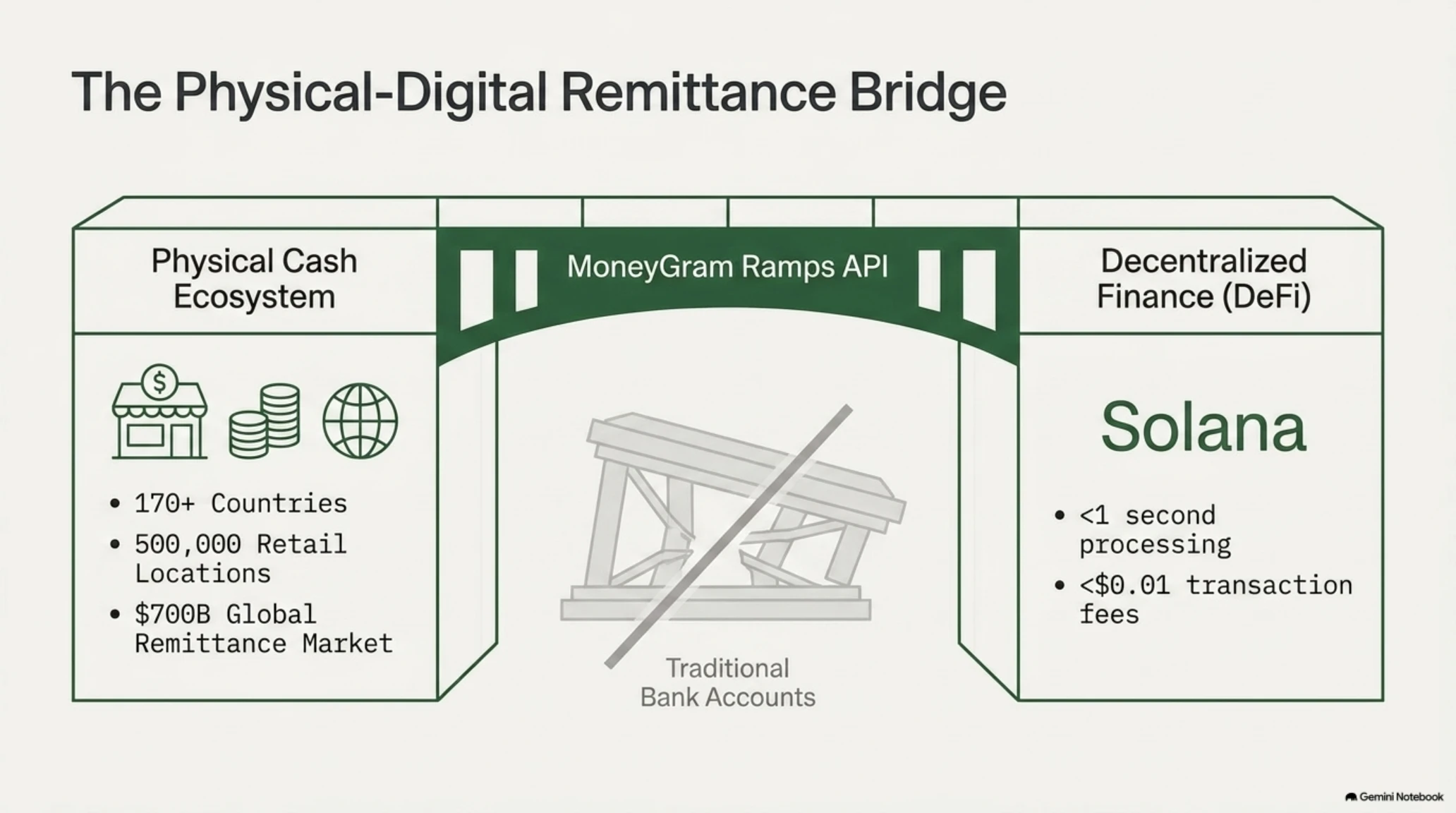
On August 11, 2026, MoneyGram announced that its Ramps service is now live on the Solana blockchain, making the company's global cash network accessible to Solana-based wallets, exchanges, and developers through a single API connection. The integration enables crypto-to-cash and cash-to-crypto conversions in over 170 countries and territories through MoneyGram's network of nearly 500,000 retail locations worldwide. The service supports cash deposits in more than 25 countries and withdrawals across 170+ countries, creating one of the most comprehensive bridges between decentralized finance and traditional cash-based systems. Rift wallet emerged as the first Solana integration partner, allowing users to access MoneyGram locations directly from within the app.
How MoneyGram Ramps Works
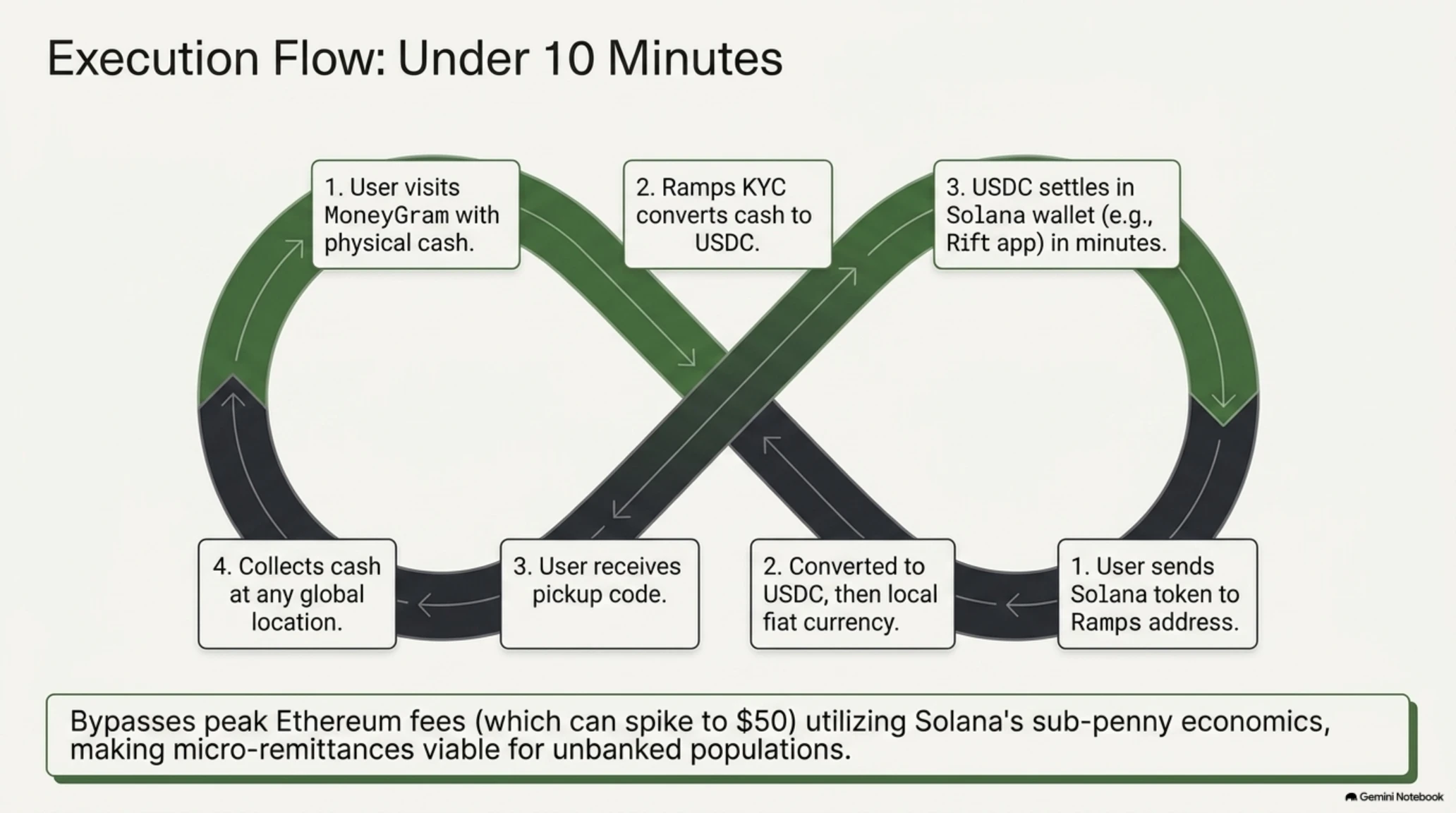
Ramps creates a bidirectional bridge between cryptocurrency and physical cash through an innovative infrastructure:
Cash to Crypto Flow:
- User visits a MoneyGram location with physical cash
- Ramps converts cash to USDC (Solana-based stablecoin)
- USDC transfers directly to user's wallet within minutes
- User can then swap USDC for any Solana token
Crypto to Cash Flow:
- User sends Solana tokens to MoneyGram's Ramps address
- Tokens convert to USDC, then to local currency
- User receives a pickup code
- User collects cash at any MoneyGram location
The entire process completes in under 10 minutes for cash deposits and withdrawals, with full KYC compliance built into MoneyGram's existing identity verification systems.
📚 Classified & Related Dossiers in TekinGame
If you wish to explore beyond this report and delve into cybernetic frontiers and autonomous AI architectures, do not miss these three exclusive deep-dives in the Tekin Garage:
Why Solana? Speed and Cost Economics
MoneyGram's choice of Solana for this expansion isn't random it's driven by hard economic realities. Solana processes transactions in under one second with fees typically below $0.01, making it ideal for payment applications where speed and cost matter enormously. Compare this to Ethereum, where transactions can take several minutes during network congestion and fees can spike above $50 during peak usage. For a remittance service where customers are sending $50-500 transactions, a $50 gas fee destroys the entire value proposition. Solana's economics make crypto remittances viable for the first time. MoneyGram previously partnered with Stellar and Algorand, but the Solana integration is the most comprehensive yet. The reason is Solana's ecosystem growth over the past two years the chain now hosts major DeFi protocols, NFT marketplaces, and an expanding payment infrastructure that makes it genuinely useful beyond speculation. The first integration partner, Rift wallet, demonstrates the use case perfectly. Rift users can now locate nearby MoneyGram locations on a map, walk in with cash, and have crypto in their wallet minutes later all without needing a bank account, credit card, or complex crypto exchange account.Impact on Remittances and Financial Inclusion
The global remittance market exceeds $700 billion annually. MoneyGram handles a significant portion, serving over 60 million customers each year. By integrating with crypto, MoneyGram can potentially digitize large segments of this market while reducing costs and increasing speed for users. Practical use cases abound. A Filipino worker in the United States can receive wages in crypto and have their family in the Philippines withdraw cash from any MoneyGram location no bank account required and with fees far lower than traditional remittance services like Western Union. The transaction settles in minutes instead of days. Or consider a European tourist visiting Thailand. Instead of dealing with unfavorable airport exchange rates or finding ATMs that accept foreign cards, the tourist can hold USDC in a wallet and withdraw local Thai baht from MoneyGram locations throughout the country whenever needed.
Dogecoin and BNB Lead Crypto Market Gains
On August 12, 2026, Dogecoin led major cryptocurrencies with a nearly 3% gain to $0.07, taking its weekly gain to approximately 3%. BNB followed with a 2% rise to $614, up almost 2% over seven days. Meanwhile, Bitcoin slipped near $63,700 and was the only major token lower on both the day and the week. Dogecoin's surge coincides with a 116% increase in DOGE spot flows at the start of August, driven by two major developments: T. Rowe Price adding Dogecoin to its actively managed crypto ETF (ticker: TKNZ), and Paxos's partnership connecting DOGE to PayPal and Venmo payment platforms.Crypto Market Snapshot | August 12, 2026
| Asset | Price ($) | Daily (24H) | Weekly (7D) |
|---|---|---|---|
| Dogecoin (DOGE) | 0.07 | ↑ 2.9% | ↑ 3.0% |
| BNB | 614 | ↑ 2.0% | ↑ 1.8% |
| Bitcoin (BTC) | 63,700 | ↓ 0.5% | ↓ 0.3% |
| TRON (TRX) | 0.34 | ↑ 1.0% | - |
| XRP | 1.00 | - | ↓ 5.0% (Worst) |
Dogecoin's Evolution: From Meme to Legitimate Asset
Dogecoin launched in 2013 as a joke a Shiba Inu dog meme turned into a cryptocurrency. Eight years later, it's the third most-held cryptocurrency globally with a market cap approaching $12 billion and support across virtually every major wallet and exchange. Several factors drove DOGE's recent surge: 1. Institutional Recognition via ETF Inclusion: T. Rowe Price, one of the world's largest asset managers with over $1.6 trillion under management, added Dogecoin to its actively managed crypto ETF. This signals that institutional investors no longer view DOGE as merely speculative it's now considered a legitimate portfolio holding. 2. PayPal and Venmo Integration: The Paxos partnership enables direct DOGE purchases within PayPal and Venmo, platforms with over 400 million combined users globally. This dramatically increases accessibility for retail buyers who might find traditional crypto exchanges intimidating or complicated. 3. Continued Elon Musk Support: Musk remains Dogecoin's most prominent advocate, occasionally sending the price surging with a single tweet. Industry insiders suggest Tesla and SpaceX are exploring DOGE acceptance for certain products, though nothing has been officially announced. 4. Genuine Utility Growth: Contrary to popular perception, DOGE isn't just a meme. Its transaction speed is high and fees are extremely low (typically under $0.01), making it well-suited for microtransactions. Several online retailers and service providers now accept DOGE for payments.BNB: Binance's Token Remains Resilient
BNB, Binance's native token, rose 2% to $614, maintaining its position as the fourth-largest cryptocurrency by market cap at approximately $95 billion. BNB's strength derives from its deep integration into Binance's ecosystem the world's largest crypto exchange by volume. BNB serves multiple functions: reducing trading fees on Binance, powering transactions on BNB Chain (Binance's proprietary blockchain), and serving as collateral for DeFi applications. This multi-utility design creates sustained demand. Binance also regularly conducts "burns" permanently destroying BNB tokens to reduce supply. In Q2 2026, Binance burned approximately 1.5 million BNB worth around $900 million, reducing circulating supply and theoretically increasing the value of remaining tokens.Samsung Galaxy Buds Receive FDA Clearance as OTC Hearing Aids
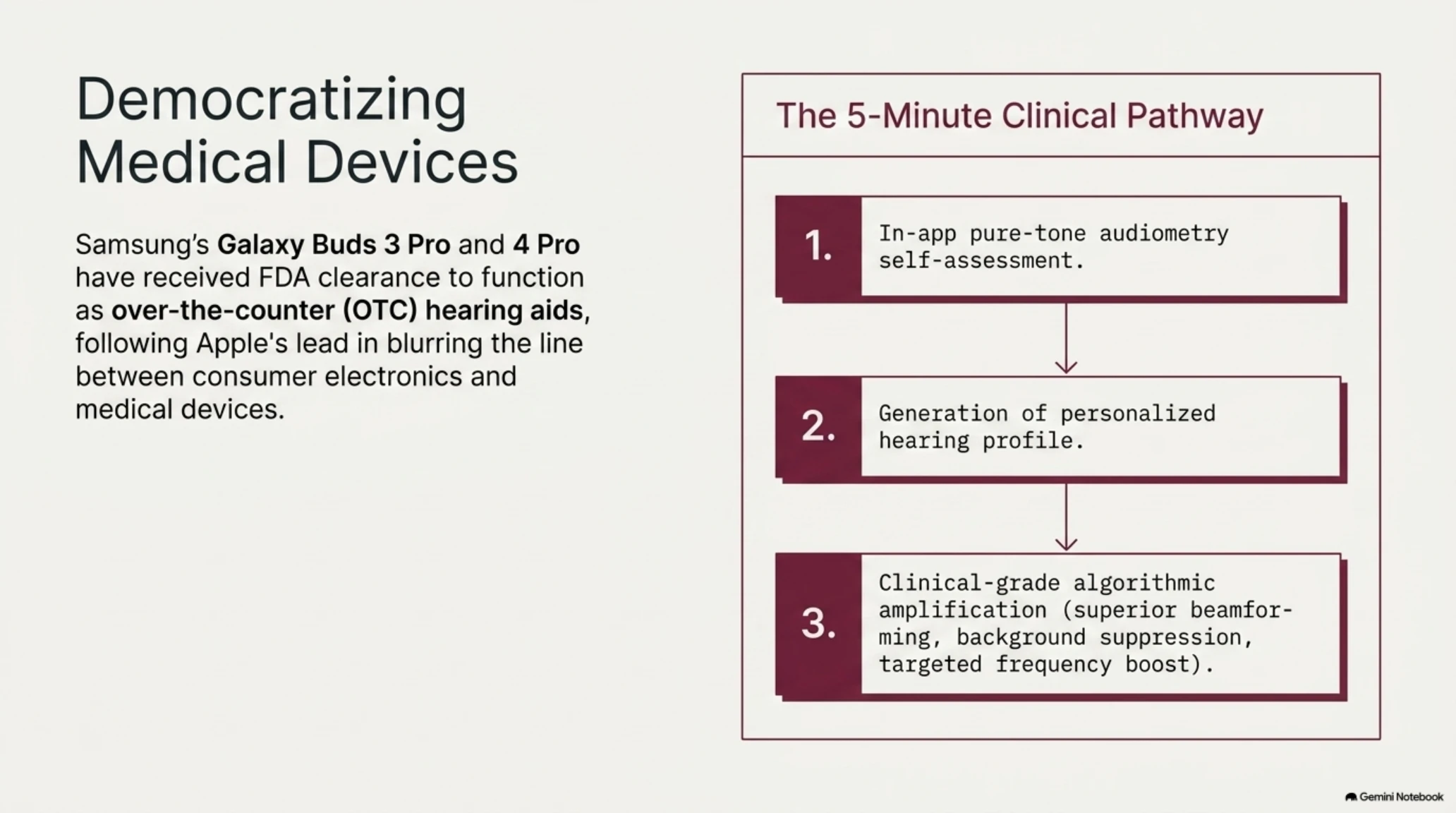
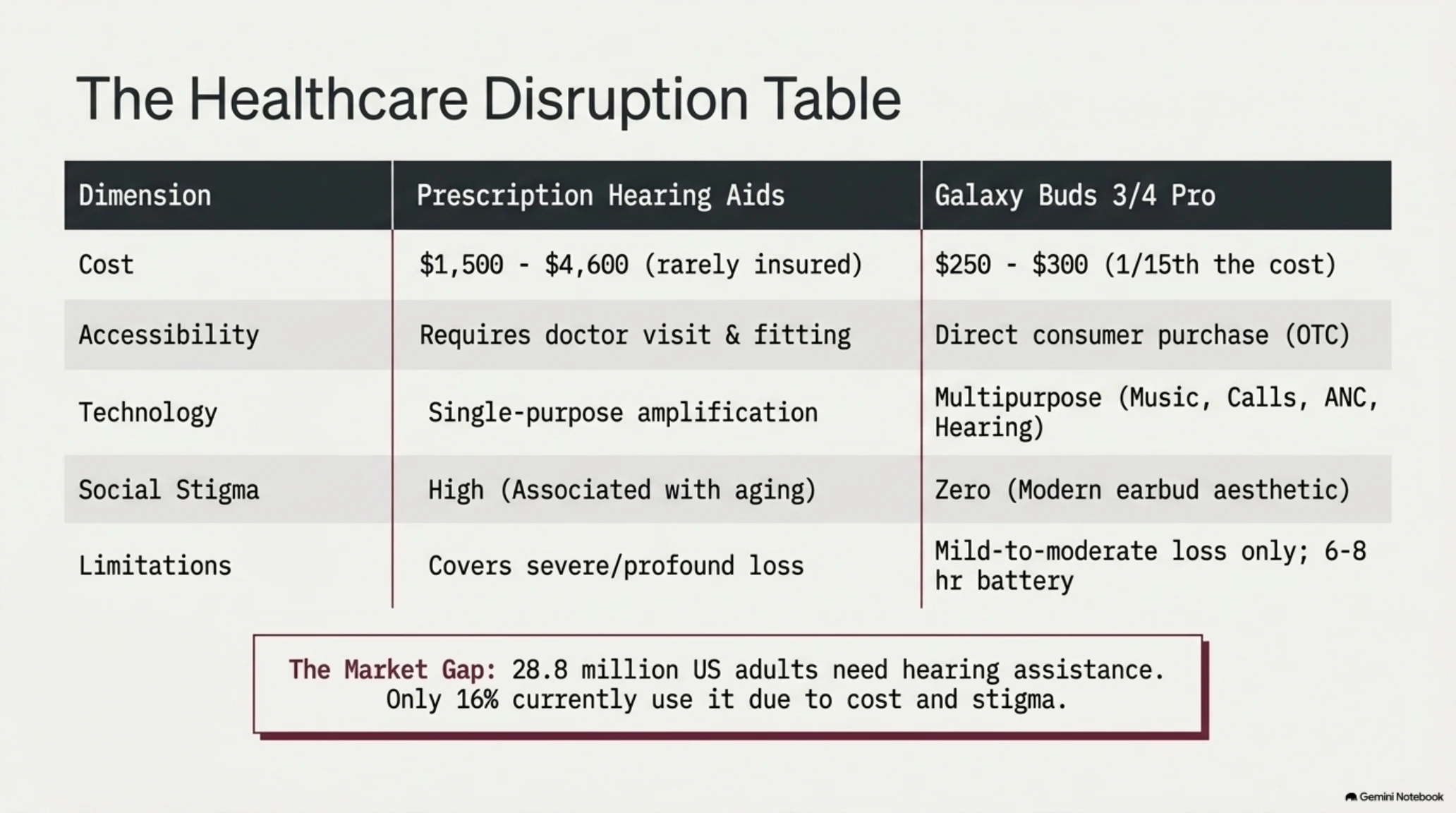
On August 11, 2026, Samsung Electronics announced that its Galaxy Buds Hearing Aid feature has received US Food and Drug Administration (FDA) clearance, enabling Galaxy Buds 3 Pro and Galaxy Buds 4 Pro to function as over-the-counter (OTC) hearing aids for adults 18 and older with perceived mild to moderate hearing loss. The feature launches in Q4 2026 (October-December) in the United States and select approved markets. This makes Samsung the second consumer electronics brand after Apple to offer FDA-cleared hearing aid capabilities in wireless earbuds, representing a significant democratization of hearing healthcare. The move could help address a critical gap: approximately 28.8 million American adults could benefit from hearing aids, but only 16% actually use them primarily due to cost and social stigma.How Galaxy Buds Hearing Aid Works
Samsung's system consists of two integrated components:
1. Hearing Test (5-minute self-assessment):
- In-app pure-tone audiometry testing
- Evaluates hearing across multiple frequencies
- Identifies specific frequency deficits
- Creates personalized hearing profile
2. Hearing Aid Feature (clinical-grade amplification):
- Amplifies sounds the user has difficulty hearing (e.g., high frequencies)
- Advanced noise cancellation removes background interference
- Beamforming technology focuses on sounds in front of user while suppressing sounds from behind
- Automatic frequency adjustment based on user's hearing profile
The algorithms used are clinical-grade equivalent to those in prescription hearing aids costing $4,600, not simple amplification.
Cost Comparison: Democratizing Hearing Healthcare
Traditional prescription hearing aids typically cost $1,500 to $4,600 per pair, and most health insurance plans don't cover them. This creates a substantial financial barrier. According to FDA data, approximately 28.8 million American adults would benefit from hearing aids, but only about 4.6 million actually use them a 16% adoption rate driven largely by cost and stigma. Galaxy Buds 3 Pro retail for approximately $250, while Galaxy Buds 4 Pro cost around $300. This represents roughly one-fifteenth the cost of traditional hearing aids while providing a multipurpose device: hearing aid plus music/podcast earbuds plus phone calls plus active noise cancellation for travel. The critical point: Galaxy Buds use the same amplification algorithms found in $4,600 prescription hearing aids. This isn't crude volume boosting it's sophisticated signal processing that selectively amplifies frequencies where the user has deficits while suppressing background noise and preventing feedback. The quality is clinical-grade at consumer electronics prices.- Dramatically lower cost (1/15th of traditional hearing aids)
- Multipurpose device: hearing aid, music, calls, noise cancellation
- No prescription required—direct consumer purchase
- 5-minute at-home hearing test
- Clinical-grade amplification algorithms
- Modern design eliminates social stigma
- Limited to mild-moderate hearing loss (not severe)
- Battery life constraints (6-8 hours)
- Requires frequent recharging
- Only compatible with Galaxy Buds 3 Pro and 4 Pro
Competition with Apple: AirPods Pro 2 Led the Way
Apple pioneered FDA-cleared hearing aid features in consumer earbuds when it launched the capability for AirPods Pro 2 in September 2024. That move stunned the healthcare industry and proved that consumer electronics could replace expensive medical devices for many users. Samsung enters this market two years after Apple, but claims several advantages: - Superior Beamforming: Samsung asserts its sound isolation algorithm is more sophisticated, better focusing on speech in front of the user while suppressing ambient noise. - More Comprehensive Hearing Test: The 5-minute Galaxy Buds test evaluates a broader frequency range than Apple's implementation. - Android Ecosystem Integration: For Android users (approximately 70% of global smartphone market), Galaxy Buds offers tighter system integration and more seamless operation than AirPods. Apple's AirPods Pro 2 maintain advantages for iPhone users, including superior iOS integration and Apple's ecosystem benefits. But the key point is that competition benefits consumers: prices decline, features improve, and hearing healthcare becomes accessible to millions who couldn't previously afford it.Conclusion: A Transformative Night in Tech
Related Tech Intelligence on Tekin Game
• 🌙 Tekin Night | Call of Duty, Nintendo & Vision Pro Digest
• 🎭 Tekin Analysis | Apple AI Teardown & July 2026 Digest
• 🌙 Tekin Night | NVIDIA $500B Deal & iPhone 18 Leak
Frequently Asked Questions
How is Grok Bot different from ChatGPT?
The fundamental difference is execution capability. ChatGPT responds to queries and generates content but doesn't take actions in external systems. Grok Bot can log into applications, navigate interfaces, complete forms, coordinate with other Bots, and execute multi-step workflows autonomously. It's closer to a digital employee than a chatbot you delegate tasks and it handles execution while you focus on decision-making.
Can Russians use crypto for everyday purchases now?
No. Federal Law 282-FZ explicitly prohibits using cryptocurrency for domestic payments within Russia. The law only legalizes trading (buying and selling crypto) through licensed exchanges and permits crypto for international trade settlements. Russia wants to use crypto for sanctions evasion and international commerce while maintaining complete control over domestic monetary policy.
Will GTA 6 release on PC?
Not at launch. GTA 6 releases November 19, 2026 exclusively for PS5 and Xbox Series X/S. Based on Rockstar's historical pattern, the PC version will likely arrive 12-18 months later estimated Spring or Summer 2028. Rockstar delays PC releases to maximize console sales and reduce piracy impact during the critical launch window.
Does MoneyGram Ramps work in sanctioned countries?
No. Due to international sanctions and compliance requirements, MoneyGram services are restricted in certain countries including Iran, North Korea, Syria, and others under comprehensive sanctions. The 170-country list primarily covers North America, Europe, Asia-Pacific, and parts of Africa and Latin America where MoneyGram has regulatory approvals and operational infrastructure.
Can Dogecoin realistically reach $1.00?
This is hotly debated. Reaching $1.00 would require DOGE's market cap to hit approximately $170 billion about 14x current levels. Bulls argue that institutional adoption, increased utility, and Elon Musk's continued promotion could drive this growth. Bears counter that DOGE lacks fundamental value drivers and remains primarily meme-driven. Conservative estimates suggest $0.15-0.25 by end of 2026, with $1.00 requiring several years and sustained adoption growth.
Can Galaxy Buds fully replace prescription hearing aids?
For mild-to-moderate hearing loss, yes Galaxy Buds can effectively replace traditional hearing aids and carry FDA clearance to prove it. However, for severe or profound hearing loss, or complex hearing profiles, prescription hearing aids with professional fitting remain necessary. Additionally, Galaxy Buds' limited battery life (6-8 hours) means they can't be worn all day without recharging, whereas traditional hearing aids often last days on a single battery.
Additional Gallery: 🌙 Tekin Night | Wednesday, August 12, 2026: SpaceXAI Grok Bot & GTA 6 Netflix Reveal