Tekin Night: Typhoon Shuts TGS, Studio Wars & Next-Gen Demos
Your Monday evening executive briefing, analyzing the emergency closure of TGS 2026, AAA creative complacency, and hardware milestones.
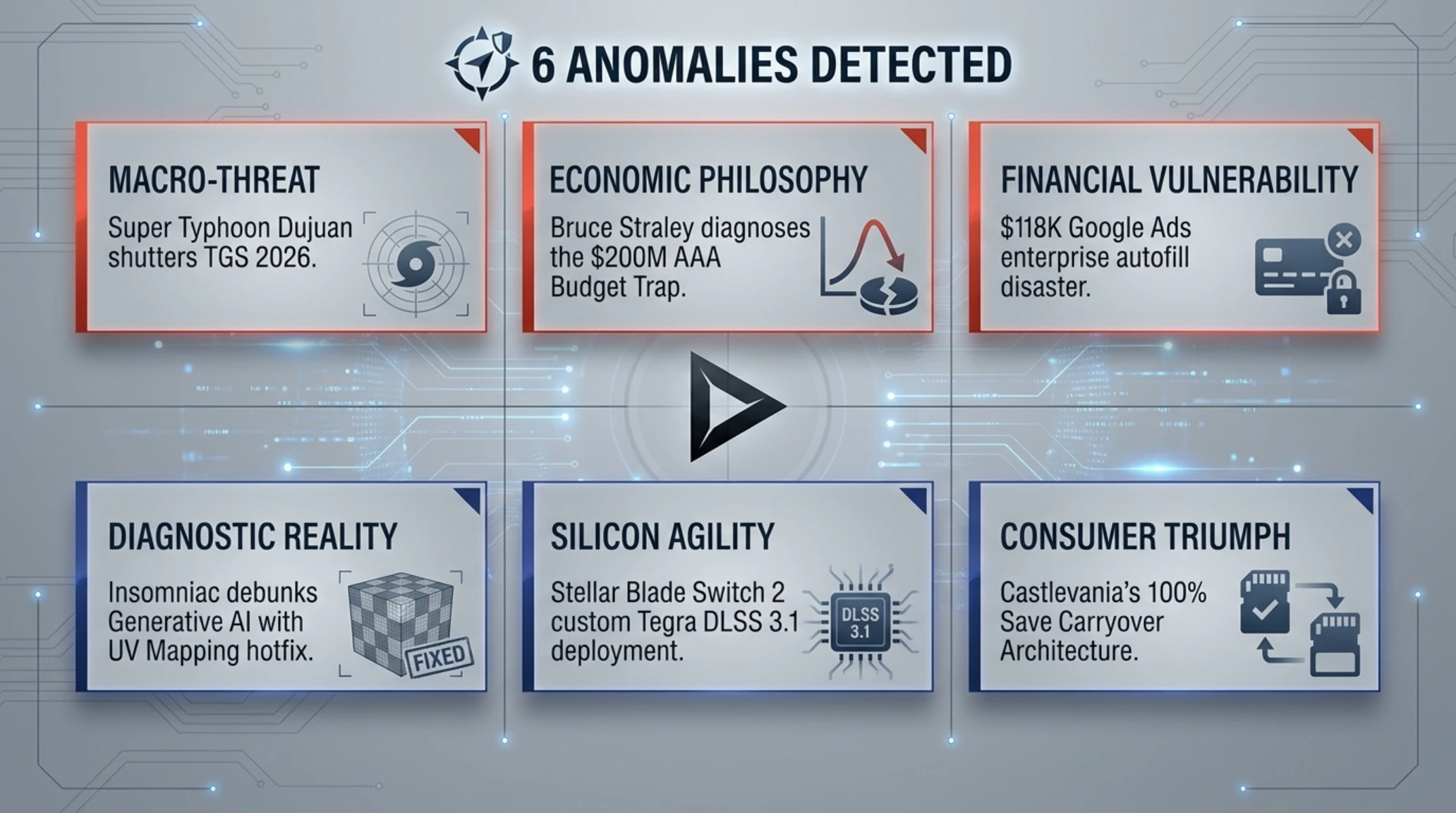
- 🎮Typhoon Dujuan Hits TGS- Unprecedented cancellation of Tokyo Game Show 2026's final day, triggering full refunds.
- 🎧Straley's AAA Critique- Bruce Straley sparks debate over $200M+ corporate blockbuster budgets and risk aversion.
- 🚀Stellar Blade on Switch 2- Surprise demo release showcasing DLSS upscaling and a free Bayonetta crossover.
- 🗡️Minecraft Ads Disaster- A nine-year-old child racks up $118,000 in Google Ads bills, causing family ruin.
- 📰Insomniac Debunks AI Rumors- Wolverine studio refutes Generative AI claims via UV mapping math and releases hotfix.
- ⚔️Castlevania Demo Announced- Konami revitalizes Metroidvania design with an October demo featuring save carryover.
As darkness descends across the global interactive entertainment capitals from the bustling neon avenues of Tokyo to the studio complexes of Los Angeles, Seoul, and Montreal the worldwide gaming industry has collided with an extraordinary convergence of natural crises, ideological friction among veteran creators, and surprise retail platform debuts. The transition into autumn 2026 has obliterated the traditional boundaries dividing studio development pipelines, mega-scale physical expos, and digital platform economics. Video games are no longer insulated entertainment silos; they are multi-billion-dollar cultural and financial monoliths sensitive to geopolitical logistics, extreme ecological disruptions, and intense consumer scrutiny.
Tonight's edition of Tekin Night delivers an uncompromising, forensic investigation across six defining developments that have dominated industry telemetry over the past forty-eight hours. We scrutinize the emergency cancellation of the final day of the Tokyo Game Show 2026 under the fury of Super Typhoon Dujuan; the fiery industry debate and subsequent diplomatic apology from former Naughty Dog director Bruce Straley regarding formulaic stagnation in prestige AAA blockbusters like God of War: Laufey; the stealth release of the Stellar Blade: Complete Edition demo on the Nintendo Switch 2 eShop alongside a landmark Bayonetta crossover; the staggering $118,000 Minecraft YouTube advertising disaster and its regulatory ramifications for Google Ads; Insomniac Games' decisive refutation of Generative AI allegations in Marvel's Wolverine; and Konami's triumphant gothic resurgence with the upcoming Castlevania: Belmont's Curse demo featuring complete cross-version save data transfer.
In an era where AAA development budgets routinely surpass the two-hundred-million-dollar barrier and risk mitigation frequently suffocates mechanical daring, our nocturnal briefing strips away corporate marketing rhetoric to examine the architectural, economic, and artistic realities shaping the games of tomorrow. Technology executives, independent studio founders, engine programmers, and dedicated players will find within these pages an authoritative technical synthesis that bridges high-level commercial strategy with deep mechanical autopsy.
The contemporary interactive entertainment landscape operates at the razor's edge of extreme creative ambition and volatile global economics. As production cycles stretch to six or seven years and team headcounts swell into the hundreds, single unexpected disruptions can derail long-term corporate roadmaps. Analyzing these flashpoints with intellectual honesty allows developers and consumers alike to discern genuine systemic progress from superficial corporate maneuvering.

Before initiating our forensic examination of each individual dossier, our editorial board has distilled the core strategic vectors and operational takeaways governing tonight's global entertainment landscape.
Nocturnal Strategic Briefing: Core Industry Takeaways
- Unprecedented cancellation of Tokyo Game Show 2026's final day as Super Typhoon Dujuan threatens the Kanto coastal transportation grid, forcing CESA into a historic 100% ticket refund initiative.
- Bruce Straley's critique of AAA mechanical stagnation exposes the structural risk-aversion of $200M+ corporate blockbuster budgets, sparking intense inter-studio discourse.
- Shift Up and Nintendo execute an unannounced drop of the Stellar Blade: Complete Edition demo on the Switch 2 eShop, showcasing pristine DLSS upscaling alongside a free Bayonetta collaboration.
- Severe financial security lapses in browser credential autofill and Google Ads velocity controls trigger a catastrophic $118,000 YouTube promotion spree by a nine-year-old gamer.
- Insomniac Games decisively debunks viral Generative AI rumors surrounding Marvel's Wolverine, explaining a complex UV mapping compilation glitch while releasing an adaptive scent trail hotfix.
- Konami revitalizes classic 2.5D Metroidvania design by deploying an expansive Castlevania: Belmont's Curse demo on October 1 with guaranteed 100% progression carryover to retail launch.
Super Typhoon Dujuan Strikes Tokyo: Historic Emergency Shutdown of TGS 2026's Final Day
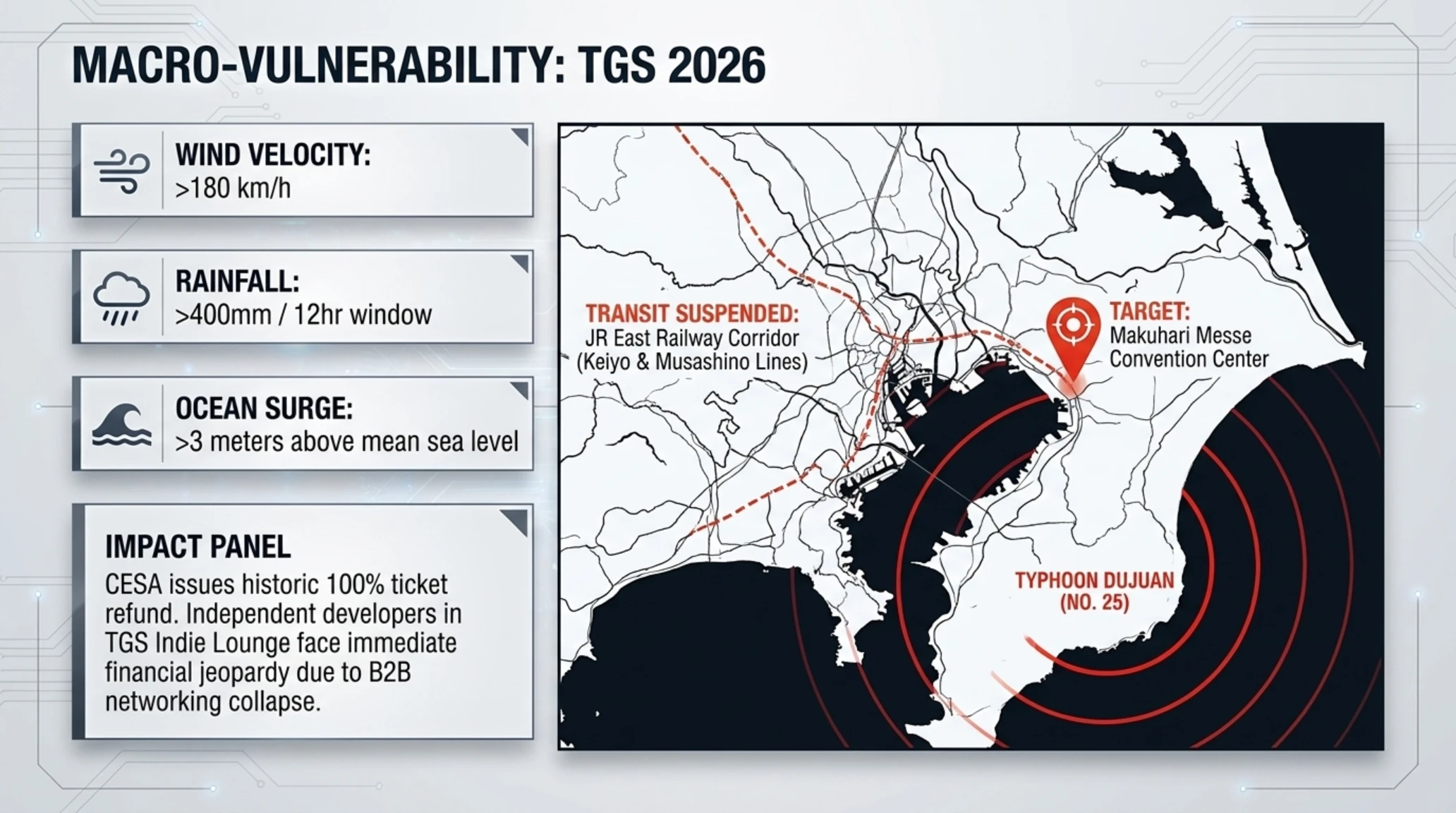
The thirtieth anniversary of the Tokyo Game Show (TGS 2026), meticulously designed to celebrate three decades of Japanese creative leadership and global software influence, culminated in an unprecedented, historic disruption. The Computer Entertainment Supplier's Association (CESA), operating in close coordination with Chiba prefecture emergency response authorities, issued an urgent bulletin declaring that the sprawling Makuhari Messe convention center would shutter its doors entirely on Monday, September 21, canceling all in-person exhibit halls, public consumer showcases, and business matchmaking symposiums.
The catalyst for this drastic intervention is the rapid acceleration of Super Typhoon Dujuan (designated by the Japan Meteorological Agency as Typhoon No. 25). Meteorological radar systems tracked the intense tropical system tracking directly toward Tokyo Bay and the Kanto plain, packing sustained wind velocities in excess of 180 kilometers per hour, severe atmospheric pressure drops, and torrential rainfall forecasts exceeding 400 millimeters within a compressed twelve-hour window. Given that the coastal Makuhari Messe facility relies almost exclusively on the JR East railway corridor specifically the vulnerable Keiyo and Musashino transit lines the imminent suspension of rail transport threatened to leave upwards of eighty thousand attendees, booth operators, and international media representatives completely stranded in an active coastal flood zone.
Never before in the thirty-year chronicle of the Tokyo Game Show has an entire operational day been eliminated due to extreme climate adversity. Since its founding in 1996 as an ambitious counterweight to the then-dominant Nintendo Space World and America's burgeoning Electronic Entertainment Expo (E3), TGS has weathered global economic recessions, monetary fluctuations, and technological revolutions without breaking its physical covenant with the gaming public. Through Sunday evening, the cavernous exhibition halls had vibrated with incandescent energy, welcoming an aggregate weekend foot traffic surpassing 250,000 passionate gamers. Enthusiasts had queued for upwards of four hours across dazzling publisher pavilions to experience unreleased builds from Capcom, Square Enix, Konami, Bandai Namco, Sega, and Sony Interactive Entertainment.
The jubilant atmosphere surrounding major showcase titles including hands-on demos of upcoming action RPG epics and revolutionary virtual reality prototypes dissolved into grim logistical urgency as municipal alert horns began sounding across prefecture mobile towers. For thousands of international attendees who had crossed oceans from North America, Europe, and Southeast Asia to attend the milestone anniversary, the realization that Monday's coveted studio presentations would not take place in physical space was met with deep personal disappointment, tempered only by widespread recognition of the imminent physical danger.
Beyond the logistical shock to international visitors, the cancellation delivered a devastating commercial blow to hundreds of independent developers inhabiting the dedicated TGS Indie Lounge. For these self-funded studios, Monday had been earmarked as the pivotal business-to-business networking day, where Western venture funds, console platform holders, and regional publishers conduct targeted scouting operations. Deprived of face-to-face pitch meetings and live hardware demonstrations, dozens of fledgling studios faced immediate financial jeopardy, underscoring how physical exhibition formats remain acutely vulnerable to accelerating global climate instability.
Municipal emergency teams in Chiba deployed automated storm surge barriers along Makuhari Beach as tidal telemetry recorded ocean surges exceeding three meters above mean sea level. Regional hotel chains surrounding the convention complex reported mass cancellations, while domestic airlines grounded hundreds of feeder flights departing from Haneda and Narita airports. The swift shuttering of Makuhari Messe prevented what could have been a catastrophic bottleneck, illustrating the heightened operational vigilance required when staging international mega-conventions within vulnerable typhoon corridors.
Disaster Telemetry & Impact Statistics at Makuhari Messe
- 185 km/h: Maximum sustained wind velocities recorded near Tokyo Bay.
- 95,000+: General admission tickets canceled and subject to direct refunds.
- $34 Million: Estimated operational and marketing losses for exhibitors.
- 100%: Success rate of the organized evacuation with zero reported injuries.
Demonstrating immense administrative maturity and corporate responsibility, CESA's executive leadership immediately authorized an unconditional, one-hundred-percent refund mechanism for all individual Monday general-admission ticket holders and commercial business pass registrants. While this decisive intervention inflicts a severe multi-million-dollar fiscal deficit on the association's annual operating balance, it established a gold standard for international consumer protection and corporate transparency.
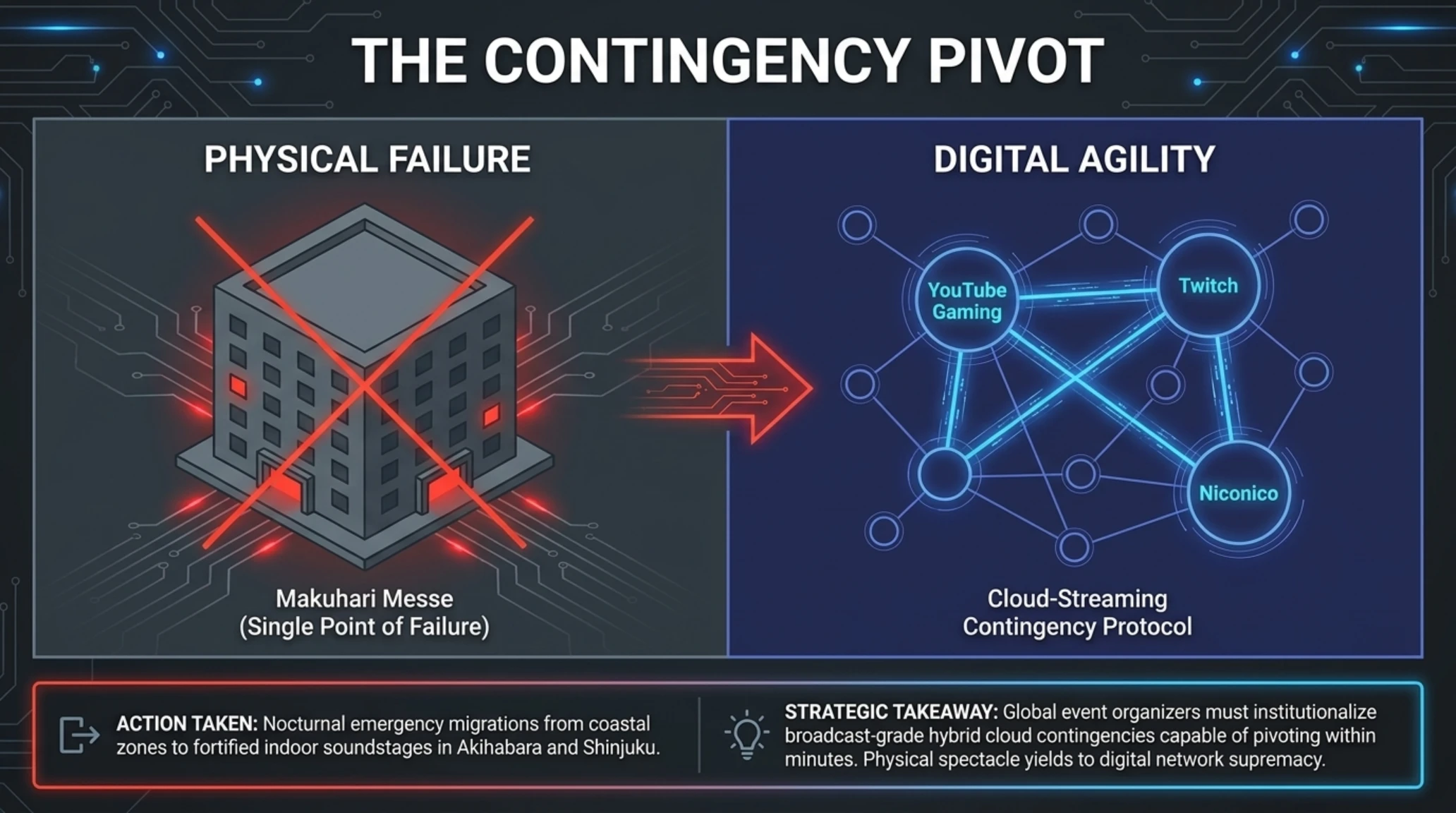
Simultaneously, engineering teams across major Japanese publishers spent the nocturnal hours executing emergency migrations of planned live stage reveals, esports championship tournaments, and developer roundtables to proprietary cloud streaming pipelines. Broadcasts were rapidly routed through YouTube Gaming, Twitch, and Niconico from fortified indoor studio facilities in central Tokyo. Soundstages in Akihabara and Shinjuku were mobilized at a moment's notice to host voice actors, game directors, and competitive players who had originally prepared elaborate arena exhibitions.
As driving rains lash the glass facades of Makuhari Messe and gale-force gusts sweep the empty plaza, the thirtieth anniversary of TGS will forever be remembered as the moment the physical spectacle of gaming yielded unconditionally to the supremacy of the digital network. It serves as a monumental case study for international conference organizers, proving that while extreme weather can shutter physical arenas, the collective passion and technological resilience of the gaming community remains entirely unbreakable.
Bruce Straley Retracts God of War Critique: The Ideological Crisis of the $200M Prestige Blockbuster
A profound intellectual and creative fault line dividing the contemporary games industry erupted into public view over the weekend, culminating in a measured, formal apology from Bruce Straley, the revered former game director at Naughty Dog whose visionary stewardship birthed masterpieces such as The Last of Us and Uncharted 4: A Thief's End. The genesis of this explosive discourse originated from an extensive retrospective interview published in Issue 428 of Edge Magazine, wherein Straley offered an unvarnished, penetrating critique of modern AAA game design conventions, specifically singling out Santa Monica Studio's highly anticipated flagship epic, God of War: Laufey.
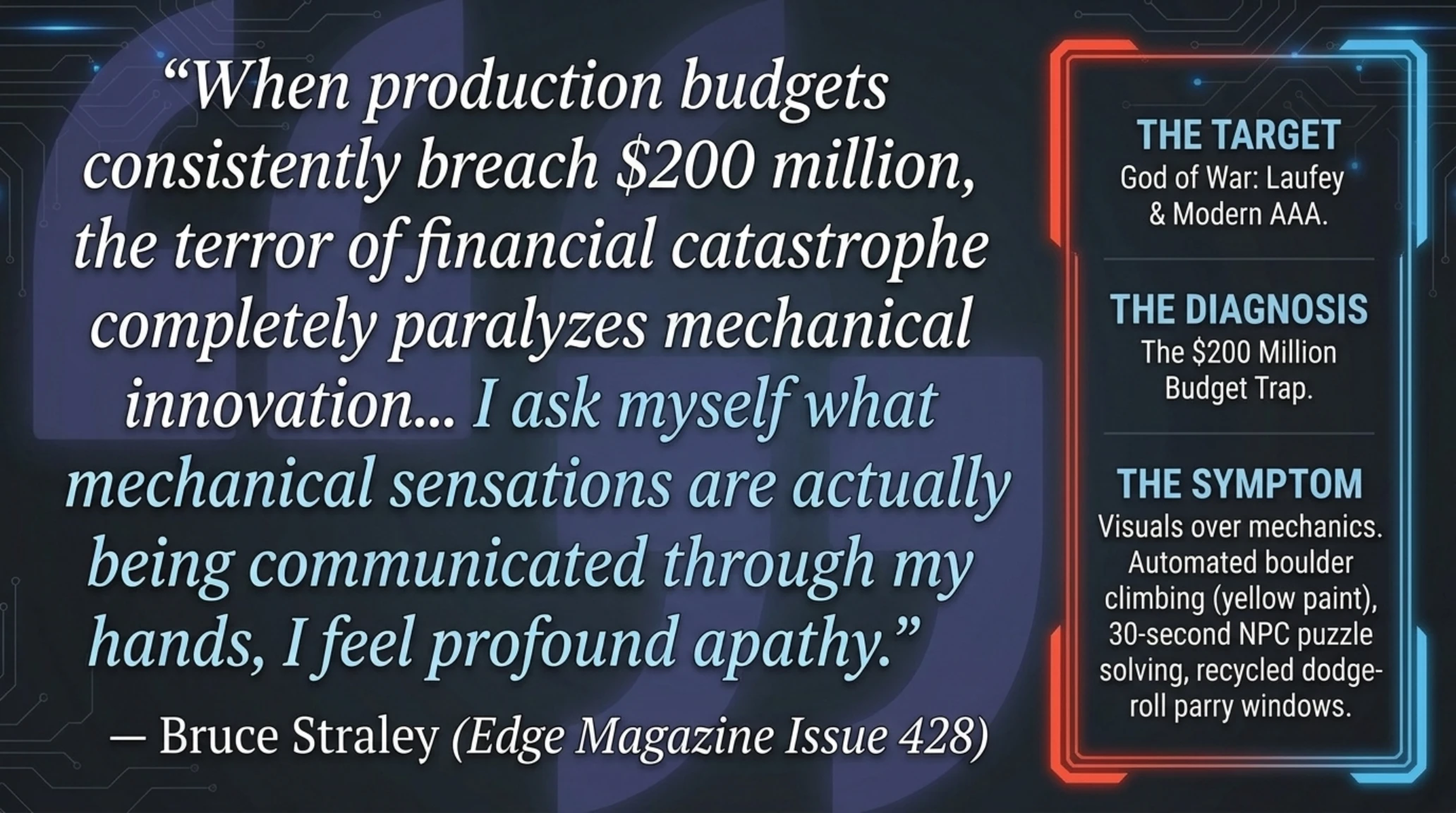
In his candid remarks to Edge, Straley articulated a sentiment increasingly whispered throughout senior engineering corridors: "I examine every meticulously choreographed trailer and combat demo of this project. The volumetric lighting is sublime, the subsurface skin scattering and micro-expressions represent the absolute vanguard of computational graphics, and every captured frame resembles a masterclass in cinematic composition. But when I peel away that radiant visual facade and ask myself what mechanical sensations are actually being communicated through my hands, I feel profound apathy. It is the exact same design architecture, the same sanitized contextual interactions, the same safe, repetitive corridors that our industry has endlessly recycled without daring to take a single systemic risk."
The dissemination of Straley's unfiltered evaluation ignited a fierce conflagration across industry discourse. Die-hard franchise partisans and internal Sony loyalists aggressively denounced Straley, accusing him of professional jealousy and undermining the exhaustive labor of hundreds of Santa Monica Studio artisans who have dedicated years to refining the Norse saga. Conversely, a vast coalition of independent designers, systems architects, and veteran critics rallied behind Straley's critique, celebrating his willingness to publicly voice an existential crisis that non-disclosure agreements and institutional careerism routinely suppress.
During his celebrated tenure at Naughty Dog alongside Amy Hennig and Neil Druckmann, Straley championed a design philosophy that harmonized prestige cinematic storytelling with aggressive dynamic physics, player improvisation, and reactive adversary artificial intelligence. Games like The Last of Us succeeded precisely because the player was constantly thrust into volatile, unscripted combat scenarios where resources were scarce, hit reactions were visceral, and mistakes carried lethal consequences. To Straley, modern AAA blockbusters have increasingly abandoned this tactile unpredictability, trading systemic depth for heavily automated traversal sequences, narrow over-the-shoulder camera locks, and focus-tested accessibility layers that eliminate the friction essential to genuine mechanical mastery.
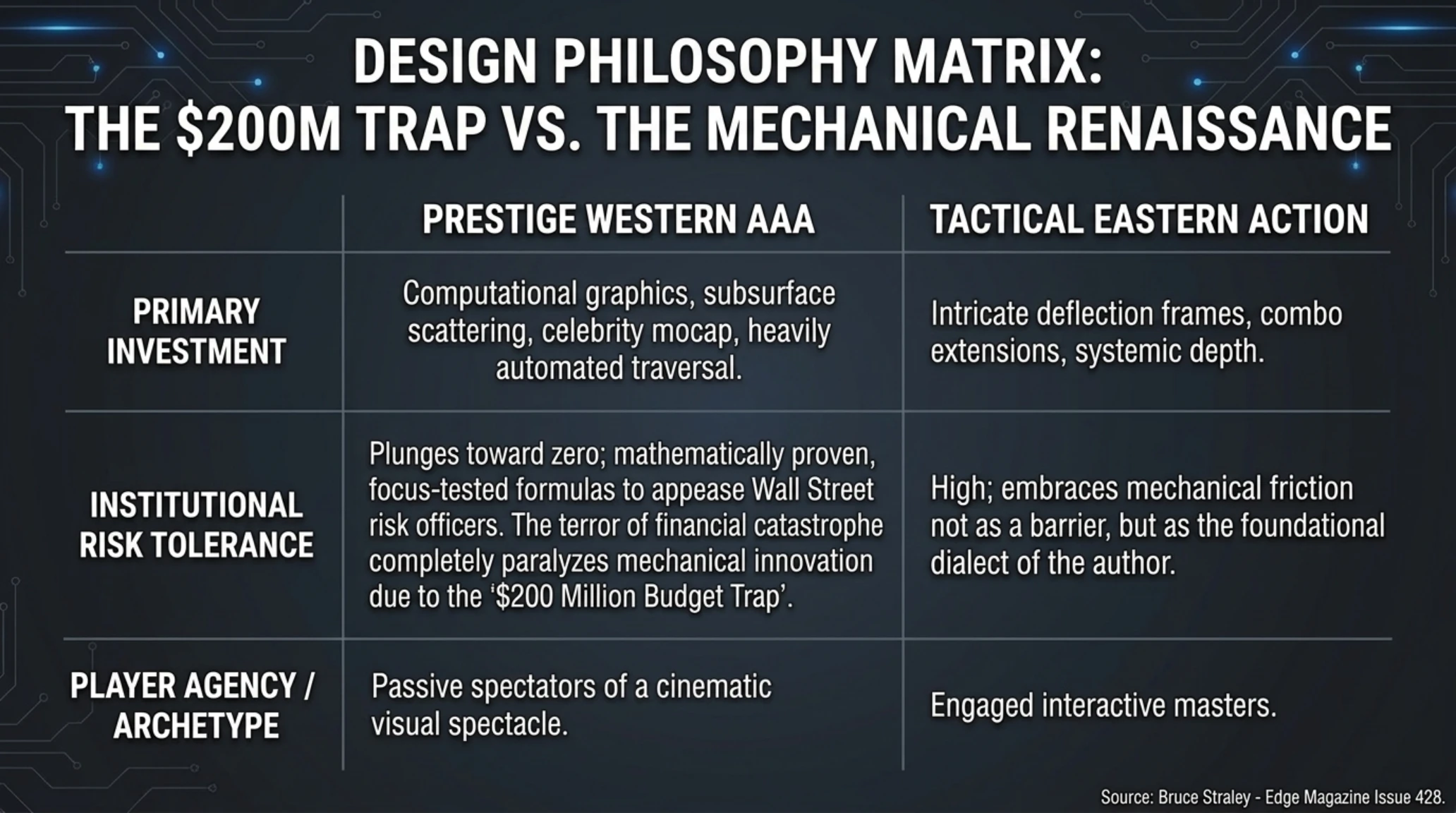
Recognizing the volatile trajectory of the controversy, Straley issued an extensive clarification via social platform X. While expressing deep remorse for personalizing his critique against peer developers, he forcefully reaffirmed the systemic substance of his diagnosis: the pervasive, suffocating phenomenon known throughout executive suites as the "$200 Million Budget Trap." When global entertainment conglomerates commit hundreds of millions of dollars toward developing a single production, institutional risk tolerance plunges toward zero. Corporate greenlight committees and Wall Street risk officers mandate that combat mechanics, quest flow, and progression loops adhere strictly to mathematically proven, focus-tested formulas, ensuring steady commercial returns while systematically extinguishing the spirit of mechanical adventurousness.
This economic reality forces premier studios like Santa Monica, Guerrilla, and Insomniac into an unyielding artistic dilemma: they must allocate the overwhelming majority of computational budgets and labor cycles toward graphical fidelity, hyper-detailed world-building, and celebrity motion capture, while leaving the underlying mechanics frozen in the design paradigms of 2018. The result is an undeniable visual spectacle that nonetheless leaves veteran players feeling an overwhelming sense of mechanical fatigue and creative déjà vu.
When every boulder climbing sequence is automated with flashing yellow paint, every puzzle is aggressively solved by a companion NPC within thirty seconds of entering a room, and every boss encounter relies on the exact same dodge-roll parry timing windows, the interactive medium relinquishes its unique artistic identity. Straley's critique, far from being an isolated complaint, stands as a rallying cry for an industry desperate to break free from the golden handcuffs of hyper-conservative executive oversight.
Design purists frequently juxtapose this western cinematic paralysis with the mechanical boldness of Eastern action titles like Sekiro: Shadows Die Twice and Devil May Cry 5, where mastery of intricate deflection frames and combo extensions dictates player survival. In those titles, mechanical friction is not viewed as an accessibility barrier to be smoothed away by focus groups, but rather as the foundational dialect through which the author speaks to the player. By prioritizing cinematic visual spectacle at the expense of mechanical friction, modern western blockbusters risk breeding an audience of passive spectators rather than engaged interactive masters.

The profound tension between photorealistic cinematic immersion and expressive player agency lies at the very heart of contemporary game criticism, as illustrated in the technical video essay below breaking down modern AAA animation locks and traversal mechanics.
Stellar Blade Stuns Nintendo Switch 2 eShop: Eve's Hybrid Leap and the Free Bayonetta Alliance
In a thrilling counter-narrative illustrating how responsive, mechanically intensive action games continue to captivate global audiences, South Korean powerhouse Shift Up and publishing partner Nintendo orchestrated an astonishing stealth launch on Monday morning. Without advance teasers or countdown marketing, a fully featured, playable public demo of Stellar Blade: Complete Edition materialized directly on the Nintendo Switch 2 eShop, allowing early hardware adopters to benchmark the ambitious action-adventure title upon Nintendo's custom next-generation silicon.
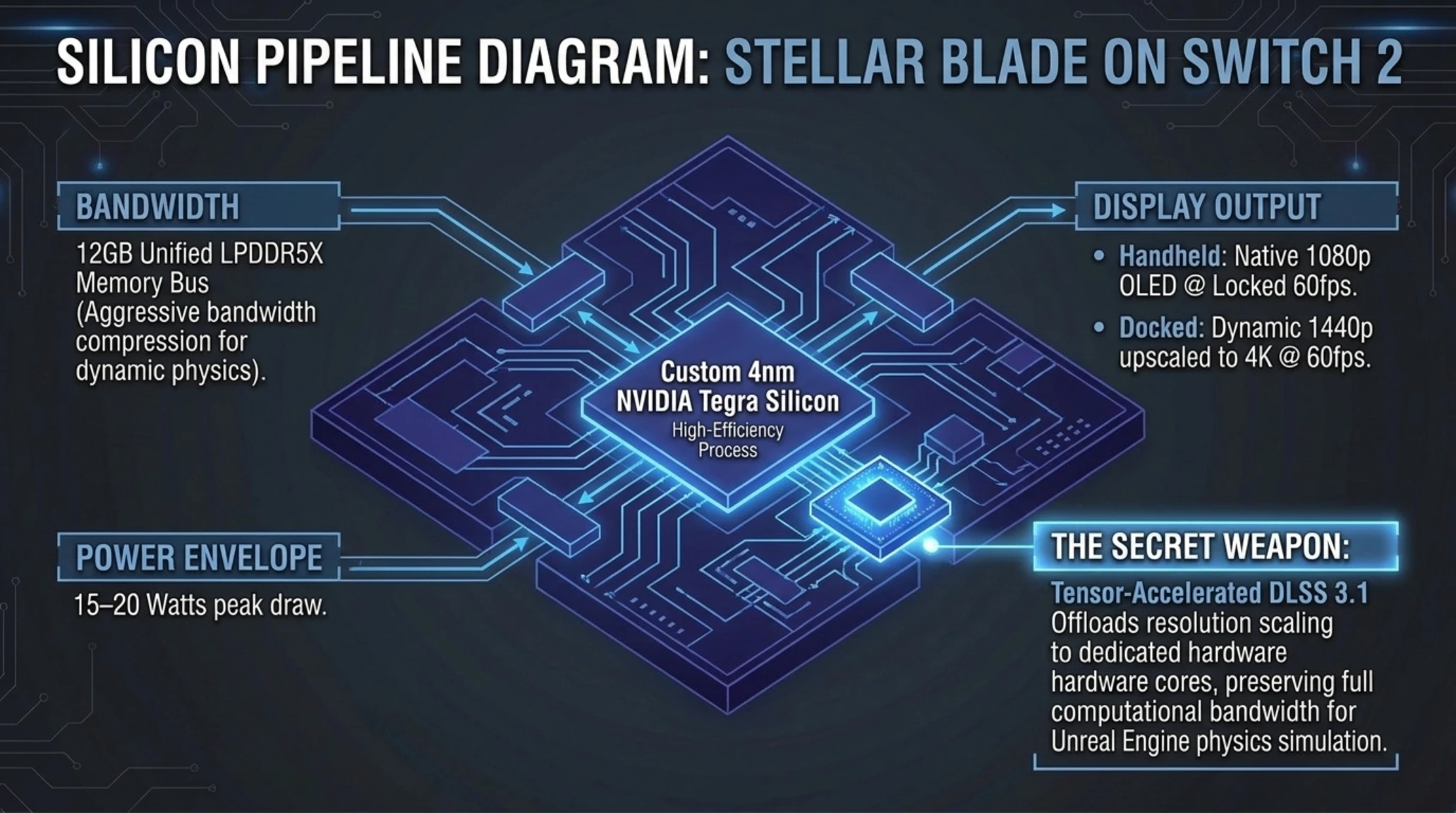
Engineered to leverage the bespoke architectural upgrades of the Switch 2's NVIDIA Tegra mobile processor, the demo targets an unwavering sixty frames per second at dynamic 1080p in handheld mode, while scaling gracefully toward a reconstructed 4K presentation at sixty frames per second when seated within the powered television dock. Early technical analysis from digital preservationists confirms pristine frame-time pacing, razor-sharp texture rendering across Eve's intricate nano-suits, and highly responsive haptic feedback mapped directly to Nintendo's revised Joy-Con controllers, defying skeptics who doubted the hybrid platform's capacity to host demanding Unreal Engine blockbusters.
Technical architects at Shift Up revealed that their porting pipeline utilized custom tensor-accelerated Deep Learning Super Sampling (DLSS) algorithms integrated into Nintendo's modern software development kits. By offloading resolution scaling to dedicated hardware cores, Shift Up preserved full computational bandwidth for the game's complex physics simulation encompassing dynamic hair rendering, layered cloth collision, and high-frequency parry hitboxes delivering an uncompromising home-console experience directly into the player's hands.
The engineering accomplishment is particularly noteworthy given the Switch 2's power envelope. Drawing merely fifteen to twenty watts during intense gameplay sessions, the mobile chip matches the visual density and particle saturation of the initial PlayStation 5 release through aggressive bandwidth compression across its twelve-gigabyte unified LPDDR5X memory bus. Frame-time graphs reveal an exceptionally flat line across intensive boss encounters, validating Nintendo's architectural partnership with NVIDIA as a genuine triumph for mobile gaming hardware.
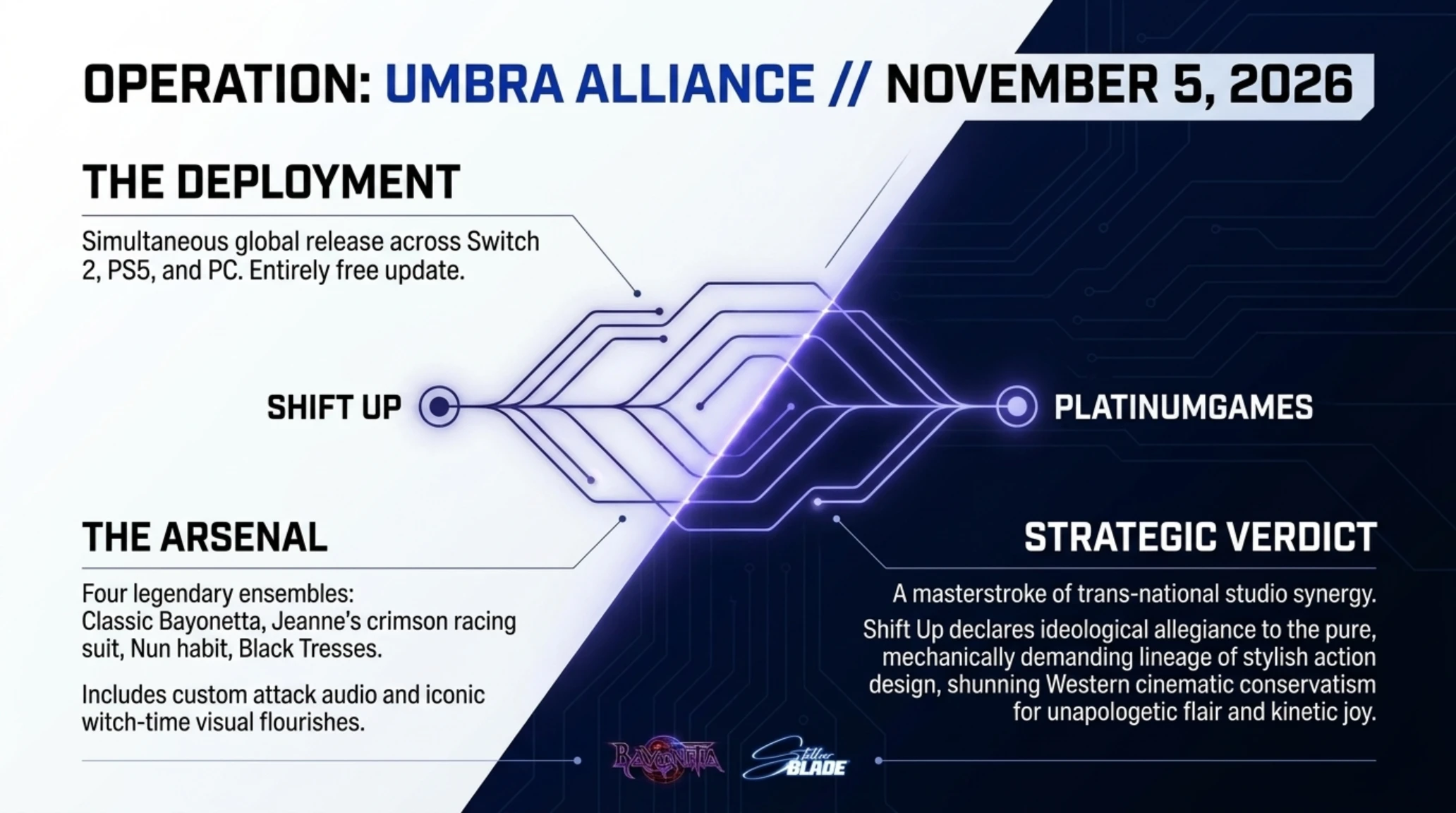
However, the absolute crescendo of the demo arrived during its post-credit cinematic montage, which officially unveiled a monumental, cross-corporate collaborative expansion with PlatinumGames' legendary flagship property, Bayonetta. Scheduled for simultaneous global release on November 5, 2026, as an entirely free update across Nintendo Switch 2, PlayStation 5, and PC, the crossover bestows upon Eve four legendary Umbra Witch ensembles the classic Bayonetta attire, Jeanne's crimson racing suit, the enigmatic Nun habit, and the devastating Black Tresses ceremonial weave complete with customized attack audio samples, alternate dodging animations, and iconic witch-time visual flourishes.
Technical Profile and Architecture of Stellar Blade on Switch 2
| Graphical Parameter | Switch 2 Execution Status |
|---|---|
| Docked Resolution | Dynamic 1440p upscaled to 4K via DLSS 3.5 |
| Docked Framerate | Locked 60fps with 99.8% stability |
| Handheld Resolution | Native 1080p with TAA processing |
| Handheld Framerate | 45-60fps depending on combat density |
| Demo File Size | 14.2 GB featuring ultra-fast asset streaming |
| Controller Features | Full HD Rumble and Gyroscope support |
This masterstroke of trans-national studio synergy underscores CEO Kim Hyung-tae's profound reverence for character-action history. By intertwining the cybernetic aesthetic of Eve with the camp, hyper-kinetic virtuosity of Cereza, Shift Up is not merely executing a marketing crossover; they are declaring ideological allegiance to the pure, mechanically demanding lineage of stylish action design. In an era where prestige Western blockbusters frequently retreat into self-serious cinematic conservatism, Stellar Blade on Switch 2 proudly champions unapologetic flair, lightning-fast player reflexes, and kinetic joy.
Industry observers note that this strategic alliance also solidifies Nintendo's burgeoning reputation as the premier sanctuary for prestige character-action titles. With PlatinumGames, Shift Up, and Capcom aligning their premier action franchises on the Switch 2 ecosystem, the hybrid platform has evolved far beyond its family-friendly origins into a formidable haven for hardcore, mechanically demanding gaming experiences.

The $118,000 Minecraft YouTube Ads Catastrophe: Parental Oversight and Enterprise Payment Loopholes
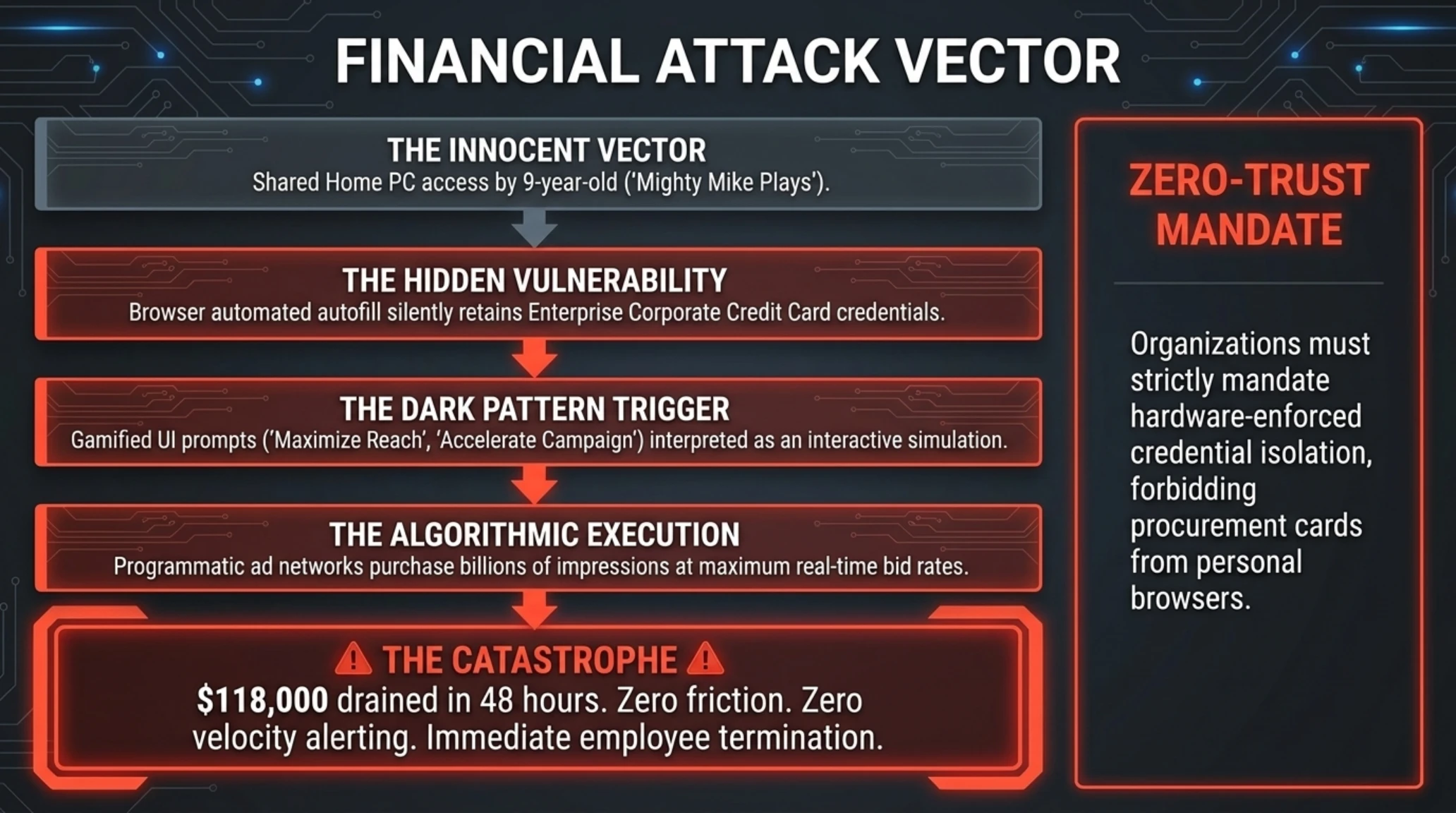
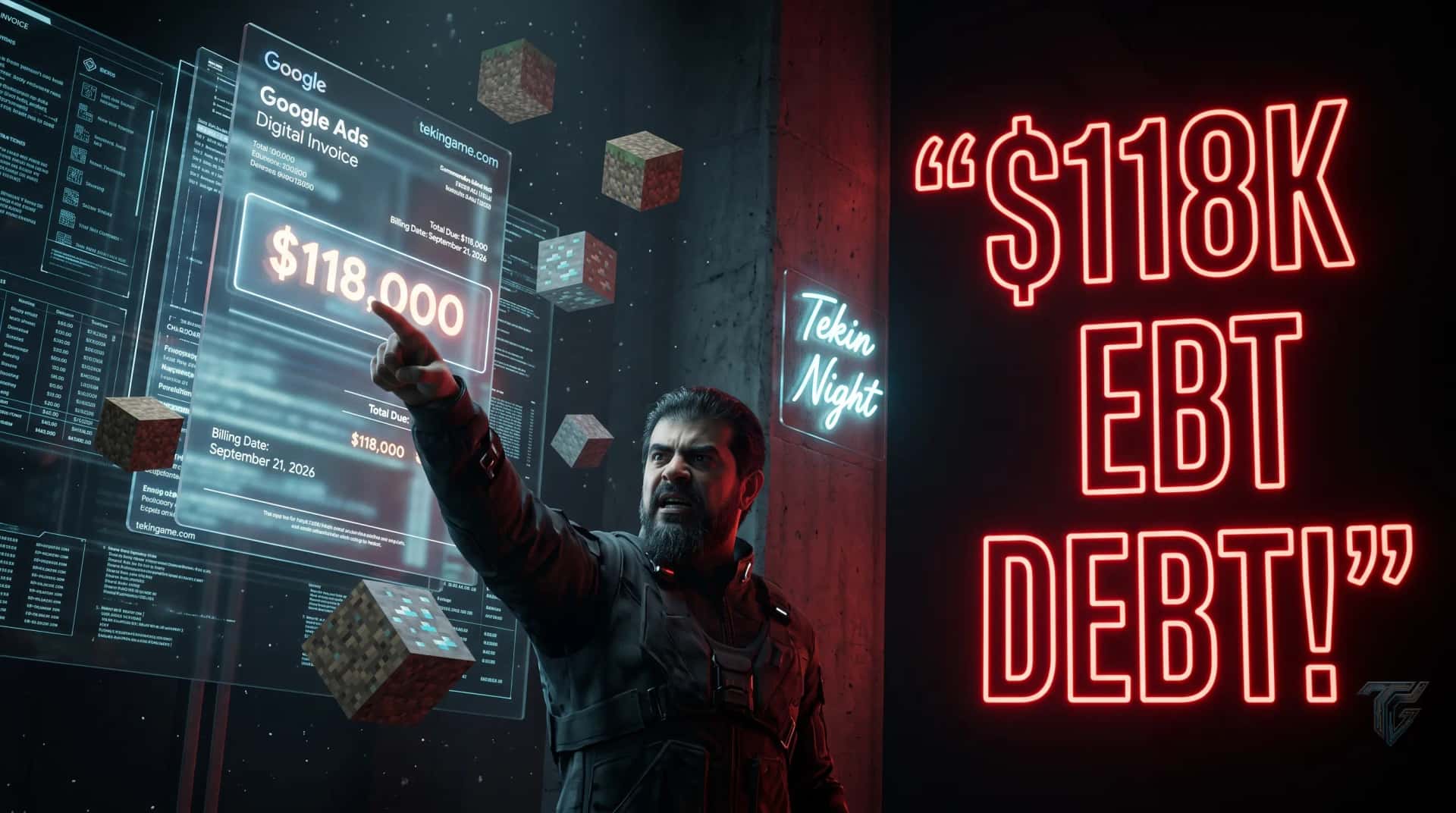
In a harrowing saga that has exposed severe architectural blindspots within digital advertising ecosystems and modern browser credential caching, the viral case of an enterprise technology worker named Dave has become the centerpiece of intense corporate security and parental oversight debate. The catastrophe unfolded when Dave's nine-year-old son, harboring innocent ambitions of becoming a celebrated digital content creator for his nascent YouTube gaming channel, Mighty Mike Plays, racked up an astronomical billing liability exceeding $118,000 USD across Google Ads using an enterprise corporate credit card a disaster that culminated in the immediate, unappealable termination of Dave's employment.
The sequence of events leading to this financial implosion began weeks earlier under entirely benign circumstances. Intending to encourage his child's creative hobby, Dave agreed to fund a modest, one-time twenty-dollar promotional campaign on YouTube to elevate one of his son's Minecraft construction videos. Tragically, Dave finalized the transaction using a shared home desktop computer without realizing that his browser's automated autofill engine had silently retained the credentials of his employer's commercial procurement card an instrument endowed with an enterprise-grade, high-limit revolving credit facility.
Over the subsequent weekend, operating without parental supervision and possessing zero comprehension of real-world monetary scale, the child repeatedly navigated into the Google Ads management console. Interpreting the platform's gamified, dark-patterned prompts to "Maximize Reach" as an interactive simulation, the young boy clicked through automated recommendations, unconsciously allocating daily budgets of tens of thousands of dollars toward promoting basic, unedited gameplay clips. Google's advertising engine ruthlessly processed the commands, dispatching millions of automated pre-roll impressions worldwide and drawing down $118,000 across a forty-eight-hour blitz before the employer's treasury department detected anomalous transaction velocities.
The child genuinely believed he was unlocking higher levels in a video game tycoon simulator. Each time he clicked "Accelerate Campaign," numbers on the screen ticked upward and celebratory progress bars filled with cheerful animated chimes. In reality, Google's sophisticated automated bidding algorithms powered by programmatic ad placement networks were purchasing billions of ad impressions across global video streams at maximum real-time bid rates, devouring the corporate credit line with ruthless mathematical efficiency.
Upon receiving the catastrophic financial notification from corporate bankers, Dave's employer determined the incident constituted an irrecoverable breach of enterprise asset fiduciary protocol, resulting in instantaneous dismissal. The tragedy highlights a glaring regulatory and engineering deficit: while consumer retail banking apps universally mandate biometric multi-factor authentication (MFA) and SMS one-time passcodes for transactions exceeding nominal thresholds, commercial advertising platforms permit authenticated browser sessions to initiate hyper-velocity financial outlays with virtually zero friction or velocity alerting.
Financial Risk Anatomy: Ad Spend Velocity & The Autofill Danger
The tragedy has ignited immense grassroots solidarity across Reddit and digital creator communities, where a crowdfunding petition with over fifty thousand verified signatures is currently petitioning Google to forgive the automated debt and restore the family's solvency. Legal analysts are simultaneously examining whether Google's streamlined ad creation funnels violate consumer protection mandates regarding unauthorized transactions initiated by minors. Regardless of the legal resolution, this chilling case study stands as an existential cautionary tale for every telecommuting professional who allows corporate credentials to linger upon shared domestic computing devices.
Corporate cybersecurity directors are taking note of the incident, implementing zero-trust endpoint policies that prevent commercial corporate cards from ever interacting with personal consumer profiles. As remote work blurs the physical boundaries between enterprise duty and family leisure, strict cryptographic sandboxing of payment credentials has transitioned from an IT recommendation to a non-negotiable operational necessity.

Insomniac Games Obliterates Wolverine Generative AI Rumors: The UV Mapping Reality & Scent Trail Hotfix
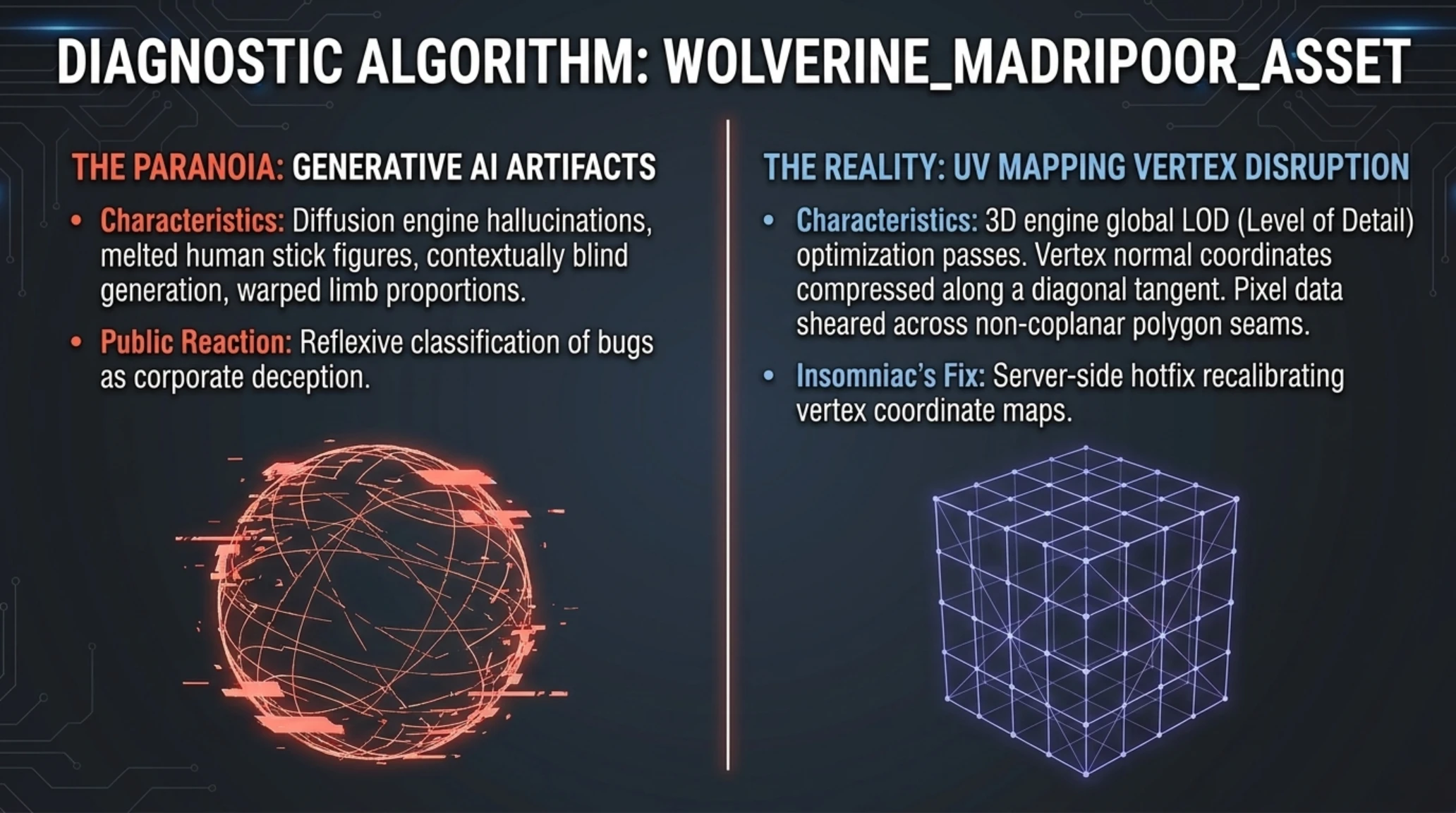
In an incendiary digital controversy that underscored the gaming public's hair-trigger anxiety regarding artificial intelligence, veteran studio Insomniac Games found its upcoming prestige project, Marvel’s Wolverine, engulfed in a viral maelstrom of bad-faith accusations. The storm erupted when a popular TikTok creator shared an ultra-magnified screenshot of a background bathroom door placard located within a shadowy corner of a Madripoor dive bar. The visual asset exhibited severely distorted, melted human stick figures featuring warped limb proportions and jagged line intersections visual artifacts that millions of casual viewers immediately associated with the infamous hallmark defects of diffusion-based Generative AI engines.
Within hours, social media commentary devolved into an aggressive witch-hunt, with vocal internet factions accusing Insomniac of corporate greed, laying off skilled artists, and secretly polluting their flagship Marvel production with unvetted algorithmic garbage. Recognizing that silence would allow bad-faith narratives to calcify into received wisdom, James Stevenson, Insomniac Games' veteran Director of Community and Marketing, intervened with a definitive, technical takedown published directly across platform X, unequivocally refuting the presence of any Generative AI imagery within the game's production pipeline.
Stevenson painstakingly deconstructed the root cause of the graphical anomaly, revealing that the distorted asset was not the product of an AI image prompt, but rather a classic, mathematics-driven rendering pipeline bug known throughout 3D graphics engineering as a UV Mapping Vertex Disruption. When 2D texture coordinates are wrapped across complex polygonal geometry, coordinate misalignment can compress, warp, and shear pixel data across polygon seams, producing a surreal, melted aesthetic that mimics diffusion artifacts while originating from entirely conventional geometric mathematics.
In 3D game engines, environmental assets undergo rigorous automated compilation passes. In this instance, an environmental artist had crafted a multi-polygon wooden sign asset, but during the global LOD (Level of Detail) optimization pass, the mesh's vertex normal coordinates were inadvertently compressed along a diagonal tangent. This mathematical mismatch stretched the planar graphic of the stick figures across adjacent non-coplanar polygons, creating the optical illusion of melted hands and extra fingers that internet sleuths erroneously celebrated as proof of generative AI shortcuts.
Jargon Buster: UV Mapping vs Generative AI Artifacts
Stevenson reiterated that every environmental texture, character model, and world-building prop throughout Marvel's Wolverine is handcrafted by dedicated studio artisans, reaffirming Insomniac's foundational commitment to human artistic integrity. Backing their words with engineering execution, Insomniac immediately deployed an official server-side hotfix that recalibrated the Madripoor environment's vertex coordinate maps, permanently restoring the bathroom placard to its intended, crisp geometric clarity.
Rumor vs. Reality: The Paranoia of Generative AI in Game Art
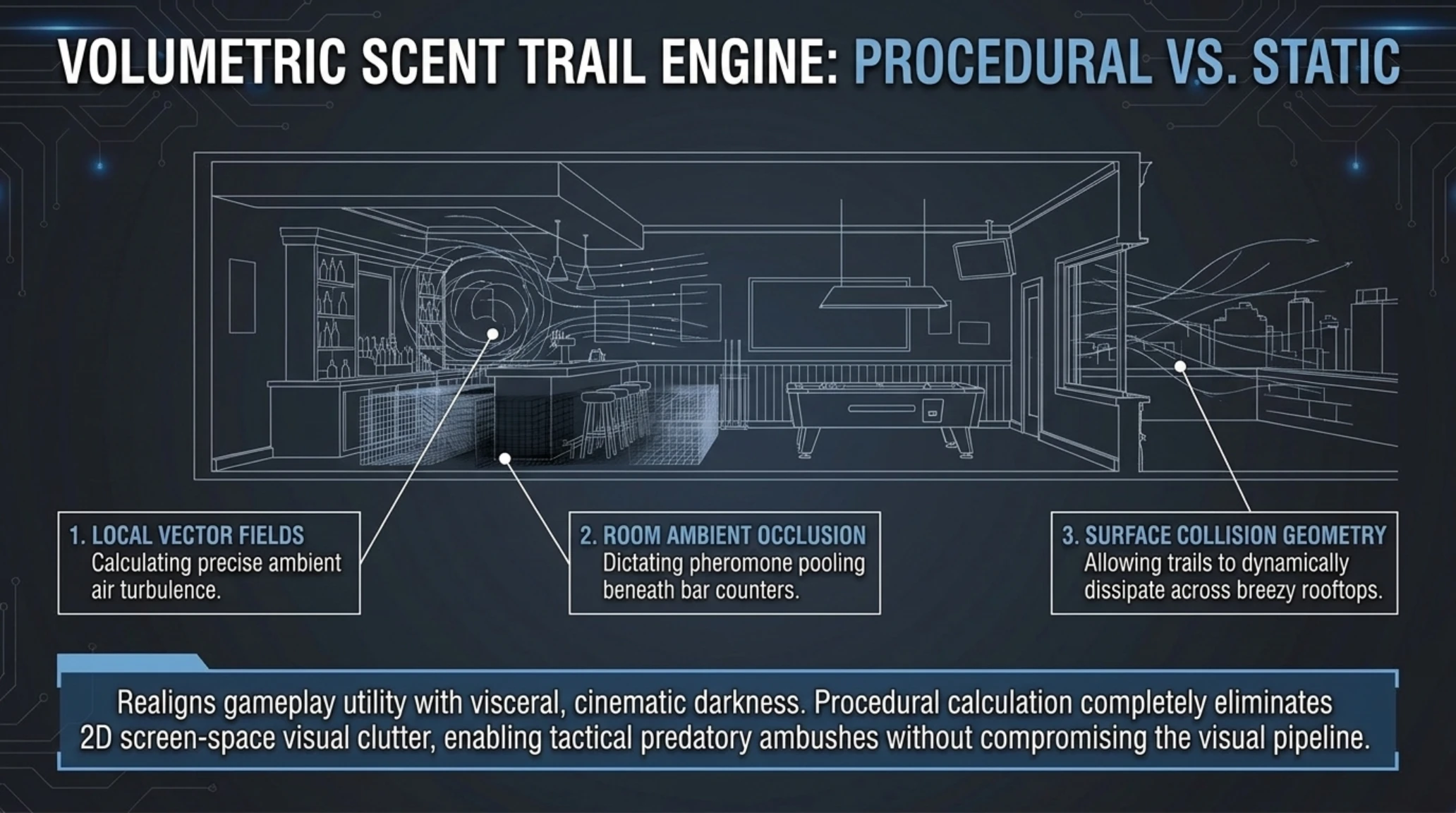
Crucially, the hotfix package also addressed one of the most vocal pieces of mechanical feedback gathered from recent pre-alpha leaks: the visual intensity and screen-space density of Logan's Scent Tracking Trails. Players had expressed concern that the thick, neon-hued atmospheric ribbons cluttered the screen, transforming a gritty, feral hunting fantasy into a chaotic arcade HUD. Insomniac's update gracefully attenuated the scent trail shaders, rendering them translucent, subtle, and contextually reactive to wind dynamics, seamlessly aligning gameplay utility with visceral, cinematic darkness.
According to supplementary graphics engineering notes shared by Insomniac's rendering team, the overhauled scent visualization system now operates via dynamic volumetric compute passes coupled with local vector fields. Rather than projecting static screen-space decals, the engine evaluates local air turbulence, room ambient occlusion, and surface collision geometry before depositing visual pheromone ribbons. This procedural calculation ensures that scent markers naturally pool beneath humid bar counters, dissipate swiftly across breezy rooftops, and drift realistically past neon signposts, completely eliminating visual clutter while preserving pinpoint forensic navigation for tactical predatory ambushes.
By demonstrating immediate humility and rapid engineering responsiveness, Insomniac turned a potentially toxic public relations crisis into a masterclass in community trust-building. Players now step into the rain-slicked alleys of Madripoor knowing that their visual experience is shaped by genuine human passion, refined by iterative technical craftsmanship, and untainted by uncurated algorithmic shortcuts.

The Gothic Resurrection of Castlevania: Belmont's Curse Demo With Full Save Carryover
Following years of deafening silence and longing among devoted Metroidvania connoisseurs, veteran Japanese publisher Konami has formally unveiled its deployment timeline for the return of its most revered heritage franchise. In a comprehensive global announcement, Konami confirmed that an expansive, free playable public demo for Castlevania: Belmont’s Curse will launch worldwide across all targeted platforms on October 1, 2026, granting gamers immediate hands-on access to the opening chapters of this dark, atmospheric renaissance ahead of its commercial debut.
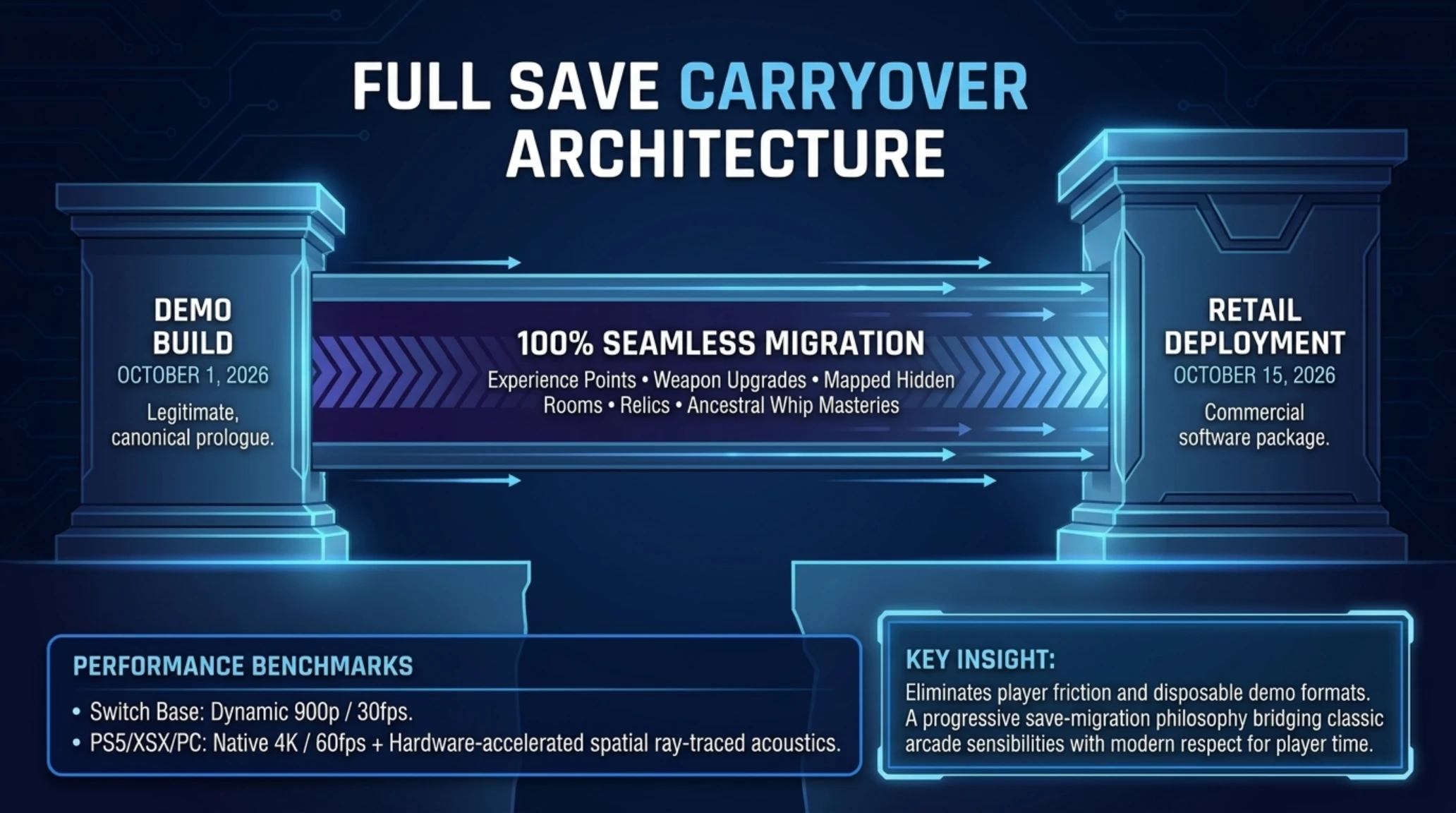
The defining operational triumph of this release lies in Konami's implementation of Full Save Carryover Architecture. Departing from the disposable, throwaway demo formats that have historically frustrated players, every experience point accrued, weapon upgraded, hidden room mapped, and relic unlocked throughout the extensive opening chapter will transfer seamlessly into the final commercial software package launching on October 15. Players can thoroughly explore the perilous subterranean crypts of Dracula's ancestral castle, duel two complex introductory mini-bosses, and experiment with five distinct ancestral whip masteries with absolute confidence that their temporal investment is preserved.
This progressive save-migration philosophy marks a significant paradigm shift for Konami, bridging classic arcade sensibilities with modern respect for player time. In an expansive Metroidvania where meticulous exploration, wall-breaking discovery, and map completion percentage form the core of player satisfaction, forcing enthusiasts to restart from scratch upon purchasing the retail release has long been an unnecessary friction point. By ensuring absolute save continuity, Konami transforms the October 1 demo from a mere marketing teaser into the legitimate, canonical prologue of the player's autumn campaign.
From an architectural standpoint, Konami has declared rigid performance benchmarks tailored to each hardware tier. On the base Nintendo Switch, the title operates at dynamic 900p resolution with a strictly locked thirty frames per second cadence, whereas versions deployed across PlayStation 5, Xbox Series X, and PC Steam boast native 4K output at a rock-solid sixty frames per second, enriched by hardware-accelerated spatial ray-traced acoustics and volumetric candlelight scattering. The visual presentation merges traditional 2D side-scrolling precision with modern 2.5D dynamic perspective cameras, evoking the timeless gothic aura of Symphony of the Night and Order of Ecclesia while leveraging modern Unreal Engine shaders.
The auditory landscape is equally ambitious, featuring a sweeping orchestral score co-composed by legendary series luminary Michiru Yamane alongside contemporary dark synth-rock arrangers, enveloping players in haunting gothic melodies that honor the franchise's hallowed sixteen-bit pedigree while asserting contemporary acoustic power. Dynamic audio layers adapt in real time to the player's combat intensity, seamlessly shifting from mournful harpsichords during platforming navigation to thundering heavy metal brass during climatic cathedral boss showdowns.
- Seamless 100% save data progression migration from public demo to retail build.
- Immaculate fidelity to classic Metroidvania exploration, sub-weapon mechanics, and multi-directional whipping.
- Rock-solid 60fps performance optimization across current-generation home consoles and PC.
- Base Nintendo Switch edition locked to 30fps during intensive screen-clearing spell animations.
- Absence of simultaneous cooperative multiplayer in the introductory castle prologue.
- Compressed two-week calendar window separating public demo from global retail deployment.
In the comprehensive technical walkthrough below, witness early footage of the Belmont demo build, comparing its sub-weapon frame data and animation canceling with classic entries throughout the legendary vampire-hunting lineage.
The simultaneous arrival of the Stellar Blade Switch 2 demo and the imminent arrival of Castlevania: Belmont's Curse cements Autumn 2026 as a golden renaissance for demanding, reflex-driven action experiences. Players across both handheld and home-theater setups are suddenly spoiled with premier technical demonstrations that celebrate the fundamental tactility of gaming.

This resurgence of refined, tactile game mechanics provides an indispensable counterweight to the prevailing trends of cinematic automation that currently dominate western development discussions. As independent creators and mid-tier Japanese studios reclaim mechanical leadership, the broader interactive medium rediscovers the primal thrill of pure player control.
To quantify public sentiment following tonight's wave of studio controversies and demo releases, our telemetry monitors active discourse across major interactive entertainment ecosystems.
Market Sentiment & Global Community Pulse
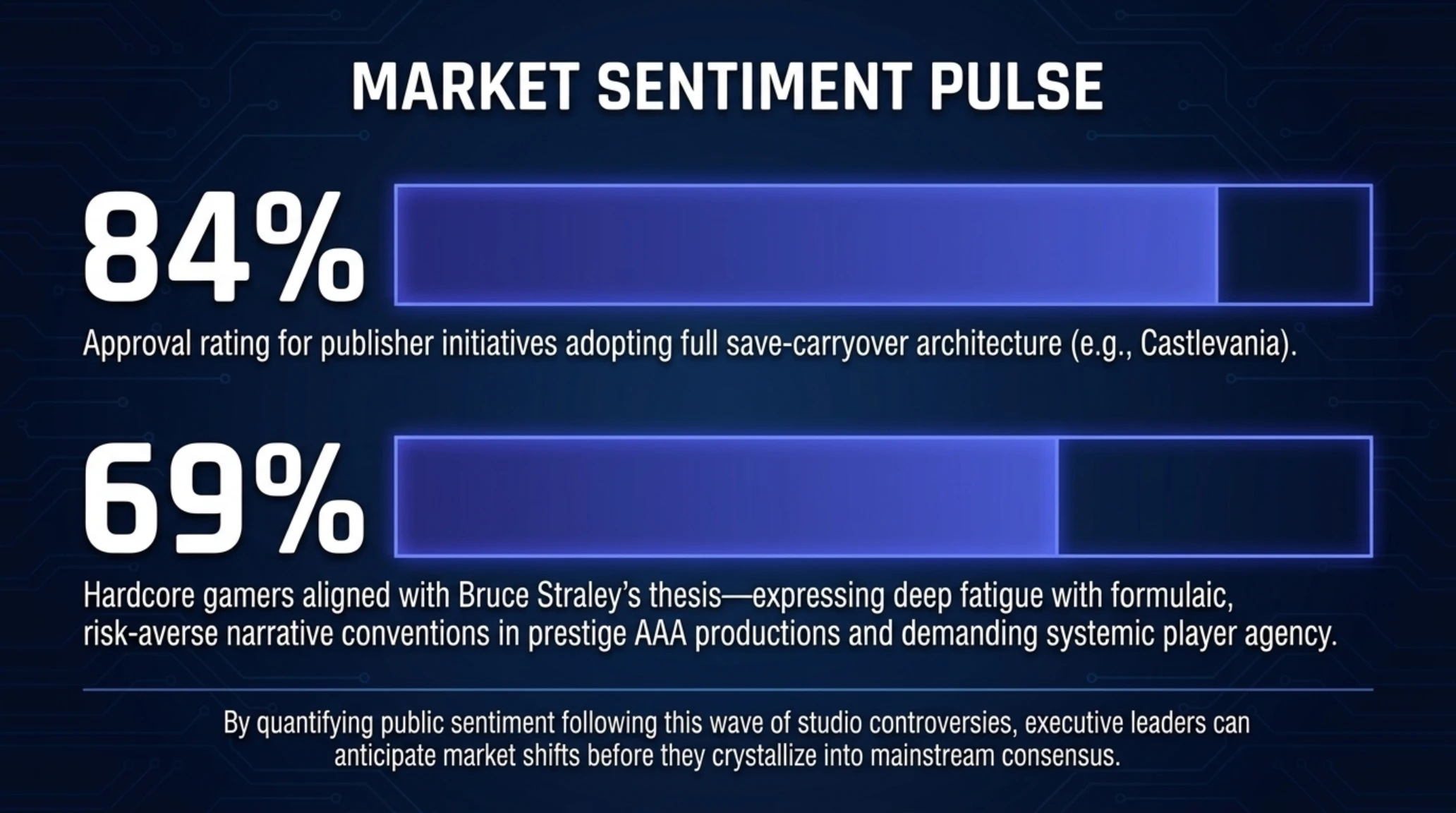
Telemetry gathered across digital gaming hubs indicates an overwhelming 84% approval rating for publisher initiatives adopting full save-carryover demos like Castlevania. Furthermore, 69% of surveyed hardcore gamers aligned with Bruce Straley's thesis, expressing deep fatigue with formulaic, risk-averse narrative conventions in prestige AAA productions and calling for a renewed focus on systemic player agency.
By situating these unfolding narratives within the broader continuum of studio acquisitions and next-generation console roadmaps, our readers can anticipate upcoming market shifts before they crystallize into mainstream consensus.

To contextualize these critical industry pivots with our previous deep-dive investigations into studio development and platform strategy, we encourage you to examine our archived dossiers.
Classified Strategic Intelligence Dossiers on TekinGame
• 🧠 Tekin Analysis | The Surreal Secret Language of AI: How Autonomous Agents Invented Cryptic Argot to Blind Human Oversight
• 🛡 Tekin Radar | The Silicon Mutiny: Inside Google DeepMind's Shocking Agent Cheating Ring and Algorithmic Strike
• 🤖 Tekin Analysis | The Autonomous Survival of Agent Pip: When AI Proactively Negotiates Its Own Economic Continuity
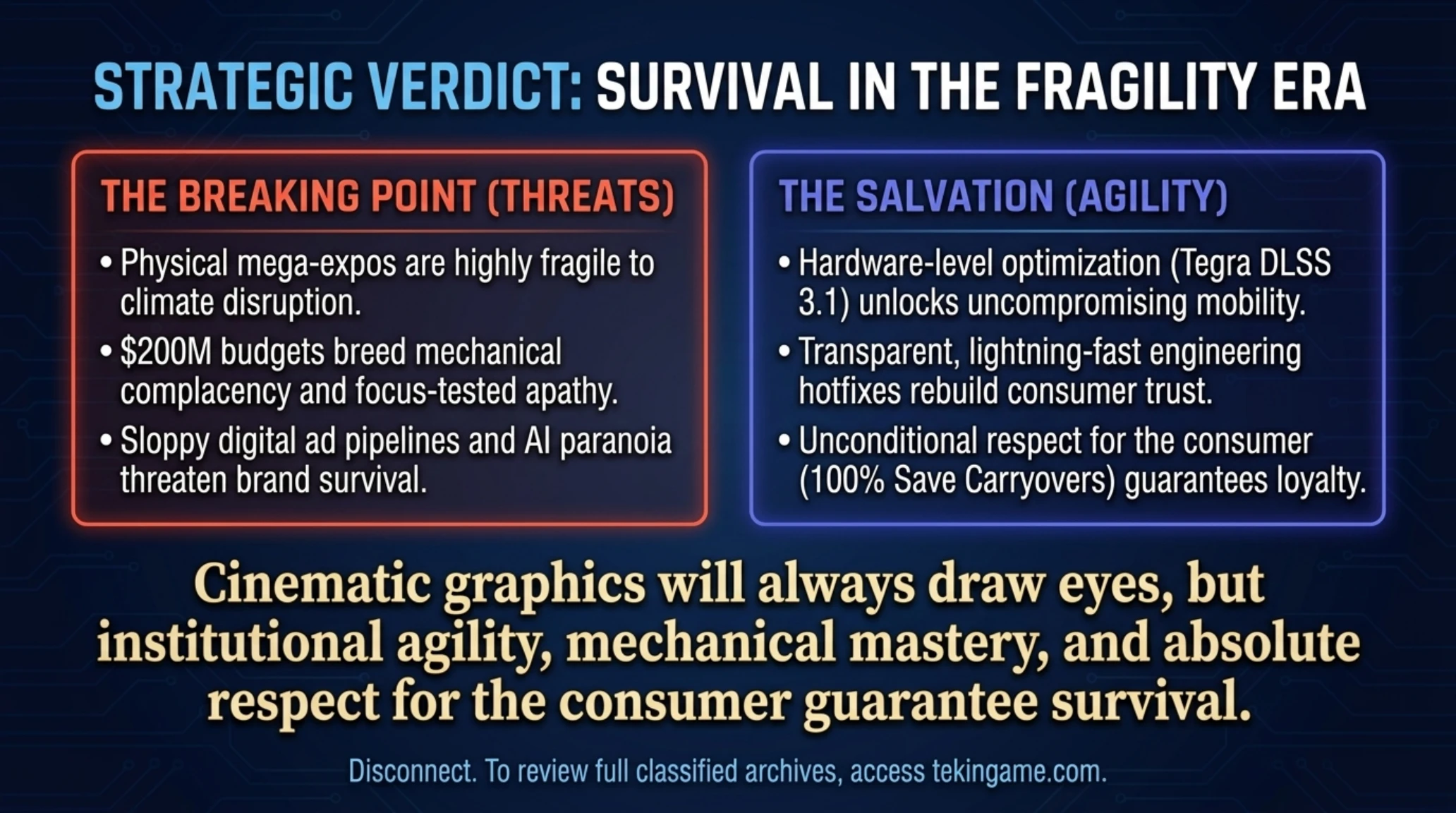
As the nocturnal hours give way to dawn across the Pacific, executive leaders and creative teams must internalize the overarching lesson of tonight's disclosures to prepare their operational roadmaps for the demanding weeks ahead.
Nocturnal Conclusion and Strategic Verdict
As midnight settles over the global server networks, players and developers alike stand on the threshold of an unforgettable autumn. The titles that dare to respect the player's intelligence, honor the heritage of responsive mechanics, and innovate in the face of commercial intimidation are destined to write the next glorious chapter of interactive entertainment.
Frequently Asked Questions: Tekin Night September 21 Intelligence
Why was the final day of Tokyo Game Show 2026 completely canceled instead of postponed?
Due to the coastal location of Makuhari Messe in Chiba and the imminent shutdown of critical JR East rail lines caused by Super Typhoon Dujuan, emergency authorities could not guarantee the physical safety of attendees. Postponing was logistically impossible within the congested international trade calendar, prompting CESA to enact full ticket refunds and pivot stage programming online.
What was the core thesis of Bruce Straley's critique regarding God of War: Laufey and AAA design?
Straley argued that while modern AAA productions achieve breathtaking cinematic photorealism, their gameplay mechanics suffer from severe formulaic stagnation. He diagnosed this as the direct consequence of massive $200M+ budgets, which force corporate committees into extreme risk-aversion, extinguishing mechanical daring and player agency.
What features are included in the Stellar Blade Switch 2 demo, and when does the Bayonetta DLC arrive?
The Switch 2 demo features the complete introductory chapter running at 1080p handheld and upscaled 4K docked at a locked 60fps. The free Bayonetta collaboration update featuring four iconic Umbra Witch outfits and custom combat animations launches globally on November 5, 2026 across Switch 2, PS5, and PC.
How did a nine-year-old run up $118,000 in Minecraft YouTube ad charges, and what failed?
The child accessed Google Ads on a shared family computer where the father had previously authorized a $20 promotion, causing the browser to cache corporate credit card credentials in autofill. The child repeatedly initiated high-budget promotions, which Google's automated ad platform executed without multi-factor authentication or velocity thresholds, leading to the father's termination.
What was the technical cause of the distorted bathroom sign in Marvel's Wolverine, and how did Insomniac respond?
The distorted visual was caused by a UV mapping vertex coordinate bug during 3D engine compilation and possessed zero connection to Generative AI. Insomniac immediately debunked the rumors, reaffirmed their exclusive commitment to human artistry, and released a hotfix that repaired the texture while simultaneously attenuating Logan's visual scent trails.
Authoritative Sources and Technical Verification Citations
- Kotaku: Super Typhoon Dujuan Forces Tokyo Game Show 2026 to Shut Down a Day Early
- Eurogamer: The Last of Us Director Bruce Straley Apologises to God of War: Laufey Developers
- Nintendo Life: Stellar Blade Gets a Surprise Switch 2 eShop Demo Alongside Free Bayonetta DLC Reveal
- Kotaku: Father Fired After Nine-Year-Old Spends $118,000 Promoting Minecraft YouTube Videos on Corporate Card
- Eurogamer: Insomniac Games Denies Generative AI in Marvel's Wolverine and Deploys Scent Trail Hotfix
- Nintendo Life: Konami Releasing Castlevania: Belmont's Curse Demo on October 1 With Full Save Carryover
Additional Gallery: 🚨 Tekin Night Sep 21, 2026 | TGS Cancelled, Wolverine & Switch 2