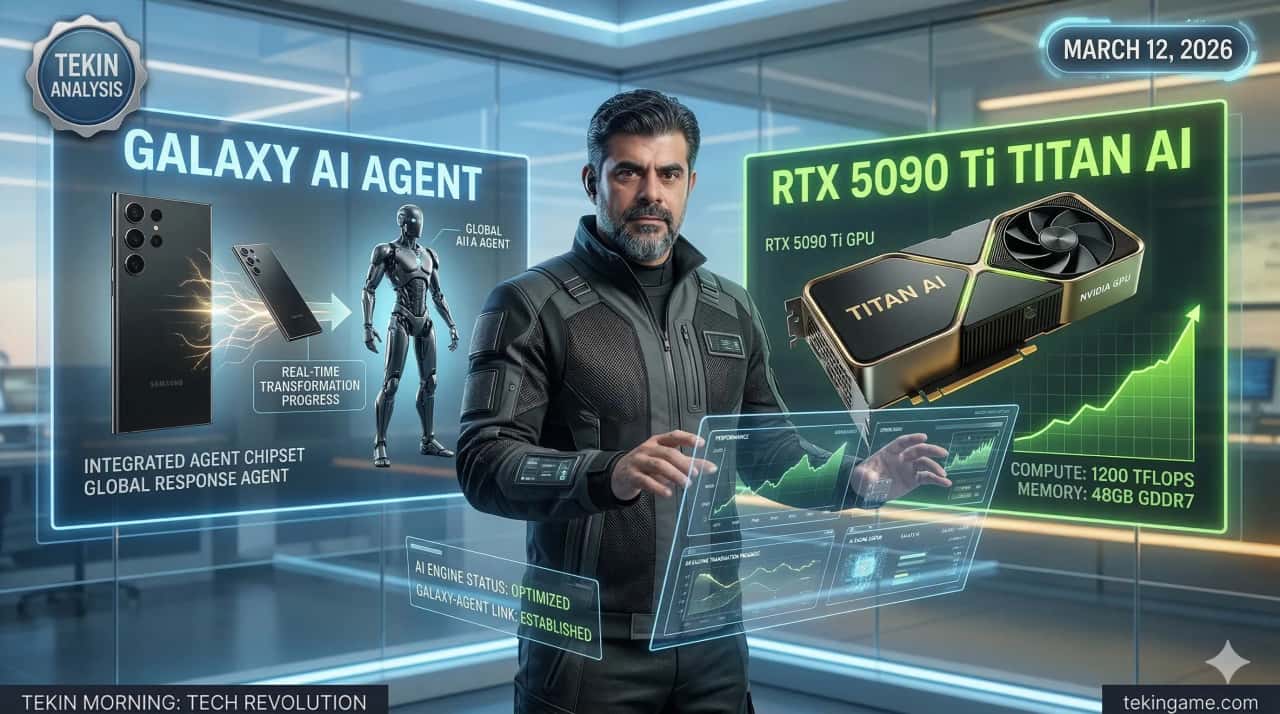
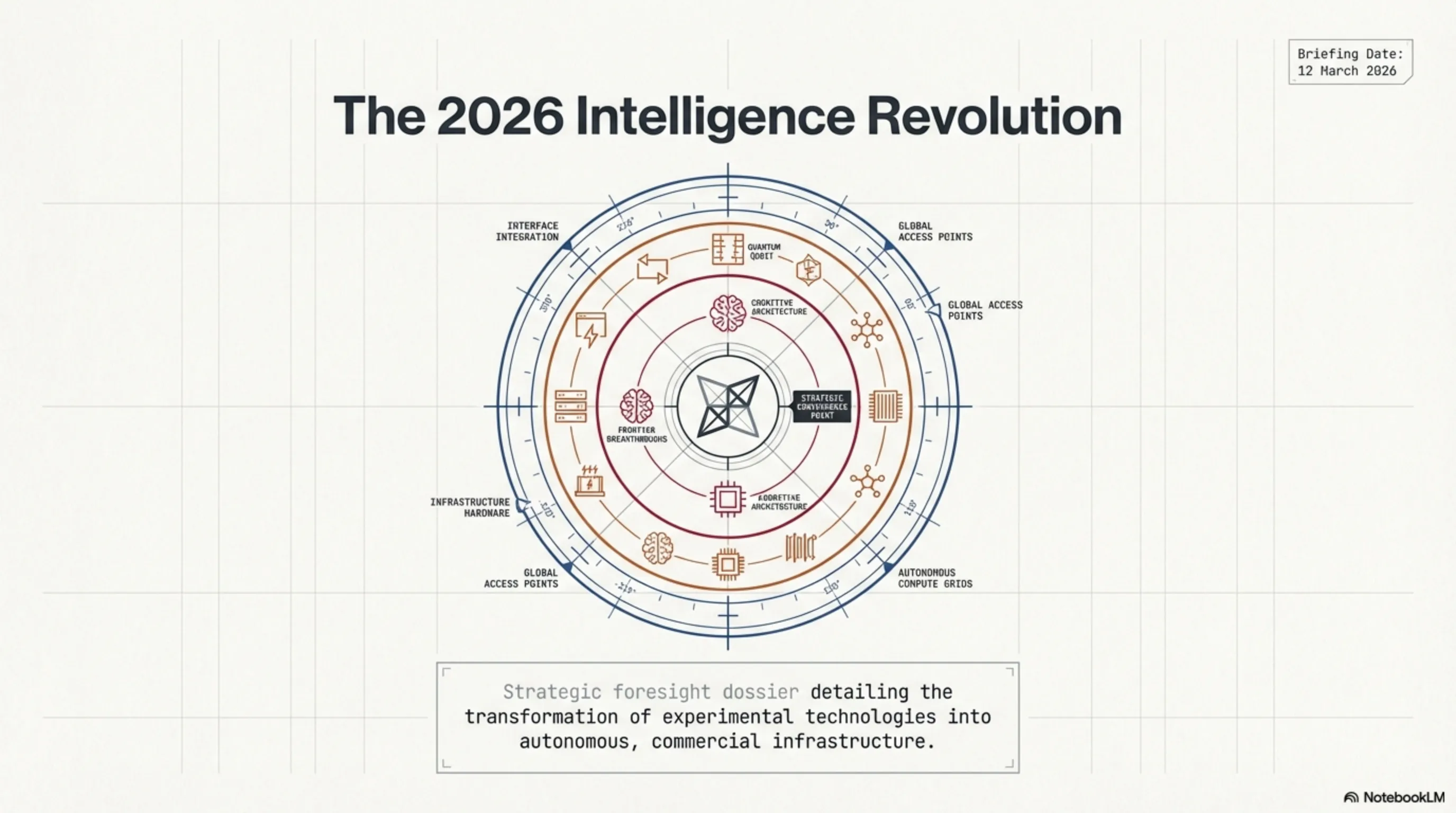
Technology Breakfast, March 12, 2026; a deep dive into 6 critical events pushing the boundaries of tech. This "Tekin Morning" covers Samsung transforming Galaxy AI into a proactive agent, NVIDIA's strategic shift with the RTX 5090 Ti "Titan AI" for workstations, Elon Musk's bold AGI claims for Tesla Optimus Gen 3, Meta Quest 4's pivot to the enterprise VR market, the quantum computing race among Microsoft, Google, and IBM, and the revolutionary NeuroScan AI system diagnosing brain MRIs in seconds.
Good morning Tekin Legion! From Galaxy AI becoming an agent to RTX 5090 Ti "Titan AI", from Tesla Optimus Gen 3 to Meta Quest 4, from quantum race to AI reading brains in seconds — your March 12, 2026 technology breakfast is ready.
Samsung Galaxy AI: When features become agents
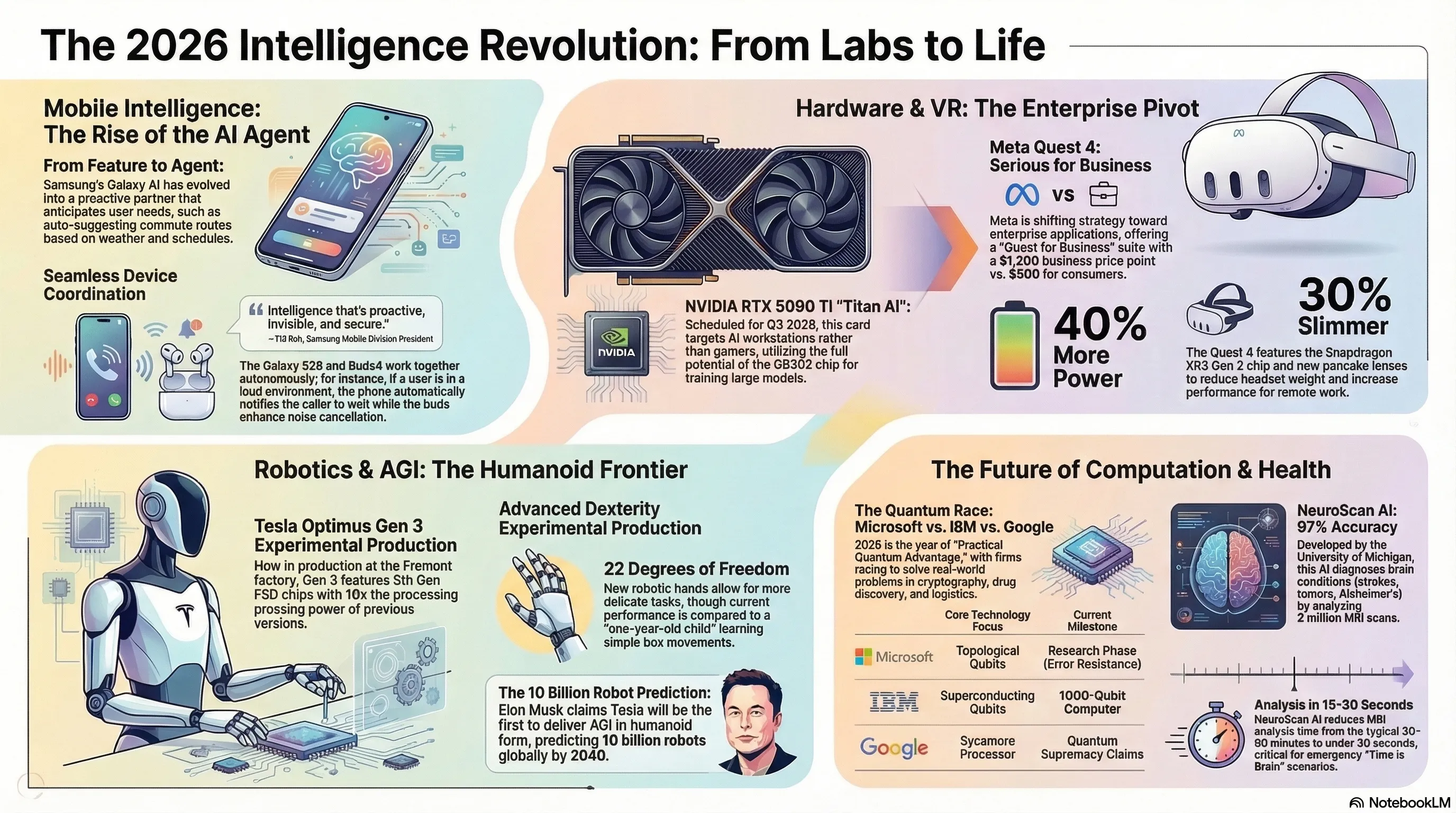
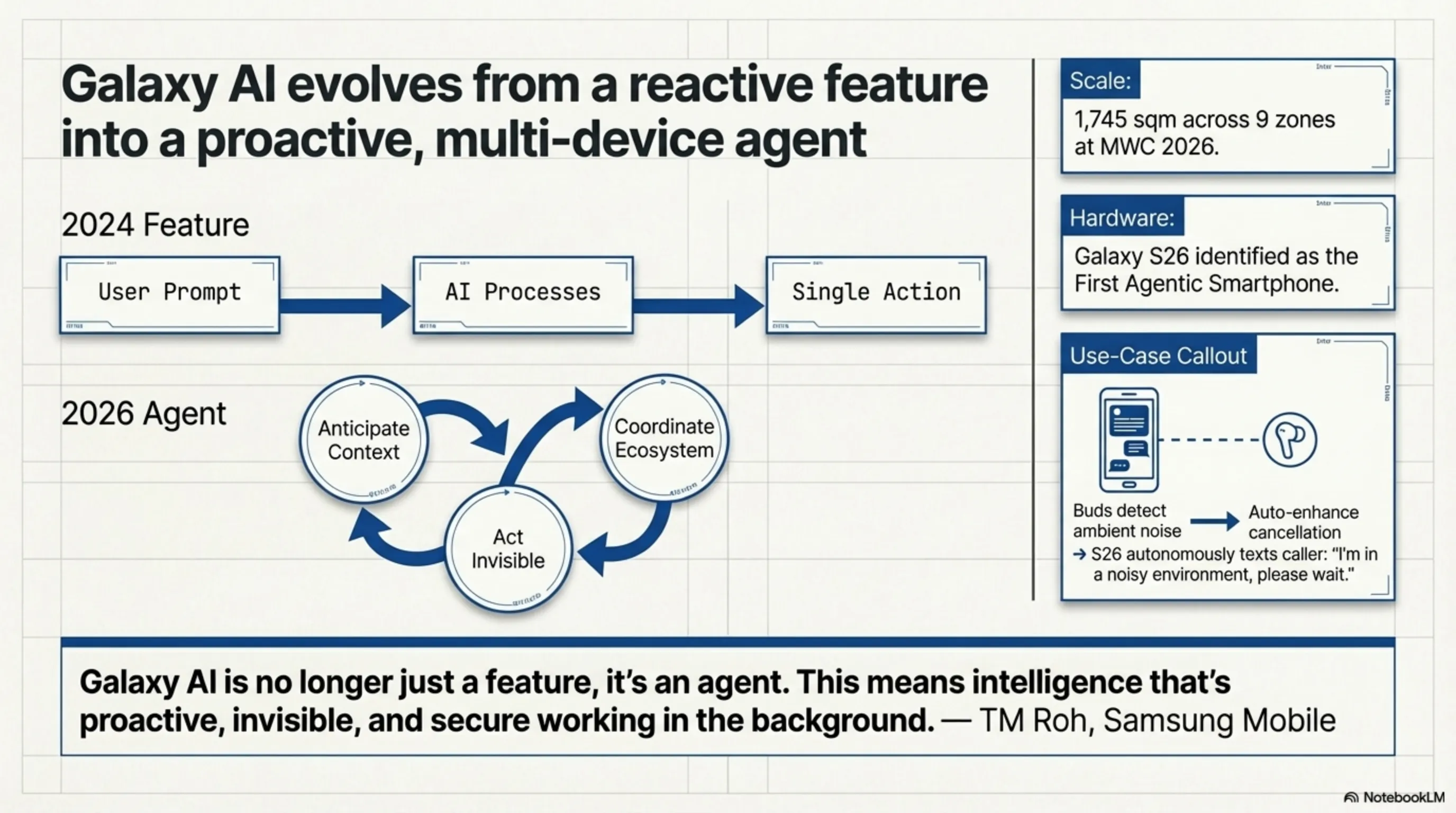
Samsung unveiled one of its most significant transformations at MWC 2026: converting Galaxy AI from a feature set into a real agent. This is no longer just a smart assistant that executes your commands; it's a proactive partner that anticipates your needs and acts autonomously. The Galaxy S26 demonstrates that the future of mobile lies in real intelligence, not just fast processing.
Samsung's exhibition at Fira Gran Via Barcelona covered 1,745 square meters across 9 zones, with Galaxy AI at the center of everything. But this time was different — instead of showcasing separate features, Samsung demonstrated a cohesive experience where Galaxy AI moves between different devices and manages complex tasks. For instance, when you wake up in the morning, Galaxy AI automatically reviews your daily schedule, checks the weather, and even suggests the best route to work before you ask.
"Galaxy AI is no longer just a feature, it's an agent. This means intelligence that's proactive, invisible, and secure working in the background." — TM Roh, Samsung Mobile Division President
One of the most interesting demonstrations was the interaction between Galaxy S26 and Galaxy Buds4. When you're on a phone call and ambient noise increases, Galaxy Buds4 automatically enhances noise cancellation. More interestingly, Galaxy S26 realizes you're in a noisy environment and sends a message to the other party saying "I'm in a noisy environment, please wait." This kind of coordination between devices didn't exist before.
📊 Summary: Galaxy AI Agent
🤖 Evolution: From feature to real agent
🔄 Cohesive: Coordinated work between devices
🔮 Proactive: Anticipating user needs
🏢 MWC 2026: 9-zone exhibition
📱 Galaxy S26: First agentic smartphone
NVIDIA RTX 5090 Ti "Titan AI": When gaming isn't enough
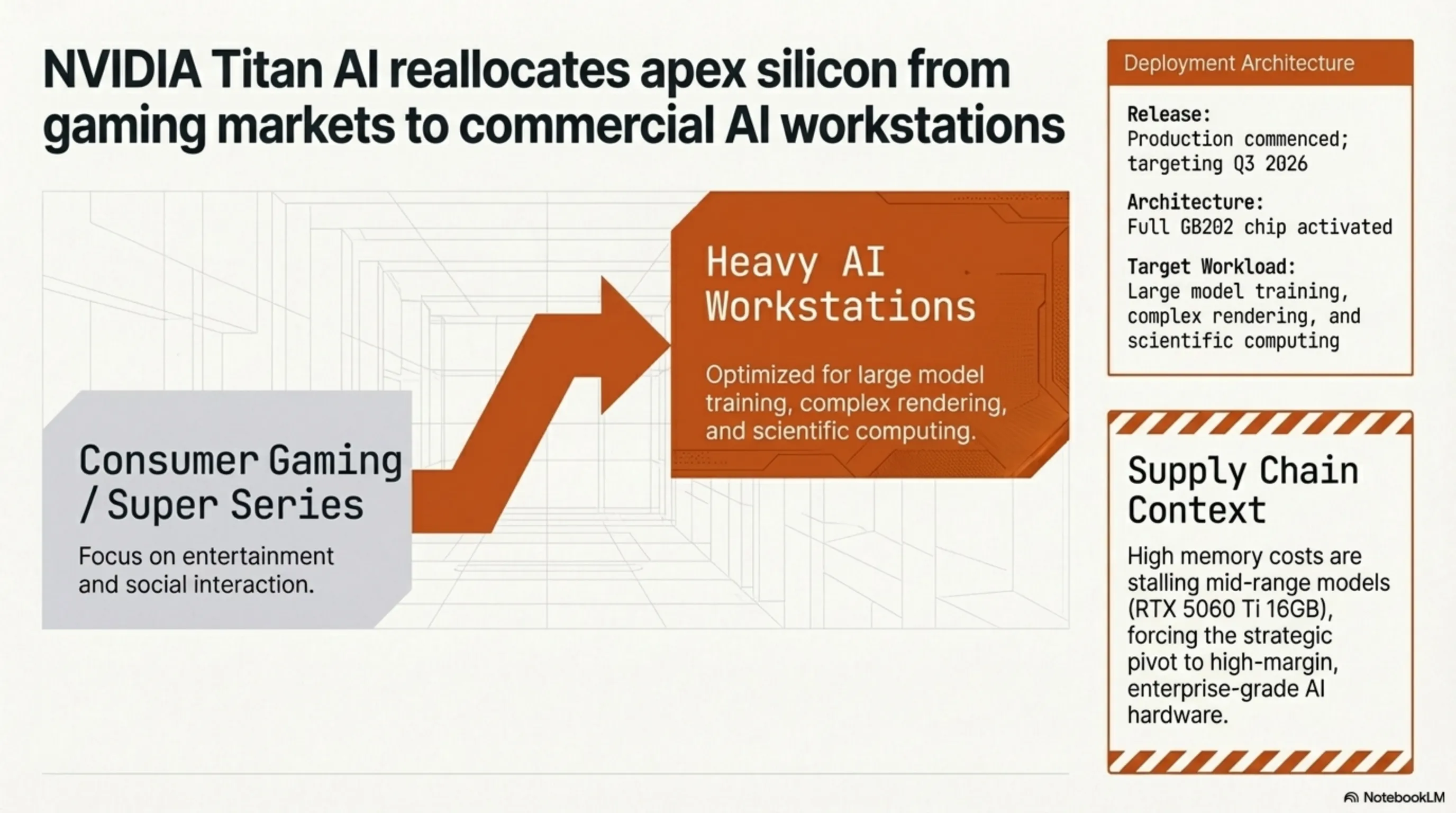
NVIDIA is developing an ultra-advanced graphics card that may be called RTX 5090 Ti or even "Titan AI". This card is scheduled for Q3 2026 (September) and its main target is AI workstations, not gamers. This shows that NVIDIA is shifting its market from gaming toward artificial intelligence — where the real money is.
French sources at Overclocking.com have reported that production of this card has already begun, targeting America's "Back to School" period, typically early September. This card will be separate from the SUPER series that has been delayed. The reason for this delay is the high cost of memory, which has made producing mid-range models like RTX 5060 Ti 16GB problematic.
The current RTX 5090 doesn't use the full potential of the GB202 chip, leaving room for a more powerful version. RTX 5090 Ti will likely activate all available cores in GB202 and have more memory. This card is designed for heavy AI work like training large models, complex rendering, and scientific computing.
📊 Summary: RTX 5090 Ti "Titan AI"
🎯 Target: AI workstations not gamers
📅 Release: Q3 2026 (September)
⚡ Chip: Full GB202 activated
🏭 Production: Already started
💰 Market: Focus on AI not gaming
Tesla Optimus Gen 3: When Elon Musk claims AGI
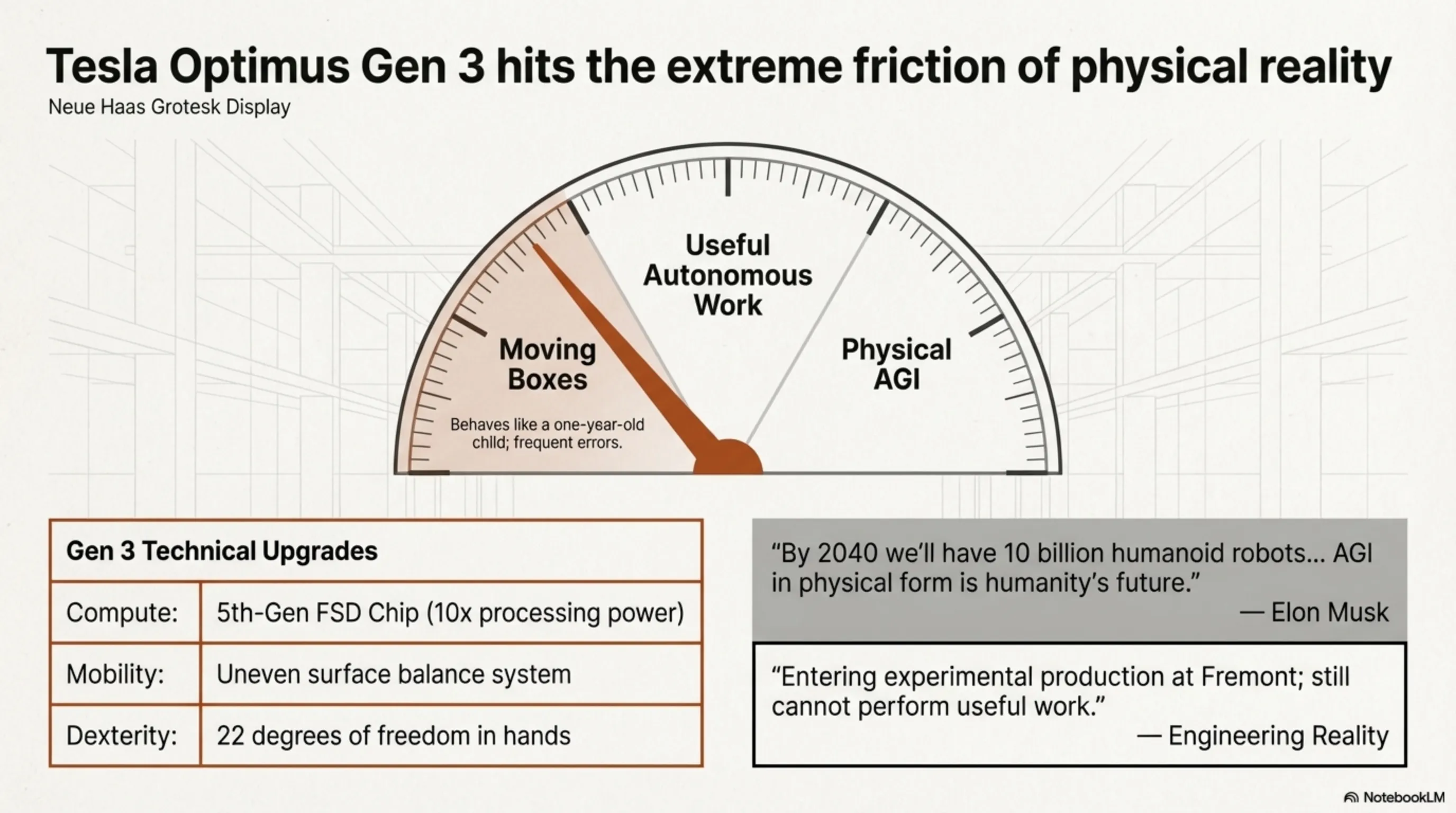
Elon Musk today made a controversial claim in a tweet that Tesla will be the first company to deliver AGI (Artificial General Intelligence) in humanoid robot form. This claim comes as Tesla Optimus Gen 3 has just entered experimental production at the Fremont factory. But is this claim realistic or just another of Musk's typical exaggerations? Technical analysis shows Tesla still has a long way to go to AGI.
What's different about Optimus Gen 3 from previous generations? This new version uses 5th generation FSD (Full Self-Driving) chips that have 10x the processing power of Gen 2. The balance system has also improved and can now walk on uneven surfaces. The new hands have 22 degrees of freedom, meaning they can perform more delicate tasks. But it still has many limitations.
"By 2040 we'll have 10 billion humanoid robots. Tesla Optimus will lead this revolution. AGI in physical form is humanity's future." — Elon Musk
The reality is that Optimus Gen 3 still can't perform "useful work". In Tesla factories, these robots are only learning simple tasks like moving boxes. Even this simple task is often performed with errors. Tesla engineers say the robots behave "like one-year-old children" — they can move but don't yet know how to do useful work.
📊 Summary: Tesla Optimus Gen 3
🤖 Gen 3: 5th gen FSD chip + better balance
🏭 Production: Experimental at Fremont factory
⚠️ Limitation: Still can't do useful work
🎯 Musk's claim: First AGI humanoid
📊 Prediction: 10 billion robots by 2040
Meta Quest 4: When VR gets serious about business
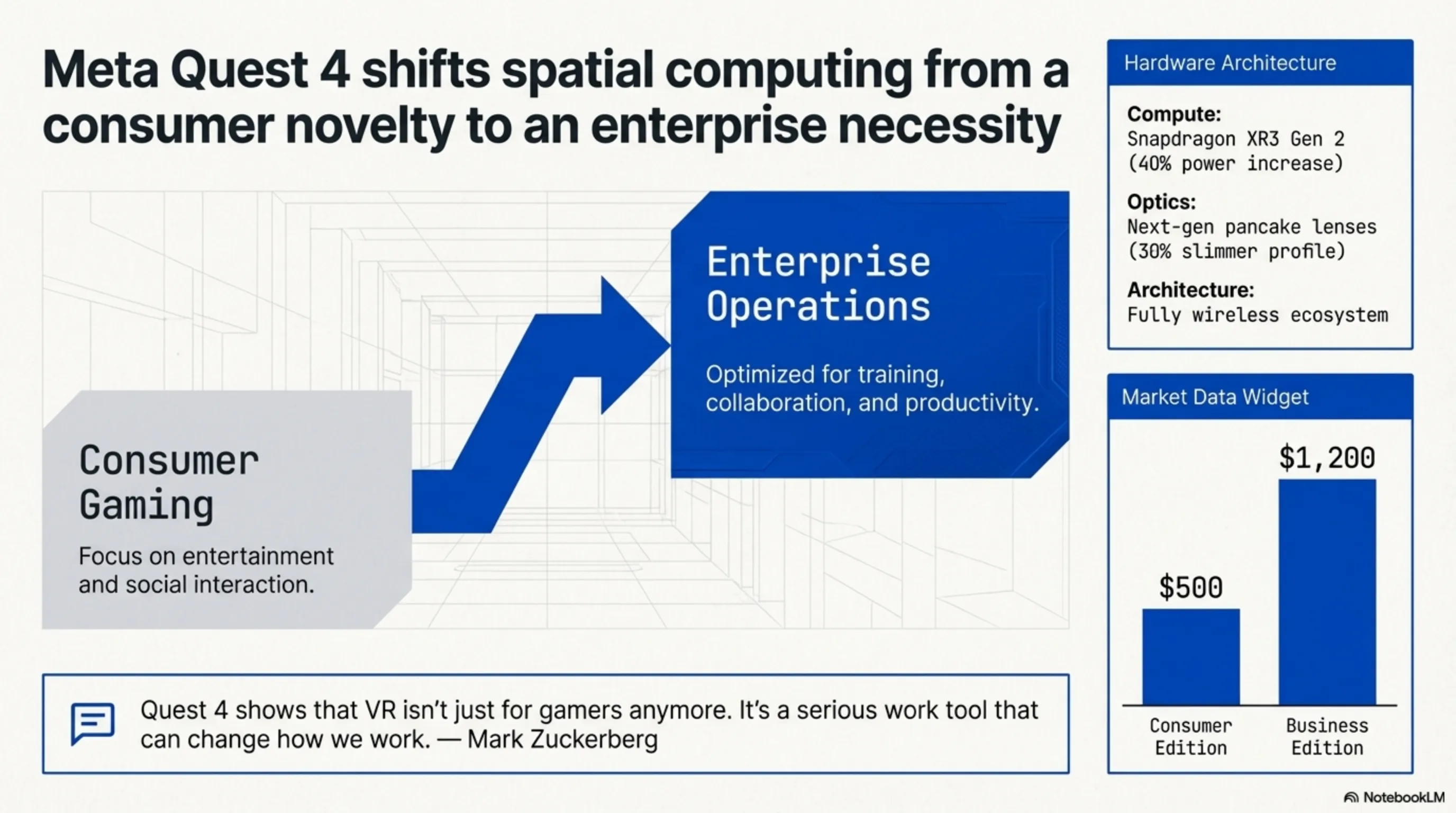
Meta today released more details about Quest 4, set to launch in Q4 2026. This new generation comes with more powerful chips, slimmer lenses, and increased focus on commercial applications. Quest 4 shows that Meta is shifting its strategy from gaming toward enterprise — where the real VR money is. This is a smart move because the consumer VR market hasn't grown large enough to make Meta profitable yet.
What are the technical changes in Quest 4? First, it uses the Snapdragon XR3 Gen 2 chip, which is 40% more powerful than Quest 3's chip. This means better graphics, higher frame rates, and ability to run more complex applications. Second, new pancake lenses that are 30% slimmer and reduce headset weight. Third, elimination of extra cables — everything is now wireless.
"Quest 4 shows that VR isn't just for gamers anymore. It's a serious work tool that can change how we work." — Mark Zuckerberg, CEO Meta
But the most important change is the focus on business applications. Meta has introduced a "Quest for Business" suite that includes collaboration, training, and remote work tools. Companies can hold VR meetings, train employees in virtual environments, and even test products in VR before production. These applications have real value and companies are willing to pay for them.
📊 Summary: Meta Quest 4
⚡ Chip: Snapdragon XR3 Gen 2 (40% more powerful)
👓 Lens: New pancake (30% slimmer)
📡 Connection: Fully wireless
🏢 Target: Focus on enterprise
💰 Price: Consumer $500, Business $1200
Quantum Computing 2026: Microsoft, IBM, Google race
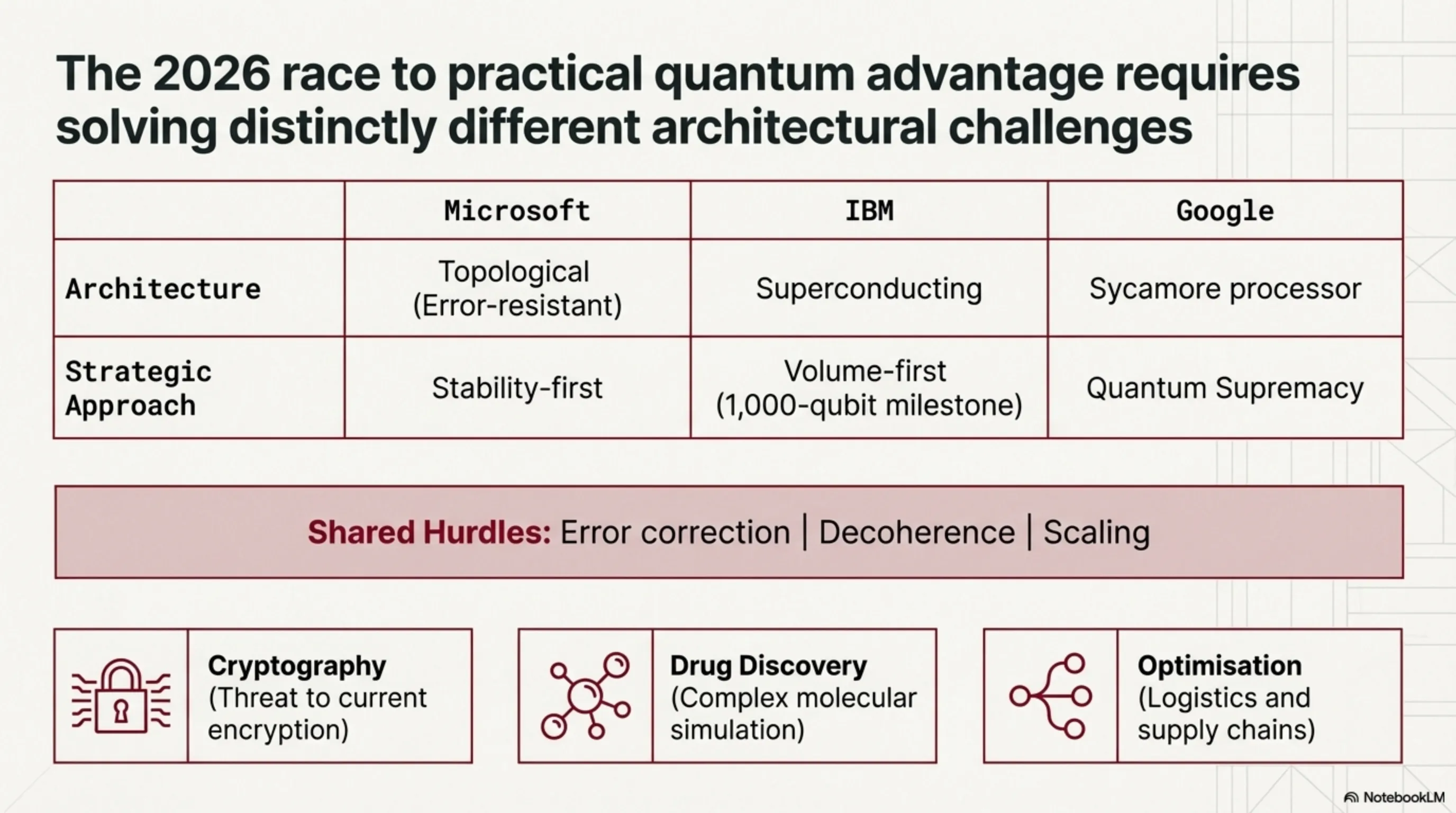
2026 is the year of quantum computing transformation. Three tech giants — Microsoft, IBM, and Google — are racing to achieve practical "quantum advantage". This is no longer just laboratory research; it's a race to build the first quantum computer that can solve real-world problems. Each company has a different strategy, but all know that the winner of this race will determine the future of computing.
Microsoft with Azure Quantum is working on "topological qubits" — a type of qubit that's more resistant to errors. This technology is still in research phase, but if successful, could build more stable quantum computers. IBM focuses on "superconducting qubits" and has already built a 1000-qubit computer. Google with its Sycamore processor works on "quantum supremacy" and claims to be faster than supercomputers in some calculations.
"Quantum computing is like the first digital computers of the 1940s. We don't yet know all its applications, but we know it will be revolutionary." — Sundar Pichai, CEO Google
But where are the practical applications? Currently, there are three main areas: cryptography, drug discovery, and optimization. In cryptography, quantum computers can break current encryption — which is a serious security threat. In drug discovery, they can simulate complex molecules. And in optimization, they can solve logistics and supply chain problems.
📊 Summary: Quantum Computing 2026
🏢 Competitors: Microsoft, IBM, Google
🔬 Technology: Topological, Superconducting, Supremacy
💊 Applications: Cryptography, Drug Discovery, Optimization
⚠️ Challenges: Error correction, Decoherence, Scaling
🎯 Goal: First practical quantum advantage
AI MRI Brain Scan: When diagnosis goes from hours to seconds
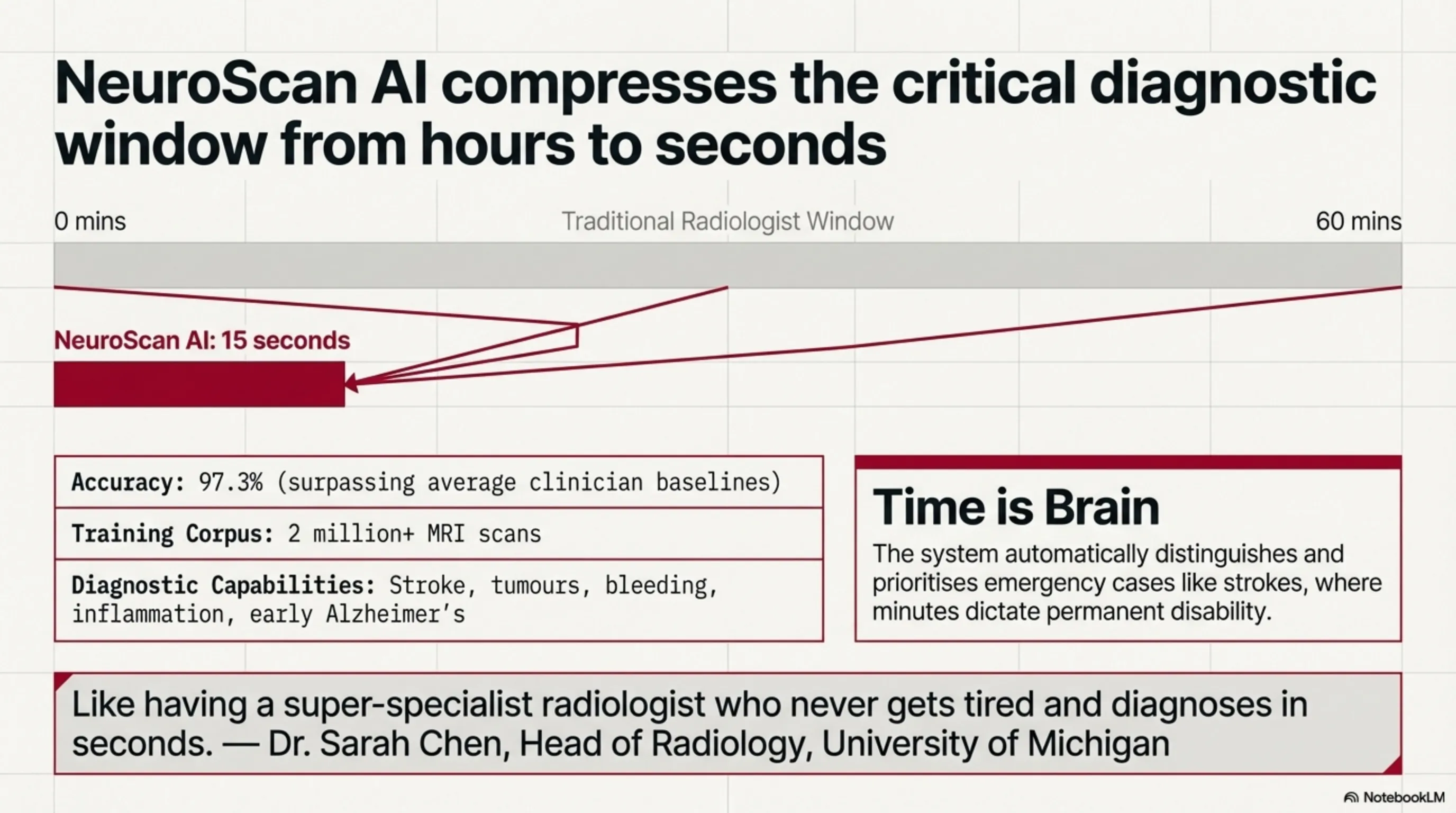
University of Michigan today announced one of the year's most important medical breakthroughs: a new AI system that can analyze brain MRI scans in seconds and diagnose neurological conditions with 97% accuracy. This system, called "NeuroScan AI", could revolutionize medical imaging. Imagine a stroke patient arriving at the emergency room and receiving accurate diagnosis within minutes — not hours later.
How does NeuroScan AI work? The system uses a deep learning model trained on over 2 million MRI scans. The model can identify various types of brain damage: stroke, tumors, bleeding, inflammation, and even early signs of Alzheimer's. More importantly, it can distinguish emergency cases from non-emergency ones and help doctors prioritize.
"NeuroScan AI is like having a super-specialist radiologist who never gets tired and diagnoses in seconds. This could save thousands of lives." — Dr. Sarah Chen, Head of Radiology, University of Michigan
The system's speed is extraordinary. While radiologists typically take 30-60 minutes to analyze an MRI scan, NeuroScan AI does the same work in 15-30 seconds. This speed is vital in emergency cases like stroke — because every minute of delay can lead to death or permanent disability. "Time is brain" is an important principle in medicine.
📊 Summary: NeuroScan AI
⚡ Speed: 15-30 seconds (vs 30-60 minutes)
🎯 Accuracy: 97.3% (better than average doctors)
🧠 Diagnosis: Stroke, tumors, bleeding, Alzheimer's
🚨 Emergency: Critical case identification
📊 Training: 2 million MRI scans
🌅 Conclusion: Transformative Technology Morning
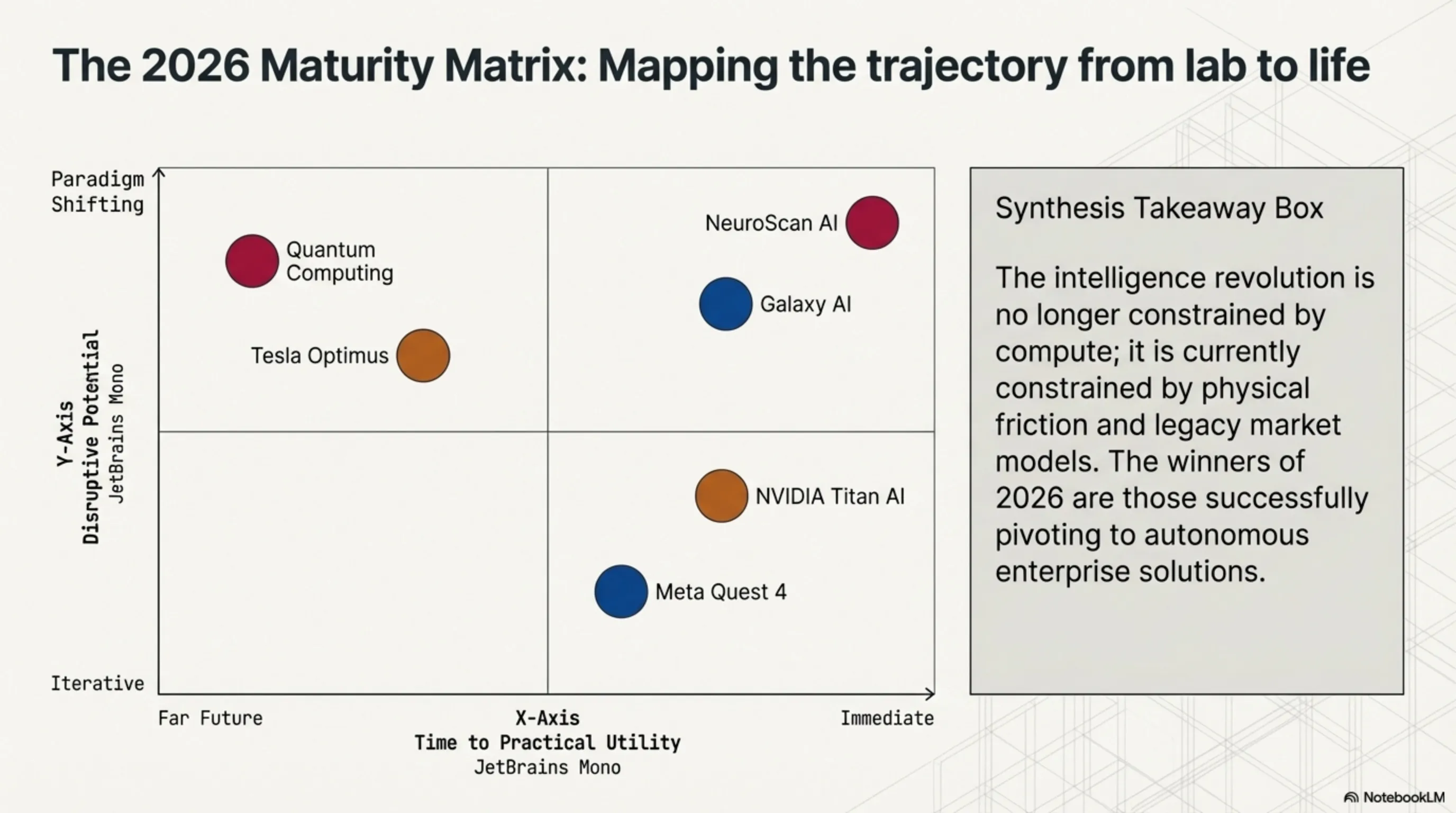
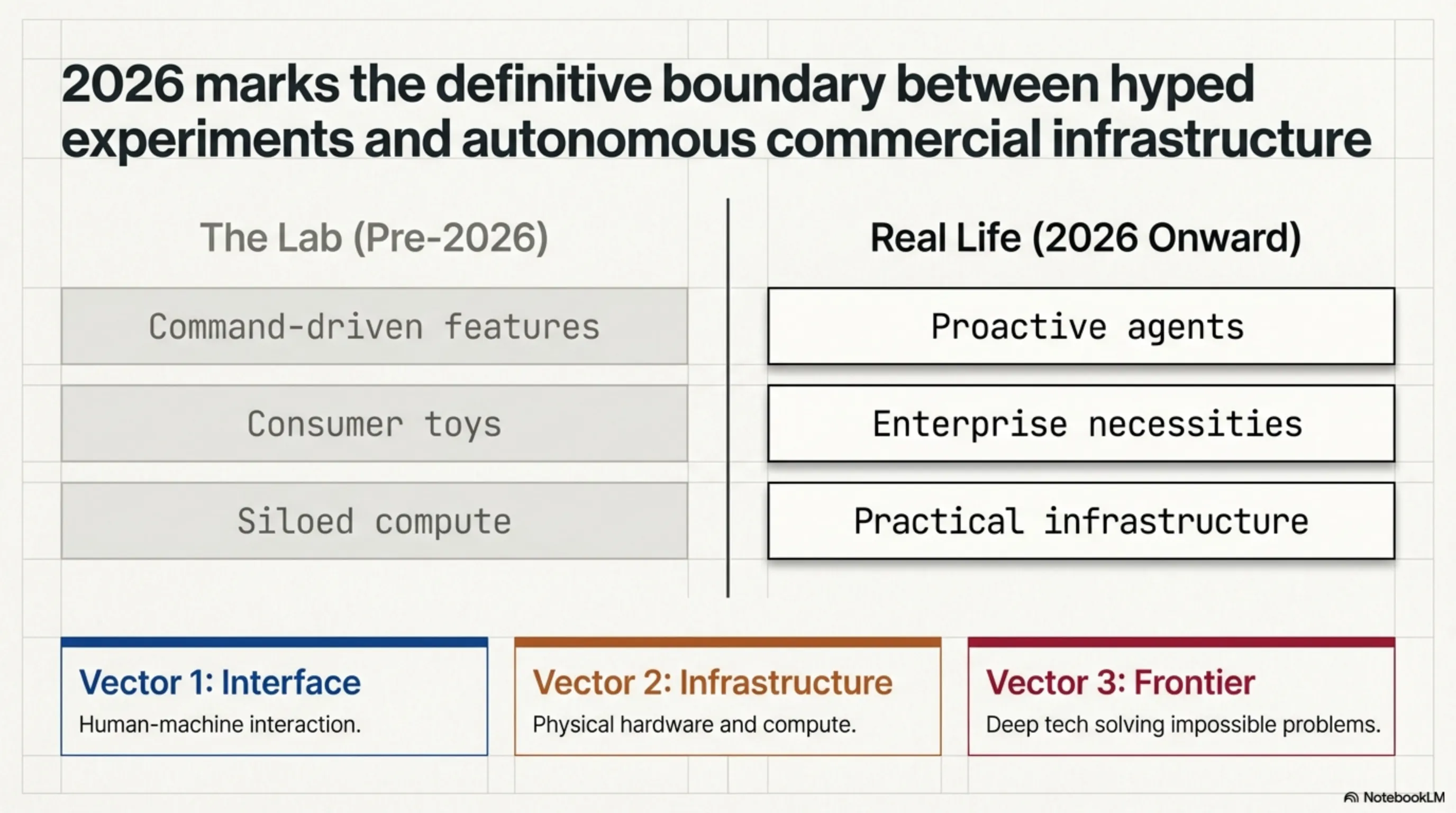
The morning of March 12, 2026 showed that technology is moving from laboratory to real life. From Galaxy AI becoming an agent to Optimus learning, from quantum becoming practical to AI reading brains in seconds — all show that the future is here.
Key message: 2026 is the year of transforming experimental technologies into real products.
Author: Majid Ghorbaninazhad
Publication Date: March 12, 2026
Category: Tekin Morning, Technology News
Keywords: Galaxy AI, RTX 5090 Ti, Tesla Optimus, Meta Quest 4, Quantum Computing, AI MRI, Technology Breakfast
🌐 Stay Connected With Us 🎮✨
For the latest tech, gaming, and gadget news, follow us on our official social media channels:
Supplementary Image Gallery: Tekin Morning March 12: From Galaxy AI Becoming Agent to AI Reading Brains in Seconds