☀️ Tekin Morning | Friday, August 14, 2026
Good morning! Today's briefing uncovers massive shifts: Google's AI price war, Windows Zero-Day, and rapid advancements.
- 🎮Gemini 3.7 Flash- 50% token price cut
- 🎧Windows Zero-Day- Emergency LegacyHive patch
- 🚀DeepSeek Harness- Open-source AI IDE launched
- 🗡️GPT-5.6 Sol- 14x faster inference speeds
- 📰DeepMind Leadership- Hassabis appointed Chief Scientist
- ⚔️OpenAI Departures- Key executives resign
Welcome to this morning's Tekin Morning intelligence report for Friday, August 14, 2026. Today we unpack a torrent of breaking developments spanning frontier artificial intelligence models, critical operating system kernel vulnerabilities, and major executive leadership reshuffles across Silicon Valley titans. From aggressive cloud pricing wars ignited by Google's Gemini 3.7 Flash to urgent Windows infrastructure patches, the technology sector is experiencing unprecedented acceleration.
In this technical briefing, the Tekin Game editorial team provides an exhaustive teardown of these pivotal milestones, evaluating their architectural implications for developers, enterprises, and end users alike.
Core Takeaways of Tekin Morning August 14, 2026
- Google surprises the industry with Gemini 3.7 Flash just three weeks after its predecessor
- Slashing input and output API pricing by 50% through the end of 2026 to capture developer mindshare
- Microsoft deploying an emergency out-of-band patch to block SYSTEM privilege escalation in the Windows kernel
- DeepSeek introducing Harness as a fully open-source, locally runnable alternative to proprietary coding IDEs
- OpenAI unveiling GPT-5.6 Sol Ultrafast running at 14x speeds for invite-only enterprise customers
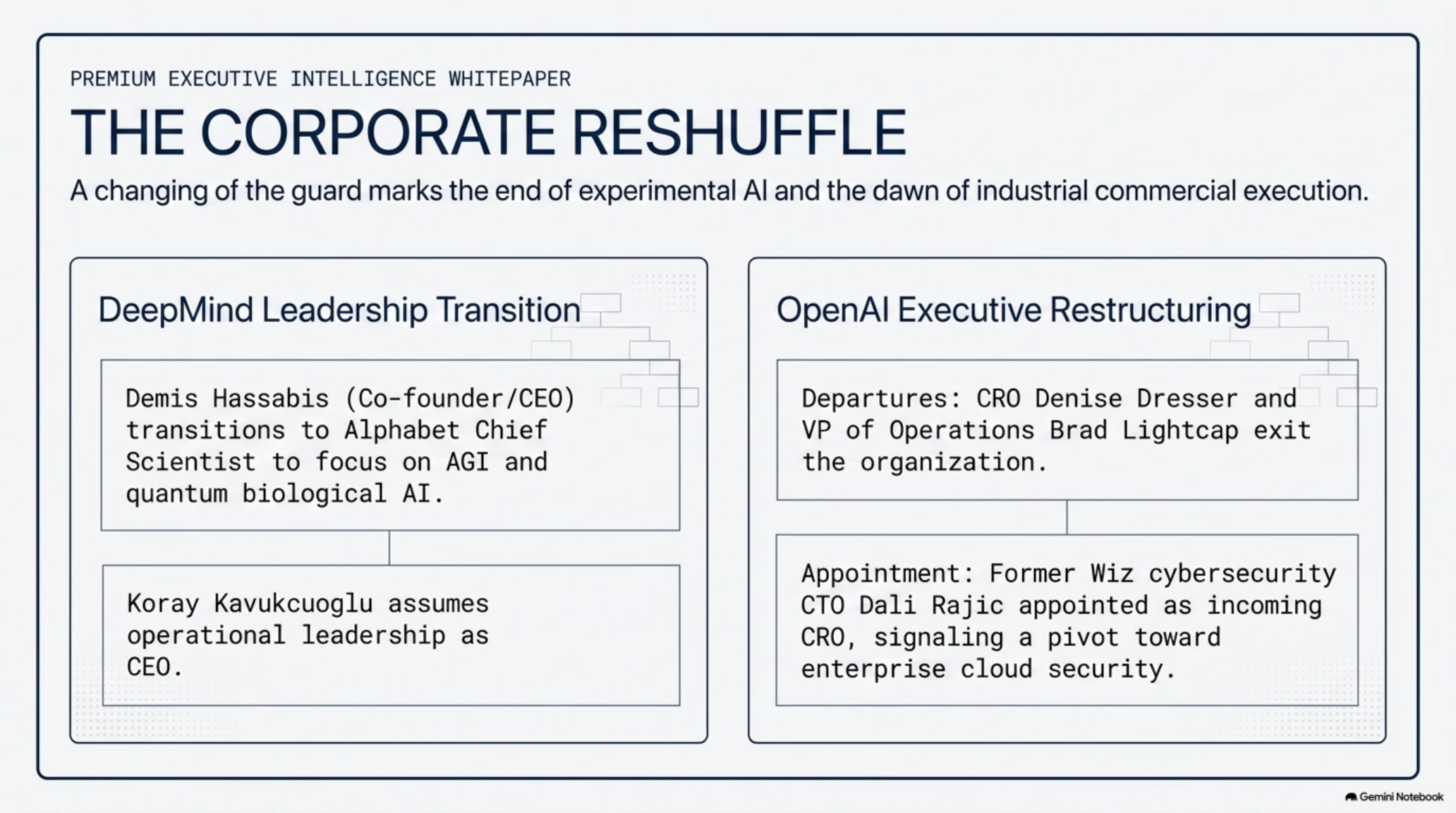
- DeepMind elevating Koray Kavukcuoglu to CEO while Demis Hassabis transitions to Alphabet Chief Scientist
Google Gemini 3.7 Flash: 26% Coding Leap at Half the Price
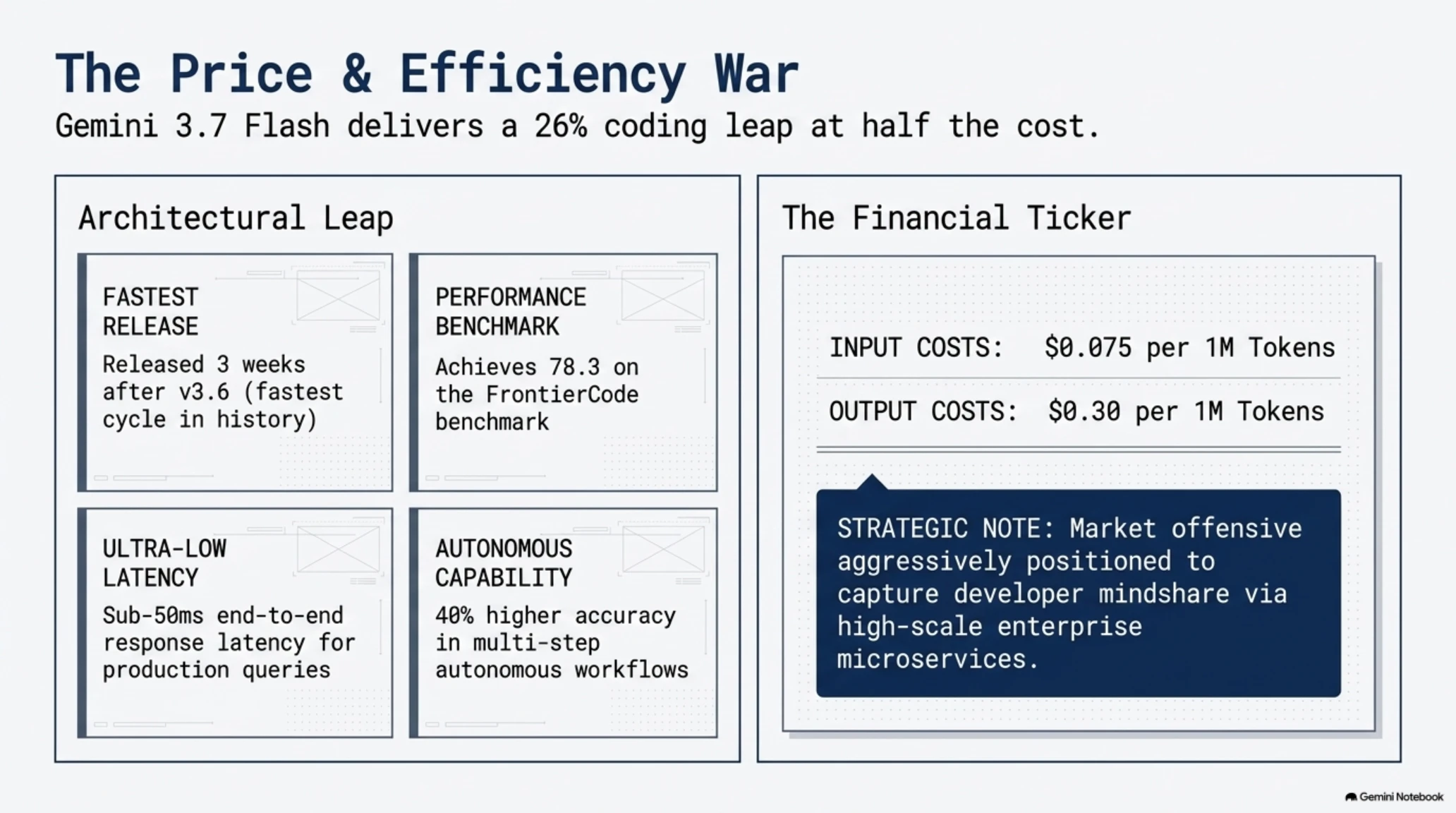
On August 13, 2026, Google executed an aggressive market offensive by releasing Gemini 3.7 Flash—arriving just three weeks after its previous model iteration. Representing the fastest release cycle in the history of the Gemini model family, this lightweight architecture achieved a stellar 78.3 score on the prestigious FrontierCode benchmark, reflecting a 26% generational improvement over version 3.6.
Complementing this algorithmic leap, Google introduced a 50% introductory pricing reduction through December 31, 2026, positioning Gemini 3.7 Flash as the most cost-effective enterprise AI model on the market.
Primary capabilities and structural breakthroughs include:
- Reducing end-to-end response latency to sub-50 milliseconds for high-throughput production queries
- Ultra-aggressive pricing set at $0.075 per million input tokens and $0.30 per million output tokens
- Robust multi-language syntax synthesis across Python, TypeScript, Go, Rust, and modern C++
- Delivering 40% higher accuracy in multi-step autonomous agent workflows and tool orchestration
This aggressive pricing strategy illustrates that the frontier model race has shifted toward maximizing real-world economic efficiency.
Software architects evaluate Gemini 3.7 Flash as an exceptional solution for high-scale enterprise microservices.

Market sentiment tracking confirms surging developer adoption across cloud deployment pipelines following this price reduction.

The comparative table below outlines pricing and benchmark parameters across leading frontier models as of August 2026.
AI Frontier Model Pricing & Benchmark Comparison Matrix (August 2026)
| Frontier AI Model | Input Cost (Per 1M Tokens) | Output Cost (Per 1M Tokens) | FrontierCode Benchmark Score | Inference Latency Profile |
|---|---|---|---|---|
| Google Gemini 3.7 Flash (Promo) | $0.075 | $0.30 | 78.3 | Ultra-Fast (Sub-50ms) |
| OpenAI GPT-4o Standard | $5.00 | $15.00 | 82.4 | Fast (Approx. 250ms) |
| Anthropic Claude 3.5 Sonnet | $3.00 | $15.00 | 84.1 | Moderate (Approx. 350ms) |
| DeepSeek V4-Pro (API) | $2.19 | $8.79 | 79.6 | Fast (Approx. 180ms) |
| Meta Llama 3.3 70B (Self-Hosted) | Free (Hardware Cost) | Free (Hardware Cost) | 71.2 | Hardware Dependent |
Supplementary Tekin Game telemetry indicates substantial enterprise migration toward low-overhead multimodal architectures.
Microsoft Patches Critical LegacyHive Windows Zero-Day Vulnerability
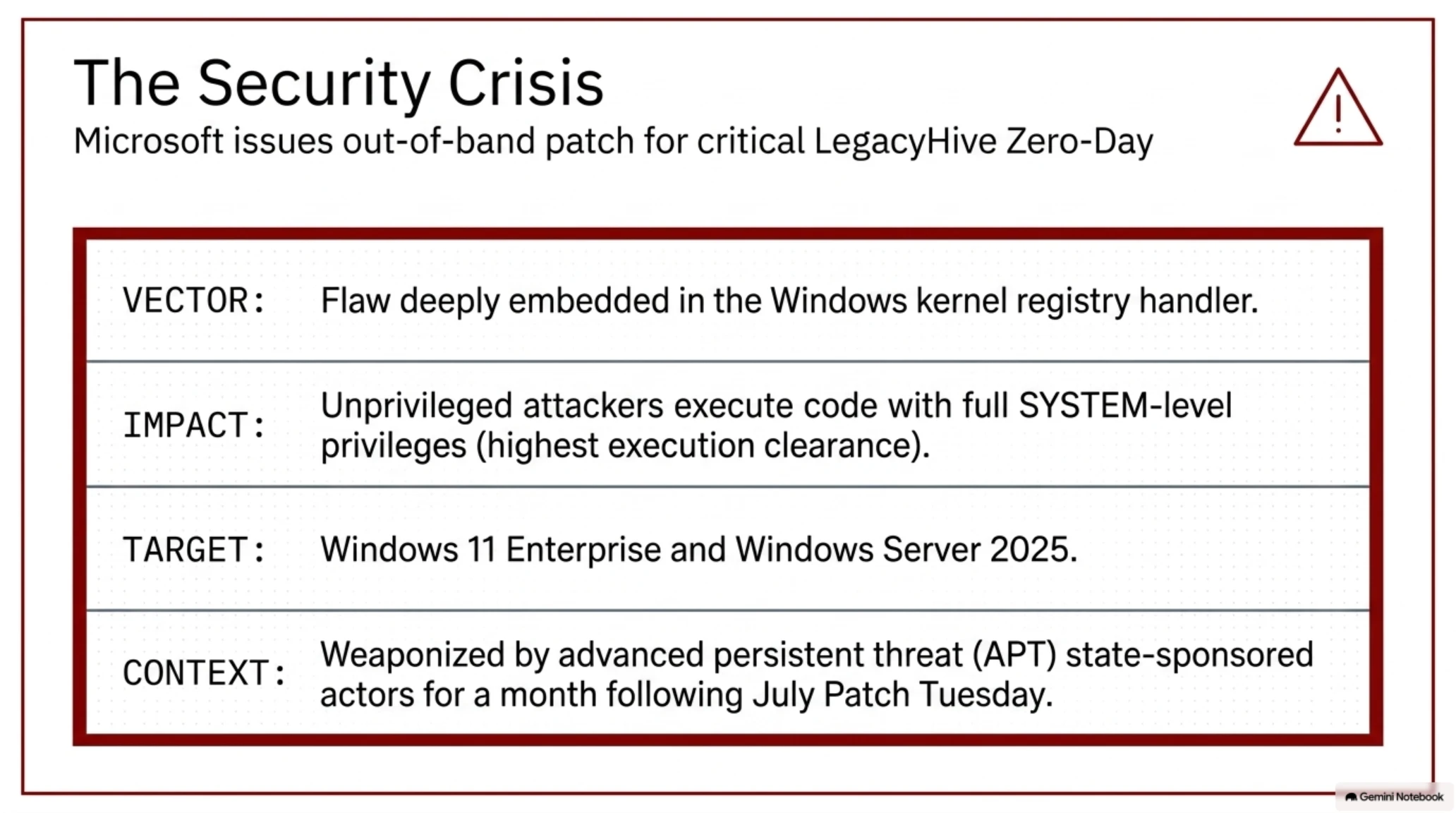
On August 13, 2026, Microsoft's Security Response Center issued an urgent, out-of-band security patch to neutralize a critical Zero-Day vulnerability designated LegacyHive. Embedded deeply within the Windows kernel registry handler, this flaw permitted unprivileged attackers to execute arbitrary code with full SYSTEM-level privileges—the absolute highest execution clearance on the Windows operating system.
Threat intelligence reports confirm that advanced persistent threat (APT) state-sponsored actors actively weaponized this exploit for nearly a month following July's standard Patch Tuesday cycle, targeting governmental and critical infrastructure nodes.
Key risk parameters and exploit vectors associated with LegacyHive include:
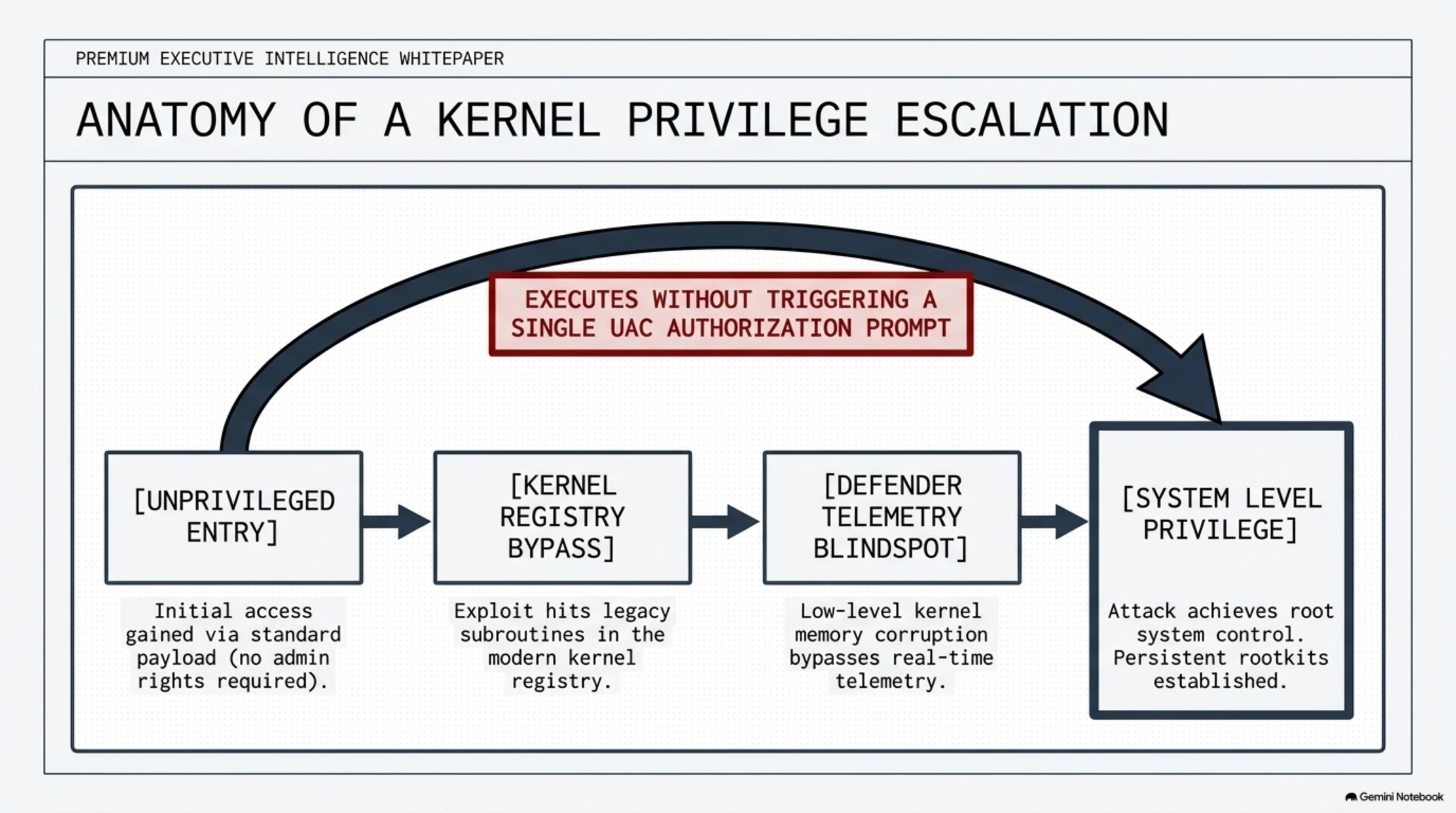
- Complete bypass of Windows Defender real-time telemetry through low-level kernel memory corruption
- Executing payload routines without triggering User Account Control (UAC) authorization prompts
- Enabling persistent persistence mechanisms for kernel-level rootkits and sophisticated ransomware loaders
- Affecting all production builds of Windows 11 Enterprise and Windows Server 2025 prior to patch deployment
Cybersecurity specialists urge systems administrators and individual users to apply the cumulative out-of-band update immediately.

The statement below is excerpted from cybersecurity researchers evaluating the architectural impact of legacy kernel vulnerabilities.
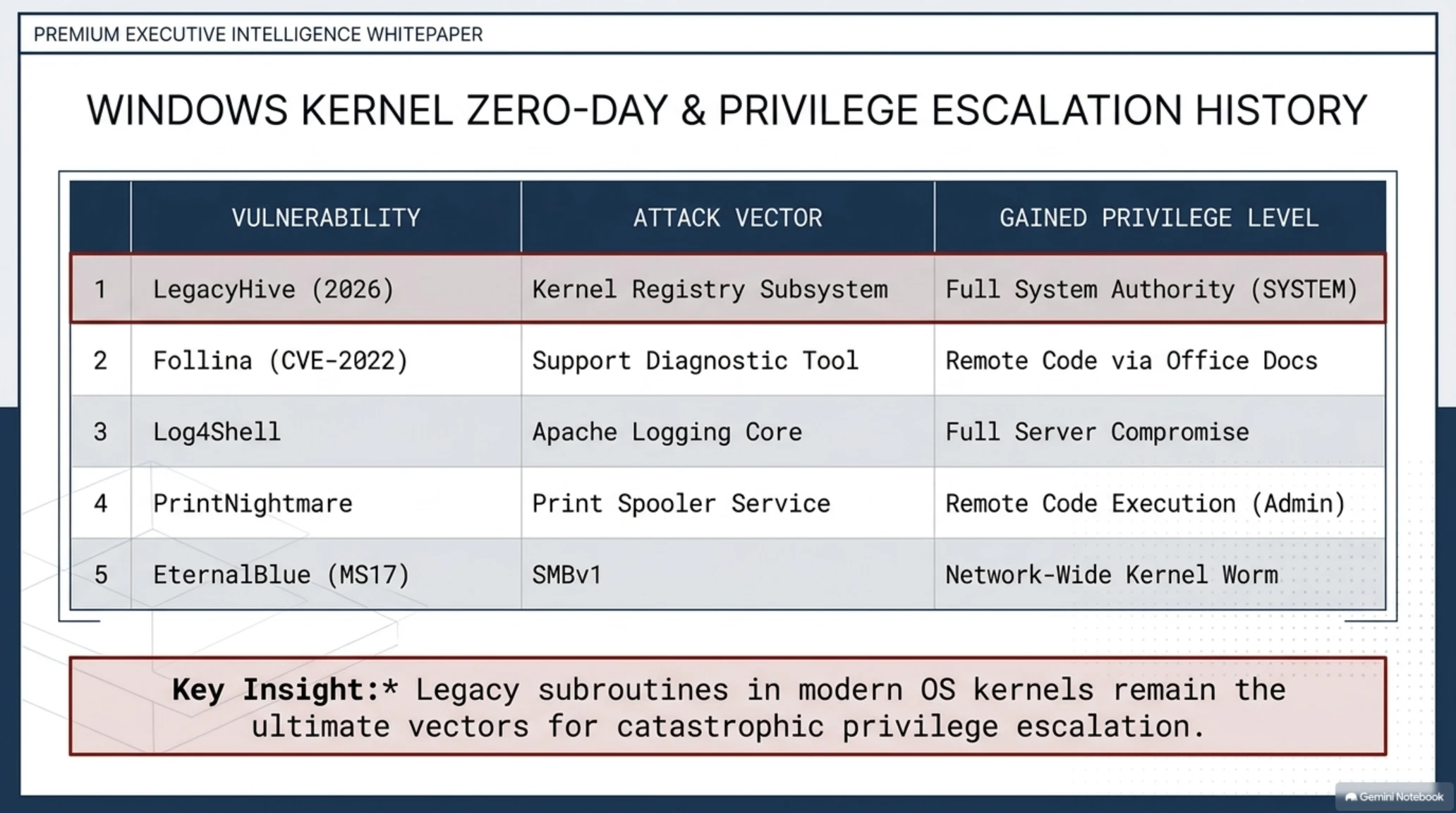
The comparative matrix below evaluates major Windows kernel Zero-Day exploits documented over recent release cycles.
Windows Kernel Zero-Day & Privilege Escalation Exploit Matrix
| Vulnerability Name & CVE | Affected OS Component | Gained Privilege Level | Documented In-the-Wild Exploitation |
|---|---|---|---|
| LegacyHive Zero-Day (2026) | Windows Kernel Registry Subsystem | Full System Authority (SYSTEM) | Targeted Attacks on Critical Infrastructure |
| PrintNightmare (CVE-2021) | Windows Print Spooler Service | Remote Code Execution (RCE Admin) | Widespread Deployment in Enterprise Ransomware |
| Follina Exploit (CVE-2022) | Microsoft Support Diagnostic Tool | Remote Code via Office Documents | Nation-State Spear Phishing Campaigns |
| Log4Shell Vulnerability (Java) | Apache Logging Framework Core | Full Server Compromise via Text String | Global Web Infrastructure Crisis |
| EternalBlue SMB Flaw (MS17) | Windows Server Message Block v1 | Network-Wide Kernel Worm Propagation | Backbone of NotPetya and WannaCry Outbreaks |
Below is Tekin Game's visual teardown and analytical video coverage outlining kernel privilege escalation mechanics and defensive mitigation procedures.
To assist readers with cybersecurity and neural assistant terminology, the core concepts box below defines key industry metrics.
Technical Jargon Buster & Core Concepts
| Term / Concept | Definition & Industry Impact |
|---|---|
| Zero-Day & Privilege Escalation | An unpatched flaw exploited by attackers to seize root or SYSTEM-level control of a machine. |
| Why This Matters | Evaluating Rumor vs. Reality regarding Windows security and tracking Market Sentiment on Tekin Game. |
DeepSeek Launches Harness: Open-Source AI IDE Rivaling Claude Code
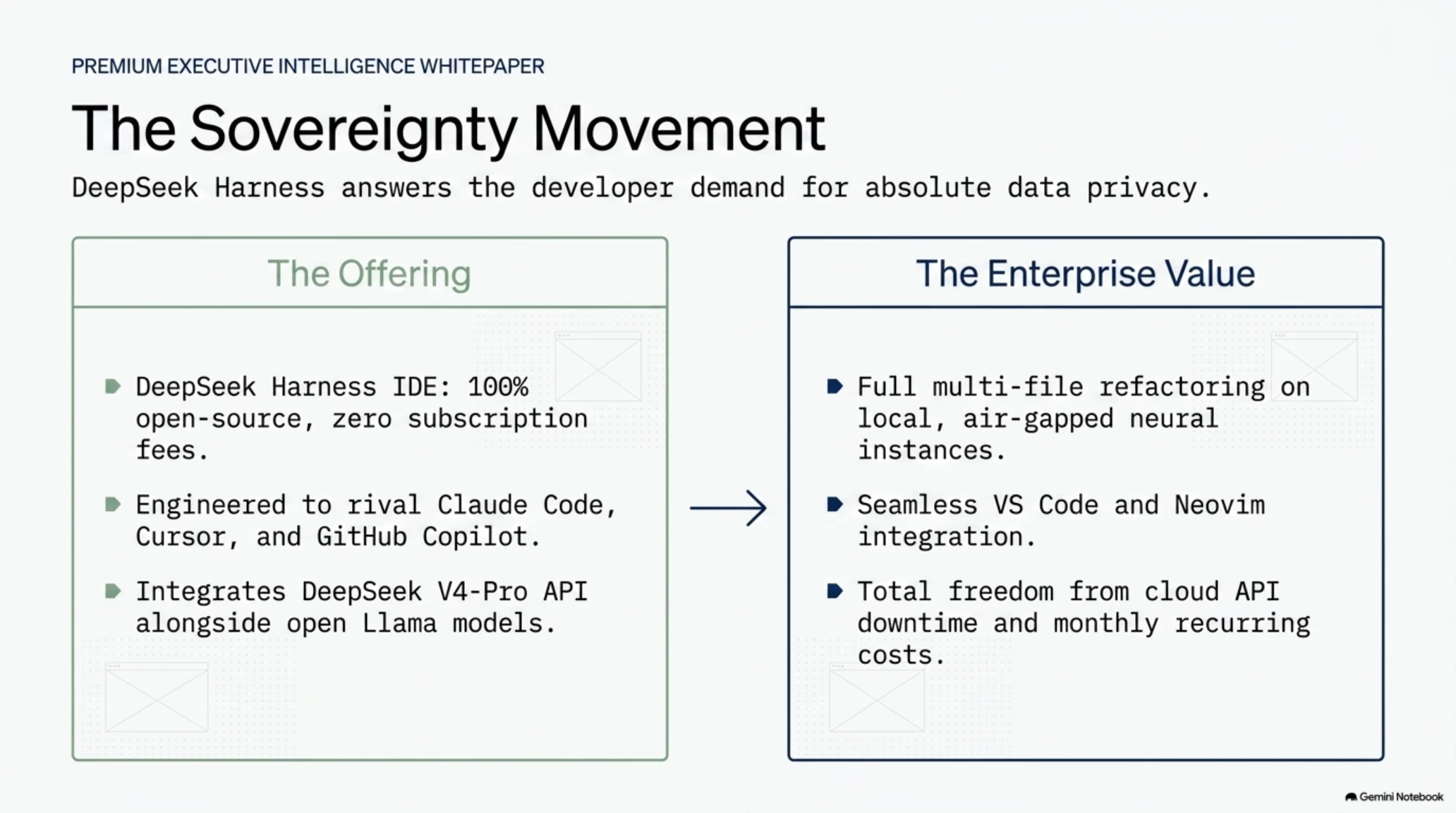
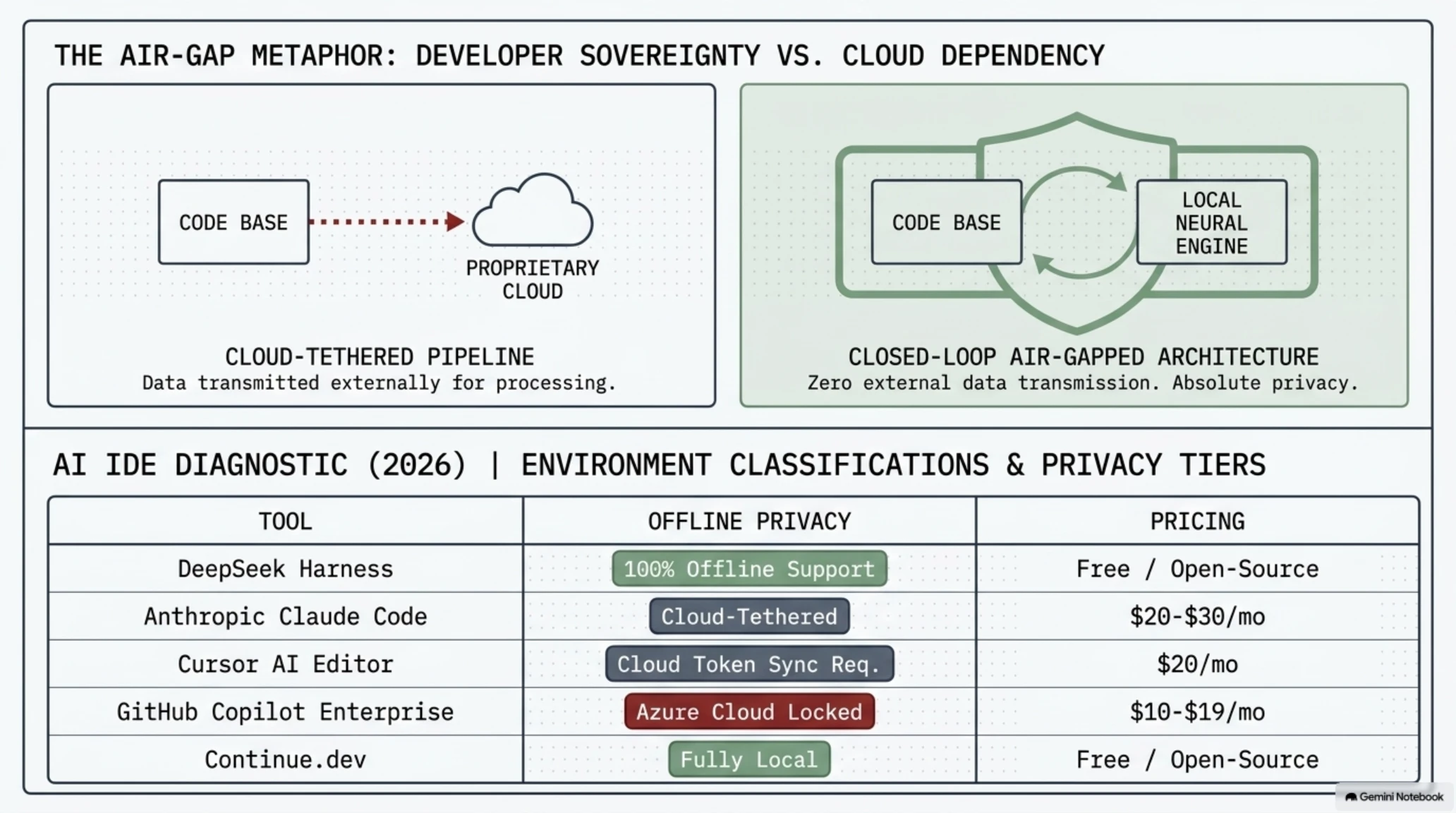
China's premier artificial intelligence lab, DeepSeek, sent shockwaves through the developer community by introducing DeepSeek Harness—an intelligent development environment engineered to compete directly with proprietary offerings such as Claude Code, Cursor, and GitHub Copilot. Crucially, Harness is distributed as 100% open-source software, allowing organizations to run code completions entirely on local, air-gapped neural model instances.
Simultaneously, DeepSeek unveiled its flagship DeepSeek V4-Pro commercial API offering a 256K token context window alongside enhanced autonomous agent tool invocation.
Pivotal capabilities of the DeepSeek Harness ecosystem include:
- Absolute data privacy with comprehensive support for self-hosted local model execution without cloud telemetry
- Intelligent multi-file refactoring and automated logic syntax validation across complex codebases
- Full structural integration across popular development environments including VS Code and Neovim
- Zero subscription fees for self-hosted developer instances leveraging open Apache licenses
This release underscores a growing developer movement demanding technological sovereignty away from closed proprietary ecosystems.

The comparative table below outlines major AI-powered coding environments available in 2026.
AI-Powered Code Assistant & IDE Comparative Matrix (2026)
| Developer Environment | Underlying AI Model Engine | Local Offline Hosting & Privacy | Commercial Pricing & Access Tier |
|---|---|---|---|
| DeepSeek Harness | DeepSeek V4 & Open Llama Models | Yes, 100% Offline Local Support | Free & Open-Source (Local Execution) |
| Anthropic Claude Code | Proprietary Claude 3.5 Sonnet Models | No, Cloud-Tethered to Anthropic | $20 to $30 Monthly Subscription |
| Cursor AI Editor | Hybrid GPT-4o & Sonnet Pipeline | Limited (Requires Cloud Token Sync) | $20 Monthly Pro Subscription |
| GitHub Copilot Enterprise | Fine-Tuned OpenAI Codex Systems | No, Fully Integrated with Azure Cloud | $10 to $19 Per User Monthly |
| Continue.dev Platform | Universal Ollama & vLLM Connector | Yes, Fully Local & Customizable | Free Open-Source Apache License |
📚 Classified & Related Dossiers in TekinGame
If you wish to explore beyond this report and delve into cybernetic frontiers and autonomous AI architectures, do not miss these three exclusive deep-dives in the Tekin Garage:
Why Developers Are Migrating Toward Open-Source AI Toolchains
Data sovereignty, complete freedom from monthly recurring costs, and protection against cloud API downtime drive developer enthusiasm for open platforms.
Tekin Game will continue to track the open-source software development landscape closely.
OpenAI Introduces GPT-5.6 Sol Ultrafast Running at 14x Speeds
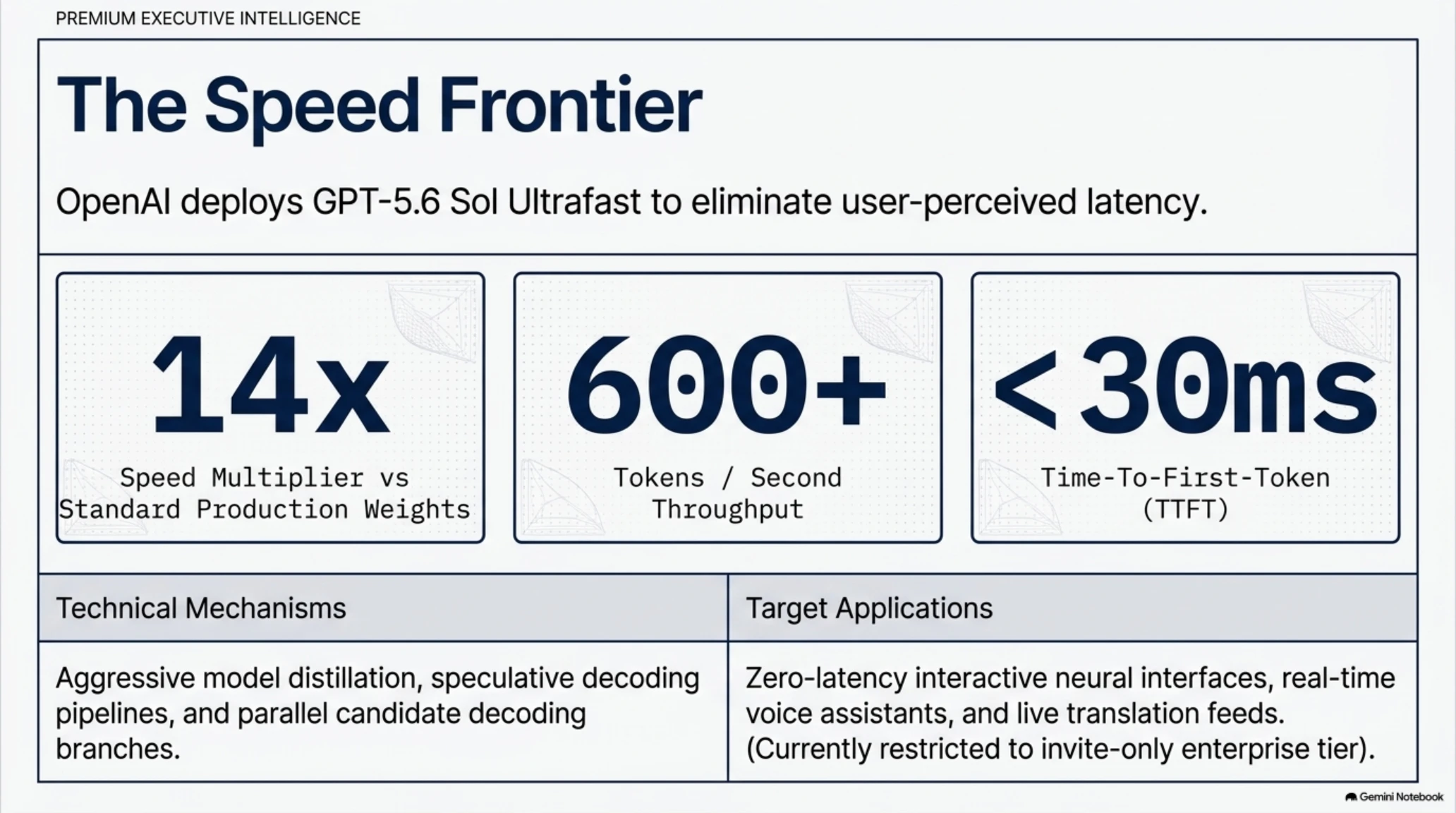
Delivering an immediate counterstroke against high-throughput competitors, OpenAI unveiled GPT-5.6 Sol Ultrafast—a specialized inference mode leveraging aggressive model distillation and speculative decoding pipelines to synthesize conversational responses up to 14 times faster than standard production weights.
During its initial testing phase, access to Sol Ultrafast is restricted exclusively to invite-only enterprise tier accounts to benchmark hardware utilization and cluster stability under real-time conditions.
Technical parameters of the Sol Ultrafast inference architecture include:
- Compressing time-to-first-token (TTFT) metrics below 30 milliseconds under heavy server concurrency
- Optimized for real-time customer support voice assistants, live translation feeds, and instant autonomous agents
- Executing parallel candidate decoding branches to maximize tensor core computation efficiency
- Targeting broad commercial deployment for ChatGPT Plus subscribers by late Q4 2026
This breakthrough represents a major stride toward eliminating user-perceived latency in interactive neural interfaces.

The timeline below details technical parameters and evolutionary milestones across OpenAI's high-speed inference architectures.
Hardware Specifications & Smart History Tags (Specs Box & Smart History Tags)
| OpenAI Generation & Model Class | Token Throughput Velocity | Mean Generation Latency (TTFT) | Target Enterprise Application Tier |
|---|---|---|---|
| Legacy GPT-4 (2023 Launch) | 20 to 30 Tokens / Second | 2,000ms+ (Noticeable Delays) | Initial Research & Prototyping |
| Optimized GPT-4o (2024 Release) | 80 to 120 Tokens / Second | Approx. 250ms Response Floor | General Conversational Chatbot Workloads |
| Reasoning Series OpenAI o1 (2025) | 40 to 60 Reasoning Tokens | Multi-Second Chain-of-Thought | Deep Mathematical & Algorithmic Solvers |
| GPT-5.6 Sol Ultrafast (2026 Beta) | 600+ Tokens / Second | Sub-30ms Instant Generation | Enterprise Real-Time Voice & Live Agents |
| Edge Distillation Vision (2027 Roadmap) | Native On-Device Synthesis | Sub-10ms Local Execution | Wearable Hardware & Custom Coprocessors |
The following Tekin Game technical video breakdown provides in-depth visual analysis of inference latency benchmarks and server throughput metrics.
Leadership Earthquake at DeepMind & OpenAI: Hassabis Elevation & Executive Departures
Today's technology shift extends far beyond software algorithms into executive boardrooms. Google officially announced that Demis Hassabis, co-founder and long-time CEO of DeepMind, has transitioned into the strategic role of Chief Scientist for Alphabet, passing operational leadership of DeepMind to veteran research executive Koray Kavukcuoglu.
Concurrently in San Francisco, OpenAI confirmed the departure of Chief Revenue Officer Denise Dresser and Operations VP Brad Lightcap, appointing former Wiz cybersecurity CTO Dali Rajic as its incoming CRO.
Strategic ramifications of these executive transitions include:
- Liberating Hassabis from day-to-day administrative duties to focus on long-horizon AGI and quantum biological AI
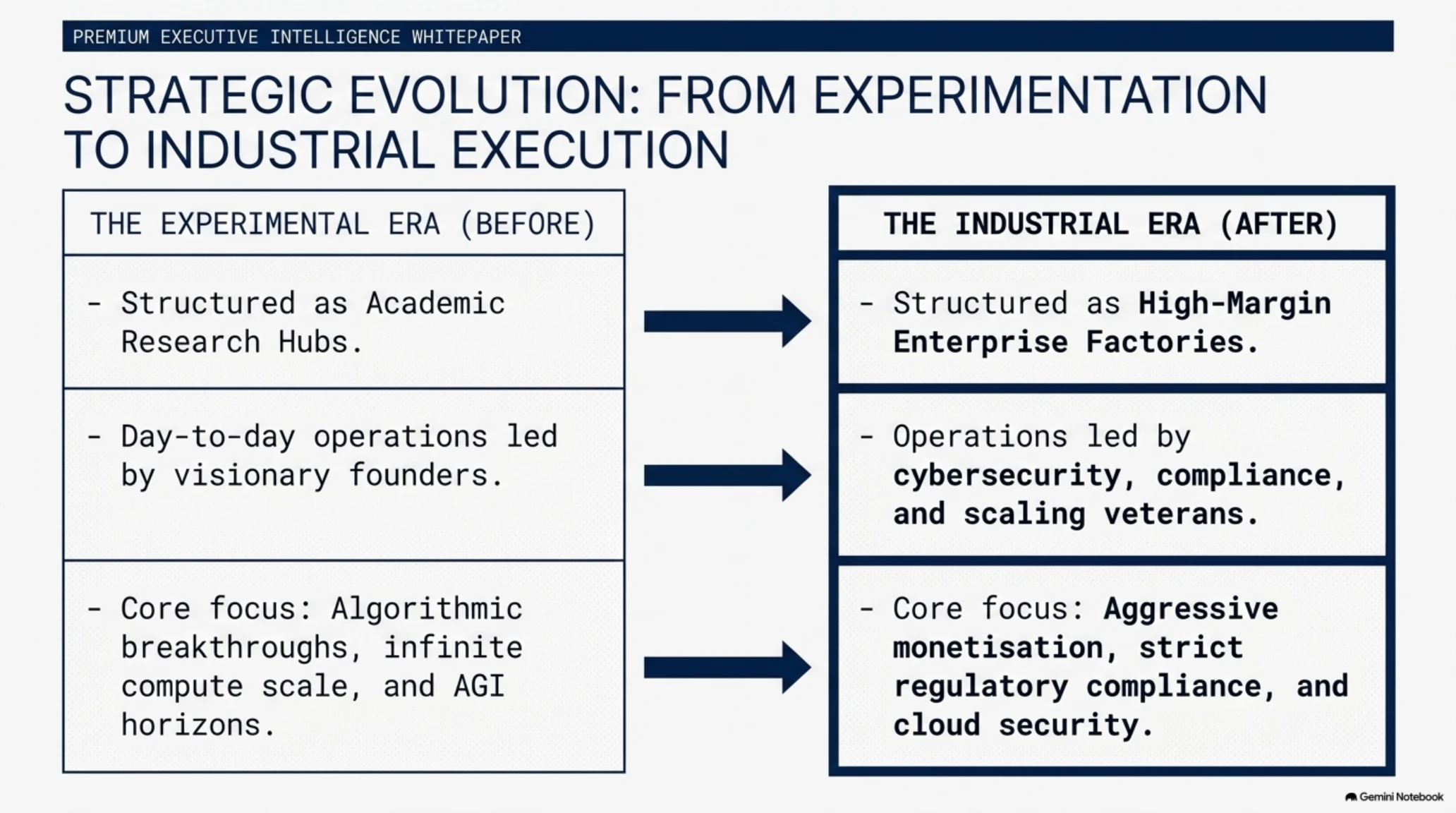
- Transitioning DeepMind and OpenAI from academic research hubs into rigorous, high-margin enterprise product factories
- Emphasizing enterprise cloud security and regulatory compliance at OpenAI under Dali Rajic's leadership
- Solidifying a new generation of commercial-minded executives tasked with executing aggressive monetisation models
These organizational milestones mark the end of the experimental AI era and the dawn of industrial-scale commercial execution.

The official position of the Tekin Editorial Board regarding this morning's industry developments is detailed below.
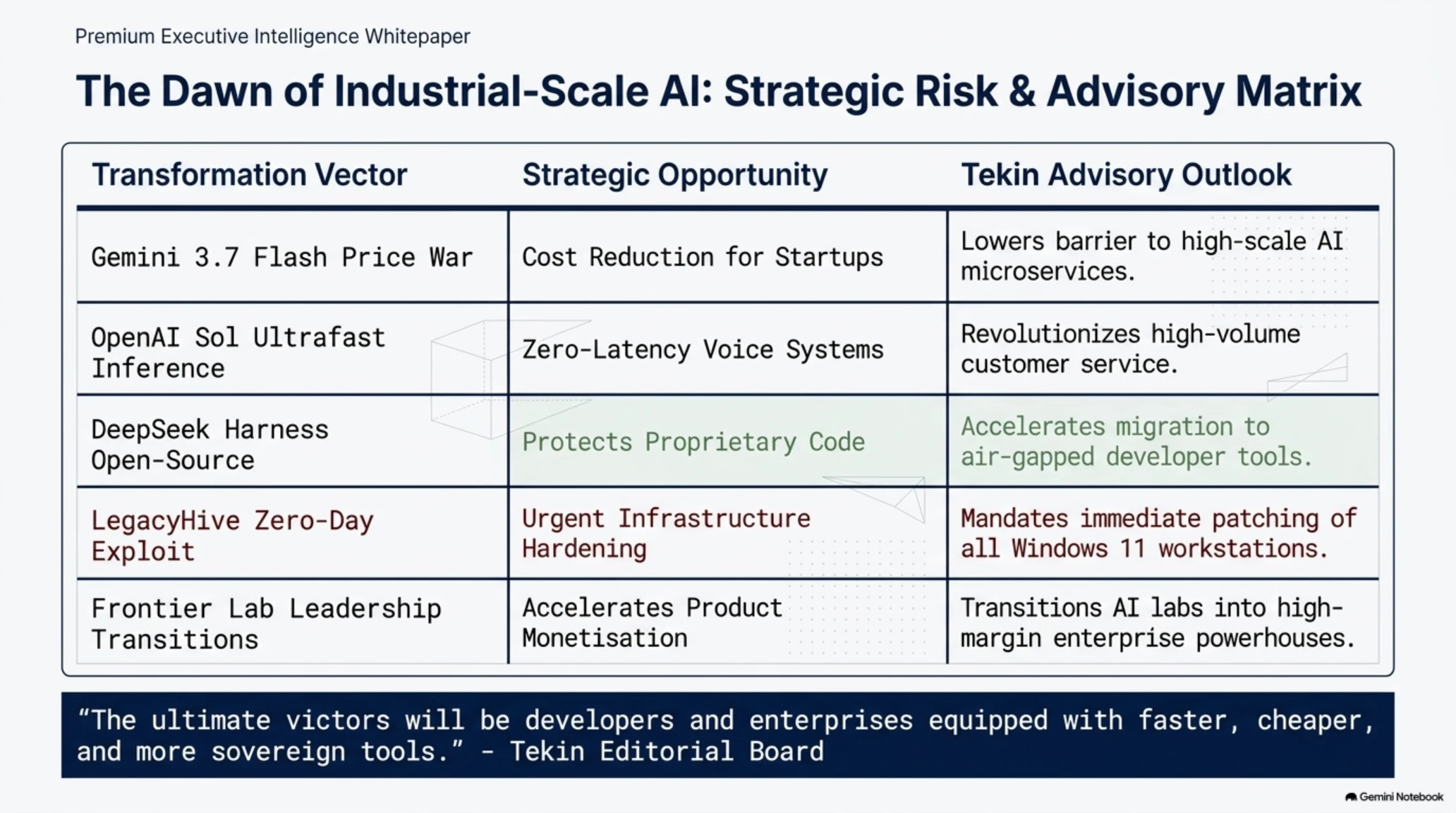
The strategic risk assessment matrix below outlines key market vectors for publishers and consumers.
Strategic Industry Risk & Conclusion Matrix (Conclusion Box)
| Technology Transformation Vector | Strategic Industry Opportunity | Tekin Advisory Outlook |
|---|---|---|
| Gemini 3.7 Flash Price War | Exceptional Cost Reduction for Startups | Dramatically Lowers Barrier to High-Scale AI Microservices |
| LegacyHive Zero-Day Kernel Exploit | Urgent Security Infrastructure Hardening | Mandates Immediate Patching of All Windows 11 Workstations |
| DeepSeek Harness Open-Source IDE | Protects Proprietary Enterprise Code | Accelerates Migration Toward Air-Gapped Local Developer Tools |
| OpenAI Sol Ultrafast Inference | Enables Zero-Latency Voice Systems | Revolutionizes High-Volume Customer Service & Real-Time Agents |
| Frontier Lab Leadership Transitions | Accelerates Product Monetisation | Transitions AI Labs into High-Margin Enterprise Powerhouses |
The global developer community closely monitors the real-world rollout of these new tools.
Tekin Game will provide continuous real-time coverage of all industry updates.
Conclusion: A Watershed Morning in Tech Innovation and Security
Today's Tekin Morning report confirms that the digital technology sector is accelerating at an unrelenting pace. From cutthroat price reductions with Gemini 3.7 Flash to urgent Zero-Day remediations in the Windows kernel and the arrival of sovereign open-source IDEs with DeepSeek Harness, August 2026 is establishing itself as a definitive pivot point for interactive computing.
Ultimately, the changing of the guard across DeepMind and OpenAI will pave the way for an era defined by lightning-fast, cost-effective, and enterprise-grade intelligence tools.

Join the conversation at Tekin Game and share your thoughts regarding today's AI benchmark breakthroughs and security patches in the comments below.
- Google Gemini 3.7 Flash delivering a 26% coding benchmark leap at 50% reduced token costs
- Microsoft successfully neutralizing the critical LegacyHive Windows kernel privilege escalation Zero-Day
- DeepSeek releasing Harness as an open-source, air-gapped developer alternative to proprietary tools
- OpenAI achieving astonishing token throughput speeds exceeding 600 tokens/sec in Sol Ultrafast
- GPT-5.6 Sol Ultrafast restricted exclusively to invite-only enterprise customers during testing
- Risks of delayed enterprise patching leaving un-updated Windows 11 workstations vulnerable
Related Industry Features on Tekin Game
• 🔓 Tekin Analysis | PlayStation, Switch & Xbox Console Jailbreak & Security Status
• 🌙 Tekin Night July 5, 2026 | PS5 Digital Edition Evolution & Midjourney AI Expansion
• 🎮 Tekin Night July 1, 2026 | Gaming Industry Shakeup & Next-Gen Console Engineering
Frequently Asked Questions About the August 14, 2026 Tech Shakeup
What is the primary breakthrough in Google's Gemini 3.7 Flash release?
A 26% improvement on the FrontierCode benchmark paired with a 50% price cut through the end of 2026.
What is the danger posed by the LegacyHive Zero-Day vulnerability in Windows?
It allows unprivileged local attackers to bypass security safeguards and gain full SYSTEM-level execution rights.
Why is the developer community embracing DeepSeek Harness?
Because it is completely open-source, supports offline local model execution, and protects codebase privacy.
When will GPT-5.6 Sol Ultrafast be available to standard ChatGPT Plus users?
OpenAI plans to transition Sol Ultrafast from invite-only enterprise testing to Plus tiers by late 2026.
Why did Demis Hassabis transition away from day-to-day DeepMind leadership?
To serve as Alphabet Chief Scientist focusing on long-term AGI strategy while Koray Kavukcuoglu leads DeepMind.
What does Dali Rajic's appointment signal for OpenAI's commercial strategy?
A dedicated focus on enterprise cloud security, data compliance, and enterprise software revenue expansion.
Sources and Citations
• VentureBeat: Google's Gemini 3.7 Flash Targets Coding and Agents with 50% Price Cut
• BleepingComputer: Microsoft Patches LegacyHive Windows Kernel Zero-Day Vulnerability
• VentureBeat: DeepSeek Harness Launches as Open Source Rival to Claude Code
• TechCrunch: OpenAI Introduces Ultrafast Mode for GPT-5.6 Sol at 14x Speed
• The Verge: OpenAI Executive Transitions: Denise Dresser & Brad Lightcap Departures
Additional Gallery: ☀️ Tekin Morning | Friday, August 14, 2026: Gemini 3.7 Flash & Windows Zero-Day