In this edition of TekinMag, we dive into the Augmented Reality (AR) and Mixed Reality (MR) revolution of 2026, marking the end of VR isolation. Driven by hardware leaps like graphene batteries and Micro-OLED displays, lightweight smart glasses from Meta and Apple are threatening to render physical TVs and smartphones obsolete. We analyze how MR is transforming gaming by turning physical rooms into dynamic levels, redefining productivity through holographic telepresence, and introducing Brain-Computer Interfaces (BCI) for seamless control. We a
👓 TekinMag: When the Real World is Our Playground; The AR and MR Revolution in 2026
Hello to the Tekin Army! Until just a few years ago, when we heard the word "Virtual Reality" or VR, we thought of heavy headsets, tangled cables, and motion sickness after half an hour of play. But in 2026, the game has changed. We've stopped escaping to purely virtual worlds and now we want to bring the virtual world into our living rooms! The glorious return of Augmented Reality (AR) and Mixed Reality (MR) has permanently altered the equations of entertainment and daily life.
⚡ What You'll Read in This Mega-Article:
📺 The death of physical TVs and the birth of holographic displays
📡 Hardware evolution; from heavy headsets to smart Ray-Bans
⚔️ Gaming in MR: Fighting dragons in your kitchen!
🌐 Eye tracking and mind control (Generation 1 BCI)
🕵️♂️ Privacy at risk: When glasses record everything
📊 TekinGame's final verdict and the future of wearables
☕ Prepare your coffee! We are about to completely tear the veil between reality and fiction.
👓 Chapter 1: The End of VR Isolation; Why AR and MR Won?
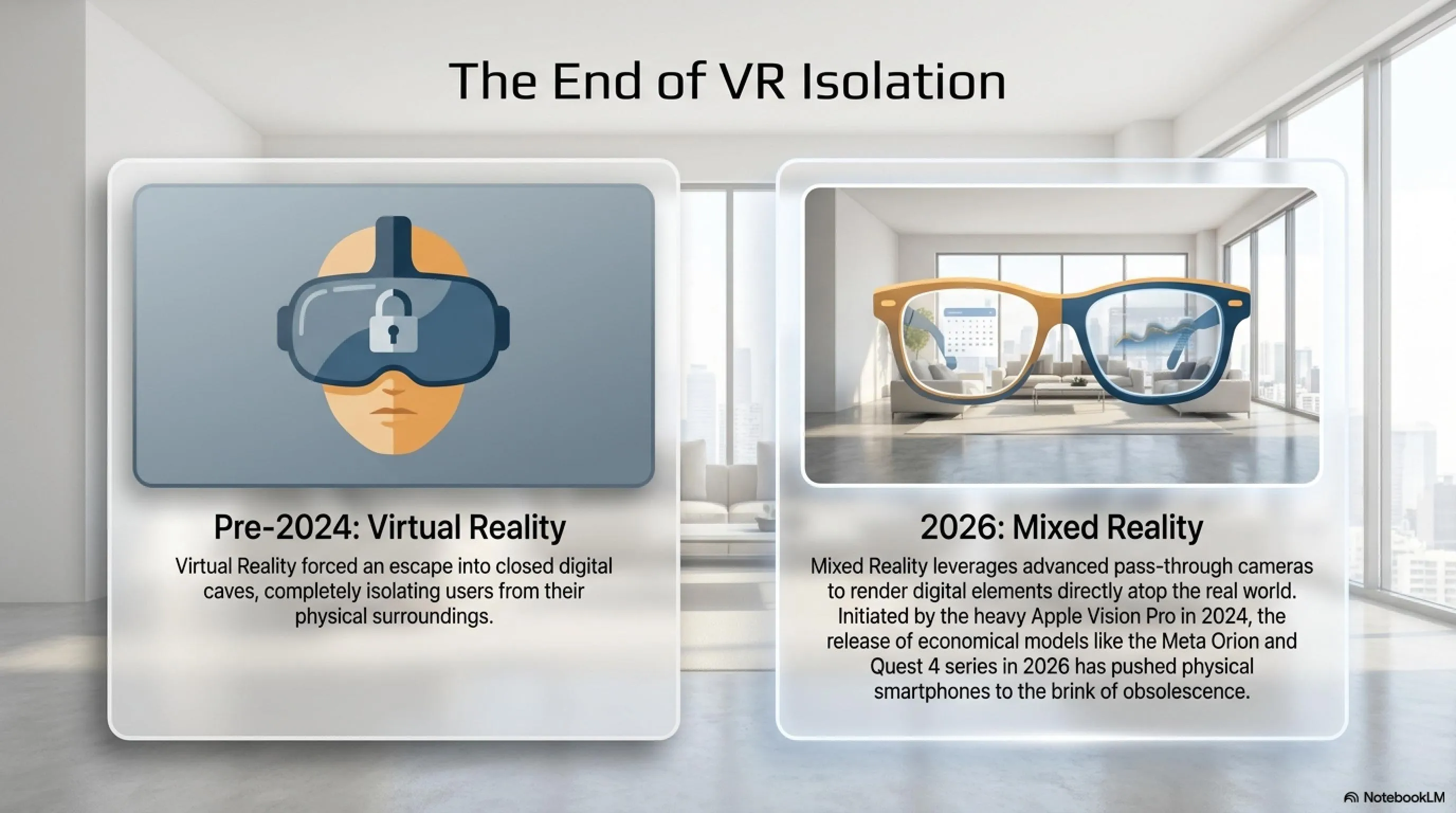
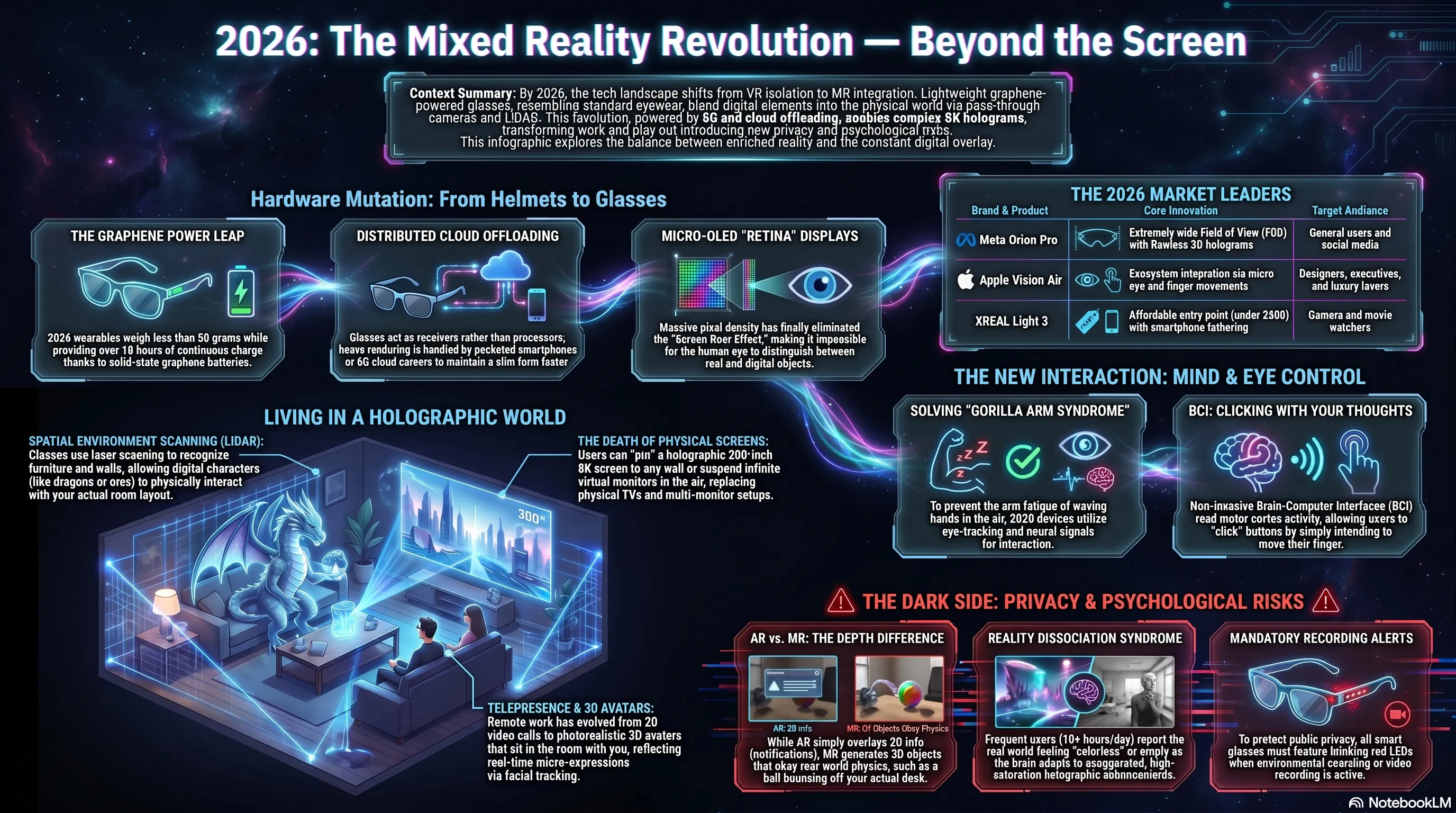
The biggest problem with Virtual Reality (VR) was that it isolated you from the real world. Once you put the headset on, you couldn't find your glass of water or notice someone else entering the room. But Mixed Reality (MR) is the exact opposite of this isolation. In 2026, instead of blocking your vision, headsets use advanced pass-through cameras to broadcast the real world to your eyes at retina resolution and "render" digital elements on top of it.
The beginning of this revolution kicked off with the first-generation Apple Vision Pro in 2024, but its astronomical price and heavy weight prevented mass adoption. Now in 2026, with the release of more economical models from Meta (the Orion series and Quest 4) and Apple, we are witnessing a phenomenon that has put smartphones at risk of extinction.
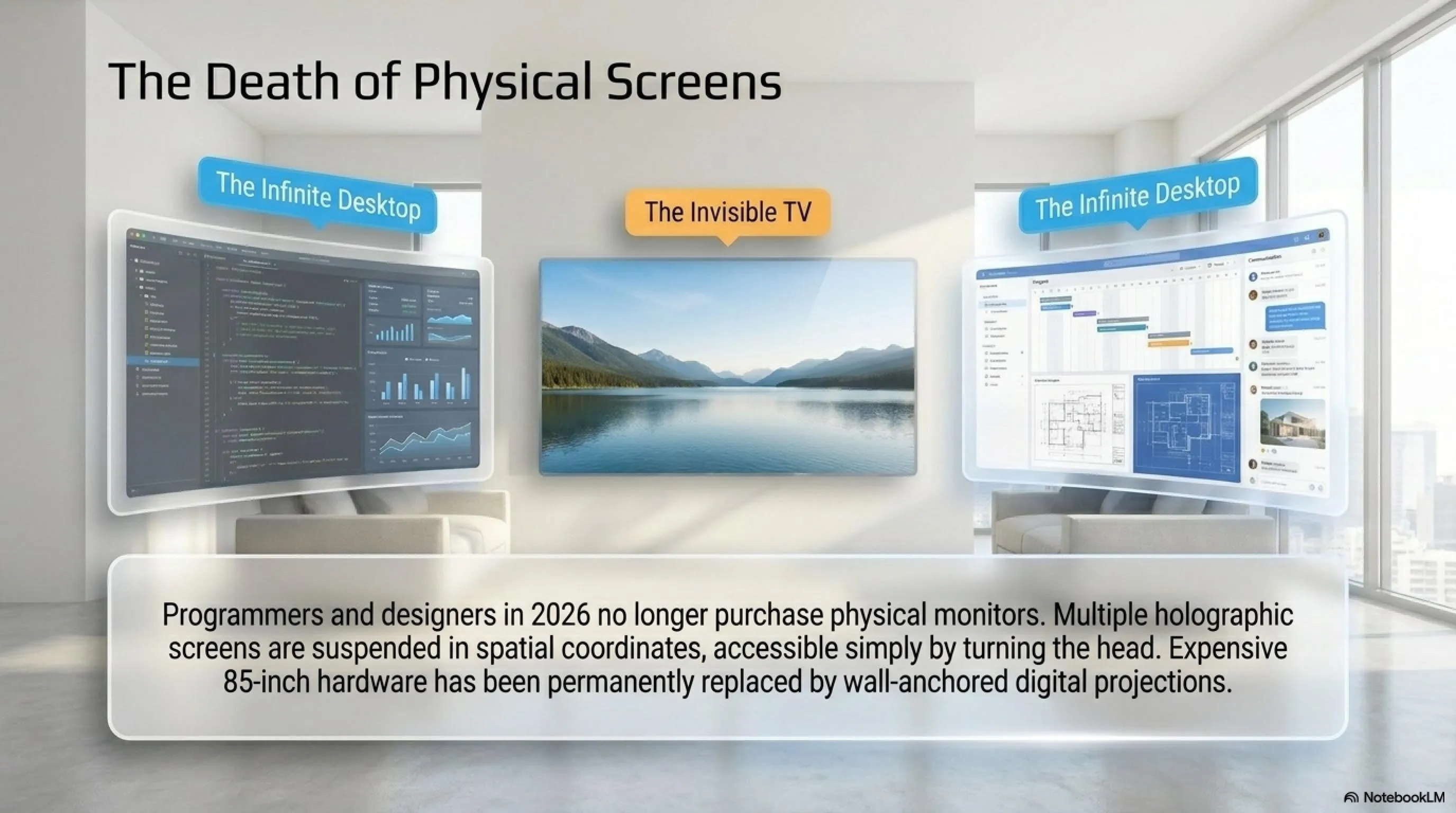
📉 The Death of Physical Screens
- Invisible TVs: You no longer need to buy an expensive 85-inch TV. Your MR glasses can pin a 300-inch 8K screen onto any wall in your house.
- Infinite Monitors: Instead of buying multiple physical monitors, programmers and designers in 2026 suspend multiple holographic monitors in the space around them, accessible simply by turning their heads.
🧬 Chapter 2: Hardware Mutation; From Helmets to Prescription Glasses
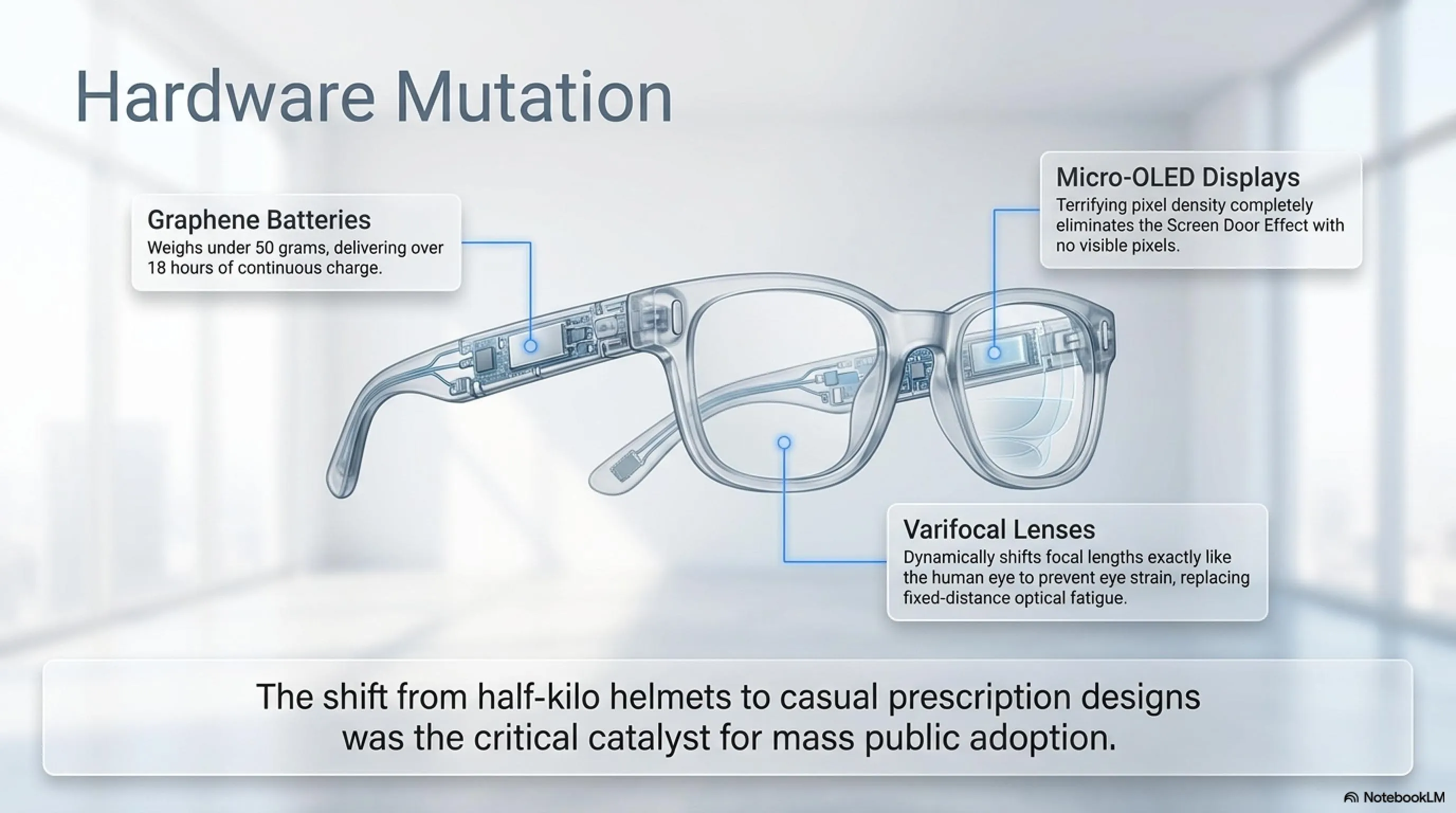
The biggest obstacle to the public acceptance of wearable technologies was their bizarre appearance and weight. No one wanted to walk down the street with a half-kilo device on their face! But massive breakthroughs in Solid-State Batteries and the miniaturization of nanometer chips in 2026 completely transformed the look of these devices.
Over 18 hours of charge
No visible pixels (Screen Door Effect)
normal sunglasses
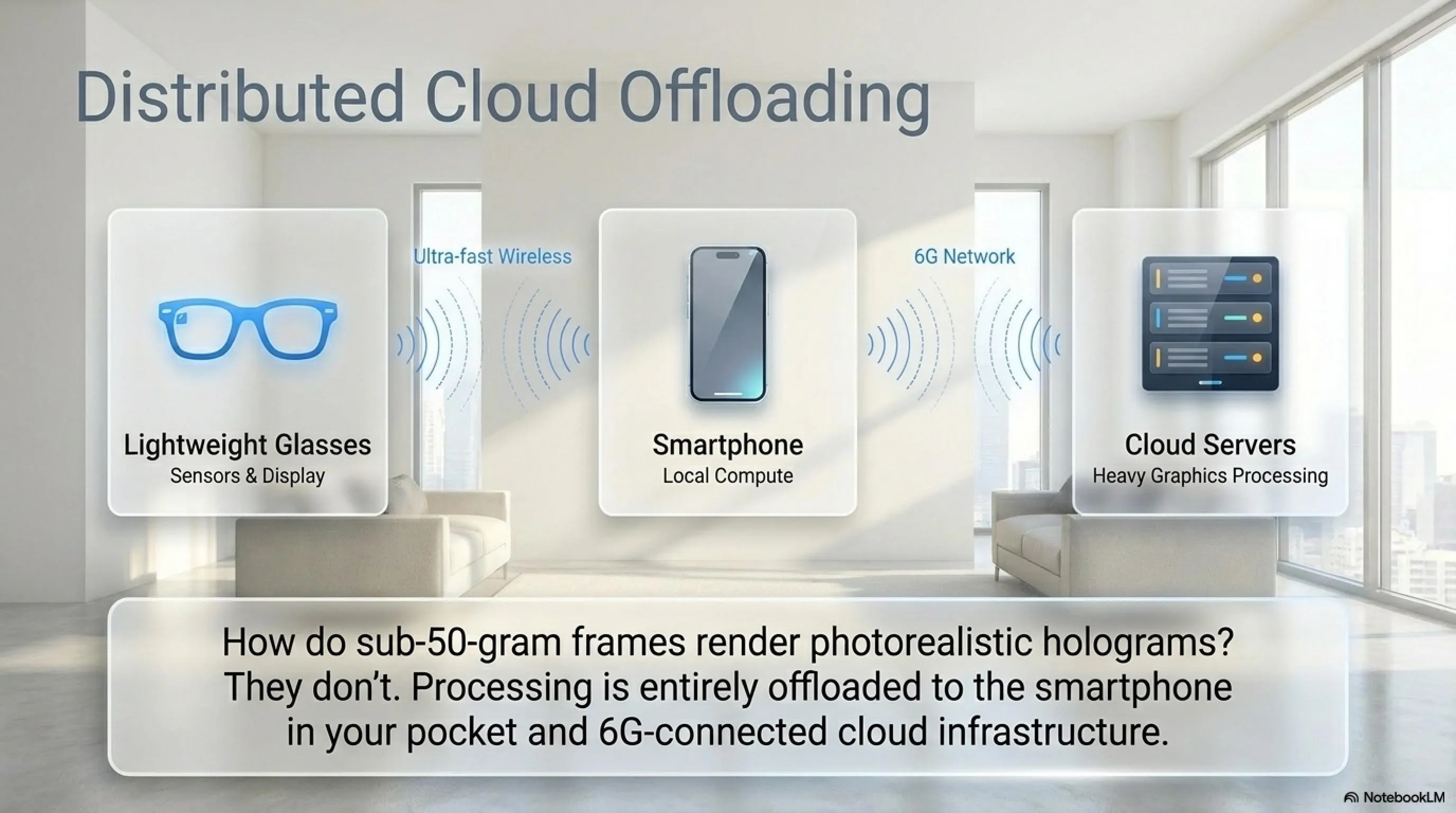
Distributed Cloud Offloading: How can lightweight glasses render stunning graphics? The simple answer: the glasses don't render at all! In 2026, AR glasses act merely as receivers and sensors. All heavy processing is either done by the smartphone in your pocket (via ultra-fast wireless connection) or received directly from cloud servers thanks to 6G internet.
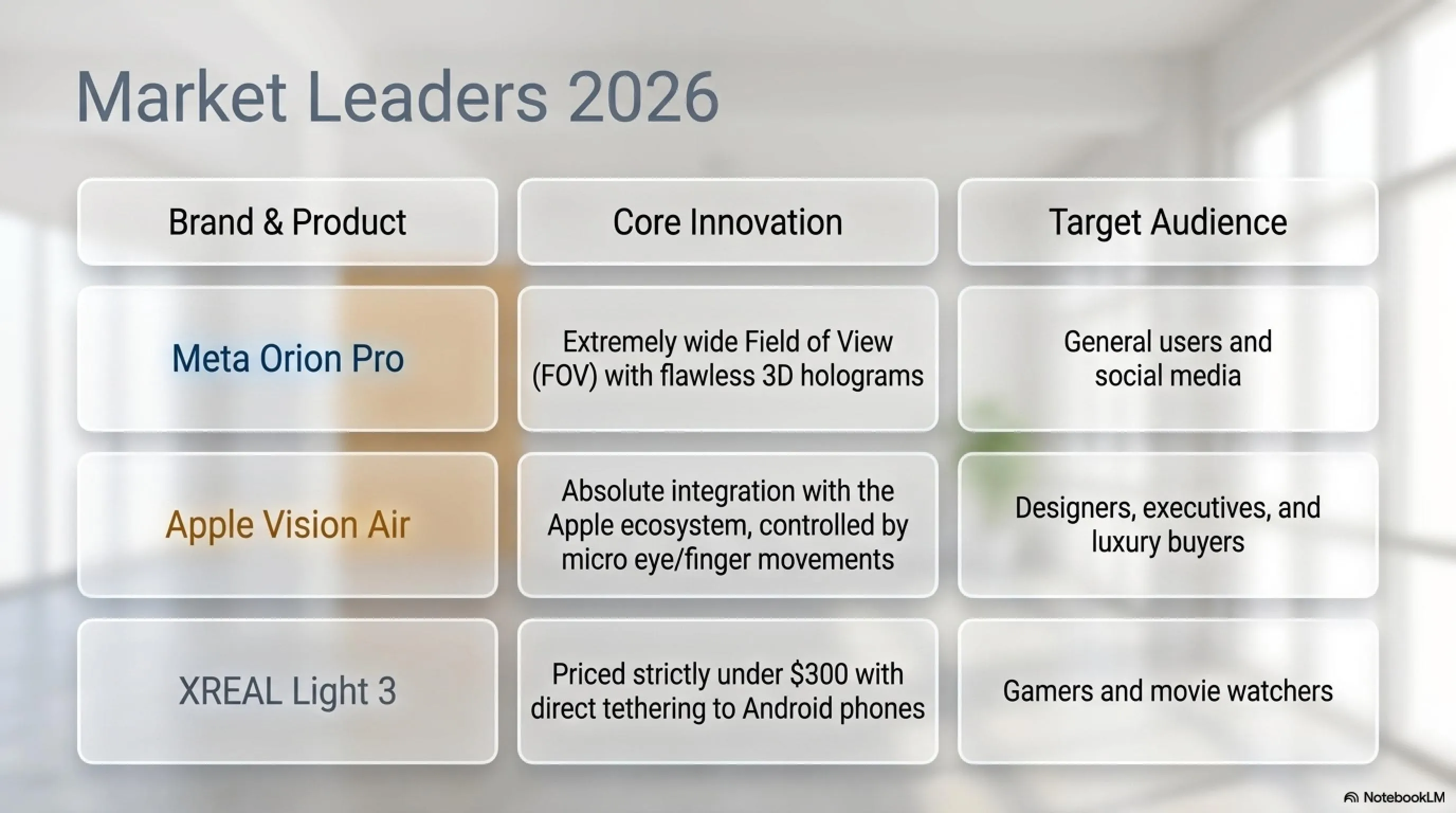
⚔️ AR/MR Hardware Market Leaders in 2026
| Brand & Product | Core Innovation | Target Audience |
|---|---|---|
| Meta Orion Pro | Extremely wide Field of View (FOV) with flawless 3D holograms. | General users and social media |
| Apple Vision Air | Absolute integration with the Apple ecosystem, controlled by micro eye and finger movements. | Designers, executives, and luxury lovers |
| XREAL Light 3 | Priced under $300 with direct tethering to Android phones. | Gamers and movie watchers |
🐉 Chapter 3: Gaming in MR; When Your Kitchen Becomes a Dungeon
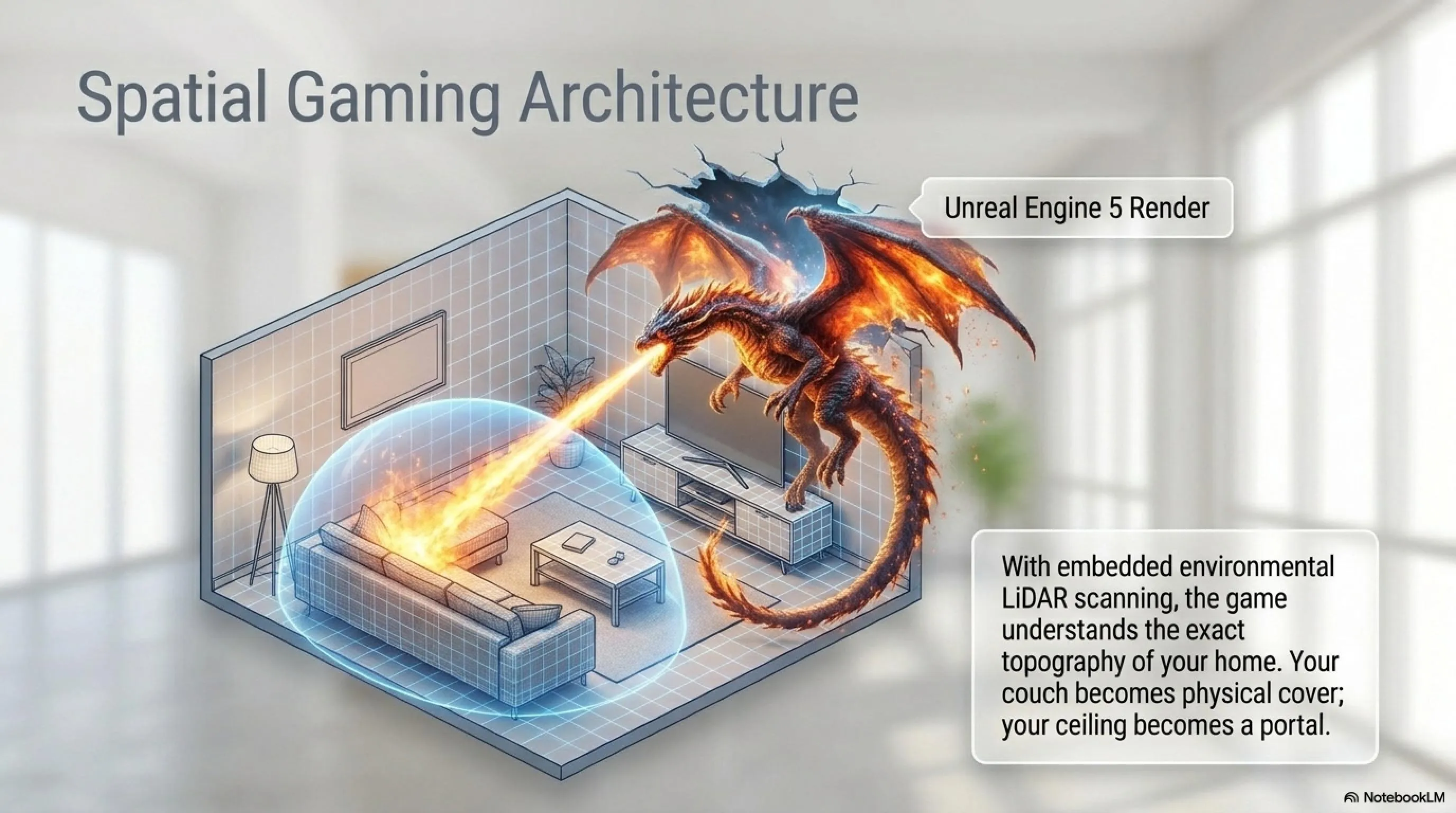
Perhaps Pokemon Go in 2016 was the first spark of blending gaming with the real world, but what we see in 2026 goes far beyond a simple map and a few 2D characters. With environmental laser scanning technology (LiDAR) built into MR glasses, the game understands your house's layout. Your couch, dining table, and even your pet cat become part of the game's Level Design!
Imagine playing an Action-RPG. Suddenly, your living room ceiling splits open, and a holographic dragon, rendered with Unreal Engine 5 graphics, jumps into the room. The dragon perches on your TV stand (because the game physically detects the stand's location) and breathes fire at you. You have to take cover behind your real couch to avoid getting burned!
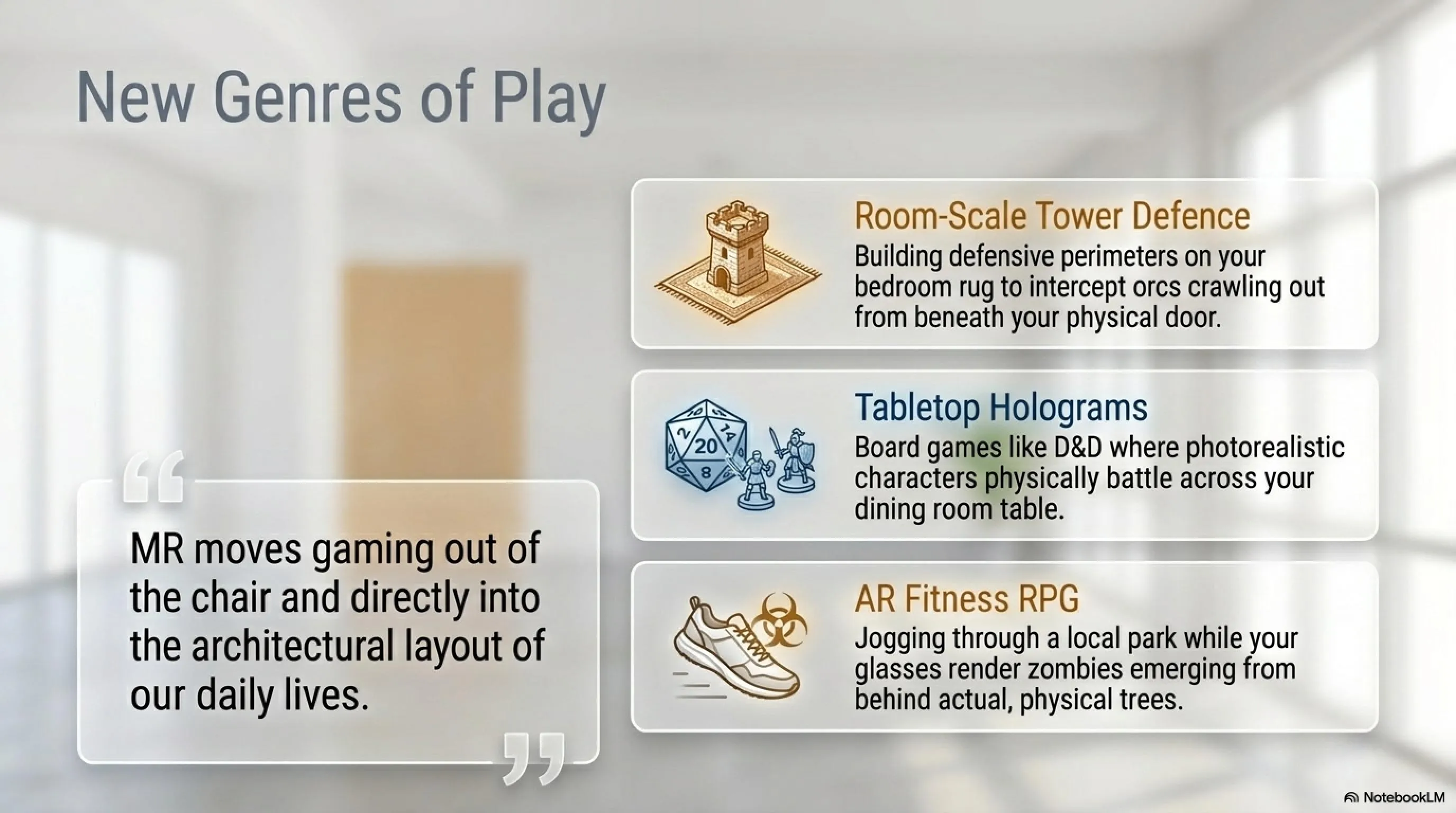
🎲 New Genres Created by MR Gaming:
- Room-Scale Tower Defense: Building defensive towers on your bedroom rug to stop orcs crawling out from under your door.
- Tabletop Holographic Board Games: Board games like D&D where characters come alive and fight each other on your dining table.
- AR Fitness RPG: Jogging in your local park while your glasses show zombies running toward you from behind real trees!
🤝 Chapter 4: Productivity and Socializing; Holograms Instead of Video Calls
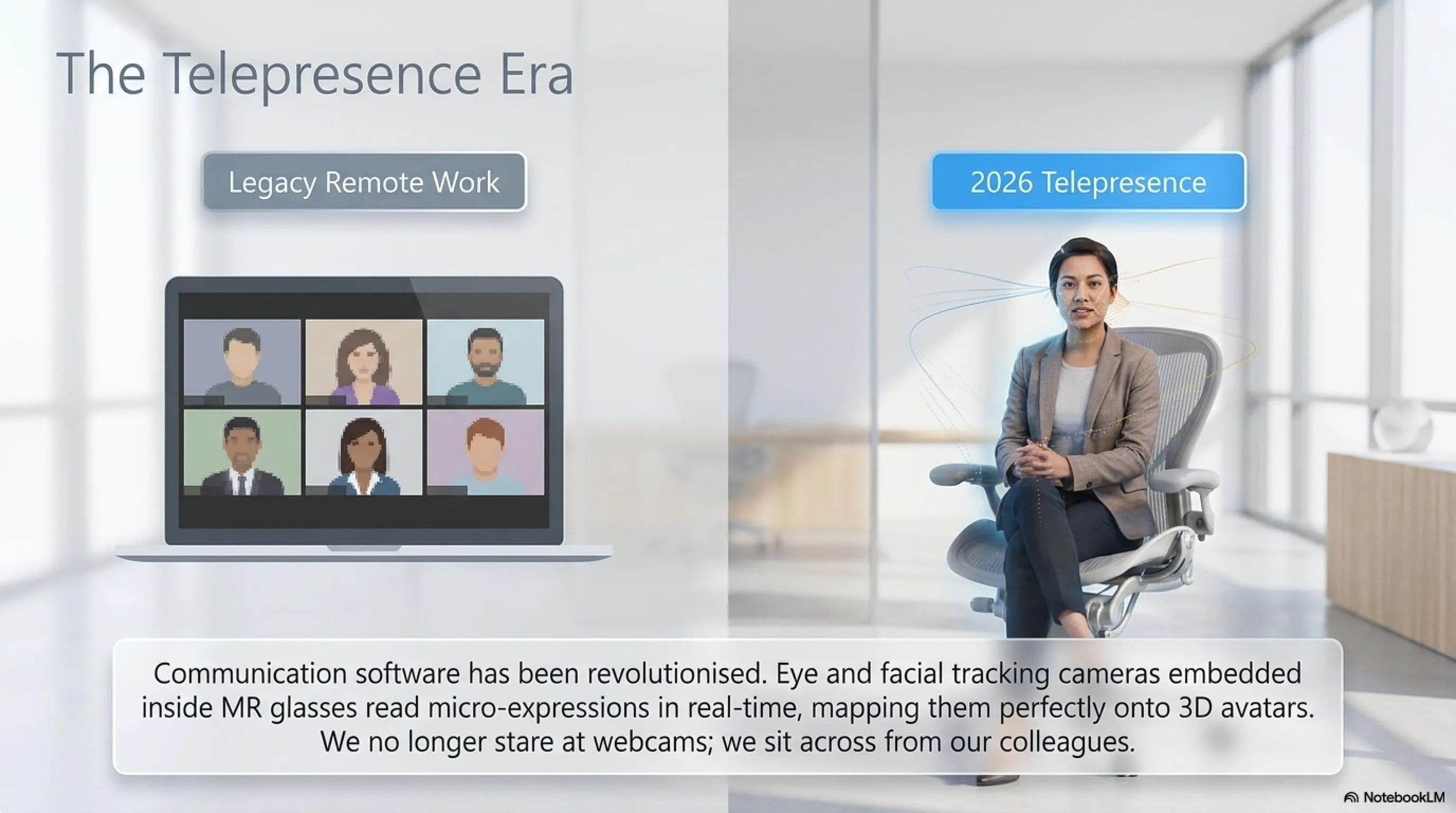
Mixed Reality isn't just for entertainment. The biggest economic blow from this technology has hit the communication software market, like Zoom, and office laptops. In 2026, the concept of "remote work" has completely changed. Instead of staring at a 2D webcam, you put on your glasses and see your coworker's photorealistic 3D avatar sitting directly in the chair across from you.
This technology, known as Telepresence, uses eye and facial tracking cameras embedded inside the glasses to transmit the user's micro-expressions perfectly to their holographic avatar.
🧠 Chapter 5: Brain-Computer Interface (BCI); Clicking With Your Thoughts!
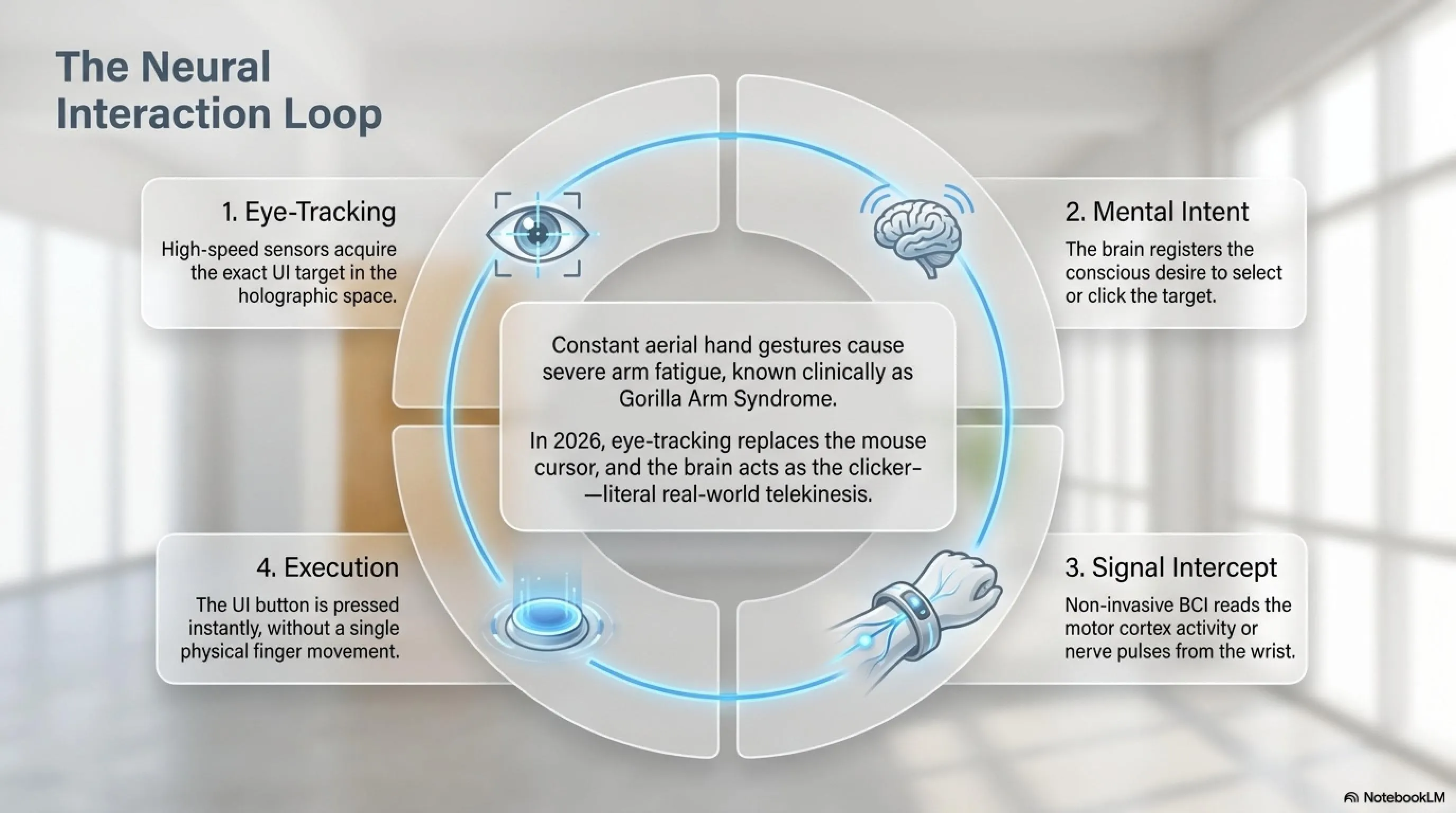
One of the biggest challenges of AR glasses was how to interact with them. Without a mouse and keyboard, do we have to constantly wave our hands in the air (like in the movie Minority Report)? Constantly waving hands causes severe arm fatigue, scientifically known as Gorilla Arm Syndrome.
But 2026 is the year of commercial integration of non-invasive BCI (Brain-Computer Interface) with MR glasses. Companies like Neuralink (in its non-medical sector) and Meta's neural wristbands have introduced tech that reads nerve pulses from your wrist or motor cortex activity from your brain.
How Do We Interact With Our Glasses in 2026?
- Eye-Tracking as a Mouse Cursor: Just look at the button or menu you want in the holographic space.
- BCI for Clicking: Without lifting a hand or even moving a finger, just by "intending" to click (sending a neural signal from the brain to the hand), the button is pressed! This feels like literal real-world telekinesis.
⚠️ Chapter 6: The Dark Side of the Coin; Privacy Crises and Digital Delusions
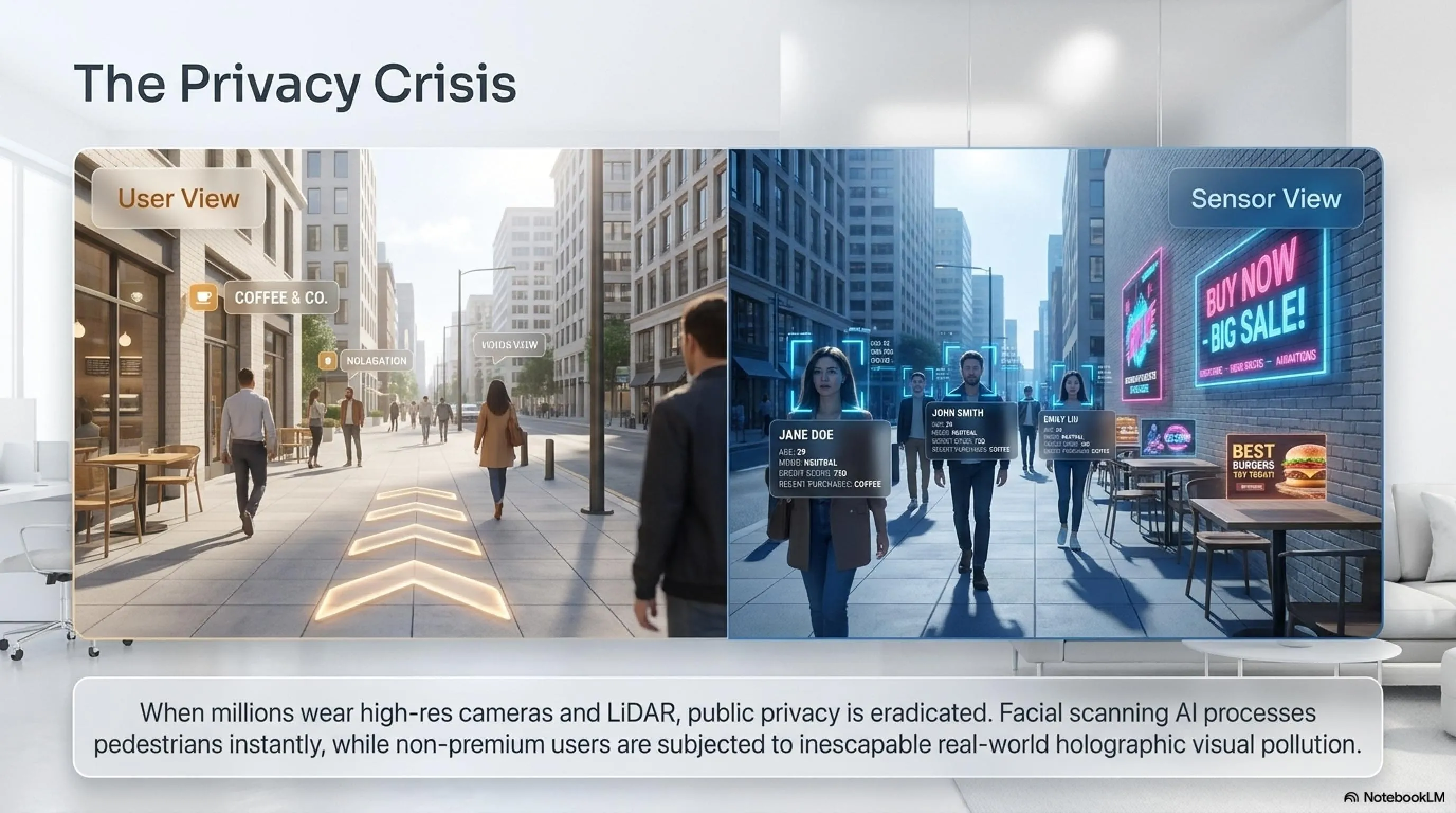
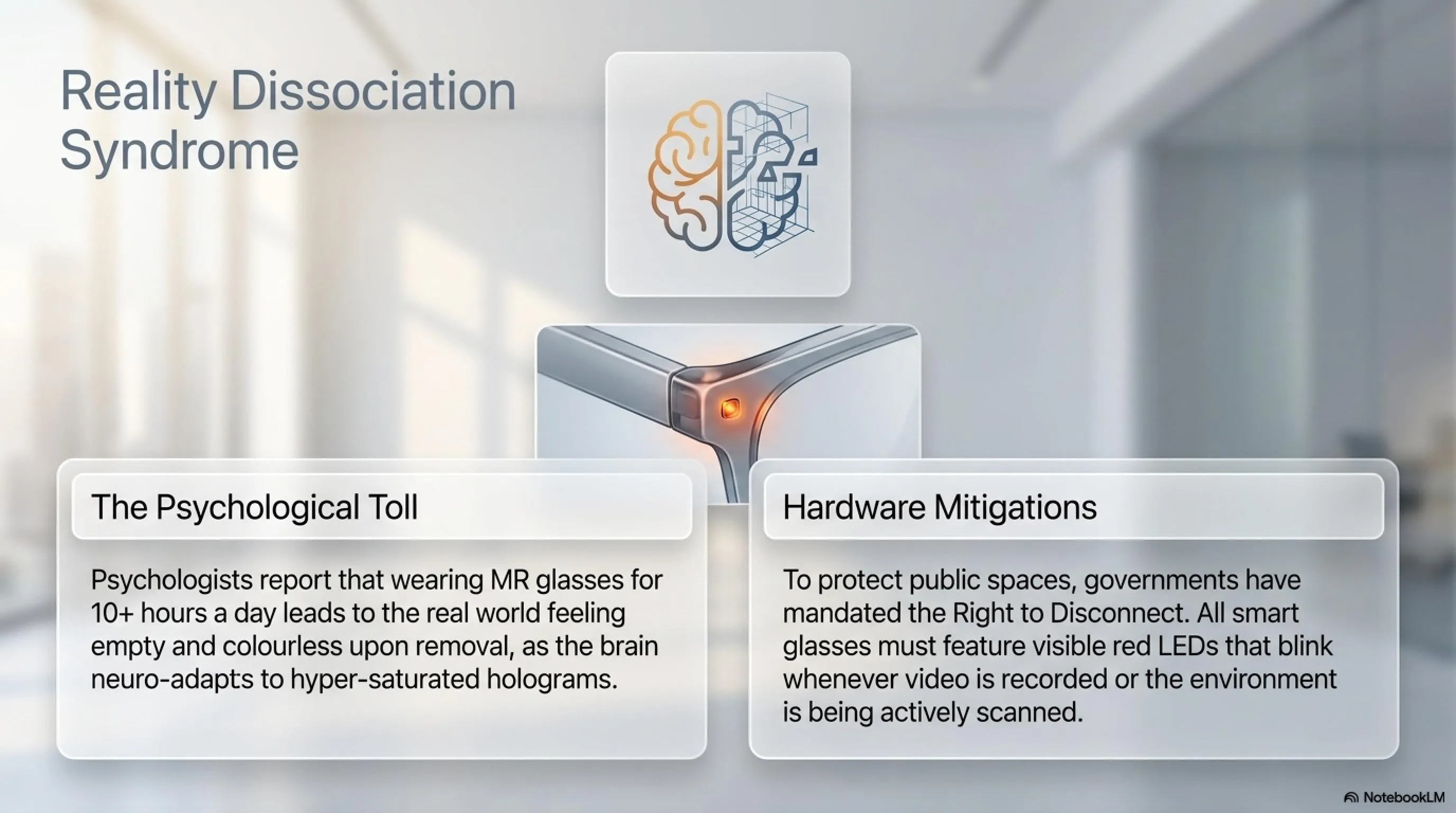
Every transformative technology comes with its own costs, and Mixed Reality is no exception. When millions of people are wearing glasses equipped with dozens of high-res cameras, LiDAR sensors, and sensitive microphones, privacy in public spaces is completely eradicated.
Despite this, governments and tech giants are drafting strict protocols for the "Right to Disconnect" and protecting citizens' privacy. For instance, small LED lights are mandatory on all smart glasses, blinking red whenever video is being recorded or the environment is being scanned, to alert bystanders.
🏆 TekinGame's Final Verdict: Where Are We Heading?
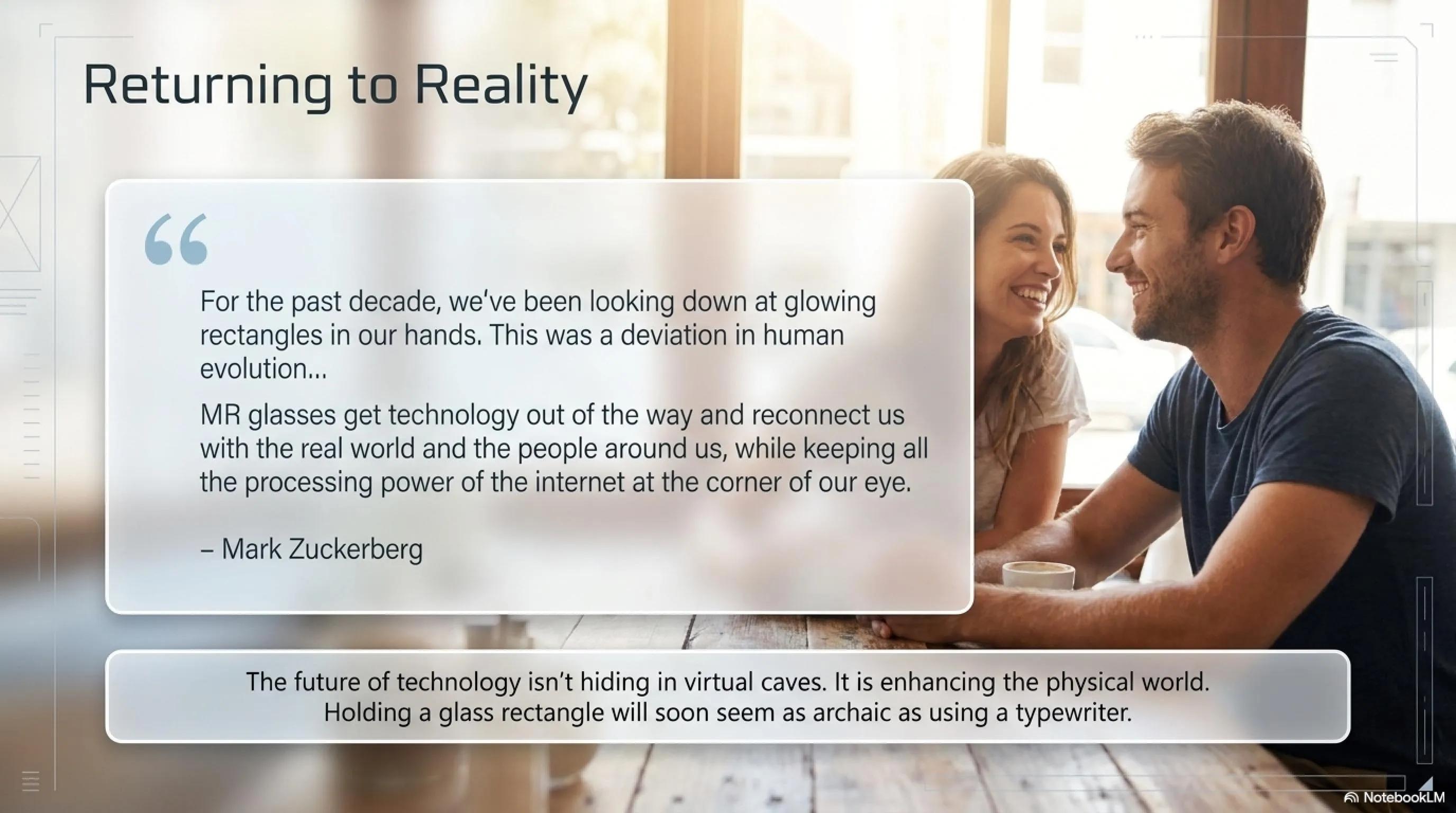
Mixed Reality in 2026 proved that the future of technology isn't hiding in virtual caves and escaping the real world; rather, it is enhancing and enriching the real world with information, art, and entertainment. We are still at the beginning of this journey. Today's glasses might be the equivalent of old flip phones in the pre-iPhone era, but the path is clear: the day will come when holding a glass rectangle (a smartphone) to interact with the digital world will seem as strange as using a typewriter.
🏁 Final Assessment: Is Now the Time to Buy MR Glasses?
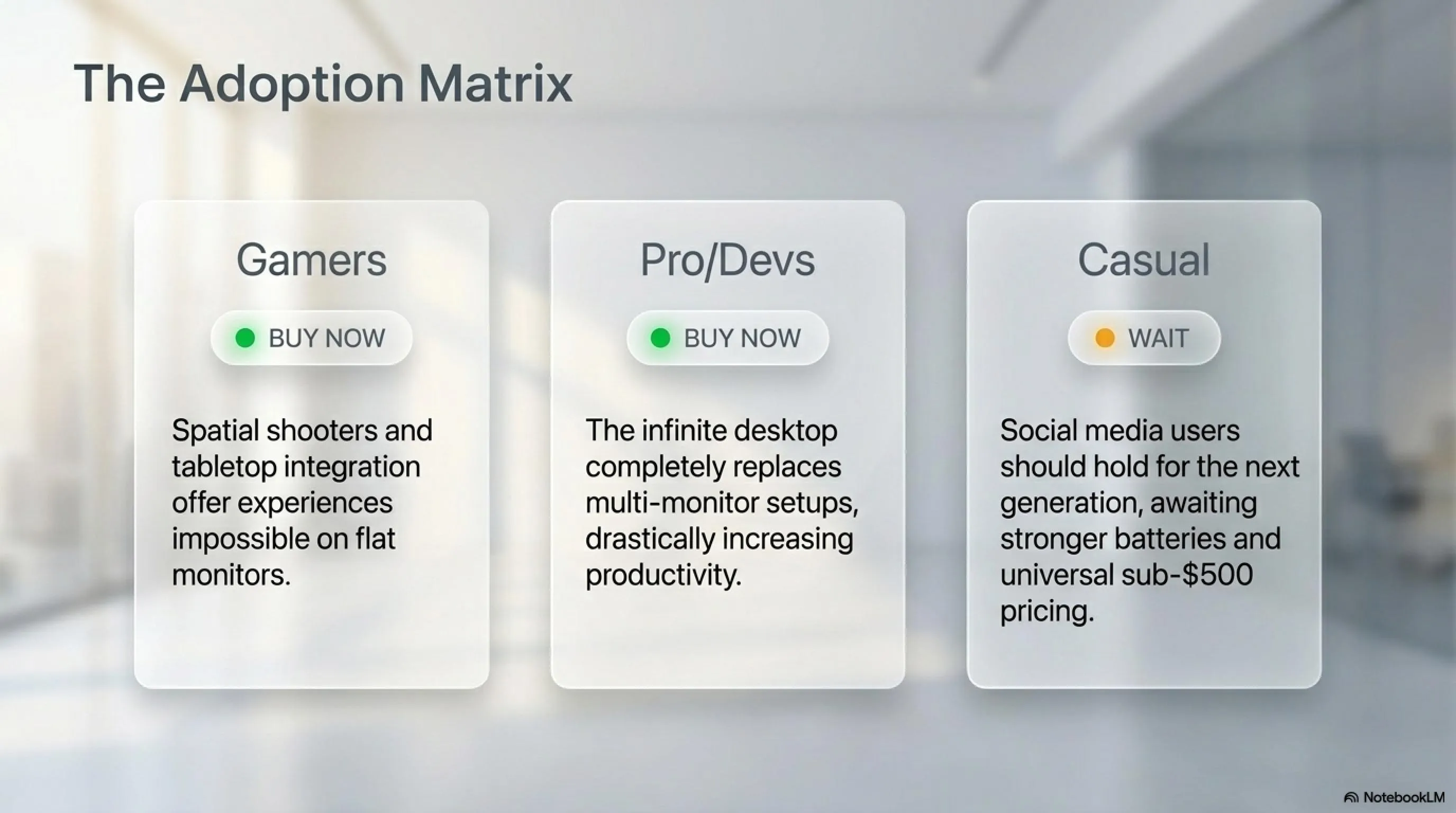
- 👑 For Gamers: Absolutely! The experience of tabletop games and spatial shooters with MR is nothing like playing on a flat monitor.
- 🚀 For Programmers & Designers: A perfect replacement for multi-monitor setups. Drastically increases productivity.
- ⚠️ For Casual Social Media Users: You might want to wait for the next generation with stronger batteries and sub-$500 pricing.
❓ Chapter 7: Frequently Asked Questions (FAQ)
What is the exact difference between AR and MR in 2026?
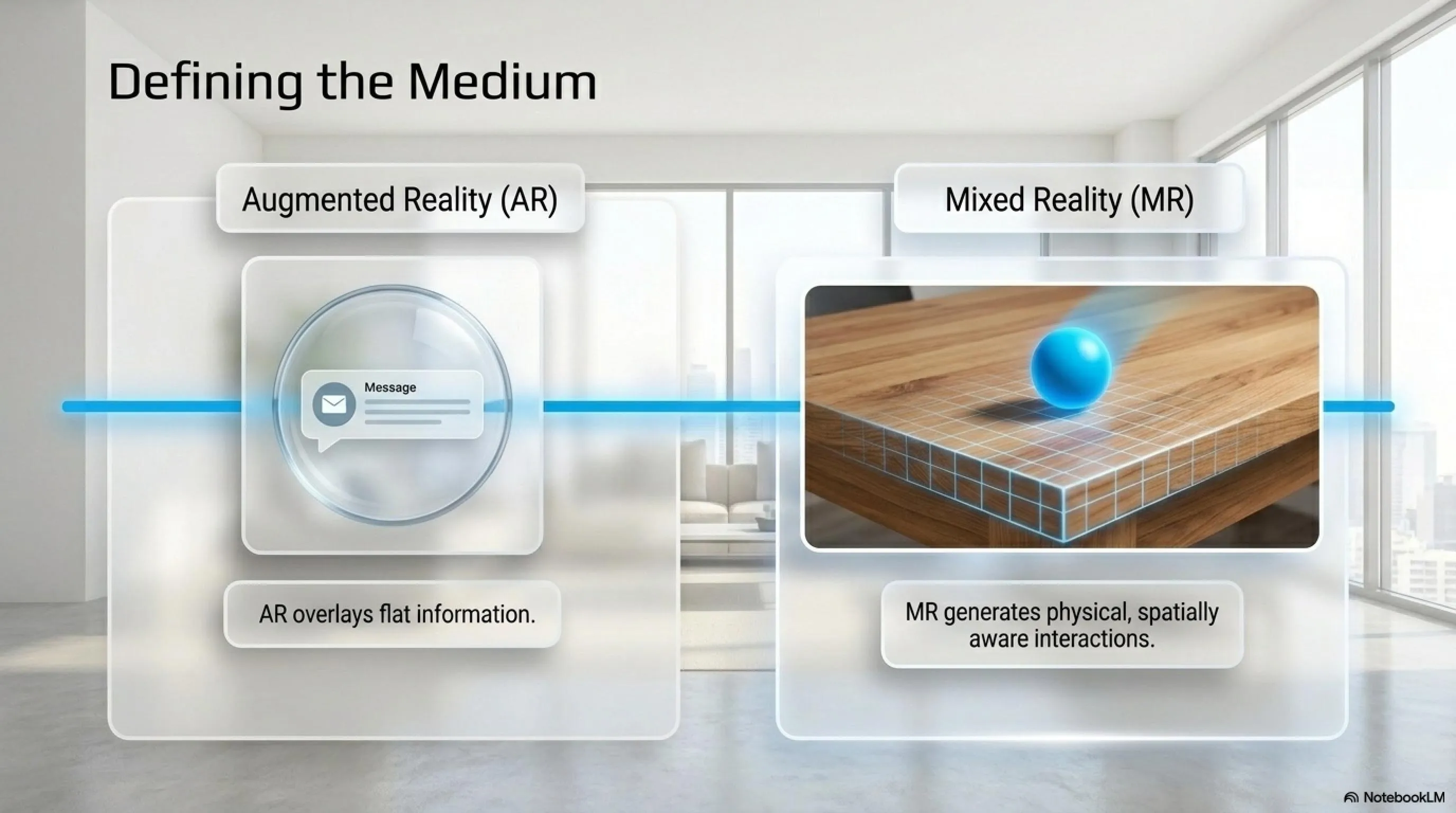
Augmented Reality (AR) overlays simple 2D information onto the glass (like displaying notifications). But Mixed Reality (MR) generates 3D objects that interact with the physics of your real world (e.g., a holographic ball that bounces off your actual desk).
Does using these glasses damage your eyes?
New generations utilize Varifocal Lens technology. Unlike older displays that forced the eye to focus at a fixed distance, these lenses dynamically shift focal lengths exactly like the human eye, preventing eye strain.
Sources, References, and Mega-Article ID
📋 Documented Sources (June 2026)
- 🔗 The Verge - How MR Glasses Killed The Smartphone in 2026
- 🔗 TechCrunch - Brain-Computer Interfaces and The Future of Handless AR
- 📊 Tekin Internal Research: A 30-day living-with-tech review of the Meta Orion Pro.
🌐 Stay Connected With Us 🎮✨
For the latest tech, gaming, and gadget news, follow us on our official social media channels:
Additional Gallery: TekinMag: The AR & MR Revolution of 2026 – When the Real World is Our Playground