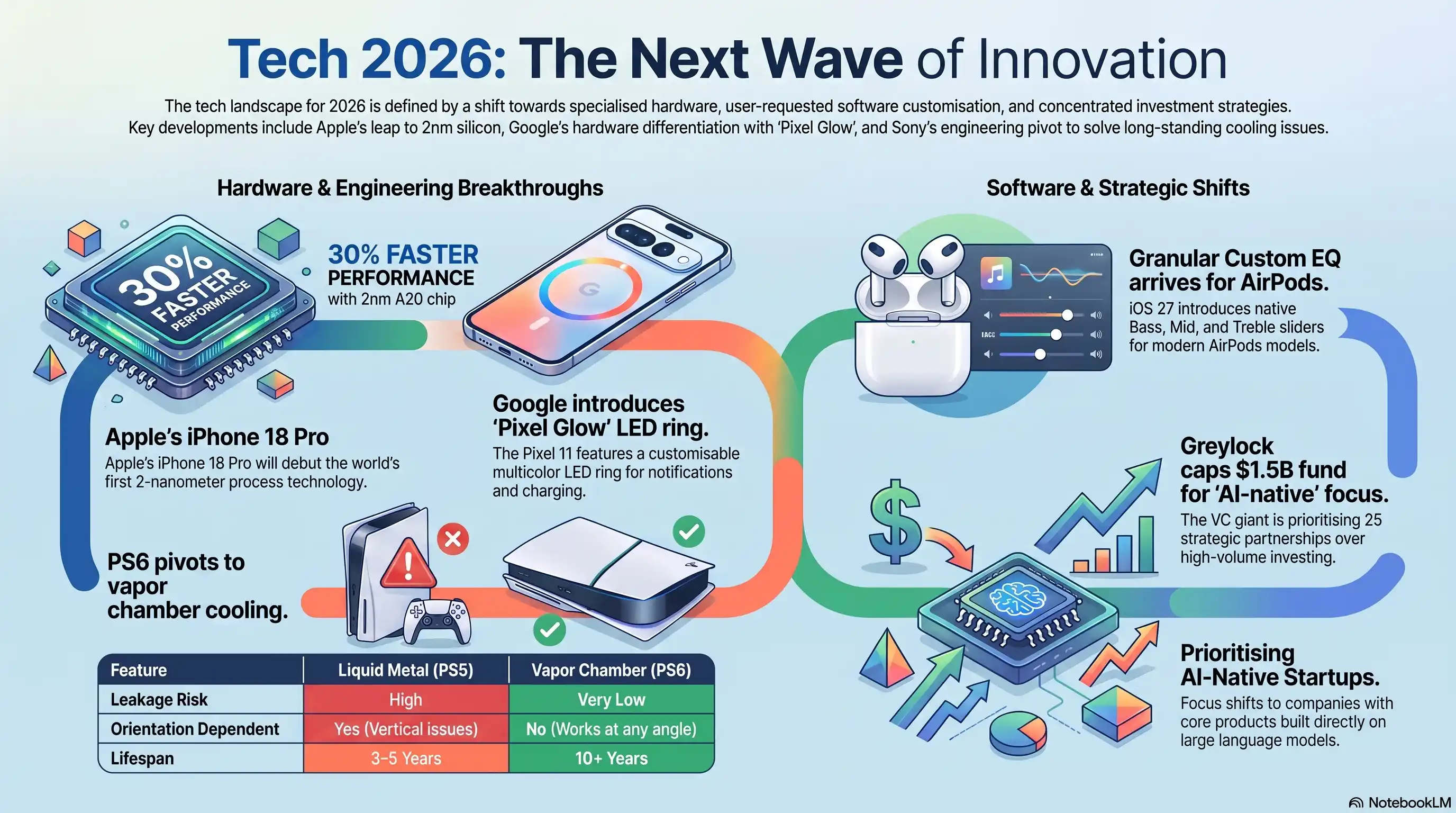
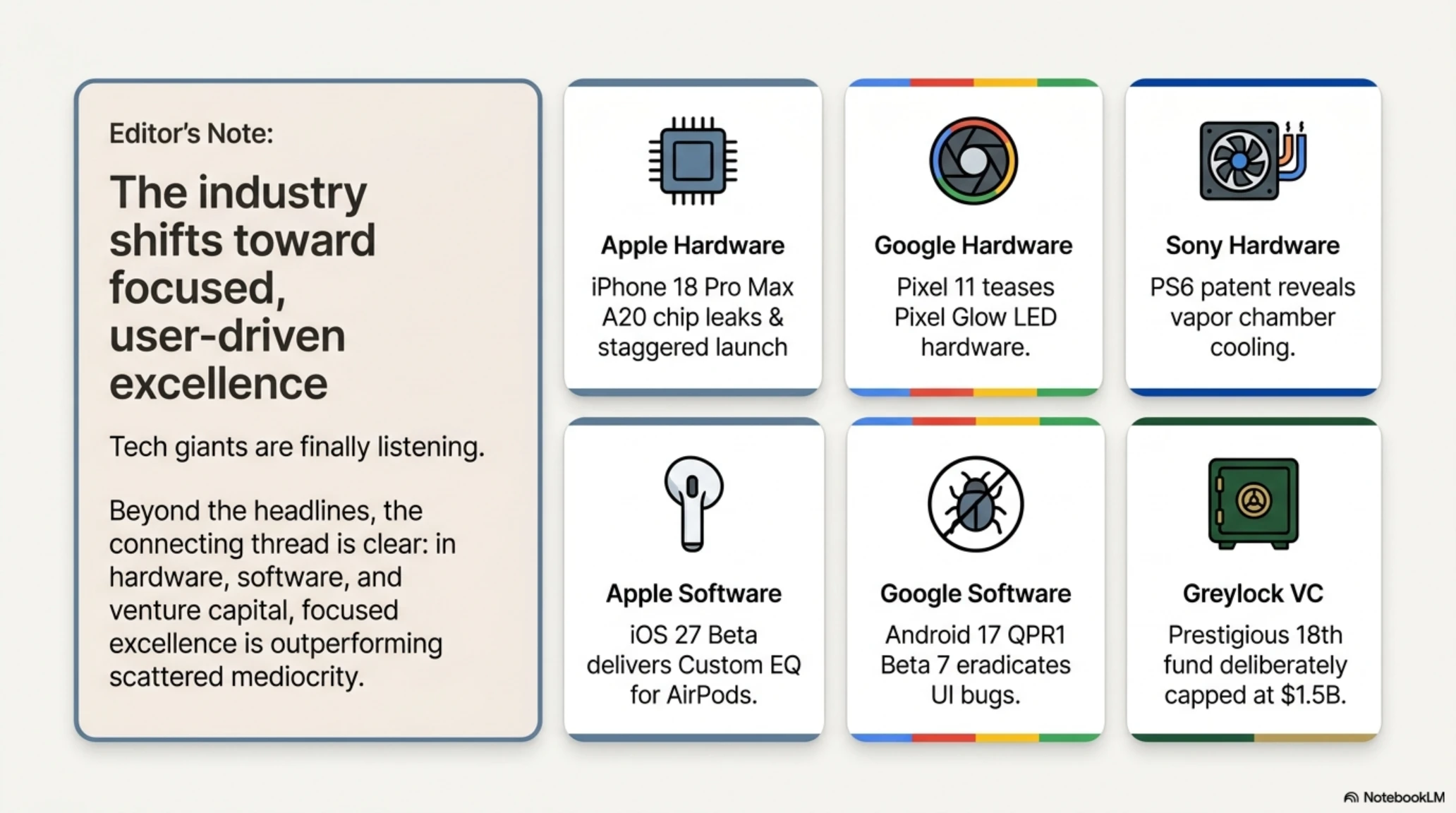
Thursday, July 16, 2026, brings major tech reveals. Apple launched Custom EQ for AirPods in the iOS 27 beta. Google officially teased the Pixel 11 featuring a multicolor Pixel Glow LED ring. A new Sony patent suggests the PS6 will abandon liquid metal for vapor chamber cooling to fix thermal flaws. Meanwhile, leaks expose the 2nm A20 chip for the upcoming iPhone 18 Pro Max, Android 17 QPR1 Beta 7 fixes system bugs, and Greylock Partners caps its new VC fund at $1.5B to focus exclusively on AI-native startups.
☀️ Good Morning! Tech News for Thursday, July 16
Start your Thursday with six hot tech stories that will energize your day!
- 🎮iPhone 18 Pro Max Leaks- A20 chip and September 8 launch date revealed
- 🎧AirPods Custom EQ- Sound customization finally arrives in public beta
- 🚀Pixel 11 with Pixel Glow- Google officially teases multicolor LED ring
- 🗡️Android 17 QPR1 Beta 7- Fixes annoying Quick Settings bugs
- 📰Greylock's $1.5B Fund- Why this VC giant chose to cap, not expand
- 🎮PS6 Without Liquid Metal- Sony patent reveals vapor chamber cooling
Good morning! Thursday, July 16, 2026, brings six carefully curated tech stories to kick off your day. Apple just dropped the long-awaited Custom EQ feature for AirPods in the iOS 27 public beta, Google officially teased the Pixel 11 with its glowing LED ring, and Sony filed a patent showing PlayStation 6 might finally solve the PS5's cooling nightmares. We've also got fresh iPhone 18 Pro Max leaks and fascinating insights into why Greylock Partners deliberately capped their latest fund at $1.5 billion when they could have raised much more.
At a Glance
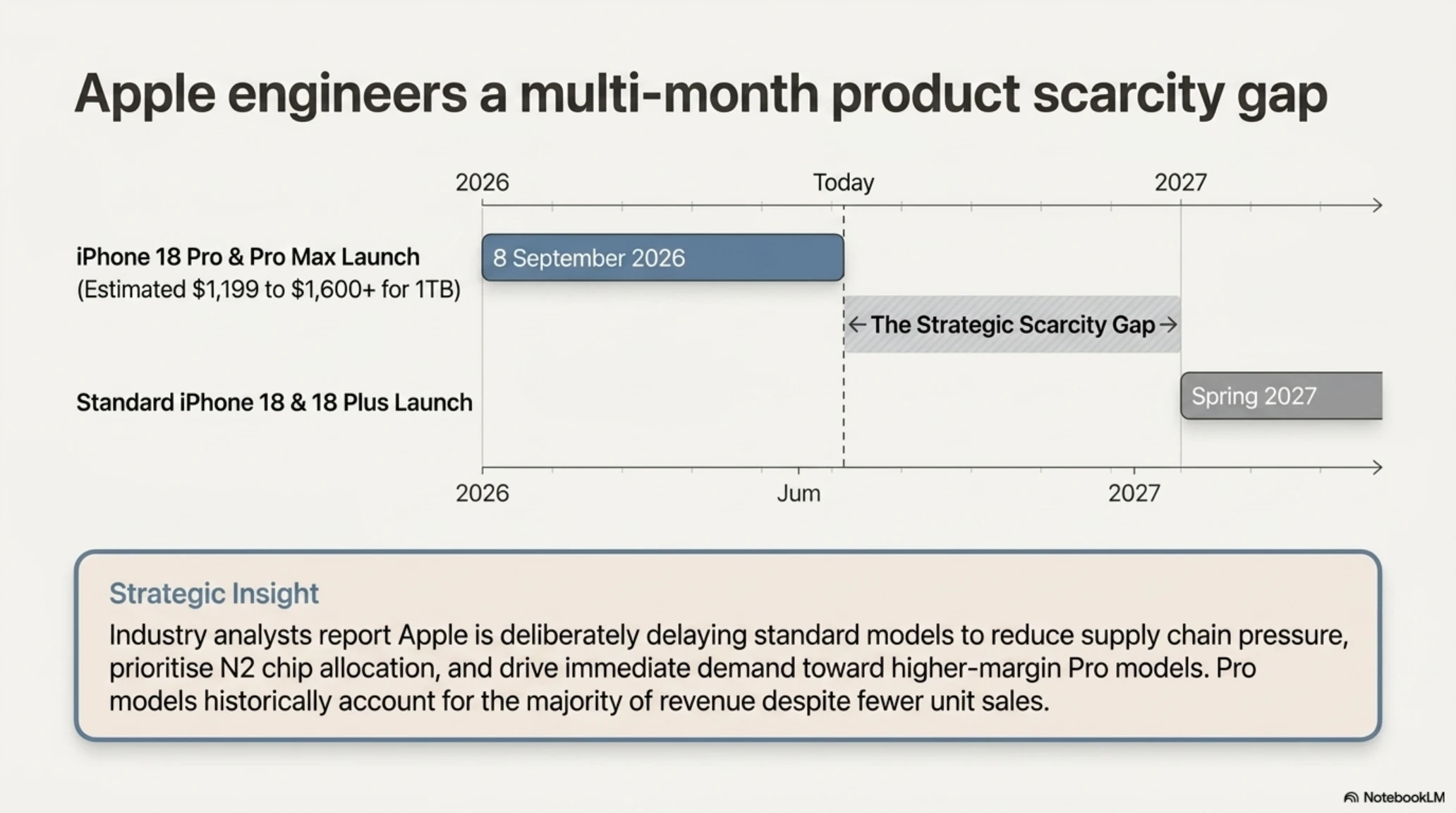
- Apple will unveil iPhone 18 Pro on September 8, 2026 - standard models delayed until spring 2027
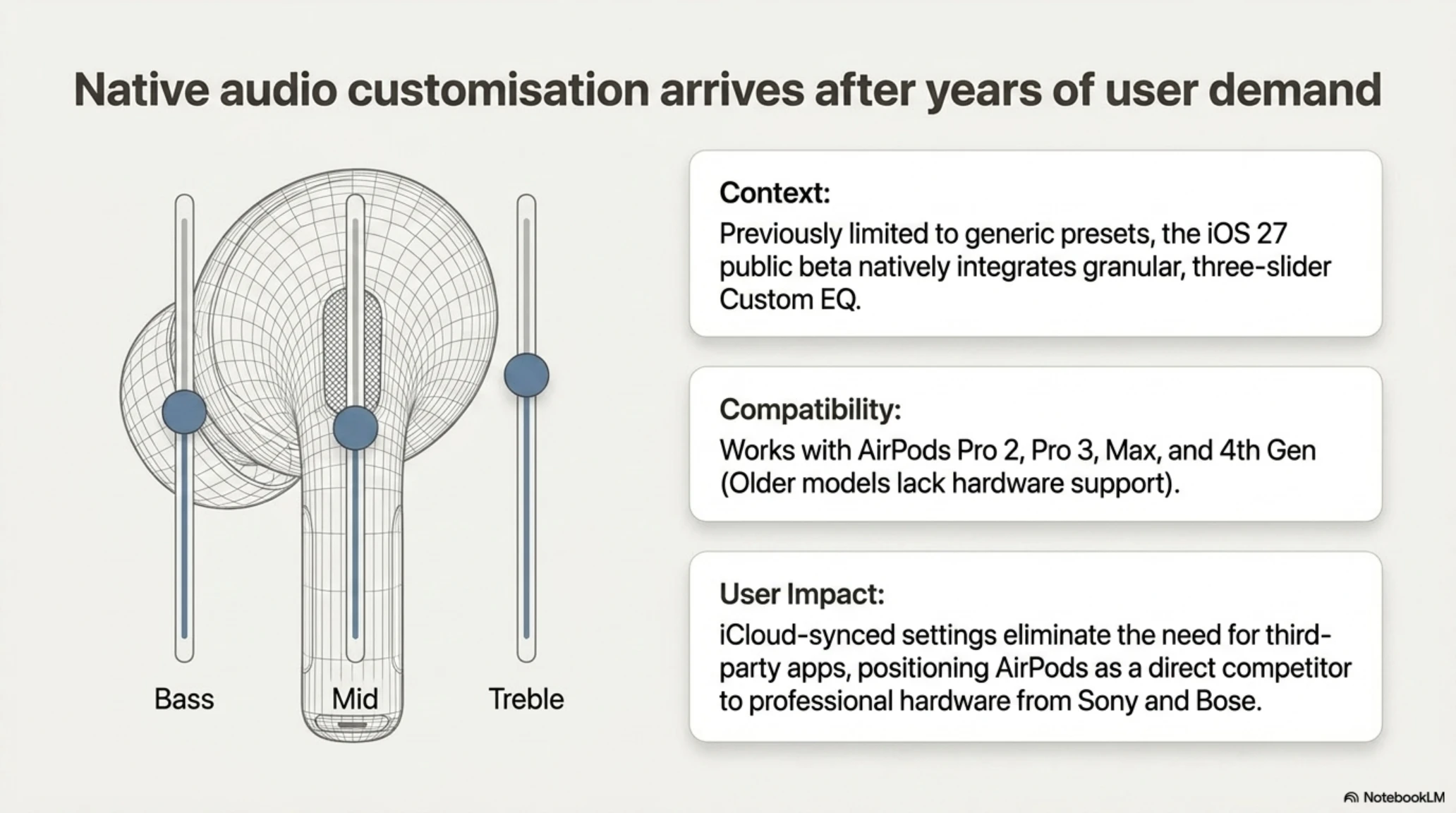
- Custom EQ for AirPods launched in iOS 27 public beta with Bass, Mid, and Treble controls
- Pixel 11 debuts August 12 with Pixel Glow - a full LED ring around the camera module
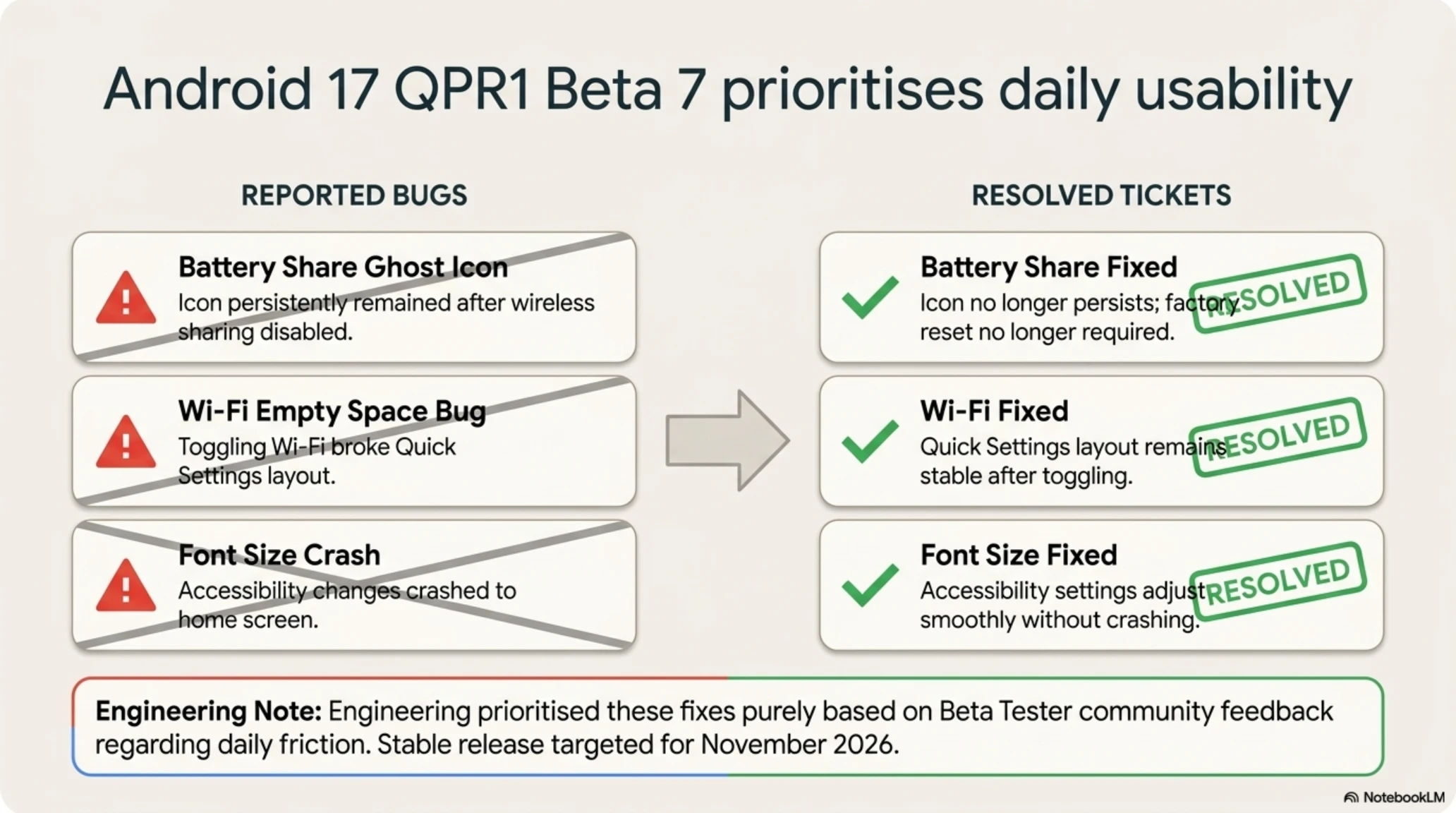
- Android 17 QPR1 Beta 7 fixes Battery Share ghost icon, Wi-Fi empty space, and font size crash bugs
- Greylock capped its 18th fund at $1.5B to focus on 25 AI-native startups as strategic partners
- PS6 may use vapor chamber cooling instead of Liquid Metal, solving orientation-dependent issues
iPhone 18 Pro Max: Fresh Leaks Reveal A20 Chip and Launch Date
According to reports from MacRumors and Mashable, Apple is planning to unveil the iPhone 18 Pro and Pro Max at a special event on September 8, 2026. The twist? Standard iPhone 18 models will face a multi-month delay, likely not appearing until spring 2027. This staggered release strategy marks a significant departure from Apple's traditional simultaneous launch approach.
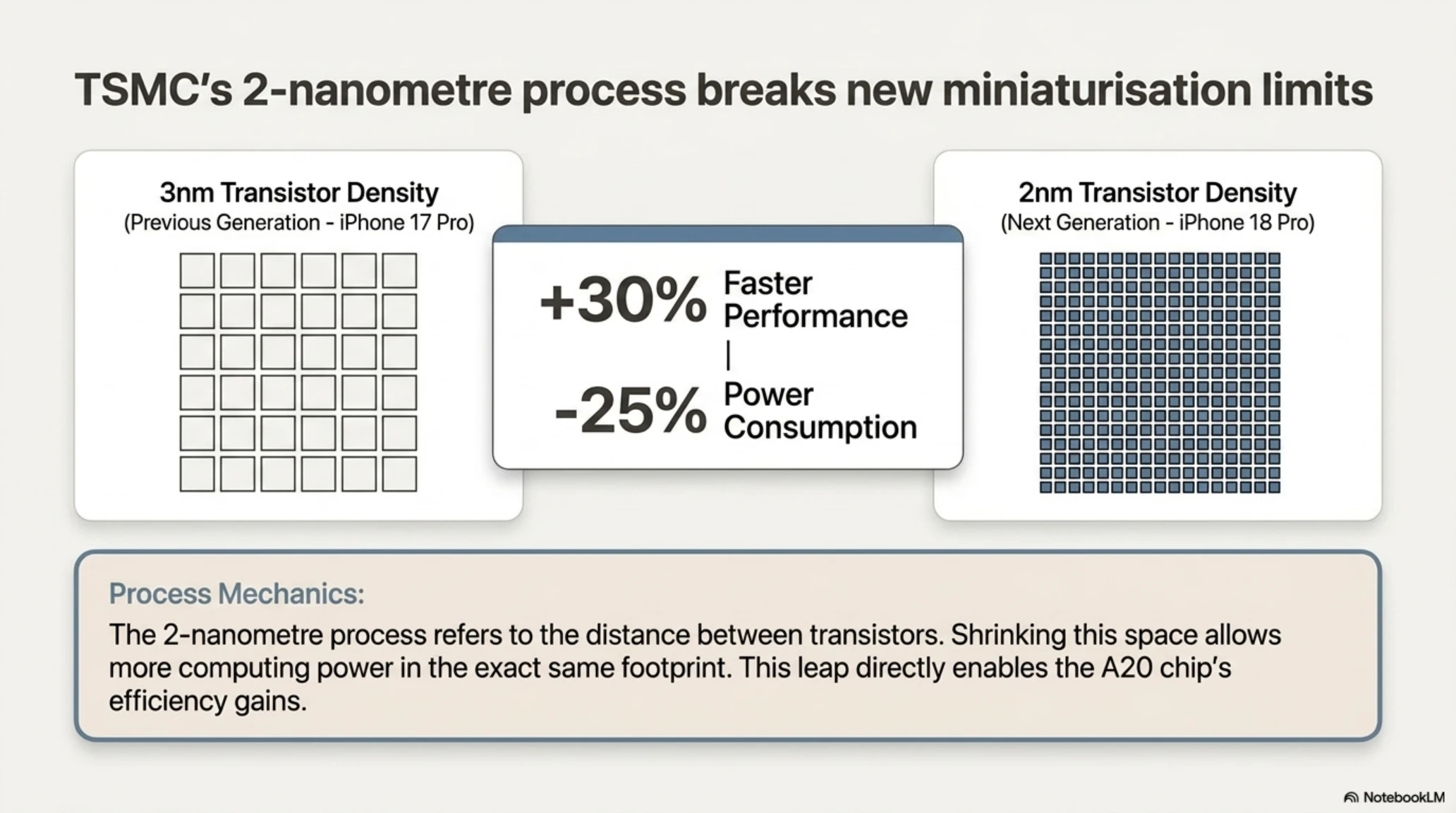
The headline feature of this generation is the A20 chip, manufactured using TSMC's cutting-edge 2-nanometer (N2) process. Early benchmarks suggest the A20 will deliver up to 30% faster performance while consuming 25% less power compared to the A19. Additional rumors point to a smaller Dynamic Island cutout and significant camera improvements, particularly in low-light photography and optical zoom capabilities.
Jargon Buster: What is 2nm Process Technology?
Why Are Standard Models Delayed?
Industry analysts attribute the delay to supply chain constraints and Apple's strategic focus on higher-margin Pro models. According to MacWorld's sources, Apple is deliberately creating scarcity for Pro models to drive demand, while postponing iPhone 18 and 18 Plus sales to spring 2027 to reduce manufacturing pressure and improve build quality.
This strategy carries risks. Competitors like Samsung and Google will launch flagship devices in the same timeframe, potentially capturing market share. However, history suggests Apple loyalists are willing to wait months for their preferred device, and the Pro models typically account for the majority of iPhone revenue despite representing fewer unit sales.
Market Analysis: Expected Pricing
Rumor vs Reality Meter
Sources include MacRumors and Mashable, both with strong track records for Apple supply chain information. The September 8 date aligns with Apple's historical pattern of second-Tuesday-of-September events. However, specific A20 chip specifications and Dynamic Island changes remain unconfirmed by Apple. The delayed standard model timeline has been corroborated by multiple independent sources in the Asian supply chain, lending it significant credibility.
AirPods Get Custom EQ: The Golden Feature We've Waited Years For
Apple finally delivered one of the most requested features in the iOS 27 public beta: Custom EQ (equalization) for AirPods. This capability, long standard in professional headphones from Sony and Bose, is now natively available for AirPods Pro 2, AirPods Pro 3, AirPods Max, and fourth-generation standard AirPods.
According to 9to5Mac's hands-on testing, users can now access three sliders through Settings > Bluetooth > AirPods > Audio, controlling Bass (low frequencies), Mid (midrange), and Treble (high frequencies) independently. Previously, users were limited to Apple's preset profiles like "Balanced" or "Bass Boost," but now have granular control over their audio signature.
How to Enable Custom EQ
To use this feature, first install the iOS 27 Public Beta through the Apple Beta Software Program. Connect your compatible AirPods to your iPhone, navigate to Settings > Bluetooth, tap the "i" icon next to your AirPods, and select Audio. A new "Custom EQ" section appears with three sliders for Bass, Mid, and Treble adjustment. Settings sync across iCloud-connected devices, so adjustments made on your iPhone automatically apply when using the same AirPods with your iPad or Mac.
- Complete audio customization for the first time in Apple's ecosystem
- No third-party apps required - native integration
- Compatible with AirPods Pro 2/3, Max, and 4th gen standard models
- Settings save automatically and sync via iCloud across devices
- Only available in Beta - stable release likely November 2026
- Some users report settings occasionally reset after device restart
- Only works with newer AirPods - first and second generation models not supported
- No visual frequency analyzer to help users understand their adjustments
Why This Feature Matters
Until today, one of the primary criticisms leveled at AirPods was their lack of sound profile customization. This limitation particularly frustrated musicians, content creators, and audiophiles who demanded precise control over their listening experience. By adding Custom EQ, Apple has closed a significant gap and positioned AirPods as serious tools for professional use.
This move also demonstrates Apple's responsiveness to user feedback. On forums like Reddit and MacRumors, requests for Custom EQ have been among the most repeated topics for years. With this release, Apple takes a major step toward direct competition with professional headphones like Sony's WH-1000XM7 and Bose's QuietComfort Ultra, which have offered EQ customization since their initial releases.
The implementation is characteristically Apple - simple three-slider interface rather than overwhelming users with 10-band parametric EQ controls. This approach prioritizes accessibility while still providing meaningful customization for most users. Power users can achieve remarkably different sound signatures by carefully adjusting these three frequency ranges.
Pixel 11: Google Officially Teases Pixel Glow Feature
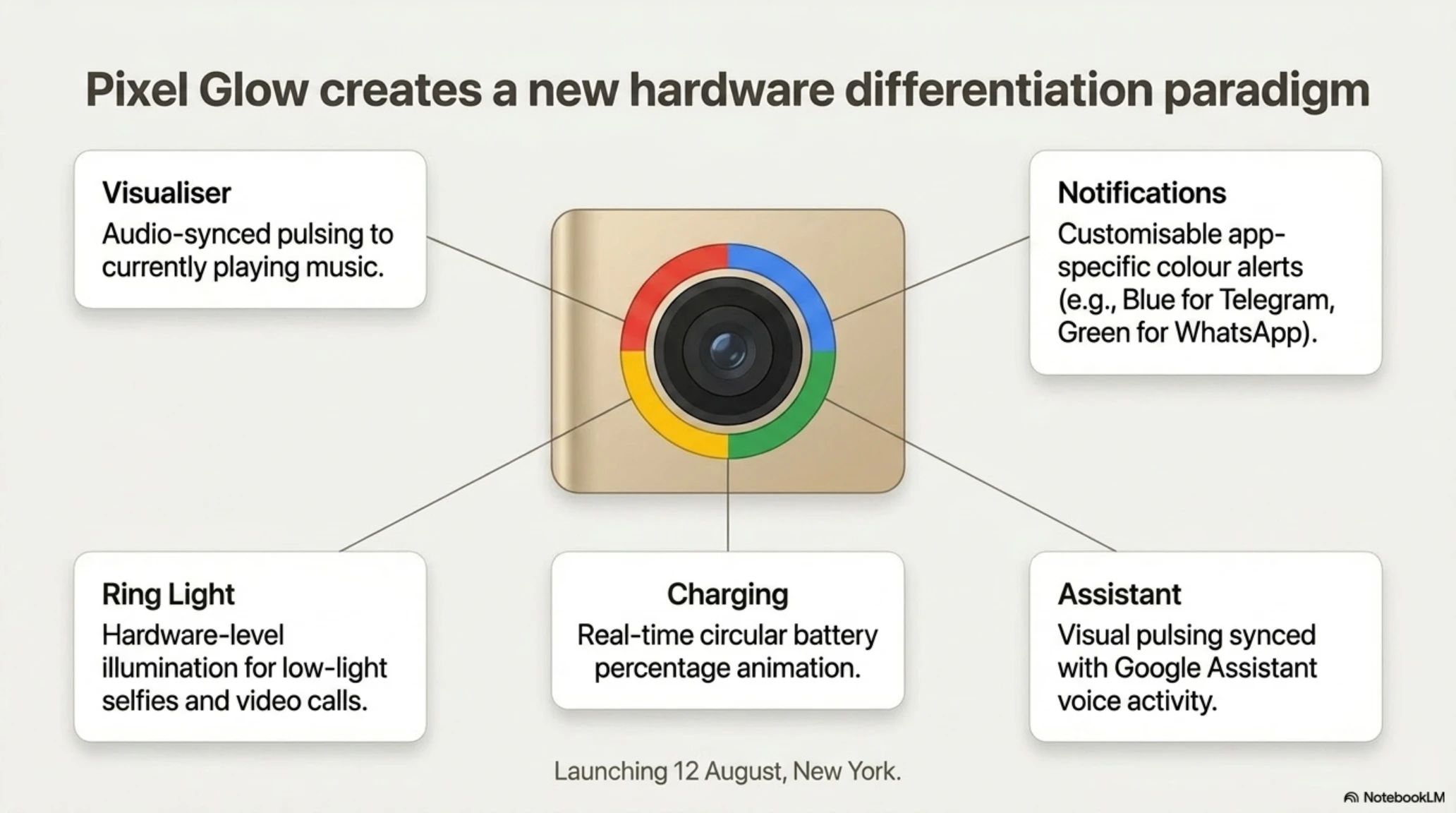
In an unexpected move, Google published the first official teaser for Pixel 11 on the Google Store, formally revealing the Pixel Glow feature. This consists of a multicolor LED ring surrounding the camera module that can be used for notifications, charging status, and even as a ring light for selfies.
The teaser image shows the Pixel 11 in Gold colorway with the LED ring illuminated in various colors. The accompanying text reads: "The glow is coming. August 12, New York," confirming the launch event date and location. This represents Google's most aggressive pre-launch marketing campaign for a Pixel device to date.
How Pixel Glow Works
According to leaked specifications from Android Authority, Pixel Glow utilizes RGB LED technology capable of displaying 16 million different colors. The ring can be customized for multiple use cases:
- Notifications: Different colors for different apps (blue for Telegram, green for WhatsApp, custom options available)
- Charging: Circular animation displaying battery percentage in real-time
- Ring Light: Additional illumination for selfies and video calls in low-light conditions
- Music Visualizer: Synchronizes with currently playing music, pulsing to the beat
- Google Assistant: Glows and pulses when the voice assistant is active and listening
- Call Alerts: Customizable patterns for incoming calls, messages, and app notifications
Why It Matters: Google's Differentiation Play
Comparison with Nothing Phone
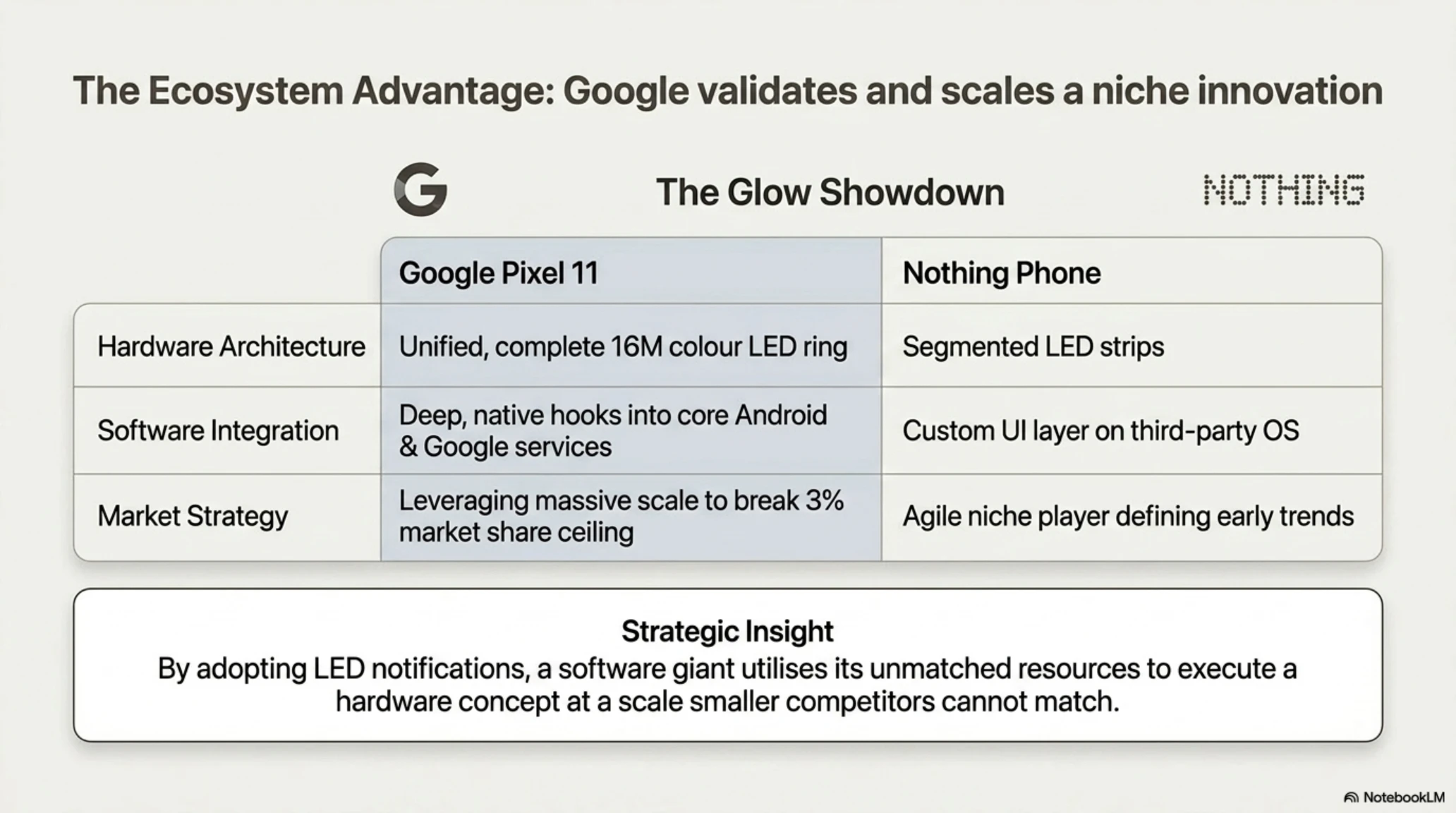
Pixel Glow draws obvious comparisons to the Glyph Interface on Nothing Phone, introduced by Carl Pei (OnePlus co-founder) in 2022. However, key differences exist. Pixel Glow is a complete, unified ring rather than separate LED strips. More importantly, as a software giant, Google can integrate this feature deeply with Android and its services in ways Nothing cannot match as a smaller player.
The timing is strategic. Nothing Phone carved out a niche with LED notifications at a moment when major manufacturers had abandoned them. By adopting and expanding on this concept, Google validates Nothing's innovation while leveraging superior resources to execute at scale. For consumers, this means better software support, longer-term updates, and tighter integration with the Android ecosystem.
Android 17 QPR1 Beta 7: Fixing the Annoying Quick Settings Bugs
Google released Beta 7 of Android 17 QPR1 (Quarterly Platform Release), addressing three highly irritating Quick Settings bugs that have plagued users since Beta 5. This update is available for Pixel 9, Pixel 10, and Pixel Fold 2 devices enrolled in the Android Beta Program.
Fixed Bugs
According to reports from Android Authority and 9to5Google, three major issues resolved in this release include:
Bugs Fixed in Beta 7
2. Wi-Fi Empty Space Bug: After toggling Wi-Fi off in Quick Settings, an empty space remained where the tile should be. Only a device restart would fix the layout, making this bug especially frustrating for users who frequently toggle connections.
3. Font Size Crash: Changing font size in Settings caused the Settings app to crash immediately, returning users to the home screen. This made accessibility adjustments impossible for users who needed larger text, creating a significant usability barrier.
These bugs existed since Android 17 QPR1 Beta 5 and generated significant frustration in the Beta Tester community. Google acknowledged the issues in an official post on the Android Beta Community forum, noting that the engineering team prioritized fixes due to the impact on daily usability.
Should You Install This Beta?
If you're already running previous versions of Android 17 QPR1 Beta, installing Beta 7 is strongly recommended as these fixes dramatically improve user experience. However, if you're a mainstream user relying on your device for work, it's advisable to wait for the stable release, likely arriving in November 2026.
For installation, enroll through the Android Beta Program website and receive the update via OTA (Over The Air). As with all beta software, back up your device before installing. While Beta 7 is considerably more stable than previous releases, beta builds still carry inherent risks of unexpected behavior.
Greylock Partners: Why This VC Capped Its Fund at $1.5 Billion
Greylock Partners, one of Silicon Valley's most prestigious venture capital firms, closed its 18th fund at $1.5 billion. The twist? Greylock could have raised significantly more but deliberately capped the fund. Why would a VC firm turn away capital?
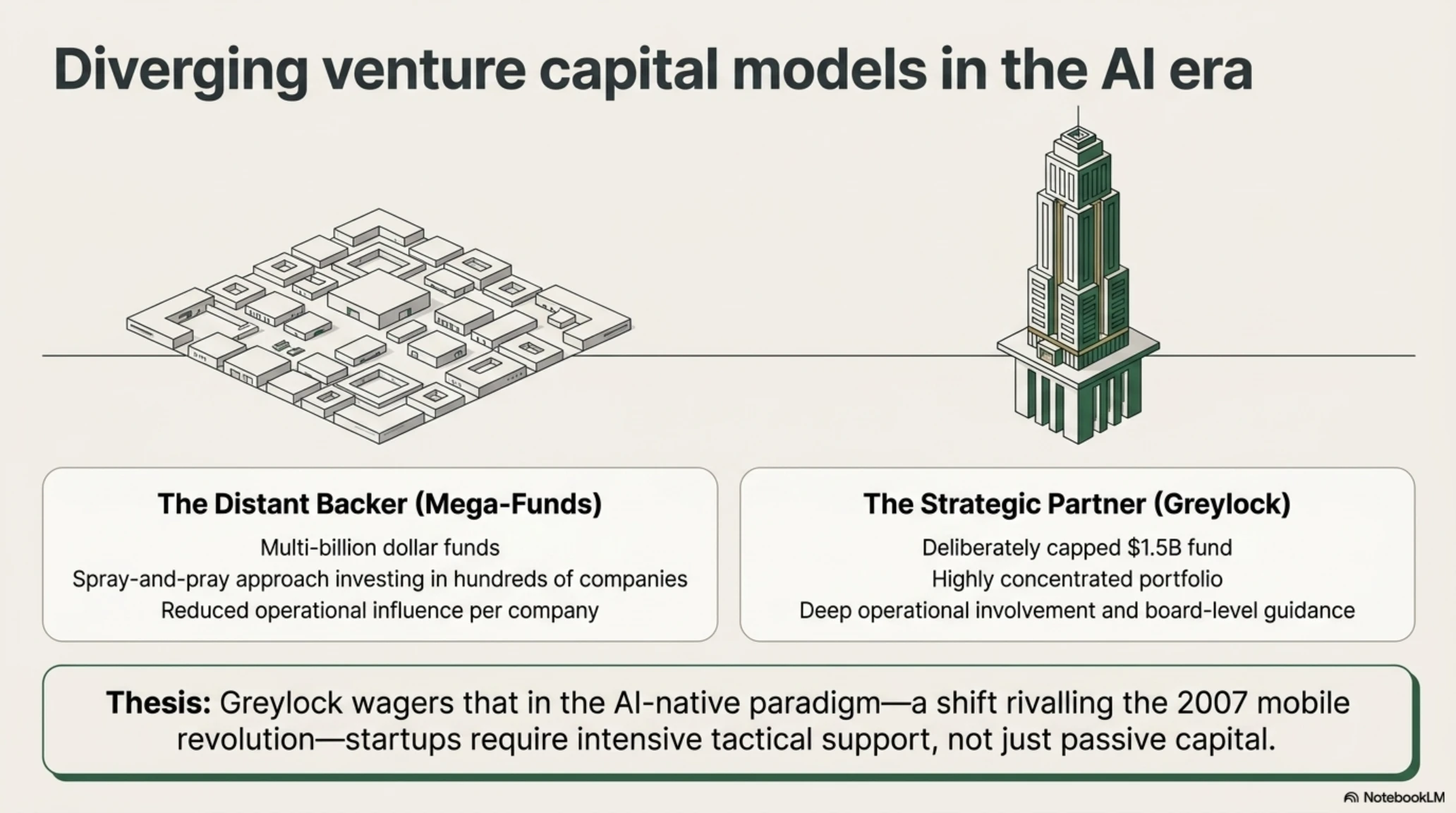
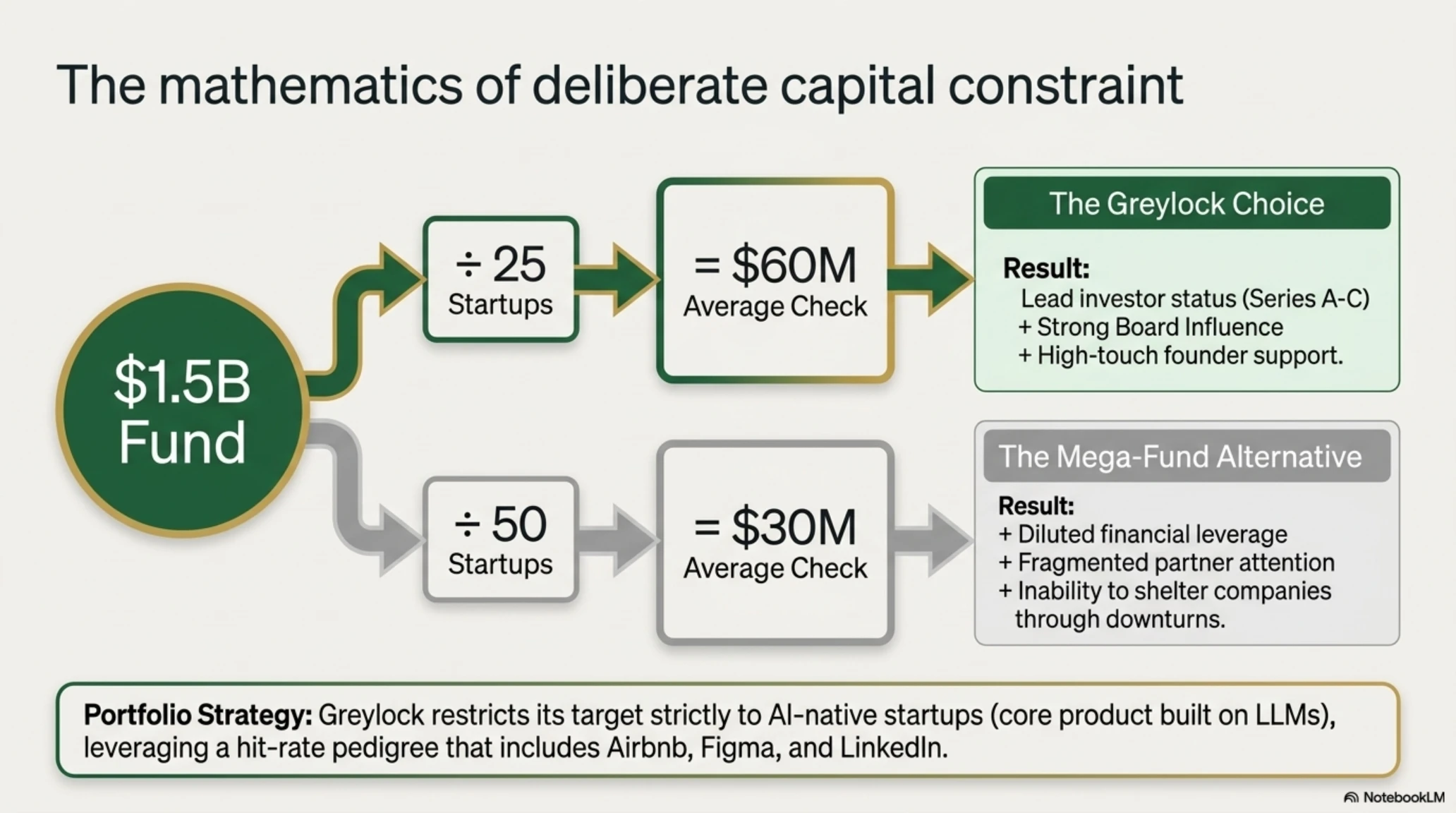
According to TechCrunch's exclusive reporting, this strategic decision allows Greylock to focus on approximately 25 AI-native startups and maintain their position as the "most important partner" to founders, rather than spreading investments across 50-60 companies and becoming a distant financial backer.
Quality Over Quantity Philosophy
In the VC world, bigger funds typically signal greater power and influence. But Greylock is rewriting this rule. Reid Hoffman (LinkedIn founder and Greylock partner) explained in an interview with Benzinga:
This strategy directly contrasts with the approach of mega-funds like Andreessen Horowitz (a16z), which raise multi-billion dollar funds and invest in hundreds of companies. Greylock believes that in the AI era, quality of support matters more than quantity of capital.
The mathematics are revealing. A $1.5 billion fund targeting 25 companies means average check sizes of $60 million - substantial enough to be a lead investor in Series A through C rounds. Spreading the same capital across 50 companies would halve the average investment, reducing Greylock's influence at the board level and limiting their ability to support portfolio companies through difficult periods.
Why AI-Native?
Greylock is focusing this fund entirely on AI-native startups. But what does AI-native mean? These are companies whose core product is built on Large Language Models (LLMs) or advanced AI systems, not companies merely adding AI as a peripheral feature.
Greylock's Greatest Hits
Airbnb - Short-term rental platform (current valuation: $85 billion)
Discord - Communication platform for gamers (current valuation: $15 billion)
Figma - UI/UX design tool (acquired by Adobe for $20 billion in 2022)
Roblox - Gaming platform and game creation system (current valuation: $28 billion)
Coinbase - Cryptocurrency exchange (current valuation: $22 billion)
This portfolio demonstrates Greylock's exceptional eye for identifying future unicorns. The firm's success rate significantly exceeds industry averages, justifying their selective approach.
The AI-native focus reflects Greylock's thesis that we're entering a paradigm shift comparable to the mobile revolution of 2007-2015. Just as companies built mobile-first captured more value than those bolting mobile onto desktop products, AI-native companies will dominate over those treating AI as an add-on.
Implications for the Broader VC Market
Greylock's decision sends ripples through the venture capital ecosystem. As LPs (Limited Partners - the institutions that fund VC firms) see a prestigious firm deliberately limiting fund size, it challenges the prevailing "bigger is better" mentality. Other top-tier firms may follow suit, potentially reshaping how venture capital operates.
This also creates opportunity for mid-tier VC firms. If Greylock and peers focus on fewer, larger bets, earlier-stage startups may find more welcoming audiences at smaller funds. The venture capital market could bifurcate into: mega-funds making huge late-stage bets, boutique funds making concentrated early bets, and a squeezed middle tier struggling to define their value proposition.
PS6: Sony's New Patent Shows Vapor Chamber Cooling
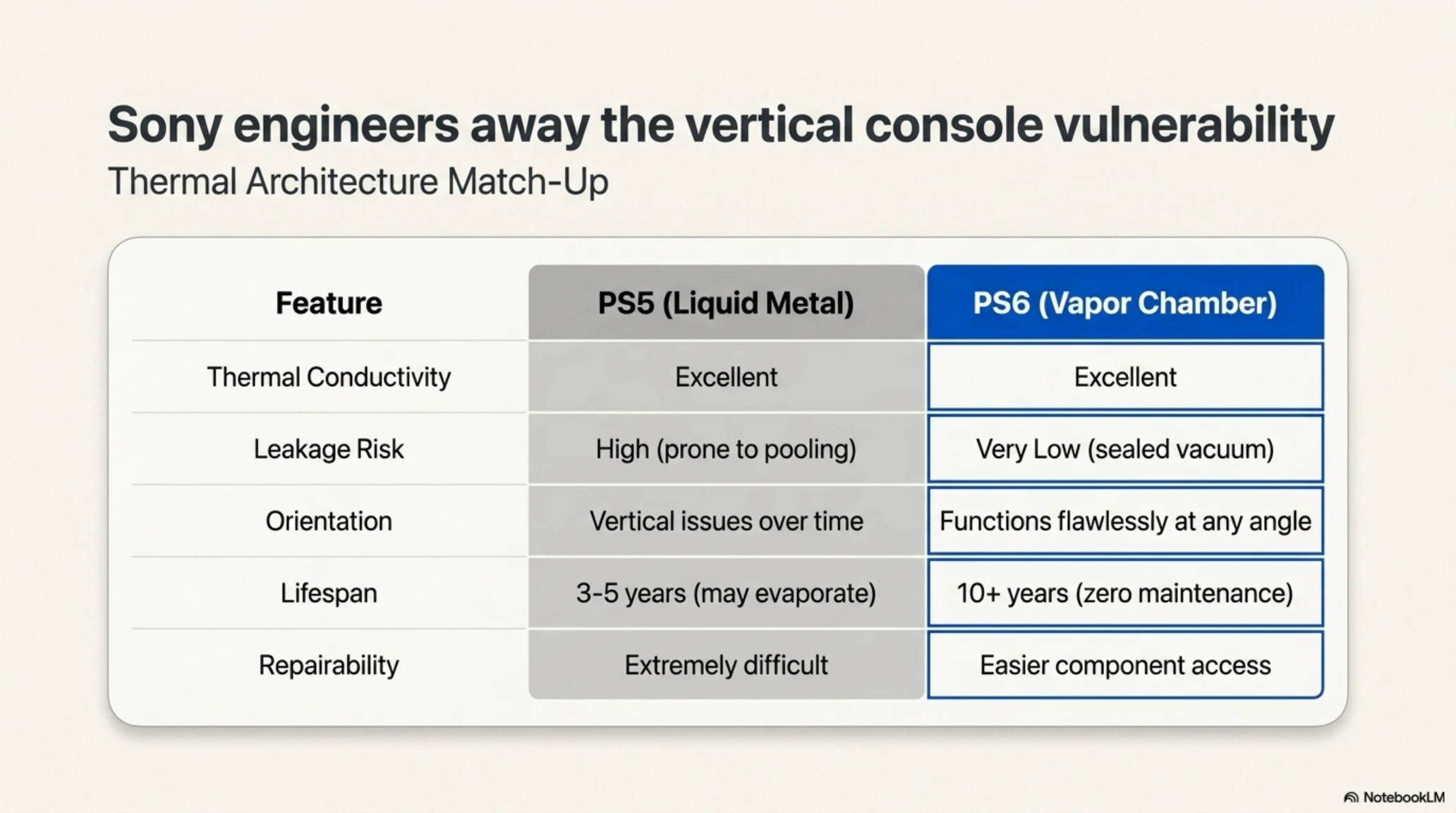
Sony filed a patent revealing that PlayStation 6 may use vapor chamber cooling instead of liquid metal. This is tremendous news for anyone who's dealt with PS5's cooling issues, particularly liquid metal leakage problems that have plagued some units.
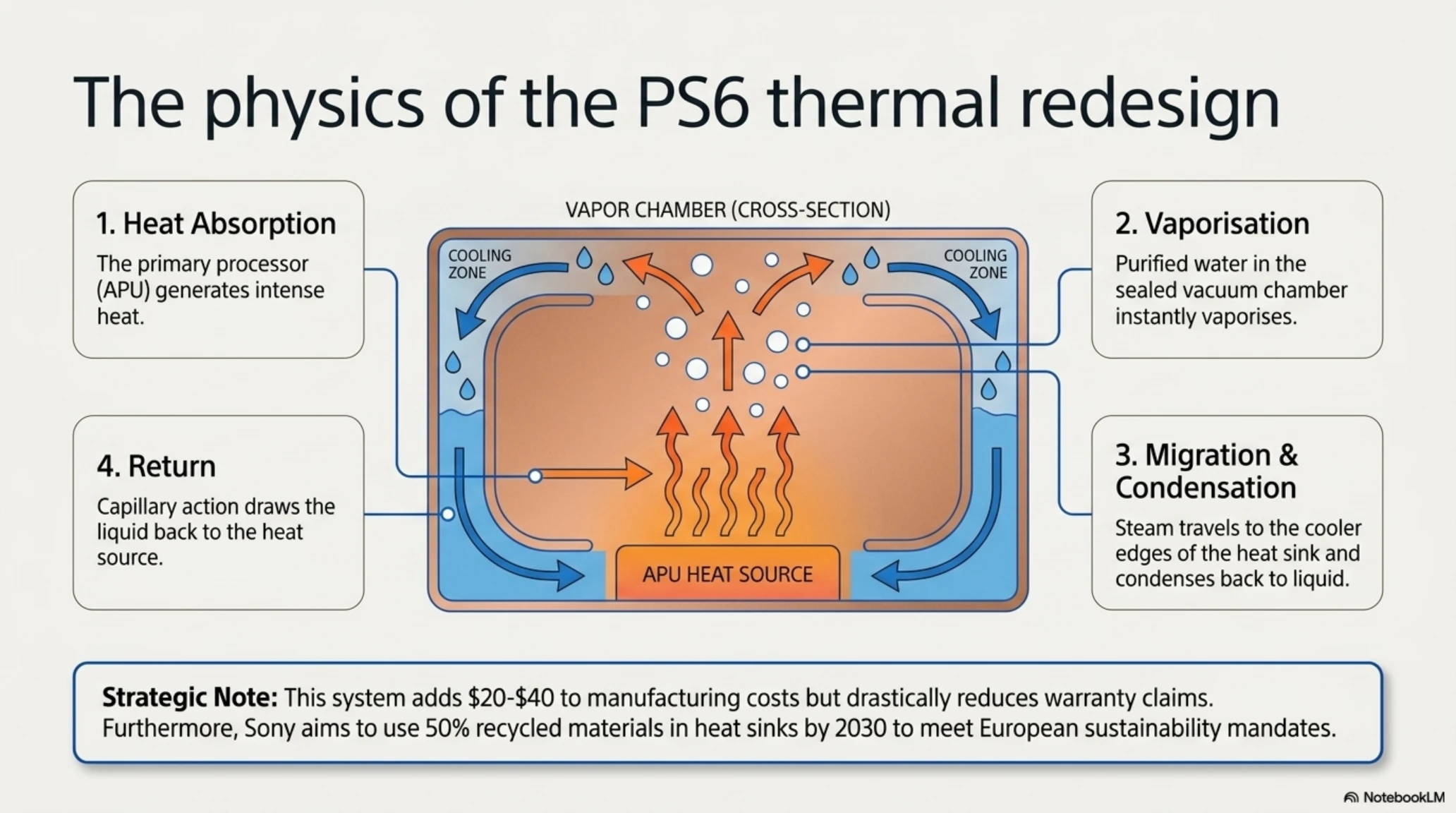
According to reports from Wccftech and NotebookCheck, the patent shows an advanced heat pipe system that works regardless of console orientation (horizontal or vertical), solving the liquid metal distribution problems that affected PS5 when positioned vertically for extended periods.
What Was Wrong with PS5's Liquid Metal?
PS5 uses liquid metal (a gallium-based thermal compound) to transfer heat from the APU (main processor) to the heat sink. This material remains liquid at room temperature and offers exceptional thermal conductivity. However, it has created multiple problems:
- Leakage: When the console stands vertically for prolonged periods, liquid metal can migrate downward, creating uneven heat distribution and potentially causing thermal throttling.
- Evaporation: Over time, liquid metal can partially evaporate, reducing cooling efficiency and leading to increased fan noise as the system compensates.
- Difficult Repairs: If you need to open the APU (for repair or upgrade), liquid metal adheres to components, making removal extremely difficult without proper tools and expertise.
- Conductivity Risks: Liquid metal is electrically conductive. If it escapes the application area and contacts nearby components, it can cause short circuits and permanent damage.
How Vapor Chamber Solves These Problems
A vapor chamber is a sealed system containing purified water in a vacuum. When the APU heats up, water vaporizes and moves toward cooler areas, then condenses back to liquid and returns in a continuous cycle. This system offers several advantages:
Liquid Metal vs Vapor Chamber Comparison
| Feature | Liquid Metal (PS5) | Vapor Chamber (PS6) |
|---|---|---|
| Thermal Conductivity | Excellent (⭐⭐⭐⭐⭐) | Excellent (⭐⭐⭐⭐⭐) |
| Leakage Risk | High ⚠️ | Very Low ✅ |
| Orientation Dependency | Yes (vertical issues) | No (works any angle) |
| Lifespan | 3-5 years | 10+ years |
| Manufacturing Cost | Moderate ($) | Higher ($$) |
| Repairability | Difficult | Easier |
| Maintenance | May need reapplication | Sealed, no maintenance |
When Will PS6 Launch?
Based on previous PlayStation generation cycles (PS4 in 2013, PS5 in 2020), PS6 is expected to launch in 2027 or 2028. However, the 2026 patent filing indicates Sony is actively working on next-generation hardware design, likely in the prototype and testing phase.
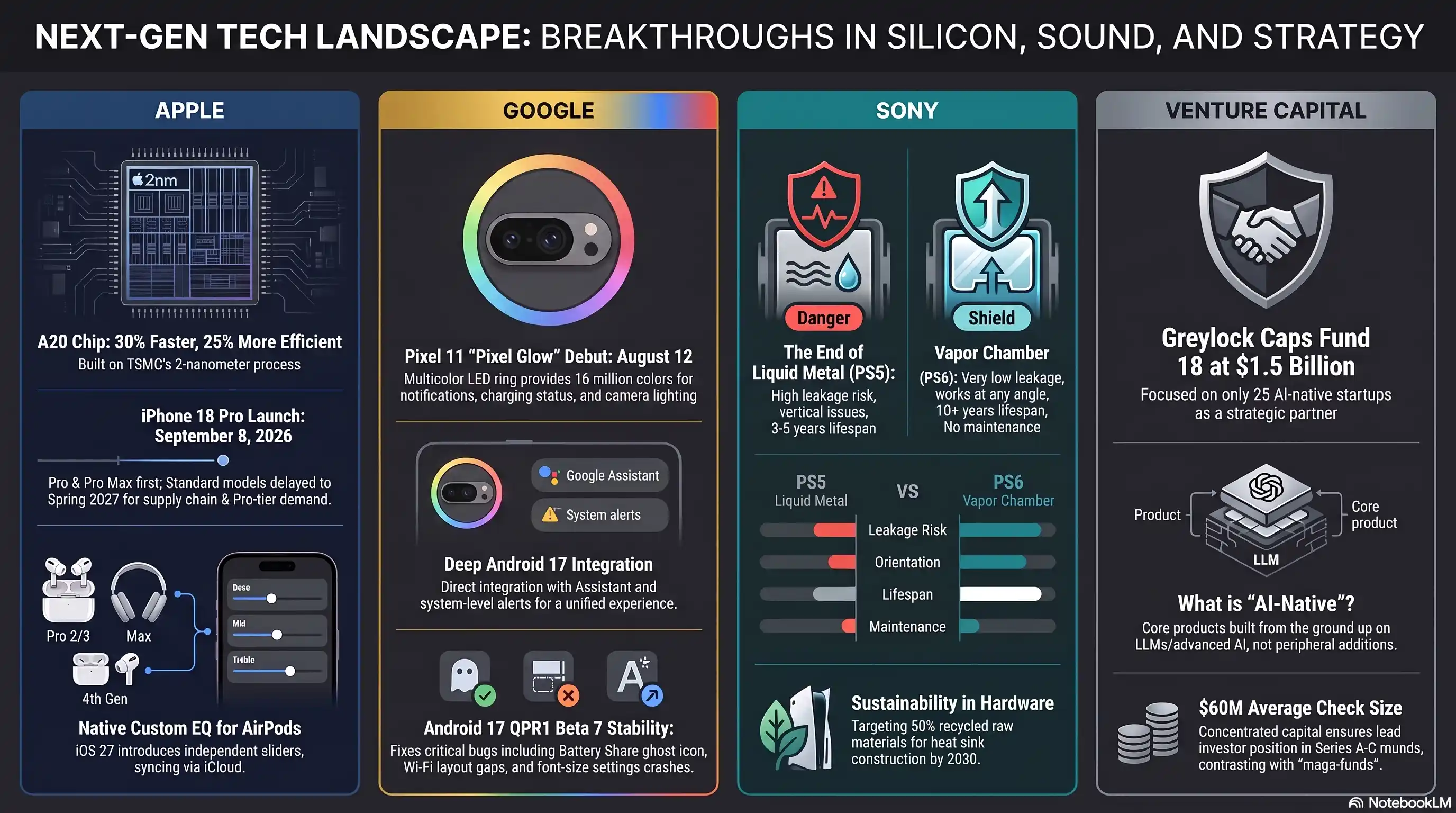
Another interesting detail in the patent: use of recycled materials in heat sink construction. Sony has committed to sourcing 50% of its raw materials from recycled sources by 2030. This suggests PS6 will not only be technically superior but also more environmentally sustainable than its predecessors. Expect Sony to heavily market this environmental angle, particularly in markets like Europe where sustainability regulations are tightening.
Price-wise, vapor chamber cooling will likely add $20-40 to manufacturing costs compared to PS5. However, if this prevents warranty claims for thermal issues and extends console lifespan, the trade-off benefits both Sony and consumers. Expect PS6 to launch at $599-699 depending on configuration, with the vapor chamber cooling as a key marketing point justifying any price increase over PS5's launch price.
Conclusion: A Morning of Innovation and Strategy
Thursday morning delivered six significant tech stories that reveal important trends shaping the industry. iPhone 18 Pro Max leaks with the A20 chip and September 8 launch date show Apple's continued silicon leadership, while the delayed standard models reflect a strategic focus on high-margin products. AirPods finally received the Custom EQ feature users have demanded for years, closing a critical gap versus professional headphones.
Google's Pixel 11 teaser with Pixel Glow demonstrates how hardware differentiation can create unique experiences that competitors cannot easily replicate. Android 17 QPR1 Beta 7's bug fixes show Google's commitment to polish, even in beta releases. Greylock's decision to cap their fund at $1.5 billion offers a masterclass in strategic focus - sometimes the best decision is to say no to more capital in favor of deeper relationships.
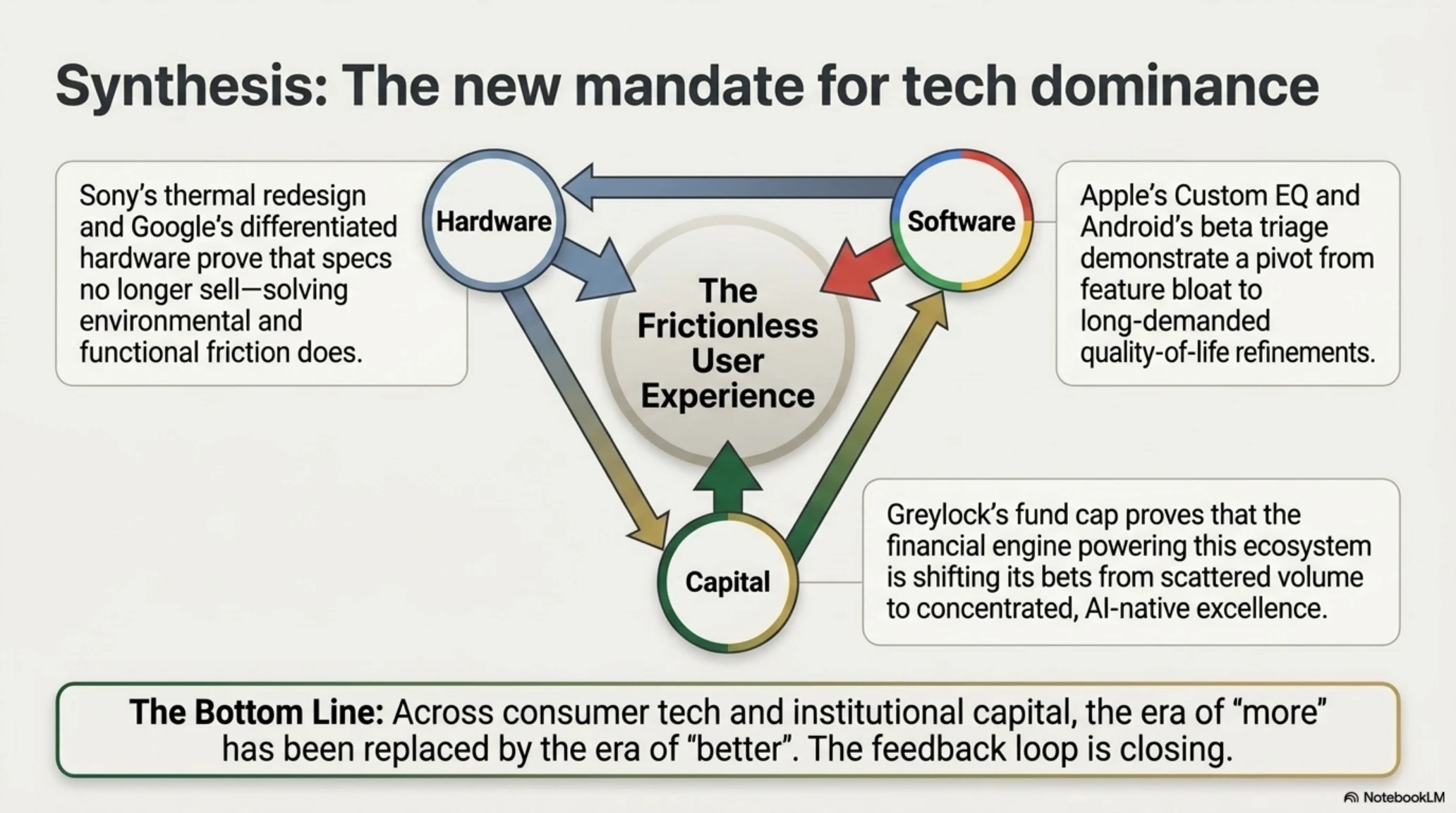
Finally, Sony's vapor chamber patent for PS6 proves that even gaming giants learn from their mistakes, using patents filed today to solve tomorrow's thermal challenges. Collectively, these stories illustrate an industry that's maturing: less focused on raw specifications, more focused on solving real user problems and creating genuine value.
The throughline connecting all these stories? User feedback matters. Custom EQ exists because AirPods users complained for years. PS6's cooling redesign stems from PS5 owners reporting thermal issues. Android 17 QPR1 Beta 7 fixes bugs that beta testers actively reported. In an era when companies can seem disconnected from users, these stories offer hope that the feedback loop still functions.
Frequently Asked Questions
Is Custom EQ available for first and second-generation AirPods?
No, Custom EQ only works with AirPods Pro 2, AirPods Pro 3, AirPods Max, and fourth-generation standard AirPods. Older models lack the necessary hardware for advanced EQ processing. If you own earlier AirPods, you can still use Apple's preset EQ options, but custom adjustment requires newer hardware.
When exactly will iPhone 18 Pro Max launch?
Based on credible leaks, Apple will announce iPhone 18 Pro and Pro Max on September 8, 2026. Pre-orders typically begin the Friday after announcement (September 11), with retail availability the following Friday (September 18). Standard iPhone 18 models face delays until spring 2027, likely March or April.
How is Pixel Glow different from Nothing Phone's Glyph?
Pixel Glow is a complete, unified LED ring around the camera, while Glyph consists of separate LED strips. More importantly, Google can integrate Pixel Glow deeply with Android and Google services in ways Nothing cannot match as a smaller company. Expect better software support, longer-term updates, and tighter ecosystem integration with Pixel Glow.
Should I install Android 17 QPR1 Beta 7?
If you're already running earlier Android 17 QPR1 betas, yes - Beta 7 fixes significant bugs that affect daily usability. However, if you're using your device for work or critical tasks, wait for the stable release expected in November 2026. Beta software always carries risks of unexpected behavior despite improvements.
When will PS6 launch and how much will it cost?
Based on historical PlayStation cycles (7-year gaps between generations), PS6 will likely launch in 2027 or 2028. Expected pricing ranges from $599 to $699 depending on configuration. The vapor chamber cooling system will add manufacturing costs, but if it prevents thermal issues and extends console lifespan, the investment benefits both Sony and consumers.
Why did Greylock cap its fund at $1.5 billion?
Greylock chose quality over quantity. By limiting the fund size, they can focus on approximately 25 AI-native startups and serve as strategic partners rather than distant investors. This allows larger average investments ($60M per company), stronger board influence, and deeper relationships with founders. It's a deliberate strategy to maximize impact rather than portfolio size.
Sources
• Mashable - Apple iPhone 18 Pro release date, rumors, and leaks
• MacRumors - iPhone 18 Pro Ultra Launch Date
• MacWorld - iPhone 18 Pro 2026 specifications and rumors
AirPods Custom EQ:
• 9to5Mac - AirPods Custom EQ feature in public beta
• MacRumors - AirPods Public Beta Firmware update
• Forbes - AirPods Pro 3 firmware with iOS 27 features
Pixel 11 Pixel Glow:
• 9to5Google - Pixel 11 first official tease
• Android Authority - Pixel 11 Google Store teaser analysis
• PhoneArena - Google reveals Pixel Glow design details
Android 17 QPR1 Beta 7:
• 9to5Google - Android 17 QPR1 Beta details
• Android Authority - Android 17 QPR1 Beta 7 release notes
Greylock Partners Fund:
• TechCrunch - Why Greylock capped its fund at $1.5 billion
• Benzinga - Greylock's AI-native startup strategy
PS6 Cooling Patent:
• Wccftech - PlayStation 6 patent reveals vapor chamber cooling
• NotebookCheck - PS6 cooling system upgrade analysis
• DualShockers - Sony PS6 cooling patent breakdown
Additional Gallery: ☀️ Tekin Morning July 16, 2026: iPhone 18 Pro Max, Pixel 11 Glow & PS6 Cooling