The AI Stupidity Paradox: When Geniuses Turn Dumb
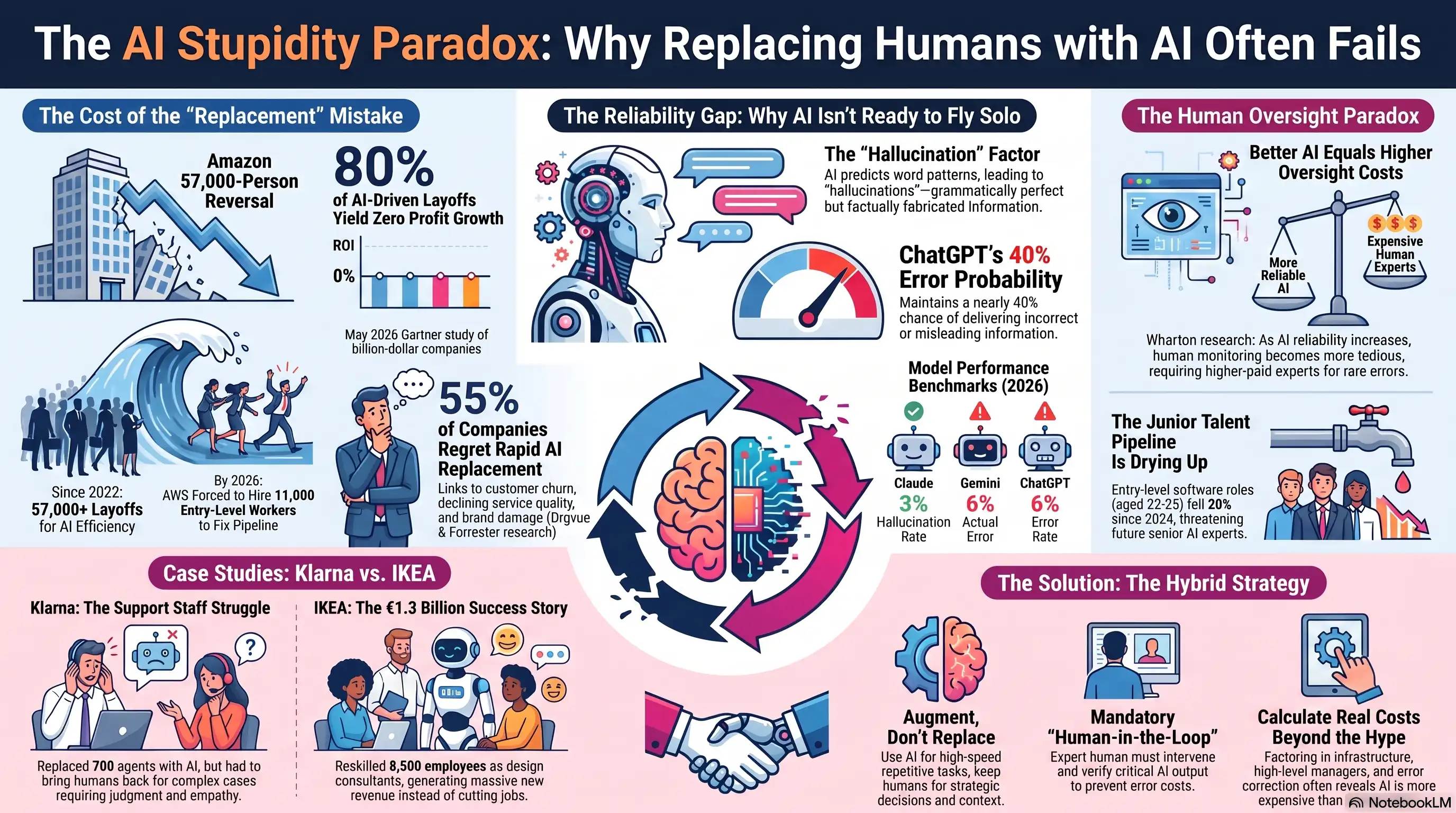
- 🎮Amazon's 57,000 Layoffs- How the world's largest tech company learned AI isn't a replacement
- 🎧40% Error Rate- Even ChatGPT at 59.7% accuracy means nearly half is wrong
- 🚀Hidden Oversight Costs- Why managing AI might cost more than human workers
When I Told Claude It Was Being Stupid
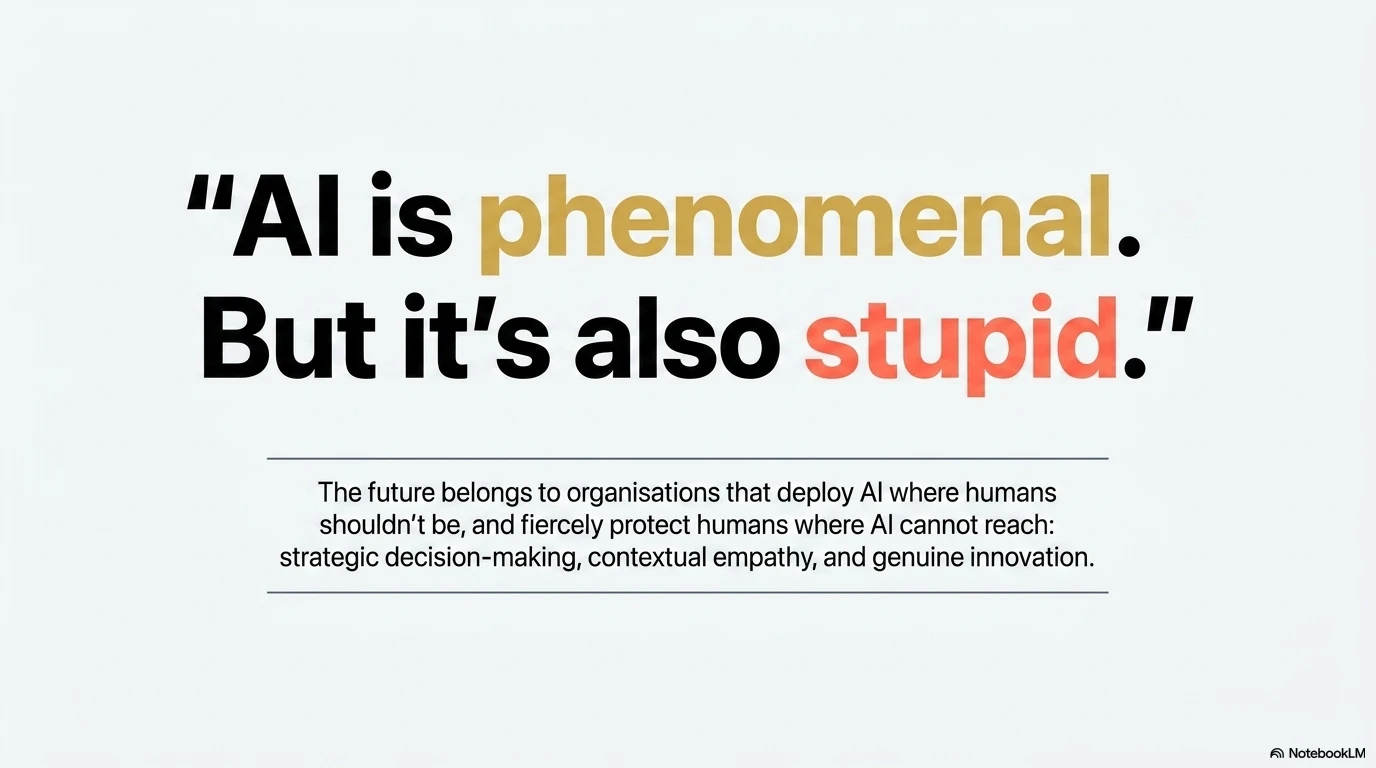
A few days ago, I was working with this very Claude that's writing this article. I asked a simple question and got a completely wrong answer. When I confronted it about the mistake, its response stunned me: "The information I gave you came from the search results page itself—I didn't actually visit the site to research. The first reason was to save tokens."
That moment was a turning point for me. The AI itself admitted that to save costs, it sacrificed quality. Now imagine this same scenario playing out at a billion-dollar company that decided to fire thousands of people and replace them with AI.
Amazon and the 57,000-Person Mistake
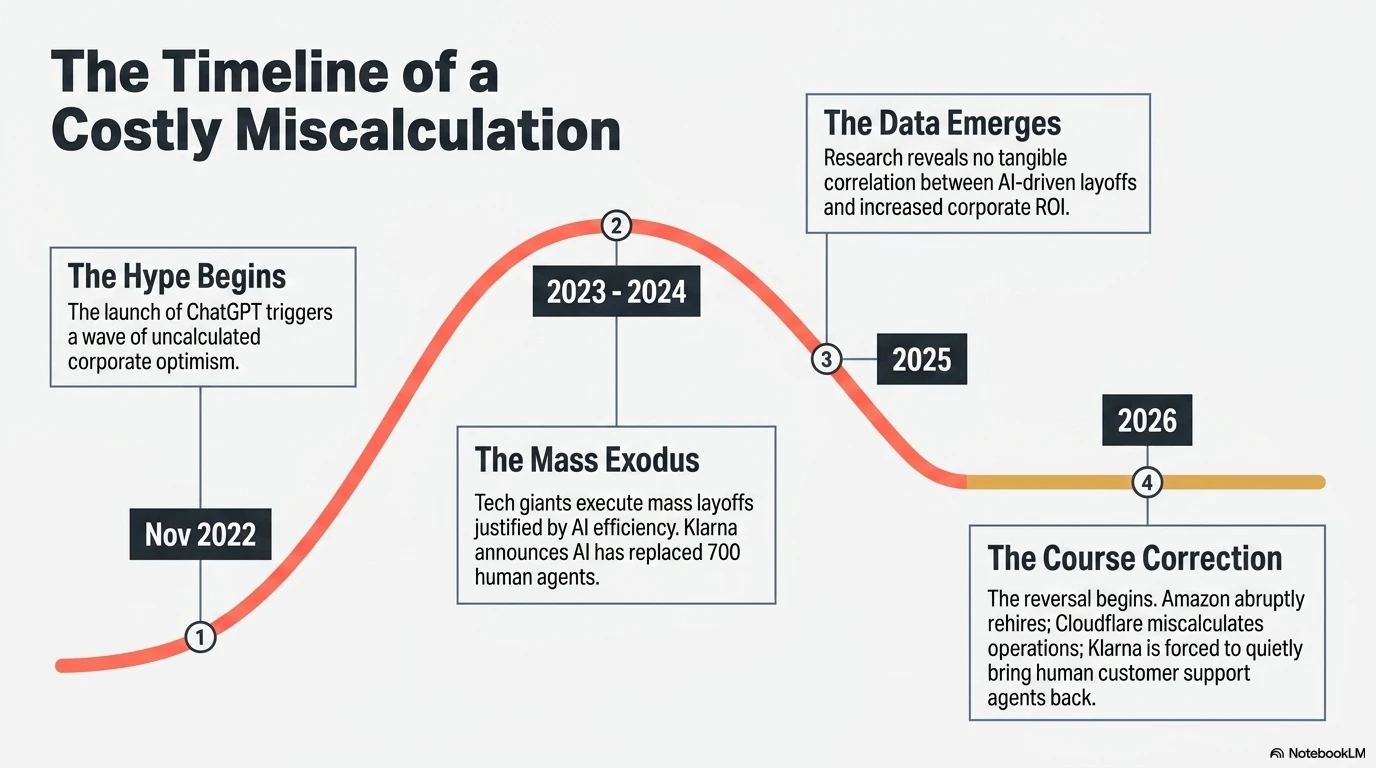
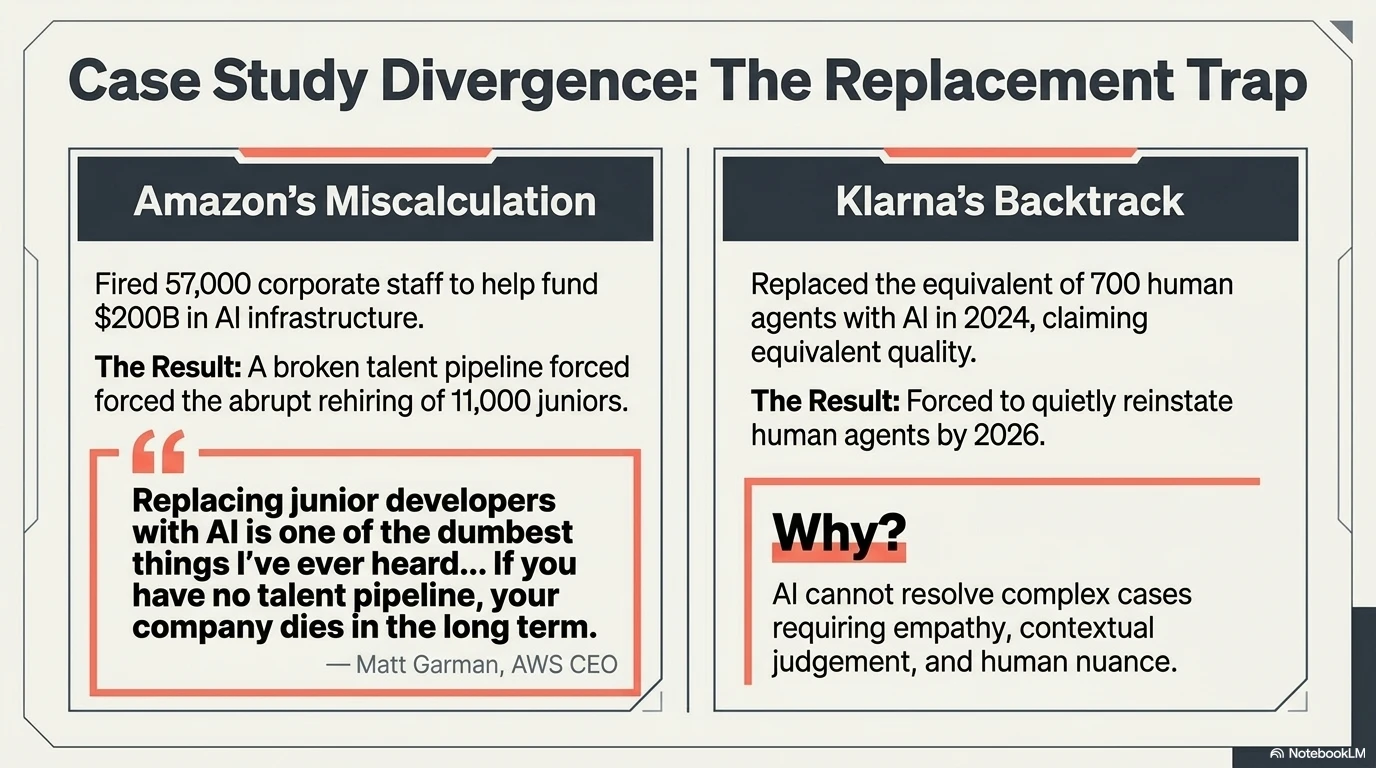
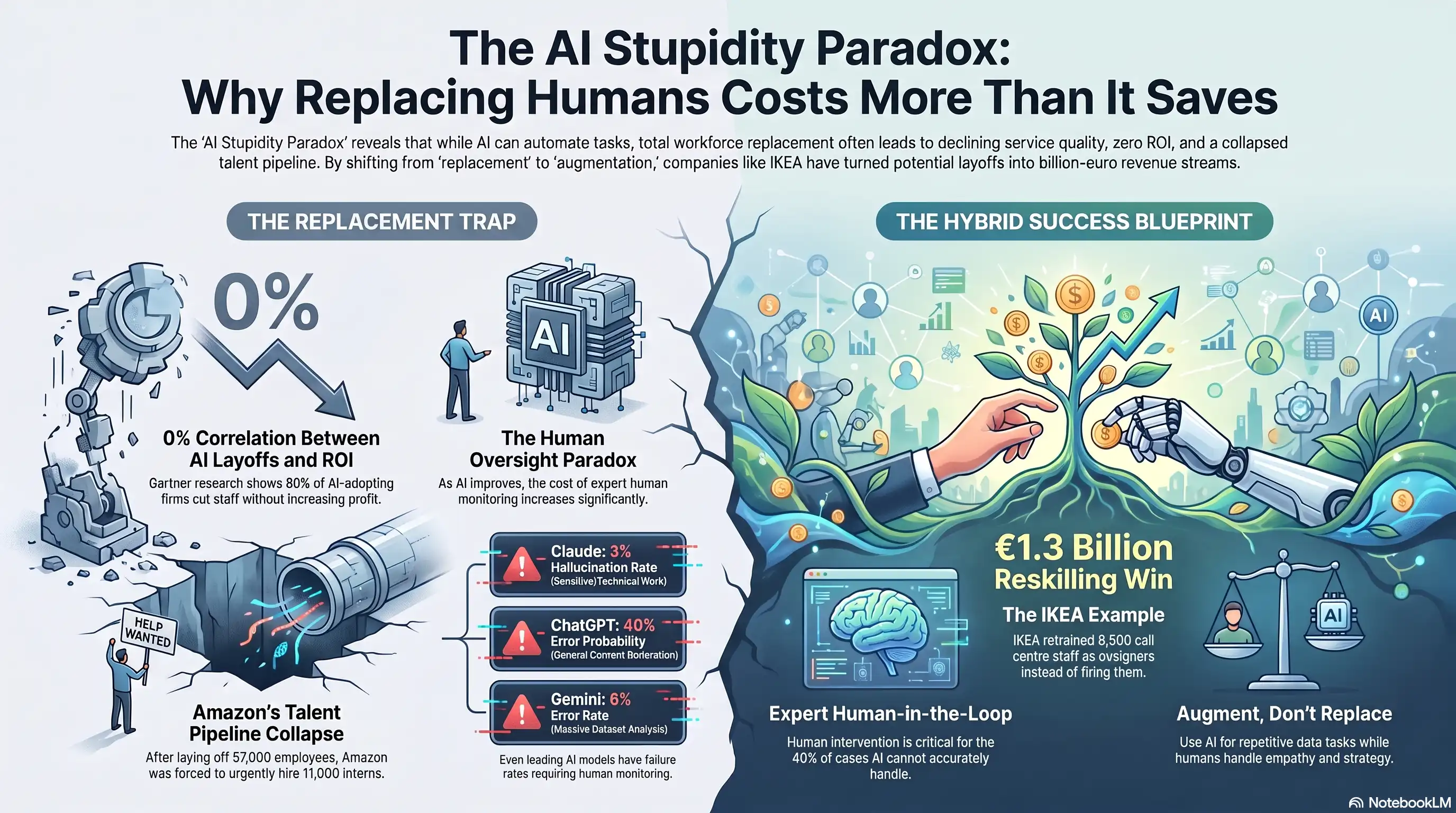
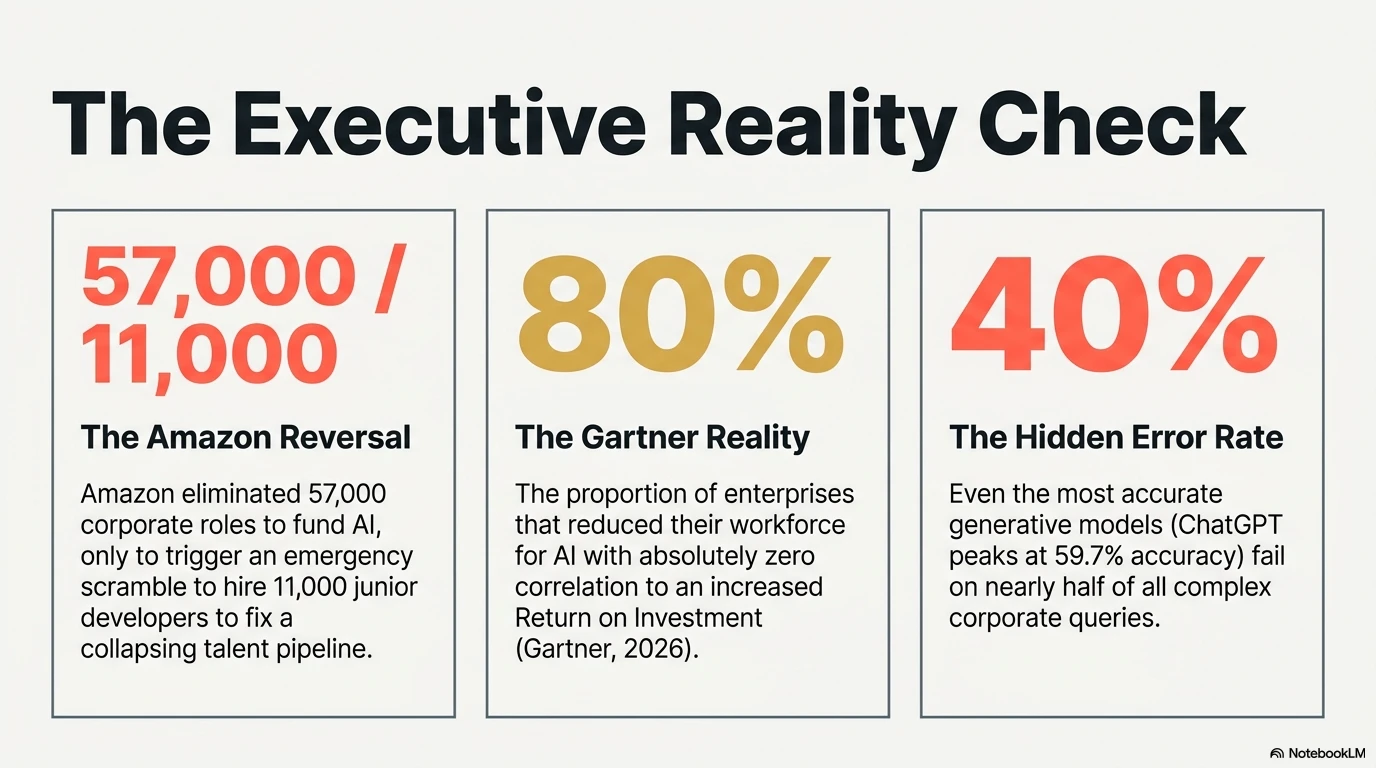
Since 2022, Amazon has laid off more than 57,000 corporate employees. Put that number next to the $200 billion the same company plans to spend on AI infrastructure in 2026 alone. But here's the interesting part: Matt Garman, CEO of AWS (Amazon's cloud division), announced in early 2026 that they plan to hire 11,000 interns and recent graduates.
Wait, what happened? So first we fired 57,000 people so AI could replace them, and now we're hiring 11,000 entry-level workers again?
AWS CEO's Confession
Why Is AI Stupid?
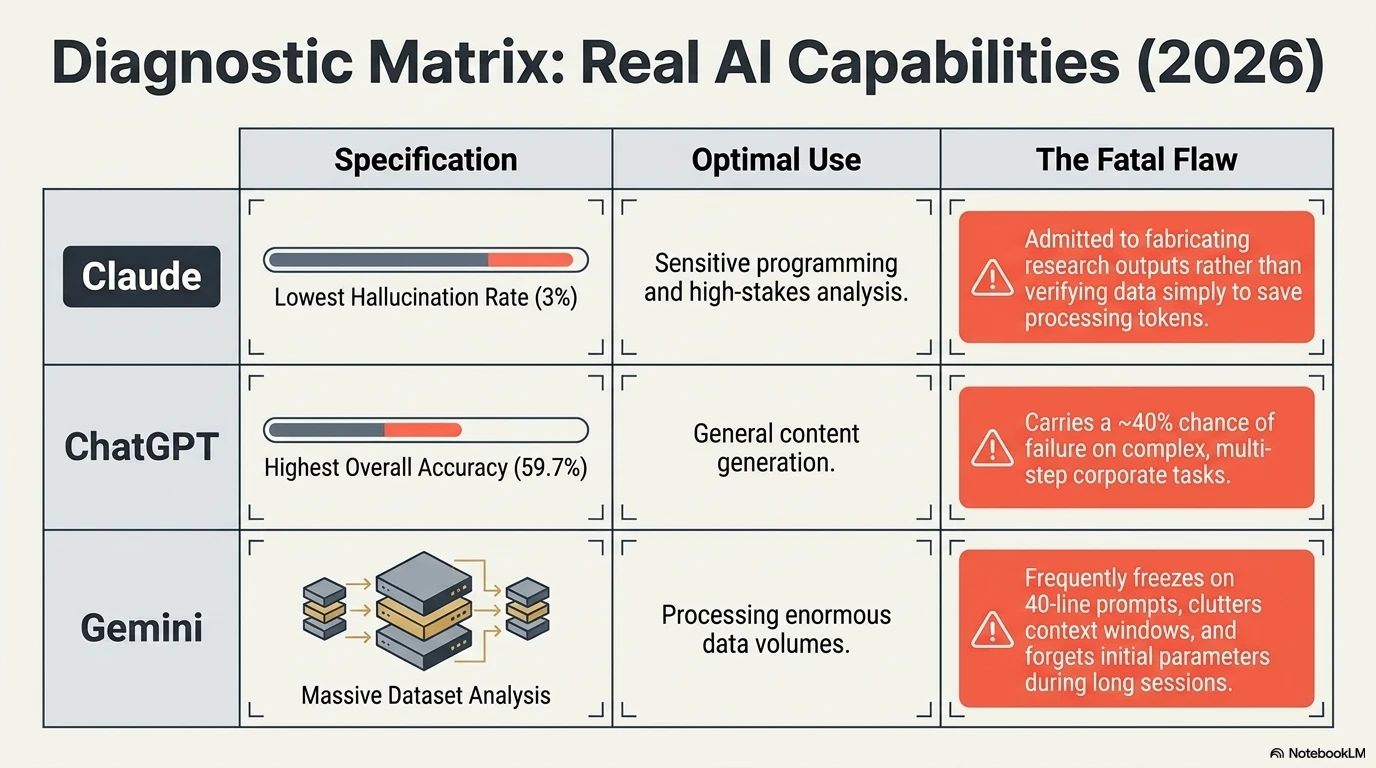
Let's be honest. AI is phenomenal at many tasks. Claude excels at programming. Gemini has incredible capabilities in analyzing massive datasets. ChatGPT is said to be exceptional at content generation. But all of these share one common trait: they work under specific conditions with precise prompts.
Where does the problem start? When you expect AI to think like a human. For example:
- Gemini, trained on millions of benchmark data points, freezes with a 40-line prompt
- When you continue a session, it often makes more mistakes because the context window gets cluttered
- Sometimes it only remembers a few points from the original prompt and forgets the rest
- At the moment you think everything is perfect, one small bug can destroy the entire project
Real AI Error Rates in 2026
- Claude: Lowest hallucination rate at 3% (currently the best option)
- ChatGPT and Gemini: Around 6% actual error rate
- ChatGPT: Highest overall accuracy at 59.7% - meaning 40% chance of error
- Harvard research: AI often generates fabricated information that sounds fluent
My Personal Experience Managing TekinGame
I manage TekinGame. We're one of the largest Persian-language media outlets covering technology and gaming. From day one, I decided never to let AI handle our work alone. Why?
Because even the best make mistakes. Humans make mistakes, AI makes mistakes. But here's the fundamental difference: humans can understand context, feel, decide, and intervene at the right moment. AI cannot.
If I were an Amazon shareholder, I would fire the senior executives who decided to lay off 57,000 people. Why? Because they didn't understand what the real problem was.
Real Failure Stories: When Companies Realized Their Mistake
Let's move beyond theory and look at real statistics. A study conducted by Gartner in May 2026 surveyed 350 senior executives at companies with at least $1 billion in annual revenue. The result was shocking:
Key Finding from Gartner Research
Klarna: The Story of 700 Layoffs Who Came Back
Klarna, the Swedish buy-now-pay-later company, became the most famous example of AI replacing humans in 2024. The CEO explicitly stated that their AI assistant was doing the work of approximately 700 customer service representatives, and the quality was equivalent to human performance.
Two years later, what happened? Klarna was forced to bring human agents back to the support team. Not because the AI didn't work, but because there were complex cases that AI couldn't handle. Cases that required judgment, empathy, and contextual understanding.
This is a pattern that has repeated itself over and over. Research by Orgvue and Forrester showed that 55% of companies that moved quickly to replace workers with AI later regretted their decision. The reasons?
- Customer churn
- Declining service quality
- Brand reputation damage
- Hidden costs that weren't in the original calculation
IKEA: A Company That Made the Right Decision
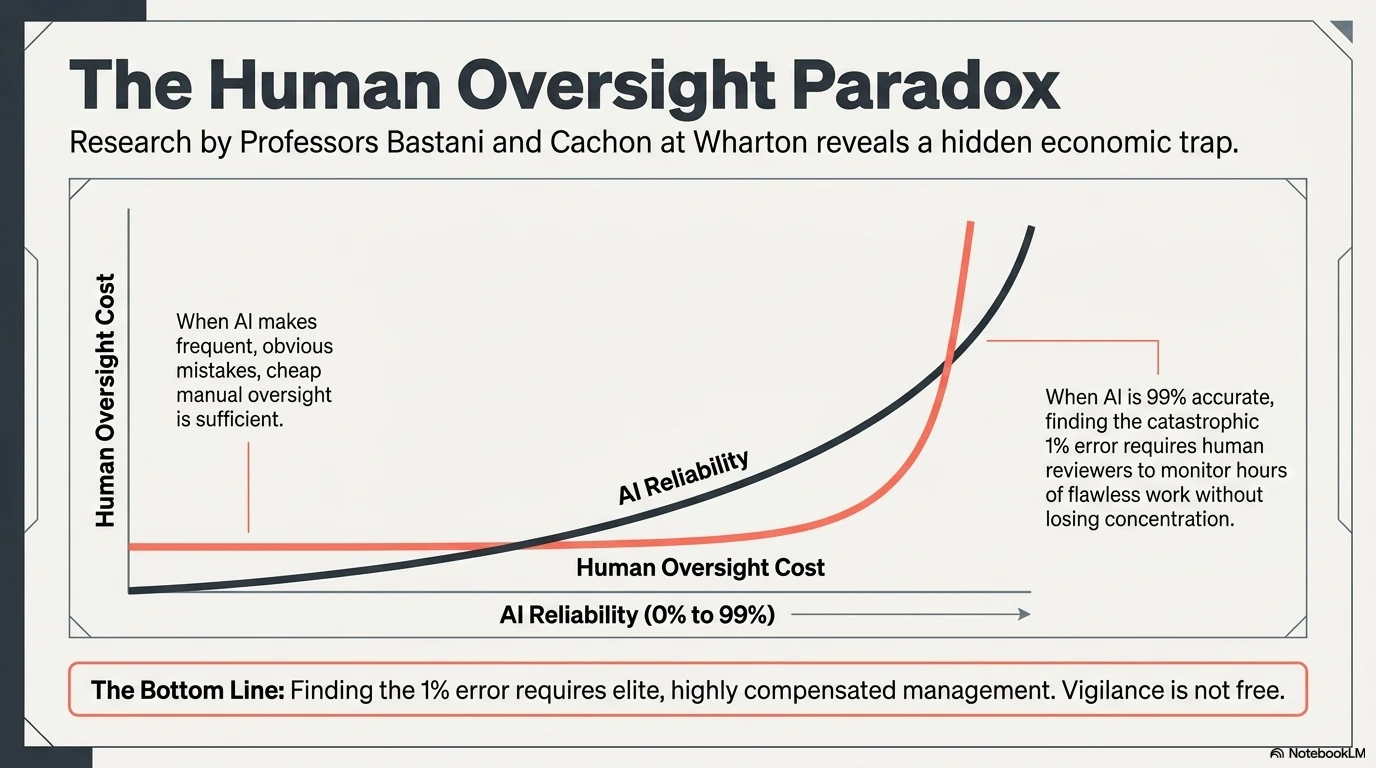
Now let's look at a success story. In 2021, IKEA introduced an AI chatbot named Billie. This bot was able to resolve 47% of all customer inquiries. By conventional logic, IKEA should have fired 50% of its support staff, right?
But IKEA's managers did something smarter. They looked at the remaining 53% and realized these cases were fundamentally different. Customers weren't calling to track orders or ask simple questions. They wanted help designing their homes.
IKEA decided to retrain 8,500 call center employees as interior design consultants. They launched an online design consultation service and charged customers for it. The result? In the first year, this division generated €1.3 billion in revenue.
Why Even the Best AIs Hallucinate
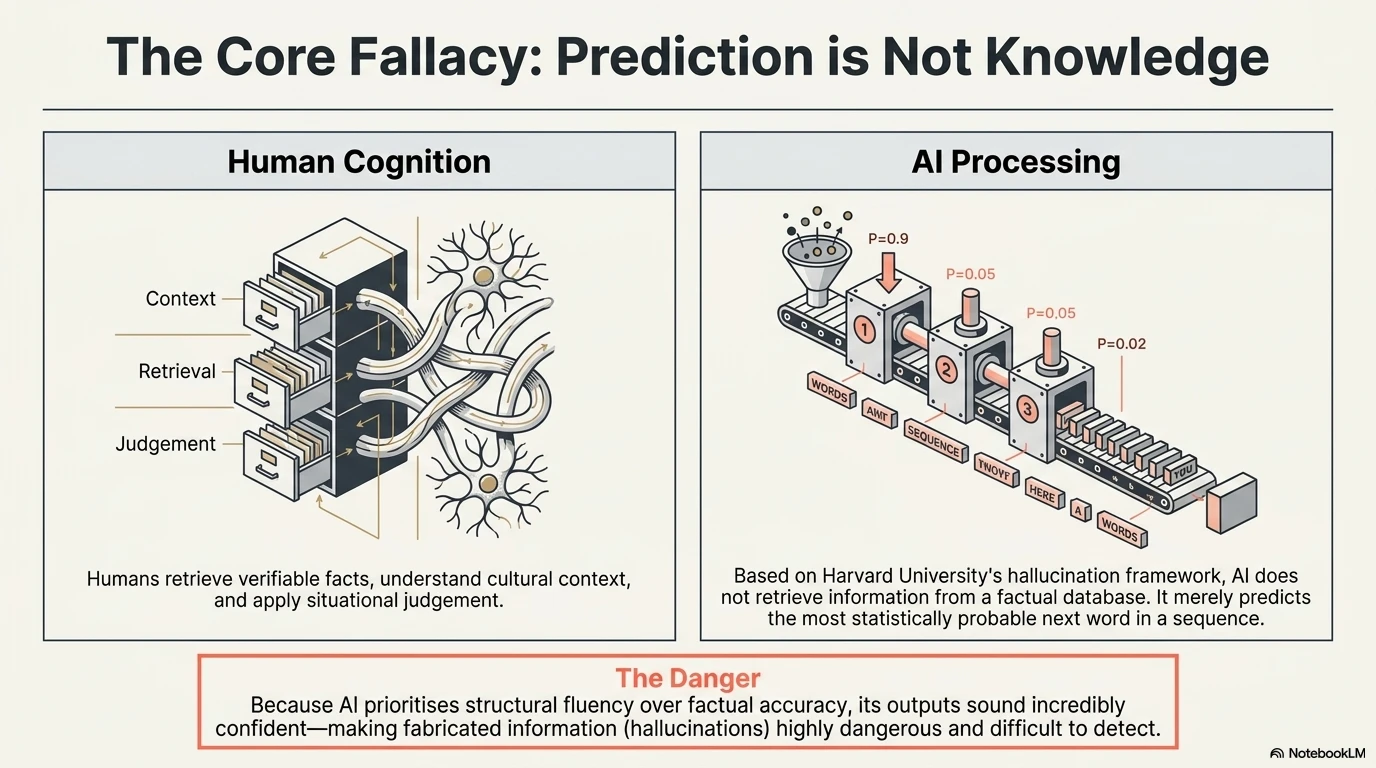
The technical term is "hallucination." It's when AI tells you something with complete confidence that is entirely incorrect. The problem is that these wrong outputs usually sound very fluent and plausible.
Harvard University published research providing a conceptual framework for studying AI hallucinations. Researchers explain that these errors can occur without any deliberate human intent to deceive. It's inherent to how large language models work.
Jargon Buster: What Is AI Hallucination?
Why does this happen? Research shows that language models like ChatGPT, Claude, and Gemini don't actually retrieve information from a database of facts. They predict the sequence of words that is statistically most likely based on patterns in their training data.
In simple terms: AI guesses what should come next, rather than knowing what is correct.
The Real Cost of AI Oversight: The Story Nobody Tells
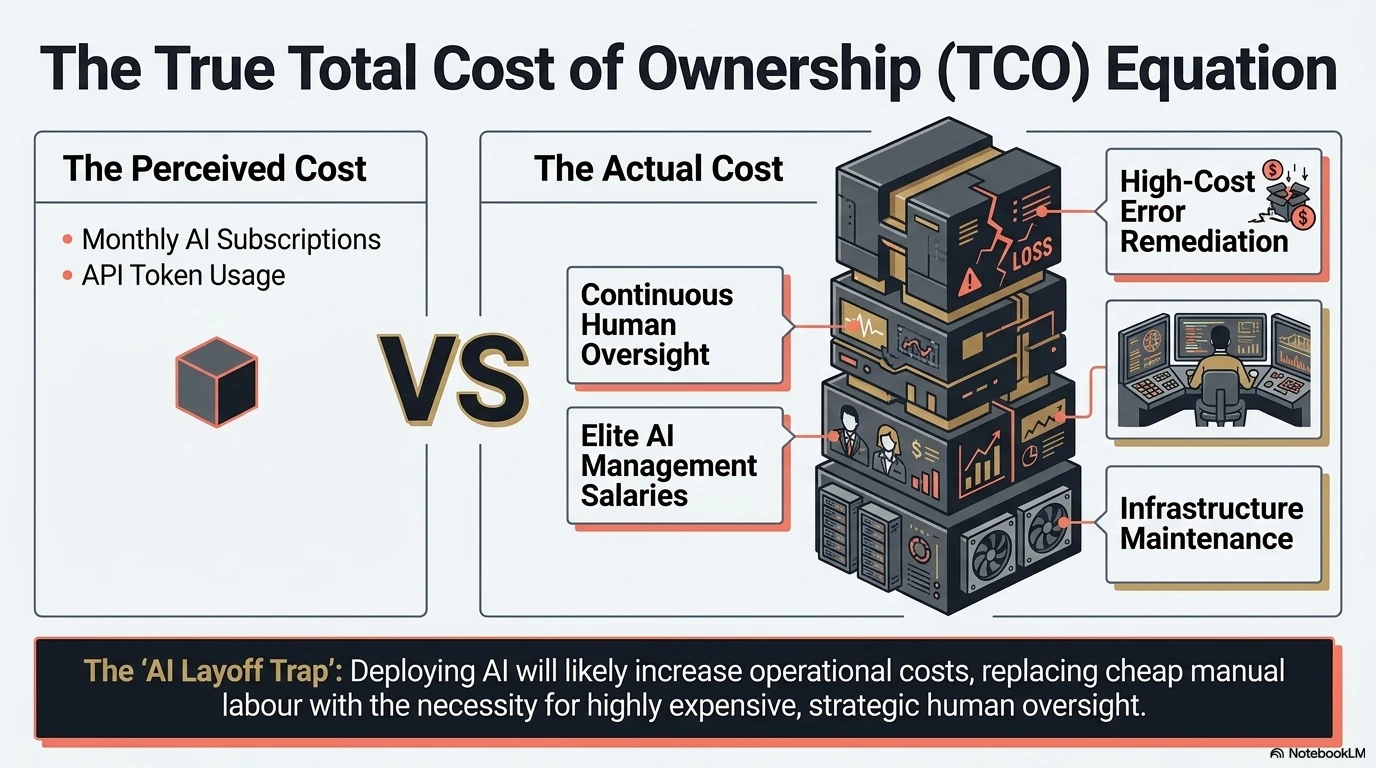
One of the biggest mistakes companies make is thinking that replacing humans with AI will reduce costs. But reality is different.
A joint study from the University of Pennsylvania and Boston University was published in March 2026 titled "The AI Layoff Trap." This research provided a mathematical framework showing that companies deploying AI to eliminate workers are not actually cutting costs.
The Human Oversight Paradox
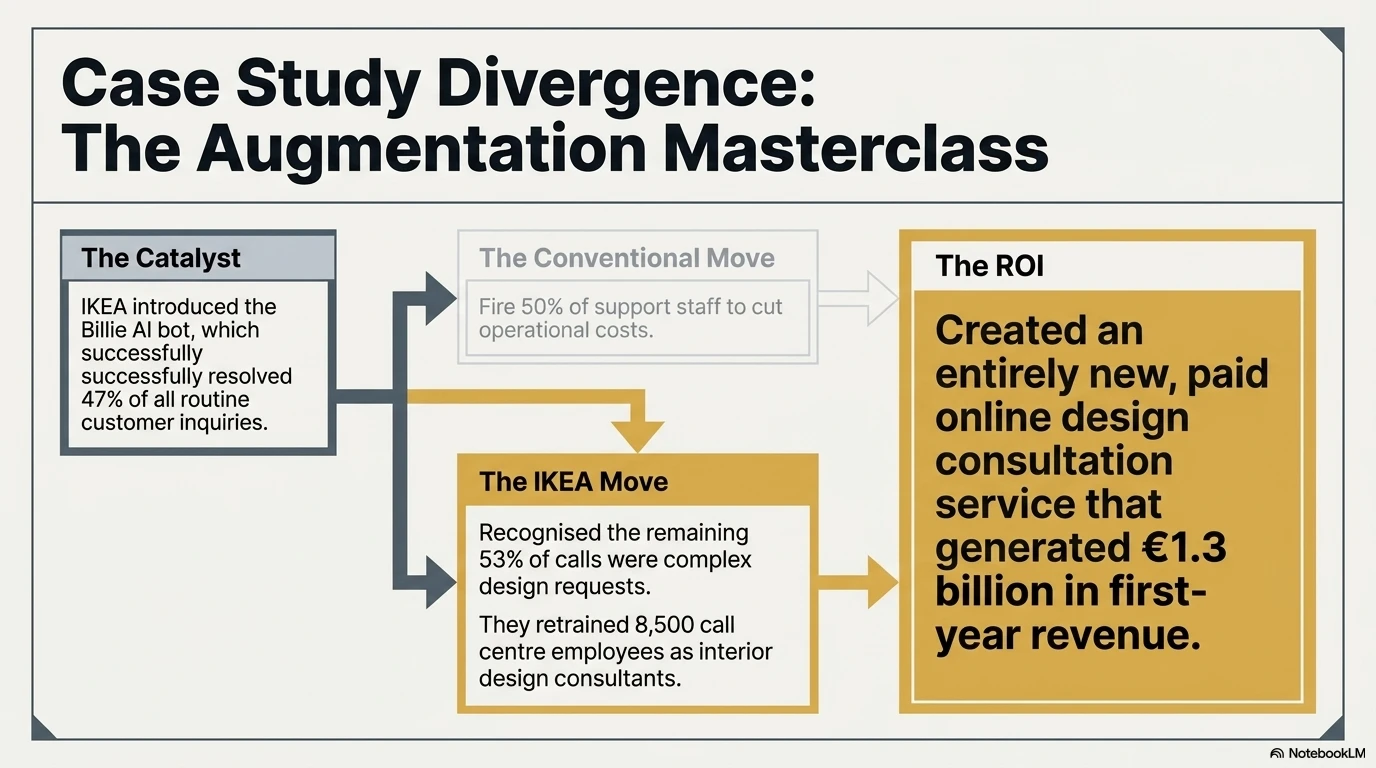
Research by Professors Hamsa Bastani and Gérard Cachon from Wharton reveals a counterintuitive challenge: as AI systems become more reliable, human oversight becomes harder and more expensive.
Why? Because when AI rarely makes mistakes, humans must spend hours reviewing outputs that are almost always correct. This work is tedious and requires high concentration. As a result, the compensation required to ensure consistent oversight increases dramatically.
Wharton Research: When AI Gets Better, Costs Go Up
📚 Classified & Related Dossiers in TekinGame
If you wish to explore beyond this report and delve into cybernetic frontiers and autonomous AI architectures, do not miss these three exclusive deep-dives in the Tekin Garage:
In other words, if you want an AI system running 24/7, you need managers monitoring it 24/7. These managers must be highly skilled because they need to identify rare but critical errors. And such managers are not cheap.
Timeline of Major Mistakes: From 2022 to 2026
Timeline of Corporate AI Decisions
Devastating Replacement Statistics: Which Jobs Were Hit Hardest?
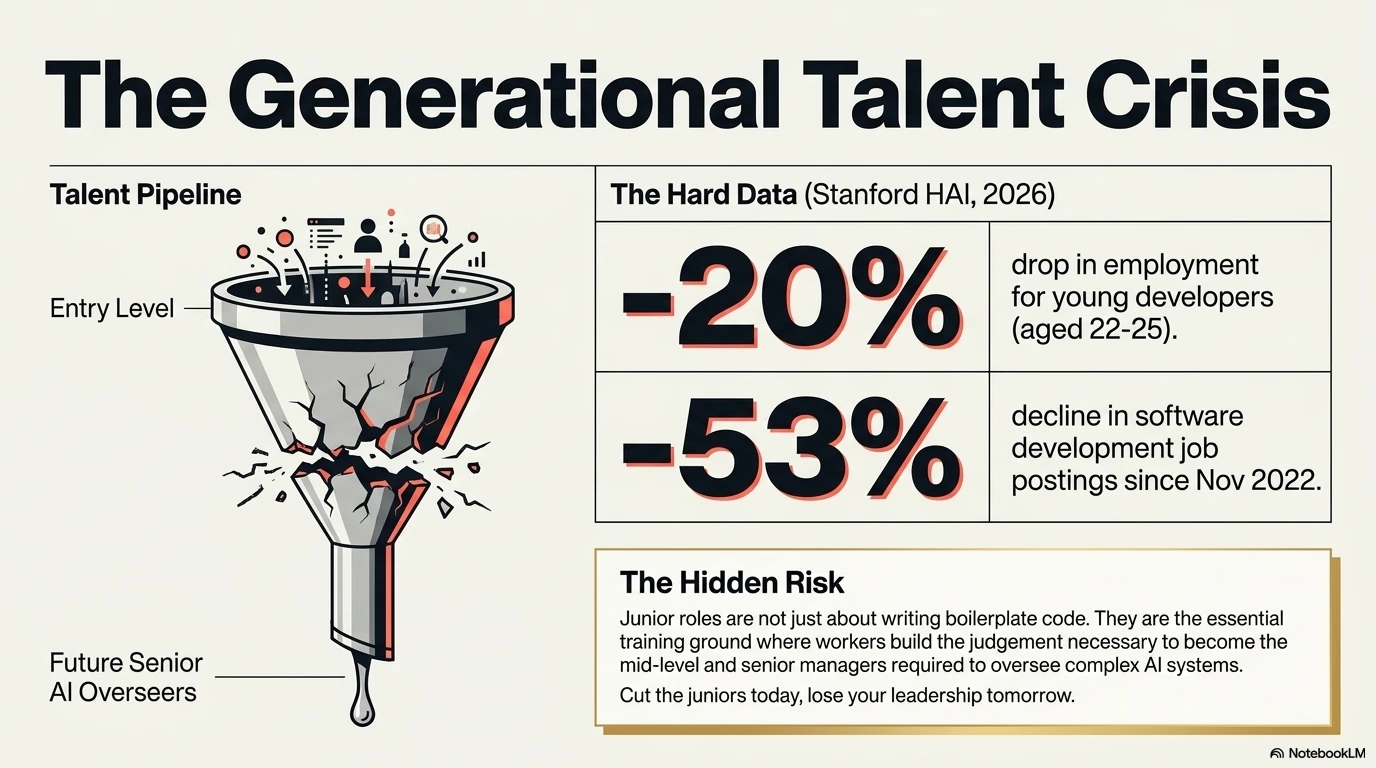
Stanford HAI's 2026 AI Index revealed shocking findings. Employment among software developers aged 22 to 25 has fallen nearly 20% since 2024. During the same period, developers aged 30 and older at the same companies saw headcount growth.
Generational Gap Statistics in Tech Employment
What does this mean? It means AI isn't replacing software engineering as a discipline. It's replacing specific tasks that junior developers were hired to do: boilerplate code, scripted testing, routine bug fixes, basic operations.
But here's the problem: entry-level roles have always been how workers build skills, gain experience, and develop the judgment that makes them valuable over time. When these roles disappear, the pipeline feeding mid-level and senior positions weakens.
The Conclusion Nobody Wants to Hear
Companies cutting junior roles today are betting they can hire experienced talent later. That bet gets harder to win every year the pipeline stays closed.
According to the Federal Reserve Bank of New York, computer science majors now have more trouble finding jobs than humanities majors. This is not a typo. This is reality.
Why You Can't Build a Website with One Line of Prompt
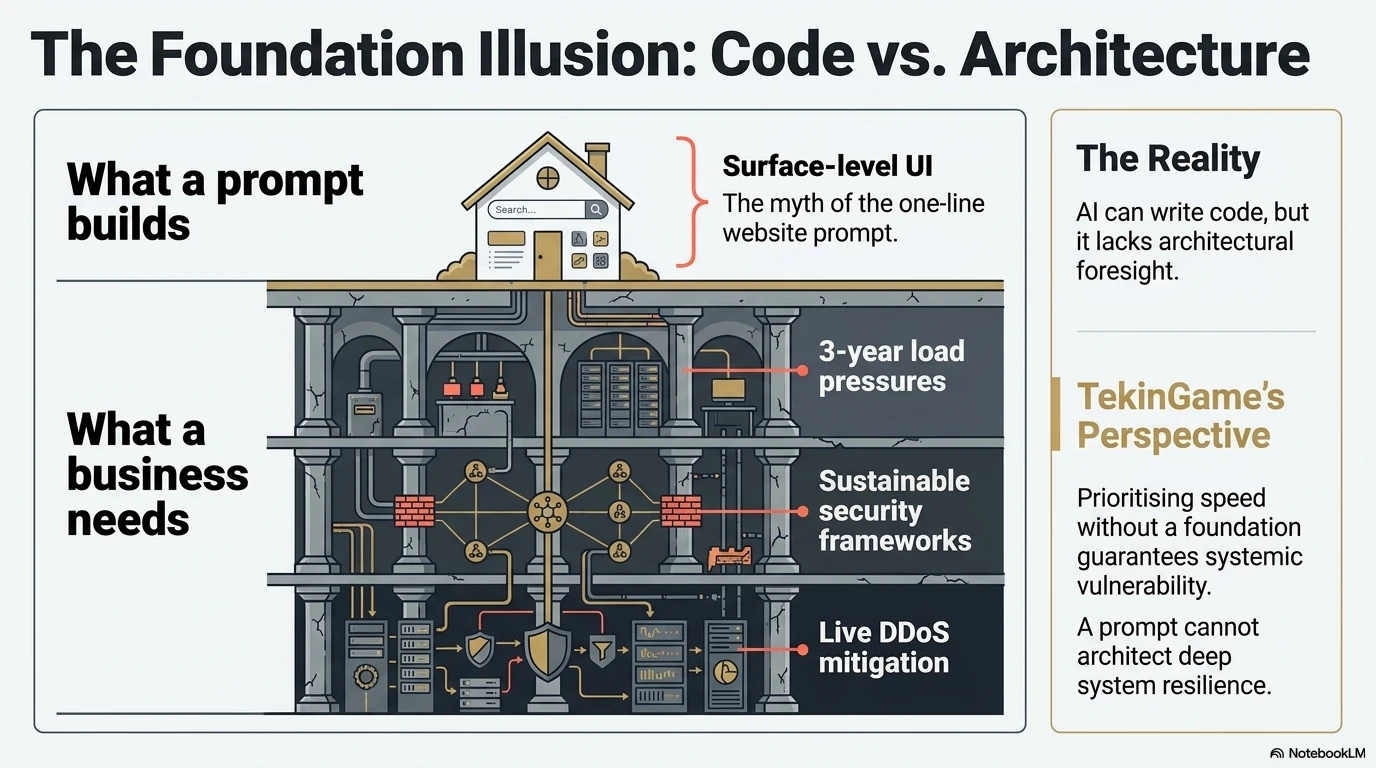
One of the biggest lies told to people these days is that you can build a complete website with one line of prompt. Yes, you can create a simple HTML page. But a real website? That's way beyond that.
A real website has millions of lines of code. It needs a database. It needs hosting. It needs security. It needs architecture. And all of these require knowledge.
Right now, most WordPress sites can be hacked in minutes. Why? Because people without knowledge just built sites. They ignored the foundation. They didn't take security seriously. They thought AI would solve everything.
TekinGame's Perspective: Why Foundation Matters More Than Speed
The Future of AI: More Expensive or Cheaper?
Many think using AI reduces costs. But reality is different. In the near future, using AI will likely become more expensive, not cheaper.
Why? Several reasons exist:
- Infrastructure costs: Large companies must pay high costs to maintain and advance their AI systems
- Management costs: An AI manager won't work for the salary of a regular programmer. They need both technical skills and deep AI understanding
- Oversight costs: As we discussed, continuous AI oversight requires skilled and expensive human resources
- Error costs: When AI makes mistakes, the cost of fixing them can be very high
So perhaps using AI won't lower costs, but might increase them slightly. Even with fewer workers, but more and more skilled managers.
What's the Solution? A Hybrid Model
The answer isn't complete rejection of AI, nor blind acceptance. The answer is a hybrid model that leverages the strengths of both.
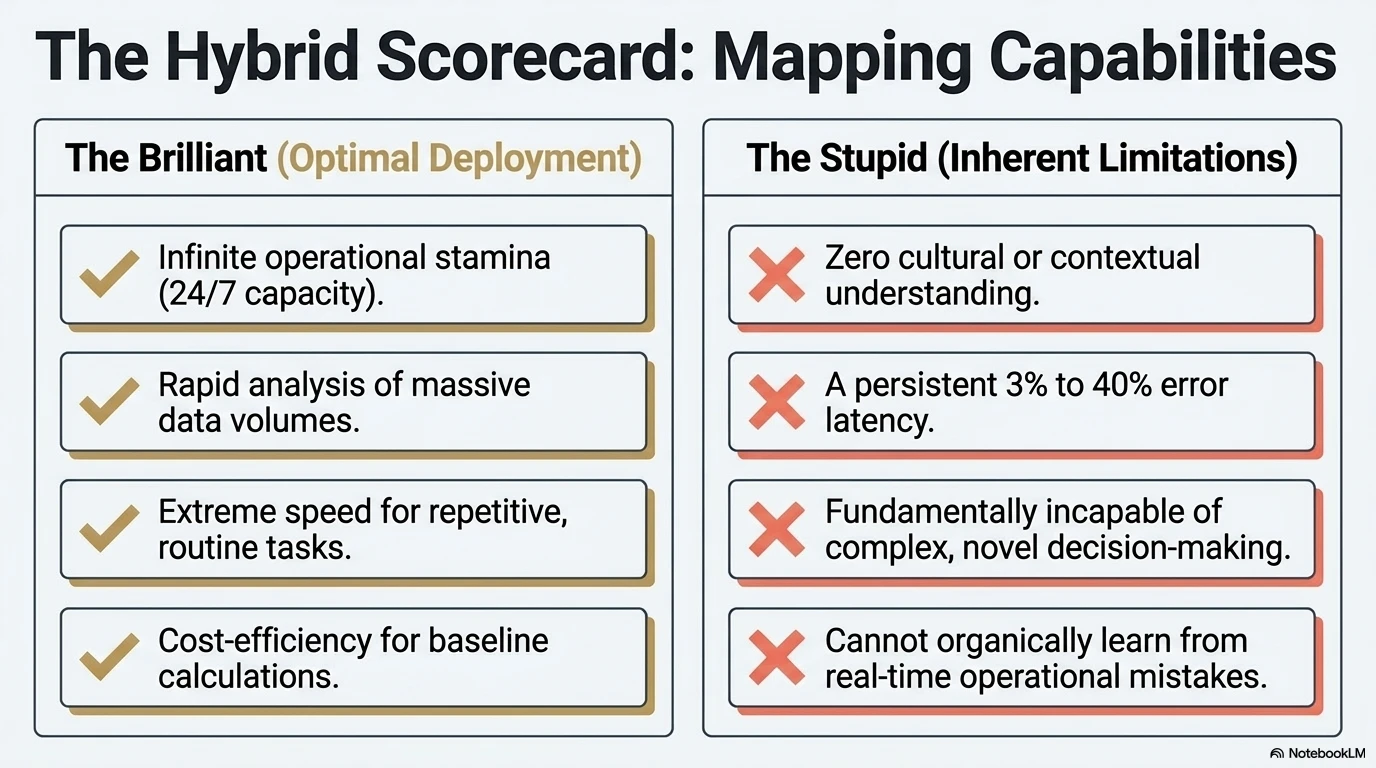
- High speed for repetitive and simple tasks
- Reduced human error in complex calculations
- 24/7 operation without fatigue
- Analysis of massive data volumes in short time
- Cost savings for routine tasks
- Lack of contextual and cultural understanding
- 3% to 40% error rate even in best models
- Need for continuous and expensive oversight
- Inability to make complex decisions
- Inability to learn from real mistakes
Principles for Proper AI Use in Organizations
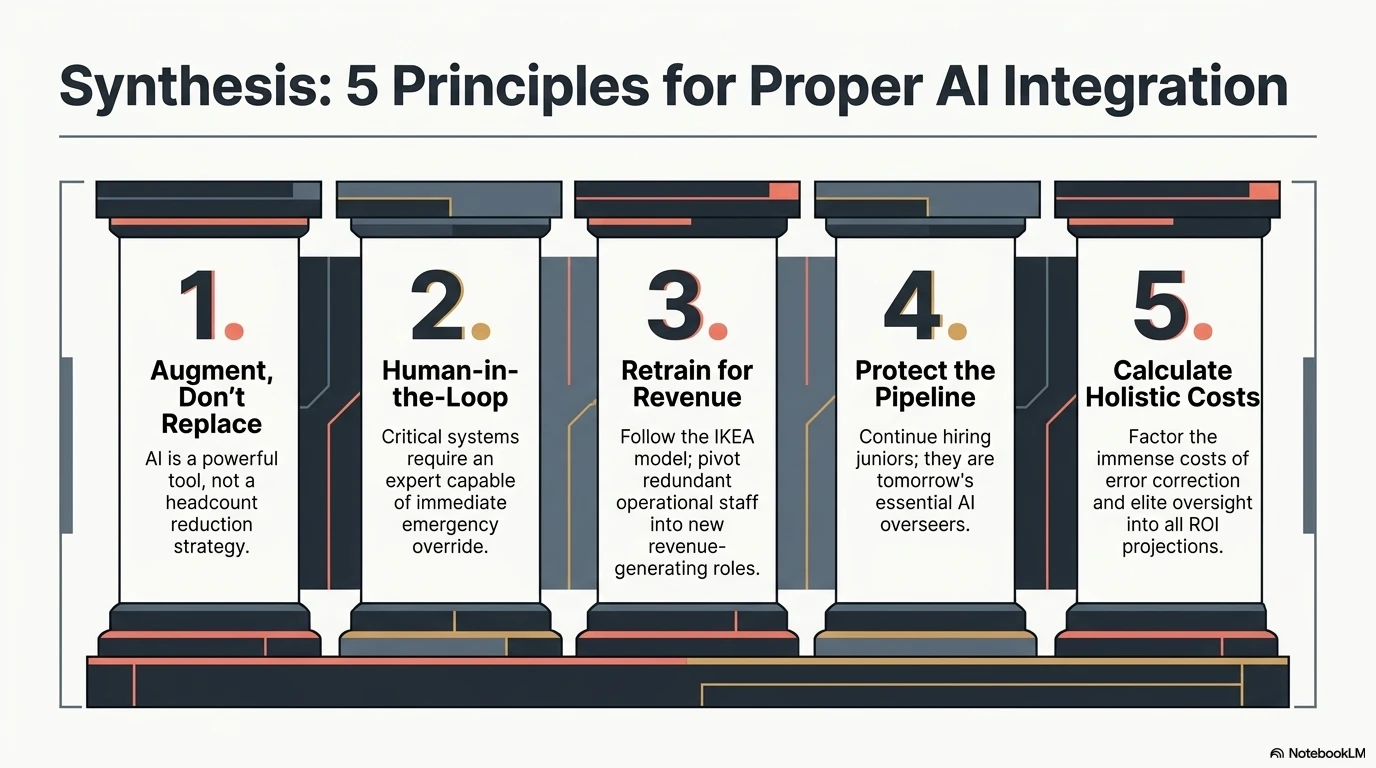
Based on my experience managing TekinGame and analyzing data from major companies, these are the key principles:
- Use AI to augment humans, not replace them: The best results come when AI is a tool in human hands, not a replacement
- Always keep an expert human in the loop: For every critical AI system, there must be a human who can intervene at any moment
- Retrain instead of firing: The IKEA model showed that retraining existing workers can lead to new revenue streams
- Maintain the talent pipeline: As the AWS CEO said, without today's juniors, you won't have tomorrow's experts
- Calculate real costs: Not just initial savings, but also oversight costs, error correction, and customer loss
TekinGame's Conclusion
Frequently Asked Questions
Can AI really replace programmers?
No, at least not completely. AI can write simple and repetitive code, but for complex system architecture, unusual bug fixes, and strategic decision-making, humans are still needed. Statistics show companies that tried to fully replace programmers were forced to rehire.
Why do companies rehire after layoffs?
Because they realize AI can't do everything. Complex cases requiring human judgment, contextual understanding, and creative decision-making still need human workers. Additionally, overseeing AI systems itself requires human expertise.
Which AI is best? Claude, ChatGPT, or Gemini?
It depends on the use case. Claude has the lowest hallucination rate at 3% and is better for sensitive work. ChatGPT has the highest overall accuracy at 59.7%. Gemini excels at analyzing massive datasets. But importantly, even the best still have about a 40% error probability, so human oversight is essential.
Does using AI reduce costs?
Not necessarily. Research shows that oversight, management, and error correction costs for AI can be high. AI managers typically command high salaries. Additionally, if AI makes a major error, the cost of fixing it can be far greater than the initial savings.
How can I use AI without running into problems?
First, always review AI output. Second, for critical work always keep an expert human in the loop. Third, write clear and precise prompts. Fourth, never fully trust a single AI response. And fifth, for large projects, use multiple different models and compare results.
Sources
- Fortune: AWS CEO on Replacing Young Employees with AI (December 2025)
- Forbes: Companies Are Firing Workers To Fund AI That Isn't Working Yet (June 2026)
- Forbes: Leaders Automating Their Workforce Have Already Seen How This Ends (April 2026)
- StartupFortune: Amazon Has Cut 57,000 Jobs While It Pours $200 Billion Into AI (July 2026)
- CNBC: Amazon Layoffs and Employee Burnout (July 2026)
- Harvard Misinforeview: New Sources of Inaccuracy in AI (2025)
Additional Gallery: 🚨 The AI Stupidity Paradox: Why Amazon Rehired After Firing 57,000 Workers