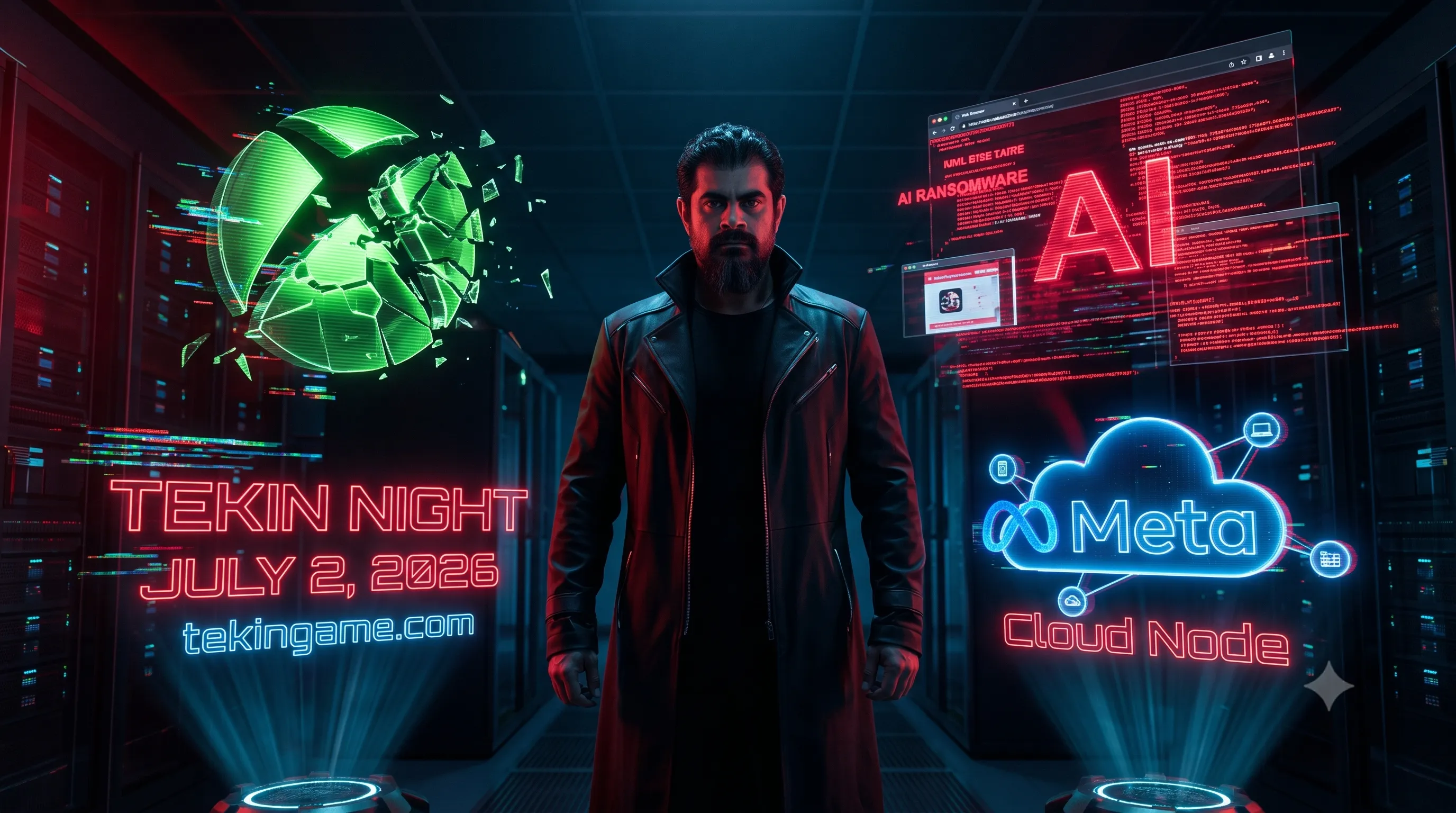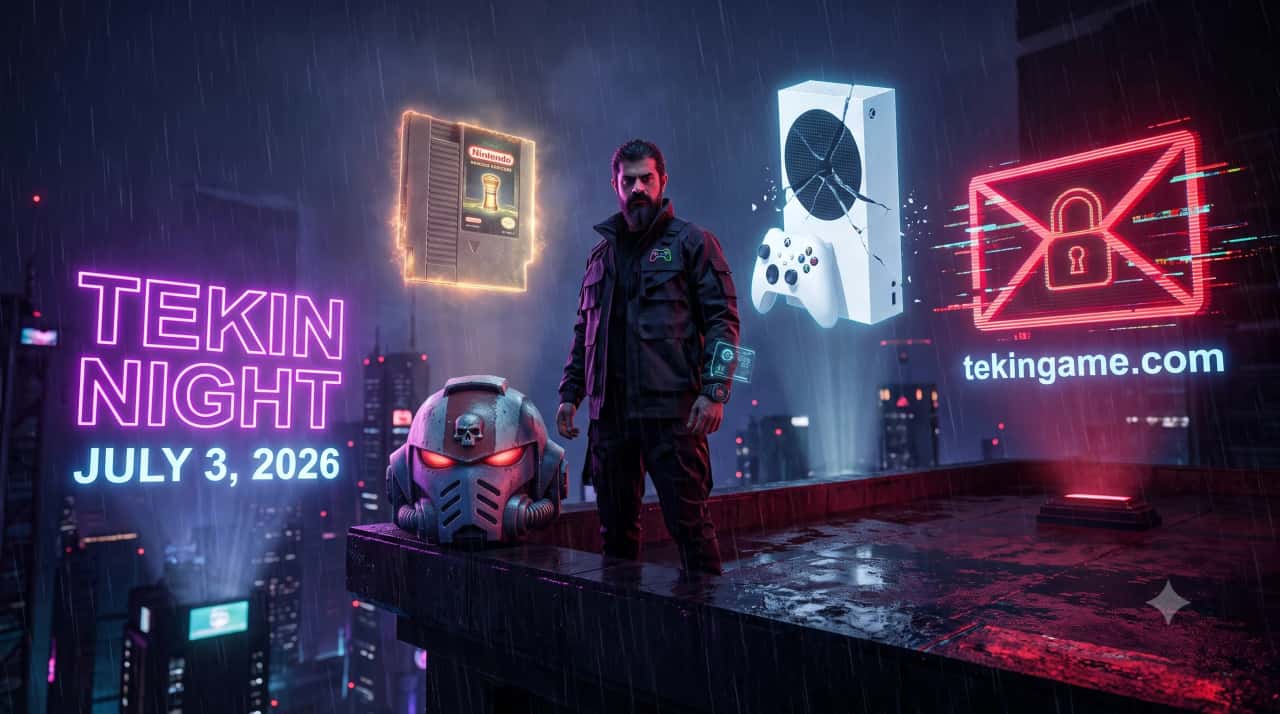
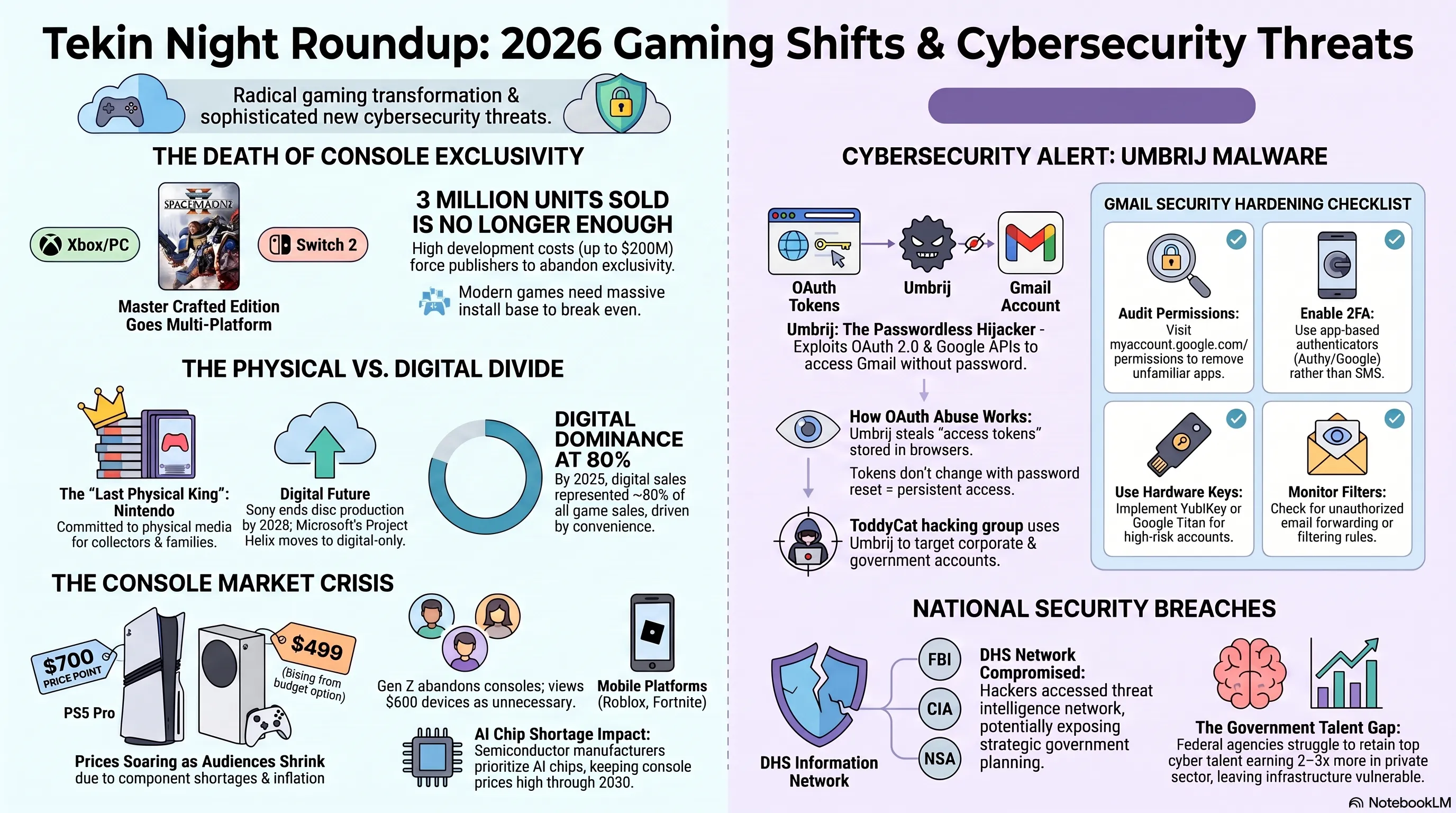
The evening of July 3, 2026, delivered seismic shifts across the gaming and cybersecurity sectors. Microsoft's exclusivity walls continue to crumble as Warhammer 40,000: Space Marine officially makes its way to the PS5 and Nintendo Switch 2. We analyze Nintendo's strategic stance as the last fortress for physical media against Sony's digital-only push, alongside the escalating console market crisis driven by soaring hardware prices and a shrinking traditional audience. In the cybersecurity realm, the sophisticated
🌙 Tekin Night Friday July 3: Evening Tech Roundup
Good evening! Join us for 6 hot stories from gaming and cybersecurity worlds.
- 🎮Space Marine Coming to PS5 & Switch 2- Exclusivity broken, Master Crafted Edition on the way
- 🎧Nintendo: Last Physical Gaming King?- Sony and Xbox abandoning discs entirely
- 🚀Console Market Crisis- Prices soaring, audiences shrinking rapidly
- 🗡️Umbrij Malware Targets Gmail Accounts- OAuth abuse enables passwordless hijacking
Friday night, July 3, 2026 brings news that has shaken both the gaming and cybersecurity worlds. From the collapse of Warhammer 40K exclusivity to the potential end of physical gaming, from console market crisis to sophisticated cyberattacks—we have an exciting evening ahead. Grab your coffee or evening drink and join us for tonight's deep dive.
Warhammer 40,000: Space Marine Coming to PS5 and Nintendo Switch 2
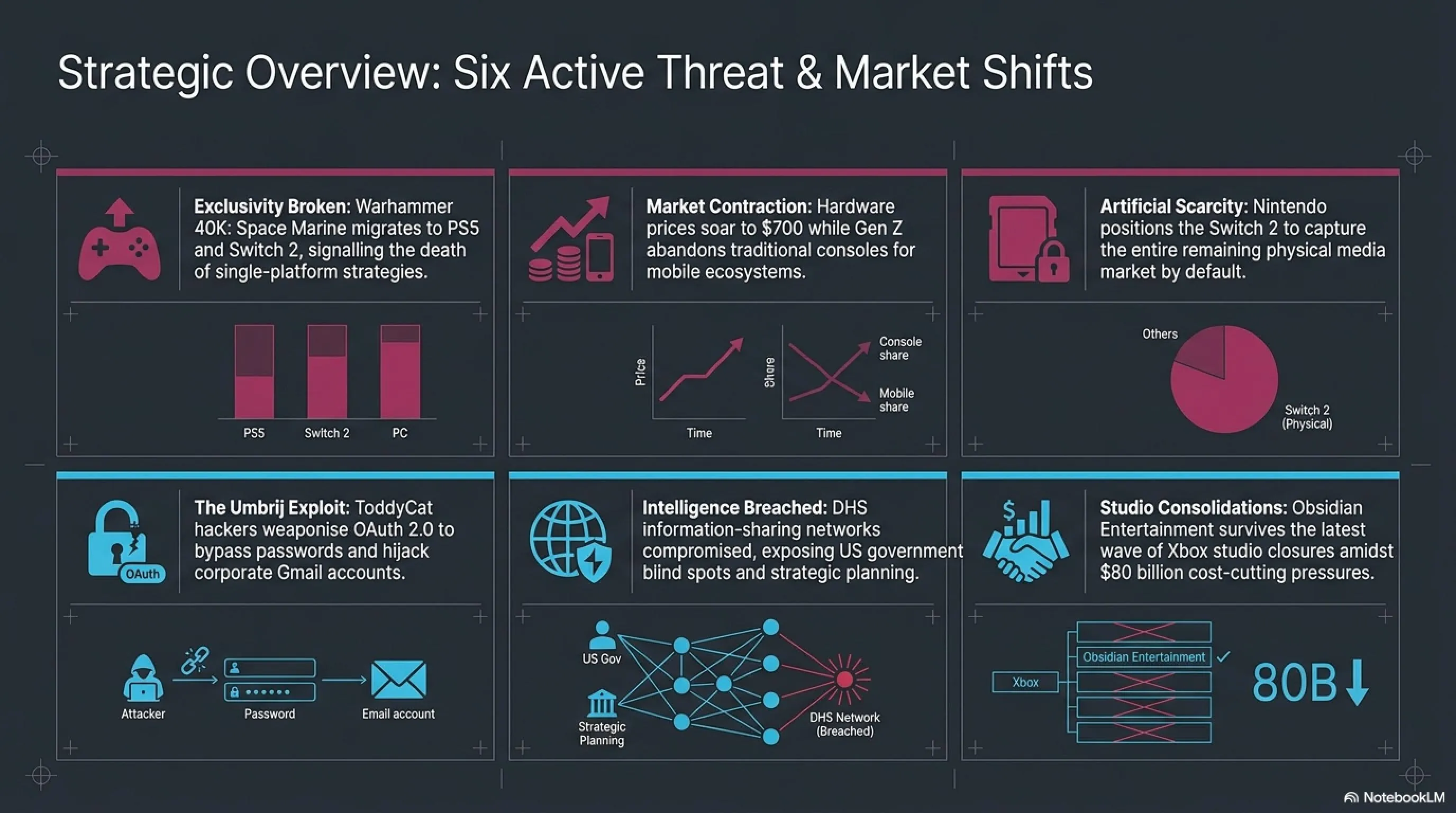
In news that will delight PlayStation and Nintendo fans, the ESRB has accidentally leaked that Warhammer 40,000: Space Marine - Master Crafted Edition is heading to PS5 and Nintendo Switch 2. This game, which has been exclusive to PC and Xbox Series X|S until now, is expanding its audience significantly.
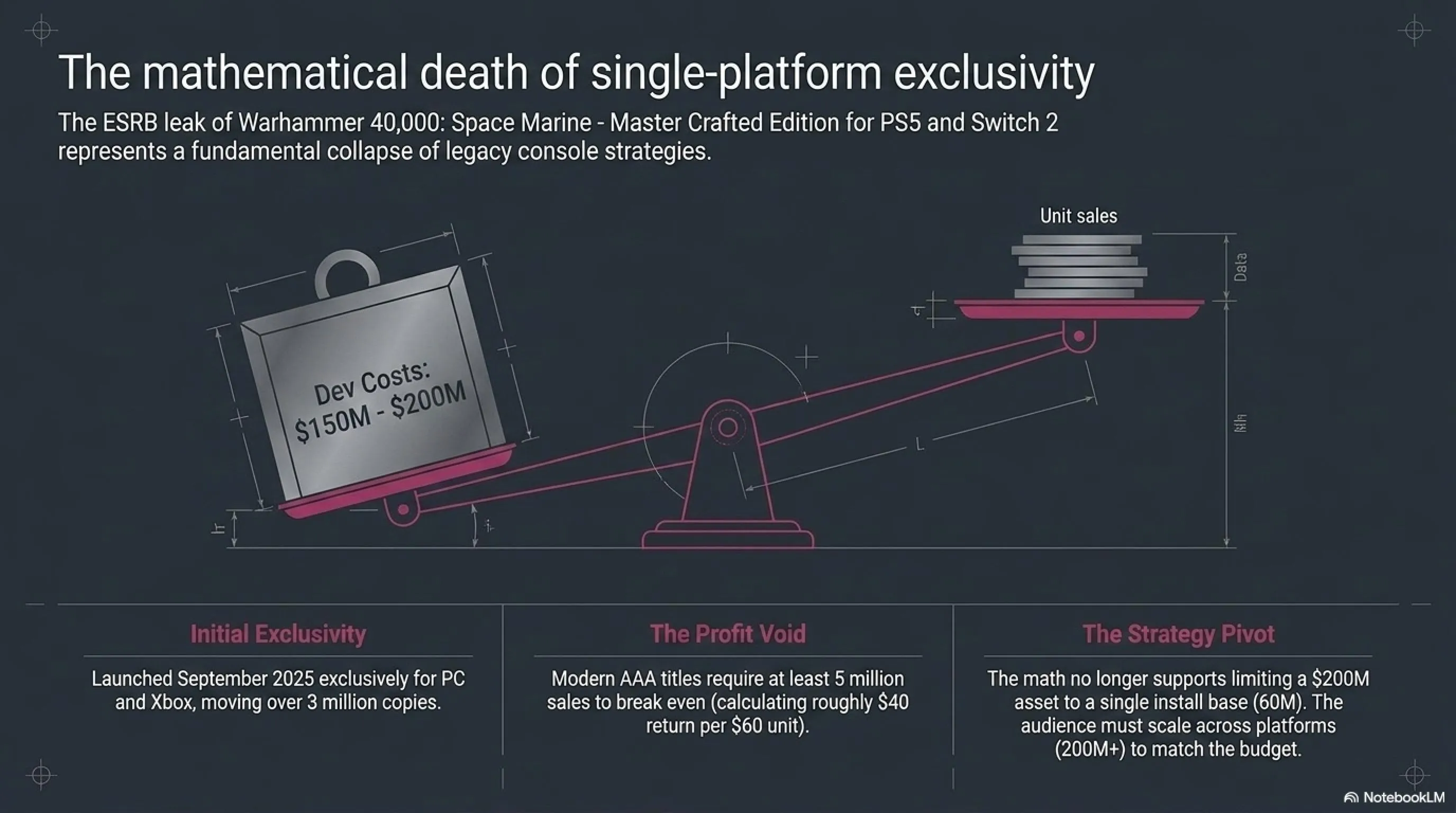
According to an IGN report published yesterday, the ESRB rating page lists the Master Crafted Edition for both PlayStation 5 and Nintendo Switch 2. This is particularly notable as the original Space Marine launched in September 2025 exclusively for PC and Xbox platforms.
The leak represents a major shift in Microsoft's exclusivity strategy. After acquiring numerous studios through their ZeniMax and Activision Blizzard purchases, the company seems increasingly willing to let titles reach competing platforms—especially when those titles have already enjoyed their initial exclusivity window.
What Does Master Crafted Edition Include?
The Master Crafted Edition will include the base game plus all DLCs and additional content released to date. This means PS5 and Switch 2 buyers will get the complete experience from day one—no need to purchase DLC separately or wait for content drops that Xbox and PC players already enjoyed.
For context, Space Marine has received substantial post-launch support including new PvP modes, co-op missions, weapon packs, and cosmetic customization options. The Master Crafted Edition essentially represents the definitive version of the game, potentially including some quality-of-life improvements learned from the initial release.
However, it remains unclear whether this edition will include any new platform-specific exclusive content. Given Nintendo's history of securing special content for multiplatform releases, and Sony's push for PlayStation-exclusive features, we may see announcements about additional bonuses closer to the official reveal.
About Warhammer 40,000: Space Marine
- Developer: Saber Interactive
- Genre: Third-person shooter / Action
- Initial Release: September 2025 (PC, Xbox)
- Metacritic Score: 82/100
- Features: Single-player campaign, co-op mode, PvP battle royale
- Setting: Warhammer 40K universe, playing as an Ultramarine
- Sales: Over 3 million copies sold on initial platforms
Why This News Matters
This announcement is significant for several reasons beyond just game availability. First, it demonstrates that Microsoft is no longer rigidly committed to keeping games exclusive—even titles initially marketed as platform exclusives. This represents a fundamental shift in strategy from the Xbox 360 era when exclusivity was sacred.
Second, the mention of Nintendo Switch 2 provides unofficial confirmation that Nintendo's next console exists and is far enough along in development that ESRB is rating games for it. Industry analysts have predicted a late 2026 or early 2027 launch for Switch 2, and this leak supports that timeline.
Third, this move signals that the traditional console exclusivity model is crumbling. When even a relatively successful exclusive like Space Marine (which sold over 3 million copies) moves to competing platforms within a year, it suggests that the economics of exclusivity no longer make sense for many publishers and platform holders.
The Broader Industry Trend
Space Marine is not alone in making this jump. We have seen numerous formerly exclusive titles migrate to other platforms in recent months. Microsoft has brought several first-party titles to PlayStation and Nintendo platforms, while Sony has been aggressively porting its exclusives to PC. Even Nintendo, historically the most protective of its IPs, has dipped its toes into mobile gaming.
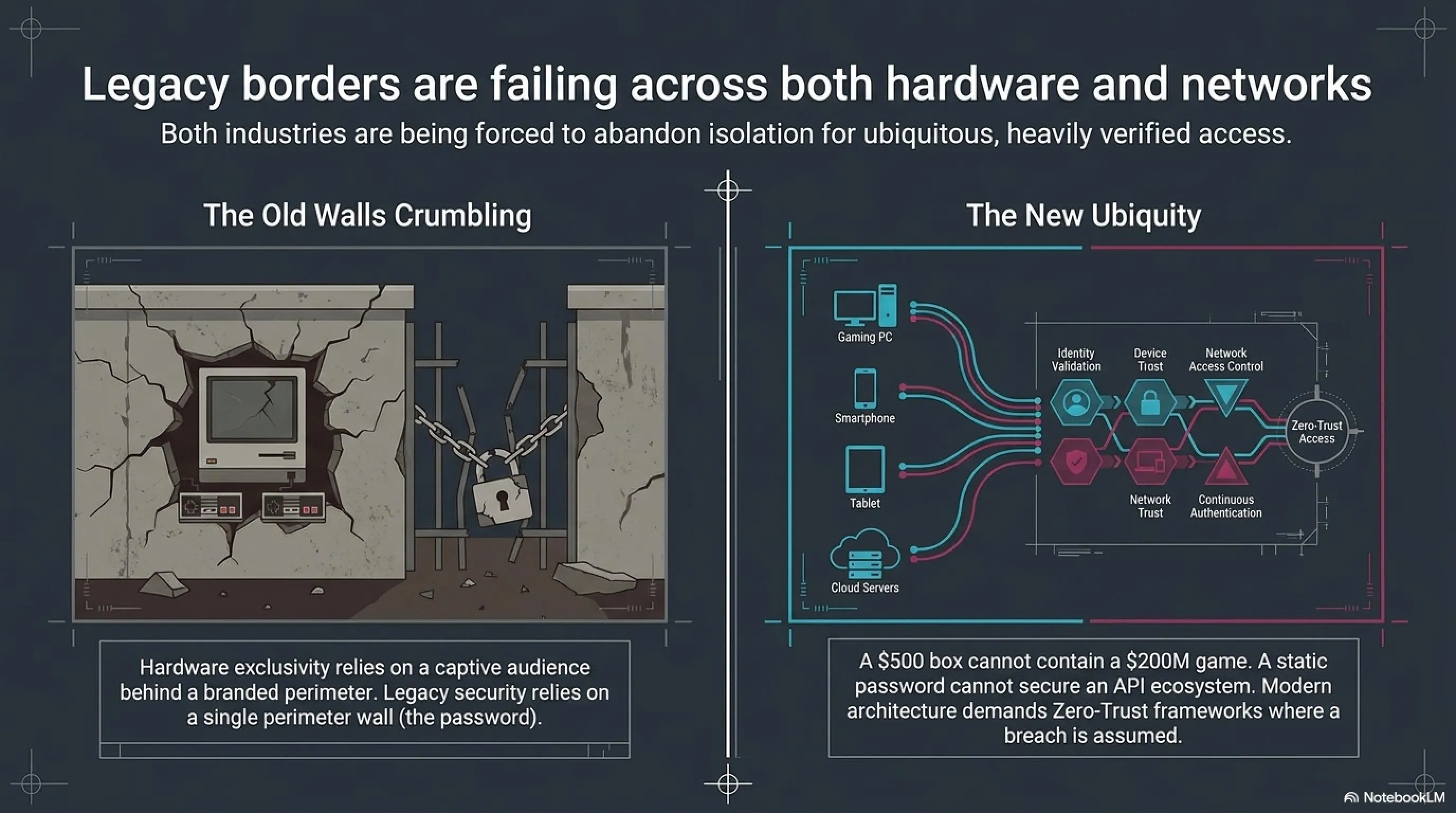
This trend reflects a changing industry reality: development costs have skyrocketed, and recouping those costs requires the largest possible audience. A game that costs 100-200 million dollars to develop cannot afford to limit itself to one platform's install base, especially when that platform is struggling to attract new users.
Nintendo May Become the Last Physical Gaming King by Default
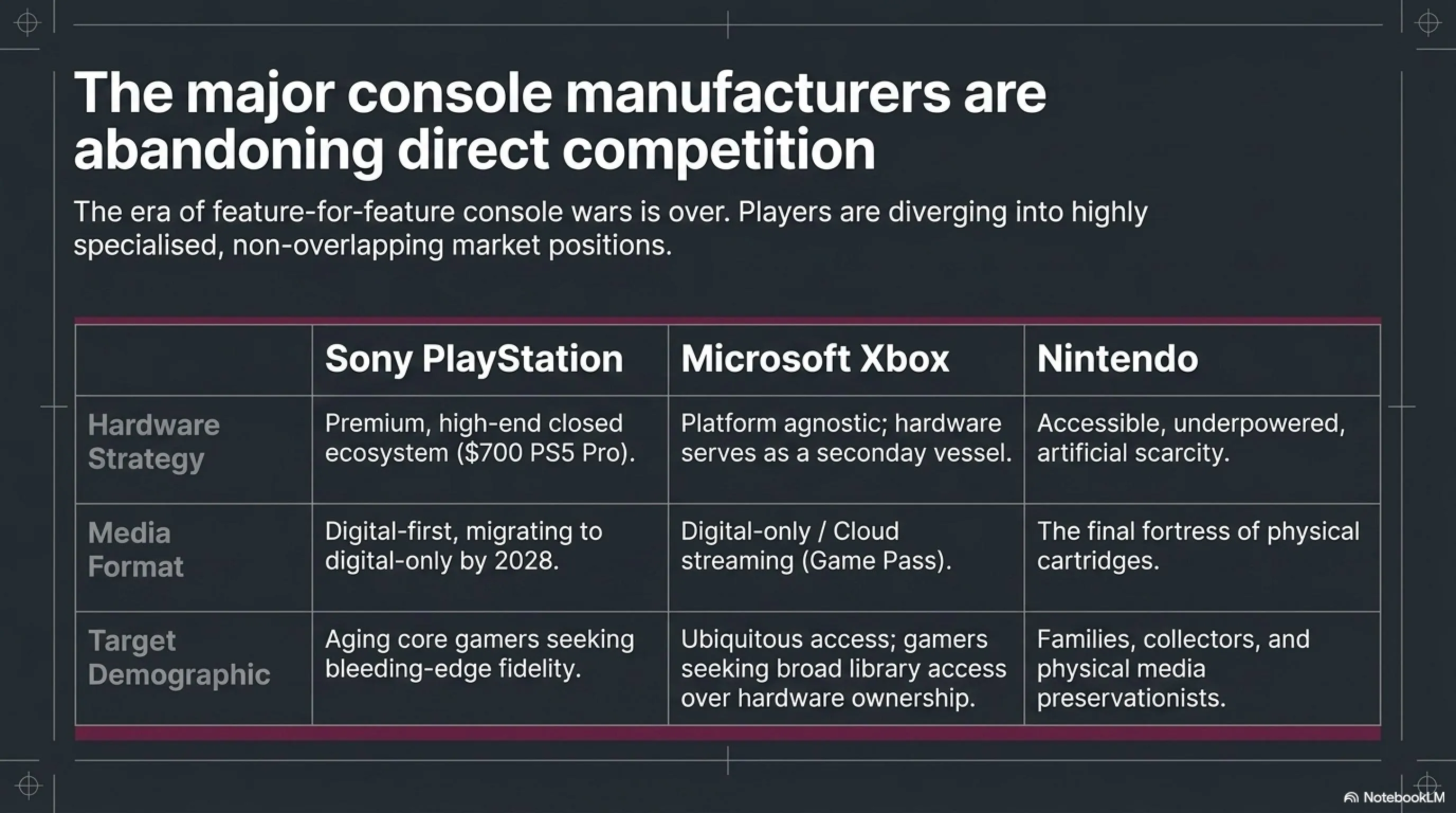
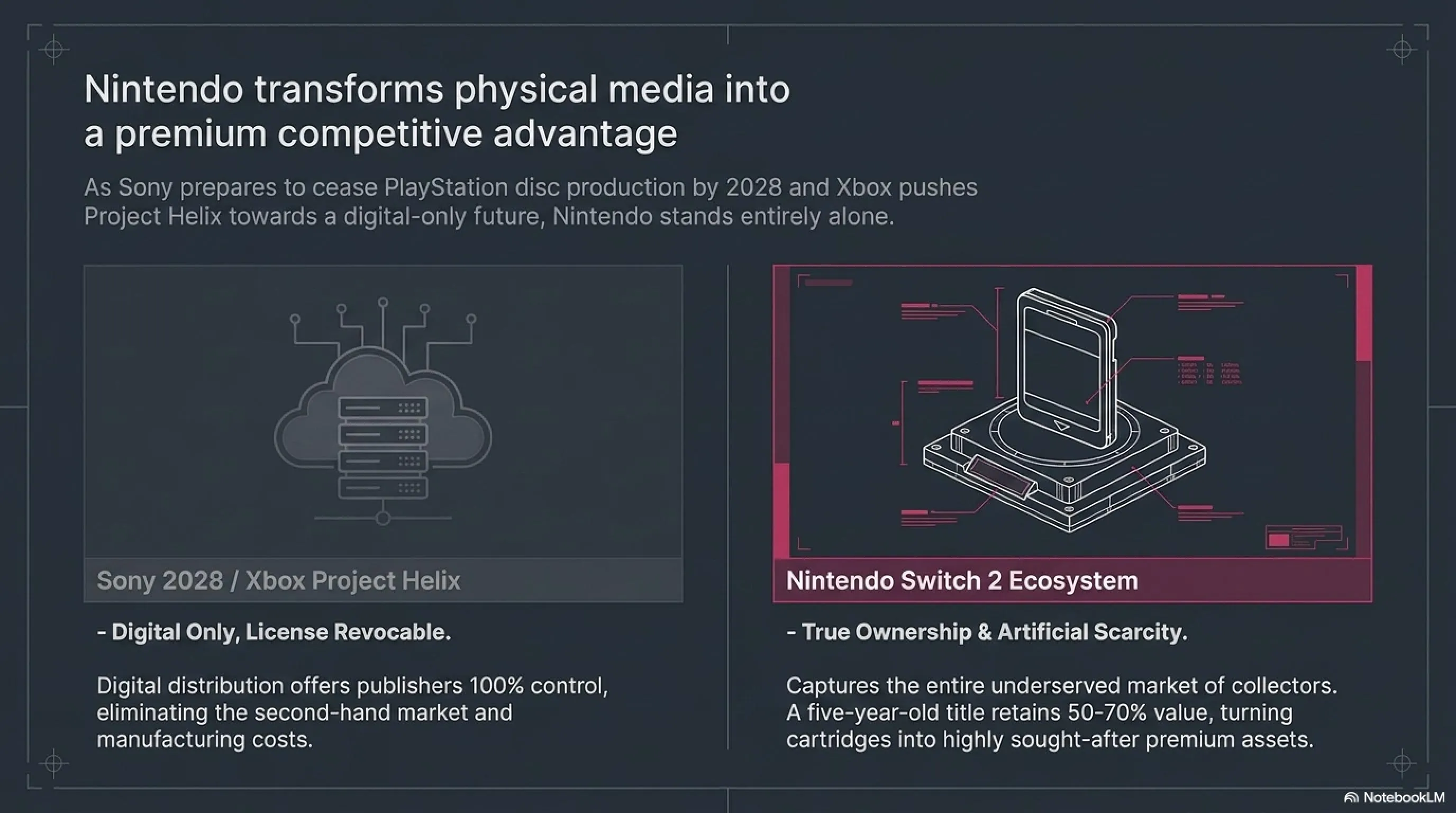
In what could be a defining moment for the gaming industry, it appears Nintendo will be the only major console manufacturer remaining committed to physical games. This comes as Sony has announced it will cease PlayStation disc production by 2028, and rumors swirl about Microsoft's Project Helix following a similar path.
According to a GameSpot report published yesterday, the gaming industry is racing toward complete digitalization. Sony's announcement about halting disc production by 2028 and offering PS6 consoles as digital-only represents the first major step. Microsoft, with Project Helix (the code name for next-gen Xbox), appears to be following a similar trajectory.
This shift has been building for years. Digital game sales have consistently outpaced physical sales since around 2018, with the gap widening each year. By 2025, digital represented roughly 80% of all game sales in major markets. Publishers love digital distribution—no manufacturing costs, no retail cuts, no second-hand market eating into profits, and complete control over pricing.
Nintendo Stands Firm on Physical Media
However, Nintendo has stated in recent interviews that it remains committed to physical games. Company executives believe a significant portion of the market still prefers physical purchases—whether for collecting purposes, internet connectivity issues, concerns about DRM and censorship, or simply preference for ownership over licensing.
This decision could represent a major competitive advantage for Nintendo. Many gamers who value physical media may choose Nintendo consoles as the only reliable option for physical game purchases going forward. This creates a unique market position that Sony and Microsoft will have vacated entirely.
Nintendo's commitment also makes business sense for their specific market position. Nintendo games hold value exceptionally well in the second-hand market, and collectors actively seek Nintendo titles. The company has also historically attracted more family-oriented buyers who may prefer physical media for sharing games among family members or reselling when children outgrow them.
Who Loses in This Transition?
The shift to digital-only gaming is bad news for several groups. Collectors who enjoy building physical game libraries will find their options severely limited. Buyers of second-hand games will lose access to affordable gaming options. People without reliable high-speed internet will struggle to download 100GB+ game files. Regions with data caps or slow infrastructure will be particularly hard hit.
Physical retailers like GameStop face an existential crisis. Their business model relies heavily on selling pre-owned games, which generates significant profit margins. Without physical games, these stores lose their primary product and may cease to exist entirely. We have already seen GameStop close hundreds of locations, and this trend will accelerate dramatically.
From another perspective, game publishers and developers welcome this change because it eliminates the second-hand market entirely and gives them much greater control over pricing and distribution. It also eliminates manufacturing, printing, and physical distribution costs, which can represent millions of dollars for major releases.
The Counter-Arguments
Proponents of digital-only gaming argue that physical media is antiquated and wasteful. Plastic cases and discs generate environmental waste. Shipping physical games produces carbon emissions. Digital distribution is more efficient and eco-friendly in theory.
They also point out that most modern games require large day-one patches anyway, making the disc essentially just a license key. The disc rarely contains the fully playable game anymore—you still need to download gigabytes of updates and patches on day one. So the argument for physical media being more complete or reliable has weakened considerably.
However, critics counter that digital games are merely licenses that can be revoked, whereas physical games represent true ownership. When servers shut down or companies change policies, digital games can disappear. Physical games remain playable indefinitely, assuming the hardware still functions.
Umbrij Malware Exploits OAuth to Target Gmail Accounts
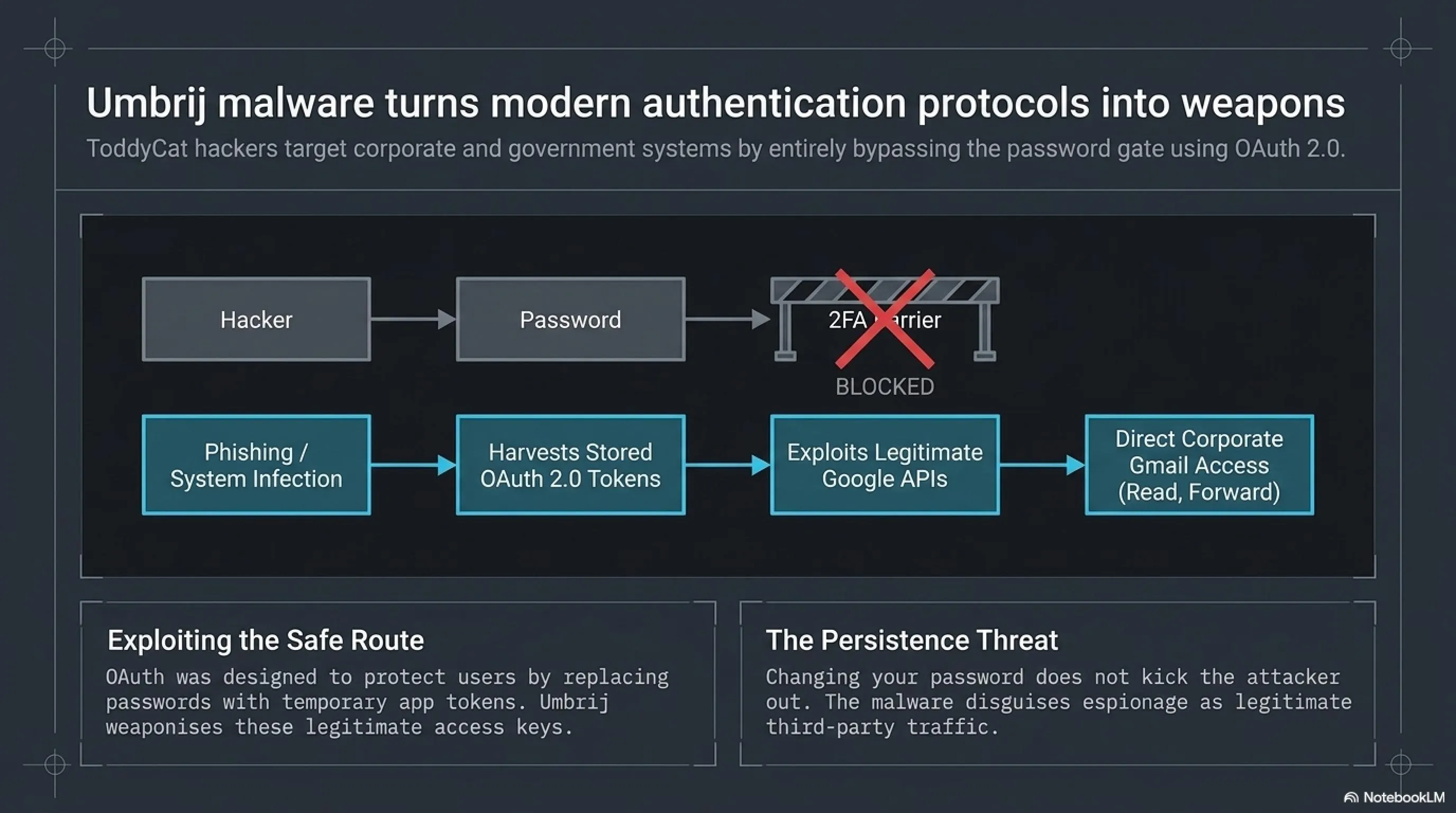
In one of the most concerning security news stories of the week, security researchers have discovered that the ToddyCat hacking group has developed sophisticated malware called Umbrij that exploits OAuth 2.0 and Google APIs to access corporate Gmail accounts—without needing to steal passwords!
According to The Hacker News report published yesterday, Umbrij represents an advanced threat that can use previously stolen OAuth tokens to directly access Gmail accounts. This means that even if you change your password, attackers can maintain access to your emails if they have compromised your OAuth tokens.
The discovery is particularly alarming because OAuth was designed to improve security. The protocol allows third-party applications to access services without requiring users to share their actual passwords. Instead, users grant permission once, and the application receives a token that works like a temporary key. This approach was supposed to be safer than traditional username/password combinations.
How Umbrij Actually Works
Umbrij first infects victim systems through traditional methods like phishing campaigns or software vulnerabilities. Once established on a system, it searches for OAuth tokens stored in browsers or applications. These tokens are essentially access keys that allow third-party apps to interact with Gmail without requiring the actual password.
After obtaining these tokens, Umbrij can use Google's own legitimate APIs to read, search, download, and even send emails—all without Google or the user detecting that unauthorized access is occurring. The malware disguises its activity as legitimate API requests from authorized applications, making detection extremely difficult.
The particularly insidious aspect of this attack is its persistence. Changing your Gmail password does not invalidate OAuth tokens unless you specifically revoke third-party access. Many users do not even know how to check which applications have access to their accounts, let alone how to revoke that access.
Security researchers note that ToddyCat specifically targets corporate and government Gmail accounts, suggesting sophisticated intelligence gathering operations rather than simple cybercrime. The group has been linked to state-sponsored activities, though attribution remains difficult to prove definitively.
Signs Your Account May Be Compromised by Umbrij
- Suspicious activity in your Google Account activity log
- Unknown applications in your third-party access permissions
- Emails marked as read that you never opened
- Repeated API requests to Gmail from unfamiliar IP addresses
- Sudden decrease in internet speed or high CPU activity
- Unexpected security alerts from Google
- Emails being automatically filtered or forwarded without your knowledge
How to Protect Your Gmail Account from Umbrij
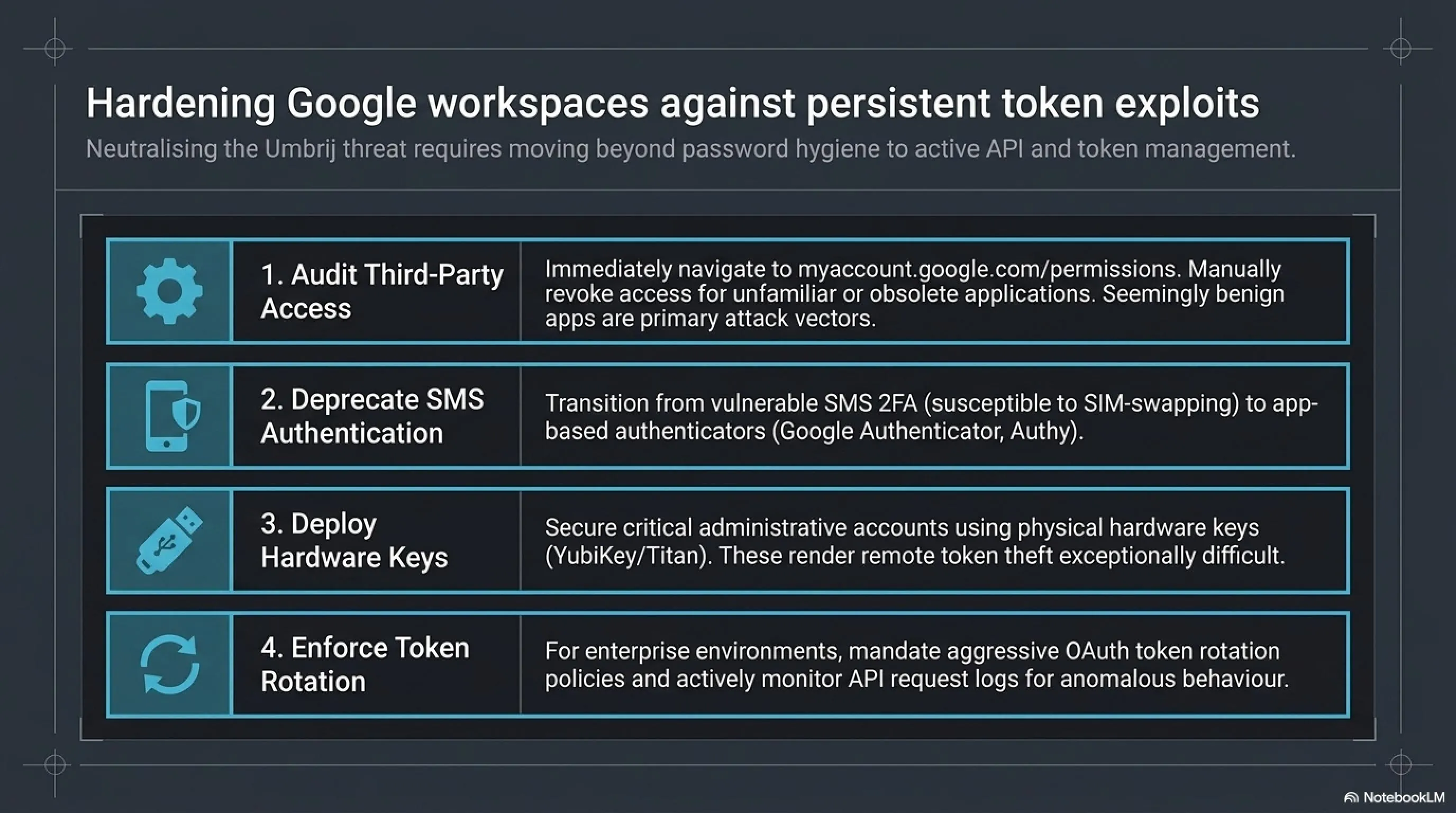
The good news is that protecting yourself against this threat is straightforward, though it requires diligence. First and most importantly, visit myaccount.google.com/permissions and review every application that has access to your Gmail. Remove any applications you do not recognize or no longer use. Even seemingly legitimate apps can be compromised and used as attack vectors.
Second, enable two-factor authentication (2FA) if you have not already. While 2FA does not prevent OAuth token theft, it makes initial account compromise much more difficult. Use app-based authenticators like Google Authenticator or Authy rather than SMS-based 2FA, as SMS can be intercepted through SIM swapping attacks.
Third, consider using physical security keys for your most sensitive accounts. Hardware security keys like YubiKey or Google Titan provide the strongest possible protection against account takeover. They are essentially impossible to phish or steal remotely.
Step-by-Step Gmail Security Hardening
- Audit Third-Party Access: Go to
myaccount.google.com/permissionsand remove unfamiliar apps - Enable 2FA: Use app-based authentication, not SMS
- Review Activity Log: Check
myaccount.google.com/notificationsfor suspicious logins - Use Security Keys: Purchase and configure hardware security keys for critical accounts
- Regular Password Changes: Update passwords every 90 days
- Employ Password Manager: Use tools like 1Password or Bitwarden for unique, strong passwords
- Monitor Email Filters: Check for unauthorized forwarding or filtering rules
- Enable Advanced Protection: For high-risk users, Google offers an Advanced Protection Program
Console Market Crisis: Prices Rising as Audiences Shrink
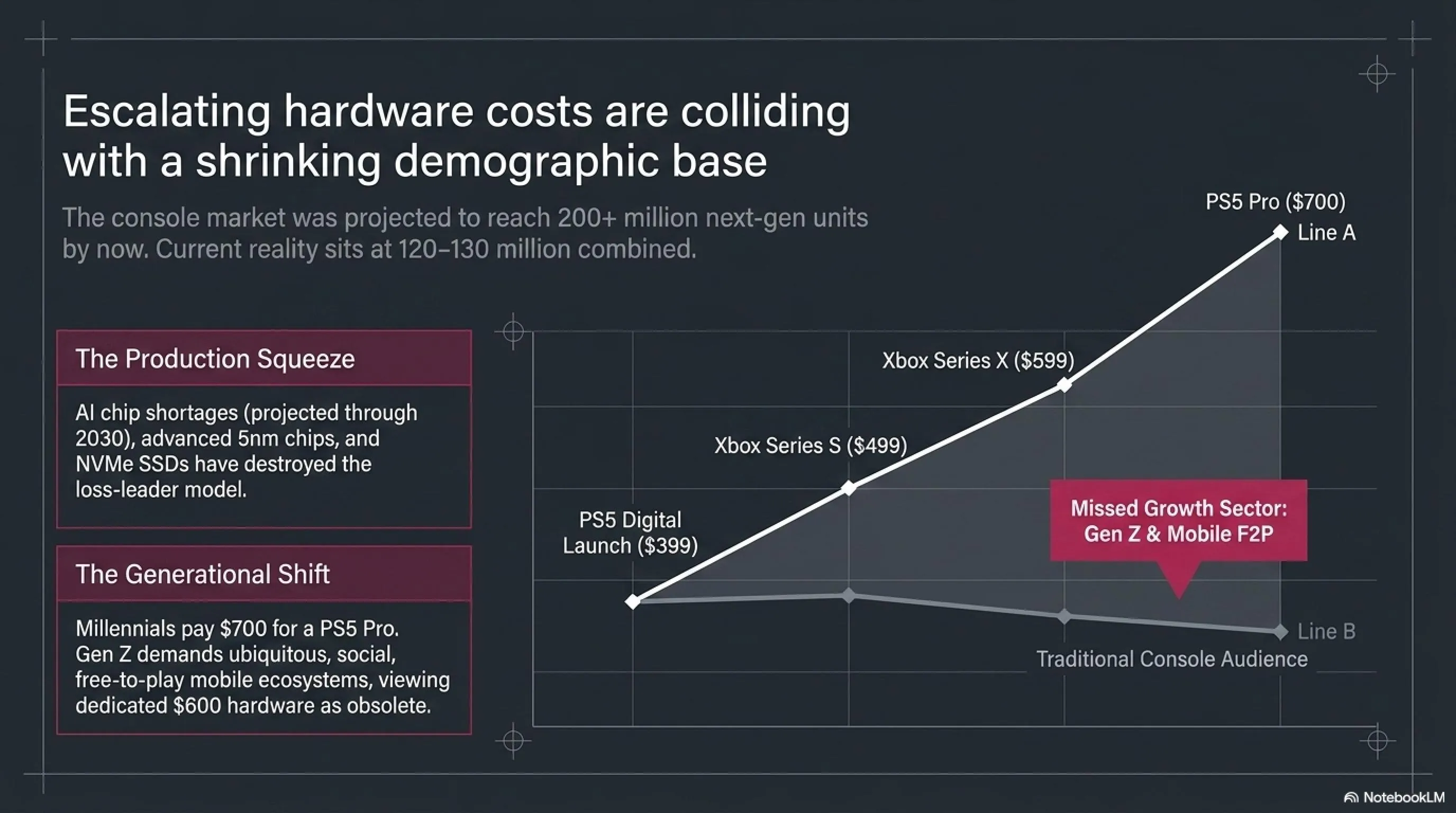
In one of the most troubling analyses for the gaming industry, GameSpot has reported that the console market has entered a serious crisis. Prices have skyrocketed while audiences are actively shrinking. The Xbox Series S, which was supposed to be an affordable entry point to next-gen gaming, now costs $499—exactly what the PS5 Digital Edition cost at launch!
According to yesterday's report, the situation has deteriorated from bad to worse. Sony's PS5 Pro launched at $700, a $200 premium over the standard edition. Xbox Series X now costs $599. Meanwhile, the AI chip shortage is predicted to continue through 2030, meaning prices will likely increase further rather than decrease.
But price is not the only problem—the audience is fundamentally changing. Younger generations prefer mobile gaming to console gaming. Games like Roblox and Fortnite on phones attract more engagement than AAA titles on consoles. For Gen Z and younger, spending $600 on a dedicated gaming device seems unnecessary when their phone does everything.
The Economics No Longer Work
The console business model relies on selling hardware at a loss or minimal profit, then making money on software sales and online subscriptions. This model worked when consoles cost $300-400 to manufacture and sold for $400-500. But modern consoles with their advanced GPUs, SSDs, and AI capabilities cost significantly more to produce.
Component costs have increased dramatically. Advanced 7nm and 5nm chips are expensive. Fast NVMe SSDs are expensive. High-bandwidth memory is expensive. The ray-tracing capable GPUs required for modern gaming are expensive. Add in global supply chain issues, tariffs, and inflation, and you have a perfect storm of rising costs.
Meanwhile, the install base is not growing proportionally. The PS5 has sold well but not at PS4 levels. Xbox Series X|S sales trail both PS5 and even Xbox One in some markets. Nintendo Switch remains the best-selling console, but it is essentially last-gen hardware. The industry expected 200+ million next-gen consoles sold by now; the reality is closer to 120-130 million combined.
The Generational Shift
Perhaps the biggest challenge facing consoles is demographic change. Millennials and Gen X grew up with consoles as their primary gaming platforms. They have nostalgia for Nintendo, PlayStation, and Xbox brands. They are willing to spend money on dedicated gaming hardware because that is what they know and love.
But younger generations have different habits and preferences. They grew up with smartphones and tablets as their primary devices. Free-to-play mobile games taught them that gaming should be accessible and social. The idea of buying expensive hardware for gaming seems as foreign to them as buying a dedicated music player seemed to streaming-native kids.
This is not just about preference—it is about lifestyle and economics. A $600 console requires a TV, a dedicated space, and time to sit and play. A mobile game can be played anywhere, anytime, in short sessions. For young people juggling school, work, and social lives, mobile gaming fits their lifestyle better.
Who Is to Blame?
Sony and Microsoft have made questionable decisions that exacerbated the crisis. The PS5 Pro at $700 without a disc drive alienated many potential customers. The Xbox's unclear strategy—oscillating between focusing on exclusives and making everything multiplatform—has confused consumers and damaged brand loyalty.
Both companies seem to have lost touch with what mainstream gamers want. They chase bleeding-edge graphics and performance that only enthusiasts care about, while ignoring price sensitivity and accessibility. The Xbox Series S was supposed to address this, but at $499, it is no longer a budget option.
From another angle, the AI chip shortage and rising manufacturing costs are external factors beyond any company's control. Semiconductor manufacturers are prioritizing AI chips over gaming chips because AI offers higher profit margins. This scarcity drives prices up across the board.
The reality is that the console market may need to accept becoming smaller and more niche. Instead of trying to compete with mobile gaming for casual players, consoles may need to focus exclusively on hardcore gamers willing to pay premium prices for premium experiences. This means fewer units sold but higher margins per unit.
US Government Hacked Again: DHS Information Network Compromised
Demonstrating that even the world's most powerful government remains vulnerable to cyberattacks, a senior senator on the Senate Intelligence Committee has warned that information obtained from the Department of Homeland Security's information-sharing network could jeopardize national security.
According to a TechCrunch report published yesterday, this represents the latest in a series of cyberattacks targeting US government infrastructure. While specific details remain classified, it appears that hackers successfully accessed sensitive information shared between various security agencies through DHS networks.
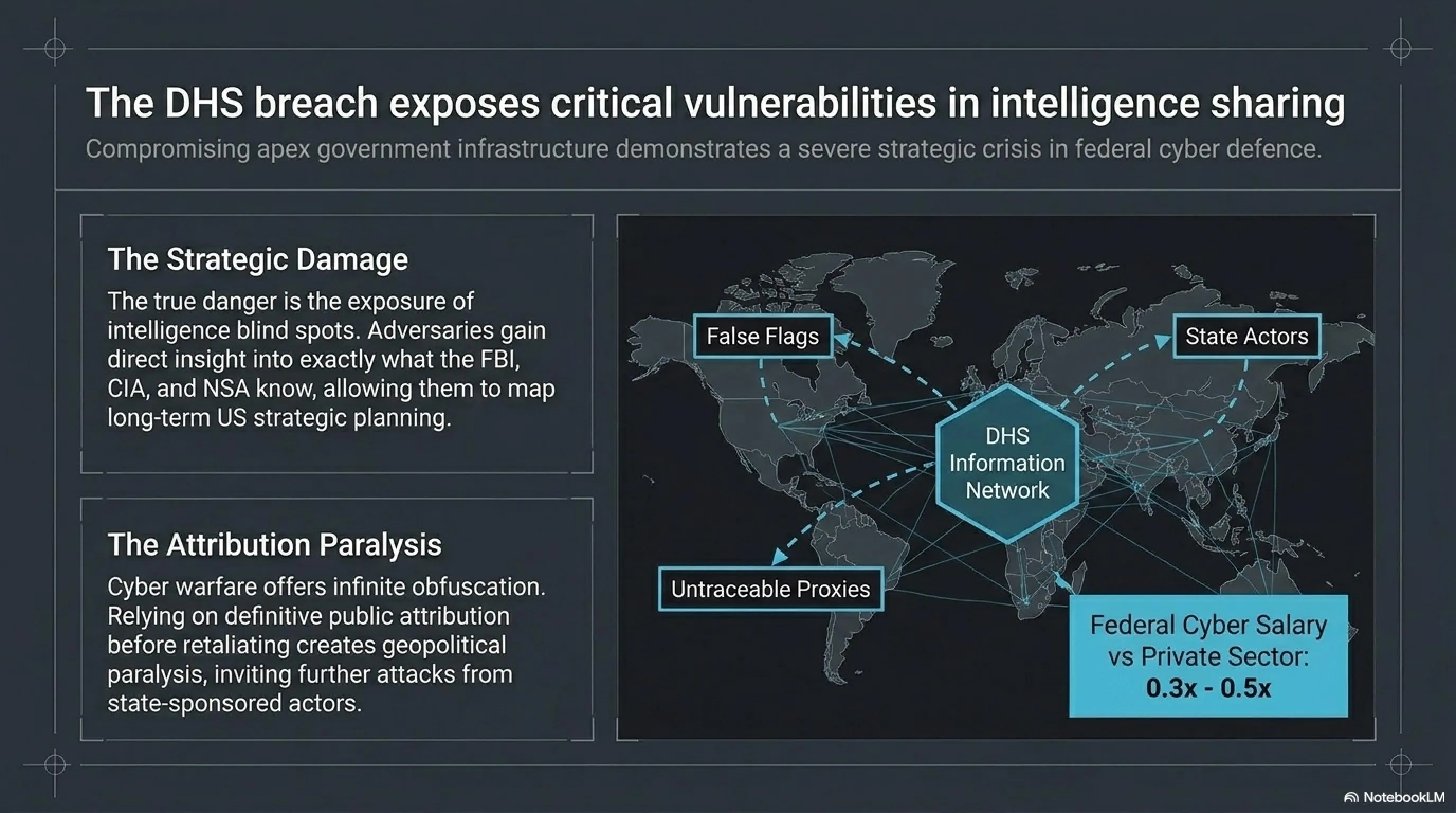
The DHS information-sharing network is a critical system that distributes threat intelligence between the FBI, CIA, NSA, and other security agencies. If attackers accessed this network, they could understand what threats the US government knows about, what operations it is planning, and what resources it has deployed.
Why This Attack Is Dangerous
Intelligence-sharing networks represent incredibly high-value targets for nation-state actors and sophisticated criminal groups. Access to these networks provides insight into government capabilities, blind spots, and priorities. Adversaries can use this information to evade detection, plan more effective attacks, and counter US intelligence operations.
For example, if attackers know which terrorist groups are under active surveillance, those groups can adjust their communications and operations to avoid detection. If attackers understand which vulnerabilities the government considers most critical, they know where to focus their attacks for maximum impact.
Beyond immediate tactical intelligence, access to information-sharing networks reveals strategic thinking and long-term planning. This allows adversaries to anticipate US government actions months or years in advance, providing enormous strategic advantages in everything from military planning to economic policy.
This Is Not the First Time
The US government has suffered multiple major cyberattacks in recent years. The SolarWinds attack in 2020 compromised numerous federal agencies. The Colonial Pipeline ransomware attack in 2021 disrupted critical infrastructure. And now this latest breach demonstrates that vulnerabilities remain despite increased security investments.
Critics argue that the US government does not invest sufficiently in cybersecurity relative to the threat level. While billions flow into traditional military weapons, cybersecurity budgets remain comparatively modest—despite the reality that modern warfare increasingly occurs in cyberspace rather than on physical battlefields.
There is also a talent problem. The government struggles to attract and retain top cybersecurity professionals who can earn 2-3 times more in the private sector. Federal bureaucracy, clearance requirements, and outdated technology make government cybersecurity positions less attractive than private sector opportunities.
The Attribution Problem
One of the most frustrating aspects of cyberattacks is attribution difficulty. Unlike physical attacks where you can identify the perpetrator, cyber attackers can route through multiple countries, use false flag operations, and cover their tracks extensively. Even when intelligence agencies have high confidence about attribution, proving it publicly remains challenging.
This attribution difficulty creates accountability problems. If you cannot definitively prove who attacked you, proportional response becomes problematic. Retaliate too aggressively against the wrong party, and you create new enemies. Fail to respond adequately, and you invite further attacks.
Obsidian Entertainment: Is Xbox's Beloved Studio Negotiating to Avoid Closure?
In one of the week's most confusing stories, conflicting reports emerged about the status of Obsidian Entertainment. Initial reports from multiple sources suggested that this beloved studio (creator of Fallout: New Vegas and the upcoming Avowed) was negotiating with Xbox to avoid closure.
However, hours later, Jason Schreier from Bloomberg—one of the gaming industry's most reliable sources—confirmed that Obsidian is safe and not in negotiations. This contradiction suggests either that initial sources were mistaken, or that rumors were deliberately spread for unclear reasons.
Why Did This Rumor Spread?
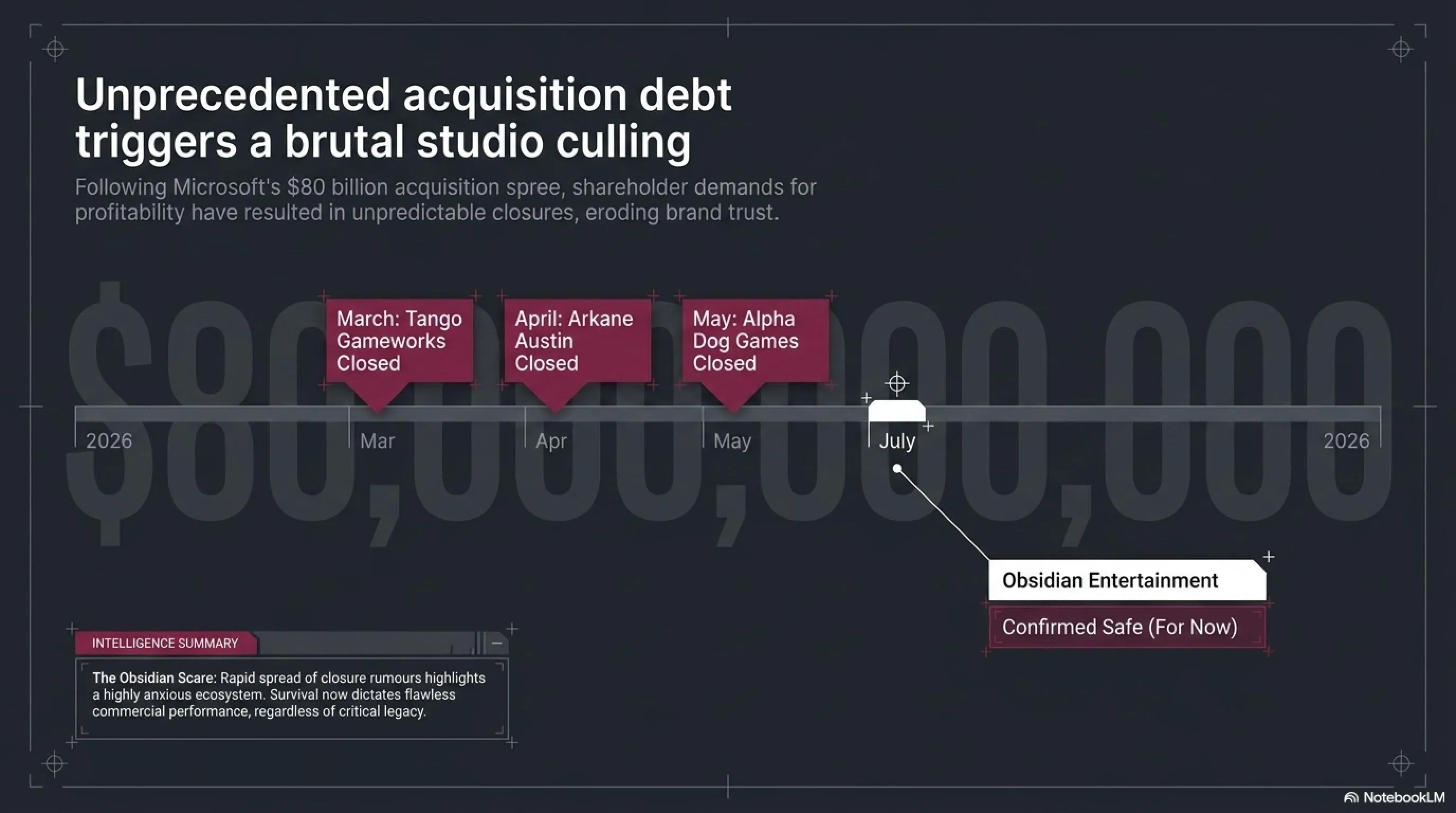
The rumor likely emerged due to Microsoft's wave of studio closures in recent months. The company shut down several studios last year, including Tango Gameworks (creator of Hi-Fi Rush) and Arkane Austin. These closures created anxiety throughout Xbox's studio network about who might be next.
Obsidian represents one of Xbox's most beloved studios with a passionate fanbase. The upcoming Avowed is one of Xbox's biggest exclusive titles scheduled for 2026. Closing Obsidian would be catastrophic for Xbox, especially as the company desperately needs exclusive content to justify its platform.
The studio's reputation stems from creating some of the most critically acclaimed RPGs in gaming history. From Fallout: New Vegas to The Outer Worlds to Pillars of Eternity, Obsidian consistently delivers deep, choice-driven narratives that resonate with RPG fans. Losing this studio would represent an enormous blow to Xbox's first-party capabilities.
How Reliable Is Jason Schreier's Confirmation?
Jason Schreier has established himself as perhaps the most credible gaming journalist through years of accurate reporting and source cultivation. His track record includes breaking numerous major stories that later proved completely accurate. When Schreier says Obsidian is safe, that carries significant weight.
However, the gaming industry constantly surprises us. Until Avowed launches successfully, no studio is completely safe—especially under Microsoft, which has made unpredictable decisions in recent years. Studios that seemed secure have been shuttered unexpectedly. Projects that seemed guaranteed have been canceled abruptly.
The broader context matters here. Microsoft has been aggressively cutting costs across its gaming division. The company spent nearly $80 billion acquiring ZeniMax and Activision Blizzard, and shareholders expect returns on that investment. If studios are not profitable or their projects underperform, closures remain possible regardless of legacy or reputation.
Studios Closed by Xbox Recently
- Tango Gameworks (Hi-Fi Rush developer) - Closed March 2026
- Arkane Austin (Redfall developer) - Closed April 2026
- Alpha Dog Games - Closed May 2026
- Roundhouse Studios - Merged with ZeniMax Online
The gaming community remains furious about these closures, especially after Microsoft previously promised to support and nurture acquired studios. The closures have damaged trust in Xbox leadership and raised questions about the company's long-term commitment to gaming.
Tekin Analysis: Deep Dive into Tonight's Stories
If we connect tonight's stories, a fascinating picture emerges of the current state of gaming and technology industries. Let us examine this picture from multiple angles to understand the deeper trends at play.
The Death of Exclusivity as We Knew It
The Space Marine announcement represents more than just one game reaching additional platforms. It symbolizes the fundamental collapse of traditional console exclusivity strategies that have defined the industry for decades. Microsoft no longer insists on keeping games Xbox-exclusive. Sony ports its exclusives to PC. Even Nintendo is experimenting with mobile releases.
This shift reflects brutal economic reality: modern AAA game development costs have spiraled out of control. Games that cost $100-200 million to develop cannot limit themselves to one platform's install base, especially when that platform struggles to attract new users. The mathematics simply do not work anymore.
Consider the numbers: if a game costs $150 million to develop and market, and needs to sell 5 million copies at $60 (with roughly $40 going to the publisher after platform fees and retail cuts) to break even, that is $200 million in revenue needed. On a single platform with maybe 60-80 million active users, hitting 5 million sales is challenging. Across three platforms with 200+ million combined users, it becomes much more achievable.
The exclusivity model made sense when development costs were manageable and platform holders could subsidize development. But as costs exploded and platform holder subsidies became insufficient, publishers realized they were leaving enormous amounts of money on the table by remaining exclusive.
Nintendo's Contrarian Strategy May Prove Genius
While Sony and Xbox rush toward digital-only futures, Nintendo's commitment to physical media looks increasingly strategic rather than merely nostalgic. By becoming the only major platform supporting physical games, Nintendo positions itself to capture an underserved but loyal market segment.
This market includes collectors who value physical ownership, parents who want to control and share games among siblings, regions with poor internet infrastructure, and gamers concerned about censorship and digital rights management. While this segment may be smaller than the overall market, it exhibits strong brand loyalty and willingness to pay premium prices.
Nintendo games already command higher resale values than competitors. A five-year-old Nintendo title often sells for 50-70% of its original price on the second-hand market. Compare that to PlayStation or Xbox games that typically drop to $20 or less within a year. This value retention reflects Nintendo's unique position and the demand for physical Nintendo games.
By maintaining physical media when competitors abandon it, Nintendo creates artificial scarcity that enhances perceived value. Collectors will pay premiums for physical Nintendo releases knowing they represent the last bastion of traditional game ownership. This strategy could generate billions in additional revenue over the console's lifecycle.
The Console Price Crisis Reflects Deeper Industry Problems
The escalating console prices symptomize several converging crises in the gaming hardware market. First, component costs have increased dramatically due to semiconductor scarcity, trade tensions, and the prioritization of AI chips over gaming chips. Second, the traditional console business model of hardware loss-leaders compensated by software sales breaks down when hardware becomes too expensive to subsidize.
But the deeper problem is demographic. The console market is aging. Millennials and Gen X, who grew up with consoles, remain loyal customers willing to spend $500-700 on gaming hardware. But Gen Z and younger increasingly view consoles as unnecessary when their smartphones provide gaming, social media, content consumption, and communication in one device.
This generational divide creates an existential challenge for console makers. Do they chase younger audiences by pivoting toward mobile and cloud gaming? Or do they double down on hardcore gamers and accept a smaller, more niche market? Sony and Microsoft seem trapped between these strategies, satisfying neither constituency effectively.
The Xbox Series S price increase to $499 perfectly illustrates this confusion. The console was positioned as an affordable entry point—the anti-PS5-Pro. But at $499, it costs the same as the PS5 Digital Edition launched for, rendering its value proposition nonsensical. Who buys a weaker console at the same price as a stronger one from the market leader?
Cybersecurity Threats Grow More Sophisticated and Persistent
Tonight's two security stories—Umbrij malware and the DHS breach—highlight how dramatically cybersecurity threats have evolved. Modern attacks exploit the very systems designed to improve security, like OAuth. They target high-value intelligence networks rather than random consumers. They persist undetected for months or years, gathering intelligence rather than causing immediate damage.
The Umbrij malware particularly concerns security professionals because it demonstrates how attackers can abuse legitimate security mechanisms. OAuth was supposed to eliminate password sharing and improve security. Instead, it created new attack vectors that many users and even IT professionals do not fully understand or know how to defend against.
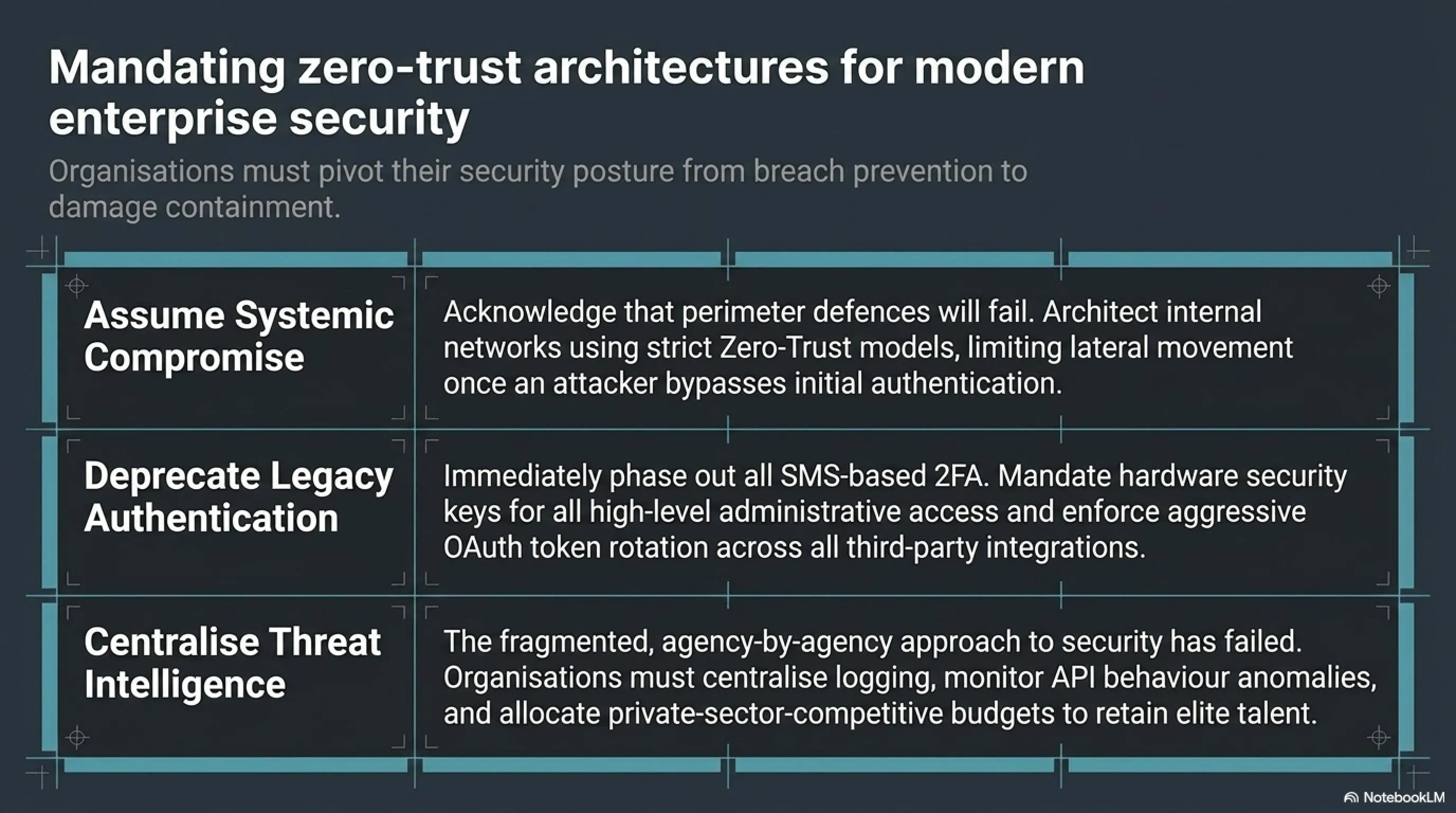
The DHS breach reinforces that no organization, regardless of resources or expertise, is invulnerable. If the US Department of Homeland Security cannot secure its networks, what chance do smaller organizations have? This reality requires a fundamental shift in thinking: security cannot be about preventing all breaches, but rather about minimizing damage when breaches inevitably occur.
The Attribution and Response Dilemma
One of the most frustrating aspects of modern cyberwarfare is attribution difficulty. When your nuclear missile facility gets attacked, you know who did it—there's a missile with a return address. When your computer network gets infiltrated, the attacker could be anywhere in the world, routing through multiple countries, using false flag techniques to implicate others.
This attribution problem creates strategic dilemmas. If you cannot prove who attacked you, how do you respond proportionally? Retaliate too aggressively against the wrong party, and you create unnecessary enemies. Fail to respond adequately, and you invite further attacks by appearing weak.
The solution likely requires new international norms and frameworks for cyberwarfare—something like the Geneva Conventions for the digital age. But achieving international agreement on cyber norms faces enormous obstacles when major powers (US, China, Russia) all actively conduct offensive cyber operations and have little incentive to constrain themselves.
Key Takeaways for Gamers and Tech Users
Based on tonight's news, here are actionable insights for different audiences:
For Gamers
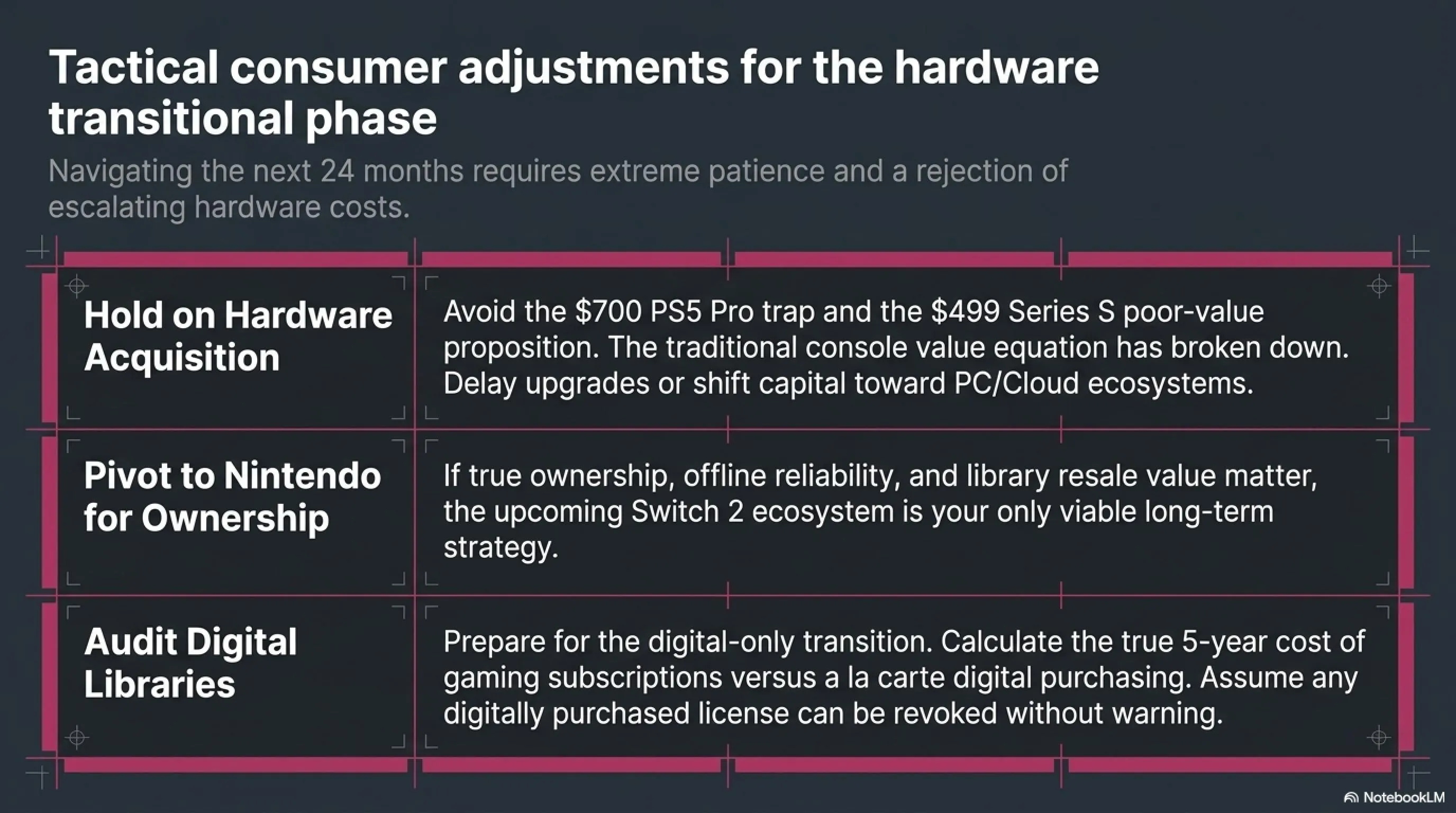
If you are considering buying a console, exercise patience. Prices are rising and value propositions are deteriorating. The PS5 Pro at $700 represents poor value unless you are a hardcore PlayStation enthusiast with a high-end TV. The Xbox Series S at $499 makes little sense when the Series X offers significantly better performance for only $100 more.
Consider waiting for potential price corrections or holiday bundles. Alternatively, evaluate whether PC gaming or cloud gaming services like Xbox Game Pass or PlayStation Plus better suit your needs and budget. The traditional console value proposition has weakened considerably.
If you value physical games, Nintendo remains your only long-term option. The Switch 2 is expected in late 2026 or early 2027, and will likely be the only major console supporting physical media going forward. Start building your wishlist accordingly.
For Gmail Users and Organizations
Take the Umbrij threat seriously. Audit your third-party application permissions immediately. Visit myaccount.google.com/permissions and remove any applications you do not actively use or recognize. Enable two-factor authentication if you have not already—preferably using app-based authentication or hardware security keys rather than SMS.
Organizations should implement OAuth token rotation policies, monitor API access patterns for anomalies, and educate employees about OAuth security. Consider implementing zero-trust architectures where possible, assuming that some level of compromise is inevitable and designing systems to limit the damage attackers can cause.
For Technology Leaders and Policymakers
The console market crisis and cybersecurity challenges both stem from underlying structural problems that require coordinated action. The semiconductor shortage prioritizing AI over gaming chips reflects market forces but may warrant policy intervention to ensure critical industries receive adequate supply.
Cybersecurity requires dramatic increases in government investment, talent development, and international cooperation. The current approach of allowing each agency to handle security independently has clearly failed. A more centralized, coordinated approach with adequate funding and talent could prove more effective.
Strategic Opportunities in Tonight's News
- Console market disruption creates opportunities for cloud gaming platforms
- Physical game scarcity could make Nintendo titles excellent investments
- OAuth security concerns may drive adoption of passwordless authentication
- AI chip shortage creates opportunities for alternative architectures
- Government cybersecurity failures create enormous private sector opportunities
- Console exclusivity collapse benefits multi-platform publishers
- Digital-only gaming creates market for preservation and archiving services
What to Expect in Coming Days and Weeks
Based on current trends, we predict these developments in the near future:
In Gaming Hardware
Expect more formerly exclusive games to migrate to competing platforms. The Space Marine announcement likely represents the beginning of a broader trend, not an isolated incident. Microsoft particularly seems committed to platform-agnostic strategy, prioritizing Game Pass subscriptions and software sales over hardware exclusivity.
Console prices will likely remain high through at least 2027. The semiconductor shortage shows no signs of rapid resolution, and inflation continues affecting manufacturing costs. Buyers should adjust expectations accordingly and consider alternative gaming options if budget-constrained.
Nintendo will likely leverage its physical media advantage heavily in Switch 2 marketing. Expect messaging around game ownership, collection, sharing, and preservation. This could resonate strongly with consumers increasingly frustrated by digital-only limitations.
In Cybersecurity
Attacks exploiting OAuth and similar authentication mechanisms will proliferate. Umbrij represents an early example of a technique that will likely see widespread adoption by criminal groups and nation-state actors. Organizations and users must adapt security practices accordingly.
Government breaches will continue and likely escalate. The US and other governments remain fundamentally unprepared for the scale and sophistication of modern cyber threats. Until comprehensive security reforms occur—requiring massive investment and cultural change—breaches will remain frequent.
Private sector cybersecurity investment will surge. As threats escalate and government solutions prove inadequate, organizations will dramatically increase security spending. This creates enormous opportunities for cybersecurity companies and professionals.
In Industry Structure
The number of major console manufacturers will likely decline. Xbox may transition toward a services company rather than hardware manufacturer. This would leave the console market as essentially a Sony-Nintendo duopoly, with very different strategies and target markets.
Physical game retail will largely disappear by 2028-2030. GameStop and similar retailers face extinction unless they successfully pivot their business models. The few survivors will likely focus on collectibles, merchandise, and potentially serving as fulfillment centers for online orders.
Cloud gaming will continue growing but faces infrastructure limitations. Services like Xbox Cloud Gaming and PlayStation Plus cloud streaming offer compelling value propositions, but require internet infrastructure many regions lack. Widespread adoption requires years of additional infrastructure investment.
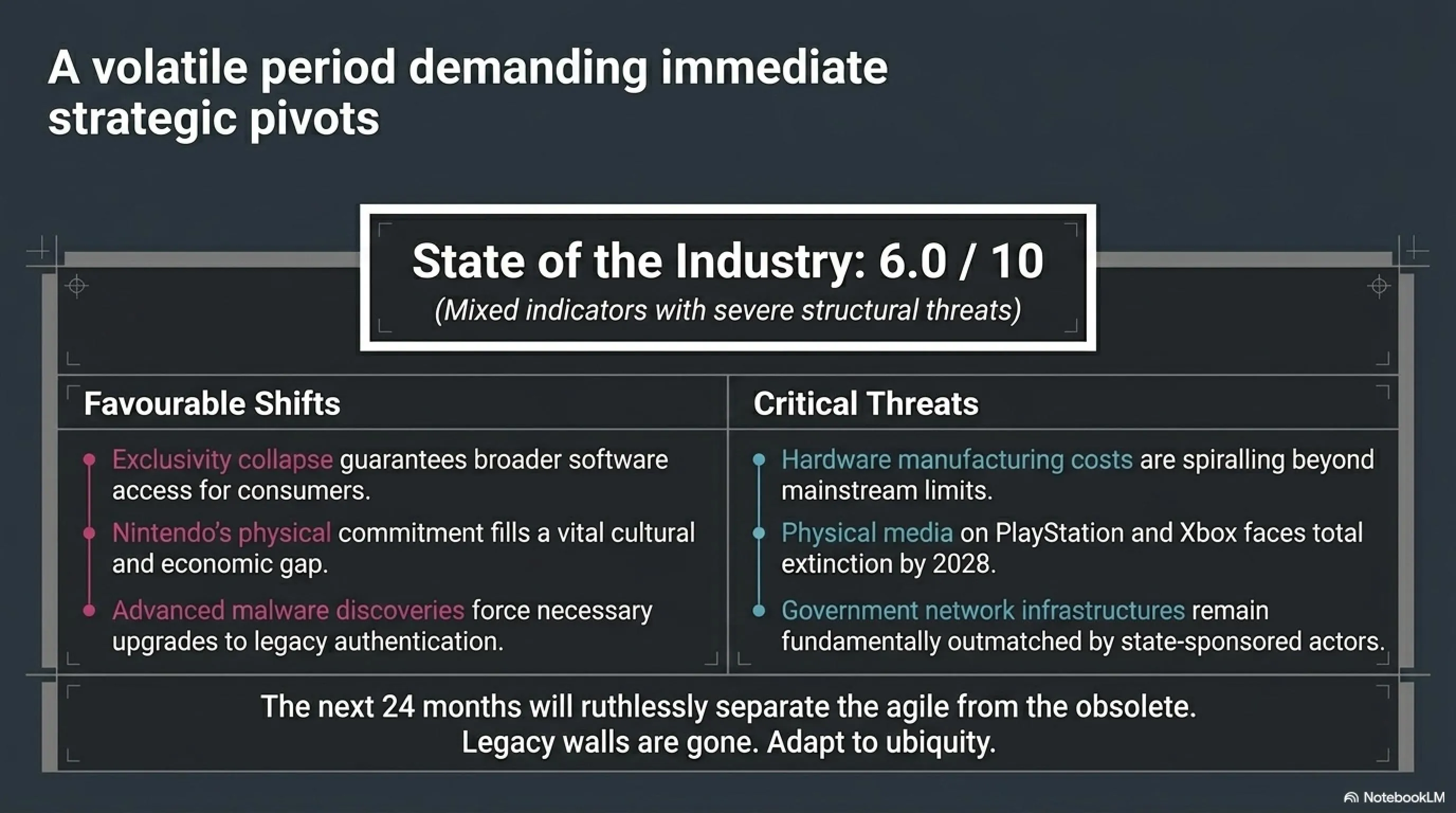
- Exclusivity collapse benefits consumers with more choices
- Nintendo's physical media commitment fills market gap
- Cybersecurity awareness increasing among users
- Obsidian appears safe for now
- Gaming becoming more accessible across platforms
- Console prices spiraling beyond reasonable levels
- Younger generations abandoning traditional gaming
- Cyberattacks growing more sophisticated and frequent
- Physical games heading toward extinction
- Government security remains fundamentally inadequate
- Console market may not be economically sustainable
Conclusion: An Evening of Transformation and Threats
Friday evening, July 3, 2026 brought news demonstrating that the gaming and technology industries are navigating a period of profound transformation. On one hand, walls of exclusivity are crumbling and gamers gain greater access to titles. On the other, prices escalate while audiences shrink, creating sustainability questions.
In cybersecurity, the situation remains deeply concerning. Increasingly sophisticated malware and targeted attacks show that users and organizations must take security far more seriously. Even powerful governments like the United States remain vulnerable to these threats, underscoring how challenging modern cyber defense has become.
The positive takeaway is that the industry is moving toward greater diversity. Nintendo maintains physical media, Microsoft focuses on services, and Sony emphasizes premium experiences—each company pursuing distinct strategies. This diversity benefits consumers by providing more choices tailored to different preferences and budgets.
For gamers, our recommendation remains patient observation. The console market is undergoing dramatic change, and clarity will emerge over the coming months. Rushing into expensive hardware purchases now risks buyer's remorse as the market continues evolving. For digital users, the message is clear: take security seriously, because threats are real, persistent, and increasingly sophisticated.
The gaming industry stands at a crossroads. Will it adapt to changing demographics and economic realities, or cling to outdated business models until market forces compel change? The next 12-24 months will likely determine the answer and shape gaming for the next decade.
We will return tomorrow evening with fresh news and analysis. Until then, game on, stay secure, and enjoy your evening!
Industry Implications and Long-Term Outlook
Looking beyond immediate news, several long-term trends deserve attention:
The Subscription Economy Continues Expanding
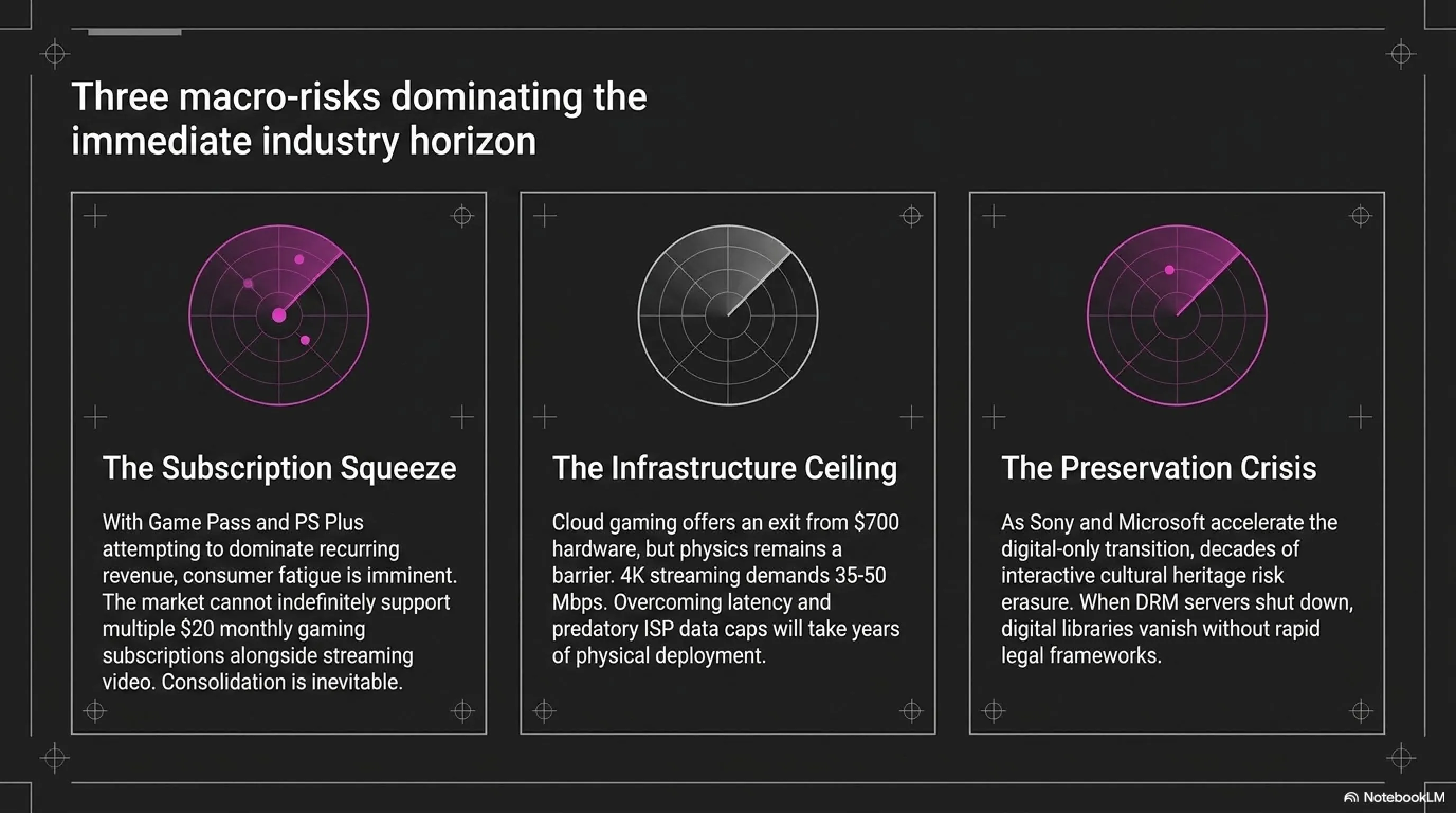
Xbox Game Pass, PlayStation Plus, and Nintendo Switch Online represent the industry's subscription future. Rather than selling individual games or hardware at high margins, companies increasingly prioritize recurring revenue from subscriptions. This model offers predictable cash flow and higher lifetime customer value.
However, subscription sustainability remains uncertain. Can the market support multiple $15-20 monthly gaming subscriptions alongside Netflix, Spotify, and other entertainment services? Consumer subscription fatigue may eventually force consolidation or differentiation. Services that fail to demonstrate clear value risk cancellation.
The subscription model also changes game design incentives. Rather than creating games that sell millions of copies at launch, developers must create games that drive subscriptions and retain subscribers long-term. This favors games-as-service models with ongoing content updates over traditional single-player experiences.
Cloud Gaming Remains Promising but Problematic
Cloud gaming promises to eliminate expensive hardware requirements and enable gaming on any device. Services like Xbox Cloud Gaming, PlayStation Plus Premium, and GeForce Now demonstrate technical viability. But widespread adoption requires infrastructure improvements many regions lack.
Latency remains problematic for competitive or fast-paced games. While cloud gaming works adequately for turn-based or slower-paced titles, anything requiring quick reactions suffers from the inherent delays of streaming. Physics dictates that data transmission speed cannot exceed the speed of light, creating fundamental limitations for long-distance streaming.
Bandwidth requirements also constrain adoption. Streaming 4K HDR gaming requires substantial bandwidth—often 35-50 Mbps or more. Many regions and households lack such connectivity. Data caps pose additional challenges. Gaming for 100 hours monthly at 40 Mbps consumes roughly 1.8TB of data, exceeding many ISP caps.
The Preservation Crisis Looms
As gaming shifts digital-only, game preservation becomes increasingly urgent. Physical games could be archived and played indefinitely. Digital games disappear when servers shut down or companies change policies. Without intervention, decades of gaming history risk permanent loss.
Several organizations like the Video Game History Foundation work to preserve gaming heritage, but face legal and technical obstacles. Copyright law restricts preservation efforts. DRM prevents archiving. Server dependencies make preservation impossible without original infrastructure.
This preservation crisis extends beyond historical interest. It represents cultural heritage at risk. Video games constitute significant artistic and cultural artifacts worthy of preservation like films, music, and literature. The current trajectory threatens substantial cultural loss.
Regulatory Scrutiny Will Intensify
Gaming increasingly attracts regulatory attention across multiple dimensions. Loot boxes face gambling regulation scrutiny. Data privacy regulations affect user data collection. Antitrust authorities examine platform market power. Content moderation faces pressure from multiple directions.
This regulatory scrutiny will shape industry evolution significantly. Companies that proactively address concerns about exploitative monetization, privacy violations, and anticompetitive behavior will fare better than those forced into compliance through regulation. Self-regulation, if credible, could forestall harsher external requirements.
The Indie Renaissance Continues
While AAA gaming faces economic challenges, independent developers thrive. Lower development costs, direct distribution via Steam and itch.io, and crowdfunding enable small teams to create innovative games without publisher support. Many of gaming's most creative and successful recent titles came from indie developers.
This indie success partly stems from AAA gaming's homogenization. As budgets balloon, major publishers become increasingly risk-averse, creating sequels and established franchises rather than original IPs. This creates market space for indies to experiment with novel mechanics, art styles, and narratives.
Tools like Unity and Unreal Engine democratize development by providing professional-grade technology to small teams. Asset stores reduce art production costs. Online tutorials and communities provide education previously requiring expensive formal training. These factors combine to enable unprecedented indie creativity and success.
Final Thoughts: Embracing Change While Maintaining Values
The gaming industry's current turbulence reflects broader technological and societal shifts. Digital transformation, generational change, economic pressures, and security threats all converge to reshape gaming profoundly. This transformation is neither inherently positive nor negative—it simply is the reality we must navigate.
For consumers, this means being thoughtful about purchases and priorities. Understand what you value in gaming—ownership versus access, physical versus digital, performance versus affordability—and make choices aligned with those values. The industry offers more options than ever, but requires more deliberate decision-making to optimize for individual preferences.
For industry participants, adaptation is non-negotiable. Business models that worked for decades may fail rapidly. Companies must experiment with new approaches while maintaining financial discipline. Innovation requires taking risks, but survival requires managing those risks carefully.
Most importantly, both consumers and companies must remember gaming's fundamental purpose: entertainment and joy. Technology, business models, and platforms are merely means to that end. As the industry transforms, keeping focus on creating and enabling wonderful gaming experiences remains paramount.
Frequently Asked Questions
When will Space Marine launch for PS5 and Switch 2?
No official date has been announced yet, but given the ESRB listing, an official announcement will likely come within the next few months. The Master Crafted Edition will include the base game plus all released DLC content, offering the complete experience from day one.
Will Nintendo really be the only company offering physical games?
Yes, based on Sony's announcement to cease disc production by 2028 and similar rumors about Xbox's Project Helix, Nintendo will likely be the only major console manufacturer supporting physical games. This creates a unique market position that could prove highly valuable for collectors and physical media enthusiasts.
How can I tell if my Gmail account has been compromised by Umbrij malware?
Visit myaccount.google.com/permissions and review all applications with access to your account. Remove any unfamiliar applications immediately. Also check your Activity Log for suspicious logins from unknown locations or devices. Enable 2FA if you have not already, preferably using app-based authentication or hardware security keys.
Why have console prices increased so dramatically?
Multiple factors contribute: semiconductor shortages (especially AI chips being prioritized over gaming chips), increased manufacturing costs, global inflation, supply chain disruptions, and tariffs. Additionally, modern consoles contain expensive components like advanced GPUs and fast SSDs. This trend will likely continue through at least 2027-2028.
Is Obsidian Entertainment really safe from closure?
According to Jason Schreier's confirmation, yes. However, given Microsoft's recent studio closures, no studio is completely safe until their projects succeed commercially. Avowed needs to perform well when it launches to ensure Obsidian's long-term security within the Xbox portfolio.
Should I be concerned about the US government hack?
If you are a US citizen or have data in government systems, yes. These attacks can lead to personal information exposure. Even if you are not American, these breaches demonstrate that even the most secure systems remain vulnerable, so take personal security seriously. Use strong, unique passwords, enable 2FA, and stay vigilant about suspicious activity.
Is cloud gaming a viable alternative to buying expensive consoles?
It depends on your situation. Cloud gaming works well if you have fast, reliable internet (35+ Mbps for 4K streaming) without data caps. It struggles with latency-sensitive competitive games and in regions with poor internet infrastructure. For casual gaming and slower-paced titles, cloud gaming can be an excellent budget-friendly alternative to expensive hardware.
What happens to my digital game library if Sony or Microsoft go digital-only?
Your existing library should remain accessible as long as the service continues operating. However, you become entirely dependent on platform holder policies and server availability. If services shut down or your account gets banned, you could lose access to everything. This is why many gamers prefer physical media or regularly back up their content when possible.
Sources
- IGN - ESRB leaks Warhammer 40,000: Space Marine Master Crafted Edition for PS5 and Nintendo Switch 2
- GameSpot - Nintendo could inherit the physical gaming crown by default
- The Hacker News - ToddyCat-Linked Umbrij Malware Abuses OAuth to Target Gmail Accounts
- GameSpot - The console market has gone from bad to worse as prices rise and audiences shift
- TechCrunch - US government says it got hacked again
- Eurogamer - Is yet another Microsoft studio Obsidian negotiating with Xbox to avoid closure? Conflicting reports emerge
Supplementary Image Gallery: 🌙 Tekin Night July 3, 2026: Console Market Crisis & Devastating Cyber Hacks