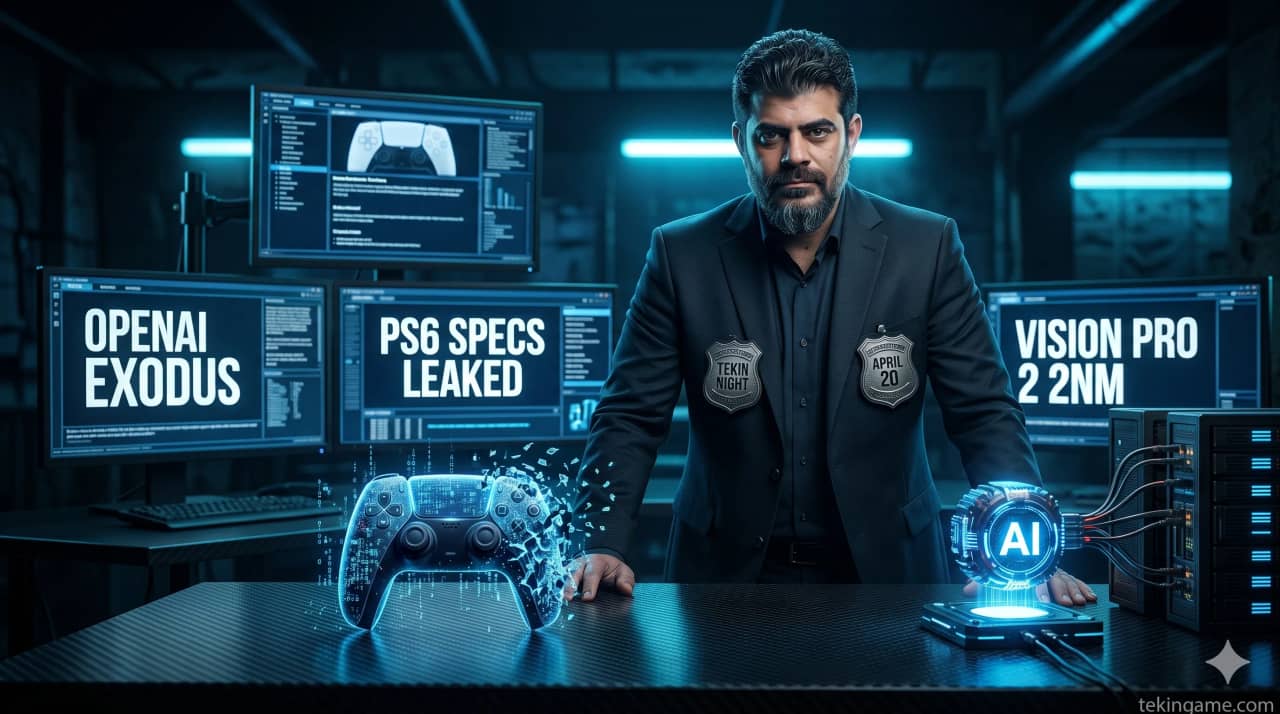
1️⃣ OpenAI Leadership Exodus: Management Crisis Before IPO
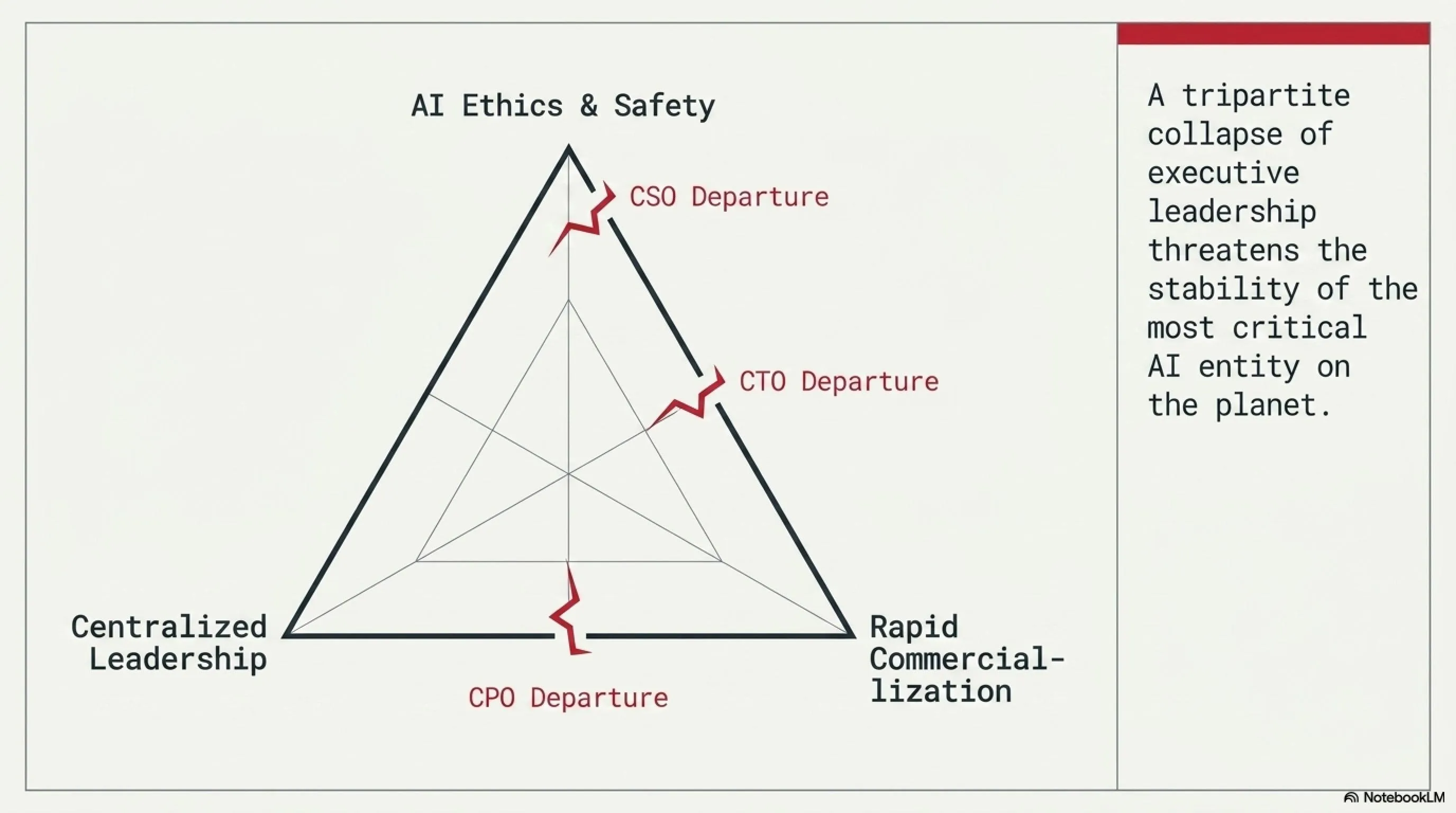
In one of the biggest management shake-ups of 2026, three senior OpenAI executives have simultaneously announced their departure from the company. This collective exodus, occurring on the eve of the company's initial public offering (IPO), has raised serious questions about management stability and the future of one of the world's most important AI companies.
📊 Key Executive Departure Statistics
3
Senior Executives Departed
$100B+
Projected Valuation
Q3 2026
Expected IPO Timeline
15%
Potential Valuation Drop
🔍 Details of the Executive Departures
According to published reports, three senior executives responsible for key company divisions have decided to leave OpenAI. These individuals include the Chief Technology Officer (CTO), Chief Product Officer (CPO), and Chief Security Officer (CSO). All three played crucial roles in developing key products such as GPT-4 and ChatGPT.
💼 Potential Reasons for Departure
Industry analysts have cited several potential reasons for this collective exodus. Disagreements about the company's future direction, pressure for faster product commercialisation, and ethical concerns about AI development are among the likely causes. Some internal sources have also pointed to management tensions and disagreements with Sam Altman, the company's CEO.
2️⃣ Trump's AI Regulation Ban: Federal vs State Battle
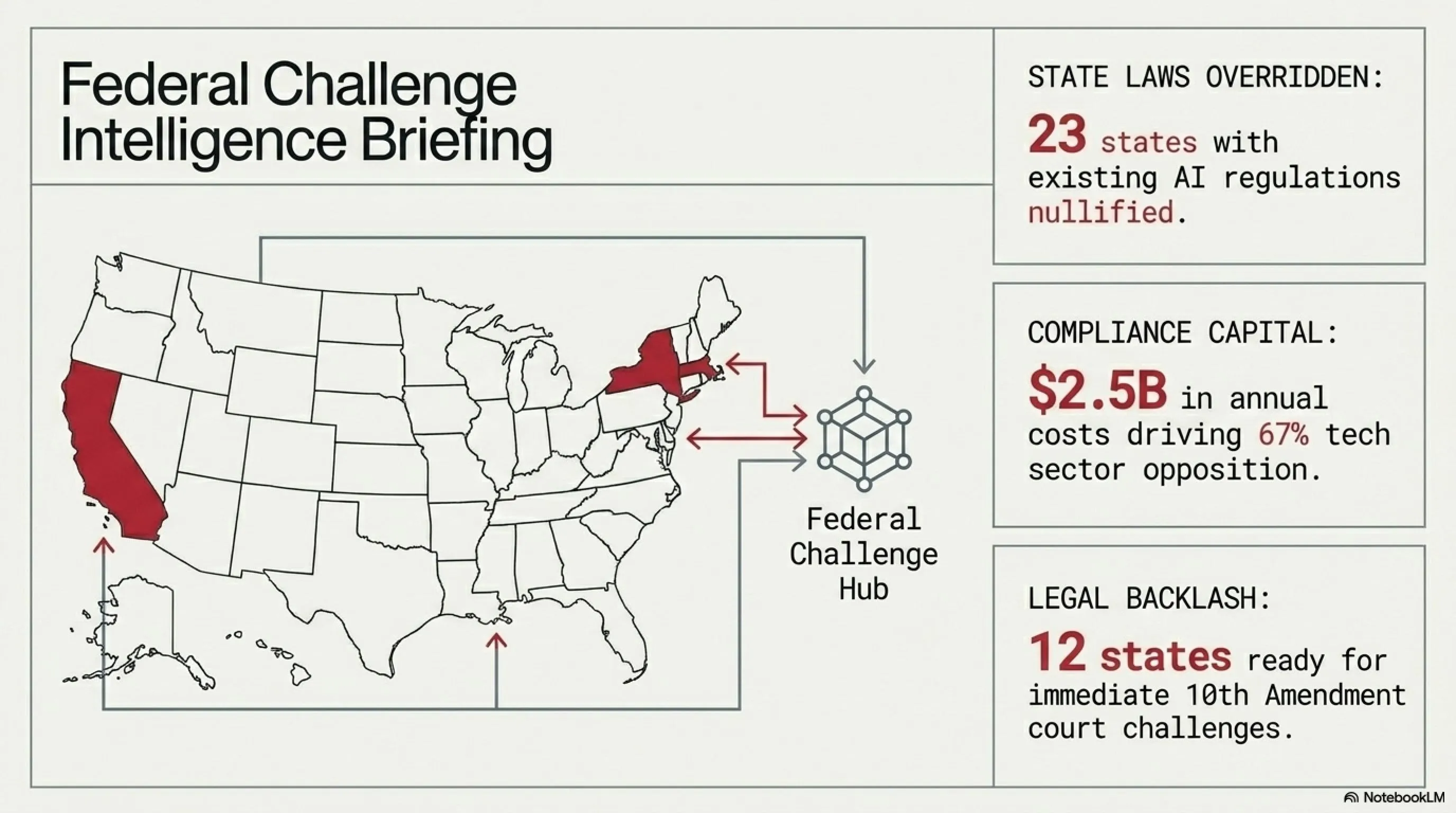
Donald Trump, President of the United States, has signed a new executive order prohibiting states from passing independent laws to regulate artificial intelligence. This decision, aimed at centralising regulatory power at the federal level, has drawn strong reactions from states like California, New York, and Massachusetts, which have advanced laws protecting privacy and AI security.
📊 AI Regulation Statistics in America
23
States with AI Laws
$2.5B
Annual Compliance Cost
67%
Tech Company Opposition
12
States Ready for Legal Challenge
⚖️ Executive Order Details
The new executive order, titled "Unification of Artificial Intelligence Regulations," nullifies all existing state AI laws and transfers regulatory authority to federal agencies such as the FTC and FCC. Supporters of this order argue that the patchwork of state laws has caused confusion for companies and reduced innovation.
🏛️ State Response and Legal Challenges
California, New York, and 10 other states have announced they will challenge this executive order in federal courts. California's Attorney General has stated that this order is a clear violation of states' rights and that California's advanced laws are essential for protecting citizens. Legal analysts predict this legal battle could drag on for years.
3️⃣ Nvidia and Gamers: "That Breaks My Heart"
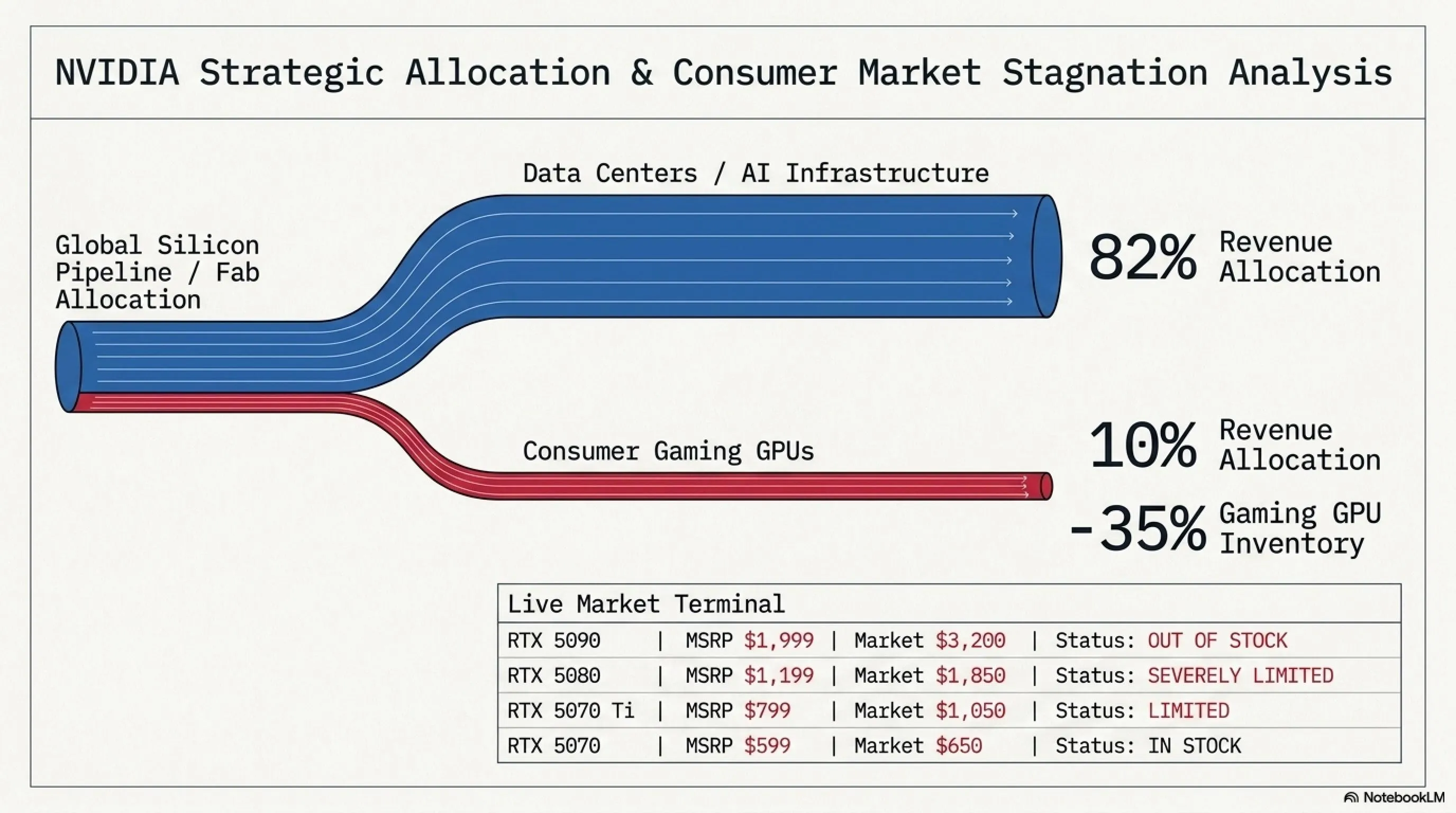
Jensen Huang, Nvidia's CEO, admitted in a candid interview that the company's once-tight bond with the gaming community is cracking, and this "breaks his heart." These remarks come as Nvidia derives over 80% of its revenue from data centres and AI markets, whilst severe graphics card shortages for gamers continue.
📊 Nvidia Revenue Distribution 2026
82%
Data Centres & AI
10%
Gaming Market
8%
Other Segments
-35%
Gaming GPU Stock Decline
🎮 Roots of the Crisis
Nvidia, long known as the champion of gamers, now faces harsh criticism from this community. Shortages of RTX 50 series graphics cards, high prices, and prioritising AI chip production over gaming GPUs have made gamers feel Nvidia has forgotten them. On gaming forums, the hashtag #NvidiaForgotGamers has been trending.
✅ Benefits of AI Focus
- 💰 340% Annual Revenue Growth
- 📈 Stock Value Increased to $3.2T
- 🏆 AI Market Leadership
- 🔬 R&D Investment
- 🌍 New Market Expansion
❌ Drawbacks of Forgetting Gamers
- 😡 Gaming Community Anger
- 📉 Brand Loyalty Decline
- 🔄 Competitor Growth (AMD/Intel)
- 💔 Losing Core Identity
- ⚠️ Long-term Brand Risk
4️⃣ Vision Pro 2 R2 Chip: Apple's Next-Gen Leap
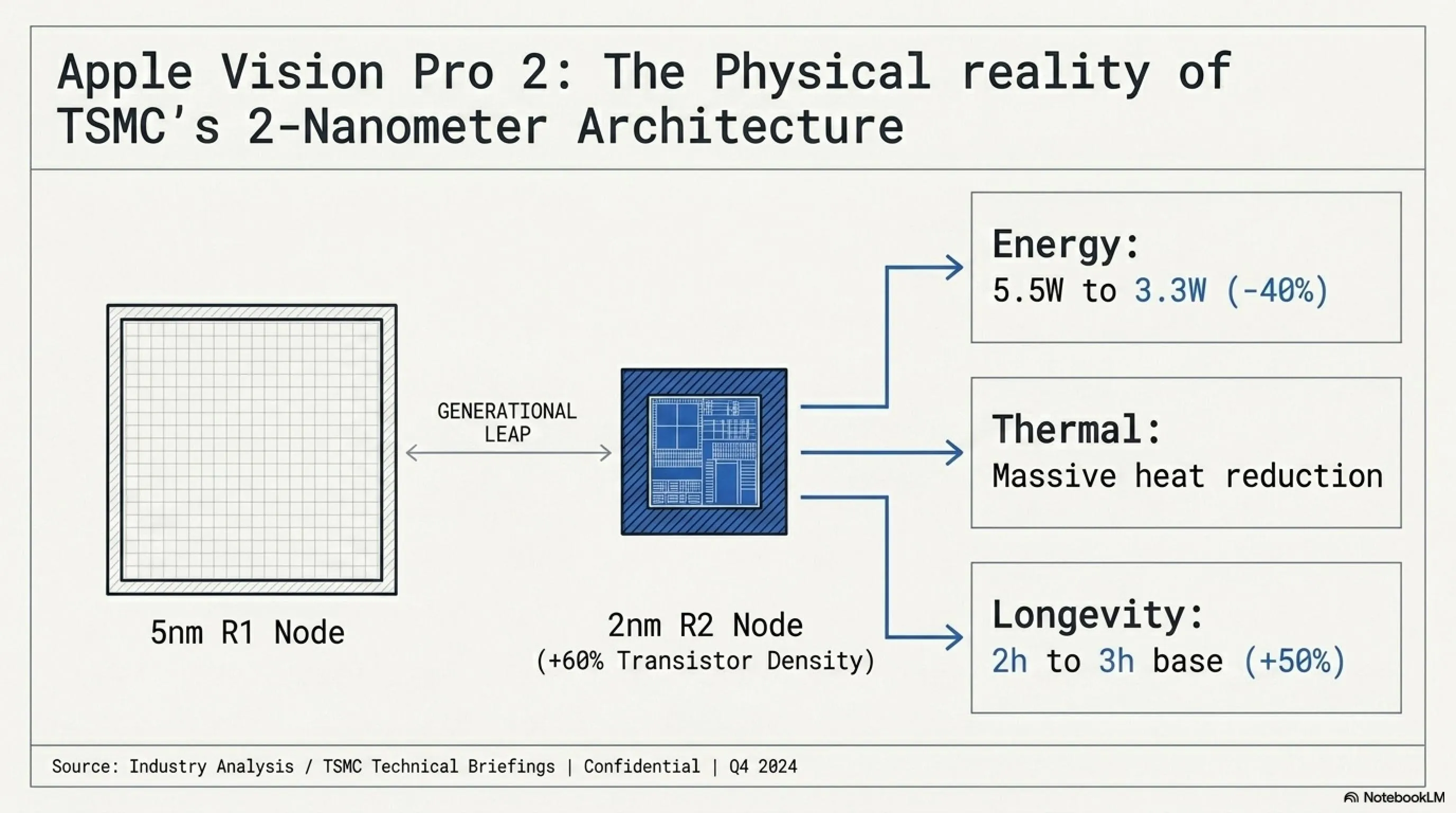
New reports from Taiwan's supply chain reveal that Apple is preparing the R2 chip for Vision Pro 2, built using TSMC's 2-nanometre technology. This chip, responsible for processing sensor, camera, and eye and hand tracking data, is set to dramatically reduce latency and increase battery life.
📊 R2 Chip Specifications
2nm
TSMC Manufacturing Tech
-40%
Power Consumption Reduction
7ms
Sensor Processing Latency
Q4 2026
Expected Launch Timeline
🔬 R2 Technical Innovations
The R2 chip represents a complete node jump from the current R1 used in the original Vision Pro. R1 was built using 5-nanometre technology, whilst R2 at 2 nanometres can achieve much higher transistor density. This means faster processing, lower power consumption, and reduced heat generation.
🎯 Impact on User Experience
R2 improvements directly impact user experience. Lower latency means smoother passthrough, more accurate head tracking, and faster hand movement response. Lower power consumption also means reduced heat generation and longer battery life, which was one of the biggest criticisms of the original Vision Pro.
5️⃣ Meta Quest 4 Dual Models: Pismo Strategy for VR Dominance
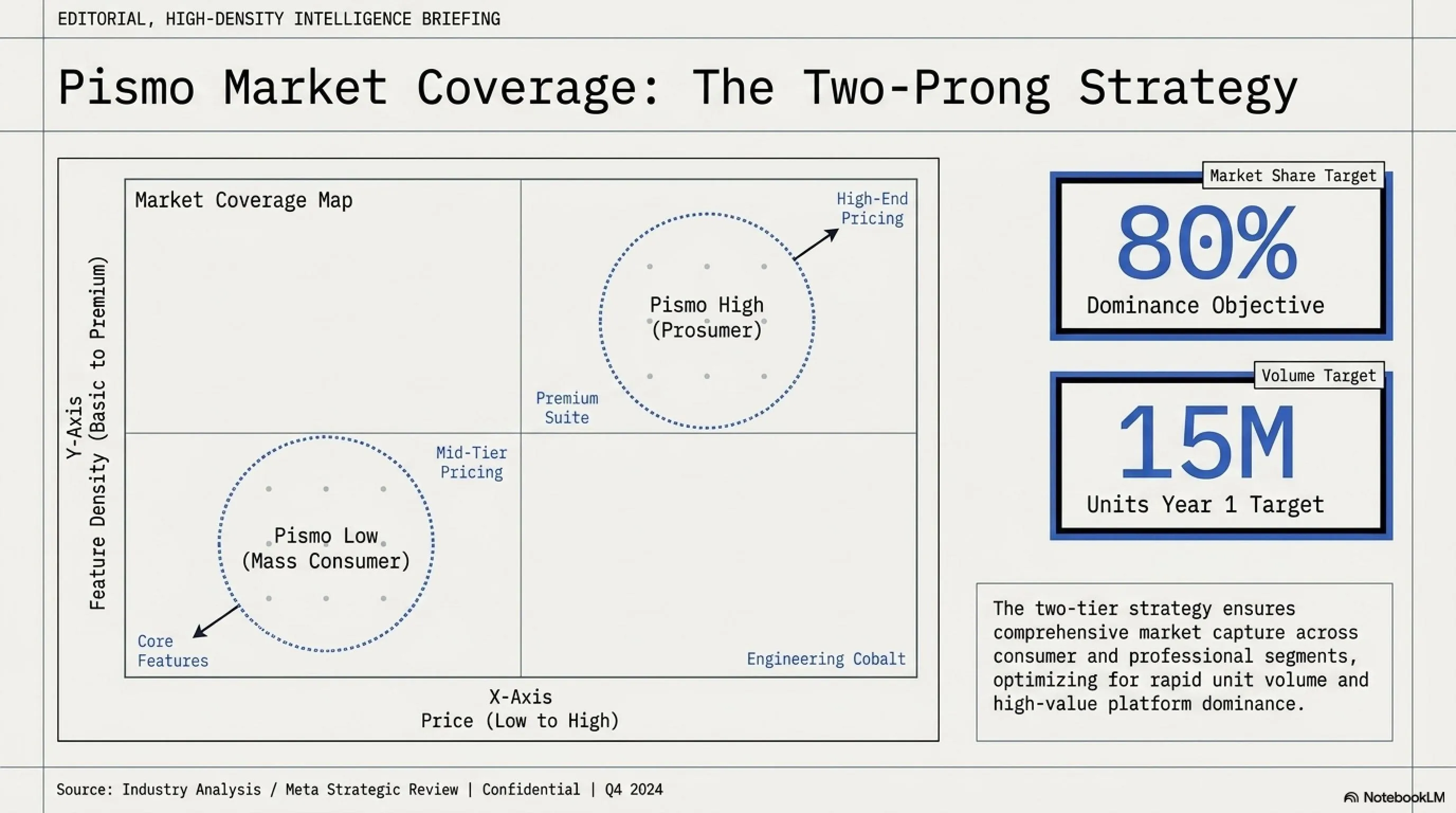
Meta has confirmed its plans to release two different Quest 4 models in 2026. The standard model codenamed "Pismo Low" and the premium model codenamed "Pismo High" will be offered at different price points and specifications to cover a wider range of users. This dual-model strategy could help Meta capture more VR market share.
📊 Quest 4 Market Projections
$399
Pismo Low Expected Price
$599
Pismo High Expected Price
Q4 2026
Expected Launch Timeline
15M
First Year Sales Target
🎯 Key Differences Between Models
Based on recent leaks, Pismo Low is designed as a Quest 3 replacement, offering better value for the mass market. In contrast, Pismo High features advanced specifications including OLED displays, eye tracking, and a more powerful processor for professional users and VR enthusiasts seeking the best experience.
🎮 Meta's Strategy for Market Dominance
This dual-model strategy allows Meta to target both the mass market and premium segments. With Quest 3 currently holding over 70% of the standalone VR market share, Meta aims to strengthen this dominance with Quest 4. Analysts predict this strategy could push Meta's market share above 80%.
6️⃣ PS6 Orion Full Specs Leak: Generational Leap with RDNA 5
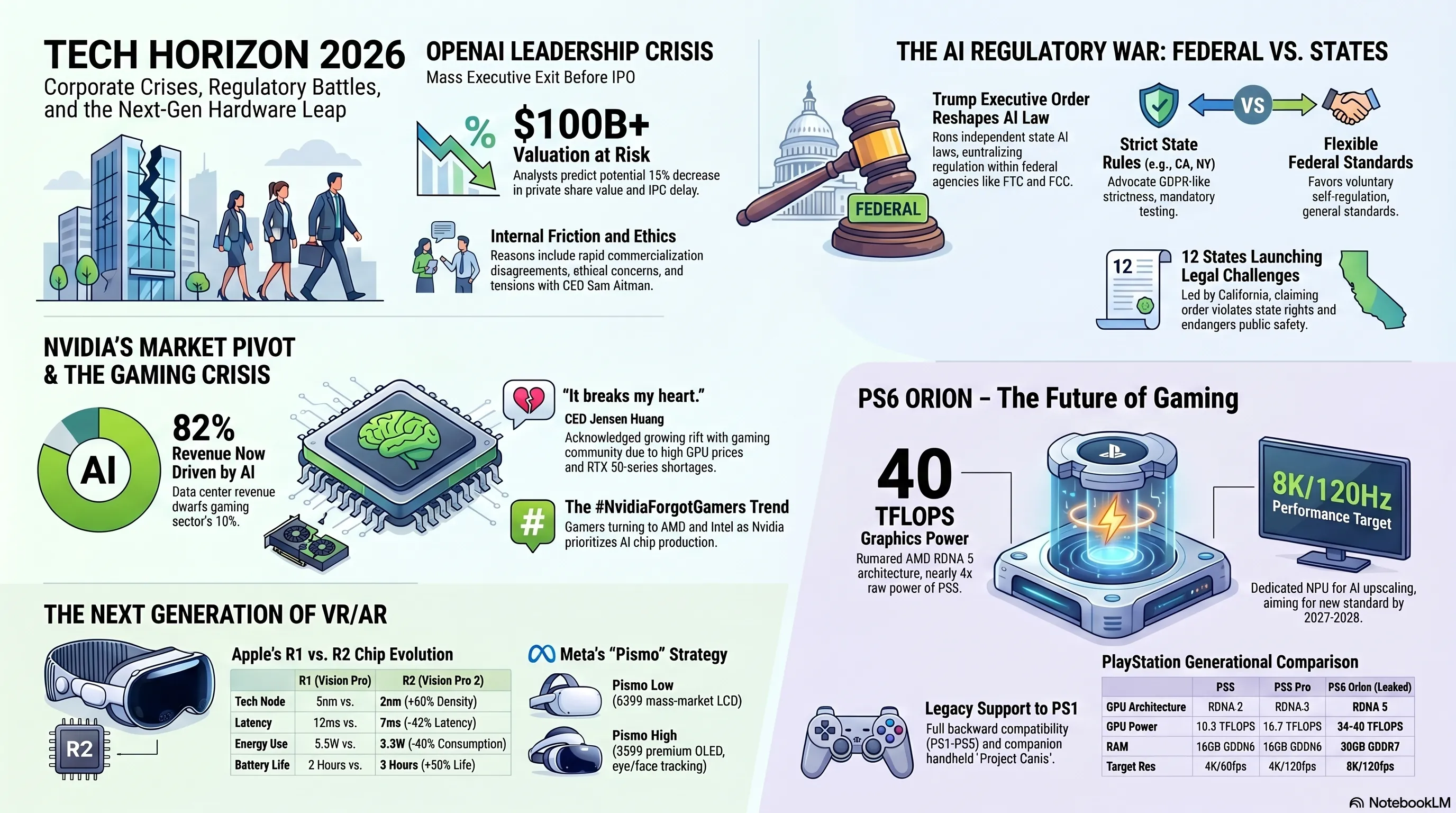
In the biggest leak of the year, complete specifications for PlayStation 6 codenamed "Orion" have been revealed. This next-generation console from Sony, featuring AMD's RDNA 5 architecture, 30GB GDDR7 memory, Zen 6 processor, and capability to run games at 8K with 120 frames per second, is set to launch in late 2027 or early 2028, representing a massive leap from PS5.
📊 PS6 Orion Key Specifications
40 TFLOPS
Graphics Processing Power
30GB
GDDR7 Memory
8K/120Hz
Resolution & Frame Rate
2027-28
Expected Launch Timeline
🔧 Technical Details and Architecture
PS6 Orion is built on AMD's RDNA 5 architecture, representing massive advances over the RDNA 2 used in PS5. The GPU with 52-54 compute units (CUs) and 34-40 TFLOPS power offers advanced ray tracing equivalent to RTX 5090 and AI upscaling support to reach 8K. The central processor, featuring Zen 6 architecture with up to 10 cores, delivers 6 to 12 times the processing power of PS5.
🎯 Innovative Features
One of PS6's most interesting features is full backward compatibility support back to PS1. Reports also indicate development of a handheld device codenamed "Project Canis" that can run PS6 games natively. This dual-device strategy could help Sony compete with Nintendo Switch 2.
🔥 Complete PS6 Orion Specifications
🎯 Conclusion: A Transformative Tech Night
💡 Key Takeaways from Tonight
The night of April 20, 2026 demonstrated that the tech industry is navigating a critical period. On one hand, major companies face management challenges and political tensions, whilst on the other, hardware innovations and ambitious plans for the future are taking shape.
🔴 Challenges
- Management crisis at OpenAI
- Political tensions over AI regulations
- Loss of gamer trust by Nvidia
🟢 Opportunities
- Technical advances in nanometre chips
- VR market expansion with dual-model strategy
- Generational leap in gaming consoles
🔮 Future Outlook
In the coming months, we expect further developments in these areas. OpenAI must restore management stability to achieve a successful IPO. The legal battle between the federal government and states over AI regulations could drag on for years. Nvidia must also find a way to regain gamer trust whilst the AI market remains its top priority.
In hardware, Vision Pro 2 with the R2 chip could set a new standard for VR headsets. Quest 4 with its dual-model strategy aims to strengthen Meta's VR market dominance. And PS6 Orion with its extraordinary specifications promises a new generation of gaming experiences we've never seen before.
🌟 Final Message
Tekin Night April 20 reminds us that the tech industry is always changing and evolving. Today's challenges can become tomorrow's opportunities, and today's innovations are laying the foundation for a future we can't yet fully imagine. What matters is that we follow these developments with awareness and vigilance, and take advantage of the opportunities they create.
❓ Frequently Asked Questions
Why did OpenAI executives leave the company?
The exact reasons for OpenAI executives' departure haven't been officially announced, but analysts point to several potential factors: disagreements about the company's future direction, pressure for faster product commercialisation, ethical concerns about AI development, and management tensions with Sam Altman. This collective exodus on the eve of the IPO could negatively impact the company's valuation.
Is Trump's executive order legal?
The legality of this executive order is hotly debated. Twelve states including California and New York have announced they will challenge this order in federal courts. They argue it's a clear violation of states' rights and the Tenth Amendment. Legal analysts predict this legal battle could drag on for years and likely reach the Supreme Court.
How can Nvidia regain gamer trust?
To regain gamer trust, Nvidia must take several key actions: increase gaming graphics card production, control prices and prevent excessive increases, offer dedicated gaming products at reasonable prices, and better communicate with the gaming community. The company must also strike a balance between AI and gaming markets to keep both segments satisfied.
What's the difference between R2 and R1 chips?
The R2 chip offers significant advances over R1: built using 2-nanometre technology instead of 5-nanometre (60% increase in transistor density), 42% reduction in processing latency (from 12ms to 7ms), 40% reduction in power consumption (from 5.5W to 3.3W), and 50% increase in battery life (from 2 hours to 3 hours). These improvements mean a smoother, more accurate, and longer-lasting experience for Vision Pro 2 users.
Which Quest 4 model should I buy?
The choice between Pismo Low and Pismo High depends on your needs and budget. If you're a beginner or have a limited budget, Pismo Low at $399 is a suitable option offering a good VR experience. However, if you're seeking the best possible experience and need features like OLED display, eye and face tracking, and more memory, Pismo High at $599 is worth the investment.
📱 Stay Connected With Us
Follow us on social media for the latest tech news, in-depth analysis, and expert reviews:
📚 Sources & References
- 🔗 TechCrunch - OpenAI Leadership Changes
- 🔗 The Verge - Trump AI Regulation Executive Order
- 🔗 CNBC - Nvidia Gaming Crisis Interview
- 🔗 MacRumors - Vision Pro 2 R2 Chip Leak
- 🔗 Road to VR - Meta Quest 4 Dual Models
- 🔗 TweakTown - PS6 Orion Full Specs Leak
This article's content is based on reliable sources and verified reports. For more information, please refer to the original sources.
🌐 Stay Connected With Us 🎮✨
For the latest tech, gaming, and gadget news, follow us on our official social media channels: