🚗 Welcome to Tekin Deep Analysis: The Age of Intelligent Cars
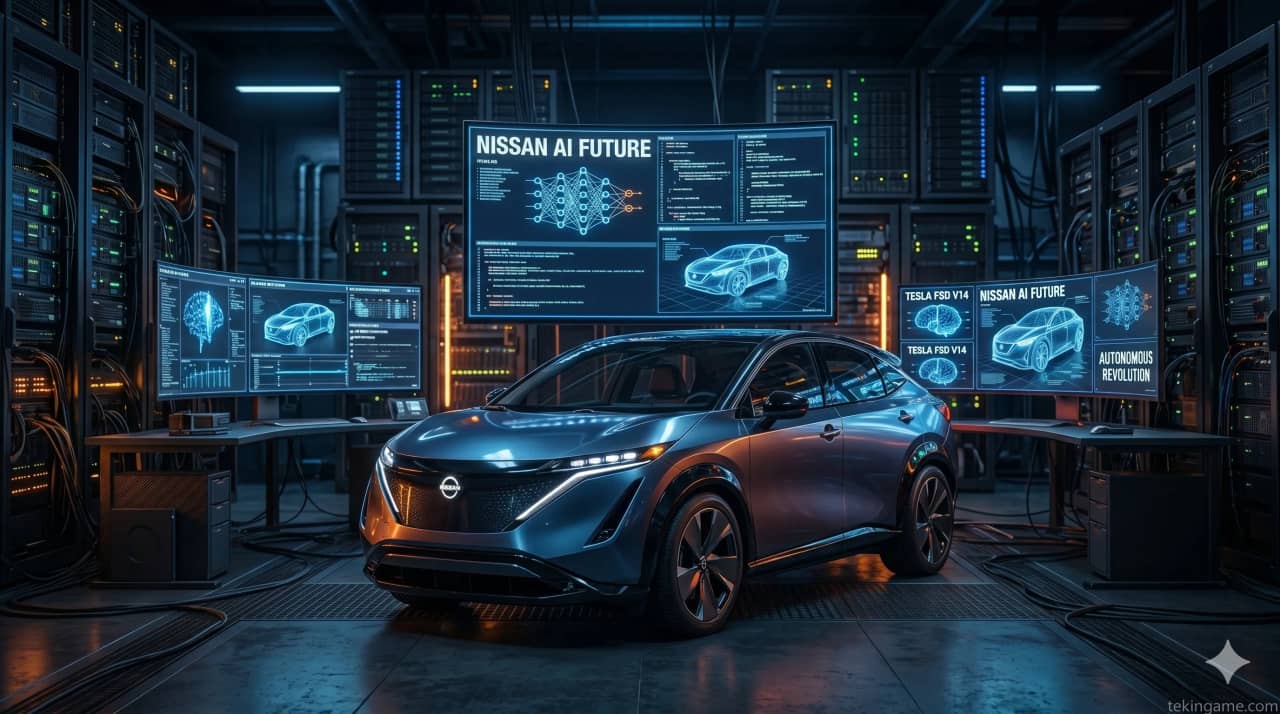
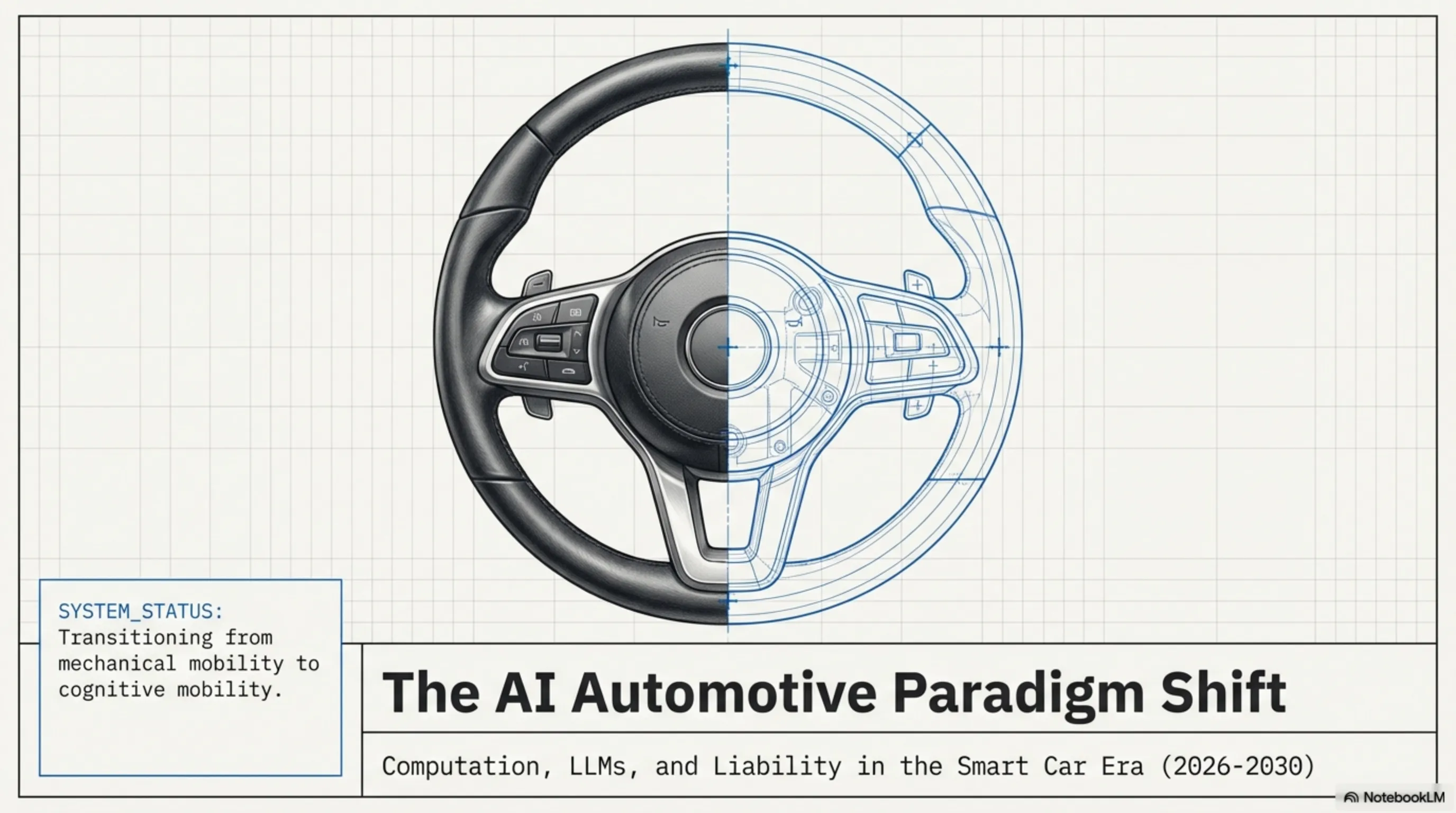
Today we're witnessing one of the most significant transformations in automotive history. Nissan, one of Japan's automotive giants, has announced that 90 percent of its future products will feature AI-powered driving technology. This isn't just a marketing announcement—it's a paradigm shift in how vehicles are designed, manufactured, and used.
⚡ Key Highlights of This Analysis:
🎯 Nissan Strategy: Cutting 56 to 45 models, focusing on AI
🚀 Tesla FSD v14.3: 20% faster reactions with MLIR
⚖️ Mercedes Level 3: First legal system with automaker liability
🗣️ BMW Alexa+: Voice assistant with Large Language Model
📊 Global AI automotive market: Growing from $4.29B to $14.92B by 2030
🔍 Technology comparison: LiDAR vs Vision-Only
⚠️ Legal, ethical, and technical challenges
🔬 This is a 2500+ word deep analysis covering all technical, strategic, and forward-looking aspects of this transformation.
🎯 Nissan's Grand Strategy: Fewer Models, More Intelligence
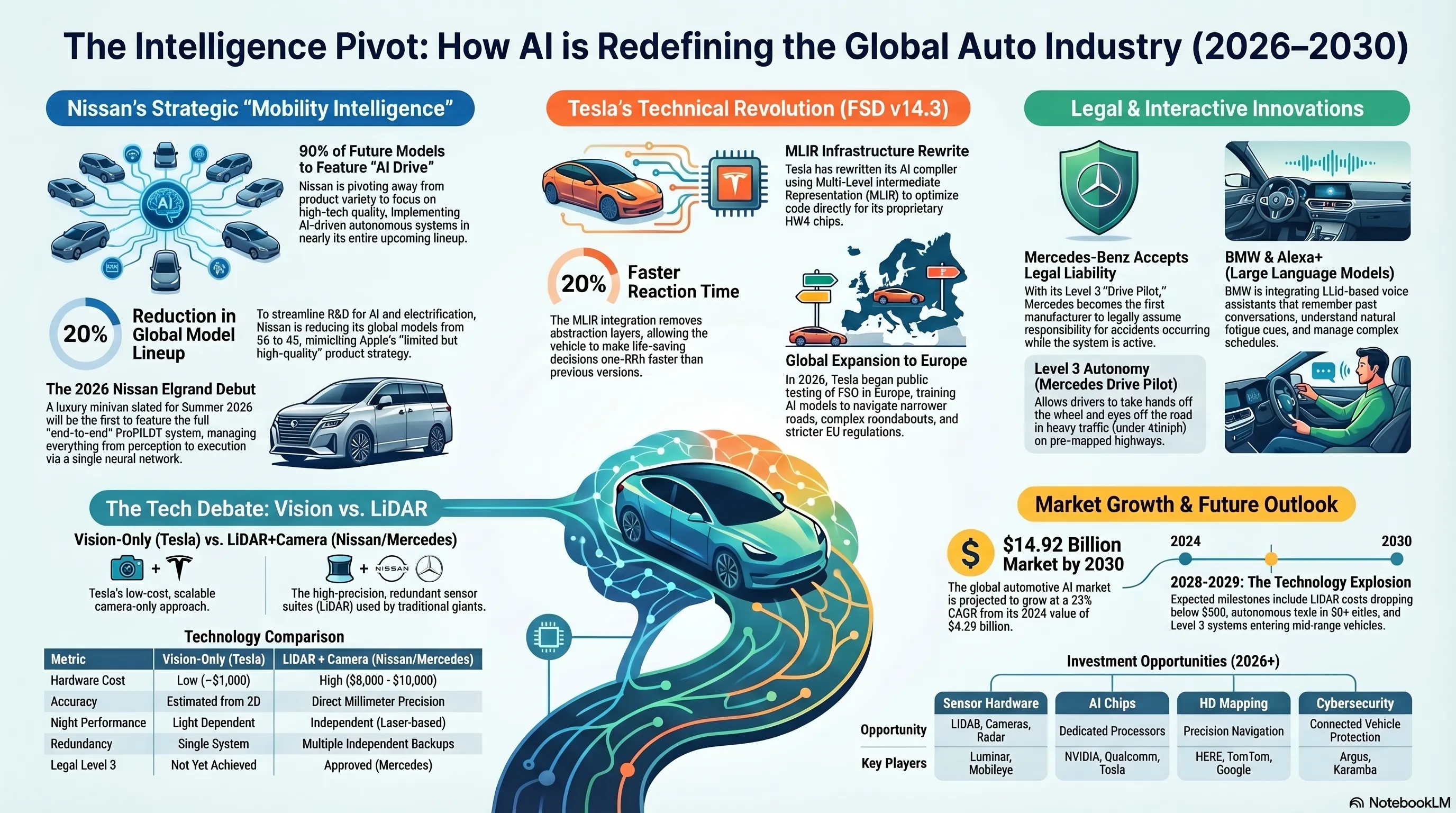
On April 14, 2026, Nissan Motor unveiled a long-term strategy titled "Mobility Intelligence for Everyday Life" that could mark a turning point in the company's history. Under this strategy, Nissan plans to reduce its global production lineup from 56 models to 45—a bold decision showing the company is no longer chasing sheer variety, but quality and innovation.
🔍 Strategic Analysis: Why Is Nissan Reducing Models?
Reducing model count isn't a sign of failure—it represents a philosophical shift. Nissan has faced serious challenges in recent years: declining sales, low profitability, and fierce competition from Tesla and Chinese automakers. Now the strategy is clear: instead of producing dozens of mediocre models, produce fewer premium models with advanced technology.
This approach mirrors exactly what Apple did in the smartphone industry: limited product count, but each with high quality and innovation. Nissan wants to replicate this success in automotive.
🤖 AI Drive Technology: The Beating Heart of the New Strategy
Nissan has announced it will deploy "AI Drive" technology across 90 percent of its future products. But what exactly is AI Drive? It's a next-generation autonomous driving system combining three key technologies:
- LiDAR: Laser sensors that scan the environment with millimeter precision, creating detailed 3D maps of roads, vehicles, pedestrians, and obstacles
- Multiple Cameras: Machine vision systems that recognize signs, traffic lights, road markings, and other drivers' behavior
- Deep Neural Networks: AI models trained on millions of kilometers of driving data that can make complex decisions in fractions of a second
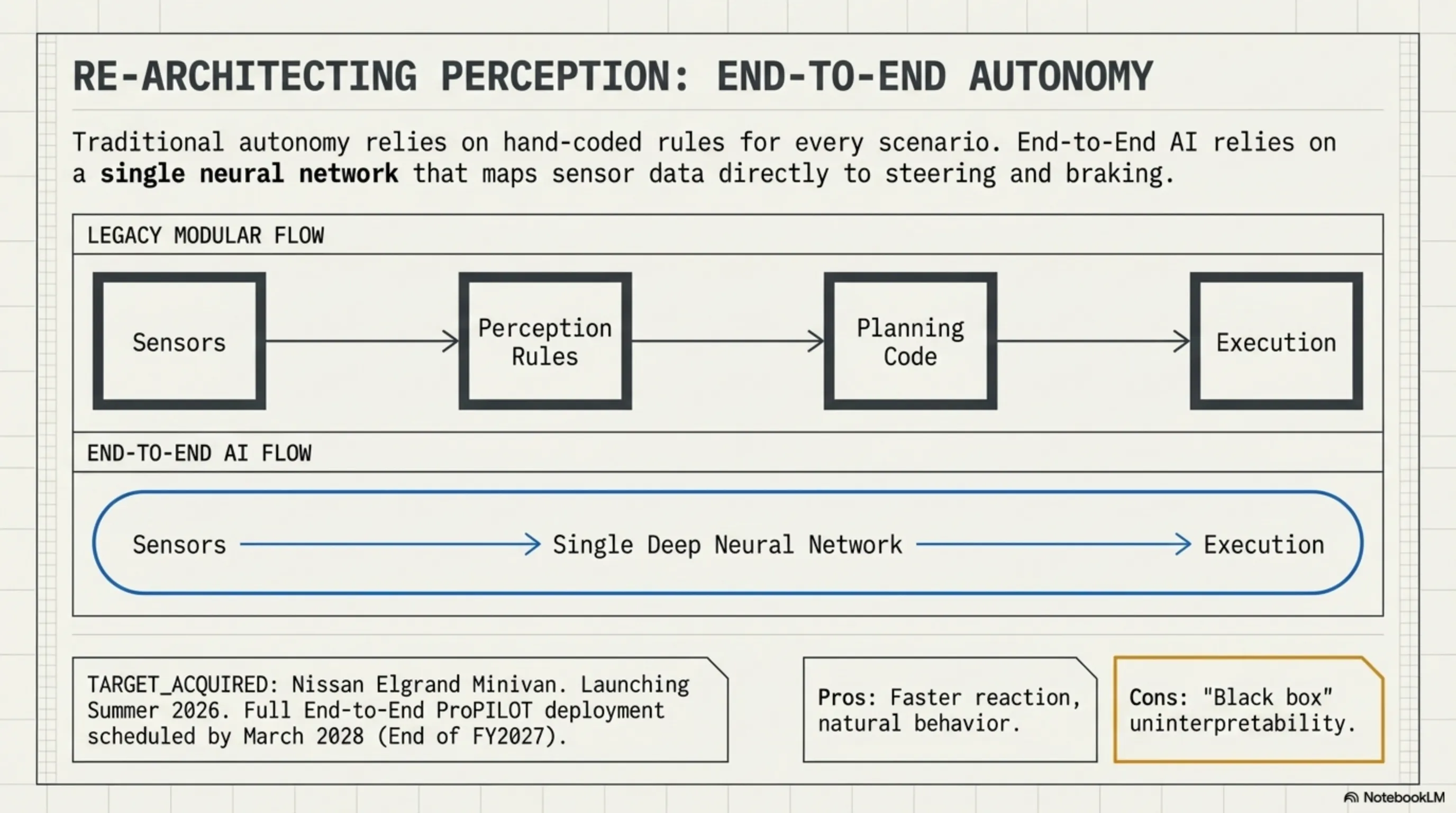
The first vehicle to receive this technology will be the Nissan Elgrand—a luxury minivan highly popular in Japan. This vehicle is scheduled to launch in summer 2026 and will receive the full ProPILOT version with "end-to-end autonomous" capability by the end of fiscal year 2027 (March 2028).
⚠️ Important Note: What Does End-to-End Autonomous Mean?
"End-to-end autonomous" means the AI system manages the entire driving process from start to finish—from perceiving the environment to decision-making and executing commands. Unlike older systems where each component (perception, planning, control) was programmed separately, end-to-end systems use a unified neural network that goes directly from sensor data to control commands.
This approach has many advantages: faster reactions, more natural behavior, and the ability to learn from complex situations. But it also has drawbacks: less interpretability (we don't know exactly why the AI made a decision) and requires massive amounts of training data.
📊 Comparison Table: Old vs New Nissan Strategy
This table clearly shows Nissan is executing a strategic pivot. The company no longer wants to be everywhere—it wants to win in key areas. And one of those key areas is AI-powered driving technology.
🚀 Tesla and the FSD v14.3 Revolution: When AI Thinks 20% Faster
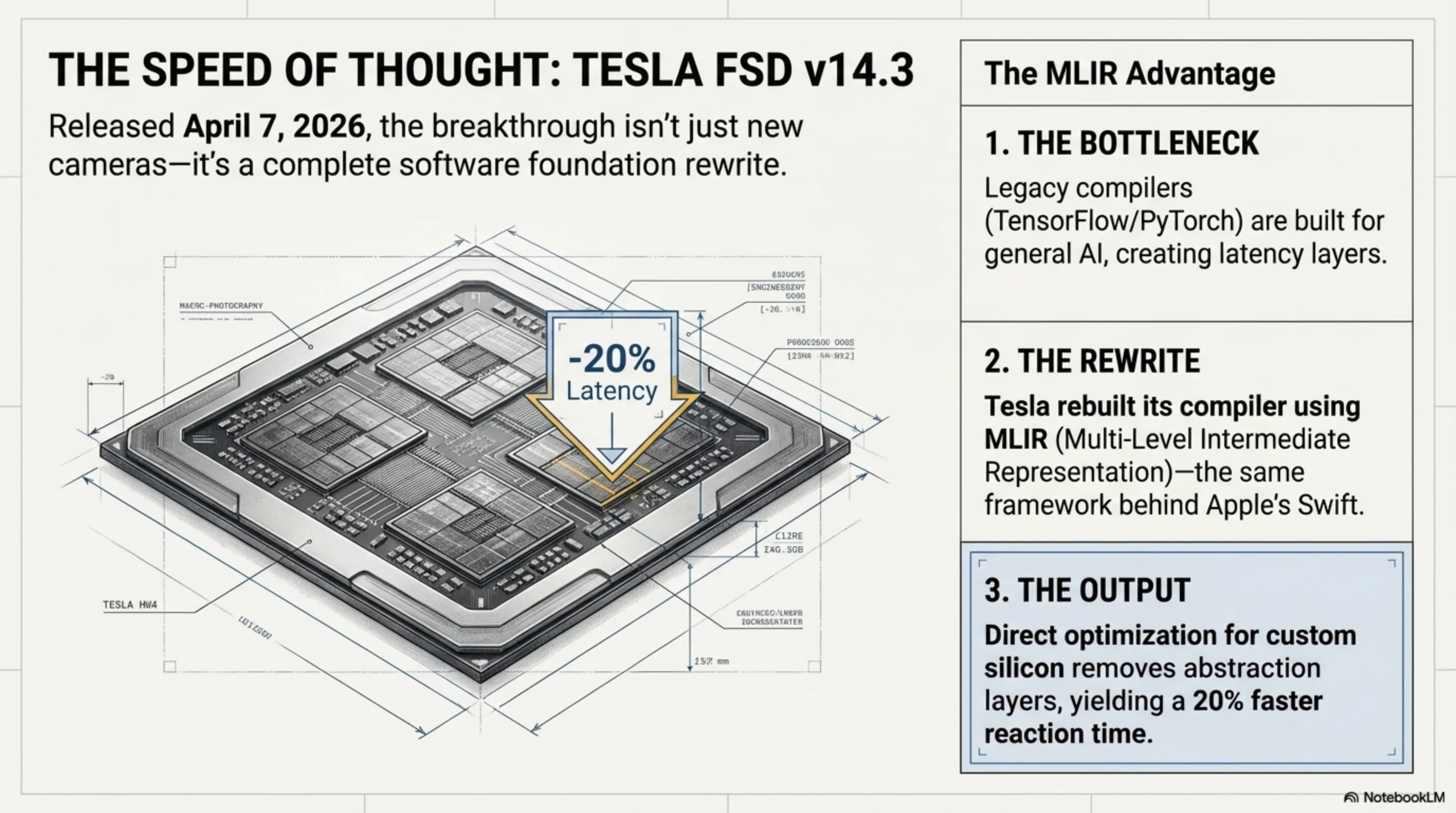
While Nissan is planning for the future, Tesla is delivering the future right now. On April 7, 2026, Tesla released version 14.3 of its Full Self-Driving (Supervised) system for vehicles equipped with HW4 hardware—and this update is one of the most technically significant in FSD history.
⚡ MLIR: Complete AI Compiler Rewrite
The beating heart of FSD v14.3 is a massive infrastructure change: Tesla rewrote its AI compiler and runtime from scratch using MLIR (Multi-Level Intermediate Representation). MLIR is a modern compiler framework developed by Chris Lattner—the same person who designed Apple's Swift language.
🔬 Technical Analysis: Why Is MLIR So Important?
Traditional AI compilers (like TensorFlow or PyTorch) are designed for general purposes. But Tesla needed a custom compiler optimized specifically for Tesla vehicle hardware and the unique computational patterns of autonomous driving.
MLIR enables Tesla to:
- Optimize AI code directly for its custom chips
- Remove extra abstraction layers and increase speed
- Test and deploy new models faster
- Reduce energy consumption (critical for electric vehicles)
The result? 20 percent faster reaction time. In the world of autonomous driving, this could be the difference between an accident and a safe brake.
🧠 Neural Network Improvements: Better Vision, Deeper Understanding
Beyond the compiler rewrite, Tesla has also upgraded its vision encoder neural network. This network is responsible for converting camera images into usable information for decision-making. Key improvements include:
- Better handling of rare situations: The system can now better recognize unusual scenarios (like an animal on the road or an overturned vehicle)
- Low-visibility performance: Significant improvement in night, fog, rain, and poor lighting conditions
- 3D geometry understanding: More accurate estimation of distance, depth, and object dimensions
- Traffic sign recognition: Better reading and understanding of complex signs, temporary signs, and digital displays
- Small animal detection: One of the major challenges for vision-only systems was detecting small animals (like cats or dogs), which has now improved
🌍 FSD Global Expansion: 2026, The Year of Globalization
One of the most significant developments for Tesla in 2026 is the launch of FSD in Europe. For years, FSD was only available in North America—but now Tesla is training its AI models to drive on European roads. This work has its own unique challenges:
- Narrower and more complex roads
- Different traffic signs
- Different driving rules (like right-of-way at roundabouts)
- Older and more complex urban architecture
- Europe's stricter legal regulations
However, Tesla has announced that the first wave of public testers in Europe has started using FSD—showing the company is on the right track.
⚖️ Mercedes Drive Pilot: The World's First Legal Level 3 System
While Tesla and Nissan are still at Level 2 (requiring constant driver supervision), Mercedes-Benz has managed to break an important barrier: the first Level 3 autonomous driving system to receive legal approval in the United States. What does this mean?
📚 Technology Lesson: Automation Level Differences
Level 2 (Tesla FSD, Nissan ProPILOT):
The car can control steering, acceleration, and braking, but the driver must always be ready and has full responsibility for driving. If an accident occurs, the driver is at fault.
Level 3 (Mercedes Drive Pilot):
Under specific conditions (designated roads, speeds under 40 mph, heavy traffic), the car has complete control and the driver can take hands off the wheel and even engage in other activities. If an accident occurs, the automaker is responsible.
🎯 How Does Drive Pilot Work?
To achieve Level 3 approval, Mercedes used a very conservative and engineering-focused approach. Drive Pilot only activates under very specific conditions:
- Pre-mapped roads: Only on highways that Mercedes has previously mapped with high precision
- Limited speed: Maximum 40 miles per hour (64 kilometers)
- Heavy traffic: Only when traffic is slow
- Good weather conditions: No heavy rain, no thick fog
- Daylight: Currently only during daytime (not at night)
These limitations may seem excessive, but they're exactly what allowed Mercedes to receive Level 3 legal approval. The company can confidently say: "Under these specific conditions, our system is 100% reliable."
💰 Cost and Availability
Drive Pilot is currently available for Mercedes S-Class and EQS sedan models. The cost? About $2,500 annually as a subscription. It's a high price, but in return, you're the first person who can legally take hands off the wheel in heavy traffic and attend to emails or videos.
⚖️ Legal Liability: A Game Changer
The most important difference between Drive Pilot and other systems is this: when the system is active, Mercedes-Benz assumes full legal liability for driving. If an accident occurs, the company is responsible, not the driver.
This is a paradigm shift in the automotive industry. For the first time, an automaker trusts its technology enough to accept legal liability. This level of confidence is the result of thousands of hours of testing, millions of kilometers of data, and a very precise engineering approach.
🗣️ BMW and Alexa+: When Your Car Talks Back
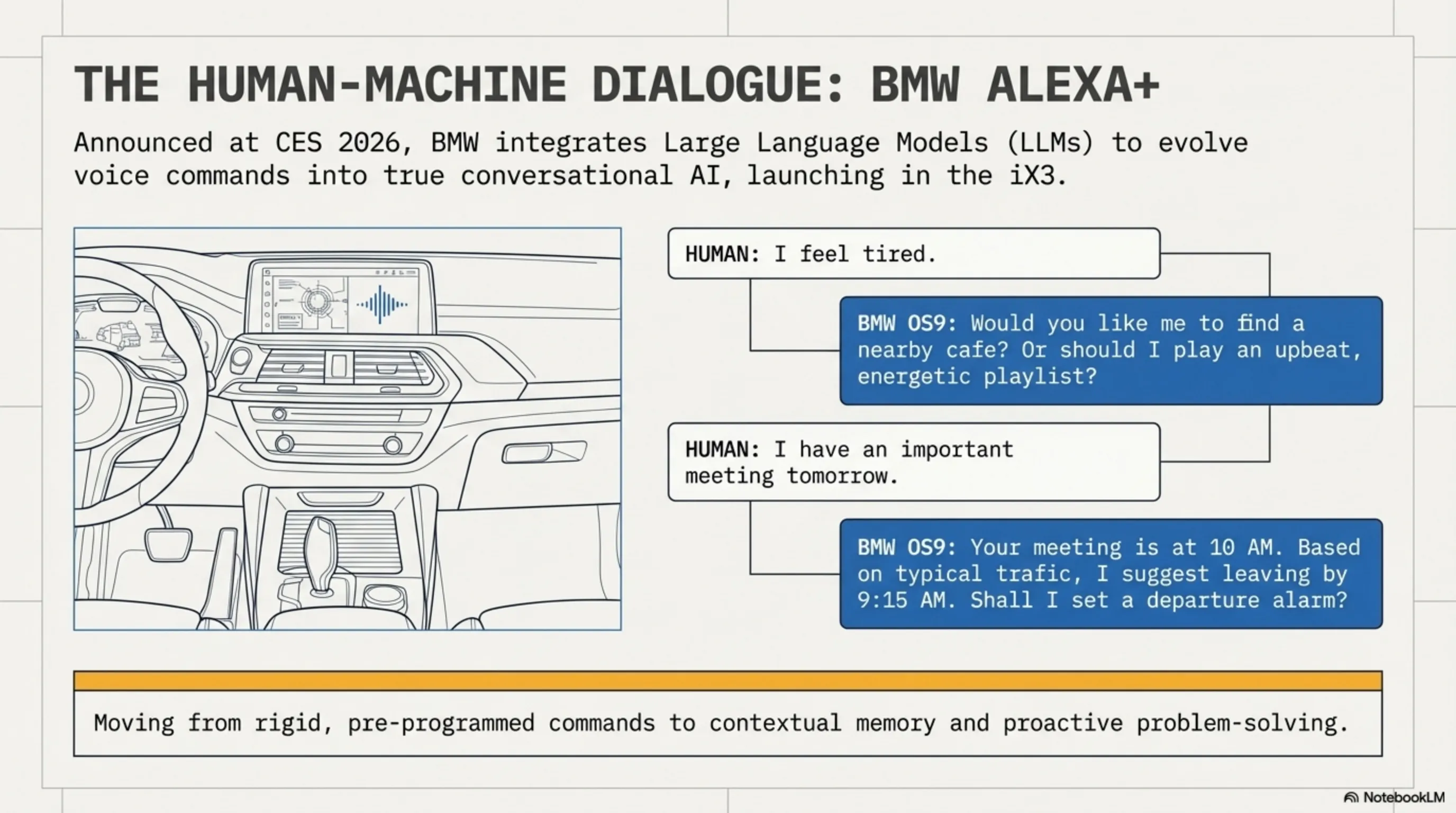
While Nissan, Tesla, and Mercedes focus on autonomous driving, BMW has decided to focus on another aspect of automotive AI: human-machine interaction. At CES 2026, BMW announced it would be the first automaker globally to integrate Amazon's Alexa+ technology into its vehicles.
🤖 What Is Alexa+ and How Does It Differ from Regular Alexa?
Alexa+ is a new generation of voice assistants using Large Language Models (LLM)—the same technology behind ChatGPT and other conversational AI systems. Key differences:
- Natural language understanding: You don't need to use specific commands. You can talk like a normal conversation
- Conversation memory: The system remembers previous conversations and can reference them
- Creative responses: Instead of pre-defined responses, the system can generate unique answers
- Learning from user: The more you use it, the better it knows you
- Amazon ecosystem integration: Access to music, news, and other Amazon services
🚗 Practical Applications in Vehicles
BMW Intelligent Personal Assistant with Alexa+ can do much more than simple commands like "turn on the lights" or "adjust temperature":
Real Conversation Examples:
You: "I'm feeling tired"
BMW: "Would you like me to find a nearby café? Or would you prefer I play some energizing music?"
You: "I have an important meeting tomorrow"
BMW: "Your meeting is at 10 AM at the central office. Given traffic, I suggest leaving at 9:15. Would you like me to set a reminder?"
You: "I love this song"
BMW: "Great! This song is by Band X. Would you like me to play similar songs? Or add this to your favorites playlist?"
This level of natural and intelligent interaction is something we've never seen in vehicles before. BMW Intelligent Personal Assistant with Alexa+ is scheduled to launch in the second half of 2026, initially in Germany and the United States in the new iX3 model, then gradually added to all models equipped with BMW Operating System 9 and X.
🔬 Technology Showdown: LiDAR vs Vision-Only
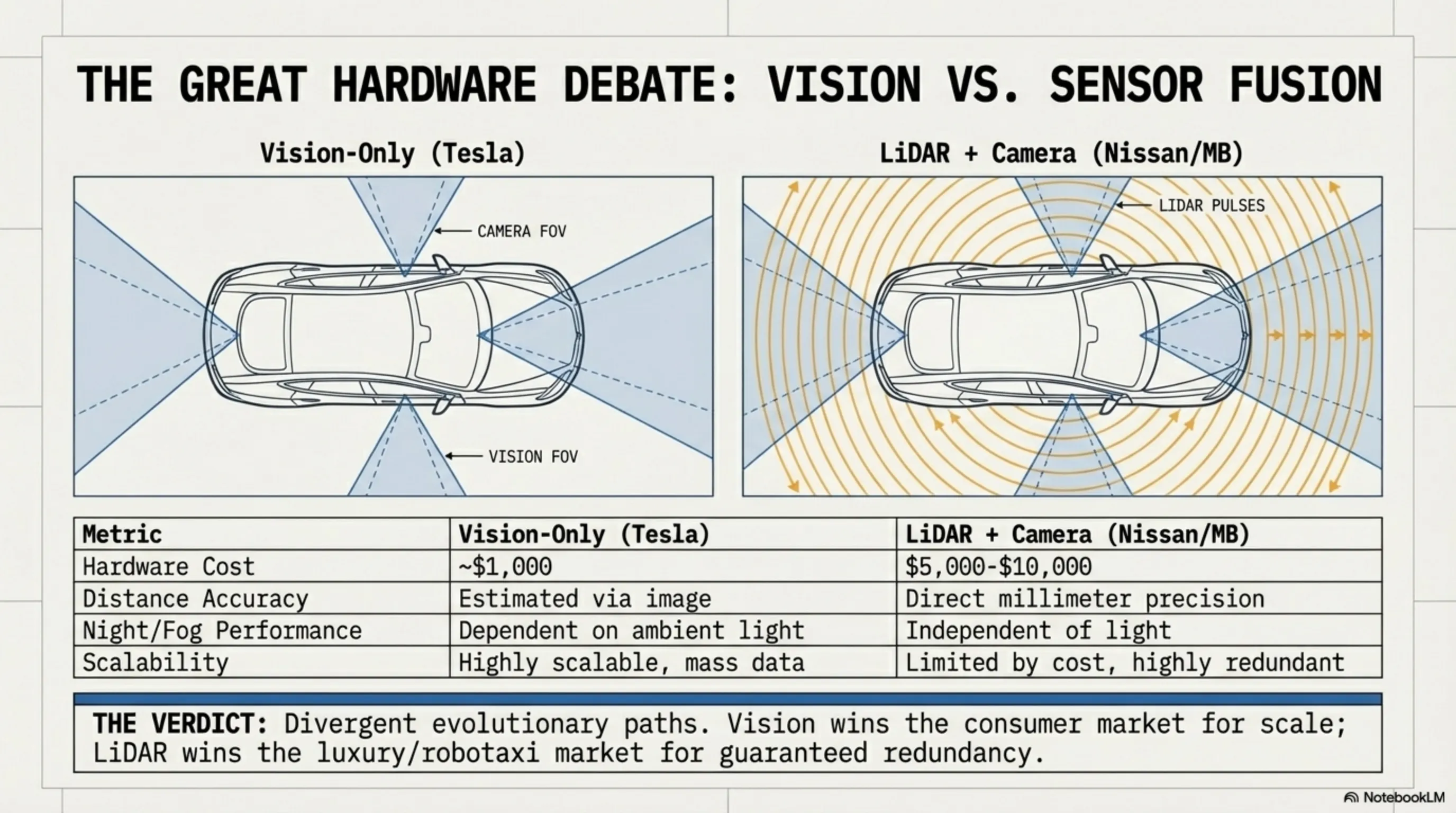
One of the hottest debates in autonomous driving is this: are vision-only systems (cameras only) sufficient, or do we need LiDAR? This debate is particularly heated between Tesla (vision-only) and Nissan (LiDAR + cameras).
📷 Tesla's Approach: Vision-Only
Elon Musk has repeatedly said that LiDAR is a "crutch" and that humans drive with eyes only, so cars should be able to drive with cameras only. Tesla's argument:
- Lower cost: LiDAR is expensive (thousands of dollars), cameras are cheaper
- Scalability: Tesla can produce millions of cars with cameras
- More data: Every Tesla on the road collects data for AI training
- Focus on AI: Instead of relying on hardware, focus on improving software
🔦 Nissan/Mercedes Approach: LiDAR + Cameras
Nissan and Mercedes believe that to achieve higher levels of safety and reliability, we need redundancy. Their argument:
- Higher accuracy: LiDAR provides direct distance measurement with millimeter precision
- Night performance: LiDAR works in complete darkness
- Greater safety: If one system fails, the other is backup
- Easier legal approval: Regulators trust multi-system approaches more
📊 Comprehensive Comparison Table: Vision-Only vs LiDAR+Camera
🎯 Conclusion: Which Approach Wins?
Short answer: Both! Each approach has its advantages and disadvantages, and we'll likely see both coexist in the future:
- Cheaper consumer vehicles: Likely vision-only (like Tesla)
- Luxury and commercial vehicles: Likely LiDAR + cameras (like Mercedes)
- Autonomous taxis: Definitely LiDAR + cameras (higher safety)
Also, as technology advances, LiDAR costs are decreasing. New solid-state LiDARs can be up to 90% cheaper than previous generations, which could change the equation.
⚠️ Legal and Ethical Challenges of Autonomous Driving
Autonomous driving technology isn't just a technical challenge—it also brings complex legal and ethical challenges. Let's look at the most important ones.
⚖️ Legal Liability: Who's at Fault?
When an autonomous vehicle crashes, who's responsible? The driver? The automaker? The software company? This question still doesn't have a clear answer, and laws vary across countries.
Real Scenarios:
Scenario 1: Tesla crashes in FSD mode
→ Driver is responsible (because it's Level 2 and should have been supervising)
Scenario 2: Mercedes crashes with Drive Pilot active
→ Mercedes is responsible (because it's Level 3 and accepted liability)
Scenario 3: Nissan with AI Drive crashes in 2027
→ Still unclear! Depends on automation level
🤔 Ethical Dilemma: The Trolley Problem in Real Life
One of the most famous ethical puzzles in autonomous driving is the "Trolley Problem": if a car must choose between hitting a pedestrian or swerving and endangering its passengers, what should it do?
⚠️ Reality: Automakers Avoid Answering
No automaker explicitly states what decision their AI system would make in such a situation. Why? Any answer could have negative legal and marketing consequences:
- If they say "we prioritize passengers" → pedestrians feel unsafe
- If they say "we prioritize pedestrians" → customers won't buy
- If they say "it decides randomly" → nobody's satisfied
Current solution? Focus on preventing such situations rather than deciding in them.
🔒 Privacy and Data Security
Smart cars constantly collect data: your location, driving routes, your habits, even conversations inside the car (for voice assistants). What happens to this data? Who has access to it?
Main Concerns:
- Location tracking: The automaker always knows where you are
- Data selling: Is your data sold to advertising companies?
- Hacking: If the system is hacked, the hacker can control the car
- Government access: Can police access car data without a warrant?
These issues are still being resolved, and different laws are being passed in different countries. The European Union has the strictest laws with GDPR, while the United States still lacks comprehensive federal legislation.
📊 The Future of Automotive: Stats, Predictions, and Opportunities
Now that we've examined the technologies and challenges, let's look at the future. The global AI automotive market is experiencing explosive growth, creating numerous opportunities for investors, companies, and consumers.
💰 Market Statistics: Remarkable Growth
📈 Global AI in Automotive Market
Source: Analytics Insight, StartUs Insights 2026
🌍 Key Predictions for 2026-2030
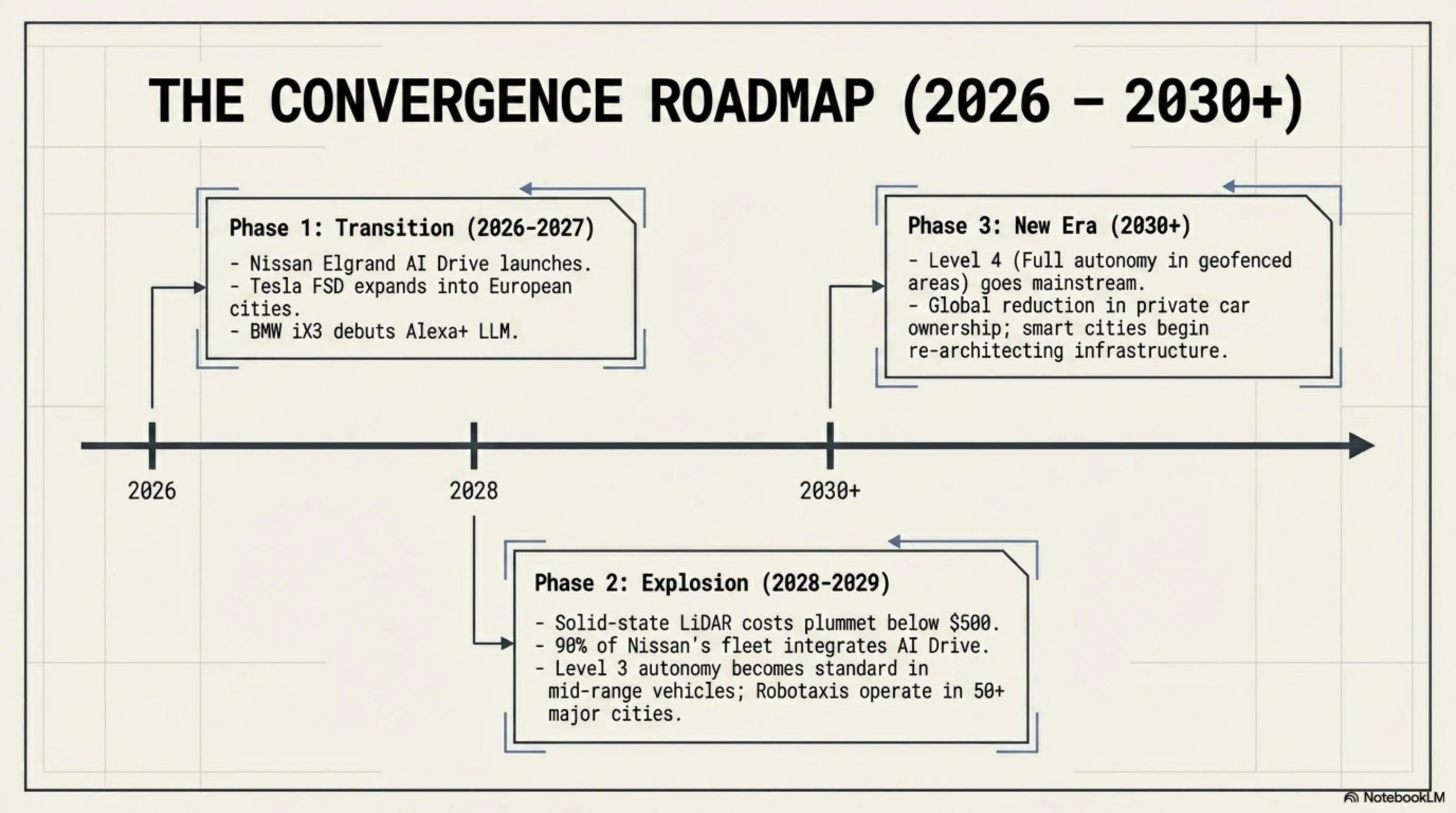
🚗 2026-2027: Transition Period
- Nissan Elgrand with AI Drive launches
- BMW iX3 with Alexa+ hits the market
- Tesla FSD expands to Europe
- Mercedes Drive Pilot added to more models
- Chinese automakers (BYD, NIO) globalize their AI systems
🚀 2028-2029: Technology Explosion
- 90% of Nissan vehicles with AI Drive
- Level 3 systems in mid-range vehicles
- LiDAR cost drops below $500
- Autonomous taxis in 50+ major cities worldwide
- Global autonomous driving laws passed
🌟 2030+: New Era of Transportation
- Level 4 (full autonomy in designated areas) becomes common
- Car ownership decreases, sharing increases
- Road accidents reduced by 50%
- Cities redesigned for autonomous vehicles
- Auto insurance industry transformed
🎯 Investment and Business Opportunities
This massive transformation creates countless opportunities for businesses and investors:
💡 Investor Recommendations
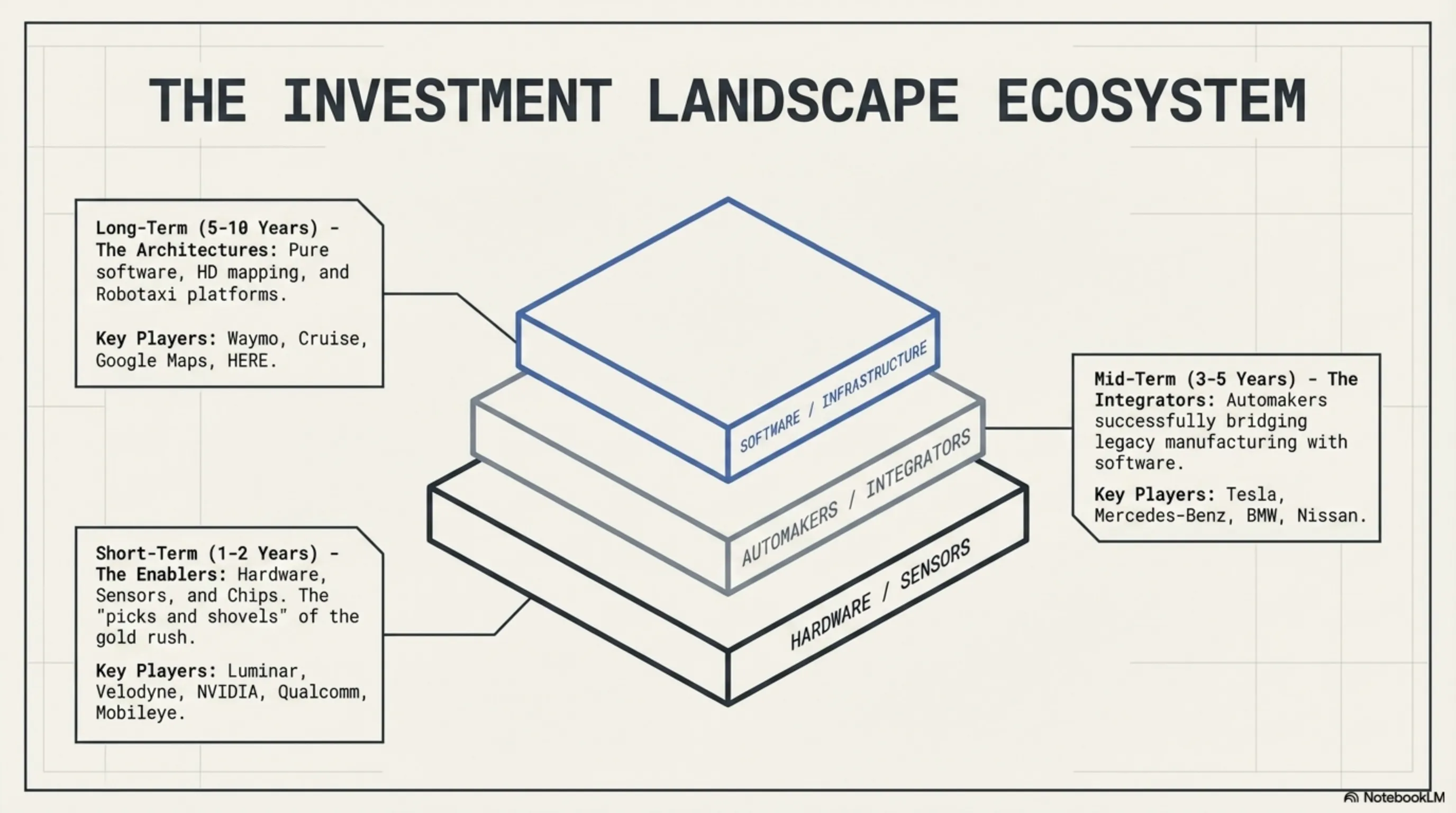
If you're looking to invest in this sector, consider these points:
- Short-term (1-2 years): Sensor and chip companies (NVIDIA, Mobileye)
- Mid-term (3-5 years): Leading automakers (Tesla, Mercedes, BMW)
- Long-term (5-10 years): Software and platform companies (Waymo, Cruise)
- High risk/High return: Autonomous technology startups
🎯 Final Conclusion: The Future Being Shaped
Nissan's announcement on April 14, 2026 isn't just corporate news—it's a sign of a fundamental transformation in the automotive industry. We're transitioning from the age of mechanical vehicles to the age of intelligent vehicles, and this transformation is accelerating.
Key Takeaways to Remember:
- Nissan: 90% products with AI Drive, reducing models from 56 to 45, focusing on quality
- Tesla: FSD v14.3 with 20% faster speed, complete MLIR rewrite, global expansion
- Mercedes: First legal Level 3, full automaker liability, limited but reliable
- BMW: Alexa+ with LLM, natural interaction, true intelligent assistant
- Market: Growing from $4.29B to $14.92B by 2030, countless opportunities
- Challenges: Legal, ethical, technical - all being resolved
The future of transportation is no longer a dream—it's being shaped right now, in vehicles launching this year and next. The question is no longer "if" smart cars are coming, but "when" you'll buy one.
🚗 Welcome to the new age of automotive—an age where cars don't just move, they think.
📚 Sources and References
Sources: Nissan Motor Official Press Release (April 14, 2026), Tesla FSD v14.3 Release Notes, Mercedes-Benz Drive Pilot Documentation, BMW CES 2026 Announcement, CNBC Automotive Reports, Newsweek Technology Section, Electrek, Motor1, Car and Driver, Analytics Insight Market Research, StartUs Insights AI Automotive Report 2026, Wikipedia Autonomous Vehicles, Industry Expert Analysis
Analysis and Research: Tekin Editorial Team - Deep Analysis of Smart Car Technology 2026
🌐 Stay Connected With Us
For the latest tech, gaming, and gadget news, follow us on social media:
🌐 Stay Connected With Us 🎮✨
For the latest tech, gaming, and gadget news, follow us on our official social media channels: