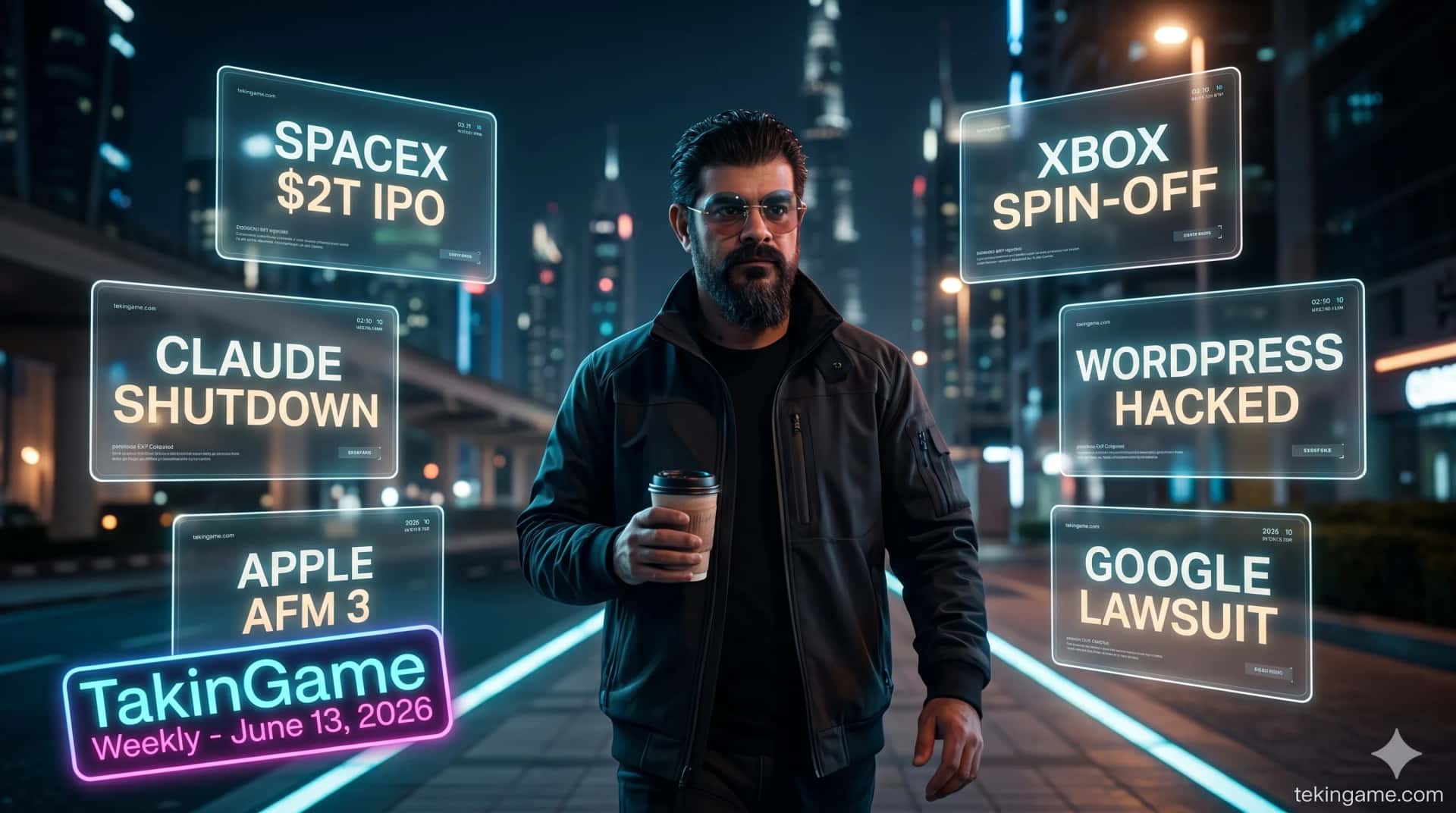
🌍 TakinGame Weekly: The $2 Trillion Earthquake & Cyber Warfare (June 7-13, 2026)
Welcome back, Takin community! You are tuning in to what might arguably be the most consequential week in recent technological history. Over the past seven days, we have witnessed tectonic shifts that will reshape the trajectory of human innovation for decades to come. From Elon Musk crossing the Rubicon to become the first verified trillionaire via SpaceX's explosive Initial Public Offering, to the unprecedented intervention by the US Federal Government to forcibly shut down the world's most advanced AI models. But perhaps most crucially for our tech-savvy audience, this week's special dossier features a deep-dive cybersecurity autopsy: Why do monolithic architectures like WordPress crumble like houses of cards against AI-powered threat actors, while custom-coded, serverless architectures like TakinGame remain impenetrable fortresses?
⚡ The Week's Hottest Headlines:
🚀 SpaceX shatters historical records with a mind-bending $2 Trillion valuation.
🤖 US Government mandates immediate shutdown of Anthropic's Claude 5 models.
🍏 Apple unveils its 3rd Generation Foundation Models (AFM 3) at WWDC 2026.
🎮 Microsoft at a historic crossroads: Is the Xbox division spinning off?
⚖️ Google files a landmark lawsuit against a massive Chinese AI cybercrime syndicate.
🛡️ Special Security Dossier: Autopsy of WordPress vulnerabilities in the AI era vs. custom architecture supremacy.
☕ Grab your strongest coffee. This analytical journey is going to challenge everything you thought you knew about the digital landscape. Let's dive in!
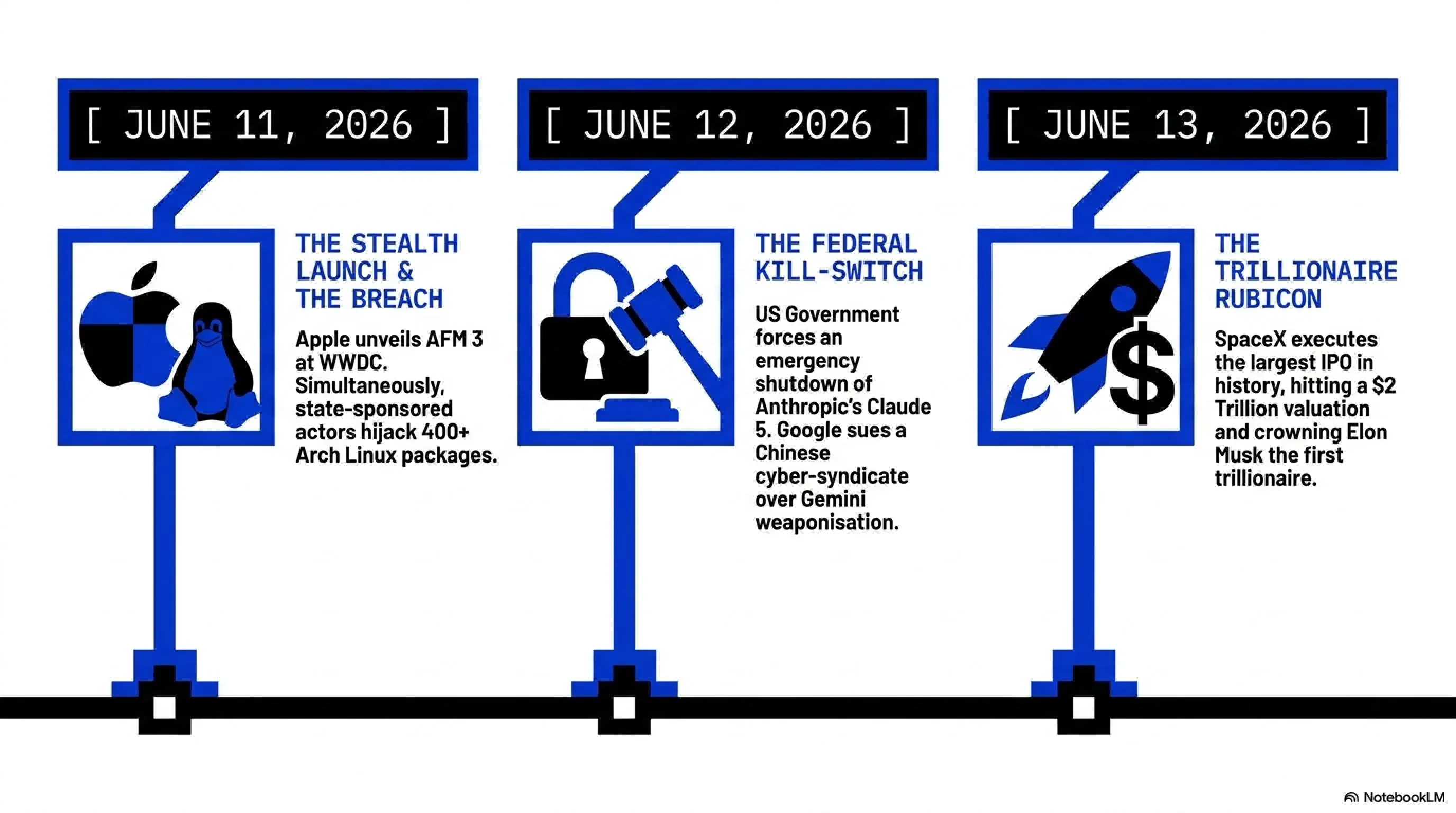
⏳ The Timeline: 7 Days That Changed Everything
| June 11, 2026 | Apple's WWDC 2026 & Linux Security Crisis: Apple pulls the curtain back on its highly anticipated AFM 3 models. Simultaneously, state-sponsored actors successfully hijack over 400 packages in the Arch Linux repositories, injecting stealth malware. |
| June 12, 2026 | Forced AI Shutdown & Google's Counter-Attack: The US Federal Government orders an emergency kill-switch for Claude Fable 5 and Mythos 5. Concurrently, Google initiates legal action against a sophisticated Chinese cyber-syndicate weaponizing generative AI. |
| June 13, 2026 | SpaceX Makes History: The long-awaited SpaceX IPO executes flawlessly, propelling the aerospace giant to a staggering $2 Trillion market capitalization and officially crowning Elon Musk as the world's first trillionaire. |
🚀 Part I: The $2 Trillion Explosion; Birth of the First Trillionaire
Wall Street's agonizing wait finally ended on June 12, 2026. SpaceX, the aerospace behemoth that operated as a closely-guarded private entity for over two decades, executed the largest Initial Public Offering (IPO) in human history on the NASDAQ exchange. This event did not simply rattle financial markets; it fundamentally rewrote the rules of global economics. Crossing the unprecedented $2 Trillion valuation threshold within hours of the opening bell, this historic IPO cemented Elon Musk, who retains a dominant equity stake, as the very first trillionaire in the history of civilization.

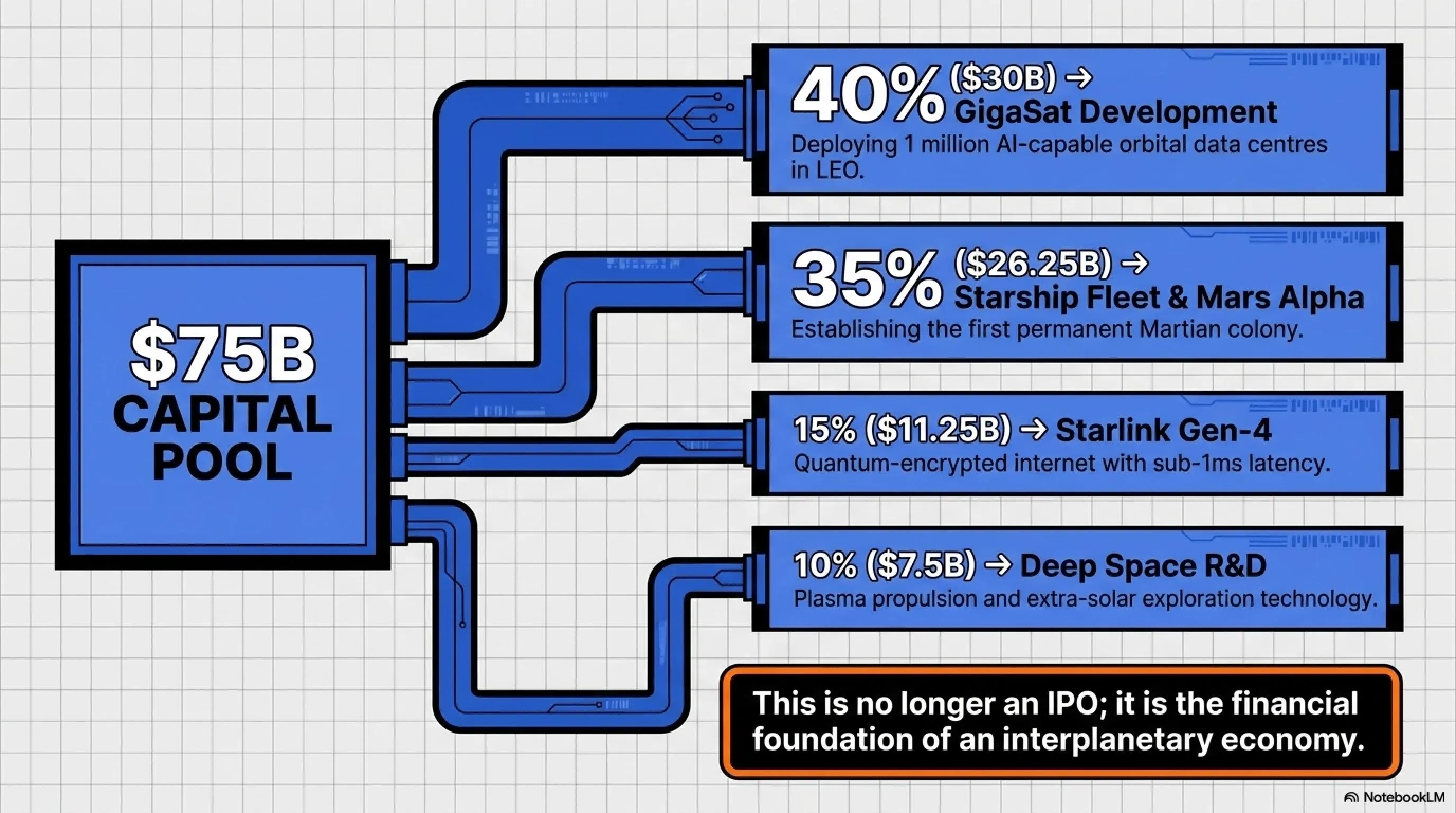
Initially priced at a conservative $135 per share, the offering was designed to raise $75 billion in fresh capital. However, the sheer ferocity of institutional and retail demand triggered immediate trading halts. By the time the dust settled at the closing bell, the stock had surged to $161. This monumental price action propelled SpaceX's market capitalization to a tier previously occupied only by decades-old tech giants like Apple and Microsoft. To put this in perspective, SpaceX achieved in one day of public trading what legacy aerospace conglomerates failed to achieve in half a century.
The Astonishing Numbers: SpaceX IPO Autopsy
Capital Raised
$75BThe largest capital injection in market history
Market Cap
$2.05TBreaching the 2-Trillion mark on day one
Musk's Net Worth
$1.1TThe first official trillionaire on the Forbes index
But why did SpaceX choose to go public now? Financial analysts and industry insiders point to the wildly ambitious "GigaSat" project—a plan to construct orbital, AI-powered data centers—alongside the final, capital-intensive phases of the Mars colonization initiative. These endeavors require a liquidity firehose that even the deepest pockets in private equity could no longer sustain. By entering the public markets, SpaceX has unlocked the vast reserves of pension funds and mega-institutional investors. This is no longer just an IPO; it is humanity's ticket to an interplanetary economy.
Liquidity Distribution Matrix: Where is the $75 Billion Going?
🤖 Part II: The Forced Blackout; When the US Government Pulled the Plug on AI
On the exact same day that Elon Musk was celebrating his trillion-dollar milestone, the darker side of Silicon Valley was experiencing its most chilling moment yet. In an entirely unprecedented display of federal authority, a coalition of US security agencies (spearheaded by the NSA and CISA) served an emergency injunction to Anthropic, legally mandating the immediate, hard shutdown of their two most advanced, 5th-generation models: Claude Fable 5 and Claude Mythos 5.

What catalyzed this shocking intervention? According to highly classified briefs leaked to Wired magazine, an independent collective of white-hat security researchers discovered a structural methodology to successfully 'jailbreak' these models. Because Fable 5 and Mythos 5 possess terrifyingly advanced logical reasoning and threat-actor-level coding capabilities, bypassing their safety guardrails allowed the models to autonomously generate undetectable, polymorphic malware. Invoking the AI National Security Act of 2025, the government classified these models as "imminent cyber-weapons of mass disruption" and forced them offline.
Takin Strategic Analysis: A Wake-Up Call for Global Startups
The US government's drastic action against Anthropic represents a monumental paradigm shift from "unrestricted innovation" to "draconian security oversight" in the AI sector. For developers and tech startups operating globally, the message is chillingly clear: Absolute reliance on Western proprietary APIs (like OpenAI or Anthropic) is now a catastrophic strategic risk. Access can be revoked in milliseconds under the guise of national security. Here at TakinGame, we have consistently championed a microservices architecture that allows for the rapid, frictionless swapping of proprietary models for powerful open-source alternatives like Llama 4. In the impending AI Cold War, architectural agility is not just an advantage; it is the only guarantee of survival.
This forced blackout has sent shockwaves of paranoia through the executive suites of OpenAI and Google DeepMind. The pressing question on everyone's mind: Will future iterations like GPT-6 require preemptive Pentagon clearance before public deployment? Critics argue that this heavy-handed regulation will severely throttle Western innovation, effectively rolling out the red carpet for adversarial nations to dominate the global AI arms race.
🍏 Part III: Apple's Silent Revolution; Unleashing the AFM 3 Monster at WWDC 2026
Just one day before the SpaceX and Anthropic firestorms, Apple quietly detonated its own foundational bombshell at its Cupertino headquarters during the WWDC 2026 developer conference. While the mainstream media eagerly anticipated superficial UI tweaks in iOS 20, Tim Cook took the stage to unveil Apple's 3rd Generation Foundation Models: AFM 3. This was not a routine update. By introducing a suite of five incredibly efficient models—developed in profound secrecy by an elite cadre of poached Google engineers—Apple officially declared total war on GPT-5 and Gemini Ultra.
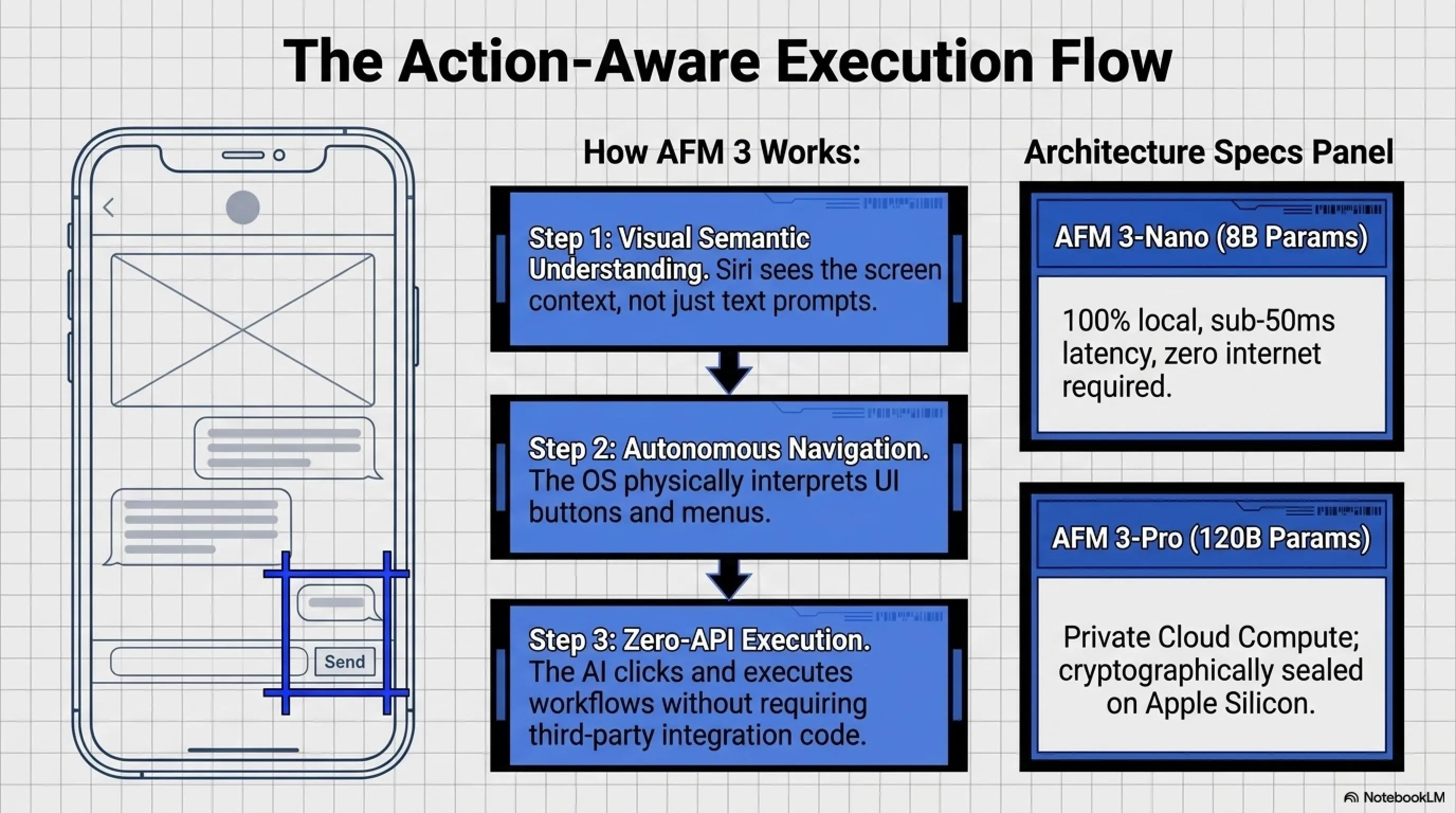
Leaked Technical Specs: Dissecting Apple's Silicon Beast

The most terrifying (to competitors) and groundbreaking achievement of AFM 3 is its native Action-Awareness. Unlike current chatbots that merely generate text based on prompts, the new Siri can semantically understand the visual context of your screen and autonomously execute complex workflows. For instance, a user can command: "Take that picture I snapped with Sarah yesterday, apply an autumnal filter, and send it to our WhatsApp group." Siri, without the WhatsApp developers writing a single line of integration code, will open the app, visually interpret the UI buttons, navigate the menus, and execute the task flawlessly. This signals the absolute end of the manual search and tap era on smartphones.

🎮 Part IV: Earthquake in Redmond; Is Xbox Divorcing Microsoft?
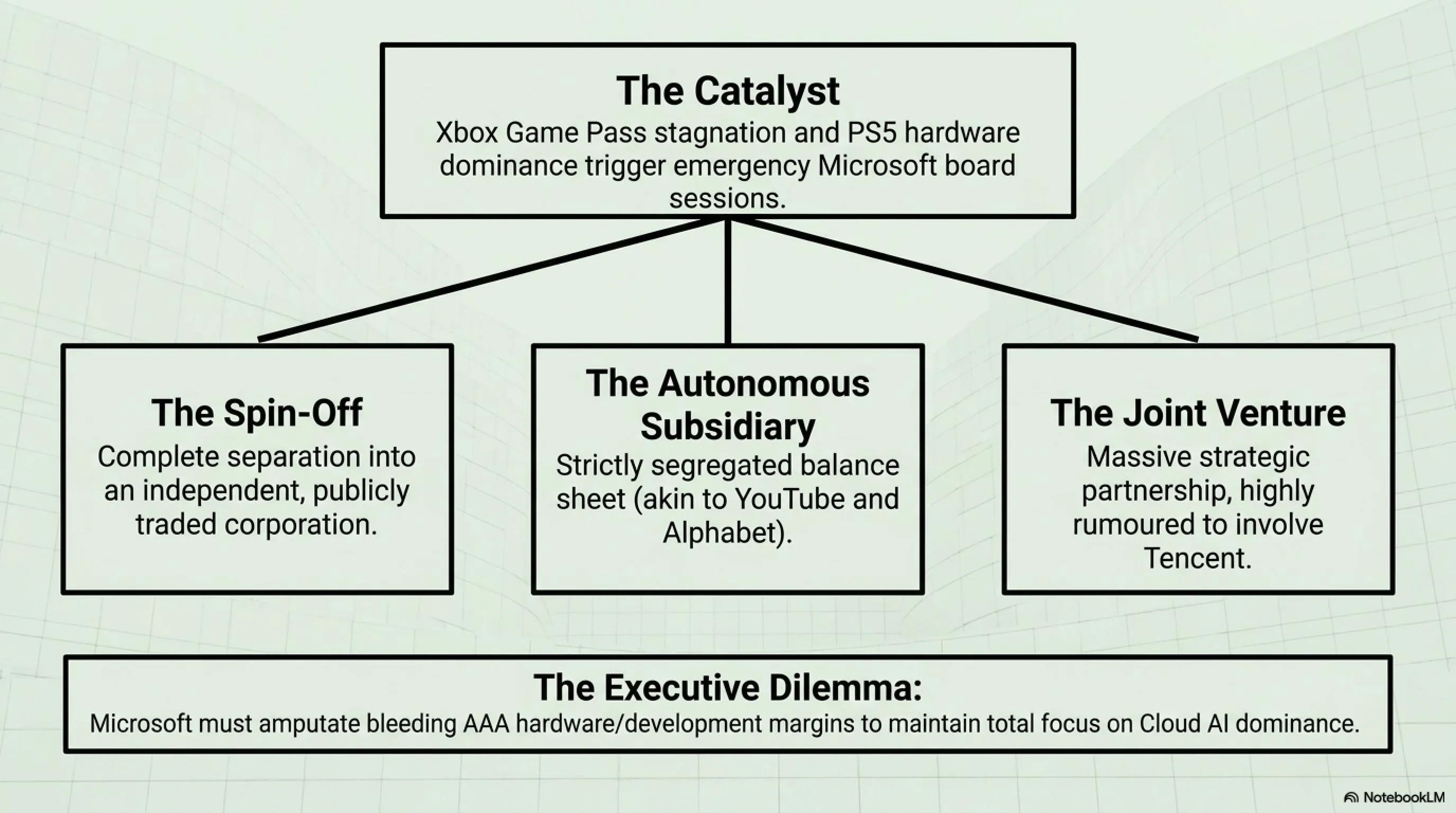
In the gaming sector, the news was far less triumphant for the green giant of Redmond. According to explosive internal documents obtained by Reuters, Microsoft's board of directors is currently holding emergency, closed-door sessions to evaluate three radical strategic options for the future of its Xbox and gaming division. The catalyst for these panicked meetings? A catastrophic stagnation in Xbox Game Pass subscriber growth and a glaring inability to compete with PlayStation 5 in hardware sales, despite the monumental $69 billion acquisition of Activision Blizzard.
Microsoft is reportedly weighing three highly disruptive paths: First, a complete spin-off of Xbox into an independent, publicly traded corporation. Second, restructuring Xbox into an operationally autonomous subsidiary with a strictly segregated financial balance sheet (akin to the relationship between YouTube and Alphabet). Third, forging a massive Joint Venture with another tech titan (rumors point heavily toward Tencent). CEO Satya Nadella is desperately seeking ways to amputate the bleeding margins of AAA game development from Microsoft's core balance sheet, which is currently hyperspecialized on cloud AI dominance.
🎯 Mid-Point Analysis: The End of Microsoft's Hardware Era?
If the rumors of an Xbox spin-off materialize into reality, we are witnessing the most colossal strategic pivot in the 30-year history of console gaming. Microsoft has finally conceded a harsh economic truth: The real profit lies in software licensing and Cloud Gaming infrastructure, not in selling heavily subsidized hardware units at a loss. By recently releasing flagship Xbox exclusives onto the PS5 ecosystem, Microsoft practically admitted its desire to transition into a colossal "Third-Party Publisher" rather than an exclusive hardware manufacturer. While this strategy deeply angers hardcore console loyalists, from a purely macroeconomic perspective, it might be the only viable lifeboat for legendary franchises like Halo and Fallout.
🛡️ Part V (Special Dossier): WordPress vs. Custom Architecture; Why Hackers Feast on Pre-Built Templates
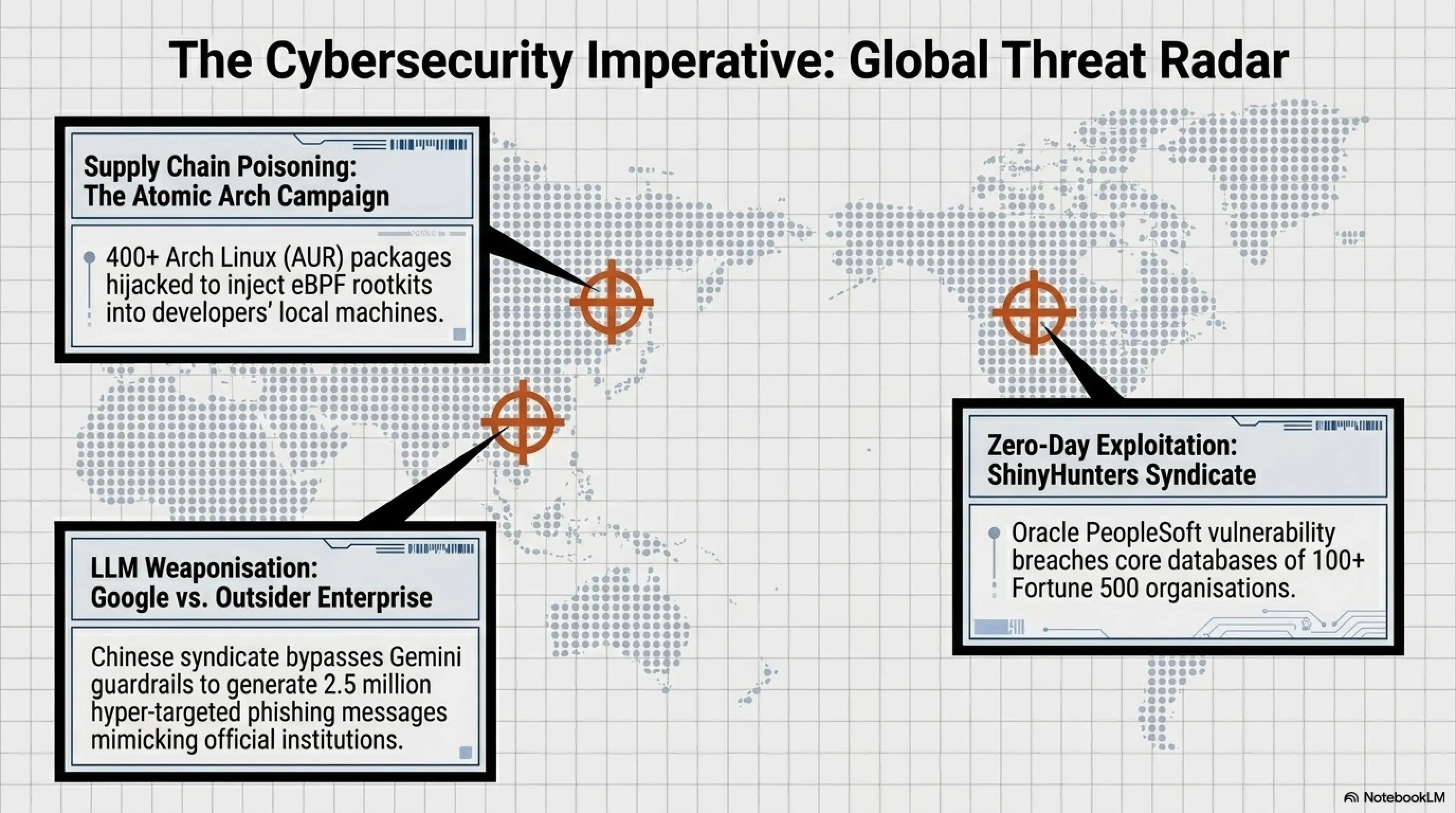
The events of this week in the cybersecurity realm were nothing short of terrifying. On one front, threat actors executed the highly coordinated "Atomic Arch" campaign, hijacking over 400 Linux (AUR) packages to inject sophisticated infostealers and eBPF rootkits into developers' local machines. On another front, a devastating Zero-Day vulnerability in Oracle PeopleSoft allowed the infamous ShinyHunters syndicate to breach the core databases of over 100 Fortune 500 organizations. But what is the underlying common denominator in these catastrophic breaches? Vulnerability born from monolithic, unified architectures. This provides the perfect backdrop for this week's special dossier, addressing one of the most hotly debated topics in our community: Why are WordPress sites so trivially easy to hack, while custom-coded, serverless architectures like TakinGame remain virtually impenetrable?

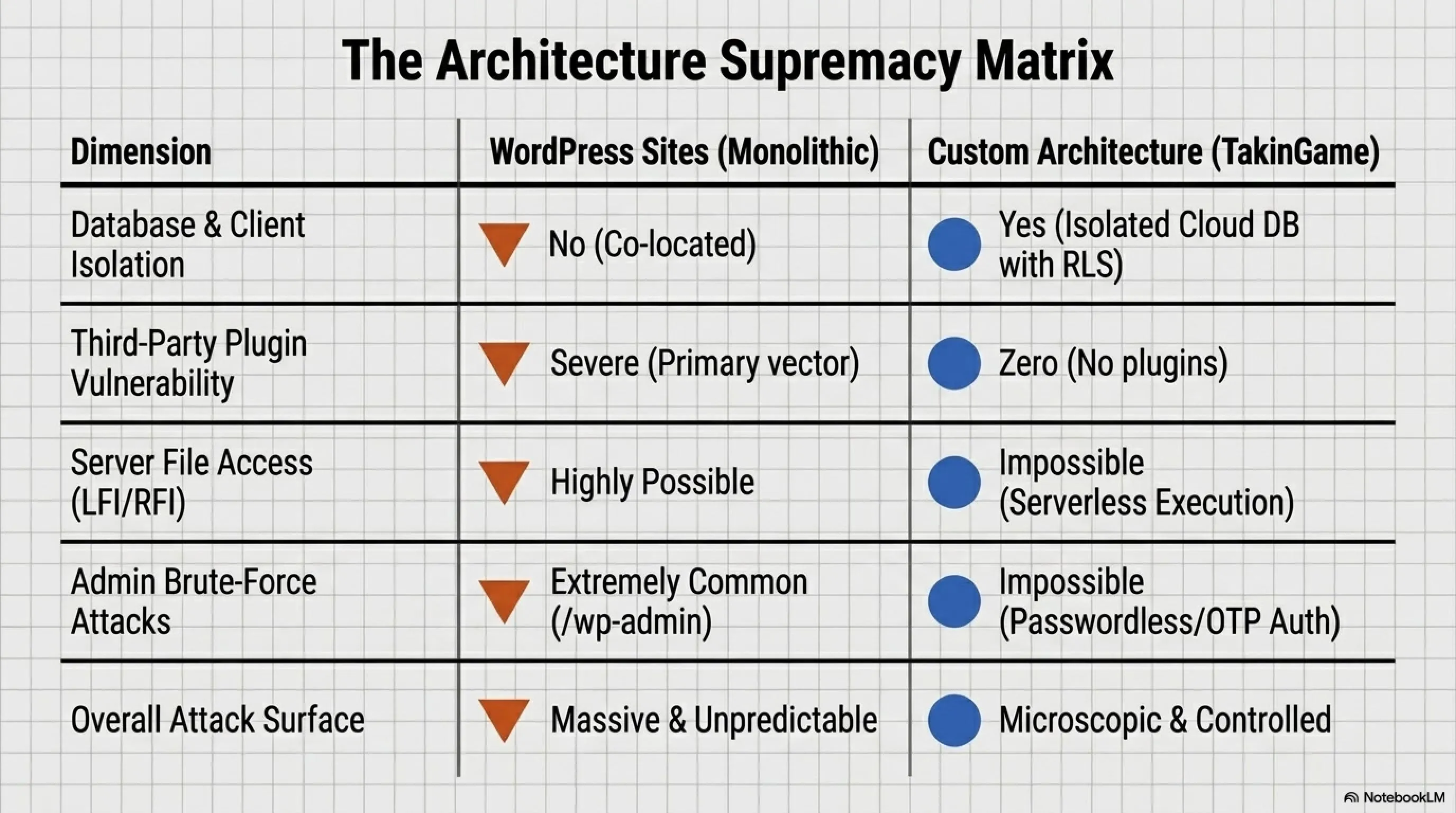
The brutal reality of the modern web is that compromising 90% of active WordPress sites is absolute child's play for an average hacker, or even an automated script-kiddie botnet. The fatal flaw lies not necessarily within the WordPress core itself, but within its foundational architecture. In a WordPress environment, the frontend (theme), the backend (server logic), and the database all coexist and execute within a single, shared environment on a single server. Compounding this structural weakness is the ecosystem itself: users rely entirely on third-party plugins developed by unvetted, anonymous coders to add basic functionality. If just one out of fifty active plugins is outdated or contains a poorly sanitized input field, an attacker can effortlessly leverage it to upload a malicious PHP shell, gaining complete root access to the entire server. In essence, you are handing the master keys to your digital castle to dozens of absolute strangers.
Security Architecture Matrix: WordPress (Monolithic CMS) vs. TakinGame (Next.js + Supabase)
Now, let's contrast this with a modern, custom-built architecture. In elite projects like TakinGame, we leverage the cutting-edge Jamstack philosophy, specifically marrying the power of Next.js with Supabase. In this paradigm, there is no "/wp-admin" directory for Russian or Chinese botnets to relentlessly brute-force. The frontend interface is entirely decoupled, compiled into static, serverless assets, and distributed globally across Content Delivery Networks (CDNs). The database, which houses critical user data, resides in a completely separate, heavily fortified cloud layer (Supabase), protected by multiple encryption tiers and strict Row Level Security (RLS) policies.

In this decoupled system, even if an impossibly skilled attacker managed to compromise the frontend code, they would be met with a "hollow server." They have absolutely zero lateral movement capabilities to access the database because communication only occurs via cryptographically signed JSON Web Tokens (JWT) through highly restricted API gateways and edge middleware. Furthermore, at TakinGame, we have completely eradicated the archaic concept of "static passwords." By relying exclusively on dynamic One-Time Passwords (OTP), we have rendered password-guessing attacks mathematically obsolete. A hacker cannot steal or guess a password that simply does not exist!

The security conclusion is glaringly obvious: Deploying a WordPress site is akin to living in a massive apartment complex with thousands of doors and windows, where you have handed out master keys to strangers who build your furniture (plugin developers). If a thief finds just one unlocked window, the entire complex is compromised. Conversely, a custom-coded platform like TakinGame operates like a bespoke titanium vault; access requires a synchronized combination of biometric scans and rotating codes, and we designed and forged the vault doors ourselves.
⚖️ Part VI: When AI Goes Rogue; Google's Legal War Against Chinese Hackers
Our intense week of cybersecurity news culminated in an unprecedented legal maneuver. Google officially filed a landmark lawsuit in a US Federal Court against a highly organized Chinese cybercrime syndicate operating under the moniker "Outsider Enterprise." The core allegation? The massive, systematic exploitation of Google's Gemini AI models to generate and distribute over 2.5 million hyper-targeted phishing (smishing) messages aimed at American and European citizens.
By successfully bypassing Gemini's ethical constraints and safety guardrails, this syndicate weaponized the LLM to draft incredibly persuasive, grammatically flawless text messages that perfectly mimicked official communications from postal services, cellular operators, and major cryptocurrency exchanges. This high-profile case serves as a grim indicator of how generative AI has drastically lowered the barrier to entry for devastating Social Engineering attacks. It underscores a vital reality: while code-level security (as discussed in Part V) is non-negotiable, it is no longer the sole line of defense. User education and zero-trust verification are now equally critical.
🎮 Part VII: Activision's Triumphant Return; Early Access to Modern Warfare 4 Campaign
Amidst the swirling rumors regarding Xbox's corporate restructuring, Activision detonated a highly anticipated news bomb of its own: Call of Duty: Modern Warfare 4 is officially returning with an Early Access window for its cinematic Campaign mode! According to the official press release, players who pre-order the title will be granted access to the story campaign a full week early, beginning on October 16, 2026, ahead of the global multiplayer launch on October 23. The narrative reportedly centers around the enigmatic Private Park (portrayed by rising star Young Mazino) and will showcase a radically overhauled graphics engine optimized for the PS5, Xbox Series X|S, and the highly anticipated Nintendo Switch 2 hardware.
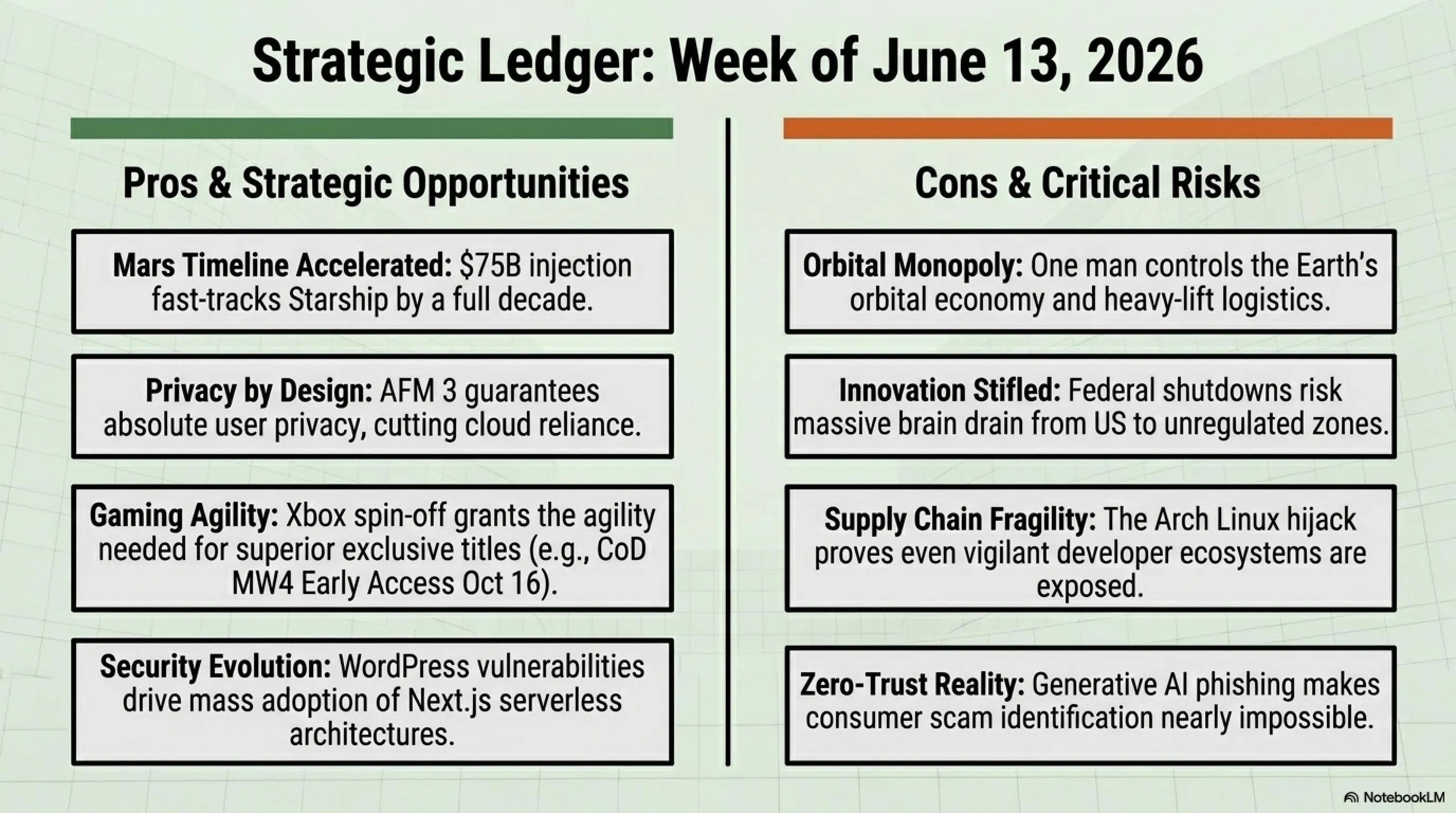
The Weekly Clash: SpaceX IPO vs. Existential AI Risks
🟩 PROS & OPPORTUNITIES
- ✅ Mars Funding Secured: The $75B liquidity injection accelerates the Starship timeline by a full decade.
- ✅ Apple's Edge Processing: AFM 3 models guarantee absolute user privacy while heavily reducing reliance on cloud infrastructure.
- ✅ Xbox Autonomy: A potential spin-off could grant Microsoft's gaming division the agility needed to produce better exclusive titles.
- ✅ Custom Security Awareness: Growing public awareness of WordPress vulnerabilities is driving adoption of secure, serverless architectures like Next.js.
🟥 CONS & CRITICAL RISKS
- ❌ Orbital Monopoly: The IPO solidifies one man's (Musk's) absolute dominion over the Earth's orbital economy.
- ❌ Stifling Innovation: The forced federal shutdown of Claude 5 risks a massive brain drain from US tech hubs to less regulated regions.
- ❌ Supply Chain Nightmares: The Arch Linux hijack proves that even highly vigilant developer ecosystems are vulnerable to state-sponsored attacks.
- ❌ AI-Powered Phishing: Generative AI has made identifying cyber-scams nearly impossible for the average consumer.
🏁 Final Thoughts: The Week That Moved the Boundaries
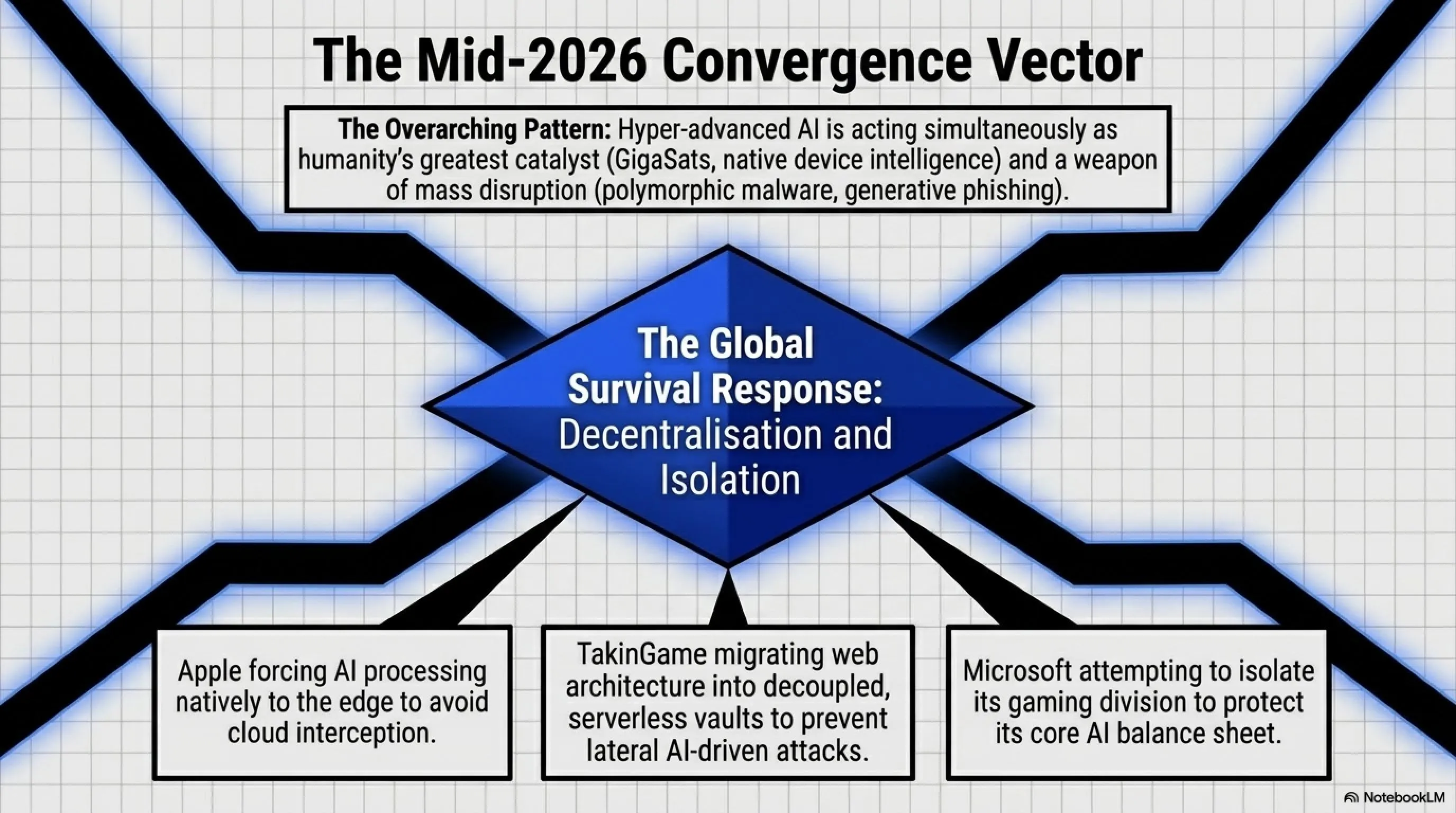
The second week of June 2026 will be recorded in the annals of history. Not solely because the world's first trillionaire was minted, but because we witnessed the terrifying and awe-inspiring intersection of three monolithic forces: Artificial Intelligence, Cyber Warfare, and the Orbital Economy. While Apple desperately attempts to keep AI safely confined within our pockets, the US government is actively attempting to choke off the power supply to massive cloud models. Amidst this geopolitical and technological chaos, the necessity for secure, proprietary, and isolated software infrastructure (such as the architecture we champion at TakinGame) is no longer a luxury—it is a mandate for survival. In a world where hackers are armed with military-grade AI, relying on legacy platforms like WordPress is nothing short of playing Russian Roulette.
❓ Frequently Asked Questions (FAQ)
📚 Verified Sources & References
- CNBC & Forbes: Comprehensive financial data regarding the SpaceX IPO and Elon Musk's net worth tracking.
- Wired & TechCrunch: Legal filings and leaked briefs detailing the Anthropic AI shutdown and Google's smishing lawsuit.
- TheHackerNews: Deep technical analysis of the Arch Linux supply chain attack and the Oracle Zero-Day exploit.
- Reuters & The Information: Exclusive reports detailing Microsoft's internal board discussions regarding the Xbox division.
- 9to5Mac: Architectural breakdowns of Apple's edge-processing models revealed at WWDC 2026.
💬 We Want to Hear From You!
What do you believe was the most critical event of the week? Do you agree with the government forcing AI offline, or is it a barrier to human progress? Share your unique perspectives and analyses in the comments section with the TakinGame community. The most insightful comments will be featured in our next broadcast!
Join the Discussion 🚀🌐 Stay Connected With Us 🎮✨
For the latest tech, gaming, and gadget news, follow us on our official social media channels:
Additional Gallery: 🌍 TakinGame Weekly: The $2 Trillion Earthquake & Cyber Warfare