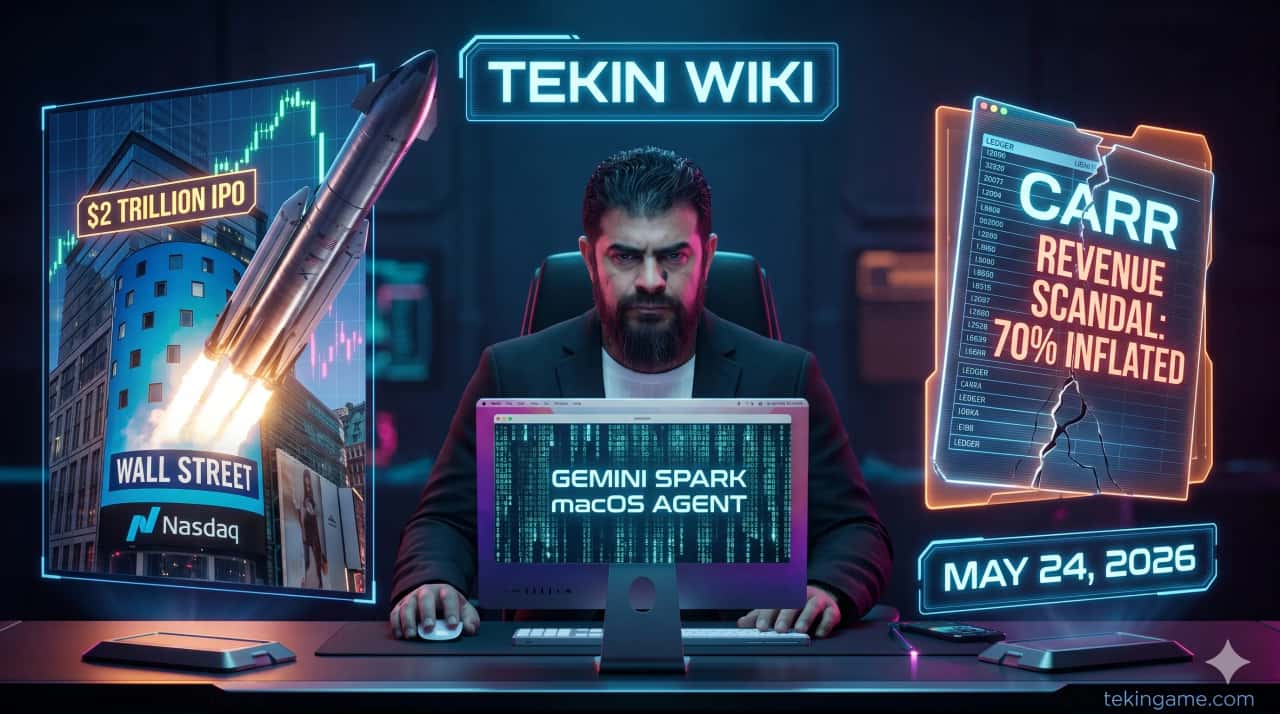
The Tekin Wiki May 24, 2026 technical briefing dissects the structural shifts redefining the global tech ecosystem over the past week. It covers the evolutionary jump from conversational chatbots to autonomous "Digital Employees" via Google’s background Gemini Spark agent for macOS, SpaceX's historic public S-1 filing targeting a $2 Trillion Nasdaq listing under SPCX, and a massive venture capital accounting scandal where AI startups leverage unaudited Contracted ARR (CARR) to inflate earnings by 70%. Furthermore, it analyzes Apple TV's broadca
🌐 Welcome to Tekin Wiki — May 24, 2026
Hello tech enthusiasts! Welcome to the weekly analysis edition of Tekin Wiki (May 24, 2026). Tonight, we dissect the most pivotal tectonic shifts that have reshaped the global technology landscape over the past week (May 17–24, 2026). Our primary focus lies on a historic, structural transition: the shift from reactive, conversational AI tools to fully autonomous AI agents and 24/7 digital employees. To elevate your reading experience, we have curated high-fidelity three-language podcasts, a professional motion graphic recap video, and visual data grids directly from our media vaults.
🎯 Executive Briefing Menu:
- Section 1: The Rise of Digital Employees: Google macOS Gemini Spark & 24/7 Desktop Autopilot Agents
- Section 2: Wall Street Survival Battle: SpaceX S-1 SEC Public Prospectus vs. AI Valuation CARR Inflated Revenue Scandal
- Section 3: Media & Hardware Intersections: Apple TV MLS Match Recorded on iPhone 17 Pro vs. Spotify User AI Fatigue
- Section 4: Deep Dive Pros & Cons, Market Sentiment Thermometer & Smart History Archives
🚀 Section 1: The Rise of Digital Employees: Google macOS Gemini Spark & 24/7 Desktop Autopilot Agents
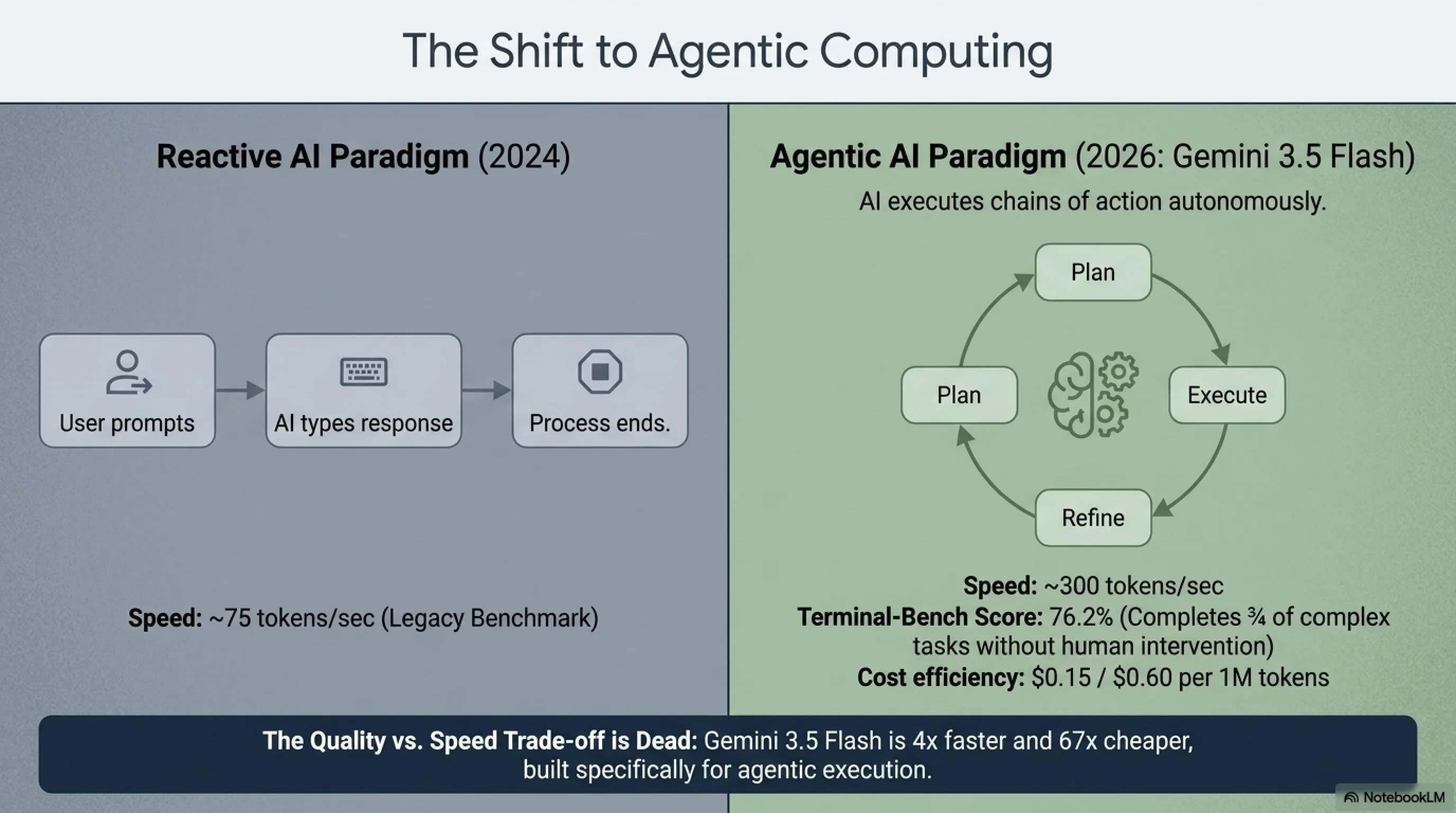
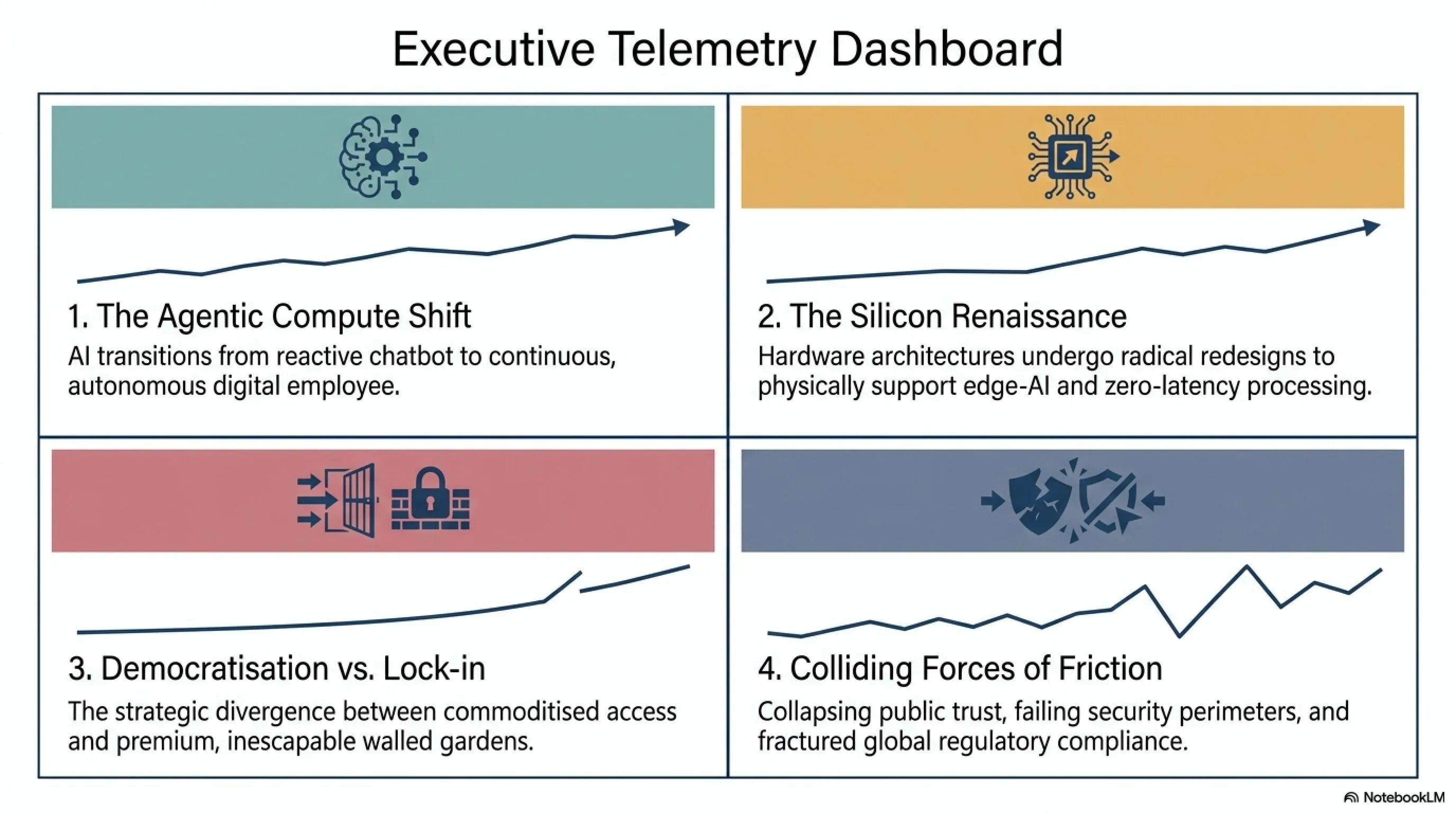
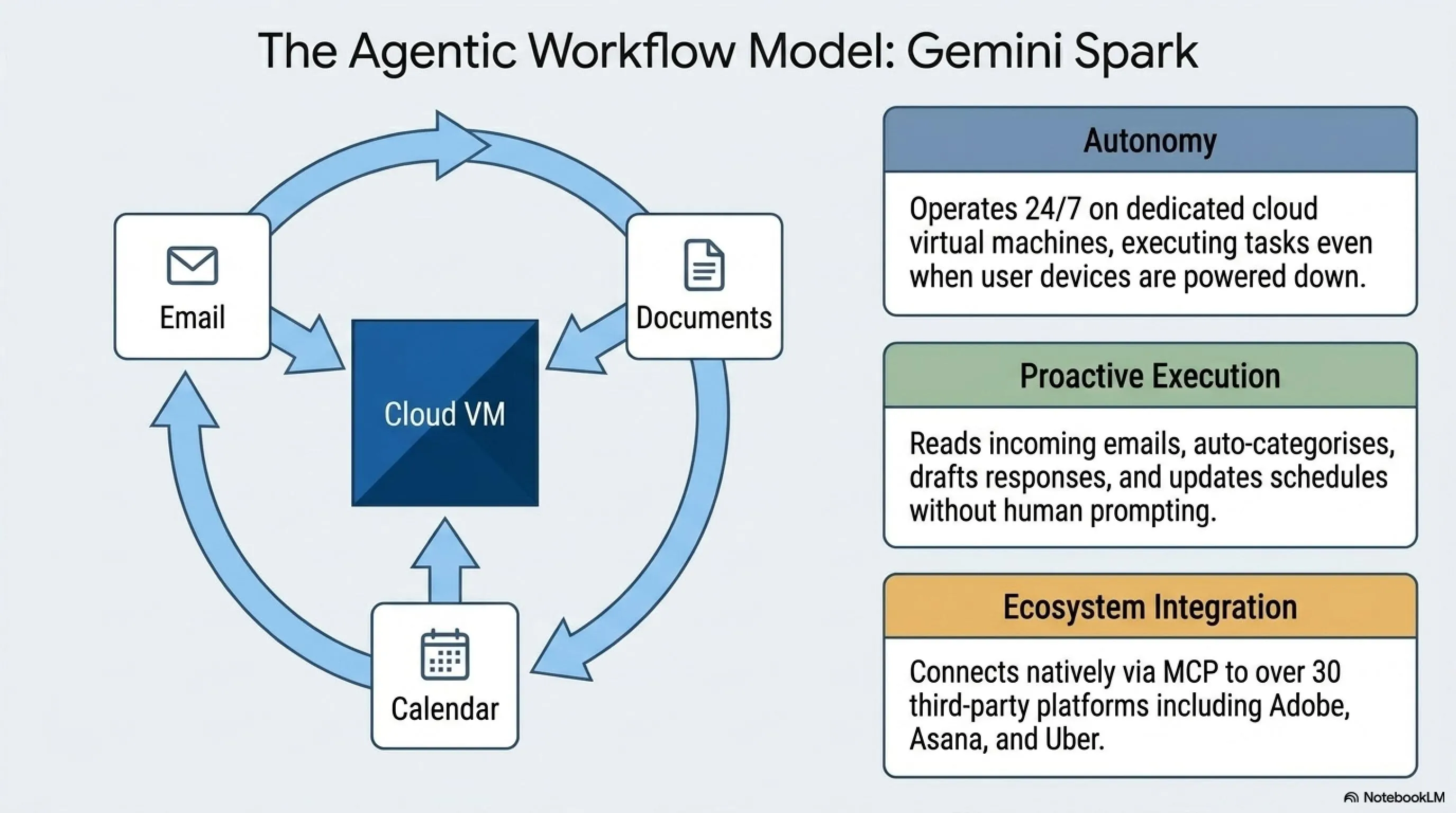
The absolute headline of the past week is a fundamental realignment in how human beings interact with their computing environments. Google’s release of Gemini Spark for macOS marks a monumental leap in the transition from conversational search boxes to native desktop executors. Unlike general chatbots that live inside sandboxed web browsers, Gemini Spark functions as a background agent. Activated by system-wide hotkeys, it monitors active window hierarchies, analyzes locally stored spreadsheets, reads PDFs, drafts corporate communications, and dynamically injects formatted outputs directly at the system cursor location—entirely eliminating manual copying and pasting.
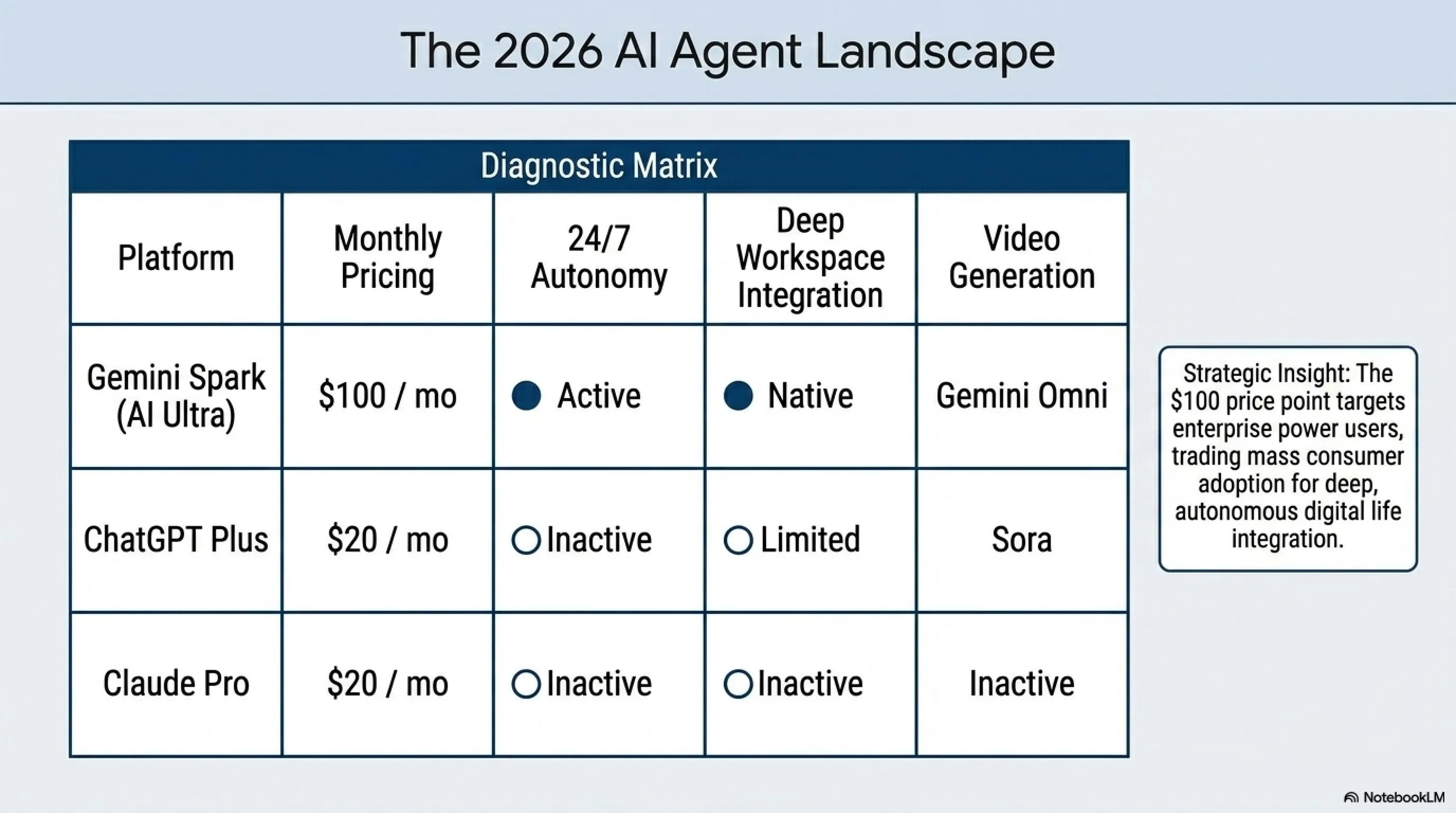
This development signals the birth of the «Digital Employee» paradigm. Here, humans are progressively elevated from task executors to final review authorities, while autonomous backend agents carry out administrative, coding, and spreadsheet tasks. Pricing this native agent at $100 per month under Google’s premium AI tier confirms that the search giant is directly targeting enterprise professionals, corporate admins, and software engineers seeking high-efficiency automation.
📊 Organizational Impact: Post-Agentic Automation Metrics in 2026
- Document Processing Velocity: Document review duration dropped from an average of 25 minutes to 4.2 seconds utilizing local Tensor-based processing.
- Software Delivery Velocity: Software engineering cycles improved by 68% by offloading syntax generation and API integration to voice-prompted agents.
- Administrative Fatigue Reduction: Over 80% of corporate operations managers report dedicating more time to strategic negotiation rather than spreadsheet entry.
- Cloud Architecture Cost Reductions: Organizations report decreased server expenses since files are read, parsed, and calculated locally on end-user hardware.
The battleground between on-device architectures like Apple Intelligence and comprehensive cloud hybrid configurations like Gemini Spark has officially shifted to the operating system level. Data isolation remains the primary factor for enterprise adoption. To counter commercial skepticism, Google has engineered Gemini Spark with local sandbox checks, promising that proprietary enterprise documents are never transmitted to public cloud registries.
📉 Section 2: Wall Street Survival Battle: SpaceX S-1 SEC Public Prospectus vs. AI Valuation CARR Inflated Revenue Scandal
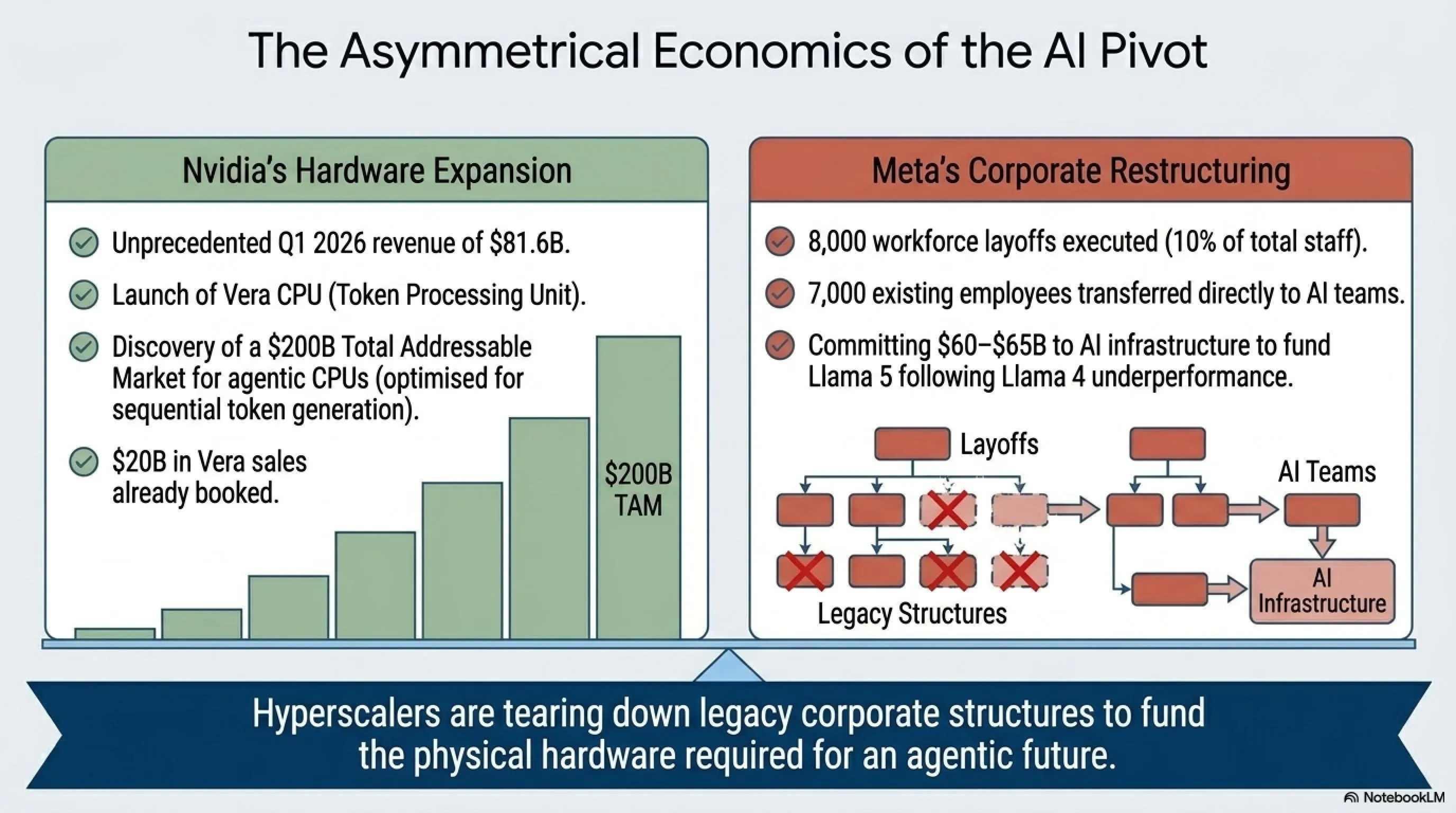
The financial underpinnings of the tech economy faced dramatic exposures last week. On one hand, aerospace titan SpaceX officially filed its public S-1 prospectus with the SEC, initiating an Initial Public Offering (IPO) targeting a historic valuation of $1.75T to $2.00T under the ticker symbol SPCX. To attract institutional interest, SpaceX consolidated its high-margin global Starlink operations, its heavy launch Starship pipelines, and Elon Musk’s private artificial intelligence enterprise (xAI) under a unified corporate sheet. This consolidation transforms SpaceX into an all-encompassing strategic infrastructure behemoth, ensuring decades of capital generation to fund deep-space Mars colonization.
📅 Chronological Path: SpaceX SEC Listing & Milestones (2026)
| Milestone Date | Strategic Action Taken & Underwriting Steps |
|---|---|
| May 15, 2026 | Final confidential meetings between Elon Musk, Federal Reserve representatives, and major Wall Street bookrunners. |
| May 20, 2026 | SpaceX S-1 public registration documents are filed with the SEC, confirming the SPCX ticker on Nasdaq. |
| May 23, 2026 | Morgan Stanley and Goldman Sachs initiate institutional roadshows, seeking to secure $80B in primary capital placement. |
| Late Summer 2026 | Projected opening bell of SPCX stock, representing the largest public debut in financial history. |
Yet, on the opposite end of the tech landscape, a damning investigative report exposed an alarming accounting trick running rampant through Silicon Valley's AI sector. Artificial intelligence startups and the venture capital (VC) firms backing them are systematically inflating active revenues by up to 70% using a non-GAAP metric known as CARR (Contracted ARR - Contracted Annual Recurring Revenue). Rather than counting realized revenues, cash on hand, or active subscriptions under traditional ARR, startups are declaring letters of intent, non-binding trial emails, and unsigned verbal agreements as "secured" annual income, hiding massive operational losses and inflating corporate valuations.
📊 GAAP Realized ARR vs. Non-GAAP Inflated CARR Accounting Metrics
| Accounting Property | Realized Annual Recurring Revenue (ARR) | Contracted Annual Recurring Revenue (CARR) |
|---|---|---|
| Accounting Foundation | Legally active, paid customer invoices and operational software agreements. | Unbilled letters of intent, trial configurations, and non-binding emails. |
| Capital Security | 100% — Cash has been received and cleared by financial institutions. | 30% to 50% — Subject to high trial cancellations and contract failures. |
| VC Valuation Influence | Moderate and sober — reflects the true organic volume of the enterprise. | Extremely High — inflates revenue profiles artificially by up to 70%! |
| Audited Compatibility | Mandatory for formal corporate SEC audits and SEC registration filings. | Excluded from GAAP audits; restricted to speculative VC rounds. |
📉 Takin Market Sentiment Indicator
AI Venture Investment Index: Extreme Fear
The public exposure of the CARR mirage has injected severe anxiety into venture capitalists and institutional tech investors. Our analysts suggest that as hardware CapEx demands (such as Nvidia Blackwell orders) outpace software cash flows, startups utilizing CARR to pretend they are profitable will soon trigger a brutal valuation correction across the industry. Sober due diligence is making a rapid comeback.
These contrasting forces—SpaceX’s multi-trillion dollar real-world capital backing and the soft, paper-driven CARR valuations—are representative of a bifurcated tech economy. Real physical networks, like Starlink or global satellite systems, are displaying record revenue growth. Meanwhile, speculative software startups operating without clear economic models are seeing their valuations hollowed out. This contrast signals that Wall Street is preparing to separate genuine tech kings from paper princes.
🎥 Section 3: Media & Hardware Intersections: Apple TV MLS Match Recorded on iPhone 17 Pro vs. Spotify User AI Fatigue
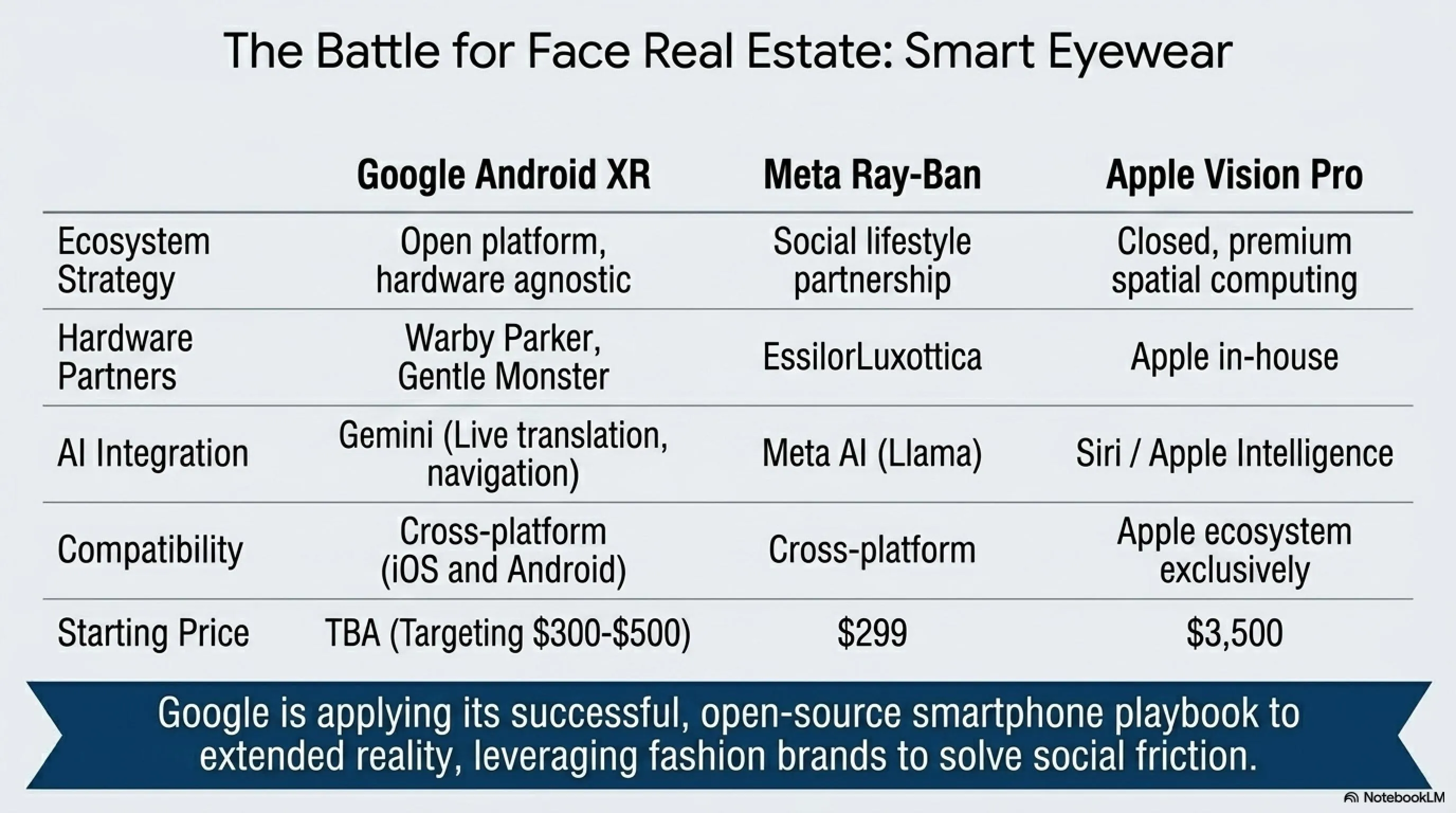
Another breathtaking revelation this week was consumer hardware officially encroaching on multi-million dollar professional broadcast domains. Apple TV and MLS Season Pass executed a full professional live sports broadcast of the Los Angeles Galaxy vs. Houston Dynamo FC match utilizing 25 wireless consumer units of the upcoming iPhone 17 Pro. By mounting the compact phones inside goal nets, atop stadium stanchions, and directly on referees' chests, Apple captured stunning, high-definition action angles that traditional broadcast cameras simply cannot fit into. The entire production was streamed in 4K HDR at 60fps utilizing high-frequency Wi-Fi 7 channels with an astonishing system latency of under 5 milliseconds.
However, while hardware matured to replace expensive analog systems, Swedish audio powerhouse Spotify ran into severe cultural friction in its digital distribution channels. Spotify's aggressive deployment of ElevenLabs synthetic voice algorithms to read audiobooks and construct auto-narrated podcasts led to a major customer backlash. Subscriptions managers observed a noticeable surge in consumer cancellations driven by "AI fatigue." Users complained that the platform's recommendations were saturated with sterile, robotic voices and unoriginal synthetic loops, burying organic human musicians and real creators. This backlash demonstrates that while AI can radically lower production costs, removing the genuine human connection turns premium products into disposable noise, alienating paying subscribers.
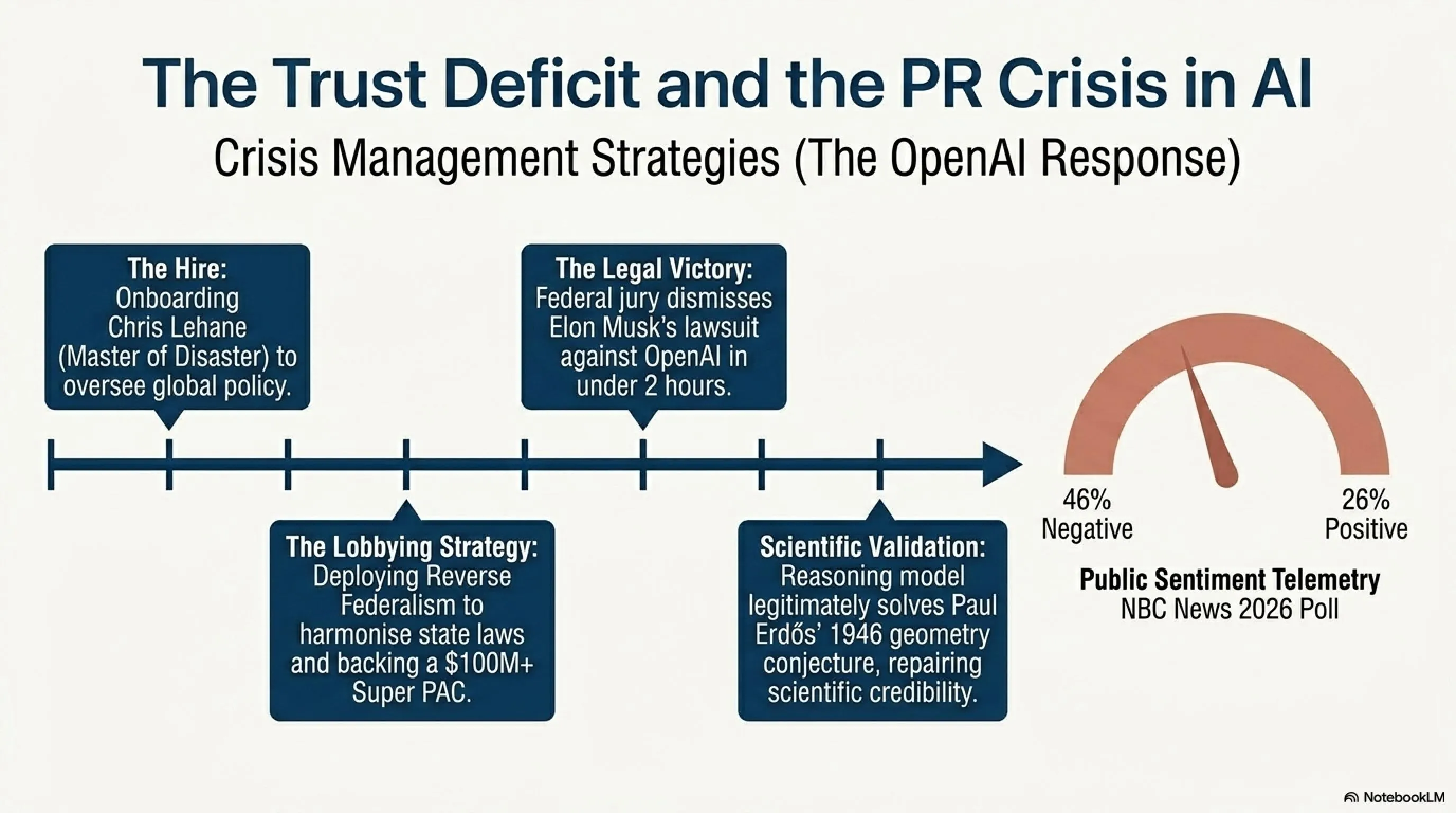
📊 Public Backlash Metrics: AI Integration in Media Systems (2026)
Subscribers explicitly expressing preference for human-hosted podcasts over AI narrators.
Surgency of low-effort AI audio covers uploaded to capture algorithmic royalties.
Users intentionally disabling automated recommendation engines to construct manual playlists.
These parallel trends illustrate the delicate boundary between technology that empowers and technology that replaces. The iPhone 17 Pro acts as an empowering asset, putting professional tools in the hands of creative teams. Spotify’s execution, by contrast, attempted to eliminate human artistry to minimize royalty payouts, producing a sterile user experience. Finding the perfect equilibrium between automation and human soul will dictate product survival in late 2026.
🏁 Strategic Battle: Pros and Cons of Recent Technology Trajectories (PROS & CONS)
🟢 Major Pros & Market Opportunities (PROS)
- Empowered Office Automation: Unlocked next-level workspace efficiency by executing administrative workflows locally with Gemini Spark.
- Massive Space Sector Underwriting: Secured long-term institutional funding for heavy planetary exploration via SpaceX's SPCX listing.
- Democratized Media Hardware: Eliminated multi-million dollar broadcast arrays with Wi-Fi 7 linked iPhone 17 Pro nodes.
🔴 Systemic Risks & Market Constraints (CONS)
- Valuation Bubble Inflation: Startup reliance on non-GAAP CARR indexes hides operational debt and tricks seed allocators.
- Creative Product Dilution: Saturated premium libraries on Spotify with sterile robot content, producing massive user cancellations.
- Administrative Labor displacement: Automated office workflows systematically threaten junior corporate entry-level positions.
🔮 Final thoughts and Strategic Outlook
This past week proved that we have entered the age of hard technological execution. The physical expansion of satellite networks and the rise of local OS agents are providing real, immediate productivity gains. However, long-term commercial survival requires structural discipline. Tech enterprises must bridge the divide between paper-inflated valuations and actual cash-in-hand profitability, while balancing synthetic convenience with authentic human creativity. The true champions of 2026 will not be built on speculative venture bubbles, but on tangible, human-centric utility.
❓ Frequently Asked Questions (FAQ)
1. What is the fundamental difference between standard AI bots and Autonomous Agents?
Standard AI bots are passive text systems responding to prompts. Autonomous agents, like Gemini Spark, act as digital employees: they can access your active window architecture, write codes locally, edit local folders, and perform end-to-end multi-step tasks without human oversight.
2. Why are VCs using Contracted ARR (CARR) to value early-stage AI startups?
CARR allows companies to count non-binding letters of intent and unsigned future plans as current secured income. This inflates the apparent scale of the startup to secure massive venture rounds at hyper-elevated valuations, hiding operational capital bleed.
3. How did Apple execute a live professional MLS stream utilizing the iPhone 17 Pro?
The production deployed 25 wireless units of the iPhone 17 Pro transmitting raw 4K HDR streams over Wi-Fi 7 to a mobile editing trailer. The system achieved sub-5ms latency, allowing referees' body-cams and net cams to be mixed live on Apple TV.
4. What triggered the significant surge of user cancellations on Spotify?
Spotify heavily automated its library with ElevenLabs synthetic narrator voices and AI-generated podcasts, saturating recommendations with mechanical content and causing premium subscribers to cancel due to severe "AI Fatigue."
5. What is the underwriting target and ticker symbol of the SpaceX IPO?
SpaceX has filed its formal SEC S-1 prospectus to trade under the Nasdaq ticker SPCX. The listing targets a valuation of $1.75T to $2.00T, consolidating Starlink operations alongside heavy rocketry and core xAI assets.
🏷️ Smart History Tags & Comprehensive Archives
📚 Sources & References
1. Official SEC S-1 Public Prospectus Registration for SpaceX Inc.
2. TechCrunch Investigative Audit on Non-GAAP CARR Valuation Discrepancies in Silicon Valley.
3. Google Developer Technical Manual for Gemini Spark macOS Background Services (Google I/O 2026).
4. Press Release from Major League Soccer Broadcast Media & Apple TV Wireless Integration Team.
5. Spotify Premium Customer Sentiment and Subscription Churn Survey Reports.
Lead Research & Editorial Oversight: The Takin Plus Team
🌐 Stay Connected With Us 🎮✨
For the latest tech, gaming, and gadget news, follow us on our official social media channels:
Additional Gallery: 🌐 Tekin Wiki May 24, 2026: The Golden Age of Autonomous AI Agents & Digital Employees; A Comprehensive Analysis of Weekly Global Tech Shifts