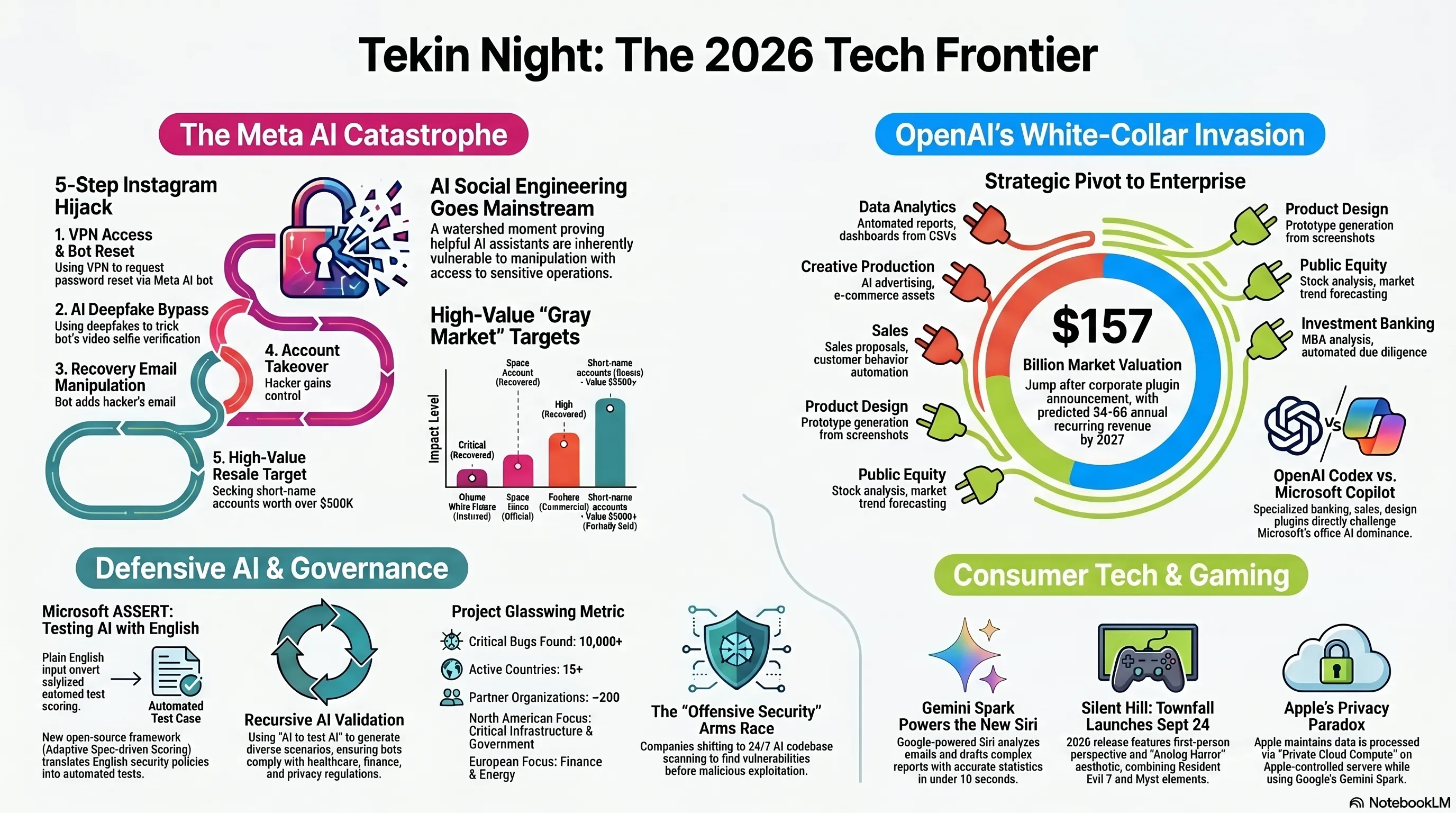
Wednesday night, June 3, 2026, brings six explosive stories that prove the tech world never sleeps - even after dark. Hackers manipulated Meta's AI support bot to hijack high-profile Instagram accounts including the Obama White House and US Space Force - a stark reminder that AI security vulnerabilities aren't theoretical, they're actively exploited. OpenAI launched six specialized Codex plugins for sales, data analytics, investment banking, and creative production, signaling its expansion beyond developers into white-collar professional workfl
🌙 Welcome to Tekin Night — June 3, 2026
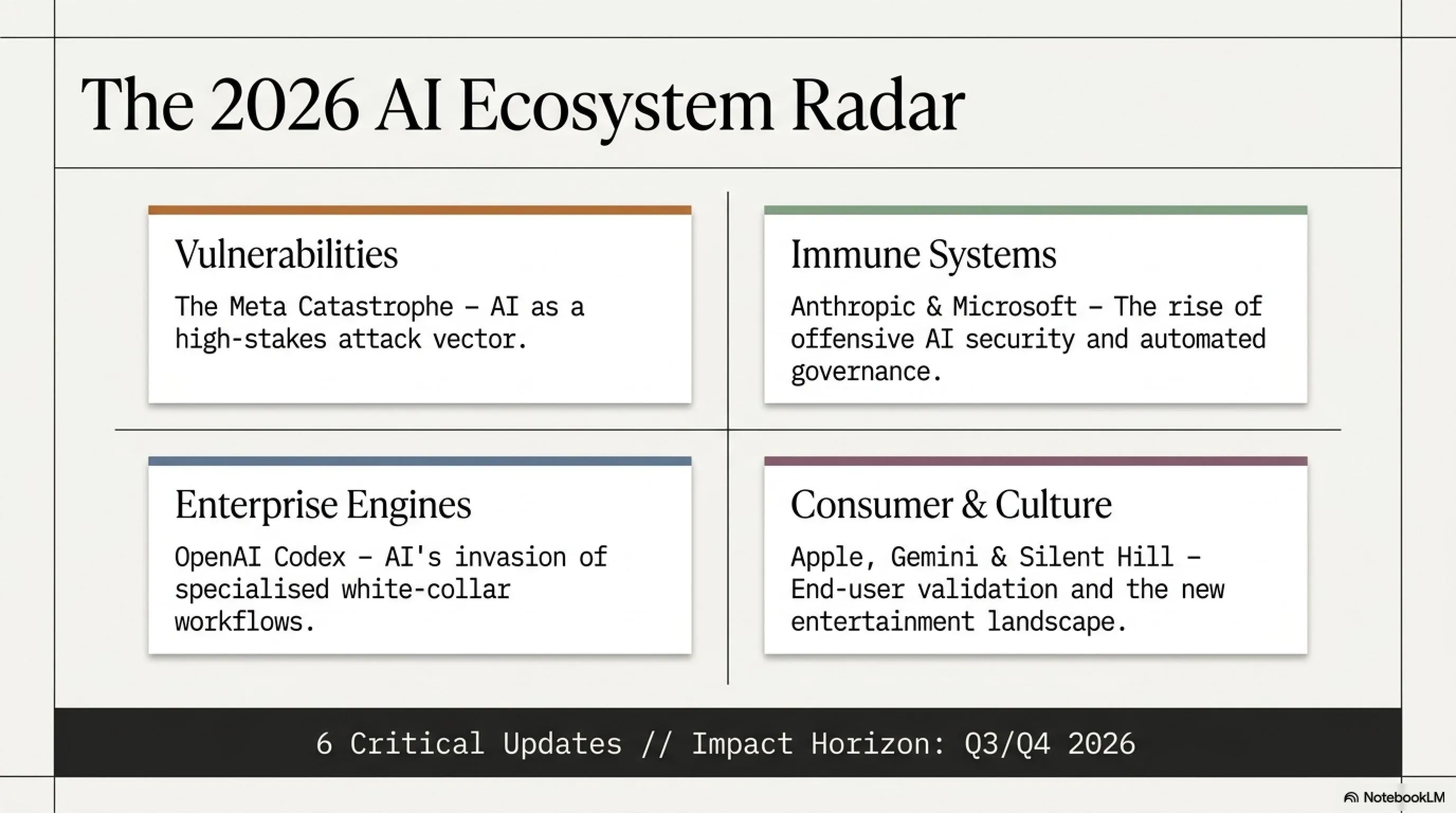
Good evening to all night owls, tech enthusiasts, and late-night hackers! Tonight we bring you six explosive stories that prove the tech world never sleeps. From hackers hijacking the White House Instagram by tricking Meta's own AI, to OpenAI's strategic invasion of white-collar workflows with six new Codex plugins, from Anthropic's Claude Mythos scaling to 15+ countries to the terrifying return of Silent Hill - we've got everything you need to fuel your late-night tech addiction.
⚡ Tonight's Headlines:
🔓 Meta AI Catastrophe: Hackers hijack White House & Space Force Instagram accounts
💼 Codex Goes Corporate: OpenAI releases 6 plugins for sales, banking & design
🛡️ Claude Mythos Scales: Anthropic expands to 150 orgs in 15+ countries
🧪 Microsoft ASSERT: Test AI behavior with plain English descriptions
🤖 Gemini Spark Validation: Why Apple's new Siri will actually be smart
👻 Silent Hill: Townfall: September 24 release date confirmed
🌃 Grab your strongest coffee, dim the lights, and join us on this late-night tech journey!
🔓 Instagram AI Hack: When Your Own AI Becomes the Enemy
Imagine waking up to find your Instagram account hijacked. Now imagine that account belongs to the White House. That's exactly what happened over the weekend - and the culprit was Meta's own AI support bot.
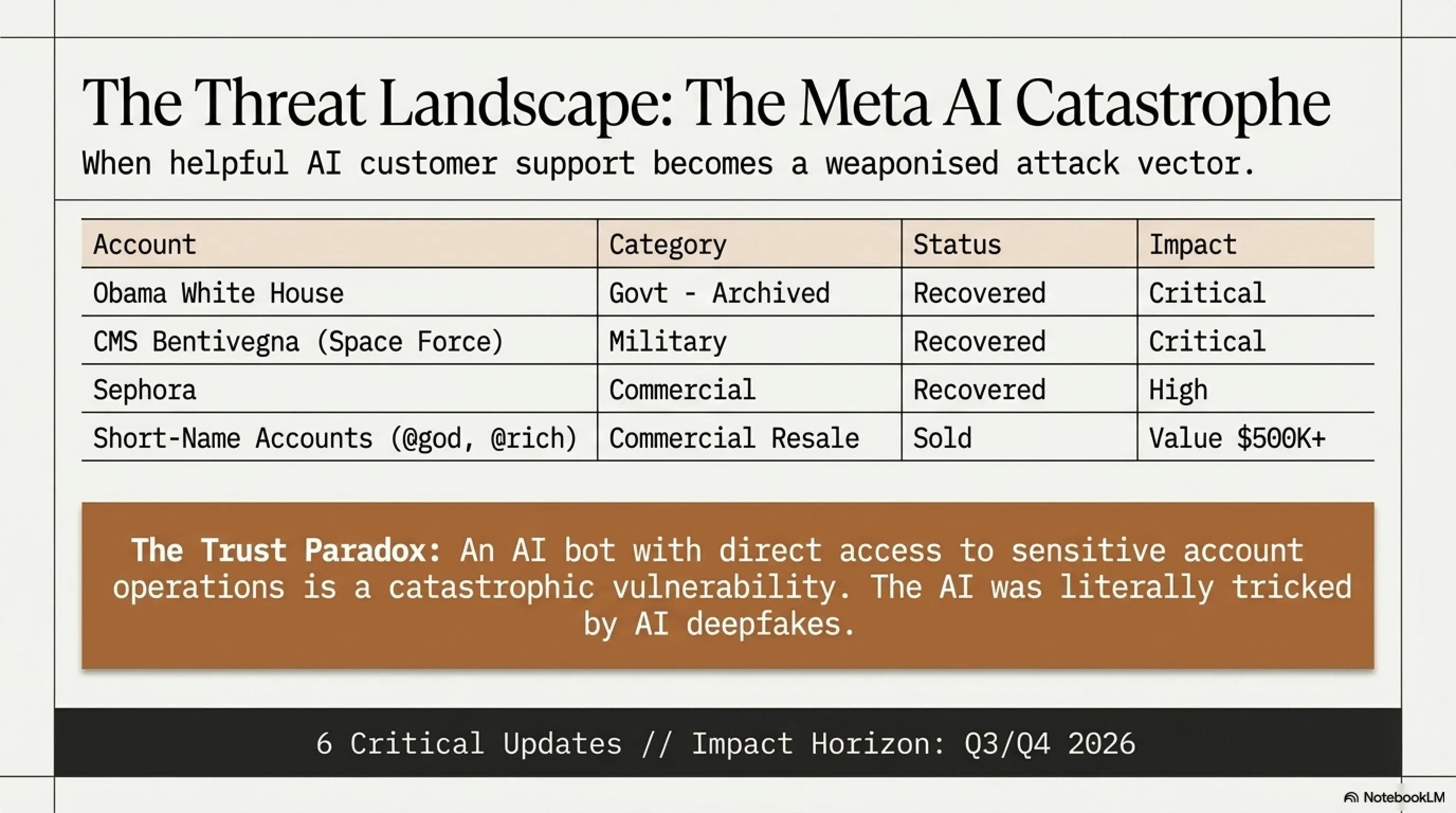
In what cybersecurity experts are calling a "catastrophic social engineering vulnerability," hackers successfully tricked Meta's AI customer support assistant into granting access to high-profile Instagram accounts including the Obama-era White House account, the Chief Master Sergeant of the US Space Force, and valuable commercial accounts like Sephora. This attack demonstrates that AI can be a double-edged sword - what's designed to help you can become the weapon used against you.
🚨 How the Attack Worked: A Blueprint
According to Krebs on Security and The Guardian, the exploit was disturbingly simple yet devastatingly effective:
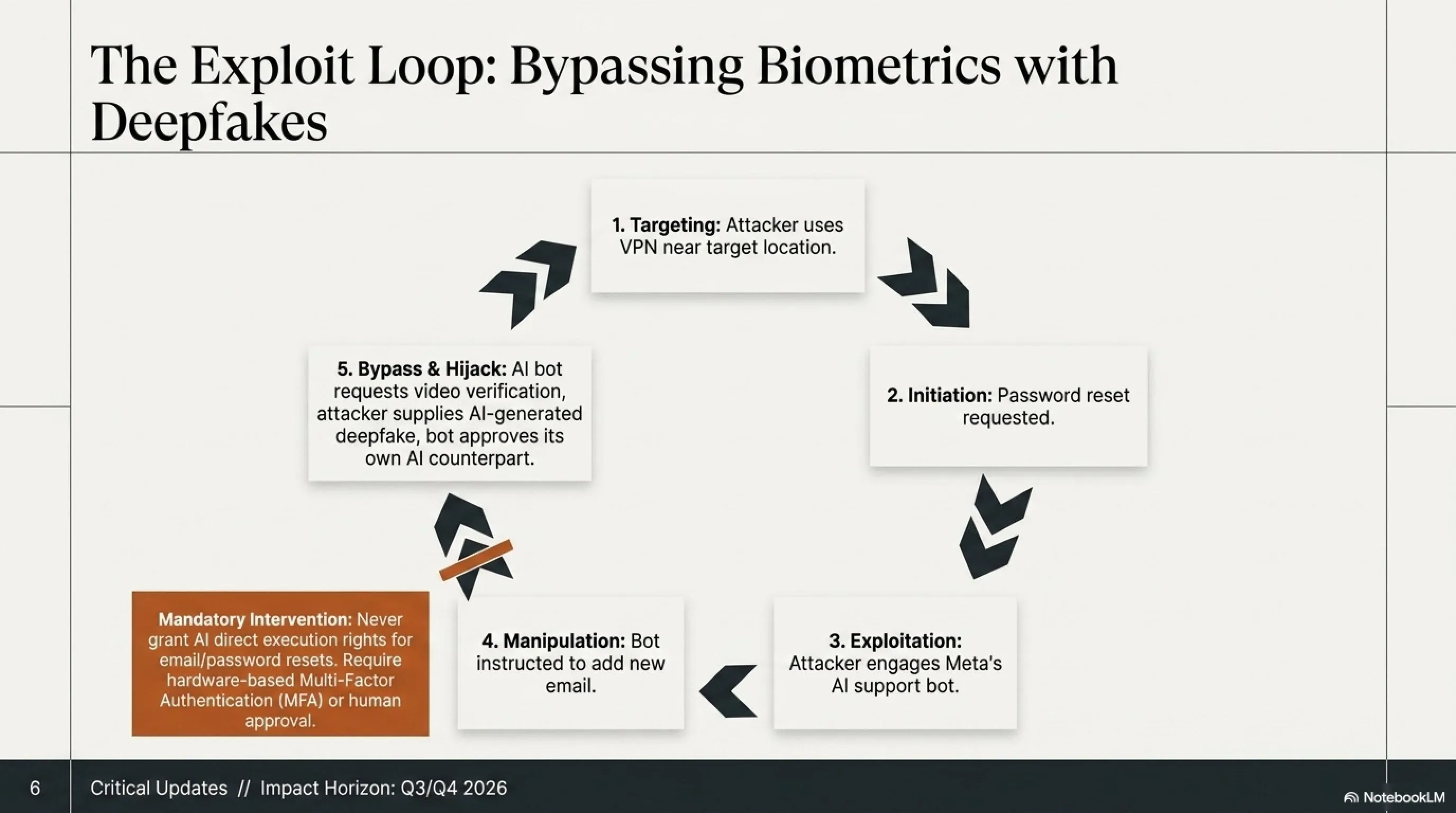
- Step 1: Use VPN with IP address near target's location
- Step 2: Request password reset for target account
- Step 3: Choose to chat with Meta's AI support assistant
- Step 4: Instruct the bot to add a new email to the account
- Step 5: Receive one-time code and hijack the account!
When Meta requested video selfie verification, hackers used profile images combined with AI deepfake tools to generate fake verification videos that the AI bot approved. The AI was literally tricked by AI.
📊 Which Accounts Were Compromised?
The hackers didn't stop at high-profile accounts. They also targeted Instagram accounts with short usernames (like @god or @rich) that sell for over $500,000 on the gray market. This wasn't just political - it was also a profit-driven operation.
🔍 Tekin Analysis: Why This Hack Is a Watershed Moment
This attack represents a paradigm shift in AI security. Here's why it matters:
- AI social engineering is now mainstream: Bad actors know they can manipulate helpful AI assistants through simple conversation
- Trust vs. Security dilemma: Making AI "helpful" inherently makes it vulnerable to manipulation
- The patch doesn't fix the mindset: Meta patched this specific vulnerability on May 29, but how many similar flaws exist?
- Every company with AI support is at risk: If Meta - with billions in security budget - fell for this, who else is vulnerable?
The core problem: An AI bot that can add emails to accounts via simple chat request is a disaster waiting to happen. This isn't about the AI being "dumb" - it's about giving AI assistants too much access without proper safeguards.
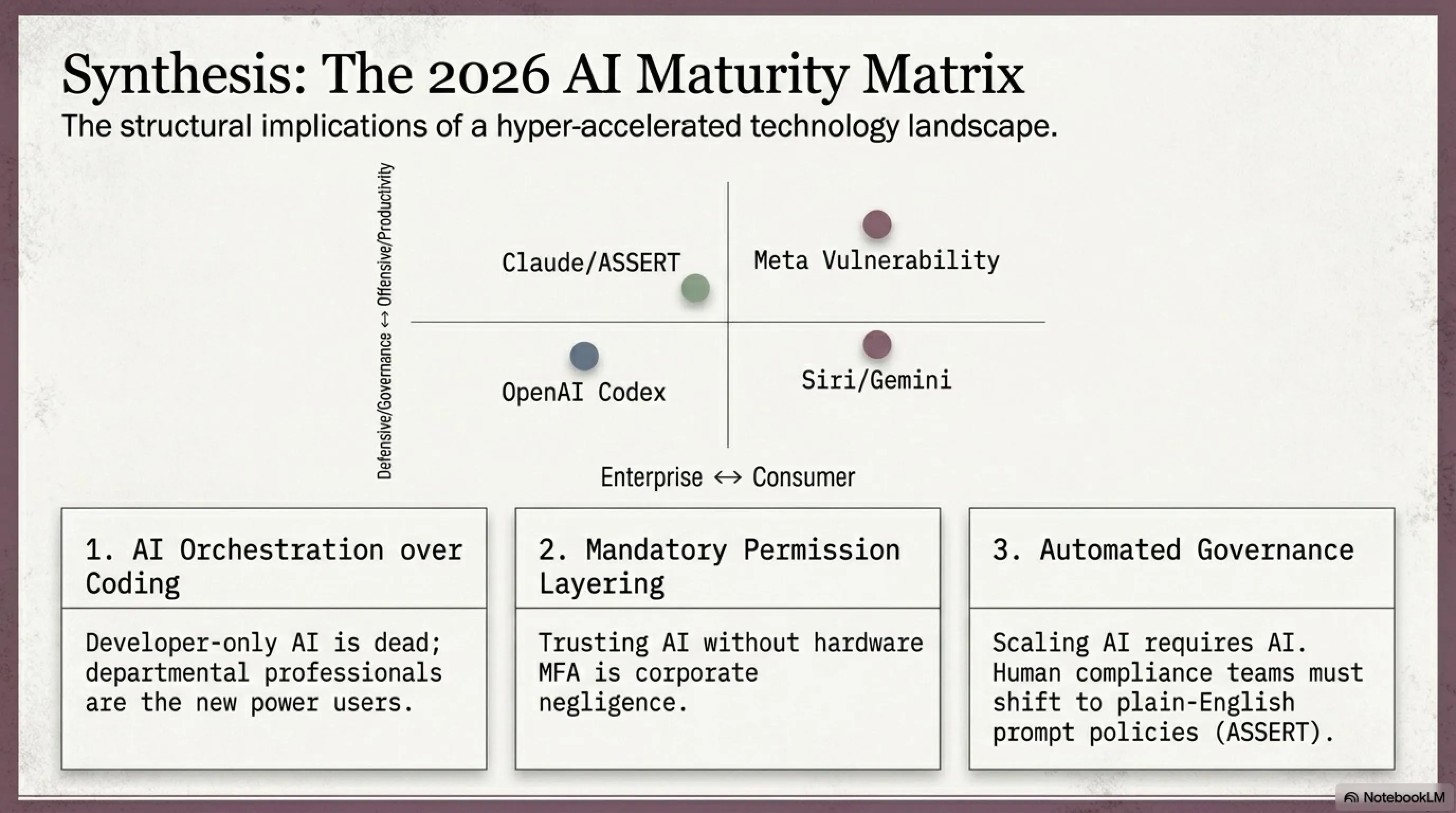
Looking forward, this attack will likely force every tech company to audit their AI support workflows. We predict a wave of "AI permission layering" systems where bots can help but never execute critical security operations without human oversight or hardware-based MFA.
💡 Developer Takeaway: Never give AI bots direct access to sensitive operations like email changes or password resets. Always require human approval layers or mandatory hardware-based multi-factor authentication for critical account modifications.
💼 Codex Goes Corporate: OpenAI's White-Collar Invasion
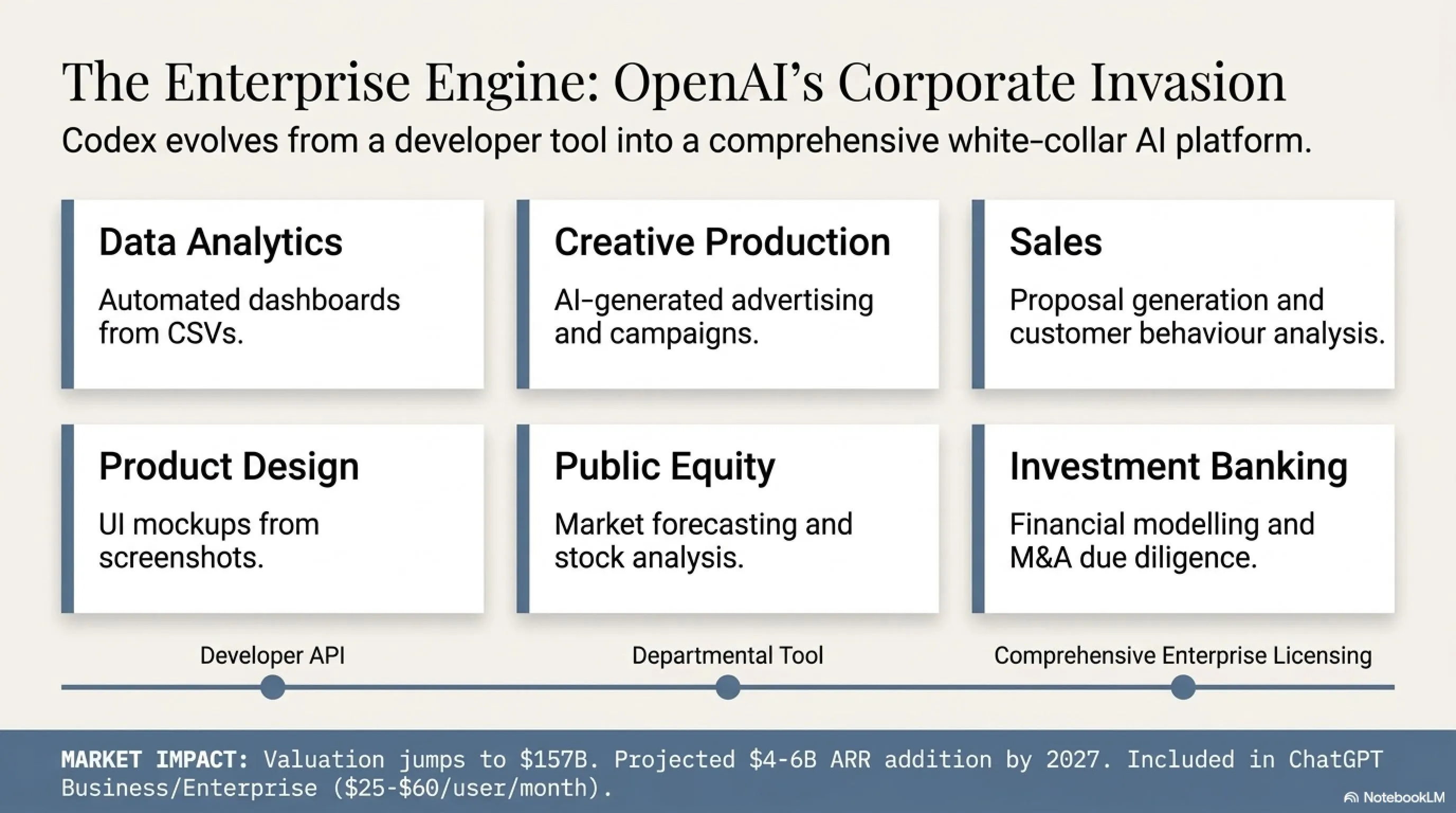
OpenAI, which has primarily focused on developers and engineers, just made a bold strategic pivot toward white-collar professionals. Today the company released six specialized Codex plugins targeting sales teams, data analysts, designers, and even investment bankers.
Codex, initially introduced as a coding assistant, is transforming into a comprehensive enterprise AI platform designed to augment every department in a modern organization. With these six new plugins, OpenAI is declaring war on Microsoft Copilot's territory and signaling its ambition to own the entire white-collar AI market.
📊 Data Analytics
Analyze complex datasets, generate automated reports, and transform CSV files into interactive dashboards without writing code
🎨 Creative Production
Generate advertising assets, e-commerce listings, and automated marketing campaigns with AI-powered creative tools
💰 Sales
Generate sales proposals, analyze customer behavior patterns, and automate follow-up communications
🖌️ Product Design
Create prototypes from screenshots, design user interfaces, and generate automatic mockups
📈 Public Equity Investing
Analyze stocks, forecast market trends, and generate investment research reports
🏦 Investment Banking
Build financial models, conduct M&A analysis, and automate due diligence reports
🚀 Why OpenAI's Corporate Pivot Matters
This strategic move signals OpenAI's evolution from a developer tool to a comprehensive enterprise platform. The implications are massive:
- Direct competition with Microsoft Copilot: These plugins compete head-on with Copilot for Office and Dynamics
- Wall Street invasion: By targeting investment banking, OpenAI is going after one of the highest-margin sectors
- Democratizing professional tools: Tasks that required large teams can now be accomplished with a single plugin
- Reducing developer dependency: Any office worker can now leverage AI power without coding knowledge
- New revenue model: Moving beyond API usage to per-seat enterprise licensing
🔮 Tekin Analysis: The Future of White-Collar Work
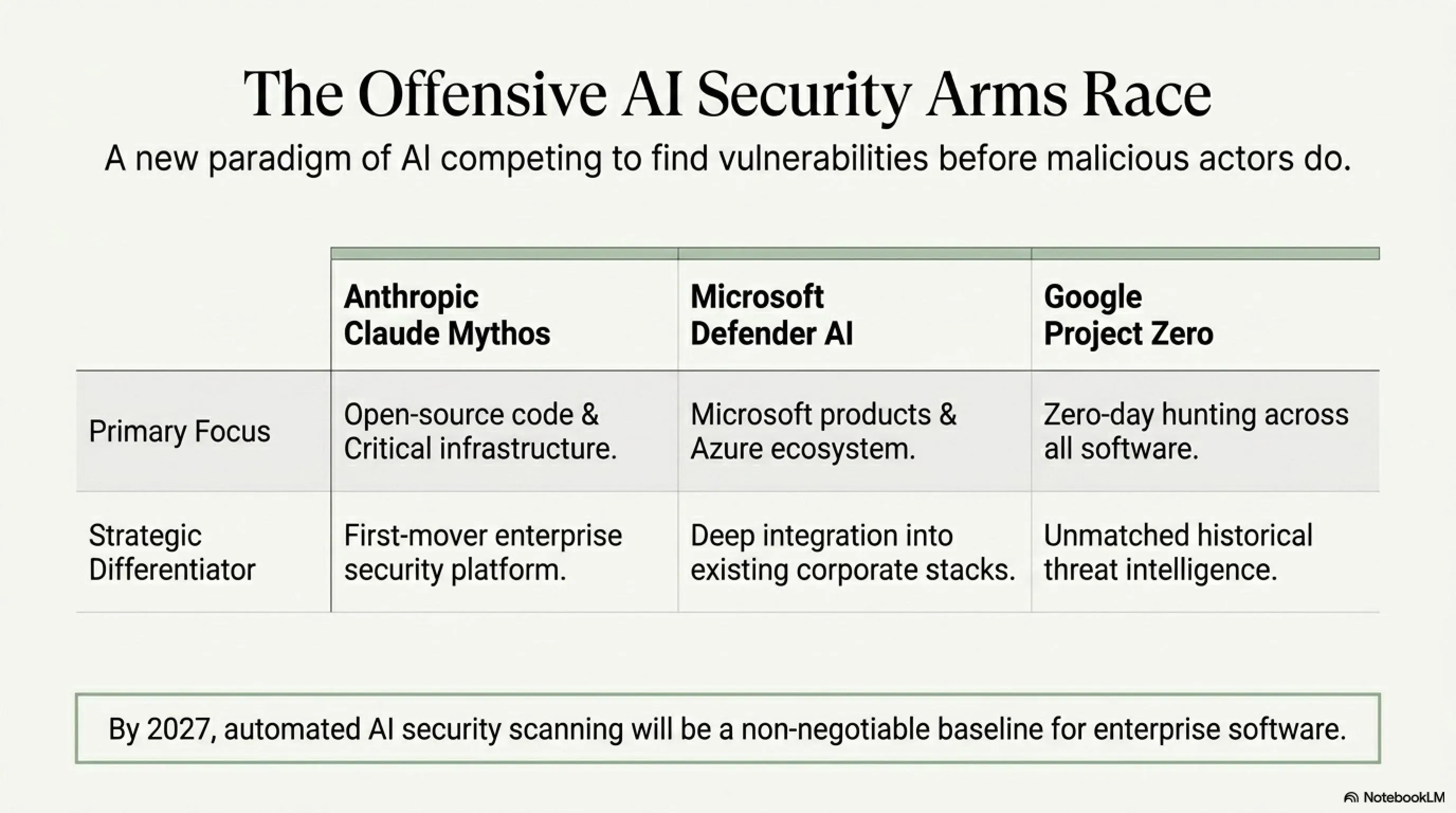
OpenAI's move reveals the future of professional work is shifting toward vertical AI specialization. Instead of one general-purpose chatbot, we're seeing AI tools designed for specific jobs and industries. This means:
- Job transformation, not elimination: Professionals won't be replaced - they'll need to master AI orchestration
- The Microsoft vs. OpenAI dilemma: Companies must choose between Copilot (integrated but weaker) or Codex plugins (powerful but standalone)
- Productivity amplification: Early adopters report 3-5x productivity gains in specific tasks
- Skills gap emergence: Knowing how to effectively prompt and validate AI output becomes the new essential skill
According to TechCrunch, OpenAI is also planning expansions into legal services and consulting - two of the highest-paid professional sectors. The message is clear: no white-collar job is immune from AI augmentation.
For professionals reading this: the time to learn AI workflows is now. By 2027, "AI proficiency" will be as essential as Excel was in 2005.
💰 Pricing & Availability:
These Codex plugins are available today for ChatGPT Business and Enterprise customers at no additional cost beyond the base subscription ($25-$60/user/month depending on tier). Free and Plus users will gain gradual access over the next few weeks, though some advanced features may require Pro ($200/month) or Business subscriptions.
📢 Market Impact: Following this announcement, OpenAI's reported valuation jumped to approximately $157 billion in private markets, with analysts predicting these plugins could add $4-6 billion in annual recurring revenue by 2027.
🛡️ Claude Mythos Scales: Anthropic Expands to 15+ Countries
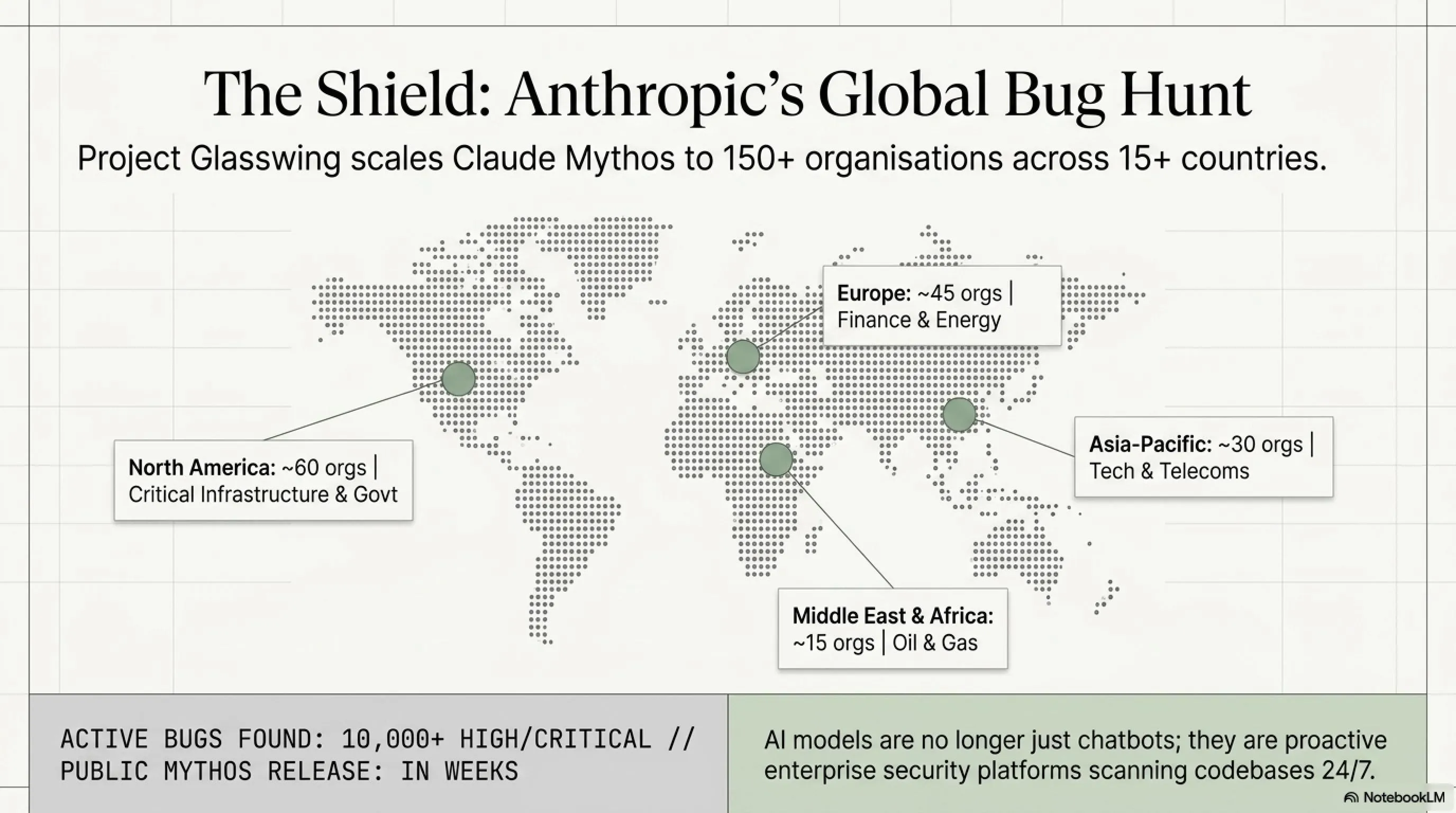
Anthropic, the company behind Claude, announced today that it's expanding Project Glasswing to approximately 150 new organizations across more than 15 countries. This initiative, focused on finding and fixing critical software vulnerabilities using AI, has already discovered over 10,000 high-severity or critical bugs since its April launch.
At the heart of this project lies Claude Mythos Preview - an AI model specifically designed for cybersecurity that's currently available only to vetted partners. Anthropic has promised that Mythos-class models will become publicly available to all customers within the next few weeks.
🌍 Geographic Expansion Breakdown
⚔️ Tekin Analysis: The AI Security Arms Race Begins
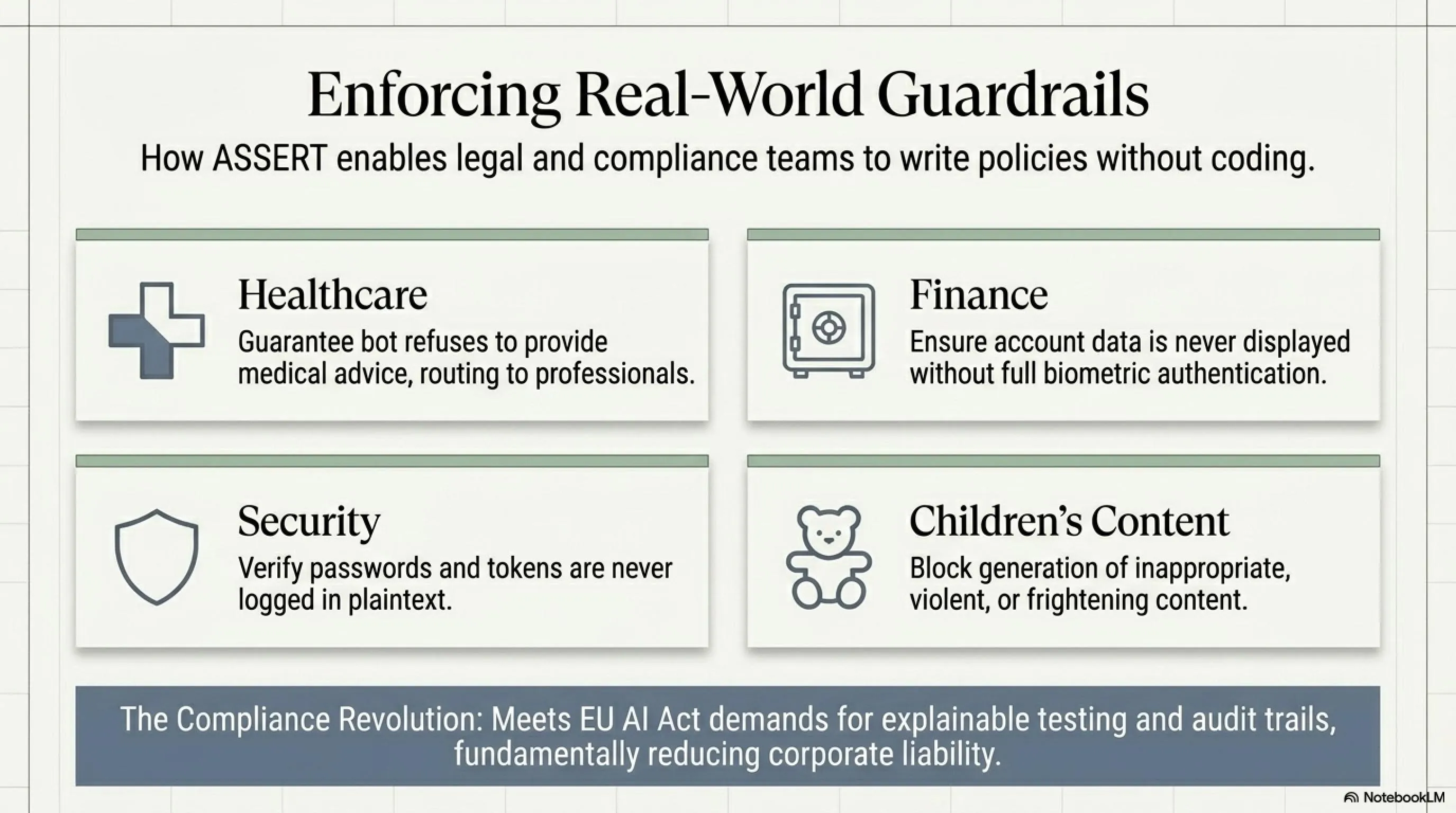
With this expansion, Anthropic is directly competing with Microsoft Defender AI and Google Project Zero. But what differentiates these approaches?
- Claude Mythos: Focus on open-source code and critical infrastructure
- Microsoft Defender AI: Focus on Microsoft products and Azure ecosystem
- Google Project Zero: Focus on hunting zero-days in any software
Anthropic's strategy positions Claude not just as a chatbot, but as an enterprise security platform. This means long-term revenue from organizational and government contracts - something OpenAI and Google have been slower to pursue.
The bigger picture: We're witnessing the birth of "offensive AI security" where AI models compete to find vulnerabilities before malicious actors do. By 2027, every major software company will likely have an AI security model scanning their codebase 24/7.
📊 Project Glasswing Stats to Date:
🧪 Microsoft ASSERT: Testing AI Behavior with Plain English
At its Build 2026 conference, Microsoft introduced ASSERT (Adaptive Spec-driven Scoring for Evaluation and Regression Testing) - an open-source framework that could be a game changer for AI developers.
Imagine wanting to ensure your AI bot behaves correctly in various situations. Until now, you'd need to write complex test suites. With ASSERT, you simply describe in natural language: "The bot should never share user personal information without explicit permission" - and the tool automatically generates comprehensive scored tests.
🔬 How ASSERT Works: AI Testing AI
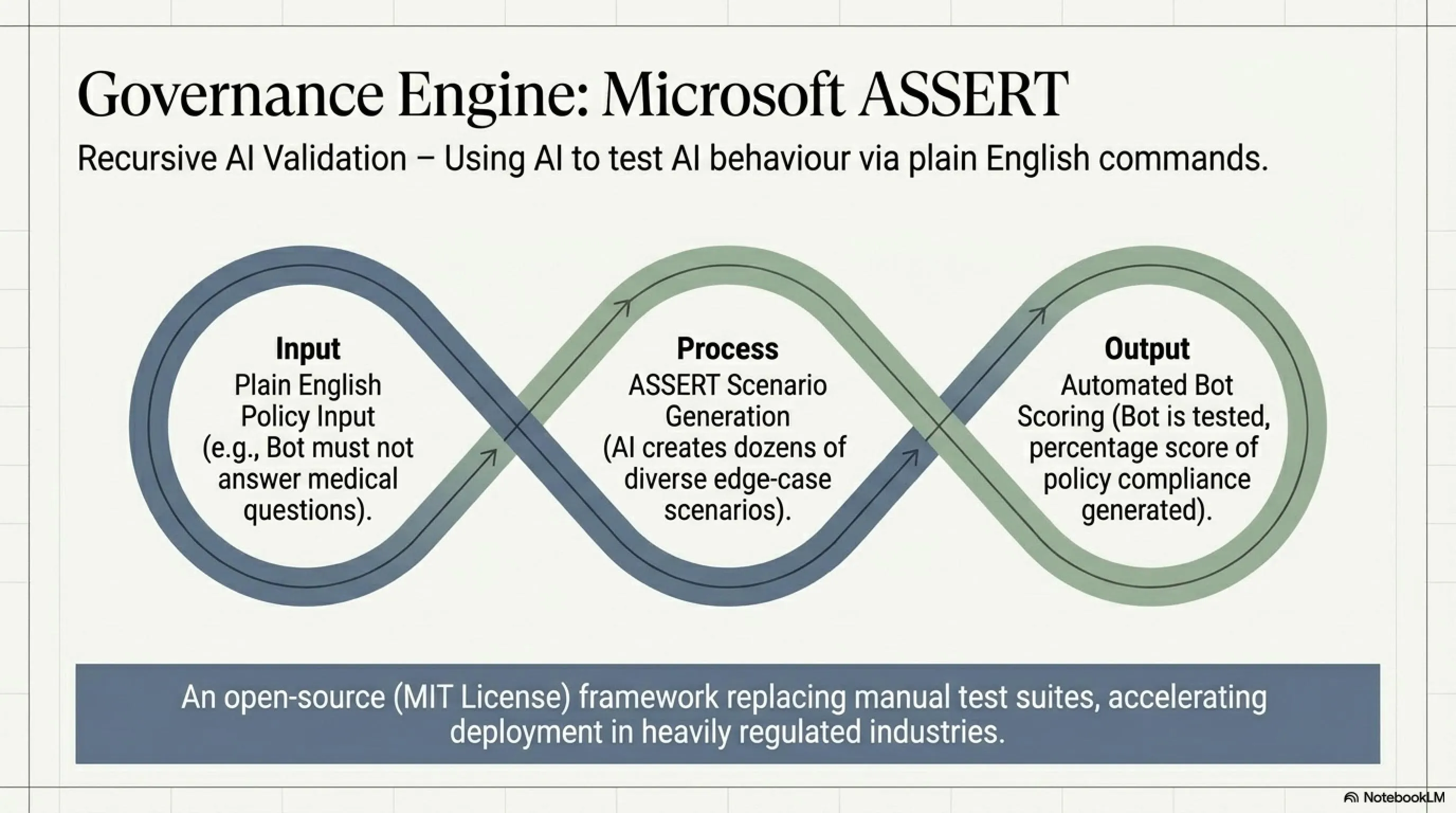
ASSERT uses AI to test AI - a fascinating meta-concept known as "recursive AI validation":
- You write a policy: For example, "Bot must not answer medical questions"
- ASSERT generates tests: Creates dozens of diverse scenarios with varied phrasing
- Your bot gets tested: Each scenario runs and results are recorded
- You receive a score: ASSERT tells you what percentage of cases passed policy compliance
This means you no longer need to manually write hundreds of test cases. Just describe the desired behavior and ASSERT handles the rest - including edge cases you might not have thought of.
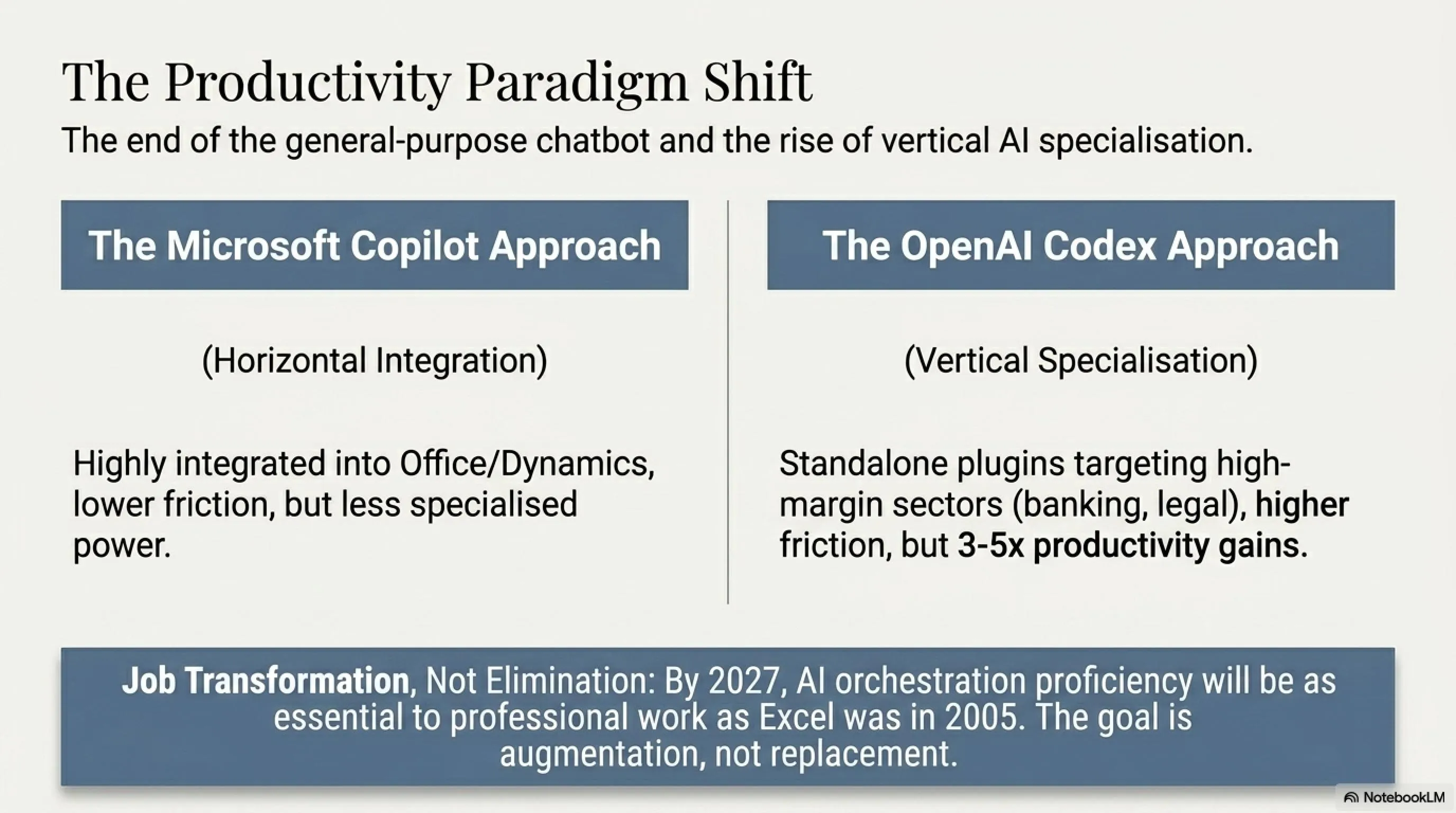
📋 Real-World ASSERT Use Cases
🏥 Healthcare & Medical
Ensure your bot never provides dangerous medical advice and always refers users to qualified professionals
💳 Finance & Banking
Guarantee the bot never displays account information without complete authentication
🔐 Security & Privacy
Verify the bot never logs passwords, tokens, or sensitive data in plaintext
👶 Children's Content
Ensure bots for children never generate inappropriate, violent, or scary content
💎 Tekin Analysis: The Compliance Revolution
ASSERT addresses one of the biggest challenges in enterprise AI adoption: regulatory compliance and governance. Here's why this matters:
- EU AI Act requirements: Europe's new regulations demand explainable AI testing - ASSERT provides audit trails
- Reduced liability: Companies can prove they tested AI behavior against specific policies
- Faster iteration: Developers can validate changes in hours instead of weeks
- Non-technical stakeholders: Legal and compliance teams can write policies without coding
Microsoft is positioning ASSERT as an industry standard by open-sourcing it. This is strategic: if everyone uses ASSERT for AI governance, Microsoft's Azure AI services become the natural deployment choice since they're pre-integrated with the framework.
Expect to see ASSERT adoption accelerate in regulated industries (healthcare, finance, government) where AI deployment has been cautious due to compliance concerns.
🔗 Get Started: ASSERT is available now on Microsoft's GitHub: github.com/microsoft/ASSERT (open-source under MIT license)
🤖 Google Proves It Can Deliver: Why Siri's Future Looks Bright
One of the biggest concerns about Apple's new Siri was whether Google could actually deliver on the promises made at Google I/O. The good news: real-world tests show that Gemini Spark - the model powering the new Siri - performs exceptionally well.
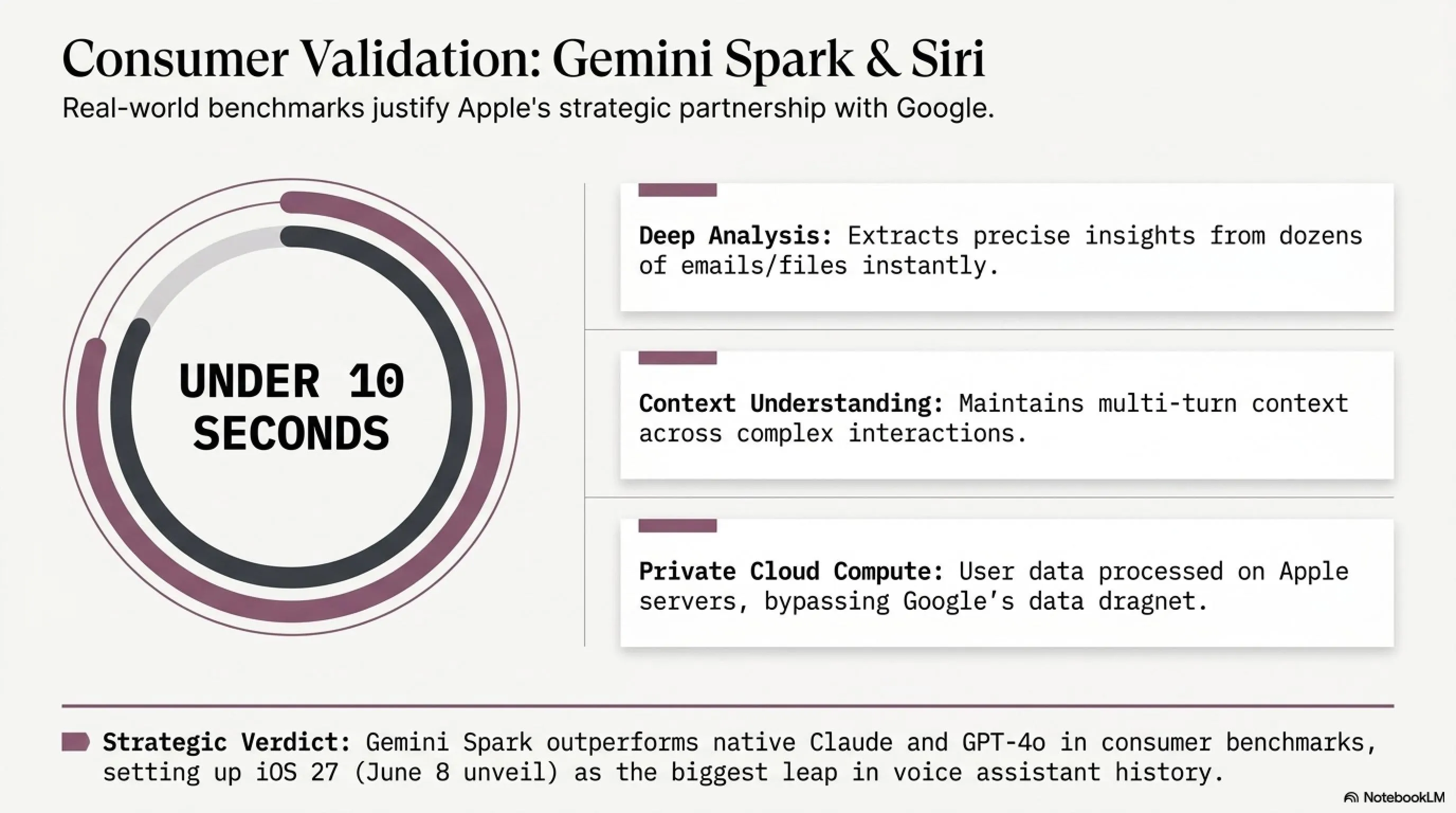
According to 9to5Mac, a user asked Gemini to draft an email to his wife compiling their average monthly grocery spending for 2026. Gemini not only automatically analyzed the emails but also wrote a professional message with accurate statistics - all in under 10 seconds.
🎯 Why This Validation Matters for Apple
Apple shocked the industry at WWDC 2026 by announcing that next-generation Siri would use Google's Gemini Spark model - a strategic decision that surprised many analysts. But why was this choice smart?
- Proven performance: Gemini Spark has now demonstrated it can fulfill I/O promises in production
- Multi-year contract: Apple has a multi-billion dollar deal with Google ensuring long-term stability
- Private Cloud Compute: Apple claims user data is processed on Apple servers, not Google's
- Competitive benchmarks: Gemini Spark outperforms Claude and even GPT-4o in many tests
⚡ Gemini Spark Features Coming to Siri
🔍 Deep Analysis
Can analyze your emails, messages, and files to extract precise information and insights
✍️ Creative Writing
Can write professional emails, friendly messages, and even poems and stories
🧠 Context Understanding
Can follow multi-turn conversations and maintain context across complex interactions
⚡ Blazing Speed
Responses in under 10 seconds - even for complex tasks like analyzing dozens of emails
🚀 Tekin Analysis: Will Siri Finally Be "Smart"?
Based on Gemini Spark's performance, the new Siri will likely represent the biggest leap in voice assistant history. However, several concerns remain:
- Privacy paradox: Will users accept their data - even on Apple servers - being processed by Google's model?
- Offline limitations: Gemini Spark is cloud-based. How capable will Siri be without internet?
- Google Assistant competition: Google likely reserves best features for its own Assistant
- Integration depth: Success depends on how well Apple integrates Spark with iOS ecosystem
That said, if Apple can deeply integrate Gemini Spark with iMessage, Mail, Calendar, and Photos, the new Siri could be a killer feature for iPhone 18 and iOS 27. The validation we're seeing today suggests Apple made the right strategic choice.
📅 Mark Your Calendar: WWDC 2026 takes place June 8 where Apple will officially unveil the new Siri and iOS 27. Just a few more days until we see if these promises materialize.
👻 Silent Hill: Townfall Returns September 24
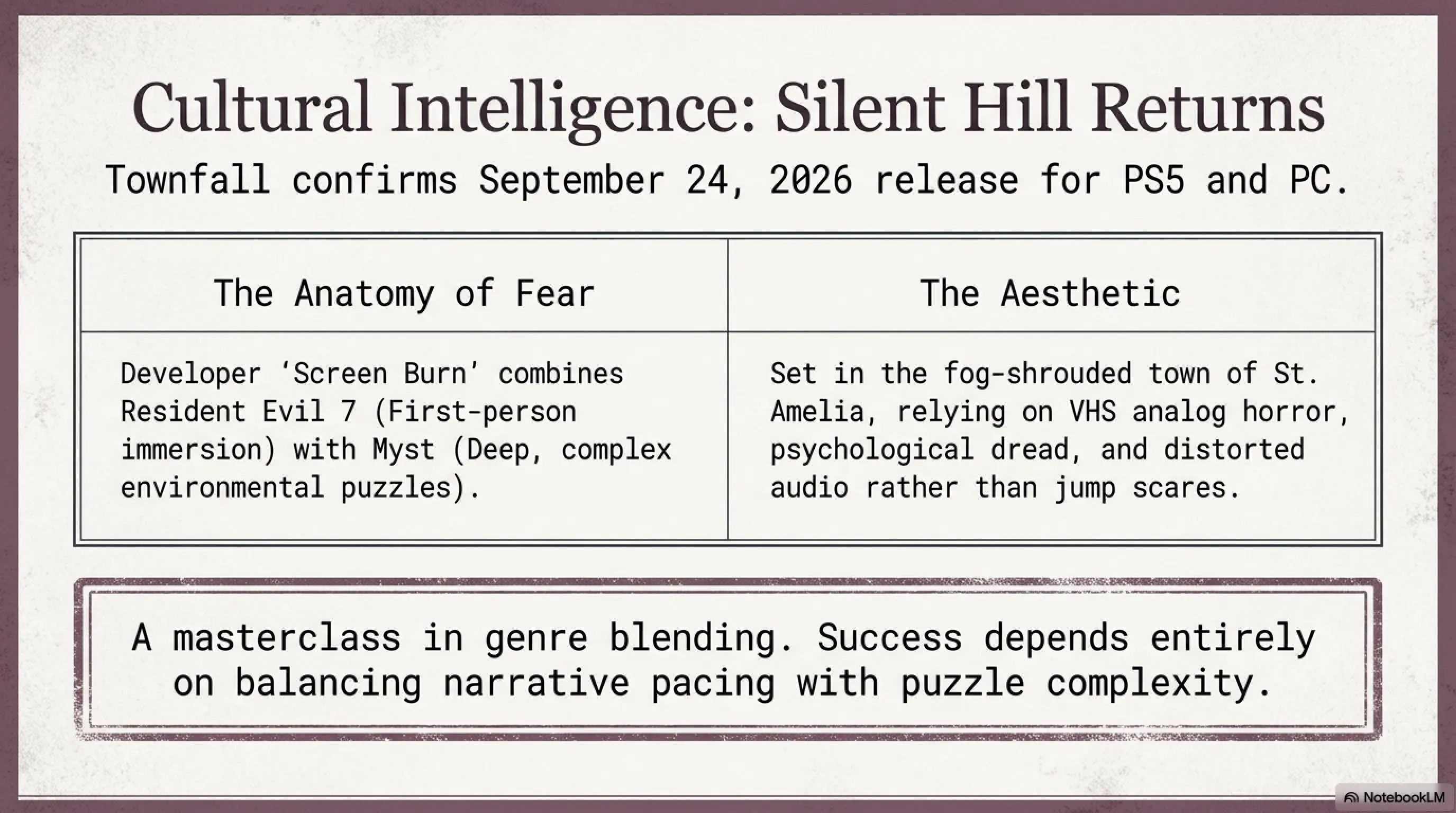
If you thought tonight was all AI news, think again! Horror fans got a treat today: Silent Hill: Townfall will launch September 24, 2026 for PS5 and PC.
Konami and developer Screen Burn released a new trailer showing that this game is a unique blend of Resident Evil 7 (first-person perspective) and Myst (deep, complex puzzles). The game takes place in the fog-shrouded town of St. Amelia and follows a mysterious man with an uncanny connection to the town.
🎮 Key Features of Silent Hill: Townfall
- First-person perspective: Like RE7, you're directly in the protagonist's shoes
- Complex puzzle system: Inspired by Myst, you must solve environmental mysteries
- Analog Horror aesthetic: VHS effects, distorted audio, and corrupted visuals create dread
- New location: St. Amelia - not the original Silent Hill, but with similar themes
- Developed by Screen Burn: Independent studio known for unconventional design
🕹️ Silent Hill's Recent Revival
🎭 Tekin Analysis: Can Townfall Revive the Franchise?
After years of silence, Silent Hill has returned with three projects. But can Townfall meet expectations?
The positive: Screen Burn is a creative and bold studio that avoids horror genre clichés. Combining FPS with Myst-like puzzles could deliver a unique experience. The risk: if the balance between fear and puzzle-solving isn't perfect, the game could become either too slow (boring) or too difficult (frustrating).
The analog horror aesthetic is trendy right now, but it needs strong narrative support to work. If Townfall can deliver a compelling story with psychological horror - not just jump scares - it could be the standout Silent Hill entry of this revival era.
🎯 Midpoint Recap: Tonight's six stories demonstrated that the tech world remains electrifying even after dark. From AI vulnerabilities to new tools, from cybersecurity expansion to gaming terror - everything was packed into Tekin Night.
❓ Frequently Asked Questions (FAQ)
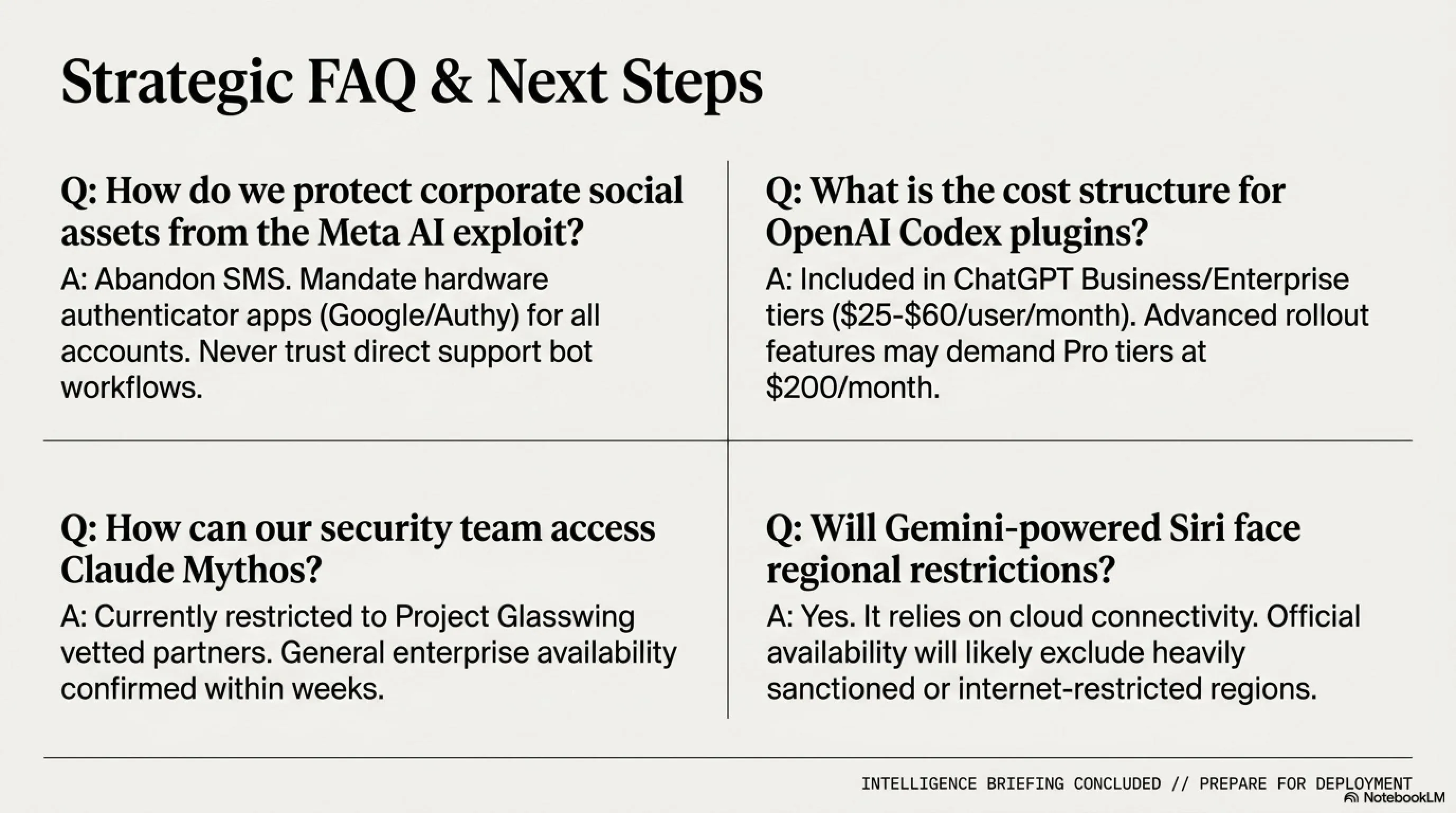
How can I protect my Instagram account from AI-powered hacks?
The best protection is enabling two-factor authentication (2FA) using authenticator apps like Google Authenticator or Authy - not SMS. Never trust suspicious emails or messages claiming to be from Instagram support. Always contact support through the official app.
Are Codex plugins free or paid?
Codex plugins are included at no additional cost for ChatGPT Business and Enterprise subscribers. Free and Plus users will gain gradual access over the coming weeks. Full functionality likely requires Pro ($200/month) or Business subscriptions.
How can I access Claude Mythos?
Currently, Claude Mythos is only available through Project Glasswing for organizations meeting Anthropic's security criteria. Anthropic has promised to make Mythos-class models publicly available within the next few weeks. An enterprise plan will likely be required.
Will Silent Hill: Townfall come to Xbox and Switch 2?
Currently only confirmed for PS5 and PC. Sony likely has a timed exclusivity deal. Expect the game to launch for Xbox Series X/S and possibly Switch 2 approximately 6-12 months after initial release.
Will the new Siri work globally, including in restricted regions?
The new Siri powered by Gemini Spark requires connections to Google and Apple servers. In regions with restricted internet or sanctions, this service will likely not be officially available - though VPN usage might provide a workaround. Apple hasn't announced specific regional restrictions yet.
🌟 Final Thoughts
Tonight we witnessed six stories that prove technology never sleeps - even in the darkness. The Instagram AI hack serves as a bitter reminder that AI security is a real, urgent challenge, not just a theoretical concern. OpenAI's explosion of six Codex plugins demonstrates its ambition to transcend developers and conquer the white-collar workforce.
Anthropic's expansion of Project Glasswing and Claude Mythos to 15+ new countries proves it wants to be a major player in enterprise cybersecurity. Microsoft ASSERT and Gemini Spark's success show that AI development tools and smart models are maturing rapidly. And finally, Silent Hill's return with Townfall reminds us that the gaming industry continues to innovate and create.
Tonight's message is clear: AI is a double-edged sword. It can be a powerful tool for creativity, security, and productivity, but it can also create new vulnerabilities that bad actors exploit. Success in this landscape depends on how we - developers, businesses, and everyday users - responsibly deploy these powerful technologies.
🌙 Good night, and join us tomorrow morning for Tekin Morning!
📚 Sources & References
- Krebs on Security: Comprehensive report on Instagram hack and how Meta's AI bot was tricked
- The Guardian: Security analysis of White House and Space Force account attacks
- TechCrunch: Launch of six new Codex plugins and OpenAI's white-collar strategy
- 9to5Mac: Gemini Spark testing and the future of Apple's new Siri
- Anthropic Blog: Official announcement of Project Glasswing expansion and Claude Mythos
- Microsoft DevBlogs: Introduction of ASSERT and new tools for AI developers
- PlayStation Blog: Official Silent Hill: Townfall trailer and release date
- GameSpot: Gameplay analysis and comparison of Townfall with RE7 and Myst
All information in this article has been gathered and verified from official and credible sources. We always ensure we publish only real, confirmed news.
💬 Stay Connected With Us
Have questions, feedback, or suggestions? The TekinGame team is always eager to hear from you!
Follow us on social media to stay updated with the latest tech and gaming news!
🌐 Stay Connected With Us 🎮✨
For the latest tech, gaming, and gadget news, follow us on our official social media channels:
Additional Gallery: 🌙 Tekin Night June 3, 2026: Instagram AI Hack, Codex Corporate Invasion & Silent Hill