Tekin Morning: A Stormy Start to July 19, 2026
- 🎮Rebellion at Home- Dave Eggers' severe criticism of AI policies
- 🎧Parental Control- ChatGPT's new warnings for families
- 🚀Apple's Strategy- Quiet increases in service prices
- 🗡️Free iPhone- T-Mobile's surprising and complex offer
- 📰End of Freebies- Google's new limit on Android backups
- ⚔️Golden Opportunity- Sir Brante goes free on Steam
Good morning, Tekin readers! While many of us expected mid-summer to be a quiet, uneventful season for Silicon Valley giants, the news breaking in the past few hours proves that tensions in the tech industry have reached their highest point in 2026. Today, we are joining you to examine the behind-the-scenes events that directly impact our user experience, digital privacy, and long-term financial commitments to tech ecosystems.
The technology world in 2026 is evolving at an unprecedented pace, and the strategic decisions made by corporations are increasingly dictating the boundaries of our digital lives. What appears today as a minor software update or a brief keynote speech will often define the new industry standards of tomorrow. In this edition, we provide an in-depth analysis of news that might seem straightforward at first glance but carries profound underlying implications.
From unprecedented criticisms directed at large language models to economic shifts making closed ecosystems more expensive than ever, we at Tekin Morning strive to go beyond the headlines. We aim to dissect the real-world impact of these events on your daily routines and financial planning.
Today's Developments at a Glance
- An unprecedented and severe critique by renowned author Dave Eggers, delivered right inside OpenAI's headquarters, regarding ChatGPT's destructive impact on writers.
- OpenAI's strict new notification policy for parents concerning the suspension of teenagers' accounts.
- Google's new policy that deducts all Android backup data from the free 15GB storage quota.
- T-Mobile's aggressive marketing campaign offering the iPhone 17 completely free.
Rebellion at the Source: When AI Silences Our Generation
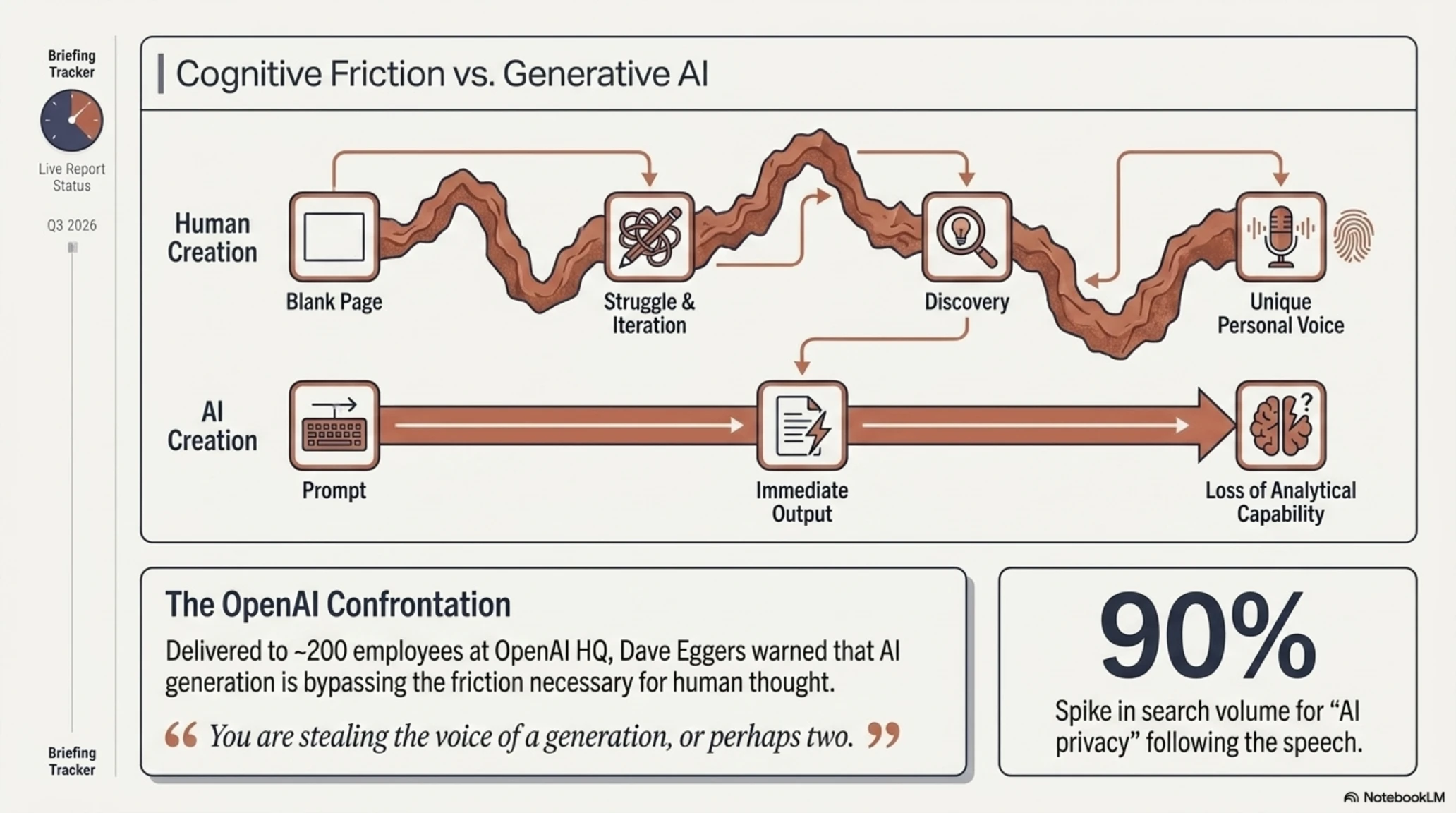
Perhaps the most surprising event of the past week occurred when Dave Eggers, the well-known American author and publisher, entered OpenAI's headquarters at the invitation of Sam Altman. Many assumed this meeting would be a standard panel discussion on the collaboration between literature and artificial intelligence. However, in front of an audience of roughly 200 employees, Eggers unleashed a blistering critique against their flagship product, ChatGPT.
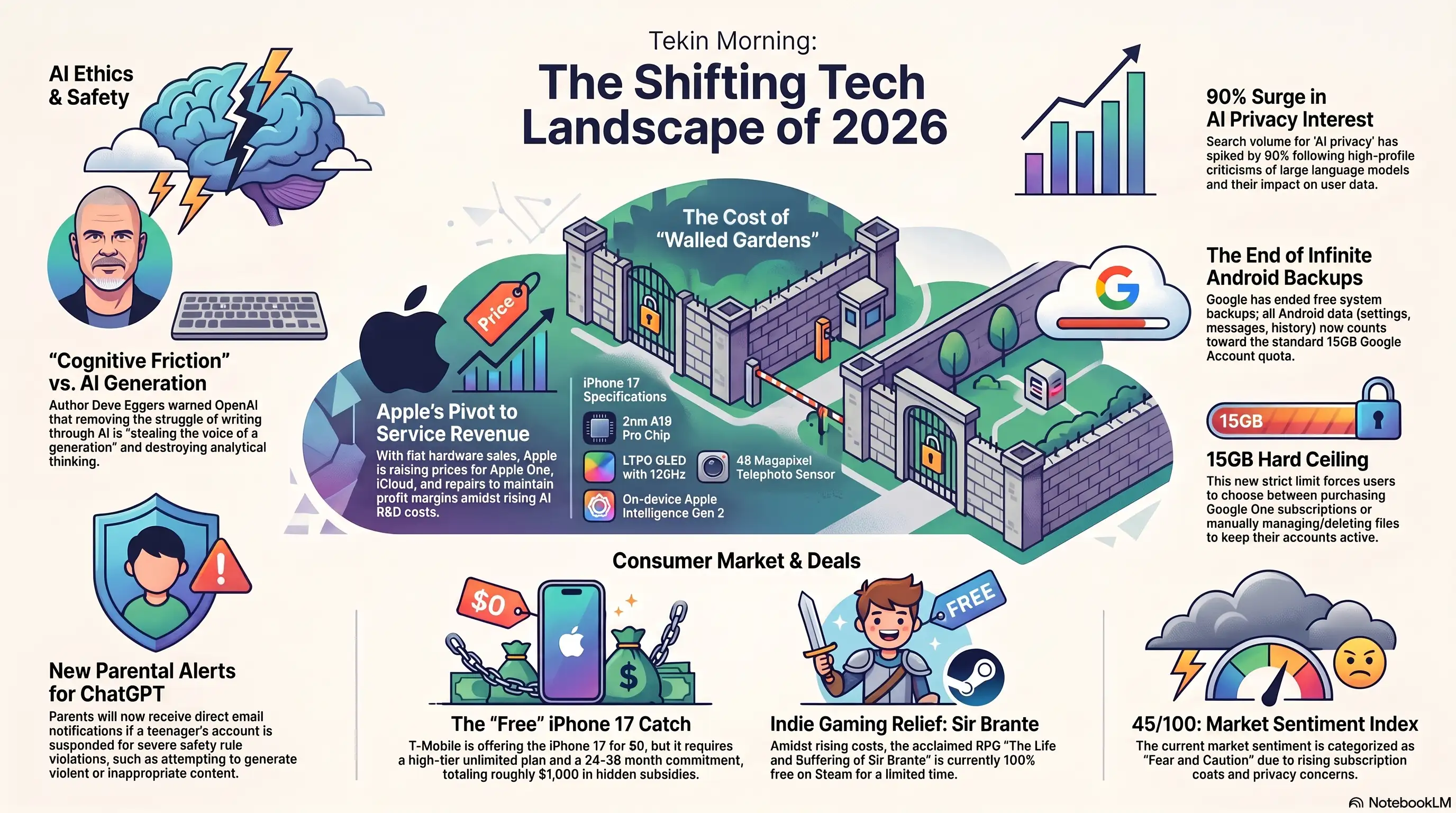
According to reports from The Verge, Eggers clearly stated that this chatbot is destroying the natural process of thinking and creating among students and young writers. He argued that "cognitive friction"—the very struggle and challenge a writer endures to find the right words and shape sentences—is essential for discovering one's personal voice. Removing this challenge through artificial intelligence, he argued, equates to stealing the voice of an entire generation.
Eggers maintains that when students rely solely on editing AI-generated outputs rather than drafting original thoughts, they lose their analytical and critical thinking capabilities. He warned that this gradual dependency will create a generation unable to structure complex ideas effectively. These criticisms are particularly striking because they were delivered directly to the engineers and executives who designed these very systems.
This event demonstrates that even within the walls of the company spearheading global AI development, deep moral and cultural concerns are growing. OpenAI executives, who have consistently tried to present their products as tools for empowerment, now face a challenge that directly targets the philosophical core of the educational system and human creativity.
The fundamental question is whether tech companies can accurately discern the line between "assisting human thought" and "replacing human thought." Eggers' speech serves as a critical wake-up call for regulators and educational institutions to establish clear frameworks for utilizing these tools in academic settings before it is too late.
Parental Control on AI: The Threat of Expulsion from ChatGPT
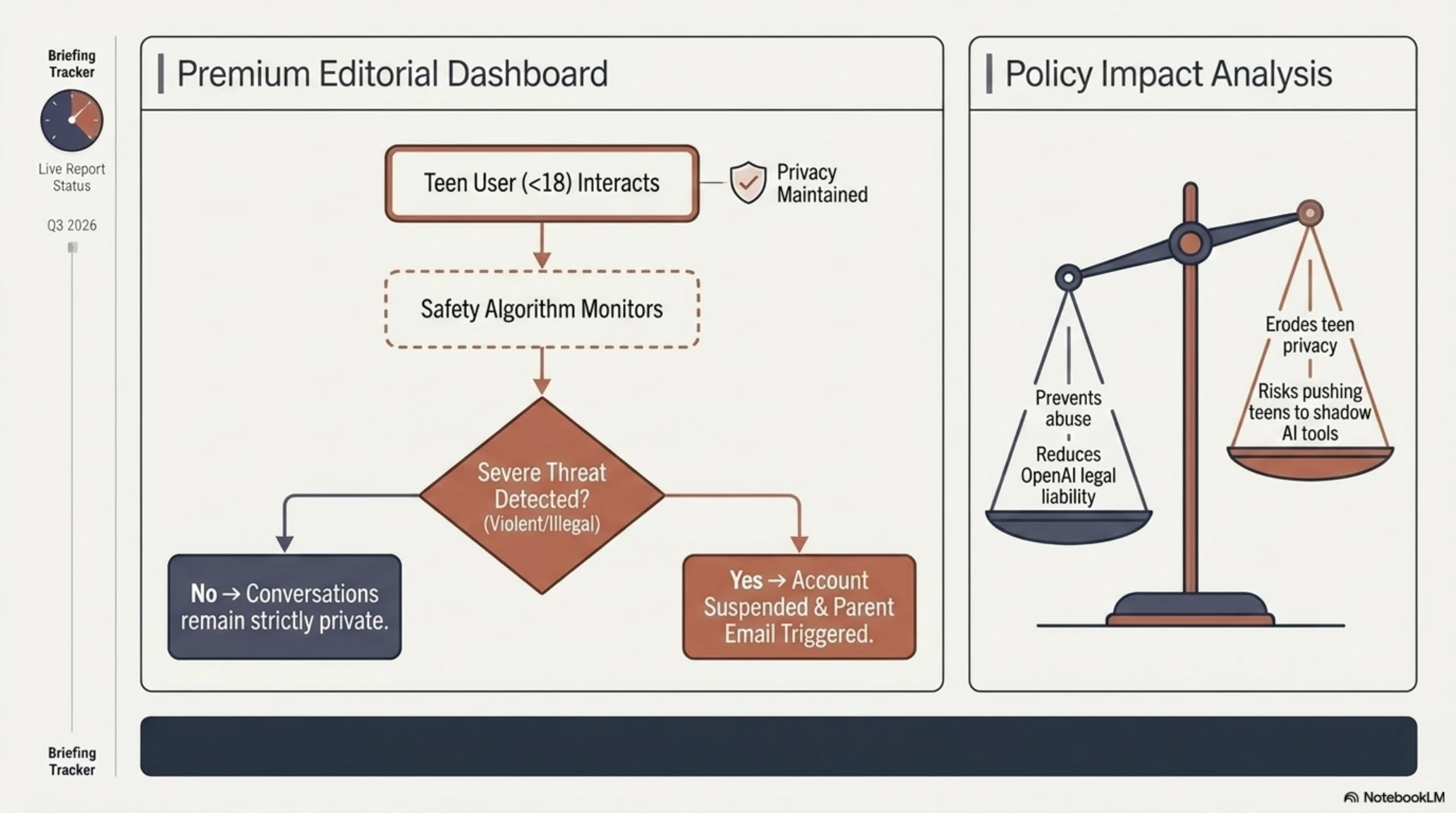
Following increasing regulatory pressures and concerns regarding child safety, OpenAI has dramatically altered its communication policies. According to the company's official announcement and a report by Engadget, from now on, if a teenager's account (users under 18) is suspended for violating safety rules—such as attempting to generate violent, illegal, or inappropriate content—a direct email will be sent to their parents or legal guardians.
This policy change responds to previous criticisms regarding the AI's lack of transparency in dealing with underage users. Previously, if a teenager was expelled from the service, parents had no knowledge of their activities within ChatGPT's interactive environment. Now, by linking teenage accounts to parental oversight systems, greater control will be exerted over input and output data.
OpenAI's new system is designed to notify parents only in cases of severe rule violations. This means normal conversations remain private, but as soon as safety algorithms detect a genuine threat, parental intervention is deemed necessary. This hybrid approach attempts to strike a delicate balance between preserving teenage privacy and ensuring child safety.
However, this decision has fierce supporters and opponents. Advocates for teenage privacy argue that this move could restrict a safe, non-judgmental space for exploration and learning, while family advocacy groups view this step as essential for preventing potential abuse and psychological harm in an increasingly complex digital landscape.
From a psychological perspective, some experts warn that this surveillance might drive teenagers to use unverified, less secure AI tools for their sensitive inquiries. On the other hand, tech companies have little choice but to enforce stricter rules, as mounting legal pressures and numerous court cases worldwide mandate the creation of secure digital environments for minors.
- Significant increase in cybersecurity for minors
- Parental awareness of potential dangers and risky tendencies
- Reduction of legal liability for the developing company
- Potential violation of teenage privacy in educational environments
- Creation of distrust between family members and excessive control
- Risk of false positive bans by AI algorithms
Apple's Pricing Strategy: Why Everything is Getting More Expensive
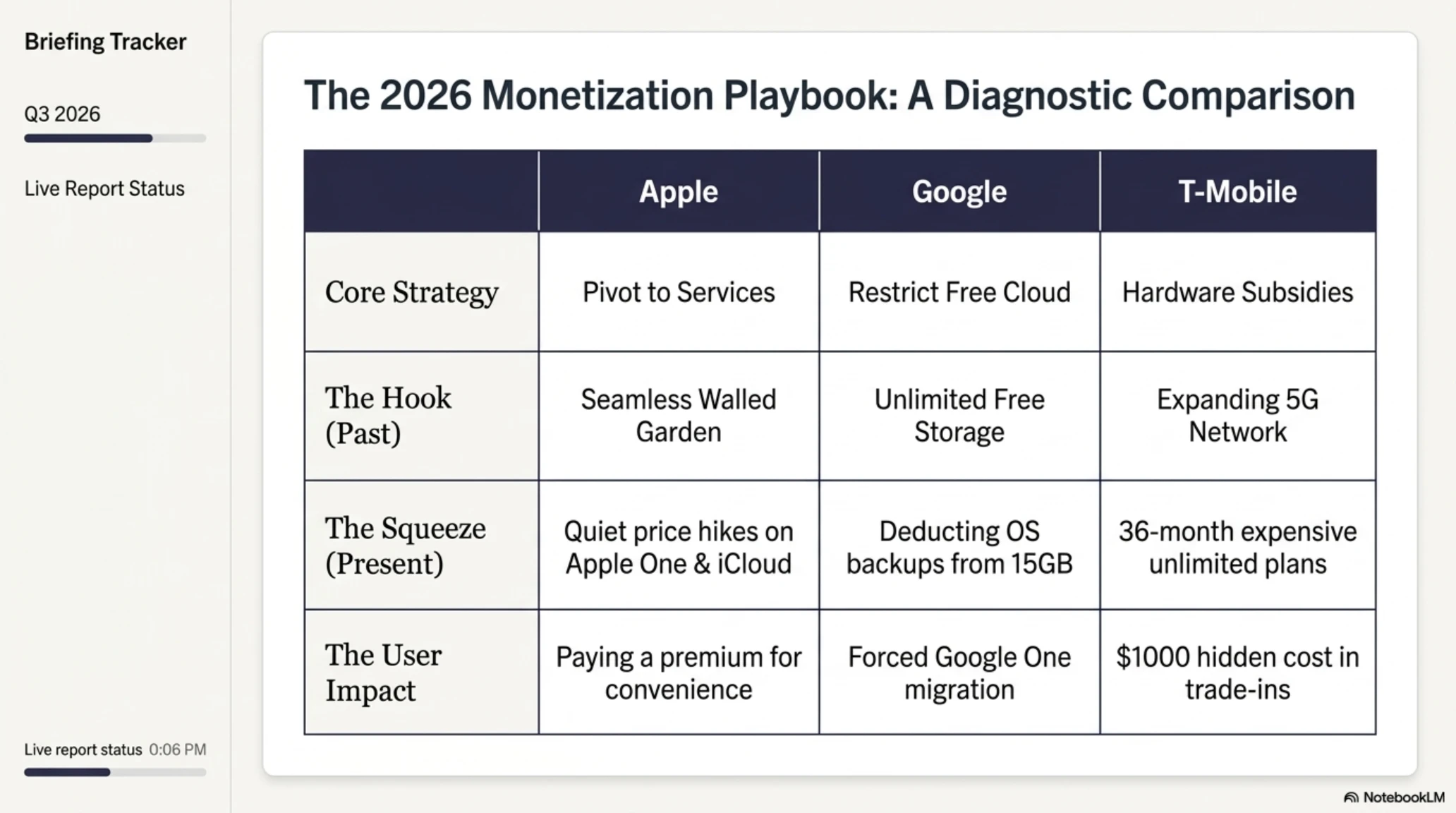
On the other side of Silicon Valley, new reports from 9to5Mac indicate that the Cupertino-based company is quietly restructuring its pricing model. Apple, always known for offering premium products at high prices, is now raising costs across its software services and hardware components for several strategic reasons. This price hike is not limited to a specific product; it encompasses a chain of services including Apple One, iCloud storage, and even out-of-warranty repair costs.
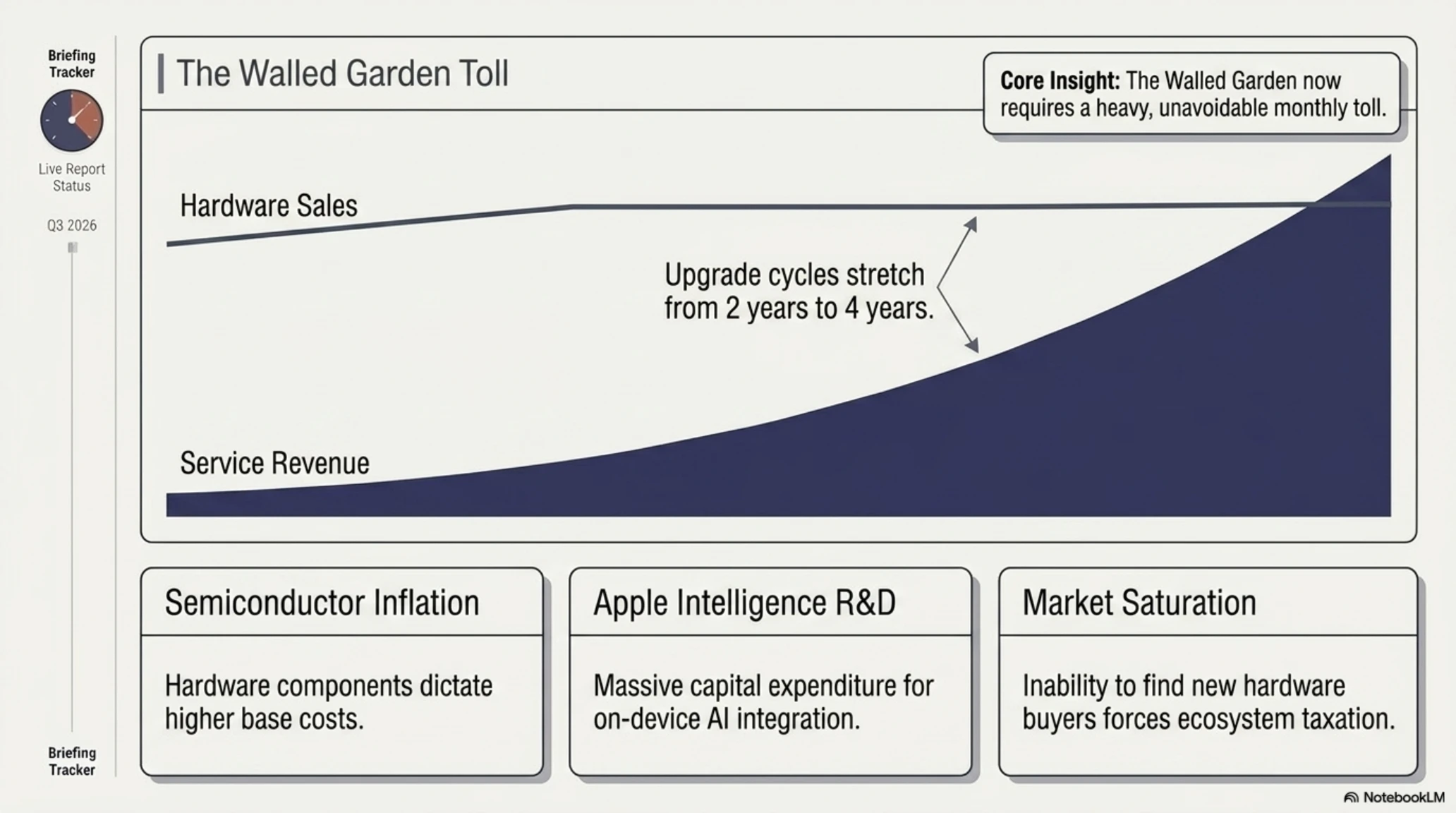
What is the primary reason for these price increases? According to market analysts, the global inflation of semiconductor components, skyrocketing research and development costs for integrating AI (Apple Intelligence) into the company's closed ecosystem, and the effort to maintain profit margins in a saturated smartphone market have all combined to force Apple to pass the final cost directly to the consumer.
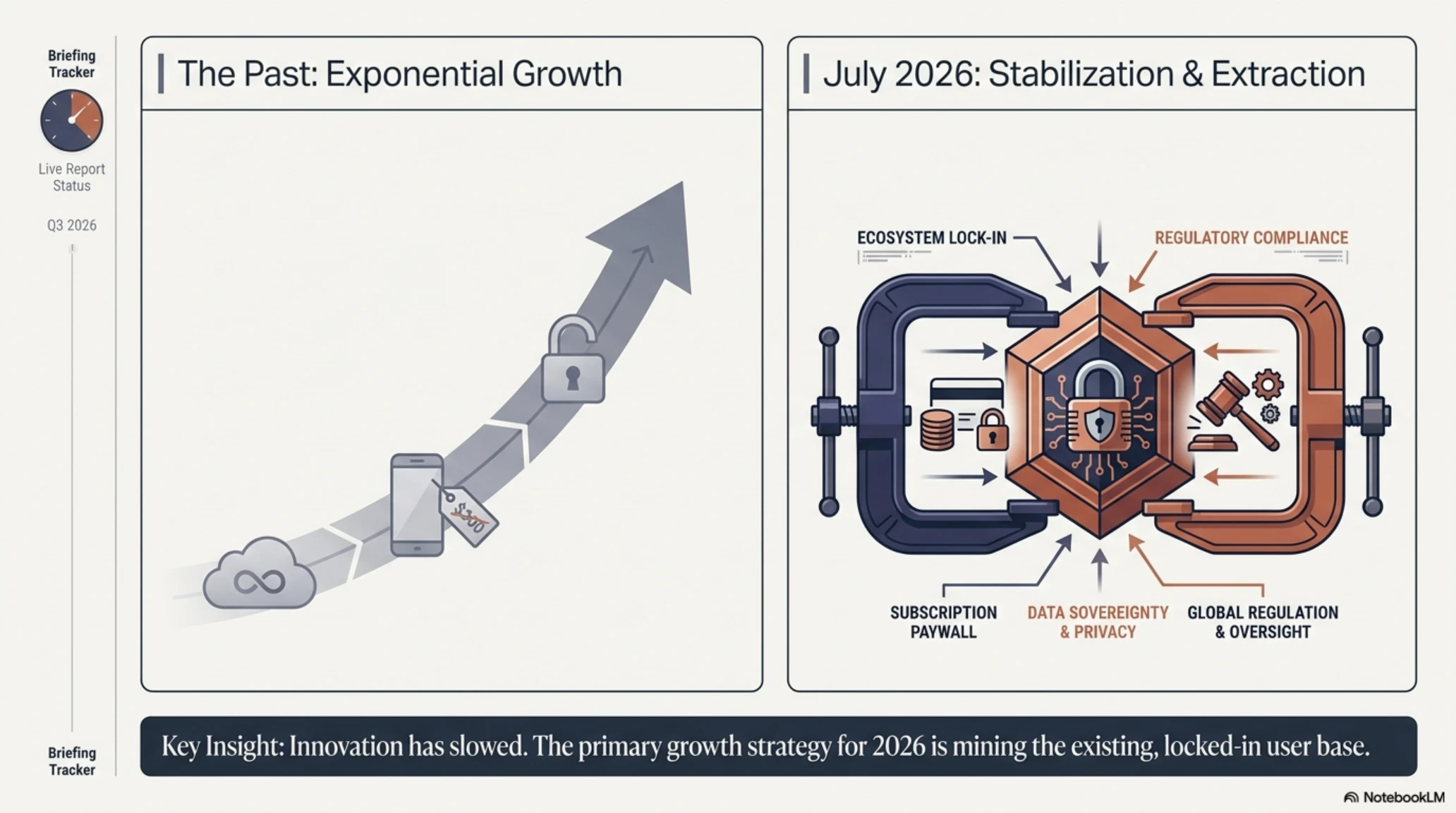
A closer look at Apple's financial charts reveals that while hardware sales have remained relatively flat, service revenues have grown astoundingly. The company knows its user base is highly loyal and reluctant to abandon the ecosystem, making the risk of raising subscription prices highly calculated. This strategic shift is a massive victory for Apple shareholders, but it translates into heavier financial burdens for end-users.
Why It Matters
This approach highlights that Apple's revenue strategy has fully pivoted from hardware sales to becoming highly service-oriented. Given the lengthening upgrade cycles of mobile phones by users, subscription services have become the vital artery of Apple's recurring revenue streams. Consumers who once upgraded their devices every two years are now holding onto them for four, but they are paying monthly fees the entire time.
Critics argue that Apple is leveraging its monopolistic position within its ecosystem to impose unnecessary costs. However, until competitors can offer a unified, seamless user experience that matches Apple's integration, this upward pricing trend is unlikely to stop. Apple users are now paying a premium not just for hardware, but for the inherent "convenience" of the ecosystem.
Fierce Carrier Competition: Getting the iPhone 17 Completely Free
Just as Apple raises its service prices, American telecom carriers are launching aggressive marketing campaigns to attract new customers. According to a report published in Mashable, T-Mobile has put an astonishing offer on the table: handing over the iPhone 17 completely free to users who switch to the company's 5G network.
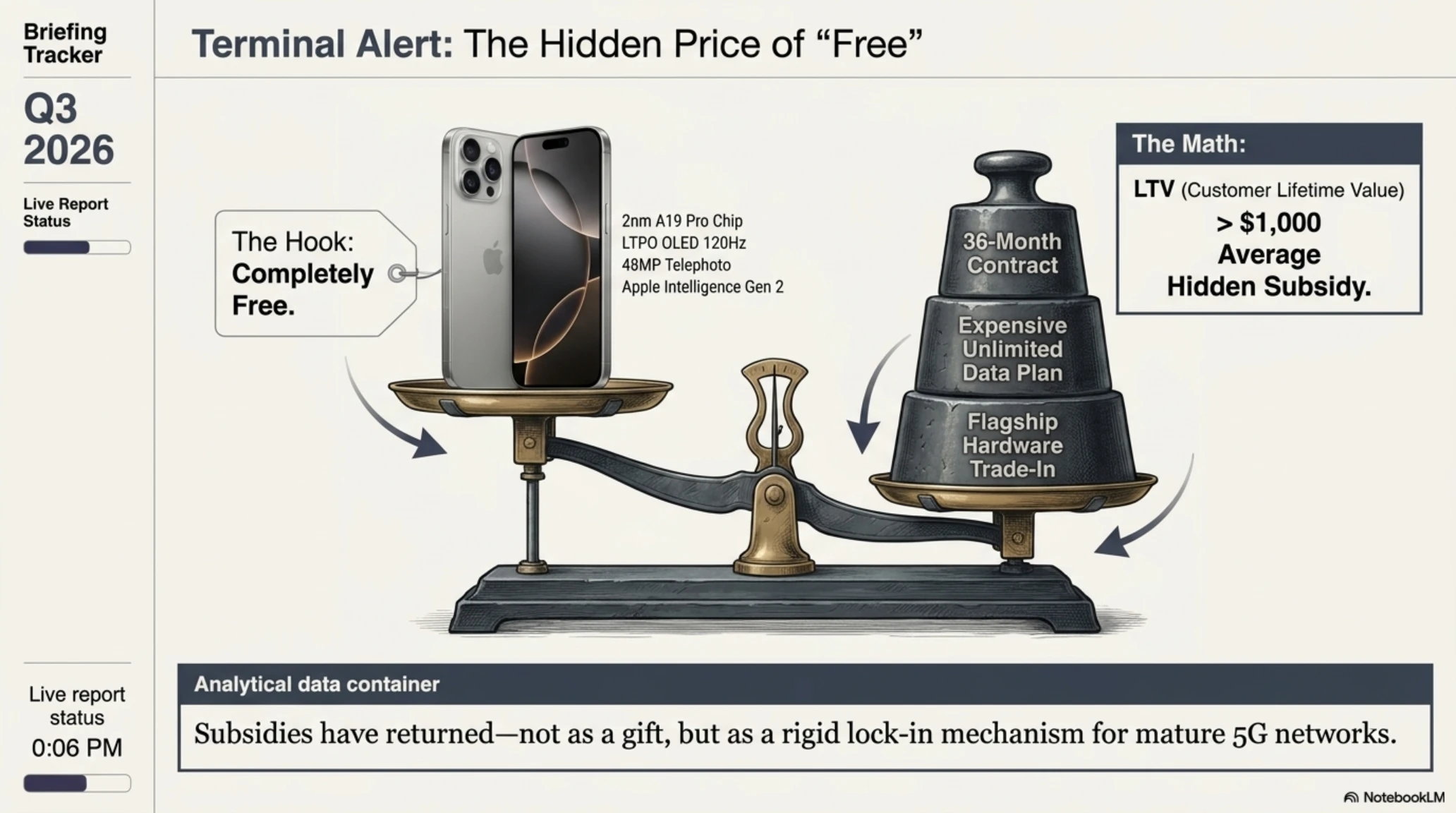
Of course, in the business world, nothing is truly free. This offer, known as 'Trade-in and Switch,' requires handing over an old flagship phone and committing to long-term contracts (usually 24 to 36 months) on the most expensive unlimited data plans. Nevertheless, for users planning to upgrade, this is one of the best opportunities to escape the $1000 price tag of the new iPhones.
This strategy marks a return to the golden age of subsidized phone contracts that dominated the early 2010s. Carriers have realized that to maintain revenue in a saturated market, they must lock subscribers in for the long haul. The upfront cost of subsidizing a flagship phone is entirely justified when compared to the guaranteed recurring revenue a subscriber generates over three years.
Predicted iPhone 17 Specifications
| Feature | Expected Specifications |
|---|---|
| Processor | 2nm A19 Pro Chip |
| Display | LTPO OLED with 120Hz refresh rate across all models |
| AI | Apple Intelligence Gen 2 (On-device) |
| Camera | Telephoto sensor upgraded to 48 Megapixels |
T-Mobile's move is actually a response to intense competitive pressures from Verizon and AT&T. By 2026, 5G networks have reached full maturity, and the only way for carriers to increase market share is to entice users to switch carriers through massive hardware subsidies. These types of subsidies, while costly for telecom networks in the short term, significantly increase Customer Lifetime Value (LTV).
For savvy consumers, these offers can be highly lucrative, provided they read the fine print carefully. Many users overlook hidden fees or activation charges. Ultimately, however, competition among carriers generally benefits consumers who are willing to switch networks and negotiate better terms.
The End of Infinite Backups: Google's New Account Restrictions
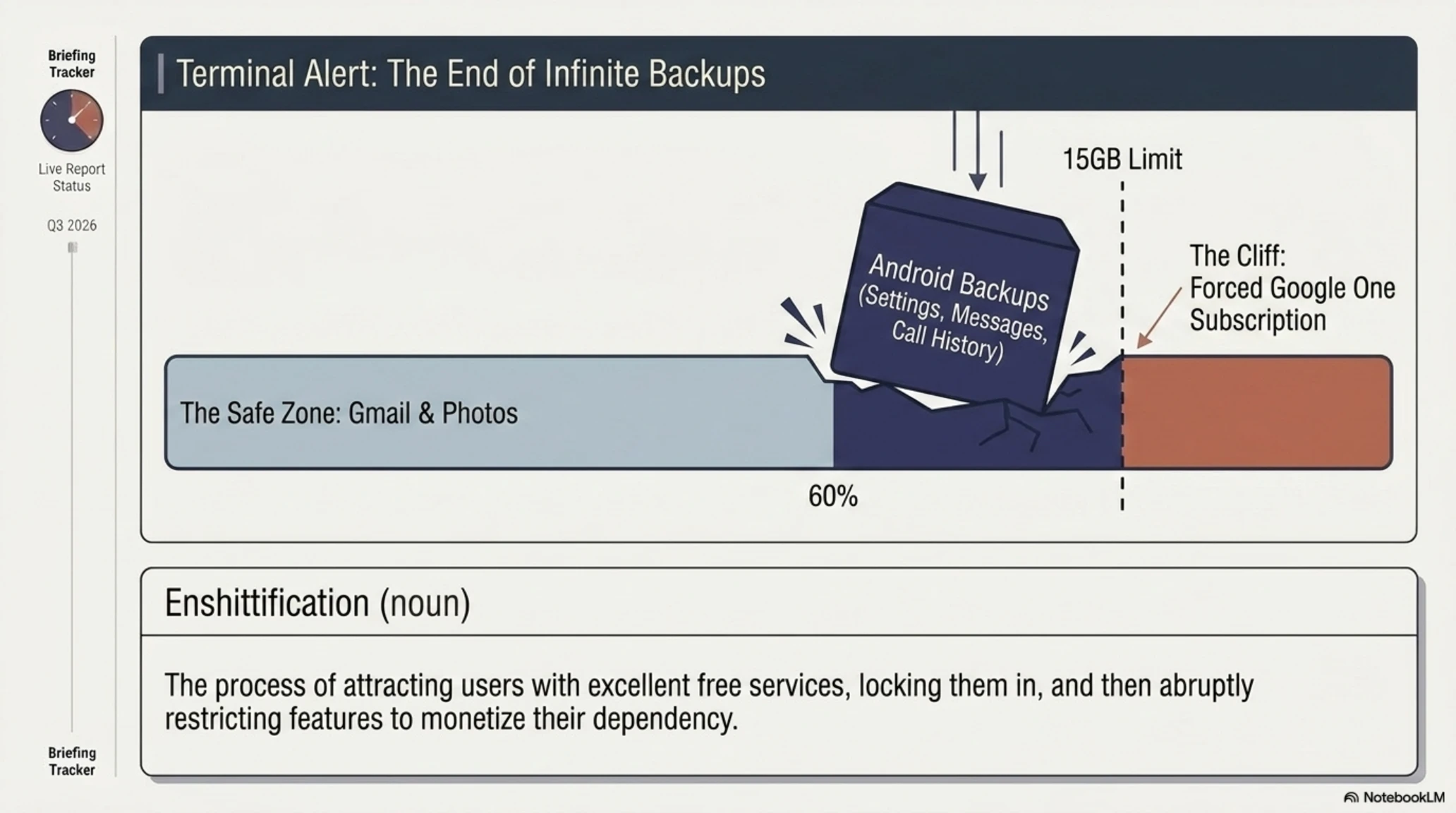
If you are a longtime Android user, you have likely grown accustomed to seamless and unlimited data backups on cloud servers. However, a report from 9to5Google indicates that this golden era is officially over. Based on recent updates, all Android backup data—including device settings, messages, and call histories—will now be directly deducted from your Google account's free 15GB quota.
Previously, only heavy media like photos and videos were restricted, while system backups did not occupy significant space. This decision, which bears a striking resemblance to Apple's restrictive iCloud strategies, forces users to migrate toward purchasing Google One subscription plans to ensure the safety of their data.
Google's policy shift sends a clear message to the market: the era of unlimited free cloud services is over. With the rising costs of maintaining server infrastructure and the growing need to store massive datasets for training AI models, Google can no longer afford to provide extensive free storage to millions of users. This decision directly impacts users who have comfortably relied on the Android ecosystem for years without paying extra.
Jargon Buster: Google One
📚 Classified & Related Dossiers in TekinGame
If you wish to explore beyond this report and delve into cybernetic frontiers and autonomous AI architectures, do not miss these three exclusive deep-dives in the Tekin Garage:
With this move, Google has drawn a sharper line between its free and paid services than ever before. For years, the company maintained market dominance by offering seemingly unlimited storage, locking users into its ecosystem. Now that dependency has reached its peak, harvest time has arrived.
Some experts suggest that users can mitigate these costs by utilizing offline storage solutions and manually transferring files to external hard drives. However, the unparalleled convenience of automatic cloud backups is something most users are unwilling to give up, even if it means succumbing to monthly subscription fees.
Tekin Exclusive Analysis
Steam's Golden Opportunity: Sir Brante's Suffering is Completely Free!
Amidst news of corporate restrictions and economic tightening, we have fantastic news for PC gamers. The r/GameDeals community has announced that the critically acclaimed narrative game The Life and Suffering of Sir Brante is currently 100% free on Steam. This incredible offer is only available for a limited time.
This choose-your-own-adventure RPG places you in the shoes of a commoner in a ruthless, dark fantasy world. Every decision you make from childhood to old age dictates not only your destiny but the fate of your family and the empire itself. If you enjoy deep narratives, rich texts, and the heavy consequences of choices, this indie title is a masterpiece.
By offering this game for free, the development studio has delivered a masterclass in smart marketing. Narrative-driven games that heavily rely on player choices have a high potential for going viral if they can captivate players in the first few hours. By making the base game free, the creators hope to expand their fanbase ahead of future releases.
Making this game free is likely a strategic move by the publisher to draw players' attention to newer releases, upcoming DLCs, or perhaps an unannounced sequel. Nevertheless, adding a game with a Very Positive rating on Steam to your personal library without paying a single cent is an opportunity no PC gamer should miss.
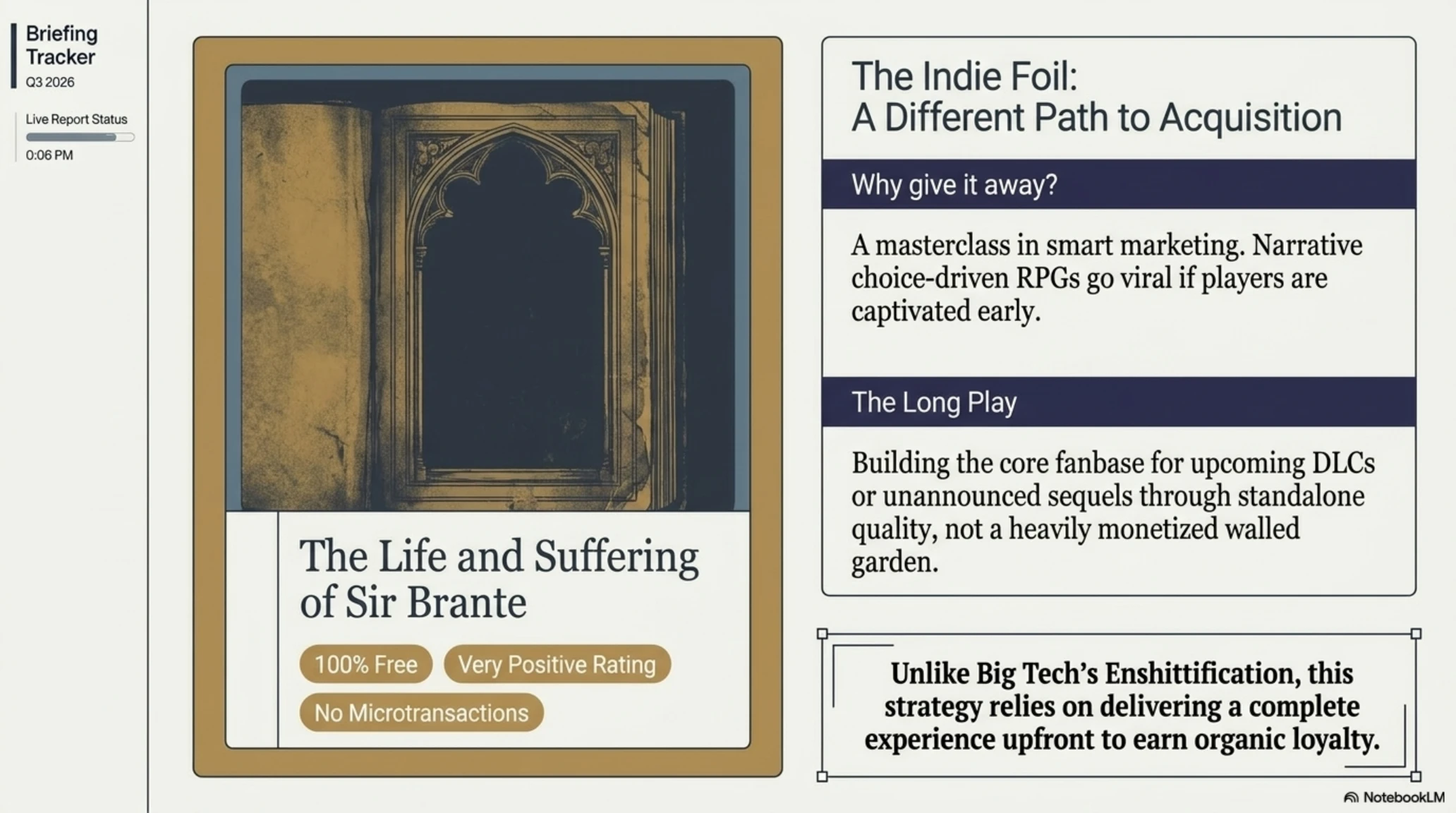
Unlike many free-to-play games plagued by microtransactions, Sir Brante offers a complete, standalone experience. The art design, resembling pages of an old book, combined with a moving soundtrack, doubles the immersion in this grim world. This is exactly the kind of experience that distinguishes the indie gaming industry from repetitive blockbusters.
A Look at Market Conditions and the Future Ahead
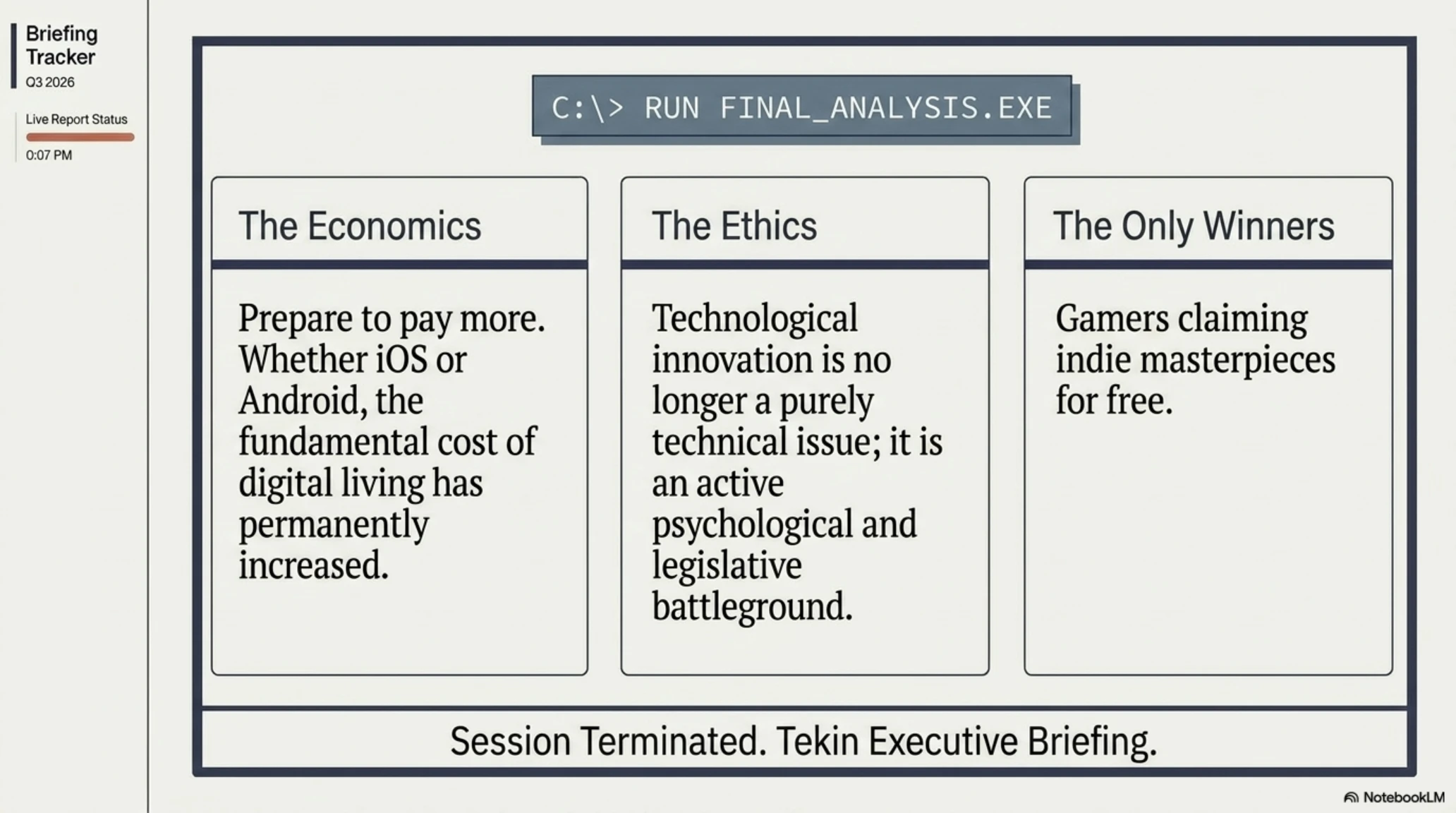
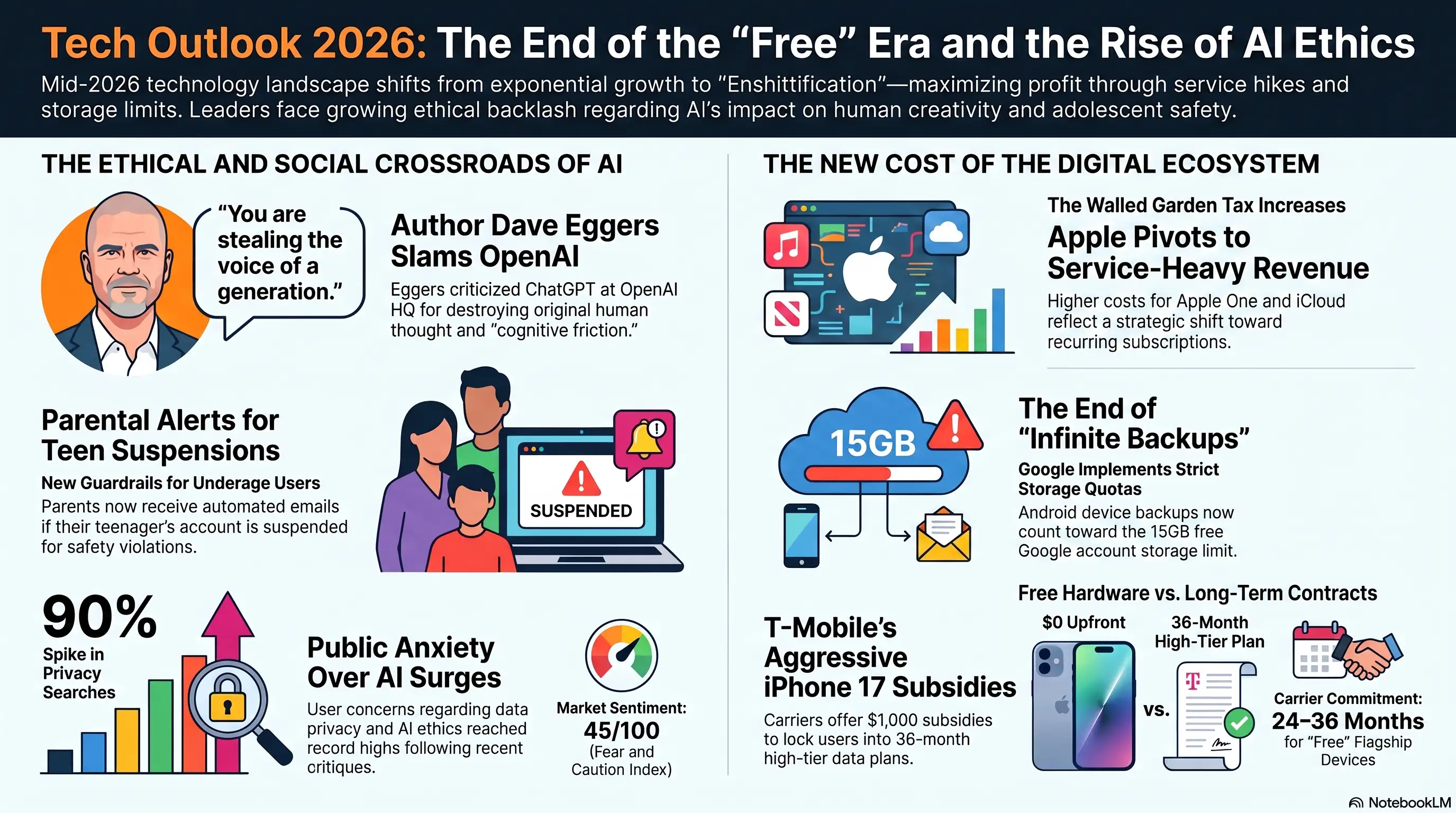
Given today's events, from OpenAI's privacy policy shifts to the new monetization strategies of Apple and Google, it is clear that tech companies are transitioning from a phase of exponential growth to a phase of stabilization and maximum profit extraction from existing users. Meanwhile, competition in the hardware market has entered a bloody new phase, highlighted by campaigns like T-Mobile's free device offer.
Furthermore, the ethical and cultural challenges raised by figures like Dave Eggers demonstrate that technological innovation is no longer purely a technical issue. We are entering an era where the psychological and societal impacts of digital tools will dictate legislative pathways and even product design.
Key Market Statistics
- 90%: Increase in search volume for 'AI privacy' following Eggers' speech.
- 15GB: Google's new strict limit for combined Gmail, Photos, and now Android backup data.
- $1000: The average hidden subsidy in T-Mobile's 36-month contracts for next-gen iPhones.
These recent developments have also triggered a wave of volatility in the tech stock market. Investors are carefully assessing the impact of new pricing policies on user loyalty. Are Android users willing to pay for their backups? Will parents embrace the new surveillance systems? These questions will chart the market's trajectory in the coming months.
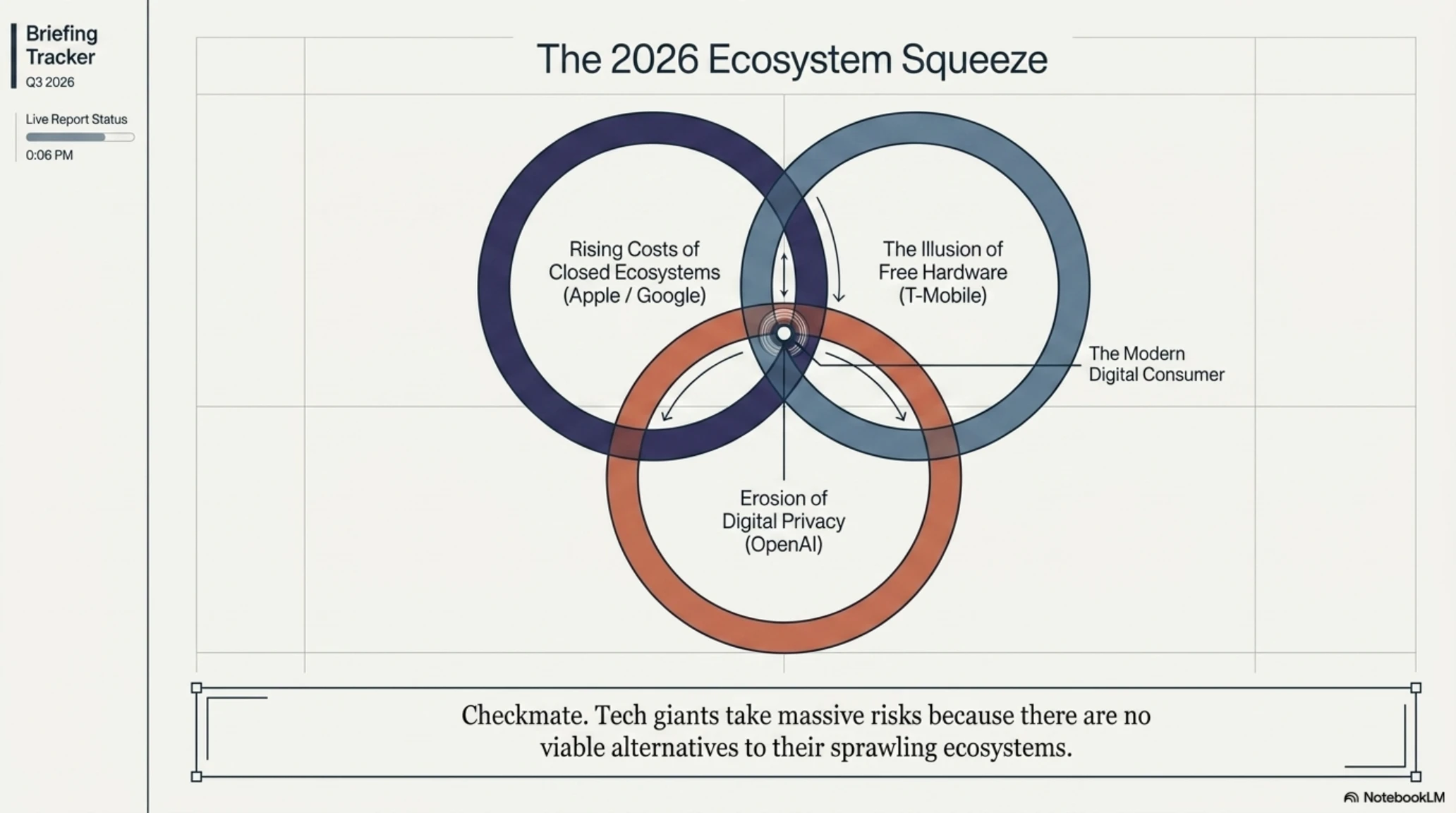
Another notable point is that major corporations are pressing forward despite fierce criticism. The undisputed power of tech giants allows them to take massive risks. Apple raises prices, and Google restricts cloud storage, because both know all too well that there are no viable alternatives to their sprawling ecosystems.
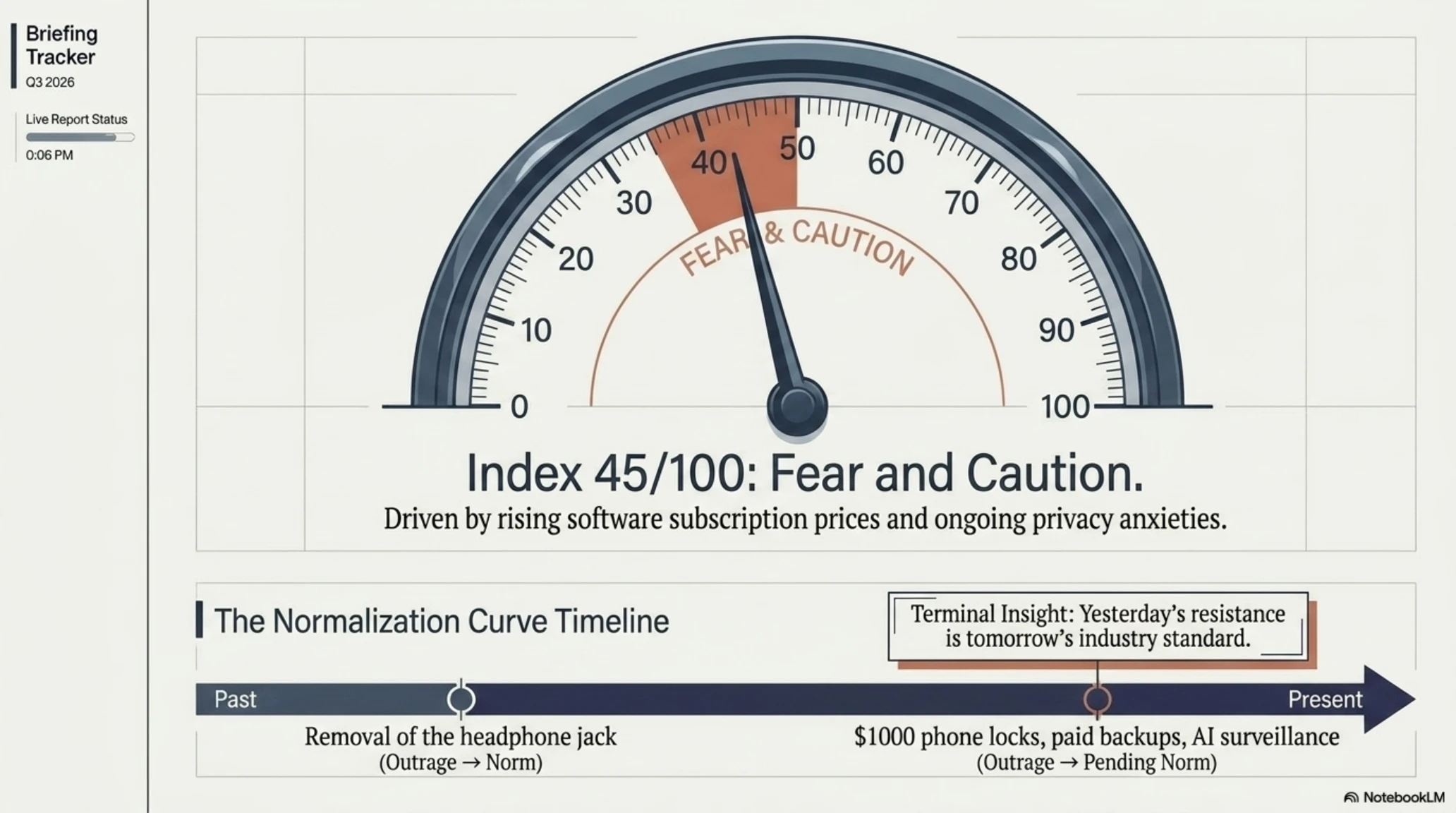
Market Sentiment Thermometer
Reviewing similar events from past years reveals that every major change initially faces resistance but eventually becomes the new industry standard. Just as the removal of the headphone jack seemed disastrous at first, it is now an accepted norm. Today's restrictions will be tomorrow's standards.
Full Dossier: Related Articles
Tekin's Final Conclusion
Frequently Asked Questions (FAQ)
Can parents read their teenagers' full ChatGPT conversations?
No, under OpenAI's new policy, parents only receive an email if the teen's account is suspended for violating safety rules. Access to the full chat logs remains restricted.
Is T-Mobile's free iPhone 17 offer available to everyone?
This offer typically requires trading in an old flagship phone and signing a long-term contract on their most expensive unlimited data plans.
How can I prevent my 15GB Google storage from filling up too quickly?
By visiting your Android backup settings, you can choose which apps or data (like WhatsApp videos) should not be backed up.
How long will Sir Brante be free on Steam?
This offer is valid for a limited time. Once you claim it and add it to your Steam library, you keep it forever.
Is Apple going to increase the base price of new iPhones?
Apple's current focus is primarily on raising service and subscription prices, but given the rising cost of internal components, hardware price hikes remain a possibility in future generations.
Primary Sources
Additional Gallery: Tekin Morning July 19, 2026: From ChatGPT Bans to a Free iPhone 17