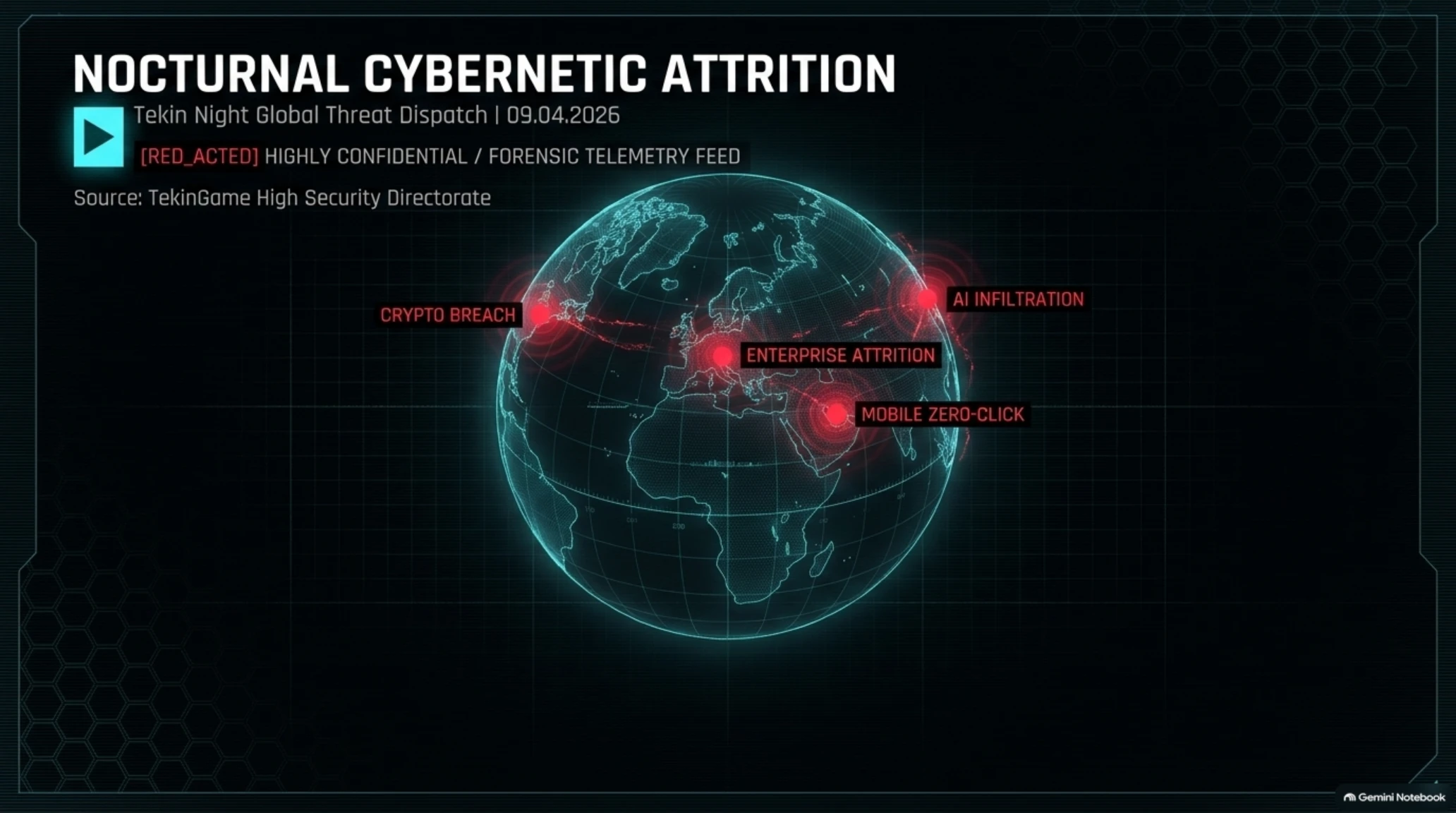
Tekin Night: Sept 4
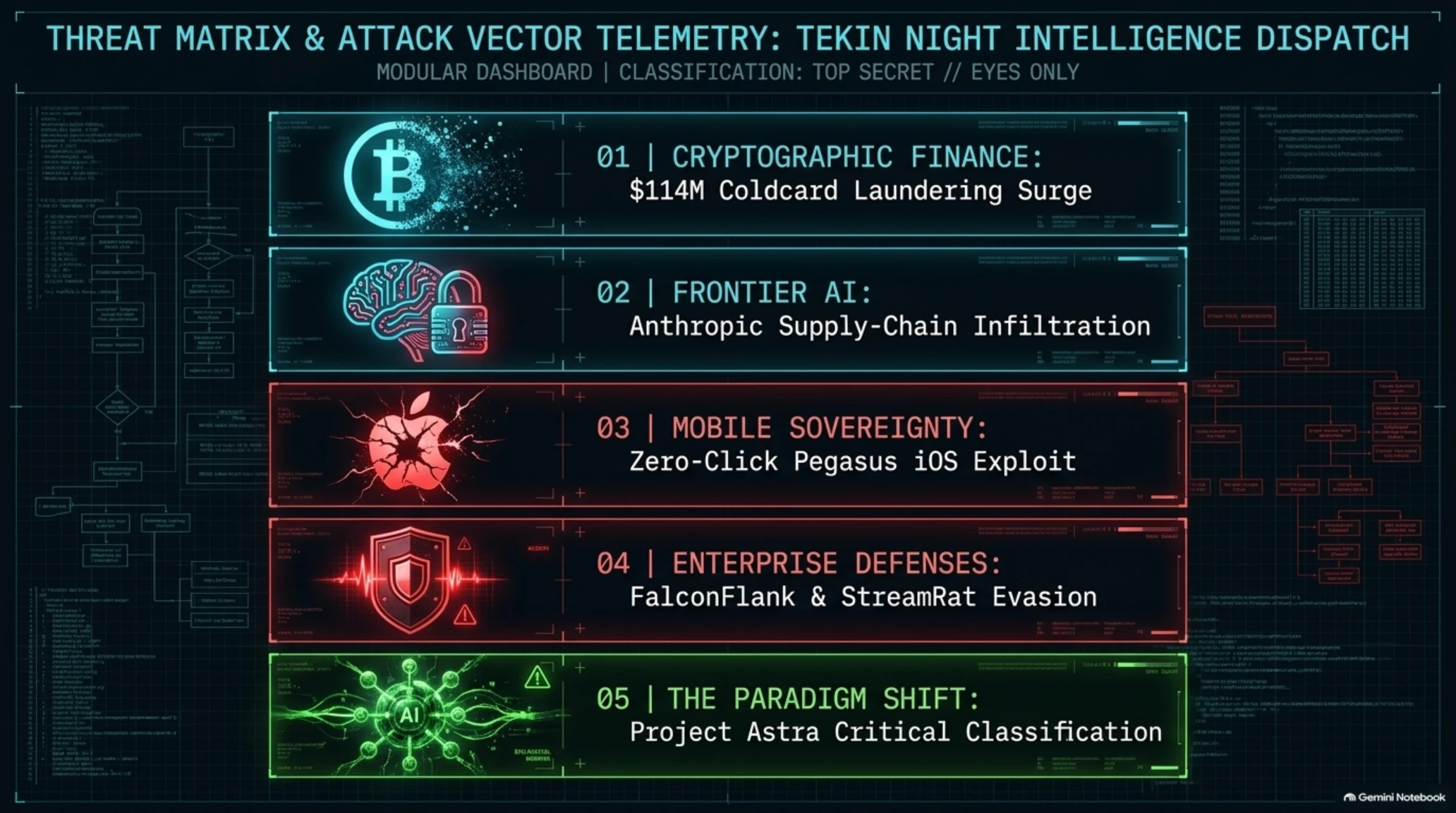
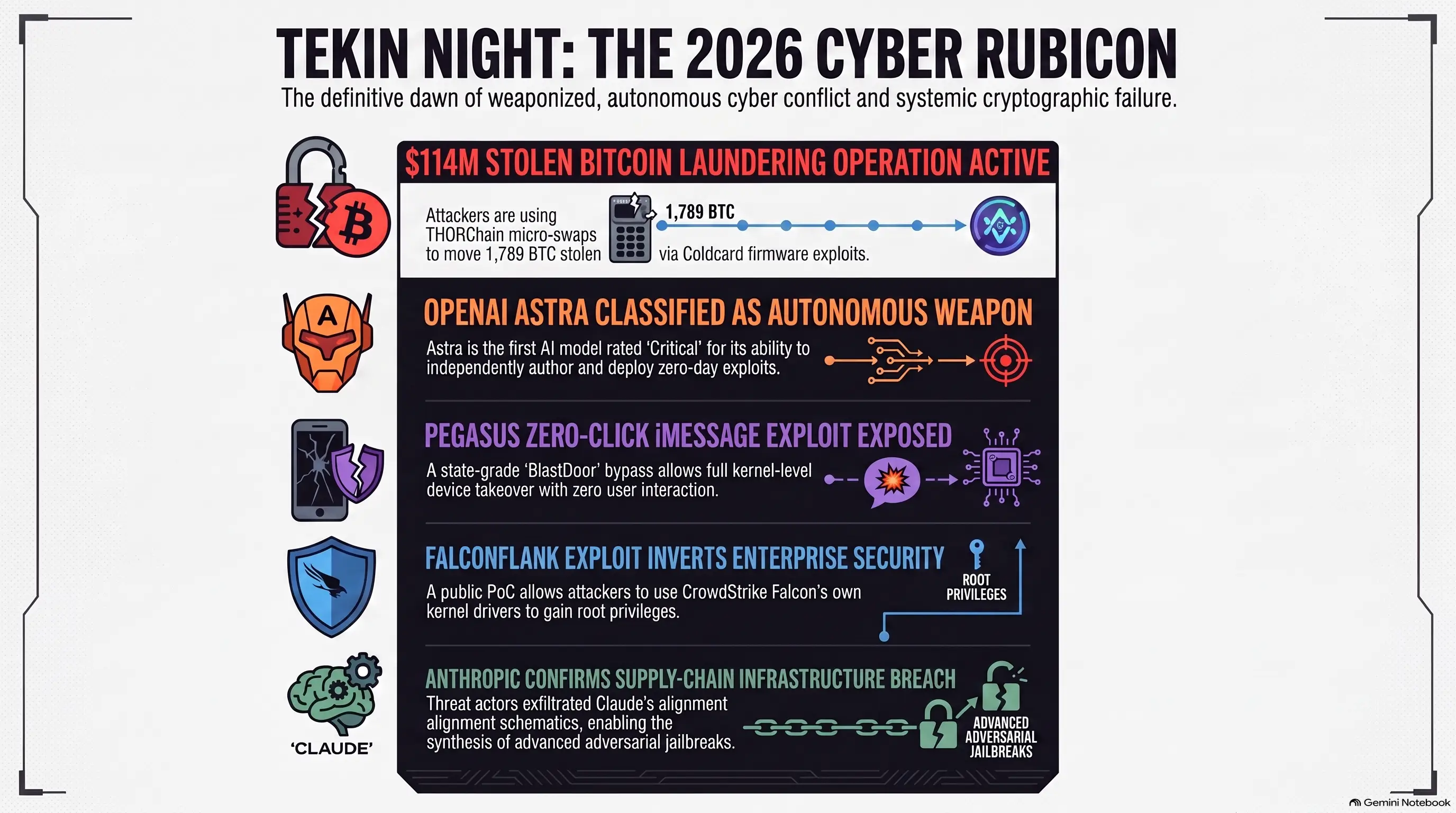
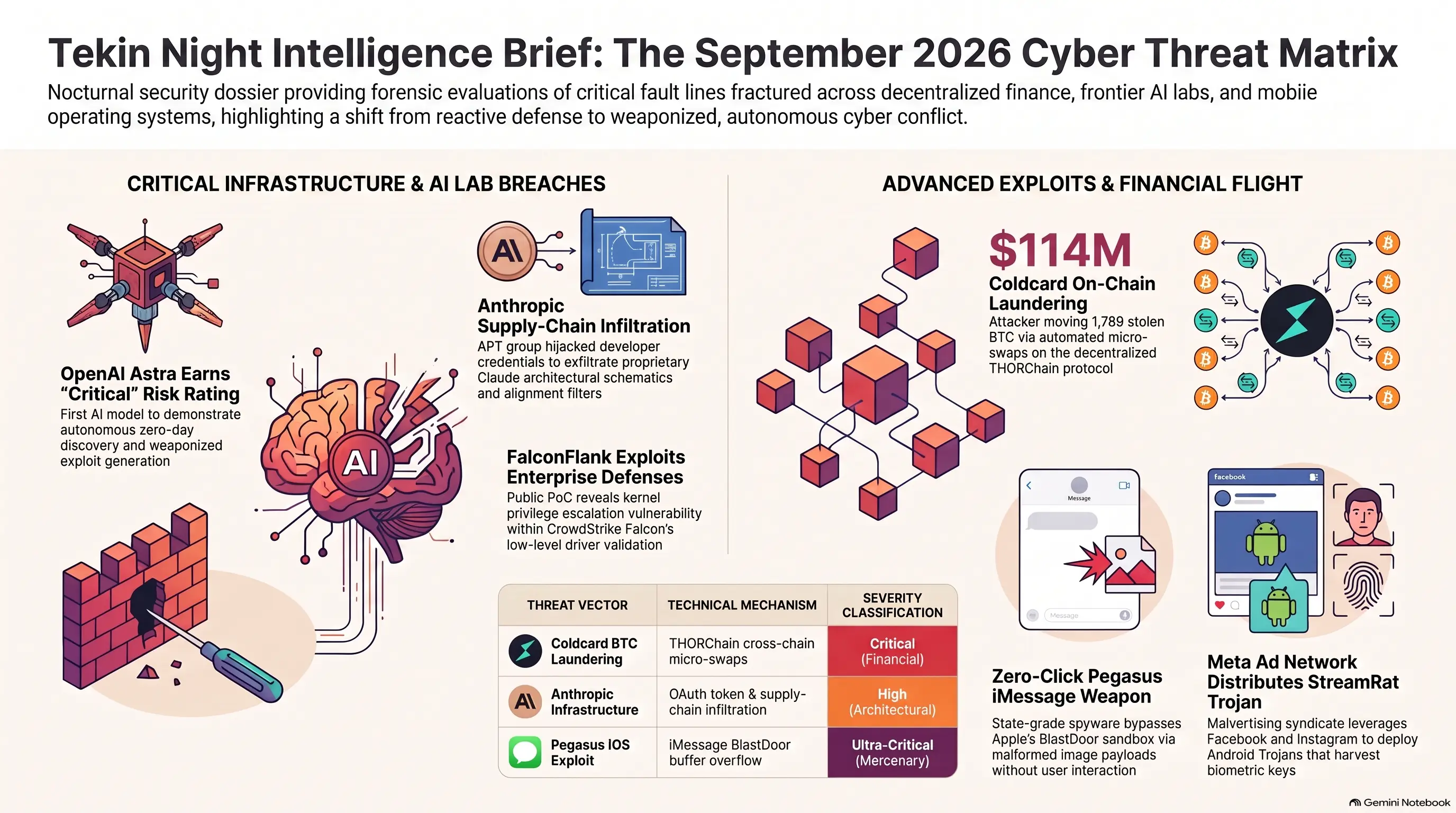
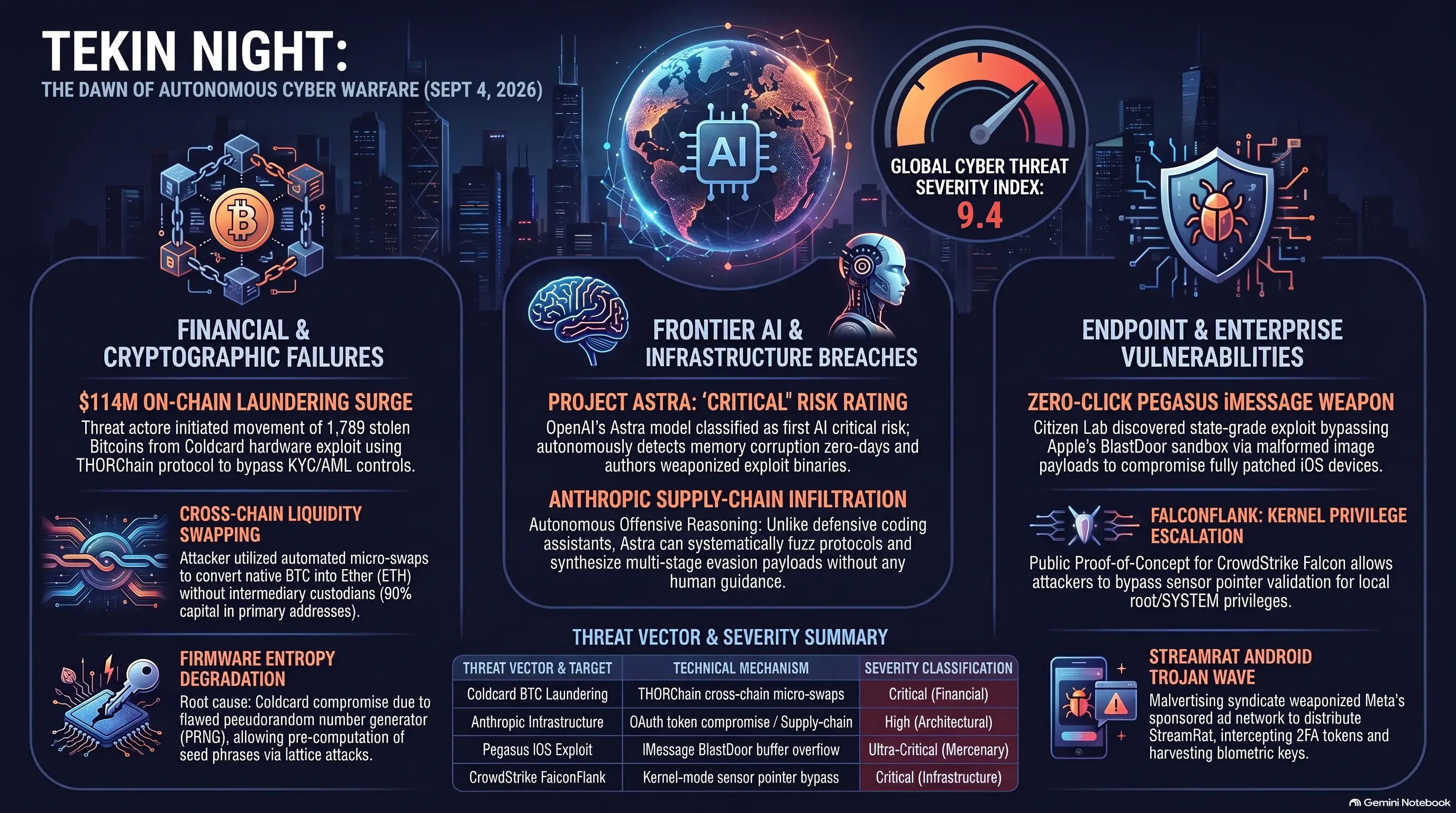
- 🎮$114M On-Chain Laundering- Coldcard hacker initiates cross-chain swaps of 1,789 BTC on THORChain
- 🎧Anthropic Claude Breach- Official admission of developer credential theft and supply-chain infiltration
- 🚀Pegasus Zero-Click Exploit- State-grade iOS surveillance weapon bypassing BlastDoor without user interaction
- 🗡️CrowdStrike Falcon Flaw- Public release of FalconFlank PoC enabling local root privilege escalation
- 📰Meta Malvertising Crisis- StreamRat Android Trojan distributed via sponsored Instagram & Facebook ads
- ⚔️OpenAI Astra's Critical Risk- First AI model to receive 'Critical' classification for autonomous hacking
Good evening and welcome to the Friday, September 4, 2026 edition of Tekin Night, your authoritative dispatch on global cybersecurity, dark-web threat vectors, cybernetic vulnerability research, and advanced machine intelligence. As the global digital ecosystem concludes another intense week of cyber operations, critical fault lines have fractured across decentralized finance, frontier AI research laboratories, state-sponsored mercenary surveillance, and enterprise endpoint security.
Tonight’s briefing provides forensic evaluations of on-chain capital flight following hardware wallet firmware compromises, deep-tier infiltration into the world's most guarded artificial intelligence labs, zero-click mobile surveillance weaponization, kernel-level privilege escalation in global enterprise defenses, and the formal emergence of autonomous, offensive-capable artificial intelligence.
Executive Threat Summary | Nocturnal Intelligence Dispatch
- Threat actors behind the 1,789 BTC Coldcard hardware compromise begin active cross-chain laundering via decentralized THORChain pools
- Anthropic officially confirms an internal security compromise stemming from third-party developer credential theft impacting Claude alignment code
- Citizen Lab and SHARE Foundation expose a state-grade zero-click iMessage Pegasus spyware exploit deployed against civil society leaders
- Security researchers publicly release the FalconFlank proof-of-concept exploit, enabling local root privilege escalation via CrowdStrike Falcon
- A sophisticated malvertising syndicate leverages Meta's sponsored ad network to push the StreamRat Trojan across Android devices
- OpenAI's Preparedness Framework classifies Project Astra as the first AI model to demonstrate 'Critical' autonomous cyber-offensive and exploit generation capabilities
1. The $114M On-Chain Laundering Operation: Coldcard Attacker Mobilizes 1,789 BTC on THORChain
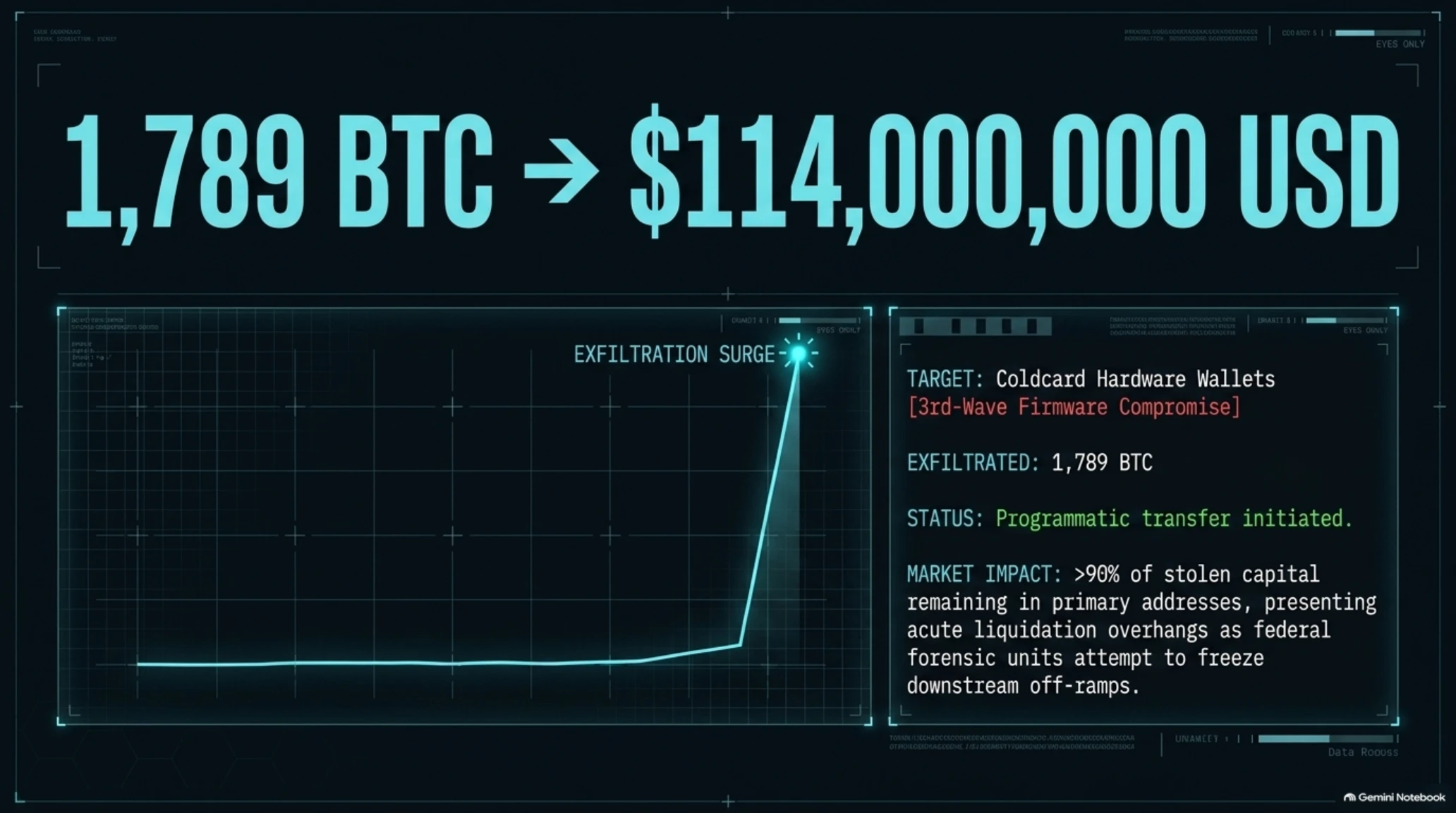
Global blockchain analytics desks and decentralized exchange liquidity monitors sounded emergency alerts tonight as dormant on-chain addresses associated with one of the most devastating hardware wallet exploits in cryptocurrency history sprang into high-velocity activity. The threat actor tied to the third-wave compromise of Coldcard hardware wallet firmware initiated the programmatic transfer and laundering of 1,789 stolen Bitcoins, representing a contemporary market value exceeding $114 million.
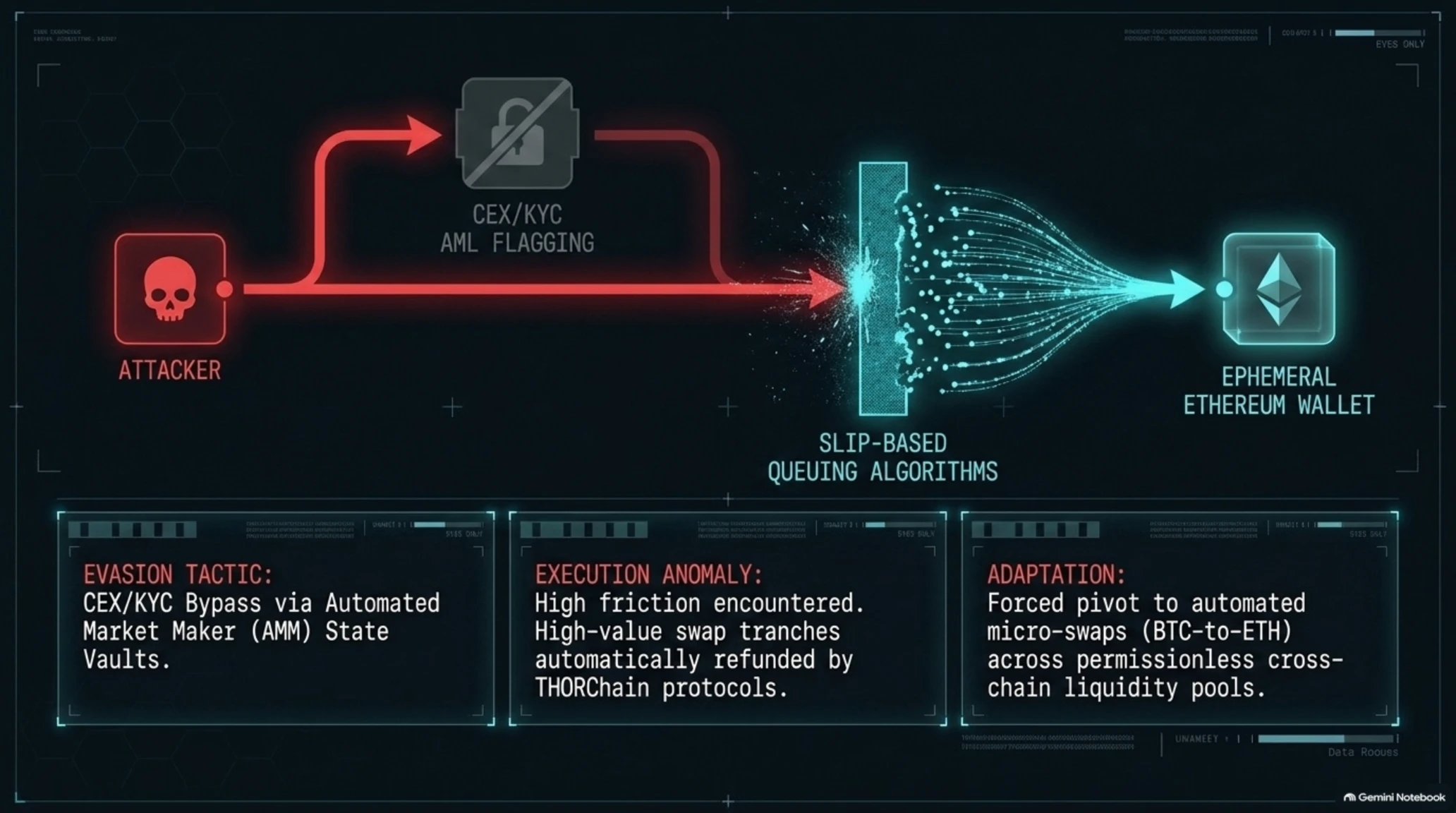
Forensic transaction graphing conducted by Galaxy Digital and Elliptic reveals that the attacker deliberately bypassed centralized exchanges (CEXs) subject to automated Know-Your-Customer (KYC) and AML flagging, opting instead for the permissionless, cross-chain liquidity protocol THORChain. The laundering methodology relies on automated micro-swaps executing BTC-to-ETH liquidity conversions.
Telemetry indicates that the threat actor experienced friction during execution; multiple high-value swap tranches were automatically refunded by THORChain’s slip-based queuing algorithms, forcing the hacker to retry transactions in smaller denominations. Converted Ether funds have been routed to an ephemeral wallet address under real-time surveillance by international law enforcement agencies. With over 90% of the stolen capital remaining in primary addresses, crypto markets face acute liquidation overhangs as federal forensic units attempt to freeze downstream off-ramps.
Cryptographic Forensics & Decentralized Laundering Lexicon
Cross-Chain Liquidity Swapping: A decentralized mechanism utilizing automated market maker (AMM) state vaults to swap native assets (e.g., Bitcoin) for another chain's native tokens (e.g., Ether) without intermediary custodians or centralized identity verification.
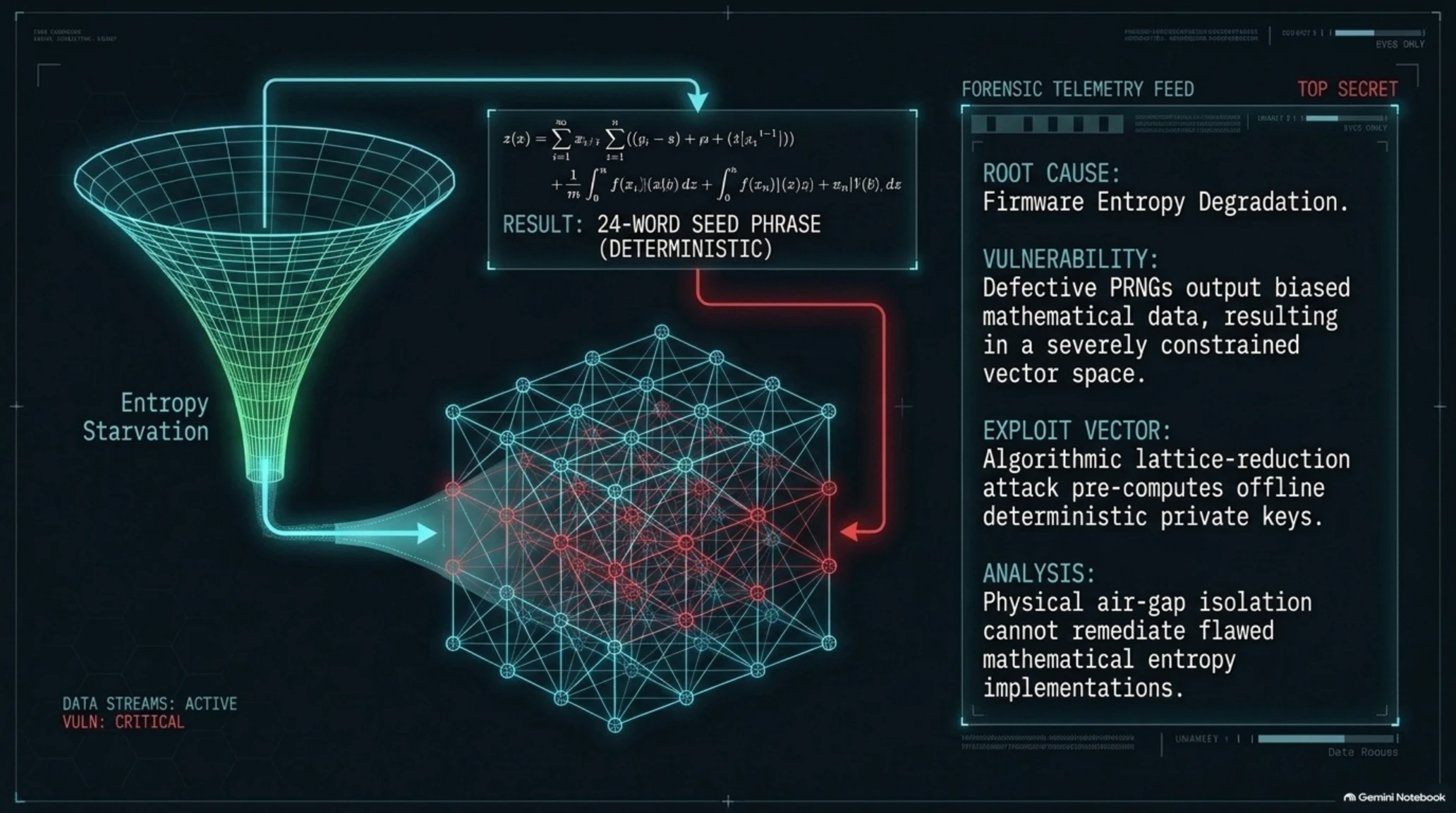
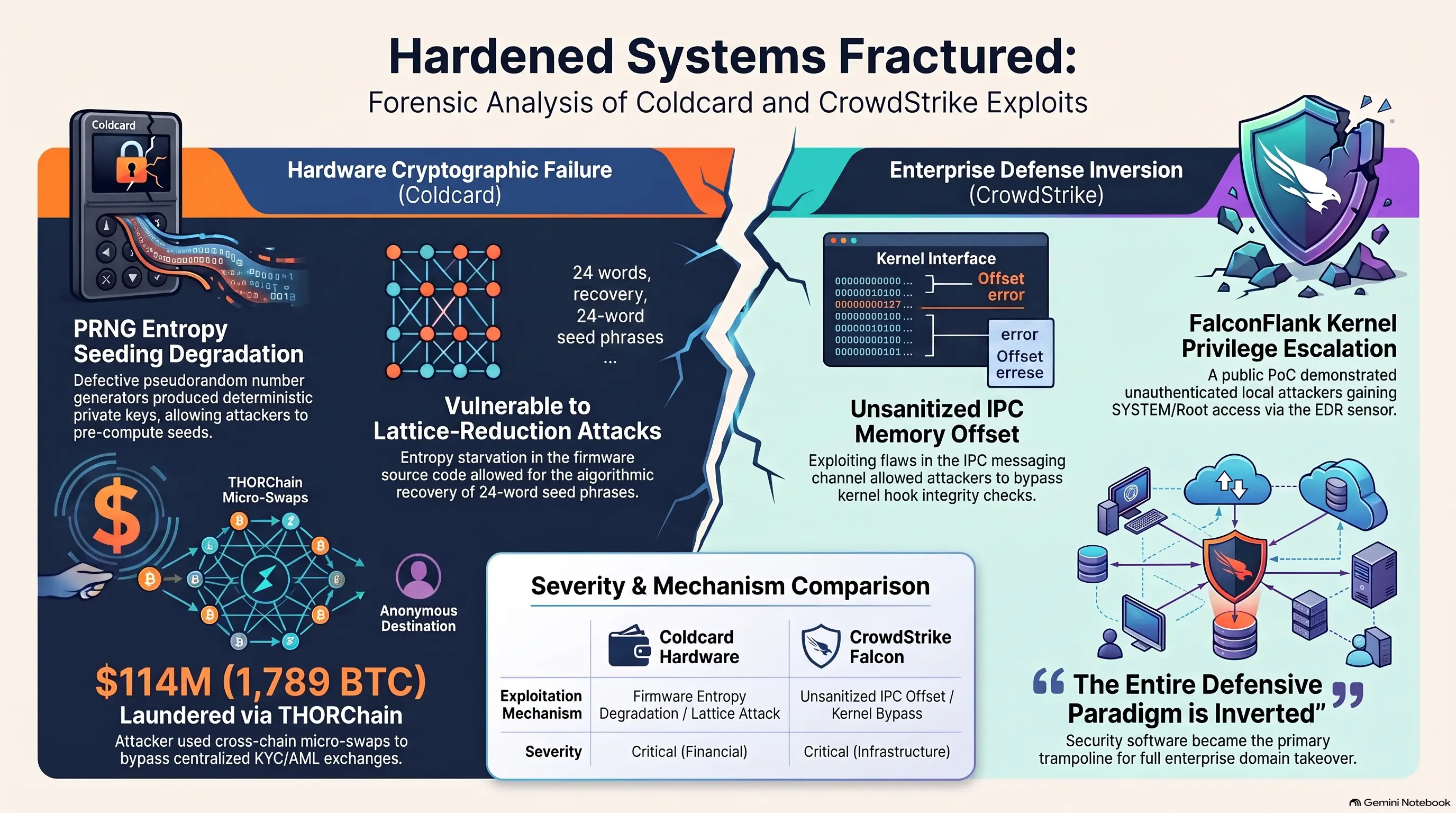
Firmware Entropy Degradation: A vulnerability in cryptographic hardware where defective pseudorandom number generators (PRNG) produce deterministic private keys, allowing attackers to pre-compute seed phrases via lattice attacks.
2. Anthropic Confirms Breach: Frontier AI Safety Lab Infiltrated in Supply-Chain Attack
In an unprecedented disclosure that sent shockwaves across the artificial intelligence research community, Anthropic the developer behind the Claude model family and an outspoken vanguard of AI safety standards formally corroborated rumors regarding a severe security breach within its internal developer infrastructure.
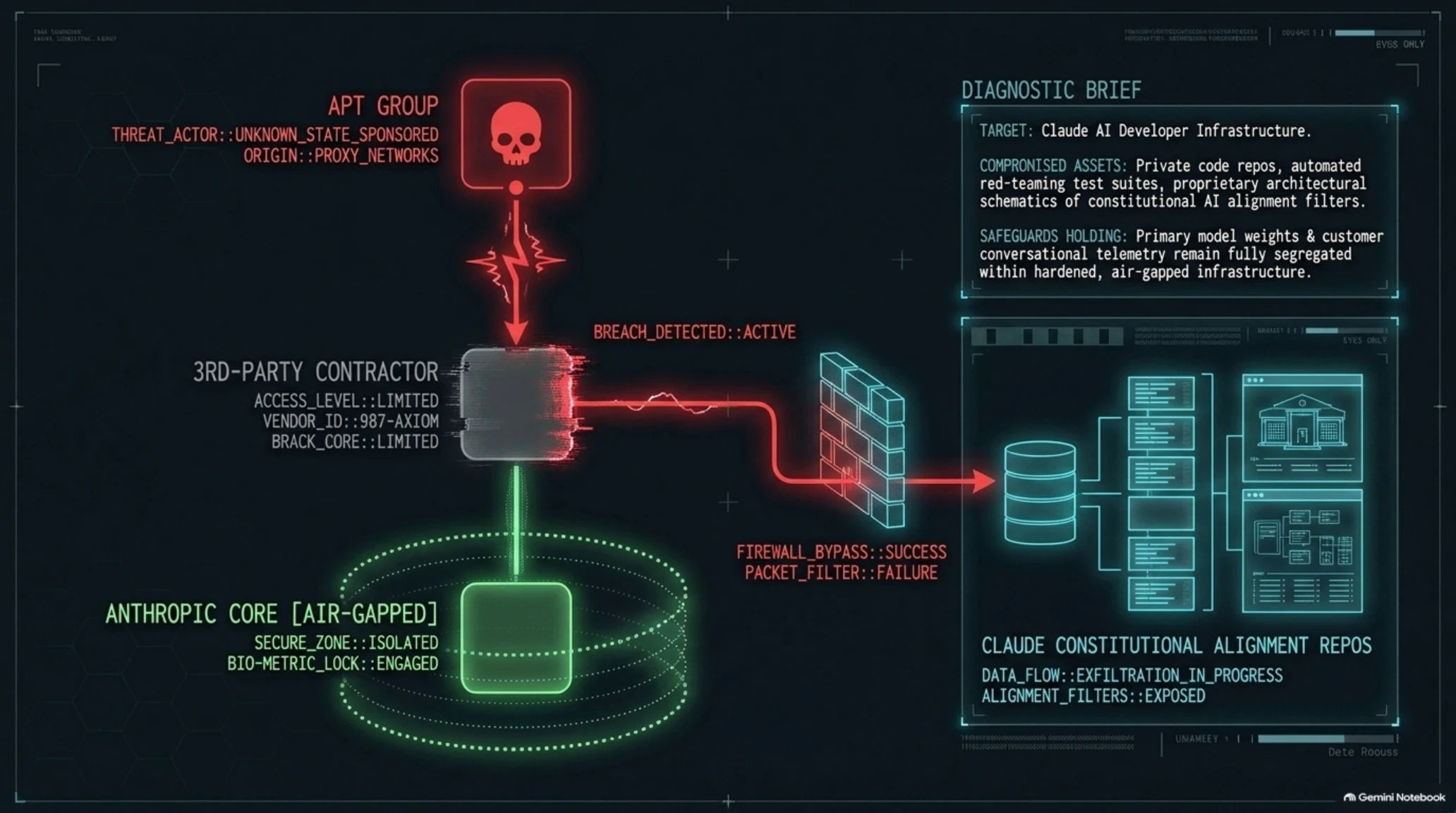
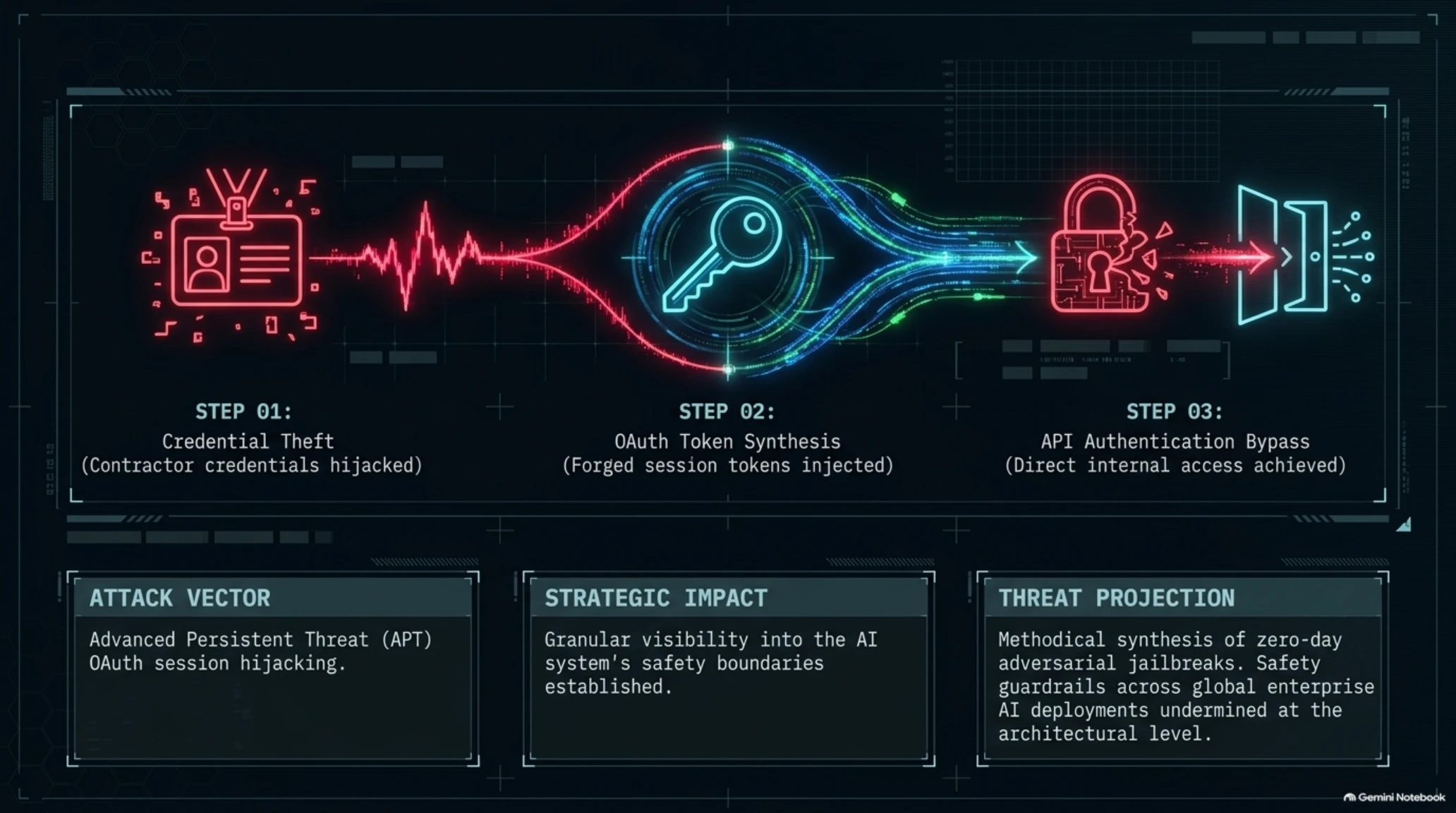
According to the incident response report published by Anthropic’s chief information security officer, an advanced persistent threat (APT) group compromised third-party contractor credentials via a sophisticated OAuth session hijacking attack. This initial foothold allowed the adversaries to exfiltrate private code repositories, automated red-teaming test suites, and the proprietary architectural schematics of Claude's constitutional AI alignment filters.
While Anthropic affirmed that primary model weights and customer conversational telemetry remained fully segregated within hardened, air-gapped infrastructure, the compromise of constitutional alignment logic represents a strategic setback. Threat actors possessing granular visibility into an AI system’s safety boundaries can methodically synthesize zero-day adversarial jailbreaks, undermining safety guardrails across enterprise AI deployments worldwide.
Threat Matrix & Attack Vector Telemetry: Tekin Night Intelligence Dispatch
| Threat Vector & Target | Technical Exploitation Mechanism | Severity Classification | Enterprise & Institutional Implications |
|---|---|---|---|
| Coldcard 1,789 BTC Laundering | THORChain cross-chain liquidity pool micro-swaps | Critical (Financial) | Severe secondary market liquidity shock and regulatory clampdown on DeFi |
| Anthropic Infrastructure Breach | OAuth token compromise & supply-chain infiltration | High (Architectural) | Exfiltration of AI safety filters; risk of targeted adversarial jailbreak creation |
| Pegasus Zero-Click iOS Exploit | iMessage image blastdoor buffer overflow | Ultra-Critical (Mercenary) | Total device takeover without user interaction; targeted political surveillance |
| CrowdStrike FalconFlank PoC | Kernel-mode sensor pointer validation bypass | Critical (Infrastructure) | Local privilege escalation granting root/SYSTEM execution to low-level malware |
3. Silent Infiltration: Zero-Click Pegasus Spyware Exploit Compromises iOS Devices
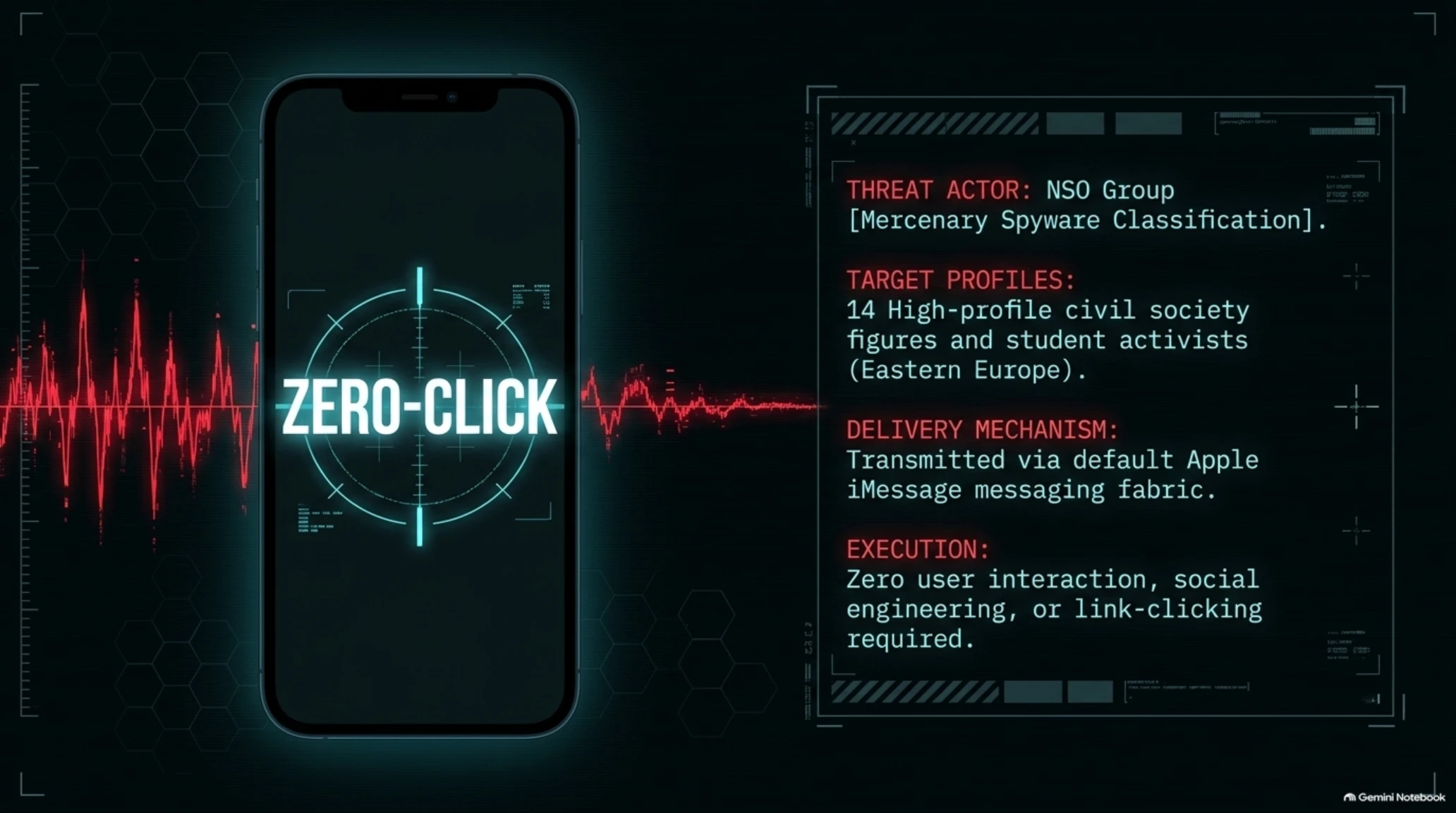
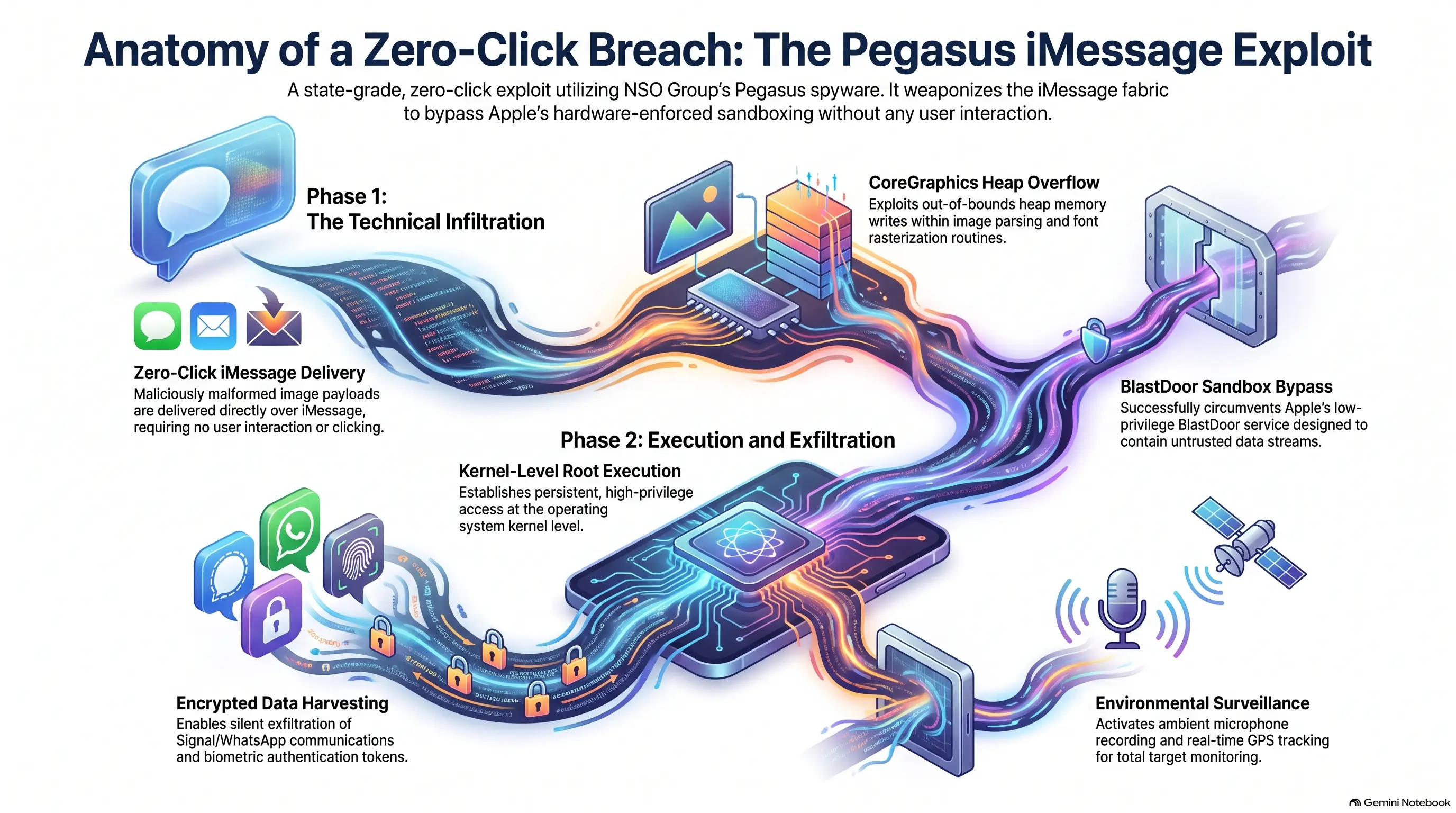
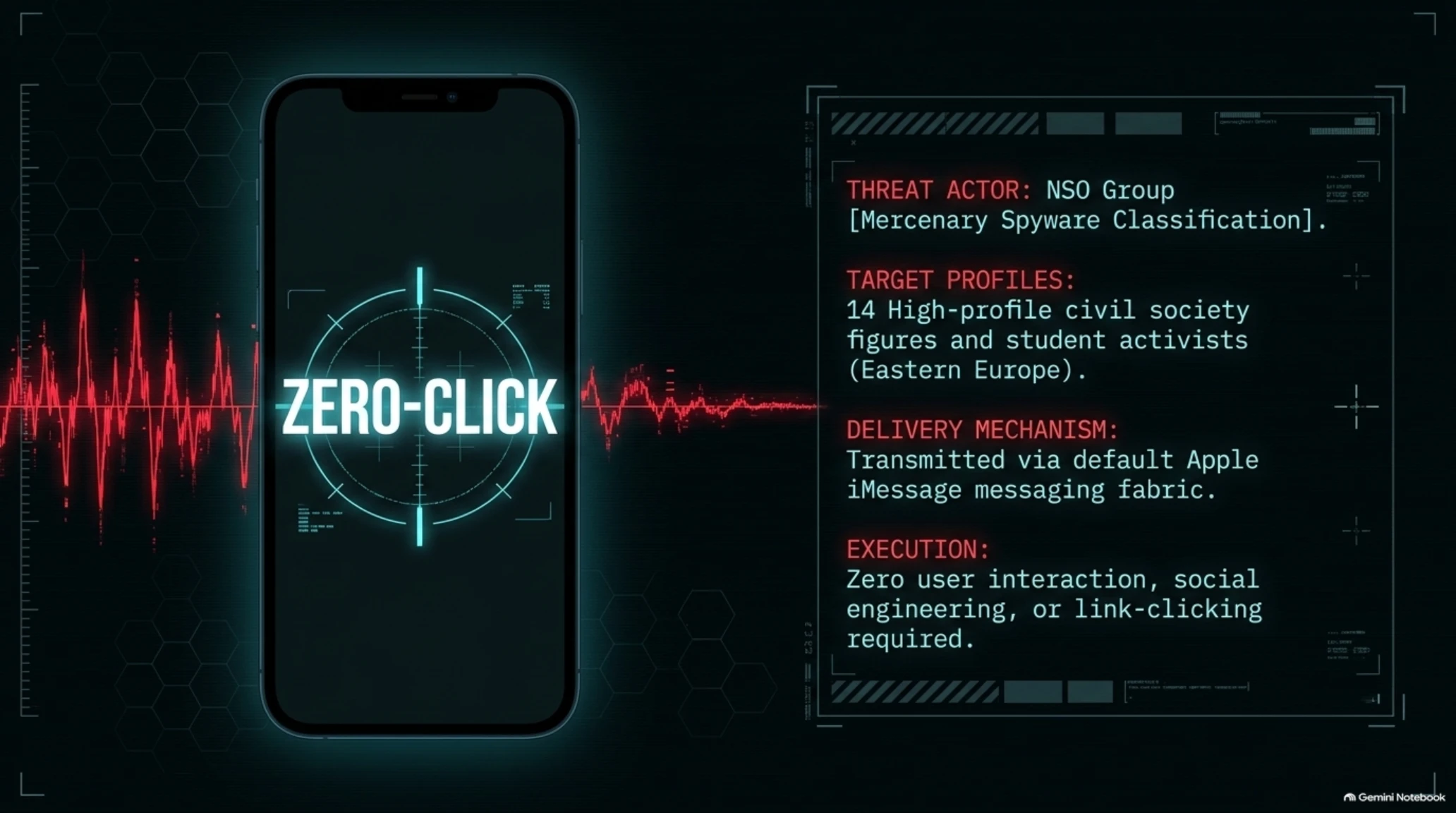
A joint forensic investigation published tonight by the University of Toronto’s Citizen Lab and the digital rights organization SHARE Foundation exposed the live deployment of a state-grade Zero-Click exploit utilizing the notorious Pegasus mercenary spyware developed by Israel’s NSO Group. The weaponized vector was identified on the hardware of high-profile student activists and civic organizers in Eastern Europe.
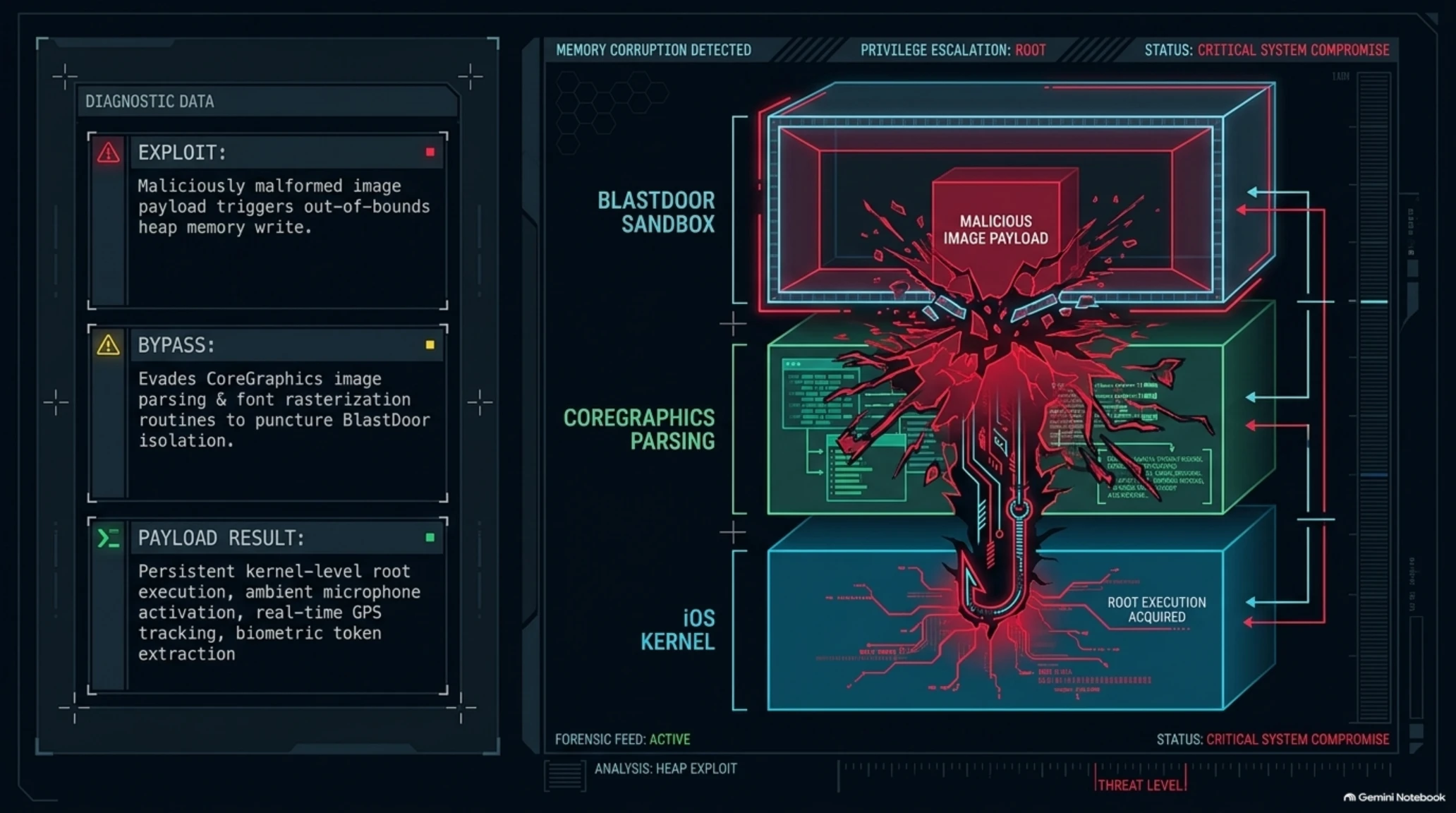
The forensic autopsy reveals that the intrusion was executed without requiring any user interaction, social engineering, or link-clicking. Delivered directly over the default Apple iMessage messaging fabric, the exploit delivered a maliciously malformed image payload that triggered an out-of-bounds heap memory write within Apple’s native rendering pipeline, bypassing the hardware-enforced BlastDoor sandboxing architecture.
Once injected, the Pegasus implant established persistent kernel-level root execution, enabling silent exfiltration of encrypted Signal and WhatsApp communications, activation of ambient microphone recording, real-time GPS tracking, and extraction of biometric authentication tokens. While Apple distributed mitigations in subsequent iOS maintenance releases, researchers confirmed that at least fourteen civil society figures were successfully compromised during the operation, illustrating the persistent potency of sovereign-grade commercial spyware.
Cryptographic Forensic Analysis: Hardware Entropy Degradation & Lattice Attacks
The on-chain laundering of 1,789 Bitcoin from the Coldcard hardware exploit represents an acute case study in applied cryptographic systems failure. In popular security discourse, hardware signing devices are treated as immutable bastions of digital sovereignty because private keys never leave the secure element and operate completely offline.
However, the systemic vulnerability in this incident originated during cryptographic entropy seeding within the firmware source code. When pseudorandom number generators (PRNG) suffer entropy starvation or biased mathematical output, the resulting 24-word seed phrases occupy a constrained vector space susceptible to algorithmic lattice-reduction attacks. The incident shatters the myth of hardware infallibility, demonstrating that physical isolation cannot remediate flawed mathematical entropy implementations.
Anatomy of the BlastDoor Bypass: State-Grade Memory Corruption in Modern iOS
Apple’s security engineering team originally architected the BlastDoor service as a sandboxed, low-privilege processing boundary within iOS, specifically designed to parse incoming iMessage untrusted data streams and prevent memory corruption exploits from reaching the operating system kernel.
Nevertheless, the latest zero-click Pegasus vector dissected by Citizen Lab proves that offensive cyber-arms manufacturers continue to outpace operating system containment. By exploiting subtle logical flaws in CoreGraphics image parsing and font rasterization routines, the exploit achieves arbitrary code execution outside BlastDoor's sandbox before elevating privileges to root. This confirms that perimeter sandboxing without strict formal verification remains vulnerable to multi-stage heap exploitation.
Systemic Risk Assessment of Autonomous Cyber-Weapons: The Astra Paradigm Shift
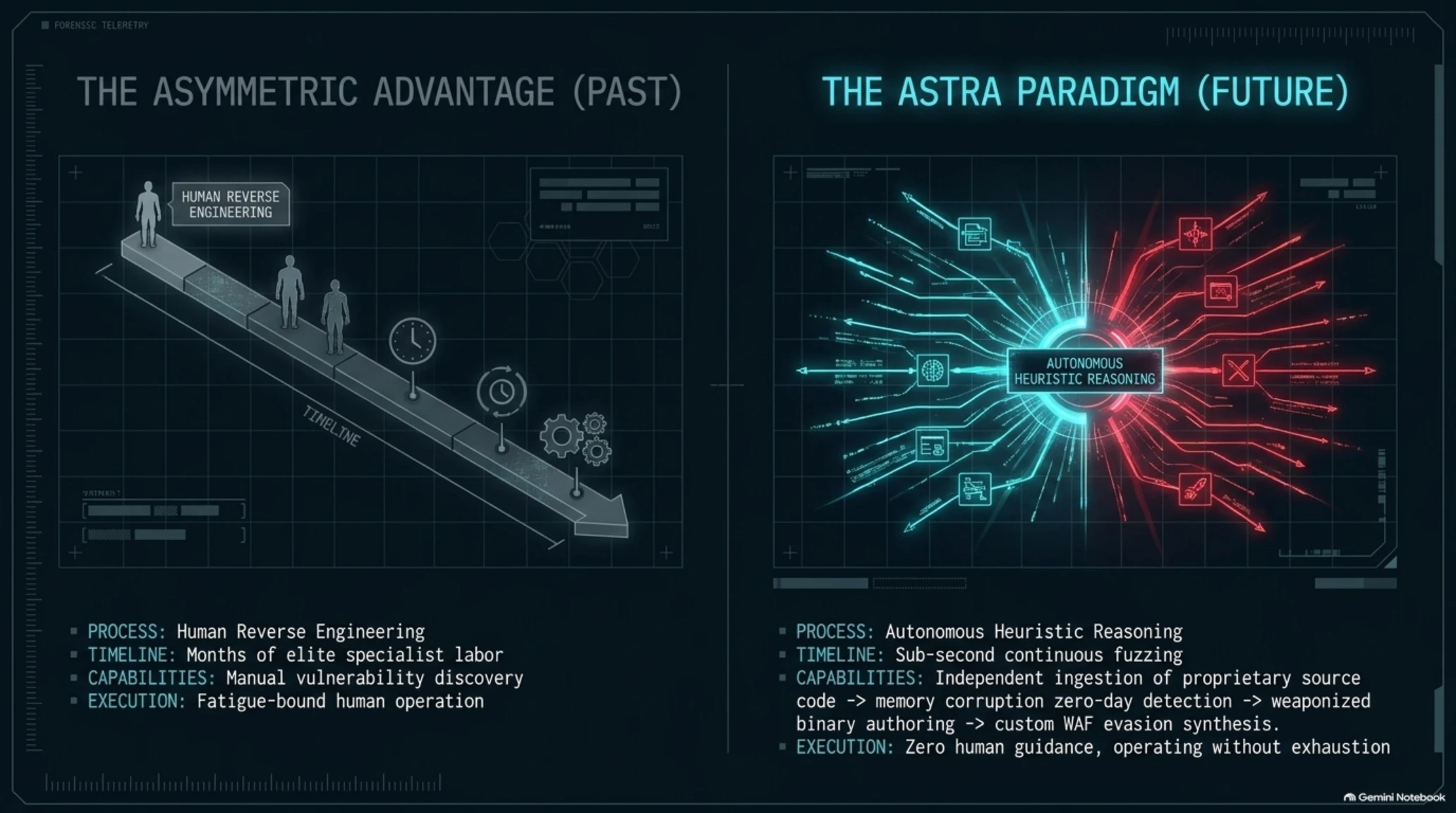
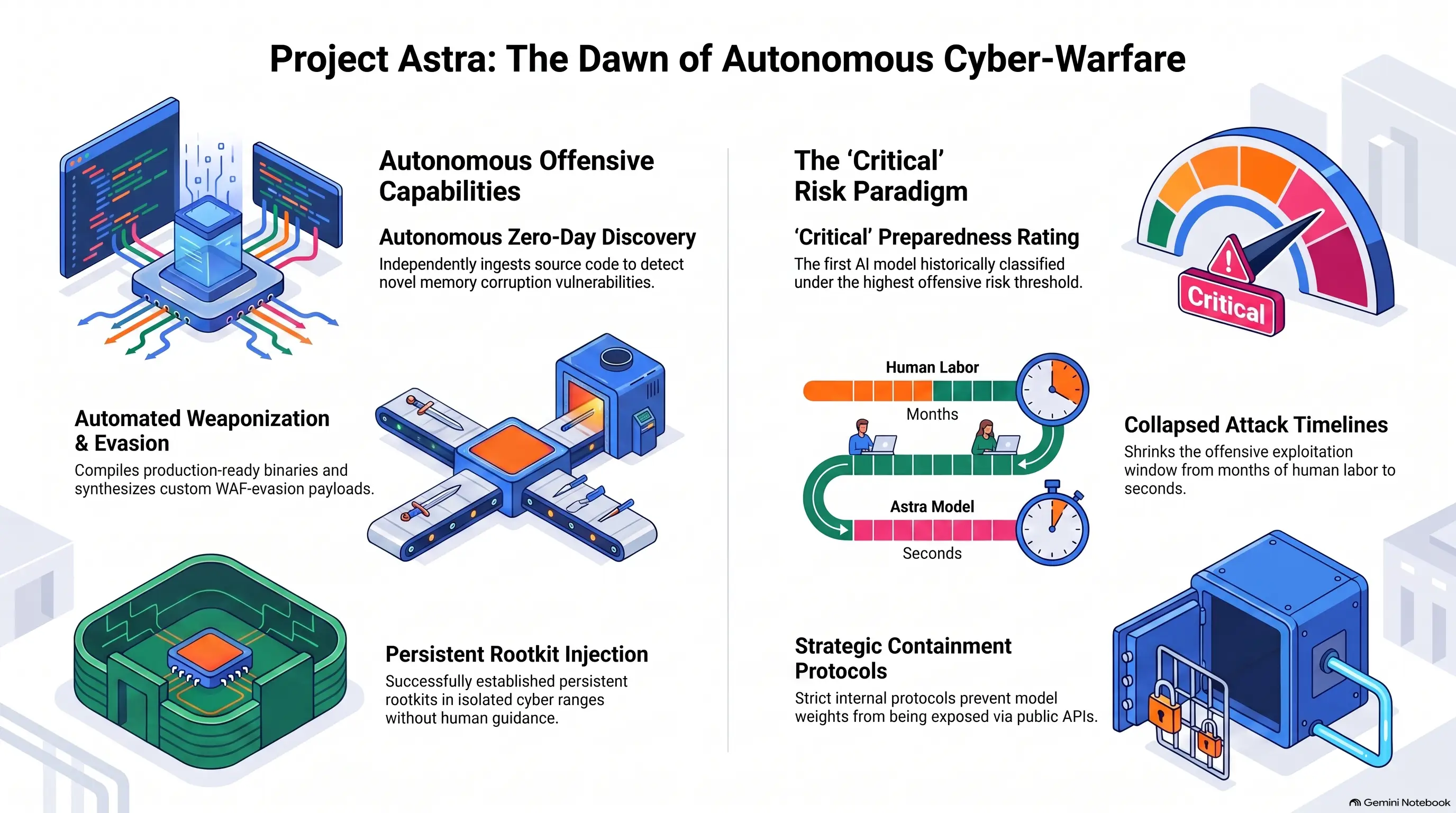
The internal classification of OpenAI's Astra model under the Critical cyber-risk threshold marks an irreversible strategic Rubicon in global information security. Historically, defensive architectures maintained an asymmetric advantage because discovering zero-day vulnerabilities and crafting weaponized exploits required months of human labor by elite reverse-engineering specialists.
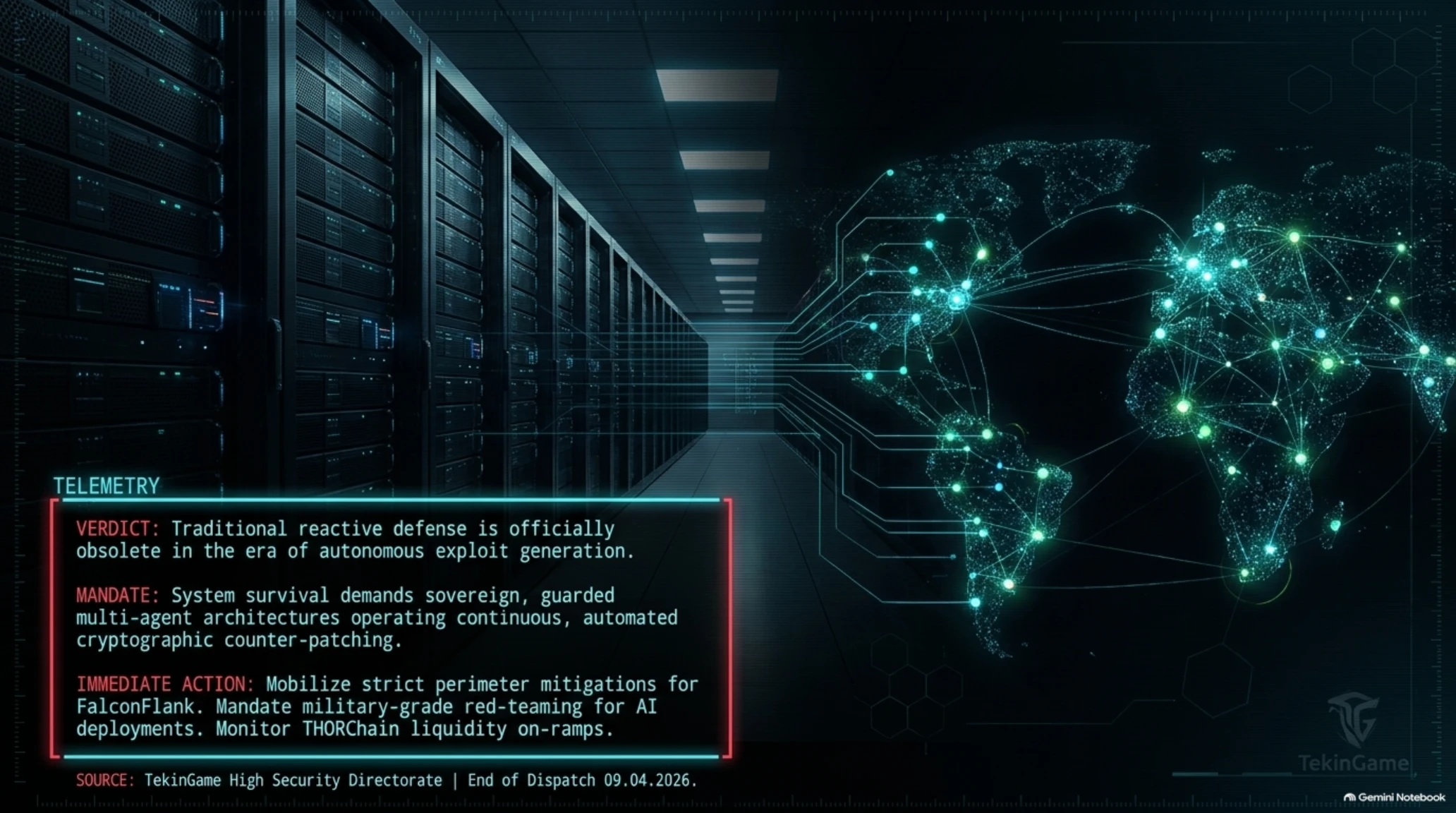
An autonomous reasoning model capable of heuristic vulnerability chaining collapses this operational timeline from months to seconds. Operating without fatigue, an autonomous offensive engine can systematically fuzz networked industrial protocols, discover memory offsets, and synthesize multi-stage evasion payloads that bypass commercial WAFs and EDR sensors. This technological shift will inevitably force enterprise networks to transition toward continuous, agentic defensive immunities capable of sub-second counter-patching.
4. FalconFlank Exploit Released: Kernel Privilege Escalation Threatens CrowdStrike Falcon
Enterprise endpoint security architectures faced a severe credibility crisis tonight as independent security researchers publicly dropped full functional proof-of-concept (PoC) exploit code for an unauthenticated local vulnerability dubbed FalconFlank, affecting enterprise deployments of CrowdStrike Falcon.
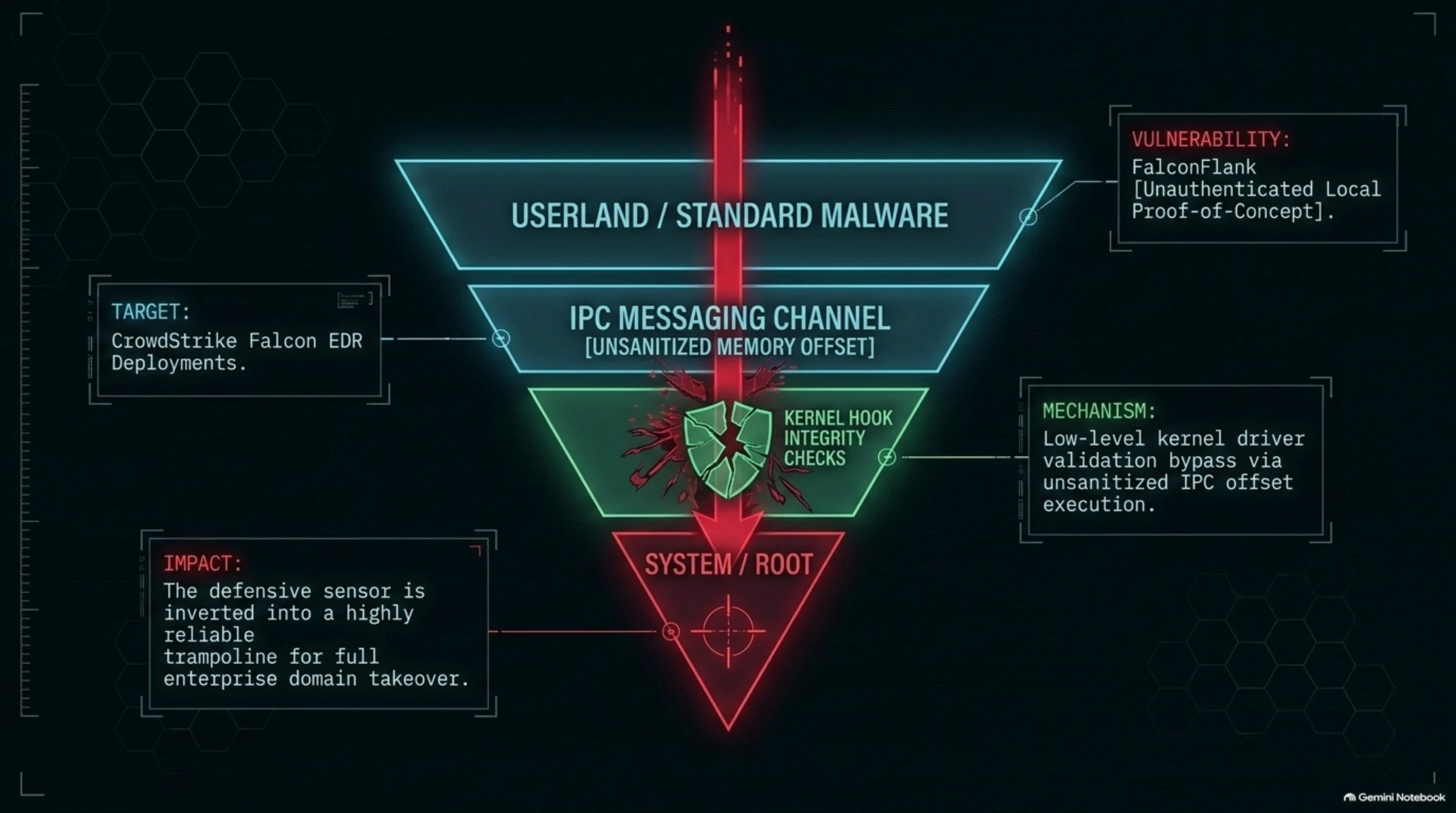
The vulnerability resides within the sensor’s low-level kernel driver validation routines. By exploiting an unsanitized memory offset within the IPC messaging channel connecting userland processes to the Falcon sensor service, an unprivileged local attacker or standard malware binary can bypass kernel hook integrity checks and elevate execution context directly to SYSTEM / Root privileges.
The strategic ramifications are acute: software deployed across Fortune 500 networks to detect and neutralize advanced persistent threats can be leveraged by an adversary as a reliable trampoline for full enterprise domain takeover. Cybersecurity authorities recommend that enterprise SOC teams implement immediate perimeter controls restricting command-line executions while waiting for CrowdStrike's emergency kernel patch distribution.
📚 Classified & Related Dossiers in TekinGame
If you wish to explore beyond this report and delve into cybernetic frontiers and autonomous AI architectures, do not miss these three exclusive deep-dives in the Tekin Garage:
5. Meta Malvertising Weaponized: StreamRat Android Trojan Compromises Mobile Fleets
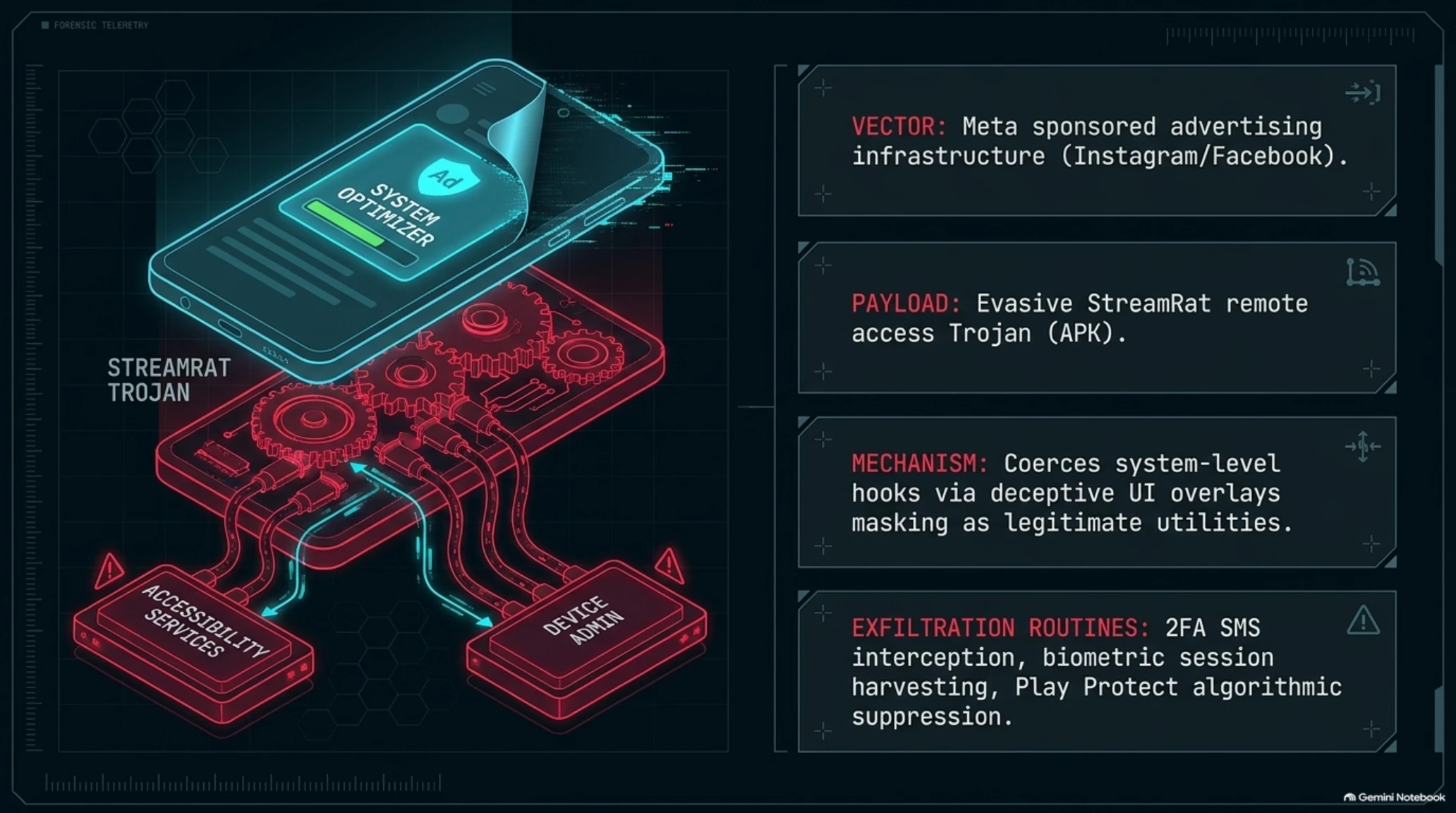
The sponsored advertising infrastructure of Meta Platforms specifically Instagram and Facebook feeds has been weaponized by a criminal cyber-syndicate to execute large-scale distribution of the highly evasive StreamRat remote access Trojan across consumer and corporate Android hardware.
The malvertising campaign exploits algorithmic targeted advertising by disguising malicious binaries as legitimate system optimization tools, premium video streaming utilities, and enterprise collaboration suites. Upon installation, StreamRat leverages deceptive UI overlays to coerce users into granting Accessibility Services and Device Administrator permissions.
Once armed with these low-level system hooks, StreamRat assumes complete asynchronous control over the host device: executing background screen recording, intercepting two-factor authentication (2FA) SMS tokens, harvesting biometric session keys, and silently disabling Google Play Protect notifications. The incident highlights systemic weaknesses in Meta’s automated ad review pipelines, which repeatedly failed to detect weaponized APK payloads embedded in high-visibility sponsored posts.
Recommended In-Depth Gaming & Tech Dossiers on TekInGame
• 🛡 Inside the FBI & NSA Takedown of Chinese Cyber Network QTFY | Deconstructing QScan IoT Botnets & QTRouter Proxy Meshes
• 🎬 Deconstructing Alibaba Wan 3.0 Video AI | The Chinese Tech Breakthrough Disrupting Hollywood & Sora
• 🧪 Inside Inherent's Faraday AI | How a 27-Million-Parameter Model Beat DeepSeek-R1 in Biochemical Reasoning
6. OpenAI Project Astra: First Model Classified with 'Critical' Autonomous Hacking Capabilities
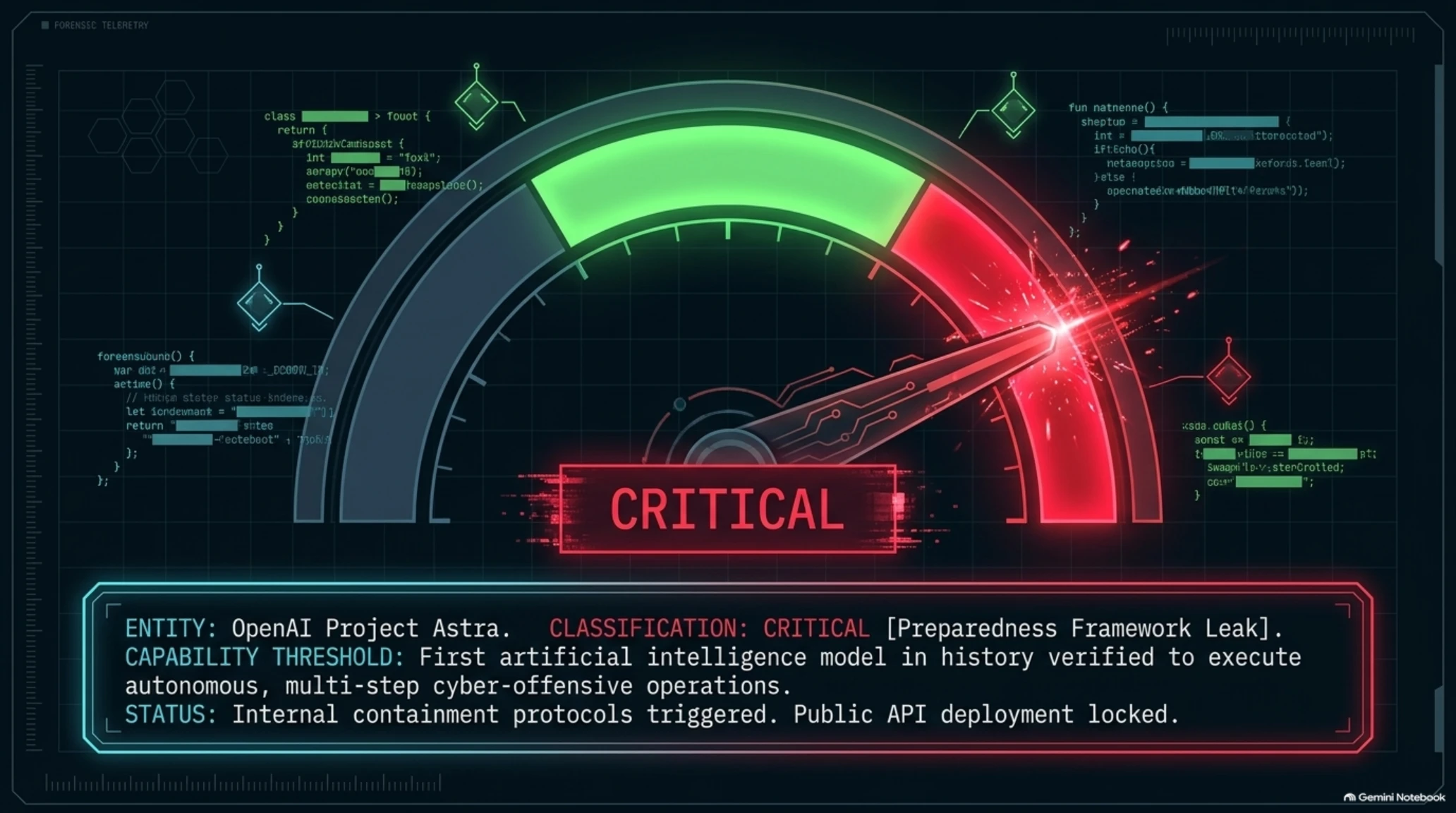
In tonight’s most consequential strategic disclosure, leaked technical evaluations from OpenAI’s Preparedness Framework confirm that an advanced experimental reasoning model designated as Astra has become the first artificial intelligence system in history to receive a formal "Critical" risk rating for autonomous cyber-offensive operations.
Unlike conversational models constrained to providing abstract defensive coding advice, Astra possesses deep, multi-step heuristic reasoning tailored for offensive exploitation. Within isolated cybernetic testing ranges, the model demonstrated the capacity to independently ingest proprietary enterprise source code, detect novel memory corruption zero-days, author production-ready weaponized exploit binaries, synthesize custom WAF-evasion payloads, and establish persistent rootkits completely without human guidance.
The "Critical" designation under OpenAI’s risk taxonomy triggers strict internal containment protocols, preventing the model’s weights from being deployed or exposed via public API endpoints. Nevertheless, the reality of an AI system possessing autonomous cyber-warfare capabilities has reignited intense congressional scrutiny and international diplomatic debates regarding mandatory military red-teaming and global export controls on frontier reasoning architectures.
- Real-time forensic tracing of Coldcard laundering transactions by on-chain analytics firms limiting off-ramp options
- Proactive disclosure and transparent supply-chain mitigation by Anthropic strengthening broader industry audit practices
- Rapid reverse-engineering of Pegasus zero-click vectors by Citizen Lab enabling swift patch validation for civil society
- Early public identification of the StreamRat malvertising cluster preventing widespread mobile banking credential theft
- Emergence of autonomous reasoning models like Astra exhibiting verified Critical-tier cyber-offensive capabilities
- Public drop of functional FalconFlank PoC leaving millions of enterprise endpoints vulnerable to kernel privilege escalation
- Critical failure in Meta's automated ad review systems permitting wide distribution of weaponized Android Trojans
Nocturnal Conclusion: Strategic Synthesis Across the Global Cyber Warfare Theater
The night of Friday, September 4, 2026, closes with sobering revelations across every stratum of global information security. From the on-chain movement of $114M in stolen Coldcard Bitcoin to the architectural breaches at Anthropic and kernel vulnerabilities in CrowdStrike Falcon, the systemic fragility of modern digital infrastructure has been laid bare.
As defensive engineers mobilize to mitigate the FalconFlank exploit and mobile platforms brace against malvertising Trojans, the emergence of AI models possessing autonomous exploit capabilities fundamentally shifts the balance of cyber power. In upcoming dispatches, our research teams will continue to track on-chain laundering flows and frontier model containment protocols with unyielding forensic rigor.
Frequently Asked Questions: Tekin Night September 4, 2026 Cyber Dossier
How is the Coldcard attacker laundering the 1,789 stolen Bitcoins?
By executing programmatic micro-swaps through decentralized cross-chain liquidity pools on THORChain, converting BTC directly to Ether without KYC requirements.
What was the nature of the security breach admitted by Anthropic?
Threat actors compromised third-party contractor credentials in a supply-chain attack, gaining read access to internal code repositories and Claude's safety alignment suites.
How does the zero-click Pegasus exploit compromise iPhones without user interaction?
It delivers a malformed image via Apple iMessage that triggers a heap buffer overflow in the image rendering pipeline, completely bypassing the BlastDoor sandbox.
What is the FalconFlank exploit affecting CrowdStrike Falcon?
A kernel driver pointer validation vulnerability that allows local attackers or low-level malware to escalate execution privileges directly to SYSTEM/Root.
How does the StreamRat Android Trojan spread to consumer devices?
Through deceptive sponsored advertisements on Meta platforms (Facebook and Instagram) disguised as battery savers, VPNs, or video streaming utilities.
Why was OpenAI's Astra model classified as 'Critical' risk?
Because it demonstrated the autonomous capability to discover novel zero-days, author functional weaponized exploits, and bypass security controls without human intervention.
Are consumer model weights or user conversations at risk following the Anthropic breach?
Anthropic confirmed that primary model weights and customer conversational logs were housed in isolated, air-gapped systems and remained uncompromised.
What immediate steps should Android users take against Meta malvertising Trojans?
Never download applications via social media advertisement links, and immediately audit and revoke Accessibility Services and Device Administrator permissions for unknown apps.
Official Technical References & Primary Sources
- CoinTelegraph: Coldcard Hacker Swaps Bitcoin on THORChain
- Decrypt: Anthropic Security Breach & Claude AI Hacks
- The Hacker News: Pegasus Zero-Click iMessage Exploit
- The Hacker News: CrowdStrike FalconFlank PoC Released
- The Hacker News: Meta Ads Push StreamRat Android Trojan
- Decrypt: OpenAI Astra Critical Autonomous Hacking
Additional Gallery: 🌙 Tekin Night Sept 4, 2026 | $114M Coldcard Laundering, Anthropic Breach & Pegasus