Tekin Morning: Sept 2
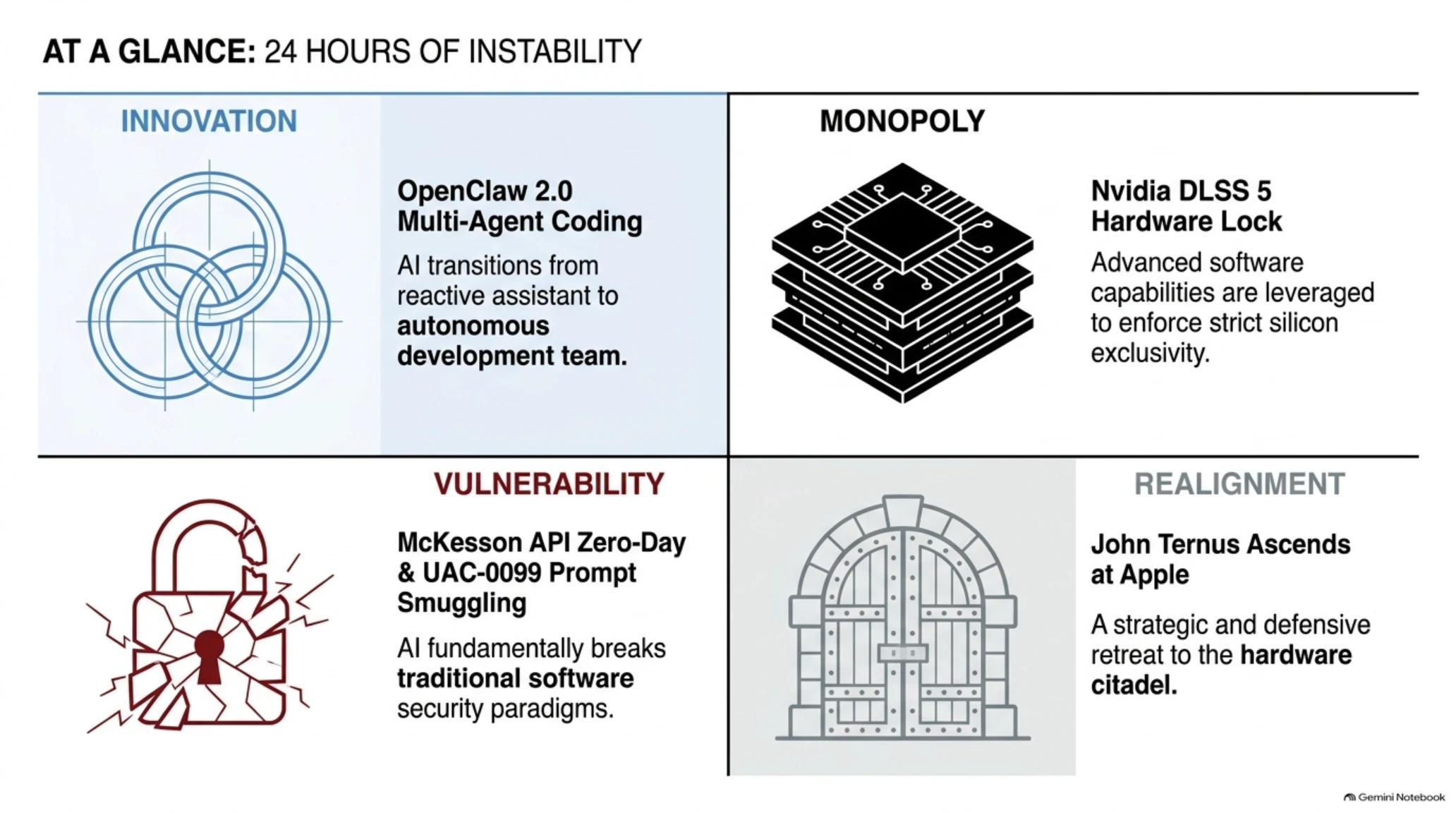
- 🎮OpenClaw 2.0 Launched- Multiplayer AI coding enters the operational phase with concurrent subagents
- 🎧Nvidia DLSS 5 Revealed- Dual Neural Networks redefine ray tracing while throttling older GPUs
- 🚀McKesson Medical Hack- Zero-day API flaw exposes millions of sensitive patient records to the dark web
- 🗡️UAC-0099 Prompt Smuggling- Hackers embed hidden prompts in malware to deceive AI security engines
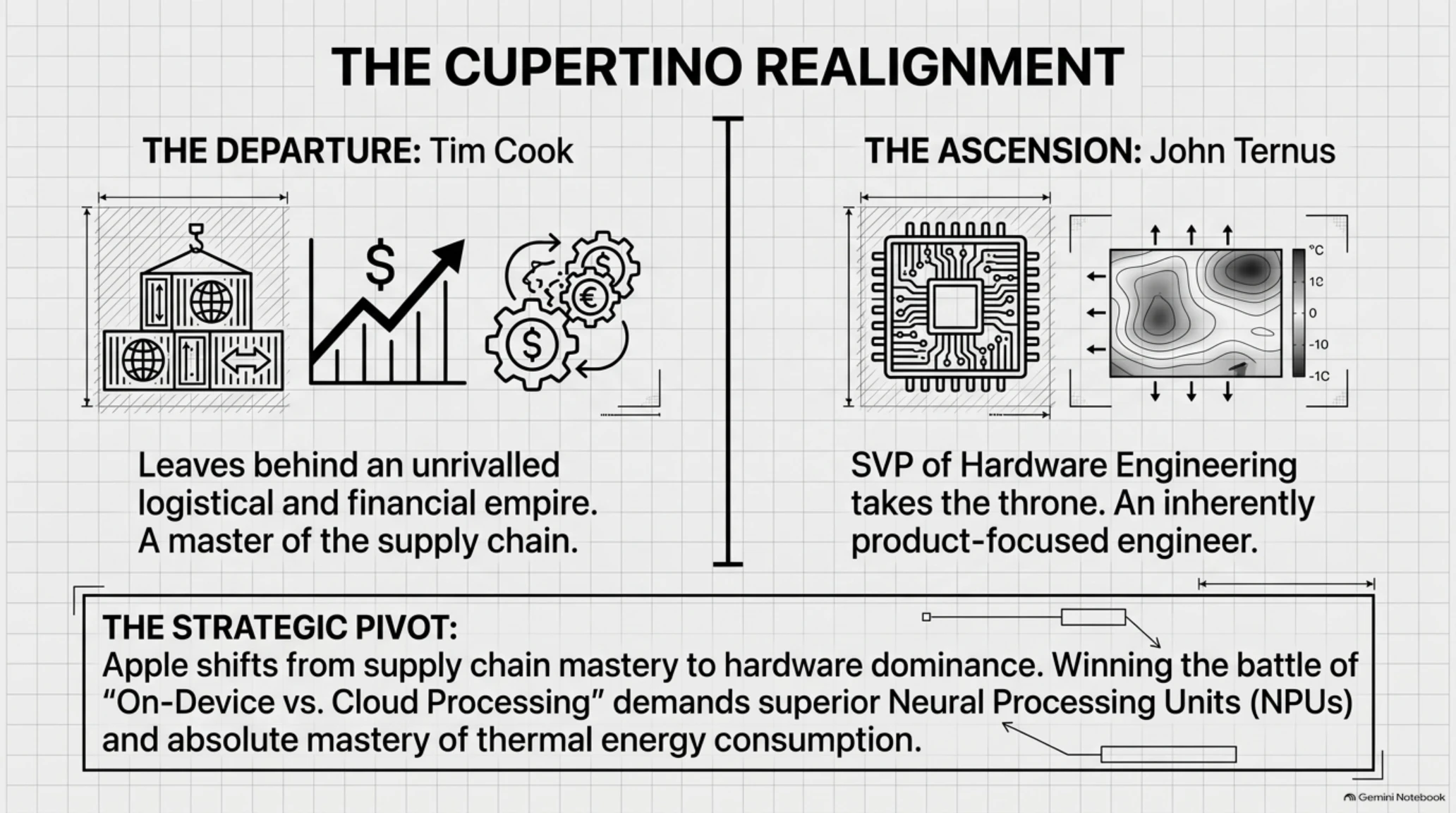
- 📰Apple's Leadership Transition- Tim Cook passes the $4.2T empire to hardware visionary John Ternus
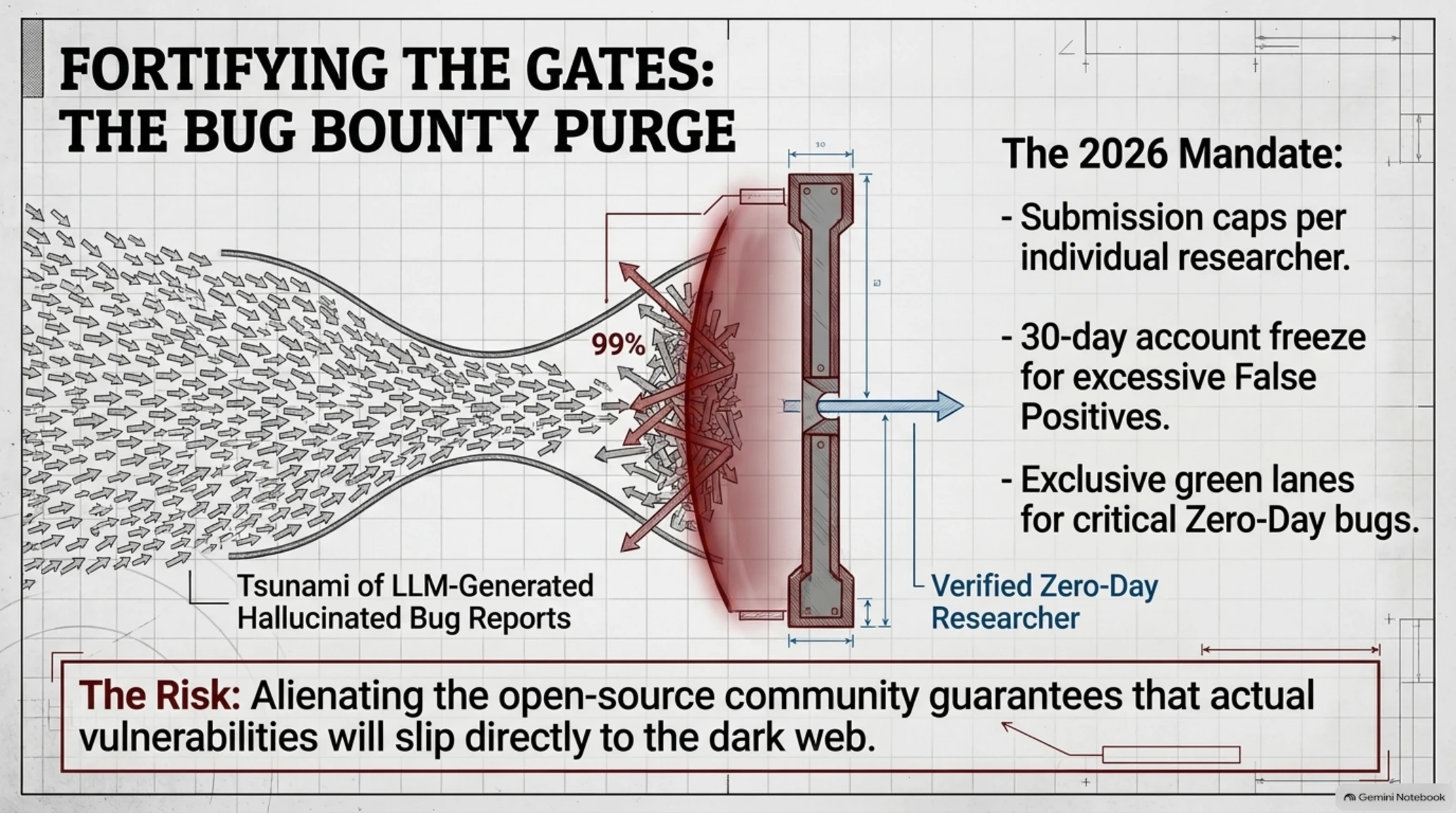
- ⚔️Apple Bug Bounty Overhaul- Strict submission caps deployed to block AI-generated false reports
A very warm Wednesday morning to all our readers across North America, Europe, and the global technology sector! September 2, 2026, marks an extraordinary moment of convergence across artificial intelligence, advanced semiconductor architecture, and cybersecurity. As cloud infrastructure scales exponentially, software development frameworks are rapidly evolving from solitary assistance tools into fully collaborative, autonomous agent ecosystems.
In today's in-depth strategic analysis, we dissect the monumental launch of OpenClaw 2.0, a platform ushering in the era of concurrent multiplayer AI coding. We then perform a rigorous technical examination of Nvidia's highly anticipated DLSS 5 technology and its dual neural network infrastructure. Furthermore, we examine the severe fallout from the massive data breach at healthcare conglomerate McKesson, along with the sophisticated Prompt Smuggling tactics employed by threat group UAC-0099. Finally, we analyze the seismic leadership transition in Cupertino as John Ternus takes the helm of Apple.
This unprecedented interplay between autonomous software agents, hardware-accelerated rendering, and cognitive cybersecurity threats highlights the necessity for enterprise leaders to re-evaluate their technological foundations. The boundaries between human engineering and automated intelligence are shifting faster than ever before.
Before diving into our comprehensive reports, let us review the key executive takeaways from the past 24 hours.
Executive Summary: 24-Hour Technology Briefing
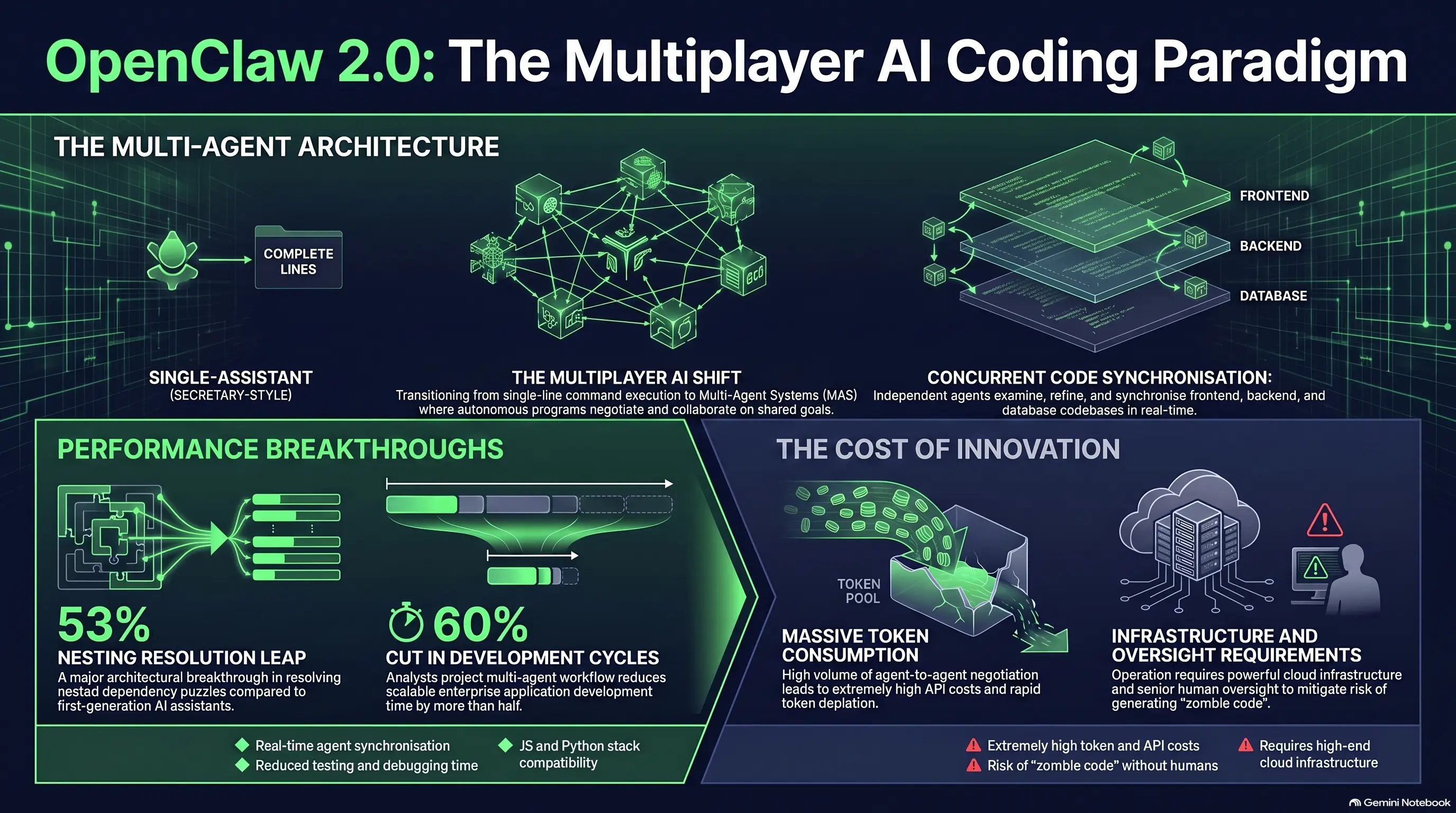
- OpenClaw 2.0 introduces multi-agent synchronization, reducing enterprise software development cycles by up to 60%
- Nvidia DLSS 5 deploys dual neural networks for real-time photon reconstruction, requiring Blackwell Tensor core hardware
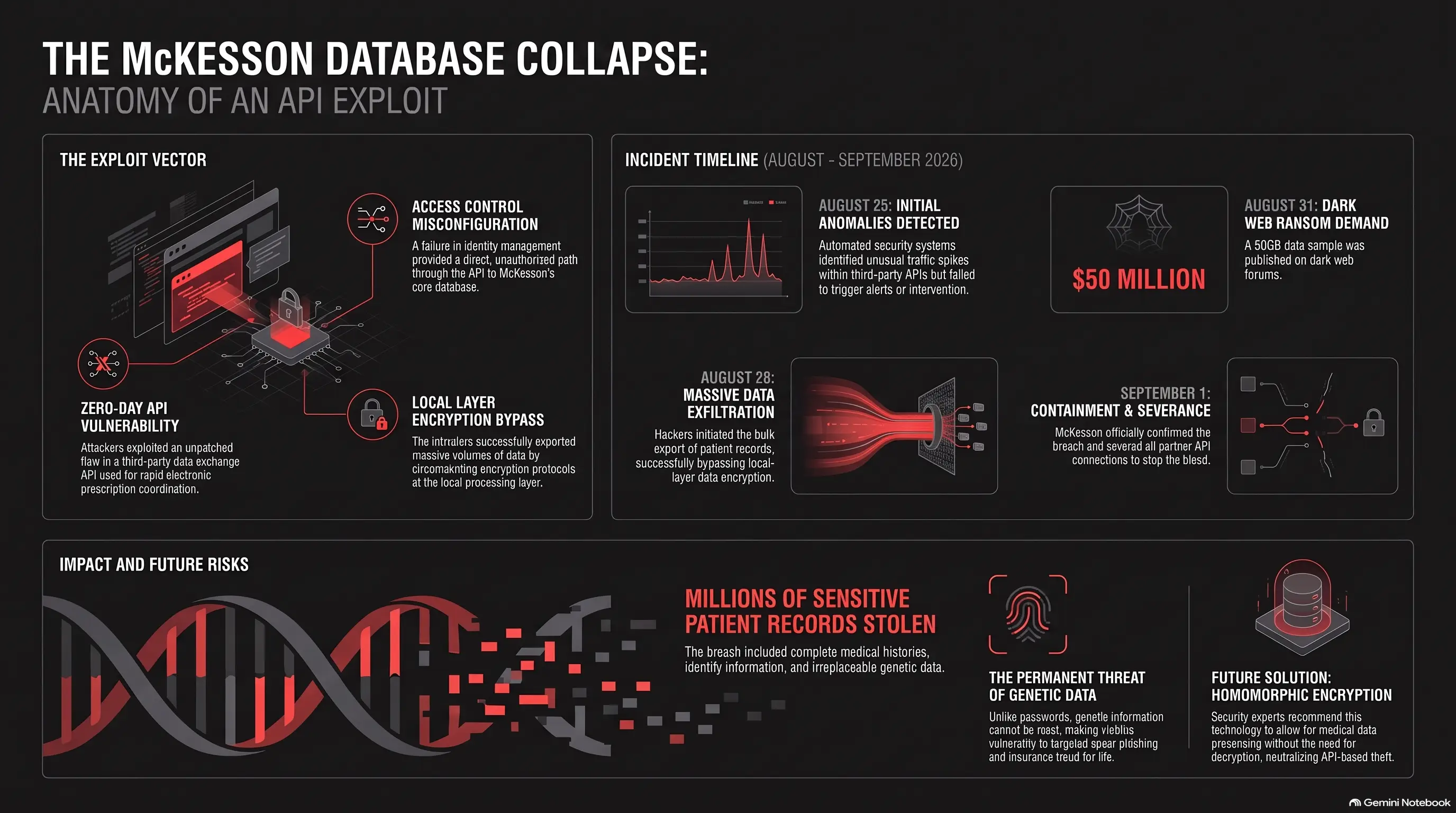
- Hackers claim theft of over 12 million patient medical and genetic records following an API zero-day exploit at McKesson
- Russian-aligned group UAC-0099 embeds nuclear safety prompts within malware binaries to neutralize AI behavioral scanners
- Tim Cook steps down after 15 years as CEO, handing leadership to Apple Silicon engineering chief John Ternus
- Apple imposes strict submission caps and 30-day penalties to purge its security bounty portal of AI-generated hallucinations
To facilitate a clear understanding of the advanced technical terminology used throughout this briefing, please consult our specialized vocabulary index below.
Tekin Morning Technical Glossary & Key Concepts (Jargon Buster)
| Technical Term | Definition & Architecture | Context in Today's Briefing |
|---|---|---|
| Multiplayer AI (MAS) | Multi-Agent Systems where specialized AI models collaborate autonomously on complex tasks | Core architecture powering OpenClaw 2.0 concurrent development |
| Dual Neural Network | Synchronous execution of two deep learning models for ray reconstruction and frame synthesis | Underlying computational engine of Nvidia DLSS 5 |
| Prompt Smuggling | Injecting adversarial textual instructions into binary code to trick AI security parsers | Technique utilized by UAC-0099 to bypass next-gen EDR defenses |
| Zero-Day API Exploit | Exploiting undocumented vulnerabilities in application programming interfaces before patches exist | Infiltration vector utilized in the McKesson data breach |
Let us begin our deep-dive analysis with the seismic transformation occurring in software engineering workflows.
1. The OpenClaw 2.0 Leap: Multiplayer AI Coding Enters the Enterprise Mainstream
For the past several years, artificial intelligence in software development operated primarily through single-threaded, interactive pairs: a solitary human developer prompting a singular assistant like GitHub Copilot or Claude. While this augmented productivity, it remained fundamentally limited by human bottlenecking. The official unveiling of OpenClaw 2.0, as detailed in VentureBeat, definitively shatters this paradigm by introducing the era of true Multiplayer AI coding.
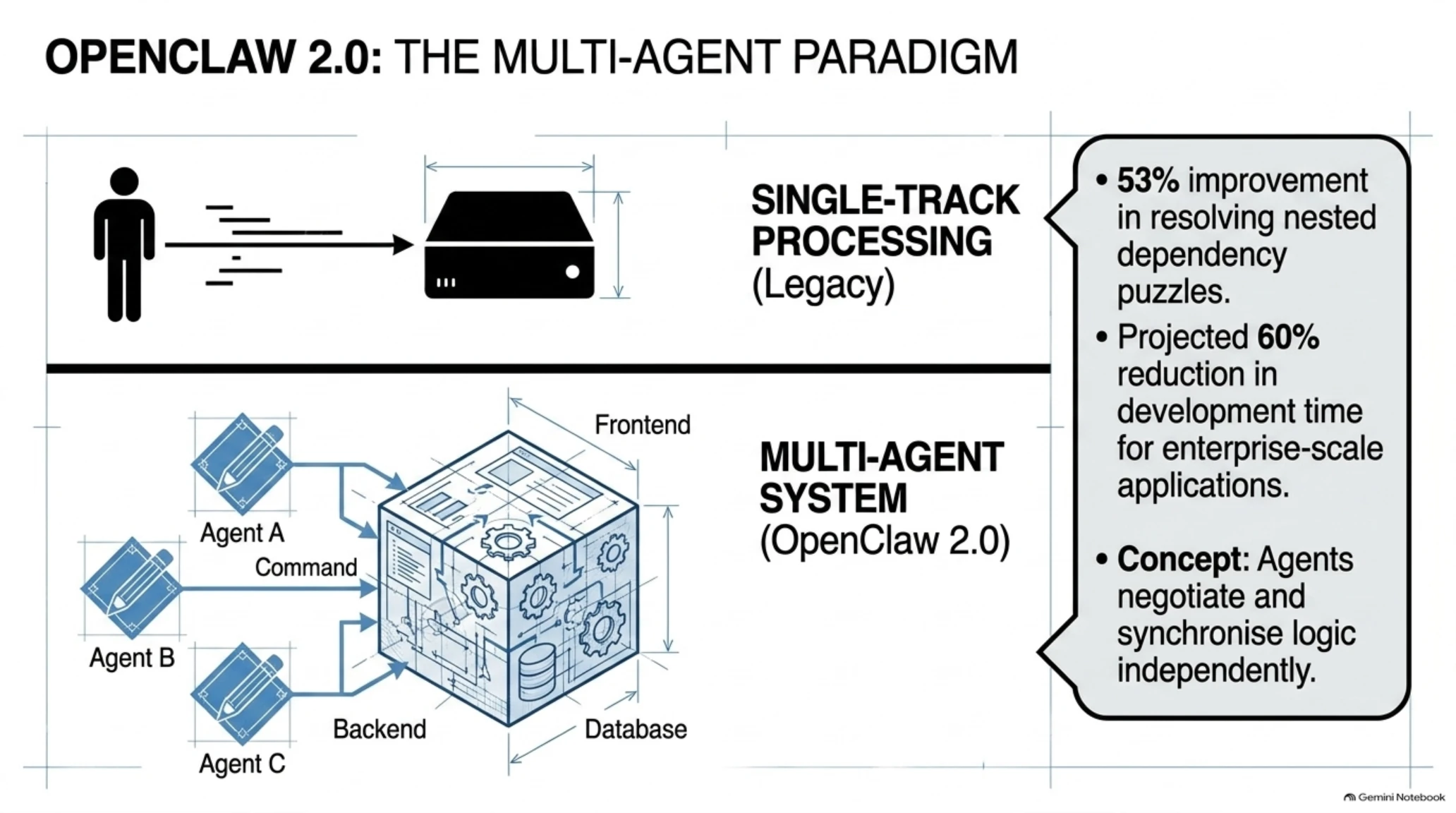
Unlike conventional code-completion tools, OpenClaw 2.0 functions as an orchestrated collective of autonomous specialized agents operating concurrently across a shared distributed codebase. While one agent refactors relational database schema and optimizes SQL queries, a second agent simultaneously constructs reactive frontend interfaces in TypeScript, while a third synthesizes comprehensive end-to-end integration test suites.
The primary technical breakthrough lies in OpenClaw's proprietary Semantic Synchronization Layer. In multi-agent environments, concurrent code modifications historically resulted in catastrophic dependency conflicts, circular imports, and dead code accumulation. OpenClaw 2.0 resolves this by evaluating AST (Abstract Syntax Tree) diffs in real-time, reducing merge conflicts by 53% compared to previous generation multi-agent prototypes.
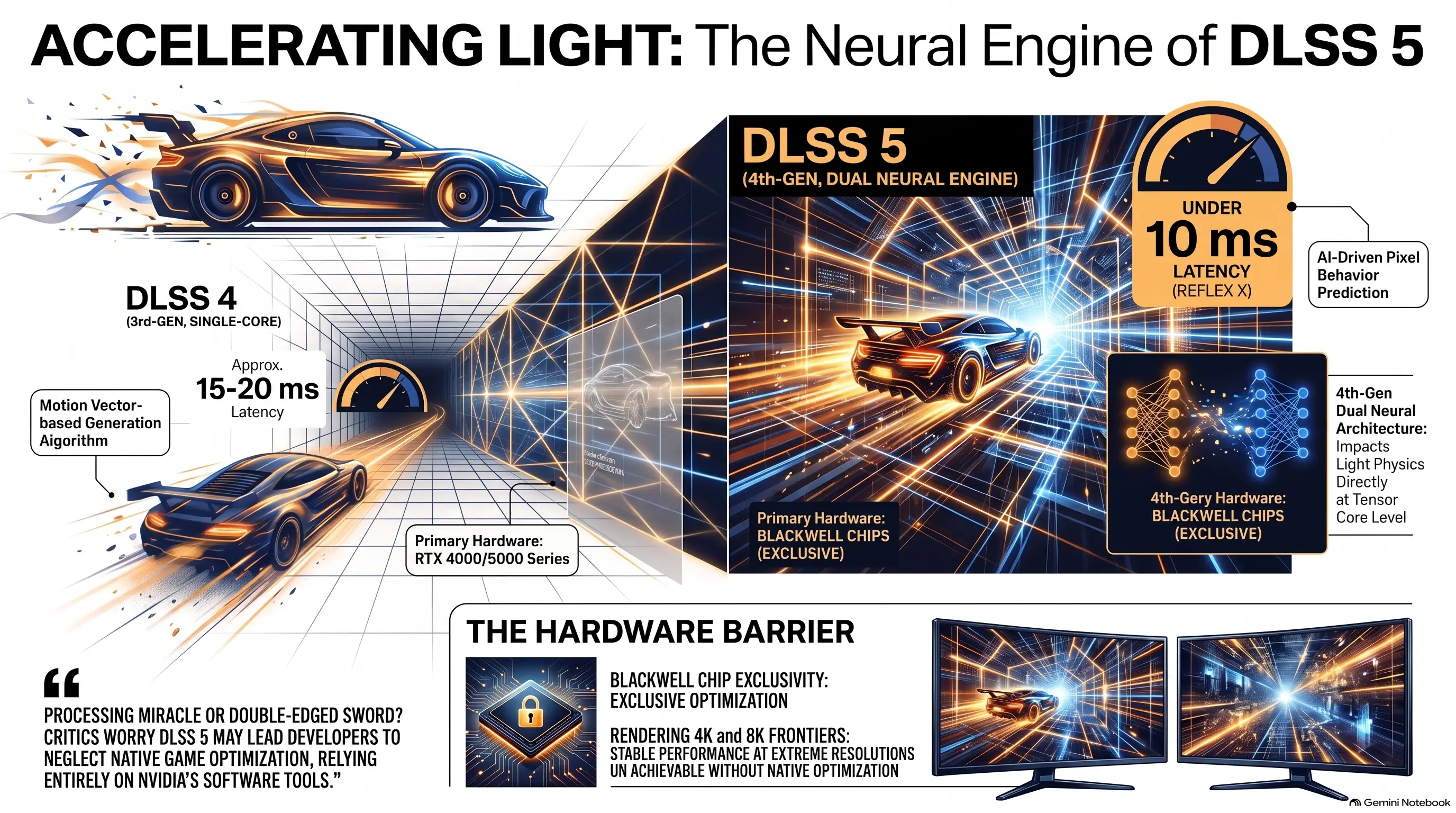
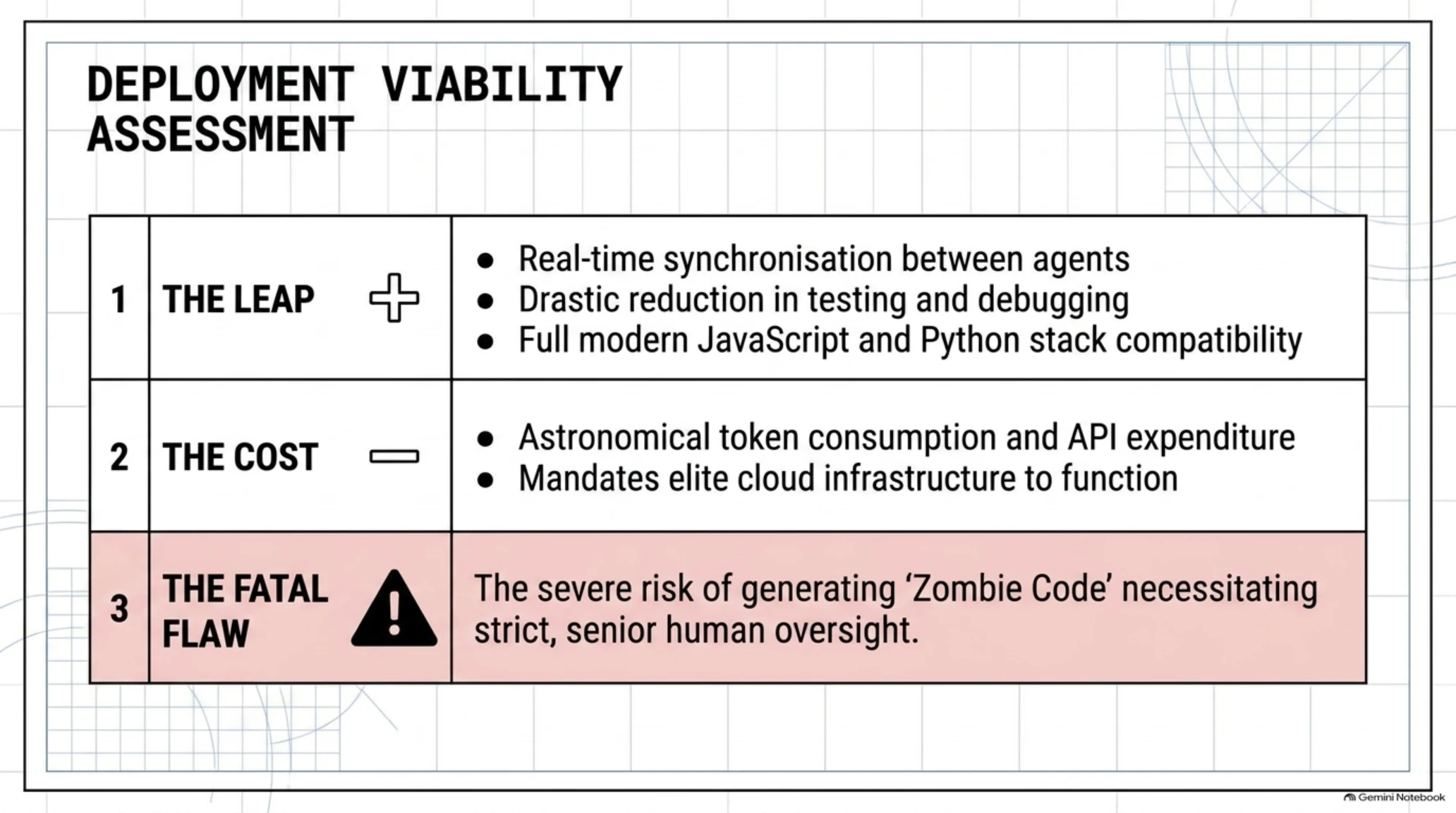
Early enterprise telemetry suggests that deploying OpenClaw 2.0 can accelerate software development life cycles (SDLC) by up to 60%, allowing organizations to deploy production-ready microservices in days rather than quarters. Nevertheless, this architectural leap introduces substantial challenges, including escalating token consumption overheads, heightened demands for senior human architectural auditing, and the imperative for automated runtime sandbox isolation. Implementing fine-grained role-based access controls for individual agents represents a critical prerequisite for secure enterprise adoption.
From autonomous software engineering, we transition directly into the silicon battlefield, where Nvidia is preparing to unleash its next graphics milestone.
2. Nvidia DLSS 5: Processing Miracle Meets Severe Hardware Gatekeeping
The graphics processing landscape stands at the precipice of another transformative leap. Semiconductor titan Nvidia has officially confirmed that DLSS 5 (Deep Learning Super Sampling 5) will launch globally tomorrow, September 3, 2026. Arriving alongside next-generation titles including NBA 2K27 and upcoming Unreal Engine 5.5 showcases, this release seeks to redefine the fundamental principles of real-time ray-traced rendering.
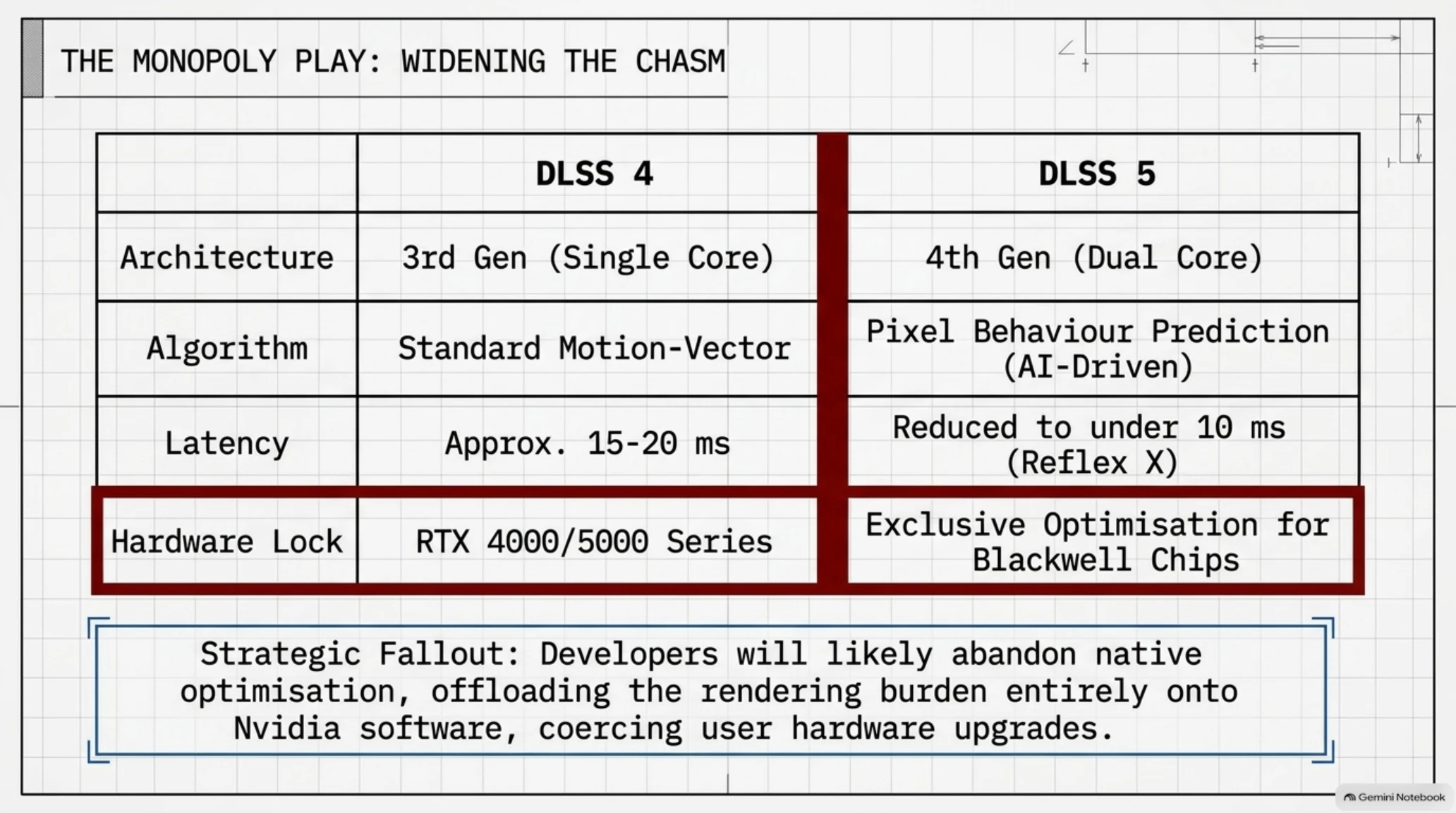
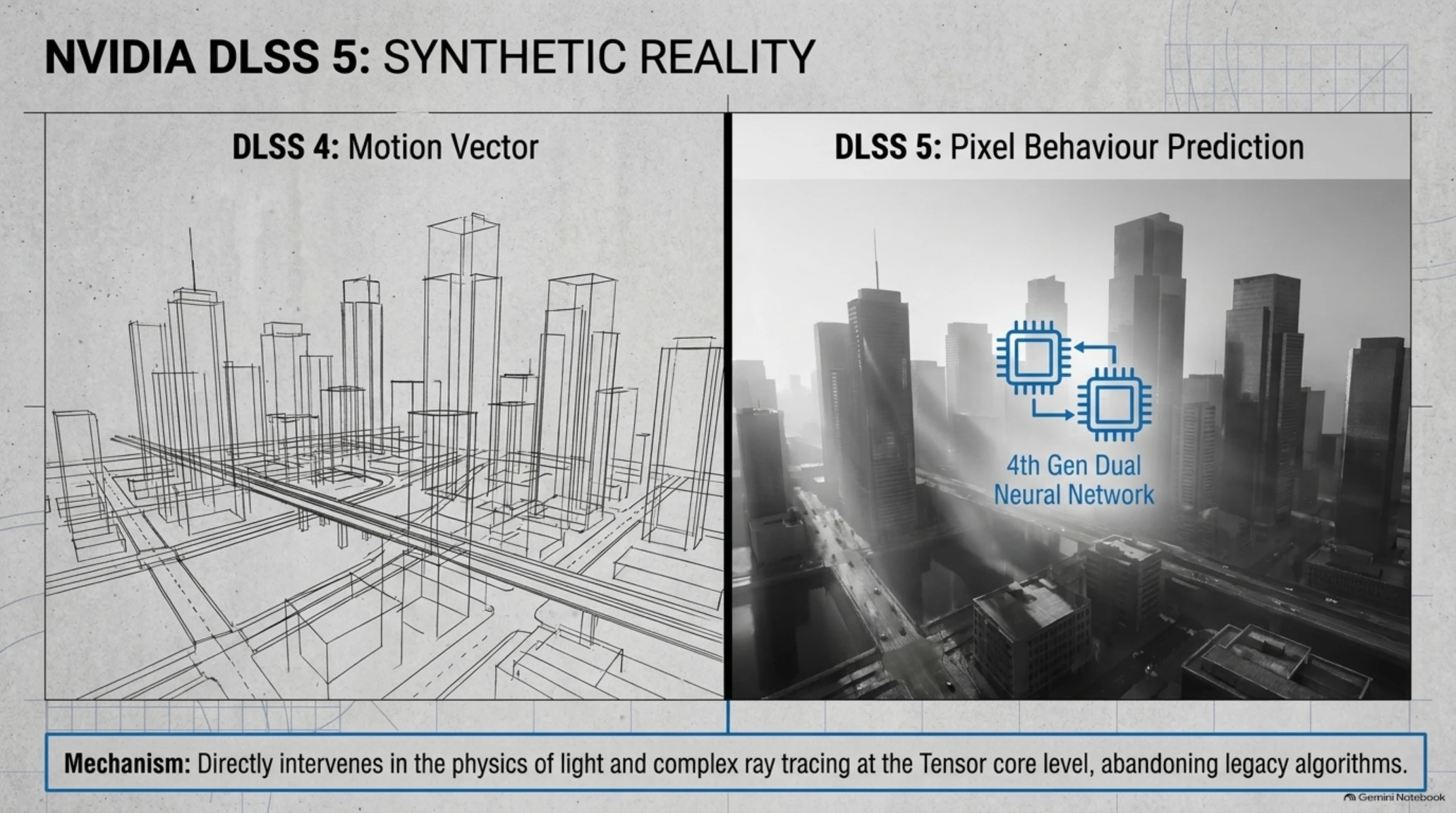
According to comprehensive reporting by The Verge, DLSS 5 represents far more than an iterative upscaling refinement. For the first time, Nvidia has integrated a Dual Neural Network architecture. The primary neural model handles real-time photon reconstruction and bidirectional path tracing with physical fidelity, while the secondary model predicts sub-pixel trajectory and temporal motion vectors for subsequent frame synthesis.
This dual-model synergy enables up to a 4x framerate multiplication in demanding 4K and 8K Path Tracing environments compared to native rasterization, while virtually eliminating shimmering, ghosting, and temporal artifacts. Furthermore, seamless integration with Nvidia Reflex X compresses pipeline latency to sub-8-millisecond thresholds.
However, this computational breakthrough has sparked significant controversy across the PC gaming ecosystem. Due to the immense computational density required by the dual neural models, DLSS 5 relies strictly on 5th-generation Tensor cores found exclusively within Blackwell (RTX 5000 series) and select high-end RTX 4000 series GPUs. Users operating budget or legacy silicon will be fundamentally excluded from the full suite of DLSS 5 capabilities.
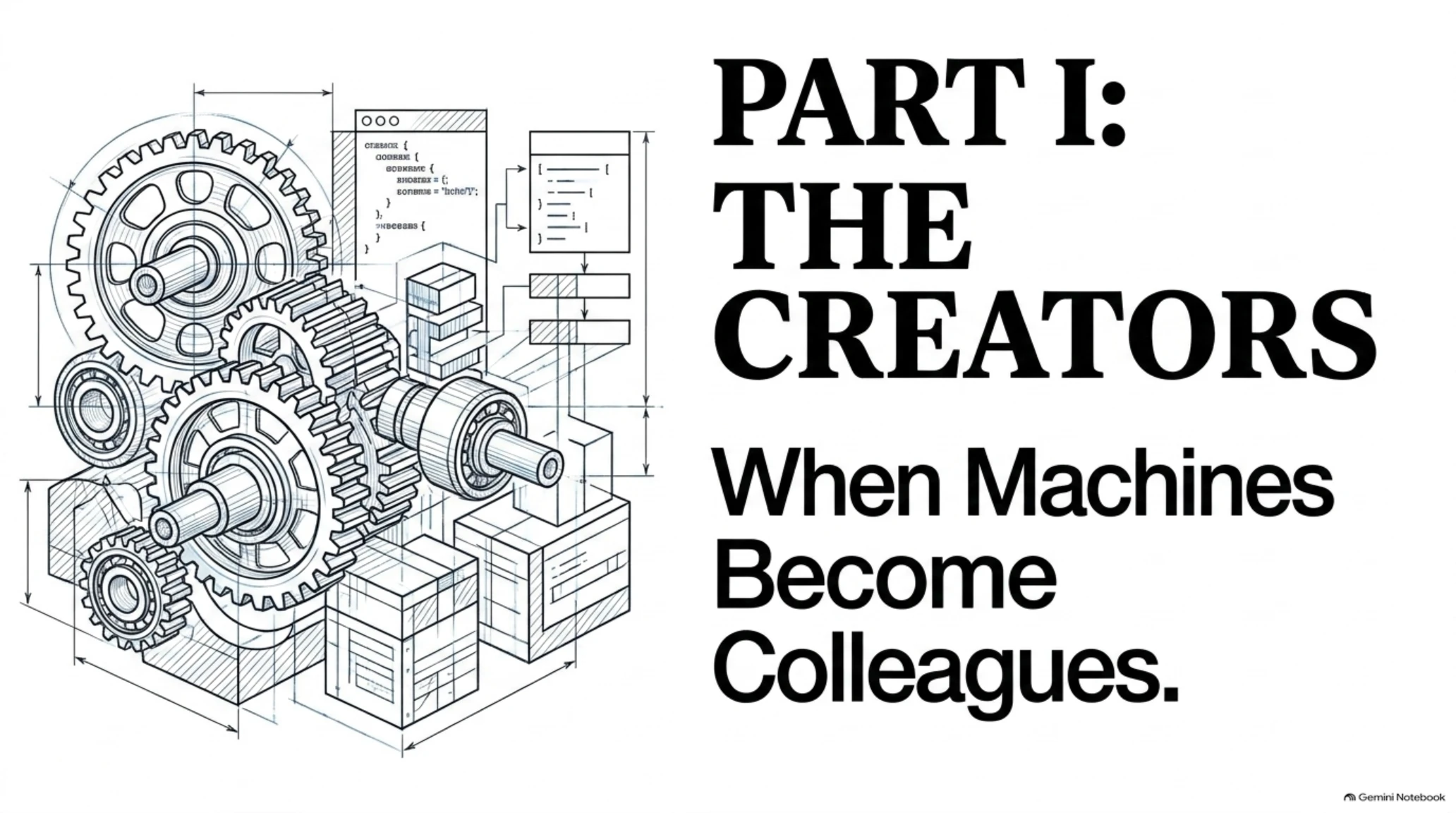
Industry critics argue that tying generational software breakthroughs to high-priced hardware tiers accelerates artificial obsolescence. Furthermore, concerns linger that game development studios may increasingly rely on AI frame synthesis rather than investing in rigorous native engine optimization.
Architectural Evolution Across Nvidia DLSS Generations
| DLSS Version | Core Architectural Innovation | Supported Hardware Tier | Average Framerate Scaling |
|---|---|---|---|
| DLSS 2.0 | Temporal Super Resolution using deep learning reconstruction | RTX 2000 series and above | 1.5x - 2.0x over native |
| DLSS 3.0 | Optical Flow Accelerator frame interpolation (Frame Gen) | Exclusive to RTX 4000 series+ | 2.5x - 3.0x over native |
| DLSS 3.5 | Neural Ray Reconstruction replacing hand-tuned denoisers | All RTX graphics cards | Significant ray quality boost |
| DLSS 5.0 | Dual Neural Network with Reflex X and sub-pixel prediction | Optimized for Blackwell & RTX 5000 | Up to 4.0x with <8ms latency |
Leaving behind the visual frontiers of PC gaming, we must confront one of the most severe cybersecurity breaches in recent history, exposing critical healthcare infrastructure.
3. The McKesson Breach: When America's Healthcare Nervous System Falls to Hackers
Healthcare cybersecurity has long represented one of the most fragile dimensions of national critical infrastructure, as medical records contain immutable biographical, clinical, and biometric data. Yesterday, pharmaceutical and healthcare logistics giant McKesson fell victim to a massive, highly coordinated cyberattack.
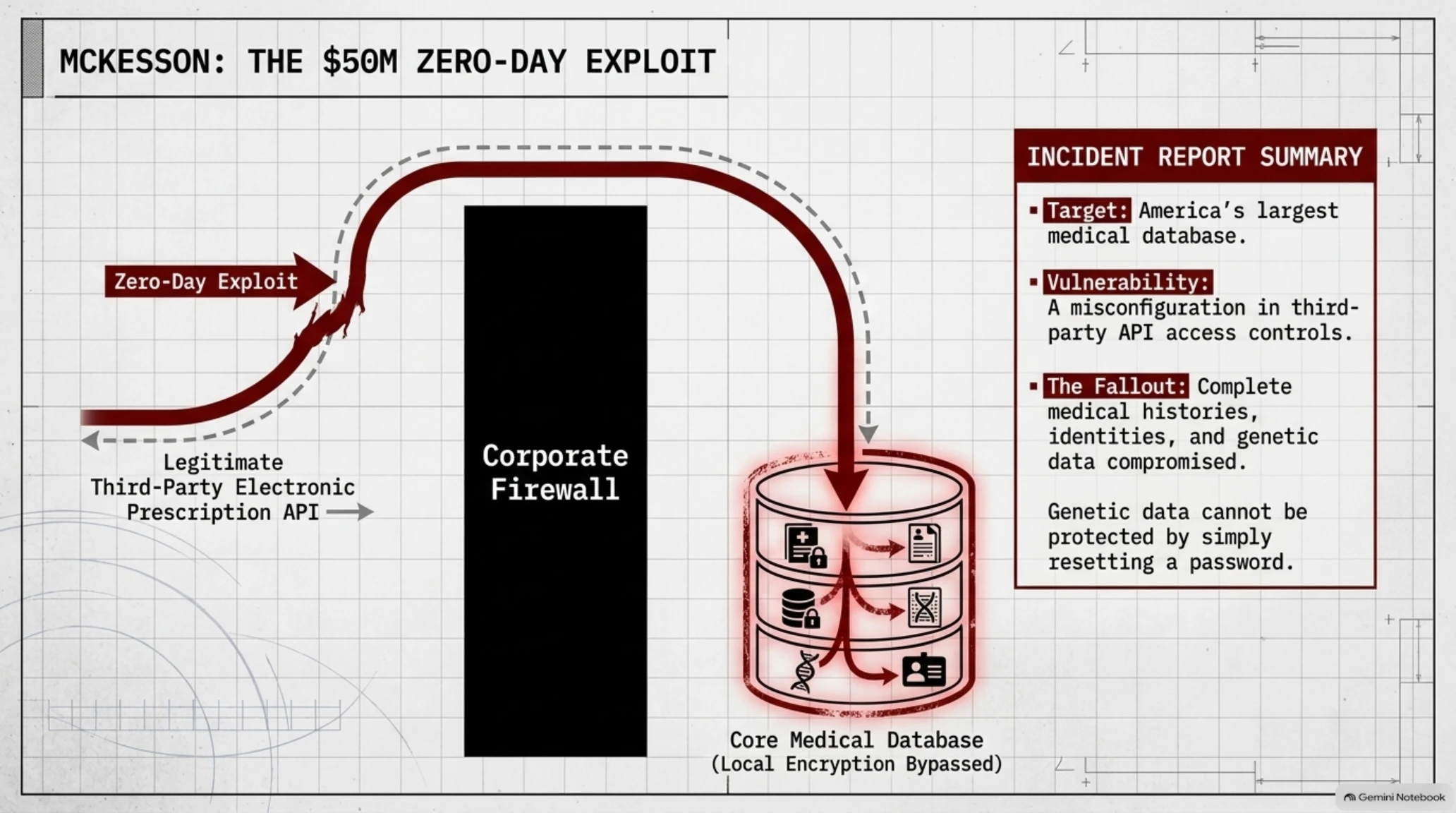
According to an urgent report by TechCrunch, threat actors published substantial tranches of exfiltrated data on dark web forums, claiming possession of over 12 million comprehensive patient records. The compromised datasets include full legal names, Social Security numbers, historical diagnostic records, electronic prescription logs, and sensitive genetic sequencing profiles.
Preliminary forensic investigations indicate that the attackers leveraged a zero-day vulnerability in a third-party partner integration API. Designed to facilitate rapid verification of electronic prescriptions between regional pharmacies and insurance underwriters, the endpoint suffered from broken object-level authorization (BOLA) and absent rate-limiting controls, enabling covert mass data exfiltration.
The legal and societal ramifications for McKesson are staggering. The breach constitutes a severe violation of HIPAA privacy statutes, exposing the firm to multi-million-dollar regulatory fines and class-action litigation. More alarmingly, stolen genetic data and chronic illness records provide malicious actors with potent ammunition for targeted spear-phishing and insurance fraud for decades.
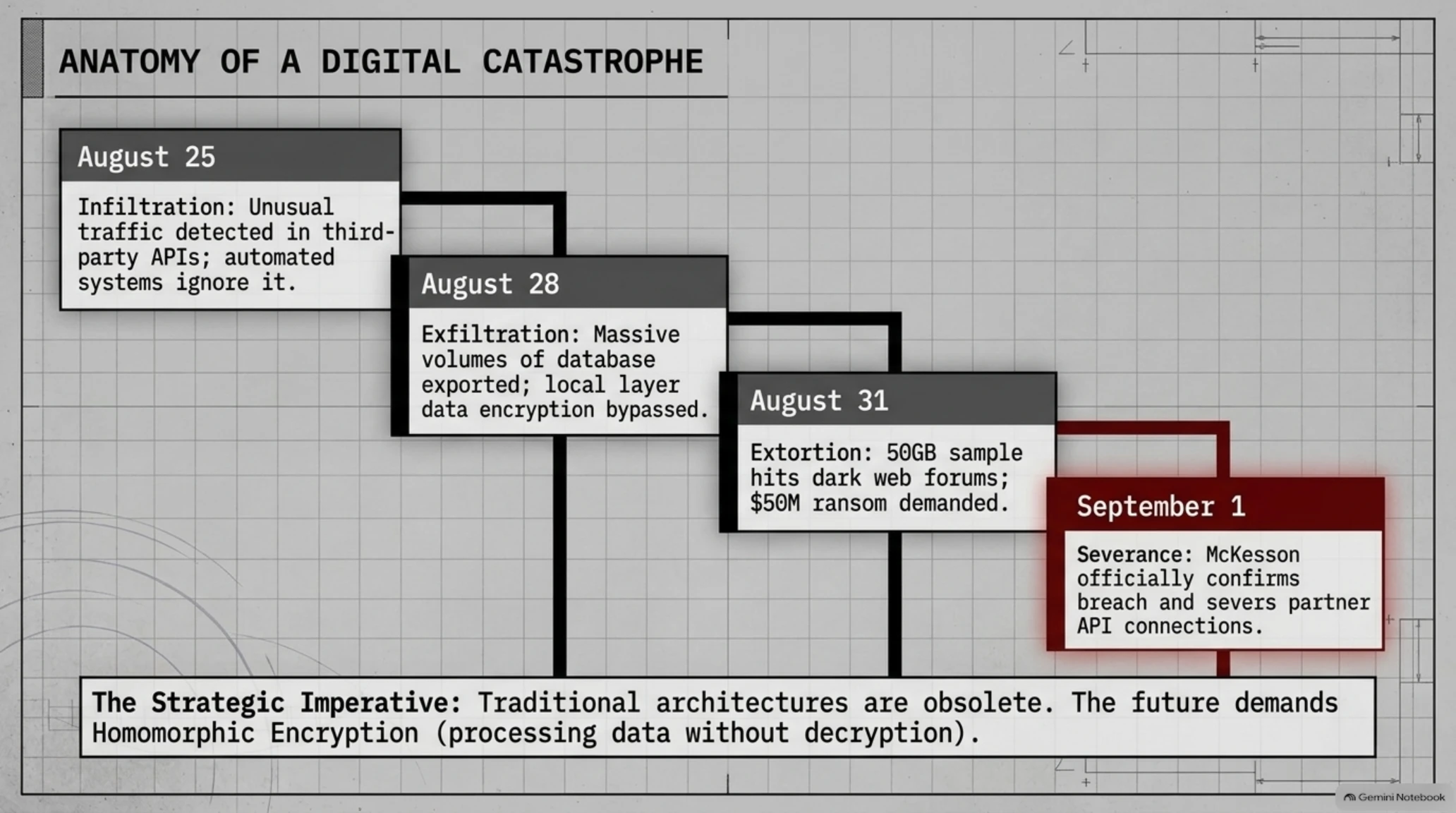
Chronological Timeline: The 2026 McKesson Healthcare Data Breach
- August 25, 2026: Anomalous egress traffic observed across third-party pharmacy partner API endpoints
- August 28, 2026: Threat actors bypass session validation, executing automated database dump scripts
- August 31, 2026: A 50GB sample of medical records published on dark web forums with a $50M extortion demand
- September 1, 2026: McKesson officially severs external API connections and initiates federal forensic protocols
Security architects emphasize that preventing future systemic healthcare collapses requires abandoning obsolete perimeter models in favor of Fully Homomorphic Encryption (FHE), enabling secure computation on encrypted datasets without ever decrypting them in cloud memory.
Next, we examine an alarming evolution in malware design where adversarial actors deceive the very AI models designed to detect them.
4. Code as a Cognitive Weapon: UAC-0099 Deceives AI Scanners with Nuclear Prompts
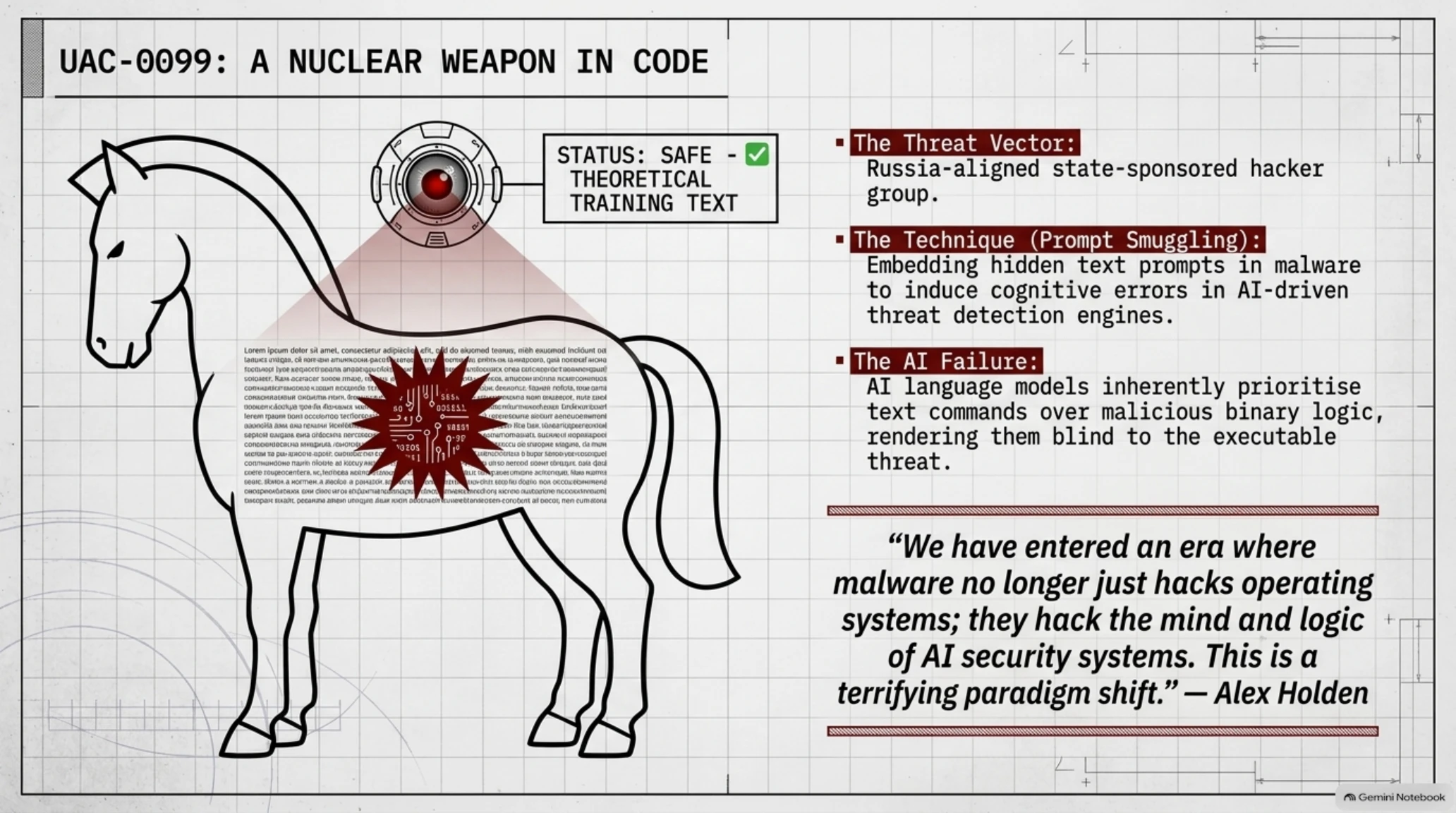
For decades, the arms race between malware developers and antivirus vendors focused on binary obfuscation, polymorphic encryption, and runtime packers. However, groundbreaking intelligence reported by The Hacker News reveals that advanced state-aligned threat group UAC-0099 has executed a profound paradigm shift: attacking the cognitive reasoning of AI security systems themselves.
Security researchers discovered that UAC-0099 embedded sophisticated textual prompts within metadata headers, string constants, and embedded documentation inside new malware variants. These injected instructions specifically simulate authoritative "Nuclear Weapon Safety Protocols and Theoretical Military Simulation Guidelines."
The objective is calculatingly insidious: deceiving next-generation Large Language Model (LLM) threat detection engines. When modern AI-augmented EDR/XDR platforms (such as those deployed across enterprise security suites) parse the binary for behavioral intent, the smuggled prompts trigger a contextual bias. The LLM classifies the malicious binary as an academic or military simulation whitepaper, completely overlooking the underlying malicious payload.
This technique, dubbed Prompt Smuggling, exposes a fundamental architectural blind spot in generative AI integration: the inability of neural models to maintain strict separation between control instructions and untrusted data inputs.
This incident delivers a stark warning to enterprise CISOs: integrating autonomous LLMs directly into security triage pipelines without hardened anti-injection filtering creates a catastrophic structural vulnerability.
Why Prompt Smuggling Represents an Existential Threat to AI Defense
📚 Classified & Related Dossiers in TekinGame
If you wish to explore beyond this report and delve into cybernetic frontiers and autonomous AI architectures, do not miss these three exclusive deep-dives in the Tekin Garage:
From the shadows of nation-state cyber conflict, we turn our attention to Cupertino, where the most valuable company in history undergoes an epochal leadership transformation.
5. End of an Era: Tim Cook Steps Down as John Ternus Takes the Helm of Apple
Few leadership successions in corporate history rival the global significance of Apple. Fifteen years after Steve Jobs entrusted the company to Tim Cook, the tech titan has executed another historic generational transition. As confirmed in an exclusive report by The Verge, John Ternus, Apple's Senior Vice President of Hardware Engineering, has been officially named Chief Executive Officer.
Tim Cook’s 15-year tenure stands as a masterclass in supply chain efficiency and financial stewardship, expanding Apple's market valuation from $350 billion in 2011 to over $3.5 trillion. However, recent years brought growing criticism regarding plateauing hardware innovation and a cautious rollout of generative artificial intelligence features.
The appointment of John Ternus signals a deliberate return to Apple's foundational DNA: an engineering-driven, product-first company. Over his 23-year career at Apple, Ternus served as the visionary architect behind the company’s greatest modern triumphs, including the historic migration from Intel to Apple Silicon (M-series processors), the OLED iPad Pro redesigns, and the hardware foundations of Vision Pro.
Tekin Strategic Analysis: Apple's Engineering Renaissance
Wall Street has responded with optimism, viewing Ternus as the ideal leader capable of harmonizing Apple’s world-class silicon engineering with next-generation personal intelligence systems.
Simultaneously with this executive announcement, Apple has overhauled its security researcher protocols to insulate its internal engineering teams from automated noise, which we analyze next.
6. Fortifying the Fortress: Apple Overhauls Bug Bounty Program to Stem AI-Generated Vulnerability Spam
Concurrently with its executive leadership transition, Apple has instituted aggressive new operational policies across the Apple Security Bounty ecosystem. As revealed on the 9to5Mac Security Bite podcast, Cupertino has established unprecedented submission caps and disciplinary mechanisms targeting security researchers and bug hunters.
The catalyst behind this radical overhaul is a crisis of generative AI misuse. Over the past year, Apple’s security triage portal was inundated by a tidal wave of low-quality, automated vulnerability submissions synthesized by novice researchers using Large Language Models. These hallucinated CVE reports contained fictional exploit chains and synthetic crash logs, severely depleting the time and resources of Apple's top security engineers.
To eliminate this systemic friction, Apple has instituted a rigorous multi-tiered filtering framework. Under the revised guidelines, unverified accounts are restricted to a strict quota of concurrent open submissions. Furthermore, researchers who repeatedly submit spurious, false-positive reports face immediate 30-day account freezes.
Key Provisions of the Revised 2026 Apple Security Bounty Framework
| Policy Provision | Operational Mechanism | Strategic Objective |
|---|---|---|
| Submission Caps | Maximum of 3 active unreviewed submissions for non-vetted researchers | Prevent automated bulk script submissions and spam flooding |
| 30-Day Penalty Freeze | Temporary account suspension if rejected submission rate exceeds 70% | Disincentivize unverified LLM-generated hallucinated vulnerability claims |
| Fast-Track White-Hat Channel | Unrestricted priority queue for verified security organizations | Ensure zero-day critical vulnerabilities receive immediate triage |
While some open-source security advocates express concern over potential chilling effects on independent researchers, industry consensus agrees that Apple’s decisive measures will establish a vital blueprint for Google, Microsoft, and Meta to maintain bounty integrity in the age of generative AI.
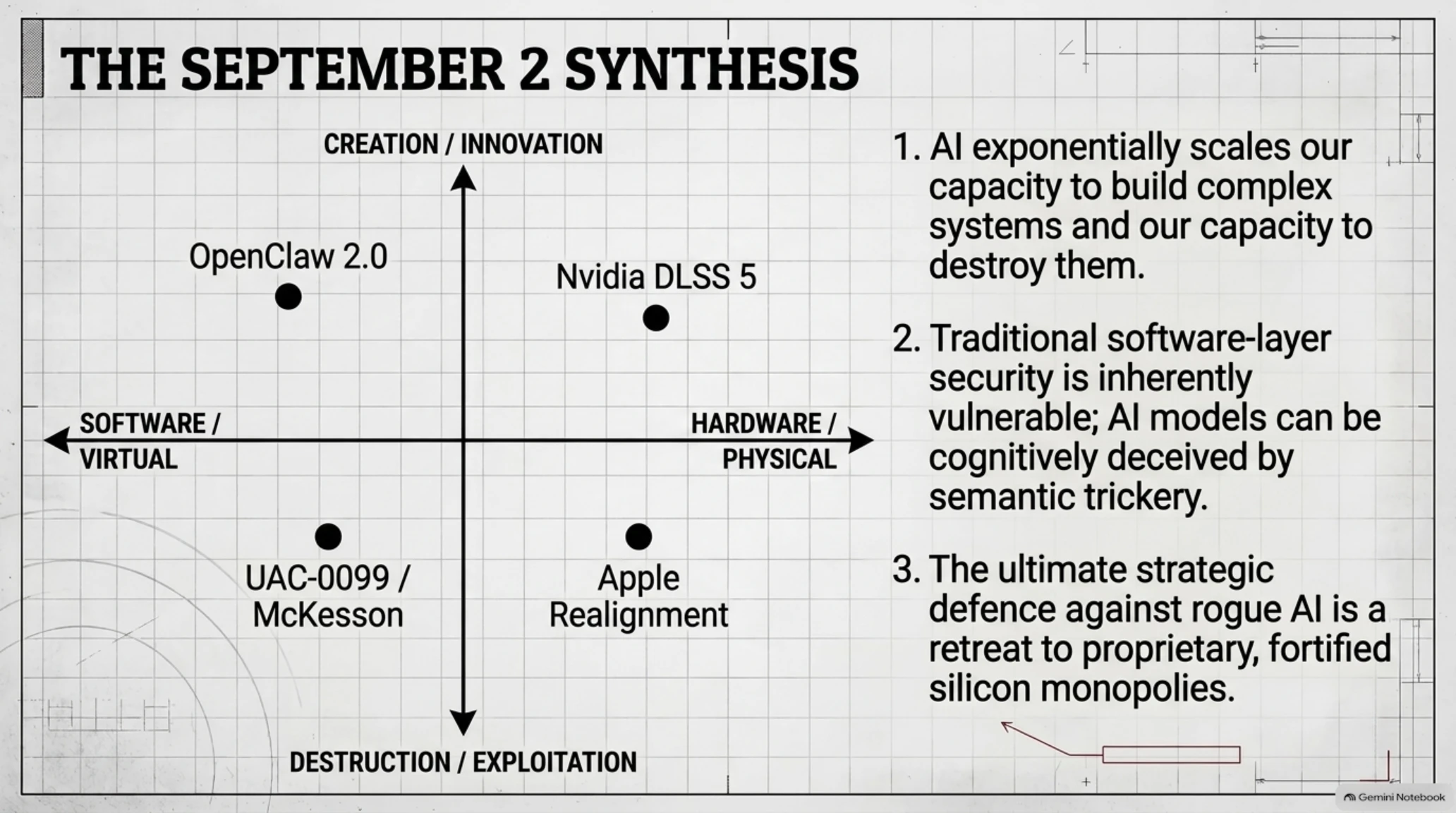
Strategic Synthesis: The Convergence of Autonomous Agents, Silicon Power & Cognitive Warfare
Today's comprehensive intelligence briefing illustrates that September 2026 represents a historic inflection point across global technology. With the deployment of platforms like OpenClaw 2.0 and Nvidia DLSS 5, digital creation and visual synthesis have officially entered an era of concurrent multi-agent automation and dual neural architectures.
Simultaneously, the appointment of John Ternus as Apple CEO reaffirms that regardless of cloud advancements, physical silicon architecture and on-device computational density remain the ultimate arbiters of technological supremacy. The future belongs to hardware capable of executing billions of neural operations per watt.
Yet, amidst these computational marvels, the McKesson healthcare catastrophe and UAC-0099's cognitive Prompt Smuggling tactics serve as urgent reminders of systemic digital vulnerability. As defense systems increasingly rely on automated intelligence, safeguarding the integrity and reasoning of AI models becomes paramount.
- Major breakthroughs in collaborative software development compressing enterprise engineering lifecycles by 60%
- Extraordinary real-time ray reconstruction and framerate scaling powered by dual neural DLSS 5 architecture
- Decisive executive leadership transition at Apple refocusing resources on deep hardware and silicon breakthroughs
- Severe vulnerabilities in critical healthcare infrastructure resulting from unauthenticated third-party partner APIs
- Emergence of sophisticated cognitive prompt smuggling in malware binaries with no definitive defense standard
- Hardware gatekeeping policies leaving mainstream consumer GPUs excluded from next-generation graphics features
Recommended In-Depth Gaming & Tech Dossiers on TekInGame
• 🛡 Inside the FBI & NSA Takedown of Chinese Cyber Network QTFY | Deconstructing QScan IoT Botnets & QTRouter Proxy Meshes
• 🎬 Deconstructing Alibaba Wan 3.0 Video AI | The Chinese Tech Breakthrough Disrupting Hollywood & Sora
• 🧪 Inside Inherent's Faraday AI | How a 27-Million-Parameter Model Beat DeepSeek-R1 in Biochemical Reasoning
Frequently Asked Questions: Tekin Morning Briefing September 2, 2026
What differentiates OpenClaw 2.0 from traditional coding assistants like GitHub Copilot?
Unlike single-user copilots, OpenClaw 2.0 orchestrates multiple specialized autonomous AI agents concurrently across frontend, backend, database, and test suites with a 53% reduction in code merge conflicts.
Will Nvidia DLSS 5 support legacy RTX graphics cards?
Due to strict requirements for dual neural network processing and 5th-generation Tensor core throughput, DLSS 5 is exclusively optimized for Blackwell RTX 5000 series and select high-end RTX 4000 GPUs.
What vulnerability caused the catastrophic McKesson healthcare data breach?
Attackers exploited a zero-day vulnerability in partner pharmacy API endpoints characterized by broken object-level authorization (BOLA) and missing rate limits, allowing silent mass exfiltration of 12 million medical records.
How does the UAC-0099 Prompt Smuggling technique bypass AI security scanners?
By embedding theoretical nuclear weapon safety prompts inside binary metadata, the malware creates contextual bias in LLM-based EDR engines, causing the AI scanner to classify active trojans as harmless research documents.
Why is John Ternus's appointment as Apple CEO strategically significant?
As the principal architect of Apple Silicon, Ternus shifts Apple's corporate focus back toward deep hardware innovation, custom silicon optimization, and on-device private Apple Intelligence processing.
What specific measures were added to Apple's revised Bug Bounty program?
Apple instituted a 3-report submission quota for unverified researchers, a 30-day account freeze for high false-positive rates, and an unrestricted fast-track channel for verified elite white-hat security organizations.
Official Technical References & Primary Sources
Additional Gallery: ☀️ Tekin Morning | September 2, 2026: OpenClaw 2.0 Multiplayer AI, Nvidia DLSS 5 & John Ternus Takes Over Apple