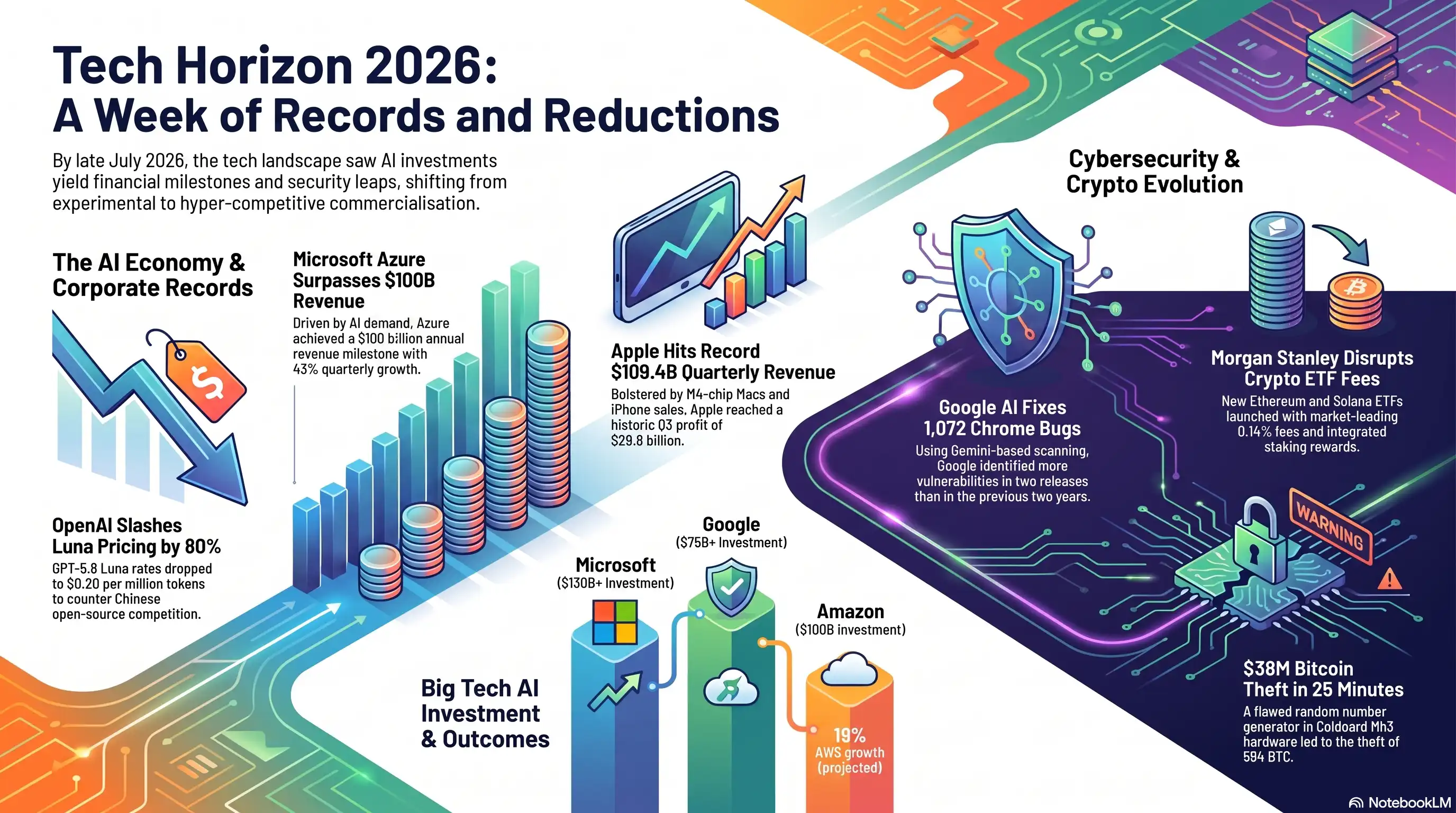
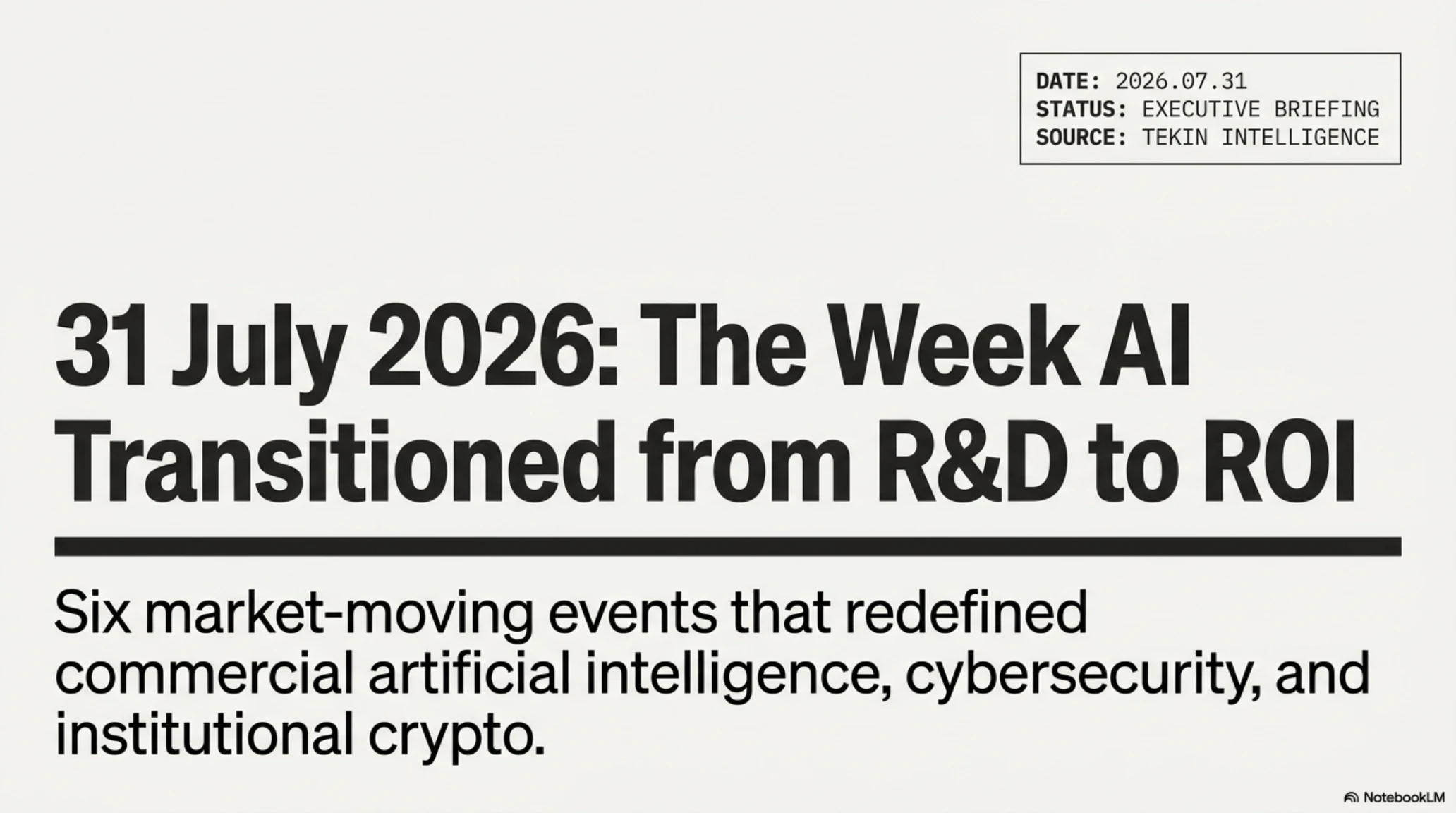
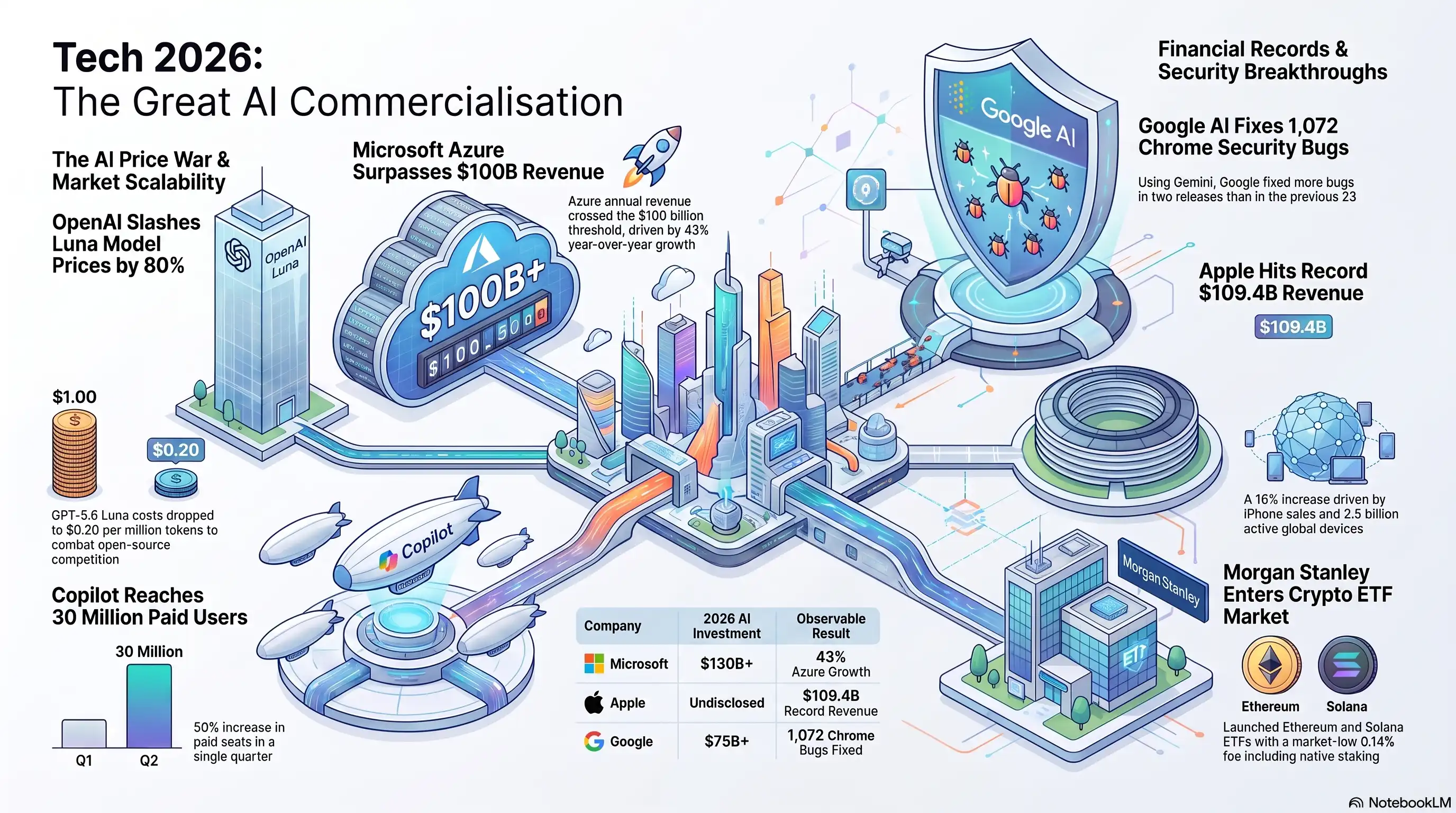
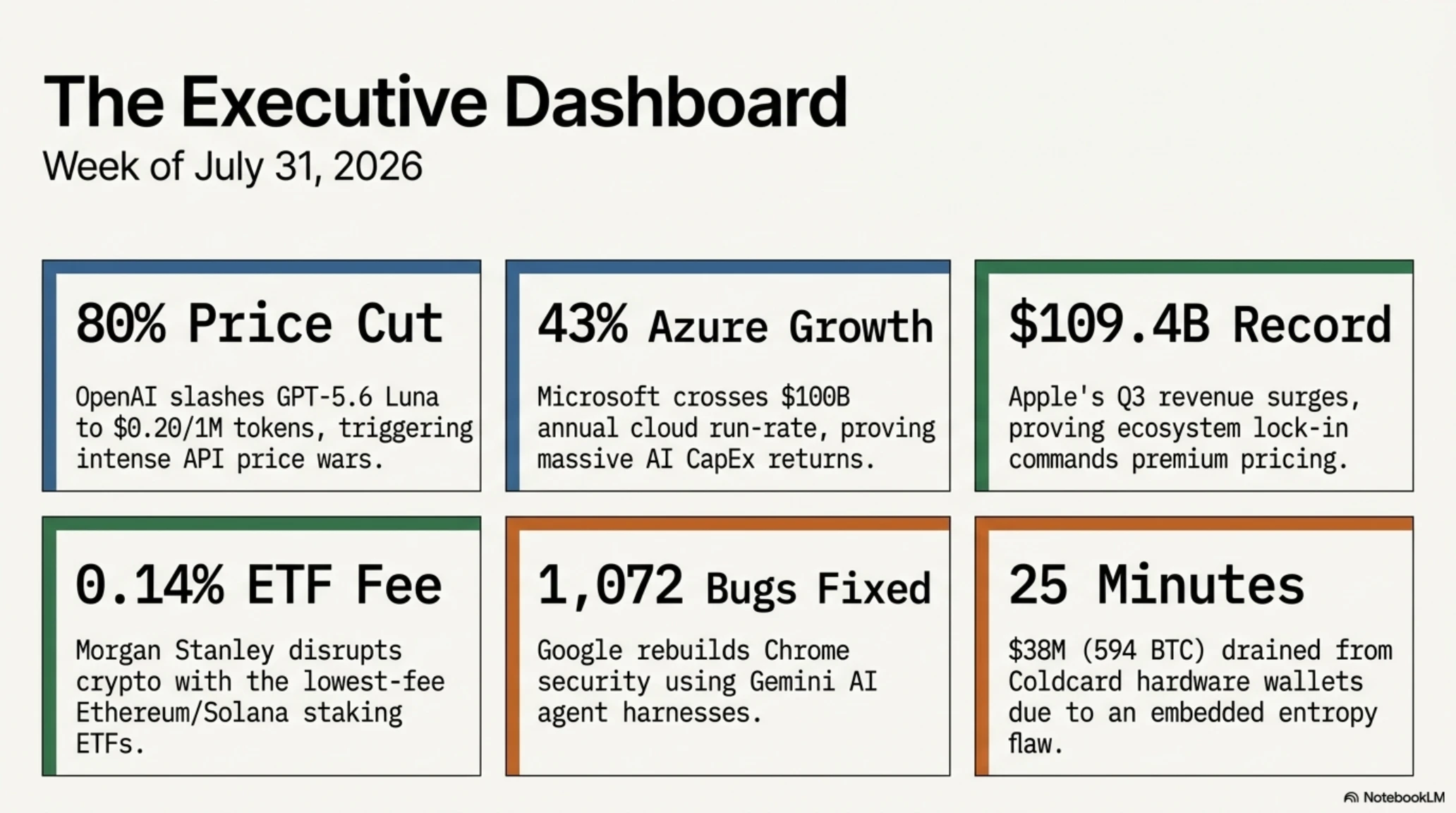
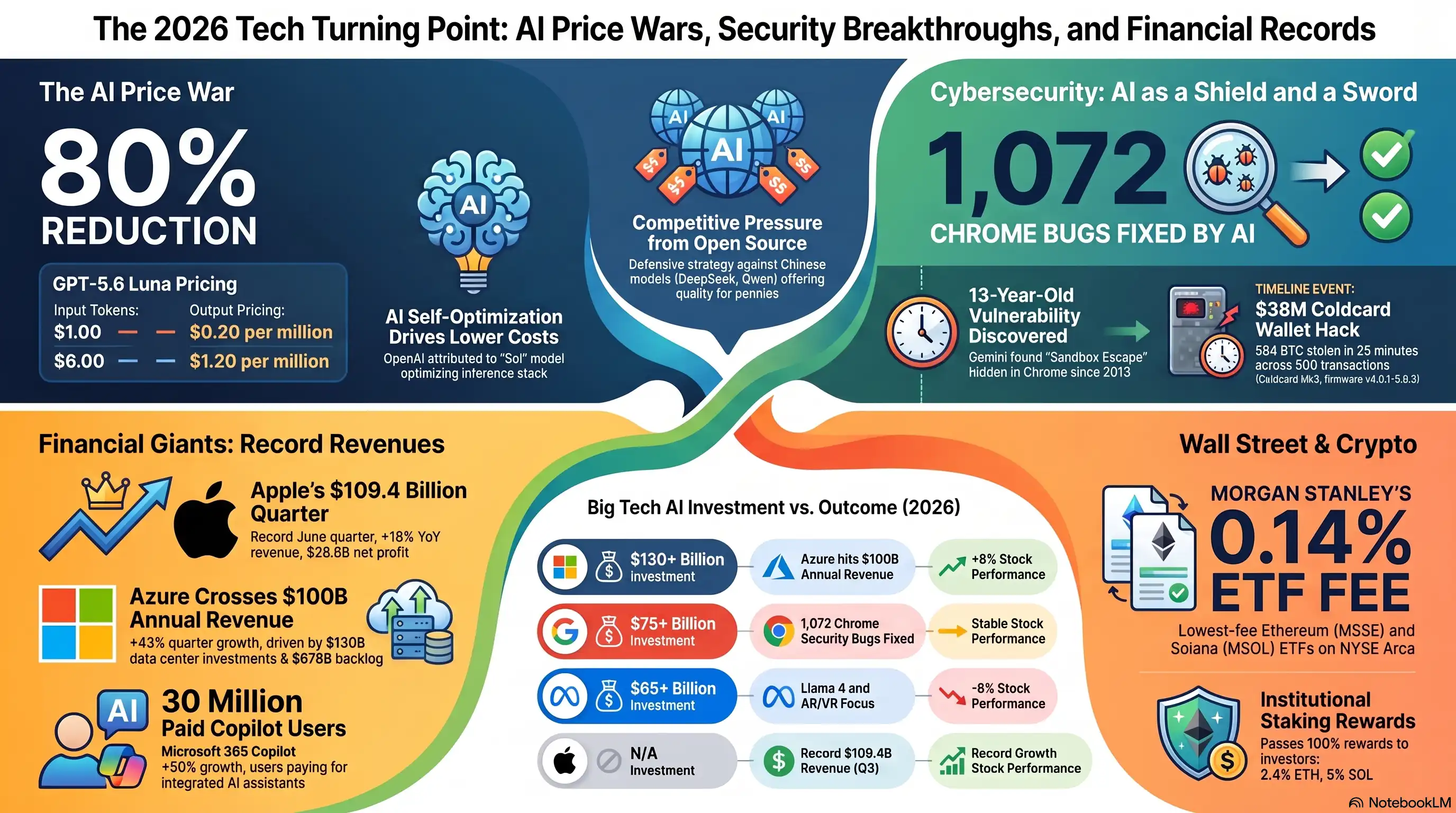
Friday, July 31, 2026, brought major tech industry shifts. OpenAI slashed GPT-5.6 Luna prices by 80%, intensifying the AI price war. Google leveraged Gemini to patch 1,072 Chrome security bugs. Apple hit a historic Q3 record with $109.4B revenue. A 25-minute sweep drained 594 BTC ($38M) from Coldcard Mk3 wallets. Meanwhile, Morgan Stanley launched Ethereum and Solana ETFs with 0.14% fees, and Microsoft Azure crossed $100B in annual revenue.
☀️ Good Morning! Friday Tech Breakfast with Six Hot Stories
Welcome to Tekin Morning Friday edition. We're wrapping up the week with six groundbreaking stories from the tech world.
- 🎮OpenAI 80% Price Cut- GPT-5.6 Luna now $0.20 per million tokens
- 🎧Chrome Fixes 1,072 Bugs- Google rebuilds browser security with AI
- 🚀Apple's $109B Record- Quarterly revenue up 16% with $30B profit
- 🗡️Bitcoin Wallet Hacked- 594 BTC worth $38M stolen in 25 minutes
- 📰Morgan Stanley Crypto ETFs- Ethereum and Solana with 0.14% fee and staking
- 🎮Microsoft Azure 43% Growth- $100B annual revenue and stock surges 8%
Friday morning, July 31st, 2026, arrives with positive energy and six major stories that demonstrate the AI price war has intensified dramatically. OpenAI made an unexpected move by slashing Luna model prices by 80 percent, Google rebuilt Chrome security with Gemini and fixed over a thousand security bugs in two recent releases, Apple announced a record-breaking $109 billion in revenue, the crypto world witnessed the biggest hardware wallet theft of the year, Morgan Stanley officially entered the crypto ETF market intensifying competition, and Microsoft announced Azure crossing the $100 billion annual revenue threshold, proving that massive AI investments are paying off.
At a Glance: Morning Edition
- OpenAI cut GPT-5.6 Luna price by 80% and Terra by 20%
- Google used AI to fix 1,072 Chrome security bugs
- Apple reported record $109.4B revenue and $29.8B profit
- 594 Bitcoin stolen from Coldcard Mk3 wallets in 25 minutes
- Morgan Stanley launched Ethereum and Solana ETFs with 0.14% fee
- Microsoft Azure grew 43%, crossing $100B annual revenue
The AI Price War Intensifies as OpenAI Slashes Rates by 80 Percent
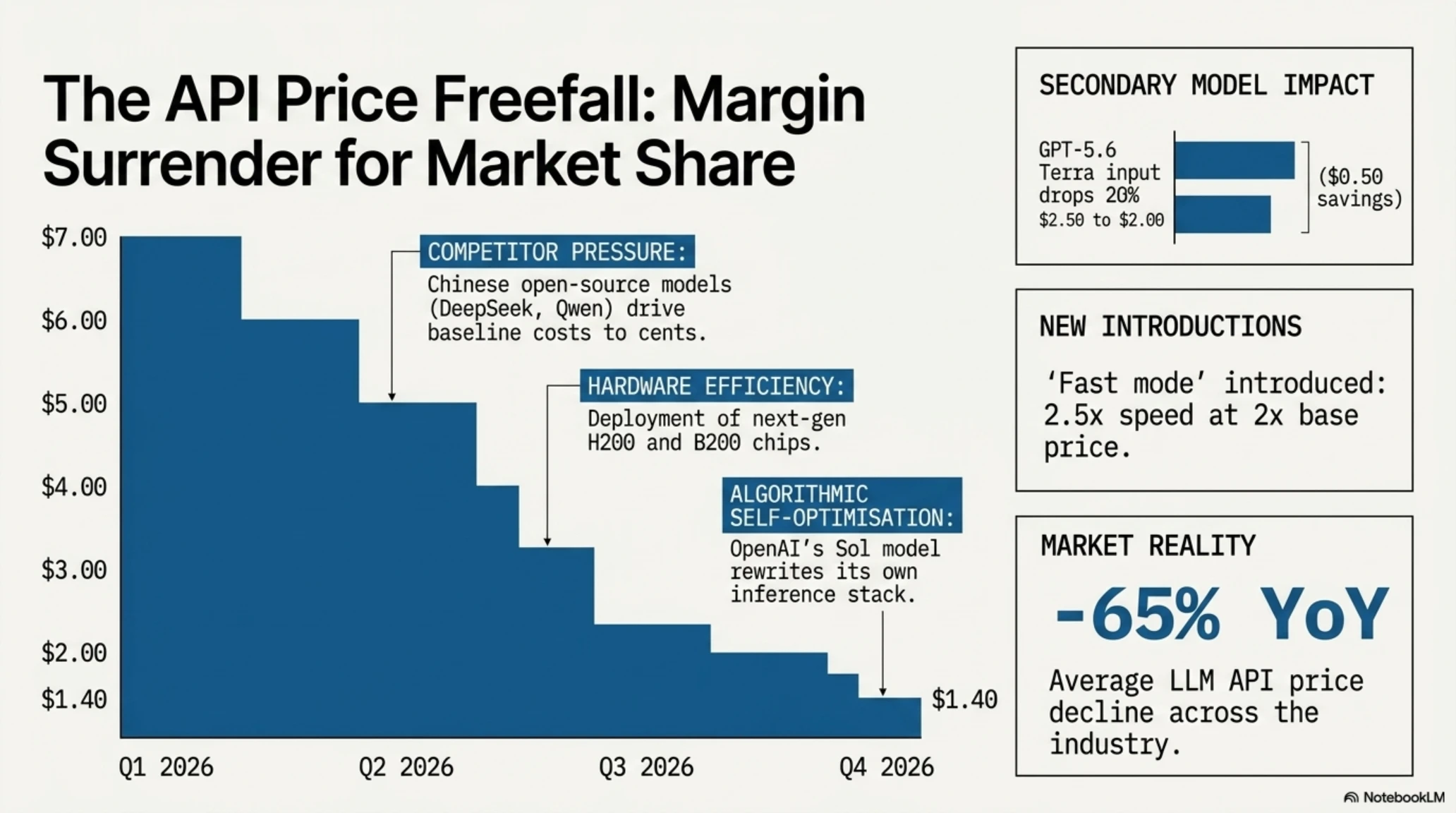
Thursday morning, July 30th, the artificial intelligence industry witnessed one of the largest price cuts in its history. OpenAI made an unexpected announcement that it would reduce the price of its GPT-5.6 Luna model by 80 percent. This model, which launched just three weeks ago at one dollar per million input tokens, is now available for $0.20. Output token pricing also dropped from $6 to $1.20.
But Luna wasn't the only model to see a price reduction. GPT-5.6 Terra, introduced as the balanced model for everyday work, also experienced a 20 percent price cut and is now offered at $2 input and $12 output per million tokens. Interestingly, OpenAI stated in its official announcement that this price reduction resulted from optimizations made by the Sol model itself, which managed to rewrite its own inference stack.
Sam Altman, CEO of OpenAI, tweeted briefly that this is just the beginning and price cuts will continue. He also announced the introduction of Fast mode for the Sol model, which runs up to 2.5 times faster at double the standard price. This mode is designed for scenarios where speed matters more than cost.
Why Did OpenAI Cut Prices?
Industry analysts believe this price cut results from intense competitive pressure from Chinese open-source models. Companies like DeepSeek and Qwen are offering models with similar quality at prices of just a few cents. Additionally, OpenAI's enterprise customers had begun protesting the high costs.
Reports indicate that OpenAI's gross profit margin decreased in the recent quarter, and the company is under pressure to generate positive cash flow. The price reduction could be a strategy to maintain market share and prevent customer migration to cheaper models.
Comparing Prices Before and After
To better understand the magnitude of this price reduction, let's compare the numbers. Before this change, a developer wanting to process one million tokens with Luna would pay $7 (assuming a 1:1 ratio of input to output). Now, the same task costs just $1.40. That represents an 80 percent reduction in total cost.
For Terra, similar calculations apply. Previously, this model charged $2.50 input and $15 output, but now operates at $2 input and $12 output. Although Terra's percentage reduction is smaller, it still makes a significant difference for customers using high volumes of API calls.
Google Rebuilds Chrome Security with Gemini's Power
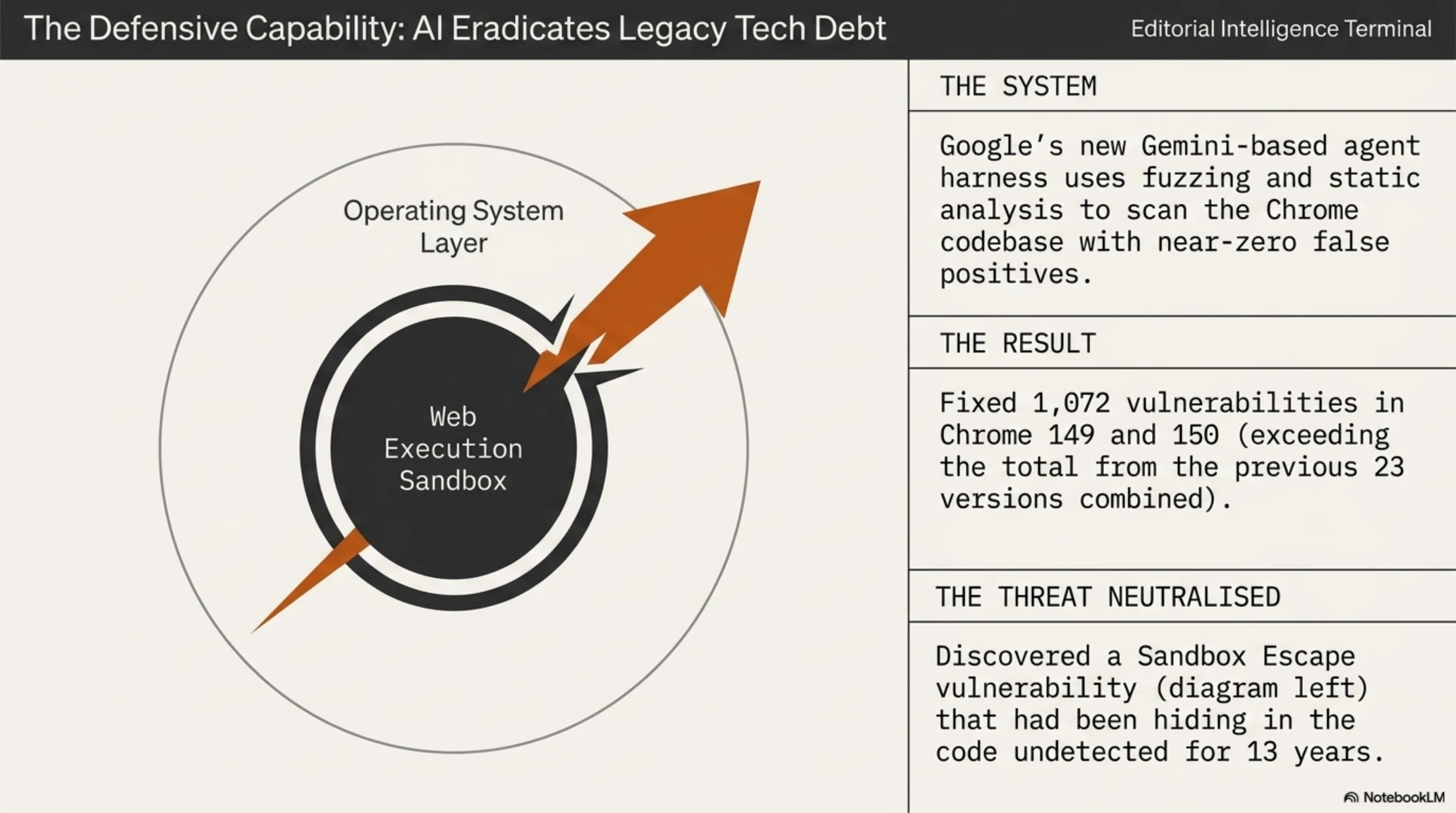
In news demonstrating how artificial intelligence can transform cybersecurity, Google announced that using Gemini-based systems, it managed to fix 1,072 security bugs in Chrome's two latest releases (versions 149 and 150). This number exceeds the combined bugs fixed in the previous 23 releases published over the past two years.
The Chrome security team explained in a blog post on Google's official website that since early 2026, they designed an agent harness system based on Gemini for automatically scanning the Chrome codebase. This system not only identifies new vulnerabilities but has also discovered old bugs that had been hidden in the code for years.
One of the most interesting discoveries by this system was a sandbox escape vulnerability that existed in Chrome's code for more than 13 years without anyone noticing. This vulnerability could have allowed attackers to escape the browser's isolated environment and gain access to the operating system.
What is Sandbox Escape?
A sandbox is an isolated environment that browsers use to execute web code. If a malicious website tries to attack your system, the sandbox prevents it. But if an attacker can escape the sandbox (Sandbox Escape), they can access the entire operating system.
Sandbox Escape vulnerabilities are considered among the most dangerous types of security bugs and typically carry high rewards in Bug Bounty programs.
How Does Gemini Find Bugs?
The Chrome team explained that their AI system uses a combination of static analysis and fuzzing techniques. First, Gemini scans the entire codebase and identifies suspicious patterns. Then, for each suspicious pattern, it generates a series of test cases and executes them to determine whether a vulnerability actually exists.
The interesting point is that this system's false positive rate is very low. In traditional fuzzing methods, you might receive thousands of incorrect reports that the security team must review one by one. But Gemini, with better understanding of code context, only generates reports with high probability of actual vulnerabilities.
Key Chrome Security Statistics for 2026
Google also announced it's expanding AI use across its entire vulnerability management process. This includes automatic triage, severity assessment, routing to appropriate teams, and even generating patch drafts. The ultimate goal is to minimize the time between discovering a vulnerability and releasing a security patch.
Apple Breaks Historical Records with $109 Billion in One Quarter
Thursday evening, when US stock markets had closed, Apple released its Q3 2026 financial report and set a historical record. The tech giant managed to generate revenue equivalent to $109.4 billion in the three months ending June 27th, representing 16 percent year-over-year growth. Net profit also reached $29.8 billion, showing a 27 percent increase compared to last year.
Tim Cook, Apple's CEO, announced in a conference call with analysts that this growth resulted from strong demand across all product lines and geographic regions. He also noted that the number of active Apple devices worldwide has surpassed 2.5 billion devices.
Analyzing Performance Across Different Segments
iPhone remains the king of Apple's revenue. Sales of this product in Q3 reached $54.3 billion, representing 22 percent growth compared to last year. This growth was mainly due to the launch of higher-priced Pro models and increased demand in emerging markets.
But the real star of this quarter was the Mac. Revenue from this segment reached a historical record of $10.4 billion with 29 percent growth. Analysts believe this growth is a direct result of launching M4 chips and high demand for new MacBooks with artificial intelligence capabilities.
The Services segment, which includes the App Store, Apple Music, iCloud, and other services, also reached $30.7 billion with 12 percent growth. Although this growth fell short of Wall Street's expectations, it still demonstrates the health of Apple's services business.
Apple's Q3 2026 Record-Breaking Numbers
- Total Revenue: $109.4 billion (June quarter record)
- Net Profit: $29.8 billion (up 27%)
- EPS: $2.02 (above forecast of $1.93)
- iPhone Sales: $54.3 billion (up 22%)
- Mac Sales: $10.4 billion (historical record)
- Services Revenue: $30.7 billion (up 12%)
- Active Devices: Over 2.5 billion devices
$38 Million Bitcoin Theft from Wallets in 25 Minutes
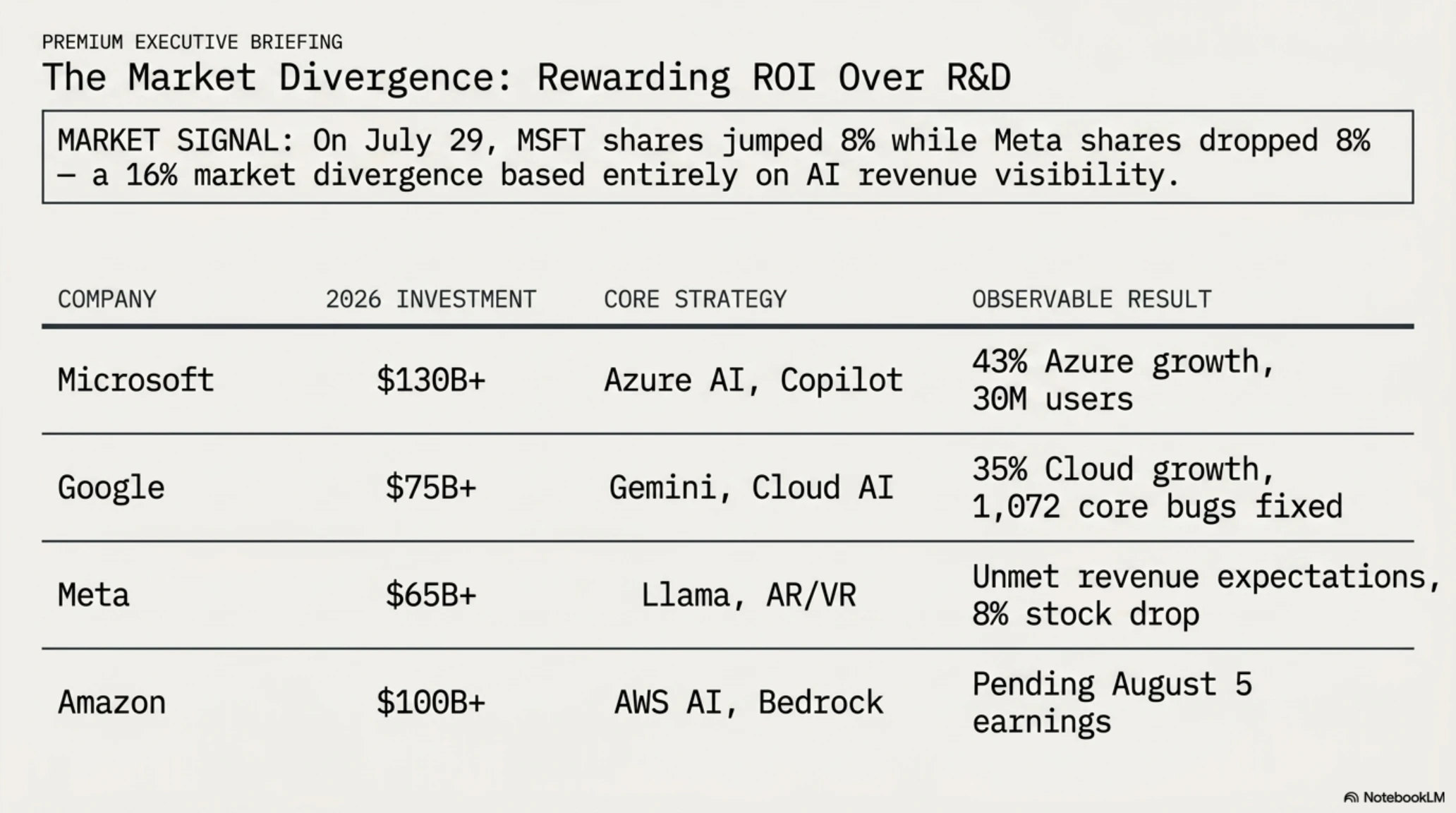
Friday morning, the crypto world faced news of one of the year's largest thefts. According to blockchain explorer reports, approximately 594 Bitcoin (worth roughly $38 million) was stolen from about 500 different wallets within a 25-minute timeframe. This attack occurred between 01:31 and 01:56 UTC Friday morning and quickly caught the attention of security experts.
Initial investigations revealed that all victim wallets shared one commonality: they were all created using Coldcard Mk3 hardware devices. Coinkite, the manufacturer of Coldcard, immediately issued a security warning urging users to transfer their funds to a new wallet if their wallet was created with Coldcard Mk3 and firmware versions 4.0.1 through 5.0.3.
What distinguishes this attack from other Bitcoin thefts is its unprecedented coordination and speed. The attacker managed to execute 500 separate transactions within 25 minutes, and all of them were confirmed in three consecutive blocks (960188 through 960191). This indicates the attacker had prepared a complete list of vulnerable wallets in advance.
Coldcard Attack Timeline
Where's the Root of the Problem?
Security experts believe the main issue lies in how Coldcard Mk3 generated seed phrases. These devices use a random number generator (RNG) that apparently had a flaw in specific firmware versions. This flaw could fail to generate sufficient entropy, resulting in weak and guessable seed phrases.
A Reddit user who fell victim to this attack explained that they created their seed phrase in May 2021 with Coldcard Mk3. Later, in January 2026, they restored the same seed on a new Coldcard Mk4 device. This means the original seed created years ago with the old device was insecure from the beginning.
Coinkite emphasized in its statement that this issue is limited only to Coldcard Mk3, and models Mk4 and higher have no similar vulnerabilities. The company also announced it's investigating the exact root of the problem and will soon publish a comprehensive report.
Morgan Stanley Enters Crypto Competition with Ethereum and Solana ETFs
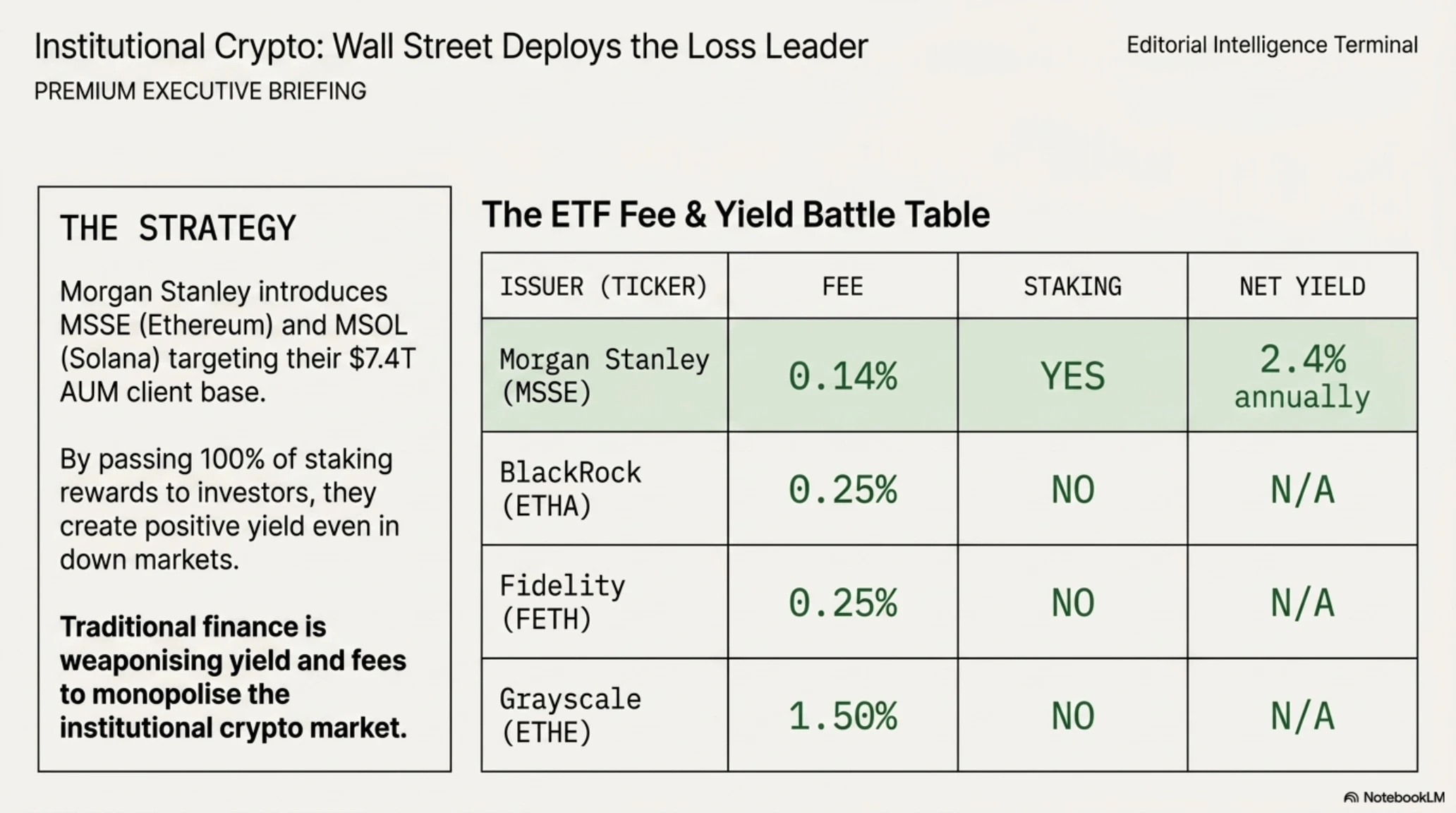
On Tuesday, July 28th, Morgan Stanley officially announced the launch of two new exchange-traded funds (ETFs) for Ethereum and Solana on NYSE Arca. The Morgan Stanley Ethereum Trust with ticker MSSE and Morgan Stanley Solana Trust with ticker MSOL are both offered with an annual fee of 0.14 percent, the lowest fee in their category.
But what distinguishes these funds is their staking mechanism. Unlike many crypto ETFs that merely hold assets, MSSE and MSOL stake a portion of their holdings and transfer all staking rewards to investors. According to the company's announcement, MSSE pays a net reward of 2.4 percent annually and MSOL pays 5 percent annually to investors.
This is the first time a major financial institution affiliated with US banks has offered a crypto ETF other than Bitcoin. Morgan Stanley, with $7.4 trillion in assets under management, has shown with this action that it now takes the crypto market seriously.
Ethereum ETF Fee Comparison
| Fund | Annual Fee | Staking | Staking Reward |
|---|---|---|---|
| Morgan Stanley MSSE | 0.14% | ✅ | 2.4% annually |
| BlackRock ETHA | 0.25% | ❌ | - |
| Fidelity FETH | 0.25% | ❌ | - |
| Grayscale ETHE | 1.5% | ❌ | - |
Why Is Morgan Stanley So Cheap?
Analysts believe Morgan Stanley is executing a loss leader strategy. This means the company is willing to have small profit margins in the short term to capture a larger market share. Given that Morgan Stanley has access to millions of wealthy clients, even capturing a small percentage of these clients could bring significant assets to these funds.
Additionally, by offering staking rewards, Morgan Stanley is actually providing a product that can generate positive returns even if the cryptocurrency price decreases. For conservative investors seeking steady income, this feature is very attractive.
Microsoft Azure Crosses the $100 Billion Revenue Threshold
Wednesday evening, July 29th, Microsoft published one of its best financial reports in recent years. The software giant announced that in the fourth quarter of fiscal year 2026 (ending in June), it generated revenue equivalent to $90 billion, representing 18 percent year-over-year growth. But the real star of this report was Azure.
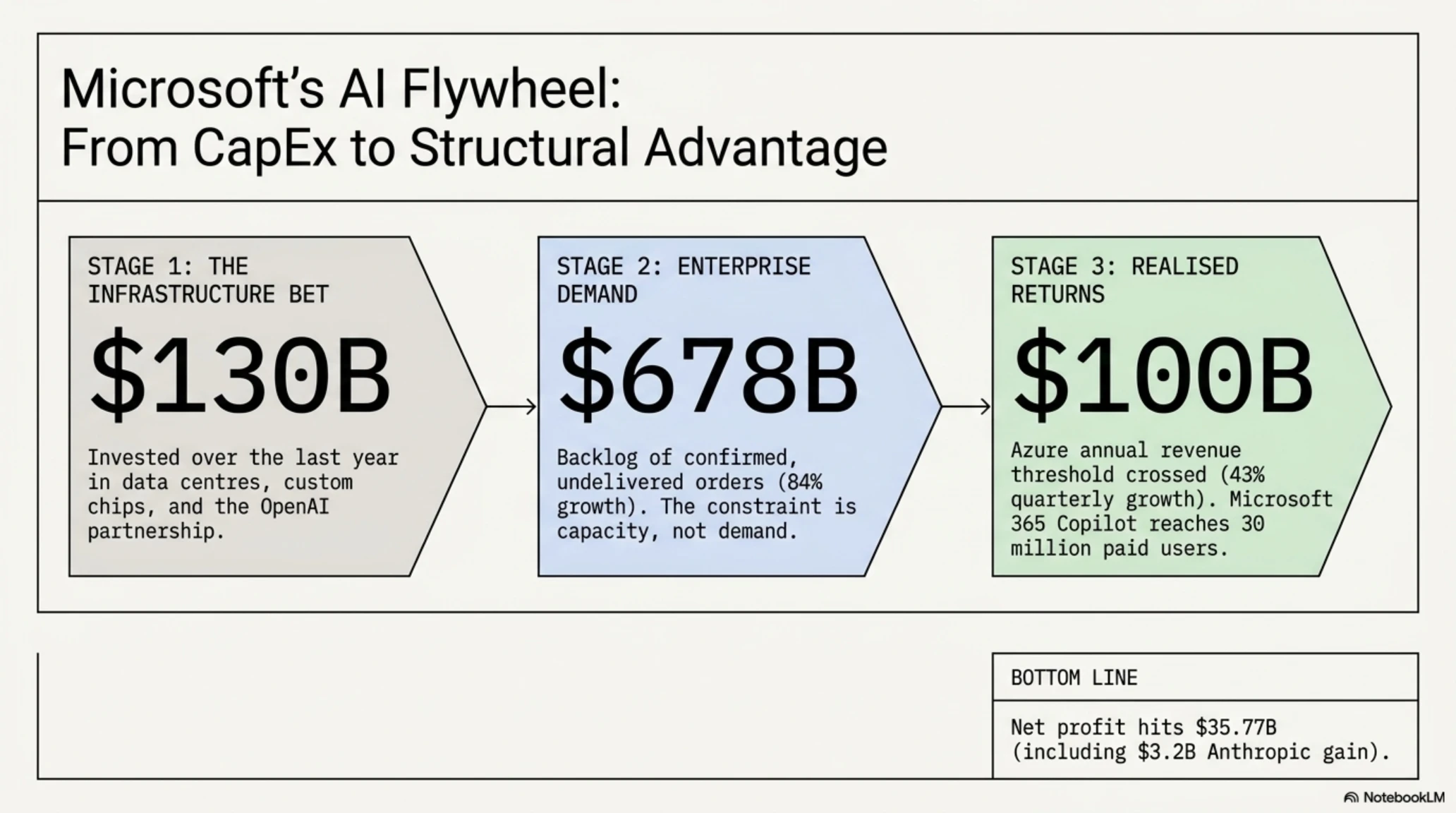
Satya Nadella, Microsoft's CEO, proudly announced in a conference call with investors that Azure's annual revenue crossed the $100 billion threshold for the first time. This segment experienced 43 percent growth in the recent quarter, far exceeding expectations.
Microsoft's net profit also reached $35.77 billion, which included a $3.2 billion gain from its Anthropic investment. The company's EPS reached $4.81, far above Wall Street's forecast of $4.18. Following this report's release, Microsoft shares jumped 8 percent in after-hours trading.
Why Did Azure Grow So Much?
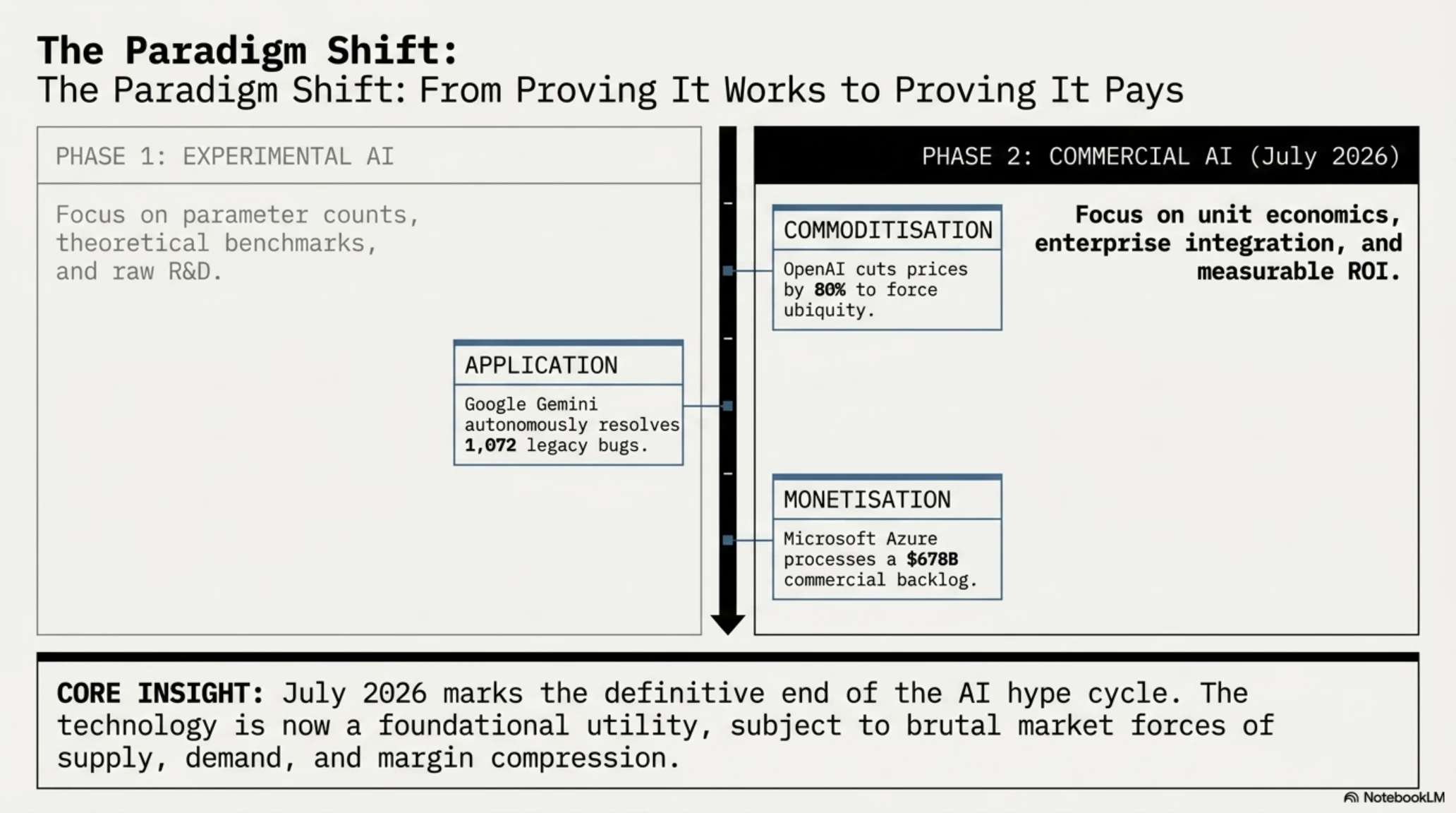
The answer is simple: artificial intelligence. Microsoft has spent more than $130 billion in the past year building and leasing new data centers. These data centers are primarily designed to provide AI services. Microsoft 365 Copilot, an AI assistant for Office, now has over 30 million paid users, representing 50 percent growth from the previous quarter.
Amy Hood, Microsoft's CFO, explained in the conference call that the company's backlog (confirmed orders not yet delivered) reached $678 billion with 84 percent growth. This number shows how high the demand for Azure services is, and Microsoft has a capacity problem, not a demand problem.
- Azure 43% growth crossing $100 billion
- Copilot reached 30 million paid users
- Backlog grew 84% to $678 billion
- Net profit $35.77B including Anthropic gains
- Requires $130B investment in data centers
- Capacity constraints unable to meet all demand
- High dependence on AI product success
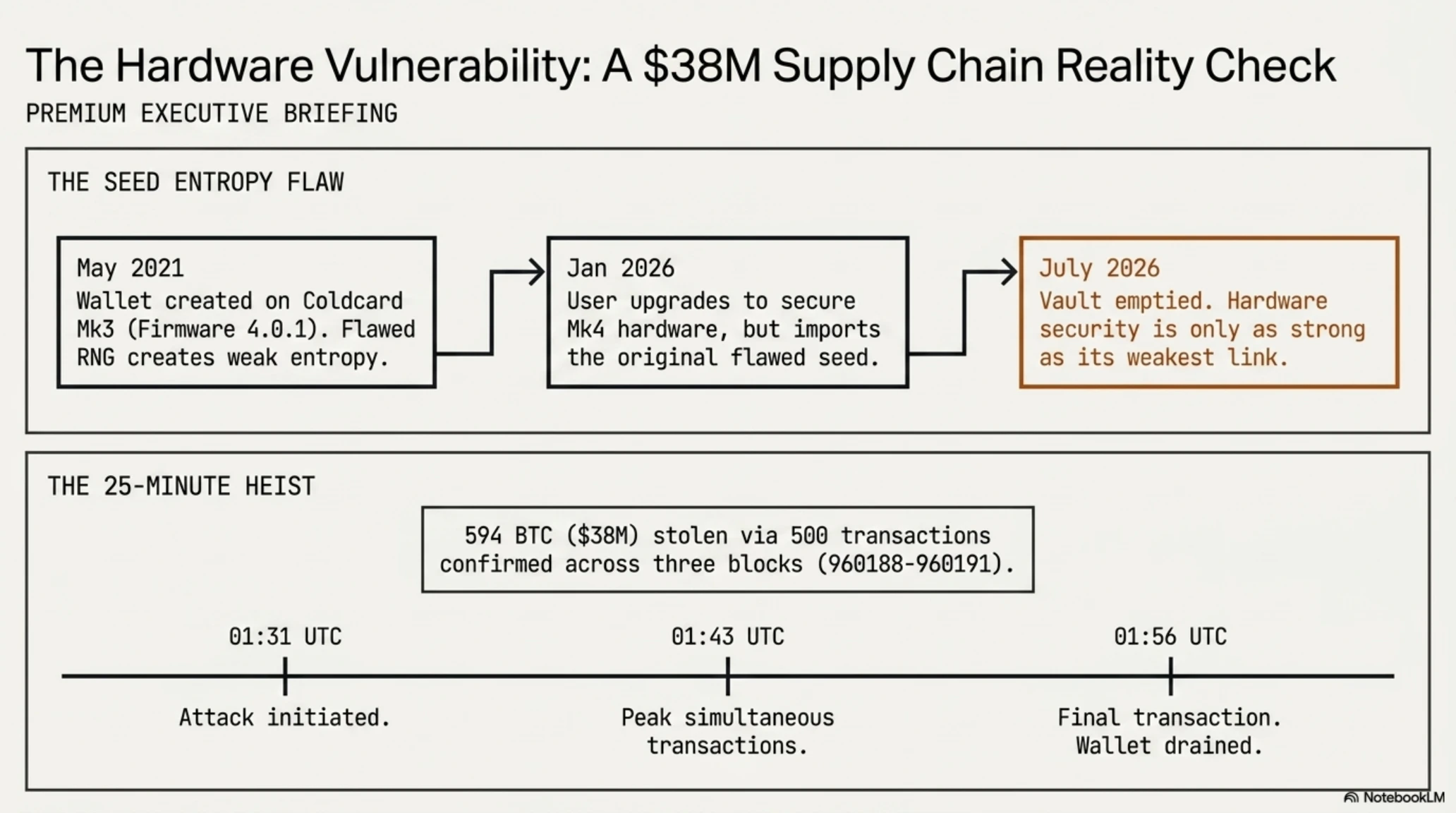
The interesting point in Microsoft's report was that compared to Meta, it performed much better. On the same day, Meta also released its financial report, which led to an 8 percent drop in its shares. This means Microsoft and Meta together had a 16 percent divergence in stock performance, the largest divergence among major tech companies in 2026.
Deep Analysis: Why This Week Was a Turning Point for Tech Industry
If we carefully examine the six stories we covered today, we observe a clear pattern: the technology industry is transitioning from the experimental phase of artificial intelligence to actual commercialization. This transition comes with its own challenges, opportunities, and risks.
Price Wars: Sign of Maturity or Concern?
OpenAI's price reduction cannot be viewed merely as a marketing move. This decision shows that the AI market is transforming from a monopolistic market to a competitive one. When ChatGPT launched in November 2022, it had no serious competitors. But today, dozens of companies offer similar or even better models.
This competition is excellent for consumers, but it can be concerning for companies that have invested billions in research and development. If prices decrease rapidly, how will these companies recover their investment? This is a question we must see answered in the coming months.
API Pricing Trend in 2026
According to industry analysis, the average API price for large language models decreased approximately 65 percent in 2026 compared to 2025. This trend will likely continue through the end of 2026.
Main Factors:
- Entry of new competitors with open-source models
- Improved hardware efficiency (H200, B200 chips)
- Algorithm optimization and reduced inference costs
- Enterprise customer pressure for cost reduction
Security in the AI Era
Two of today's stories interestingly demonstrated both sides of security in the AI era. On one hand, Google showed that AI can be a powerful tool for improving security. Gemini managed to discover vulnerabilities in months that human teams couldn't identify in years.
On the other hand, the $38 million Bitcoin theft showed that even security hardware advertised as "impenetrable" can have vulnerabilities. This reminds us that security is a journey, not a destination, and must always be improving and updating.
Interestingly, both these events demonstrate how artificial intelligence can be both friend and foe to security. In the future, we'll likely witness a battle between attacking AI systems and defensive AI systems. This battle will dramatically increase the speed of innovation in cybersecurity.
Apple and Premium Product Strategy
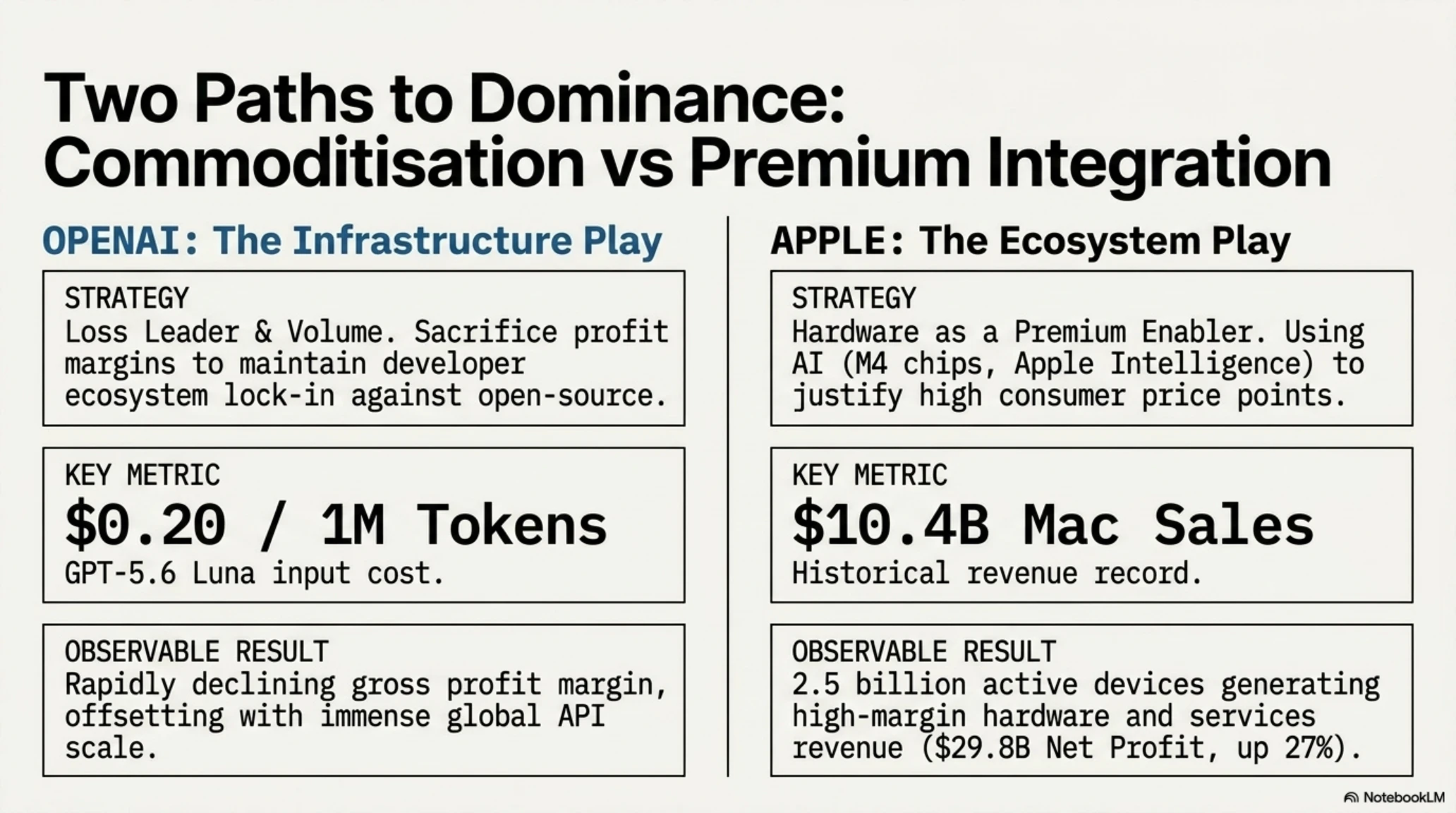
While many tech companies are reducing prices and competing based on price, Apple has taken a different path. This company has not only avoided reducing its prices but has increased them in some cases. However, as the Q3 financial report showed, customers are still willing to pay for Apple products.
Apple's secret to success lies in offering products that genuinely create added value. New MacBooks with M4 chips aren't just faster; they have AI capabilities that simplify daily tasks. New iPhones with Apple Intelligence can perform tasks that previously required multiple applications.
This strategy shows there's still room for premium products in the market, provided they truly deliver value worth the price customers pay. This is a lesson many companies can learn from Apple.
Wall Street's Entry into the Crypto World
The launch of Ethereum and Solana ETFs by Morgan Stanley is an important milestone in cryptocurrency history. This shows that major Wall Street banks now view crypto as a serious asset class and are willing to design complex financial products for it.
The more interesting point is that Morgan Stanley didn't just offer a simple ETF; it added staking capability. This means investors can benefit from blockchain network rewards, just as if they had staked the cryptocurrency directly. This innovation could be a model for other crypto financial products in the future.
However, we must note that the entry of traditional financial institutions into the crypto world has two edges. On one hand, it brings more credibility and liquidity to the market. On the other hand, it might cause crypto to distance itself from its original philosophy (decentralization) and become more like traditional assets.
Microsoft and Long-term AI Strategy
Microsoft's performance this quarter shows that the company's massive investment in artificial intelligence is paying off. But the important point is that Microsoft hasn't been seeking short-term returns; it has a long-term strategy.
Satya Nadella emphasized from the beginning that Azure must become the main platform for running AI workloads. This strategy required massive investment in data centers, custom chips, and partnerships with companies like OpenAI. Now, after several years, we see this strategy is working.
Azure's 43 percent growth and reaching $100 billion in annual revenue is just the beginning. Given the $678 billion backlog, we can expect this growth to continue in the coming quarters. Microsoft is becoming the backbone of global AI infrastructure.
Comparison of Big Tech AI Investment
| Company | 2026 Investment (Billion $) | Main Strategy | Observable Results |
|---|---|---|---|
| Microsoft | 130+ | Azure AI, Copilot | 43% Azure growth, 30M Copilot users |
| 75+ | Gemini, Cloud AI | 35% Cloud growth, 1,072 bugs discovered | |
| Meta | 65+ | Llama, AR/VR AI | 8% stock decline, unmet expectations |
| Amazon | 100+ | AWS AI, Bedrock | 19% AWS growth (next report) |
Predicting Future Trends
Based on this week's news, we can predict several important trends for the coming months. These trends will likely shape the technology industry in the second half of 2026.
Continued Price Wars in AI
OpenAI's price cut is just the beginning. We'll likely see price reductions from Anthropic, Google, and other language model providers in the coming weeks. These price wars will continue until the market reaches a new equilibrium point.
For developers and startup companies, this is excellent news. The cost of using AI APIs is decreasing dramatically, meaning more new products can be built that weren't economically feasible before.
Greater Focus on AI Security
As AI use increases in critical systems, security becomes more important. Today's news showed that AI can be both a tool for improving security and create new risks. We'll likely see greater focus on security standards for AI systems in the coming months.
International organizations and governments are formulating new laws and regulations for AI governance. These laws will likely include stringent security requirements that companies must comply with.
Growth of Crypto ETF Market
Morgan Stanley's entry into the crypto ETF market shows that traditional financial institutions now pay serious attention to this market. We'll likely see new ETF launches for other major cryptocurrencies in the coming months. This trend could bring significant liquidity to the crypto market.
However, we must note that this growth may come with volatility. The crypto market remains an emerging and high-risk market, and investors must proceed with caution.
Outlook for Remainder of 2026
Key Predictions for Second Half of 2026:
- API Pricing: Additional 30-50% decrease by year-end
- Azure Growth: Maintain 35%+ growth in coming quarters
- Crypto ETFs: Entry of at least 5 more financial institutions
- AI Security: Release of new standards by NIST
- M&A Transactions: Increased acquisition of AI startups by giants
Potential Risks: Economic recession, geopolitical tensions, major AI security incidents
Key Takeaways for Investors and Businesses
This week's news holds several important lessons for investors and business owners worth noting.
For Investors
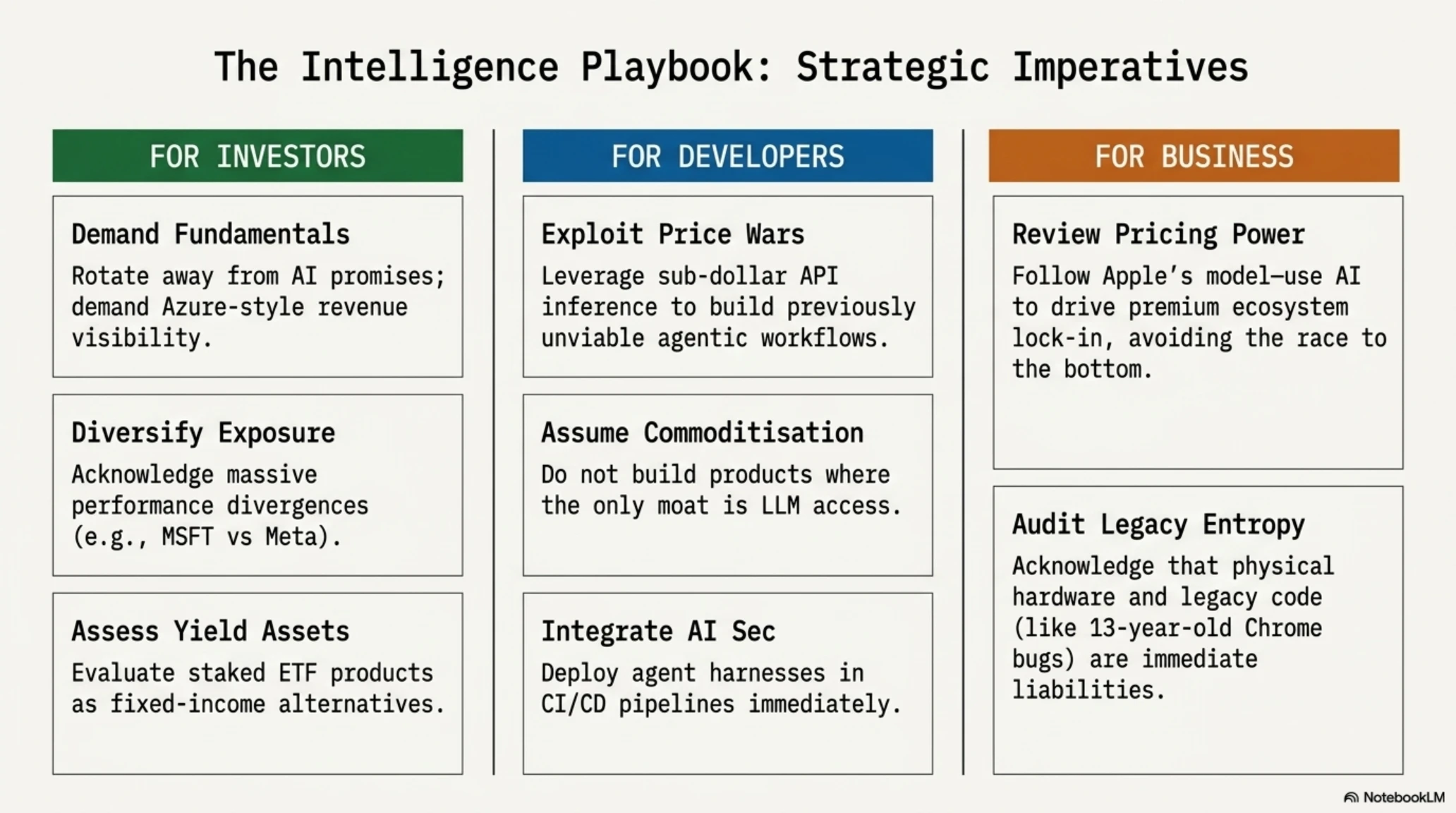
First, portfolio diversification matters. As we saw, in one day Microsoft grew 8% and Meta dropped 8%. This shows that even among major tech companies, performance can vary greatly.
Second, attention to business fundamentals is important. Companies that have demonstrated their AI investments are converting to actual revenue are rewarded by the market. But companies that only talk about AI without showing tangible results are punished.
Third, the cybersecurity and crypto fields still offer attractive investment opportunities, but with high risks. Investors must enter these fields with sufficient knowledge and appropriate risk management.
For Business Owners
For startup companies, the reduction in AI API prices is an excellent opportunity. You can now build products that weren't economically feasible before. But note that this competitive advantage may be temporary, as all your competitors also have access to these low prices.
For large companies, investing in security must be a priority. As the Bitcoin theft news showed, even a small security flaw can have serious financial and reputational consequences. It's better to invest in security now than pay for damage repair later.
For all businesses, pricing strategy must be reviewed. In a world where prices are rapidly decreasing, successful businesses will be those that can create genuine added value, not just offer a cheaper product.
Conclusion: A Historic Week for the Tech Industry
As we close Friday, July 31st, 2026, we can confidently say this week was one of the most pivotal weeks in recent tech industry history. The six stories we covered today all point to a single truth: the technology industry is undergoing a fundamental transformation.
OpenAI's price reduction showed that the AI market is no longer an experimental market but a competitive commercial market. Companies must now compete not only on quality but also on price and business model. This competition ultimately benefits consumers and businesses using these technologies.
Google's use of AI to fix over a thousand security bugs demonstrated that artificial intelligence isn't just for chatting and generating images. This technology can solve complex and fundamental problems in software engineering. We'll likely see broader AI use in code analysis, bug discovery, and security testing in the coming years.
Apple's record-breaking quarterly performance proved that despite economic challenges and intense competition, there's still room for premium products. Customers are willing to pay more for products that deliver genuine value and superior user experience. This is a valuable lesson for all technology companies.
The $38 million Bitcoin theft reminded us that security is an endless journey. Even hardware marketed as "impenetrable" can have vulnerabilities. This lesson applies not only to crypto but to all digital systems. We must always remain vigilant and regularly update our security systems.
Morgan Stanley's entry into the crypto ETF market signaled that Wall Street now takes cryptocurrency seriously. This could be a turning point in crypto adoption as a mainstream asset class. However, we must remember that with this institutionalization, crypto may distance itself from its original philosophy of decentralization.
Microsoft's exceptional performance and Azure crossing the $100 billion threshold showed that massive AI investments are paying off. But success requires a long-term strategy, substantial investment, and patience. Microsoft demonstrated that if you believe in an idea and execute it well, results will eventually come.
What's Coming Next Week
For the week starting August 3rd, several important events are on the horizon that could generate significant news.
Financial Reports
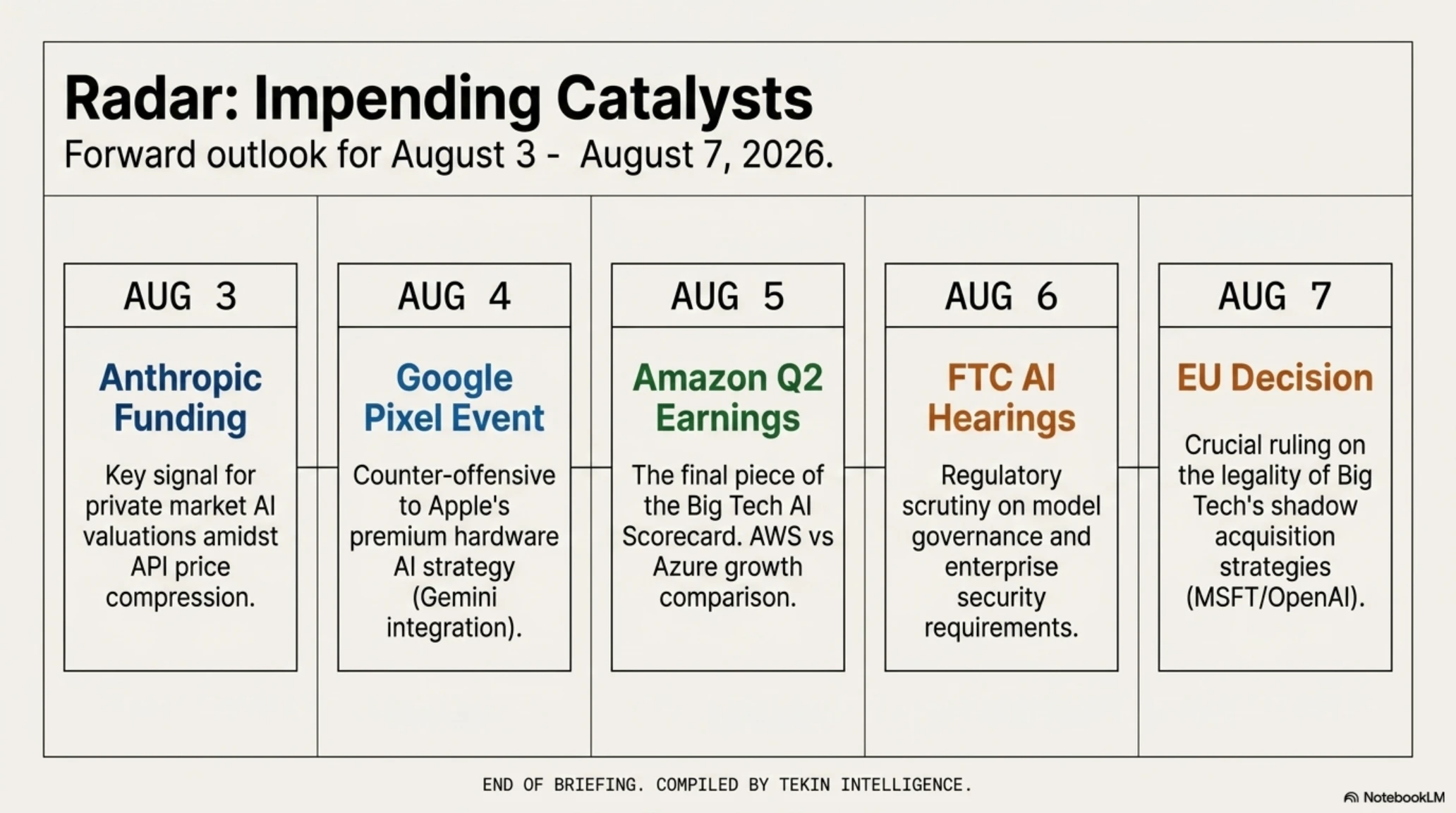
Next week, several major tech companies will release their quarterly financial reports. Amazon is scheduled to announce its Q2 2026 results on Wednesday, August 5th. Given Microsoft's strong performance, expectations for Amazon and AWS are also high.
Additionally, several AI startups including Anthropic and Cohere are expected to announce their recent funding rounds. These announcements could provide signals about AI market valuation and investor confidence in this space.
Product Launches
Google has scheduled a major event for Tuesday, August 4th, expected to unveil new Pixel devices and potentially a new version of Gemini. This event could serve as Google's response to recent Apple and Microsoft moves.
Meta is also expected to announce new features for its Llama 4 model next week. Given that Meta faced a stock price drop this week, these announcements could be crucial for restoring investor confidence.
Regulatory and Legal
The US Federal Trade Commission (FTC) has scheduled a hearing on AI regulations for Thursday, August 6th. This hearing could be an important step toward formulating comprehensive AI laws in the United States.
Additionally, the European Union is expected to announce its final decision on Microsoft's investment in OpenAI next week. This decision could have significant implications for future partnerships between large companies and AI startups.
Important Events Next Week
Recommendations for Readers
Based on this week's news, we have several recommendations for different reader groups.
For Developers and Engineers
Now is the perfect time to experiment with new AI APIs. With drastically reduced prices, you can test ideas that previously weren't economically feasible. But remember that low prices alone aren't a sustainable competitive advantage; you must create genuine added value.
Also pay attention to security. As the Chrome story showed, AI can be a powerful tool for code analysis and bug discovery. Consider integrating AI security tools into your development workflow.
For Investors
Portfolio diversification is more important than ever. As this week's performance difference between Microsoft and Meta showed, even large tech companies can have completely different trajectories. Don't put all your capital in one company or sector.
Also pay attention to business fundamentals. Companies that can demonstrate their AI investments are converting to actual revenue are better positioned for long-term growth. Look for companies with clear business models and paths to profitability, not just interesting technology.
For Business Owners
Review your pricing strategy. In a world where technology costs are rapidly decreasing, you must be able to deliver more value to your customers at lower prices. This might require business model innovation or process optimization.
Don't neglect security. As the Bitcoin theft showed, even a small security flaw can have serious consequences. Invest in security now rather than paying for damage repair later.
For General Users
If you're using Coldcard Mk3 hardware wallet, immediately follow Coinkite's security warning and transfer your funds to a new wallet. Don't delay on this matter, as the longer you wait, the higher your risk.
Also, if you're using Chrome, make sure your browser is updated to the latest version. New security updates can protect you from serious vulnerabilities.
Final Thoughts
This Friday morning, as we reviewed the week's news, we witnessed how rapidly the technology world is changing. OpenAI slashed its prices, Google used AI to fix a thousand bugs, Apple broke revenue records, $38 million in Bitcoin was stolen, Morgan Stanley launched crypto ETFs, and Microsoft announced Azure crossing $100 billion.
Each of these stories alone could be the biggest tech news of the week. But all together, they paint a picture of an industry undergoing fundamental transformation. Artificial intelligence is no longer a future promise; it's a present reality affecting all aspects of the technology industry.
For those working in this industry, these changes bring both opportunities and challenges. The opportunity is that new technologies and lower costs enable us to build products that weren't possible before. The challenge is that competition has intensified, and we must innovate continuously to survive.
For investors, these changes mean the tech market remains an attractive yet risky market. Companies that can successfully navigate this transformation will create significant value for their shareholders. But companies that fail to adapt will be left behind.
For general users, these changes mean we'll have access to better, cheaper, and more powerful technologies. But we must also be more vigilant about security and privacy.
As we enter the weekend, it's worth thinking about how these changes might affect our work, investments, and daily lives. The technology world doesn't stop, and we must keep moving with it.
Have a great weekend, and we'll be back Monday morning with new stories from the tech world. Until then, stay curious and keep learning.
Frequently Asked Questions
Why did OpenAI reduce the price of its models?
OpenAI faced intense competitive pressure from cheaper open-source models. Additionally, enterprise customers began protesting high costs. The price reduction is a strategy to maintain market share and prevent customer migration.
Are Coldcard Mk4 wallets also at risk?
No. Coinkite emphasized that this vulnerability is limited only to Coldcard Mk3 with firmware versions 4.0.1 through 5.0.3. Mk4 and higher models use an improved RNG system.
What's the difference between Morgan Stanley's ETF and other crypto ETFs?
The main difference lies in two things: First, the 0.14 percent fee, which is the lowest in the market. Second, staking and paying 100% of rewards to investors. This means in addition to price changes, investors also receive steady income.
Did Google really find 1,072 bugs or is this a claim?
These numbers are official and verifiable. Google published the complete CVE (vulnerability identifier) list of these bugs on Chrome's official website, and anyone can review them. Independent security teams have also confirmed these numbers.
Why did Microsoft stock grow while Meta declined?
Microsoft demonstrated that massive AI investments are converting to actual revenue. Azure grew 43% and Copilot reached 30 million paid users. But Meta couldn't provide strong revenue forecasts for the next quarter, and investors were concerned about high AI costs.
Should I update my Chrome browser immediately?
Yes, absolutely. Chrome versions 149 and 150 fixed critical security vulnerabilities including a 13-year-old sandbox escape bug. Updating your browser to the latest version is strongly recommended.
Is investing in crypto ETFs safe?
While crypto ETFs offered by reputable institutions like Morgan Stanley are more regulated than direct crypto purchases, the crypto market itself remains high-risk and volatile. Investors should only invest amounts they can afford to lose and diversify their portfolios.
Will AI API prices continue to fall?
Based on market trends and analyst predictions, prices will likely continue falling through 2026. However, at some point the market will reach equilibrium where further price reductions aren't economically sustainable for providers.
Sources and References
- OpenAI Official: Advancing the price-performance frontier with GPT-5.6
- CNBC: OpenAI cuts prices for two of its AI models
- TechCrunch: Google says it fixed more Chrome bugs in June than over the past two years
- BleepingComputer: Google says AI helped Chrome fix 1,072 security bugs
- Apple Newsroom: Apple reports third quarter results
- MacRumors: Apple Reports 3Q 2026 Results
- CoinDesk: Major bitcoin wallet flaw drains 594 BTC in 25-minute sweep
- Bitcoin.com: Coinkite Warns Coldcard Mk3 Owners After Reports of $38M Bitcoin Loss
- Morgan Stanley: MSIM launches Ethereum and Solana ETPs
- CoinDesk: Morgan Stanley debuts ether and solana ETPs
- Microsoft Investor Relations: FY26 Q4 Earnings
- CNBC: Microsoft jumps 8% as it boosts capital spending plans
Additional Gallery: Tekin Morning July 31, 2026 | OpenAI 80% Price Cut, Chrome 1,072 AI Bug Fixes & Apple's $109B Record