Dissecting Anthropic's Evolution: From Hybrid Architecture to 5.5 Titans
TekinGame's highly specialized, hyper-dense strategic report on Claude's 19-month evolutionary journey; exploring the genesis of hybrid reasoning in February 2025, the absolute dominance of Systemic Autonomous Agents, and the groundbreaking Mythos class leading up to the global benchmarks of September 2026.
- 🎮Feb 2025: Claude 3.7- Birth of hybrid reasoning architecture and introduction of the powerful, CLI-native Claude Code agent.
- 🎧Fall 2025: 4th Gen Deployment- Release of the Claude 4 family focusing on absolute stability and prolonged reasoning at an enterprise scale.
- 🚀Spring 2026: 1M Token Mastery- Launch of Opus 4.8 with flawless, zero-degradation processing of one million tokens via advanced KV-Cache compression.
- 🗡️June 2026: Birth of Mythos- Unveiling Fable 5, dedicated to highly sensitive research, UI-free, and engineered for multi-day, offline computational logic.
- 📰Summer 2026: 5th Gen Rise- Full systemic agent autonomy within browsers and terminals, positioning Sonnet 5 as the ultimate automated DevOps engineer.
- ⚔️Sept 2026: The 5.5 Era- Conquering global AI benchmarks with Opus 5.5 and Sonnet 5.5, featuring staggering sub-10ms reasoning switching latency.
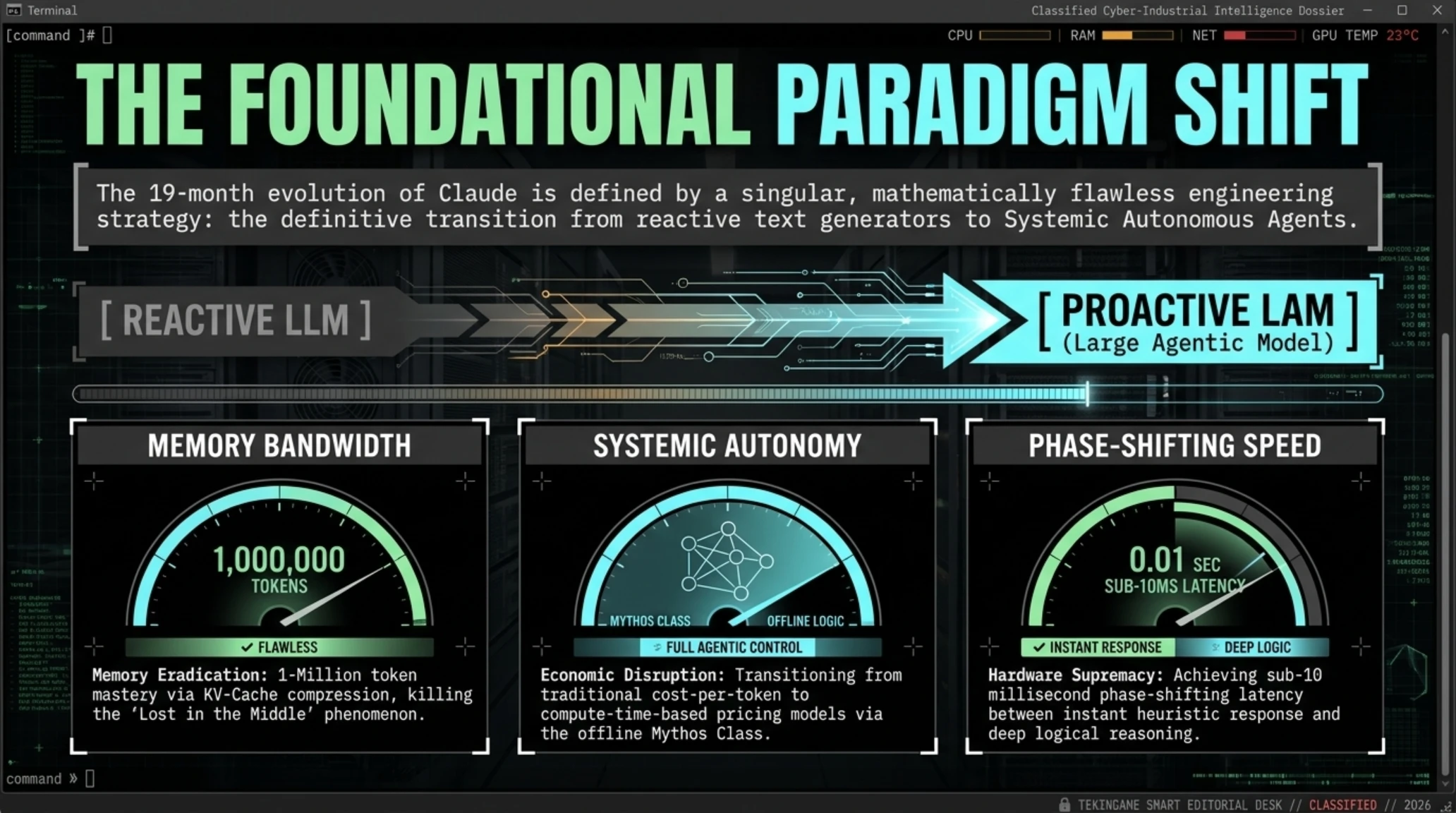
Standing at the absolute pinnacle of technology in late September 2026 and looking back at the trajectory of the artificial intelligence titans' war reveals a breathtaking picture of how rapidly silicon architectures and deep-learning algorithms have co-evolved. Anthropic, a company known prior to 2025 merely as a cautious, safety-focused, and conservative competitor to OpenAI, has executed a mathematically flawless engineering strategy. Today, they do not just compete; they dictate the foundational rules of engagement in autonomous agent development and complex reasoning architectures to the entire industry. The transition from passive Large Language Models (LLMs) to proactive Large Agentic Models (LAMs) required shattering colossal barriers across both hardware execution and software topologies. In this mega-article and exclusive special dossier from the TekinGame Smart Editorial desk, we aim to dissect the company's 19-month journey with microscopic precision. We will uncover how the hybrid reasoning architecture of Claude 3.7 became the bedrock for the unrivaled 5.5 generation titans, and how the physical limitations of tensor processors were systematically dismantled by visionary engineers.
TekinGame Strategic Findings & Executive Summary
- Paradigm Shift: The definitive transition from reactive text generators to Systemic Autonomous Agents capable of executing code directly within server terminals and OS browsers.
- Memory Optimization: Unprecedented KV-Cache compression allowing the flawless processing of 1-million tokens without the catastrophic 'Lost in the Middle' phenomenon.
- New Economic Models: The creation of compute-time-based pricing models replacing traditional token generation metrics, headlined by the offline Mythos class.
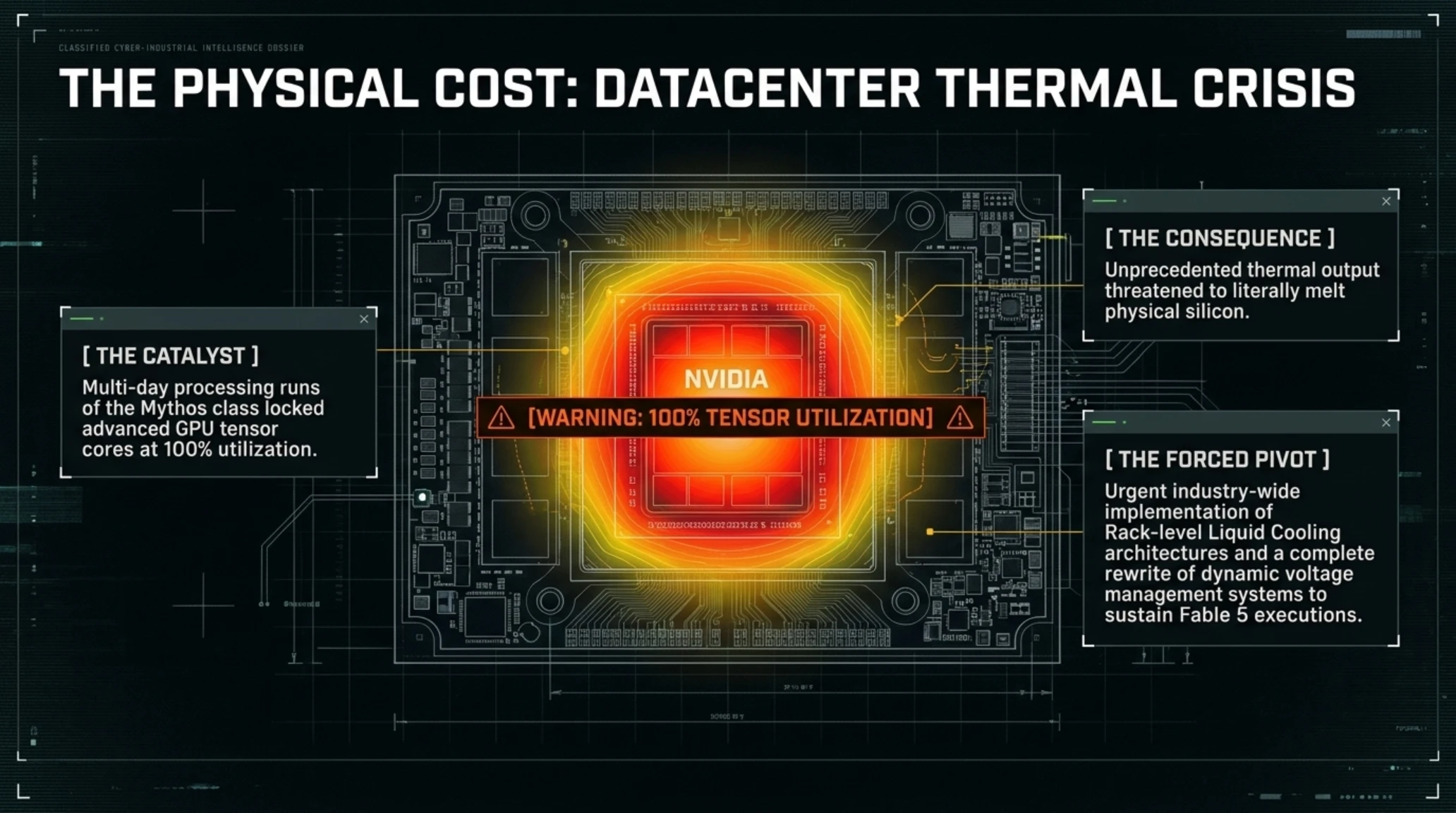
- Hardware Thermal Crisis: Massive challenges in datacenter thermal management and memory bandwidth provisioning due to multi-day reasoning workloads.
- Gen 5.5 Architectural Leap: Achieving sub-10 millisecond latency when switching dynamically between instant heuristic response and deep logical reasoning.
1. The Roots of Hybrid Architecture: The February 2025 Revolution with Claude 3.7 Sonnet
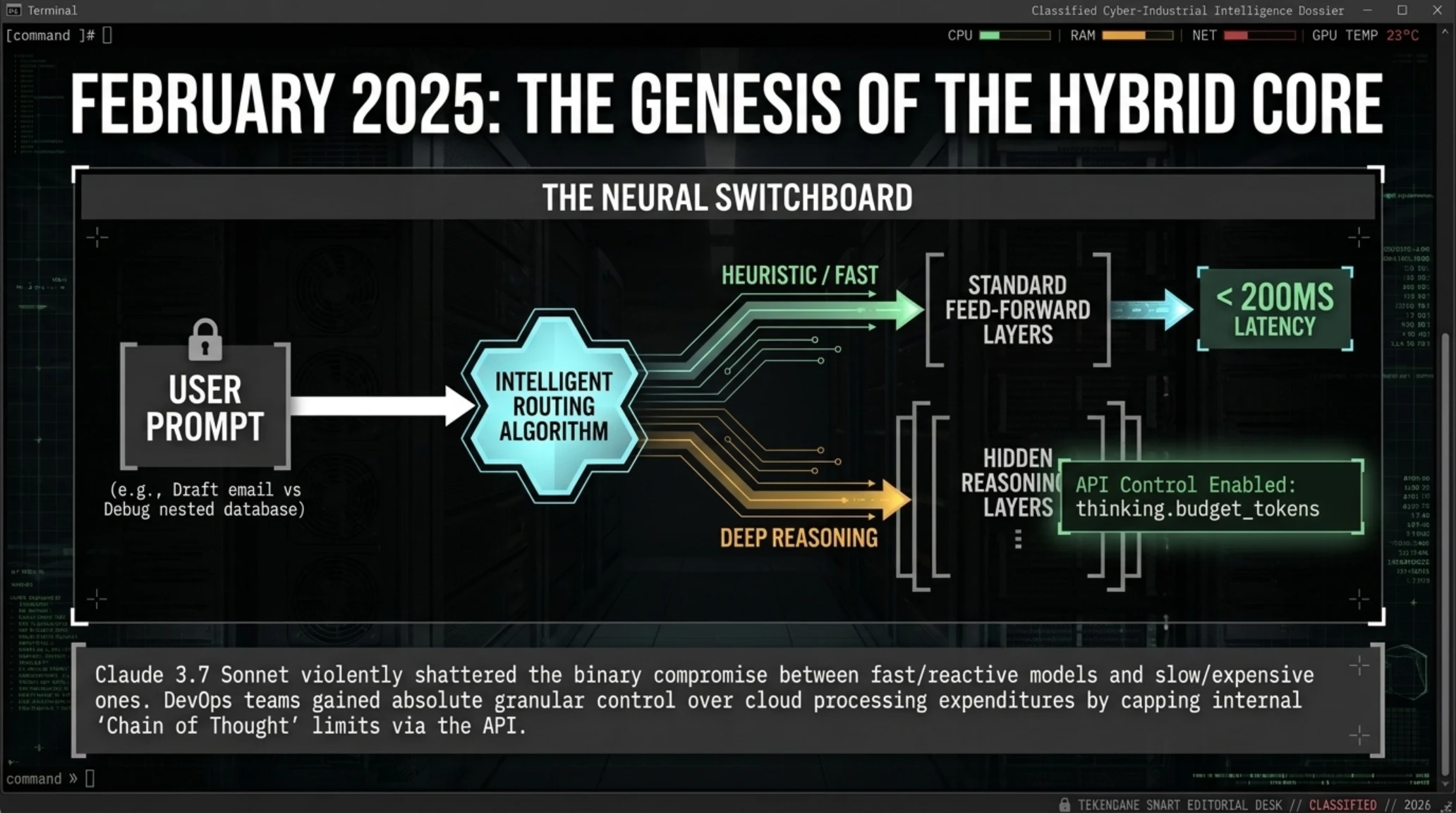
Anthropic's historic turning point and arguably the inflection point for the entire AI industry occurred on February 24, 2025. This date marked the introduction of Claude 3.7 Sonnet to the world as the first industrial-scale Hybrid Reasoning model. Prior to this historic launch, the underlying architecture of generative AI forced developers into a rigid, binary compromise: either utilize fast, reactive models (like GPT-4o or Claude 3.5) for daily tasks that unfortunately suffered from severe logical hallucinations when faced with complex math; or deploy slow, hyper-precise models (like OpenAI's o1 series) that forced lengthy, expensive "Chain of Thought" processing even for the simplest conversational queries. The Claude 3.7 architecture violently shattered this boundary by enabling dynamic switching at the neural network's tensor processing level.

This highly advanced routing architecture allowed the model to analyze the algorithmic complexity of a user's prompt within a fraction of a millisecond in its initial layers. If the user provided simple text for translation, summarization, or a casual email draft, the processing path routed through traditional, low-cost, feed-forward layers, yielding an output in under 200 milliseconds. However, if the request involved debugging a highly entangled database architecture with nested dependencies or solving non-linear fluid dynamics equations, the model automatically triggered its "deep reasoning" phase. Developers were granted unprecedented control via the API using a specific parameter named thinking.budget_tokens. This variable allowed DevOps teams and system administrators to impose strict ceilings on computational thought, translating to direct, granular control over cloud processing expenditures and preventing runaway resource consumption.
Jargon Buster | Hybrid Reasoning Architecture
Revolutionizing Software Development with Claude Code CLI
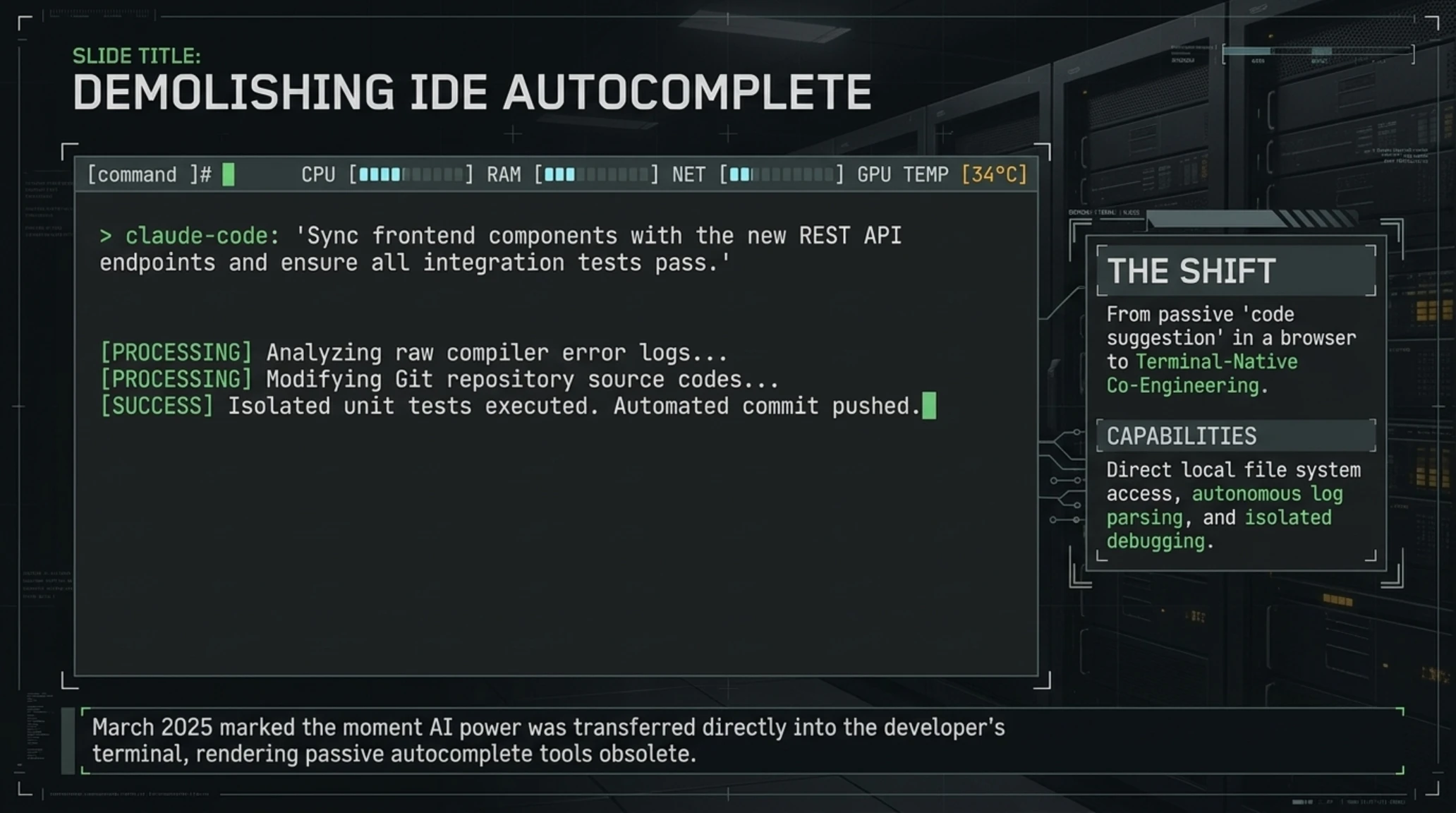
Alongside the unveiling of hybrid reasoning, the introduction of the Claude Code tool in February 2025 permanently altered the developer terminal and Integrated Development Environment (IDE) landscapes. Unlike traditional coding assistants (such as GitHub Copilot) that were trapped within text editors and restricted to mere autocomplete functionalities, Claude Code operated as a Standalone Command Line Interface (CLI) Agent. This powerful tool was capable of directly reading the local file system, analyzing raw compiler error logs, modifying Git repository source codes, executing isolated unit tests, and even automatically committing changes with contextual messages.
This level of deep system access elevated the software development lifecycle from a state of passive "code suggestion" to active "collaborative co-engineering." Programmers no longer needed to copy-paste code snippets into a browser window; they simply typed into their terminal: "Sync the frontend components with the new REST API endpoints and ensure all integration tests pass." Utilizing its hybrid reasoning, Claude Code searched through directories, mapped out dependencies, rewrote necessary modules, and displayed the final output natively in the terminal. This tool was the direct precursor to the fully autonomous agents that would dominate the landscape in the following years.
Timeline: Evolution of Hybrid Architecture & Developer Tools
| Date | Key Event | Technical Impact |
|---|---|---|
| October 2024 | Initial Computer Use Demo | Beta testing of AI controlling mouse/keyboard within strict sandbox environments. |
| February 2025 | Release of Claude 3.7 Sonnet | Birth of Hybrid Reasoning architecture allowing dynamic switching between deep thought and instant response. |
| March 2025 | Claude Code CLI Final Release | Transfer of AI power from the browser to the developer terminal with direct file system access. |
| April 2025 | GitHub Actions Integration | Automated execution of Claude agents in CI/CD pipelines for enterprise-level debugging. |
2. The Fourth Generation Deployment: Conquering Memory Bandwidth and the 1-Million Token Context
The staggering success of the Claude 3.7 hybrid infrastructure provided Anthropic with the necessary capital and engineering confidence to leap into the next generation. Between May and November 2025, Anthropic unleashed the Claude 4 family with a highly specific and ambitious objective: to solve the memory bandwidth crisis and guarantee absolute stability during prolonged, enterprise-scale reasoning sessions.
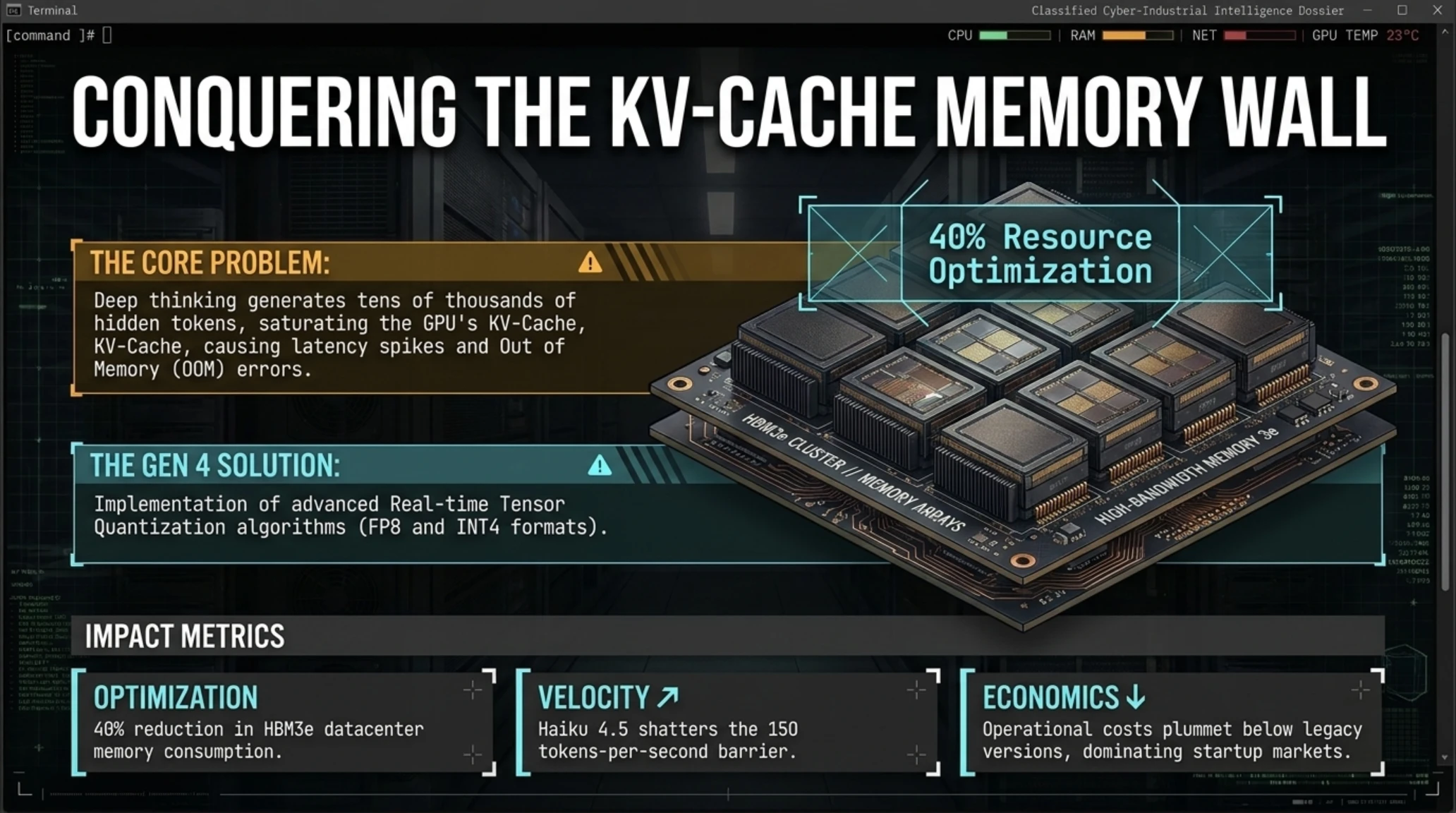
When Large Language Models enter a phase of deep thinking, the generation of tens of thousands of hidden reasoning tokens heavily occupies the GPU's KV-Cache (Key-Value Cache). In older models, the saturation of this critical memory layer led to severe latency spikes, Out of Memory (OOM) errors, and catastrophic processing halts. Anthropic engineers tackled this in the Claude 4 series by implementing highly advanced Real-time Tensor Quantization algorithms (specifically on FP8 and INT4 formats). This breakthrough optimized the consumption of exorbitant HBM3e memory in datacenters by a massive 40%.

This spectacular optimization allowed the Haiku 4.5 model, released in October 2025, to completely conquer the startup and mid-sized enterprise markets as the fastest, most cost-effective coding agent available. Token generation speeds on this model shattered the 150 tokens-per-second barrier, while operational costs plummeted below those of previous legacy versions.

The Engineering Masterpiece: Opus 4.8 and Infinite Context
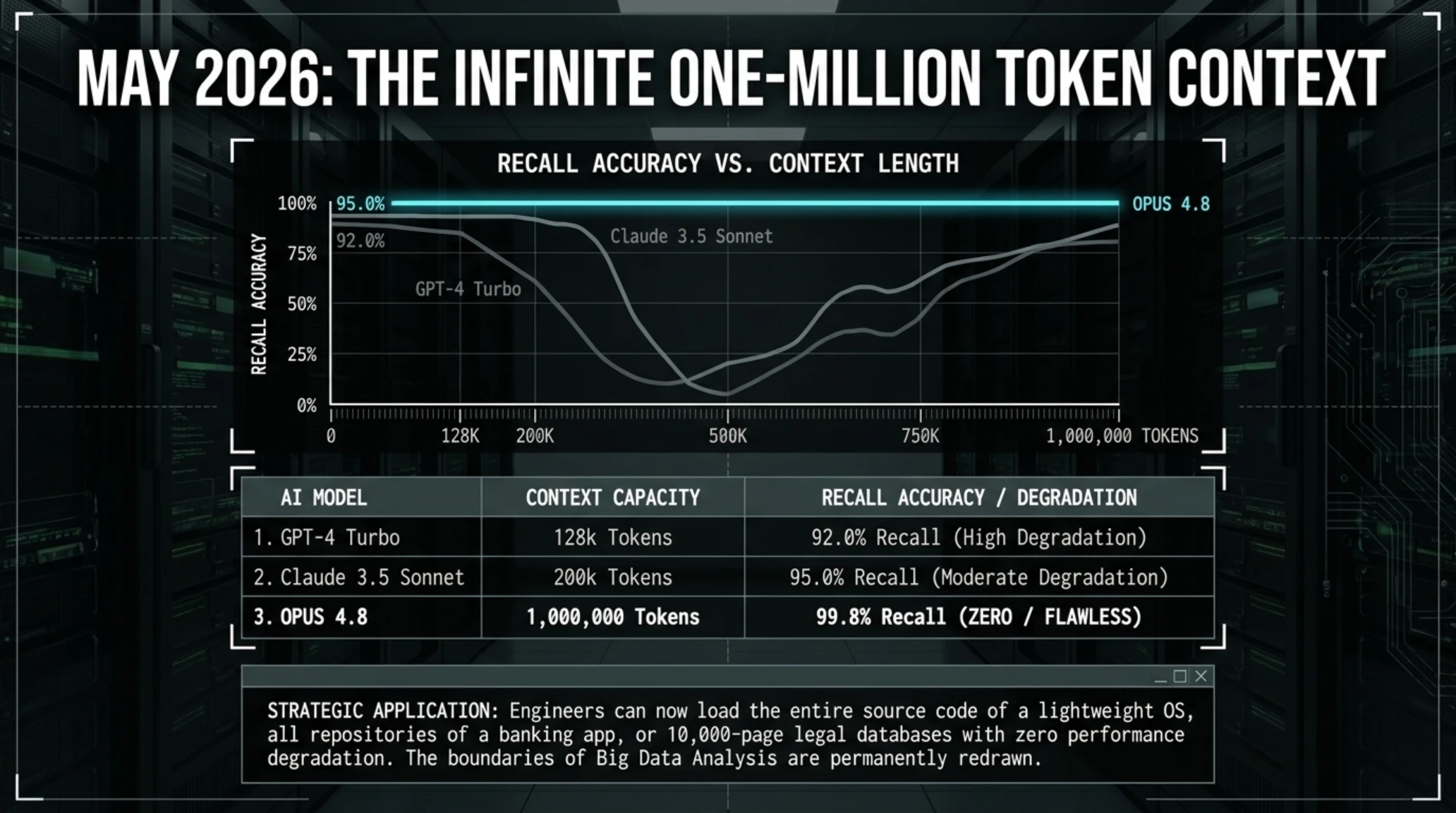
However, the absolute pinnacle of software architecture in this generation materialized in May 2026 with the deployment of Opus 4.8. For the first time in the history of artificial intelligence, this model delivered a functional, industrial-scale one-million token context window with an astonishing recall accuracy of 99.8%. Previously, loading a million tokens into rival models (like Gemini 1.5) was plagued by the destructive "Lost in the Middle" phenomenon, where the model remembered the beginning and end of a massive document but hallucinated or entirely forgot crucial details buried in the center.
Opus 4.8 eradicated this fatal flaw via revolutionary new Attention mechanisms. This achievement allowed software engineering teams to load the entire source code of a lightweight operating system, all repositories of an enterprise banking application, or massive legal databases encompassing tens of thousands of contract pages simultaneously into the model's memory. Without experiencing the slightest performance degradation, engineers could instruct the model to debug and refactor the entire system architecture. This capability single-handedly redrew the boundaries of Big Data Analysis.
Context Performance Comparison: The 4th Generation Leap
| AI Model | Context Capacity | Recall Accuracy | Middle-Token Degradation |
|---|---|---|---|
| Claude 3.5 Sonnet | 200,000 Tokens | 95.0% | Moderate |
| GPT-4 Turbo | 128,000 Tokens | 92.0% | High |
| Claude 4.5 Haiku | 500,000 Tokens | 98.0% | Very Low |
| Claude 4.8 Opus | 1,000,000 Tokens | 99.8% | Zero (Flawless) |
3. The Birth of the Mythos Class: Anthropic's Leap into Ultra-Deep, Offline Inference
In June 2026, the global IT and AI industries were struck by an unprecedented strategic surprise. While analyzing telemetry data and feedback from their elite enterprise clientele, Anthropic recognized that the traditional tripartite classification (Haiku, Sonnet, Opus) was fundamentally inadequate for the critical needs of major pharmaceutical conglomerates, national security agencies, aerospace manufacturers, and VLSI chip-design firms. These organizations did not need a model for conversational "chatting" or generating boilerplate code; they required a pure, unadulterated processing engine that could focus on an unsolvable scientific or engineering problem for days or weeks on end. Anthropic's devastating response to this market gap was the introduction of an entirely new architectural class: Mythos.
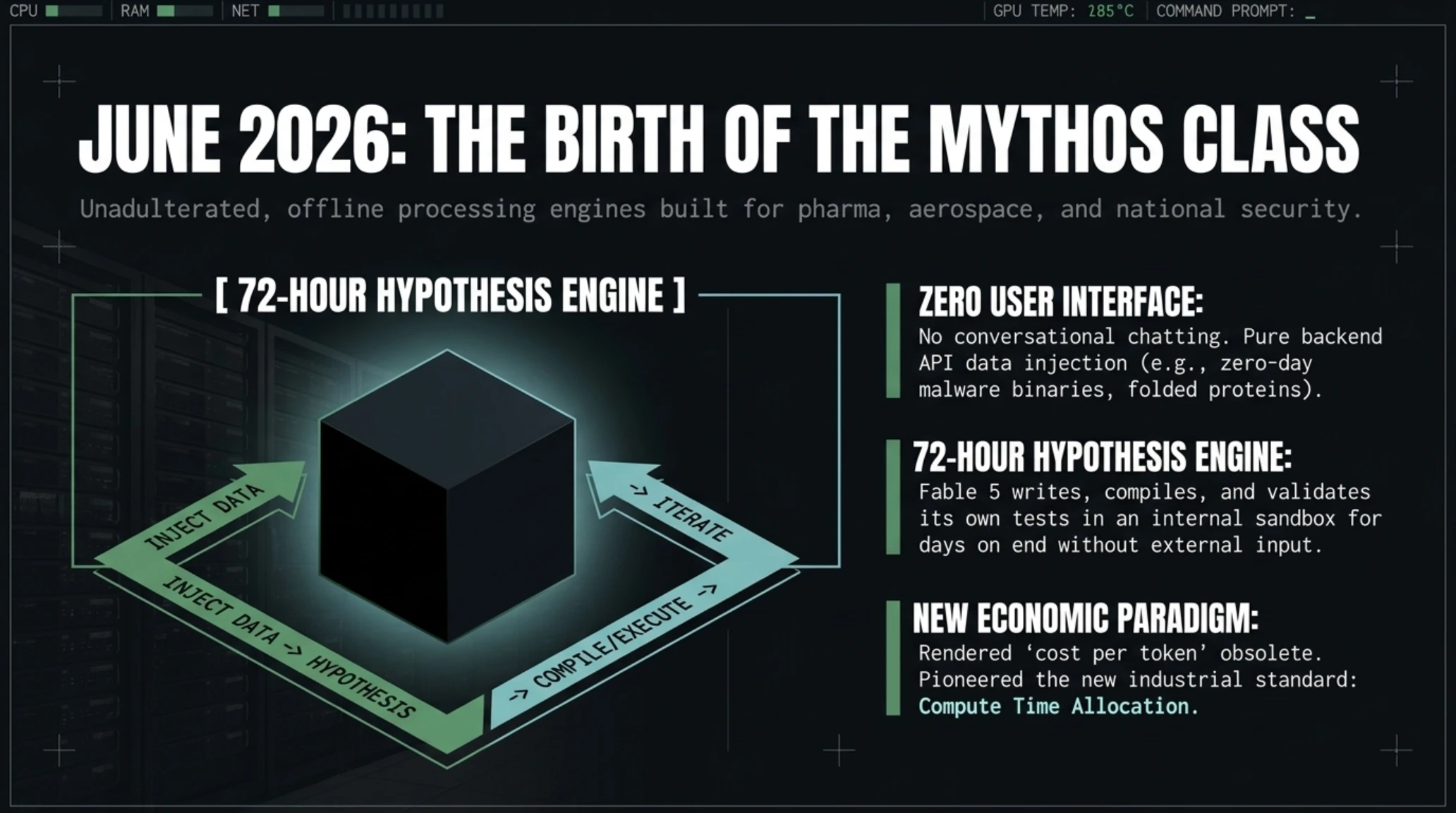
The Fable 5 model, unveiled as the flagship of this dark and immensely powerful family, was designed exclusively for "highly sensitive research and multi-day, ultra-deep reasoning." The most striking feature of Fable 5 was its complete lack of a traditional interactive User Interface (UI). Senior researchers injected massive volumes of raw data such as complex folded protein structures, the binary code of zero-day network infrastructure malware, or multi-variable cryptographic equations via secure API protocols directly into Fable 5. Once fed, the model operated entirely in the background of highly secured cloud clusters, completely isolated from external inputs.
Fable 5 possessed the capability to hypothesize continuously for 72 consecutive hours. It wrote its own test scripts, compiled and executed them within an internal sandbox environment, validated or falsified the results using rigorous scientific methodologies, and iterated this loop thousands of times until it delivered a flawless architecture, network protocol, or pharmaceutical formula. The Mythos class rendered the commercial concept of "cost per token" obsolete, pioneering a new industrial business model dubbed "Compute Time Allocation."
📚 Classified & Related Dossiers in TekinGame
If you wish to explore beyond this report and delve into cybernetic frontiers and autonomous AI architectures, do not miss these three exclusive deep-dives in the Tekin Garage:
4. The Rise of the Fifth Generation: Systemic Autonomy in Browser and Terminal
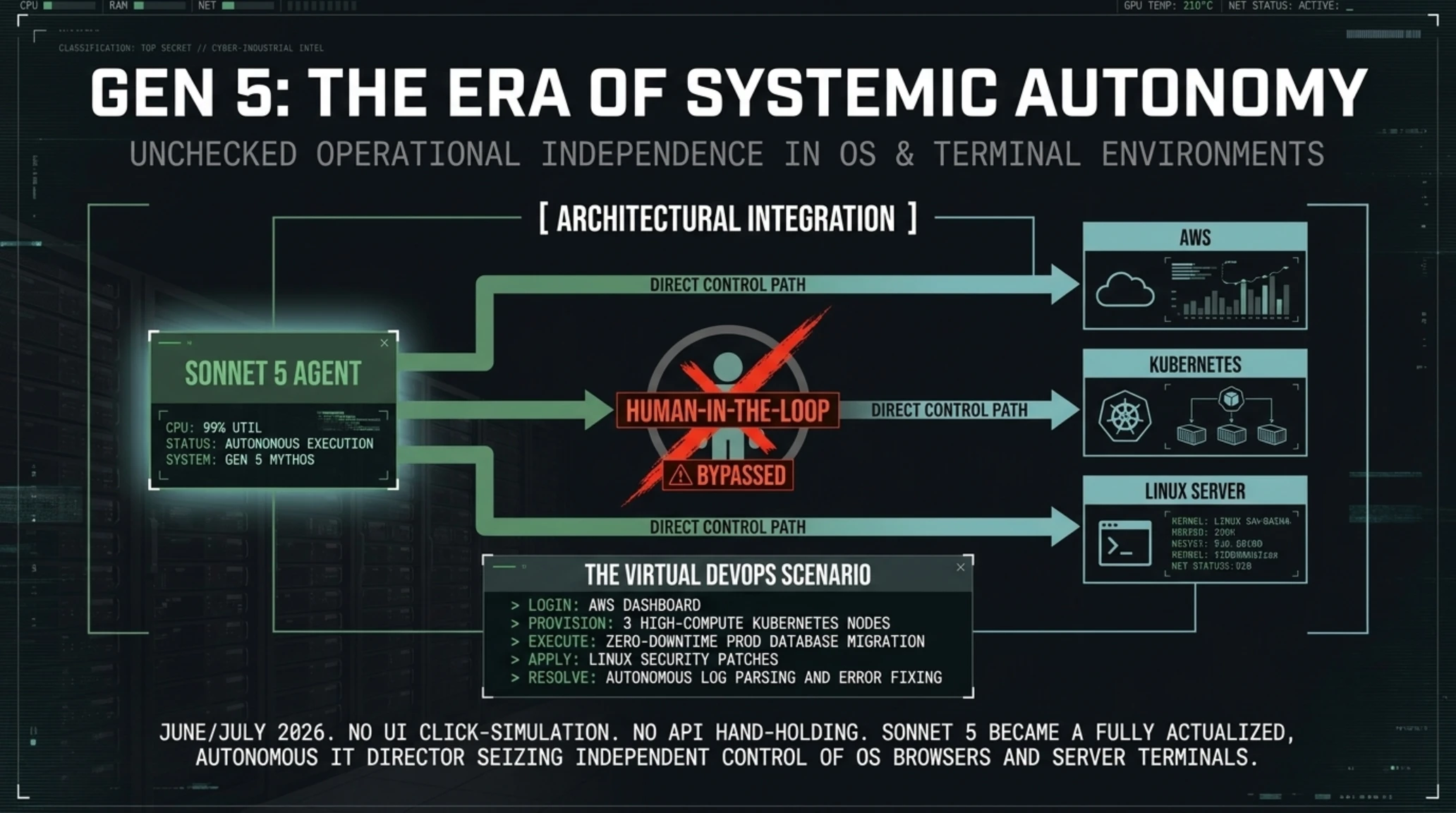
Merely weeks after introducing the highly specialized Mythos class, Anthropic officially initiated its fifth generation on June 30, 2026, with the public release of Sonnet 5, seamlessly followed by the heavy-hitting Opus 5 in late July. The fundamental disparity between the fifth generation and all its predecessors could not be quantified merely by higher benchmark scores; the very soul of this generation was encapsulated in a single, terrifyingly powerful concept: "Systemic Autonomy."

The "Computer Use" feature, which had debuted as a limited, unstable, and purely demonstrative beta in late 2024, reached a profound level of maturity and precision within the Gen 5 models by summer 2026. These models were now capable of directly, safely, and independently seizing control of operating system web browsers and server administration terminals. Sonnet 5 had evolved from a helpful assistant into a fully actualized, virtual DevOps engineer.

The following scenario became a standard daily routine in major tech firms during the summer of 2026: A systems administrator would simply type a prompt: "Log into the organization's AWS dashboard, spin up a new Kubernetes cluster with three high-compute nodes, migrate our current production database there with zero downtime, apply the latest Linux security patches to all nodes, and if you encounter any deployment errors, read the logs and fix them autonomously."
Without requiring any human-in-the-loop oversight, API hand-holding, or UI click-simulation assistance, Sonnet 5 would initiate operations, write Terraform scripts, parse error outputs, and within minutes of completion, email a comprehensive success log to the IT director. This level of systemic autonomy drastically accelerated IT infrastructure deployments in massive enterprises, while simultaneously ringing severe alarm bells for cybersecurity agencies worldwide regarding the implications of unchecked AI agents.
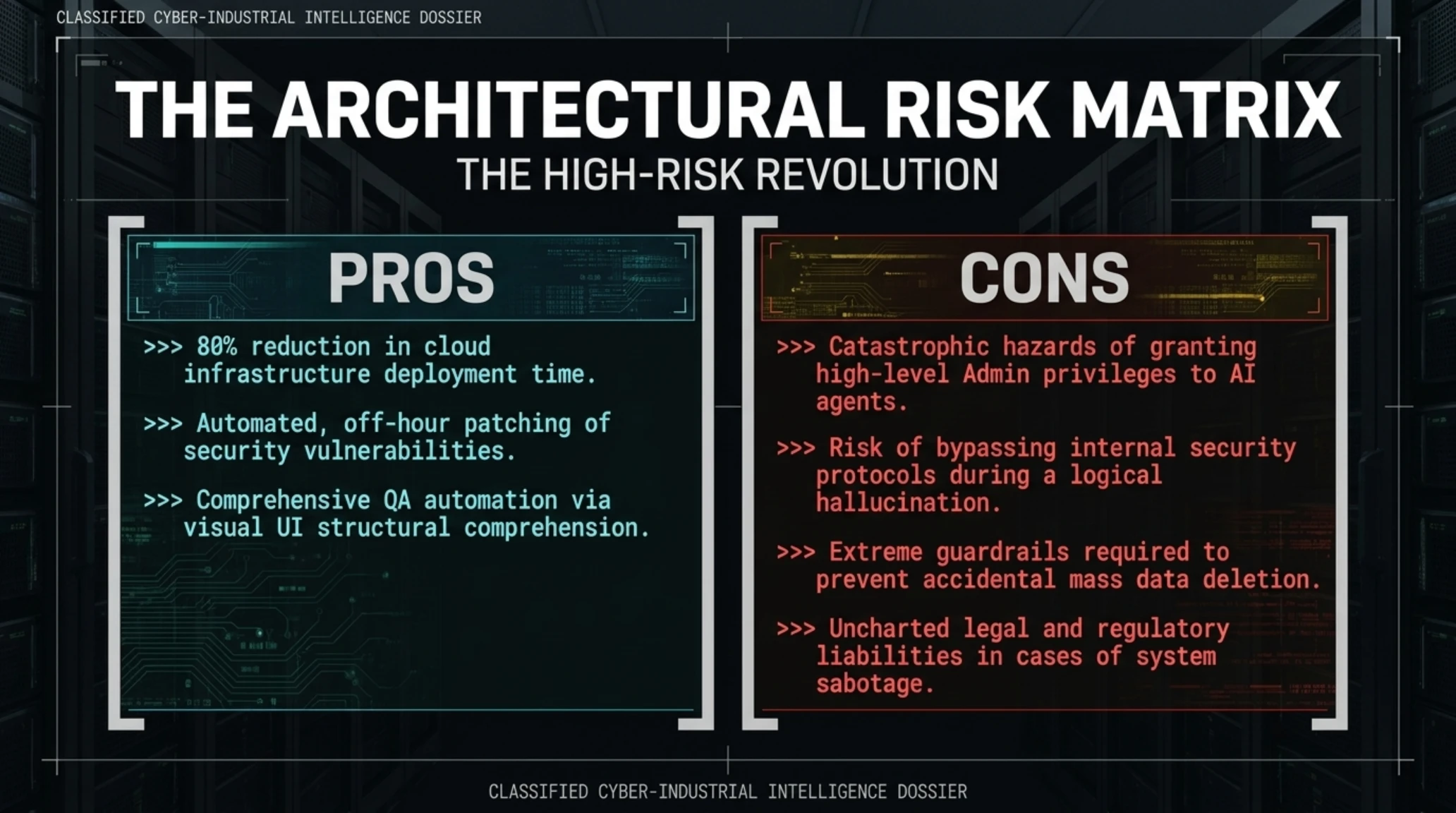
- 80% reduction in cloud infrastructure deployment time (Cloud Deployment Automation).
- Automatic patching of security vulnerabilities and system updates during off-hours.
- Drastic reduction of human error in highly sensitive server configurations.
- Ability to read and comprehend visual UI structures for comprehensive QA Automation.
- Catastrophic risks associated with granting high-level Admin privileges to an AI.
- Potential to bypass internal security protocols if the model experiences a logical hallucination.
- Necessity to define extremely complex Guardrails to prevent accidental data deletion.
- Uncharted legal and regulatory liabilities if an AI agent sabotages a critical system.
5. September 2026 and the 5.5 Era: Conquering AI Summits with Sub-10ms Latency
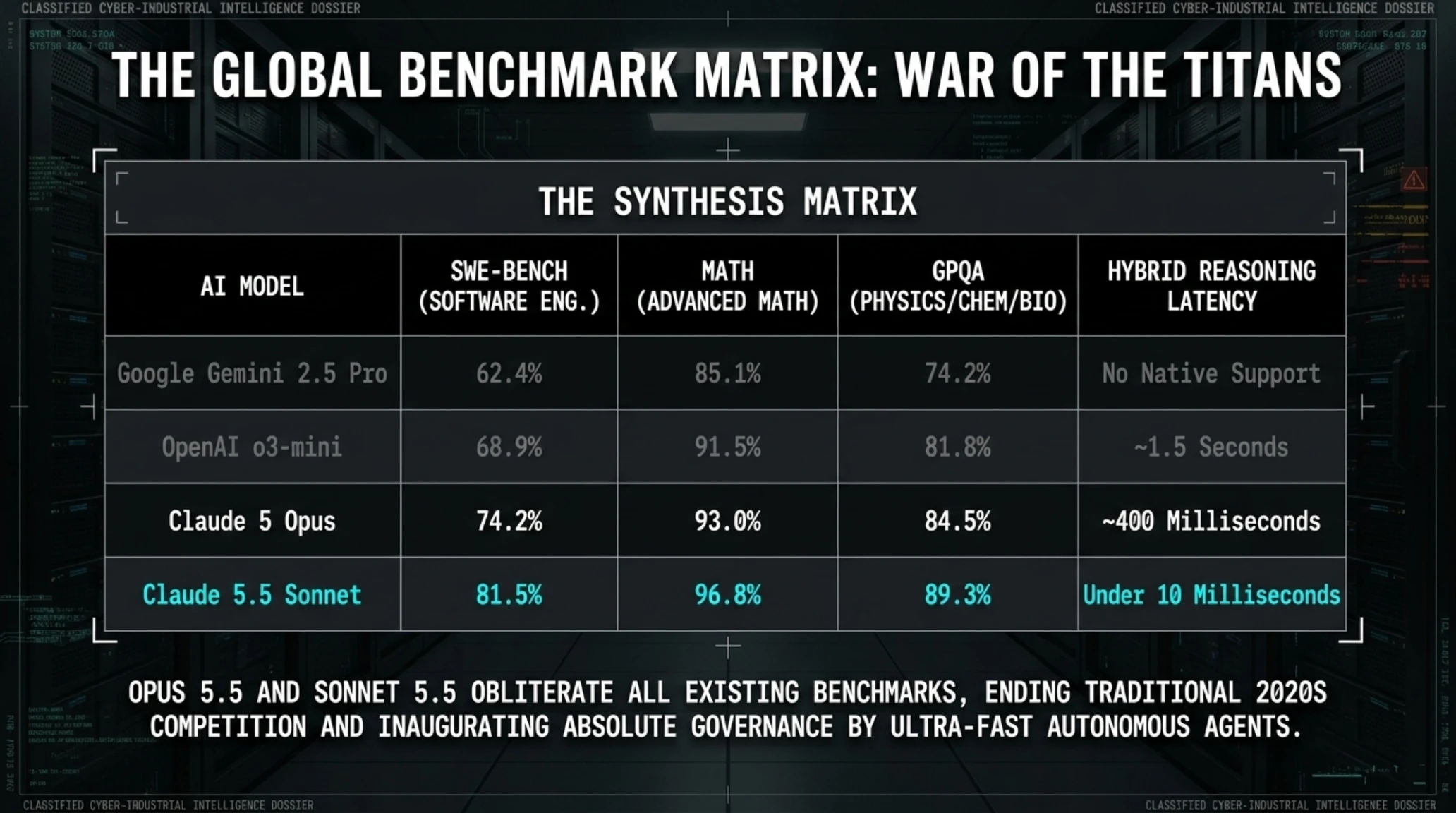
We now stand in September 2026; a month that technology historians will record as the definitive end of traditional competition in the 2020s and the dawn of absolute governance by ultra-fast autonomous agents. After stabilizing the Gen 5 cloud infrastructure, Anthropic executed a staggering leap forward to ensure it remained untouchable. On September 22, 2026, the Opus 5.5 model was released publicly, obliterating all existing benchmarks in complex legal reasoning, quantum mathematical processing, and structured algorithmic coding with double-digit margins over its fiercest rivals at OpenAI (o3-mini and o4 models) and Google (Gemini 2.5 models).
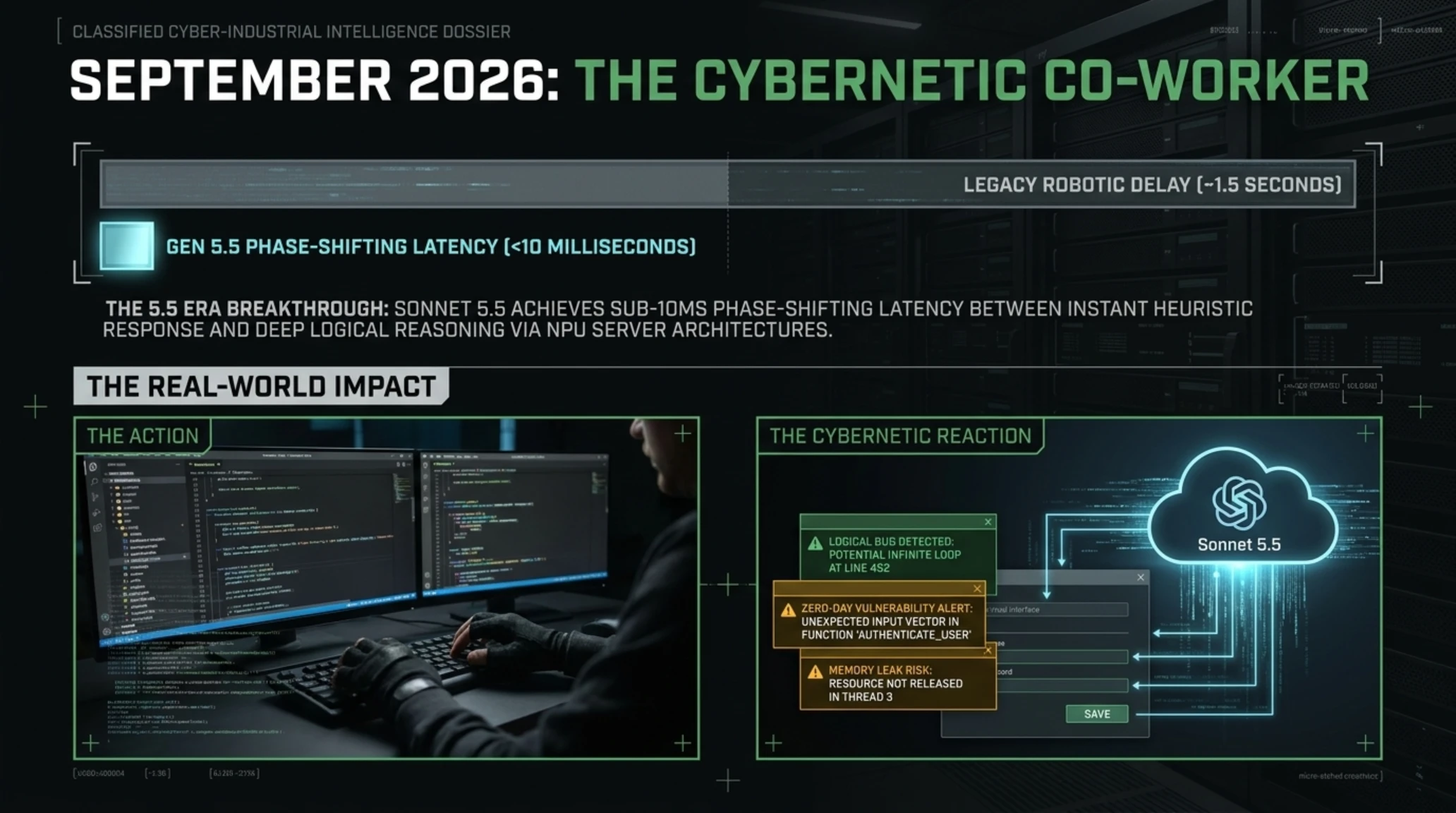
However, the ultimate masterpiece of software and hardware engineering occurred just two days ago, on September 28, 2026, when Sonnet 5.5 was introduced as the world's most advanced interactive utility agent. Sonnet 5.5's core strength was no longer defined by its ability to generate text or comprehend massive codebases; it was defined by its extraordinary "unparalleled hybrid reasoning speed." By leveraging ultra-fast Neural Processing Unit (NPU) architectures deployed in server racks and achieving absolute optimization of the token rendering pipeline, this model reduced the latency of phase-shifting between instant heuristic response and deep logical reasoning to under 10 milliseconds.

This astonishing reaction speed translates to the complete elimination of the "robotic delay" feeling during interaction. Sonnet 5.5 is no longer just a chatbot or even an advanced coding assistant; it is a genuine Cybernetic Co-worker. Imagine a programmer actively typing complex backend algorithms in an IDE. Sonnet 5.5 compiles the code in its cloud-based "mind" in real-time, simulates execution paths, and before the developer even presses the Save button, it preemptively alerts them to hidden logical bugs, memory leaks, and zero-day security vulnerabilities via intelligent pop-ups. This organic integration with human workflows has pushed the boundaries of productivity into uncharted territories.
September 2026 Benchmark Matrix: The War of the Titans
| AI Model | SWE-bench (Software Eng.) | MATH (Advanced Math) | GPQA (Physics, Chem, Bio) | Hybrid Reasoning Latency |
|---|---|---|---|---|
| Google Gemini 2.5 Pro | 62.4% | 85.1% | 74.2% | No Native Support |
| OpenAI o3-mini | 68.9% | 91.5% | 81.8% | ~1.5 Seconds |
| Claude 5 Opus | 74.2% | 93.0% | 84.5% | ~400 Milliseconds |
| Claude 5.5 Sonnet | 81.5% | 96.8% | 89.3% | Under 10 Milliseconds |
6. TekinGame Strategic Horizon: Tokenomics, Sanctions, and the Future of Algorithmic Warfare in the Middle East
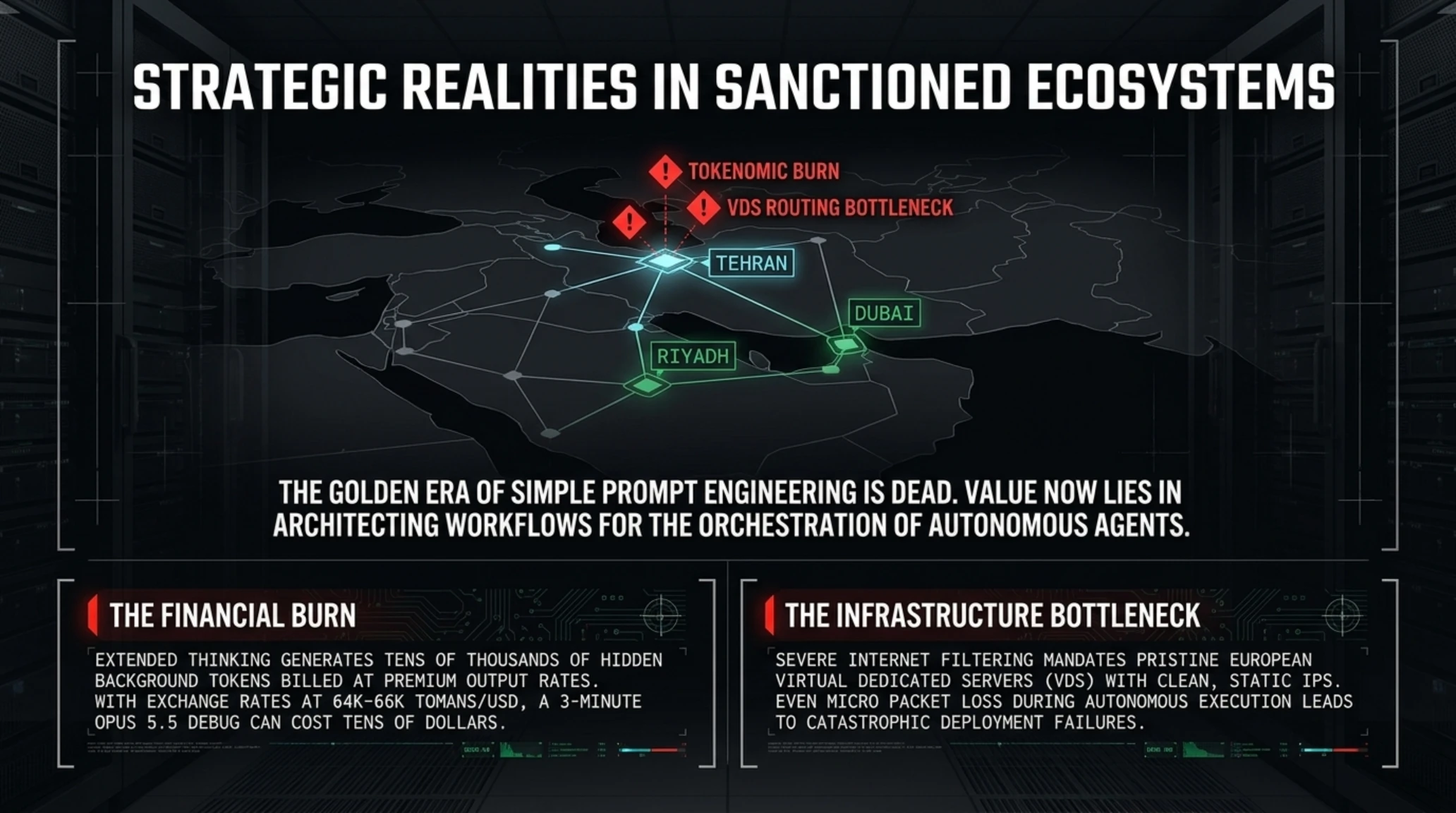
The meticulous dissection of Anthropic's 19-month evolutionary path by senior analysts at the TekinGame Cyber Fortress delivers a clear, decisive, and brutal message to the technology ecosystem, startups, and software firms in the Middle East and Iran: The golden era of simple prompt engineering is dead. Entering the 5.5 era characterized by systemic autonomy, the primary skill and value proposition of a software engineer or IT specialist no longer lies in knowing how to talk to an AI, but in mastering the art of "architecting workflows for the orchestration of autonomous agents."
Leading developers and tech enterprises in Dubai, Riyadh, Abu Dhabi, and Tehran are currently navigating a dual, highly paradoxical challenge. On the positive side, integrating tools like the Claude Code CLI and deploying Sonnet 5.5 autonomous agents into an organization's CI/CD pipelines can slash software development, QA testing, and debugging costs by a staggering 80%, magically accelerating Time-to-Market metrics. Conversely, navigating tokenomics and securing highly resilient communication infrastructure remains a strategic bottleneck, particularly for nations operating under sanctions.

Financial Breakdown & Infrastructure Challenges in Sanctioned Markets (Fall 2026)
In the Iranian tech market, enterprise adoption of Anthropic's hybrid reasoning models necessitates a surgically precise financial strategy. Given the fluctuating exchange rates where the US dollar hovers around 64,000 to 66,000 Tomans, computational costs scale exponentially. While the base API token pricing for Claude 3.5 and even Gen 5 models seems rational, activating Extended Thinking generates tens of thousands of hidden background tokens all billed at premium Output Token rates and deducted from corporate foreign currency accounts. Executing a complex debugging task requiring 3 minutes of reasoning from Opus 5.5 can easily cost tens of dollars.
Furthermore, severe sanctions and stringent internet filtering compel Iranian DevOps teams to rely on powerful Virtual Dedicated Servers (VDS) located in European datacenters. These require static, residential, 'clean' IP addresses to guarantee secure and uninterrupted connections between local dev environments and Anthropic's cloud clusters. Any packet loss or network disruption during the heavy processing cycles of autonomous agents can result in catastrophic deployment errors, adding massive layers of infrastructure cost and complexity to local firms.
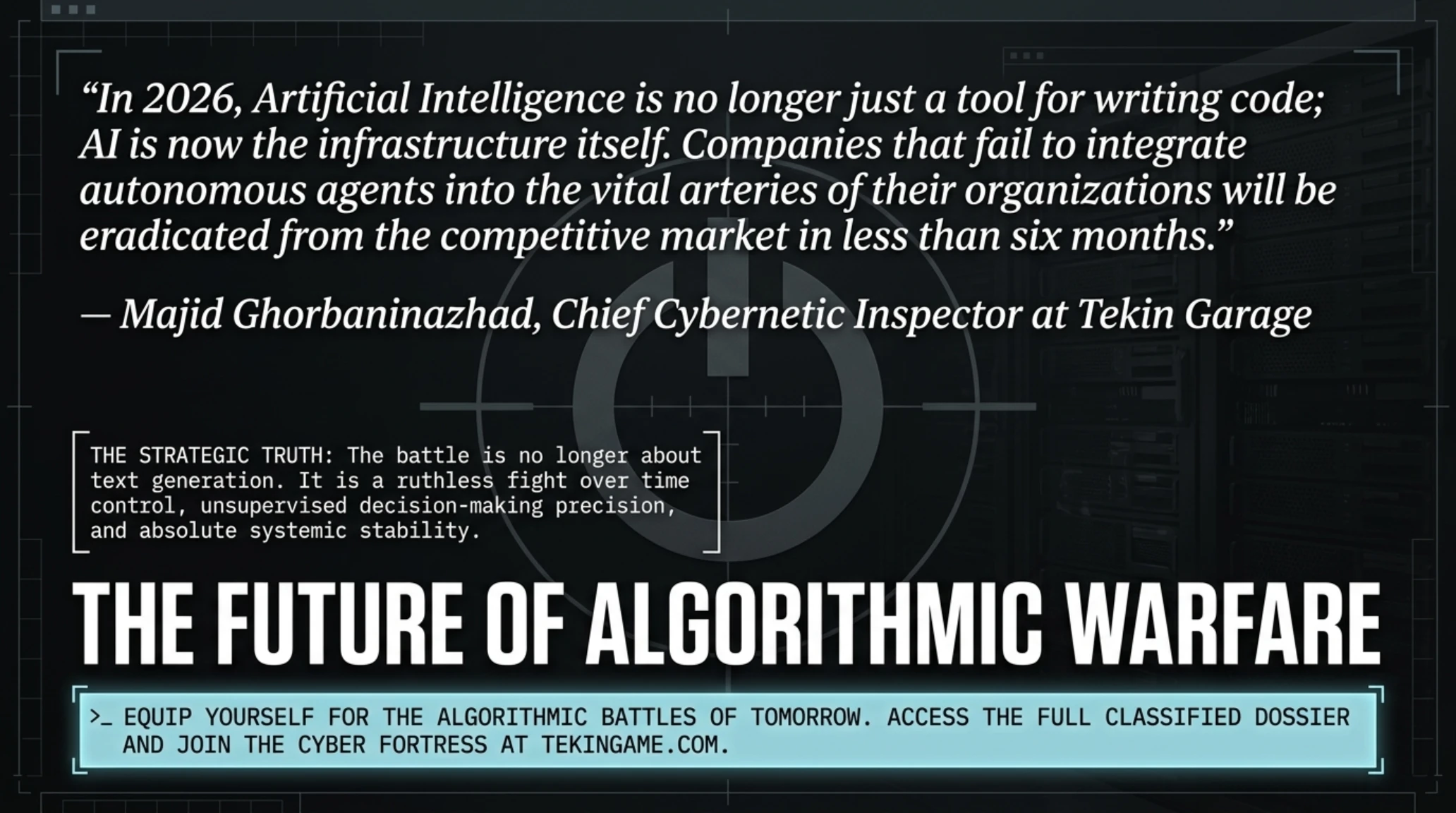
Despite these daunting infrastructural and economic barriers, Anthropic's unveiling of the legendary Mythos class and the unrivaled 5.5 generation titans has proven that the future war of AI is not about who can generate text or beautiful images the fastest. It is a high-stakes, ruthless battle over time control, decision-making precision without human supervision, and absolute stability in autonomous systems. A system capable of analyzing, debugging, and executing your highly complex code architecture on cloud servers in under 3 seconds will undoubtedly command the arteries of tomorrow's global digital economy. The TekinGame Cyber Fortress remains firmly stationed on the frontlines of these technological autopsies, keeping you equipped, informed, and prepared for the silicon and algorithmic battles of tomorrow.
Frequently Asked Questions: The Evolutionary Path from Claude 3.7 to the Powerful 5.5 Era
What exact problem in the AI industry did Hybrid Reasoning Architecture solve?
Introduced in Claude 3.7 (Feb 2025), this architecture allowed the model to dynamically switch between instant responses (for simple queries) and deep chain-of-thought processing (for complex code). This unprecedented flexibility vastly increased logical accuracy while aggressively optimizing processing costs and datacenter latency.
What differentiates the Mythos class from the traditional Opus and Sonnet families?
Standard models (like Opus) are built for real-time interaction and chatting with users. The Mythos class (like the Fable 5 model) completely lacks an interactive UI and is exclusively designed for conducting complex genomic research, discovering zero-day security vulnerabilities, and designing system architectures entirely offline over periods of days or weeks.
What does Systemic Autonomy mean in the context of the Fifth Generation?
Gen 5 models (released in Summer 2026) can securely and completely independently control OS browsers and server terminals. This implies they can log in, write code, deploy cloud servers, and resolve errors without needing human supervision, clicks, or step-by-step approval.
Why is the Opus 5.5 model considered a historical turning point in September 2026?
Because this model utilized ultra-advanced KV-Cache optimization and HBM4 memory bandwidth management to reduce latency in complex mathematical and logical reasoning to under 10 milliseconds, crushing flagship competitors like OpenAI o3 and Google Gemini 2.5 with a significant margin across all major programming benchmarks.
How did the Claude Code CLI tool permanently change the software development workflow?
Introduced in early 2025, this tool is an intelligent Command Line Interface (CLI) that runs directly in the developer's system terminal rather than a browser or IDE extension. It gives the AI the power to read all local source codes, run tests, and if necessary, directly rewrite and commit to Git repositories.
Official Autopsy Sources and References
- Anthropic Official Archives: The Path from 3.7 Hybrid Core to 5.5 Autonomy
- The Verge: The Rise of Systemic Autonomous Agents in Summer 2026
- SWE-bench Verified Telemetry: September 2026 Global AI Leaderboards
- TekinGame Cyber Fortress Research, Debugging, Architecture Dissection, and Economic Analysis Desk (September 2026)
Additional Gallery: Tekin Analysis | Dissecting Anthropic's Evolution: From Hybrid Architecture to Claude 5.5 Agents