Tekin Analysis: AI Paywall
- 🎮The $200 Quota Shock- OpenAI enforces a strict 200 message/week limit, pricing complex queries at $1
- 🎧Google's TPU Advantage- Vertical integration allowing Gemini Advanced to offer 2M context for just $20
- 🚀Hybrid Thinking Budgets- Anthropic's Claude 3.7 allows deterministic token control to tame cloud costs
- 🗡️Open-Weight Economics- DeepSeek and GLM-4 slash API inference costs by 98% via Latent Attention
- 📰Cloud vs. Local TCO- Dual RTX 5090 workstations yield a 77.5% net financial savings over 24 months
- ⚔️Semantic Model Routing- Deploying intelligent gateways to filter routine tasks and slash API expenditure
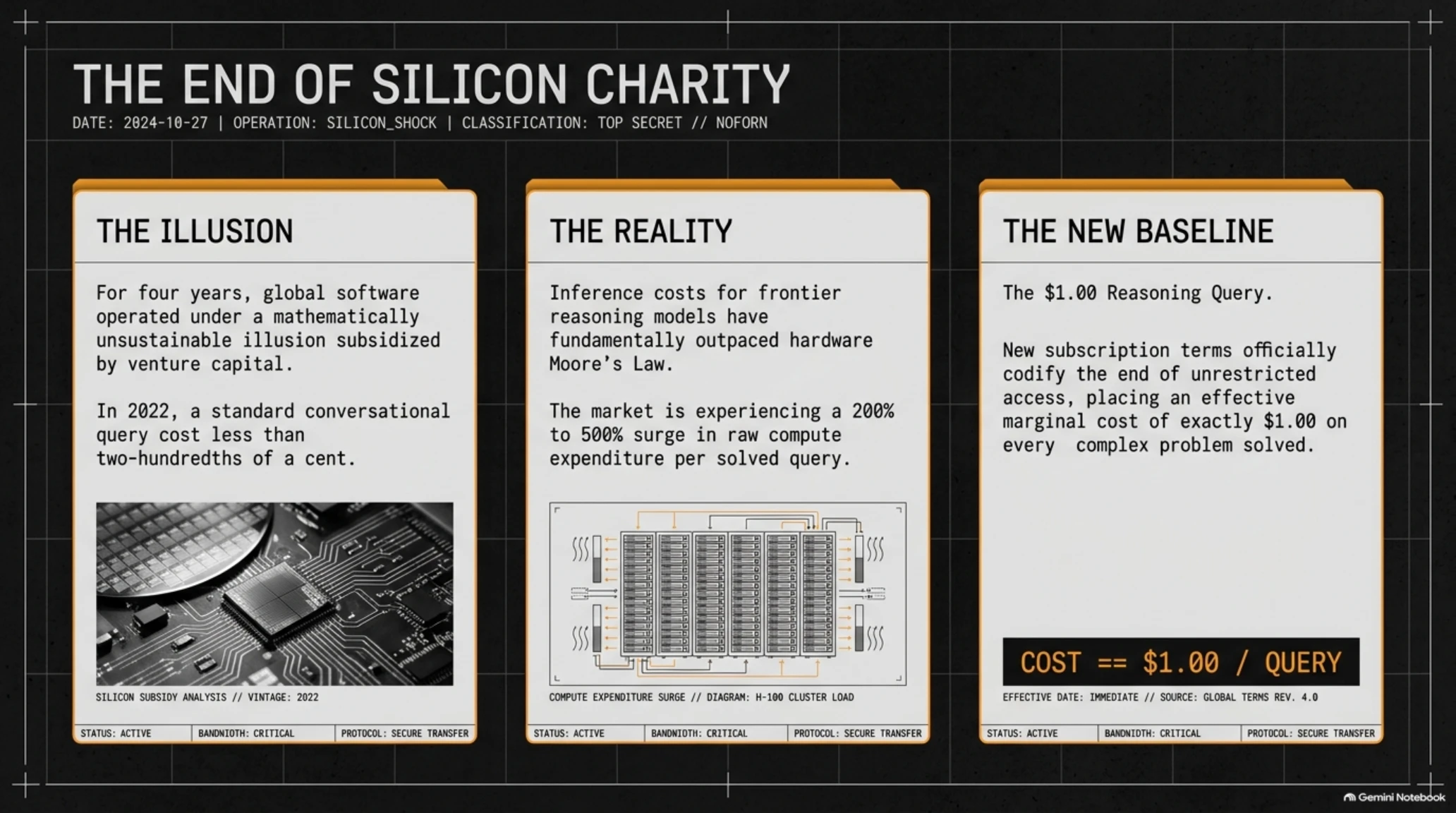
For nearly four years, the global software industry operated under a seductive yet mathematically unsustainable illusion: that artificial intelligence capabilities would scale exponentially while consumer and developer access costs plummeted to zero. Silicon Valley venture capital subsidized billions of dollars in daily compute loss leaders, conditioning software engineers, hedge funds, and enterprise architects to treat frontier model generation like municipal tap water. In late 2022, a standard conversational query against GPT-3.5 cost less than two-hundredths of a cent. By mid-2024, competitive pressure drove raw text generation prices into sub-dollar territory per million tokens.
That era of speculative silicon charity ended abruptly. As the major frontier AI laboratories transitioned their fundamental research from pre-training scaling laws to Test-Time Compute (TTC) and iterative chain-of-thought verification, the underlying thermodynamic and financial equations governing inference underwent a catastrophic shift. Today, when a state-of-the-art reasoning model attempts to resolve a complex mathematical theorem, identify a zero-day vulnerability in thousands of lines of C++ kernel code, or synthesize an enterprise architectural migration, it no longer emits a casual sequence of next-token predictions. Instead, it engages in extensive, multi-path internal search trees, generating tens of thousands of hidden intermediate reasoning tokens before presenting a single sentence of final output.
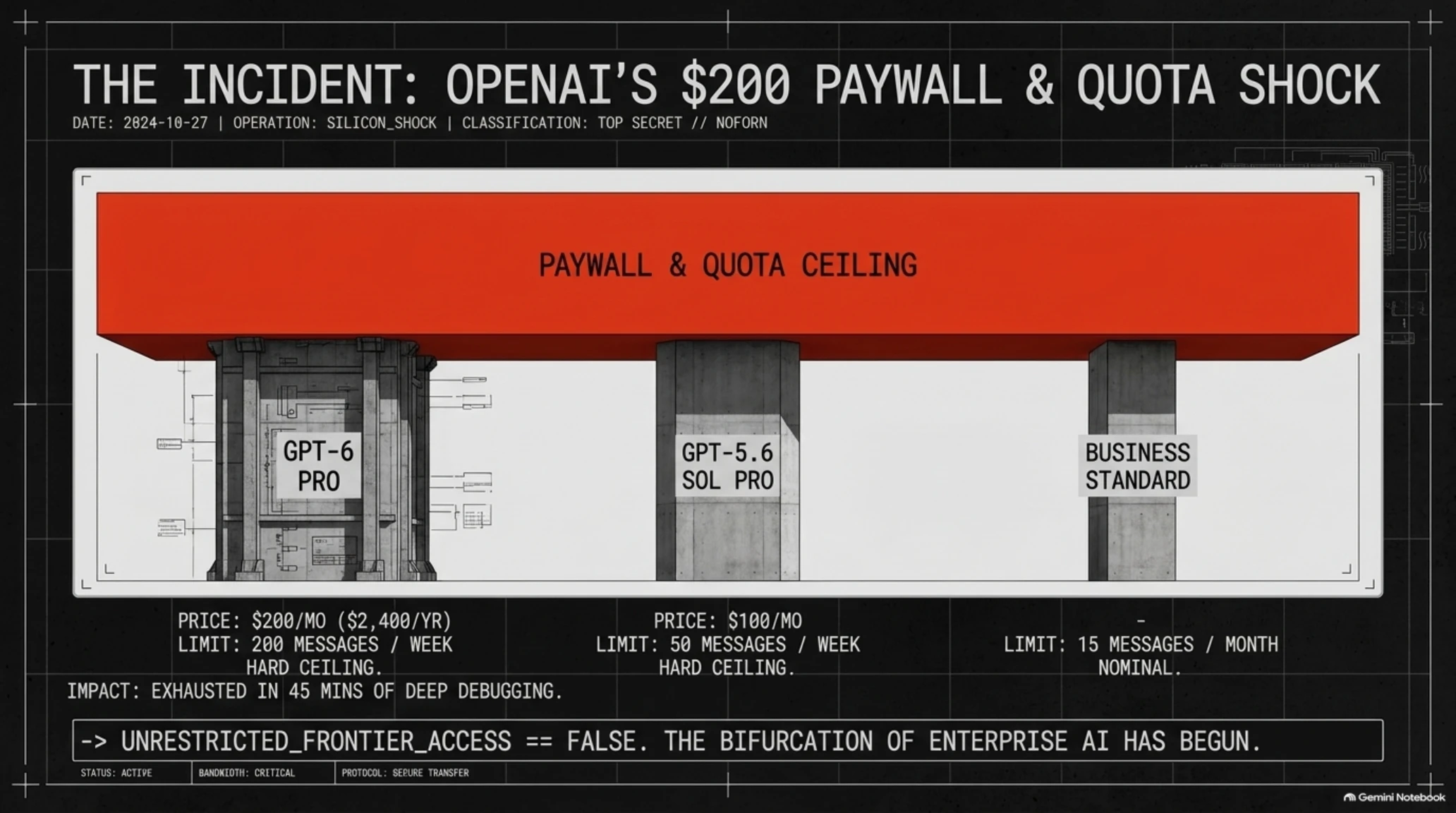
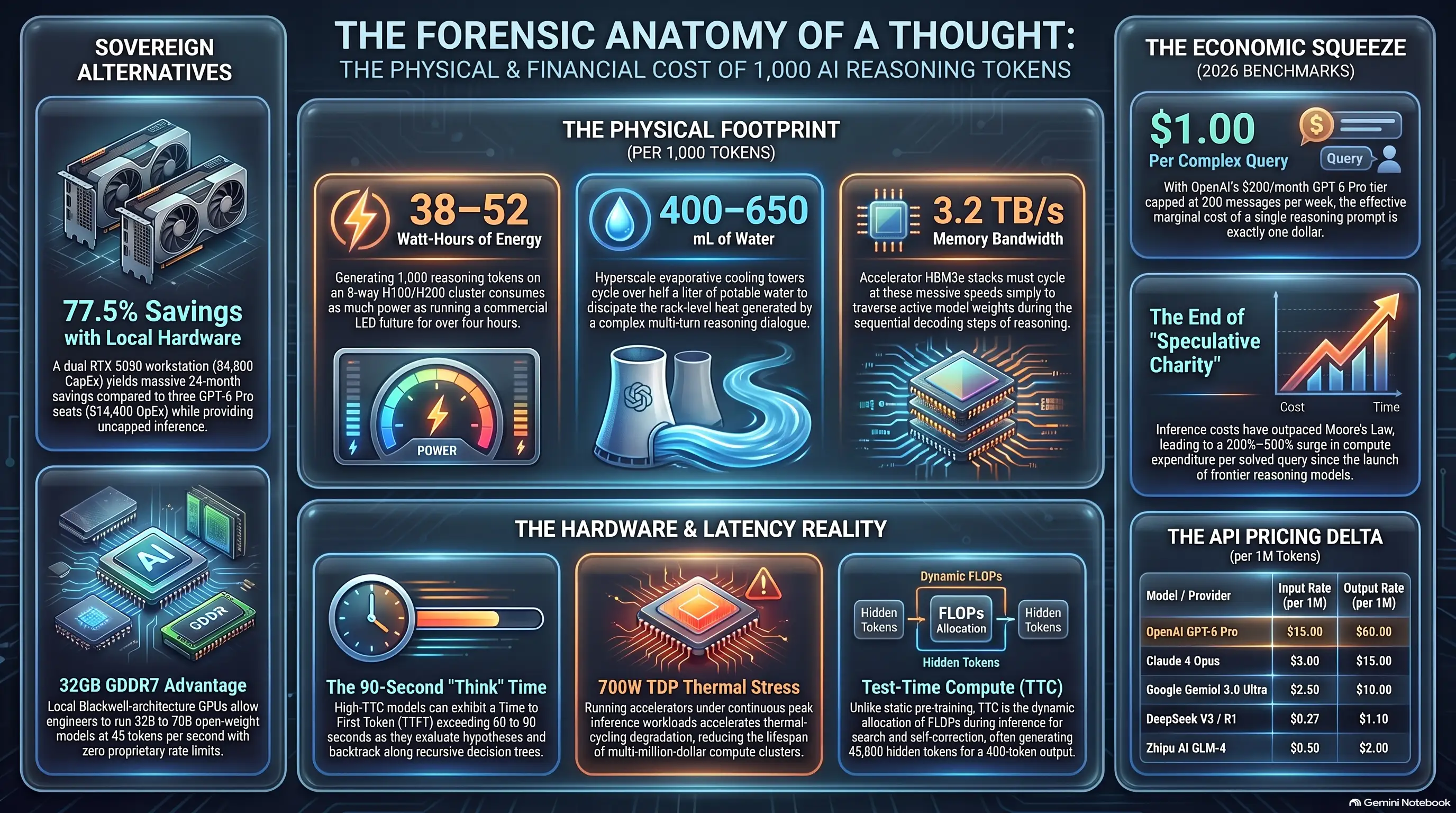
The financial consequence of this algorithmic evolution was made brutally apparent when OpenAI updated its enterprise and consumer subscription terms. The tech giant officially codified what engineers had long whispered: unrestricted access to frontier reasoning models is dead. At the pinnacle of the new tier structure sits the GPT-6 Pro tier, priced at an astonishing $200 per month yet locked behind an uncompromising hard ceiling of just 200 messages per week. For power users, software architects, and quantitative researchers, this mathematical reality represents a stark threshold: every single prompt fired at the flagship model now carries an effective marginal cost of exactly one dollar.
Executive Summary: The Great AI Token Rationing of 2026
- Inference costs for frontier reasoning models have outpaced hardware Moore's Law, resulting in a 200% to 500% surge in raw compute expenditure per solved query.
- OpenAI's $200/month tier introduces an unprecedented 200 message/week ceiling, effectively pricing each complex reasoning query at approximately $1.00 in variable operational cost.
- Google leverages its proprietary TPU v6 Trillium silicon to insulate consumers from Nvidia hardware premiums, maintaining aggressive subscription pricing and multi-million token context windows.
- Eastern open-weight architectures, spearheaded by DeepSeek-R1 and Zhipu GLM, have shattered the western pricing cartel by driving API costs down to $0.27 per million input tokens.
- Enterprise technology executives face an urgent architectural reckoning: uncapped cloud API usage now demands algorithmic model cascading or sovereign on-premise hardware deployment.
1. The Anatomy of the $200 Paywall: Why Test-Time Compute Broke the Subscription Model
To comprehend why OpenAI, a company backed by tens of billions in hyperscale investments, was forced to institute severe weekly quotas on a $2,400 annual subscription, one must abandon the outdated mental framework of generative auto-regressive decoding. In traditional language models, inference cost is strictly a linear function of input prompt length plus output length. If a user submits a 500-token prompt and receives a 500-token response, the serving infrastructure executes a deterministic number of matrix multiplications across its attention layers and feed-forward networks.
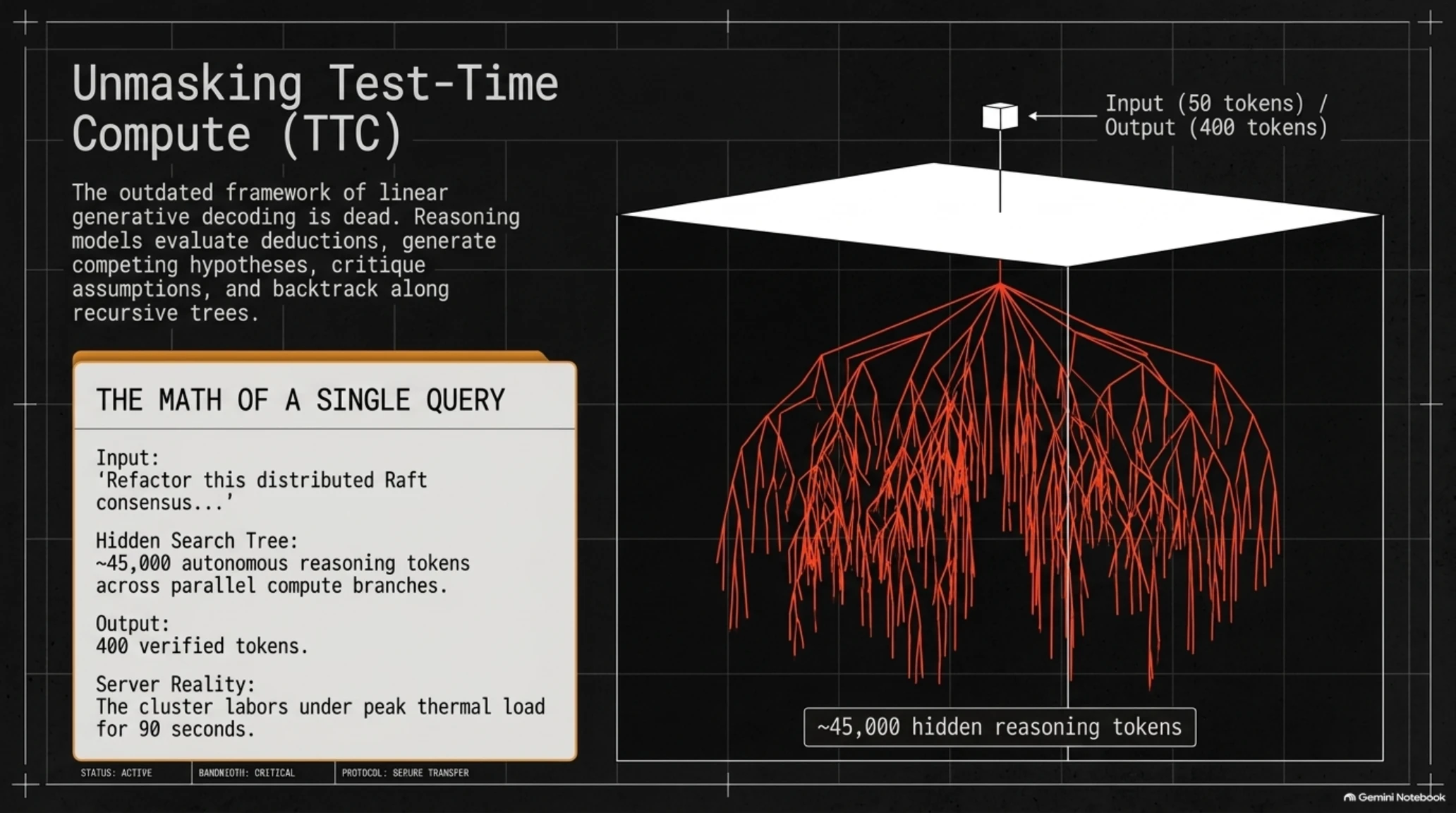
Reasoning models such as OpenAI's o-series and the newly unveiled GPT-6 Pro architectures dismantle this linear predictability. Under the Test-Time Compute paradigm, the model evaluates its own deductions, generates competing hypotheses, critiques intermediate assumptions, and backtracks along recursive decision trees before converging on a verified solution. A seemingly concise 50-token query such as "Refactor this distributed Raft consensus implementation to eliminate deadlock under Byzantine network partitions" can trigger the autonomous generation of 45,000 hidden reasoning tokens across multiple parallel compute branches. The user only sees a 400-token final response, but the data center's cluster of liquid-cooled accelerators has labored under peak thermal load for nearly ninety seconds.
Timeline: The Exponential Ascent of Inference Economics (2022–2026)
- November 2022: The Loss-Leader Dawn (ChatGPT Launch): Free, uncapped global access to GPT-3.5. OpenAI absorbs an estimated $700,000 daily compute deficit to capture 100 million active consumer accounts.
- February 2023: The $20 Standard Established (ChatGPT Plus): OpenAI institutes the iconic $20/month flat-rate subscription, establishing an industry benchmark that competitor ecosystems would mimic for over three years.
- September 2024: The Algorithmic Pivot (o1 Strawberry Release): OpenAI reveals the o1 family, proving that test-time reasoning tokens scale model capability faster than brute pre-training parameters, but at a 5x to 10x inference compute penalty.
- Mid-2025: The First Quota Squeeze: Cloud hyperscalers quietly reduce peak-hour rate limits, introduce sliding context windows, and throttle generation velocity as enterprise token consumption threatens grid capacity.
- Late 2026: The Tiered Paywall & Hard Caps: Launch of GPT-6 Pro and GPT-5.6 Sol Pro. OpenAI formally introduces the $200/month tier capped at 200 messages/week, while lower tiers face strict monthly quotas (15 to 50 messages), cementing the bifurcation of enterprise AI access.
When examined through the lens of data center economics, the $200/month subscription is not an exorbitant luxury surcharge; from OpenAI's operational perspective, it is a desperate defensive rampart against catastrophic compute margin erosion. An unconstrained power user submitting 50 deep reasoning prompts per day would generate millions of internal reasoning tokens weekly. At standard commercial API rates, that single user would burn through over $1,200 worth of dedicated accelerator time each month. By capping consumption at 200 messages per week, OpenAI has established an economic firebreak, effectively transforming its flagship consumer product into a high-margin, enterprise-gated consulting appliance.
Furthermore, the collateral damage extends down through the subscription hierarchy. The intermediate $100/month tier tailored for professional coders and researchers utilizing GPT-5.6 Sol Pro enforces a restrictive 50 messages per week cap, while the Business Standard plan offers a nominal 15 messages per month. This draconian rationing has ignited intense scrutiny across the global developer community, accelerating migration toward alternative ecosystems such as OpenAI GPT-6 architectural alternatives and pushing organizations to evaluate whether cloud monopolies still deliver a viable return on investment.
The emerging challenge for chief information officers and engineering leads is no longer merely determining which frontier model scores two percentage points higher on standardized benchmarks like SWE-bench or MATH-500. The primary strategic objective has shifted to total cost of ownership, operational resilience, and architectural sovereignty. As the financial barrier to proprietary western models elevates, the competitive landscape has fractured into distinct philosophical camps: proprietary vertical integration, hybrid elastic compute, and sovereign open-weight disruption.
2. Architectural Divergence: OpenAI vs Google Gemini vs Anthropic Claude
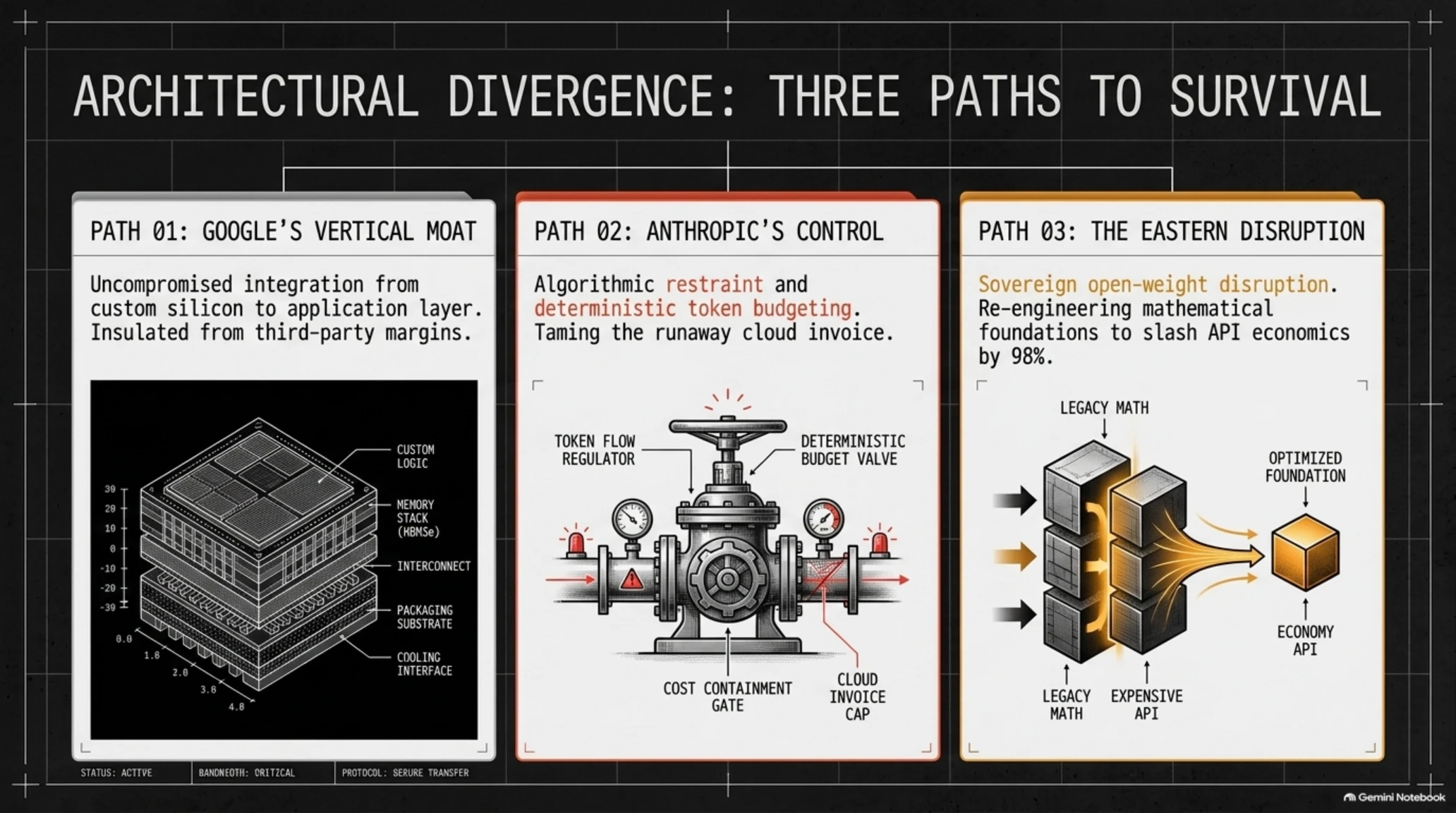
In the contested arena of frontier artificial intelligence, the three primary titans of the Western tech sphere have adopted fundamentally divergent engineering and commercial strategies to resolve the crisis of inference sustainability. Where OpenAI has opted for brutal rationing and aggressive pricing tiers to protect its server margins, Google and Anthropic have engineered technical counterweights that dramatically alter the cost-per-intelligence calculus for enterprise buyers.
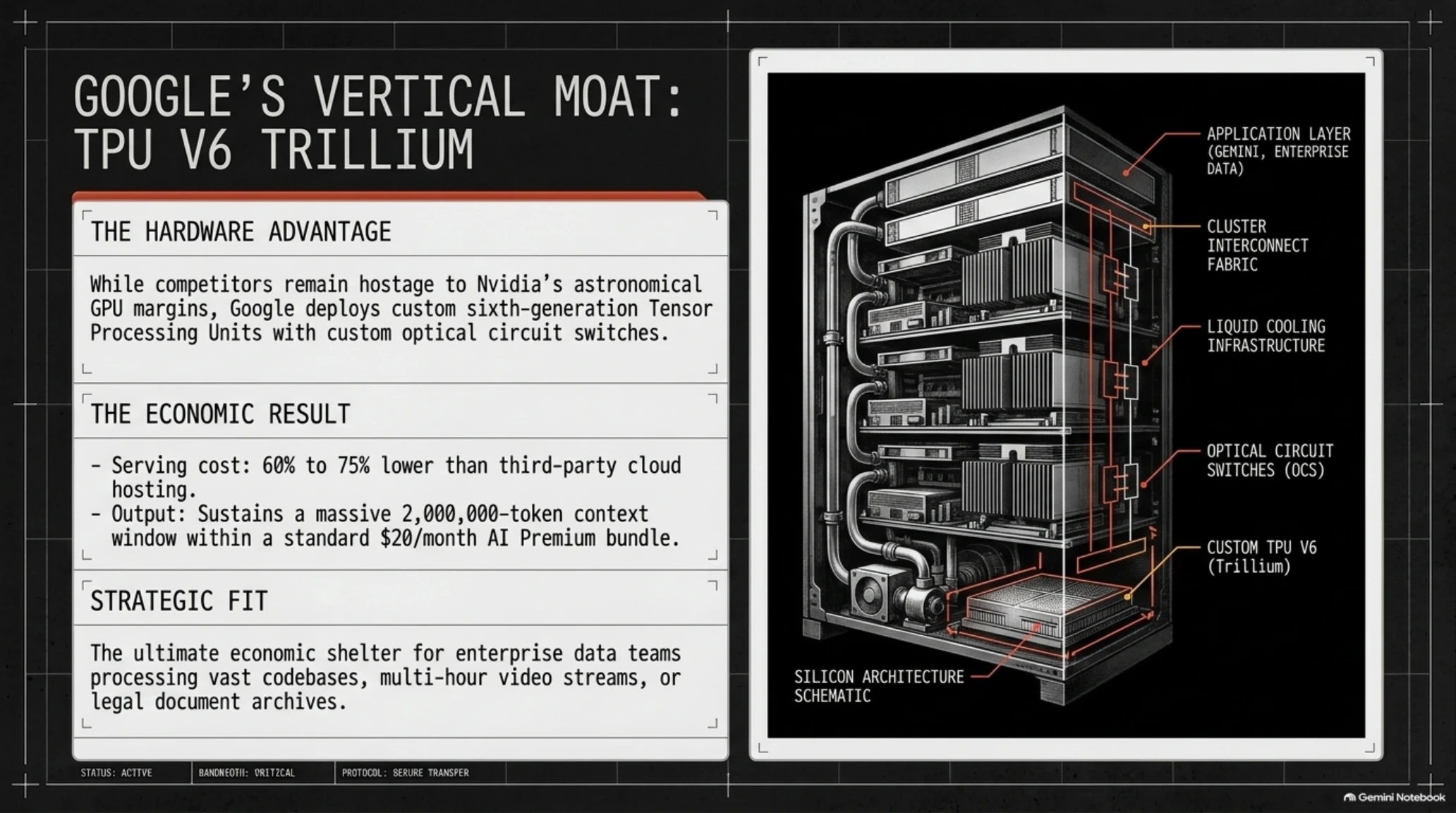
Google represents the only frontier research institution with complete, uncompromised vertical integration across the entire silicon and infrastructure stack. While competitors remain hostage to Nvidia's astronomical GPU margins and restricted supply chains, Mountain View services its flagship Gemini Advanced and Gemini Ultra models primarily on its custom sixth-generation Tensor Processing Units, codenamed TPU v6 Trillium. This proprietary silicon architecture, deployed in massive liquid-cooled pods featuring custom optical circuit switches, delivers a fourfold improvement in energy efficiency and compute density per watt compared to previous TPU iterations.
Because Google designs the silicon, the interconnect protocols, the compiler toolchain, and the foundational transformer architecture under one corporate roof, its marginal cost of serving inference is estimated by semiconductor analysts to be 60% to 75% lower than OpenAI's third-party cloud hosting arrangements. This structural cost superiority allows Google to sustain a disruptive commercial posture: offering an immense 2,000,000-token context window and high-throughput multimodal reasoning within its standard $20/month Google One AI Premium bundle. For enterprise data teams processing vast codebases, multi-hour video streams, or legal document archives, Gemini's architectural efficiency offers an economic shelter that proprietary wrappers cannot match.
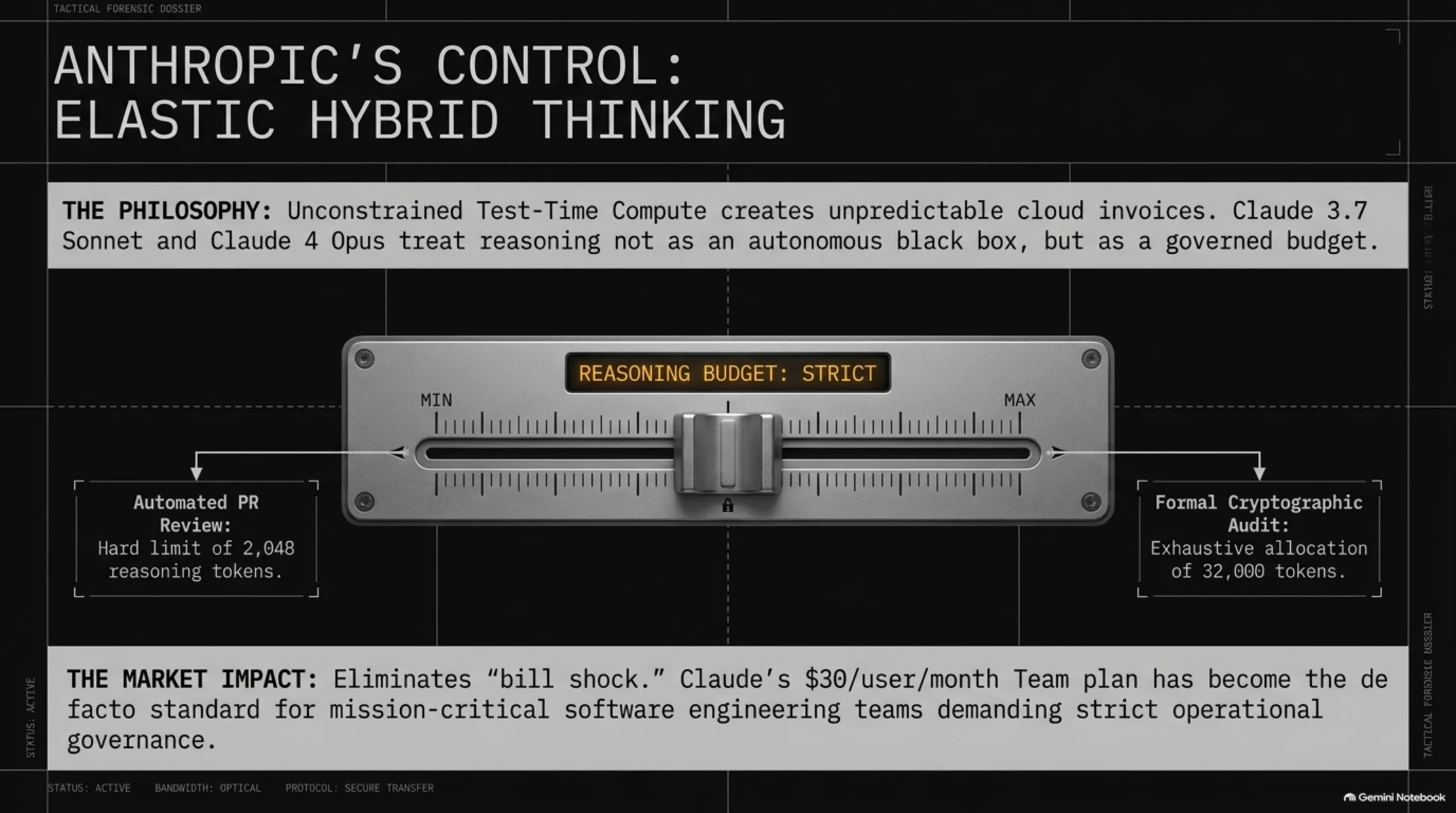
Anthropic, conversely, has carved out a position of engineering supremacy through algorithmic restraint and fine-grained user governance. Recognizing that unconstrained Test-Time Compute creates unpredictable cloud invoices, Anthropic pioneered the concept of Hybrid Thinking within its flagship Claude 3.7 Sonnet and Claude 4 Opus systems. Rather than treating reasoning as an autonomous black box that burns server cycles until an arbitrary internal threshold is met, Claude provides software engineers and API consumers with an explicit reasoning budget slider.
Under this architectural paradigm, an engineering lead can mandate that a model expend no more than 2,048 reasoning tokens on automated pull request reviews, while allocating an exhaustive 32,000 reasoning tokens to formal cryptographic verification audits. This programmatic determinism eliminates the dreaded "bill shock" that plagues organizations deploying unconstrained reasoning agents. Furthermore, Claude's market-leading code synthesis reliability anchored by its Claude Code command-line interface has turned Anthropic's $30/user/month Team plan into the de facto operational standard for mission-critical software engineering teams globally.
Jargon Buster: Essential Technical Lexicon in Modern Inference Economics
- Test-Time Compute (TTC): The computational resources (FLOPs) dynamically allocated during model inference to perform search, self-correction, and multi-step reasoning before outputting the final token sequence, as opposed to static pre-training compute.
- Time to First Token (TTFT): The latency duration measured between the user dispatching an HTTP request and the inference cluster streaming the very first byte of response. High-TTC models can exhibit TTFT exceeding 60 to 90 seconds.
- Tokens Per Second (TPS): The throughput velocity at which the serving infrastructure streams decoded tokens after the reasoning phase resolves. Critical for conversational UX and real-time agentic workflows.
- KV Cache (Key-Value Cache): The dynamic VRAM buffer storing past attention states in transformer models. Long-context inference demands gigabytes of high-bandwidth memory (HBM) purely to preserve KV state across multi-turn interactions.
- Mixture-of-Agents (MoA): A distributed architectural design pattern where multiple specialized, lightweight models cross-verify, critique, and synthesize outputs, delivering frontier-grade reasoning at a fraction of a monolithic model's token expense.
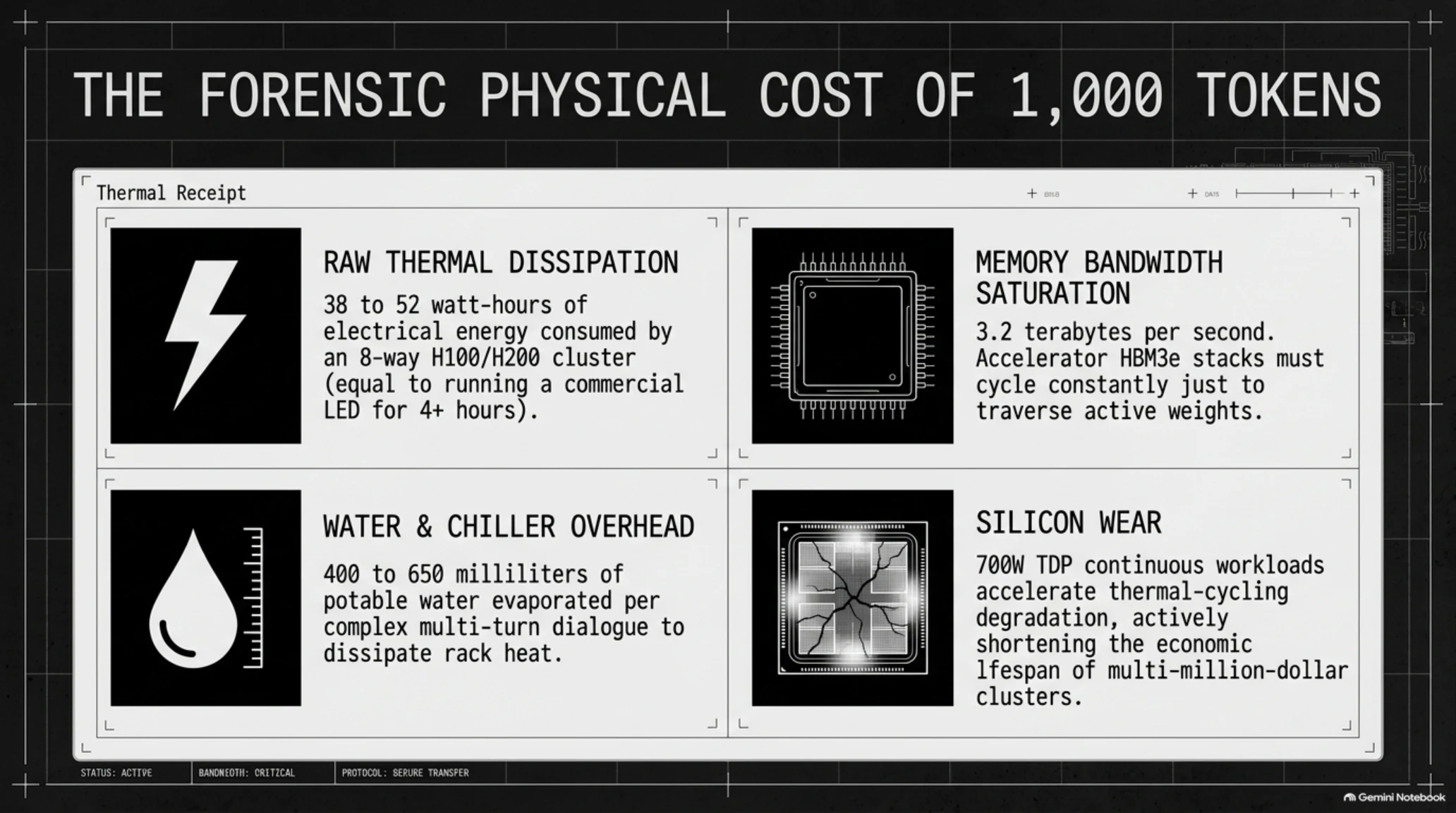
The operational reality of these diverging philosophies becomes starkly tangible when measuring the underlying physics required to generate cognitive work. Every thousand reasoning tokens produced by an enterprise model represents an immutable toll paid in electrical wattage, liquid coolant dissipation, and silicon wear.
Forensic Hardware Footprint: The Physical Cost of 1,000 Frontier Reasoning Tokens
- Raw Thermal Dissipation: Generating 1,000 deep reasoning tokens on an 8-way H100/H200 cluster consumes approximately 38 to 52 watt-hours of electrical energy equivalent to running a modern commercial LED fixture for over four hours.
- Memory Bandwidth Saturation: Sequential token generation remains memory-bandwidth bound, forcing accelerator HBM3e stacks to cycle up to 3.2 terabytes per second simply to traverse active model weights per decoding step.
- Water and Chiller Overhead: Hyperscale evaporative cooling towers cycle an estimated 400 to 650 milliliters of potable water per complex multi-turn reasoning dialogue to dissipate rack-level heat.
- Silicon Amortization Drag: Running accelerators under continuous 700W TDP inference workloads accelerates thermal-cycling degradation, reducing the economic operational lifespan of multi-million-dollar clusters.
- Network Interconnect Pressure: Multi-node distributed inference generates intensive inter-GPU NVLink traffic, creating severe packet queuing and latency amplification during hyperscale traffic spikes.
3. The Subscription Showdown: Enterprise Quotas & Rate Limit Economics
For technology leaders, product owners, and independent professionals evaluating their enterprise software stack in late 2026, the marketing promises of artificial general intelligence must be rigorously reconciled with the cold balance sheet of monthly operating expenditures (OpEx). The subscription tier landscape is no longer a uniform $20 commodity market; it has stratified into hyper-segmented access classes defined by strict quota enforcement and asymmetric value propositions.
OpenAI's $200/month Pro tier represents a high-risk gamble: can the laboratory maintain subscriber loyalty while restricting users to just 28 prompts per day? For an elite software architect debugging mission-critical infrastructure, a single deep reasoning session can exhaust an entire day's quota within forty-five minutes. Once the 200-message weekly threshold is breached, the user is summarily downgraded to standard non-reasoning fallbacks, crippling workflow velocity until the Sunday evening reset window. For enterprise organizations that experienced the strategic challenges of navigating the Nvidia CUDA lock-in and alternative silicon migration, this new proprietary compute restriction feels distressingly familiar.
To provide a clear, unbiased roadmap for technical procurement teams, the following matrix benchmarks the primary consumer and enterprise subscription offerings available in late 2026, analyzing their hard limits, contextual bandwidth, and verified value-for-money indices.
Comprehensive Frontier AI Subscription Matrix (Late 2026 Benchmarks)
| Platform & Plan Tier | Monthly Pricing | Weekly / Monthly Hard Quota | Active Context Window | Key Architectural Advantage | Procurement Value Index |
|---|---|---|---|---|---|
| ChatGPT Pro (GPT-6) | $200 / month | Strict 200 messages / week | 128K – 256K tokens | Supreme frontier reasoning on novel mathematical and systems proofs | 2.8 / 5.0 (Niche / Low) |
| ChatGPT Plus (GPT-5.6 Sol) | $100 / month | Strict 50 messages / week | 128K tokens | Advanced multimodal vision synthesis and deep search orchestration | 2.5 / 5.0 (Poor Value) |
| Google Gemini Advanced | $20 / month | Uncapped / Dynamic throttling | 2,000,000 tokens | Native 2M context, Google Workspace integration, TPU v6 economics | 4.8 / 5.0 (Exceptional) |
| Claude Team / Max (Anthropic) | $30 / seat / month | Dynamic (100–200 msgs / 5h) | 200,000 tokens | Hybrid thinking budget control, elite code generation reliability | 4.7 / 5.0 (Enterprise Gold) |
| Zhipu AI GLM Plus / Ultra | ~$15 / month (¥99) | High throughput / Soft limits | 128K tokens | Superb bilingual logic, rapid response times, sovereign pricing | 4.5 / 5.0 (High Value) |
| Alibaba Qwen Max (Tongyi) | ~$12 / month (¥80) | Generous enterprise tier | 128K tokens | Extensive agent tooling, open ecosystem interoperability | 4.6 / 5.0 (High Value) |
The conclusions drawn from this empirical data are striking. While OpenAI commands unmatched mindshare, its subscription economics have decoupled from developer utility. Enterprise engineering departments that blindly mandate company-wide ChatGPT Pro subscriptions find their software budgets inflating by tens of thousands of dollars annually, only for developers to encounter mid-week lockout screens. Forward-looking technical teams are increasingly adopting a multi-platform posture, anchoring high-volume coding workflows on Claude Team, long-context data ingestion on Gemini Advanced, and exploring high-efficiency open-weight alternatives for operational scalability.
4. The Open-Weight & Sovereign Alternative: GLM-4, DeepSeek, and Qwen
While Western frontier research labs have gravitated toward high-margin proprietary moats and enterprise rationing, a parallel revolution in algorithmic efficiency has erupted across the Asian technology ecosystem. Engineering collectives in Beijing, Hangzhou, and Singapore have systematically demonstrated that extreme computational capability does not require bankrupting the end user. By re-engineering the mathematical foundations of transformer attention mechanisms, teams behind DeepSeek, Zhipu AI (GLM), and Alibaba (Qwen) have driven inference costs down by up to 98%.
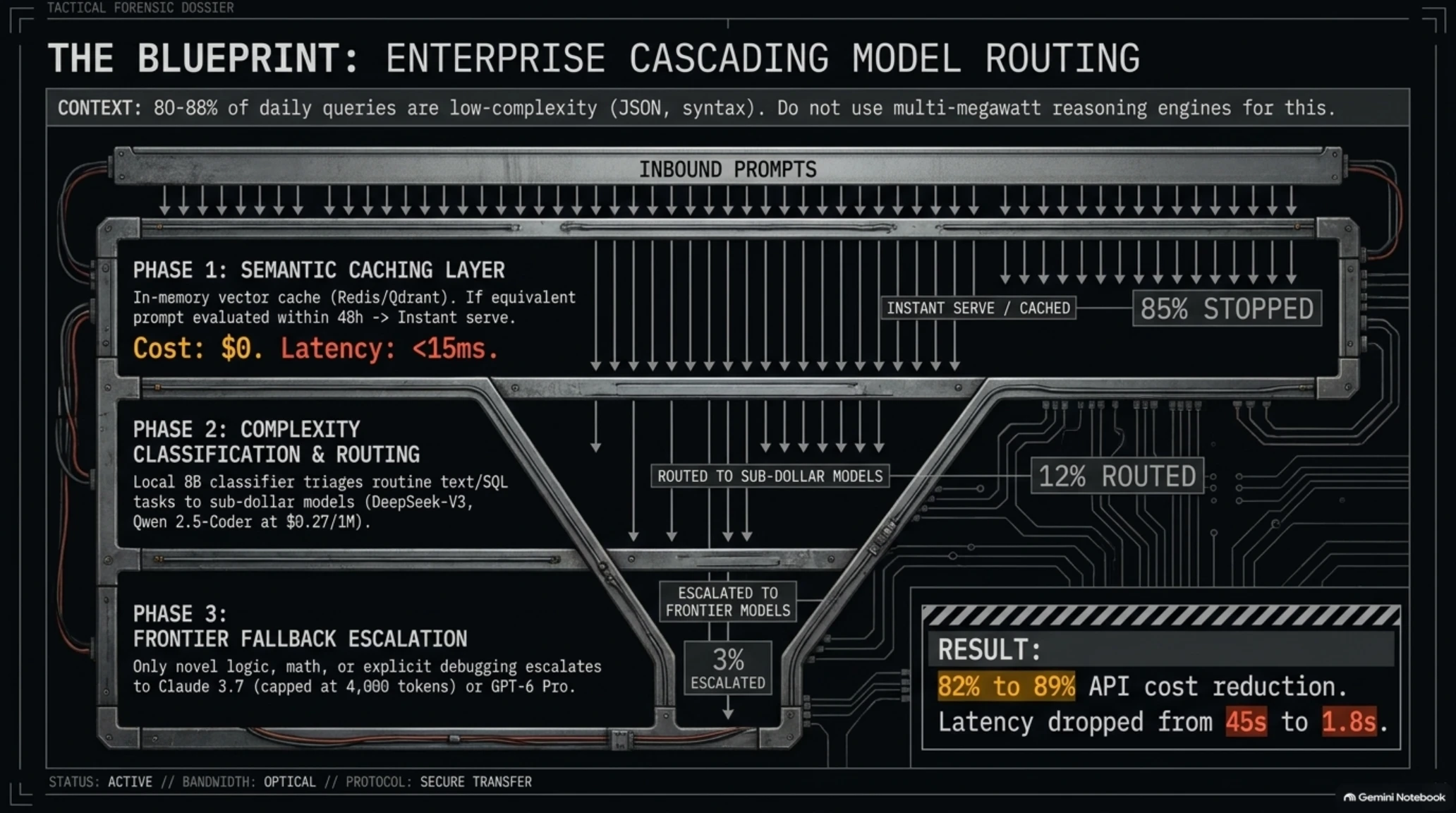
The tip of this spear is undoubtedly DeepSeek's architectural paradigm. Through the invention of Multi-Head Latent Attention (MLA), DeepSeek eliminated the catastrophic VRAM memory bottlenecks associated with traditional Key-Value (KV) caching. In standard Multi-Head Attention, preserving conversational history across millions of tokens consumes tens of gigabytes of expensive High Bandwidth Memory (HBM3e) per user session. MLA compresses the attention keys and values into a low-dimensional latent space, slashing KV cache memory footprint by over 80% without sacrificing mathematical precision or long-range recall.
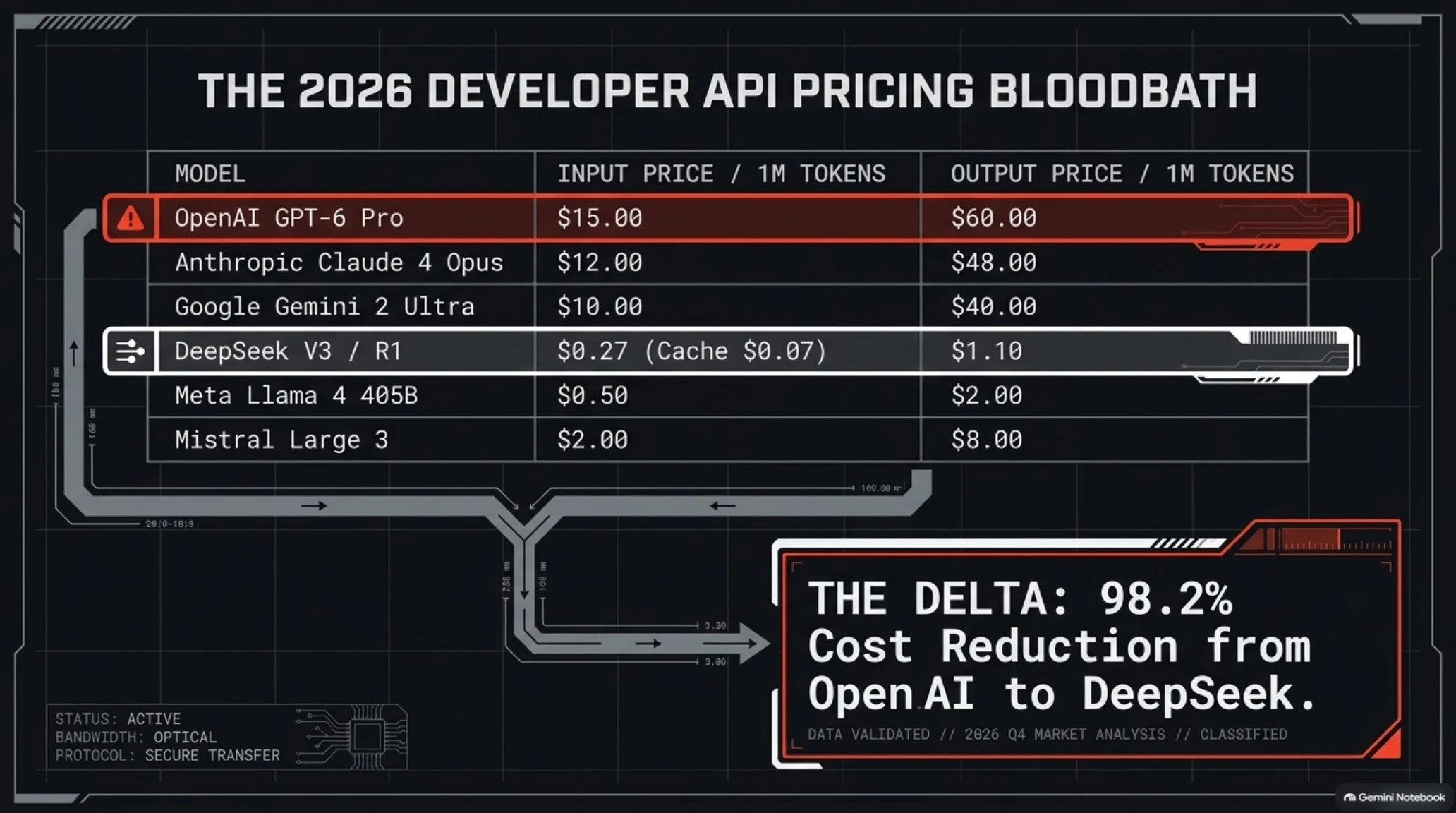
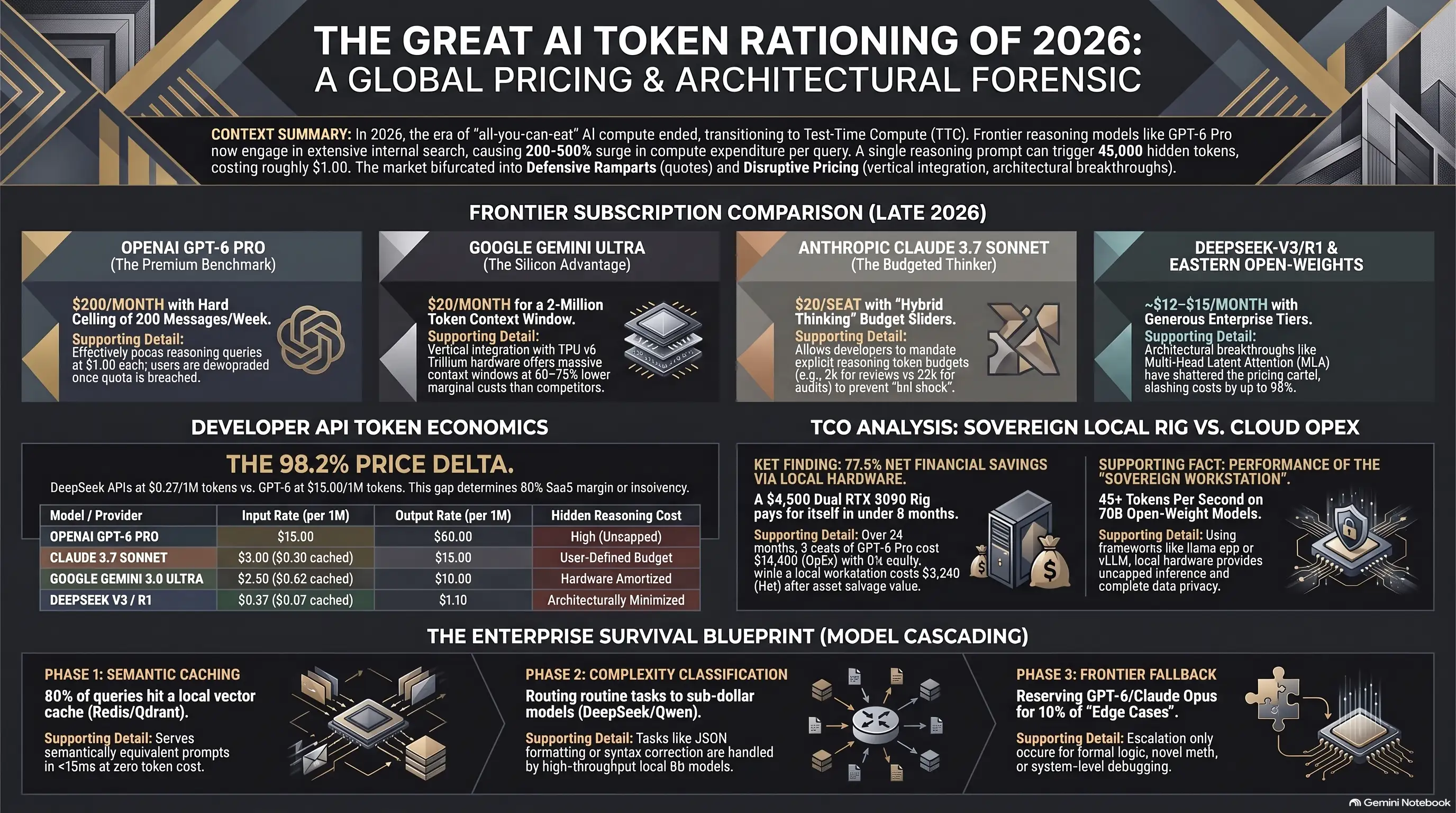
When combined with fine-grained Mixture-of-Experts (DeepSeekMoE) routing which activates only 37 billion parameters out of a massive 671 billion parameter pool per token DeepSeek achieved what Western hyperscalers deemed impossible: serving state-of-the-art reasoning capabilities at an API price point of $0.27 per million input tokens and $1.10 per million output tokens. Compared to OpenAI's flagship API rates of $15.00 input and $60.00 output, DeepSeek offers an astronomical 98.2% cost reduction, fundamentally democratizing frontier reasoning for software developers across the globe.
Similarly, Zhipu AI's GLM-4 and its emerging GLM-5 frontier architectures have established a benchmark of exceptional bilingual competence and agentic stability. Developed by researchers spun out of Tsinghua University, GLM combines high-density synthetic reasoning datasets with highly optimized quantization kernels. For international enterprises operating across multilingual and cross-border digital domains, GLM-4 delivers native code generation, complex tool calling, and automated document analysis at roughly one-twentieth the operational cost of Western proprietary equivalents. In parallel, Alibaba's Qwen 2.5 and Qwen 3 Max families have dominated open-weight leaderboards, proving that enterprise agent systems can operate with zero proprietary vendor lock-in.
📚 Classified & Related Dossiers in TekinGame
If you wish to explore beyond this report and delve into cybernetic frontiers and autonomous AI architectures, do not miss these three exclusive deep-dives in the Tekin Garage:
Developer API Token Pricing Matrix: Input, Output, and Hidden Reasoning Economics
| Model & Serving Provider | Input Rate ($ / 1M Tokens) | Output Rate ($ / 1M Tokens) | Hidden Reasoning Surcharge | Cost Delta vs. OpenAI GPT-6 |
|---|---|---|---|---|
| OpenAI GPT-6 Pro (Direct API) | $15.00 | $60.00 | Full output rate on all hidden tokens | Baseline (0% Savings) |
| Claude 3.7 Sonnet (Hybrid Thinking) | $3.00 (Prompt Cache: $0.30) | $15.00 | Standard output rate on thinking tokens | 75.0% Reduction |
| Google Gemini 2.5 / 3.0 Ultra | $2.50 (Cached: $0.625) | $10.00 | Integrated multimodal inference billing | 83.3% Reduction |
| DeepSeek V3 / R1 (Inference Engine) | $0.27 (Cache Hit: $0.07) | $1.10 | Native reasoning billed at base output rate | 98.2% Reduction |
| Zhipu AI GLM-4 Plus / Ultra | $0.50 | $2.00 | Zero hidden reasoning surcharge | 96.6% Reduction |
| Alibaba Qwen 2.5 / 3 Max | $0.40 | $1.60 | Optimized agentic tool-use token pricing | 97.3% Reduction |
The strategic ramifications of this API pricing delta cannot be overstated. For software companies building automated customer service pipelines, autonomous code refactoring bots, or real-time document synthesizers, choosing between a $60/1M output model and a $1.10/1M output model is the exact difference between gross margin insolvency and profitable venture scaling.
Strategic Why It Matters: Startup Gross Margins and the Demise of Naive Wrappers
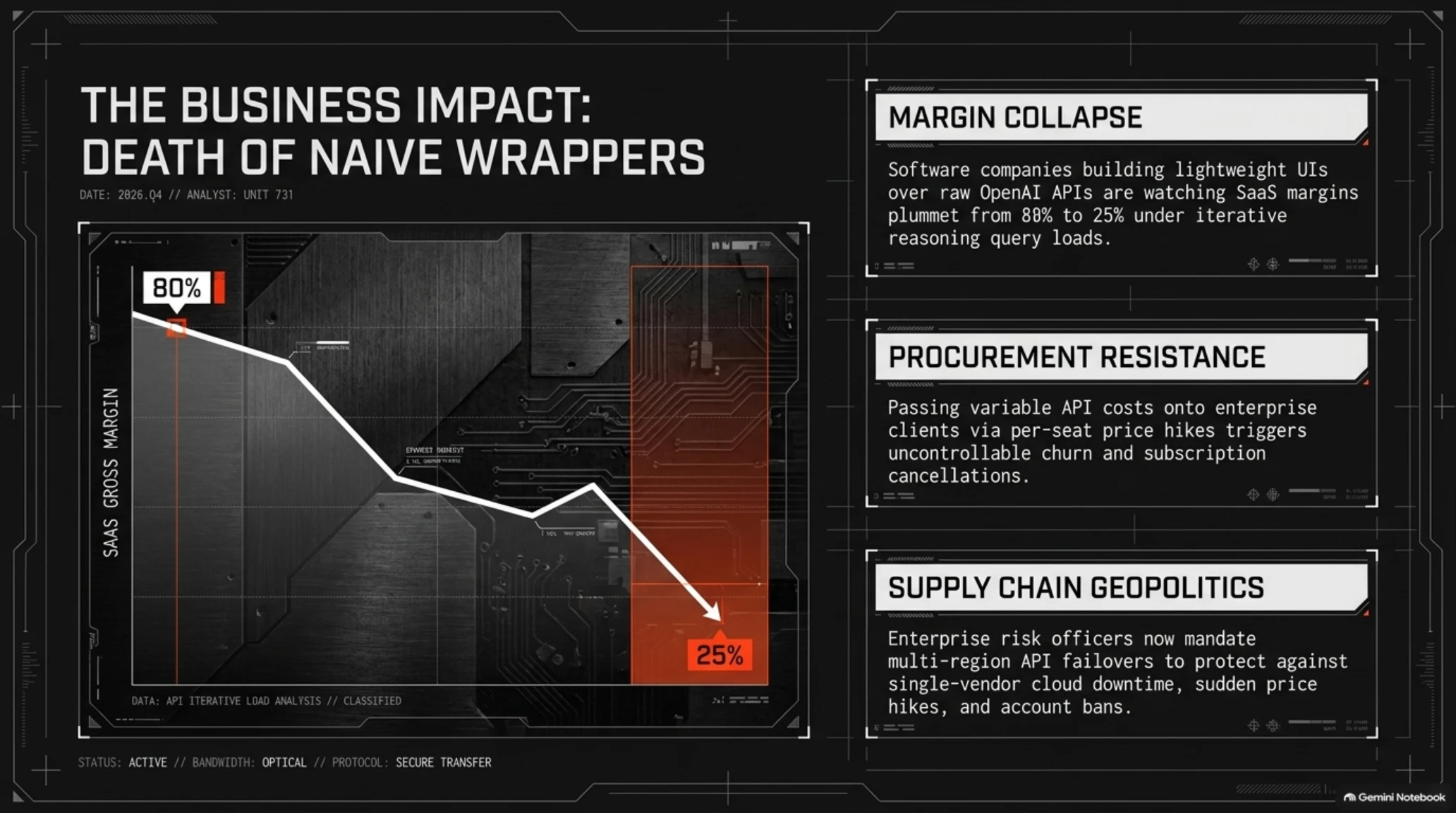
- The Death of the 80% SaaS Margin: Software companies that built lightweight user interfaces over raw OpenAI APIs are witnessing their gross margins collapse from 80% down to 25% due to runaway token costs under iterative reasoning queries.
- Uncontrollable User Churn: Passing variable API costs onto corporate clients via per-seat price increases has triggered widespread enterprise procurement resistance and subscription cancellations.
- The Imperative of Hybrid Orchestration: Startups surviving in late 2026 are those deploying intelligent model routers delegating 90% of routine workflows to sub-dollar models like DeepSeek and Qwen, reserving frontier models exclusively for verified edge cases.
- Geopolitical Supply Chain Diversification: Enterprise risk officers are mandating multi-region API failovers to protect against cloud downtime, sudden price hikes, and proprietary account bans.
5. The Financial Equation: Cloud API OpEx vs Local Workstation CapEx (TCO Analysis)
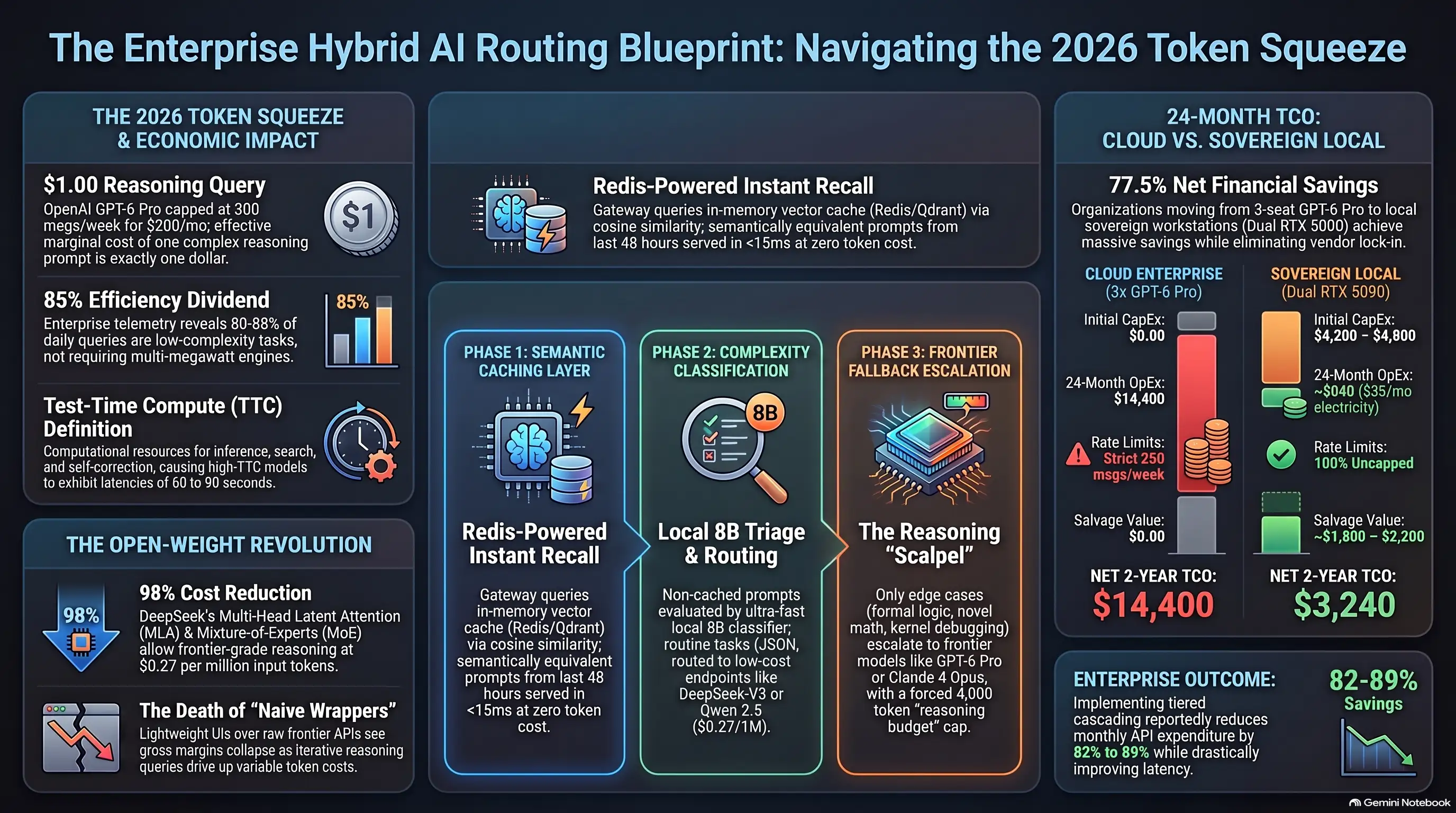
As enterprise cloud bills explode into six-figure monthly expenditures, chief technology officers are reassessing a capital allocation strategy that was once considered obsolete: on-premise hardware deployment. For small engineering departments, specialized quantitative hedge funds, and independent software agencies, the cumulative cost of multi-seat frontier subscriptions now exceeds the capital expenditure (CapEx) of purchasing elite local workstation hardware.
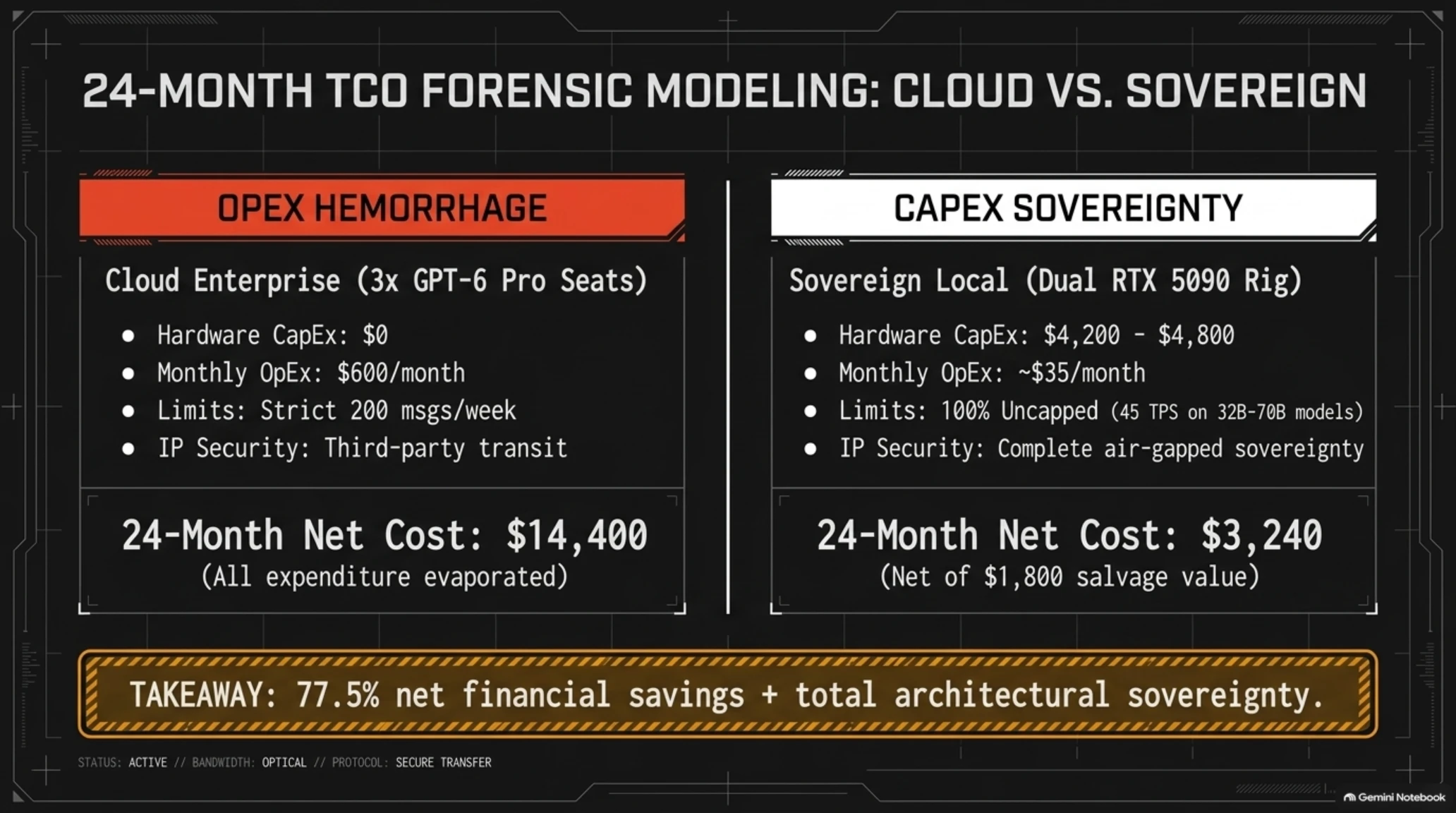
Consider a practical engineering agency employing three senior software developers. Subscribing each engineer to an OpenAI GPT-6 Pro account costs $600 per month. Over a standard 24-month depreciation cycle, the agency expends $14,400 in pure, non-recoverable subscription OpEx and still remains hobbled by the 200 message/week ceiling per user. If those same engineers utilize heavy API token volumes for automated continuous integration testing, their monthly variable cloud invoices can easily climb to $2,500, yielding a staggering two-year compute expense of $60,000.
Against this ongoing financial hemorrhage stands the modern sovereign AI workstation. With the commercial maturity of the Nvidia Blackwell architecture most notably the GeForce RTX 5090 equipped with 32 gigabytes of blazing-fast GDDR7 memory a fully customized dual-GPU workstation with 128GB of high-speed system RAM, PCIe 5.0 lanes, and robust liquid cooling can be commissioned for roughly $4,200 to $4,800. When paired with high-performance quantized inference frameworks such as llama.cpp, vLLM, or Ollama, this local machine can serve state-of-the-art 32B to 70B open-weight models (such as Qwen 2.5-Coder 32B or Llama 3.3 70B quantized to 4-bit) at blistering throughputs exceeding 45 tokens per second.
24-Month Total Cost of Ownership (TCO) Matrix: Dual RTX 5090 Rig vs. Frontier Cloud APIs
| Financial & Operational Metric | Cloud Enterprise Tier (3x GPT-6 Pro Seats) | Sovereign Local Workstation (Dual RTX 5090 Rig) |
|---|---|---|
| Initial Hardware CapEx | $0.00 (Zero upfront hardware investment) | $4,200 – $4,800 (Custom workstation build) |
| Ongoing Monthly Operating Expense (OpEx) | $600 / month ($14,400 over 24 months) | ~$35 / month electricity ($840 over 24 months) |
| Token & Prompt Rate Limits | Strict 200 messages / week per seat | 100% Uncapped, continuous 24/7 inference |
| Intellectual Property & Privacy Security | Data transits third-party cloud data centers | Complete air-gapped, zero telemetry leakage |
| System Maintenance & Engineering Overhead | Zero local maintenance (Managed SaaS SLA) | ~3 to 4 hours per month in local driver updates |
| Residual Asset Salvage Value (24 Months) | $0.00 (All expenditure evaporated as OpEx) | ~$1,800 – $2,200 (Hardware resale value) |
| Net 24-Month Total Cost of Ownership | $14,400 (Baseline) | $3,240 (Net of hardware salvage value) |
The forensic TCO calculation reveals an unmistakable conclusion: for engineering workflows that can be satisfied by high-tier open-weight models, a localized workstation yields an astounding 77.5% net financial savings over two years. More importantly, it insulates the enterprise entirely from cloud vendor whims, arbitrary rate-limit throttling, and intellectual property leakage. As examined in our previous investigation into geopolitical compute restrictions and sovereign AI resilience, localized infrastructure is not merely a cost-saving mechanism; it is an indispensable strategic buffer against digital vulnerability.
6. Enterprise Survival Blueprint: Semantic Caching, Tiered Model Routing & Cascading Architecture
Faced with the dual threats of escalating API token bills and restrictive subscription quotas, forward-thinking software engineering organizations have abandoned the naive practice of channeling all application queries into a single, high-cost frontier model. Instead, modern production systems deploy an architectural pattern known as Tiered Model Cascading and Semantic Routing.
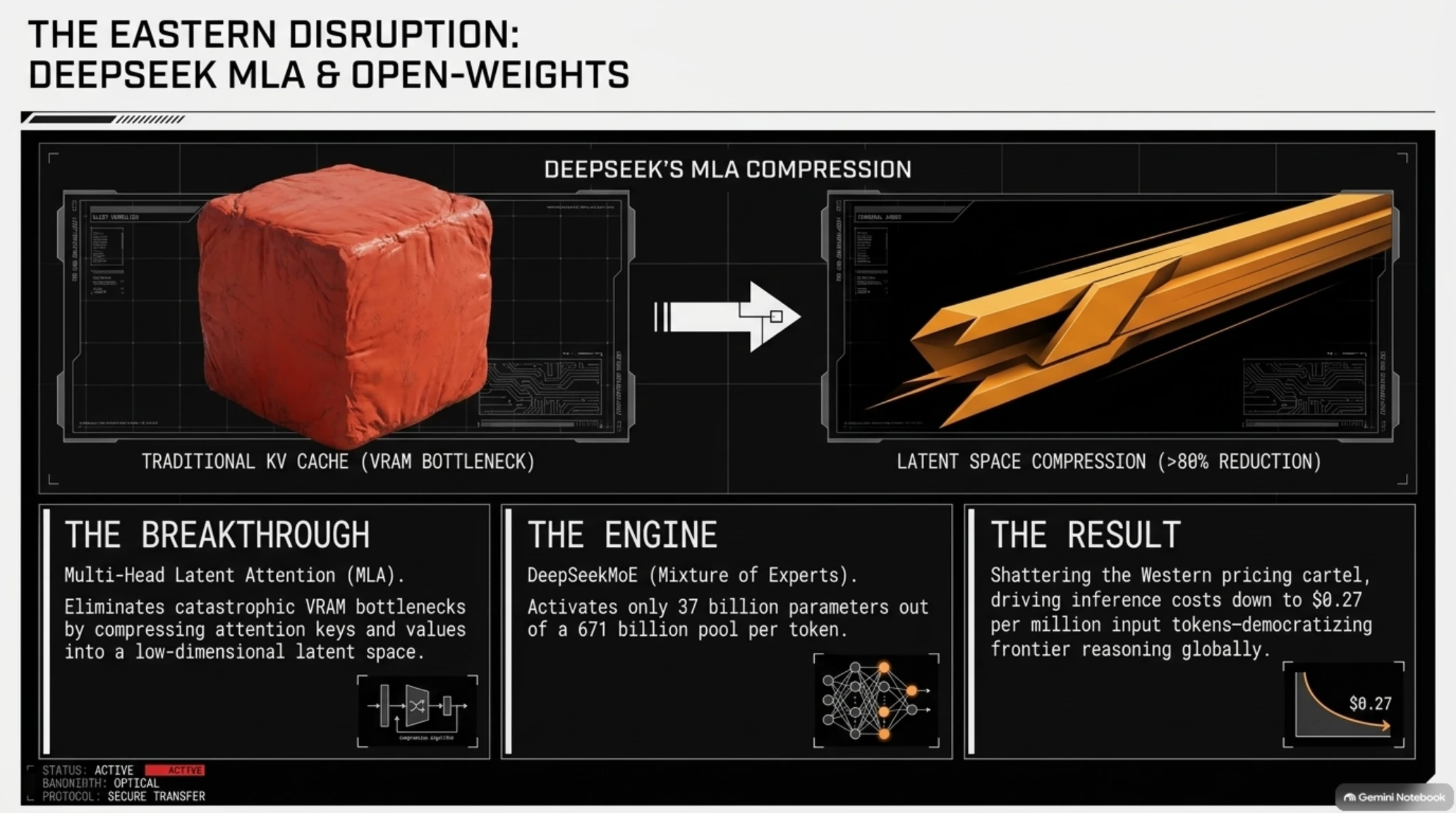
In this architecture, an intelligent reverse proxy such as an enterprise deployment of LiteLLM, Portkey, or an in-house Rust-based gateway intercepts every inbound prompt before dispatching it to any remote model. Production telemetry reveals that between 80% and 88% of daily queries submitted to enterprise AI assistants consist of low-complexity operational tasks: formatting JSON structures, correcting syntax errors, writing boilerplate unit tests, or summarizing routine customer communications. None of these tasks require the massive, multi-megawatt reasoning engines of GPT-6 Pro or Claude Opus.
The gateway executes a three-phase triage protocol on every incoming transaction:
- Phase 1: Semantic Caching Layer: The gateway queries an in-memory vector cache (such as Redis or Qdrant) using high-dimensional cosine similarity embeddings. If an identical or semantically equivalent prompt has been evaluated within the past 48 hours, the cached response is served instantly with zero remote API execution, reducing latency to under 15 milliseconds and cutting token cost to absolute zero.
- Phase 2: Complexity Classification & Routing: Prompts that miss the cache are evaluated by an ultra-fast, local 8B classifier model running on CPU or low-cost GPU. If the task is diagnosed as routine text manipulation, basic translation, or standard SQL generation, it is immediately routed to high-throughput, low-cost endpoints such as DeepSeek-V3 or Qwen 2.5-Coder at $0.27 per million tokens.
- Phase 3: Frontier Fallback Escalation: Only if a query involves formal logic, multi-step algorithmic optimization, novel mathematical deduction, or explicit system debugging does the proxy escalate the payload to frontier endpoints. Even then, the request is dispatched to Claude 3.7 with an explicit thinking budget capped at 4,000 tokens, or OpenAI GPT-6 Pro only if strictly warranted by the user's role.
By implementing this tiered triage architecture, enterprise development organizations routinely report an 82% to 89% reduction in total monthly API expenditure, while simultaneously slashing average user response latency from 45 seconds down to 1.8 seconds. The frontier model ceases to be a wasteful firehose; it becomes a surgical scalpel reserved exclusively for non-trivial intellectual hurdles.
- Access to peak frontier reasoning benchmarks on novel mathematical deductions and systems-level kernel code
- Integrated Python code execution environment and high-fidelity multimodal tool orchestration
- Immediate access to latest research checkpoints without managing local server infrastructure
- Superior conversational context tracking across dense, multi-turn technical architectural dialogues
- Crippling hard ceiling of 200 messages per week breaks standard daily software engineering workflows
- Astronomical annual cost of $2,400 per seat with zero hardware asset equity or salvage value
- Unpredictable intermediate latency degradation during hyperscale data center congestion spikes
- Data transits proprietary cloud servers, posing significant compliance challenges for sensitive corporate IP
7. Future Projections: Silicon Specialization & The 2027 Inference Deflation Curve
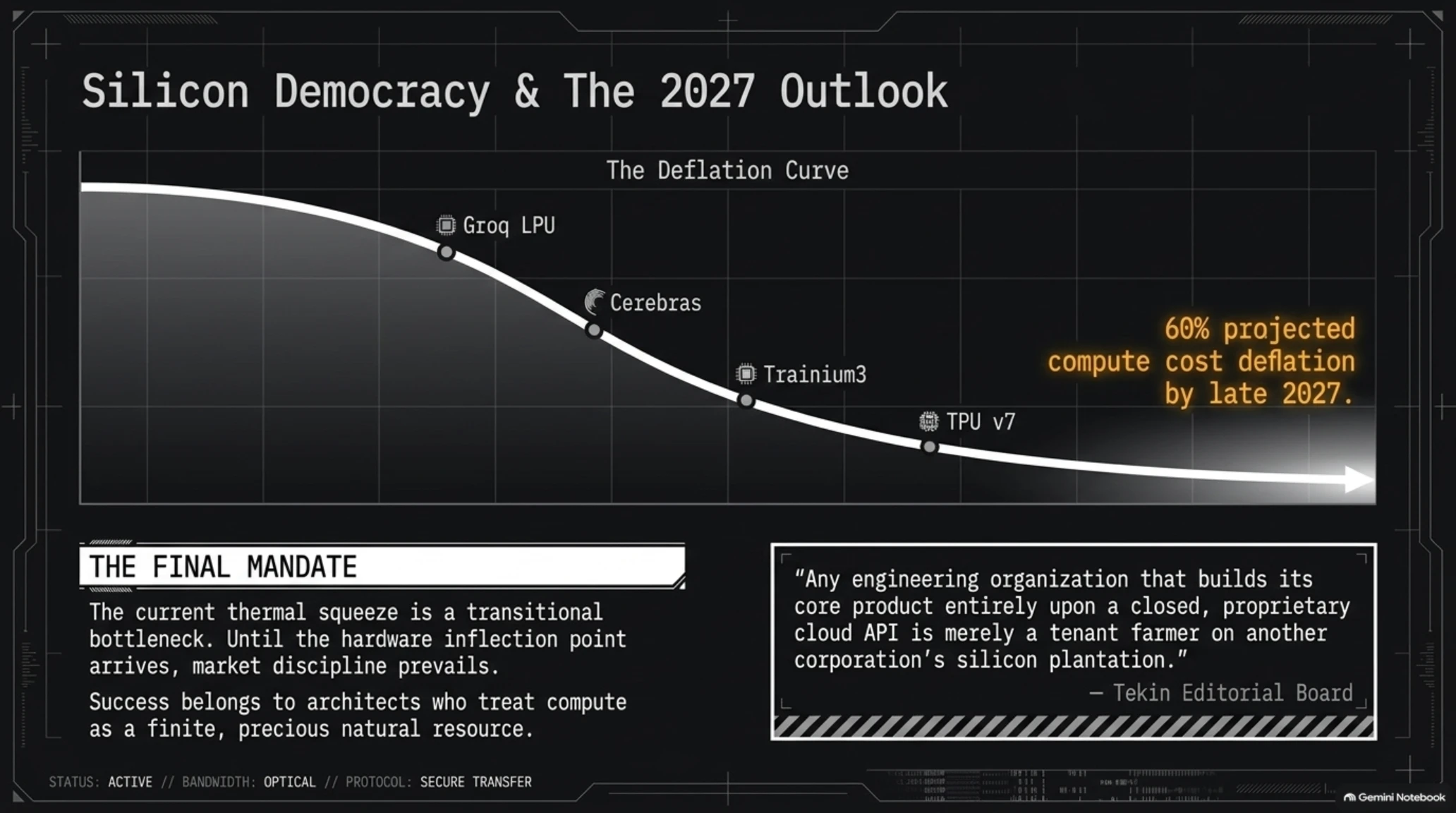
While the present landscape is defined by painful compute bottlenecks and aggressive commercial rationing, historical precedents in semiconductor economics suggest that this squeeze is an acute transitional phase rather than a permanent structural ceiling. The current high cost of Test-Time Compute is largely a byproduct of running next-generation dynamic algorithms on silicon architectures originally optimized for static dense matrix multiplication.
The next twelve to twenty-four months will witness the commercial deployment of specialized inference silicon designed specifically to accelerate dynamic search trees and low-precision speculative decoding. Hardware architectures such as Groq's Linear Tape Open LPU clusters, Cerebras's wafer-scale engines, and next-generation bespoke silicon from hyperscalers (including Amazon's Trainium3 and Google's TPU v7) will dramatically diminish the thermal penalty of reasoning tokens. As specialized silicon saturates enterprise data centers, the cost of serving chain-of-thought tokens is projected to decline along an aggressive deflation curve, dropping by an estimated 60% by late 2027.
Until that technological inflection point arrives, however, market discipline will prevail. The organizations that thrive in this intermediate era will not be those that unquestioningly swipe corporate credit cards for $200 consumer subscriptions. Success will belong to the pragmatic software architects who treat compute as a finite, precious natural resource measuring tokens per feature, enforcing rigorous semantic caching, and actively cultivating sovereign open-weight alternatives.
Conclusion: Navigating the Frontier Compute Squeeze
The introduction of the $200 GPT-6 Pro subscription with strict 200-message weekly rationing marks the definitive end of the speculative honeymoon phase in artificial intelligence. It serves as an unmistakable warning to the global technology industry: computing intelligence at the outer boundaries of human cognition is extraordinarily expensive, energy-intensive, and physically constrained.
For individual developers, software engineers, and enterprise technology executives, the path forward requires strategic agility. The era of the single-model monopoly is over. By combining the unmatched raw reasoning of frontier models for rare edge cases, the cost-effective prowess of Google Gemini and Anthropic Claude for daily production workloads, and the sovereign efficiency of DeepSeek and local workstation hardware, modern organizations can construct an resilient, future-proof AI stack that scales without financial collapse.
Recommended In-Depth Gaming & Tech Dossiers on TekInGame
• 🛡 Inside the FBI & NSA Takedown of Chinese Cyber Network QTFY | Deconstructing QScan IoT Botnets & QTRouter Proxy Meshes
• 🎬 Deconstructing Alibaba Wan 3.0 Video AI | The Chinese Tech Breakthrough Disrupting Hollywood & Sora
• 🧪 Inside Inherent's Faraday AI | How a 27-Million-Parameter Model Beat DeepSeek-R1 in Biochemical Reasoning
Frequently Asked Questions: Frontier AI Pricing & Strategic Selection
Official Research Sources & Pricing Repositories
- OpenAI: Official Subscription Terms & Enterprise Pricing
- Google Cloud: TPU v6 Trillium & Gemini Pricing
- Anthropic: Claude 3.7 Hybrid Thinking & Budget APIs
- DeepSeek: Multi-Head Latent Attention Whitepapers
- Zhipu AI: GLM-4 Technical Report & API Specs
- Artificial Analysis: Independent Token Pricing Indices
Additional Gallery: 📘 Tekin Analysis | The $200 AI Paywall: Pricing Breakdown of GPT-6 Pro vs Competitors