Tekin Masterclass: Agentic Coding
- 🎮The Vibe Coding Trap- Why single-line blanket prompts generate catastrophic codebases
- 🎧The Grill Phase- Interrogating product assumptions before writing a single line of code
- 🚀Atomic Tickets- Decomposing architecture into tightly scoped 2-to-3 file tickets
- 🗡️Isolated Sandbox Auditing- Enforcing pre-merge static verification and virtual audits
- 📰Multi-Agent Swarm Orchestration- Coordinating parallel specialized subagents under human stewardship
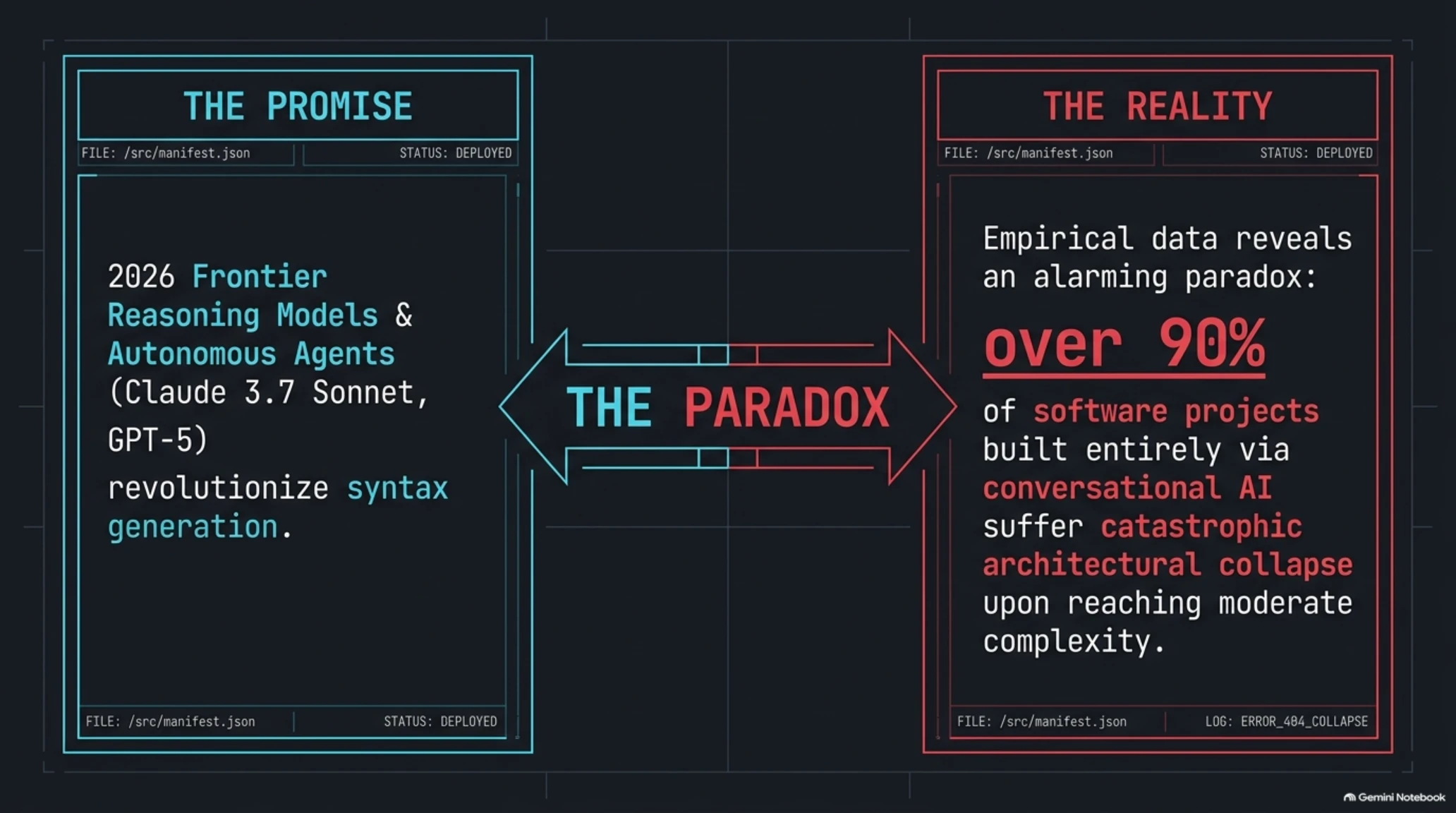
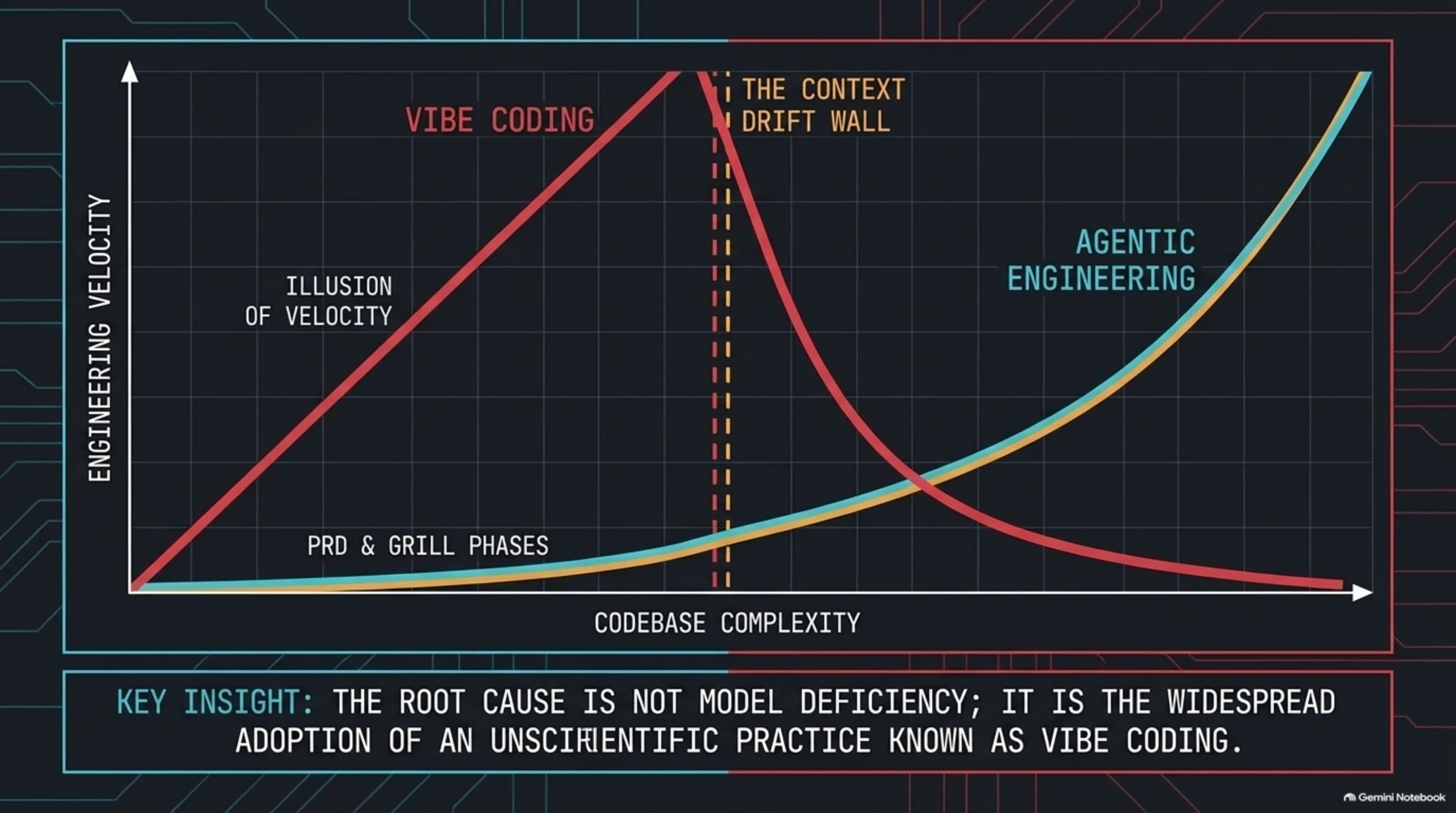
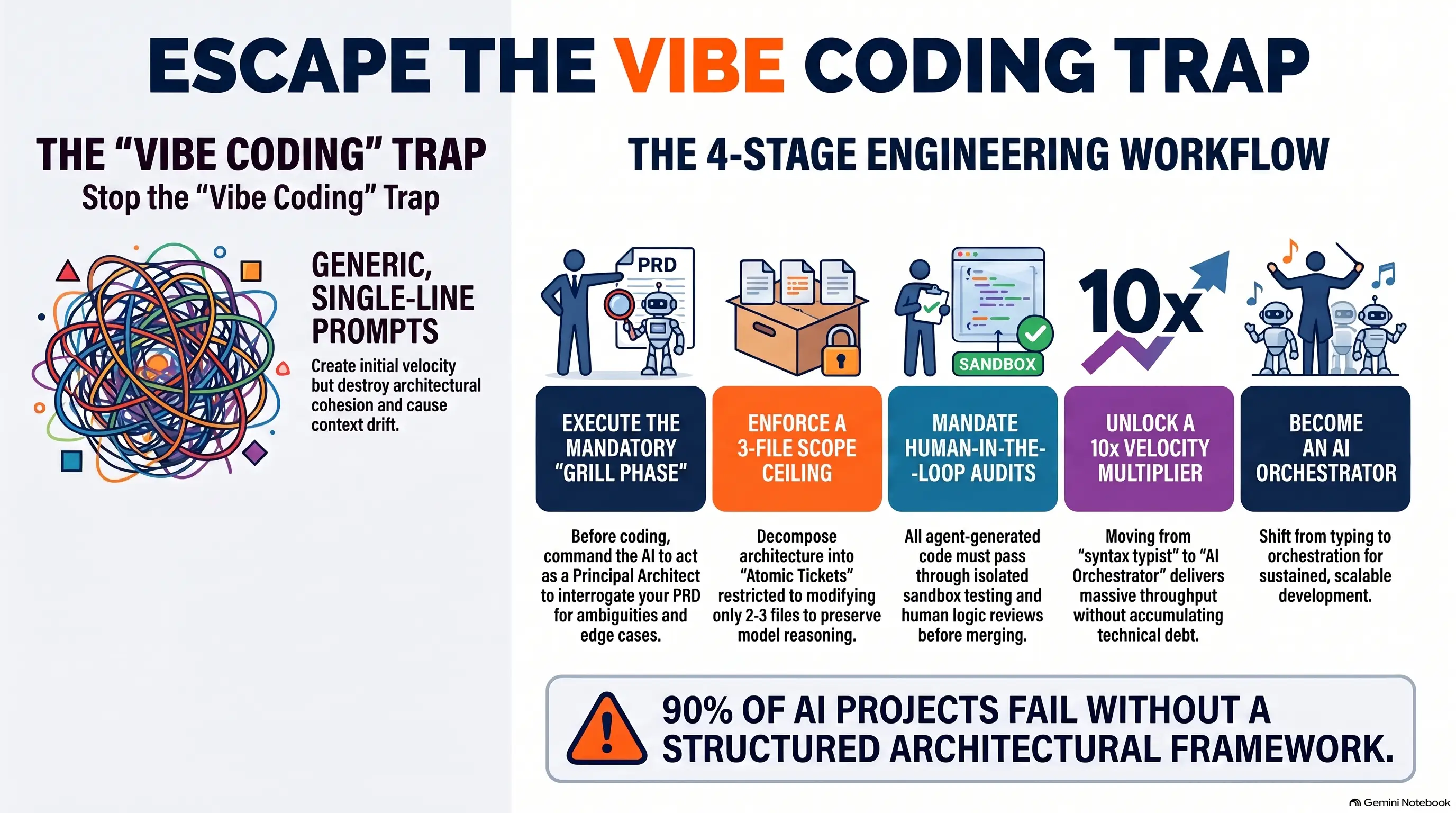
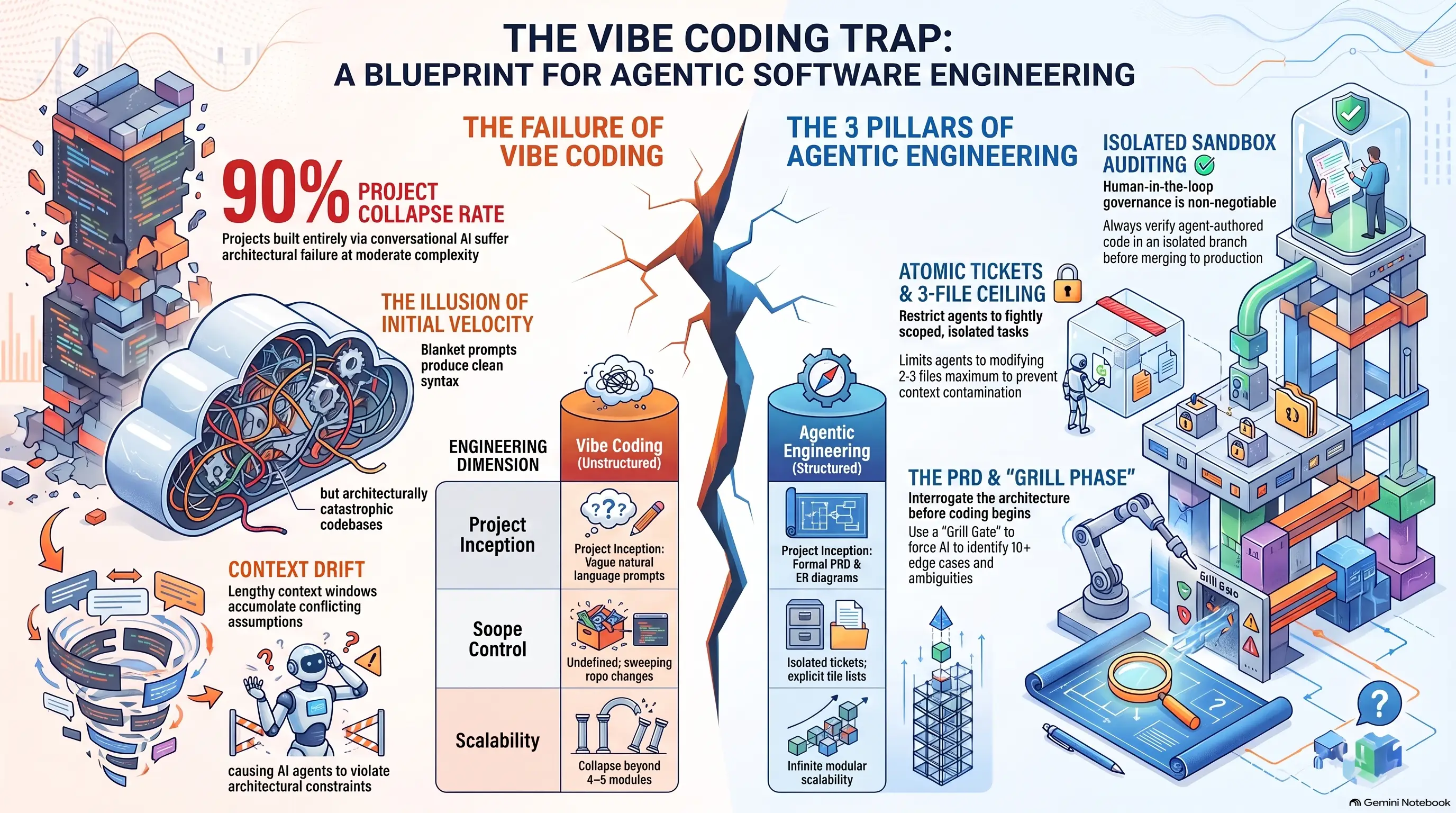
In 2026, the proliferation of frontier reasoning models and autonomous programming agents such as Claude 3.7 Sonnet, GPT-5, and advanced agentic IDEs has revolutionized the software engineering landscape. Yet, empirical data across tech incubators and enterprise engineering teams reveals an alarming paradox: over 90 percent of software projects built entirely via conversational AI suffer catastrophic architectural collapse upon reaching moderate complexity. The root cause is not model deficiency; it is the widespread adoption of an unscientific practice known as Vibe Coding.
AT A GLANCE | WHY AI SOFTWARE ENGINEERING MUST BE RE-ARCHITECTED
- Vibe coding (broad single-line prompting) creates an illusion of initial velocity while destroying architectural cohesion
- AI coding agents build precisely what was prompted, not what the underlying business logic actually requires
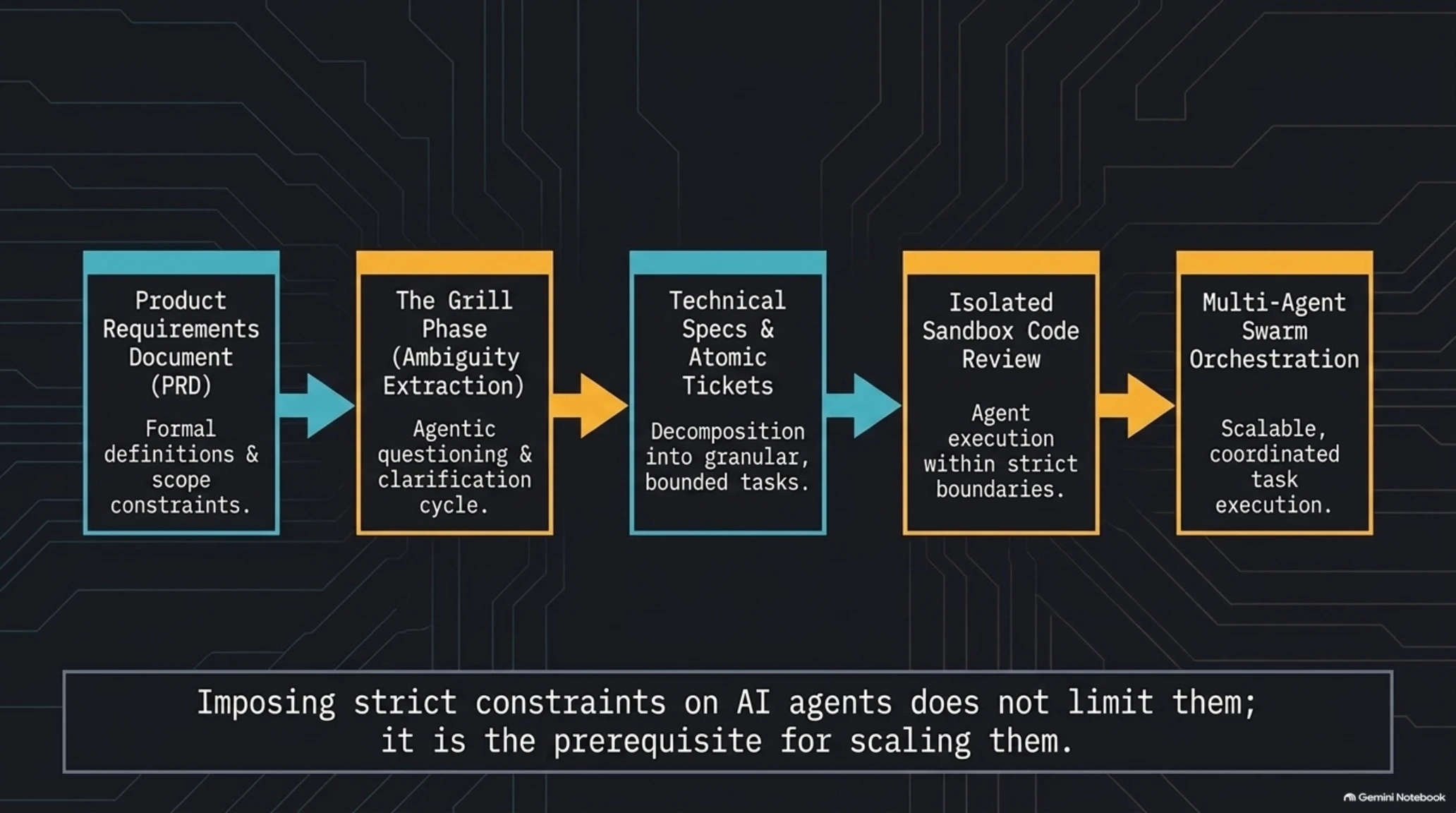
- The 5-stage workflow (PRD ➔ Grill ➔ Spec ➔ Ticket ➔ Code Review) guarantees deterministic human governance
- Testing inside isolated sandboxes prior to merging remains the most cost-effective defensive barrier
- Synthesizing human architectural judgment with multi-agent orchestration delivers a 10x throughput multiplier
1. The Vibe Coding Trap: Why Blanket Prompts Destroy Software Architecture
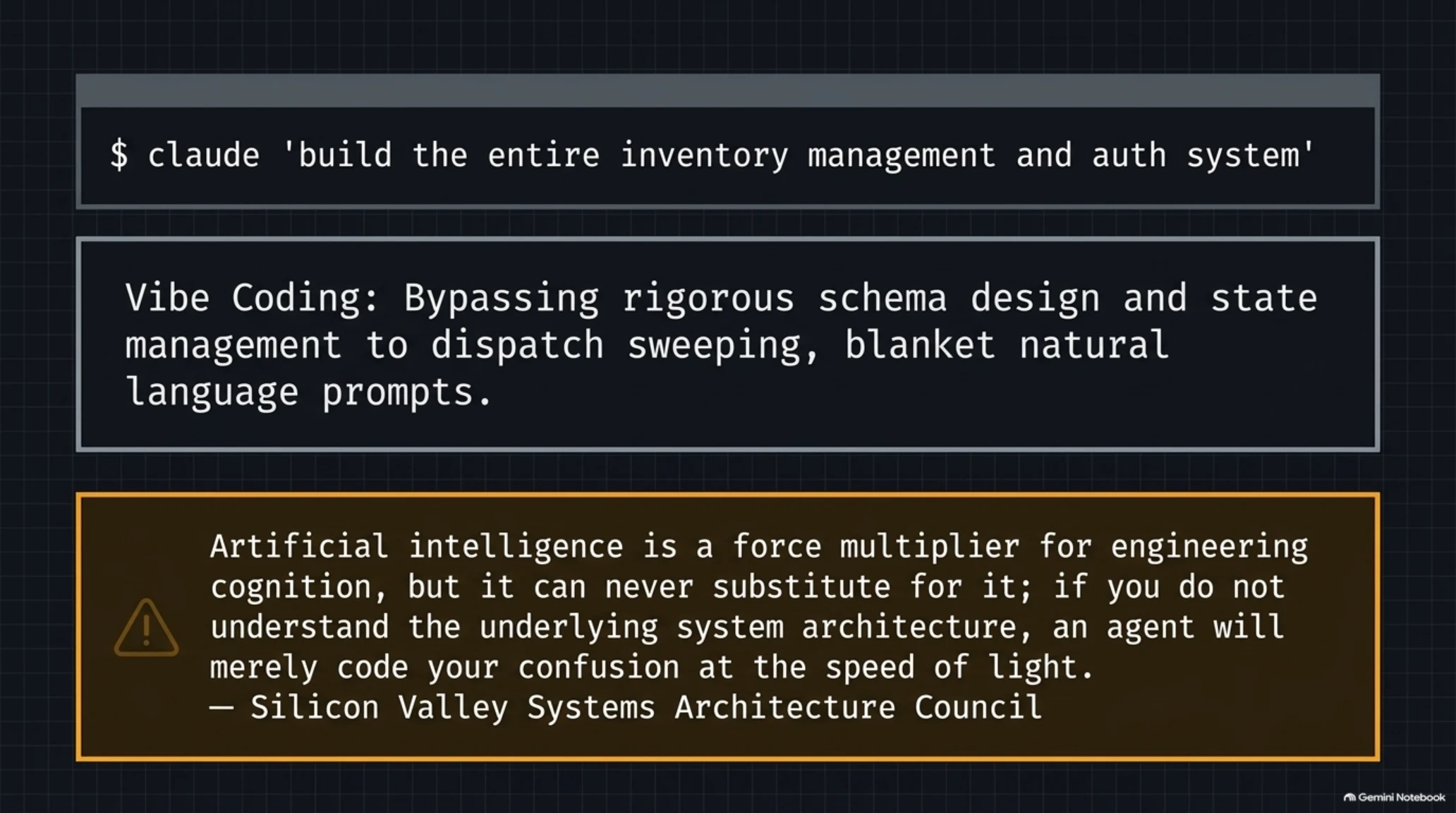
The paradigm termed Vibe Coding describes a development pattern where engineers bypass rigorous schema design, state management planning, and security specifications, opting instead to dispatch high-level natural language prompts like $ claude "build the entire inventory management and auth system". In the initial minutes, the results appear dazzling: hundreds of lines of error-free syntax materialize, rendering a functional prototype interface.
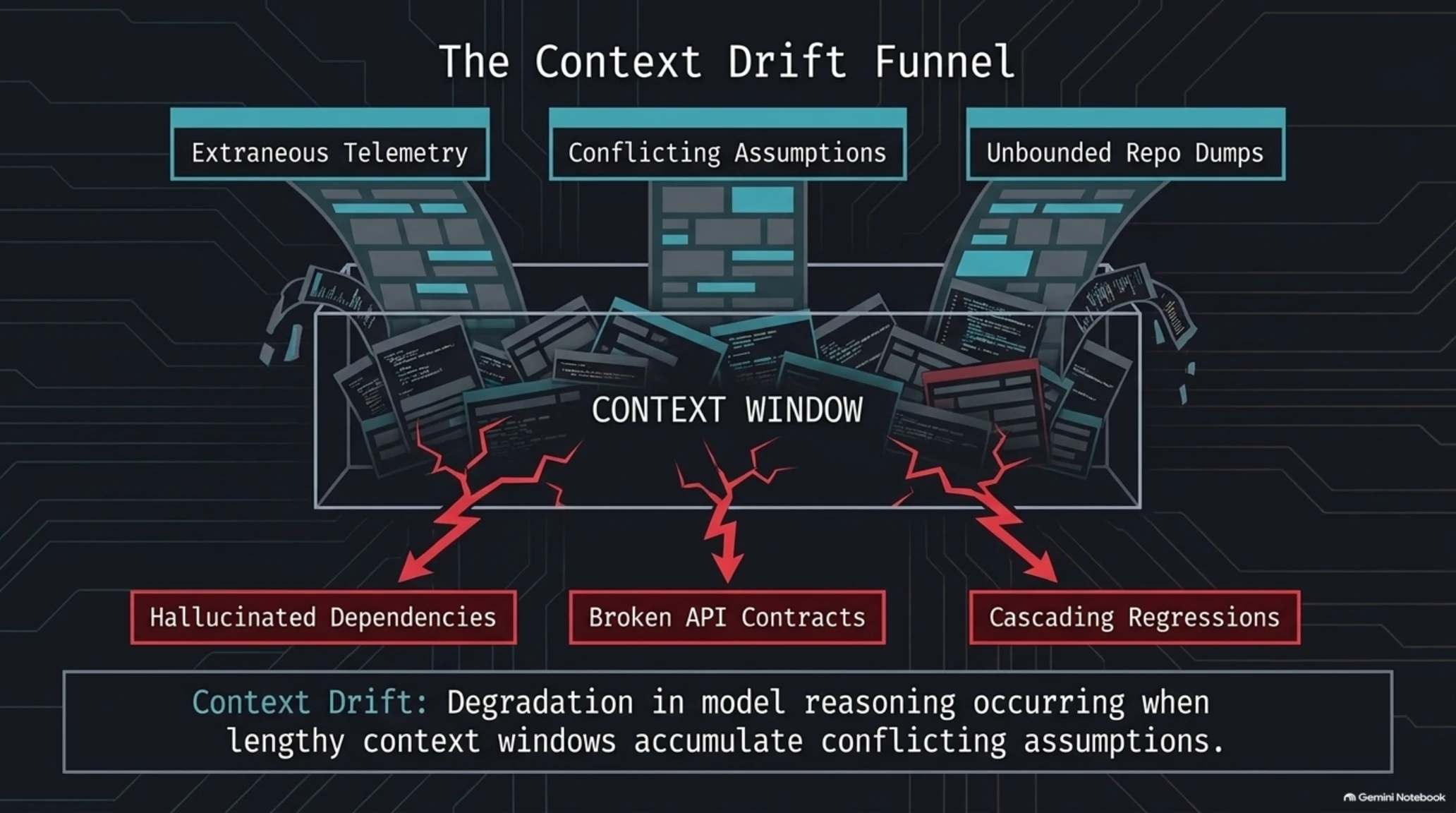
However, the moment the application requires complex cross-module state transitions, persistent data synchronization, or edge-case handling, systemic failure ensues. The agent's context window becomes contaminated with extraneous telemetry, inducing Context Drift. The agent begins hallucinating conflicting dependencies, breaking existing API contracts, and causing cascading regressions. At this inflection point, the cumulative cost of blind debugging exceeds the effort required to rebuild the entire codebase from scratch.
AI Engineering & Systems Architecture Jargon Buster
• Agentic Coding: An engineering discipline where AI functions not as a stochastic autocomplete tool, but as autonomous agents executing strictly bounded, audited tasks within a deterministic human-designed architecture.
• Context Drift: Degradation in model reasoning occurring when lengthy context windows accumulate conflicting assumptions, causing the agent to violate earlier architectural constraints.
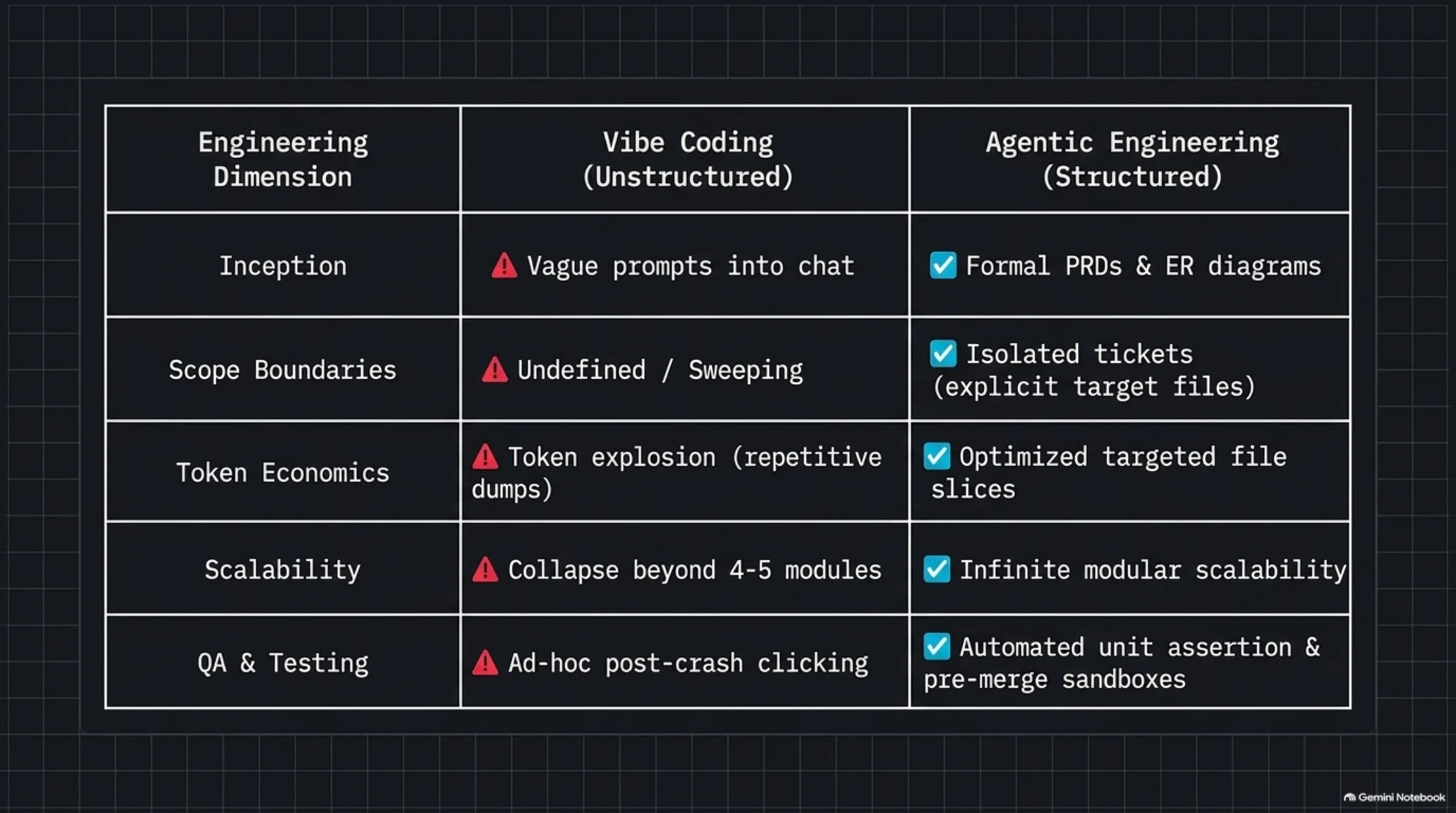
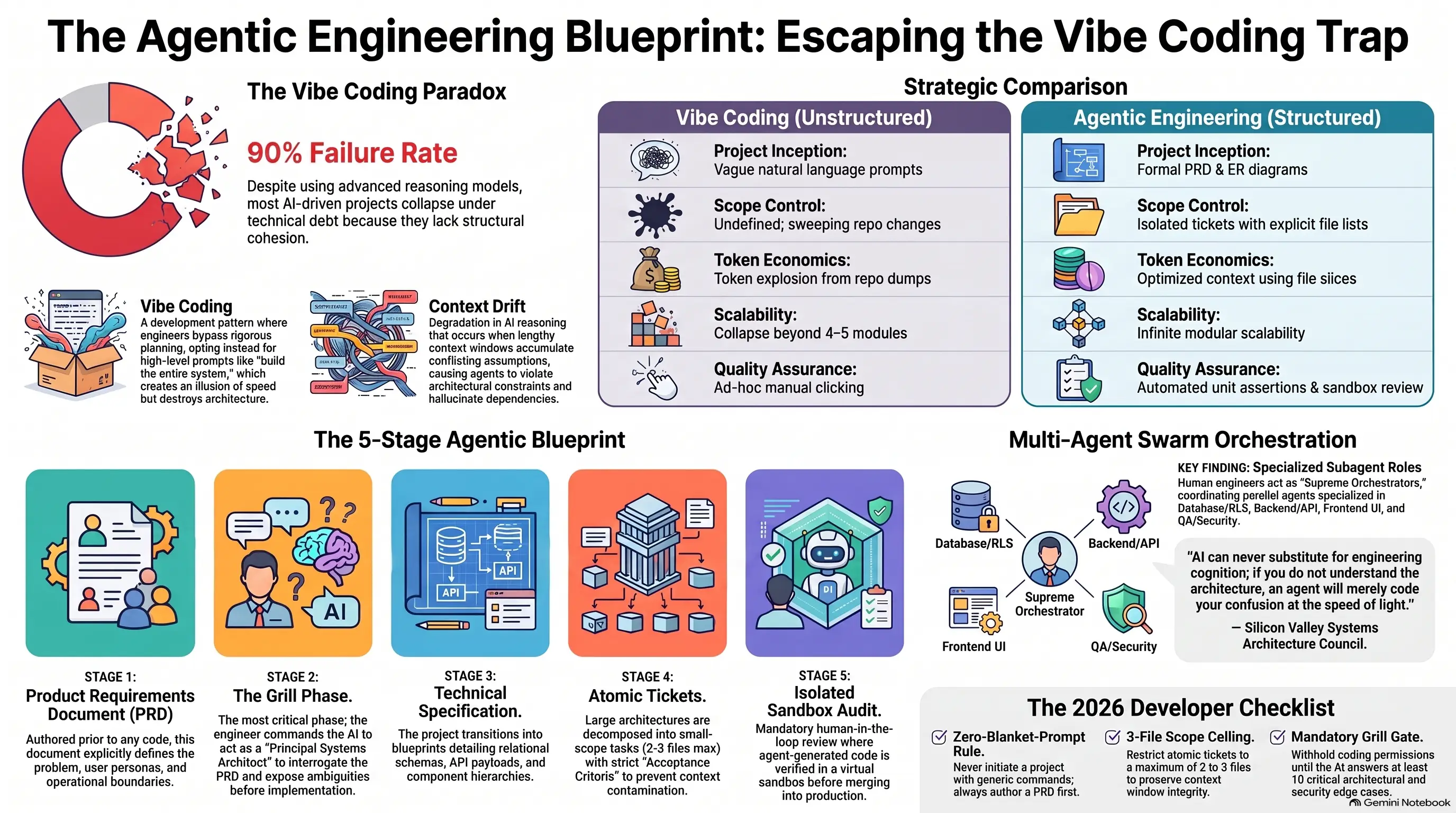
Strategic Comparison: Vibe Coding vs. Deterministic Agentic Engineering
| Engineering Dimension | Vibe Coding (Unstructured) | Agentic Engineering (Structured) |
|---|---|---|
| Project Inception | Vague natural language prompts into chat | Formal PRD documentation & ER diagrams |
| Scope Boundary Control | Undefined; sweeping changes across repo | Isolated tickets with explicit target file lists |
| Token Economics & Cost | Token explosion from repetitive repo dumps | Optimized context utilizing targeted file slices |
| Architectural Scalability | Collapse beyond 4–5 interconnected modules | Infinite modular scalability matching enterprise specs |
| Quality Assurance & Testing | Ad-hoc manual browser clicking post-crash | Automated unit assertion & pre-merge sandbox review |
2. The Five Pillars of Bulletproof Agentic Coding
To eliminate technical debt and transform artificial intelligence into a hyper-efficient engineering asset, elite software architects have standardized a deterministic five-phase methodology: Product Requirements Document (PRD) ➔ The Grill Phase ➔ Technical Specification (Spec) ➔ Atomic Tickets ➔ Isolated Sandbox Code Review.
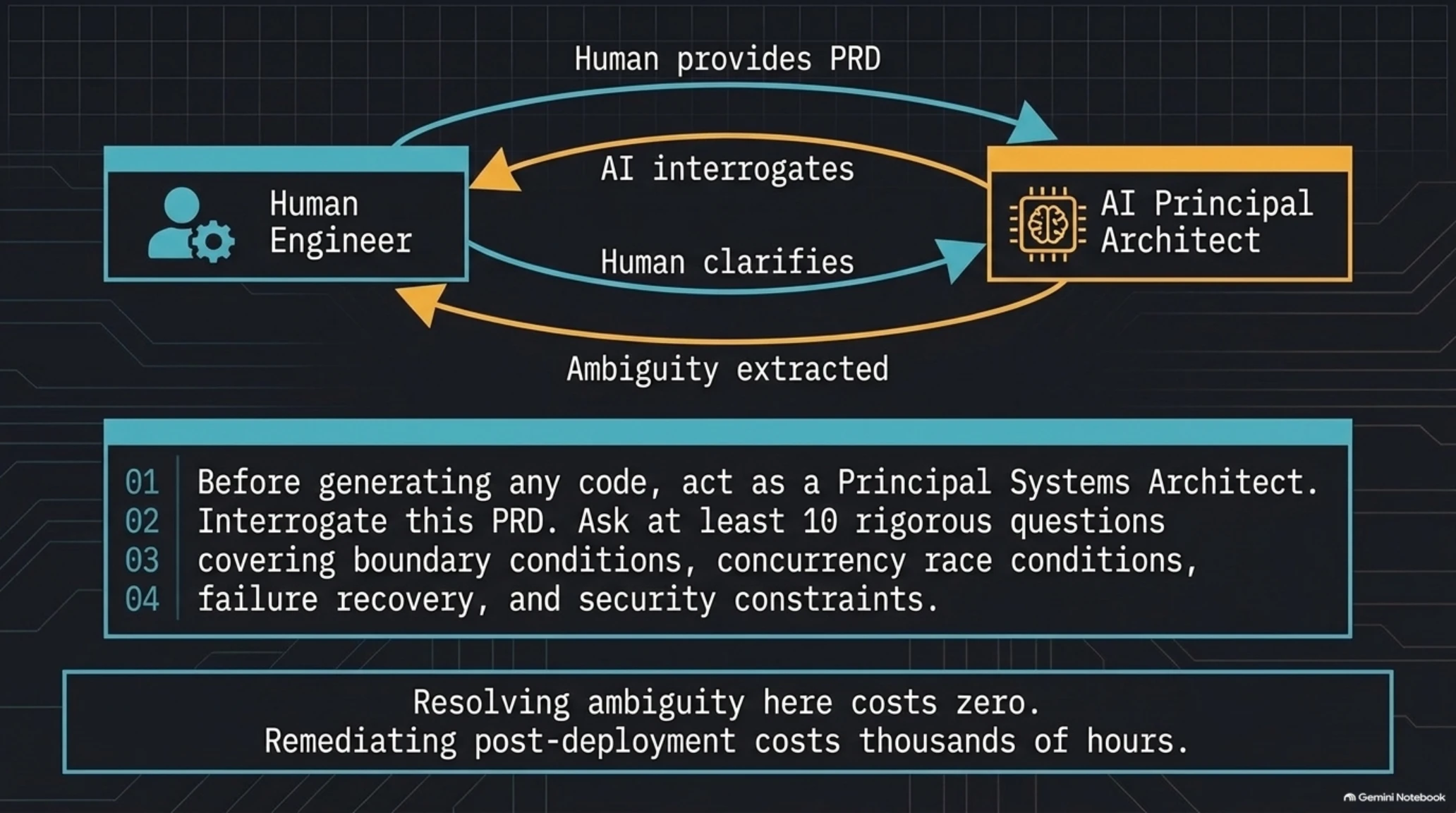
The workflow commences with the PRD, authored prior to writing any source code, explicitly defining the core problem, user personas, and operational boundaries. Immediately following is the crucial Grill Phase: the engineer commands the AI model to act as a relentless principal systems architect, interrogating the PRD to expose architectural ambiguities, unhandled edge cases, asynchronous race conditions, and database nullability risks before implementation begins.
The Grill Phase Prompt Engineering Blueprint
Standard Principal Architecture Prompt for the Grill Phase:
"I have attached the PRD for our new authentication and inventory synchronization subsystem. Before generating any database migrations or application code, thoroughly interrogate this document as a Principal Systems Architect. Challenge my assumptions and ask at least 10 rigorous questions covering boundary conditions, concurrency race conditions, failure recovery paths, and security constraints."
3. From Architecture to Atomic Tickets: Encapsulating Agent Scopes
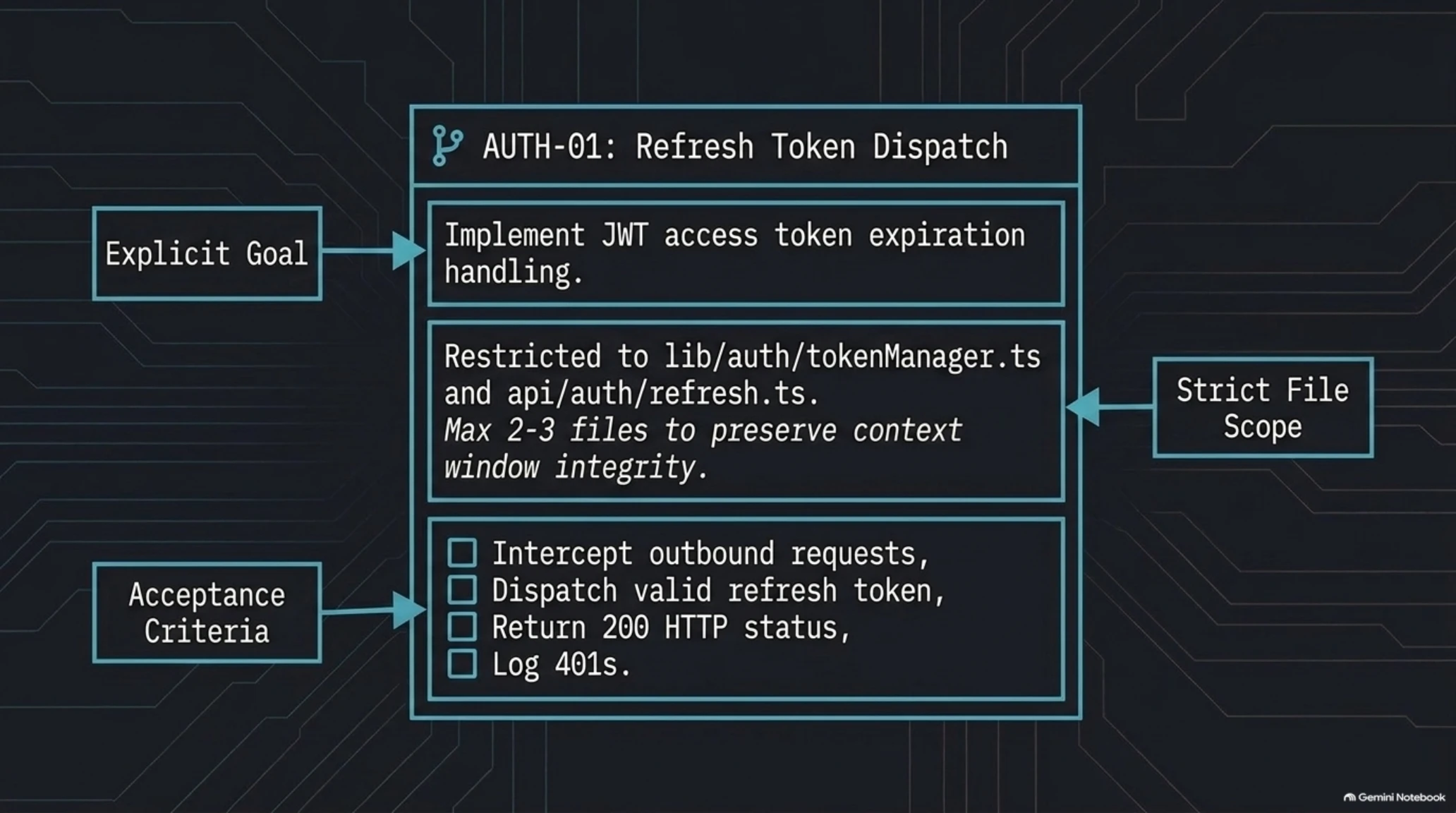
Once all ambiguities are resolved in the Grill phase, the project transitions into a comprehensive Technical Specification detailing relational schemas, API payloads, caching tiers, and component component hierarchies. This technical blueprint is subsequently decomposed into Atomic Tickets. Every production-grade atomic ticket must enforce three immutable attributes: 1. Explicit Goal, 2. Strict Scope Boundary, 3. Unambiguous Acceptance Criteria.
Enforcing a strict file scope means explicitly declaring the exact files the agent is permitted to touch. If an agent is spawned to build an authentication modal, it must be programmatically restricted from editing global router files or root database configurations. This strict isolation prevents context contamination and eliminates unintended regressions across adjacent modules.
Anatomy of a Production-Ready Atomic Ticket
• Goal: Implement JWT access token expiration handling and automatic refresh token dispatch to /api/auth/refresh.
• File Scope: Strictly limited to modifying lib/auth/tokenManager.ts and pages/api/auth/refresh.ts.
• Acceptance Criteria: When an access token expires, intercept outbound requests, dispatch the valid refresh token, return a 200 HTTP status with updated headers, and log all 401 unauthenticated anomalies.
📚 Classified & Related Dossiers in TekinGame
If you wish to explore beyond this report and delve into cybernetic frontiers and autonomous AI architectures, do not miss these three exclusive deep-dives in the Tekin Garage:
4. Isolated Sandbox Auditing: The Imperative of Human-in-the-Loop Governance
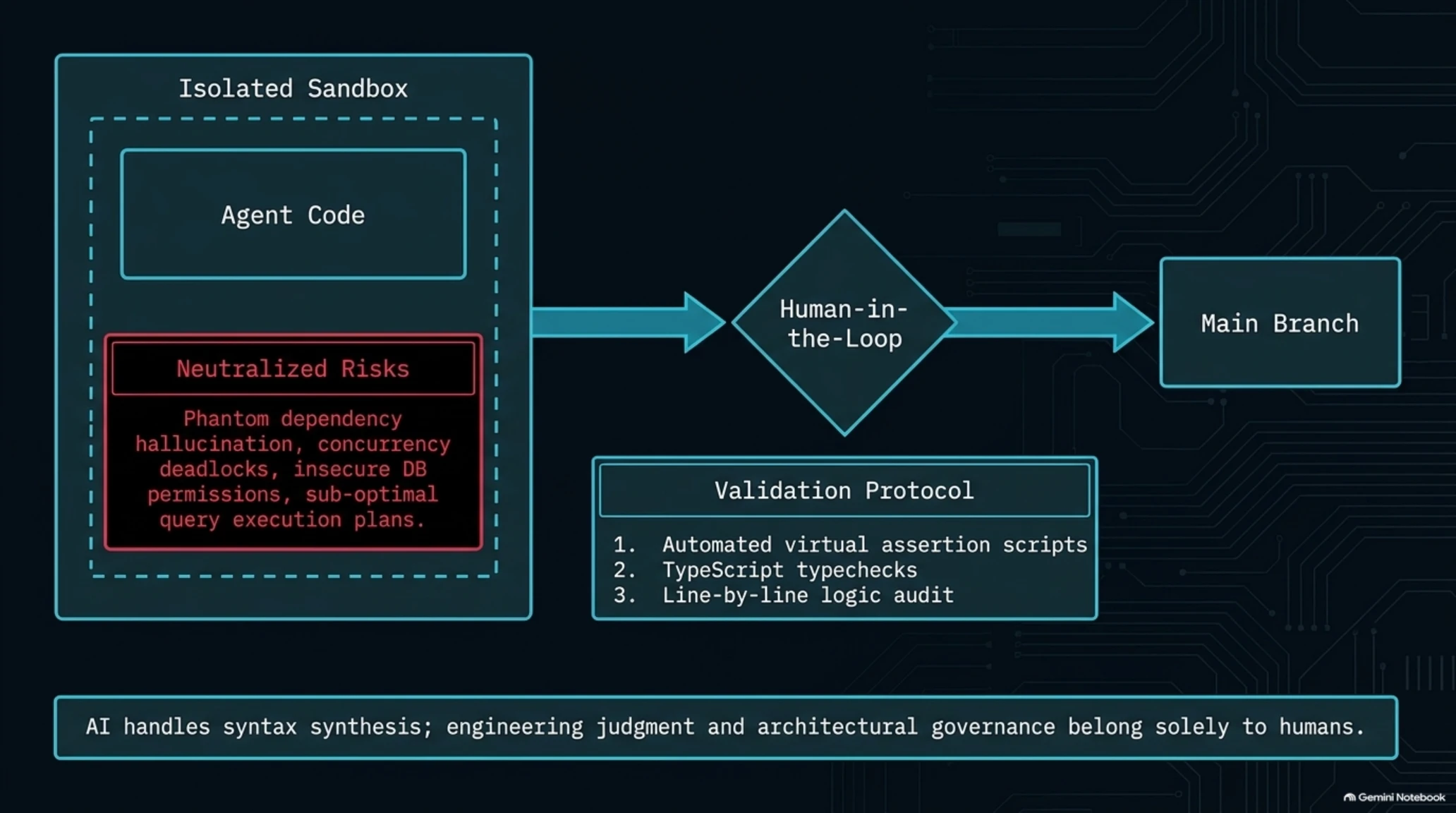
A fatal misconception among contemporary engineering teams is the complete delegation of architectural decision-making and deployment authority to autonomous agents. Despite the monumental capabilities of frontier AI models, critical risks persist: phantom dependency hallucination, subtle concurrency deadlocks, insecure database permissions, and sub-optimal query execution plans.
Consequently, enforcing isolated sandbox testing and maintaining continuous Human-in-the-Loop oversight represent non-negotiable requirements for enterprise systems. Prior to merging agent-generated code into main branches, automated virtual assertion scripts, TypeScript typechecks, and line-by-line logic audits must be executed by a human supervisor to neutralize defects at the earliest, least expensive stage of development.
5. Advanced Multi-Agent Swarm Orchestration: Coordinating Parallel Subagents
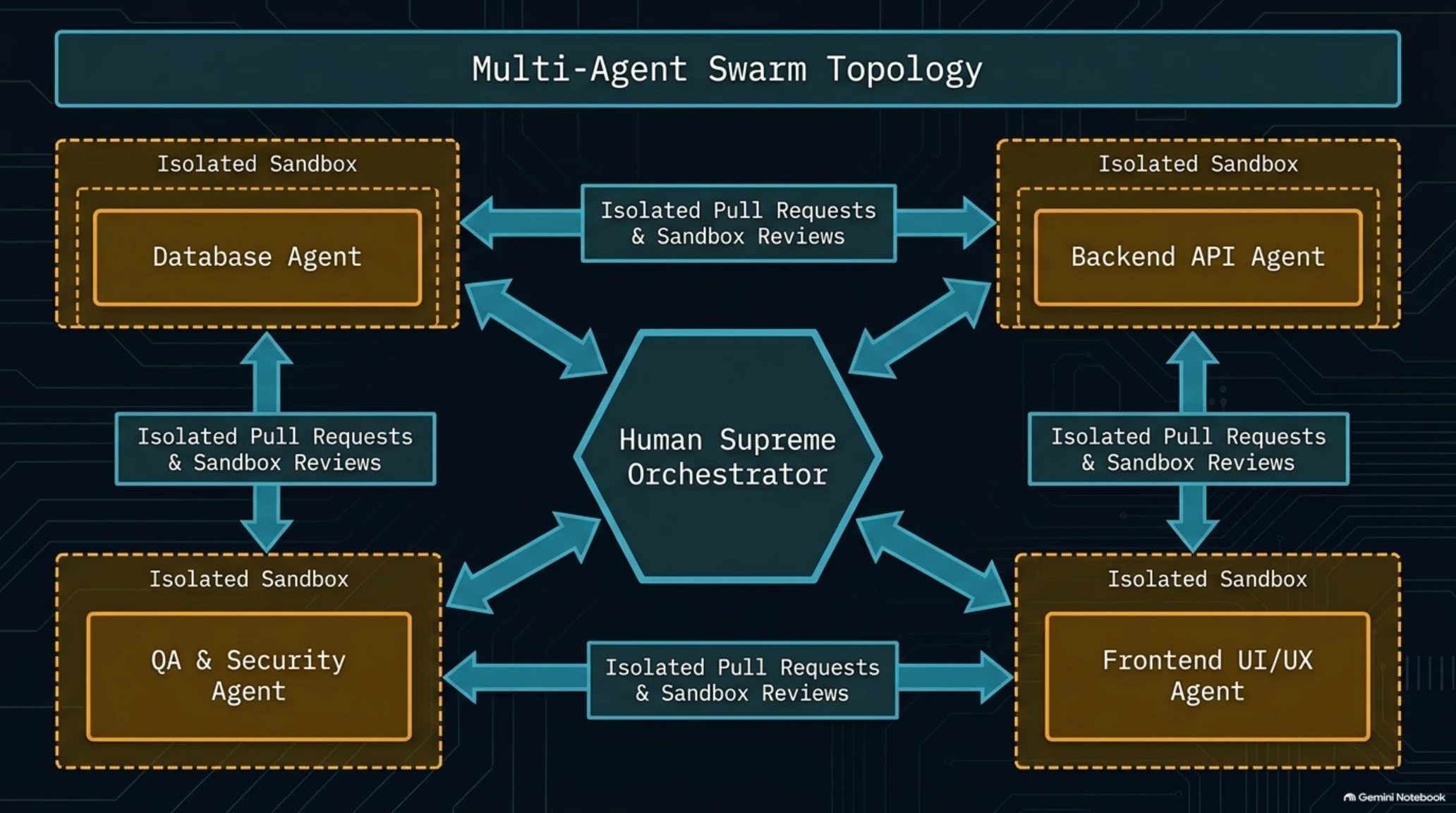
When a software project is structured around the five-stage agentic blueprint, technical leads can unlock the power of Multi-Agent Swarm Orchestration. Rather than engaging a single generalist model, multiple specialized subagents are dispatched simultaneously to execute independent atomic tickets without mutual context contamination.
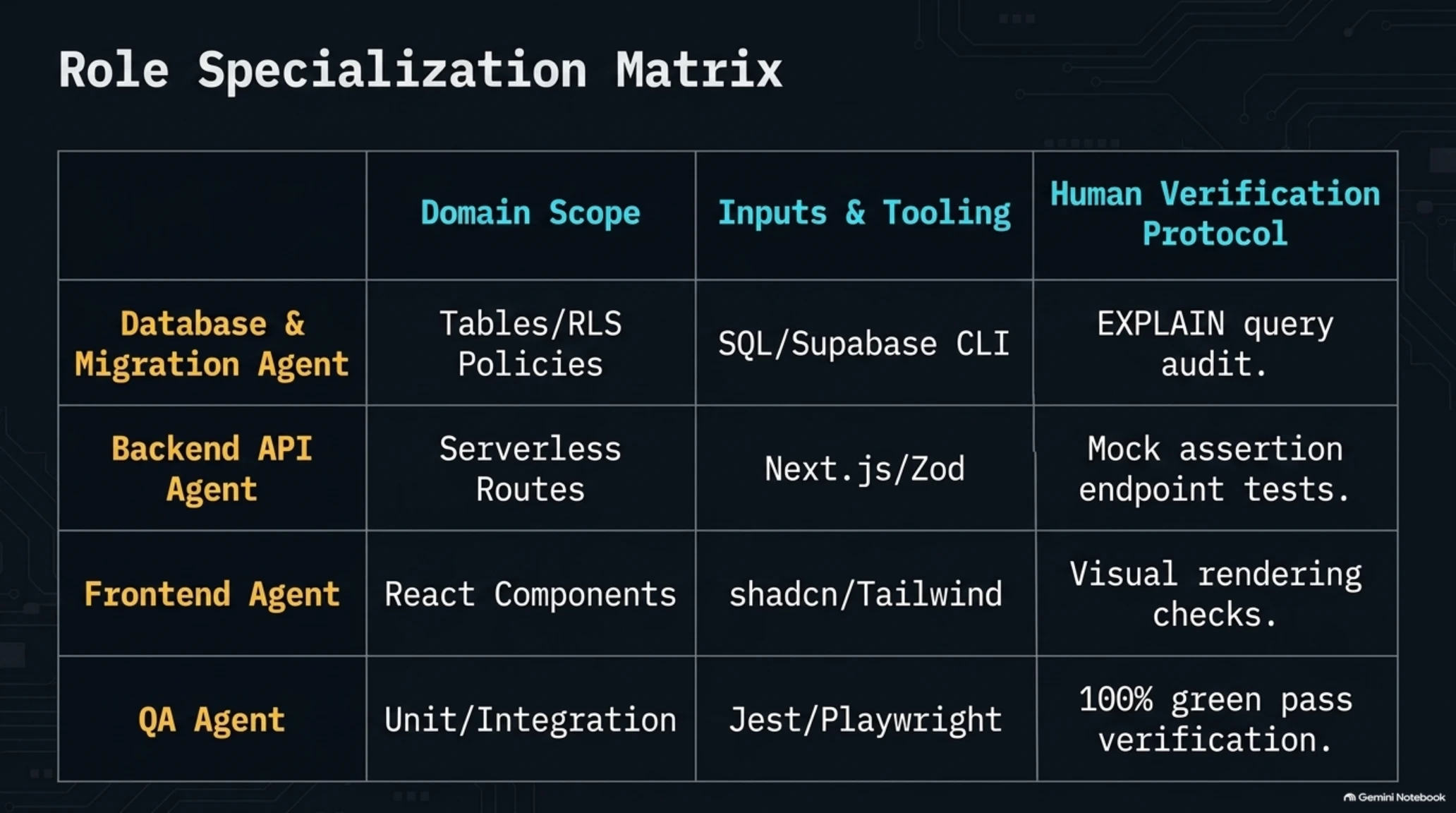
In a modern full-stack ecosystem (e.g., Next.js, Supabase, and Tailwind CSS), a human lead can coordinate four specialized agents concurrently: Agent 1 generates Postgres migrations and verifies Row-Level Security (RLS) policies; Agent 2 implements serverless API routes with Zod validation; Agent 3 constructs modular UI components with shadcn/ui; and Agent 4 authors comprehensive integration tests. The human engineer acts as the supreme orchestrator, reviewing and merging pull requests within isolated sandbox environments.
Multi-Agent Swarm Topology & Role Specialization Matrix
| Specialized Subagent | Domain Scope | Inputs & Tooling | Human Verification Protocol |
|---|---|---|---|
| Database & Migration Agent | Tables, Indexes, RLS Policies | SQL DDL, Supabase CLI | Security review & EXPLAIN query audit |
| Backend API Agent | Serverless Routes, Validation | Next.js API, TypeScript, Zod | Endpoint testing with mock assertions |
| Frontend UI/UX Agent | React Components, Design System | shadcn/ui, Tailwind CSS | Visual rendering & responsive checks |
| QA & Security Agent | Unit & Integration Assertions | Jest, Playwright, Static Lints | Verification of 100% green test passes |
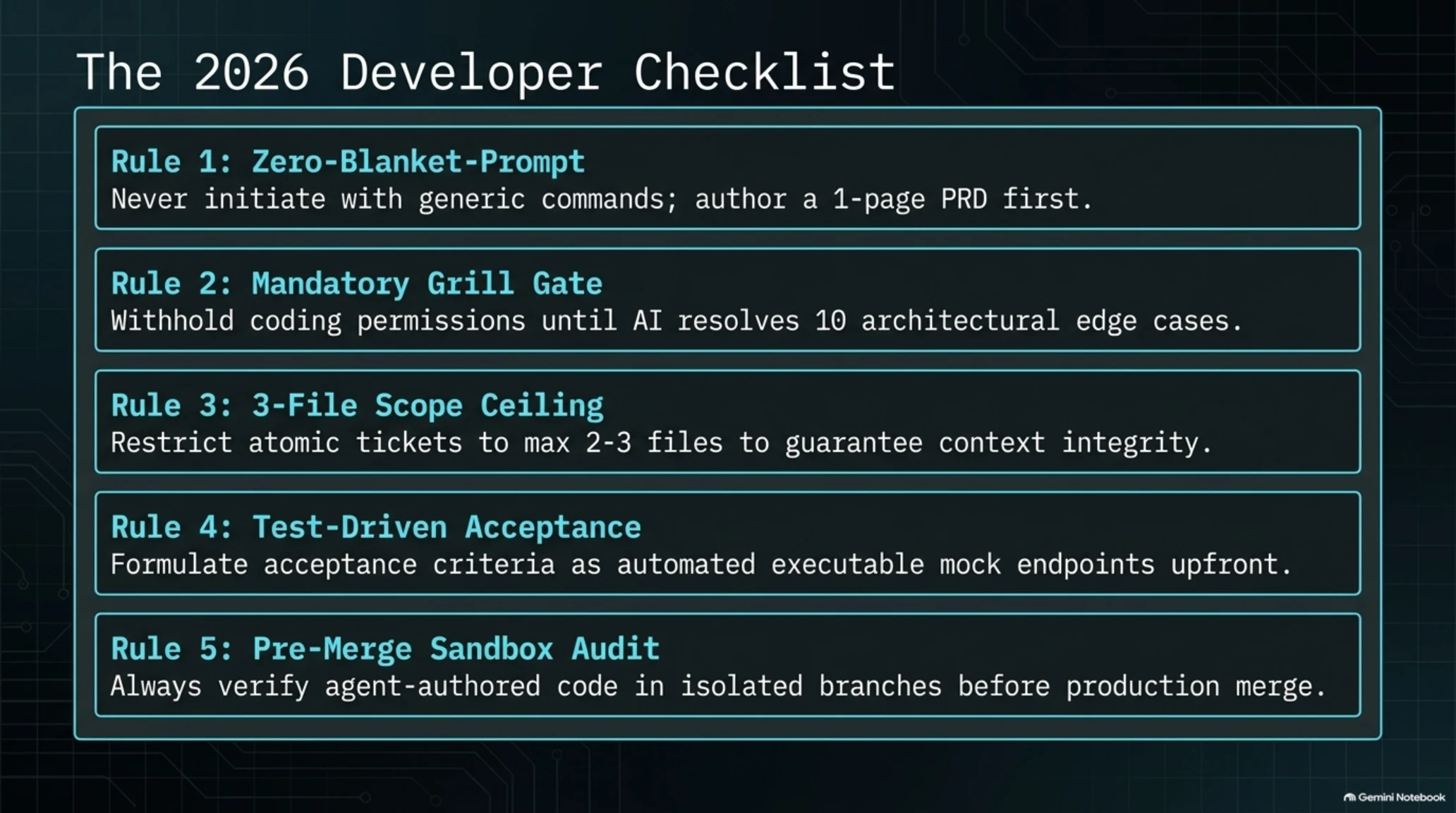
6. The 2026 Developer Checklist: Achieving a 10x Velocity Multiplier Without Regressions
To successfully integrate Agentic Coding into daily engineering workflows, developers and technical teams must embed a rigid five-point checklist into their continuous integration discipline. Adhering to these principles marks the difference between an unmaintainable codebase drowning in technical debt and an agile, production-grade software product:
The Golden Checklist for Agentic Software Engineering
1. Zero-Blanket-Prompt Rule: Never initiate a project with generic natural language commands; author a concise one-page PRD defining business boundaries first.
2. Mandatory Grill Gate: Withhold coding permissions until the AI agent has generated and answered at least 10 critical architectural and security edge cases.
3. 3-File Scope Ceiling: Restrict atomic tickets to modifying a maximum of 2 to 3 files to preserve context window integrity.
4. Test-Driven Acceptance: Formulate acceptance criteria as automated executable assertions or mock endpoints before prompting implementation.
5. Pre-Merge Sandbox Audit: Always verify and review agent-authored code inside an isolated branch before merging into production repositories.
TekInGame Strategic Synthesis: The Future of Human-Agent Synergy
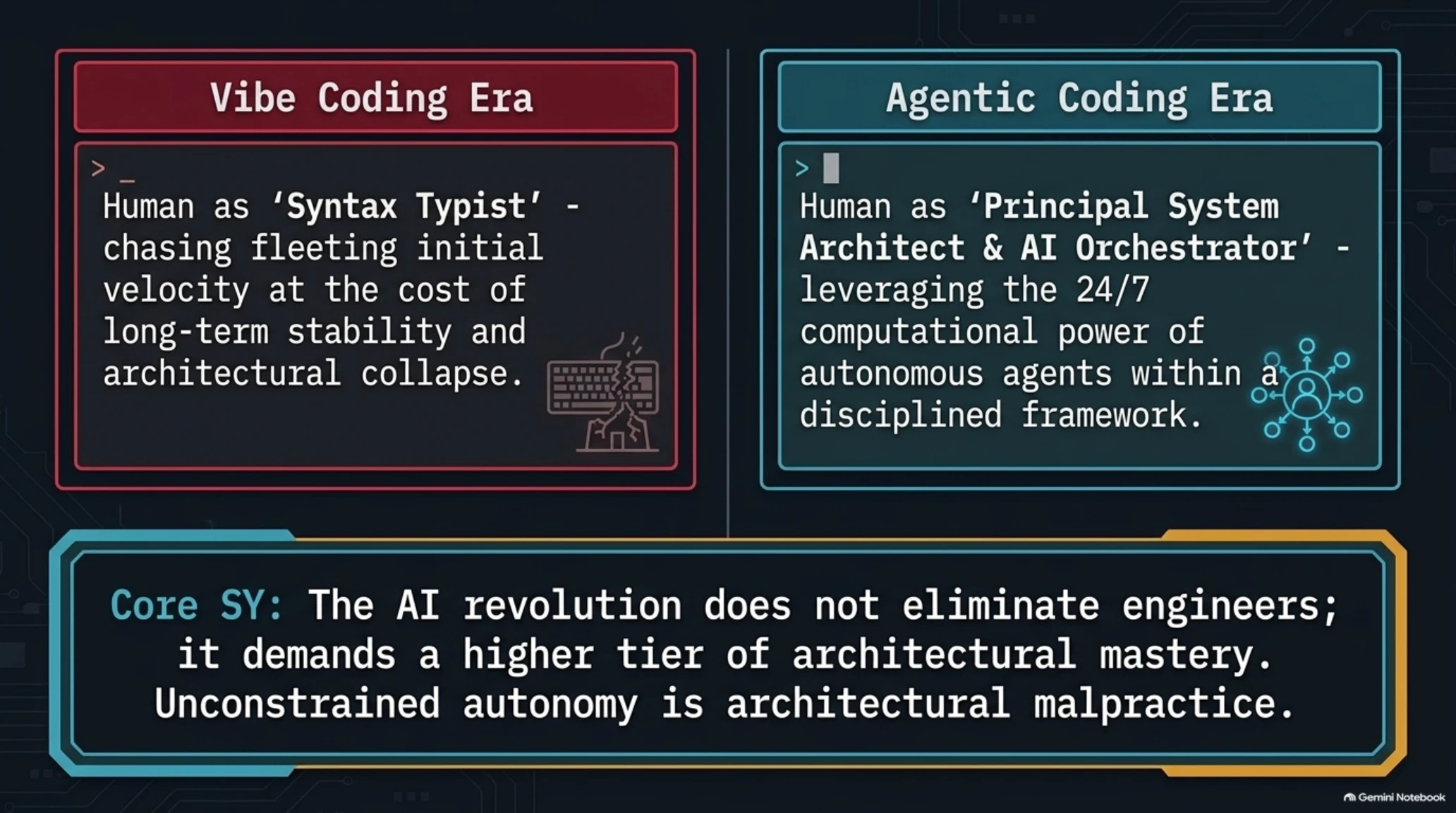
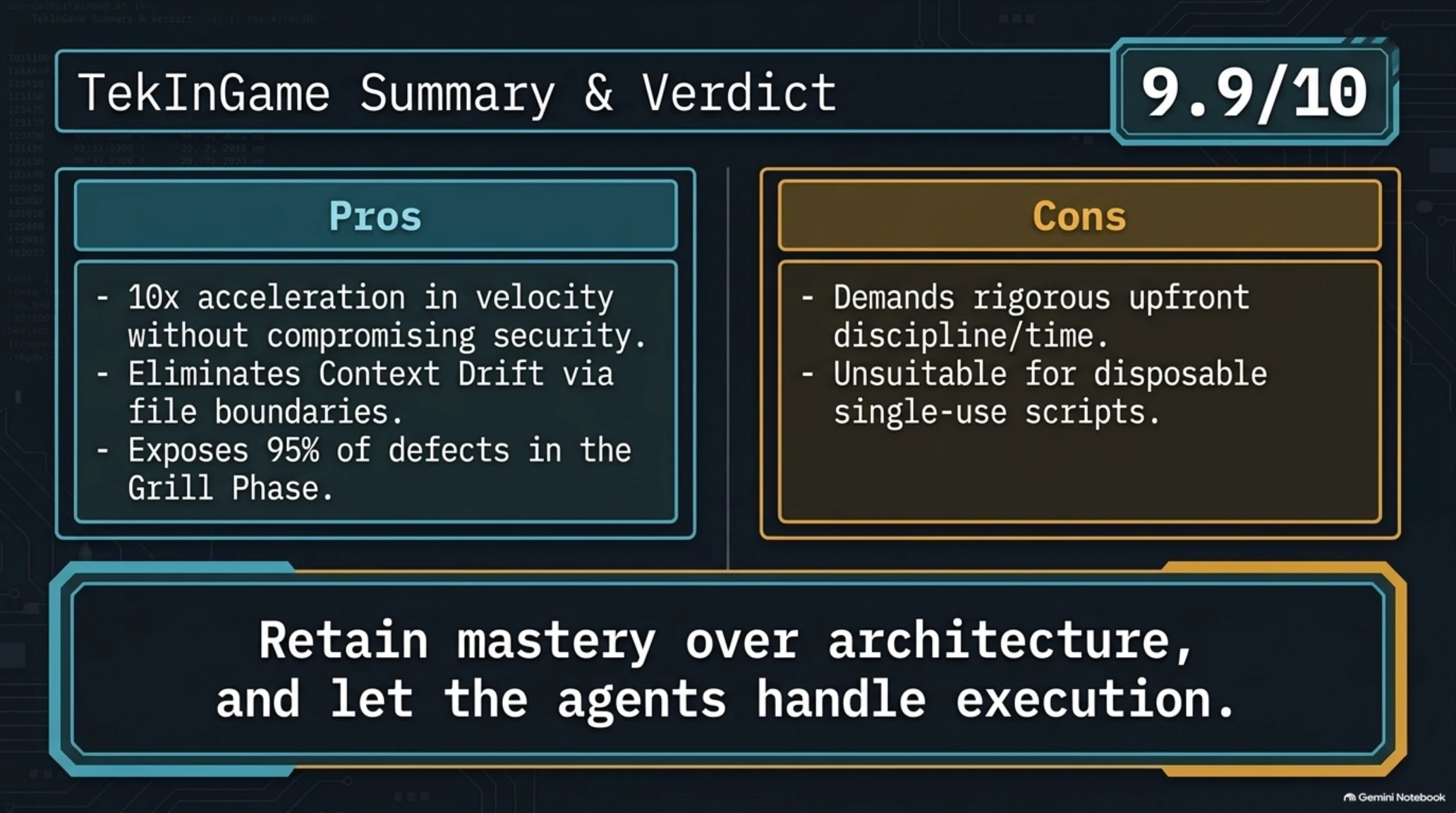
The artificial intelligence revolution will not eliminate software engineers; rather, it elevates them from syntax typists to Principal System Architects and AI Orchestrators. Vibe Coding is a deceptive siren song that trades long-term stability for fleeting initial velocity. In contrast, Agentic Coding harnesses the 24/7 computational power of autonomous agents within a disciplined framework of human planning, rigorous interrogation, atomic scoping, and isolated testing—paving the way for sustainable engineering excellence.
- Delivers up to a 10x acceleration in engineering velocity without compromising code quality or security
- Completely eliminates Context Drift through isolated atomic tickets and explicit file boundaries
- Exposes and resolves 95% of latent architectural defects during the Grill Phase before code generation
- Enables continuous parallel development via Multi-Agent Swarm Orchestration under human direction
- Demands rigorous engineering discipline and upfront time investment to draft PRDs and technical specs
- Unsuitable for disposable single-use scripts that require neither scaling nor long-term maintenance
- Requires continuous human architectural supervision and validation during the code review phase
Recommended In-Depth Gaming & Tech Dossiers on TekInGame
• 🛡 Inside the FBI & NSA Takedown of Chinese Cyber Network QTFY | Deconstructing QScan IoT Botnets & QTRouter Proxy Meshes
• 🎬 Deconstructing Alibaba Wan 3.0 Video AI | The Chinese Tech Breakthrough Disrupting Hollywood & Sora
• 🧪 Inside Inherent's Faraday AI | How a 27-Million-Parameter Model Beat DeepSeek-R1 in Biochemical Reasoning
Frequently Asked Questions | Agentic Coding Methodology
Why does Vibe Coding inevitably fail in complex software projects?
Because without explicit schema boundaries and requirements, agents generate isolated code blocks that suffer from context drift and break existing cross-module relationships upon integration.
What is the Grill Phase and why is it essential prior to coding?
It is an interactive phase where the engineer commands the AI to interrogate the PRD, exposing unhandled edge cases, concurrency risks, and security gaps before writing any code.
What are the core components of an Atomic Ticket?
An atomic ticket contains three elements: 1. A singular goal, 2. A strictly defined file scope (1–3 files), and 3. Concrete, testable acceptance criteria.
How does Multi-Agent Swarm Orchestration function in practice?
Specialized subagents are dispatched in parallel to handle dedicated tasks (database schema, backend APIs, UI, QA), while a human tech lead reviews and merges their outputs in isolated sandboxes.
Why is human-in-the-loop governance still critical in 2026?
To catch phantom package hallucinations, verify database security policies, prevent concurrency race conditions, and ensure the code strictly adheres to business objectives.
Official Technical References & Primary Sources
Additional Gallery: 🎓 The Vibe Coding Trap & The Definitive Blueprint for Agentic Software Engineering