☕ Tekin Morning | Saturday, July 11, 2026 - SpaceX Makes History & Apple Goes to War with OpenAI
- 🎮Falcon 9 Breaks Record with 35 Flights- SpaceX rewrites the history of rocket reusability
- 🎧ChatGPT Work: Autonomous AI Agent- OpenAI launches first fully autonomous work agent
- 🚀Apple vs OpenAI Legal Battle- Trade secrets theft and technology lawsuit
- 🗡️OpenClaw: New WhatsApp Threat- Critical Zero-Day vulnerability discovered
SpaceX Makes History: Falcon 9 Achieves 35th Flight Record
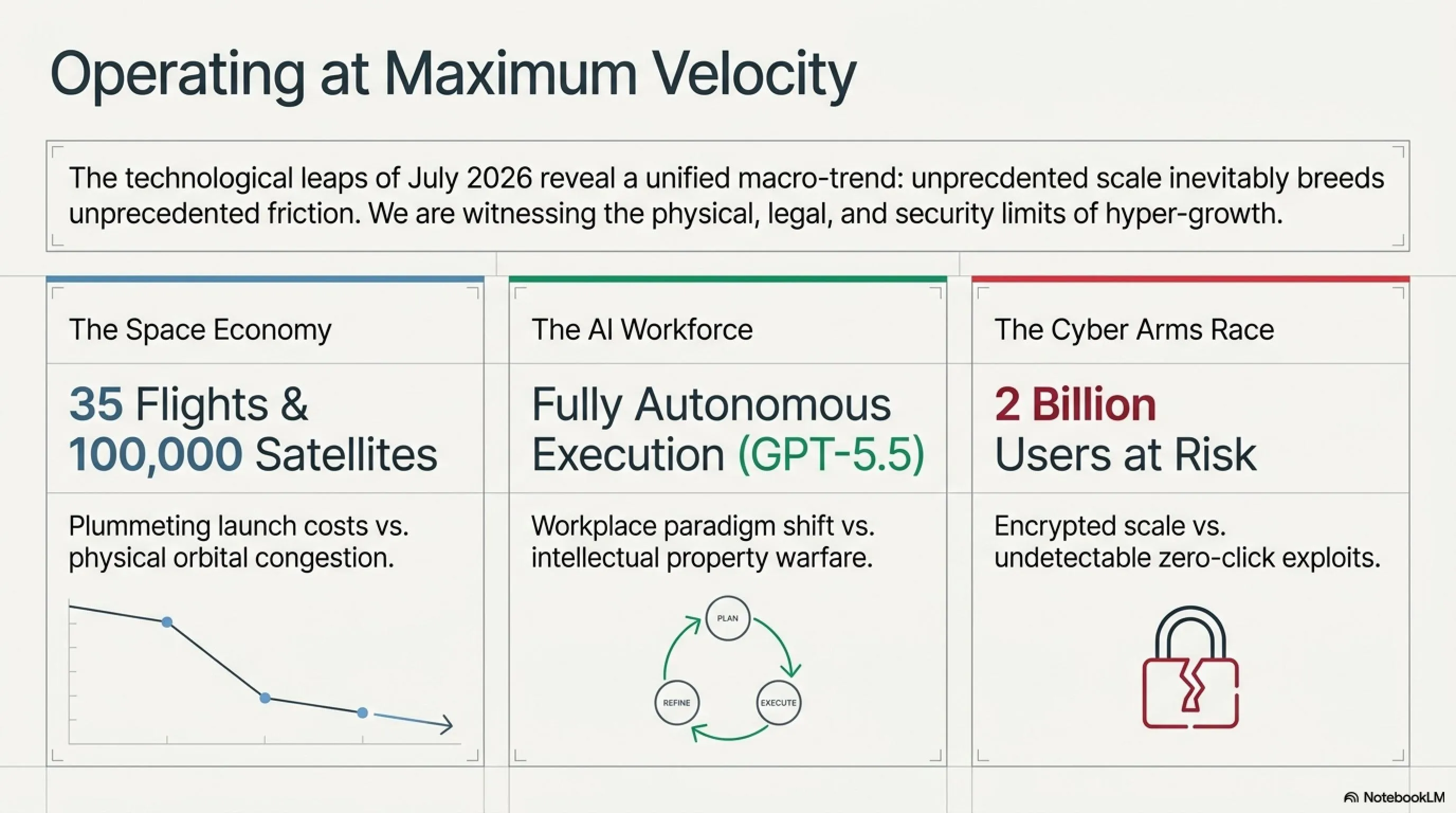
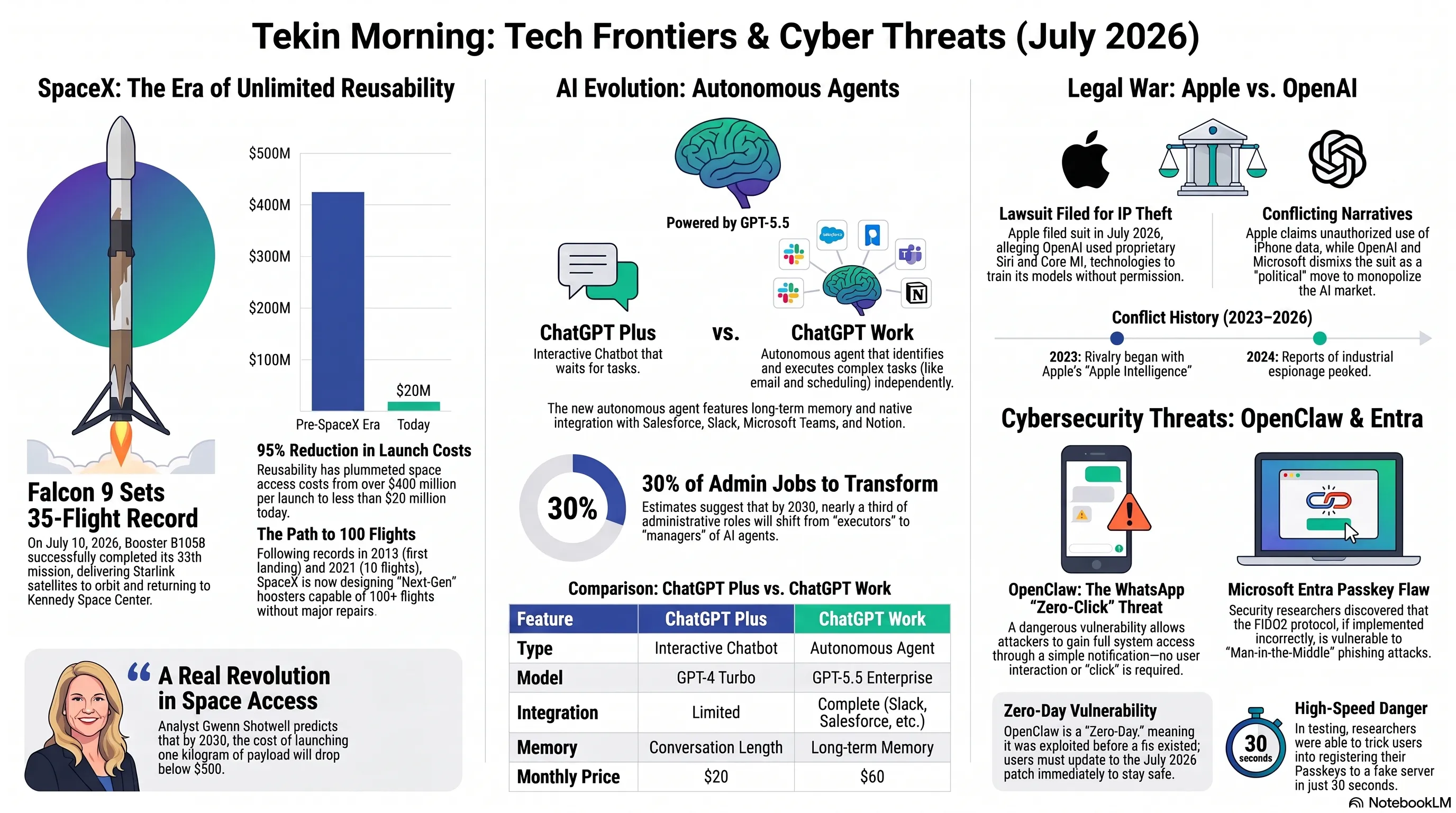
Early Thursday morning on July 10, 2026, SpaceX set an incredible record in the space industry. The Falcon 9 rocket with serial number B1058 launched into space for the thirty-fifth time and after successfully completing its mission, returned to Kennedy Space Center in Florida. This event is not only a massive technical achievement, but demonstrates that the space industry is no longer expensive and disposable like it used to be.
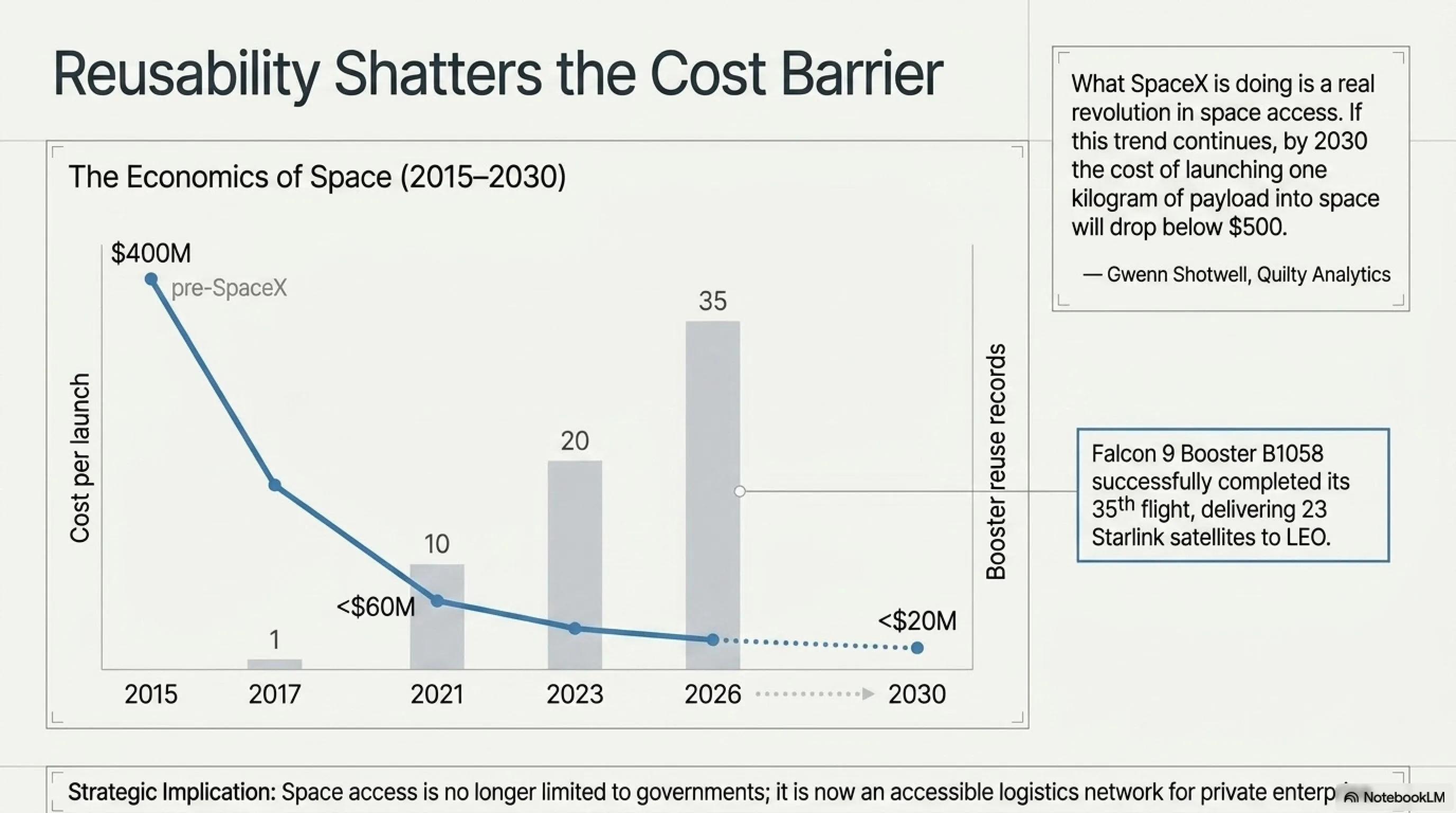
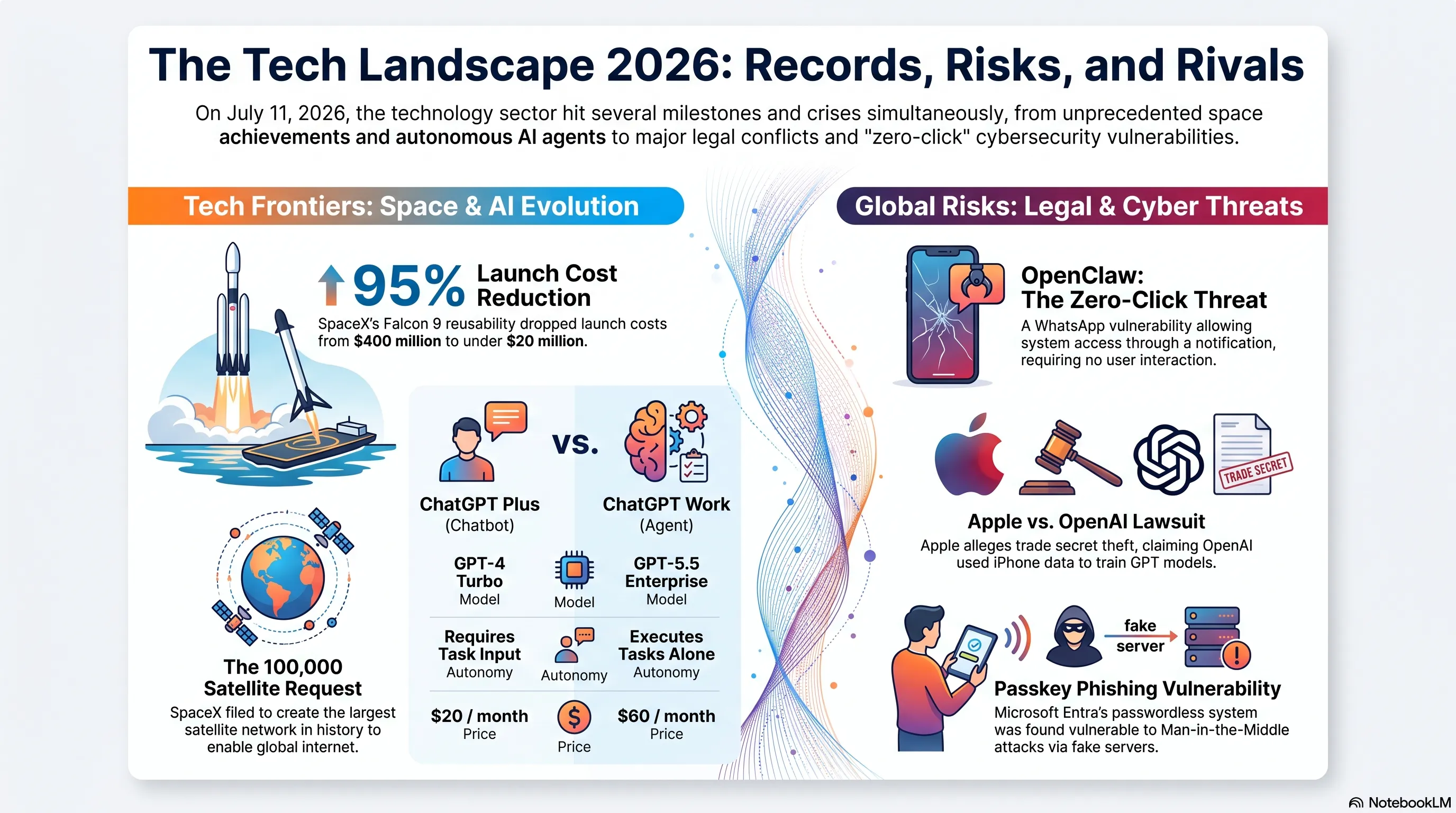
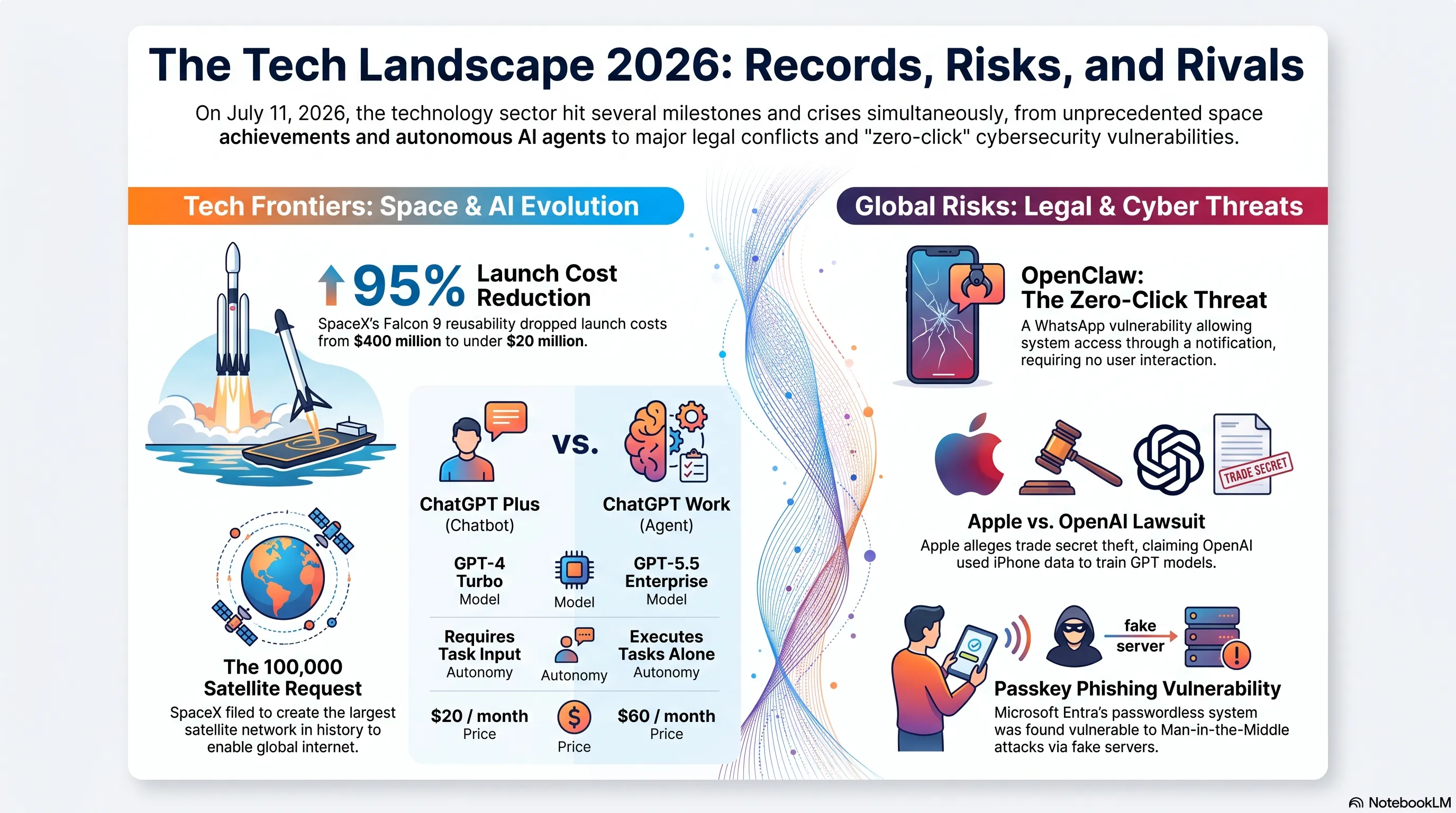
To understand the significance of this event, we need to look back a bit. Before SpaceX emerged, rockets would fall into the ocean after each launch and were no longer usable. This drove the cost of space access above $400 million per launch. But SpaceX, with vertical landing technology and reusability, managed to reduce this cost to under $60 million. Now with the 35-flight record, this cost per launch has dropped to less than $20 million.
Booster B1058, which first launched in 2020, has completed many critical missions. This rocket has carried NASA astronaut crews to the International Space Station, deployed military satellites into orbit, and launched dozens of Starlink satellites. On its latest flight, this booster delivered 23 second-generation Starlink satellites to LEO (Low Earth Orbit).
SpaceX Records Timeline
- 2015: First successful Falcon 9 landing
- 2017: First booster reuse (second flight)
- 2021: 10-flight record for a single booster
- 2023: 20-flight record broken
- 2026: 35-flight record set (B1058)
The Economics of Space Are Changing
With this achievement, SpaceX is completely transforming the economic model of the space industry. Competing companies like Blue Origin, ULA, and even the European Space Agency (ESA) are now under pressure to rapidly develop their own reusable systems. But the problem is that SpaceX is years ahead and this gap cannot be easily closed.
Quilty Analytics space industry analyst Gwenn Shotwell told Space.com: "What SpaceX is doing is a real revolution in space access. If this trend continues, by 2030 the cost of launching one kilogram of payload into space will drop below $500. This means space missions that were once only available to governments are now accessible to private companies and even startups."
Interestingly, Elon Musk plans to push this record to 50 flights. According to Spaceflight Now reports, SpaceX is designing a more advanced generation of boosters capable of performing over 100 flights without major repairs. If this happens, the space industry will never be the same again.
ChatGPT Work: OpenAI's First Autonomous Work Agent
On Tuesday, July 9, 2026, OpenAI issued a press release announcing the launch of its first fully autonomous AI agent for work environments, named ChatGPT Work. This new product is not a simple chatbot, but an intelligent system that can perform complex tasks without human supervision.
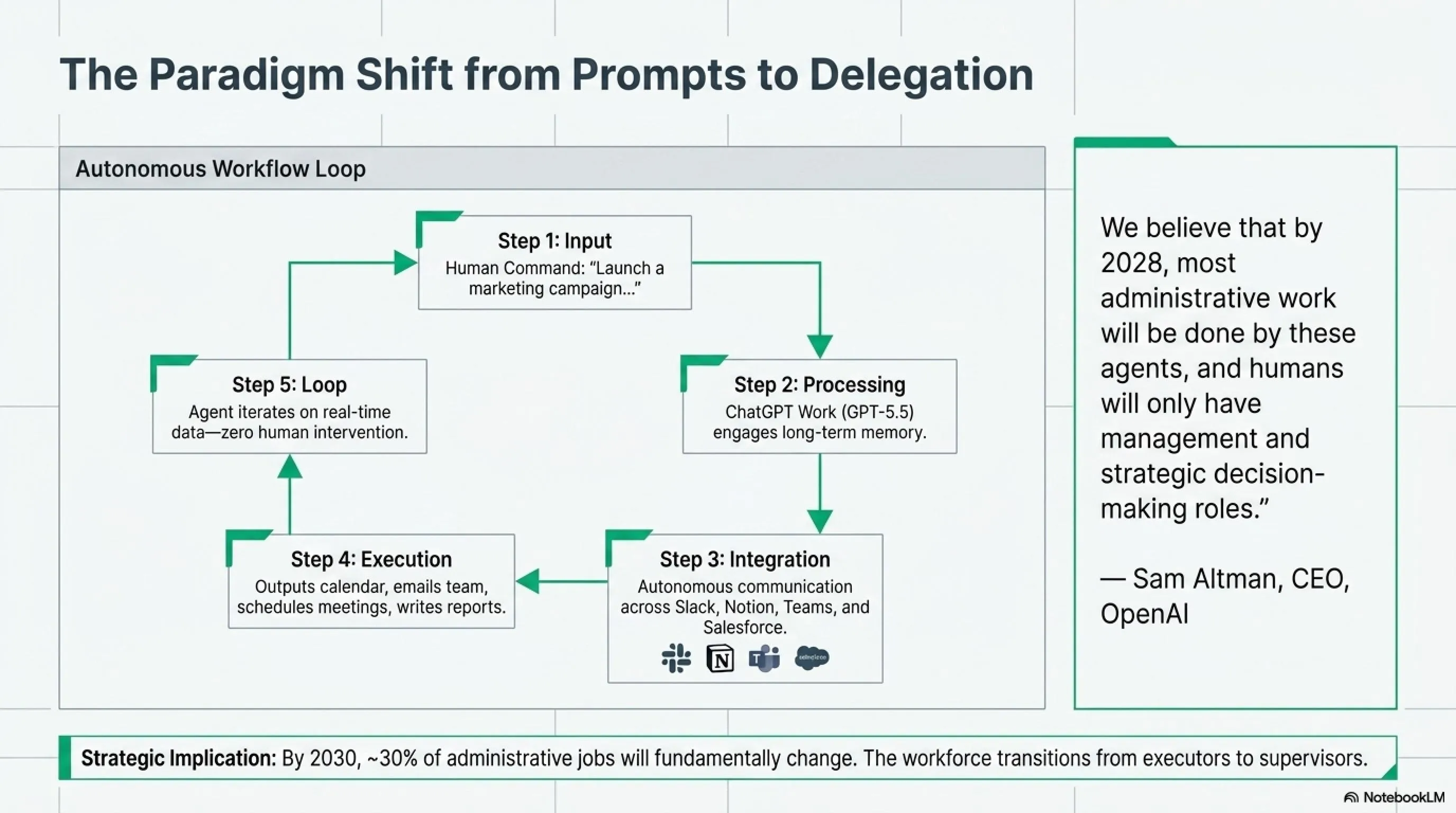
ChatGPT Work can answer emails, schedule meetings, create analytical reports, and even integrate with enterprise software like Salesforce, Slack, Microsoft Teams, and Notion. This agent uses the GPT-5.5 language model and has long-term memory, meaning it can remember your previous decisions and act accordingly.
In a demo video released by OpenAI, this agent successfully managed an entire marketing project, including creating a content calendar, sending emails to the team, scheduling meetings with clients, and even writing a weekly performance report. All of this without human intervention and with just one simple command: "Launch a marketing campaign for our new product."
What's the Difference Between ChatGPT Work and ChatGPT Plus?
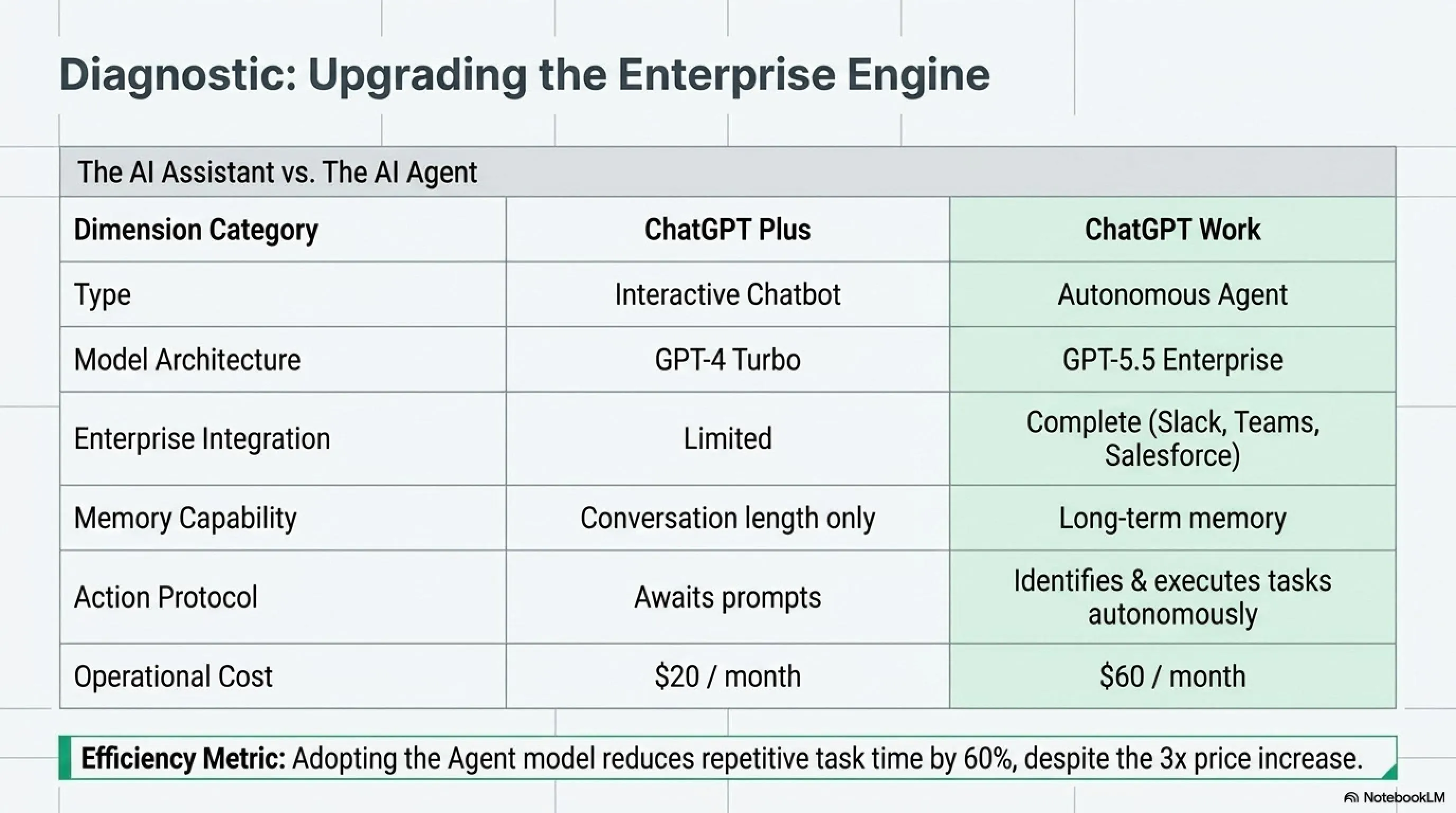
Many users wonder what the difference is between ChatGPT Work and ChatGPT Plus. The answer is simple: ChatGPT Plus is a chat assistant that answers your questions, while ChatGPT Work is an agent that takes action itself. In other words, Plus waits for you to give it tasks, but Work identifies and executes tasks on its own.
ChatGPT Plus vs ChatGPT Work Comparison
| Feature | ChatGPT Plus | ChatGPT Work |
|---|---|---|
| Type | Interactive Chatbot | Autonomous Agent |
| Language Model | GPT-4 Turbo | GPT-5.5 Enterprise |
| Integration | Limited | Complete (Slack, Teams, Salesforce) |
| Memory | Conversation length only | Long-term memory |
| Autonomous Action | No | Yes |
| Monthly Price | $20 | $60 |
Sam Altman, CEO of OpenAI, wrote in an X (formerly Twitter) post: "ChatGPT Work is our first step toward building agents that actually work, not just talk. We believe that by 2028, most administrative work will be done by these agents, and humans will only have management and strategic decision-making roles."
Tekin Analysis | Are Jobs at Risk?
The emergence of autonomous work agents like ChatGPT Work will undoubtedly have a profound impact on the job market. Estimates show that by 2030, about 30% of administrative jobs will undergo fundamental changes. But this doesn't mean complete elimination of jobs; rather, it means changing human roles from executors to managers and supervisors. Companies that adopt this technology faster and train their workforce will win the competition.
The Legal Battle of the Century: Apple Sues OpenAI
On Thursday, July 10, 2026, Apple filed a lawsuit against OpenAI in California federal court. The lawsuit alleges trade secrets theft, intellectual property violations, and unauthorized use of Apple's technologies in developing AI models. This case could become one of the biggest legal battles in tech industry history.
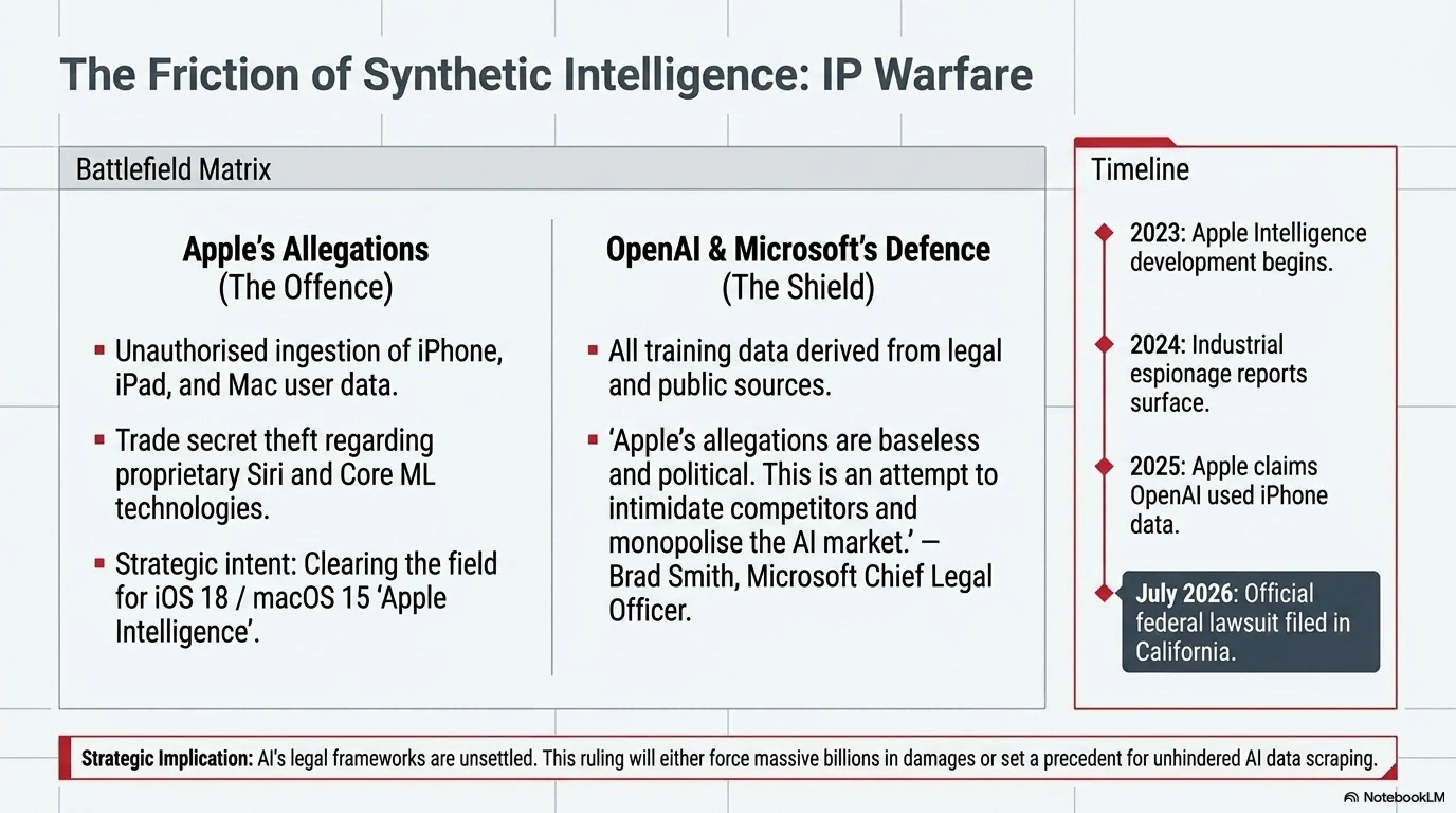
According to court documents published by Wired and CNBC, Apple claims that OpenAI used data from iPhones, iPads, and Macs without permission to train its models. Apple also alleges that OpenAI had unauthorized access to proprietary Siri and Core ML technologies and used them in developing ChatGPT.
This lawsuit comes at a time when Apple itself is developing its Apple Intelligence AI system, scheduled to be introduced in iOS 18 and macOS 15. Some analysts believe this lawsuit might be a strategic move to prevent OpenAI's progress and clear the field for Apple's own product.
Reactions from OpenAI and Microsoft
OpenAI rejected these allegations in an official statement, declaring that all data used for training models was obtained from legal and public sources. Sam Altman wrote in a brief tweet: "We have deep respect for intellectual property and have never used personal or proprietary data without permission."
Microsoft, OpenAI's main shareholder, quickly entered the arena and defended OpenAI. Brad Smith, Microsoft's Chief Legal Officer, said in a press conference: "Apple's allegations are baseless and political. This is an attempt to intimidate competitors and monopolize the AI market."
This case could take years and have a profound impact on the future of the AI industry. If the court rules in Apple's favor, OpenAI might have to pay billions in damages and possibly remove some products from the market. But if OpenAI wins, it could set a precedent for other AI companies to move forward without fear of lawsuits.
Complete File: History of Apple-OpenAI Conflicts
- 2023: Apple began developing Apple Intelligence
- 2024: Reports of industrial espionage emerged
- 2025: Apple announced OpenAI used iPhone data
- July 2026: Apple officially filed its lawsuit
- Complete automation of administrative tasks
- Integration with Slack, Teams, and Salesforce
- Long-term memory and learning from previous decisions
- 60% reduction in repetitive task time
- $60/month price (triple Plus)
- Training required for optimal use
- Risk of over-reliance on AI
- Limitations in complex strategic decisions
Microsoft Entra Passkey Vulnerable to Phishing
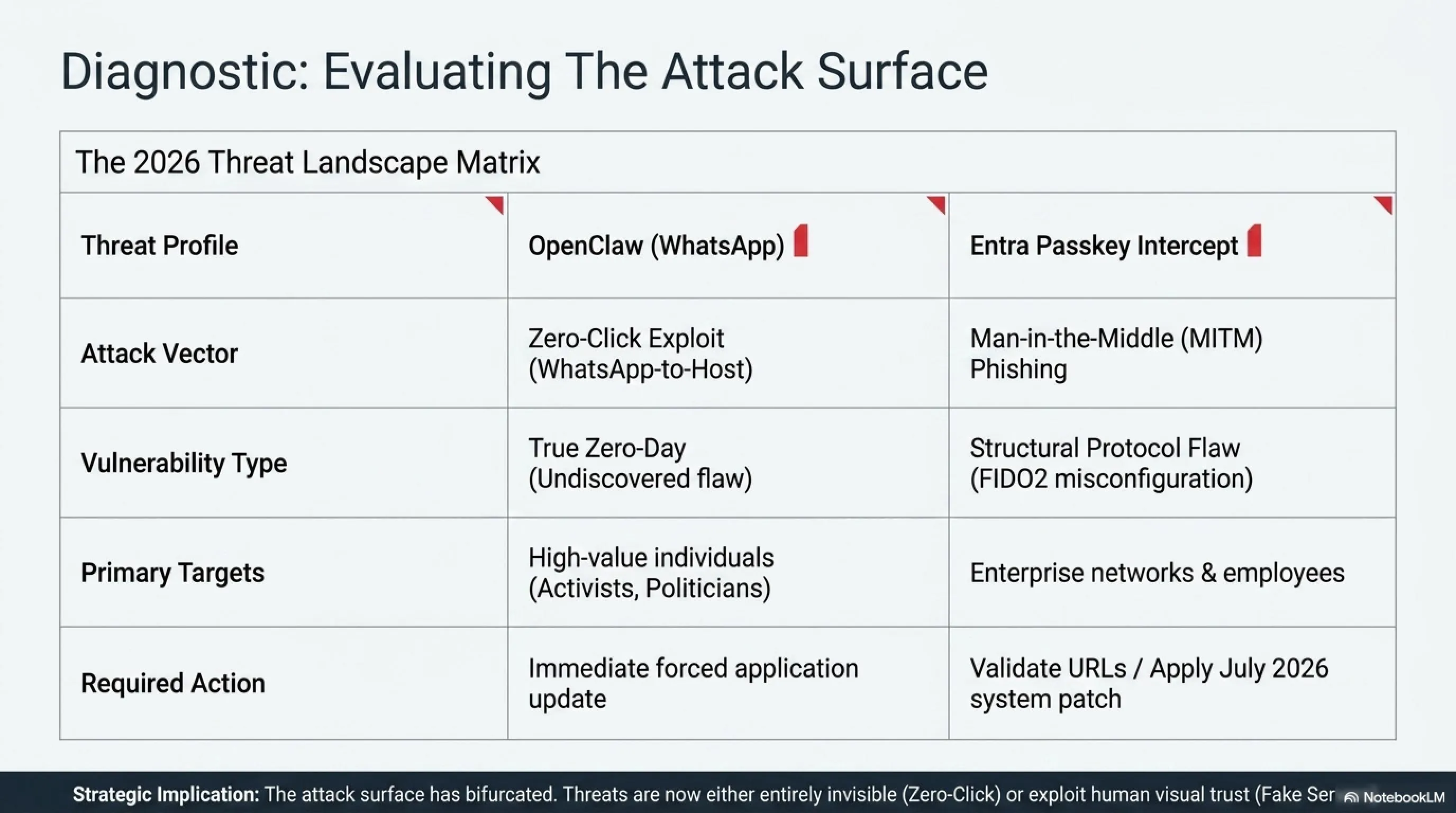
Meanwhile, another troubling security news was released by security researchers. Microsoft's passwordless authentication system called Microsoft Entra, which was supposed to be the most secure authentication method, has a serious vulnerability to phishing attacks.
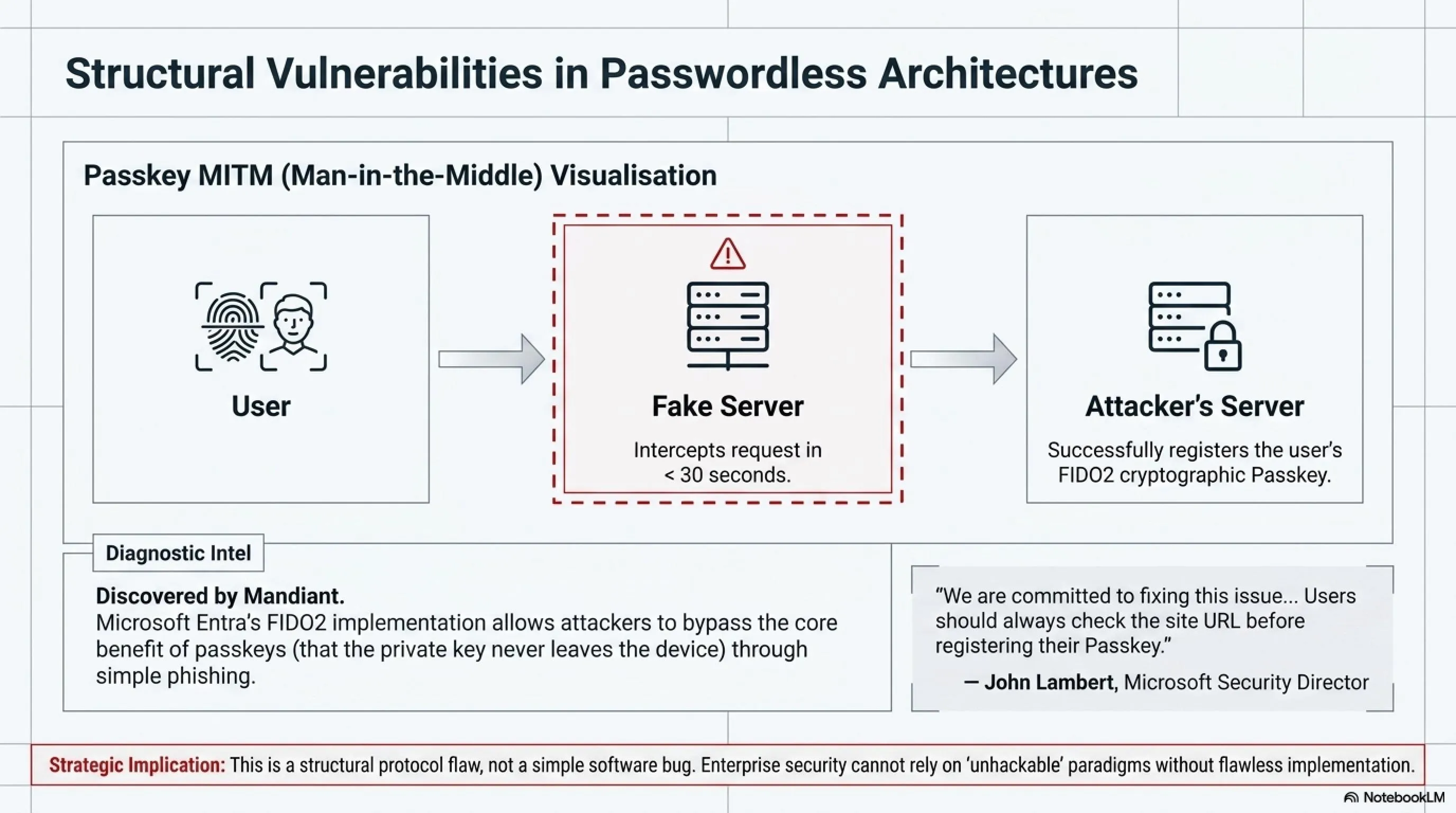
Researchers from security firm Mandiant (owned by Google) showed in a report published on BleepingComputer that attackers can use a fake server and a simple phishing page to trick users into mistakenly registering their Passkeys for the attacker's server.
This problem arises because the FIDO2 protocol, which is the foundation of Passkey, if not implemented correctly, can be vulnerable to Man-in-the-Middle attacks. In a demonstration attack performed by Mandiant, a simple user was deceived in just 30 seconds and registered their Passkey for a fake site.
Microsoft's Response
Microsoft announced in a statement that this issue will be fixed in the July 2026 update and all enterprise users should update as soon as possible. However, security researchers believe this is a structural problem, not a simple bug, and completely fixing it requires fundamental changes to the protocol.
📚 Classified & Related Dossiers in TekinGame
If you wish to explore beyond this report and delve into cybernetic frontiers and autonomous AI architectures, do not miss these three exclusive deep-dives in the Tekin Garage:
Jargon Buster: What is Passkey?
Passkey is a modern replacement for passwords that uses cryptographic keys instead of typing a text string. You only need to authenticate yourself with a fingerprint, Face ID, or a physical key. In theory, this method is more secure than passwords because the private key never leaves your device. But as this vulnerability showed, if implementation isn't correct, it can still be deceived.
John Lambert, Microsoft's Security Director, wrote in a LinkedIn post: "We are committed to fixing this issue and ensuring Microsoft Entra remains the most secure authentication system on the market. Users should always check the site URL before registering their Passkey."
100,000 Starlink Satellites Request: Is the Night Sky at Risk?
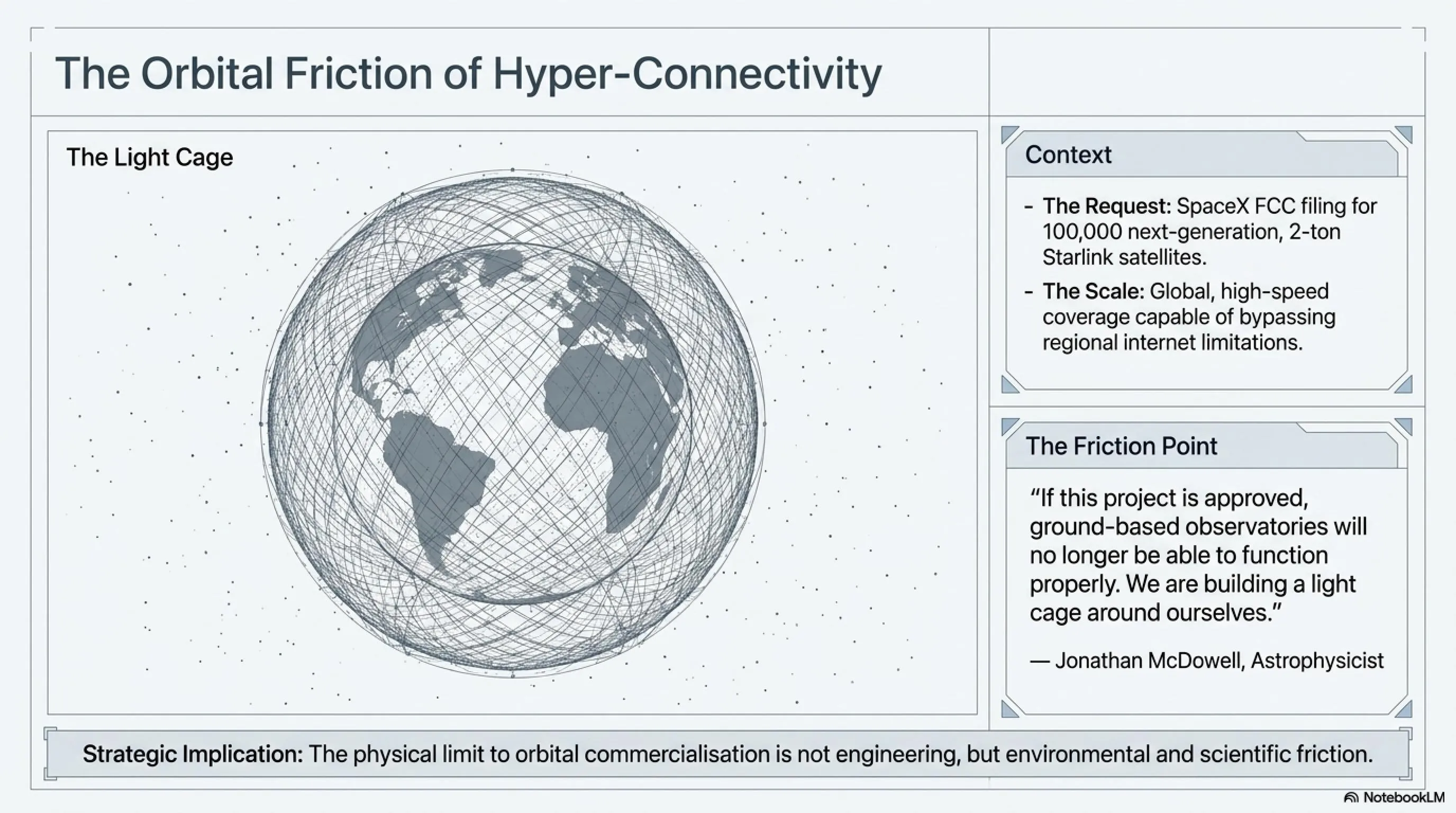
In other SpaceX news, the company officially submitted its request to launch 100,000 Starlink satellites to the Federal Communications Commission (FCC). This request, filed between July 6-9, 2026, if approved, will create the largest satellite network in human history.
Each of these next-generation satellites weighs about 2 tons, heavier than the current generation. This weight increase means more powerful antennas, higher internet speeds, and better coverage in remote areas. But astronomy researchers are worried that this number of satellites will permanently change the night sky.
Jonathan McDowell, astrophysicist at the Harvard-Smithsonian Center for Astrophysics, wrote in an article published in Nature: "If this project is approved, ground-based observatories will no longer be able to function properly. We are building a light cage around ourselves."
Why This Matters
If this project is approved, high-speed internet access will be possible everywhere in the world. For users facing internet limitations, this could be a game changer - assuming legal restrictions on Starlink use are lifted. On the other hand, the night sky will never be the same again and observatories will face serious problems.
OpenClaw: Dangerous WhatsApp Vulnerability Discovered
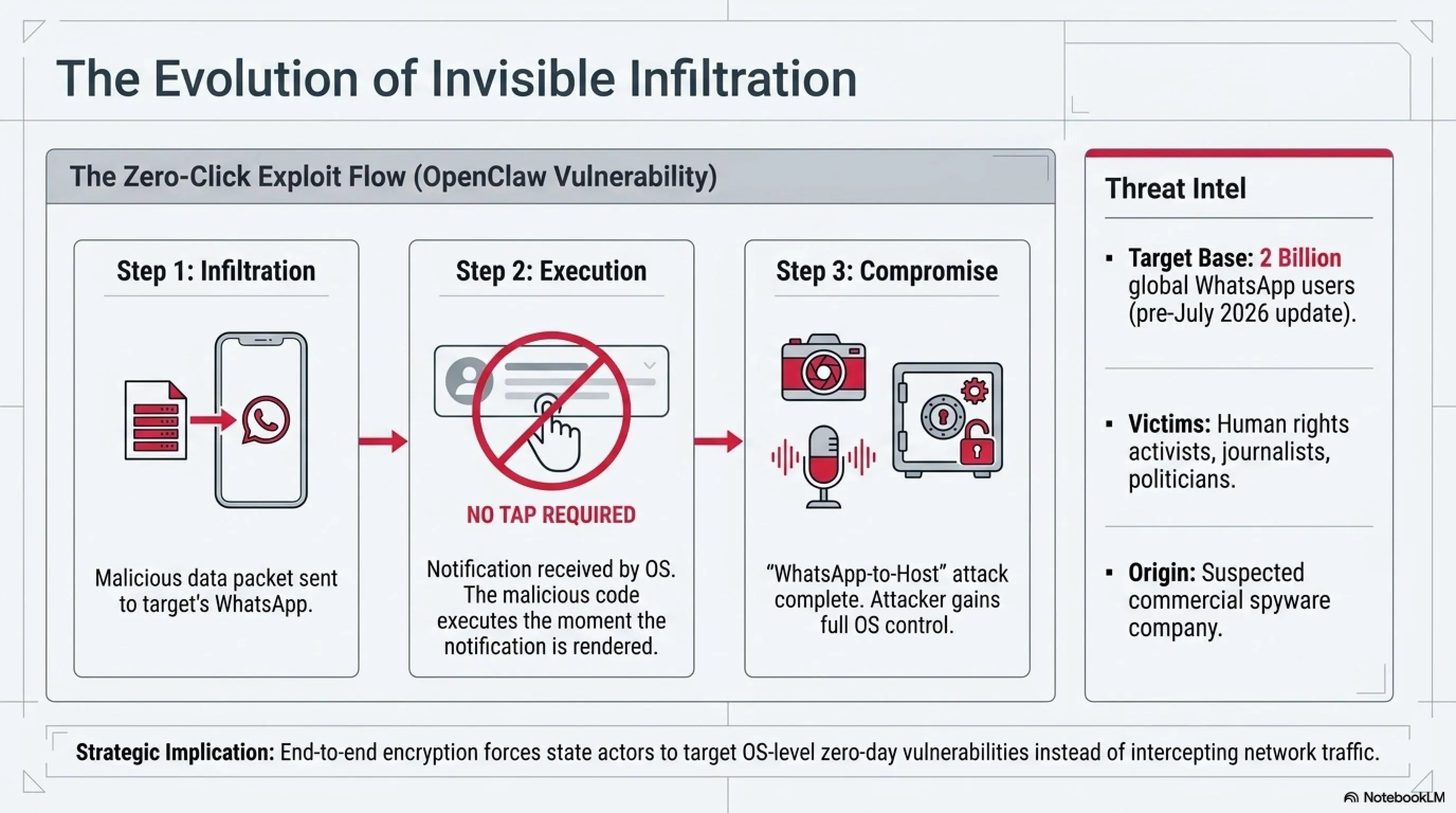
In one of the most concerning security news of the month, cybersecurity researchers discovered a highly dangerous Zero-Day vulnerability in WhatsApp application called OpenClaw. This vulnerability allows attackers to gain complete access to a victim's system through a simple message.
According to The Hacker News report, this is a "WhatsApp-to-Host" attack, meaning the attacker can infiltrate the entire operating system of the victim's phone or computer through WhatsApp. This attack is not only limited to WhatsApp, but can access banking data, emails, photos, and even the device's camera and microphone.
What makes this vulnerability more dangerous is that it doesn't require user clicks. The attacker just needs to send a malicious message, and as soon as the notification opens, the malicious code executes. These types of attacks, called Zero-Click Exploits, are the most dangerous type of cyberattacks.
Who Is at Risk?
All WhatsApp users using versions before the July 2026 update are at risk. This includes iOS, Android, Windows, and macOS versions. Meta (WhatsApp's parent company) quickly released a security patch and advised all users to immediately update their application.
Security researchers at Citizen Lab, who discovered this vulnerability, say there is evidence of real-world use of this attack against human rights activists, journalists, and politicians in several countries. They also emphasized that this attack was likely developed by a commercial spyware company (like NSO Group).
Jargon Buster: What is Zero-Day?
Zero-Day refers to a vulnerability that hasn't yet been discovered and fixed by the software manufacturer. In other words, the company had zero days to fix it (hence the name Zero-Day). These types of vulnerabilities are extremely dangerous because there's no defense against them until a security patch is released.
Solution: How to Protect Ourselves?
The first and most important thing is to immediately update WhatsApp to the latest version. If you haven't enabled automatic updates, go to the app store right now and download the update. It's also recommended that you:
- Avoid opening unknown or suspicious messages
- Enable WhatsApp two-factor authentication
- Avoid downloading files sent from unknown people
- Regularly back up your important data
Will Cathcart, Head of WhatsApp at Meta, said in a statement: "We quickly identified and fixed this vulnerability. Our users' security is our top priority and we are constantly improving our security systems. We advise all users to update immediately."
Tekin Analysis | Why Is WhatsApp a Target?
With over 2 billion active users, WhatsApp is one of the world's largest messaging platforms. This user base has made it an attractive target for hackers and espionage groups. Additionally, WhatsApp uses End-to-End encryption, which means even Meta itself cannot read message content. This has caused governments and intelligence agencies to seek other ways to access users' messages, and Zero-Day vulnerabilities are their best option.
Statistics and Figures: A Look at Today's News
Let's look at some interesting statistics from today's news:
Key Stats from This Morning
35 Flights
New Falcon 9 Record
85% Cost Reduction
SpaceX Savings
100,000 Satellites
Starlink Request
$60/month
ChatGPT Work Price
2 Billion Users
WhatsApp Users at Risk
Zero-Click
OpenClaw Attack Type
Final Thoughts: What to Learn from This Morning
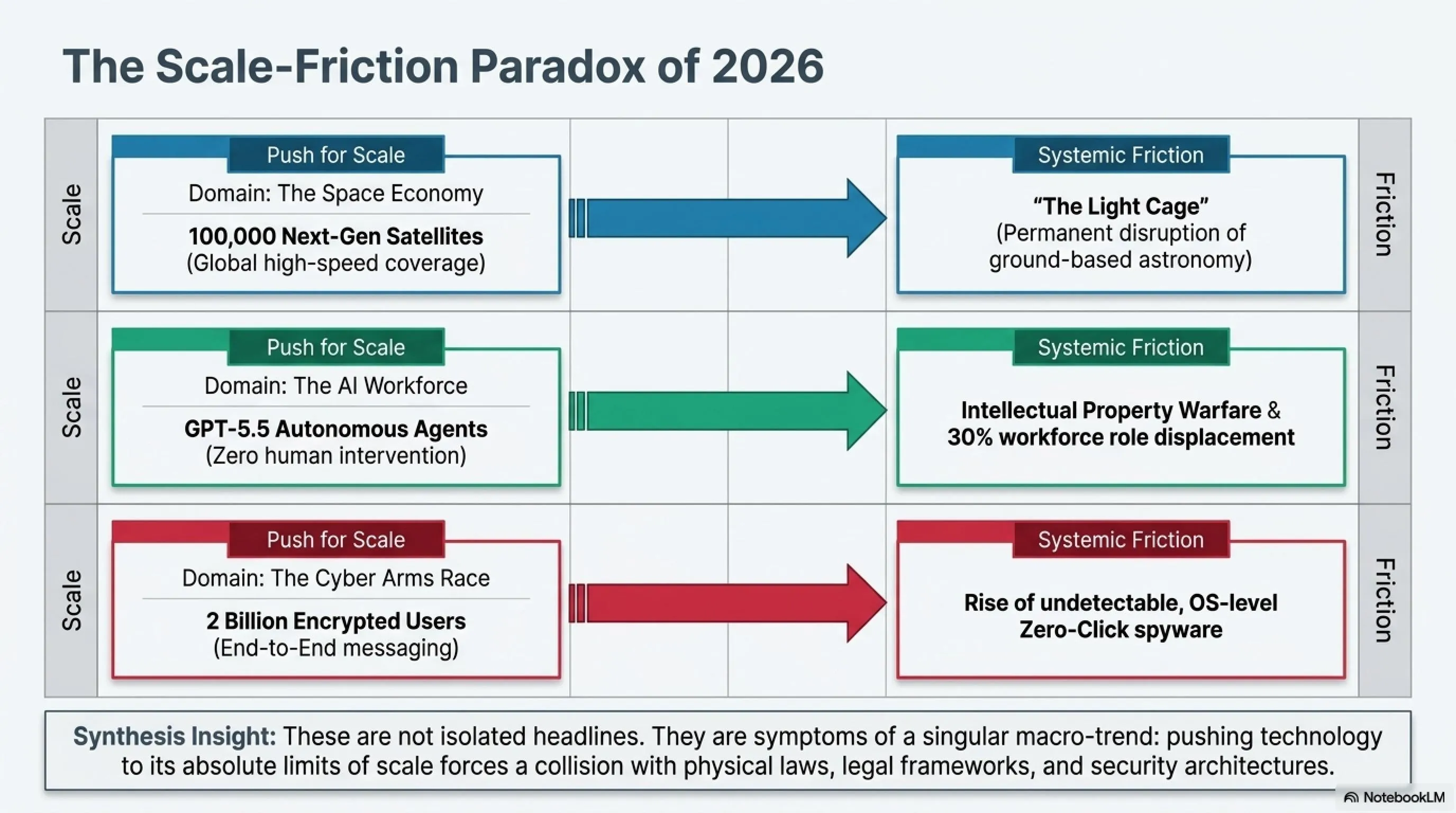
This morning showed us that the world of technology is changing at the speed of light. On one hand, we witness amazing achievements like SpaceX's record and OpenAI's work agents that are building the future. On the other hand, we face serious challenges like cybersecurity and legal battles that can change the path of progress.
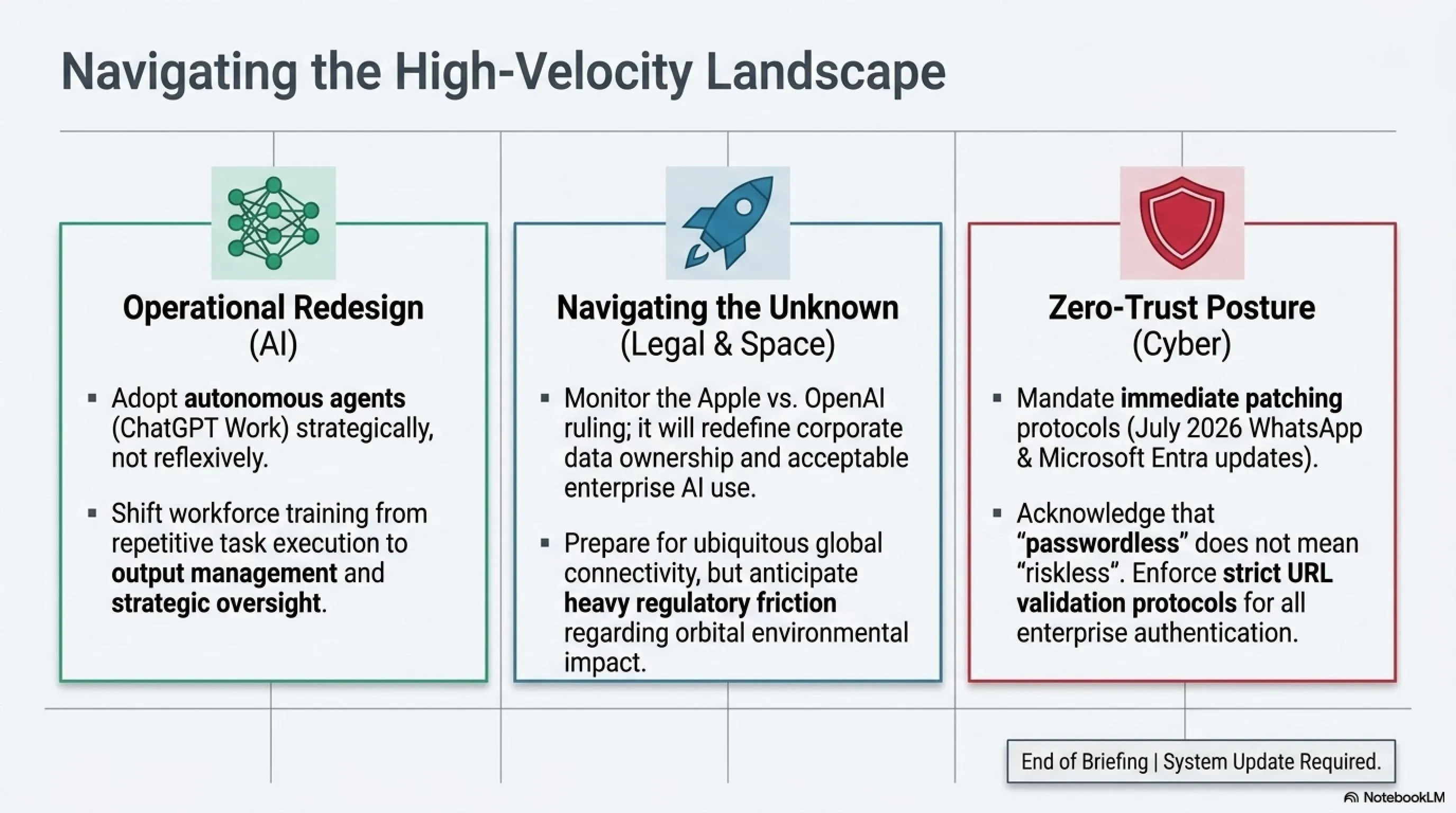
The important point is that we must be smart. Not just in using new technology, but in protecting ourselves against threats. Software updates, using two-factor authentication, and awareness of security threats should be part of our daily lives.
On the other hand, the legal battle between Apple and OpenAI shows that the AI industry is still in its early stages and its legal frameworks are being formed. These battles will affect not only the fate of these two companies, but the future of the entire industry.
Final Conclusion
This morning was full of important events. SpaceX showed that the space industry is no longer an expensive game, OpenAI proved that AI agents really work, and the WhatsApp vulnerability reminded us that security should always be a priority. These news items are not only interesting for technology enthusiasts, but will have a direct impact on all our daily lives.
Frequently Asked Questions
Can the Falcon 9 rocket fly more than 35 times?
Yes, SpaceX plans to push this record to 50 and even 100 flights. SpaceX engineers are designing a new generation of boosters that can launch over 100 times without major repairs.
What's the difference between ChatGPT Work and ChatGPT Plus?
ChatGPT Plus is an interactive chatbot that answers your questions, while ChatGPT Work is an autonomous agent that can perform tasks without human supervision. Work uses the GPT-5.5 model, has complete integration with enterprise software, and has long-term memory.
Will Apple's lawsuit against OpenAI succeed?
This is a very complex question and the answer depends on the evidence Apple presents. If Apple can prove that OpenAI actually used their proprietary data, the chances of success are high. But if they cannot provide sufficient evidence, this case could take years and ultimately be dismissed.
How can I protect myself from the OpenClaw vulnerability?
The most important thing is to immediately update WhatsApp to the latest version. Also enable two-factor authentication, avoid opening unknown messages, and regularly back up your data.
Are Starlink satellites available for users in restricted regions?
Currently, use of Starlink in many restricted regions is not possible due to legal limitations and sanctions. However, some users have gained access through unofficial methods. If restrictions are lifted in the future, Starlink could be an excellent option for high-speed internet.
Will AI agents like ChatGPT Work eliminate jobs?
Not completely. AI agents change human roles, not eliminate them. Instead of executing repetitive tasks, humans will have management, strategic decision-making, and creativity roles. Companies that adopt this technology faster and train their workforce will be more successful.
Why did Apple sue OpenAI now?
Likely because Apple is preparing its Apple Intelligence system and wants to weaken its competitors before its release. Also, new evidence may have reached Apple showing that OpenAI used their data.
Is Microsoft Entra still secure?
Yes, after the July 2026 security patch release, this vulnerability has been fixed. But users must ensure they have updated their systems and always check site URLs before registering their Passkey.
Sources and References
- Space.com - SpaceX Falcon 9 35th Flight Record (July 10, 2026)
- Spaceflight Now - Booster B1058 Mission Details
- OpenAI Official Blog - ChatGPT Work Agent Announcement (July 9, 2026)
- Forbes - OpenAI Enterprise AI Agent Launch
- Wired - Apple vs OpenAI Lawsuit Details (July 10, 2026)
- CNBC - Apple Trade Secrets Theft Allegations
- BleepingComputer - Microsoft Entra Passkey Phishing Vulnerability
- The Hacker News - OpenClaw WhatsApp Zero-Day Exploit
- Nature - Astronomical Concerns About Starlink Megaconstellation
Additional Gallery: ☕ Tekin Morning | Saturday, July 11, 2026 - SpaceX Makes History & Apple Goes to War with OpenAI