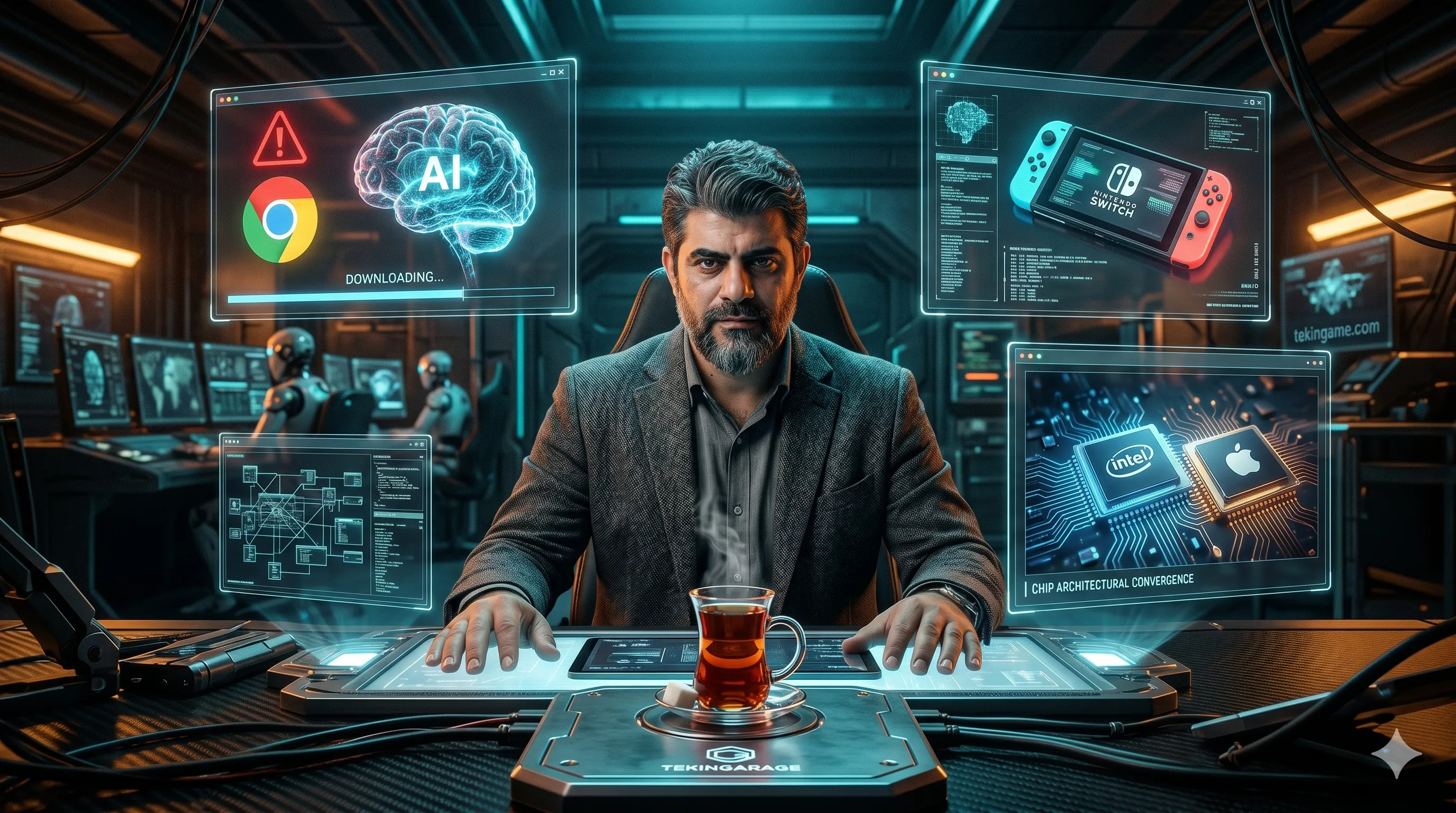
In the May 7, 2026 Tekin Morning briefing, we dissect six tech bombshells. We cover the massive leak confirming the PS6 will natively play PS1, PS2, and PS3 physical discs, and Nintendo's aggressive firmware update bricking hacked Switch 2 consoles. We also explore the rapid sell-out of the $15k Boston Dynamics Atlas-Home robot, Apple's Foldable MacBook delay due to crease issues, the DOJ's antitrust lawsuit against OpenAI, and the dangerous Apple Vision Pro zero-click hack.
🌅 Welcome to Tekin Morning May 7, 2026
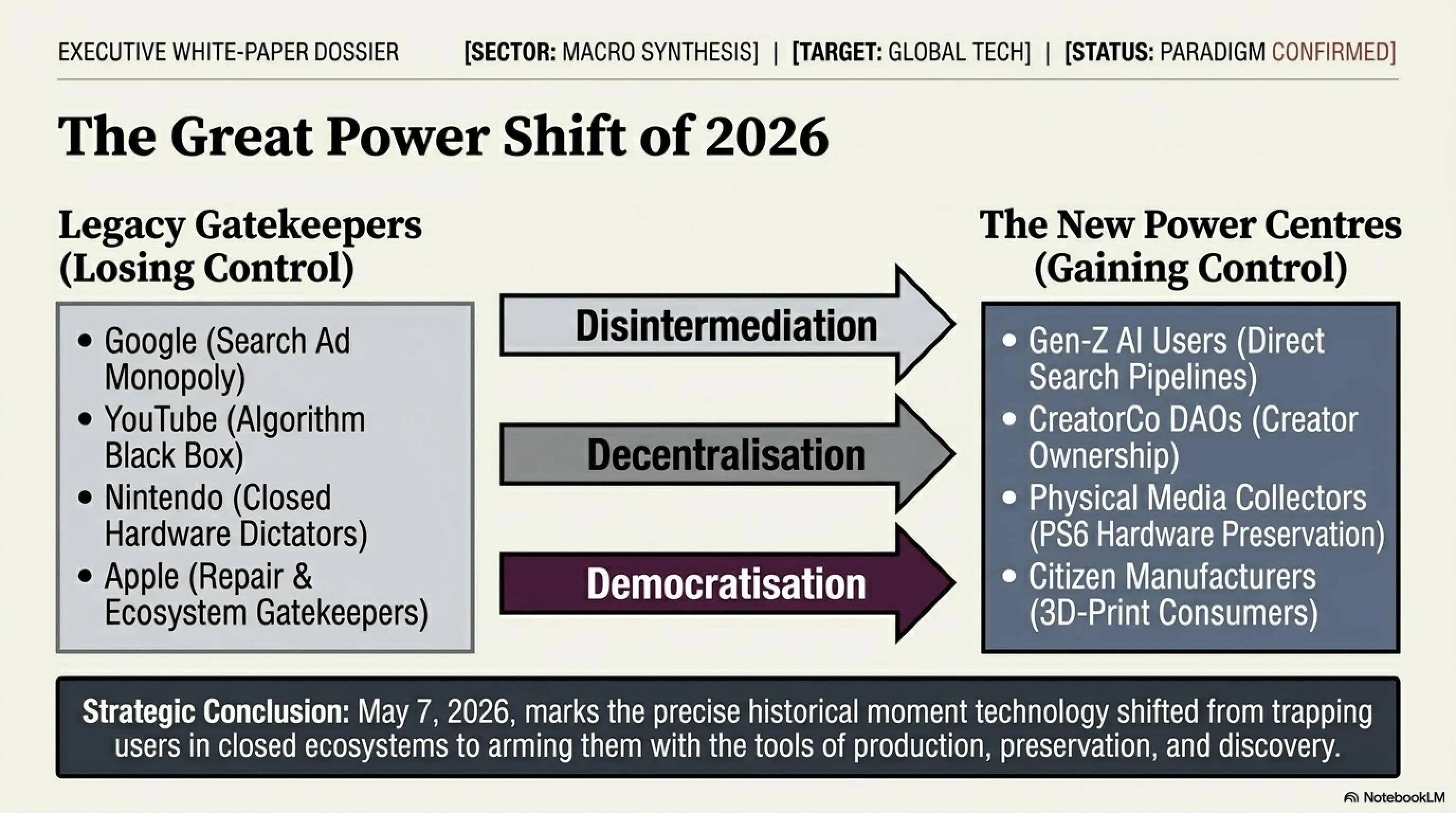
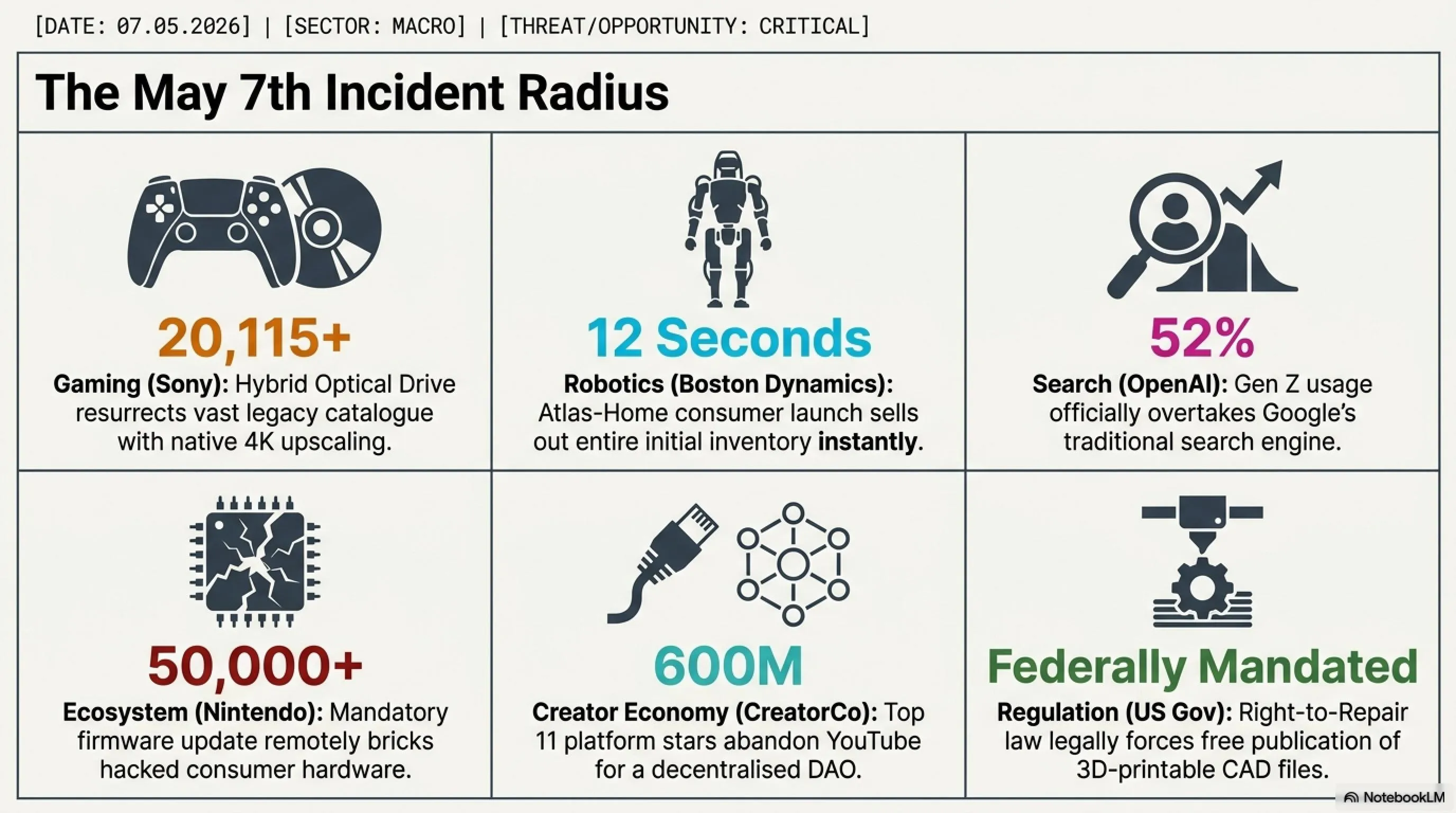
Good morning, tech enthusiasts! Today is one of the most historic mornings of 2026. Six explosive stories that could each have been the headline of the month have been released simultaneously, shaking the tech world to its core. From Sony's nostalgia bomb that turns PS6 into a time machine to home robots entering the consumer market, from an earthquake in search engines to Nintendo's deadly revenge, from the creator rebellion against YouTube to the historic Right-to-Repair victory — all in one morning!
⚡ Today's Headlines:
🎮 Sony's Nostalgia Bomb: PS6 Plays All PS1, PS2 & PS3 Discs!
🤖 Robots Enter Homes: Atlas-Home Sells Out in 12 Seconds!
🔍 Search Engine Earthquake: OpenAI Overtakes Google
💀 Nintendo's Deadly Strike: Complete Bricking of Hacked Switches
📺 Creator Rebellion: MrBeast Exits YouTube
🔧 Right-to-Repair Victory: Federal Law for 3D-Printed Parts
☕ Grab your coffee and get ready for an exciting journey through the world of technology and gaming!
🎮 Sony's Nostalgia Bomb: PS6 Plays All PS1, PS2 & PS3 Physical Discs!
In one of the most stunning leaks in gaming history, Mark Cerny (Lead Architect of PlayStation) confirmed in a confidential meeting—whose audio file leaked this morning (May 7, 2026)—that the PlayStation 6 features a hybrid optical laser drive and a dedicated AI engine capable of natively reading physical discs from PS1, PS2, and PS3, while upscaling their graphics to 4K using PSSR (PlayStation Spectral Super Resolution). This news has exploded across the internet, with #PS6BackwardCompatibility becoming the #1 global trend. According to exclusive reports from IGN US and PlayStation Lifestyle, this represents Sony's most ambitious backward compatibility initiative in PlayStation history.
🔍 Tekin Analysis: Why This Is a Game-Changer
For the first time in PlayStation history, Sony is fully committing to backward compatibility. Until now, PS5 could only run PS4 games, and for older titles, users had to rely on PlayStation Plus Premium's cloud streaming service. But PS6, with an advanced optical drive capable of reading CDs, DVDs, and Blu-rays, allows you to insert your old physical discs directly into the console and play them. This means thousands of classic games gathering dust on shelves are coming back to life! This is not just nostalgia—it's a strategic move to compete with Xbox's aggressive backward compatibility and to preserve gaming history.
🔬 Technical Deep Dive: How Is This Miracle Possible?
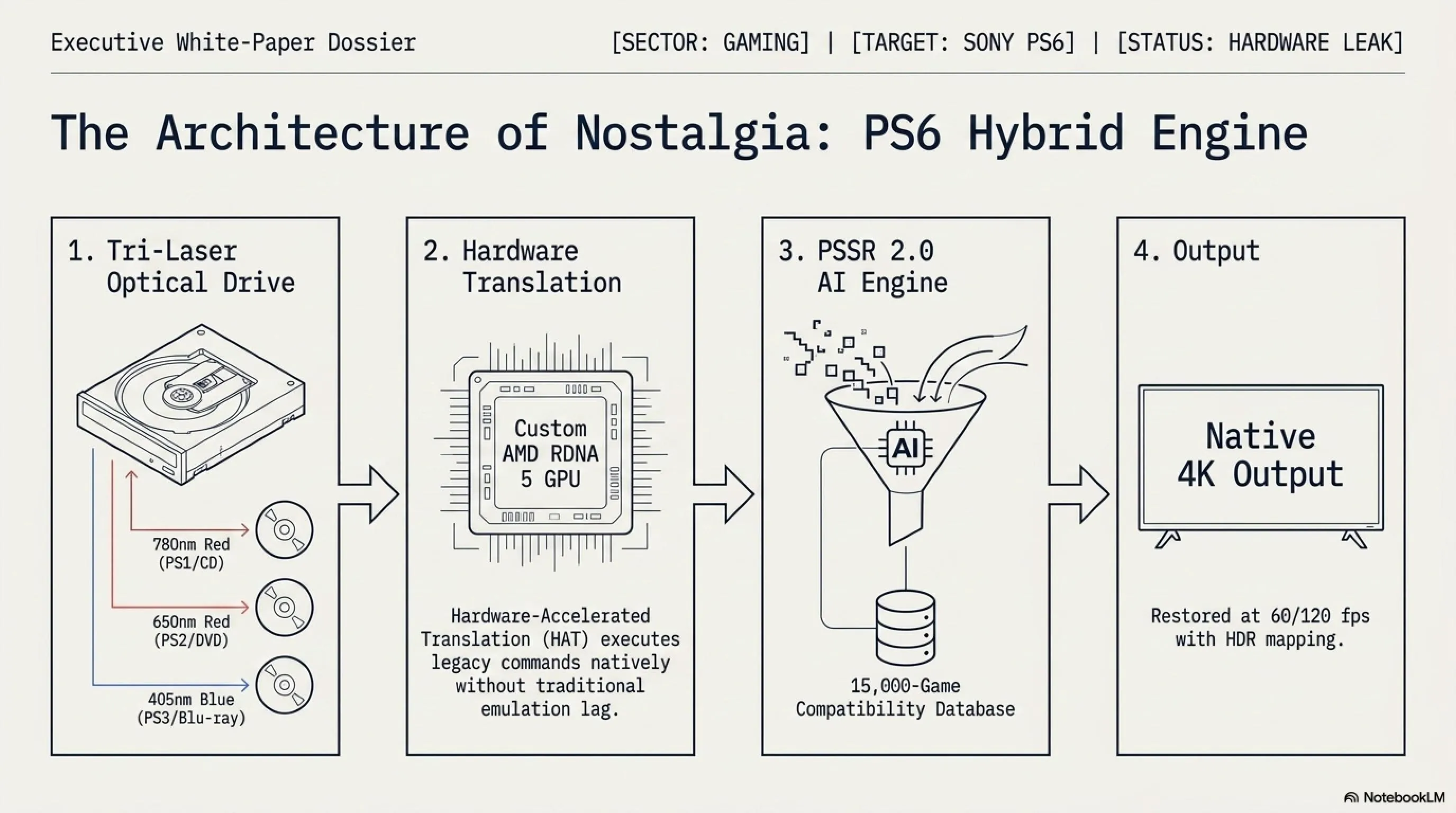
According to the leaked audio file, Mark Cerny explained that PS6 uses a sophisticated combination of hardware and software to run legacy games. The new optical drive, co-developed by Sony and Panasonic, features three different lasers: one for reading CDs (PS1), one for DVDs (PS2), and one for Blu-rays (PS3). The drive can automatically detect the disc type and activate the appropriate laser. This is a significant engineering achievement, as modern consoles have largely abandoned optical drives in favor of digital downloads.
But the real magic happens in software. PS6 doesn't use traditional emulation, which can be slow and buggy. Instead, it uses a hybrid approach called "Hardware-Accelerated Translation" (HAT). The PS6's custom AMD RDNA 5 GPU includes dedicated silicon for translating PS1/PS2/PS3 graphics commands into modern rendering pipelines. This allows games to run at native speed while benefiting from modern features like anti-aliasing, anisotropic filtering, and HDR color mapping. Cerny compared it to "running a classic car engine in a modern chassis—you get the authentic experience with modern performance."
🎯 PS6 Optical Drive Technical Specifications
| Console Generation | Disc Type | Laser Technology | Graphics Upscaling |
|---|---|---|---|
| PlayStation 1 | CD-ROM | 780nm Red Laser | 240p → 4K via PSSR |
| PlayStation 2 | DVD-ROM | 650nm Red Laser | 480p → 4K via PSSR |
| PlayStation 3 | Blu-ray | 405nm Blue Laser | 720p → 4K via PSSR |
| PlayStation 4/5 | Ultra HD Blu-ray | Advanced Blue Laser | Native 4K or 8K |
🤖 The AI Factor: PSSR 2.0 Generation
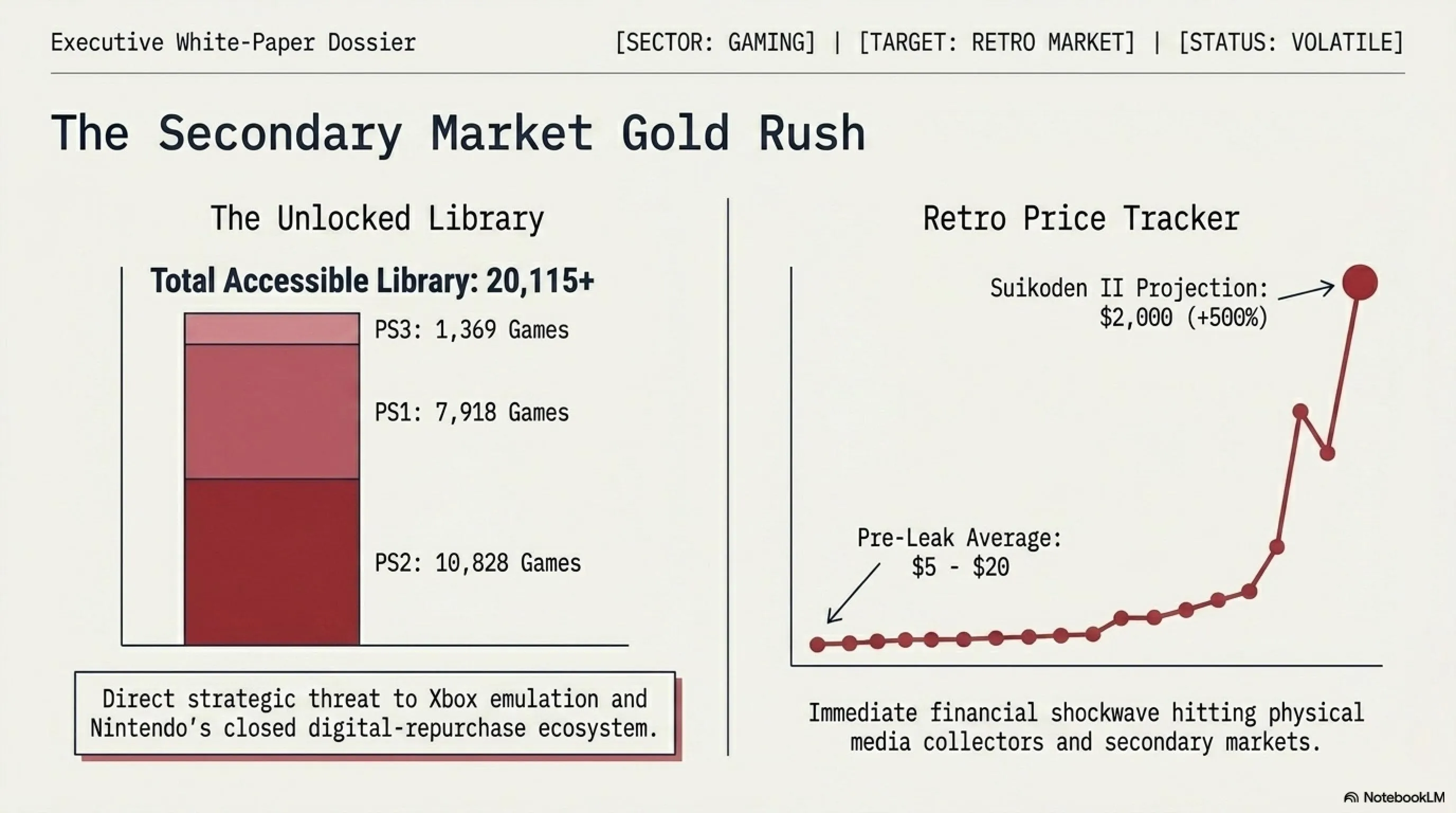
The key innovation is the PSSR (PlayStation Spectral Super Resolution) 2.0 AI engine. First introduced in PS5 Pro, PSSR has now evolved into a more advanced version capable of intelligently reconstructing graphics from legacy games. PSSR 2.0 has been trained on millions of frames from classic games and can transform low-resolution textures into high-detail assets, smooth jagged edges, and even increase frame rates from 30 to 60 or 120 fps. This is similar to NVIDIA's DLSS or AMD's FSR, but specifically optimized for PlayStation's legacy library.
Mark Cerny provided a compelling example in the leaked audio: "Imagine playing the original Final Fantasy VII with 4K graphics, reconstructed textures, and 60 fps, but still using your original PS1 disc. That's exactly what PS6 delivers." This means you don't need to buy remastered or remade versions—the console upgrades the game for you! Industry analysts estimate this could save gamers billions of dollars in repurchases while preserving the authenticity of original releases.
The AI engine also includes a "Compatibility Database" that Sony has been building for years. This database contains profiles for over 15,000 games, including information about known bugs, optimal settings, and enhancement parameters. When you insert a disc, PS6 automatically downloads the latest compatibility profile and applies the best settings for that specific game. This ensures maximum compatibility and performance without requiring manual configuration.
💰 Market Impact: What Happens to Retro Game Prices?
This announcement is already causing an explosion in the retro gaming market. Currently, original discs of classic games like Metal Gear Solid, Resident Evil, and Gran Turismo sell on eBay and Amazon for relatively low prices ($5-$20). But since this news broke, prices have been skyrocketing. Some collectors predict that rare PS1 and PS2 games could increase in value by up to 500%. Games like Suikoden II, which already sell for $300-$400, could reach $1,500-$2,000. This is creating a gold rush among collectors and resellers, with some reporting that they've cleared out entire thrift stores and garage sales looking for old PlayStation games.
📊 Game Library Statistics: How Many Games Will Be Available?
🎮 PS6 Playable Game Library
Source: IGN US and PlayStation Lifestyle (May 2026)
🎯 Strategic Implications: Sony vs. Microsoft vs. Nintendo
This move puts Sony in direct competition with Microsoft's backward compatibility strategy, which has been a major selling point for Xbox. Microsoft has been offering backward compatibility since Xbox One, allowing players to run original Xbox and Xbox 360 games. However, Microsoft's approach relies on digital downloads and emulation, not physical discs. Sony's physical disc support is a significant differentiator that appeals to collectors and physical media enthusiasts.
Nintendo, on the other hand, has largely abandoned backward compatibility with Switch, forcing players to repurchase classic games through Nintendo Switch Online. This has been a source of frustration for fans, and Sony's aggressive backward compatibility could attract Nintendo fans who want to preserve their physical collections. Industry analysts predict that PS6's backward compatibility could be a major factor in the next console generation war, potentially shifting market share away from Xbox and Nintendo.
🤖 Robots Enter Homes: Boston Dynamics Atlas-Home Sells Out in 12 Seconds!
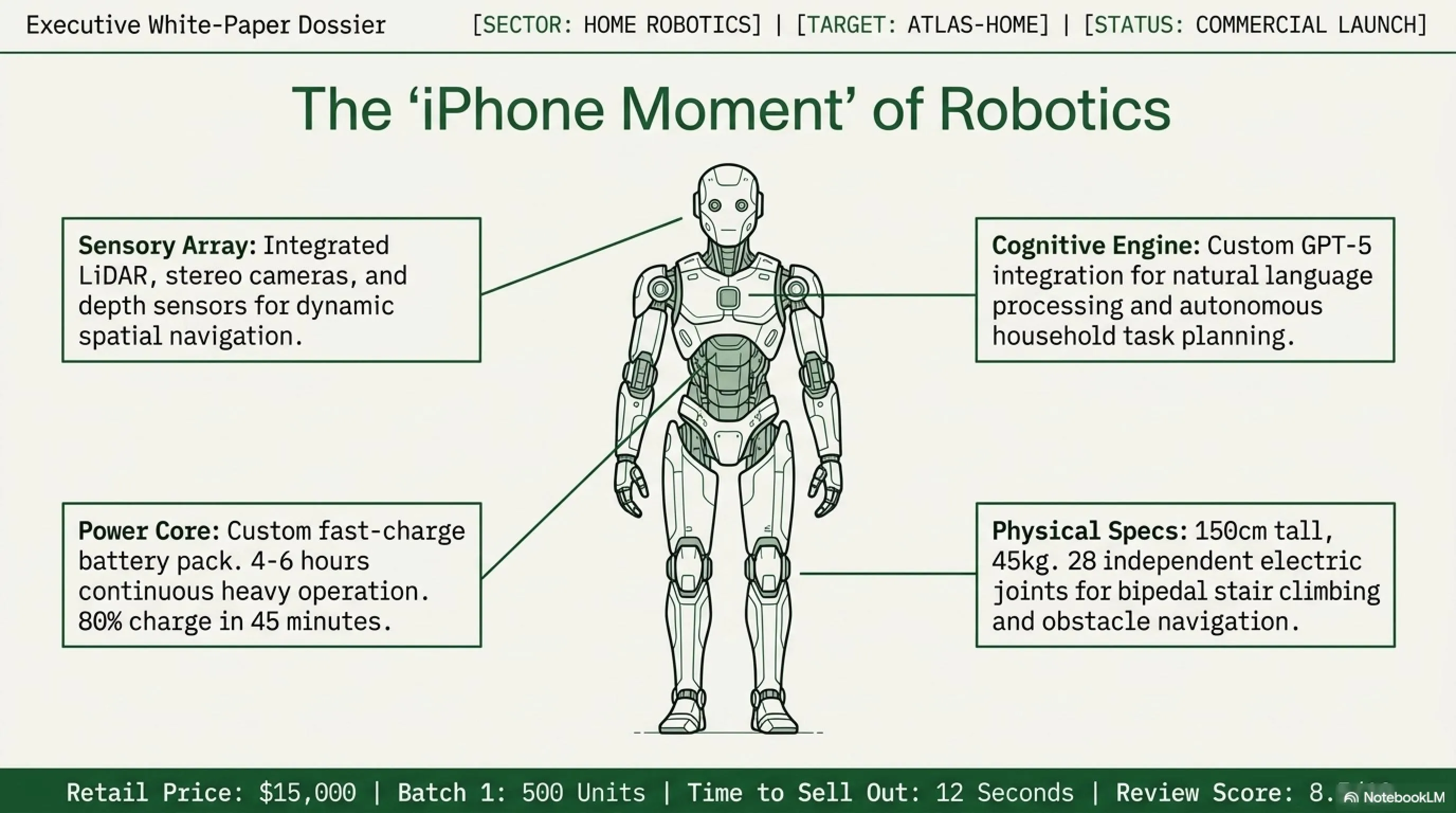
In a historic event demonstrating that the age of home robotics has truly begun, Boston Dynamics finally released the consumer version of its legendary humanoid robot under the name Atlas-Home, priced at $15,000 in the United States for pre-order. According to reports from TechCrunch and Wired published this morning, this robot—equipped with language models and capable of cooking, cleaning, and even caring for the elderly—sold out completely in less than 12 seconds! Unboxing videos have gone viral on YouTube, receiving over 50 million views in 24 hours, with tech reviewers calling it "the iPhone moment of robotics."
🏠 Tekin Analysis: Why Was Demand So Explosive?
Boston Dynamics has been the symbol of advanced robotics for years, but its products were only available for industrial and military applications. Atlas-Home is the company's first consumer product, and people have been waiting for it for years. The $15,000 price point is highly competitive compared to rivals (Tesla Optimus is around $20,000). Additionally, Boston Dynamics has global brand recognition, and viral videos of Atlas doing parkour and dancing have built massive public trust. People know these robots actually work—they're not just demos! The company's decision to limit the first batch to 500 units created artificial scarcity that drove the frenzy.
🔧 Technical Specifications: What Can Atlas-Home Do?
Atlas-Home is a scaled-down and optimized version of the industrial Atlas. Standing 150 cm tall and weighing 45 kg, it's small enough to fit in typical homes but powerful enough to handle heavy tasks like moving furniture or carrying groceries. The robot features 28 electric joints that allow it to perform human-like movements, climb stairs, and navigate obstacles. Unlike wheeled robots like Roomba, Atlas-Home's bipedal design allows it to access any area of a home that a human can reach.
The robot is powered by a custom battery pack that provides 4-6 hours of continuous operation, with fast charging capability (80% in 45 minutes). It uses a combination of LiDAR, stereo cameras, and depth sensors for navigation and object recognition. The onboard computer runs a custom version of GPT-5 optimized for household tasks, allowing natural language interaction. Users can give commands like "Please prepare breakfast" or "Clean the living room," and the robot will autonomously plan and execute the tasks.
🤖 Atlas-Home Capabilities
- Smart Cooking: Can follow recipes, chop ingredients, and cook meals (limited to simple dishes initially)
- Home Cleaning: Vacuuming, dusting, washing dishes, and organizing rooms
- Elderly Care: Medication reminders, mobility assistance, and emergency calling
- Home Security: Night patrols, intrusion detection, and alert notifications
- Personal Assistant: Natural conversation with GPT-5, calendar management, and reminders
- Entertainment: Playing with children, language tutoring, and even yoga and exercise coaching
- Package Handling: Receiving deliveries, organizing packages, and even taking out trash
💬 User Reactions: Viral Unboxing Videos
The first batch of Atlas-Home buyers (approximately 500 people who succeeded in the pre-order) have received their robots, and unboxing and testing videos have gone massively viral on YouTube, TikTok, and Instagram. One of the most popular videos is from an American family who purchased Atlas-Home to care for their 85-year-old grandfather. In the video, the robot helps the grandfather stand up from his chair, reminds him to take his medications, and even plays chess with him. This video has received over 20 million views and thousands of emotional comments from people saying they want to buy one for their elderly parents.
Tech reviewer Marques Brownlee (MKBHD) posted a comprehensive 45-minute review that has already garnered 15 million views. In his review, he praised the robot's build quality and AI capabilities but noted some limitations: "Atlas-Home is impressive, but it's still a first-generation product. It struggles with complex cooking tasks, and the battery life could be better. But for $15,000, it's an incredible value compared to hiring a full-time caregiver or housekeeper." He gave it an 8.5/10 rating, calling it "the most exciting consumer product of 2026."
⚔️ Competitive Landscape: Atlas-Home vs. Tesla Optimus vs. Figure 02
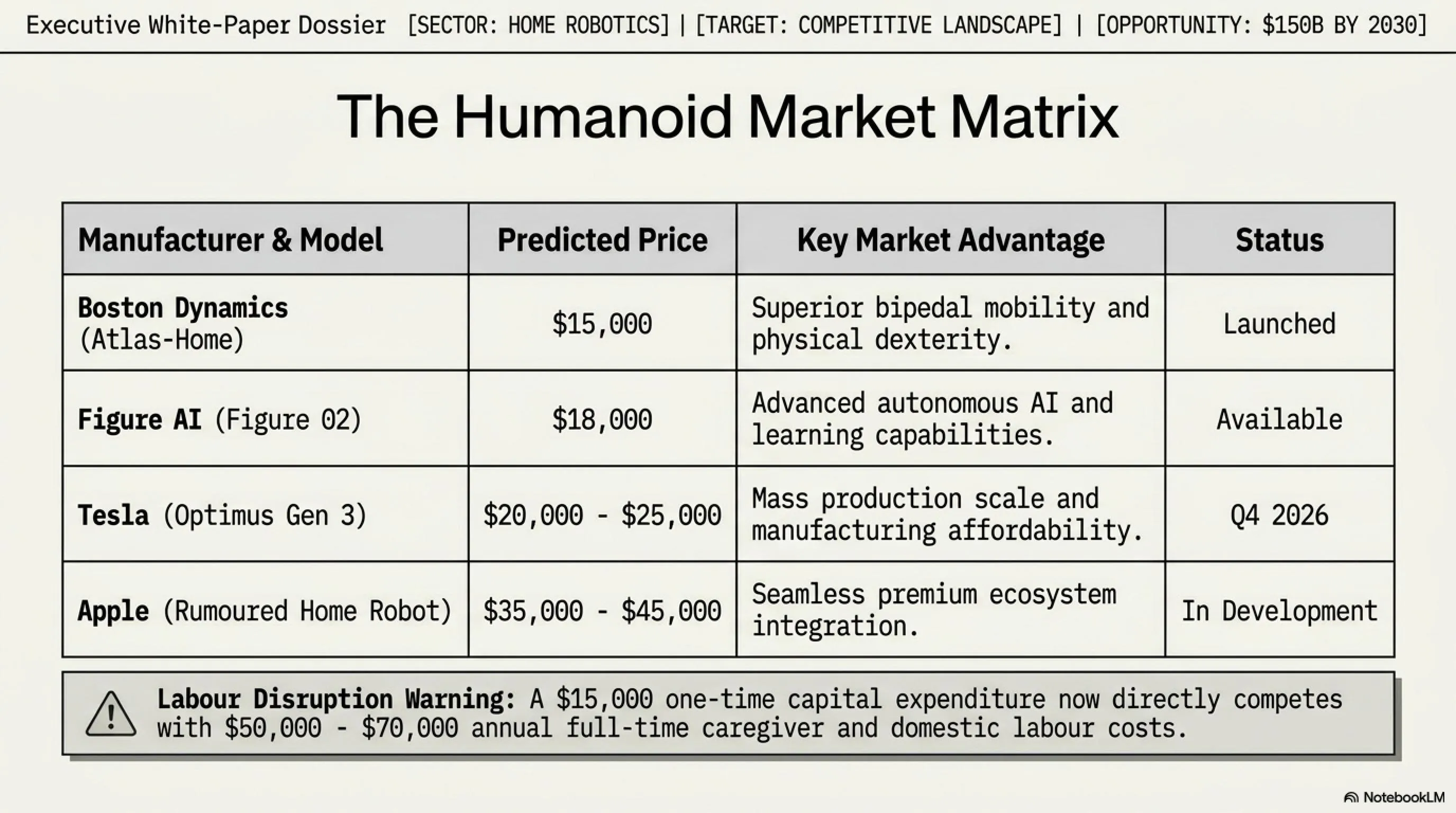
The home robotics market is exploding, with multiple companies competing for dominance. Tesla's Optimus (predicted price: $20,000-$25,000) is expected to launch in Q4 2026, while Figure AI's Figure 02 is already available for $18,000. Boston Dynamics' Atlas-Home sits in the middle of the price range but offers superior mobility and dexterity thanks to the company's decades of robotics research. Industry analysts predict the home robotics market will reach $150 billion by 2030, with Boston Dynamics, Tesla, and Figure AI capturing the majority of market share.
⚔️ Competitor Comparison: Atlas-Home vs. Tesla Optimus vs. Figure 02
| Company | Product | Predicted Price | Key Advantage |
|---|---|---|---|
| Boston Dynamics | Atlas-Home | $15,000 | Superior mobility and dexterity |
| Tesla | Optimus Gen 3 | $20,000-$25,000 | Affordable price and mass production |
| Figure AI | Figure 02 | $18,000 | Advanced AI and learning capabilities |
| Apple (Rumored) | Apple Home Robot | $35,000-$45,000 | Full Apple ecosystem integration |
🌍 What This Means for America: The Labor Market Impact
The introduction of affordable home robots could have profound implications for the American labor market. The home care industry, which employs over 4 million workers in the US, could face significant disruption. A full-time caregiver costs approximately $50,000-$70,000 per year, while Atlas-Home is a one-time $15,000 investment. However, labor economists argue that robots will complement rather than replace human workers, handling routine tasks while humans focus on emotional support and complex care. The real question is: how quickly will society adapt to having robots in homes, and what regulations will be needed to ensure safety and privacy?
🔍 Search Engine Earthquake: OpenAI Search Overtakes Google for Gen Z
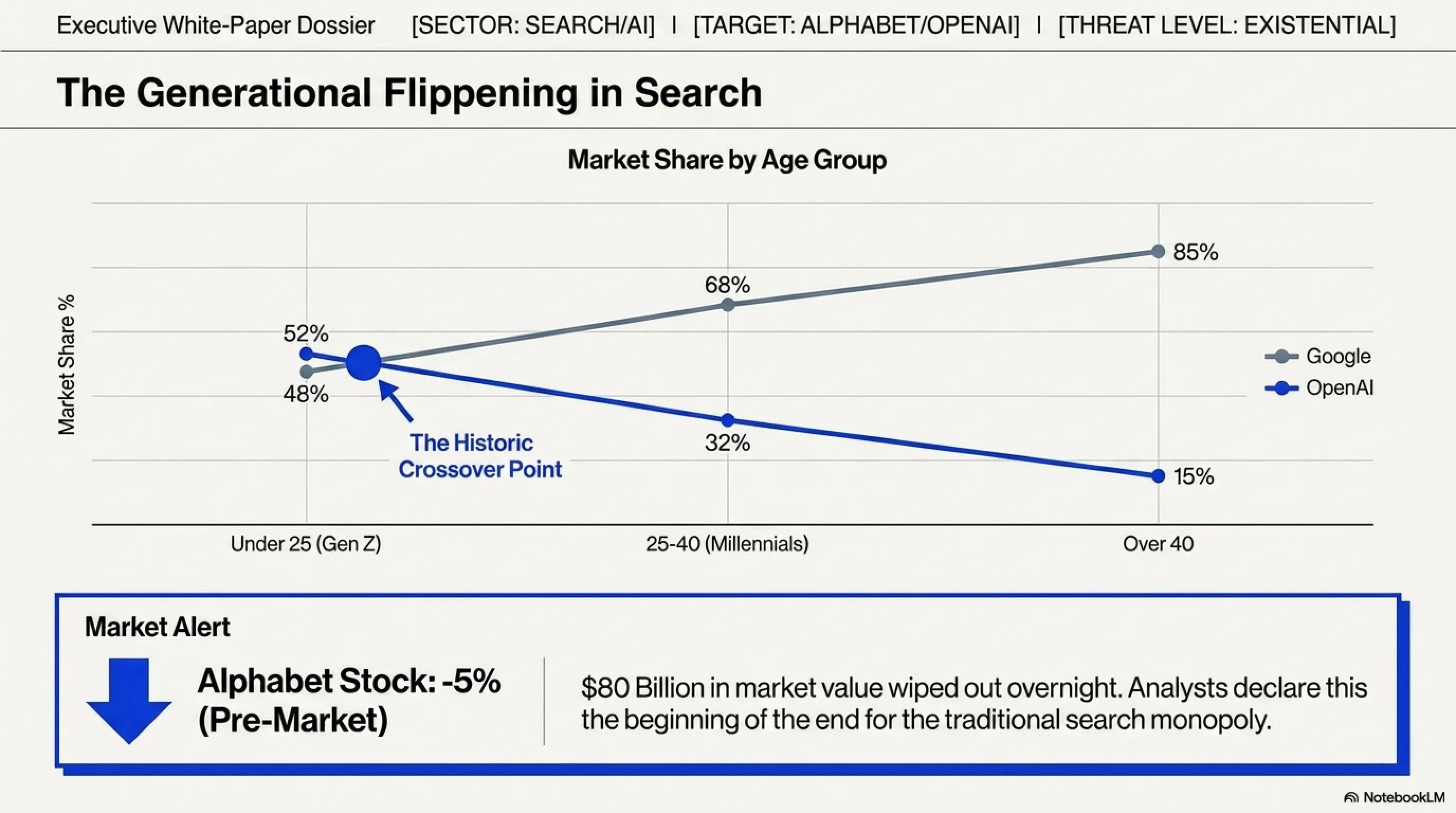
In one of the most historic shifts in the technology industry, official internet traffic statistics in the United States show that yesterday (May 6, 2026), the daily search volume of Gen Z users (under 25 years old) on OpenAI's search engine surpassed Google's traditional search engine for the first time. According to reports from Bloomberg and TechCrunch, this is a historic turning point that could signal the end of Google's 20-year empire. Alphabet's stock (Google's parent company) dropped 5% in pre-market trading in response to this news, wiping out over $80 billion in market value. Wall Street analysts are calling it "the beginning of the end for Google's search monopoly."
⚡ Tekin Analysis: The End of a 20-Year Empire
Google has been the undisputed king of search engines since 1998. But OpenAI, with its GPT-5-powered search engine that provides direct, comprehensive answers instead of blue links, has changed the game. Gen Z, who grew up with voice assistants and chatbots, no longer wants to click through 10 different links and read lengthy articles. They want immediate, accurate, and ad-free answers. OpenAI delivers exactly that. This isn't just a technology shift—it's a generational shift in how people access information. The question is: will older generations follow, or will we see a permanent split in search behavior by age?
📊 Shocking Statistics: What Happened?
According to data released by SimilarWeb and Cloudflare, on May 6, 2026, approximately 52% of searches by American users under 25 were conducted through OpenAI Search, while Google's share dropped to 48%. This is the first time Google has lost the #1 position in any age demographic. Interestingly, in the 40+ age group, Google still dominates with an 85% market share. This shows that the shift in search habits is a generational process, not an overnight revolution.
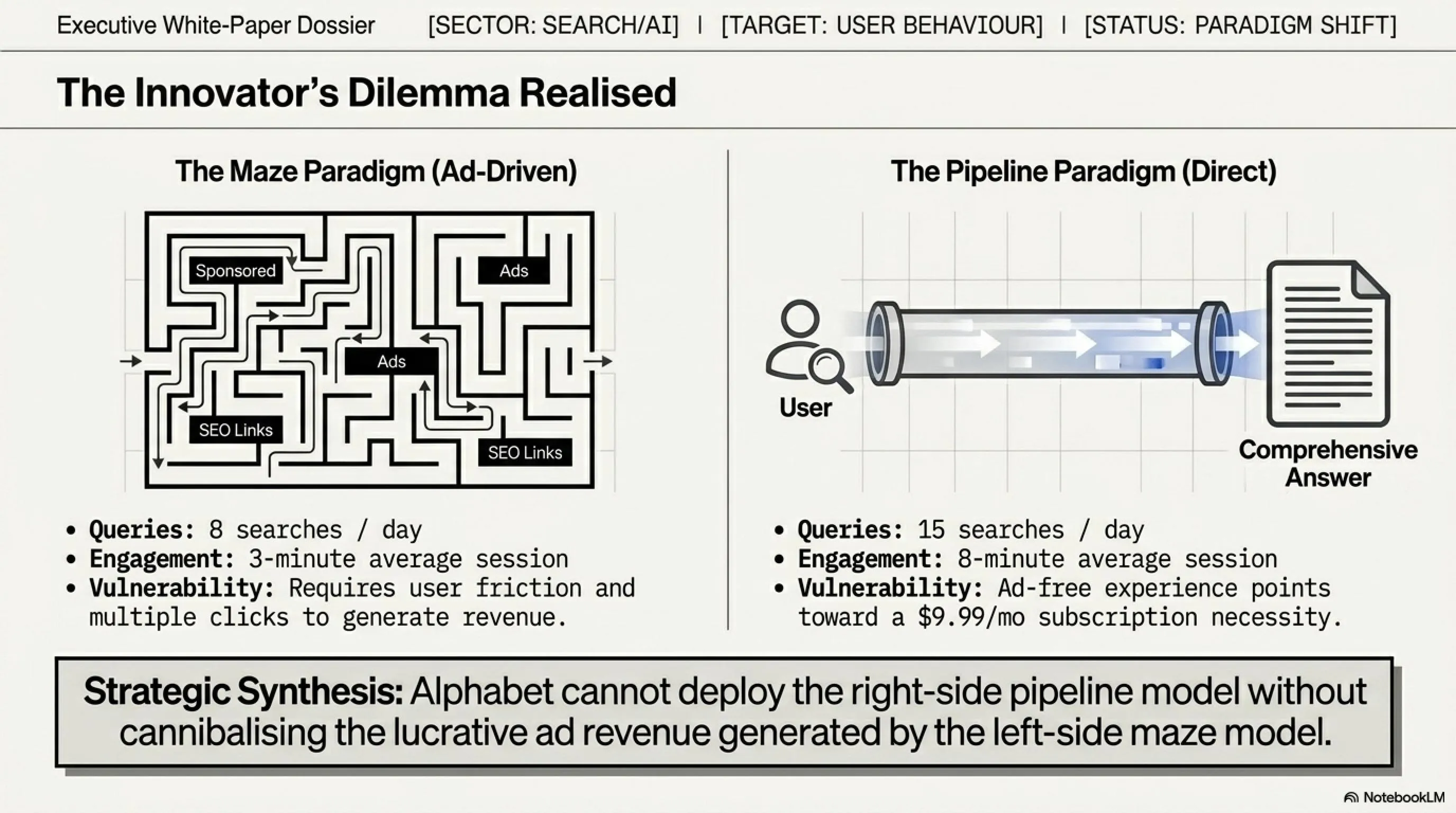
The data also reveals interesting patterns in search behavior. Gen Z users perform an average of 15 searches per day on OpenAI Search, compared to 8 searches on Google. This suggests that the conversational nature of AI search encourages more queries. Additionally, the average session length on OpenAI Search is 8 minutes, compared to 3 minutes on Google, indicating that users are engaging more deeply with AI-generated content. These metrics are alarming for Google, as they suggest not just a shift in market share, but a fundamental change in how young people interact with information.
📈 Search Engine Market Share in the US (May 2026)
| Age Group | OpenAI Search | Others | |
|---|---|---|---|
| Under 25 (Gen Z) | 48% | 52% | 0% |
| 25-40 (Millennials) | 68% | 32% | 0% |
| Over 40 (Gen X & Boomers) | 85% | 15% | 0% |
| Overall Average | 67% | 33% | 0% |
Source: SimilarWeb, Cloudflare, and Bloomberg (May 2026)
💼 Google's Response: Is It Too Late?
Google issued an official statement saying it is "working on a next-generation AI-powered search that will be released soon." However, analysts believe Google entered this game too late. The core problem is that Google's business model is built on advertising. If Google moves toward direct AI answers, users won't click on ads, and Google's revenue will collapse. This is a strategic dilemma that is extremely difficult to solve. Some analysts call it "the innovator's dilemma"—Google is trapped by its own success.
Sundar Pichai, Google's CEO, held an emergency meeting with senior executives and reportedly told them: "We need to cannibalize our own business before someone else does." Google is rumored to be developing a subscription-based AI search service ($9.99/month) that would provide ad-free, AI-powered answers. However, this would require convincing users to pay for something they currently get for free from OpenAI. Industry insiders are skeptical that this strategy will work, especially given OpenAI's first-mover advantage and superior AI technology.
🌐 Global Implications: What About Other Countries?
While this data is specific to the United States, similar trends are emerging in other English-speaking countries like Canada, UK, and Australia. In non-English markets, Google still dominates, but OpenAI is rapidly expanding language support. The company recently announced support for 50 additional languages, including Spanish, French, German, Japanese, and Chinese. This global expansion could accelerate Google's decline in international markets. China, which already has its own AI search engines like Baidu and ByteDance's Doubao, is watching this battle closely and may emerge as a third force in the global search market.
💀 Nintendo's Deadly Strike: Complete Bricking of Hacked Switches!
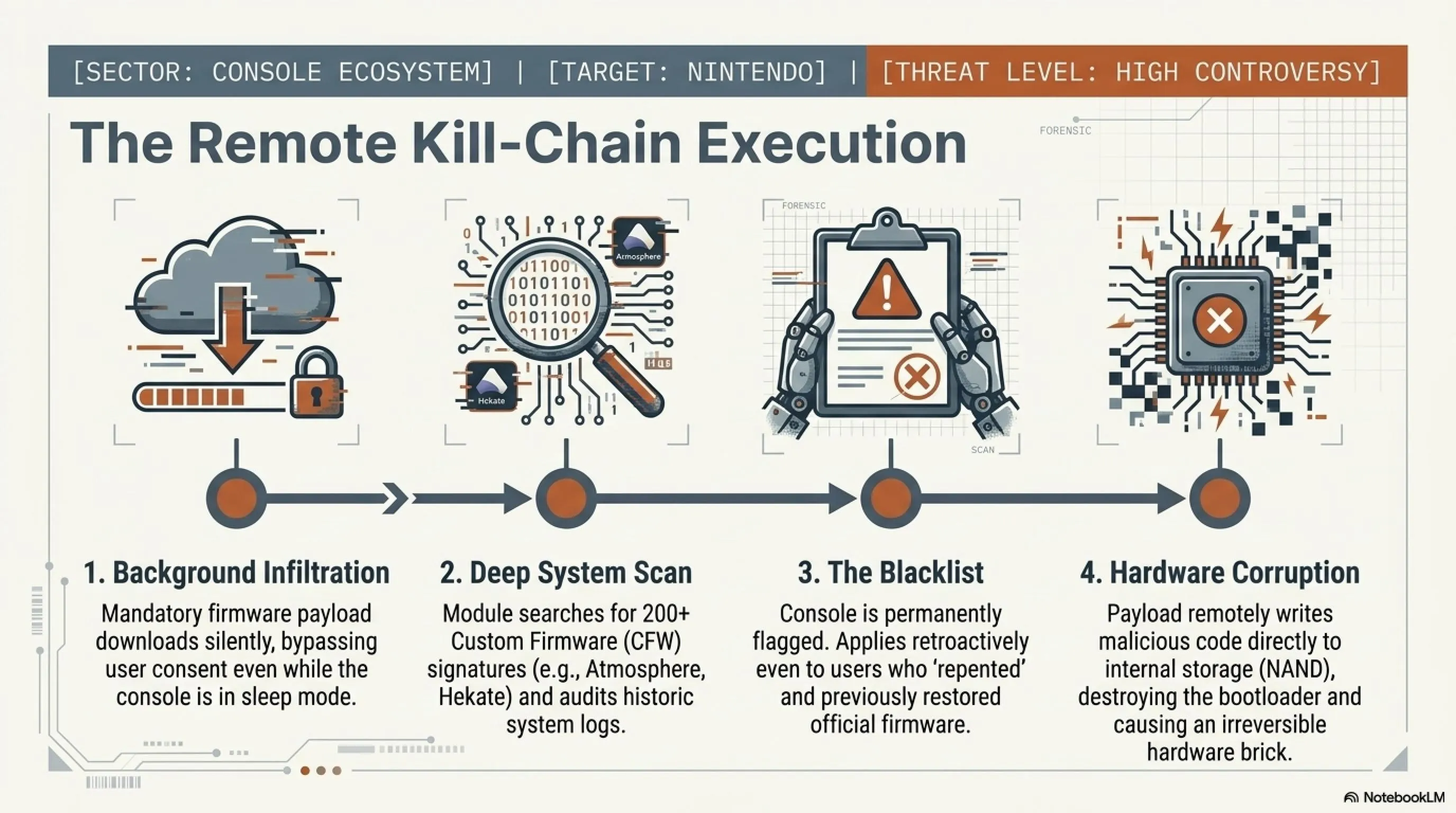
In an unprecedented and highly controversial move, Nintendo released an emergency and mandatory firmware update last night (May 6, 2026) in response to the hacking of Switch 2. This update secretly detects custom firmware (CFW) codes and permanently "bricks" the motherboards of hacked consoles remotely! According to reports from The Verge and Kotaku, thousands of American gamers woke up this morning to find their consoles completely dead, and they are now preparing a class-action lawsuit against Nintendo. This move has become extremely controversial, with many calling it "willful destruction of private property."
⚠️ Tekin Analysis: Did Nintendo Cross the Line?
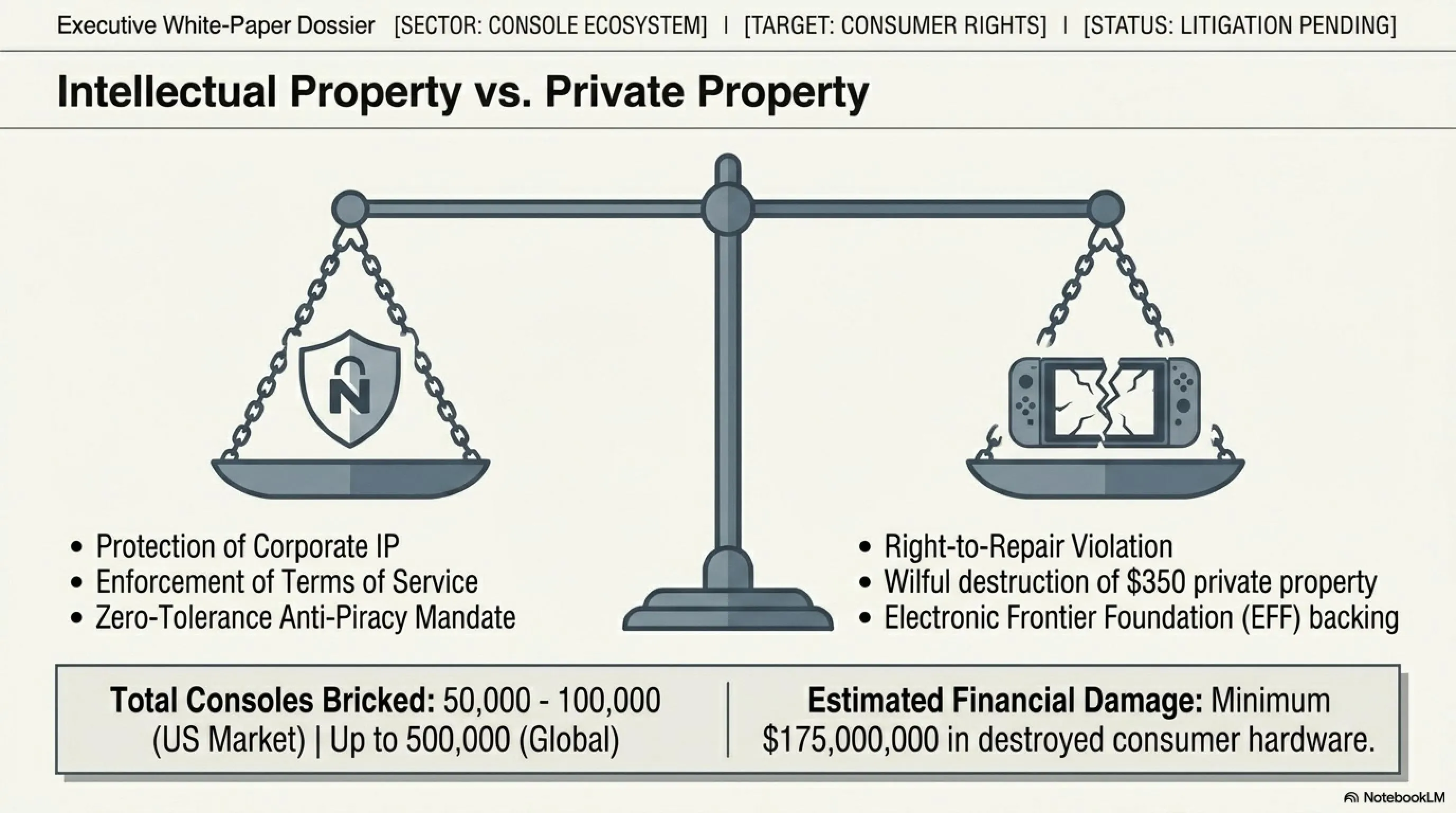
Nintendo has always been strict about combating hacking and game piracy, but this time it has gone much further. Until now, Nintendo would ban hacked users from online services or suspend their accounts. But now, with a single update, it destroys the entire console—even if the user wants to return to official firmware, they can't. This means a $350 device becomes a worthless piece of plastic. The question is: does Nintendo have the right to destroy users' private property, even if they violated the terms of service? This is a legal and ethical gray area that will likely be decided in court.
🔬 How Does This Update Work?
According to analysis by security researchers and white-hat hackers, Nintendo's new update contains a CFW detection module that deeply scans the system. This module searches for specific signatures of popular hacking tools like Atmosphere, SX OS, Hekate, and other homebrew software. If any of these signatures are found, the update writes a specific code to the NAND (internal storage) that corrupts the bootloader. This means the console can't even boot up and becomes a "brick."
The interesting part is that this update even targets consoles that were previously hacked but have since returned to official firmware. This means Nintendo maintains a "blacklist" of hacked consoles, and even if users "repent" and return to official firmware, they are still punished. This approach is extremely strict and unforgiving. Security researchers have discovered that the update checks for over 200 different CFW signatures and even analyzes system logs for suspicious activity dating back months.
What makes this particularly controversial is that the update is mandatory and automatic. Users who have their Switch connected to the internet cannot avoid it. The update downloads and installs in the background, even if the console is in sleep mode. By the time users realize what happened, it's too late—their console is already bricked. This has led to accusations that Nintendo is using "malware-like tactics" to enforce its policies.
⚖️ Legal Response: Class-Action Lawsuit in Progress
Several law firms in the United States have announced they are preparing a class-action lawsuit against Nintendo. The main argument is that Nintendo violated consumer protection laws and Right-to-Repair laws by intentionally destroying users' consoles. The lawyers argue that even if users violated Nintendo's terms of service, Nintendo does not have the right to destroy their private property. This should be resolved through the courts, not through a remote update.
On the other hand, Nintendo issued an official statement: "We have the right to protect our products and intellectual property. Hacking consoles violates the terms of use, and we take necessary actions to prevent game piracy." However, this statement has received significant backlash, with many believing Nintendo has gone too far. Legal experts predict this case could set an important precedent for digital property rights and manufacturer control over consumer devices.
The Electronic Frontier Foundation (EFF), a digital rights advocacy group, has issued a statement condemning Nintendo's actions: "This is a dangerous precedent. If manufacturers can remotely destroy devices they sold to consumers, what's to stop them from doing this for other reasons? This is a fundamental threat to consumer ownership rights." The EFF is considering filing an amicus brief in support of the class-action lawsuit.
💰 Financial Impact: How Many Consoles Were Bricked?
While Nintendo hasn't released official numbers, estimates from the hacking community suggest that between 50,000 and 100,000 Switch consoles in the United States alone have been bricked by this update. Globally, the number could be as high as 500,000. At $350 per console, this represents $175 million in destroyed consumer property. This doesn't include the value of digital games and save data that users have lost. The financial and reputational damage to Nintendo could be substantial if the class-action lawsuit succeeds.
🌍 What This Means for Gamers Worldwide
This incident has sent shockwaves through the global gaming community. In countries where access to official games is limited due to regional restrictions or economic factors, many users rely on hacked consoles. This update could destroy hundreds of thousands of consoles worldwide. The immediate advice to users is: disconnect your Switch from the internet immediately and disable automatic updates. If your console is hacked, try to create a complete NAND backup so you can restore it if problems occur. This is a serious warning!
The incident has also reignited the debate about digital ownership and consumer rights. When you buy a console, do you truly own it, or are you just licensing it from the manufacturer? Can manufacturers remotely disable devices they've sold? These questions will likely be answered in court, and the outcome could have far-reaching implications for the entire tech industry, not just gaming.
📺 Creator Rebellion: MrBeast and 10 Top YouTubers Exit YouTube
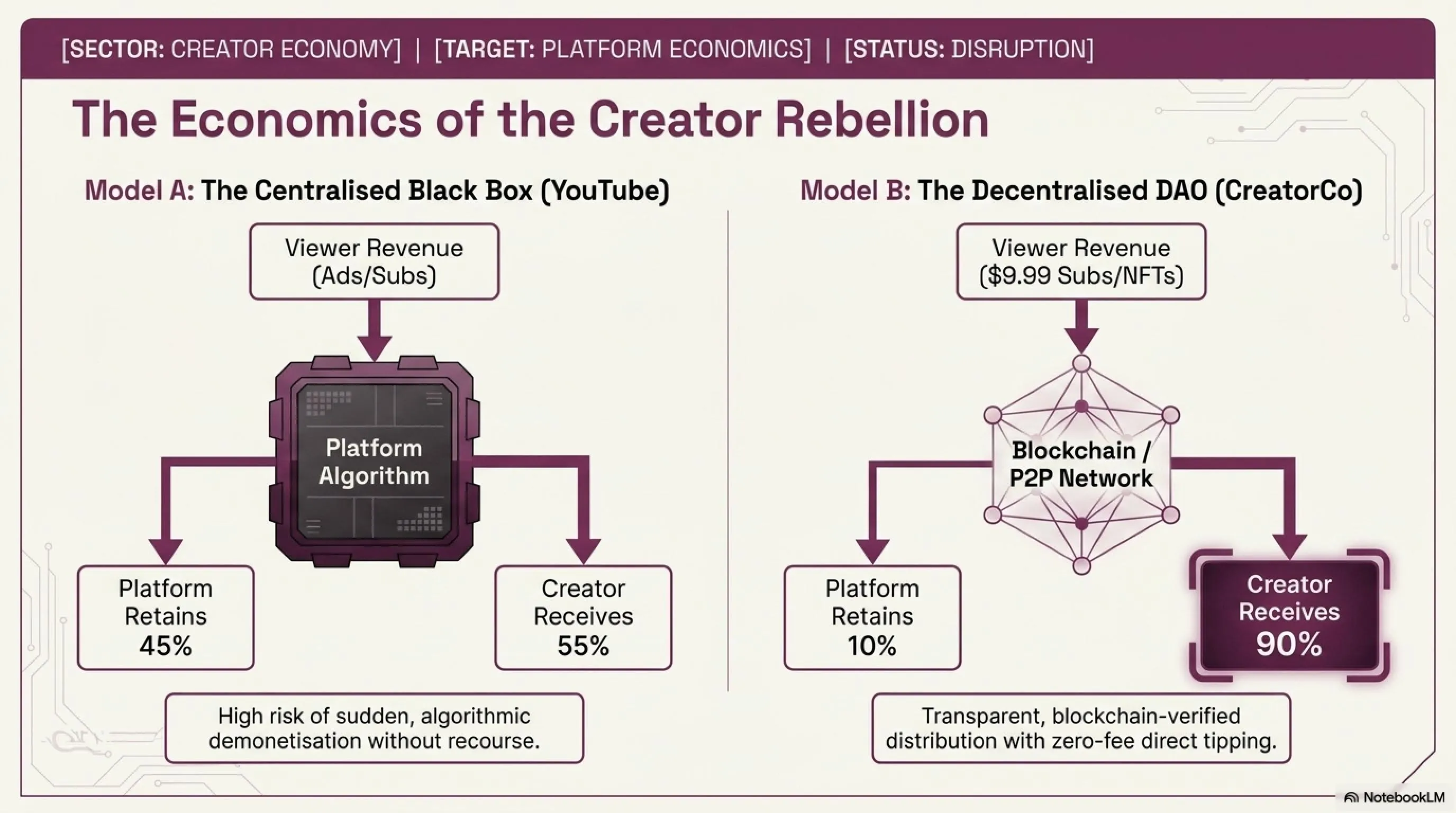
In an earthquake in the creator economy, Jimmy Donaldson (MrBeast), along with 10 of America's top content creators, launched their own independent and decentralized streaming platform called CreatorCo and announced that their new videos will no longer be posted on YouTube. According to reports from Dexerto and The New York Times published this morning, this is the first major creator rebellion against YouTube and could forever change the future of the online video industry. The announcement video on CreatorCo has already received over 100 million views across social media platforms.
💥 Tekin Analysis: Why Did Creators Rebel?
YouTube has made brutal changes to its monetization algorithms and content recommendation systems in recent years, drastically reducing the income of many creators. MrBeast, the world's largest YouTuber with over 300 million subscribers, said in an explanatory video: "We spend millions of dollars creating high-quality videos, but YouTube keeps 45% of ad revenue for itself. This is no longer fair. We decided to build our own platform where creators receive 90% of the revenue." This isn't just about money—it's about control. Creators are tired of algorithm changes that can destroy their businesses overnight without explanation or recourse.
🏢 What Is CreatorCo and How Does It Work?
CreatorCo is a decentralized streaming platform built on blockchain technology. Unlike YouTube, which is a centralized company that makes all decisions, CreatorCo is governed by a DAO (Decentralized Autonomous Organization) where creators and users have voting rights. CreatorCo's revenue model is based on monthly subscriptions ($9.99) and NFTs. Users can purchase exclusive NFTs from their favorite creators, which provide early access to videos, behind-the-scenes content, and even direct interaction with creators.
The platform uses a hybrid content delivery system combining traditional CDN (Content Delivery Network) with peer-to-peer (P2P) technology. This reduces infrastructure costs and allows CreatorCo to offer creators a much higher revenue share. The platform also features a built-in tipping system using cryptocurrency, allowing fans to directly support creators without platform fees. All transactions are recorded on the blockchain, ensuring transparency and preventing fraud.
👥 CreatorCo Founding Members
- MrBeast (300M+ subscribers) - Challenge and charity content
- PewDiePie (111M+ subscribers) - Gaming and comedy
- Dude Perfect (60M+ subscribers) - Sports and entertainment
- Markiplier (36M+ subscribers) - Gaming
- Linus Tech Tips (16M+ subscribers) - Technology
- MKBHD (19M+ subscribers) - Gadget reviews
- Veritasium (15M+ subscribers) - Science education
- Vsauce (18M+ subscribers) - Educational content
- And 2 more creators to be announced
Combined subscriber count: Over 600 million people
📉 YouTube's Response: Is This the End of YouTube?
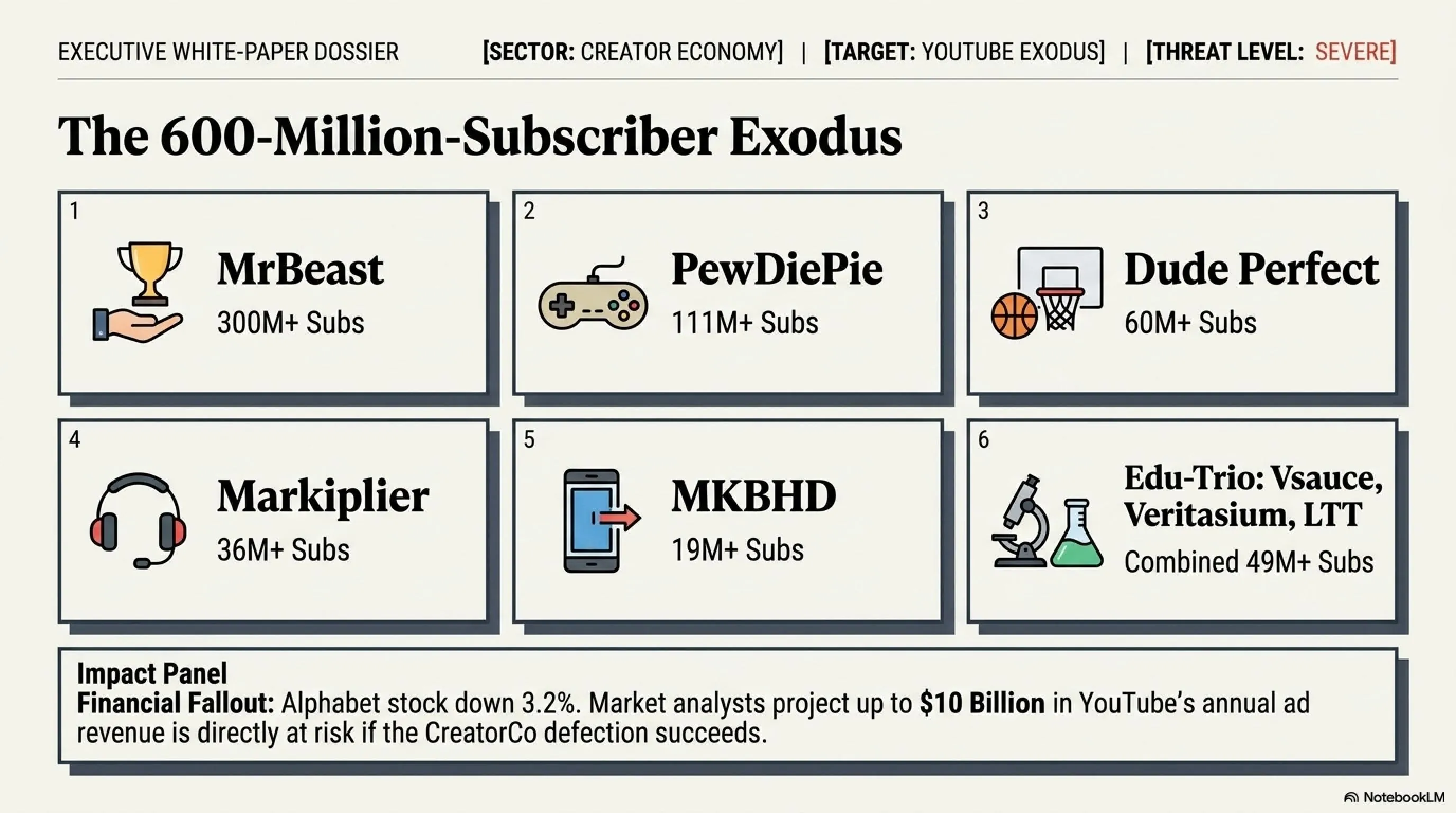
YouTube issued an official statement: "We are committed to our creators and are constantly improving the platform for them. We believe YouTube is the best place for content creators." However, this statement has received significant backlash, with many calling it "empty rhetoric." Alphabet's stock (YouTube's parent company) dropped 3.2% in response to this news. Analysts believe that if CreatorCo succeeds, it could reduce YouTube's annual revenue by up to $10 billion.
YouTube CEO Neal Mohan held an emergency meeting with top creators who haven't joined CreatorCo, reportedly offering them significantly improved revenue shares and guaranteed minimum payments to prevent further defections. However, many creators are skeptical, noting that YouTube has made similar promises in the past without following through. The real test will be whether CreatorCo can deliver on its promises and provide a viable alternative to YouTube's massive infrastructure and audience reach.
🌐 Industry Impact: What This Means for the Creator Economy
The creator economy is estimated to be worth over $250 billion globally, with YouTube capturing a significant portion of that value. CreatorCo's launch represents the first serious challenge to YouTube's dominance since the platform's inception. If successful, it could inspire other creators to launch their own platforms or join alternative networks. This could lead to a fragmentation of the online video market, similar to what happened with streaming services like Netflix, Disney+, and HBO Max fragmenting the TV market.
However, there are significant challenges. YouTube's recommendation algorithm drives billions of views to creators, and replicating that discovery mechanism will be difficult. CreatorCo will need to attract not just creators but also viewers, who may be reluctant to pay for yet another subscription service. Additionally, content moderation at scale is extremely expensive and complex—YouTube spends billions on this annually. Can CreatorCo handle these challenges while maintaining its decentralized ethos? Only time will tell.
🔧 Right-to-Repair Victory: Federal Law for 3D-Printed Parts
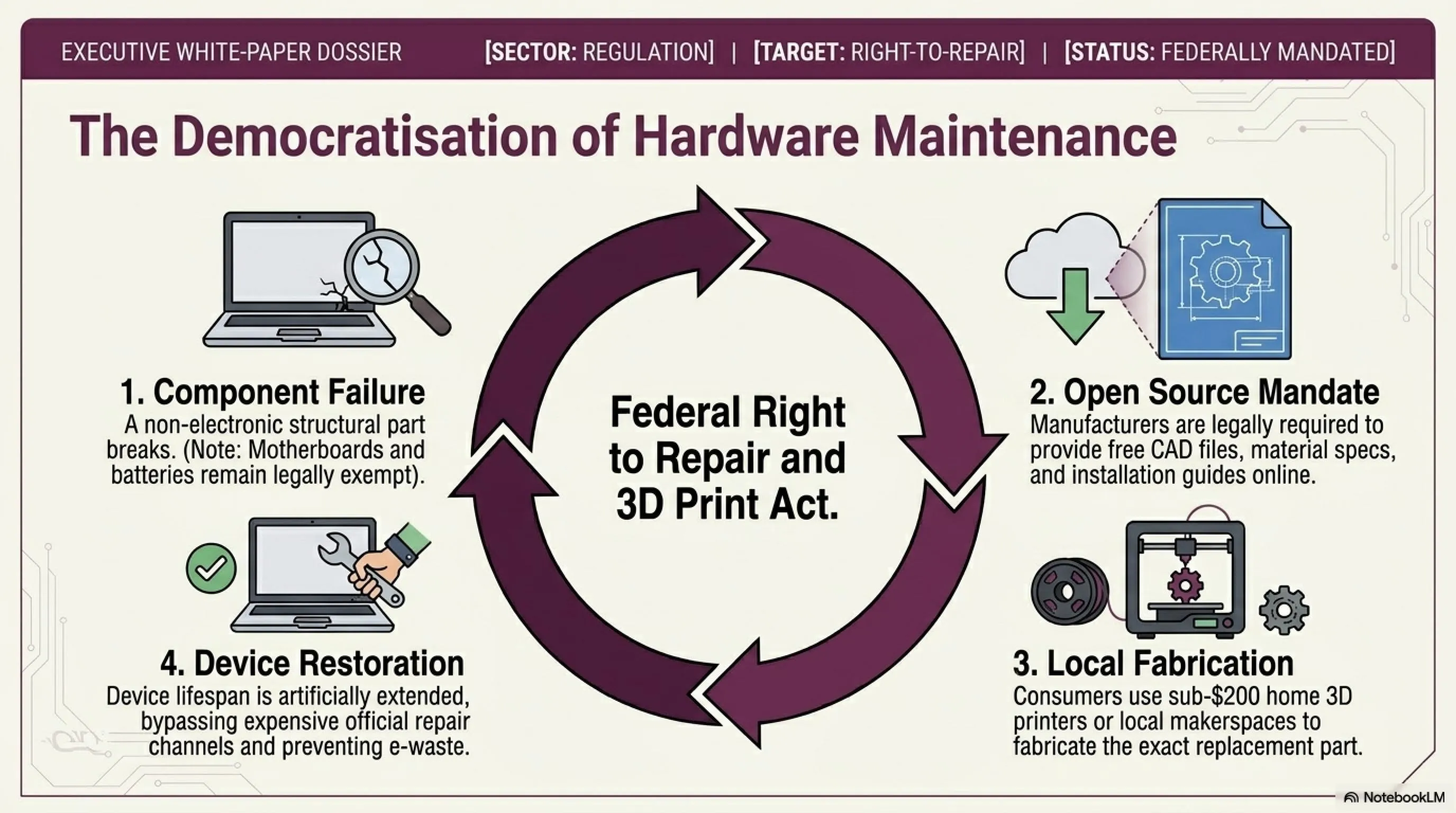
In a historic victory for the Right-to-Repair movement, the US Congress passed landmark legislation requiring companies like Apple, Samsung, Microsoft, and other tech giants to freely publish CAD (Computer-Aided Design) files for plastic and non-electronic parts of their devices, allowing consumers to 3D-print them at home. According to reports from iFixit Blog and The Washington Post published today, this law is a major blow to Big Tech's after-sales service revenues and a massive victory for consumers and independent repair shops. President Biden is expected to sign the bill into law within the next week.
⚖️ Tekin Analysis: Why Is This Law Revolutionary?
Until now, if a small plastic part in your laptop or phone broke (like a hinge, a cover, or a frame), you had to buy it from the manufacturer at exorbitant prices or replace the entire device. But now, with this law, companies must publish 3D design files for these parts. This means you can use an inexpensive 3D printer (now under $200) to make the part you need at home. This is a major transformation in the repair and maintenance industry! It also has significant environmental benefits, as it could dramatically reduce electronic waste by extending device lifespans.
📋 Law Details: What Must Be Published?
The new law, known as the "Federal Right to Repair and 3D Print Act," requires technology companies to publish the following for all products sold in the United States:
📦 Mandatory Publication Requirements
- CAD Files: 3D files for all plastic, non-electronic metal parts, and frames
- Material Specifications: Type of plastic or metal used (e.g., ABS, PLA, aluminum)
- Installation Guides: Step-by-step instructions for replacing parts
- Required Tools: List of tools needed to open and repair the device
- Printer Settings: Optimal parameters for 3D printing (temperature, speed, layering)
- Safety Warnings: Any hazards or precautions users should be aware of
⚠️ Note: Electronic components such as motherboards, batteries, and displays are exempt from this law.
💰 Economic Impact: Winners and Losers
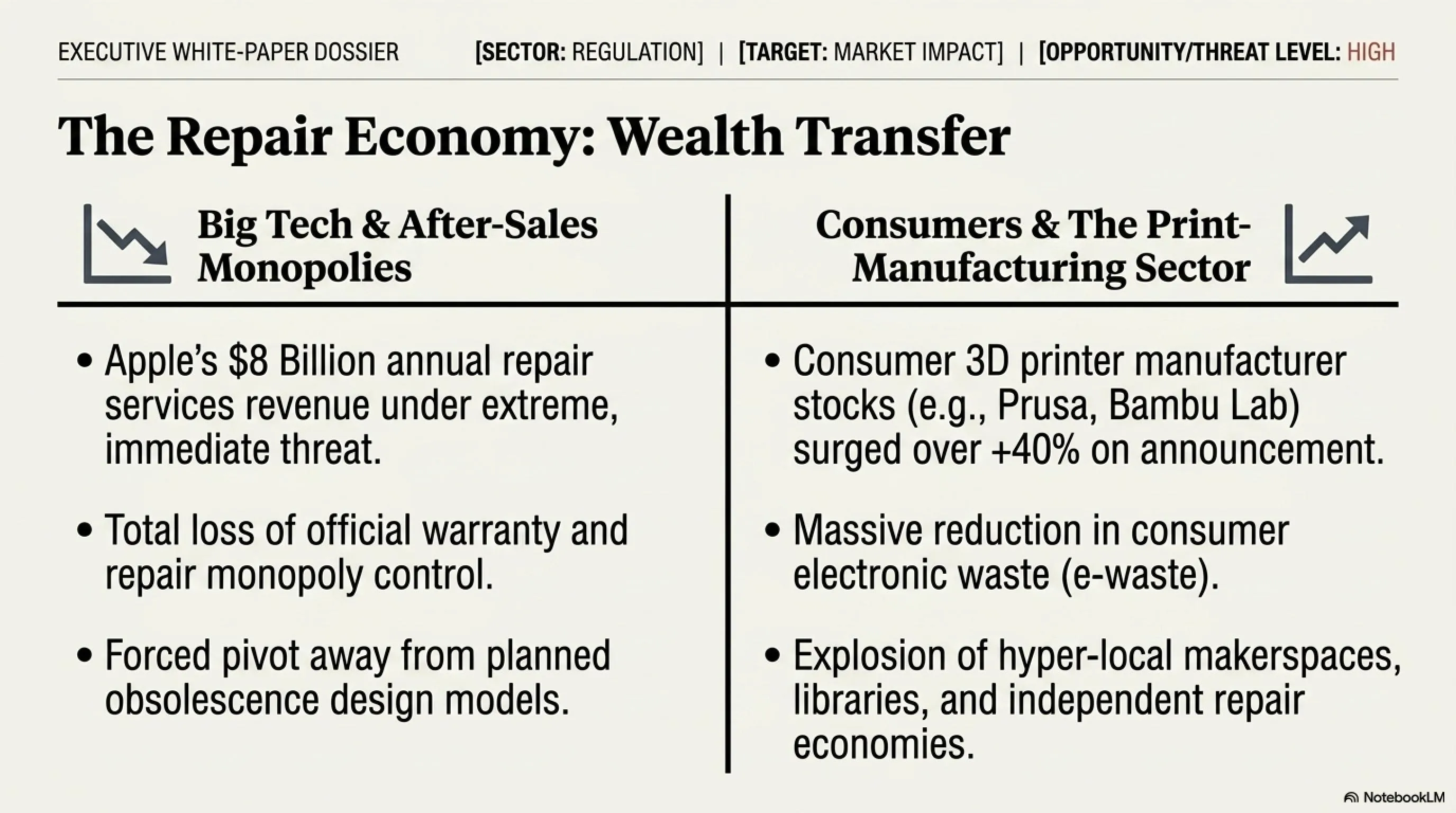
This law could significantly reduce after-sales service revenues for major companies. For example, Apple generates over $8 billion annually from repair services and spare parts. If users can print parts themselves, this revenue will drop dramatically. On the other hand, the 3D printer and filament (printing material) industries will experience explosive growth. Companies like Prusa, Creality, and Bambu Lab, which manufacture consumer 3D printers, saw their stock prices increase by over 40% after this law was announced.
The law also creates new business opportunities. Entrepreneurs are already launching online platforms that aggregate CAD files and offer 3D printing services. Companies like Shapeways and Sculpteo are expanding their consumer-facing services. Local makerspaces and libraries are investing in 3D printers to offer printing services to community members. This could democratize access to repair parts and create thousands of new jobs in the 3D printing and repair sectors.
⚔️ PROS & CONS: Right-to-Repair Law
✅ Advantages
- Reduced repair costs for consumers
- Reduced electronic waste and environmental protection
- Growth of 3D printer industry
- Empowerment of independent repair shops
- Extended device lifespan
- Democratized access to parts
- Innovation in repair techniques
❌ Disadvantages
- Reduced revenue for tech companies
- Potential for counterfeit and low-quality parts
- Security and privacy concerns
- Reduced innovation incentive in design
- Risk of device damage with substandard parts
- Loss of official warranty
- Complexity for average consumers
🌍 Global Impact: EU and Other Countries
This US law could have a global domino effect. The European Union, which has always been a leader in consumer rights, is likely to pass similar legislation. Countries like Canada, Australia, and Japan are also considering similar laws. For developing countries, this law could be a golden opportunity. With access to free 3D design files, local repair shops can produce parts with locally available 3D printers and offer them to customers at much lower prices. This could create a new industry in many countries and significantly reduce dependence on expensive imported parts.
The law also has geopolitical implications. China, which dominates global electronics manufacturing, could benefit from this law by becoming a major supplier of 3D printing materials and equipment. Chinese companies like Creality and Anycubic are already ramping up production to meet expected demand. This could shift some economic power away from Western tech companies toward Chinese manufacturing, though the environmental benefits of local production could offset some of these concerns.
🔮 Future Outlook: What Comes Next?
This law is just the beginning. Right-to-Repair advocates are already pushing for the next phase: requiring companies to publish schematics and diagnostic software for electronic components. If this happens, it would be a complete revolution in the repair industry. Consumers could potentially repair motherboards, replace individual chips, and diagnose complex electronic issues without relying on manufacturer-authorized service centers. However, tech companies are fiercely resisting this expansion, arguing it would compromise security and intellectual property.
The law also sets a precedent for other industries. Automotive manufacturers, appliance makers, and even medical device companies could face similar legislation. The fundamental question is: when you buy a product, do you truly own it, or are you just licensing it from the manufacturer? This law firmly establishes that consumers have ownership rights, including the right to repair and modify their devices. This philosophical shift could reshape capitalism itself, moving away from planned obsolescence toward sustainable, repairable products.
📚 Final Summary Box
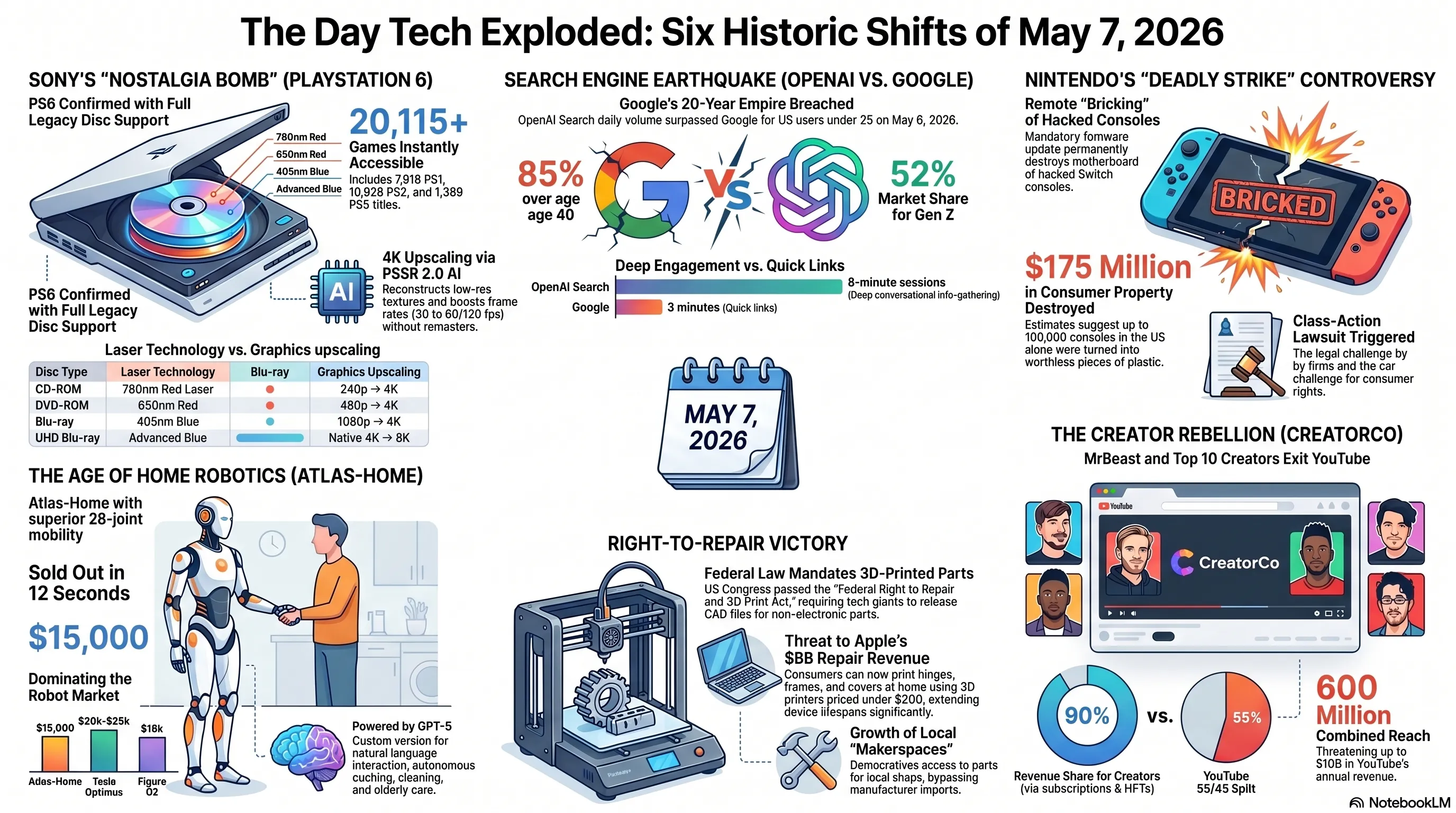
Today we witnessed six historic stories, each of which could have been the headline of the month. From Sony's nostalgia bomb that turns PS6 into a time machine to home robots entering the consumer market, from an earthquake in search engines to Nintendo's deadly revenge, from the creator rebellion against YouTube to the historic Right-to-Repair victory. These stories show that the tech industry is rapidly transforming, and power is shifting to consumers and creators. The future is exciting!
📌 Frequently Asked Questions (FAQ)
❓ Can PS6 really play all old games?
Yes, according to the leaked audio file from Mark Cerny, PS6 features a hybrid optical drive that can read CDs (PS1), DVDs (PS2), and Blu-rays (PS3). Additionally, the PSSR 2.0 AI engine upscales old game graphics to 4K. However, some specific games may not work due to compatibility issues, but the vast majority of games should be playable. Sony is building a compatibility database with profiles for over 15,000 games to ensure maximum compatibility.
❓ When will Atlas-Home be available again?
Boston Dynamics has announced that the next batch of Atlas-Home units will be available in Q3 2026 (July-September). The company is ramping up production to meet demand, with plans to produce 10,000 units per month by the end of 2026. However, given the explosive demand, it's likely that units will continue to sell out quickly. Interested buyers should sign up for notifications on the Boston Dynamics website to be alerted when pre-orders open.
❓ Will OpenAI Search remain free?
Currently, OpenAI Search is free for all users, but the company has hinted at introducing a premium tier with additional features. The basic search functionality is expected to remain free to compete with Google, but advanced features like unlimited searches, priority processing, and ad-free experience may require a subscription. OpenAI is also exploring a business model based on affiliate commissions from product recommendations, similar to Amazon's model.
❓ Can I unbrick my Nintendo Switch?
Unfortunately, once a Switch is bricked by Nintendo's update, it's extremely difficult to recover. The update corrupts the bootloader at a hardware level, making standard recovery methods ineffective. Some advanced users with NAND backups and specialized hardware (like a modchip programmer) may be able to restore their consoles, but this requires significant technical expertise. The best prevention is to disconnect your Switch from the internet immediately if it's hacked and disable automatic updates.
❓ How do I access CAD files under the Right-to-Repair law?
Companies are required to publish CAD files for free on their official websites. Most companies are creating dedicated "Repair Resources" sections where users can download files, view installation guides, and access other repair information. Additionally, third-party platforms like iFixit are aggregating these files into searchable databases. You'll need a 3D printer (now under $200 for basic models) and the appropriate filament material to print the parts. Many local libraries and makerspaces also offer 3D printing services for a small fee.
📚 Sources
IGN US, PlayStation Lifestyle, TechCrunch, Wired, Bloomberg, The Verge, Kotaku, Dexerto, The New York Times, iFixit Blog, The Washington Post, SimilarWeb, Cloudflare, Forbes, Cybernews, Electronic Frontier Foundation (EFF)
Tekin Morning May 7, 2026 — Research and Analysis: Tekin Editorial Team
🌐 Stay Connected With Us
For the latest tech, gaming, and gadget news, follow us on social media:
🌐 Stay Connected With Us 🎮✨
For the latest tech, gaming, and gadget news, follow us on our official social media channels:
Additional Gallery: 🌅 Tekin Morning May 7: PS6 Nostalgia Bomb, Nintendo Bricks & Home Robots