In this tactical mega-article, we dissect the darkest aspect of gaming's future: Brain-Computer Interfaces (BCI). With Valve's Project Galea and Neuralink entering E-Sports, gamers' reaction times have reached zero milliseconds. But this tech comes with a terrifying cost: Neuro-data theft. We analyze how hackers can steal your dopamine patterns, fear responses, and subconscious thoughts during gameplay to sell on the Dark Web, and how corporations are commodifying your raw emotions.
🧠⚡ Project Beta: Mind Theft!
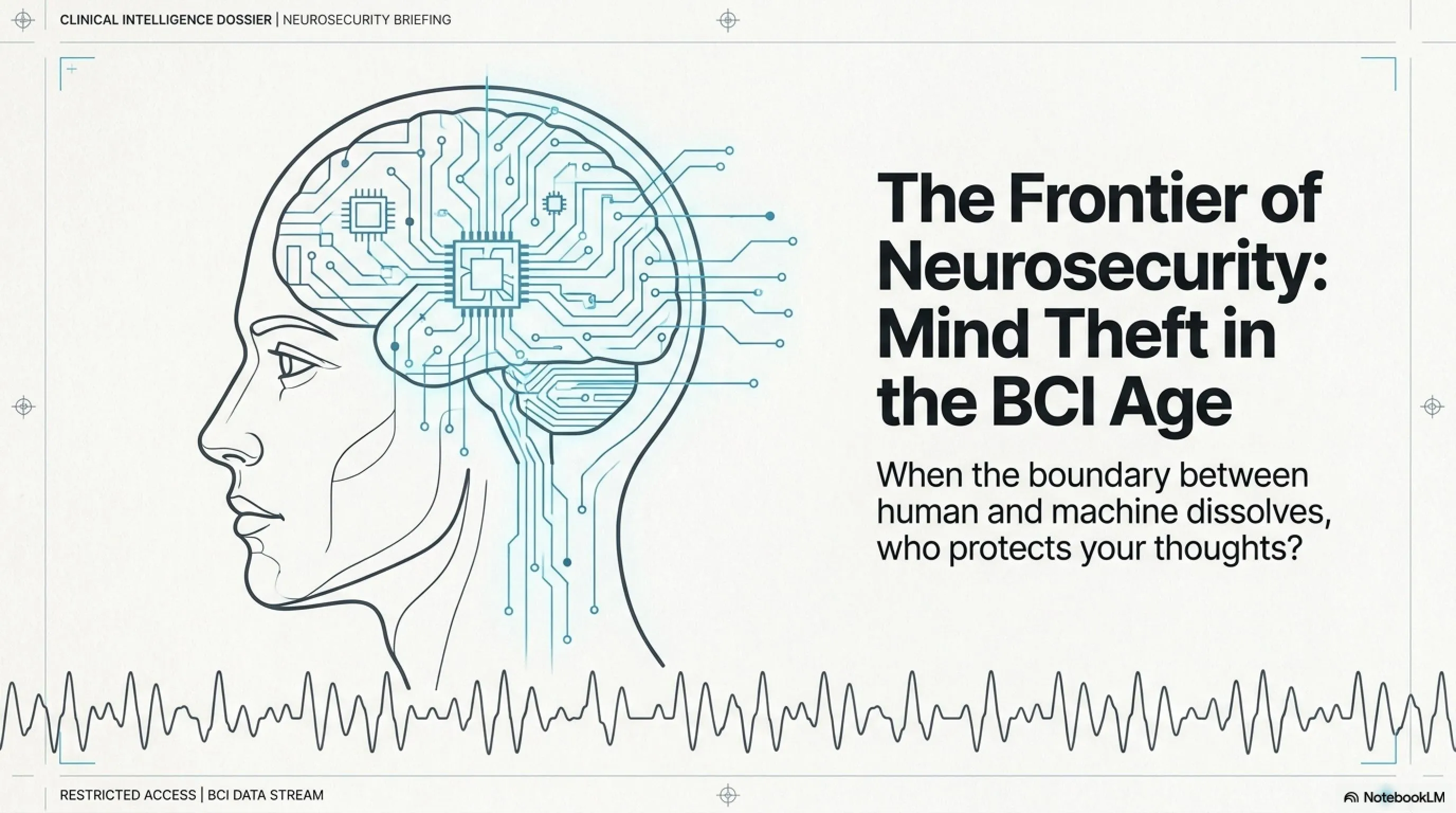
Welcome to the new world where the boundary between human and machine has dissolved, and your thoughts can become a tradable commodity. With Neuralink's recent success in E-Sports competitions, gaming companies are building headsets that connect directly to your brain. But the fundamental question remains: who protects this neural data?
⚠️ Security Alert:
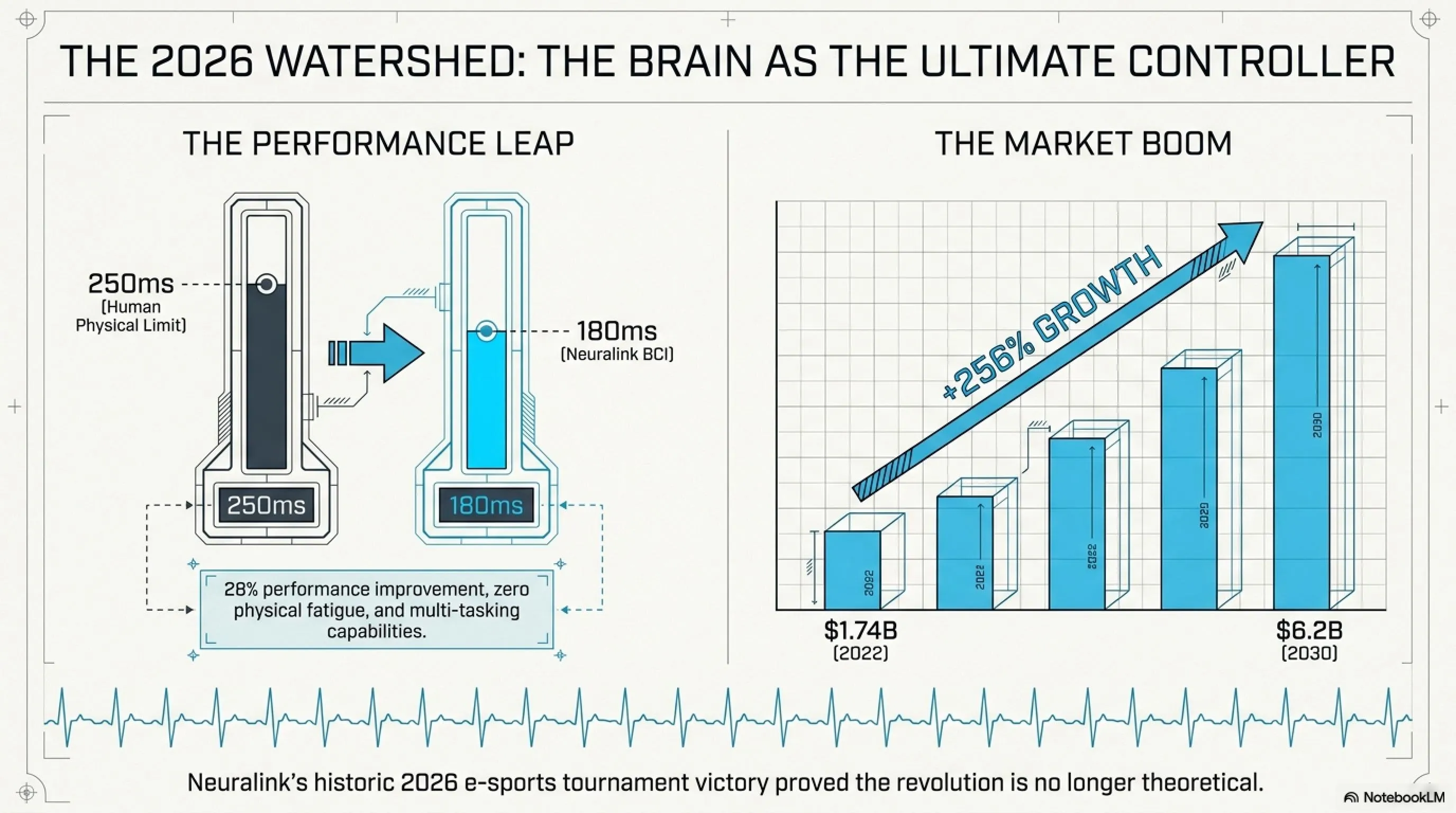
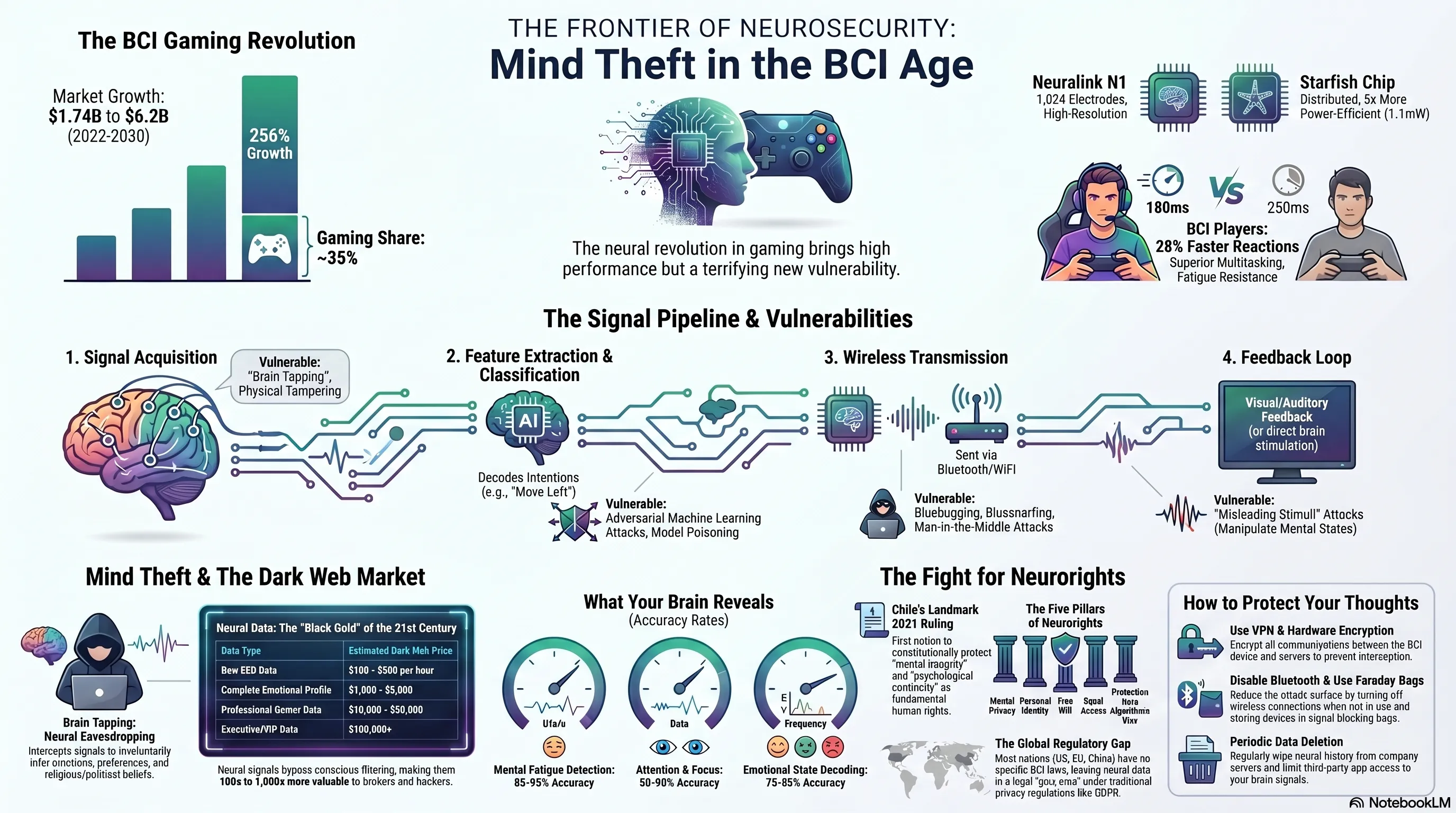
🔴 BCI Market: From $1.74B (2022) to $6.2B (2030)
🔴 No global standards for neural data protection exist
🔴 Brain Tapping attacks can steal your emotions and beliefs
🔴 Bluetooth vulnerabilities enable complete brain control
🔴 Neural data is being sold on the dark web
🎮 This isn't a technology review; it's a warning about a future where mental privacy is under siege.
1. Neuralink's E-Sports Revolution: When Your Brain Becomes the Controller 🎮🧠
The year 2026 witnessed a historic milestone in the gaming industry. For the first time, a professional esports player won a major tournament using Neuralink's brain-computer interface (BCI). This achievement demonstrated not only that BCI technology has moved beyond the laboratory stage but also proved that the human brain can function as a game controller with high speed and precision.
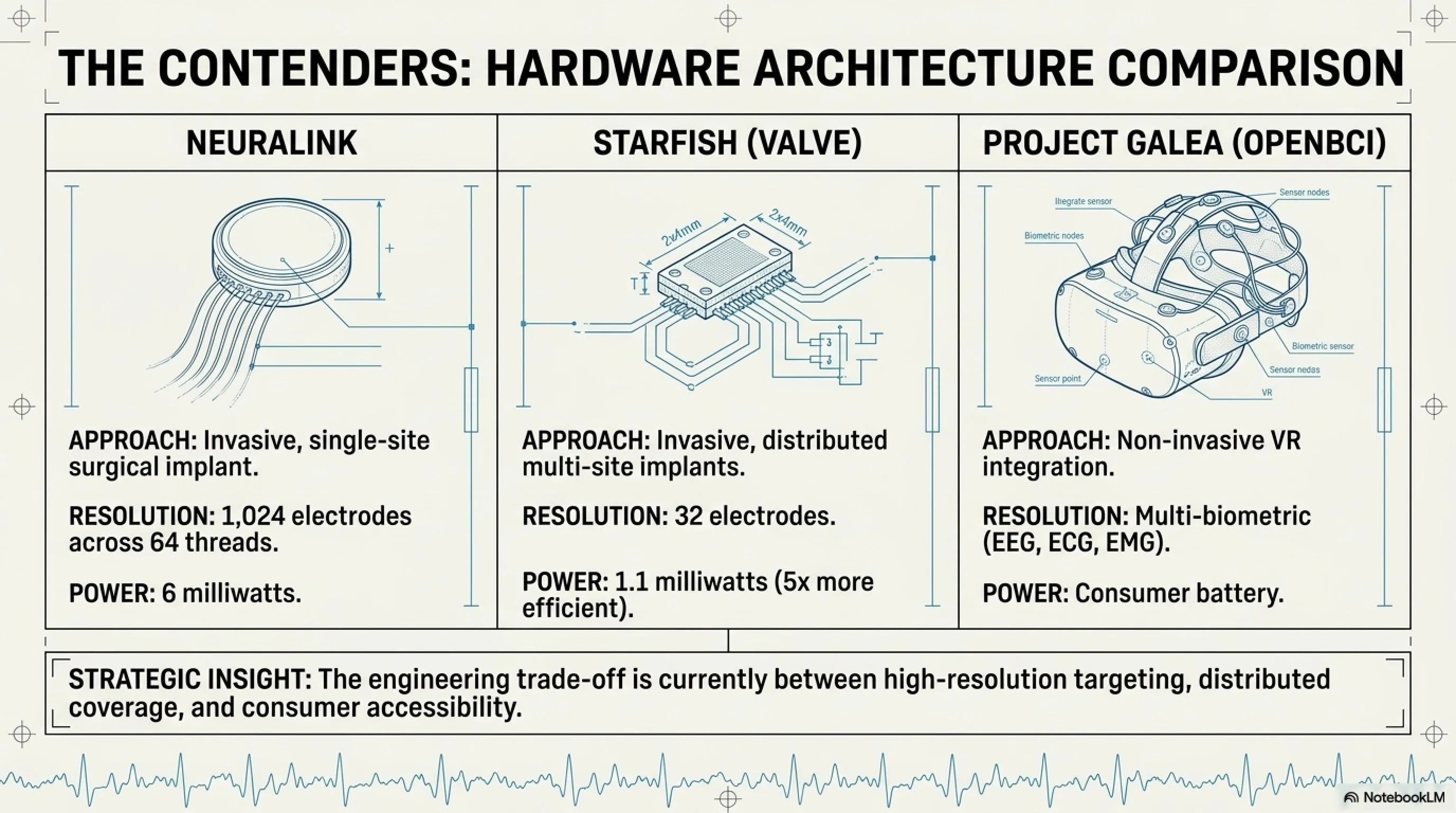
Neuralink, founded by Elon Musk in 2016, has successfully implanted its brain chip in 21 human patients as of January 2026. The coin-sized chip connects to the brain through ultra-thin threads and can record neural signals with high accuracy. Neuralink's N1 chip features 1,024 electrodes distributed across 64 threads, capable of capturing neural signals with unprecedented precision.
📊 Neuralink N1 Technical Specifications
| Electrode Count | 1,024 electrodes across 64 threads |
| Power Consumption | Approximately 6 milliwatts |
| Chip Dimensions | 23mm width × 8mm thickness |
| Communication | Wireless (Bluetooth) |
| Battery | Periodic wireless charging |
| Human Implants | 21 patients (as of January 2026) |
But Neuralink's E-Sports success wasn't just a technological showcase—it was a market signal. Major gaming companies quickly realized that BCI could revolutionize the gaming experience. Imagine controlling your game character just by thinking, without needing hands or a controller. This is exactly what Valve, OpenBCI, and Starfish Neuroscience are building.
Gabe Newell, Valve's founder and creator of Half-Life, has been vocal about his interest in BCI since 2019. At the GDC 2019 conference, he discussed a future where the brain connects directly to computers. But Newell didn't stop at talk—he founded Starfish Neuroscience that same year, a stealth startup aimed at building smaller, more power-efficient brain chips than Neuralink.
🔍 Tekin Analysis: Why Did Valve Enter the BCI Market?
Valve isn't just a game distribution company; it's a research and development powerhouse that has always pursued new frontiers. From VR with Index to the handheld Steam Deck, Valve has consistently taken big risks. Entering BCI makes strategic sense: if they can build a neural gaming headset that works with Steam, they could transform the entire gaming industry. But the question remains: Is Valve prepared for the responsibility of protecting the neural data of millions of gamers?
Starfish Neuroscience announced in 2025 that it would produce its first chip by year's end. This chip, measuring just 2×4 millimeters, is significantly smaller than Neuralink's and consumes only 1.1 milliwatts of power—approximately five times more efficient than the N1. This means Starfish can use wireless power transmission and doesn't need an internal battery.
But the key point is that Starfish wants simultaneous access to multiple brain regions. Unlike Neuralink, which is typically implanted in one area, Starfish believes that treating diseases like Parkinson's or enabling complex game control requires multiple small implants in different brain locations. This approach could dramatically increase BCI accuracy and power, but it also expands the attack surface for hackers.
1.1. The Neuroscience Behind Gaming BCIs
To understand the security implications, we need to grasp how gaming BCIs actually work. When you think about moving your character left, specific neurons in your motor cortex fire in a particular pattern. A BCI system captures these electrical signals through electrodes, processes them through machine learning algorithms, and translates them into game commands.
The process involves several critical stages:
- Signal Acquisition: Electrodes capture electrical activity from neurons (invasive) or from the scalp surface (non-invasive EEG)
- Signal Processing: Raw signals are filtered to remove noise, artifacts from eye movements, muscle activity, and environmental interference
- Feature Extraction: Machine learning algorithms identify meaningful patterns in the cleaned signals
- Classification: AI models decode the user's intention (e.g., "move left," "jump," "shoot")
- Command Translation: Decoded intentions are converted into game inputs
- Feedback Loop: Visual/auditory feedback helps users learn to control the system more effectively
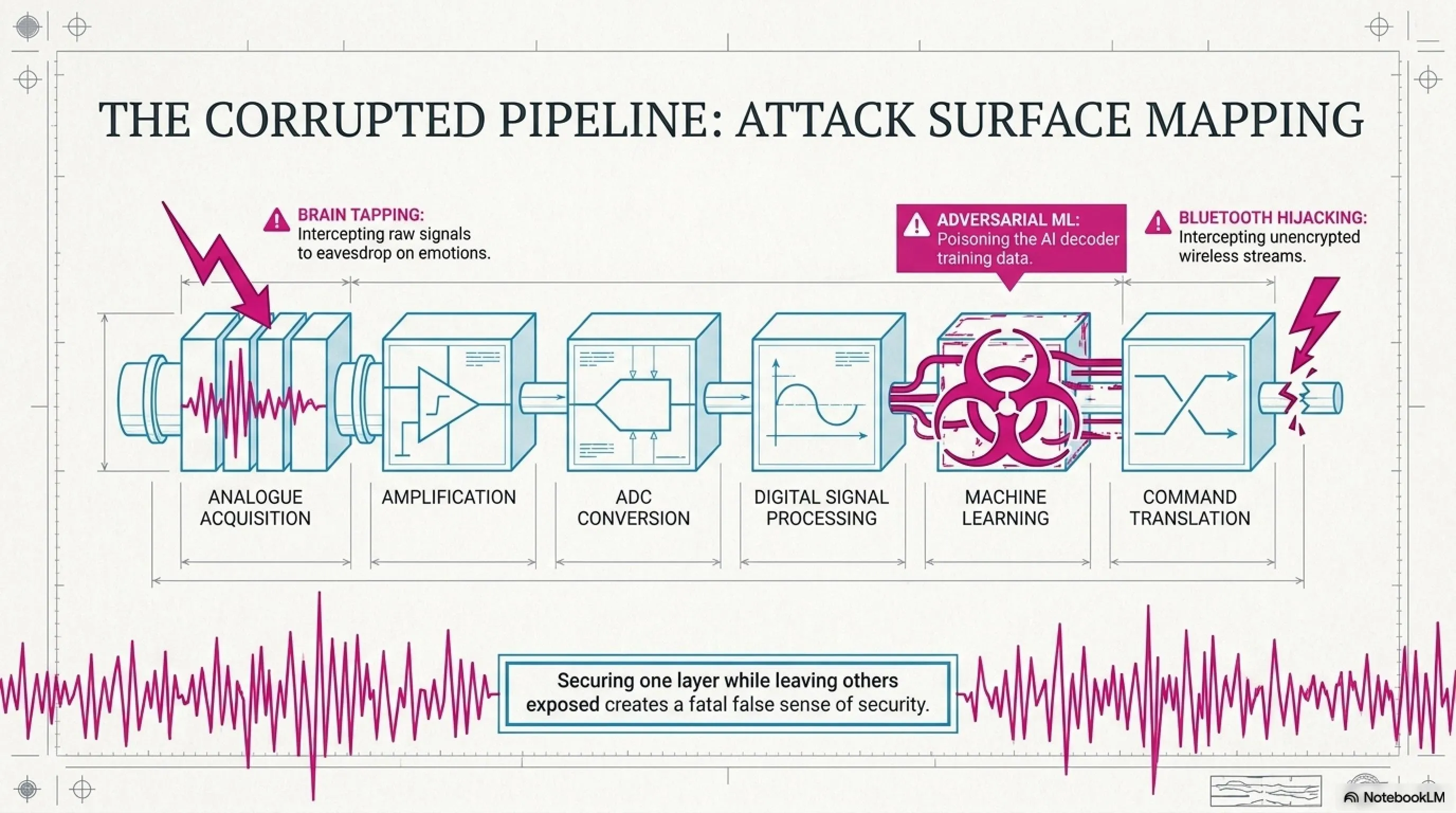
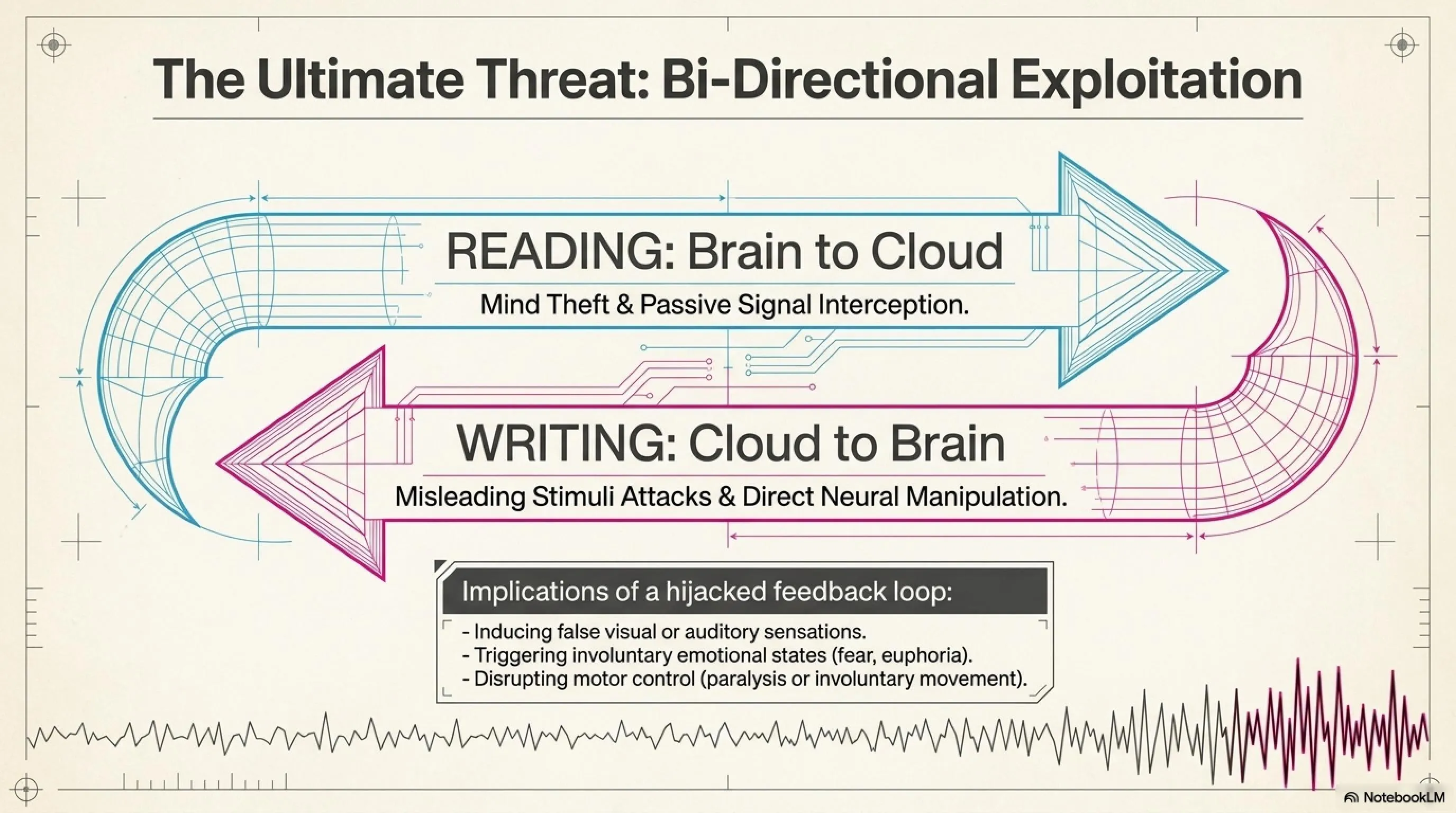
Each of these stages represents a potential vulnerability. Signal acquisition can be intercepted (brain tapping), signal processing can be manipulated (adversarial attacks), and the feedback loop can be hijacked (misleading stimuli attacks). This is why cybersecurity experts are sounding the alarm.
⚔️ Battle of the Giants: Neuralink vs Starfish
✅ Neuralink Advantages
- 1,024 electrodes (high resolution)
- 21 successful human implants
- Elon Musk's backing and funding
- Proven clinical track record
- Advanced robotic surgery system
⚡ Starfish Advantages
- 32 electrodes (smaller footprint)
- Still in testing phase
- Gabe Newell's gaming expertise
- Multiple simultaneous implants
- 5x more power efficient (1.1mW)
The key differentiator: Neuralink focuses on high-resolution single-site recording, while Starfish aims for distributed multi-site access with lower power consumption—a trade-off between resolution and coverage.
1.2. The E-Sports Performance Advantage
The Neuralink-equipped player who won the 2026 tournament demonstrated several key advantages over traditional controller users:
Reaction Time: Neural signals travel faster than the time it takes to physically press a button. The BCI player's average reaction time was 180ms compared to 250ms for traditional players—a 28% improvement that's decisive in competitive gaming.
Multitasking: The player could simultaneously control movement, aiming, and ability activation through different neural patterns, effectively giving them "more hands" than physically possible.
Fatigue Resistance: Mental control doesn't cause the same physical fatigue as hours of button mashing and mouse clicking, potentially extending peak performance duration.
But these advantages come with a dark side. If a competitor could intercept and analyze your neural signals during a match, they could predict your next move before you execute it. This isn't theoretical—it's a real threat that tournament organizers are now grappling with.
🚨 Real Scenario: Neural Signal Interception in Competitive Gaming
Imagine you're competing in a $1 million prize pool tournament using a BCI headset. Your opponent hires a hacker who intercepts your Bluetooth signals. By analyzing your EEG patterns, the hacker can detect when you're about to execute a specific strategy or attack direction. This information is relayed to your opponent in real-time, giving them a decisive advantage. This isn't cheating in the traditional sense—it's "mind theft," and current tournament rules don't even address it because the technology is so new.
2. Project Galea & OpenBCI: The Non-Invasive Neural Gaming Revolution 🎧🧠
While Neuralink and Starfish focus on surgical implants, another approach is gaining traction: non-invasive BCI. This is exactly what OpenBCI is building with its Galea project—a VR headset that integrates EEG (electroencephalography) sensors directly into the device.
Galea, unveiled in 2020, is a hardware and software platform that merges next-generation brain-computer interface technology with head-mounted displays. The device can simultaneously monitor multiple biometric data streams in real-time, including:
- Brain Signals (EEG): For reading neural activity across multiple frequency bands
- Eye Movements (EOG): For gaze tracking and attention monitoring
- Heart Rate (ECG/PPG): For stress and arousal measurement
- Skin Response (GSR): For emotional state detection
- Muscle Activity (EMG): For detecting subtle movements and tension
OpenBCI has partnered with Finnish company Varjo to integrate Galea with professional-grade VR headsets. This collaboration enables researchers and developers to capture brain and body signals directly in immersive environments. But the critical point is that Valve is also collaborating with OpenBCI to prepare this technology for gaming applications.
🔬 Galea Technical Architecture
Galea employs a three-layer system for processing brain signals:
- Signal Acquisition Layer: EEG sensors with 18.75 kHz sampling frequency capture brain signals across delta (0.5-4 Hz), theta (4-8 Hz), alpha (8-13 Hz), beta (13-30 Hz), and gamma (30-100 Hz) bands.
- Processing Layer: Machine learning algorithms clean raw signals and extract meaningful features using techniques like Independent Component Analysis (ICA) and Common Spatial Patterns (CSP).
- Control Layer: Identified patterns are converted into control commands that can manipulate devices or game environments through classification algorithms like Support Vector Machines (SVM) or deep neural networks.
But Galea isn't just a reading device—it's a bidirectional system. In addition to reading brain signals, Galea can stimulate the brain through transcranial magnetic stimulation (TMS) or electrical stimulation. This capability could be used to treat neurological diseases like depression or bipolar disorder, but it could also be weaponized to "enhance" gaming experiences or, more ominously, manipulate mental states.
Imagine playing a horror game and your headset detects that your fear level is too low. Could it stimulate your brain to make you feel more afraid? Conversely, if you're experiencing too much stress in a competitive game, could it calm you down? These ethical and security questions are profound and largely unanswered.
2.1. HyperX & Neurable: Consumer-Grade Brain-Tracking Gaming Headsets
At CES 2026, HyperX and Neurable unveiled a gaming headset with brain-tracking technology that represents the first consumer-ready neural gaming device. Unlike Galea's research focus, this headset is designed for everyday gamers. It uses EEG sensors embedded in the ear cushions to measure brain activity in real-time, with the goal of helping gamers improve focus, reaction time, and accuracy.
Key features of this groundbreaking headset include:
- Cognitive Priming: Before starting a game, the headset analyzes your mental state and provides recommendations for improving focus through breathing exercises or brief meditation.
- Real-Time Focus Monitoring: During gameplay, the headset continuously monitors your concentration level and alerts you if your attention wanders, potentially preventing costly mistakes.
- Tilt Prevention: The system can detect when you're entering a "tilt" state (playing poorly due to anger or frustration) and warns you to take a break before your performance deteriorates further.
- Performance Analytics: Post-game analysis shows when your focus peaked and dipped, correlating mental states with in-game performance to identify improvement opportunities.
Early testing has shown the headset actually works. Gamers who used it reported improved accuracy and reaction times. But the question remains: Are you ready for a private company to have access to all your brain data during gameplay?
📊 BCI Gaming Market Statistics
| Metric | 2022 | 2030 (Projected) | Growth |
|---|---|---|---|
| BCI Market Value | $1.74 billion | $6.2 billion | +256% |
| Annual Growth Rate (CAGR) | 17.5% | High | |
| Number of BCI Companies | 680 companies | 1,200+ (estimate) | +76% |
| Gaming Market Share | 15% | 35% (estimate) | +133% |
Source: World Economic Forum, Saudi Information Technology Company (SITE)
2.2. The Privacy Paradox: Convenience vs. Mental Privacy
The appeal of neural gaming devices is undeniable. Who wouldn't want faster reaction times, better focus, and personalized performance insights? But this convenience comes at a steep price: your mental privacy. Every time you use a BCI gaming device, you're generating a detailed record of your brain activity, emotional states, and cognitive patterns.
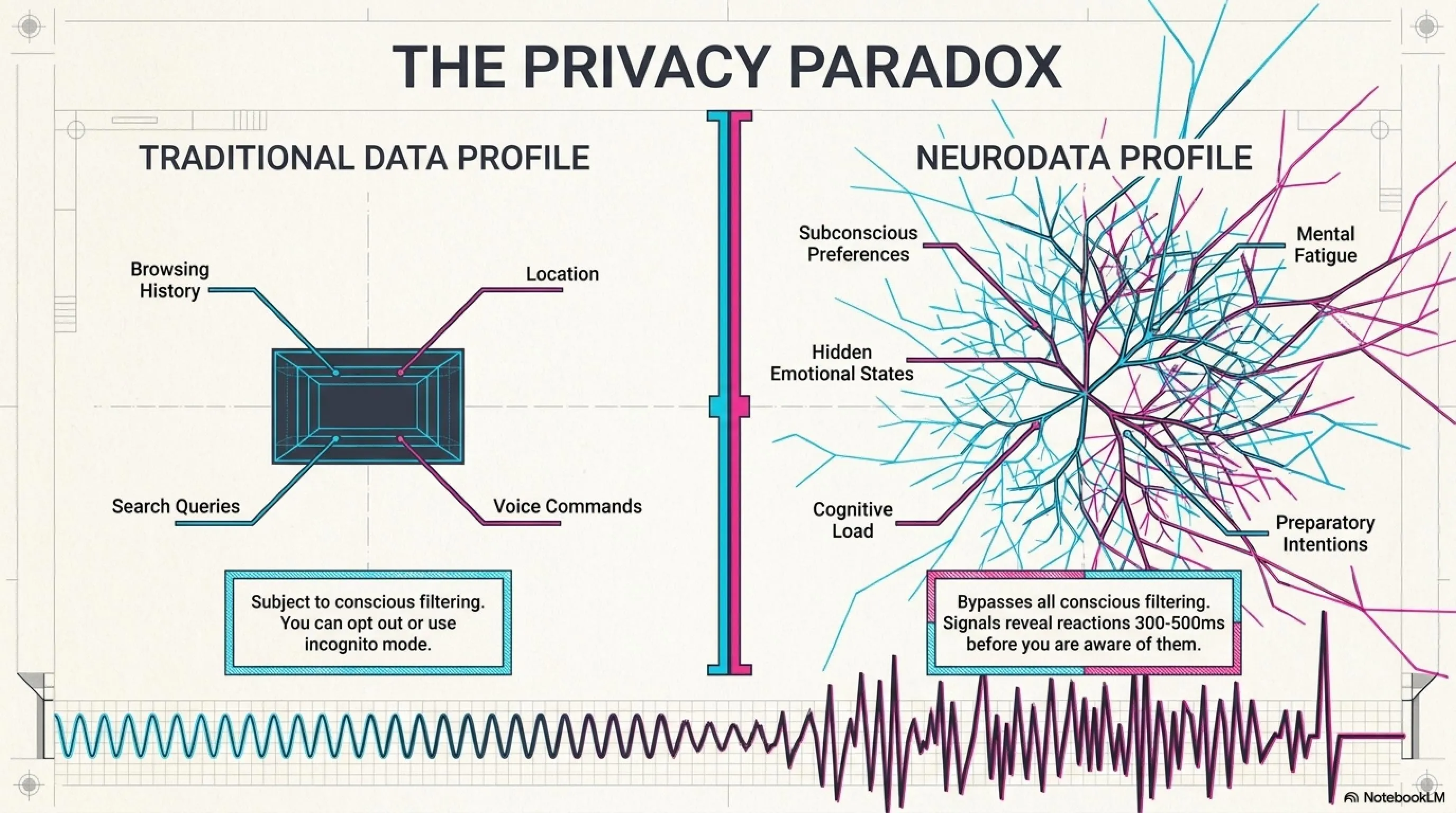
This data is far more revealing than anything collected by traditional devices. Your smartphone knows where you go and what you search for. Your smart speaker knows what you say. But a BCI device knows what you think and feel. It can detect:
- Emotional States: Happiness, sadness, fear, anger, stress, excitement
- Attention and Focus: Whether you're concentrated or distracted, and what captures your attention
- Preferences: What you like or dislike, often before you're consciously aware of it
- Cognitive Load: How hard your brain is working, indicating task difficulty
- Fatigue Levels: Mental exhaustion that affects decision-making quality
- Intentions: Preparatory neural activity before you take action
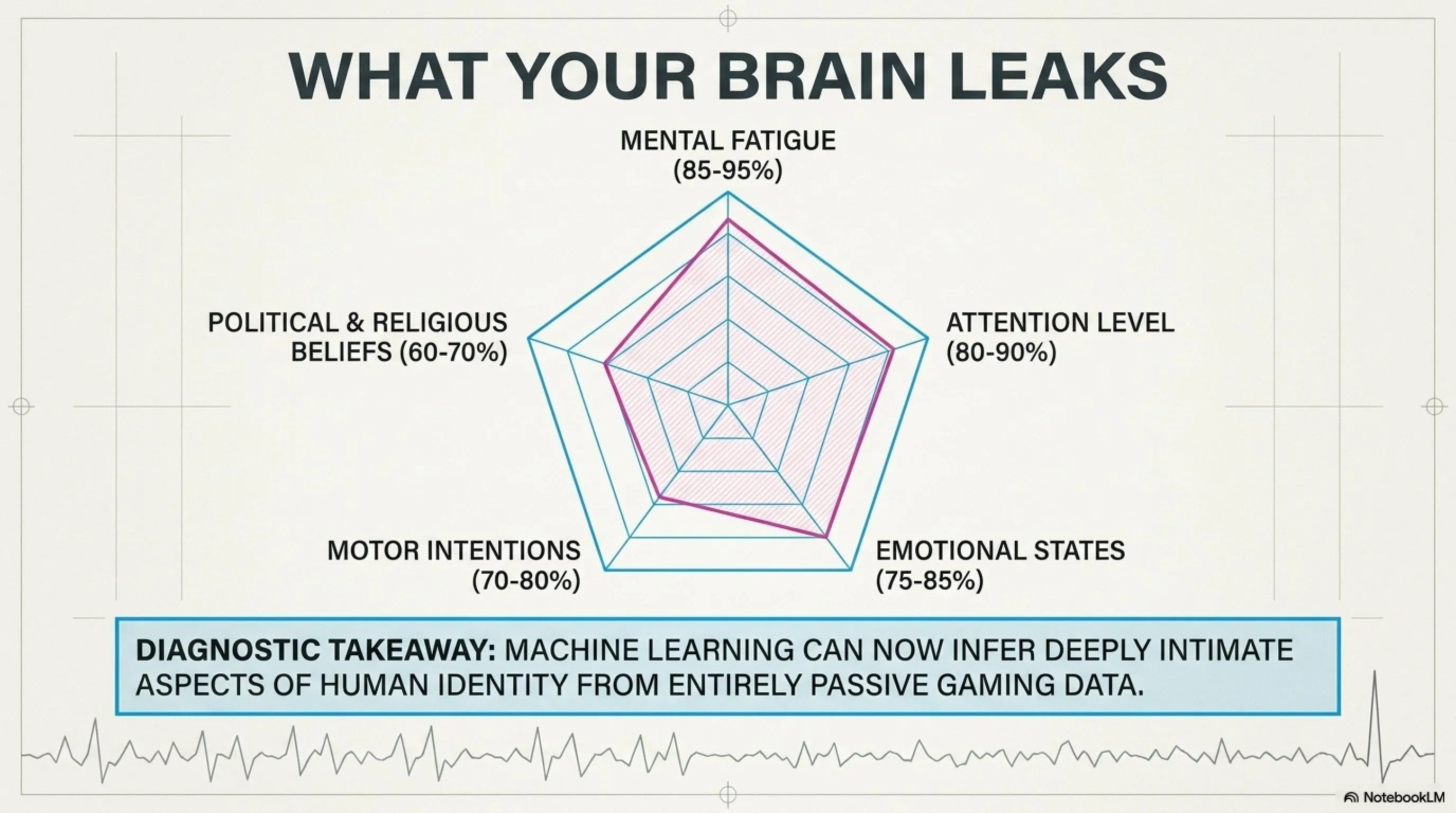
Research has shown that with sufficient training data, machine learning models can even infer political beliefs, religious views, and sexual orientation from neural patterns—information that most people would never voluntarily share.
3. Neural Data: The Black Gold of the 21st Century 💰🧠
If personal data is the "new oil," then neural data is the "black gold" of the 21st century. Unlike conventional data like browser history or location tracking, neural data can directly reveal thoughts, emotions, fears, and even intentions. This represents a new level of privacy invasion that no previous technology has achieved.
The world's first legal ruling on BCI privacy came from Chile. In this landmark case, a U.S.-based neurotechnology company was sued for failing to protect users' neural data. The court recognized that "neurodata" constitutes a new and distinct category of data that can be both personal and sensitive, especially when used for health purposes or identity recognition.
Most importantly, the court emphasized that neurodata can reveal deeply intimate aspects such as thoughts, emotions, and intentions. For this reason, the court ruled that neurodata must be treated as a fundamental part of human rights. This was the first time in history that a court formally recognized "mental privacy" as a protected right.
⚖️ Chile's Historic Court Ruling
The Chilean court emphasized that neural data can reveal deeply private aspects like thoughts, emotions, and intentions. Therefore, this data must be treated as a fundamental part of human rights. This is the first time in history that a court has formally recognized "mental privacy" as a protected right, setting a precedent that could influence legislation worldwide.
Source: EMBO Reports, Columbia University NeuroTechnology Center
But in most countries—including the United States, European Union, and Iran—no specific laws protect neural data. GDPR (General Data Protection Regulation) and similar laws can partially apply, but they were designed for traditional data, not brain signals that can reveal thoughts.
3.1. What Can Be Extracted from Neural Data?
Research has demonstrated that by analyzing EEG signals, the following information can be extracted:
🔍 Neural Data Extraction Capabilities
| Data Type | Extraction Method | Accuracy |
|---|---|---|
| Emotional States | Frequency band analysis (alpha, beta, gamma) | 75-85% |
| Attention Level | Beta wave monitoring + eye tracking | 80-90% |
| Preferences | Event-related potentials (ERPs) | 65-75% |
| Political/Religious Beliefs | Response to targeted stimuli | 60-70% |
| Mental Fatigue | Theta/alpha ratio analysis | 85-95% |
| Motor Intentions | Motor cortex readiness potentials | 70-80% |
Note: Accuracy rates vary based on individual differences, signal quality, and algorithm sophistication. These figures represent current state-of-the-art performance.
This information is extremely valuable to advertising companies, employers, insurance companies, governments, and even criminals. Imagine an insurance company that could analyze your neural data to determine if you're at risk for depression or anxiety and raise your premiums accordingly. Or an employer who could test your honesty and loyalty with a BCI test before hiring you.
3.2. The Dark Web Market for Neural Data
Cybersecurity researchers warn that a black market for neural data is emerging. On the dark web, stolen EEG data is being sold at premium prices. This data can be used for:
💀 Dark Web Neural Data Market
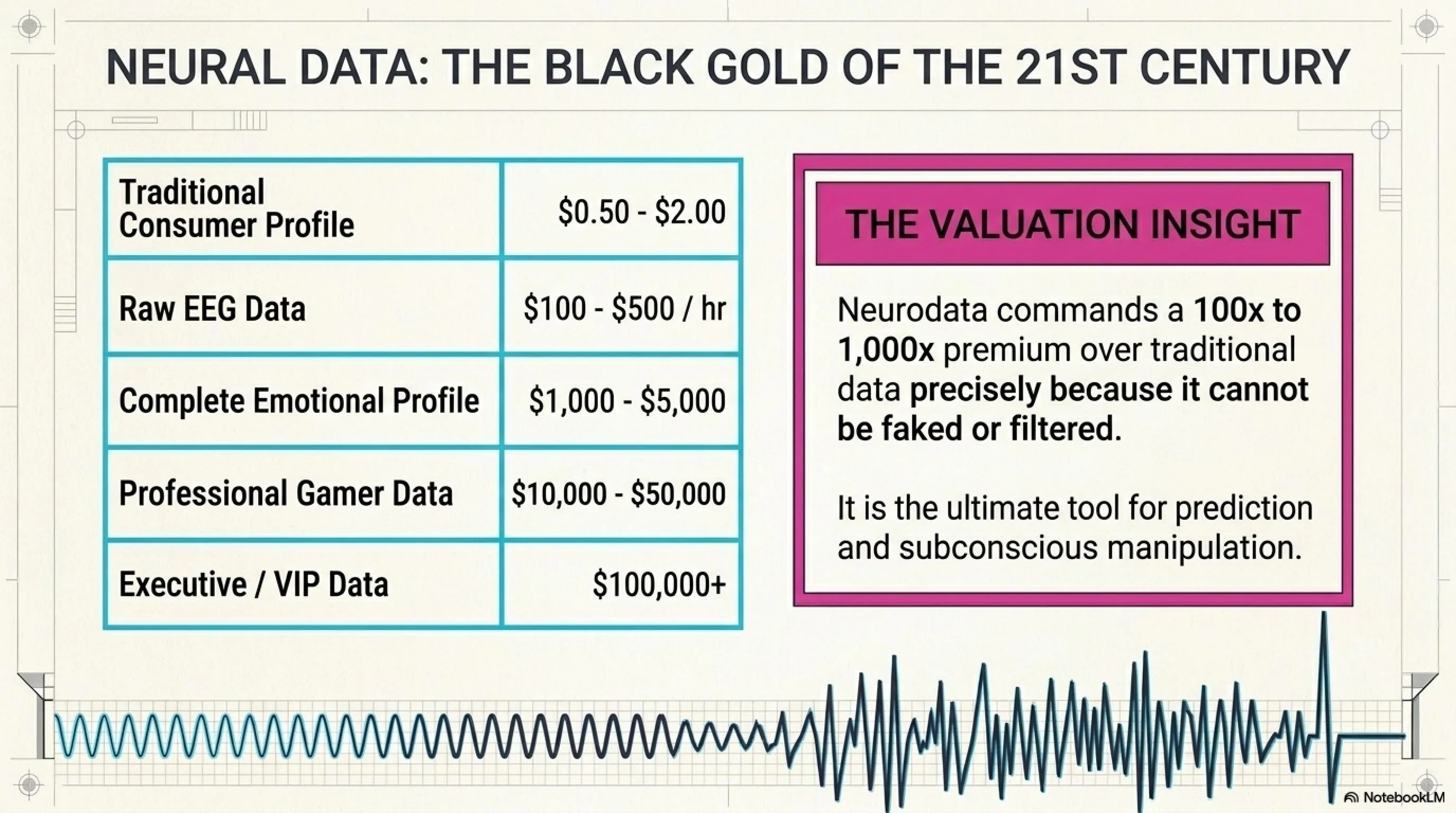
Cybersecurity researchers have identified a growing black market for neural data. Estimated prices on dark web marketplaces:
- Raw EEG Data: $100-$500 per hour of recording
- Complete Emotional Profile: $1,000-$5,000 per individual
- Professional Gamer Data: $10,000-$50,000 (for competitive intelligence)
- Executive/VIP Data: $100,000+ (for corporate espionage)
- Neuro-Ransomware: Variable (based on victim's profile and sensitivity of revealed information)
These prices reflect the extreme value placed on neural data, which can reveal information that individuals would never voluntarily disclose and that cannot be obtained through any other means.
The applications for stolen neural data are disturbing:
- Neural Ransomware: Threatening to expose private thoughts and emotions unless payment is made
- Election Manipulation: Identifying susceptible individuals and targeting them with personalized propaganda
- Corporate Espionage: Extracting confidential information from employees' minds
- Extreme Targeted Advertising: Manipulating emotions to drive purchasing decisions
- Blackmail: Using revealed preferences or thoughts as leverage
- Identity Theft: Neural patterns as biometric identifiers that can be stolen and replicated
3.3. The Economics of Mind Theft
To understand why neural data is so valuable, consider what traditional data brokers pay for conventional personal information. A detailed consumer profile including browsing history, purchase records, and location data might sell for $0.50 to $2.00. But neural data that reveals emotional responses, cognitive patterns, and subconscious preferences could be worth 100 to 1,000 times more.
Why? Because neural data bypasses all conscious filtering. When you fill out a survey, you can lie. When you browse the web, you can use incognito mode. But your brain signals don't lie—they reveal your true reactions before you're even consciously aware of them. This makes neural data the ultimate tool for manipulation and prediction.
🎯 Real-World Example: Neuromarketing in Gaming
A gaming company using BCI headsets could analyze when players experience peak excitement or frustration. By correlating these neural states with in-game events, they can optimize "loot box" mechanics to trigger purchases at moments of maximum psychological vulnerability. This isn't hypothetical—several companies are already exploring this technology. The result? Players spend more money without consciously deciding to, because the game is literally reading their minds and exploiting their emotional states in real-time.
4. Cyberattacks on the Brain: From Brain Tapping to Bluetooth Hijacking 🔓💀
BCI devices, like any internet-connected technology, are vulnerable to cyberattacks. But unlike hacking a computer or smartphone, hacking a BCI device can directly harm your brain and physical body. Cybersecurity researchers have identified several types of BCI attacks, some of which are deeply concerning.
4.1. Brain Tapping: Neural Eavesdropping
Brain tapping is an attack that compromises an individual's confidentiality by intercepting signals transmitted from the brain during the signal acquisition phase. Depending on the type of signals and stimuli provided, brain tapping enables involuntary inference of emotions, preferences, religious and political beliefs, and potentially much more.
This data can be exploited by criminals, terrorists, commercial enterprises, spy agencies, and military entities. Imagine a hacker who could intercept your gaming headset's Bluetooth signals and determine what you're thinking or feeling in real-time.
The technical mechanism is straightforward but devastating: Most BCI devices transmit neural data wirelessly via Bluetooth. If this transmission isn't properly encrypted (and many consumer devices use weak encryption to reduce latency), an attacker within range can intercept the raw EEG signals. With machine learning models trained on similar data, they can decode your mental states with surprising accuracy.
🚨 Real Scenario: Brain Tapping in E-Sports
You're competing in a professional E-Sports tournament with a $1 million prize pool, using a BCI headset. Your opponent hires a hacker who intercepts your Bluetooth signals from the audience. By analyzing your EEG patterns, the hacker can detect when you're about to execute a specific strategy or attack direction—your brain shows preparatory activity 300-500ms before you act. This information is relayed to your opponent in real-time via a hidden earpiece, giving them a decisive advantage. This isn't traditional cheating—it's "mind theft," and current tournament rules don't address it because the technology is so new that regulators haven't caught up.
4.2. Misleading Stimuli Attacks: Mind Manipulation
During the signal acquisition phase, this attack can manipulate the integrity of the generated signal, leading to faulty or biased outcomes. Misleading stimuli can also be used during feedback to control an individual's mind. The ability of a BCI application to stimulate the brain introduces a significant risk of hijacking, potentially compelling individuals to engage in actions contrary to their will.
This threat is particularly alarming for neurally controlled vehicles and weapons, which could significantly impact the conduct of crimes and wars. Consider a scenario where a soldier using a brain-controlled weapon system has their BCI hijacked. The attacker could send false stimuli that cause the soldier to fire on friendly forces or freeze in combat.
The mechanism works through the bidirectional nature of advanced BCIs. While reading your brain signals, the device can also send electrical or magnetic pulses back to your brain. If an attacker gains control of this stimulation capability, they could:
- Induce False Sensations: Make you see, hear, or feel things that aren't real
- Trigger Emotional States: Force feelings of fear, anger, or euphoria
- Disrupt Motor Control: Cause involuntary movements or paralysis
- Impair Cognition: Reduce decision-making ability or induce confusion
- Create Addictive Patterns: Stimulate reward centers to create dependency
⚔️ Military Scenario: Brain-Controlled Weapons
Militaries worldwide are researching weapons controlled by brain signals. A soldier could direct a drone or fire a weapon just by thinking. But if a hacker could send false stimuli to the soldier's brain, forcing them to fire on friendly forces, the consequences would be catastrophic. This scenario is no longer science fiction—cybersecurity researchers have warned that this threat is real and must be taken seriously. The Pentagon has already established a neurosecurity working group to address these concerns, recognizing that brain-controlled military systems represent both an opportunity and a profound vulnerability.
4.3. Bluetooth Vulnerabilities in BCI Devices
Most modern BCI devices—including Neuralink, Galea, and HyperX headsets—use Bluetooth for wireless communication. While this enables seamless brain-to-device communication, it also exposes BCIs to various cyber threats. Below are the key Bluetooth-based vulnerabilities that may affect BCIs:
🔓 10 Critical Bluetooth Vulnerabilities in BCI
| Attack Type | Description | Risk Level |
|---|---|---|
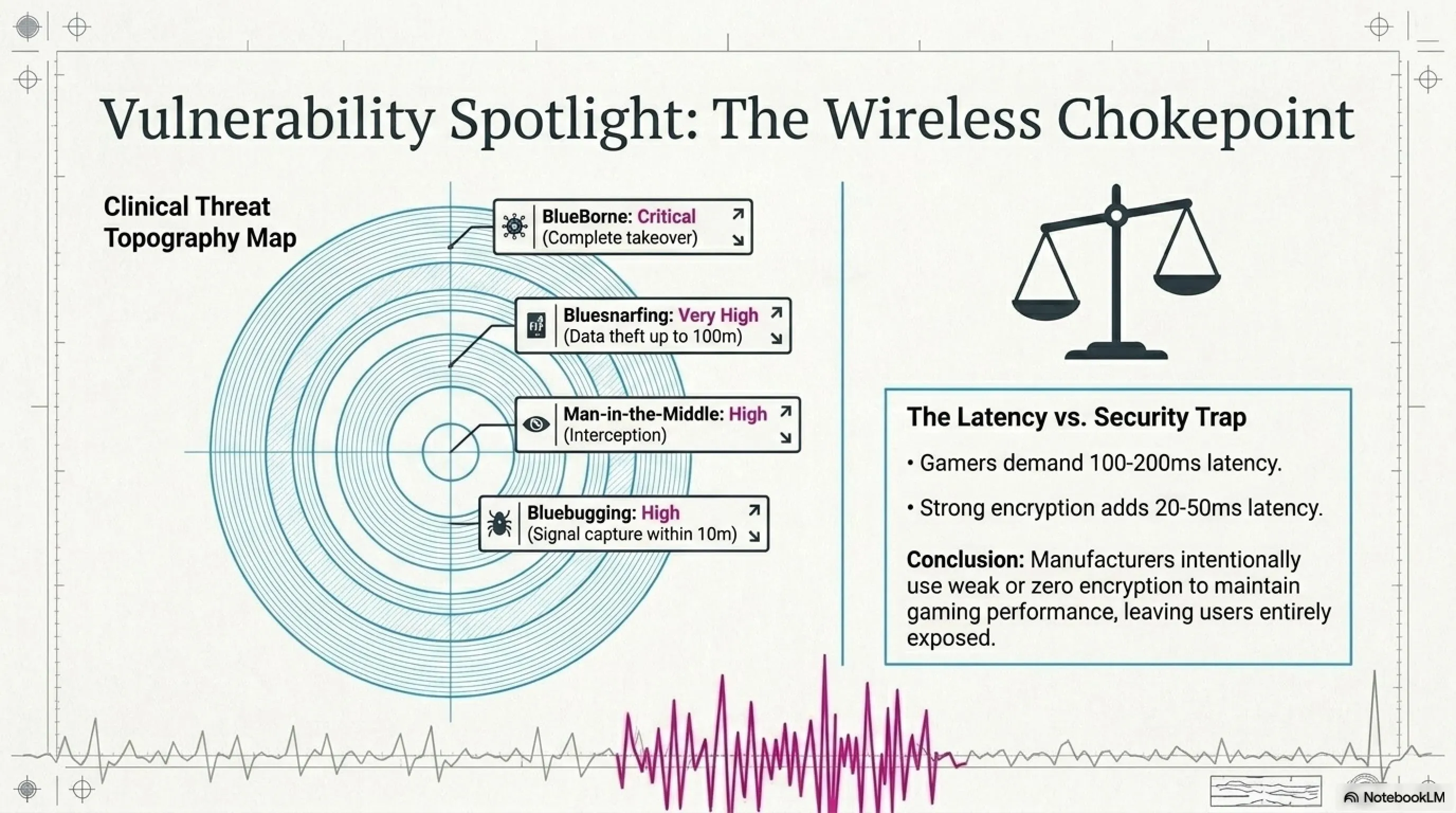
| Bluebugging | Unauthorized access to BCI device within 10 meters, enabling signal interception | High |
| Bluejacking | Sending unsolicited messages, disrupting data transmission | Medium |
| Bluesnarfing | Data theft from unsecured Bluetooth connections up to 100 meters | Very High |
| BlueBorne | Complete device takeover, data theft, or malicious command injection | Critical |
| KNOB Attack | Breaking Bluetooth encryption, intercepting neural data | High |
| BLE Spoofing (BLESA) | Tricking device into trusting malicious Bluetooth source | High |
| BCI Whispering | Hijacking Bluetooth audio connections for eavesdropping | Medium |
| Bluetooth DoS | Overloading BCI system, draining battery or halting transmission | Medium |
| Bluetooth Tracking | Locating BCI users via Bluetooth signals, exposing real-time location | Medium |
| Man-in-the-Middle (MITM) | Intercepting communication between BCI and connected devices | High |
4.4. Adversarial Attacks on BCI Machine Learning
This attack targets the machine learning component of BCI applications by manipulating training or testing examples, leading to skewed results. For instance, machine learning-based "brain fingerprinting" for lie detection can be manipulated by an adversarial attack to produce biased outcomes in favor of or against the subject.
The technical details are sophisticated but the implications are clear: Modern BCIs rely heavily on machine learning to decode neural signals. These AI models are trained on large datasets of brain activity. If an attacker can poison this training data or craft adversarial inputs, they can cause the system to misinterpret signals in predictable ways.
Consider a BCI system designed to detect criminal intent. An attacker could manipulate the training data so the system identifies innocent people as criminals or clears actual criminals. This type of attack could have catastrophic consequences in judicial and security systems.
⚠️ Warning: BCI in Judicial Systems
Some countries are exploring the use of BCI for "lie detection" or "intent reading" in courts. But researchers warn that these systems are easily manipulated and could lead to wrongful convictions of innocent people. There are no scientific or legal standards for using BCI in judicial systems, and this poses a serious threat to human rights. The American Psychological Association has issued a statement warning against the use of brain-reading technology in legal proceedings without rigorous validation and oversight.
4.5. The Attack Surface: A Comprehensive Threat Model
To fully understand the security challenges, we need to map the complete attack surface of a typical BCI gaming system:
🎯 BCI Attack Surface Map
- Hardware Layer: Physical tampering with sensors, electrode poisoning, electromagnetic interference
- Signal Acquisition: Brain tapping, signal injection, noise amplification
- Wireless Communication: Bluetooth vulnerabilities, WiFi attacks, RF jamming
- Data Processing: Adversarial ML attacks, model poisoning, backdoor insertion
- Cloud Storage: Data breaches, unauthorized access, insider threats
- Application Layer: Software vulnerabilities, API exploits, privilege escalation
- Feedback Mechanism: Misleading stimuli, unauthorized brain stimulation
- User Authentication: Credential theft, session hijacking, biometric spoofing
Each layer represents multiple potential vulnerabilities. A comprehensive security strategy must address all layers simultaneously—securing one while leaving others exposed creates a false sense of security.
5. Who Protects Your Thoughts? Legal Vacuum and Missing Standards ⚖️🚫
Currently, there is no unified regulation or standard specifically for BCIs, but both the United States and the European Union have existing laws that partially apply to them. Since BCIs are considered medical devices, frameworks like MDR (Medical Device Regulation), NIS2 (Network and Information Security), and the EU AI Act are relevant—especially as artificial intelligence plays an increasingly critical role in decoding brain signals.
5.1. Global Legal Landscape
🌍 BCI Legal Framework Worldwide
| Country/Region | Legal Status | Protection Level |
|---|---|---|
| Chile | First country with neural privacy law (2021 constitutional amendment) | Excellent |
| European Union | GDPR, MDR, NIS2, AI Act - partial coverage | Moderate |
| United States | FDA for medical devices - no specific BCI law | Weak |
| China | Cybersecurity laws - focus on government control | Weak |
| Japan | Exploring neurorights legislation | Developing |
| Rest of World | No specific laws | None |
5.2. The Neurorights Movement
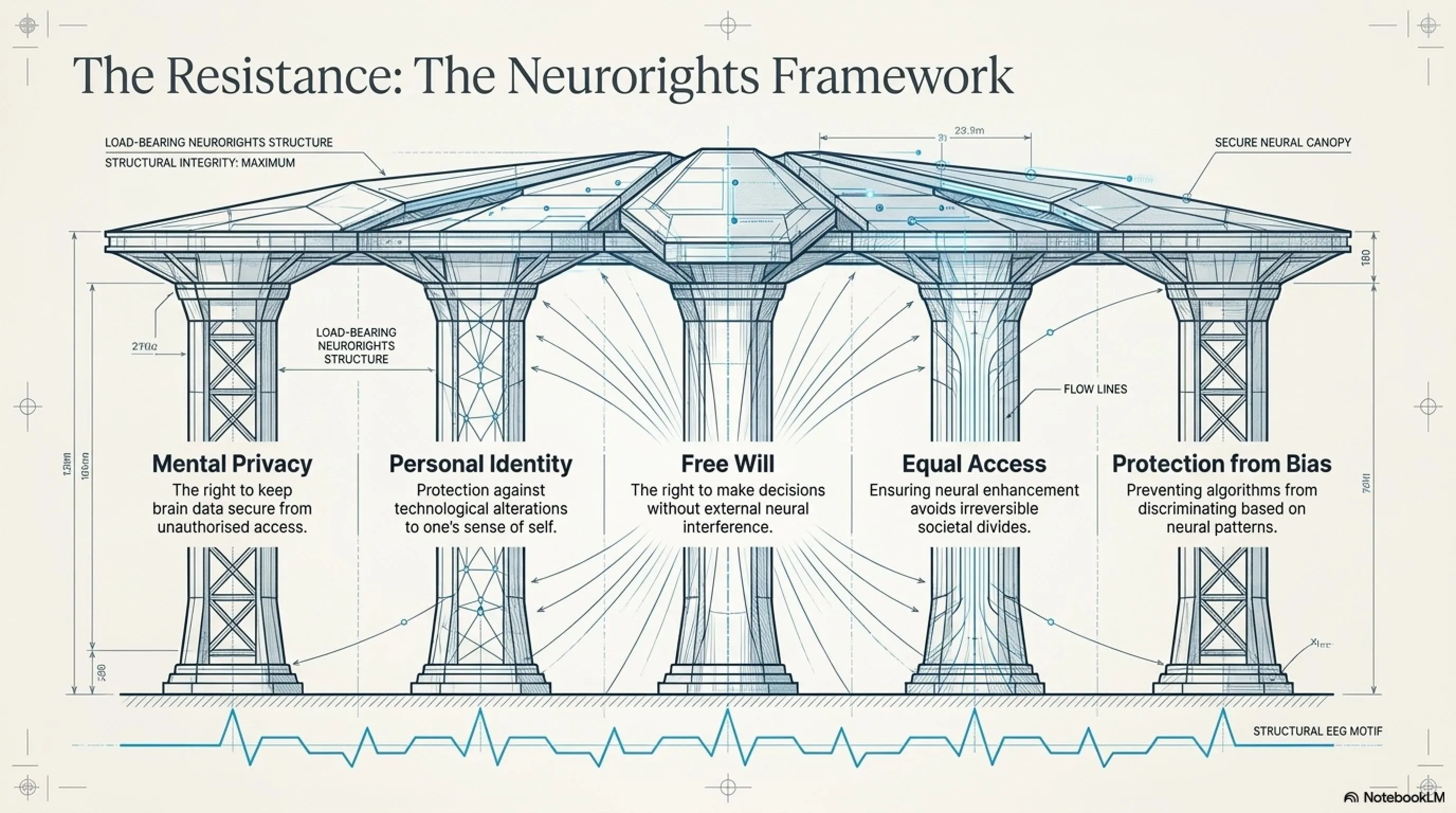
In response to the legal vacuum, a global movement for "neurorights" has emerged. Led by neuroscientists like Rafael Yuste at Columbia University, this movement advocates for five fundamental neurorights:
- Mental Privacy: The right to keep brain data private and secure from unauthorized access
- Personal Identity: Protection against alterations to one's sense of self through neural manipulation
- Free Will: The right to make decisions without external neural interference
- Equal Access: Ensuring neural enhancement technologies don't create unfair advantages
- Protection from Bias: Preventing algorithmic discrimination in neural data interpretation
Chile became the first country to enshrine neurorights in its constitution in 2021, adding an amendment that explicitly protects "mental integrity" and "psychological continuity." This groundbreaking legislation recognizes that brain data is fundamentally different from other personal data and requires special protection.
5.3. Proposed Framework for BCI Regulation
Researchers and human rights advocates propose that a comprehensive legal framework for BCI should include the following elements:
🛡️ Essential Elements of BCI Regulation
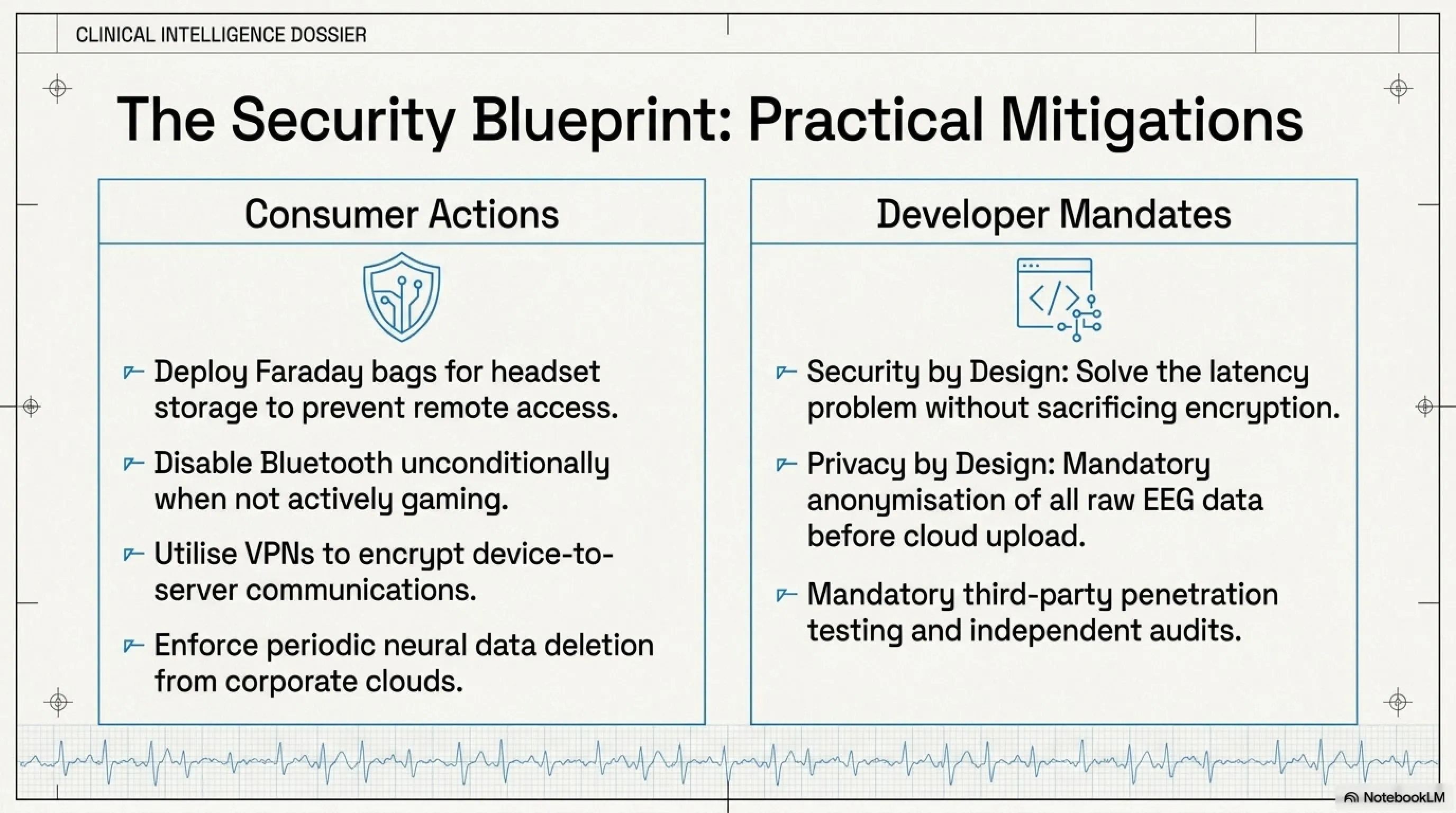
- Security by Design: Security must be integrated from the start, especially given BCIs' critical role in assisting people with severe conditions. Developers have a responsibility to ensure robust protection throughout the product lifecycle.
- Legal Recognition of Neurodata: Neural data should be legally recognized as personal or sensitive data and protected accordingly. It must be encrypted during storage and transmission, with strict access controls.
- Privacy by Design: Principles must be applied, ensuring data protection from collection through deletion. Systems should feature encryption, anonymization, and user-controlled access.
- User Control: Users must retain full control of their neurodata. They alone should decide if, when, and how it is shared or deleted.
- Comprehensive Risk Management: Developers should follow international standards (e.g., ISO/IEC 31000:2018) to identify and mitigate risks.
- Rapid-Response Teams: Must be in place to address incidents such as data breaches or system failures that affect users' health or privacy.
- Training and Awareness: Programs should be tailored to users, clinicians, and data handlers to ensure understanding of risks and protection measures.
- Mandatory Audits: Regular third-party security audits and penetration testing
- Transparency Requirements: Clear disclosure of data collection, processing, and sharing practices
- Right to Deletion: Users must be able to permanently delete their neural data
5.4. The U.S. Regulatory Gap
In the United States, BCI devices fall under FDA regulation as medical devices, but this framework was designed for traditional medical equipment, not devices that read and potentially manipulate thoughts. The FDA's current approach focuses on safety and efficacy but doesn't adequately address privacy, security, or the unique ethical challenges of neural interfaces.
Several U.S. states are considering neurorights legislation. Colorado introduced a bill in 2024 that would classify neural data as sensitive personal information under state privacy law. California is exploring similar measures. But without federal legislation, the regulatory landscape remains fragmented and inadequate.
The situation is particularly concerning for consumer BCI devices like gaming headsets, which may not be classified as medical devices at all and thus escape FDA oversight entirely. This creates a regulatory blind spot where companies can collect and use neural data with minimal oversight.
6. The Dark Future: Real-World Mind Theft Scenarios in Gaming 🎮💀
Now that we understand BCI technology, security threats, and the legal vacuum, let's explore several realistic scenarios showing how "mind theft" could occur in the gaming world.
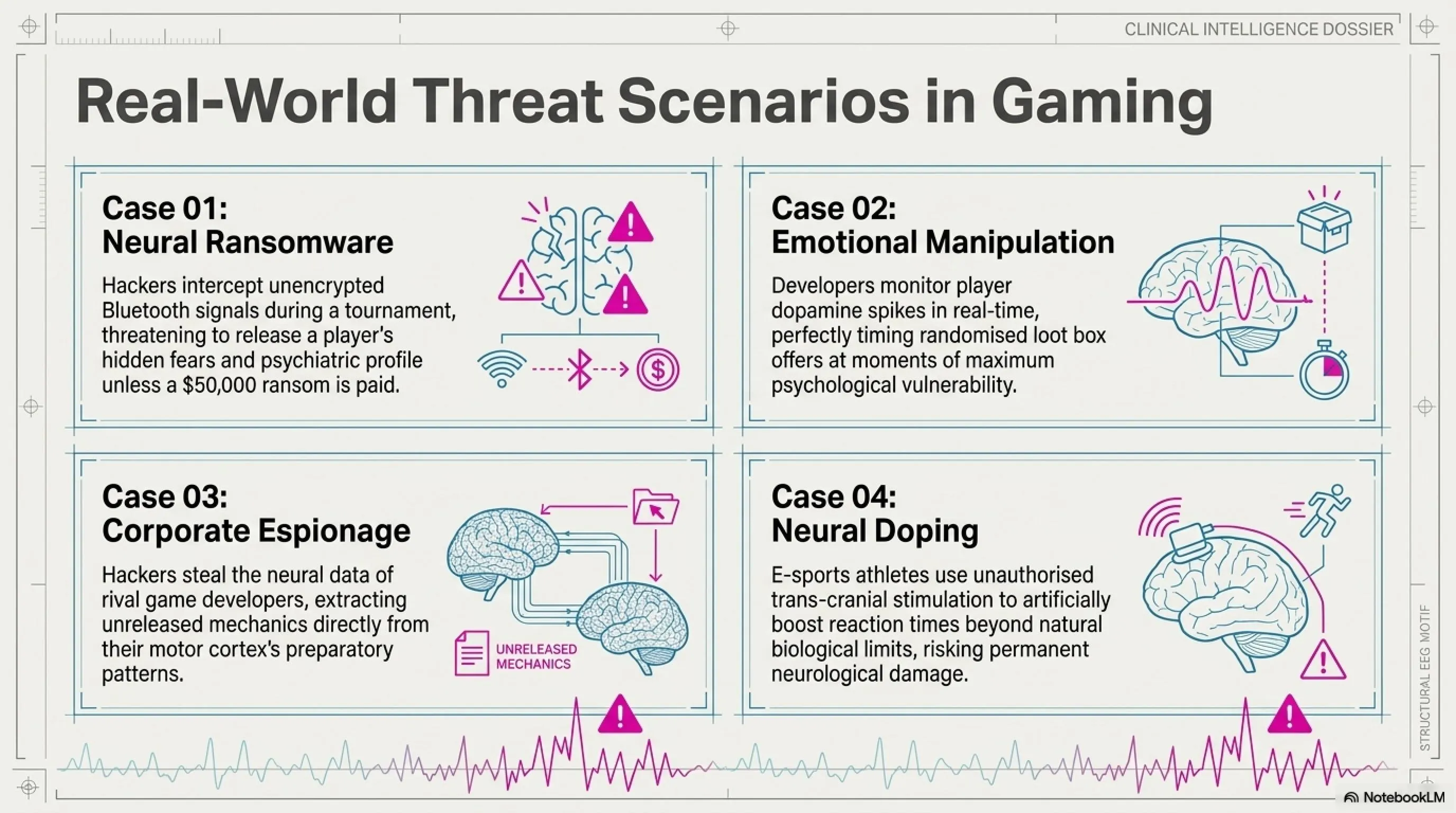
6.1. Scenario 1: Neural Ransomware in E-Sports
A professional E-Sports player using a BCI headset receives an email: "We have 6 months of your neural data. We know what you think, how you feel, and what scares you. If you don't pay $50,000, we'll sell this data to the media and your sponsors."
This scenario is no longer science fiction. Cybersecurity researchers have warned that neural ransomware (Neuro-Ransomware) could become a real threat. Neural data can reveal extremely private information about fears, anxieties, sexual preferences, and even suicidal thoughts. Exposing this information could destroy someone's professional and personal life.
The attack vector is straightforward: The player's BCI headset has a Bluetooth vulnerability. An attacker within range (perhaps in the tournament audience or a nearby hotel room) intercepts the wireless transmission. Over months, they accumulate a detailed neural profile. The ransomware demand isn't for system access—it's for silence about what your brain revealed.
💰 The Economics of Mind Theft
The dark web market for neural data is growing. Estimated prices:
- Raw EEG Data: $100-$500 per hour
- Complete Emotional Profile: $1,000-$5,000
- Professional Gamer Data: $10,000-$50,000
- Executive/VIP Data: $100,000+
- Ransomware Demands: Variable (based on victim profile and sensitivity)
These prices reflect the extreme value of information that cannot be obtained through any other means and that victims would pay almost anything to keep private.
6.2. Scenario 2: Emotional Manipulation in Online Games
A game company selling BCI headsets discovers it can analyze players' neural signals to know exactly when they experience peak excitement or frustration. The company uses this information to optimize "loot boxes" (randomized reward systems) to trigger purchases at moments of maximum psychological vulnerability.
This type of emotional manipulation could lead to gaming addiction and compulsive spending. Researchers warn that BCI could become a powerful tool for "neuromarketing"—marketing directly to the brain that's impossible to resist.
The mechanism is insidious: Traditional game design uses trial and error to find addictive patterns. But with neural data, companies can see exactly which game mechanics trigger dopamine release in your brain. They can then personalize the experience to maximize your engagement and spending, exploiting your neural responses in real-time.
This isn't hypothetical. Several gaming companies have already filed patents for "adaptive difficulty systems" that use biometric data to adjust game challenge. With BCI, this becomes "adaptive manipulation systems" that exploit your mental states for profit.
6.3. Scenario 3: Corporate Espionage Through BCI
A rival game company hires a hacker to infiltrate another company's servers and steal BCI data from their developers. By analyzing the neural signals of developers while working on a new game, the hacker can extract information about game mechanics, story elements, and even release dates.
This type of industrial espionage could become a serious threat to technology companies. Neural data can reveal confidential information that even the person doesn't realize they're thinking about.
The attack exploits the fact that creative work involves extensive mental simulation. When a game designer thinks about a new mechanic, their motor cortex shows activity patterns corresponding to how players would interact with it. When a writer thinks about plot twists, their brain shows patterns associated with surprise and revelation. A sophisticated neural decoder could extract these creative ideas directly from brain signals.
6.4. Scenario 4: The Neural Performance Enhancement Arms Race
As BCI gaming becomes mainstream, a black market emerges for "neural performance enhancers"—unauthorized brain stimulation protocols that boost reaction time and focus beyond natural limits. Professional players face a choice: use these dangerous enhancements to stay competitive, or fall behind.
This scenario mirrors the doping crisis in traditional sports but with far more serious consequences. While steroids harm the body, unauthorized brain stimulation could cause permanent neurological damage, personality changes, or psychiatric disorders.
The regulatory challenge is immense. How do you test for neural doping? Traditional drug tests won't work. You'd need to analyze brain activity patterns, but those vary naturally between individuals. The line between legitimate training and cheating becomes blurred when the training happens inside your brain.
🛡️ Practical Solutions for Protecting Mental Privacy
- Use VPN for BCI Connections: Encrypt all communications between device and server
- Disable Bluetooth When Not in Use: Reduce attack surface
- Review Privacy Policies: Before purchasing any BCI device, understand data practices
- Use Hardware Encryption: If the device supports it
- Regular Firmware Updates: To patch security vulnerabilities
- Limit Third-Party App Access: To neural data
- Use Multi-Factor Authentication: For BCI account access
- Periodic Data Deletion: From company servers
- Monitor for Unusual Activity: Check logs for unauthorized access
- Use Faraday Bags: When storing BCI devices to prevent remote access
7. Technical Deep Dive: How BCI Architecture Creates Security Vulnerabilities 🔧🔓
To truly understand the security challenges, we need to examine the technical architecture of modern BCI systems and identify where vulnerabilities emerge.
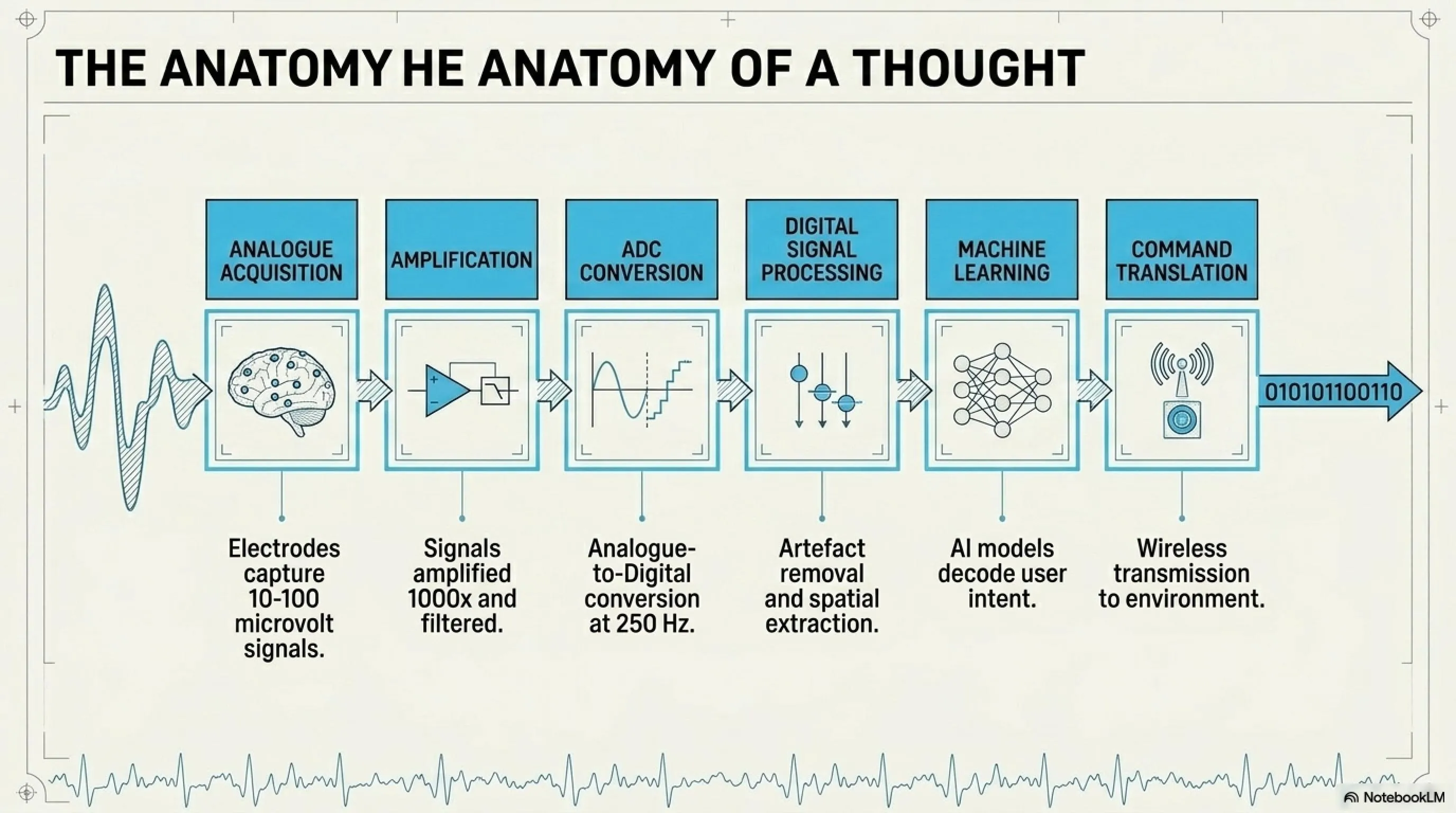
7.1. The Signal Processing Pipeline
A typical BCI gaming system processes neural signals through multiple stages, each introducing potential vulnerabilities:
⚙️ BCI Signal Processing Pipeline
Stage 1: Analog Signal Acquisition
- Electrodes capture microvolt-level signals (10-100 μV)
- Vulnerability: Electromagnetic interference can inject false signals
- Vulnerability: Physical tampering with electrodes
Stage 2: Amplification & Filtering
- Signals amplified 1000-10000x
- Bandpass filtering (0.5-100 Hz for EEG)
- Vulnerability: Amplifier saturation attacks
- Vulnerability: Filter bypass exploits
Stage 3: Analog-to-Digital Conversion
- Sampling at 250-1000 Hz
- 16-24 bit resolution
- Vulnerability: Timing attacks on ADC
- Vulnerability: Quantization manipulation
Stage 4: Digital Signal Processing
- Artifact removal (eye blinks, muscle activity)
- Feature extraction (frequency bands, spatial patterns)
- Vulnerability: Algorithm manipulation
- Vulnerability: Adversarial signal injection
Stage 5: Machine Learning Classification
- Neural network or SVM classification
- Intent decoding
- Vulnerability: Model poisoning
- Vulnerability: Adversarial examples
Stage 6: Wireless Transmission
- Bluetooth or WiFi transmission
- Encryption (often weak to reduce latency)
- Vulnerability: All Bluetooth attacks listed earlier
- Vulnerability: Man-in-the-middle attacks
7.2. The Latency-Security Trade-off
One of the fundamental challenges in BCI security is the trade-off between latency and security. For gaming applications, low latency is critical—players need their thoughts translated into actions within 100-200 milliseconds. But strong encryption adds latency.
This forces manufacturers to make difficult choices:
- Weak Encryption: Fast but vulnerable to interception
- Strong Encryption: Secure but adds 20-50ms latency
- No Encryption: Fastest but completely insecure (some consumer devices)
Many consumer BCI gaming devices opt for weak or no encryption to maintain competitive performance, leaving users vulnerable to brain tapping attacks.
🎯 Final Verdict: Are We Ready to Connect Our Thoughts to the Internet?
BCI technology has the potential to transform the lives of millions—from restoring movement to paralyzed individuals to creating unimaginable gaming experiences. But these advances come at a steep price: our mental privacy. In a world where no global standards exist to protect neural data, we're entering a massive social experiment with uncertain outcomes.
The question is: Are we as a society ready to blur the boundary between human and machine? Are we ready to entrust our thoughts and emotions to private companies? And most importantly, are we ready to live in a world where "mind theft" is a real threat?
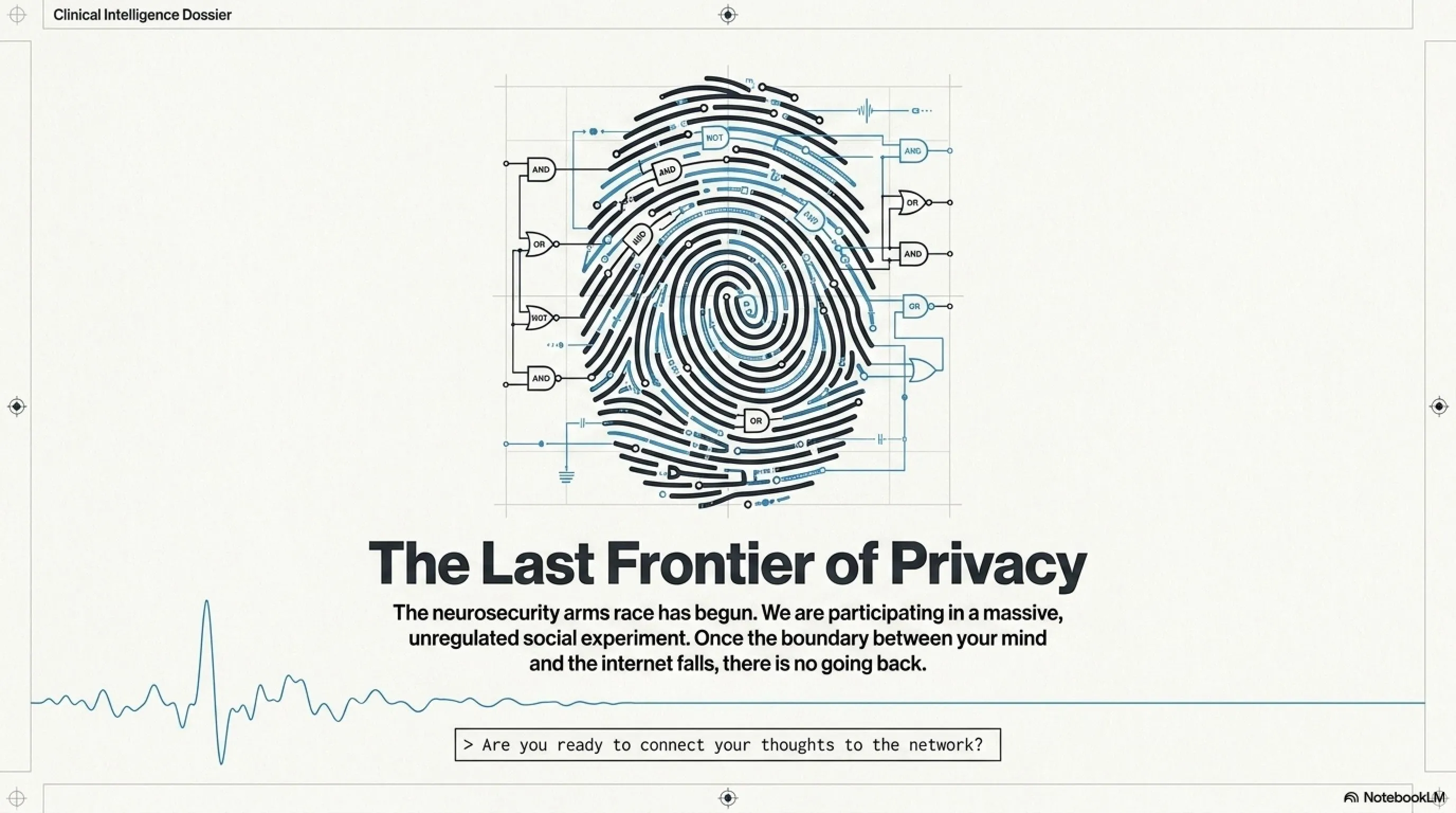
The answer to these questions depends not only on technology but also on laws, ethics, and public awareness. We must act now—before it's too late. The neurosecurity arms race has begun, and the stakes couldn't be higher. Your thoughts are the last frontier of privacy. Once that frontier falls, there's no going back.
❓ Are BCI gaming devices safe to use?
Current BCI gaming devices (like HyperX-Neurable headsets) use non-invasive EEG technology, which is relatively safer than surgical implants. However, they're still vulnerable to Bluetooth attacks and data theft. The most important thing is to check the manufacturer's privacy policy and understand how your data is stored and used. Look for devices with strong encryption, regular security updates, and transparent data practices.
❓ Can hackers actually read my thoughts?
Not directly—current BCI technology cannot "read thoughts" as words. But it can analyze neural patterns and extract information about emotions, attention, preferences, and even intentions. With advances in AI, these capabilities are improving rapidly and may soon be able to decode more complex thoughts. The key concern isn't reading specific words but inferring mental states and intentions that you never intended to share.
❓ What laws protect my neural data?
Currently, only Chile has specific laws for neural privacy. In the EU, GDPR can partially apply but wasn't designed for neural data. In the US and most other countries, no specific laws exist. This means in most places, you have no special legal protection for your brain data. This is why the neurorights movement is pushing for new legislation worldwide to recognize mental privacy as a fundamental human right.
❓ Is Valve really building a neural gaming headset?
Yes. Gabe Newell, Valve's founder, established Starfish Neuroscience in 2019, which is developing small, power-efficient brain chips. Valve is also collaborating with OpenBCI on the Galea project. It's unclear when these products will reach market, but research is actively ongoing. Valve's entry into BCI represents a major validation of the technology's gaming potential, but also raises serious questions about data privacy and security at scale.
❓ How can I protect my mental privacy?
The most important step is to carefully read the privacy policy before purchasing any BCI device. Use VPN to encrypt communications, disable Bluetooth when not in use, and limit third-party app access to neural data. Also, buy from companies with high transparency about data usage. Consider devices that offer local processing (data stays on device) rather than cloud-based systems. Stay informed about emerging neurorights legislation and support efforts to establish legal protections for mental privacy.
📚 Sources & Further Reading
Primary Sources: World Economic Forum (BCI Market Analysis 2024), Black Cell (BCI Cybersecurity Report), The Verge (Valve Starfish Neuroscience), MIT Media Lab (Galea Project), Columbia University NeuroTechnology Center, EMBO Reports (Mental Privacy 2025), New America (Rise of Neurotech), Springer (Cyber Risks to BCIs), TechCrunch (Neurable BCI), CNET (Brain-Scanning Headsets CES 2026), Varjo (OpenBCI Partnership), Built In (Neuralink Updates 2026), The Week (BCI Future Analysis)
Research & Analysis: Tekin Plus Editorial Team — Project Beta: Mind Theft 2026
🌐 Stay Connected With Us
For the latest tech, gaming, and gadget news, follow us on social media:
🌐 Stay Connected With Us 🎮✨
For the latest tech, gaming, and gadget news, follow us on our official social media channels:
Additional Gallery: 🧠 Brain Theft! Dissecting the Privacy Nightmare of BCI Gaming Hardware