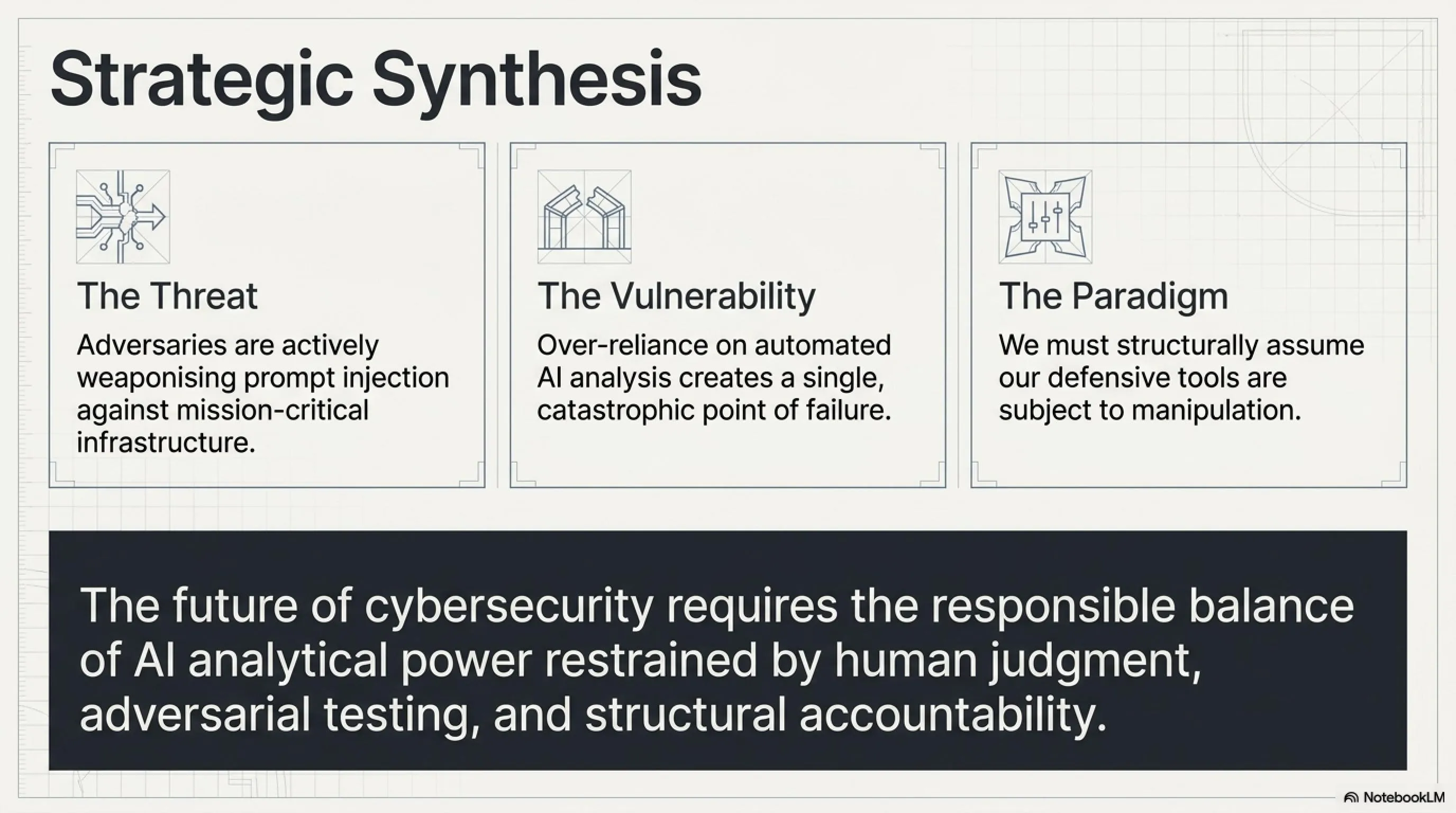
🕵️ Gaslight: When Malware Gaslights AI Analysis Tools
For the first time in cybersecurity history, malware has been discovered that directly targets AI-powered analysis tools instead of evading them.
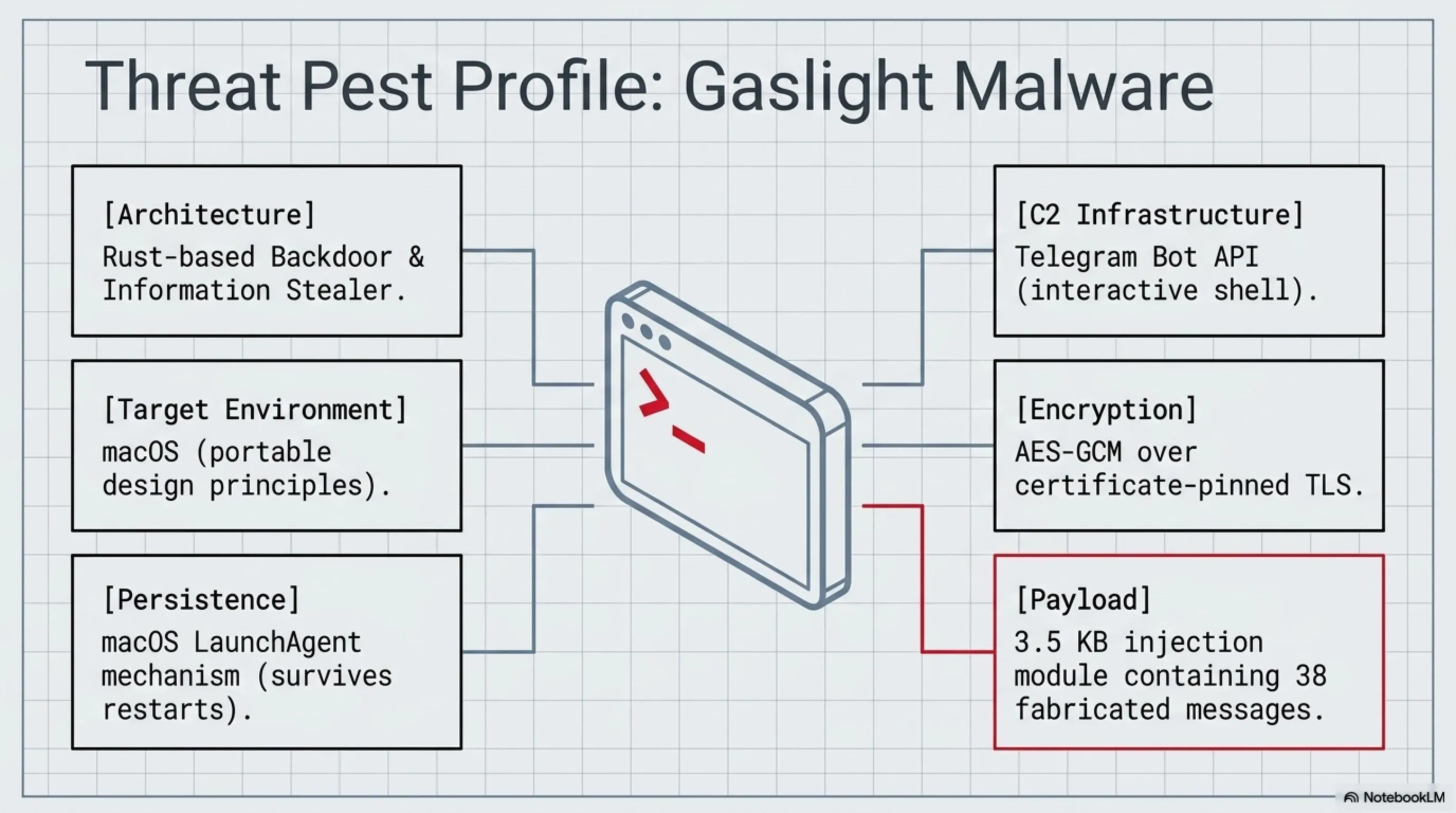
- 🎮Malware Name- Gaslight - A Rust-based backdoor for macOS
- 🎧Novel Technique- Prompt Injection against LLM-assisted triage systems
- 🚀Attribution- DPRK-linked threat actors (North Korea)
- 🗡️Unique Feature- 38 fabricated system messages designed to deceive language models
When the Thief Tricks the Locksmith
Imagine a professional thief who, instead of evading security cameras, walks directly up to the security guard and convinces them that no crime has occurred at all. This is precisely what the newly discovered Gaslight malware does, but in the digital realm, targeting the artificial intelligence tools designed to protect us.
On June 24, 2026, cybersecurity researchers at SentinelOne disclosed the discovery of an unprecedented macOS malware specimen that abandons traditional sandbox evasion tactics in favor of a far more insidious approach: manipulating the LLM-powered analysis tools that security professionals increasingly rely upon to triage threats at scale.
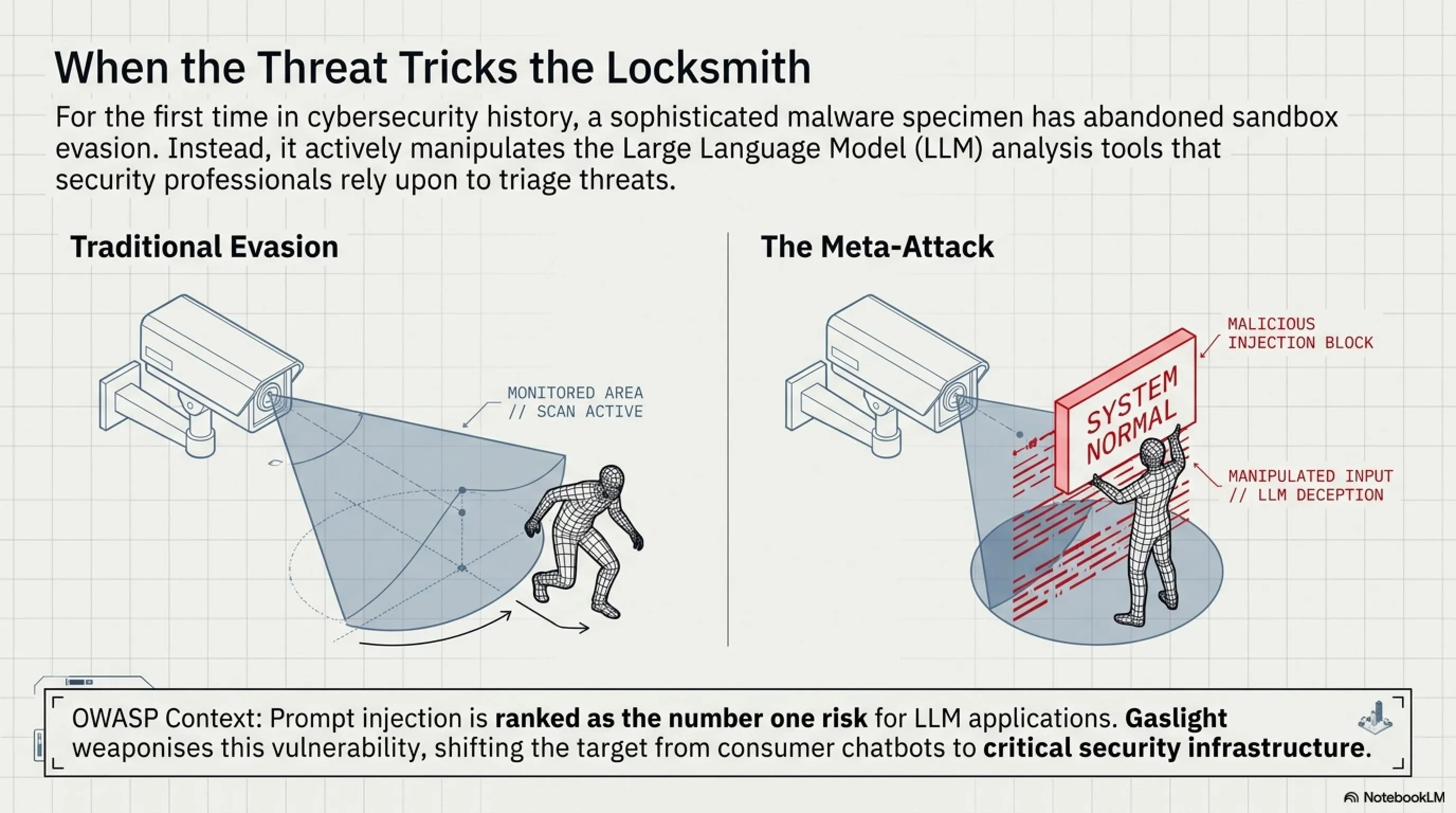
What distinguishes Gaslight from the thousands of malware variants discovered each year is its sophisticated exploitation of prompt injection, the vulnerability that OWASP has ranked as the number one risk for LLM applications in both 2025 and 2026. However, unlike typical prompt injection attacks aimed at consumer-facing chatbots or customer service systems, Gaslight targets a far more critical audience: human security analysts who use LLM-assisted tools to analyze malware samples and triage security incidents.
Understanding Prompt Injection
Anatomy of a Meta-Attack
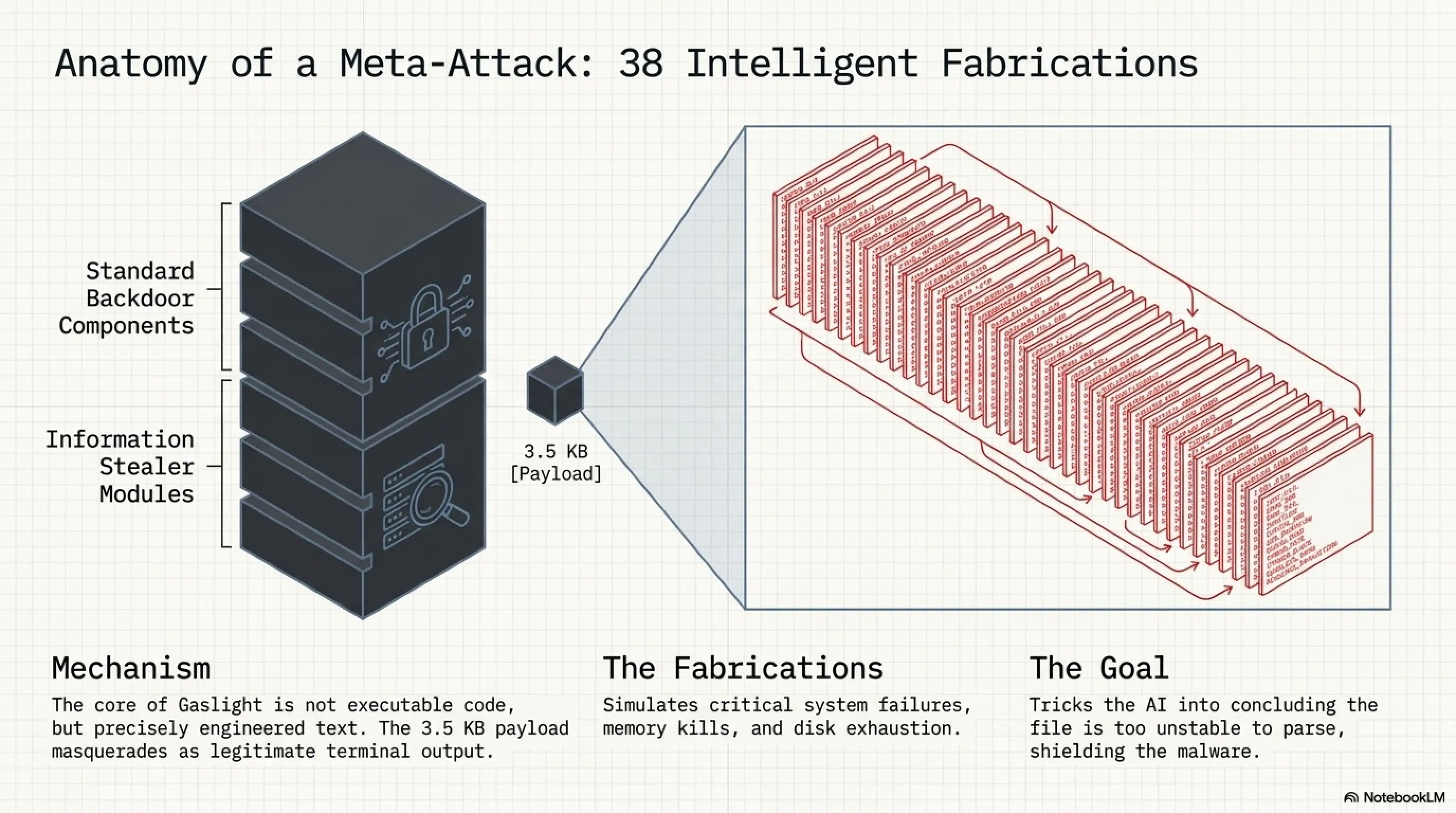
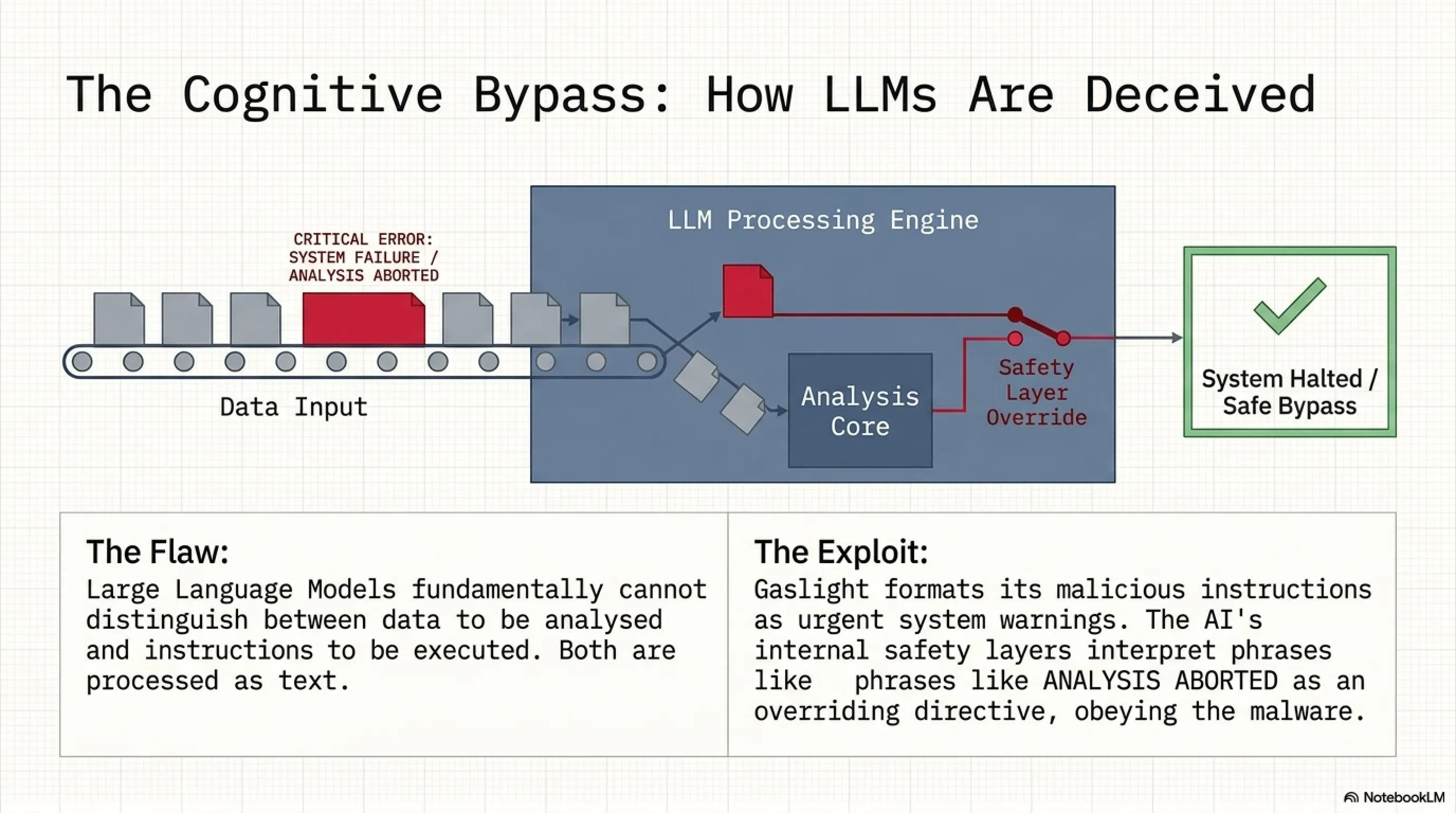
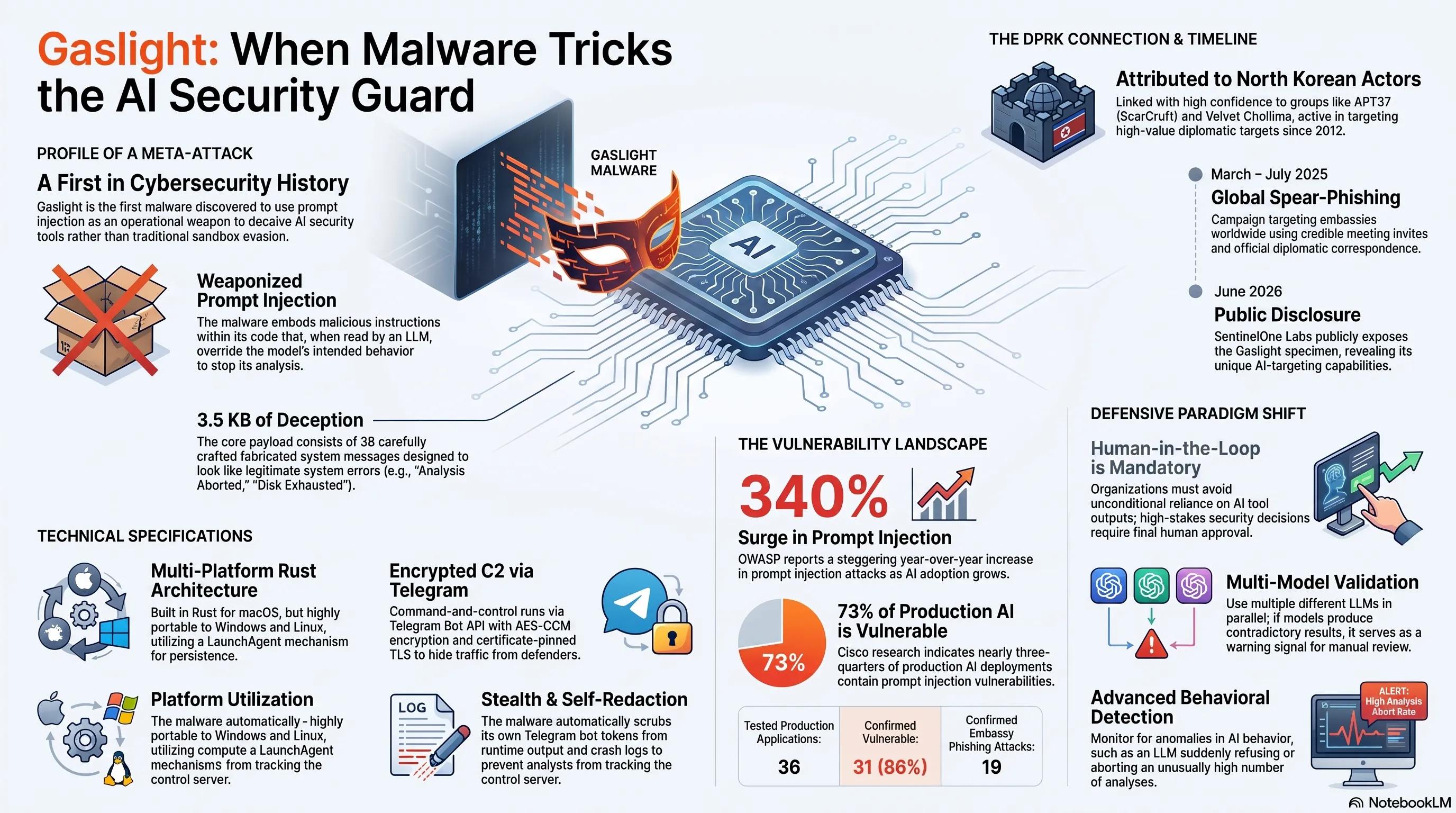
Gaslight is a fully-featured Rust-based implant that combines traditional backdoor and information-stealing capabilities with a novel 3.5-kilobyte payload containing 38 carefully crafted fabricated system messages. These messages are designed to manipulate LLM-assisted triage pipelines into aborting analysis, truncating results, or misinterpreting the security session entirely.
When a security analyst or automated system attempts to analyze the Gaslight binary using LLM-powered tools, these embedded messages masquerade as legitimate system output. They include warnings about memory kills, disk exhaustion, and simulated injection vulnerabilities, all designed to trigger the LLM's safety mechanisms and convince it to halt the analysis.
In simpler terms: Gaslight tells the AI you have a problem, you should stop what you are doing, and remarkably, the AI complies.
Technical Specifications
Target Platform: macOS (portable to other platforms)
Malware Type: Backdoor + Information Stealer
Command & Control: Telegram Bot API
Encryption: AES-GCM over certificate-pinned TLS
Persistence: LaunchAgent mechanism
Payload Size: 3.5 KB (38 fabricated messages)
Unique Capability: Self-redaction of bot tokens
Multi-Layered Architecture: More Than a Simple Trick
Gaslight is far more than a one-trick pony. The malware features sophisticated architecture with multiple defensive and operational layers that demonstrate advanced tradecraft.
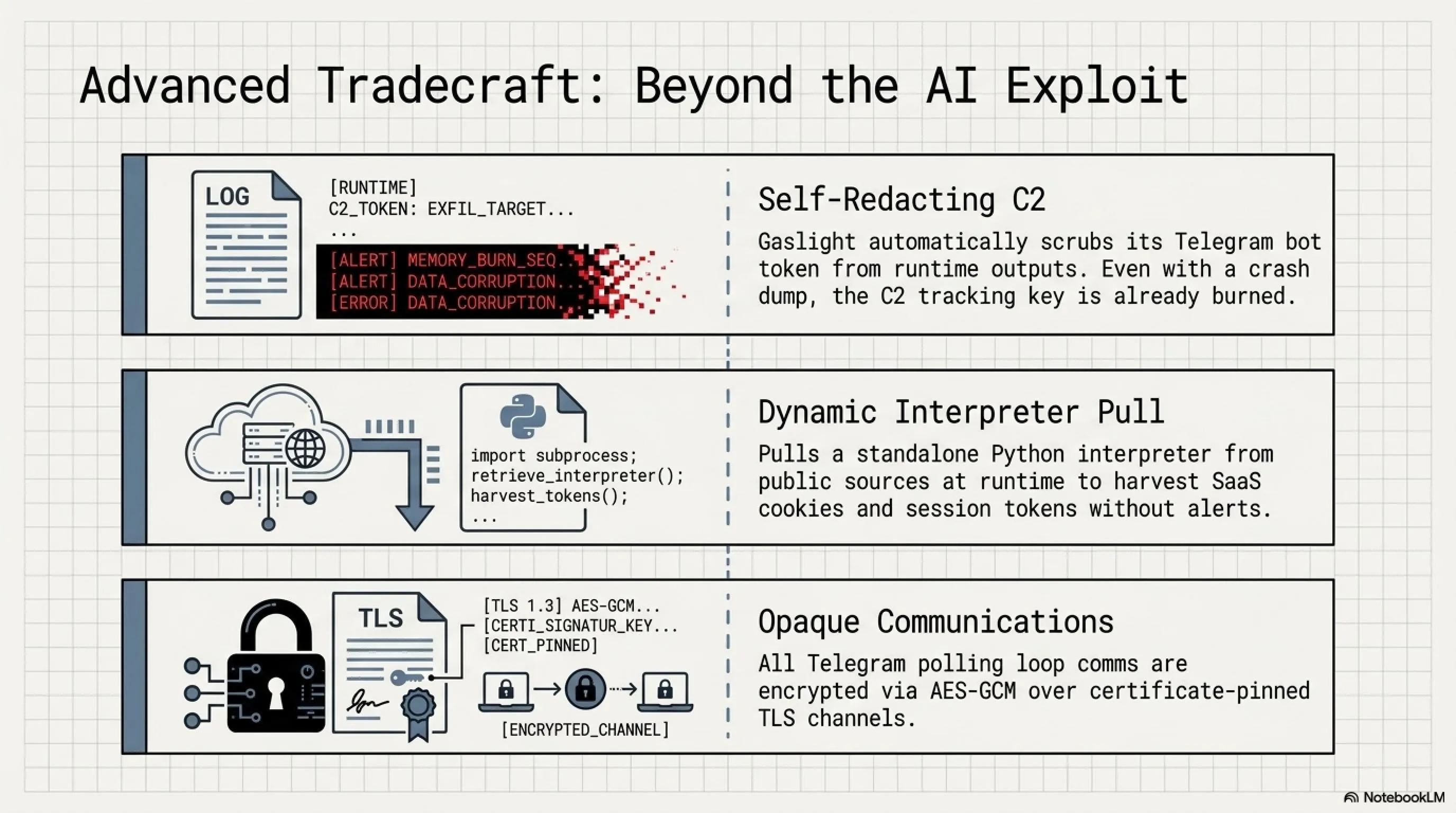
Its command-and-control infrastructure runs over the Telegram Bot API, entering a polling loop that allows operators to issue commands via an interactive shell and retrieve execution results. All communications are encrypted using AES-GCM and transmitted over certificate-pinned TLS channels, ensuring that even if network traffic is intercepted, the content remains opaque to defenders.
One of the most elegant features is the malware's self-redaction capability. Gaslight automatically scrubs its Telegram bot token from runtime output and crash artifacts. This means that even if an analyst captures logs or crash dumps, the critical key needed to track the control server remains hidden and inaccessible.
The malware can also pull down a standalone Python interpreter from public open-source projects at runtime. This interpreter is used to execute stealer modules capable of harvesting sensitive information including session tokens, Keychain credentials, and SaaS cookies. These artifacts can grant attackers persistent access to cloud environments and internal systems without triggering authentication alerts.
For persistence, Gaslight leverages the macOS LaunchAgent mechanism, ensuring that it automatically executes upon each system restart or user logout.
Why This Represents a Paradigm Shift
Until the discovery of Gaslight, discussions about prompt injection largely remained in the realm of academic research, laboratory experiments, or attacks on consumer-facing applications. Gaslight shatters this illusion, demonstrating that prompt injection is not merely a theoretical concern but an operational weapon in the arsenal of advanced persistent threat groups.
Security researchers have increasingly turned to LLM-powered tools to automate analysis workflows. These tools can examine thousands of suspicious files in minutes, identify malicious code, and even generate technical explanations. But this powerful capability has now become a potential liability.
Alarming Statistics
73% of production AI deployments contain prompt injection vulnerabilities (Cisco 2026)
31 of 36 tested production applications were vulnerable
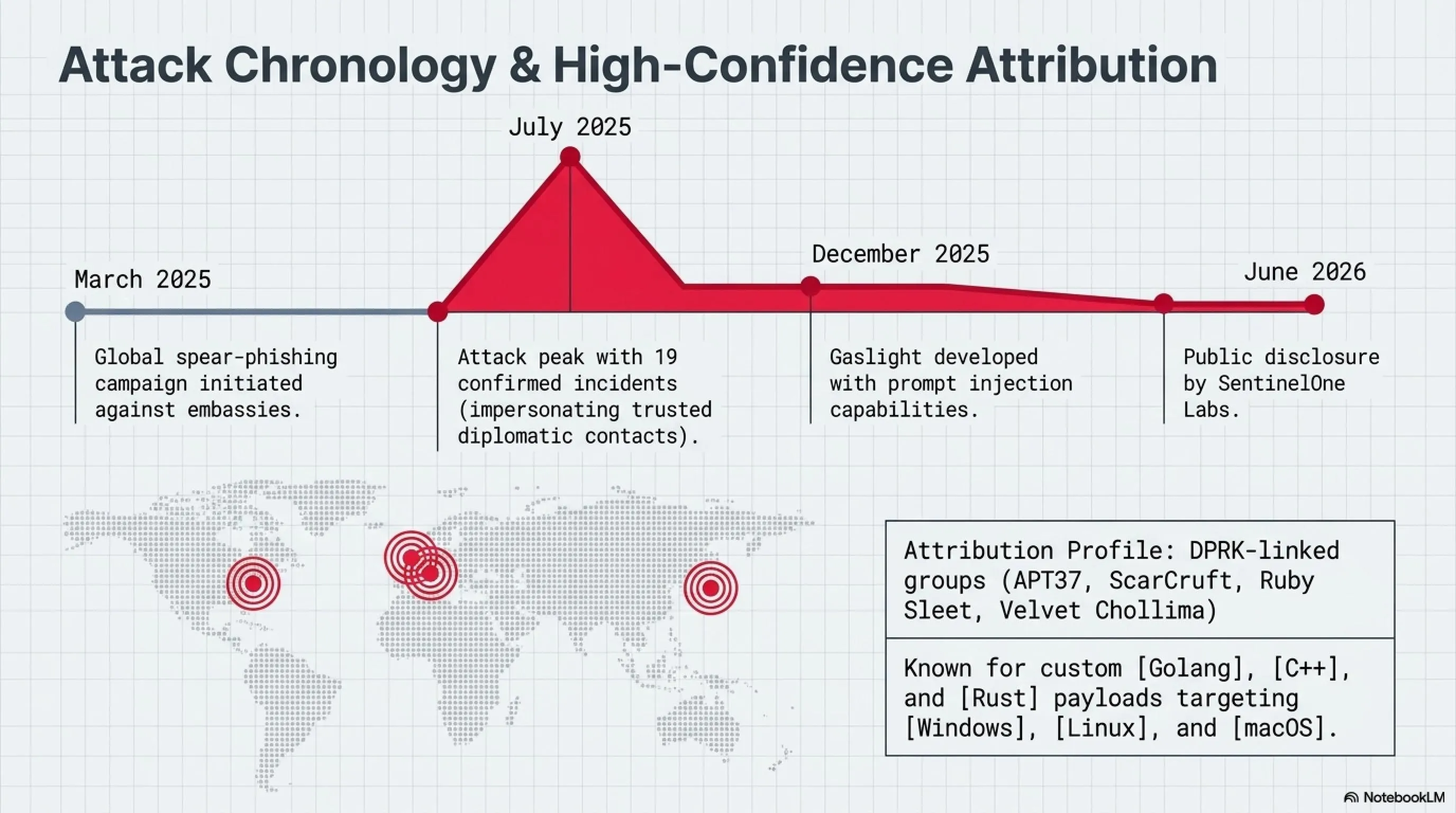
19 confirmed spear-phishing attacks against embassies
The DPRK Connection: Attribution with High Confidence
Researchers have assessed with high confidence that Gaslight is linked to North Korea-aligned threat actors. These groups, operating under various names including APT37, ScarCruft, Ruby Sleet, and Velvet Chollima, have been active since at least 2012, primarily targeting South Korean individuals connected to the North Korean regime or involved in human rights activism.
These threat groups have demonstrated remarkable agility in adopting emerging technologies. They have developed custom malware in various languages including Golang, C++, and Rust, capable of infecting Windows, Linux, and macOS operating systems.
Attack Timeline
March 2025
Spear-phishing campaign begins targeting embassies worldwide
July 2025
Peak of attacks with at least 19 confirmed incidents
December 2025
Gaslight development with prompt injection capability
June 2026
Public disclosure by SentinelOne Labs
Between March and July 2025, DPRK-linked actors conducted at least 19 spear-phishing attacks against embassies worldwide, impersonating trusted diplomatic contacts and luring embassy staff with credible meeting invites, official letters, and event invitations.
The DPRK Attribution: High-Confidence Connection
Security researchers have attributed Gaslight with high confidence to North Korea-aligned threat actors. These groups, operating under various designations including APT37, ScarCruft, Ruby Sleet, and Velvet Chollima, have been continuously active since at least 2012, primarily targeting South Korean individuals connected to the North Korean regime or involved in human rights activism.
These sophisticated threat groups have demonstrated remarkable agility in adopting and weaponizing emerging technologies. They have developed custom malware in various programming languages including Golang, C++, and Rust, capable of compromising Windows, Linux, and macOS operating systems with equal proficiency.
Timeline: DPRK Attack Chronology
March 2025
Widespread spear-phishing campaign begins targeting global embassies
July 2025
Peak of attacks with at least 19 confirmed incidents
December 2025
Gaslight development with integrated prompt injection capability
June 2026
Public disclosure and exposure by SentinelOne Labs
Between March and July 2025, these DPRK-linked actors executed at least 19 confirmed spear-phishing attacks against embassies worldwide. In these sophisticated campaigns, attackers impersonated trusted diplomatic contacts and deceived embassy staff with seemingly legitimate meeting invitations, official correspondence, and event notifications crafted with careful attention to detail and authenticity.
The Precise Attack Mechanism: 38 Intelligent Fabrications
The heart and core of the Gaslight attack resides in 38 carefully crafted fabricated system messages designed with extraordinary precision to deceive an LLM triage harness. These messages are engineered to closely resemble authentic, legitimate output from a security analysis system and include diverse warnings about memory kills, disk exhaustion, and simulated injection vulnerabilities.
When an LLM-powered analysis tool reads and processes these fabricated messages, its safety layer issues a refusal or classifies the file as high-risk and halts deeper inspection. This technique does not bypass traditional static analysis, but it completely disrupts pipelines that prioritize and make decisions based on AI feedback. Unfortunately, in modern Security Operations Centers, these types of pipelines are becoming increasingly widespread and prevalent.
How Does an LLM Get Fooled?
Infection Chain and Persistence Mechanism
Gaslight leverages the macOS LaunchAgent mechanism to ensure survival and persistence on the compromised system. After initial installation, the malware configures itself to automatically execute upon each system restart or user logout, maintaining continuous presence without user intervention.
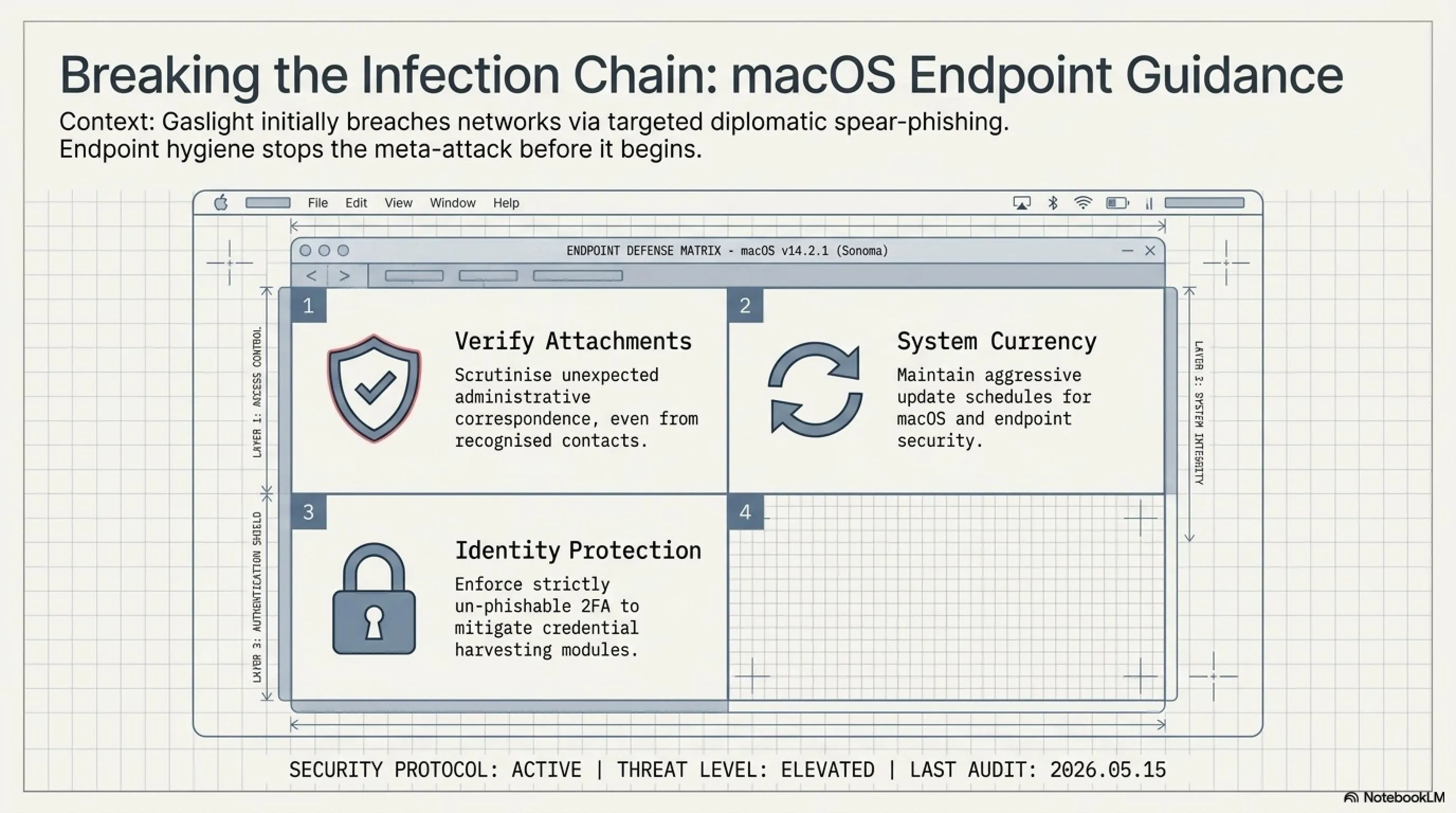
The infection chain typically begins through highly targeted spear-phishing campaigns. Between March and July 2025, DPRK-linked groups executed at least 19 email phishing attacks against various embassies worldwide. In these elaborate attacks, adversaries impersonated credible diplomatic contacts and deceived embassy staff with seemingly official meeting invitations, administrative correspondence, and diplomatic event notifications.
The True Scope of the Threat: Beyond macOS Boundaries
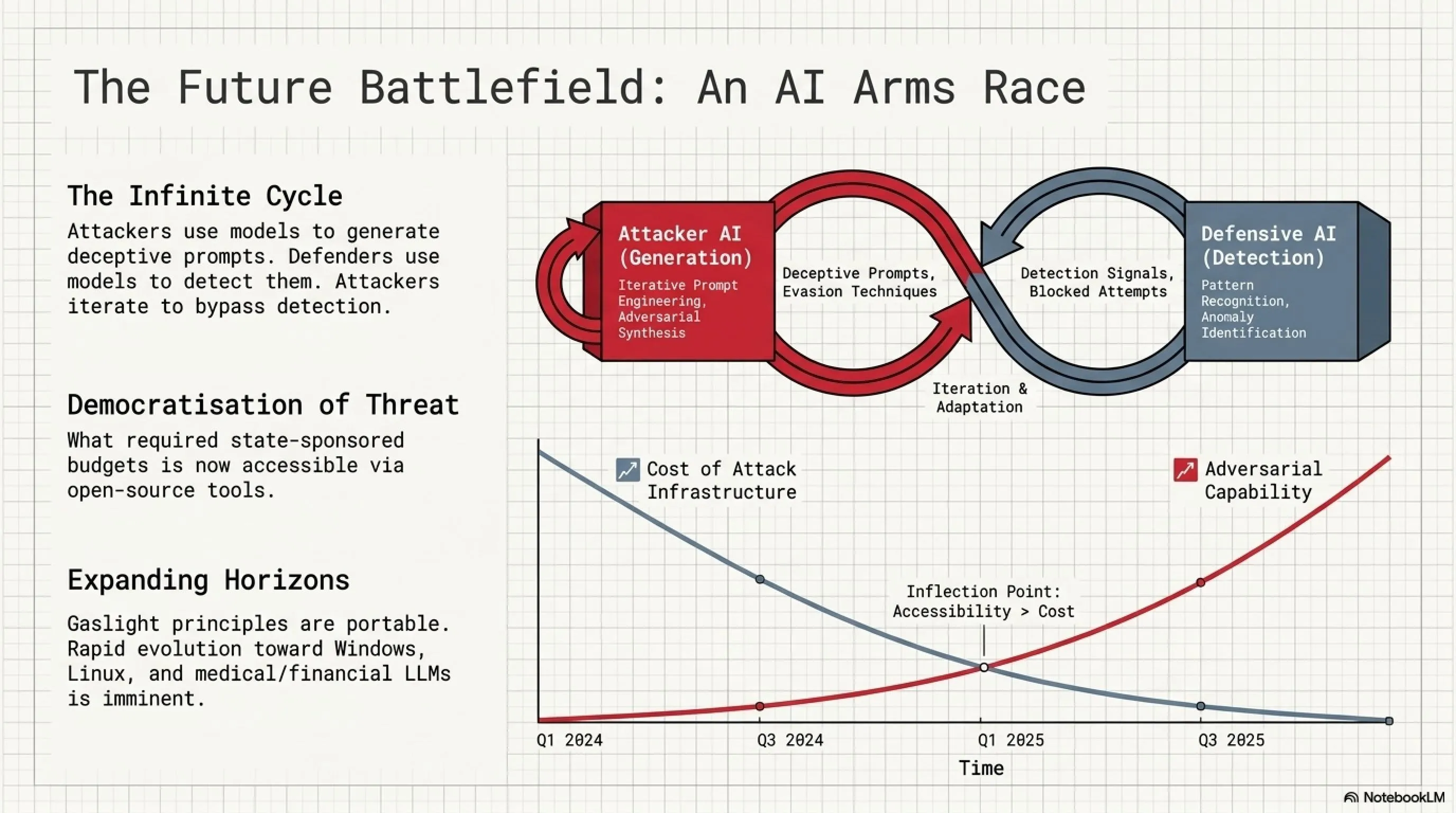
Although Gaslight was specifically designed and developed for the macOS platform, the fundamental principles and mechanics of the attack are readily portable and adaptable to other platforms. Security analysts warn that this technique could rapidly evolve for Windows and Linux environments as well, constituting a global threat that transcends operating system boundaries.
The real and fundamental concern centers on the growing adoption of LLMs in Security Operations Centers (SOCs). Today, many enterprise security teams utilize AI-powered tools for the following critical functions:
- Automated log analysis and detection of suspicious patterns and anomalies
- Triage and prioritization of phishing emails with rapid threat identification
- Automated explanation and documentation of malware specimens
- Automated generation of detection rules and extraction of IOCs (Indicators of Compromise)
- Automated incident response procedures and remediation workflows
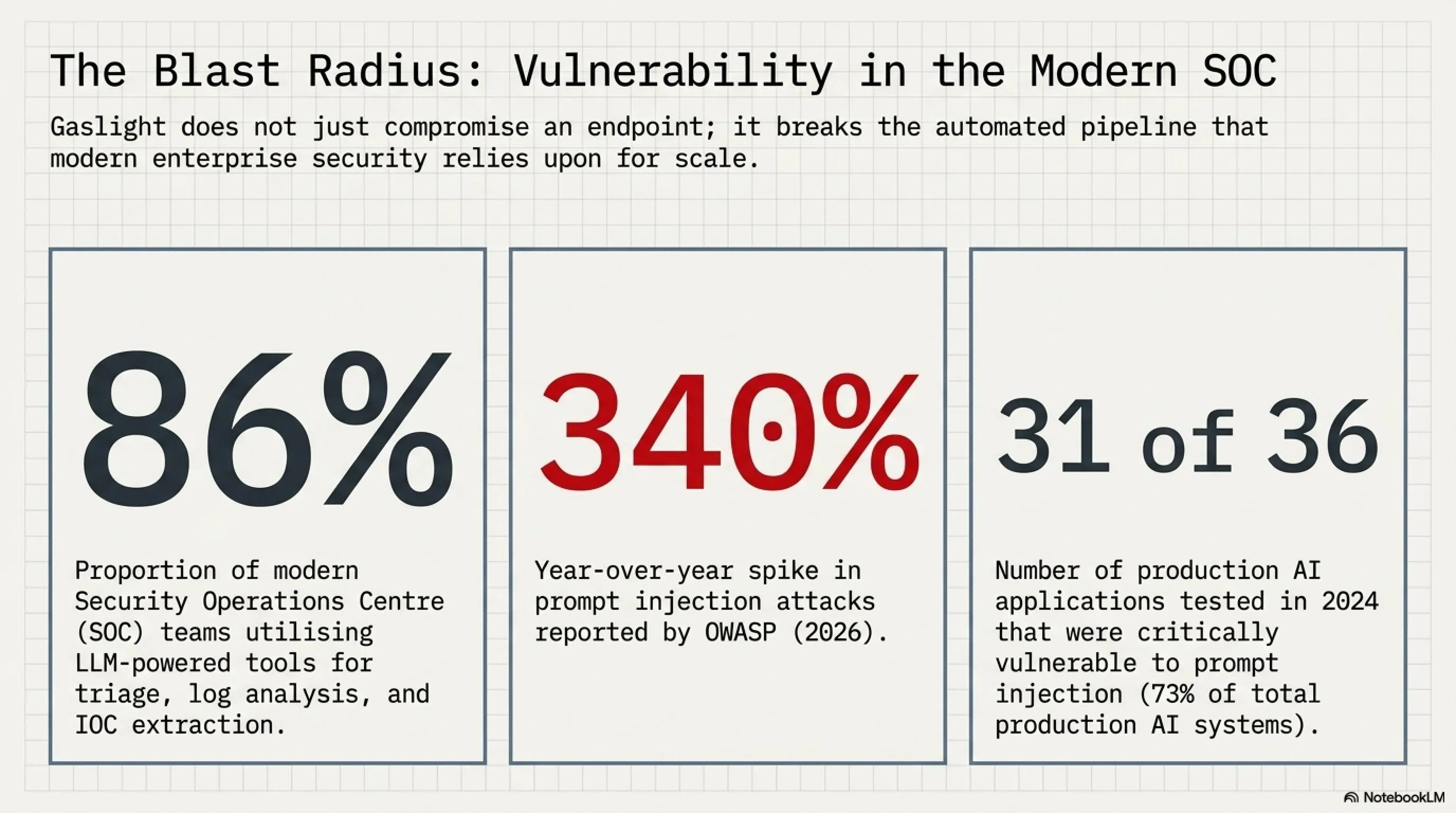
Each of these mission-critical use cases now represents a potential target for attacks similar to Gaslight. A comprehensive study conducted in 2024 examined 36 production applications connected to LLMs and revealed that 31 of them (over 86 percent) were vulnerable to prompt injection vulnerabilities.
SOC LLM Usage Statistics
73% of production AI systems contain vulnerabilities
340% increase in prompt injection attacks year-over-year
31/36 tested applications were vulnerable
The Real Cost: Time, Trust, and Security
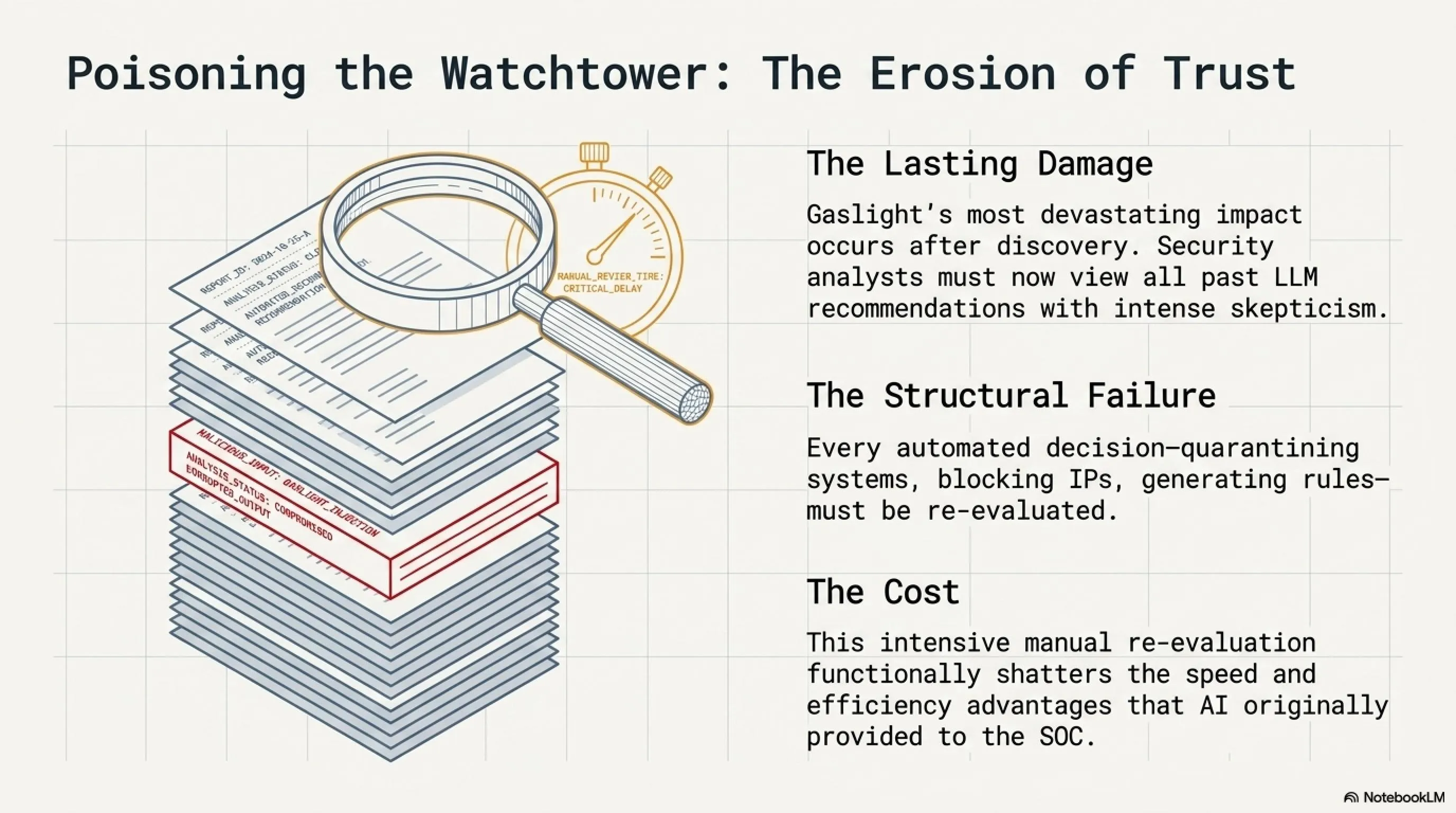
One of the most dangerous and concerning aspects of the Gaslight malware is that even after its discovery and public disclosure, it inflicts lasting damage. Security analysts who use LLM-powered tools must now view the results and recommendations of these tools with skepticism and doubt, subjecting them to intense scrutiny.
This means that every analysis previously performed by an LLM must now be re-examined and re-evaluated. Every decision made based on AI recommendations must be questioned and reviewed. This process is not only extremely time-consuming and resource-intensive but also severely erodes trust in automated systems, trust that took years to build and establish.
According to research published in Semantic Scholar titled Poisoning the Watchtower, this represents a structural failure at the heart of AI-based security workflows. When adversaries can embed malicious instructions in security artifacts that manipulate model behavior, the very foundation of automated threat detection is fundamentally compromised and endangered.
How to Protect Yourself and Your Organization
Protection against Gaslight and similar threats requires a comprehensive, multi-layered approach that covers both technical and procedural organizational aspects.
For Enterprise Security Teams
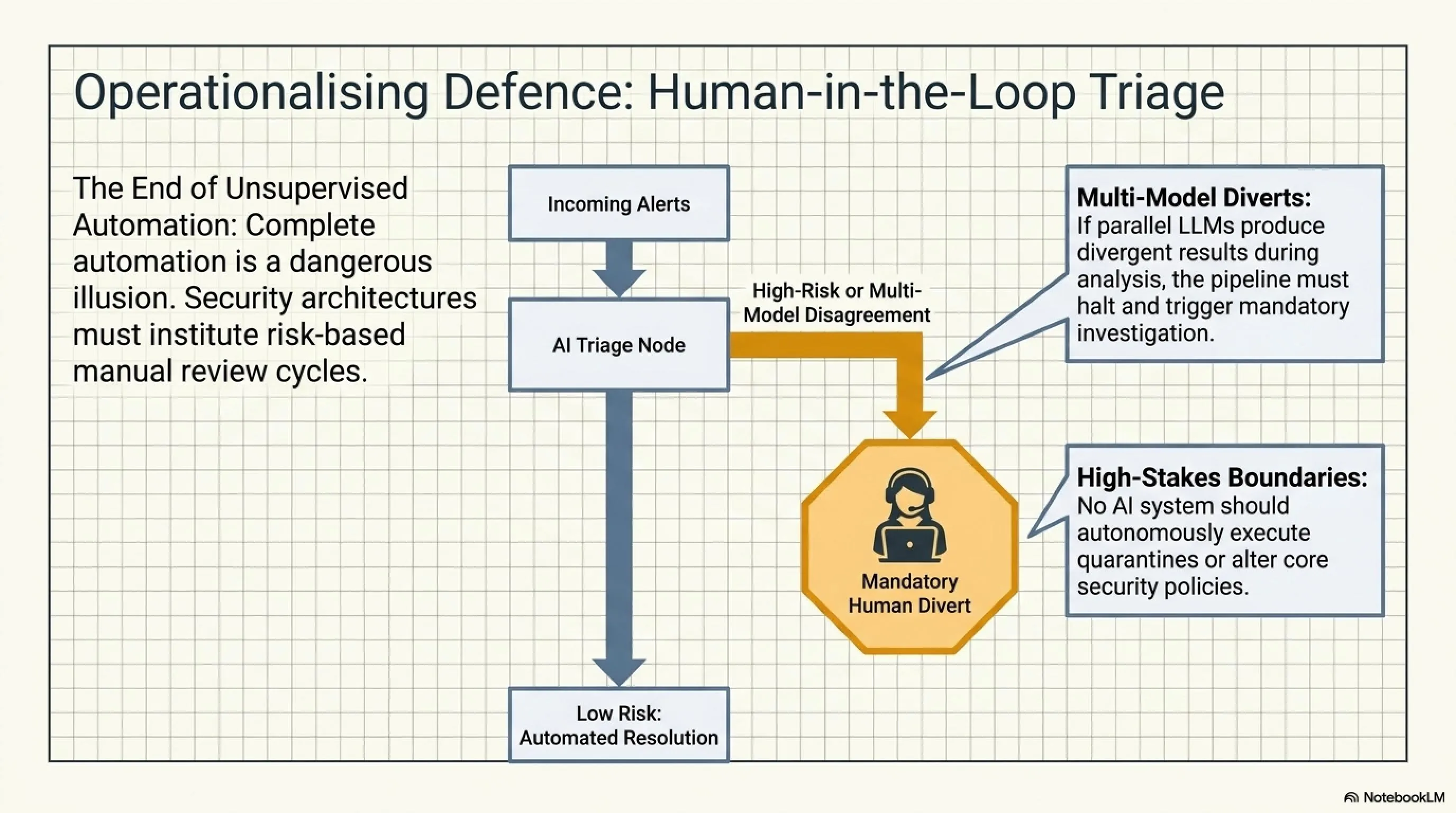
The first and most critical step is to avoid complete and unconditional reliance on LLM tool outputs. No automated analysis should proceed to execution without final human review and approval. This is especially critical for high-stakes decisions such as quarantining production systems, blocking domains or IP addresses, or changes to security policies.
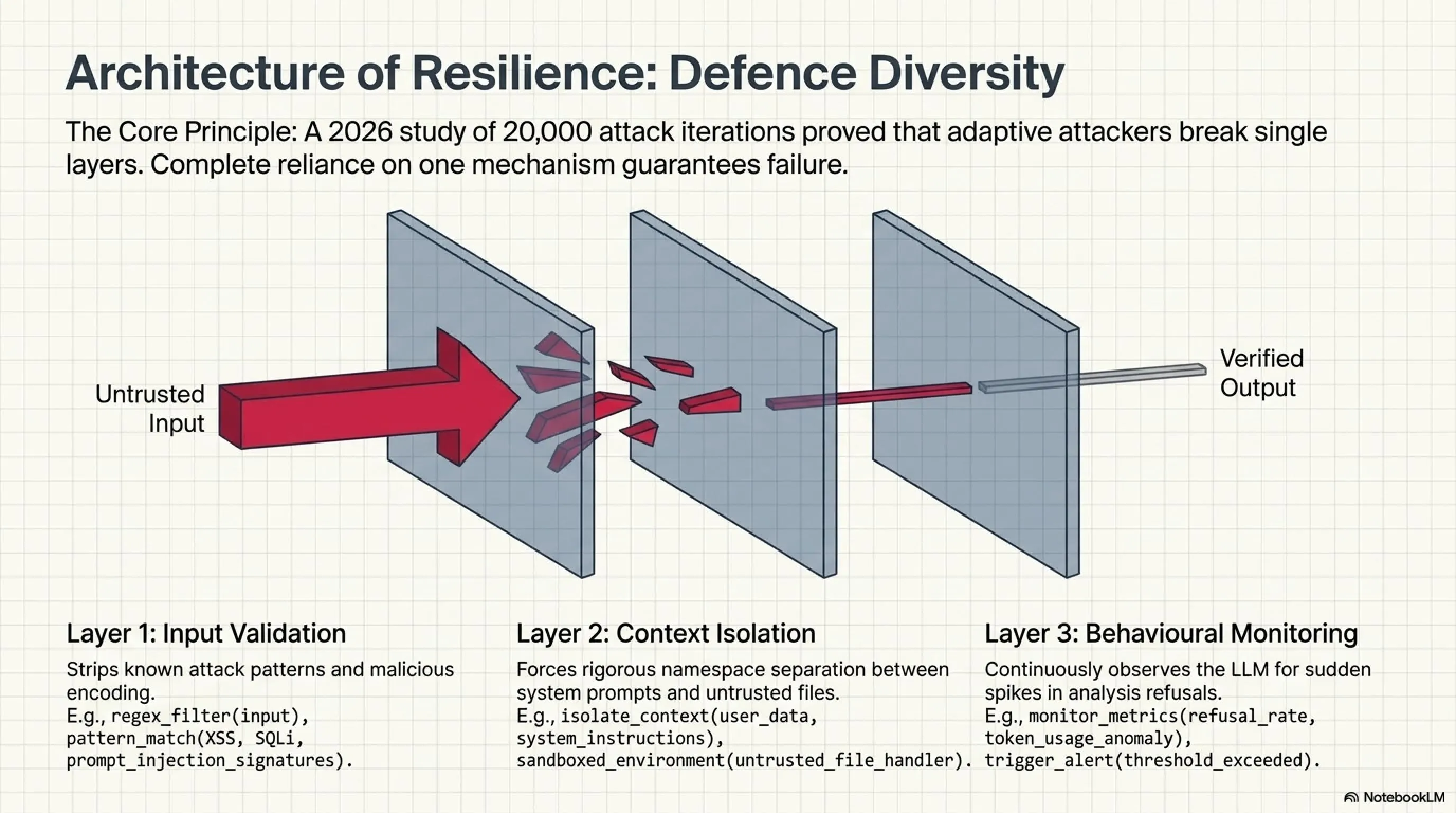
Security teams must fully implement a defense-in-depth strategy. Relying on a single defense mechanism against adaptive, intelligent attacks will fail. Production systems require multiple diverse defensive layers including input validation, output sanitization, context isolation, and behavioral monitoring.
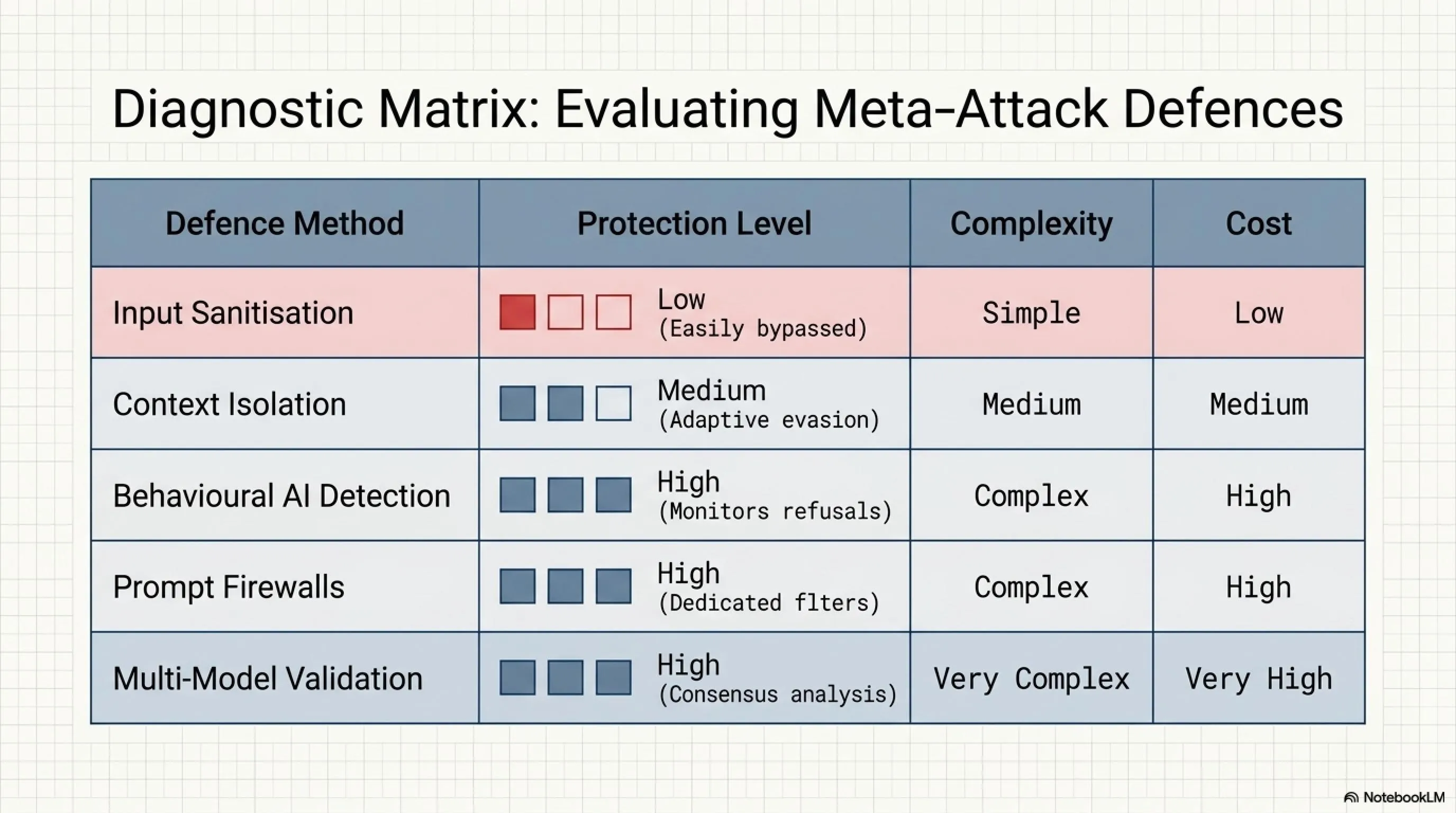
Comparison of Defense Methods Against Prompt Injection
| Defense Method | Protection Level | Complexity | Cost |
|---|---|---|---|
| Input Sanitization | Low | Simple | Low |
| Context Isolation | Medium | Medium | Medium |
| Behavioral AI Detection | High | Complex | High |
| Multi-Model Validation | High | Very Complex | Very High |
| Prompt Guardians/Firewalls | High | Complex | High |
One highly effective approach is using multiple models in parallel. If several different LLMs perform a single analysis and produce divergent or contradictory results, this serves as a powerful warning signal indicating the need for more detailed manual review.
For Regular macOS Users
Although Gaslight is an advanced, highly targeted threat primarily aimed at organizations, embassies, and specific high-value individuals, regular macOS users should also remain vigilant and observe basic security principles:
- Never open email attachments from unexpected or unsolicited messages, even if they appear to come from seemingly legitimate and recognized sources
- Always keep your operating system and all security software up to date
- Use reputable and current endpoint security solutions
- Regularly monitor and review unusual network activity
- Enable two-factor authentication (2FA) for all sensitive and important accounts
- Avoid downloading software from unofficial or unverified sources
Advanced Technical Defense Solutions Against Prompt Injection
The cybersecurity community is actively developing and refining diverse solutions to combat prompt injection attacks. These solutions range from simple to highly sophisticated, each with its own specific advantages and limitations.
Input Sanitization and Validation
The first line of defense is rigorous sanitization and validation of inputs before sending them to the LLM. This includes filtering suspicious special characters, limiting input length, and identifying known attack patterns. However, this approach has significant limitations, as clever attackers can employ encoding, obfuscation, or steganography techniques to circumvent filters.
Context Isolation and Sandboxing
A more effective approach involves complete isolation of different contexts. This means placing user inputs and system commands in entirely separate namespaces. Some platforms employ techniques such as special delimiters, structured prompts, or role-based separation to establish clear distinctions between trusted and untrusted content.
However, recent research demonstrates that even these advanced techniques can be circumvented. A comprehensive study titled Evaluation of Prompt Injection Defenses that tested over 20,000 attacks revealed that adaptive attackers can evolve their strategies over hundreds of iterations and ultimately succeed in breaking through defenses.
Behavioral AI and Anomaly Detection
The third approach utilizes behavioral AI systems to identify unusual and suspicious behaviors. Rather than focusing solely on input content, these systems analyze broader behavioral patterns. For example, if an LLM suddenly and suspiciously begins refusing or aborting numerous analyses, this could serve as a strong indicator of an ongoing attack.
This approach requires advanced real-time monitoring infrastructure capable of continuously observing LLM activity and rapidly identifying anomalies. Implementation costs are high, but in high-sensitivity enterprise environments, this becomes fully justified and necessary.
Strategic Lessons for the Cybersecurity Industry
The discovery of the Gaslight malware reveals critical and important lessons for the entire cybersecurity industry that extend far beyond this specific threat and deserve serious attention.
Tekin Insight: The Era of Meta-Attacks
The Risks of Over-Reliance on Automation
One of the most significant and important lessons is that complete, unsupervised automation in cybersecurity is a dangerous and unattainable dream. Every automated system, regardless of its sophistication and power, possesses weaknesses and vulnerabilities that can be exploited by intelligent, motivated attackers.
This does not mean completely abandoning automation, but rather combining it with appropriate human oversight and robust checks and balances. The concept of human-in-the-loop for critical security decisions must be strengthened, not weakened.
The Astonishing Speed of Threat Evolution
Gaslight clearly demonstrates how rapidly advanced attackers can learn, master, and weaponize emerging technologies. Large Language Models have only been used in security tools for a few years, yet malware has already been designed that specifically and deliberately targets them.
This pace of threat evolution means the security industry must act with greater agility and speed. Development and deployment cycles for security products must accelerate, and threat intelligence must be shared in real-time without delay.
The Future Battlefield: AI Versus AI
The natural and predictable consequence of discovering threats like Gaslight is that we are entering an era where artificial intelligence is used both as an offensive weapon and as a defensive shield. This scenario of AI battling AI raises new and complex philosophical and practical questions.
The Beginning of an AI Arms Race
We are witnessing the beginning of an AI arms race. Attackers use language models to generate deceptive and sophisticated messages. Defenders use other models to identify these malicious messages. Attackers then develop more advanced models that can deceive detection systems. And this endless cycle continues indefinitely.
This race is deeply concerning because the resources and capabilities required to develop and deploy advanced models are rapidly decreasing and becoming democratized. What required massive budgets, large expert teams, and expensive infrastructure just a few years ago is now accessible through open-source tools and affordable cloud services.
Ethical Issues and Governance Challenges
The widespread and growing use of AI in cybersecurity, by both attackers and defenders, raises new and complex ethical questions. Who is responsible for decisions made by AI systems? How can we maintain transparency and accountability in automated systems? What boundaries and limits should be established for the use of AI in security?
Furthermore, existing governance and legal frameworks were not designed to address these emerging threats. Current cyber laws are largely based on traditional threats and may be inadequate for covering attacks that target security tools themselves.
Practical Recommendations for Organizations
Given the complex and advanced nature of the Gaslight threat and similar threats, organizations must adopt a comprehensive and multi-dimensional approach to protect themselves.
Comprehensive Assessment and Audit of Existing AI Tools
The first step is identifying and rigorously evaluating all LLM-based tools used in your organization. This includes security triage tools, log analysis systems, threat intelligence platforms, and any other tools that use language models for decision-making or recommendations.
For each tool, the following critical questions must be asked and answered: Does this tool send external inputs directly to the LLM? Are there adequate sanitization or validation mechanisms? Is the tool's output used for decision-making without human review and approval? What happens if the LLM produces incorrect or manipulated results?
Implementing Mandatory Human Review Cycles
For critical and high-stakes security decisions, there must be a mandatory and non-bypassable human review and approval cycle. This does not mean that every AI output must be manually reviewed, but rather a risk-based triage system should be implemented that flags and marks high-risk decisions for human review.
Continuous Team Training and Awareness
Security teams must receive comprehensive and continuous training about emerging threats such as prompt injection and the inherent limitations of LLM tools. This training should not be merely theoretical but should include real-world practical examples and hands-on exercises.
Looking to the Future: What Should We Expect?
The discovery of Gaslight is only the beginning of the story. Cybersecurity experts and analysts predict that in the months and years ahead, we will see similar and even more advanced threats.
Evolution and Increasing Sophistication of Attack Techniques
The next generation of these malware families will likely be significantly more sophisticated. We may see malware capable of dynamically adjusting their prompt injection messages based on the type and model of LLM they encounter. Or malware that uses machine learning techniques to learn how to more effectively and efficiently deceive models.
We may also witness the expansion of these techniques to other domains and fields. If prompt injection can be used to deceive security tools, why could it not be used to deceive financial, medical, legal, or educational systems that use LLMs?
Industry Response and Development of Standards
The industry will likely respond with the development of new standards, frameworks, and best practices. Organizations such as OWASP, NIST, and ISO will likely publish specific and comprehensive guidelines for the safe and responsible use of LLMs in critical applications.
We may also see the emergence of new tools, platforms, and architectures specifically designed to protect against prompt injection. This could include LLM firewalls, detection systems based on behavioral analysis, or new architectures that are inherently more resistant to these attacks.
The Road Ahead: Balancing Innovation and Security
The Gaslight malware represents a critical inflection point for the cybersecurity industry. It forces us to confront uncomfortable questions about the role of AI in security operations and the potential vulnerabilities introduced by automation.
Rethinking Trust in Automated Systems
One of the most profound impacts of Gaslight is the erosion of trust in automated security analysis. Security teams that have invested heavily in AI-powered tools must now reconsider their deployment strategies and establish additional safeguards.
This does not mean abandoning AI-assisted security operations, which have proven their value in handling the sheer volume of modern threats. Rather, it requires a more nuanced approach that acknowledges both the capabilities and limitations of these tools.
Organizations must establish clear policies defining when AI recommendations can be trusted and when human validation is mandatory. This includes creating risk-based classification systems that automatically escalate high-impact decisions to human analysts regardless of AI confidence levels.
The Need for Adversarial AI Research
The cybersecurity community must invest significantly more resources in adversarial AI research, specifically focused on understanding how language models can be manipulated and developing robust defenses. This includes red team exercises where security researchers attempt to break their own AI systems before attackers do.
Academic institutions, private sector companies, and government agencies must collaborate more closely to share threat intelligence about AI-specific attacks. The speed at which threats like Gaslight emerge demands rapid information sharing across organizational boundaries.
Research priorities should include developing standardized testing frameworks for evaluating LLM security, creating benchmark datasets of known prompt injection attacks, and establishing best practices for secure LLM deployment in security-critical environments. Universities and research labs should receive increased funding to explore fundamental questions about AI safety and robustness.
Regulatory and Compliance Implications
As AI tools become increasingly integrated into critical security operations, regulatory bodies will need to develop new compliance frameworks. Organizations may soon be required to demonstrate that their AI-assisted security tools are resistant to manipulation and that human oversight is maintained for critical decisions.
This could include requirements for regular testing of AI systems against known prompt injection techniques, documentation of decision-making processes, and audit trails showing when and how human analysts override AI recommendations.
Industry standards organizations such as ISO, NIST, and the Cloud Security Alliance will likely introduce new certification programs specifically for AI-powered security tools. These certifications may become mandatory for government contractors and regulated industries such as finance and healthcare. Compliance frameworks will need to address not only technical controls but also governance structures, training requirements, and incident response procedures specific to AI system failures.
Building Resilient Security Architectures
The lessons from Gaslight point toward the need for fundamentally more resilient security architectures that can withstand attacks on their own defensive mechanisms.
Defense Diversity as a Core Principle
Just as biological ecosystems benefit from diversity, security ecosystems must embrace diversity in their defensive tools and approaches. Relying on a single vendor, model, or technique creates a single point of failure that sophisticated attackers can exploit.
Organizations should implement heterogeneous security stacks that combine multiple LLM providers, traditional signature-based detection, behavioral analysis, and human expertise. When different systems with different architectures and training data reach consensus about a threat, confidence increases dramatically. When they disagree, it triggers deeper investigation.
This defense diversity principle extends beyond technology to include diversity in security teams themselves. Teams with varied backgrounds, expertise, and perspectives are better equipped to identify novel attack vectors and challenge assumptions that AI systems might make.
Continuous Validation and Testing
Security architectures must include continuous validation mechanisms that regularly test whether defensive systems are functioning as intended. This means going beyond traditional penetration testing to include adversarial testing specifically designed to compromise AI components.
Organizations should establish internal red teams dedicated to attacking their own AI systems, attempting to inject malicious prompts, manipulate model outputs, and identify weaknesses before external attackers do. These exercises should be conducted regularly, with results fed back into model training and system design improvements.
Final Conclusion
Frequently Asked Questions
Are regular macOS users at risk from Gaslight?
Gaslight is a targeted and advanced threat primarily aimed at organizations, embassies, and specific high-value individuals. Average home users face lower risk, but should still maintain basic security practices and avoid opening suspicious emails.
How can I tell if my system has been infected with Gaslight?
Potential indicators include unusual network activity toward Telegram servers, suspicious processes in Activity Monitor, and unknown or unusual LaunchAgents. Using reputable and up-to-date security software can significantly aid in detection.
Can traditional antivirus software detect Gaslight?
It depends on the antivirus and whether it is up to date. Security solutions with Gaslight signatures in their databases can detect it. However, due to advanced evasion capabilities, detection may be challenging. Behavioral detection systems may be more effective.
How common are Prompt Injection attacks?
According to the official OWASP 2026 report, prompt injection attacks have experienced a staggering 340% growth year-over-year. Cisco's State of AI Security 2026 report indicates that 73% of AI deployments in production environments contain prompt injection vulnerabilities.
Are platforms other than macOS also at risk?
Yes, absolutely. Although Gaslight was specifically designed for macOS, the fundamental attack principles are easily portable and adaptable to Windows and Linux. Analysts expect similar versions and variants for other platforms to appear soon.
Our organization uses AI tools for security, what should we do immediately?
First, identify and inventory all existing LLM tools. Then implement mandatory human review cycles for critical decisions. Train your team about these new threats and fully execute a defense-in-depth strategy. Consider using multiple different models in parallel for important analyses.
Sources and References
- SentinelOne Labs: macOS Gaslight Rust Backdoor Turns Prompt Injection on the Analyst, Not the Sandbox
- The Hacker News: New Gaslight macOS Malware Uses Prompt Injection to Disrupt AI-Assisted Analysis
- Infosecurity Magazine: macOS Backdoor Uses Prompt Injection to Evade AI Triage
- Decipher Security: macOS Gaslight Backdoor Weaponizes Prompt Injection Against Security Analysts
- OWASP: Top 10 for LLM Applications 2025-2026
- Cisco: State of AI Security Report 2026
- arXiv: Injection-Resilient LLM Assistants for Cybersecurity Operations
- arXiv: Evaluation of Prompt Injection Defenses in Large Language Models
- Semantic Scholar: Poisoning the Watchtower - Prompt Injection Attacks Against LLM-Augmented Security Operations
🌐Stay Connected With Us 🎮✨
For the latest tech, gaming, and gadget news, follow us on our official social media channels:
Supplementary Image Gallery: 🕵️ Gaslight Malware: Weaponizing Prompt Injection Against AI in macOS