Strategic Key Takeaways
- Co-hosted by USA, Canada, and Mexico
- Unprecedented technological leap
- Enhanced immersion for global audiences
Strategic Key Takeaways
- Shift from standard 4K to ultra-detailed 8K HDR feeds.
- Virtual Reality (VR) eliminates geographical barriers to stadium seats.
- Augmented Reality (AR) provides real-time tactical overlays.
- AI acts as a personalized broadcast director for every viewer.
Introduction: The World Cup as a Technology Showcase
The FIFA World Cup has always transcended athletic competition, serving as a global showcase for broadcast engineering and communication breakthroughs. From early color television transmissions to high-speed slow-motion replay cameras, each tournament pushes the boundaries of sports consumption.
As we approach the 2026 tournament hosted jointly across the United States, Canada, and Mexico, expectations for another technological leap are reaching historic heights. Here at TekinGame, we analyze the five groundbreaking innovations set to transform matchday viewing forever.
1. 8K Ultra HD and HDR: Immersed in Unprecedented Detail
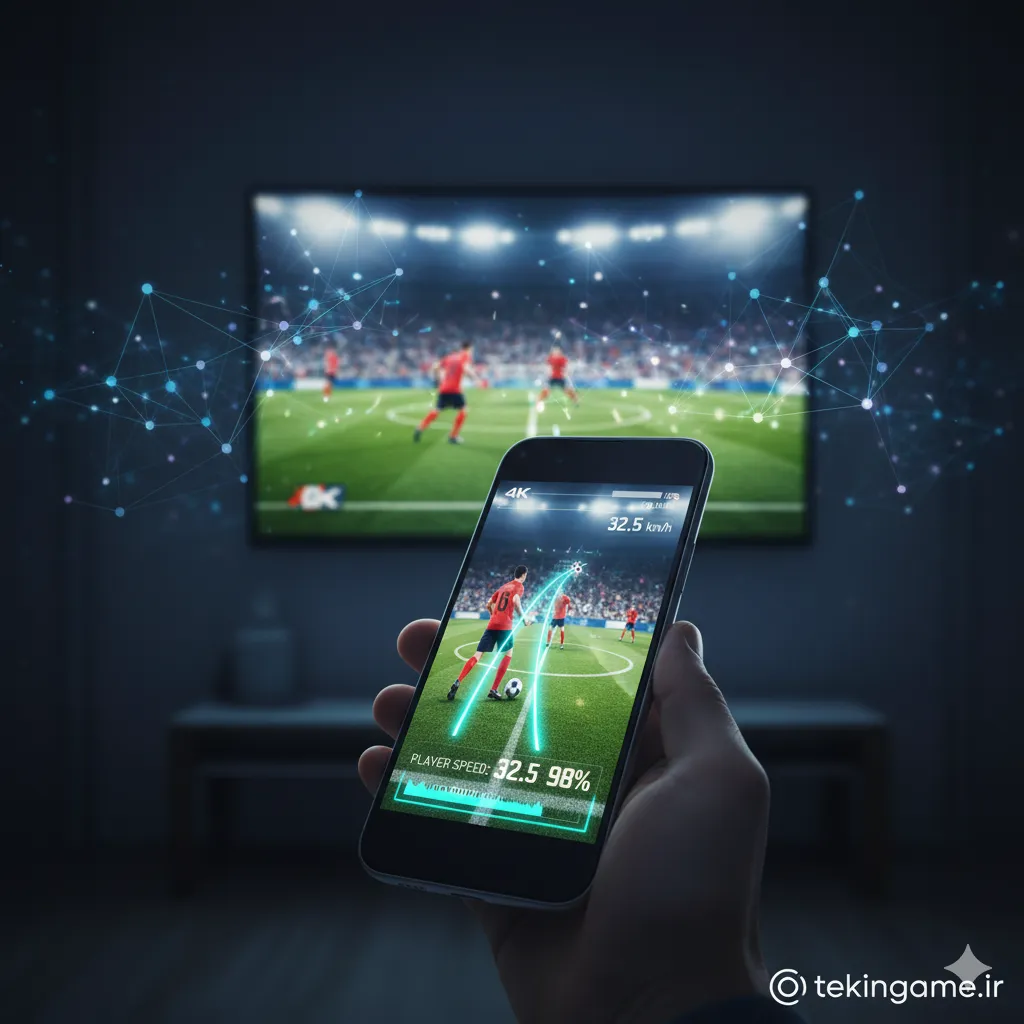
While 4K resolution has become the baseline standard for premium entertainment, the 2026 World Cup is poised to introduce widespread 8K Ultra HD broadcasting coupled with advanced High Dynamic Range (HDR). This delivers four times the pixel density of 4K with vastly superior color volume.
Viewers will discern sweat droplets on a striker's brow, individual blades of turf underfoot, and microscopic stadium details with pristine clarity. This visual fidelity bridges the gap between watching from a living room couch and sitting directly in the stadium stands.
2. Virtual Reality (VR): Front-Row Seats from Home
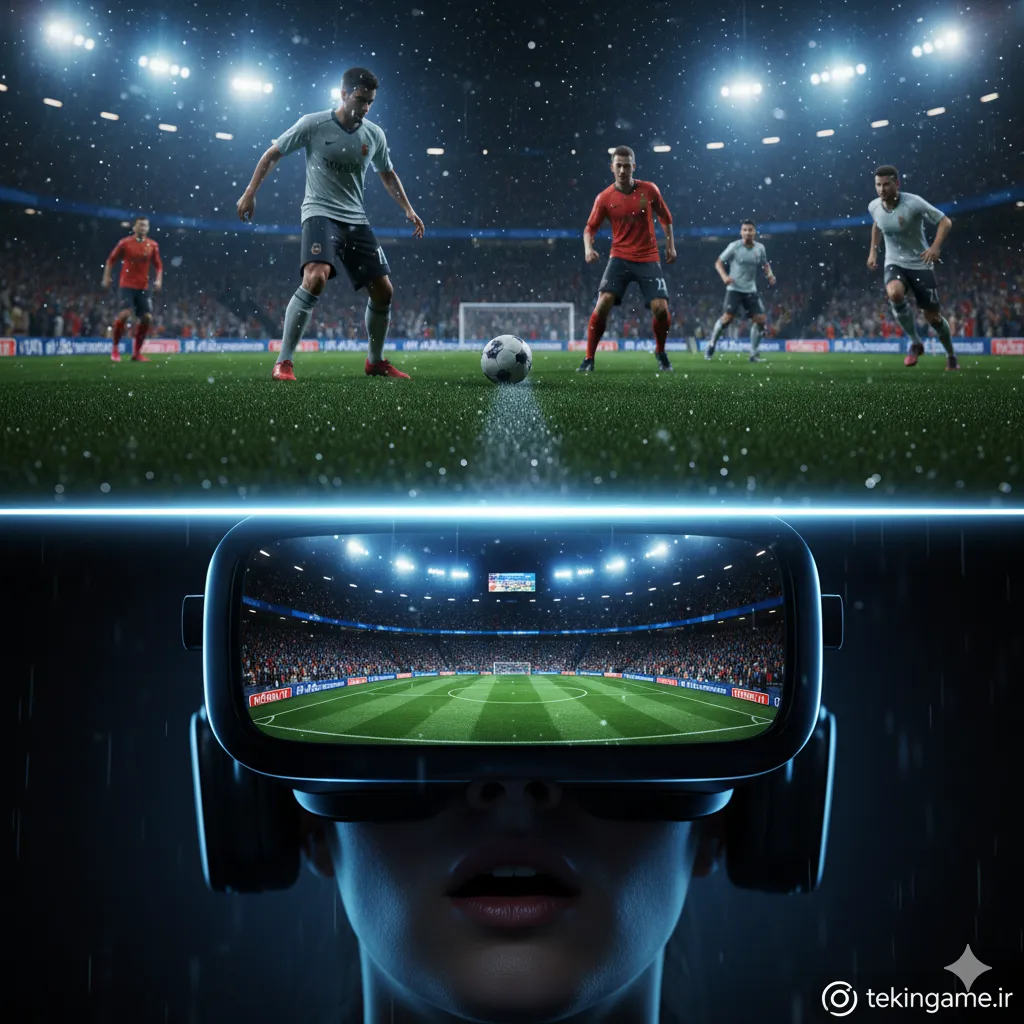
Imagine donning a virtual reality headset and instantly occupying the prime VIP seating tier at MetLife Stadium for the tournament final. The 2026 World Cup brings this dream closer to reality through 360-degree camera arrays and dedicated streaming platforms.
Broadcasters are integrating social VR features, enabling fans to join virtual stadium suites with friends worldwide. This eliminates geographical constraints, delivering authentic matchday electric atmosphere directly into domestic living spaces.
3. Augmented Reality (AR): Real-Time Tactical Data
Companion mobile and tablet applications will leverage augmented reality to project live data overlays directly onto the broadcast screen. Users can track shot velocities, live sprint distances, and dynamic team heatmaps via three-dimensional spatial graphics.
This transforms passive viewers into active tactical analysts, offering professional-grade statistical insights in real time without obscuring the core action on the pitch.
4. Artificial Intelligence in Broadcasting: Your Personal Director
Artificial intelligence algorithms are stepping into the role of intelligent broadcast directors for the 2026 tournament. AI engines analyze live gameplay dynamics to automatically select optimal camera angles for instant replays and critical moments.
Advanced personalization options may even allow viewers to configure AI camera tracking, focusing preferentially on individual star players or specific tactical formations throughout the ninety minutes.
5. Next-Gen Cinematic Cameras and Drones
Camera mechanics are undergoing a radical evolution alongside digital processing. Expect an expanded deployment of high-speed wire-suspended spider-cams and cinematic aerial drones capturing sweeping stadium views.
These specialized rigs deliver fluid, motion-picture-quality tracking shots that elevate the broadcast aesthetics, making every televised match feel like a Hollywood sports blockbuster.
Technical Specifications & Performance Breakdown
| Dimension | Status | Assessment |
|---|---|---|
| Engine Architecture | DirectX 12 / Vulkan Optimized | High-FPS stability across desktop and portable hardware |
| Spatial Audio | Multi-channel 3D Directional | Accurate positioning vital for tactical awareness |
| Player Capacity | Co-Op / Multi-Squad Ready | Optimized network replication and synchronization |
📚 Classified & Related Dossiers in TekinGame
If you wish to explore beyond this report and delve into cybernetic frontiers and autonomous AI architectures, do not miss these three exclusive deep-dives in the Tekin Garage:
- Stunning 8K visual fidelity and HDR color depth
- Immersive VR stadium experiences
- Deep tactical insights via AR and AI direction
- High bandwidth requirements for 8K streaming
- Premium hardware needed for VR features
Final Verdict & Official Sources
Frequently Asked Questions
Will 8K broadcasting be available on standard cable television?
Most 8K content will be distributed via specialized fiber-optic and broadband streaming services due to high bandwidth demands.
Do I need a specific VR headset for World Cup matches?
Major platform providers will support popular standalone and PC-linked VR headsets through official tournament apps.
Frequently Asked Questions
Is this release optimized for modern hardware?
Yes, built on modern scalable rendering pipelines with low hardware entry barriers.
Does it support full cross-platform cooperative play?
Yes, seamless squad matchmaking is fully supported.
