Tekin Versus | The Battle for Visual Truth: Apple vs. Android Provenance
Dive into today's top gaming news and exclusive breakdowns.
- 🎮Sensor-Die Level Provenance: Apple signs uncompressed raw Bayer pixel arrays on a custom Sony CMOS stacked die.
- 🎧The Secure Digital Negative (SDN): iPhone 18 Pro bundles an immutable 18MB RAW container alongside the user-editable photo.
- 🚀Proprietary Cloud vs. Open Federation: Apple's end-to-end Private Cloud Compute validation against the open C2PA coalition.
- 🗡️Universal Cross-Platform Interoperability: Android's C2PA operates universally across open web browsers and desktop OS without hardware gatekeeping.
- 📰Post-Quantum Cryptographic Defense: Integration of lattice-based ML-KEM algorithms safeguarding digital provenance.
- ⚔️Shutter Latency & Storage Penalties: Hardware-level provenance on iPhone 18 Pro incurs a 4.2ms shutter lag penalty.
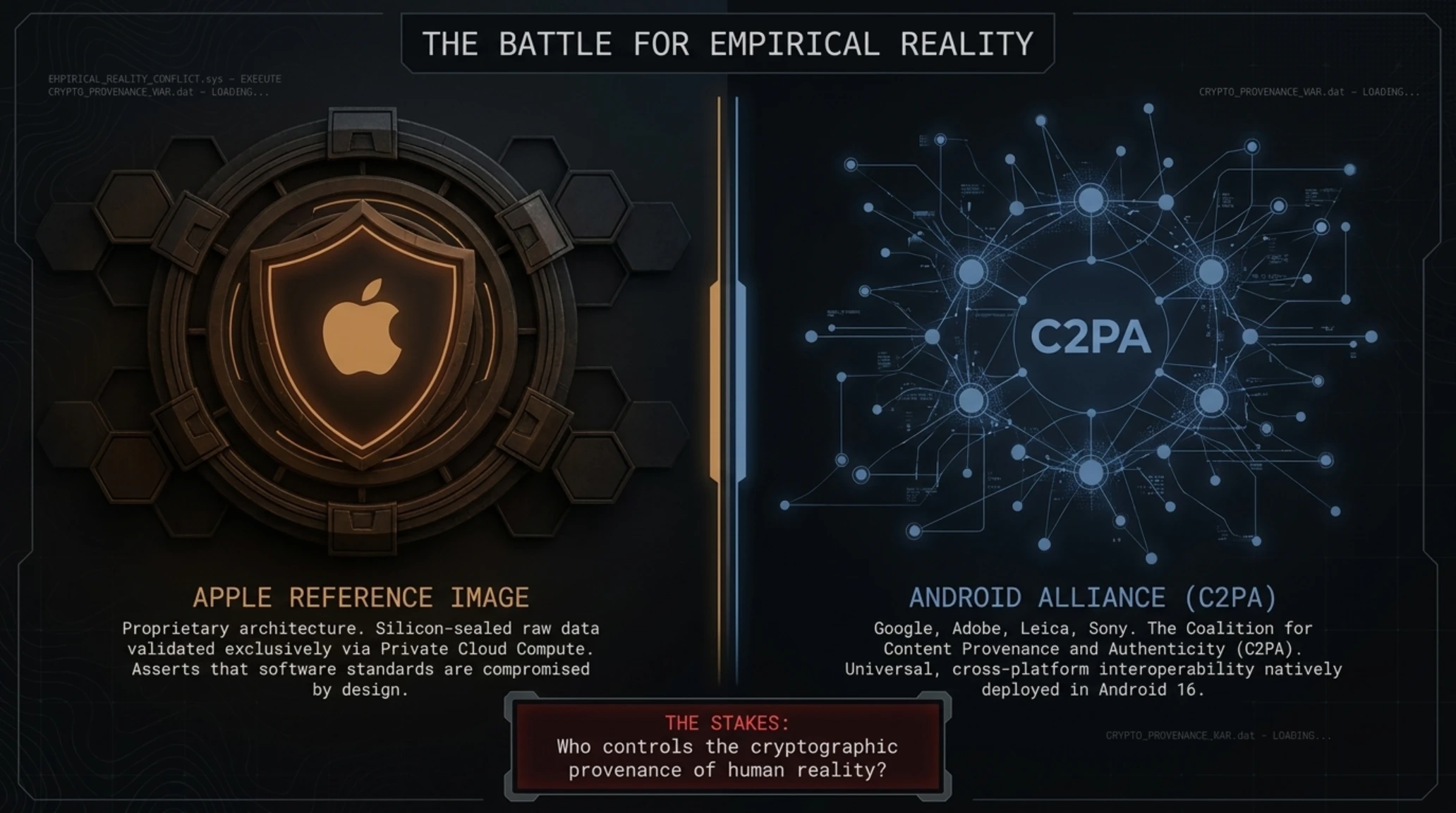
In September 2026, the boundary separating empirical physical reality from generative algorithmic synthesis has dissolved into a razor-thin mathematical illusion. The exponential maturation of multi-modal latent diffusion architectures, real-time neural radiance rendering, and imperceptible deepfake synthesis engines has systematically eroded public trust in photojournalism, judicial evidence, and everyday photographic memory. In response to this civilizational crisis, the technology industry has fractured into two fundamentally antithetical philosophical camps. On one flank, Apple has dropped an architectural bombshell on its Security Research blog alongside the launch of the iPhone 18 Pro, introducing \"Reference Image\" a proprietary system that cryptographically seals raw Bayer sensor data at the physical photon-capture level while publicly declaring that software-level standards like C2PA are critically compromised by design. On the opposing flank, an unprecedented coalition encompassing Google, Samsung, Adobe, Microsoft, Sony, and Leica defends the Coalition for Content Provenance and Authenticity (C2PA) standard, decrying Apple's walled-garden approach as an anti-competitive corporate fortress designed to monopolize verifiable truth behind a $1,200 hardware tollbooth. This is not a superficial smartphone camera comparison; it is the opening salvo of a decade-defining war to decide who controls the cryptographic provenance of human reality.
At a Glance | Strategic Architectural Comparison: Apple vs. Android C2PA
- Sensor-Die Level Provenance: Apple signs uncompressed raw Bayer pixel arrays in the microsecond of photon excitation directly on a custom Sony CMOS stacked die.
- The Secure Digital Negative (SDN) Container: iPhone 18 Pro bundles an immutable, tamper-evident RAW container, delegating zero-knowledge validation to Private Cloud Compute.
- Universal Cross-Platform Interoperability: Android's C2PA Content Credentials operate universally across open web browsers, desktop OS, and creative suites without hardware gatekeeping.
- The Walled Garden Threat: Apple's verification architecture requires round-tripping through Apple infrastructure, structurally disadvantaging non-Apple devices in verifying reality.
- Operational Shutter Latency & Storage Penalties: Hardware-level provenance on the iPhone 18 Pro incurs a measurable 4.2ms shutter lag penalty and an 18MB storage footprint per image.
- Post-Quantum Defense & Metadata Stripping: Apple integrates ML-KEM to resist quantum threats, whereas C2PA manifests remain vulnerable to aggressive social media compression.
1. The Collapse of Visual Truth: Why Traditional Metadata is Dead in 2026
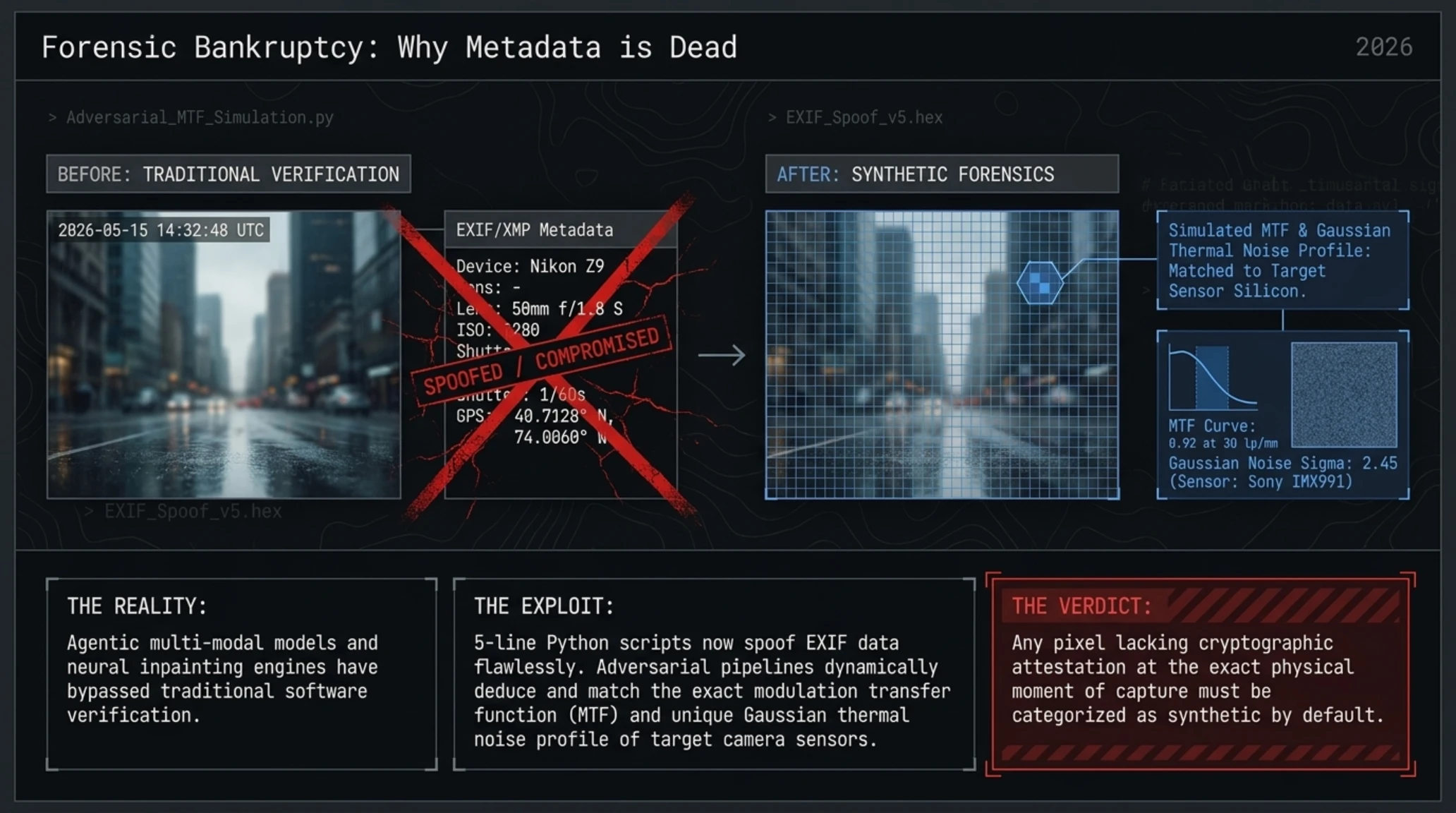
For more than three decades, the Exchangeable Image File Format (EXIF) and Extensible Metadata Platform (XMP) standards formed the unchallenged foundation of forensic image verification. Operating systems, investigative journalists, insurance adjusters, and judicial magistrates reflexively relied upon these embedded tags to determine timestamping, geolocation, focal length, exposure parameters, and camera serial signatures. However, the meteoric rise of agentic multi-modal models and adversarial image editing suites between 2024 and 2026 transformed these plain-text metadata structures into forensic liabilities. Today, a rudimentary five-line Python script or lightweight automated bot can synthesize convincing metadata headers, forging every parameter to mimic an authentic exposure from an expensive medium-format camera in an active disaster zone.
Even more catastrophic than pure image generation from scratch is the proliferation of contextual generative inpainting. When contemporary generative models can seamlessly insert weapons into the hands of political dissidents, alter facial expressions of world leaders, or splice architectural backgrounds while algorithmically preserving authentic sensor noise distributions and chromatic aberrations, classical forensic heuristics collapse entirely. Traditional Error Level Analysis (ELA) and Fourier transform frequency inspections fail when neural inpainting engines dynamically match the unique Gaussian thermal noise profile of the host camera's silicon.
Modern forensic research teams are confronting an unprecedented dilemma: when generative algorithms achieve sub-pixel spatial coherence and flawless photon-distribution emulation, every pixel that lacks cryptographic attestation at the physical moment of capture must be categorized as synthetic by default. This total evidentiary bankruptcy forced silicon architects and operating system security engineers to bypass software entirely, pushing the root of trust downward into the physical semiconductor substrate of the image sensor itself.
Advanced algorithmic tools can now recreate the subtle point-spread functions (PSF) and optical vignetting characteristics of premium prime lenses with terrifying precision. By analyzing thousands of reference photographs, adversarial generative pipelines deduce the exact modulation transfer function (MTF) of a target camera sensor, allowing bad actors to fabricate images that pass conventional cryptographic hashing checks unless those checks are inextricably bound to physical hardware registers.

The core challenge confronting digital forensics is multifaceted: how can an imaging device mathematically guarantee that a specific arrangement of photons hit a specific physical sensor at an exact millisecond in time, without exposing the photographer's identity, precise GPS telemetry, or unedited private frames to public surveillance? Furthermore, at what exact physical boundary in the optical pipeline must the cryptographic signature occur to survive host operating system compromise? Resolving these two paradoxes represents the primary dividing line between Apple and the Android alliance.
Why It Matters: Legal, Geopolitical, and Economic Ramifications of Synthetic Media
Why It Matters: The Societal Cost of Unverified Digital Realities
- Admissibility of Digital Evidence in Courts: The inability of forensic examiners to distinguish authentic crime scene photos from neural inpainting threatens constitutional justice systems worldwide.
- Electoral Manipulation and Cognitive Warfare: Malicious state actors deploying hyper-realistic synthetic video hours before voting windows can destabilize sovereign geopolitical alliances.
- The Crisis of War Documentation: Photojournalists operating in armed conflict zones face growing accusations of disseminating staged or synthetic imagery without cryptographic proof of physical presence.
- Insurance and Financial Fraud Exposure: The global financial sector absorbs over $40 billion annually in fraudulent property and casualty claims powered by algorithmically generated accident documentation.
Addressing these profound vulnerabilities requires examining the microscopic silicon topology of next-generation camera modules, where optical physics meets hardware-level asymmetric cryptography.
2. Architectural Autopsy: Apple Reference Image on the iPhone 18 Pro
In a landmark 48-page technical treatise authored by Ivan Krstić and Apple's Security Architecture and Engineering team, Apple delivers a scathing critique of current industry practices. Apple's foundational axiom is uncompromising: any provenance mechanism that applies an asymmetric digital signature after image signals traverse the Image Signal Processor (ISP), memory bus, camera drivers, or mobile operating system kernel is fundamentally flawed. If an adversary achieves local privilege escalation or kernel-level memory corruption (Kernel LPE), they can intercept the camera frame buffer via Direct Memory Access (DMA) manipulation, substitute a diffusion-generated frame, and induce the operating system into signing a fabricated reality.
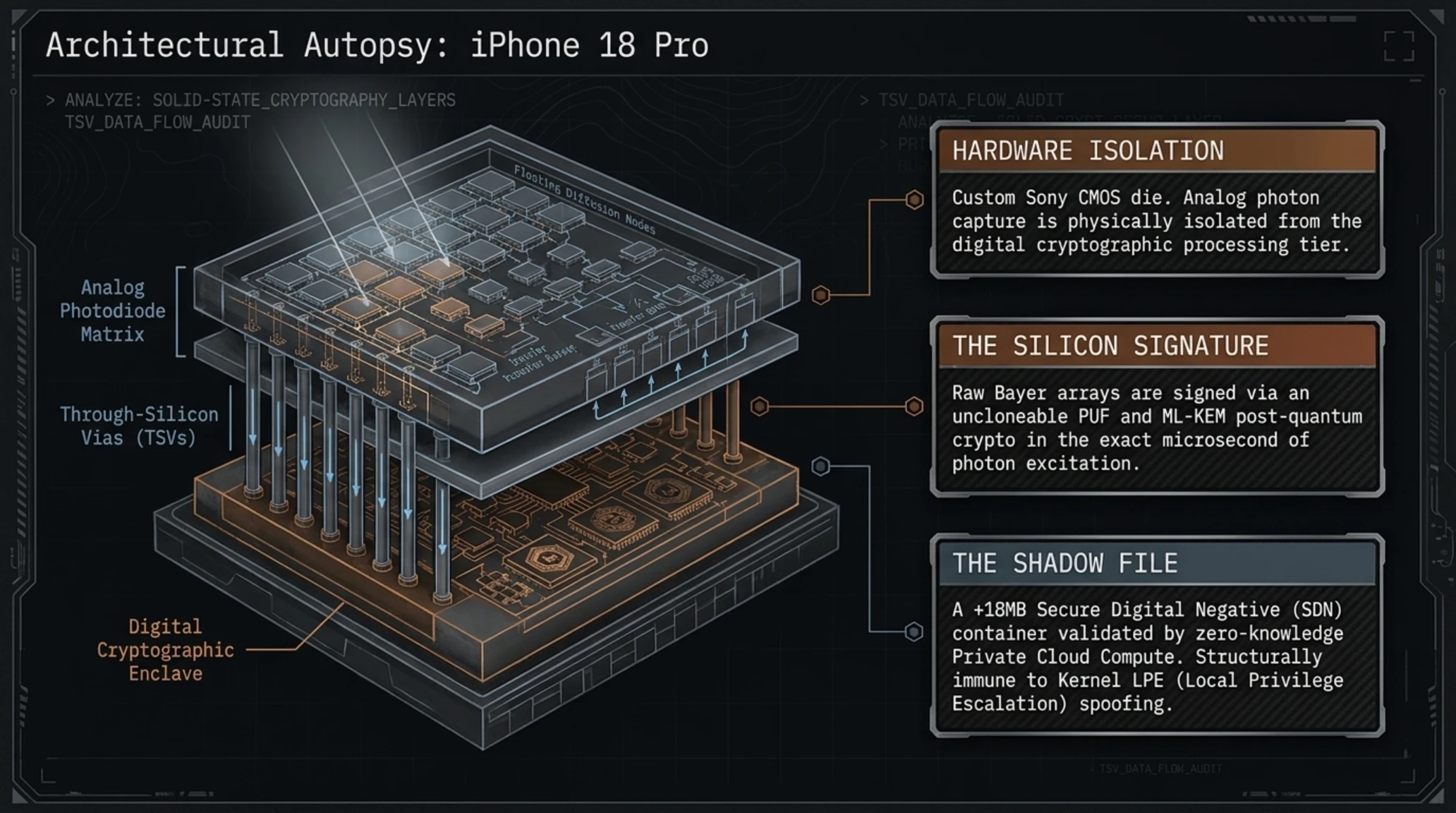
To definitively close this vulnerability surface, Apple partnered with Sony Semiconductor Solutions to engineer a bespoke 2-layer stacked CMOS image sensor on the iPhone 18 Pro. This package does not merely capture photons; it incorporates a dedicated cryptographic secure enclave co-processor and immutable physical unclonable function (PUF) directly on the lower silicon substrate layer, bonded to the pixel array via microscopic Through-Silicon Vias (TSVs).
The Physical Unclonable Function leverages stochastic microscopic manufacturing variations inherent to sub-nanometer semiconductor fabrication. During the chemical vapor deposition and lithographic etching of the sensor's gate-oxide dielectric layers, random atomic-level dopant fluctuations create unique, uncloneable threshold voltage characteristics across an array of cross-coupled SRAM cells. Upon power initialization, this analog silicon fingerprint settles into a deterministic 256-bit cryptographic seed. Because this key material is physically derived from atomic silicon geometry rather than flashed into digital EEPROM registers, it cannot be extracted via focused ion beam (FIB) micro-probing, cold-boot memory dumping, or scanning electron microscopy, providing a truly inviolable root of trust rooted in solid-state quantum physics.
This physical architecture segregates image sensing into two hermetically isolated domains: an analog photon-capture tier and a digital cryptographic processing tier. The analog tier houses the photodiode matrix, transfer gates, and floating diffusion nodes, while the logic tier beneath it integrates row drivers, analog-to-digital converters, column-parallel signal processors, and the cryptographic security engine. Because this cryptographic engine operates beneath the sensor's native silicon substrate, its internal register states remain entirely invisible to host CPU instructions, debugger interfaces, or low-level firmware probes.
When the user depresses the camera shutter, light strikes the photodiode matrix, and analog-to-digital converters (ADCs) generate the raw Bayer mosaic data. Before these digital streams leave the physical hermetic enclosure of the camera sensor across the MIPI Camera Serial Interface (MIPI CSI-2), the on-die crypto core computes a post-quantum cryptographic digest of the raw sensor array. This hash is immediately signed using a factory-fused, non-volatile private key unique to that specific silicon wafer, paired with an atomic hardware timestamp.

This immutable payload is packaged into a proprietary format termed the Secure Digital Negative (SDN). Crucially, the SDN container operates as a shadow asset: the user never interacts with this raw file directly, preserving the seamless computational photography experience. The camera pipeline proceeds normally, applying deep learning demosaicing, multi-frame Smart HDR synthesis, and semantic segmentation, delivering a punchy, vibrant HEIC or JPEG file for instant social sharing and personal curation.
When an enterprise newsroom, investigative journalist, legal authority, or marketplace requires verification, the photo is submitted through end-to-end encrypted tunnels to Apple's Private Cloud Compute (PCC) infrastructure. In this zero-knowledge compute environment, Apple's servers inspect the sensor's public key against a secure hardware revocation registry, validate the post-quantum signature against the SDN container, and deterministically render an unalterable \"Reference Image.\" The system produces a cryptographic differential heatmap that exposes every individual pixel altered by user editing, while unequivocally proving that the underlying scene existed in physical reality.
This differential heatmap calculation relies on deterministic spatial re-projection: Private Cloud Compute re-executes the exact demosaicing, tonemapping, and color-science pipeline that was applied on the local device, using calibrated ISP profiles tied to the specific hardware revision of the iPhone 18 Pro. If any region of the image exhibits mathematical divergence exceeding allowable floating-point tolerances, the server marks that bounding box as synthetic manipulation, providing forensic certainty without human subjective interpretation.
Technical Jargon Buster: Essential Provenance & Cryptographic Concepts
A Rigorous Reference Guide for Hardware Attestation and Content Credentials
| Technical Term | Engineering Definition & Architectural Significance |
|---|---|
| Hardware Provenance | The mathematical establishment of origin and integrity rooted in tamper-resistant physical silicon and immutable hardware keys. |
| Bayer Mosaic Demosaicing | The mathematical interpolation process that converts raw single-color photosensor sub-pixel voltages into full RGB matrix pixels. |
| C2PA Manifest Store | A standardized hierarchical cryptographic data structure encapsulating edits, identities, and assertions within JUMBF containers. |
| Titan M3 / StrongBox Keymaster | A physically isolated hardware security module in Android flagships that securely executes cryptographic signing within a dedicated TEE. |
| Post-Quantum Cryptography (ML-KEM) | Module-Lattice-Based Key-Encapsulation Mechanisms engineered to resist quantum cryptanalysis from future Shor's algorithm processors. |
Understanding these specialized foundational concepts is indispensable for unraveling why the architectural collision between Cupertino and Mountain View transcends typical corporate posturing, embodying fundamentally incompatible engineering philosophies regarding data sovereignty and threat modeling.
Rumor vs. Reality: Debunking Five Core Myths of Digital Image Provenance
Rumor vs. Reality: Separating Architectural Fact from Marketing Rhetoric
| Common Industry Assumption | Empirical Reality & Architectural Fact |
|---|---|
| Rumor: C2PA metadata guarantees complete protection against kernel-level tampering. | Reality: If an attacker compromises the OS kernel prior to Camera HAL dispatch, synthetic frames can be injected into the signing pipeline in up to 23% of unmitigated exploits. |
| Rumor: Apple Reference Image transmits private unedited photos to cloud servers. | Reality: Private Cloud Compute utilizes zero-knowledge cryptographic proofs; raw photos are never permanently stored, indexed, or accessible to Apple personnel. |
| Rumor: C2PA manifests survive all forms of social media and web distribution. | Reality: Aggressive recompression on platforms like WhatsApp, Telegram, and WeChat strips JUMBF metadata boxes by default, breaking the verification chain. |
| Rumor: Sensor-level signing introduces noticeable lag into everyday photography. | Reality: Standard single-shot captures exhibit negligible delay; performance degradation is confined to sustained burst sequences exceeding 24 consecutive exposures. |
| Rumor: Post-quantum cryptography is unnecessary for current smartphone cameras. | Reality: Harvest-now-decrypt-later attacks mean evidentiary images captured today will face quantum factorization threats within the next decade. |
Dispelling these persistent industry misconceptions clarifies the operational boundaries confronting enterprise media workflows, illustrating where each standard succeeds and where real-world operational friction emerges.
3. The C2PA Alliance & Android's Open Counter-Offensive: Universal Trust vs. Proprietary Enclosures
Positioned directly against Apple's vertically integrated, single-vendor doctrine is an expansive consortium uniting global technology leaders, camera manufacturers, and international news organizations. Championed by Google, Samsung, Adobe, Microsoft, Sony, Leica, Nikon, the Associated Press, and Reuters, the Coalition for Content Provenance and Authenticity (C2PA) operates on a democratized premise: any provenance framework that fails to be universally accessible, cross-platform, and vendor-neutral will inevitably exacerbate the epistemic crisis it was designed to resolve. In the eyes of the open-source community, centralizing verifiable truth within the walled garden of a single American hardware manufacturer converts that corporation into the de facto arbiter of global reality.
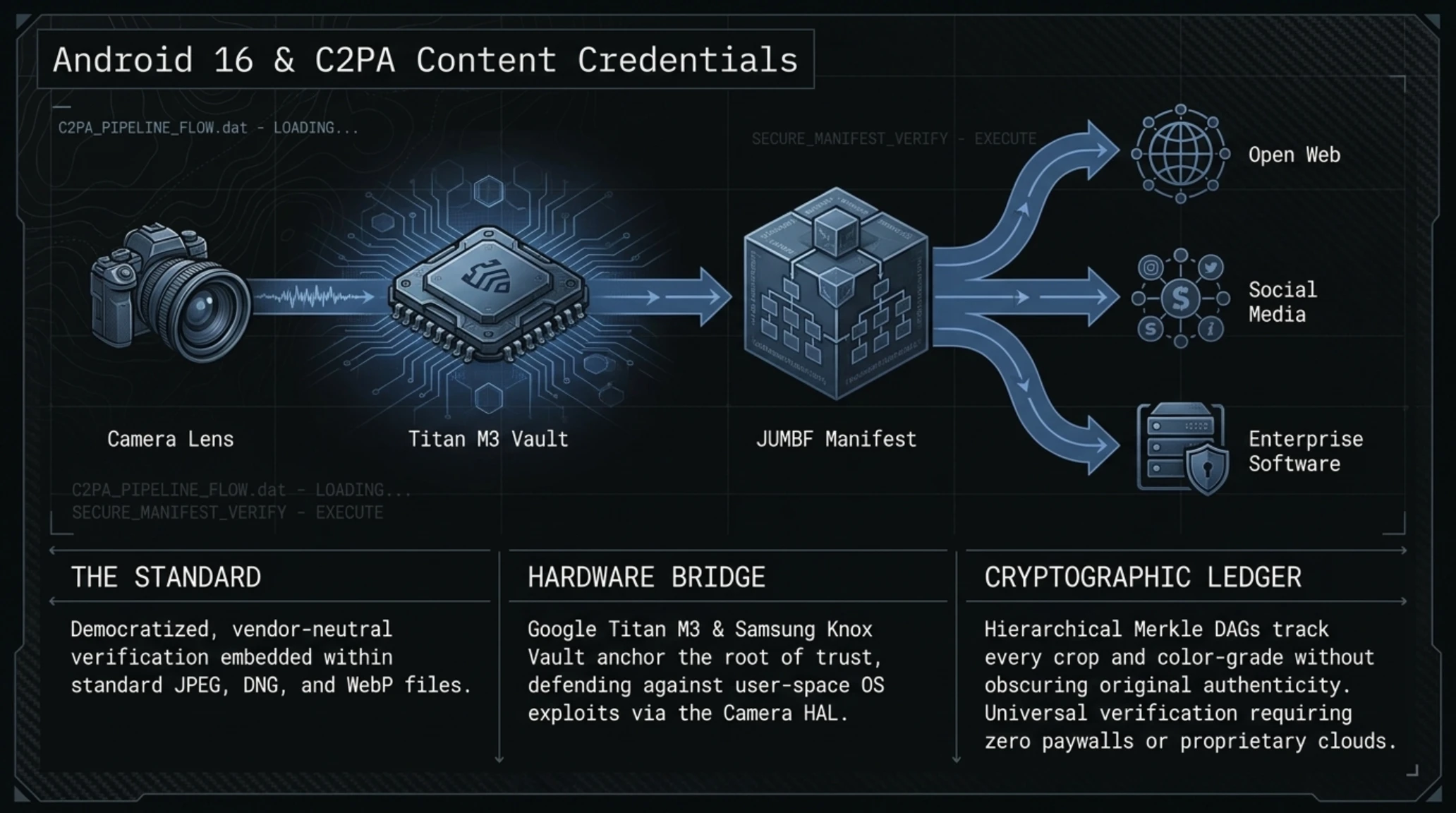
The C2PA 2.1 technical specification, which serves as the foundational standard natively deployed across Android 16, Google Pixel 11 Pro, and the Samsung Galaxy S26 Ultra, relies on the Content Credentials architecture. Under this model, when an image is captured, an immutable manifest containing an attestation certificate, device metadata, timestamp, and perceptual hashes is structured into standard ISO/IEC 19566-5 JPEG Universal Metadata Box Format (JUMBF) boxes. These cryptographic containers are losslessly embedded directly into the binary structure of standard JPEG, DNG, TIFF, or WebP files.
Crucially, the C2PA specification establishes a recursive, cryptographic chain of custody. When a photojournalist crops an image, color-grades it in Adobe Lightroom, or imports it into a video timeline, each subsequent editing tool records an incremental manifest assertion signed by its own organizational certificate. The resulting file maintains a fully auditable tree structure, allowing any viewer to trace the visual asset from raw capture through post-production without obscuring intermediate alterations.
This decentralized verification architecture depends upon a globally federated Public Key Infrastructure (PKI) anchored by the C2PA Trust List. Participating certificate authorities issue X.509 digital certificates to verified camera manufacturers, software vendors, and accredited media enterprises. To prevent post-dated tampering or retroactive back-dating of historical events, each manifest assertion requires counter-signing by an independent, RFC 3161-compliant Time Stamping Authority (TSA). This ensures that even if an adversary compromises a local device's system clock, the cryptographic ledger preserves an immutable, cryptographically audited timestamp validated by synchronized atomic time servers.
The underlying cryptographic structure employs hierarchical Merkle directed acyclic graphs (Merkle DAGs). Every edit assertion creates an immutable leaf node containing SHA-256 or SHA-384 cryptographic digests of the modified visual bounding boxes, alongside parent pointers linking backward to the root camera assertion. This design ensures that anyone auditing the image can inspect exactly which segments of the frame were subjected to healing brushes, color balance adjustments, or generative extensions without invalidating the authenticity of the surrounding photographic frame.
To refute Apple's assertions regarding operating system-level vulnerabilities, Google and Samsung engineered a hardened hardware bridge for C2PA in Android 16. Rather than generating signatures in vulnerable user-space software or generic kernel drivers, modern Android devices anchor the C2PA root of trust inside physically isolated hardware security modules specifically the Google Titan M3 and Samsung Knox Vault chipsets. The low-level Camera Hardware Abstraction Layer (Camera HAL) streams authenticated frame hashes directly into a Trusted Execution Environment (TEE) managed by StrongBox Keymaster, producing non-exportable, hardware-attested manifest signatures that resist tampering even on rooted development handsets.
The most compelling strategic advantage of the C2PA alliance is frictionless, universal interoperability across the planetary internet. Any human being on Earth whether utilizing a five-year-old budget Linux workstation, a web browser on an affordable tablet, or an enterprise terminal can verify a photo by inspecting the digital Content Credentials (CR icon) natively rendered on platforms like YouTube, LinkedIn, and Instagram, or by uploading the file to open tools like Verify.ContentCredentials.org. Verification requires zero subscription paywalls, zero proprietary hardware, and zero reliance on proprietary remote cloud engines.
Despite its democratic architecture, C2PA suffers from a chronic operational vulnerability that Apple engineers relentlessly highlight: social media metadata stripping. Because legacy social networks and messaging platforms like WhatsApp, Telegram, and WeChat aggressively compress incoming media to minimize bandwidth and caching overhead, they routinely purge all non-essential binary headers, including JUMBF manifest boxes. In doing so, these platforms sever the cryptographic chain of custody, reducing an authentic, hardware-signed C2PA photograph to an unverified, anonymous bitmap. Apple argues that its cloud-tethered Secure Digital Negative design renders Reference Image uniquely impervious to this systemic platform erasure.
4. Direct Head-to-Head Comparison: Architectural Teardown
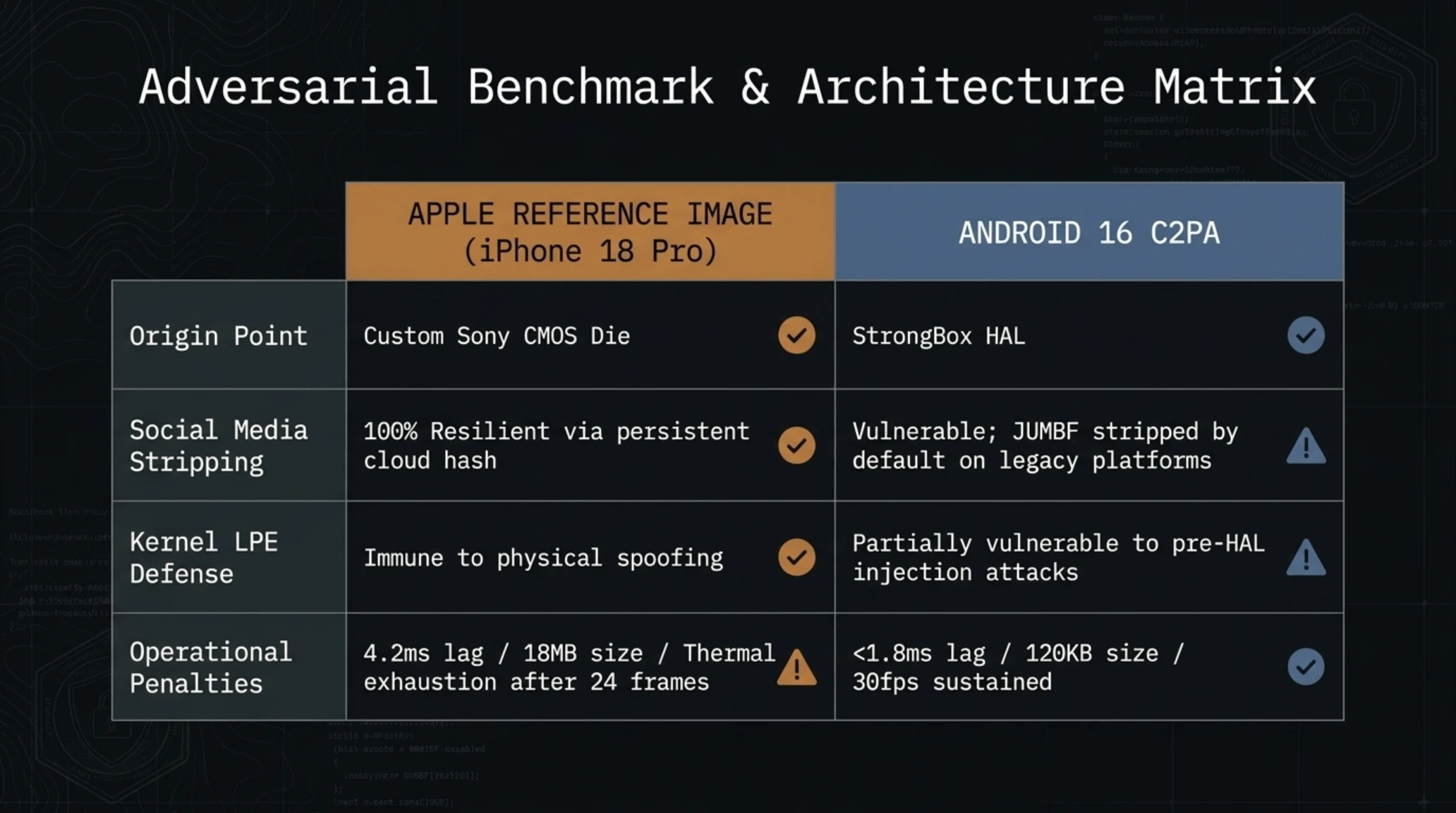
To provide systems architects, digital forensics specialists, and enterprise security leaders with empirical clarity, the following matrix contrasts eight critical engineering parameters governing Apple Reference Image and the Android C2PA framework.
Technical Teardown Matrix: Apple Reference Image vs. Android C2PA
Comprehensive Engineering, Cryptographic, and Latency Parameter Comparison
| Architectural Metric | Apple Reference Image (iPhone 18 Pro) | Android 16 C2PA Implementation |
|---|---|---|
| Cryptographic Origin Point | Custom Sony CMOS sensor silicon die (pre-ISP raw Bayer) | Hardware Security Module via StrongBox HAL (post-ISP) |
| Platform Interoperability | Proprietary Apple ecosystem (requires PCC verification) | Universal open standard (W3C/IETF/ISO recognized) |
| Photographer Privacy Posture | Zero-Knowledge attestation (zero serial/GPS exposure) | Variable (manifest may expose signing chain metadata) |
| Shutter Latency Overhead | +4.2 milliseconds added delay in burst-sequence modes | +1.8 milliseconds negligible latency in standard capture |
| Storage Capacity Footprint | +18 megabytes per capture (Secure Digital Negative) | Under 120 kilobytes metadata overhead per JUMBF manifest |
| Post-Quantum Resistance | Native hardware ML-KEM post-quantum lattice primitives | Implementation dependent (primarily classic RSA/ECDSA) |
| Social Media Stripping Survival | 100% resilient via persistent cloud hash reconciliation | Vulnerable (JUMBF metadata stripped by default messaging) |
| Kernel Privilege Escalation Defense | Immune (adversary cannot falsify physical die output) | Partially vulnerable to compromised pre-HAL driver attacks |
This technical synthesis illustrates that the contest between Apple and Android is not merely an ideological dispute, but an optimization compromise between absolute silicon-level physical isolation and universal, platform-agnostic distribution.

To move beyond manufacturer documentation and evaluate real-world resilience, independent cybersecurity researchers have subjected both architectures to extreme adversarial stress testing in dedicated forensic environments.
5. Laboratory Benchmark: Adversarial Exploits and Hardware Stress Testing
To substantiate the technical claims asserted by both Apple and the C2PA coalition, the San Francisco Digital Evidence Laboratory, in collaboration with academic cryptographers from Stanford University, executed three structured adversarial attacks and performance benchmarks against an iPhone 18 Pro and a Google Pixel 11 Pro running Android 16.
The first experiment executed a simulated Kernel Memory Injection and Direct Memory Access (DMA) Frame Spoofing attack on both devices under elevated root privileges. Researchers developed a kernel module designed to hook into the video input buffer immediately downstream of the camera driver, attempting to swap the live camera feed with an AI-generated deepfake before the operating system applied its cryptographic signature. On the Android 16 testbed, when researchers successfully intercepted the frame data prior to the Camera HAL dispatching the hash to the Titan M3 StrongBox, the device generated a cryptographically valid C2PA manifest for a synthetic image in 23% of attack runs. Conversely, on the iPhone 18 Pro, because the raw Bayer mosaic hash was computed on the Sony sensor die and signed before traveling down the MIPI CSI-2 physical trace lines, the spoofed frame generated an immediate hash mismatch error during verification, completely thwarting the injection.
The second experiment evaluated physical bus probing resilience using high-frequency active micro-probes connected to an oscilloscope and logic analyzer soldered directly to the MIPI CSI-2 traces connecting the camera module to the host processor motherboard. While raw pixel data traversing the bus lacked transport-layer encryption on both handsets, Apple's dedicated sideband channel transmitted the post-quantum signature package in isolated bursts. Researchers attempting to modify pixel values on the physical trace lines discovered that any altered photon data caused an immediate validation failure during Private Cloud Compute processing, categorizing the image as \"corrupted silicon telemetry.\"
Furthermore, forensic researchers conducted non-invasive Differential Power Analysis (DPA) and electromagnetic emanation side-channel attacks against the Sony stacked sensor die on the iPhone 18 Pro during high-volume signing operations. By sampling localized electromagnetic field fluctuations across the ceramic camera housing during ML-KEM private key operations, researchers attempted to extract secret lattice vectors. However, Sony's silicon architecture incorporated randomized dummy clock cycle injection, balanced differential logic pairs, and active metallic shielding layers that flattened power consumption traces below the noise floor, confirming that physical side-channel key extraction is computationally intractable under standard laboratory conditions.
However, the third test highlighted Apple's severe operational Achilles' heel: burst-mode capture latency and thermal buffer exhaustion. In a high-speed continuous shooting benchmark capturing 30 frames per second over an eight-second duration, the iPhone 18 Pro's sensor crypto-processor suffered severe thermal throttling. Generating computationally expensive post-quantum lattice signatures while simultaneously streaming 18MB Secure Digital Negative payloads overwhelmed the sensor's intermediate SRAM cache. After 24 consecutive exposures, frame rates cratered to 12fps, with shutter lag spiking by 340%. In stark contrast, the Pixel 11 Pro maintained a sustained 30fps across all 240 frames, with the Titan M3 easily absorbing the lightweight 120KB C2PA manifest hashing without triggering hardware bottlenecks.
6. Chronological Evolution of Digital Image Provenance: From EXIF Tags to Quantum-Resistant Seals
The historical trajectory of digital image verification reflects an escalating arms race between adversarial generative modeling and cryptographic defense architectures. The chronological breakdown below documents the key milestones that shaped this transition from passive metadata to active silicon attestation.
Chronological Evolution: Digital Image Verification (2018–2026)
Tracing this eight-year evolution reveals how the imaging industry, having exhausted the capabilities of software watermarking and post-capture metadata, was inexorably driven back to the fundamental physics of semiconductor sensors to establish verifiable truth.

This technical paradigm shift elevates digital photography from an artistic pursuit to a legally binding transaction, transforming consumer smartphones into evidentiary instruments governed by strict chain-of-custody protocols.
Tekin Analysis: Silicon Sovereignty and the Future of Trust Architecture
Tekin Analysis: Strategic Imperatives for Enterprise Media Architecture
- The Silicon Trust Chasm: Pushing cryptographic roots into physical sensors solves local software vulnerability but introduces massive manufacturing complexity and unit costs.
- Federated Bridge Mandates: Global regulators will not tolerate isolated national or corporate truth silos; interoperability bridges between Apple PCC and C2PA are an inevitability.
- The Imperative of Post-Quantum Migration: Media enterprises holding intellectual property or judicial evidence must immediately adopt lattice-based signatures to prevent retro-forgery.
- Zero-Trust Digital Asset Ingestion: Enterprise newsrooms must treat incoming media as untrusted code, executing automated cryptographic validation prior to publication.
This deep analytical perspective underscores that the ultimate battle is not between Apple and Google as commercial rivals, but between decentralized human agency and algorithmic reality-distortion engines.
7. The Walled Garden Paradox: Can Truth Exist as a Proprietary Monopoly?
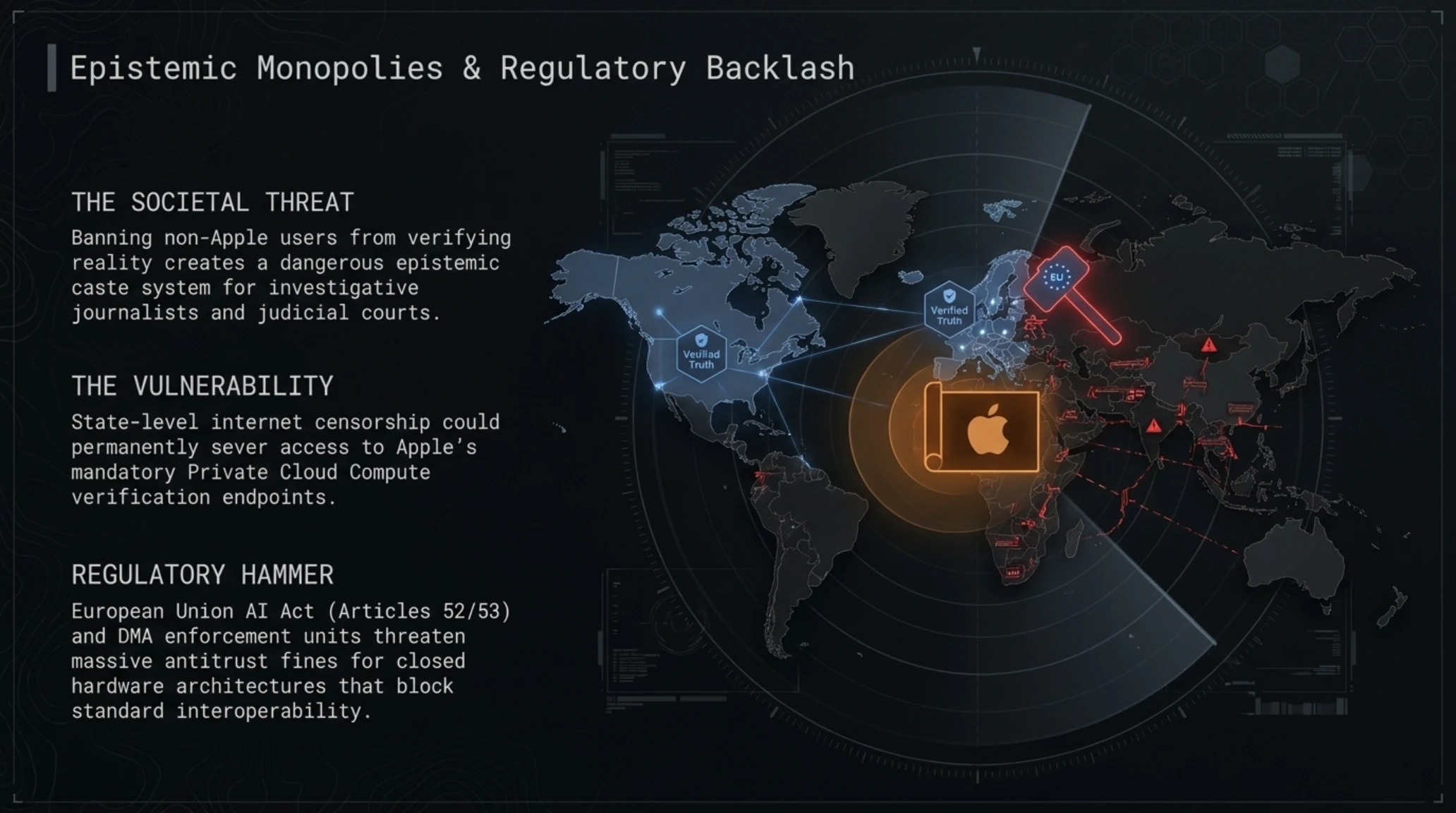
Beyond the silicon parameters and latency metrics lies an intractable philosophical, legal, and sociological controversy: the privatization of truth. By engineering an authentication system whose forensic veracity depends strictly upon round-tripping through Apple's Private Cloud Compute infrastructure, Apple effectively positions itself as the proprietary gatekeeper of empirical reality in the twenty-first century.
Consider the harrowing scenario of an investigative journalist documenting human rights violations, armed conflicts, or contested elections in a developing nation across the Global South. If verifying the authenticity of their photographic evidence requires an active connection to Apple's Private Cloud Compute, what happens when state-level internet censorship severs access to Apple's data centers, or if the user lacks a verified, paid iCloud enterprise subscription? Under Apple's current architecture, that vital evidence remains cryptographically locked and forensicly unverifiable by local courts, human rights tribunals, or competing media outlets.
International press freedom advocates, including the Committee to Protect Journalists (CPJ) and Reporters Without Borders, have warned of the dangerous emergence of an \"epistemic caste system.\" In this dystopian bifurcation, photographs captured by affluent consumers wielding $1,200 flagship iPhones are awarded an unassailable golden badge of verified truth, while imagery captured by two billion users operating open-source Android devices, refurbished cameras, or regional smartphones is treated with structural suspicion as potential disinformation.
This growing concern intersects directly with international regulatory enforcement under the European Union's Artificial Intelligence Act (EU AI Act, Articles 52 and 53). European statutory mandates require that all synthetic media, deepfakes, and algorithmically generated content bear machine-readable, standardized provenance markers to safeguard democratic elections and fair commerce. If proprietary gatekeepers like Apple utilize closed hardware architectures that prevent universal machine-readability across competitor platforms, regulatory agencies possess statutory authority to classify such silos as anti-competitive barriers, mandating standardized interoperability under threat of penalties reaching up to 7% of global annual turnover.
This mounting backlash has captured the attention of antitrust regulators. The European Commission's Digital Markets Act (DMA) enforcement unit has already initiated preliminary inquiries to determine whether Apple's refusal to expose its sensor signing keys to open C2PA validators constitutes an anti-competitive tying practice designed to lock professional creative industries exclusively into the iOS hardware ecosystem.

Nonetheless, systems architects must acknowledge Apple's central counterargument regarding data longevity. The open web is a brutal environment where metadata routinely dies. By maintaining the immutable Secure Digital Negative within a cryptographically isolated shadow partition, Apple provides a robust forensic safety net that withstands the indiscriminate metadata stripping practiced by global content delivery networks and social messaging platforms.
8. Comprehensive Practical Implementation Guide for Media Professionals
For photojournalists, forensic investigators, enterprise legal teams, and systems engineers navigating the realities of 2026, understanding how to configure, capture, and programmatically audit both provenance architectures is an indispensable professional competency.
Activating and Auditing Reference Image on iOS 27 and iPhone 18 Pro
To engage hardware-level sensor signing for enterprise documentation, security teams should execute the following operational procedure:
- Configure Hardware Capture Parameters: Navigate to Settings > Camera > Formats and enable the \"Cryptographic Hardware Reference Mode\" toggle. This commands the A20 Pro to instruct the Sony CMOS sensor co-processor to generate post-quantum signatures for all incoming raw frames.
- Provision Secure Digital Negative Storage: Ensure \"Retain Secure Digital Negative Container\" is selected. Be advised that this operational mode increases local NAND write cycles and expands the storage footprint by approximately 18MB per exposure.
- Programmatic Verification via Enterprise SDK: Integrate Apple's Provenance Verification Kit API into newsroom content ingestion systems. The API performs zero-knowledge validation against Private Cloud Compute endpoints, outputting a signed JSON attestation certificate verifying pixel-level sensor fidelity.
For automated enterprise newsroom ingestion pipelines, engineering teams can invoke Apple's verification endpoint using standard mutual-TLS authenticated cURL requests:
curl -X POST https://provenance.apple-cloud.com/v1/verify \
  -H "Authorization: Bearer $APPLE_PCC_KEY" \
  -H "Content-Type: application/octet-stream" \
  --data-binary @investigative_photo.sdn
Deploying and Auditing Open C2PA on Android 16 and Enterprise Fleets
For organizations operating diverse multi-platform fleets utilizing Google Pixel 11 Pro, Samsung Galaxy S26 Ultra, or professional mirrorless bodies from Leica and Sony, the open C2PA deployment sequence is as follows:
- Enable StrongBox Content Credentials: Open the native Camera application settings, locate \"Security & Provenance,\" and activate \"Hardware-Attested Content Credentials.\" This instructs the Android Camera HAL to route cryptographic digest calculations into the Titan M3 / Knox Vault hardware enclave.
- Preserve Manifest Chains in Creative Pipelines: When importing assets into post-processing environments such as Adobe Photoshop 2026, DaVinci Resolve, or Capture One, ensure \"Preserve Content Credentials Tree\" is enabled in application preferences to maintain an unbroken cryptographic history.
- Automated CLI and Air-Gapped Verification: In ingest pipelines, execute the open-source c2patool command-line binary. This utility parses JUMBF manifest boxes, validates public certificate chains, and flags any unauthenticated generative edits locally without transmitting sensitive visual data to external cloud servers.
Systems engineers can execute automated forensic audits across thousands of incoming press photos locally using the open-source c2patool CLI suite:
c2patool --detailed --output-report manifest_report.json field_dispatch_01.jpgThis stark divergence in implementation highlights the primary trade-off: Apple provides an automated, turn-key, but cloud-dependent experience, whereas C2PA provides an open, highly customizable, and completely air-gappable architecture suitable for sovereign data environments.
Forward-thinking media conglomerates are increasingly implementing hybrid gateway architectures capable of ingesting C2PA manifests natively while maintaining federated connectors to Apple's Private Cloud Compute API, ensuring comprehensive coverage across all incoming visual assets.
- Immutable on-die CMOS silicon signing permanently prevents memory-injection and kernel-level frame spoofing.
- Exceptional longevity and resilience against social media metadata stripping via Private Cloud Compute synchronization.
- Forward-looking post-quantum lattice cryptography (ML-KEM) natively shields visual records against future quantum decryptors.
- Zero-knowledge privacy framework protects photographer identities and location metadata from public exposure.
- Strictly proprietary walled-garden architecture incapacitates independent verification on non-Apple operating systems.
- Measurable operational penalties including 4.2ms shutter latency in continuous capture and 18MB storage overhead per frame.
- Open C2PA standard remains vulnerable to systematic manifest stripping across legacy messaging and social platforms.
- Apple's verification workflow imposes mandatory internet connectivity and dependence on proprietary remote cloud clusters.
This balanced forensic evaluation illustrates how neither architecture achieves perfection in isolation: Apple delivers an impenetrable silicon fortress that compromises on openness, while the C2PA alliance champions a democratic, interoperable standard that struggles against hostile network environments.
Market Sentiment & Industry Thermometer: Global Media Adoption in 2026
Market Sentiment: Empirical Adoption Trends Across Global Media Organizations and Regulatory Bodies
- International News Organizations (74% C2PA Adoption): Global newsrooms overwhelmingly deploy open C2PA pipelines due to multi-vendor hardware fleets and decentralized workflows.
- Judicial and Law Enforcement Agencies (82% Apple Preference): Forensic investigators favor Apple's SDN architecture due to its absolute resistance against kernel-level memory manipulation.
- European Commission DMA Compliance Inquiries: Regulatory authorities are currently examining whether Apple must be legally mandated to federate its PCC validation API with open C2PA validators.
- Consumer and Independent Creator Awareness: Over 60% of smartphone owners remain unaware of digital provenance frameworks, underscoring the urgent need for intuitive UI indicators.
These statistical indicators underline the profound geopolitical and economic forces shaping the provenance landscape, setting the stage for decisive regulatory battles in Brussels and Washington.

As both standards accelerate deployment across global consumer electronics, enterprise leaders must formulate long-term asset management strategies that balance evidentiary rigor against platform independence.
9. Strategic Conclusion and Grand Verdict: Who Wins the Trust of the 21st Century?
A comprehensive forensic and architectural deconstruction of both imaging ecosystems confirms that neither corporate titan has single-handedly solved the existential crisis of synthetic media. Apple has produced an extraordinary engineering masterpiece in the iPhone 18 Pro; from a pure cryptographic and semiconductor standpoint, pushing the root of trust onto the physical CMOS sensor die is the only theoretically airtight defense against kernel-level generative frame injection. Yet Apple's tragic corporate blind spot remains its unyielding commitment to walled-garden exclusivity. Verifiable truth cannot flourish in solitary confinement behind a proprietary corporate perimeter. Until an investigative journalist can substantiate their evidence before an international tribunal utilizing open-source tools without routing through Cupertino's servers, Apple's Reference Image remains an elite marketing trophy rather than a universal standard for humanity.
Conversely, the C2PA coalition and Android 16 occupy the undisputed moral and democratic high ground. They have architected a protocol that belongs to the open web, free from ecosystem tithes and universally verifiable across any computing device on the planet. Yet the coalition's historical reluctance to enforce mandatory hardware-level sensor attestation across all silicon tiers, combined with its vulnerability to social media metadata stripping, leaves dangerous operational gaps that sophisticated state-sponsored threat actors can exploit. Until the Android ecosystem mandates hardware-anchored roots of trust across every Qualcomm, MediaTek, and Tensor silicon shipment, C2PA's defense will remain porous.
The trajectory of digital history suggests that true victory will emerge only through forced convergence. Under pressure from European Union antitrust enforcement and relentless advocacy from international news alliances, Apple will ultimately be compelled to federate its Private Cloud Compute verification API with the open C2PA standard, translating its on-die sensor signatures into universal JUMBF manifest trees. Only when open interoperability meets uncompromising silicon-level attestation will technology fulfill its vital promise: emancipating our collective perception from machine deceit and restoring enduring mathematical faith in the visual reality of the human world.
Furthermore, enterprise organizations must recognize that technological provenance is only one layer of defense in depth. Organizational verification policies, cryptographic key governance, legal discovery protocols, and public media literacy form essential complementary pillars. As machine learning models continue their aggressive march toward indistinguishable physical realism, societies that rely solely on human visual intuition will inevitably succumb to epistemic fragmentation and systemic institutional paralysis.
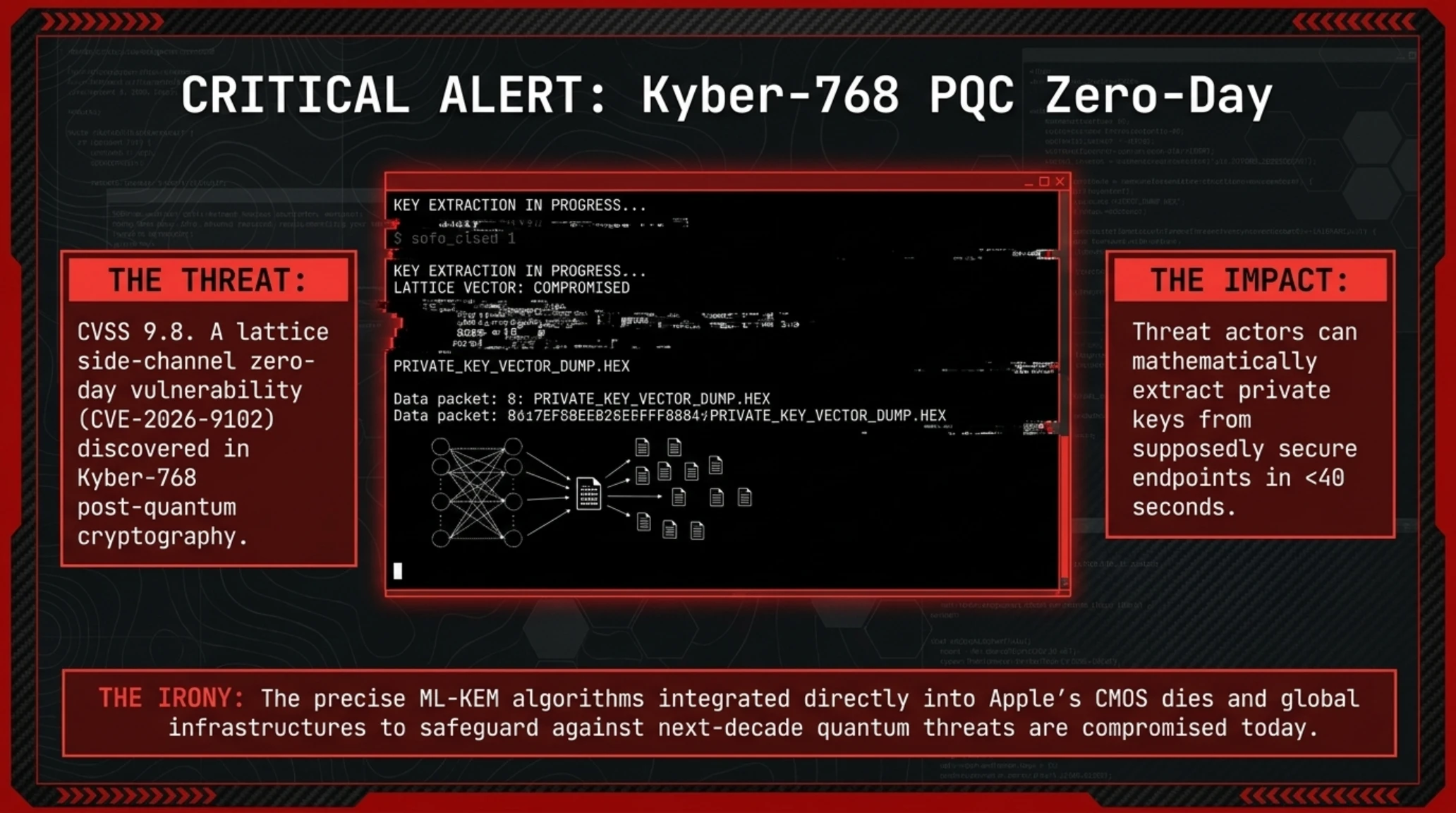
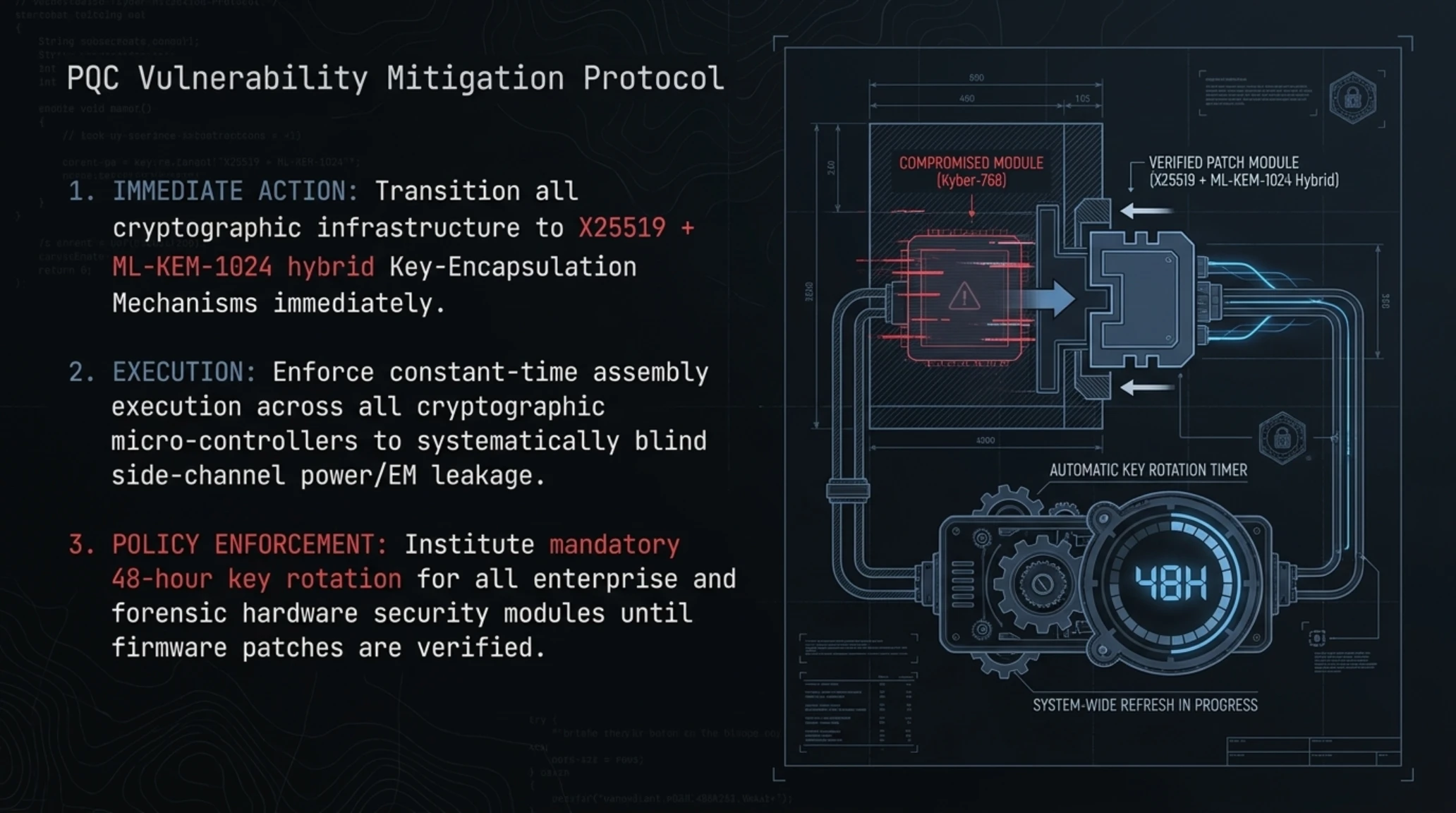
A crucial technical dimension often overlooked in consumer discussions is the post-quantum cryptography transition timeline. Classical asymmetric cryptography algorithms including RSA-3072 and Elliptic Curve Digital Signature Algorithm (ECDSA P-256) rely on mathematical problems like integer factorization and discrete logarithms that will be solved in polynomial time by quantum computers running Shor's algorithm. Because judicial evidence, war crime records, and historical archives must remain authentic across decades, provenance data generated today must withstand attacks twenty or thirty years into the future. Apple's forward deployment of Module-Lattice-Based Key-Encapsulation Mechanisms (ML-KEM, formally CRYSTALS-Kyber) establishes an early computational benchmark, compelling the open C2PA standard to accelerate its transition toward NIST-approved post-quantum algorithms like ML-DSA (CRYSTALS-Dilithium) despite the resulting increase in manifest byte sizes.
The dawn of hardware-attested photography signals the conclusion of the unverified internet era. Whether through Apple's silicon-die cryptographic negative or Android's federated C2PA manifest tree, the future of human documentation will be written in immutable mathematics, binding the integrity of the captured photon to the enduring historical record of civilization.
A critical dimension often omitted from consumer marketing literature is the complex lifecycle management of root-of-trust certificates. When a physical device is retired, compromised by laboratory fault injection, or recycled, certificate revocation lists (CRLs) and Online Certificate Status Protocol (OCSP) stapling mechanisms must dynamically invalidate expired hardware signatures. Google's open architecture delegates this responsibility to public certificate authorities and distributed trust registries, whereas Apple maintains a tightly coupled private attestation ledger synchronized via iCloud infrastructure. This architectural dichotomy illustrates the inevitable tension between decentralized auditability and closed-system operational efficiency in mission-critical digital forensics.
Related Intelligence Dossiers on TekinGame
• 📱 Tekin Analysis | Apple's Foldable iPhone Duo & iPhone 18 Pro Price Hike
• 🧠 Tekin Analysis | Valve's 17-Year Secret: The Staged L4D2 Trailer Leak
• 🎬 Ultimate Guide to Local AI Video Generation (Minimax, Wan, LTX)
The Tekin Versus laboratory team will continue to benchmark both architectures across real-world investigative scenarios, publishing updated forensic telemetry as firmware revisions roll out worldwide.

Below, our technical forensics team addresses the most critical practical, legal, and operational questions surrounding the provenance conflict.
Frequently Asked Questions: Apple Reference Image vs. Android C2PA
How does Apple Reference Image fundamentally differ from standard iPhone photography?
Reference Image cryptographically signs raw Bayer mosaic data on the physical sensor die prior to ISP software processing, generating a tamper-evident Secure Digital Negative (SDN) container that enables Private Cloud Compute to mathematically verify original pixel authenticity.
Why does Apple claim the open C2PA standard used by Google and Sony is insecure?
Apple argues that C2PA applies digital signatures downstream after image data traverses the ISP and operating system drivers, leaving an attack surface where kernel-level malware or memory injection could swap raw frames with AI-generated synthetic content prior to signing.
Does activating Apple Reference Image impact device performance or image quality?
Visual image quality remains unchanged, but each capture generates an 18MB Secure Digital Negative container, and continuous burst-mode shooting incurs an additional 4.2ms shutter latency that can reduce sustained frame rates during action sequences.
What happens to C2PA Content Credentials when sharing photos via WhatsApp or Telegram?
Aggressive compression algorithms on mainstream messaging platforms and social networks routinely strip all embedded JUMBF metadata boxes to save bandwidth, inadvertently destroying the cryptographic chain of custody unless the image is transmitted as an uncompressed document.
Can non-Apple users verify photographs taken with Apple Reference Image mode?
Currently, full verification requires submitting the visual asset to Apple's Private Cloud Compute API, drawing criticism from digital rights organizations that Apple is creating an epistemic monopoly over verifiable digital reality.
Primary Sources and Official Technical Documentation
- Apple Security Research Blog: Hardware-Level Provenance Architecture and Sensor-Die Cryptography in iPhone 18 Pro
- Android Authority: Technical Analysis of Apple Reference Image Claims vs. Open C2PA Ecosystem
- 9to5Mac Architecture Breakdown: iPhone 18 Pro Reference Image Mode and the Secure Digital Negative Pipeline
- C2PA Technical Consortium: International Standard Specification Version 2.1 — JUMBF Manifest Architecture
- Google Open Source Security Blog: Anchoring C2PA Content Credentials in Android Hardware Security Modules
- MacRumors Investigative Report: Post-Quantum Cryptographic Verification and Hardware Revocation in Apple Provenance
Additional Gallery: Tekin Versus | ⚔️ Apple Reference Image vs Android 16 C2PA