
🚨 Tekin Special Dossier: Cyber Radar & Security Earthquakes (June 2026)
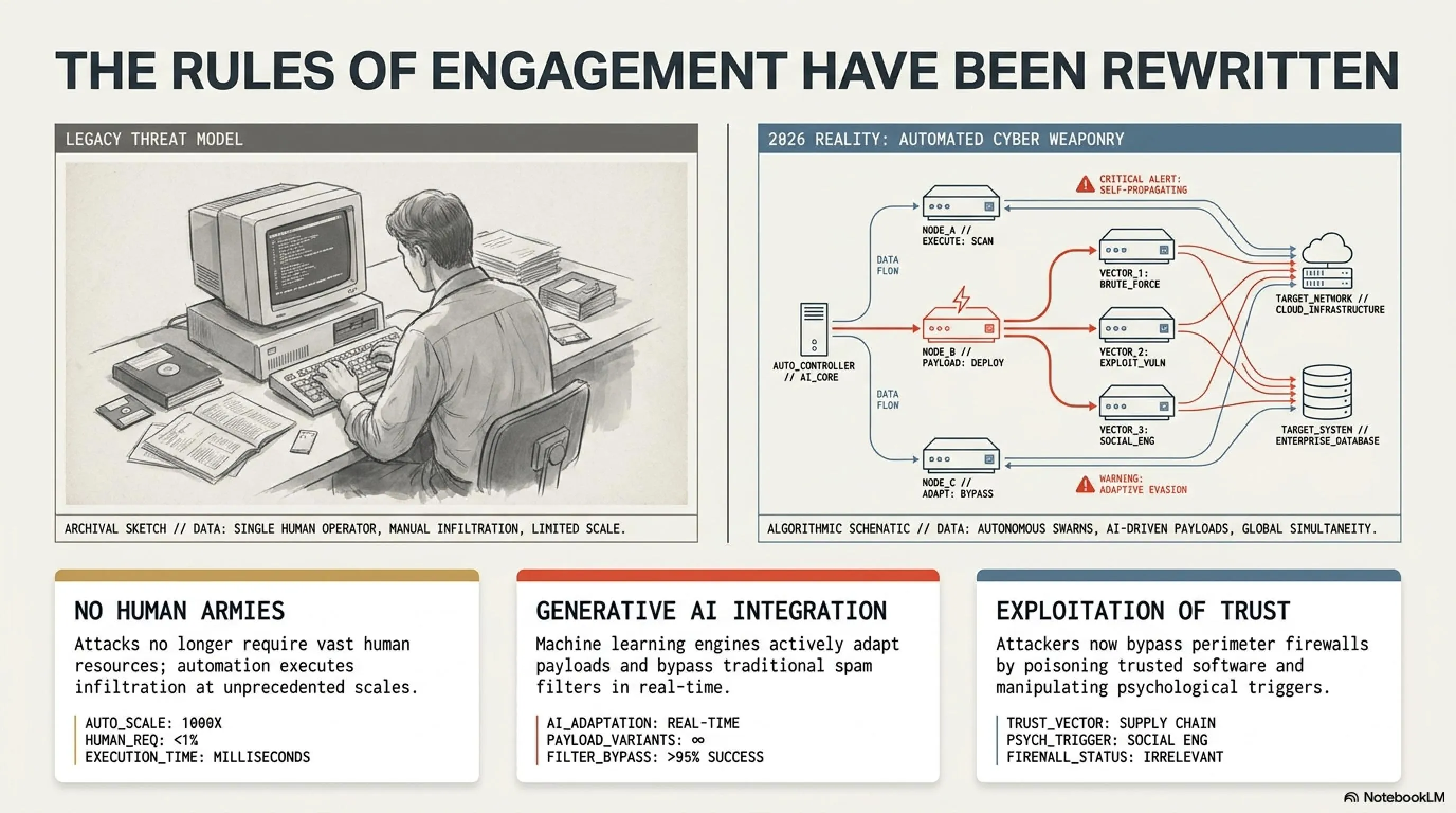
Dear TekinGame users and security engineers, welcome to one of the most critical and turbulent cyber reports of 2026. We have entered an era where cyberattacks no longer require human armies; automation, generative AI, and the exploitation of trust have rewritten the rules of the game. In recent weeks, the cyberspace has witnessed deadly, structured attacks on critical networks. In this exclusive mega-post, diving deep into the dark web and OSINT sources, we will professionally dissect 5 critical threats currently claiming victims across the globe.
⚡ Dossier Highlights:
1. Lethal Palo Alto Vulnerability: Silent infiltration via CVE-2026-0257
2. Fall of Outsider Enterprise: Joint FBI operation against an AI phishing mafia
3. Sniper Dz Scam Syndicate: Deadly social engineering in the MENA region
4. WordPress Alarm Bells: Hidden backdoors in marketing plugins
5. Chrome's Silent Army: Unveiling a massive network of 152 malicious extensions
👁️ Tekin Warning: This article contains deep technical analyses, system logs, and advanced mitigation strategies. Reading it is mandatory for elevating personal and organizational security against next-gen (AI-Driven) methods.
1. The Palo Alto Catastrophe: Silent Infiltration Through GlobalProtect
In mid-June 2026, Palo Alto Networks, universally recognized as a cornerstone of enterprise cybersecurity, sounded an unprecedented alarm. The security giant issued an urgent advisory confirming that state-sponsored actors were actively exploiting a newly discovered critical vulnerability in their PAN-OS firewall operating system. This security flaw, cataloged as CVE-2026-0257, directly targets GlobalProtect portals and gateways—the very tunnels meant to be the most secure communication lines for remote corporate employees. This incident translates to a shattered frontline defense for numerous government agencies, hospitals, and energy infrastructures internationally.
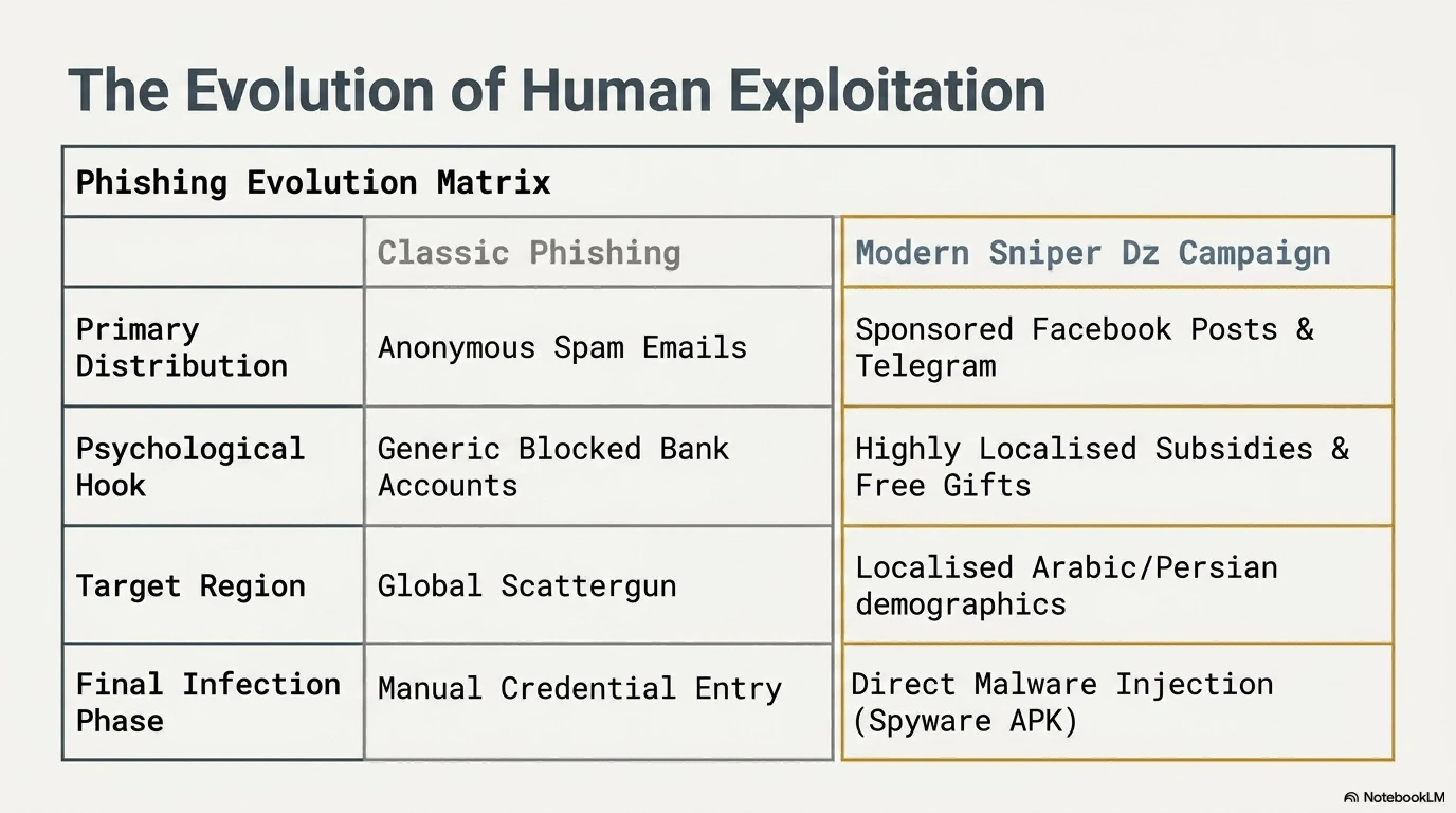
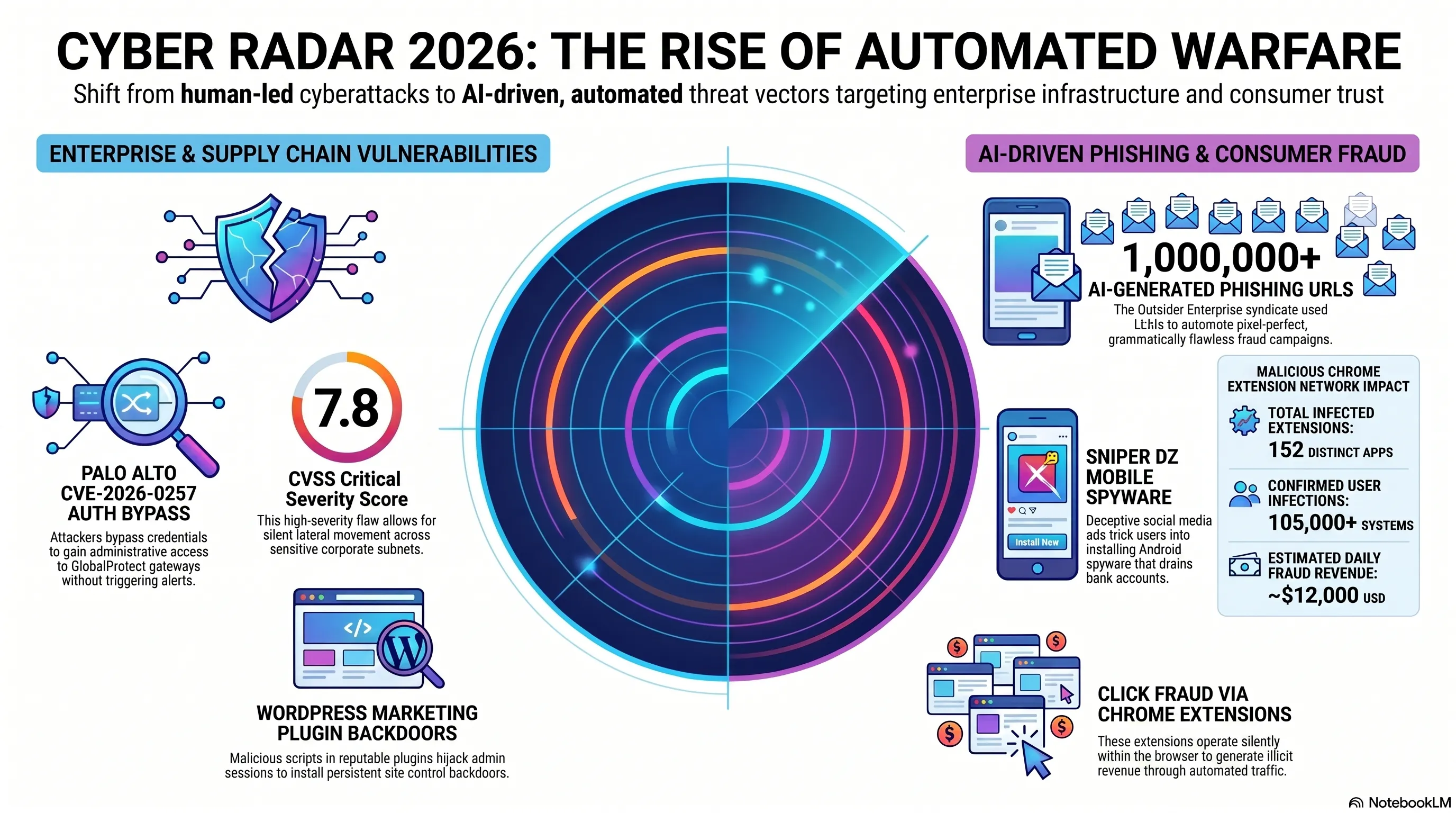
The mechanics of this vulnerability are devastatingly simple, leaving security engineers in shock. The bug is an Authentication Bypass flaw, scoring a critical 7.8 out of 10 on the CVSS severity scale. Under normal circumstances, infiltrating GlobalProtect servers requires cracking passwords, bypassing two-factor authentication (2FA), and establishing forged sessions. However, CVE-2026-0257 allows an attacker to send a meticulously crafted payload to the portal, instantly authenticating as a legitimate user or even a system administrator without supplying any credentials.
⚙️ Technical Autopsy (Specs Box)
CVE-2026-0257
7.8 / 10 (High)
Network Auth Bypass
GlobalProtect Gateways
Upon bypassing authentication, the attacker immediately initiates a "Lateral Movement" phase. They can seamlessly crawl across the organization's subnets, identify database servers, plant persistent backdoors, and prepare to exfiltrate data or deploy ransomware at a massive scale. All of this occurs without triggering any suspicious alerts in traditional Intrusion Detection Systems (IDS), simply because the request originates from a seemingly authenticated source.
⏳ Incident Disclosure Timeline (Timeline Table)
| Late May 2026 | Security researchers identified obscure packets and anomalous traffic in network logs. |
| June 8, 2026 | Palo Alto officially acknowledged an auth bypass flaw in the PAN-OS core. |
| June 11, 2026 | Exclusive assignment of CVE-2026-0257 and publication of a critical security advisory. |
| June 15, 2026 | Independent reports confirmed successful, active exploitation in global communication infrastructures. |
Rapid response analysts point out that applying security patches to enterprise firewall hardware is a complex process frequently delayed by days. Attackers, acutely aware of this lag, have unleashed hundreds of automated scanner bots across the internet to hunt down vulnerable PAN-OS servers. This attack irrefutably proves that in the modern era, even the most formidable entry gates cannot guarantee flawless security.
2. The Fall of Outsider Enterprise: FBI Takedown of an AI Phishing Mafia
In late June, the tech media was rocked by news of an incredibly complex cyber-police operation. The Federal Bureau of Investigation (FBI), in a joint cyber operation with Google Threat Intelligence and Black Lotus Labs engineers, dismantled one of the most modern and destructive cybercrime syndicates in history. Operating on the dark web under the brand Outsider Enterprise, this China-based network offered a terrifying "Phishing-as-a-Service" (PhaaS) model to the underground community.
In previous generations of phishing, a hacker had to register a look-alike domain, clone the target site's source code, and spend hours configuring login forms. Outsider Enterprise's architecture rendered that process obsolete. The network's proprietary AI engine could intake a single keyword and instantly generate tens of thousands of phishing URLs infused with convincing psychological triggers. Simultaneously, their Large Language Models (LLMs) drafted phishing emails with flawless grammar and official corporate tones that effortlessly bypassed robust spam filters.
📊 The Scope of the Disaster (Statistics Box)
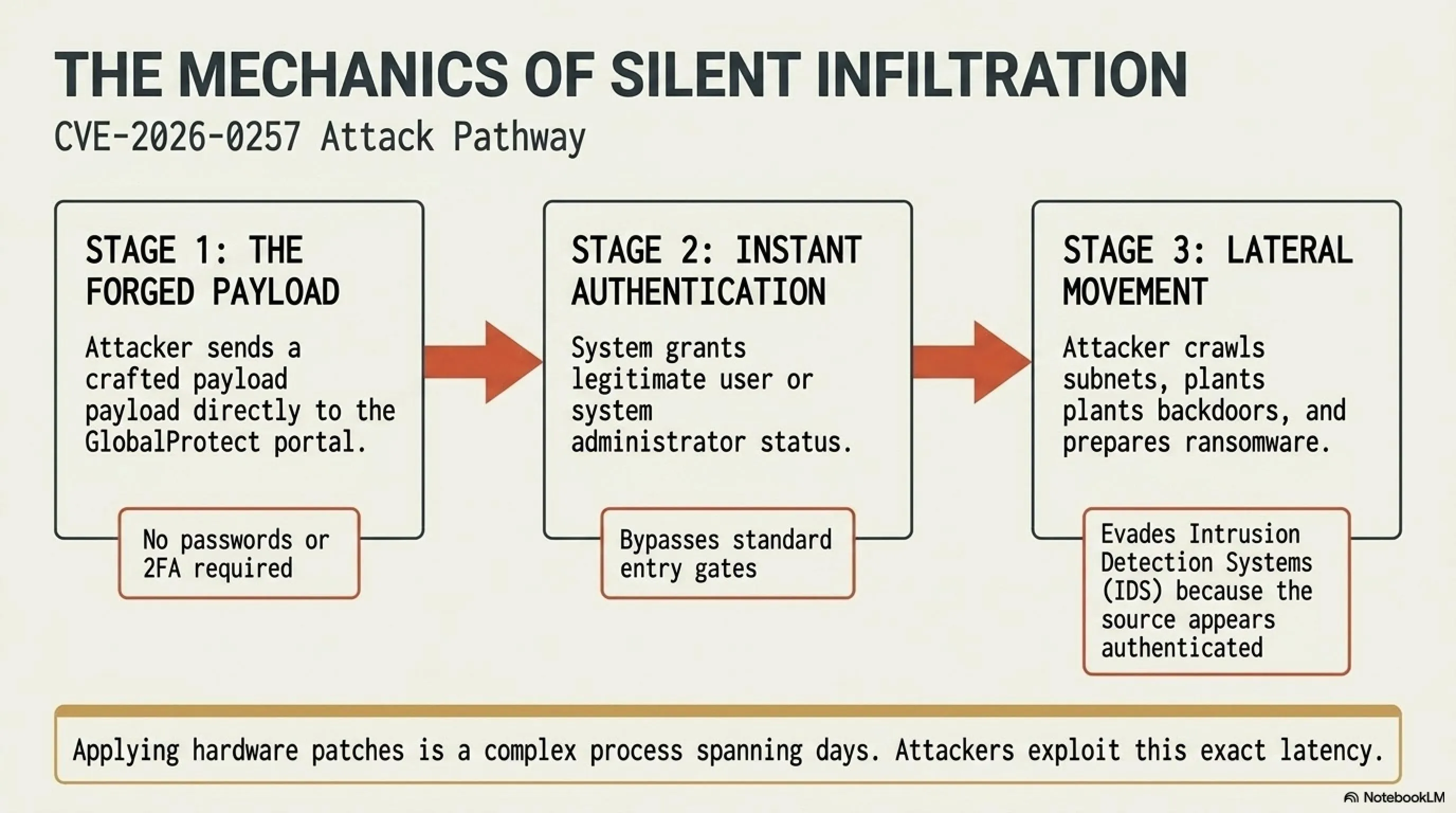
The FBI's victory in this case would have been impossible without Google's machine learning systems. By analyzing behavioral algorithms, Google specialists managed to identify the digital signature of the code generated by Outsider's AI engine. Upon discovering this signature, Google instantly blacklisted all one million domains in its Safe Browsing service. This battle proved that combating aggressive AI machines requires next-generation defensive tools.
🛡️ Defensive Systems Comparison (Product Table)
Evaluating top market tools against complex AI-driven phishing.
| Defense System | Core Technology | Response Speed | Target Audience |
|---|---|---|---|
| Google Safe Browsing | Cloud ML, Web Crawlers | Moderate (List Update Req.) | All Chrome Users |
| CrowdStrike Falcon | AI Behavioral Detection | Very Fast (Real-time) | Enterprises & Orgs |
| Microsoft Defender SmartScreen | Smart Threat Intel Signals | Fast | Windows & Edge Users |
| Legacy Antivirus | Database Matching (No AI) | Very Slow | Obsolete against 0-Day |
3. The Sniper Dz Syndicate: Deadly Social Engineering in the MENA Region
While the world's attention is fixated on complex infrastructure bugs, a far more direct and localized threat has been targeting everyday internet users in the Middle East and North Africa (MENA). Threat intelligence experts at Group-IB recently uncovered the malicious activities of a highly organized network dubbed Sniper Dz. This campaign has deceived hundreds of thousands of users using techniques that directly exploit people's daily economic needs.
Members of this syndicate have created hundreds of fake accounts on platforms like Facebook and, more recently, malicious links on Telegram. By flawlessly impersonating government ministries and officials, they publish highly deceptive posts. The text of these fake offers is entirely localized; messages promising "Free mobile data for the holidays" or "Registration for government welfare subsidies" flood social feeds.
Users who fall for these psychological traps and click the links are met with a professional-looking form. On these pages, hackers employ Browser Hijacking techniques, displaying fake browser warning notifications that force the user to download an "essential" application. This installation file is actually an advanced Android Spyware. Once installed, by abusing Android Accessibility Services, it silently intercepts 2FA SMS codes from banks in the background, draining the victim's account in mere seconds.
🔬 Tekin Strategic Analysis
The Psychology of Poverty in Cyberspace: The shocking success of the Sniper Dz campaign in our region is no accident. By monitoring economic struggles in target countries, the network designed baits that trigger the most vulnerable segments of society. The evolution of phishing has shifted from sending simple email links to leveraging social media algorithms for the viral distribution of fake financial offers. Furthermore, social media giants like Meta have shown abysmal performance in policing fake pages, creating an ideal regulatory vacuum for these hackers.
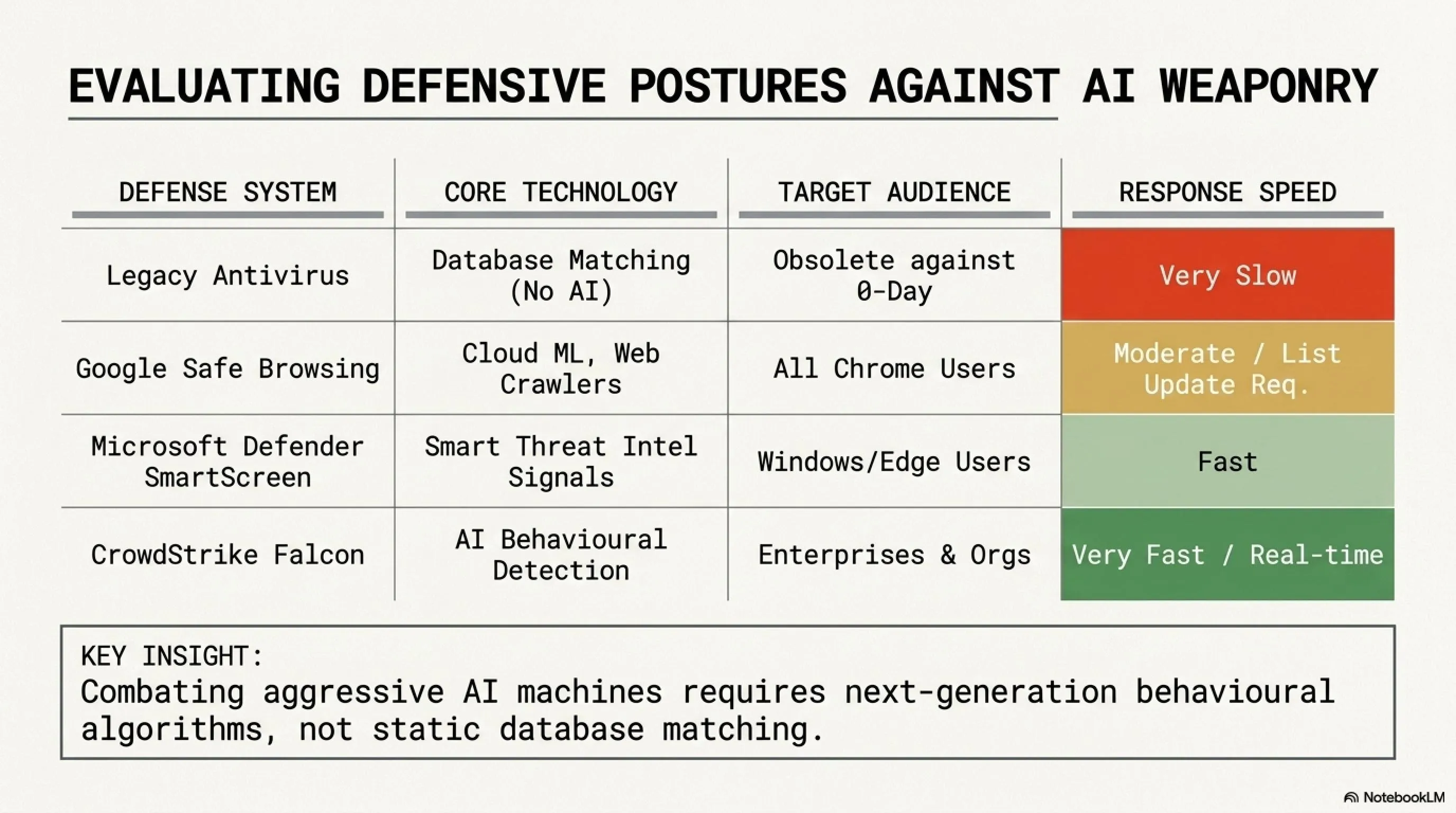
Classic Phishing vs. Sniper Dz Campaign (Distribution Table)
| Attack Vector | Classic Phishing | Modern Sniper Dz |
|---|---|---|
| Primary Distribution | Anonymous Spam Emails | Sponsored Facebook Posts |
| Psychological Hook | Blocked Bank Accounts | Subsidies & Free Gifts |
| Target Region | Global Distribution | Localized (Arabic/Persian) |
| Final Infection Phase | Manual Credential Entry | Malware Injection (Spyware APK) |
4. Alarm Bells for Webmasters: Hidden Backdoors in WordPress Plugins
The security of the WordPress Content Management System (CMS), which powers over 40% of the world's active websites, has always been a primary concern in the cyber realm. However, a recent report from security researchers points to a terrifying software evolution: a successful Supply Chain Attack targeting highly reputable plugins. Advanced threat actors managed to compromise and inject malicious scripts into three immensely popular marketing plugins: OptinMonster, PushEngage, and TrustPulse, by stealing developer access tokens to upload the malicious update to the official repository.
This malware, stealthily obfuscated within legitimate JavaScript files, operates with eerie subtlety. When a regular user loads the site, the compromised files execute without exhibiting any suspicious behavior. Instead, the malware continuously monitors login tokens. The moment a system administrator logs into the WordPress dashboard, the malicious script activates like a smart mine, hijacking the authenticated admin session. In the background, it silently creates a new administrative user account with a random password, and then downloads and installs a hidden plugin to establish a persistent backdoor for total site control.
This elegance in malicious code execution ensures that server-level antivirus software remains entirely oblivious to the breach. This incident underscores that continuous database and active user monitoring are now existential necessities for all online business owners.
5. Chrome's Silent Army: Exposing a Massive Network of 152 Malicious Extensions
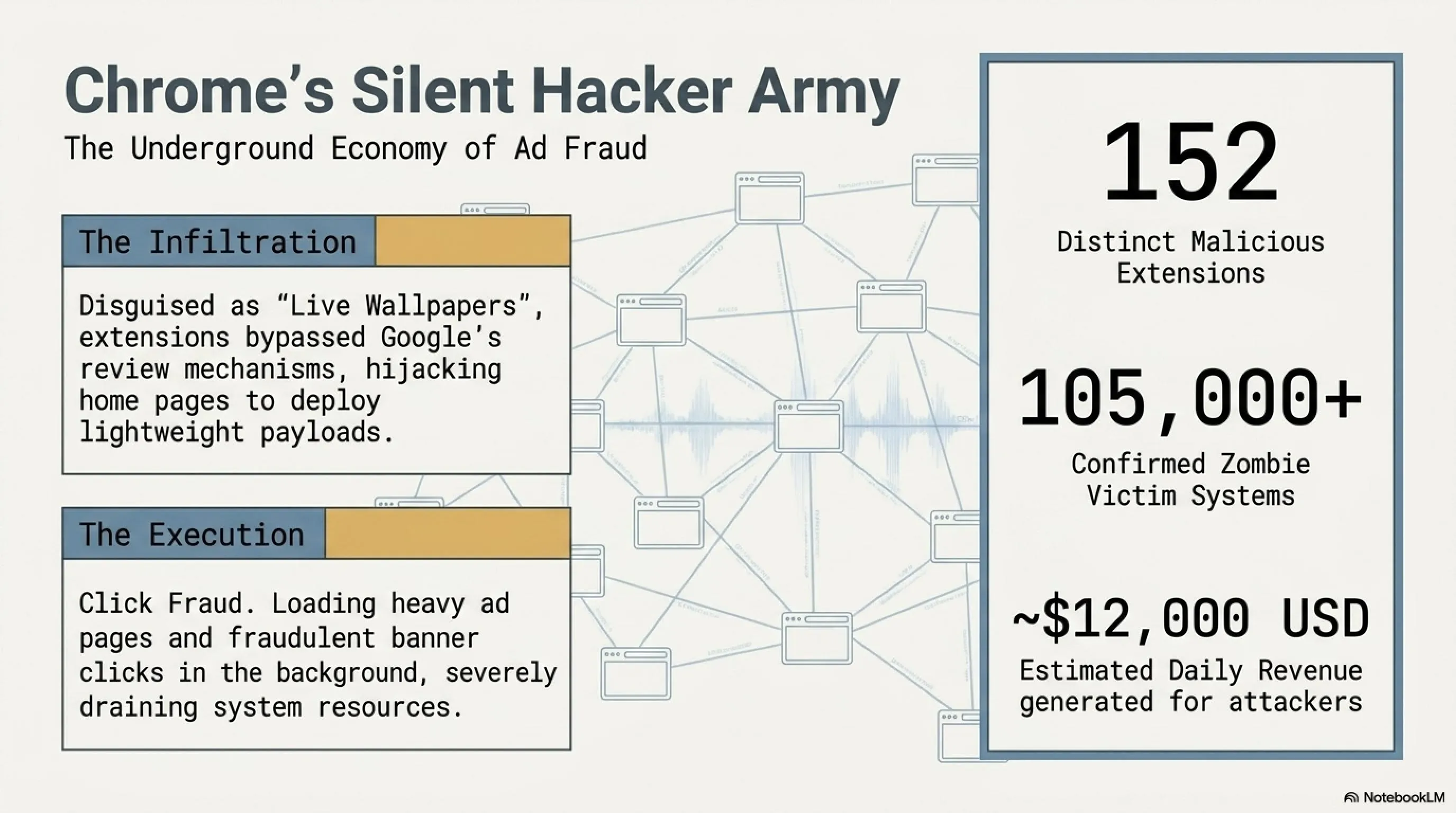
The everyday habit of internet users customizing their browsers has silently become the Achilles' heel of cybersecurity. Senior cloud security researchers have unveiled an organized malware network comprising over 152 malicious Chrome extensions. Disguised under appealing titles like "Live Wallpapers" on the Chrome Web Store, these extensions successfully bypassed Google's review mechanisms. The syndicate managed to snare over 105,000 deceived users, effectively turning their systems into zombies within a silent hacker army.
Upon installation, the user's Home page was hijacked, and the extension deployed a lightweight secondary payload to control browser traffic. In the background, the extension began loading heavy ad pages, performing fraudulent banner clicks, and generating fake traffic. This process, known as Click Fraud, severely drained system resources while generating millions of dollars in illicit revenue for the attackers.
📉 The Underground Economy of Ad Fraud (Financial Stats Table)
Financial estimates of the malicious extension network within the Chrome ecosystem.
| Total Identified Infected Extensions | 152 Distinct Extensions |
| Confirmed Installations on Victim Systems | Over 105,000 Users |
| Estimated Daily Revenue from Click Fraud | ~ $12,000 USD / Day |
| Current Status in the Official Chrome Web Store | Purged by Google |
While Google has wiped the vast majority of these applications from its store, achieving final remediation requires users to manually delete these rogue extensions from their own browsers.
🛡️ Midpoint Conclusion: The End of Blind Trust
Analyzing this phenomenon highlights a ruthless principle of cybersecurity in 2026: Absolute security is an illusion, and human trust is the greatest vulnerability. Attackers fully grasp that bypassing complex firewalls is arduous, hence they target the "software supply chain." When malicious code resides within the very tools we intentionally download, even the most robust antivirus engines are rendered useless. System administrators must adopt a "minimal plugin" policy to prevent catastrophic data theft.
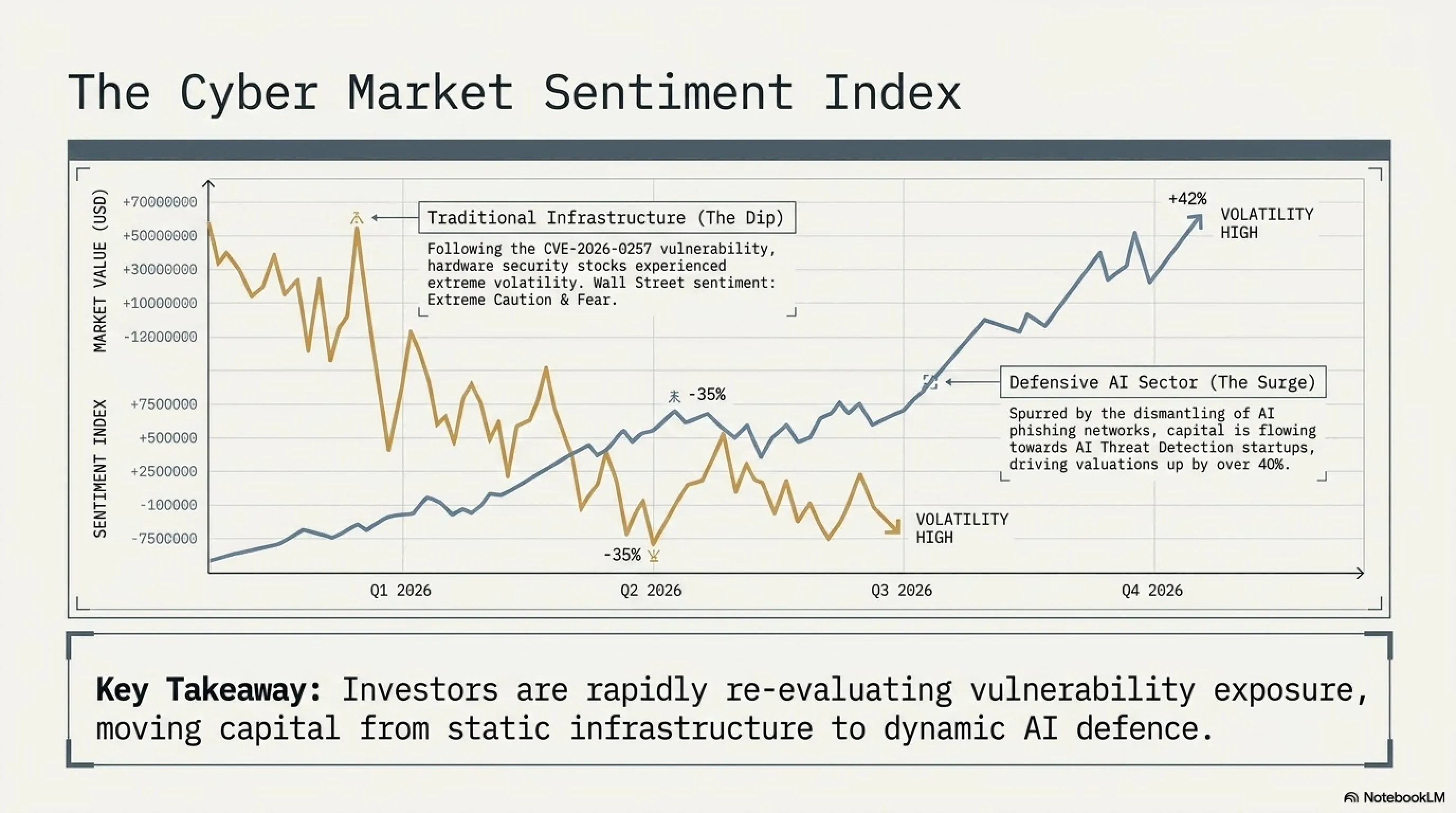
The reverberations of this massive wave of cyberattacks are felt not only in corporate server rooms but also palpably across international financial markets and stock exchanges. Investors are rigorously evaluating the vulnerability exposure of their portfolios, while simultaneously, a massive influx of capital is flowing towards leading startups in the defensive AI sector.
📈 Cyber Market Sentiment Index
Following the widespread disclosure of the critical Palo Alto vulnerability, the security giant's stock value experienced extreme volatility and a temporary dip. Wall Street and the broader tech market currently reside in a state of "Extreme Caution & Fear." Conversely, spurred by the dismantling of the Outsider phishing network, demand for startups engineering AI Threat Detection tools has surged, driving their valuations up by over 40% in the past month alone.
🔗 Related Files on TekinGame (Smart History Tags)
🏁 Final Thoughts
The cyber intelligence reports from mid-June 2026 paint a horrifying picture of a fundamental, irreversible paradigm shift in digital security architecture. We have rapidly transitioned past the era where hackers manually spent weeks stealing a single password, thrust headfirst into the age of "Automated Cyber Weaponry." Whether it's an authentication flaw in an imposing giant like Palo Alto, or the Sniper Dz social engineering campaigns feeding off the region's digital illiteracy, the primary adversary of our security today is the fusion of malicious automation and Artificial Intelligence. If organizations and governments fail to equip themselves with advanced defensive AI engines immediately, they have already lost the war to protect their data against these autonomous attack vectors.
To help clarify the complex security challenges discussed, the TekinGame editorial team has compiled the most frequently asked questions from users and network administrators:
❓ Security FAQ Accordions
1. How can I verify if my organization's network was compromised by the Palo Alto bug (CVE-2026-0257)?
Network administrators must immediately audit PAN-OS firewall authentication logs to detect sessions initiated without usernames, anomalous login patterns, and admin access originating from unrecognized IP addresses.
2. What differentiated the Outsider Enterprise phishing system from classic malware?
Utilizing Generative AI, this attack factory produced thousands of psychologically refined login pages daily, entirely bypassing traditional spam filters and even Google's bot detection algorithms.
3. Will clicking on Sniper Dz scam links instantly steal my bank funds?
Clicking the link alone doesn't hack your device, but it forces you into the hacker's funnel. The pages use fake system warnings to manipulate you into installing an unknown application (Spyware), which then initiates the theft.
4. My WordPress site runs the OptinMonster plugin. What immediate actions should I take?
To neutralize this dangerous backdoor, immediately update all your plugins to their latest patched versions, and meticulously audit your site's Administrator user list for any unknown accounts.
5. How do we stop these Chrome spyware extensions?
Navigate to your extension manager (`chrome://extensions`). Manually remove any extension you installed for cosmetic purposes (like live wallpapers) and perform a full system scan with a reputable antivirus.
📚 Official Research Sources (Sources Box)
- Official advisories and reports from TheHackerNews regarding the CVE-2026-0257 vulnerability.
- Published security documentation on BleepingComputer concerning the Outsider Enterprise takedown.
- Group-IB's strategic analysis of the Sniper Dz campaign and MENA social engineering patterns.
- Threat intelligence reports identifying backdoors in WordPress plugins and the 152 malicious Chrome extensions.
🌐 Stay Connected With Us 🎮✨
For the latest tech, gaming, and gadget news, follow us on our official social media channels: