🌙 Tekin Night – Tuesday, July 21, 2026
- 🎮💰 Crypto- $23.7M stolen from Ostium in off-chain oracle attack
- 🎧🚀 Space- US Space Force seeks up to $30 billion in launch contracts
- 🚀🎮 Gaming- Stellar Blade rated for Switch 2 - no censorship confirmed
$23.7 Million Stolen from Ostium in Sophisticated Off-Chain Attack
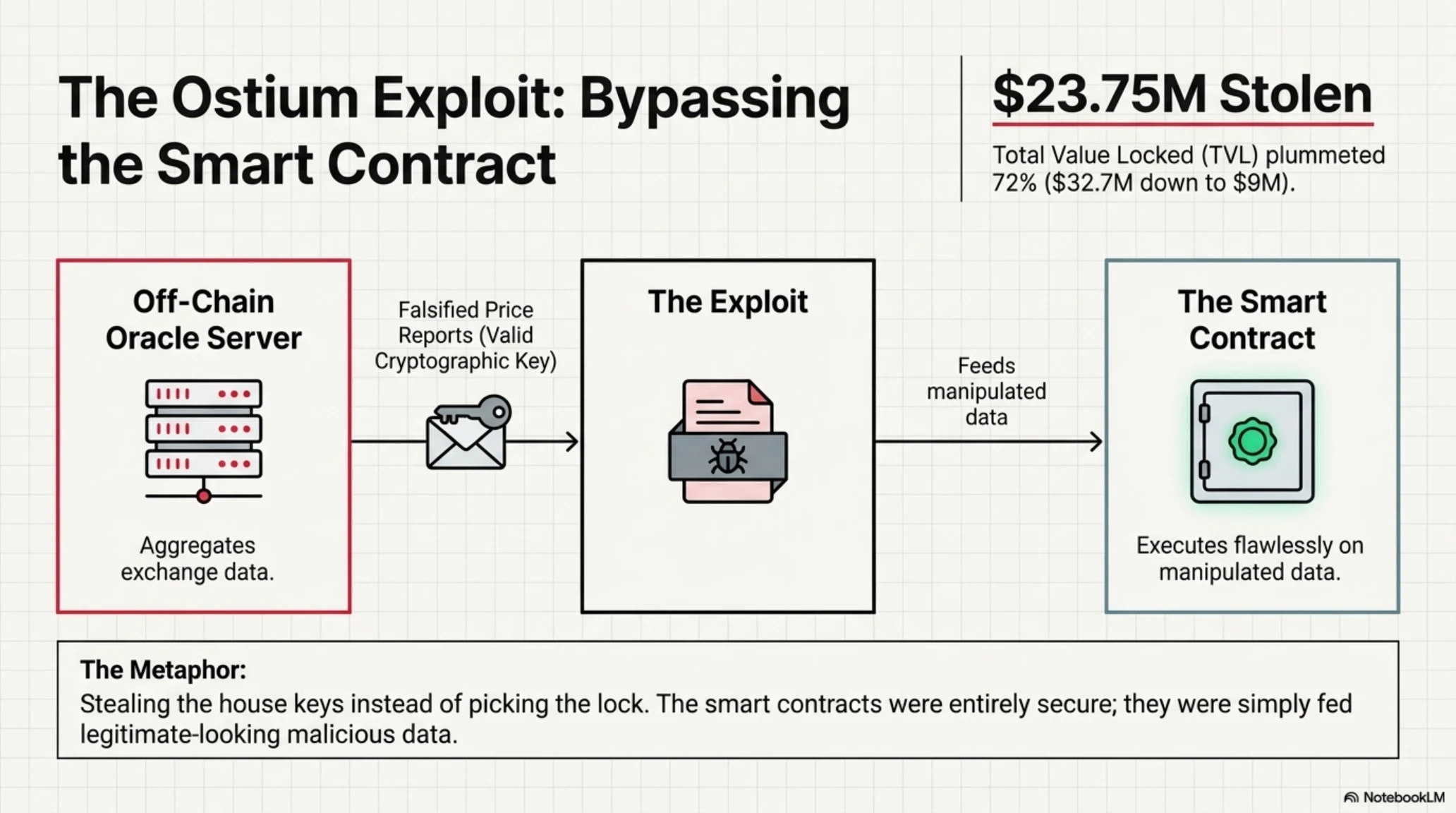
The crypto world was rocked tonight by news of another major exploit, but this one stands out for its novel attack vector. Ostium, a decentralized trading platform, announced that attackers successfully drained $23.75 million from its liquidity provider vault. What makes this breach particularly concerning is that it targeted off-chain infrastructure rather than smart contracts themselves—a vulnerability that could affect many DeFi projects.
Unlike typical DeFi exploits that target bugs in smart contract code, this attack compromised the off-chain infrastructure responsible for feeding price data into the protocol. Ostium, like many trading platforms, relies on an oracle to provide real-time asset prices. This oracle is an external system that aggregates price data from various exchanges and feeds it to smart contracts.
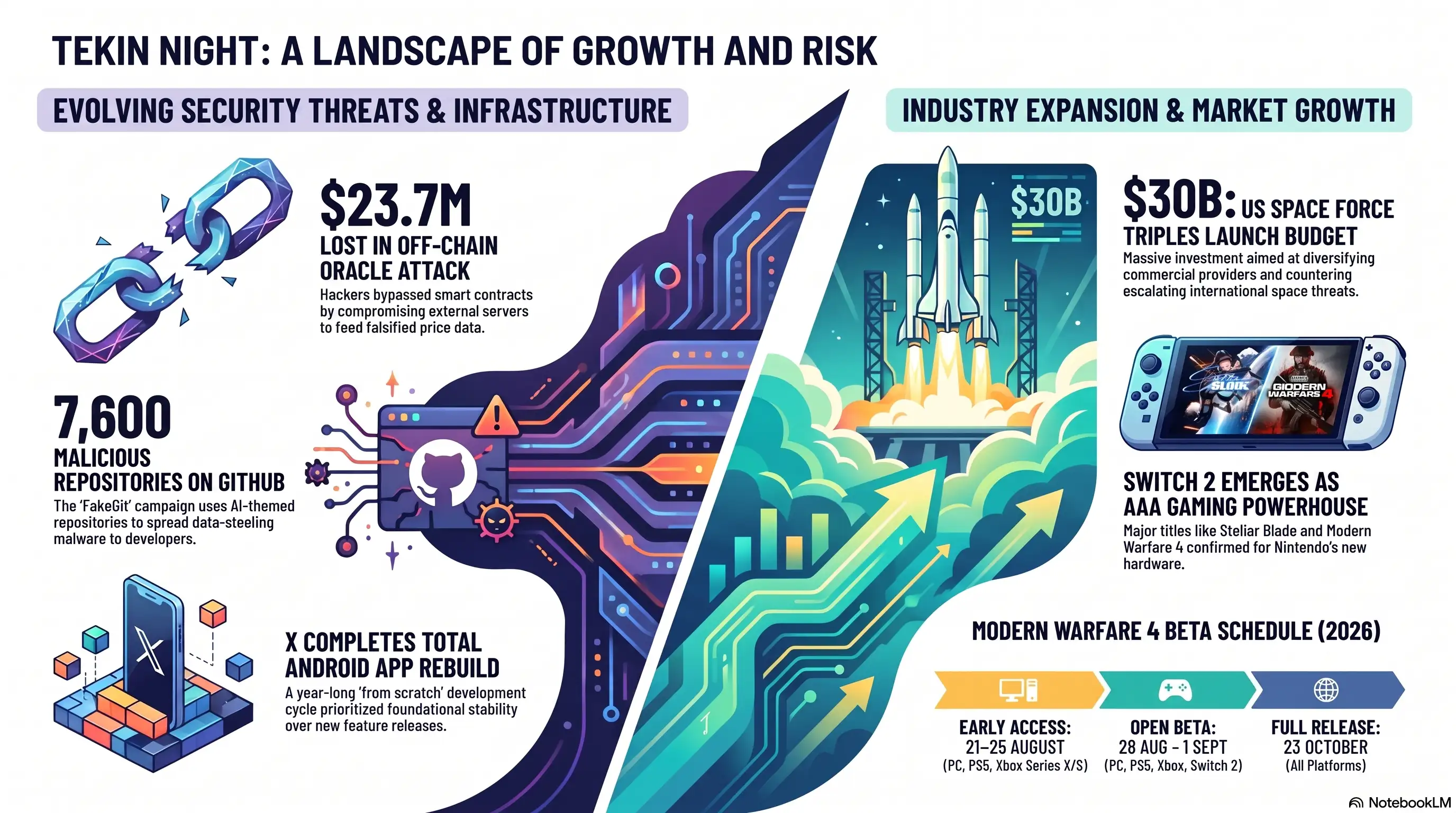
The attacker gained access to this off-chain system and was able to send falsified price reports that appeared completely legitimate. Because these reports came from Ostium's authorized server and were signed with valid keys, the smart contracts accepted them without question. With manipulated prices in place, the attacker could open trading positions with artificial profits and extract funds.
🔍 How Off-Chain Attacks Work
The impact was immediate and severe. Ostium's Total Value Locked (TVL) plummeted from $32.7 million to just $9 million—a staggering 72% drop. This indicates that users rapidly withdrew their funds from the platform, either out of fear of additional attacks or loss of confidence in the platform's security measures.
Ostium has stated they're cooperating with law enforcement and blockchain forensics firms to identify the attacker and recover stolen funds. The technical team is conducting a comprehensive security audit of all off-chain infrastructure to identify and remediate vulnerabilities. However, the reality is that recovering stolen crypto funds rarely succeeds, especially when attackers use sophisticated laundering techniques.
Lessons for DeFi Projects
This attack serves as a wake-up call for the entire DeFi ecosystem. Many developers focus intensely on smart contract security—conducting multiple audits, implementing formal verification, and offering bug bounties. But they often overlook the fact that their ecosystem depends on off-chain systems: oracles, APIs, backend servers, and even developer private keys can all be attack vectors.
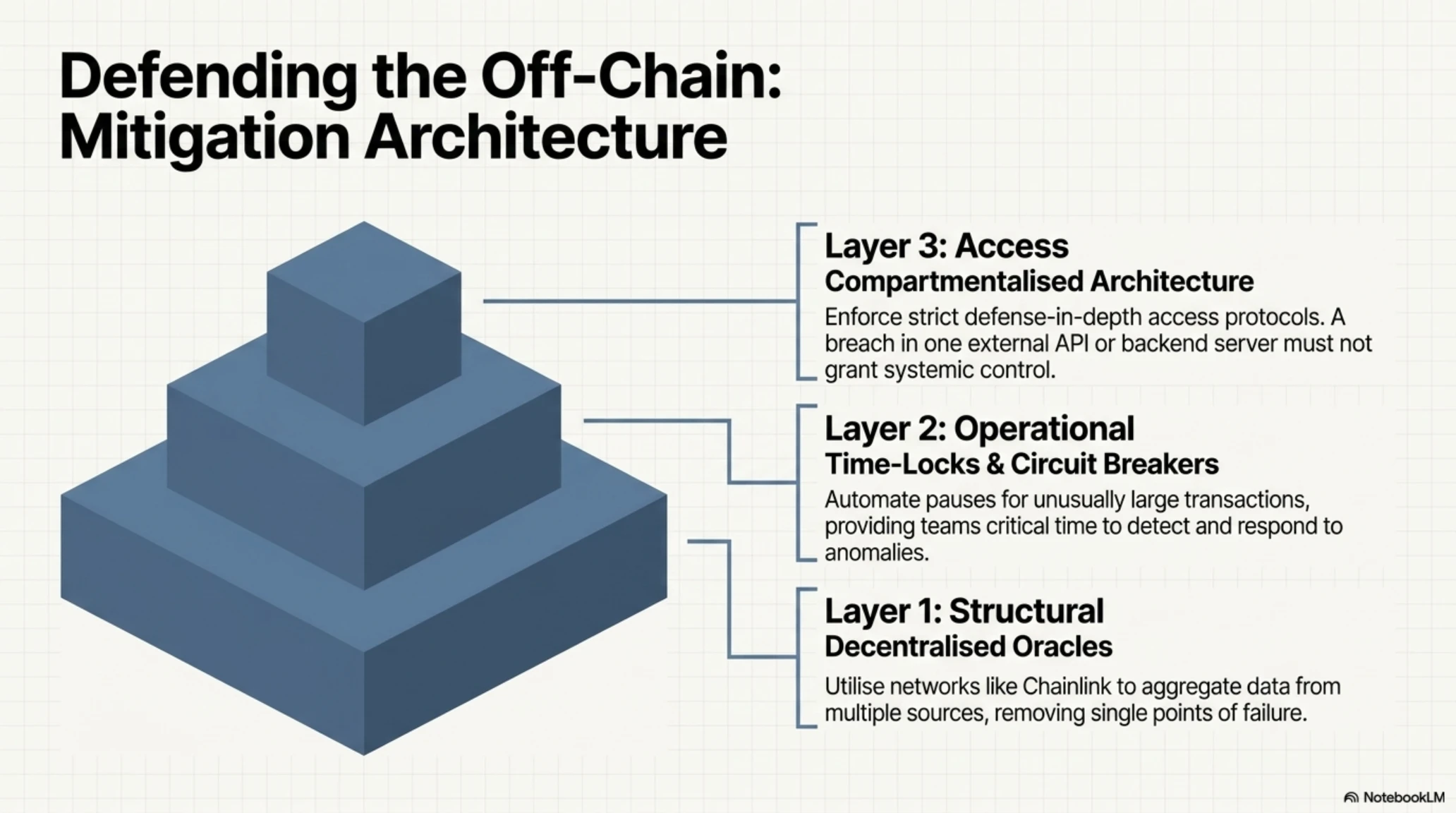
What's the solution? Several measures can reduce risk. First, use decentralized oracles like Chainlink that aggregate data from multiple sources, eliminating single points of failure. Second, implement time-locks and circuit breakers for large or unusual transactions, giving teams time to detect and respond to suspicious activity. Third, practice defense in depth by compartmentalizing access so that compromise of one system doesn't give attackers control over everything.
No system is 100% secure, but with proper architecture and multiple layers of security, you can dramatically reduce the probability of successful attacks. Ostium learned this lesson the hard way at a cost of nearly $24 million. Hopefully, other projects will learn from this incident and take their off-chain infrastructure security more seriously before they become the next victim.
US Space Force Triples Launch Budget to $30 Billion
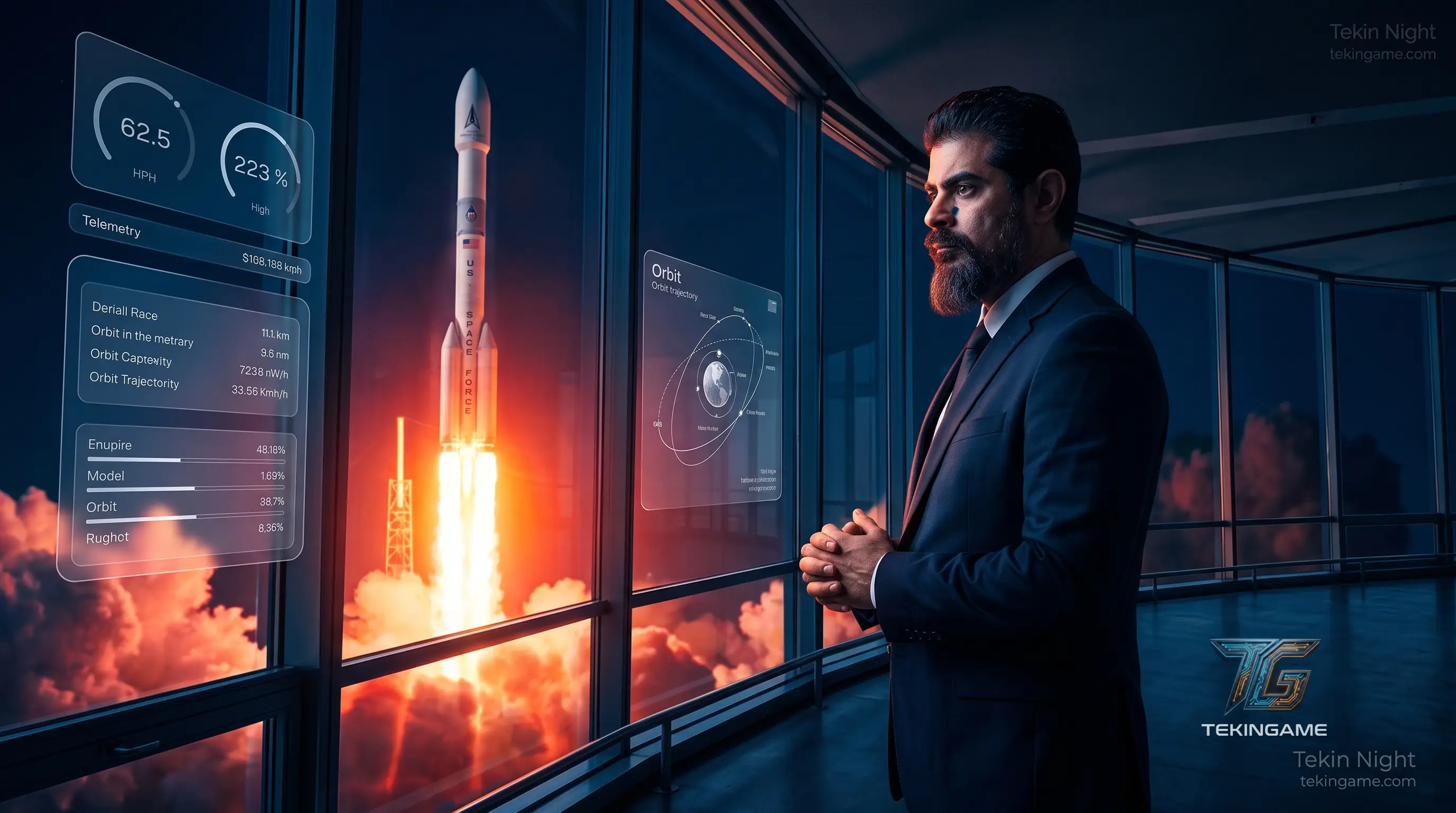
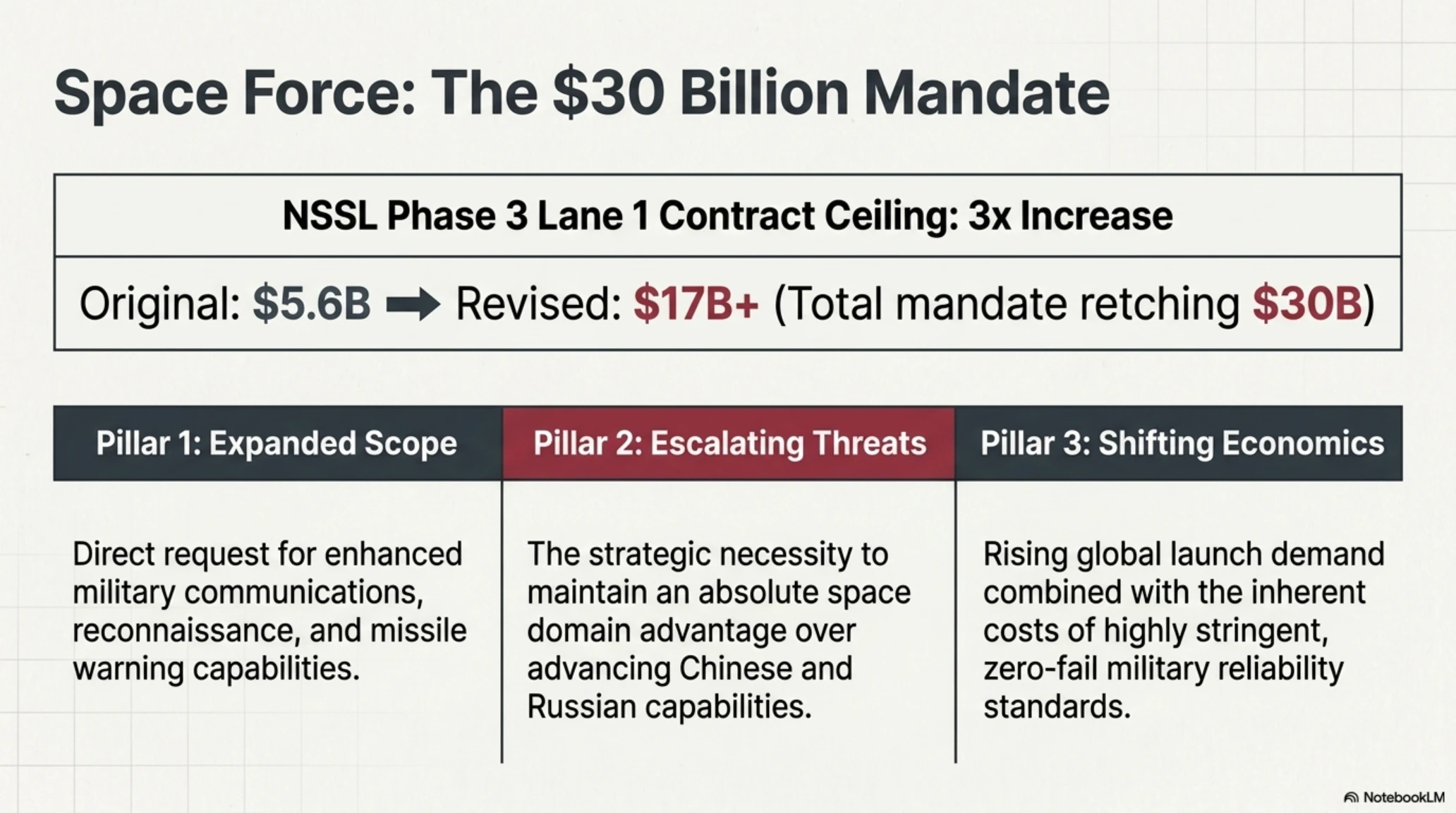
In news that underscores just how rapidly the space industry is growing, the United States Space Force has increased the ceiling for its NSSL Phase 3 Lane 1 contract from $5.6 billion to $17 billion—a staggering three-fold jump that has captured industry attention.
NSSL stands for National Security Space Launch, the program through which the Space Force procures launch services from commercial providers for military and intelligence satellites. Phase 3 of this program, which began in 2024, is scheduled to run through fiscal year 2029, and with this tripled budget, it can now cover significantly more missions.
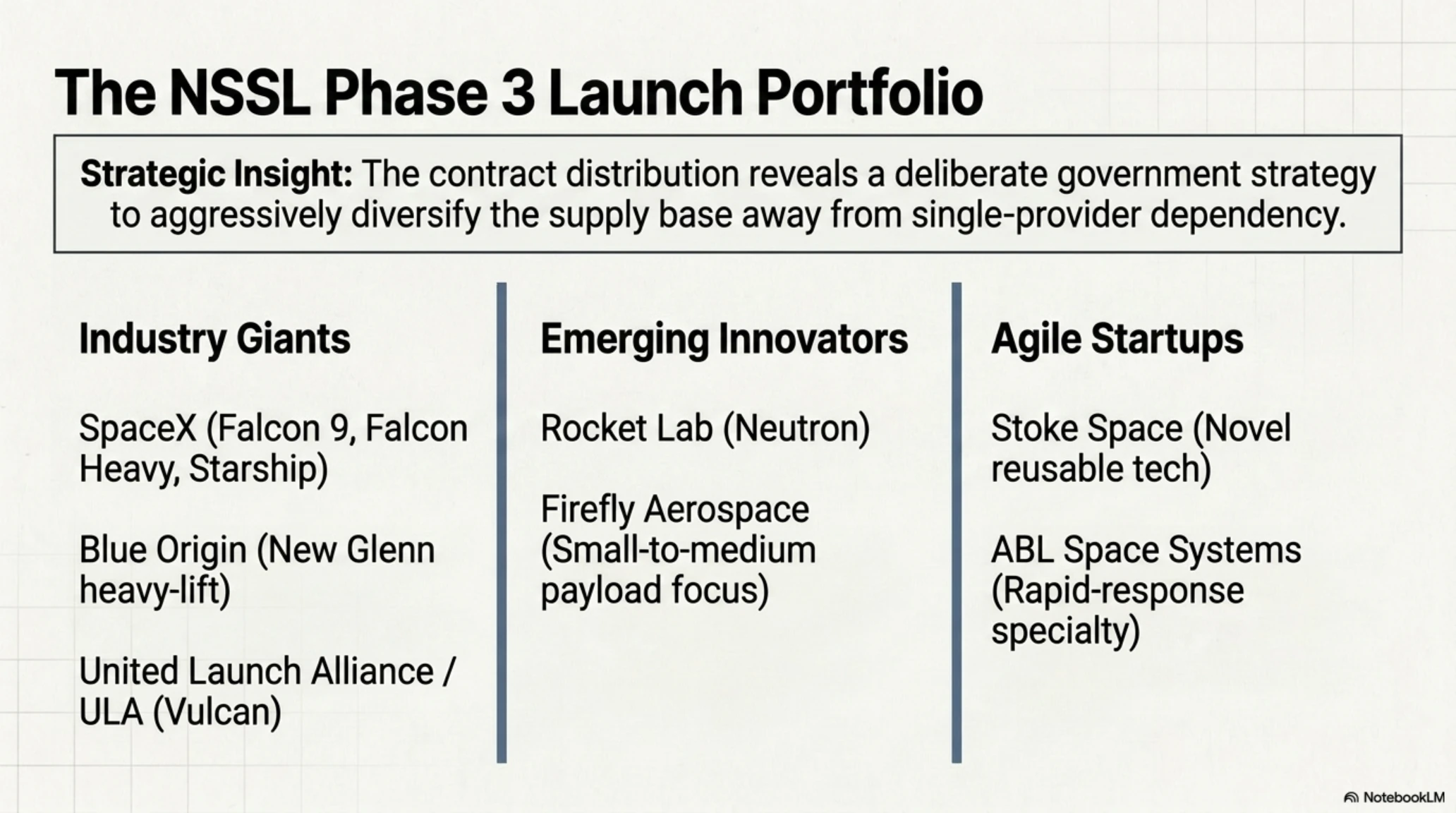
Seven companies received contract modifications: Blue Origin, SpaceX, Rocket Lab, United Launch Alliance, Firefly Aerospace, Stoke Space, and ABL Space Systems. This list represents an interesting mix of industry giants and emerging startups. The presence of newer companies like Stoke Space and ABL Space demonstrates the government's effort to diversify its supply base and reduce dependence on one or two providers.
Why the massive budget increase? Multiple factors are at play. First, the Trump administration has asked the Space Force to do more. This includes launching additional satellites for military communications, reconnaissance, missile warning, and navigation. Second, space threats from nations like China and Russia are escalating, and America wants to maintain its advantage in the space domain.
Third, launch economics are shifting. While companies like SpaceX have reduced costs with reusable rockets, military missions still require high reliability and stringent standards that can be more expensive. Additionally, with global demand for launch increasing, prices may rise.
NSSL Phase 3 Contract Winners
- Blue Origin - Jeff Bezos' company with New Glenn heavy-lift rocket
- SpaceX - Industry leader with Falcon 9, Falcon Heavy, and Starship
- United Launch Alliance - Boeing-Lockheed joint venture with Vulcan rocket
- Rocket Lab - New Zealand-American company with new Neutron rocket
- Firefly Aerospace - Texas-based startup focused on small-to-medium launch
- Stoke Space - New company with innovative reusable rocket technology
- ABL Space Systems - Startup specializing in rapid-response launches
This $30 billion contract (which includes both Lane 1 and Lane 2) represents one of the US government's largest investments in commercial space. It signals that space is no longer a side endeavor—it's a critical component of national security and economic competitiveness that commands billions in investment.
For space companies, this means more opportunities for growth, hiring, and innovation. For space enthusiasts, it means the next decade will be filled with exciting launches and technological breakthroughs. And for the global space competition, it means America intends to maintain its position as the dominant space power.
7,600 Fake GitHub Repositories Spread SmartLoader Malware
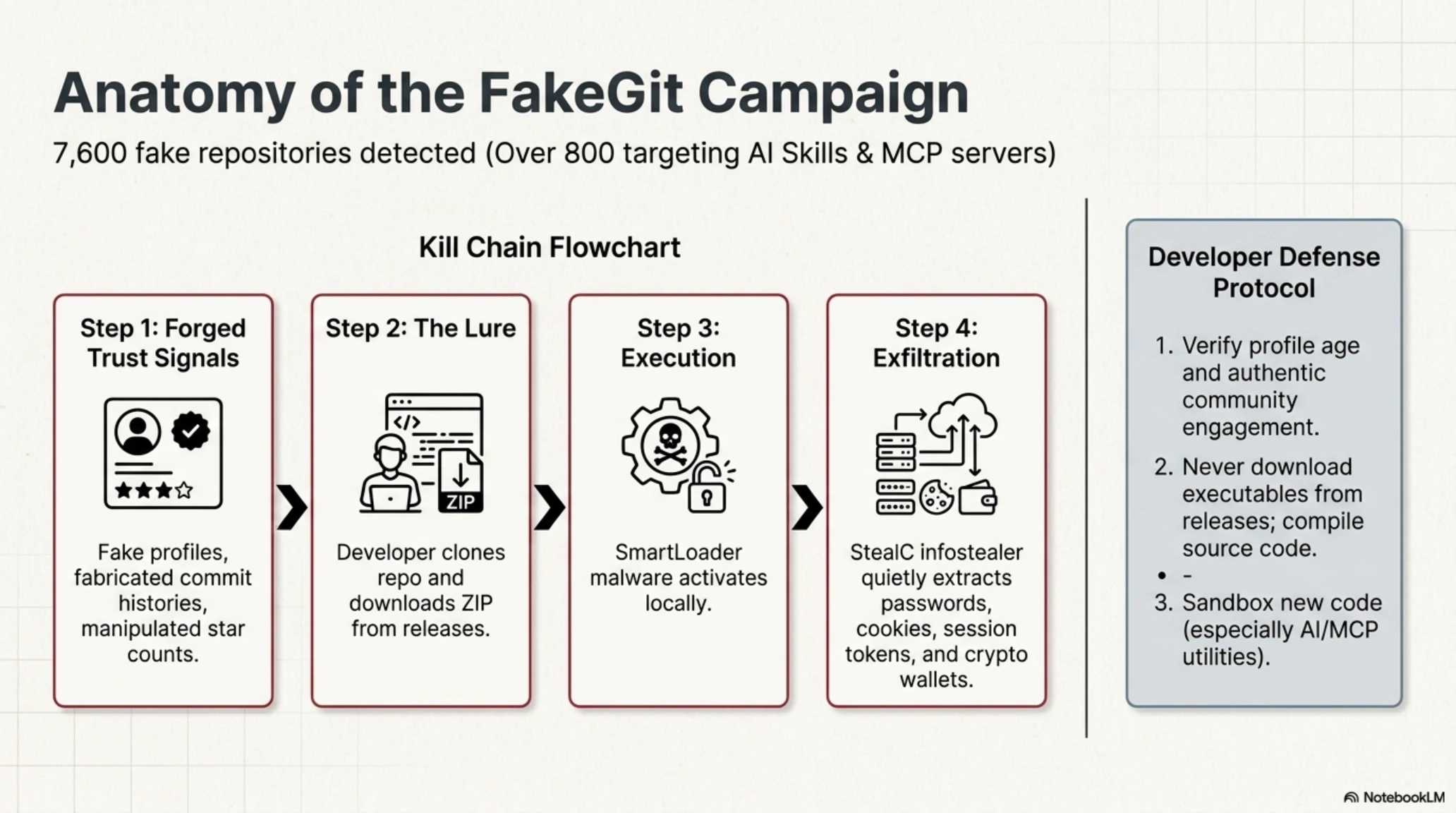
A chilling warning for developers tonight: cybersecurity researchers have discovered nearly 7,600 malicious GitHub repositories distributing SmartLoader malware through a coordinated campaign dubbed FakeGit. What makes this particularly insidious is that over 800 of these repositories masquerade as AI Skills or Model Context Protocol (MCP) servers—tools that developers actively seek out.
The attack demonstrates sophisticated social engineering. Threat actors copy popular legitimate projects, create fake developer profiles with fabricated commit histories, and write convincing README files that appear entirely professional. They even manipulate star counts and forks to make projects appear popular and trusted.
The primary targets are developers searching for AI tools or utility scripts. When a developer clones a fake repository and downloads the ZIP file from releases, SmartLoader malware activates. This malware then downloads and installs StealC—an information stealer that exfiltrates sensitive data including passwords, browser cookies, cryptocurrency wallets, and session tokens.
Why is this attack so dangerous? Because developers typically trust GitHub. When someone encounters a project with many stars, regular commits, and professional documentation, they naturally assume it's safe. But FakeGit forges all these trust signals.
🛡️ How to Protect Yourself from FakeGit
GitHub is actively removing malicious repositories, but the problem is that attackers quickly create new ones. This is a never-ending cat-and-mouse game. The only real protection is developer awareness and vigilance.
If you're a developer, please take this warning seriously. Before cloning any repository, especially AI or MCP-related ones, spend a few minutes investigating it. A few minutes of caution can prevent theft of sensitive information and cryptocurrency wallets.
X Launches Rebuilt Android App After Year-Long Development
One of X's (formerly Twitter) largest engineering projects since Elon Musk's acquisition has reached completion. The platform released a completely rebuilt Android app after a year of intensive development, and the improvements are substantial.
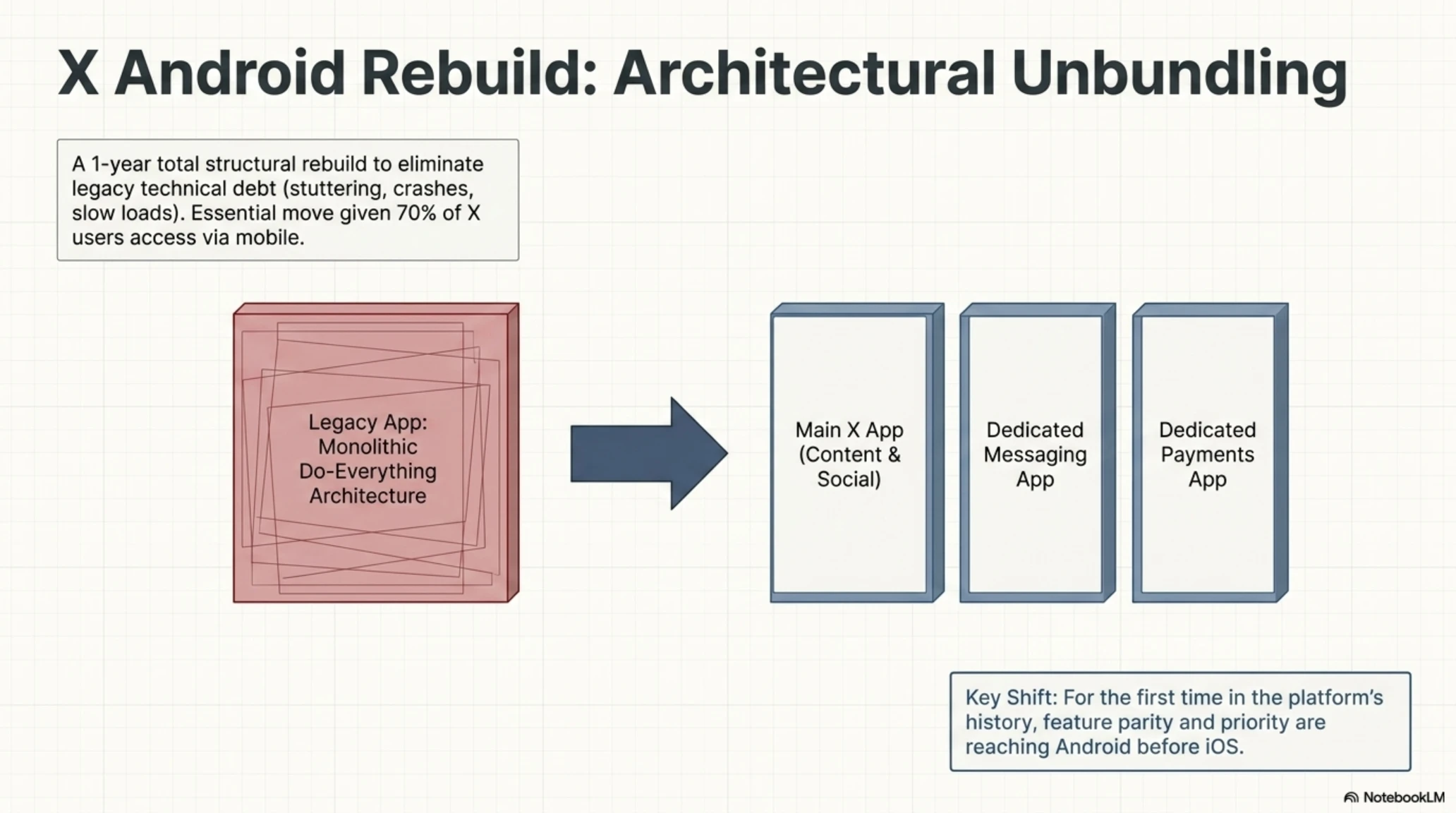
The old X Android app struggled with numerous issues: slow loading, stuttering scrolls, unreliable notifications, and frequent crashes. Many of these problems stemmed from legacy architecture written for Twitter years ago that became increasingly complex and difficult to maintain as features were added and modified over time.
X's engineering team made the bold decision to rebuild the entire app from scratch rather than continuing to patch problems. This was a risky move because it meant a year of intensive work without visible new features for users. But now that the new version has launched, the results speak for themselves.
The rebuilt app delivers faster loading, smoother scrolling, and more reliable notifications. Battery consumption has been optimized and memory usage reduced. Perhaps most significantly, this marks the first time that new X features will reach Android before iOS—reversing a trend that persisted throughout Twitter's history.
This rebuild occurred after messaging and payments were separated into dedicated apps. X's strategy is to have focused, optimized apps for each use case rather than one do-everything application. The main X app handles content and social networking, a separate app manages messaging, and another will handle payments and financial transactions.
User reaction has been predominantly positive. Many Google Play reviews praise the performance and stability improvements. Of course, issues remain—no 1.0 release is bug-free—but the direction is clear. X is making serious investments in its mobile platform, which is good news for the 70% of users who access X via mobile devices.
Stellar Blade Rated for Switch 2 - No Censorship Confirmed
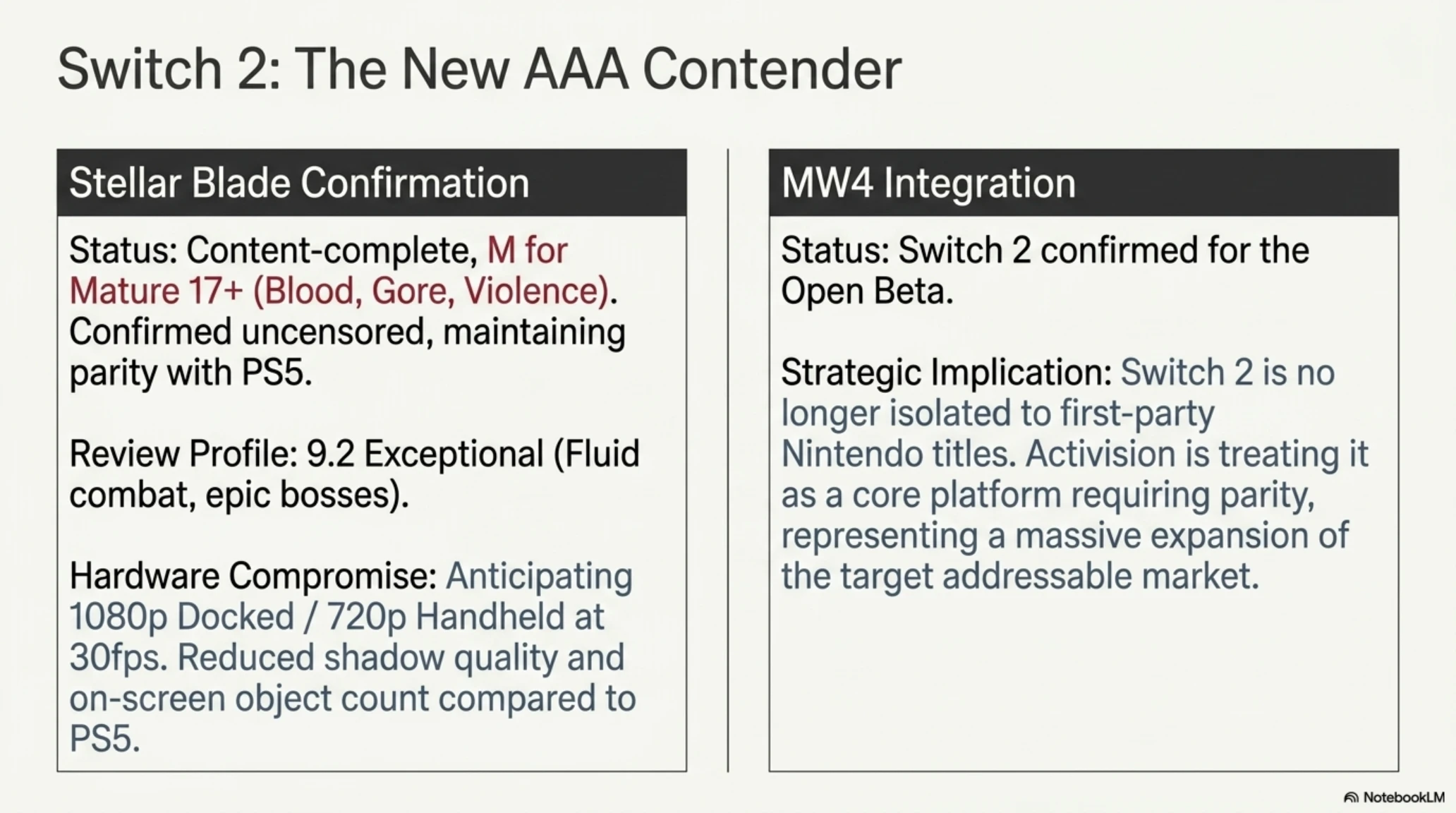
One of this year's most compelling action games, Stellar Blade, has been officially confirmed for Nintendo Switch 2. The ESRB (Entertainment Software Rating Board) has rated the game M for Mature 17+ due to Blood and Gore, Language, Suggestive Themes, and Violence.
This rating confirms several important details. First, the game is content-complete and ready for release. Second, according to ESRB descriptions, the game will not be censored and will include the same content as the PS5 version. This is reassuring news for fans who were concerned Nintendo might require content modifications.
Stellar Blade is a Soulslike action game developed by Korean studio Shift Up. The game follows Eve, a warrior fighting to save Earth from alien creatures called Naytiba. Gameplay combines fast, challenging combat, engaging exploration, and epic boss fights.
The game initially launched exclusively for PS5 in April 2024 to highly positive reception. Critics praised its fluid combat system, stunning visual design, and excellent soundtrack. However, some criticized the exclusivity and called for releases on other platforms.
📚 Classified & Related Dossiers in TekinGame
If you wish to explore beyond this report and delve into cybernetic frontiers and autonomous AI architectures, do not miss these three exclusive deep-dives in the Tekin Garage:
- Fluid and challenging combat system
- Stunning graphics and character design
- Epic and varied boss fights
- Professional soundtrack and voice acting
- Uncensored content on Switch 2
- Portable play option
- High difficulty may limit accessibility
- Requires Switch 2 for optimal experience
- May experience frame rate drops in demanding sections
- Graphical downgrades from PS5 version likely
With the Switch 2 version announcement, Nintendo players will finally experience this title. The key question is how well the game performs on Switch 2 hardware. PS5 is a powerful console, and Stellar Blade utilizes its full capabilities. Switch 2, while vastly more powerful than the original Switch, still doesn't match PS5's specs.
Expect the Switch 2 version to run at lower resolution (likely 1080p docked and 720p handheld) and reduced frame rate (possibly 30fps instead of 60fps). Graphical details like shadow quality, reflections, and on-screen object count may also be reduced. Nevertheless, having Stellar Blade in portable form represents significant value.
Call of Duty: Modern Warfare 4 Beta Dates Confirmed
Call of Duty fans, prepare yourselves! Activision and Infinity Ward have officially announced the beta dates for Modern Warfare 4, and there's good news for all platforms.
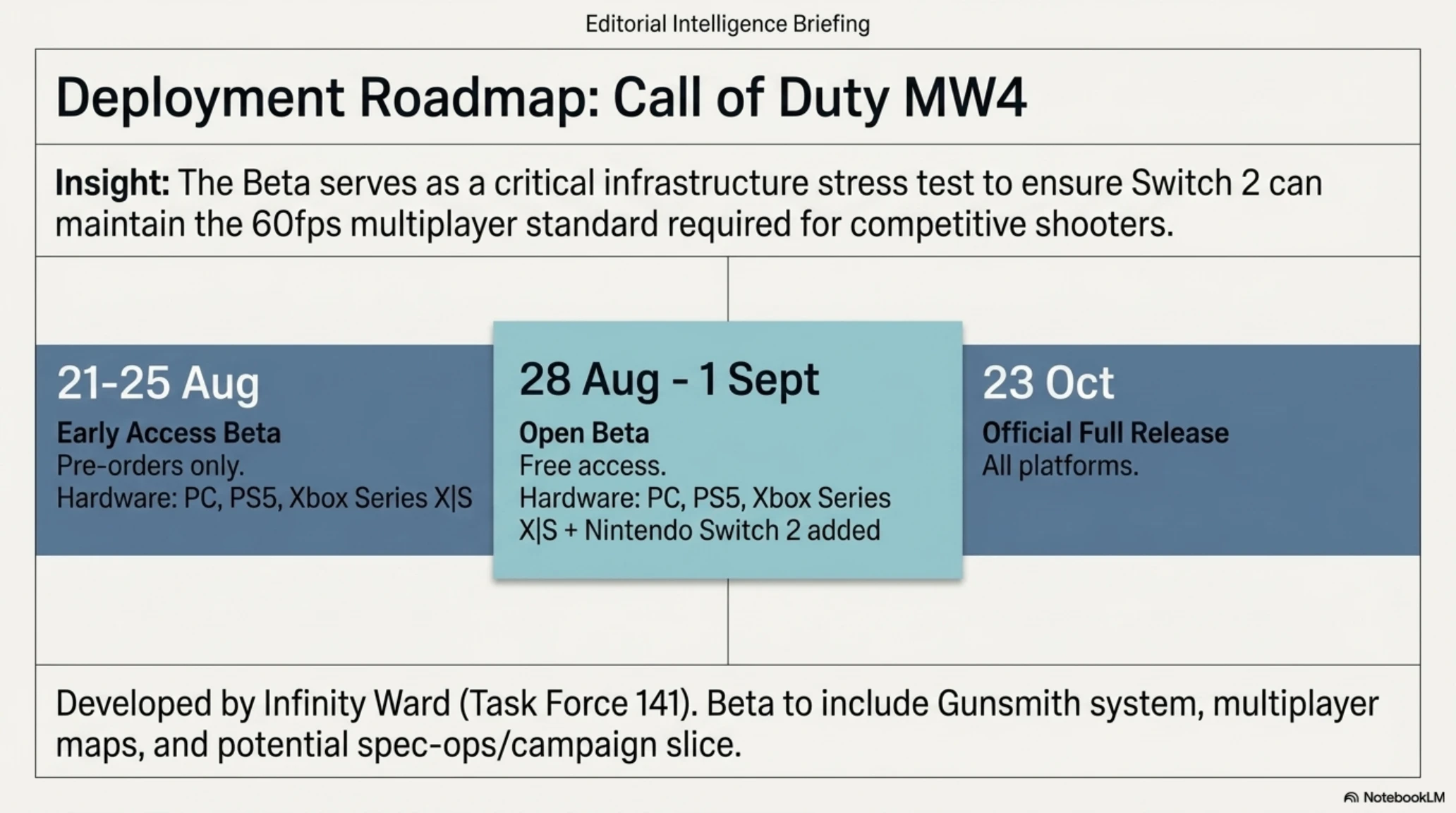
The beta runs in two phases. Early Access Beta for those who pre-order will be available from August 21-25 (five days) on PC, PlayStation 5, and Xbox Series X|S. This means if you've already purchased the game, you can experience it four days before everyone else.
Then Open Beta runs from August 28 to September 1, free for all players. Notably, this marks the first time Nintendo Switch 2 will be included in Open Beta. This is a major move from Activision and demonstrates they view Switch 2 as a serious platform for AAA games.
Modern Warfare 4 is scheduled for official release on October 23, 2026. The game is a direct continuation of Modern Warfare (2019) and Modern Warfare II (2022), following the story of Task Force 141. Developed by Infinity Ward, the original Modern Warfare studio, expectations are extremely high.
What content will the beta include? Based on released information, players will access several multiplayer maps, multiple game modes, and part of the new Gunsmith system. There's also speculation that a short single-player campaign section or spec ops mission might be included in the beta, though this hasn't been confirmed.
📅 Modern Warfare 4 Beta Schedule
📌 August 21-25, 2026
📌 Platforms: PC, PS5, Xbox Series X|S
Open Beta (Free for everyone):
📌 August 28 - September 1, 2026
📌 Platforms: PC, PS5, Xbox Series X|S, Switch 2
Full Release:
📌 October 23, 2026
📌 All platforms
A key question is how the game will perform on Switch 2. Call of Duty is a demanding series requiring powerful hardware. Activision will likely need to compromise on resolution, frame rate, and graphical details to make the game run on Switch 2. However, if they can maintain 60fps multiplayer—critical for a competitive shooter—the Switch 2 version could succeed.
The beta provides an excellent opportunity for Activision to collect feedback and address balance issues and bugs before the main launch. Call of Duty's history shows these games typically have significant bugs at launch, so any additional testing can improve final quality.
If you're a Call of Duty fan, mark these beta dates on your calendar. And if you own a Switch 2, this is your chance to see how the franchise performs on Nintendo's console—something fans have wanted for years.
Tekin Analysis: A Night of Challenges and Opportunities
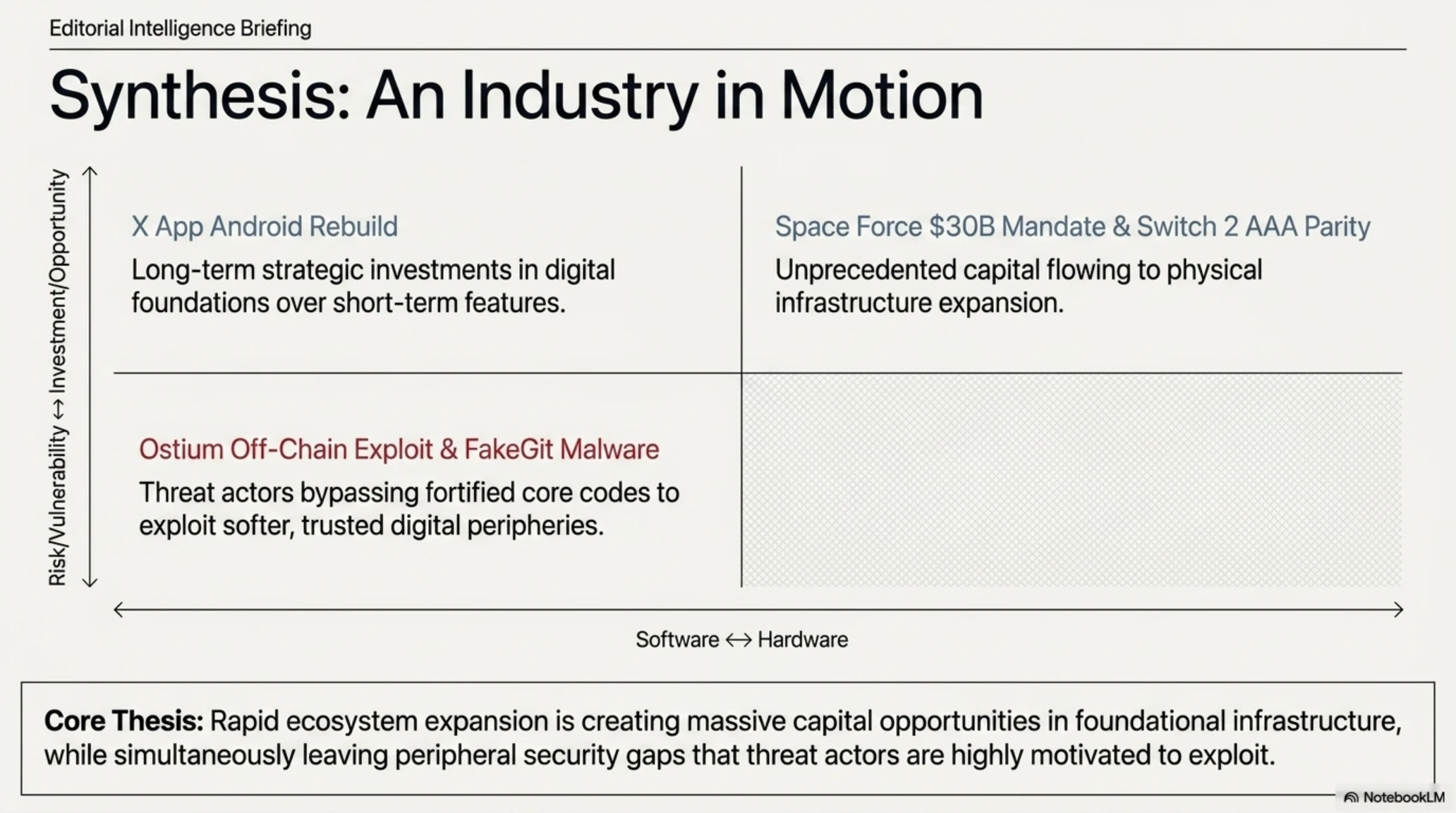
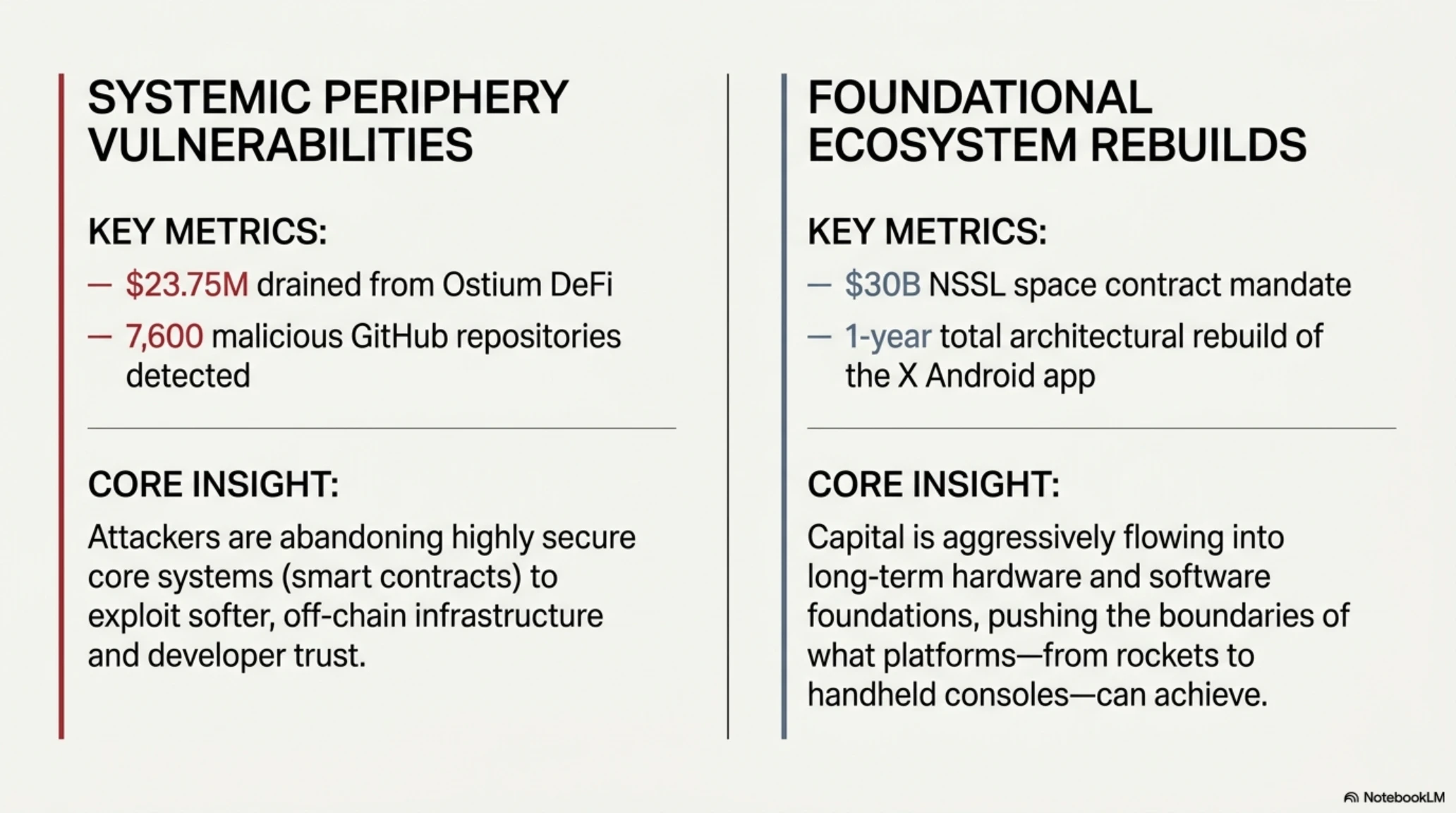
Looking at tonight's stories collectively, an interesting pattern emerges: the technology and gaming industries are growing rapidly, but simultaneously face serious security and competitive challenges.
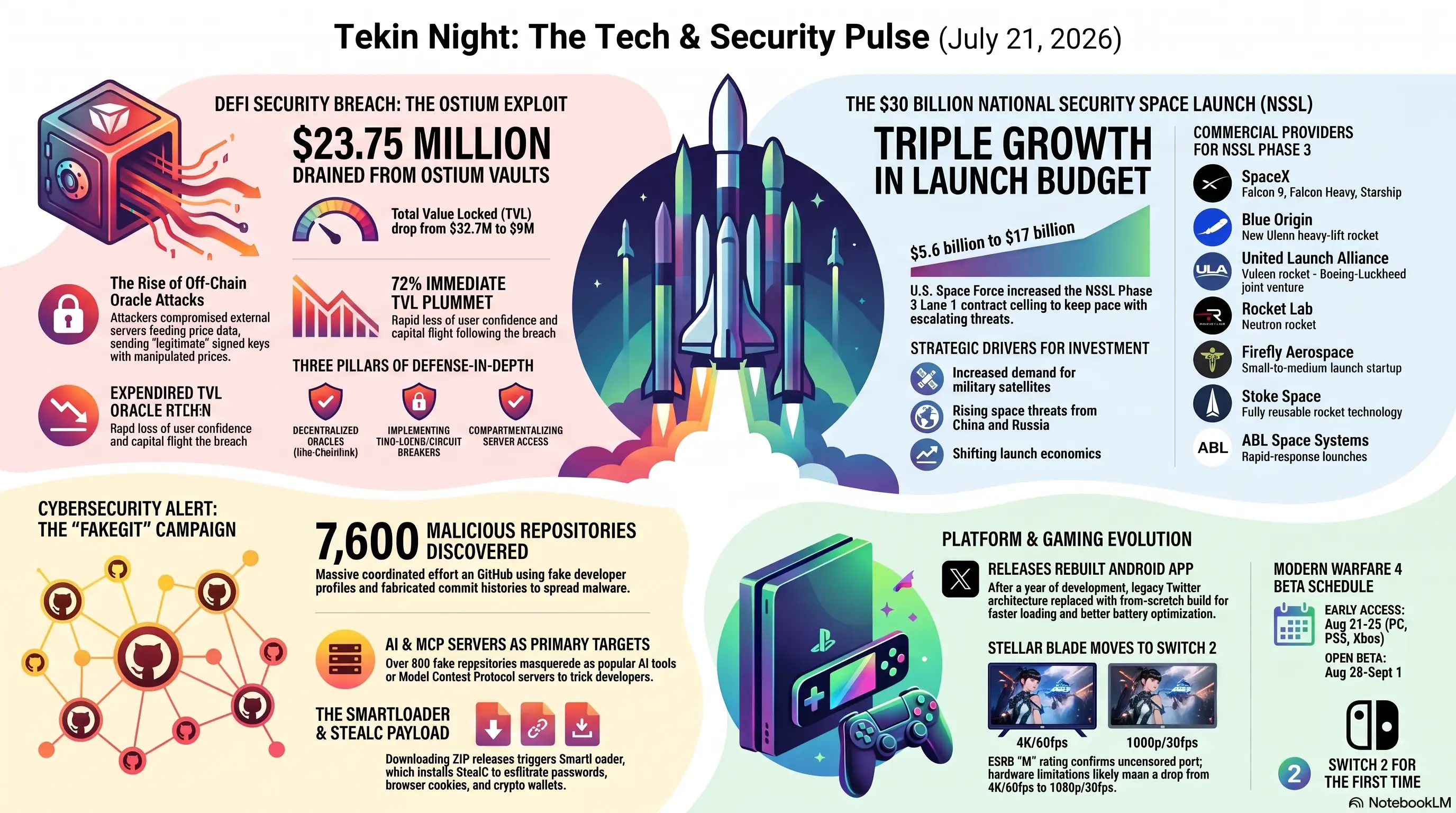
On one hand, we're witnessing massive investments—$30 billion for space launches, a year of development to completely rebuild an app, and enormous resources to port AAA games to Switch 2. This demonstrates that companies believe in this industry's future and are willing to invest.
On the other hand, security threats are evolving. The Ostium attack showed that even off-chain infrastructure is vulnerable. The FakeGit campaign demonstrates that attackers can abuse even trusted platforms like GitHub to distribute malware. This reminds us that cybersecurity shouldn't be an afterthought—it must be embedded in every system and process.
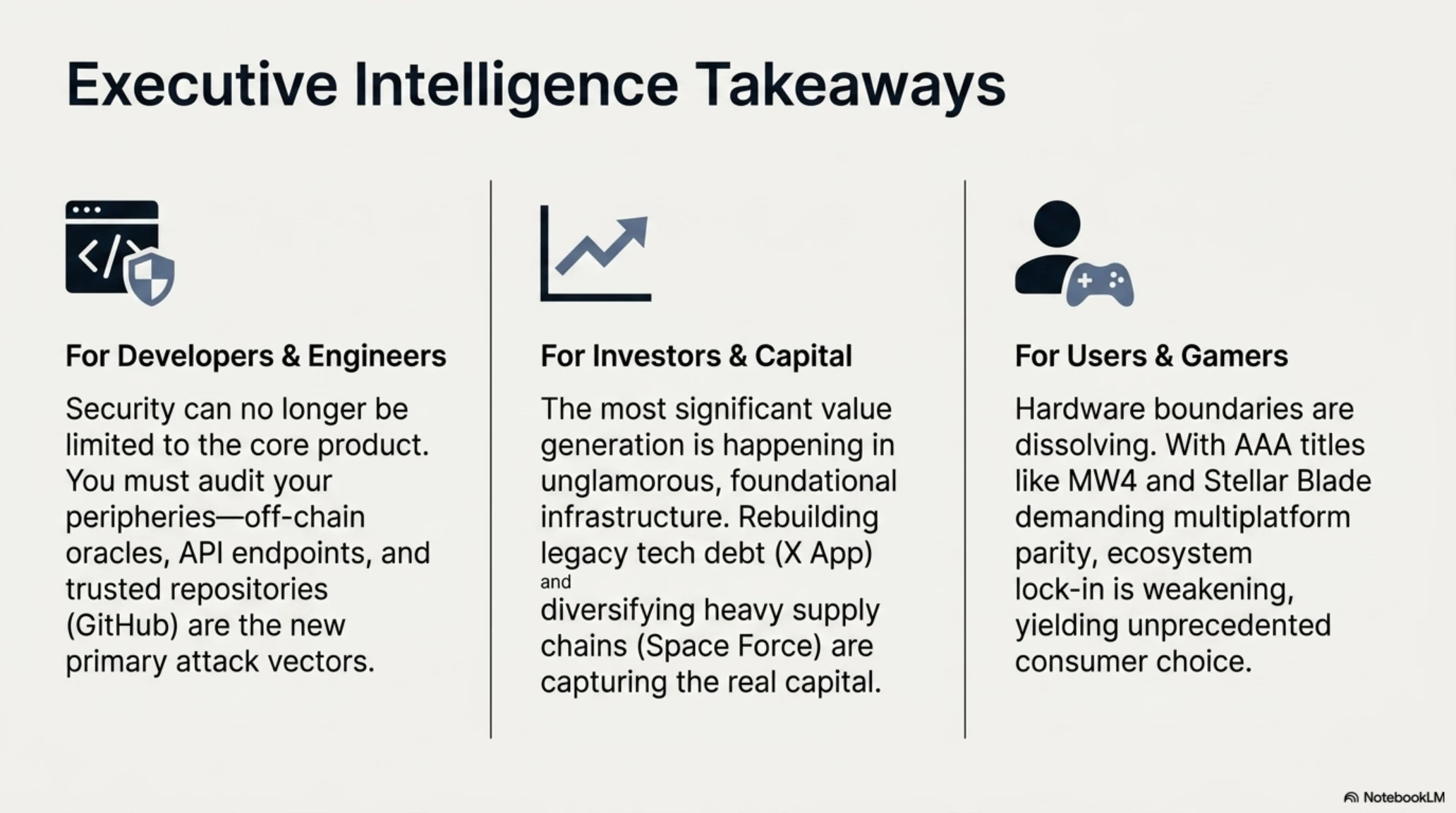
In gaming, we're witnessing a major shift. Switch 2 is becoming a primary platform for AAA games. This is no longer just a console for Nintendo titles—it's a platform that can run Stellar Blade, Call of Duty, and other major franchises. This is good news for the gaming industry because it means more choice for players and a larger market for developers.
Social platforms are also transforming. X's complete Android app rebuild shows willingness to make long-term investments even without immediate results. This is an important lesson for startups constantly pressured to ship new features quickly—sometimes it's better to take a step back, strengthen foundations, then move forward.
Our predictions for coming weeks? Expect more Switch 2 news, especially from third-party publishers preparing their games for this platform. In security, unfortunately we should anticipate more attacks—threat actors are always searching for new vulnerabilities. And in the space industry, with increased budgets, we may see announcements from space companies about capacity expansion and new technologies.
The technology landscape tonight shows an industry in motion—growing, innovating, and adapting to new challenges. Those who understand these trends and prepare accordingly will be the winners in this rapidly evolving ecosystem.
Conclusion: An Eventful Night Wrapped Up
We close tonight with six significant stories from the worlds of technology and gaming. From multimillion-dollar crypto heists to billion-dollar space contracts, from sophisticated cyberattacks to major technological rebuilds, and from exclusive games going multiplatform to upcoming betas.
Each of these stories is individually important, but when viewed together, a larger picture emerges. We live in an era where technology advances at breathtaking pace, new opportunities emerge daily, but challenges and threats also evolve constantly.
For developers, the message is clear: stay vigilant and take security seriously. For investors and companies, the message is that the future is bright but requires long-term investment. And for us as users and players, the message is that more choices are coming and better experiences await.
We hope you enjoyed tonight's coverage and are heading to bed with new, useful information. Join us tomorrow morning with Tekin Morning to review the day's fresh news together.
Frequently Asked Questions
Why did the Ostium attack succeed?
Instead of attacking smart contracts, the attacker compromised the off-chain infrastructure responsible for feeding price data. By sending falsified price reports signed with valid keys, they deceived the system and extracted funds.
How can I protect myself from fake GitHub repositories?
Always research the developer, check issues and discussions before downloading, never download executables from releases (only source code), use updated antivirus and sandbox for testing new code, and be especially cautious with new AI/MCP projects.
What improvements does the new X Android app have?
Faster loading, smoother scrolling, more reliable notifications, optimized battery consumption, and reduced memory usage. For the first time, new features will reach Android before iOS.
Will Stellar Blade be censored on Switch 2?
No. Based on ESRB rating, the game will include the same content as the PS5 version without censorship. It received M for Mature 17+ rating due to Blood and Gore, Language, Suggestive Themes, and Violence.
Who can participate in Modern Warfare 4 Early Access Beta?
Those who pre-ordered the game can participate in Early Access Beta from August 21-25 on PC, PS5, and Xbox Series X|S. Open Beta from August 28 to September 1 is free for everyone and includes Switch 2.
Why did US Space Force triple the launch budget?
Multiple reasons: increased demand for military satellite launches, space threats from China and Russia, Trump administration's request for expanded space capabilities, and need to diversify suppliers to reduce dependency.
How does the FakeGit campaign work?
Attackers copy legitimate projects, create fake developer profiles, and write convincing READMEs. When developers download ZIP files from releases, SmartLoader malware activates and installs StealC infostealer that steals sensitive information including passwords, browser cookies, and crypto wallets.
📚 Sources & References
- Bleeping Computer - Hackers steal $23.7M from Ostium
- Ars Technica - Space Force $30 billion contract
- The Hacker News - FakeGit Campaign malware distribution
- TechCrunch - X rebuilt Android app after year-long effort
- Nintendo Life - Stellar Blade Switch 2 ESRB rating
- IGN - Call of Duty Modern Warfare 4 beta dates confirmed
Additional Gallery: 🌙 Tekin Night – Tuesday, July 21, 2026 | $23.7M Ostium Hack & $30B Space Contract