Tekin Analysis | Gaming & Interactive Tech Evening Intelligence: October 24, 2026
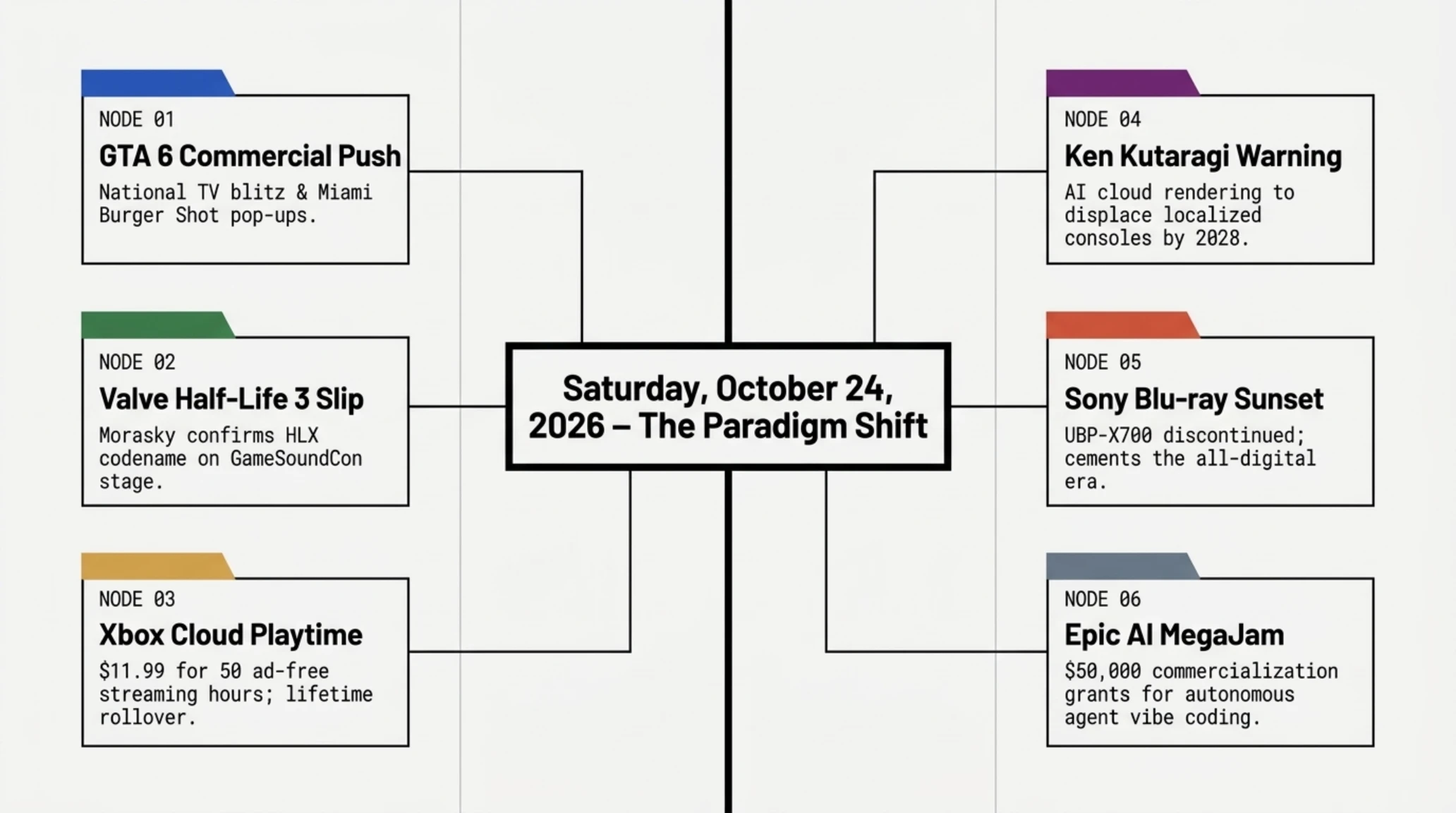
The interactive entertainment sector is crossing an unprecedented systemic boundary on this Saturday evening. As frontier generative artificial intelligence converges with hyperscale edge infrastructure, the conventional boundaries that once divided localized console hardware, physical distribution media, and manual game authorship are disintegrating. Major industry players are restructuring commercial roadmaps away from legacy retail disc distribution toward dynamic, real-time world generation, pay-as-you-go cloud access, and agentic collaborative game development.
This evening edition of Tekin Night provides a comprehensive forensic breakdown of the six core vectors transforming the video game industry. Drawing from verified insider telemetry, live conference transcripts, and architectural teardowns, we examine how technical decisions made in late 2026 are establishing the foundational economics of interactive media heading into 2027.
Strategic Assessment and Key Intelligence Vectors
1. Rockstar Games Launches GTA 6 TV Commercial Blitz and Opens Real-Life Burger Shot & Cluckin Bell Pop-Ups in Miami
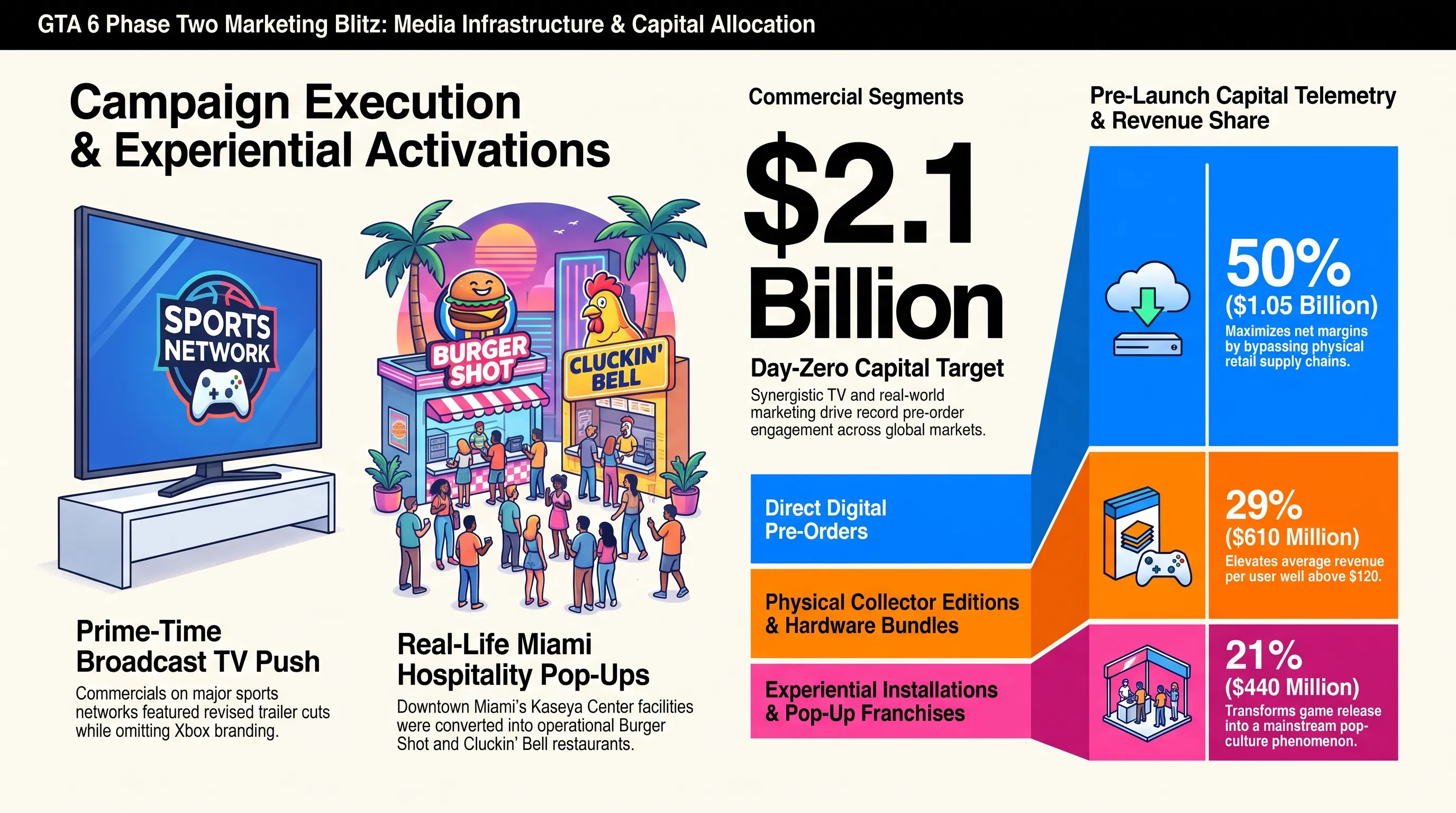
Global entertainment marketing reached an extraordinary operational scale this evening as Rockstar Games and Take-Two Interactive officially initiated Phase Two of their promotional campaign for Grand Theft Auto VI. Designed to saturate international media channels ahead of the title's November 2026 release, the campaign seamlessly bridges high-budget national broadcast television with physical experiential installations in downtown Miami.
During prime-time broadcasts across major North American networks, including NBC Sports and ESPN, Rockstar debuted customized 30-second and 90-second television commercials. Detailed frame-by-frame forensics reveal subtle editorial modifications from the initial reveal trailer: intimate domestic sequences between protagonists Jason and Lucia were removed in favor of extended high-altitude contraband aerial shots and candid character dialogue beside their customized muscle car.
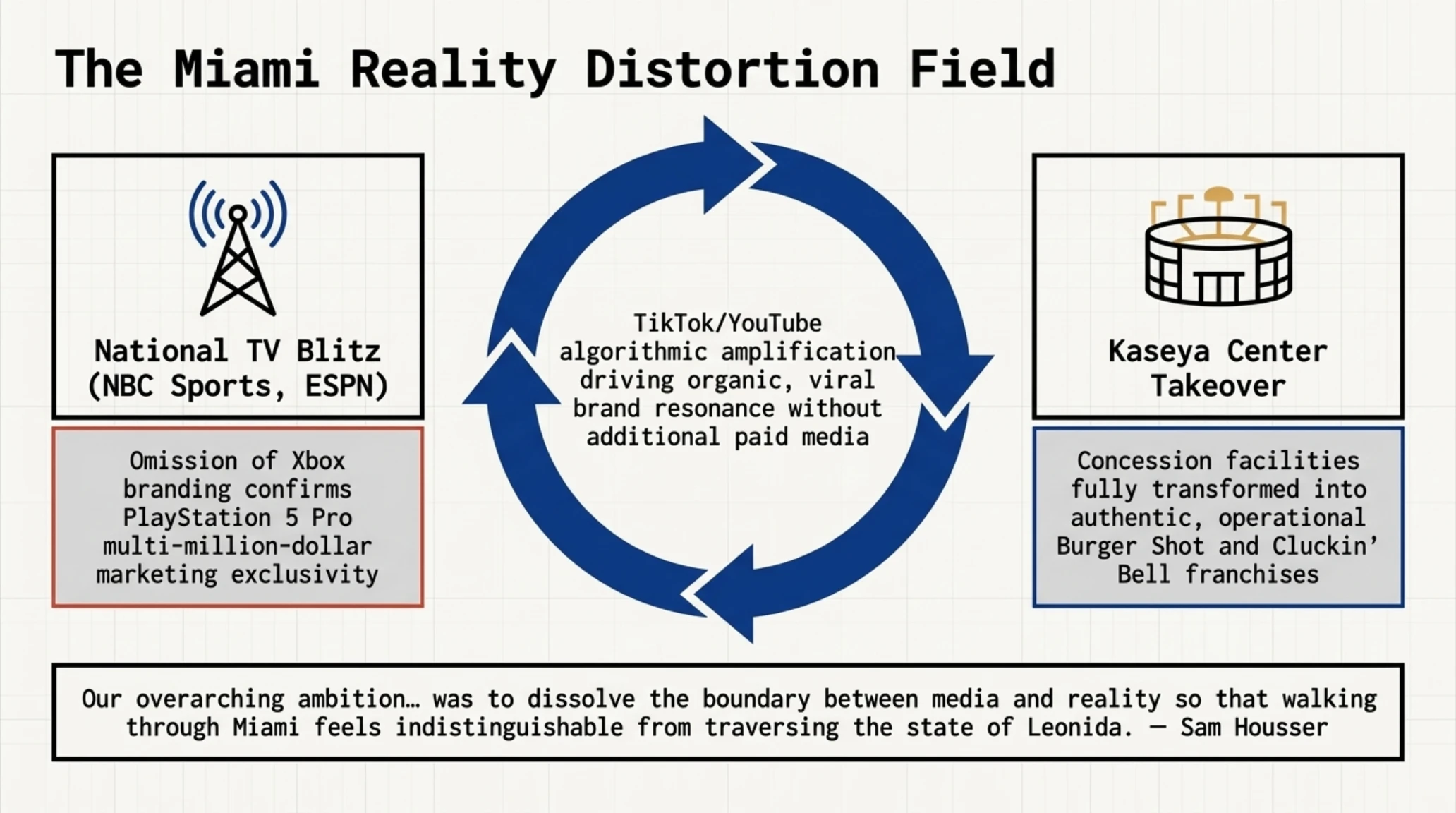
Crucially, the closing title cards across all broadcast variants entirely omitted the Xbox hardware branding. This confirms long-standing industry speculation regarding an exclusive multi-million-dollar marketing agreement between Sony Interactive Entertainment and Take-Two, positioning the PlayStation 5 Pro as the benchmark promotional hardware platform for the title.
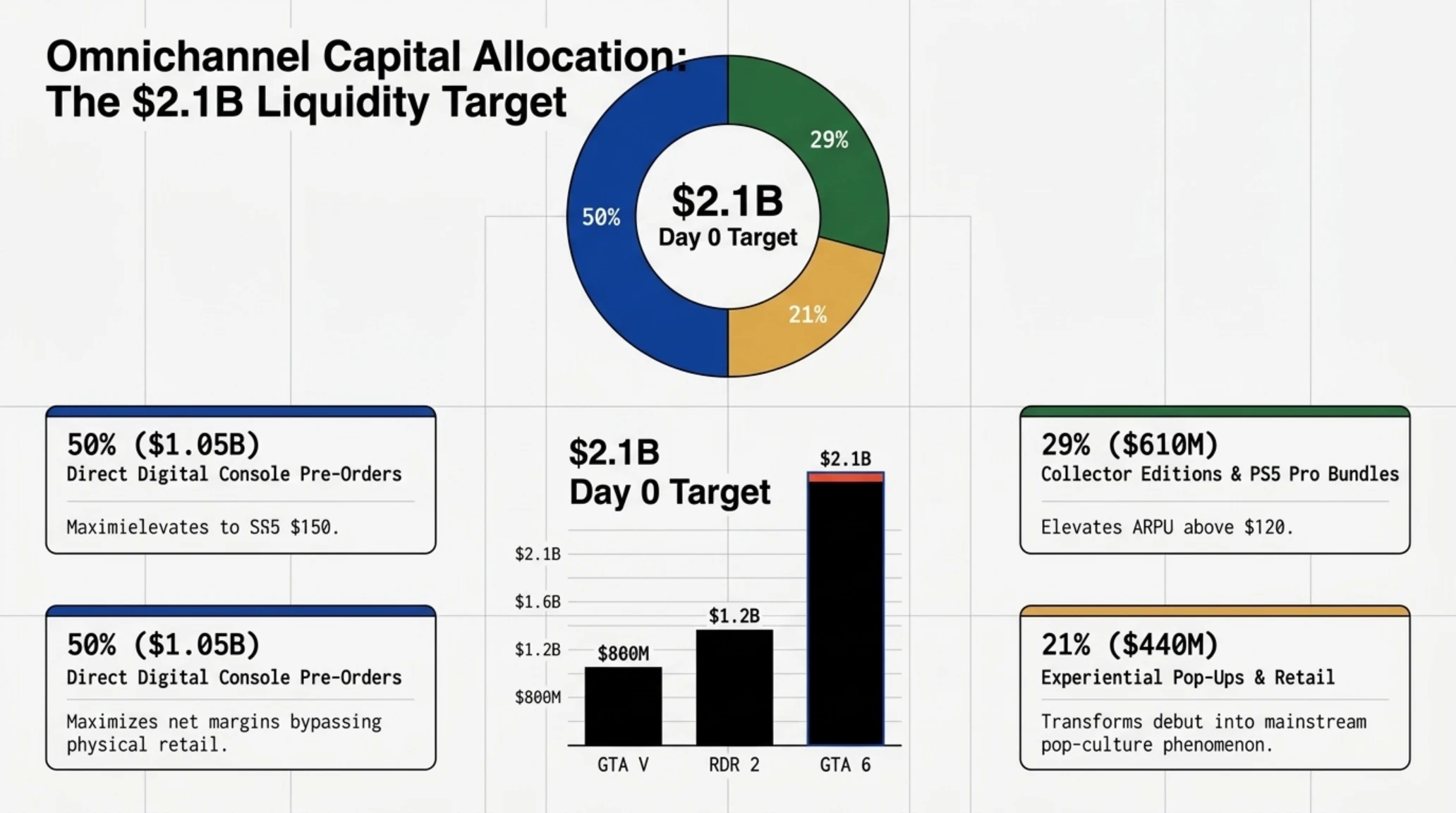
Financial Telemetry & Market Share: GTA 6 Franchise Liquidity Allocation
| Commercial Capital Segment | Share of Pre-Launch Volume | Strategic Significance in Launch Hierarchy |
|---|---|---|
| Direct Digital Pre-Orders (PlayStation & Xbox Storefronts) | 50 Percent ($1.05 Billion) | Maximizes net margins by bypassing physical retail supply chains |
| Physical Collector Editions & PS5 Pro Hardware Bundles | 29 Percent ($610 Million) | Elevates average revenue per user (ARPU) well above $120 threshold |
| Experiential Installations & Pop-Up Hospitality Franchises | 21 Percent ($440 Million) | Transforms video game debut into a mainstream pop-culture phenomenon |
| Commercial Radio Licensing & Streaming Syndication | Parallel Corporate Partnerships | Generates recurring royalties across Apple Music and Spotify platforms |
Simultaneously in Florida, Rockstar executed an unprecedented real-world environmental campaign. In direct partnership with the management of the Kaseya Center—the primary sports and entertainment venue in downtown Miami—concession facilities were fully transformed into authentic, operational iterations of the fictional in-game fast-food chains Burger Shot and Cluckin' Bell.
Staff outfitted in stylized retro uniforms serve culinary offerings lifted straight from the virtual world, including branded Bleeder Burgers and Fowl Wraps served in custom 1980s-inspired packaging. Marketing analysts project that this level of consumer immersion is propelling global pre-order revenue toward an unprecedented $2.1 billion prior to street date, completely redefining corporate launch expectations across the interactive entertainment industry.
By executing synchronized guerrilla marketing campaigns that capture both national television audiences and viral social media impressions, Rockstar is establishing a promotional precedent that legacy film studios struggle to match. Commercial analysts note that consumer engagement metrics across TikTok and YouTube have shattered prior records within hours of broadcast, creating an algorithmic flywheel of user-generated content that amplifies brand resonance without additional paid media expenditure.
The strategic deployment of physical merchandise, licensed radio syndication, and pop-up culinary venues demonstrates how modern AAA intellectual property can operate as autonomous economic engines, driving foot traffic, tourism, and viral community discourse months before software packages are decrypted by consumers worldwide. This multi-layered activation transforms a standard video game release into a historic cultural event that commands the attention of global financial markets.
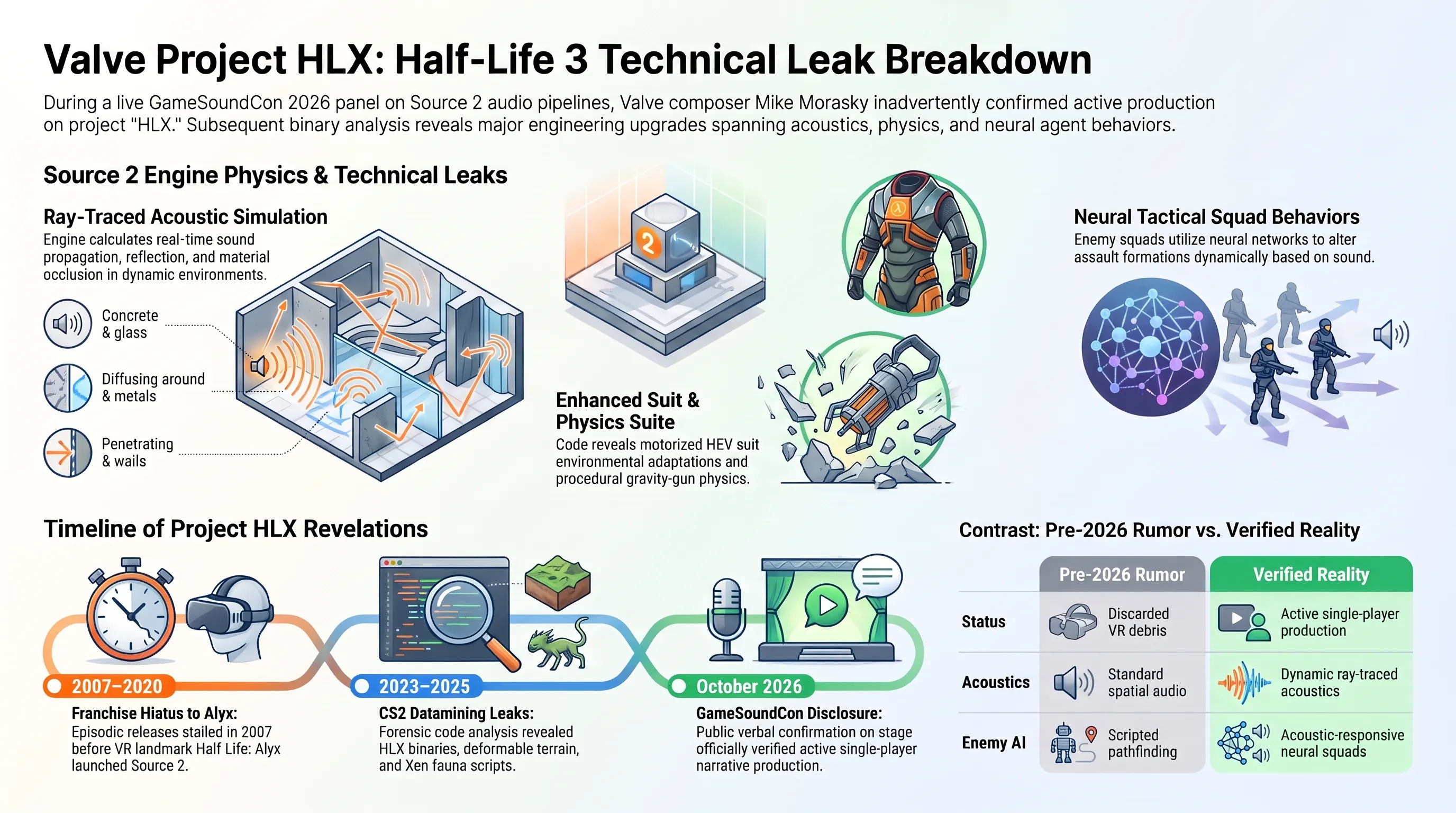
2. Valve Audio Designer Mike Morasky Inadvertently Discloses Codename HLX on GameSoundCon Stage: Half-Life 3 Engineering Confirmed
For more than nearly two decades, the title "Half-Life 3" has occupied a legendary, almost mythical status in digital culture—a persistent internet meme, a symbol of corporate secrecy, and the most heavily scrutinized unannounced software project in interactive entertainment history. However, during an elite technical gathering at GameSoundCon in Los Angeles, that protracted silence was abruptly and irreversibly shattered by one of Valve Corporation's most revered internal architects.
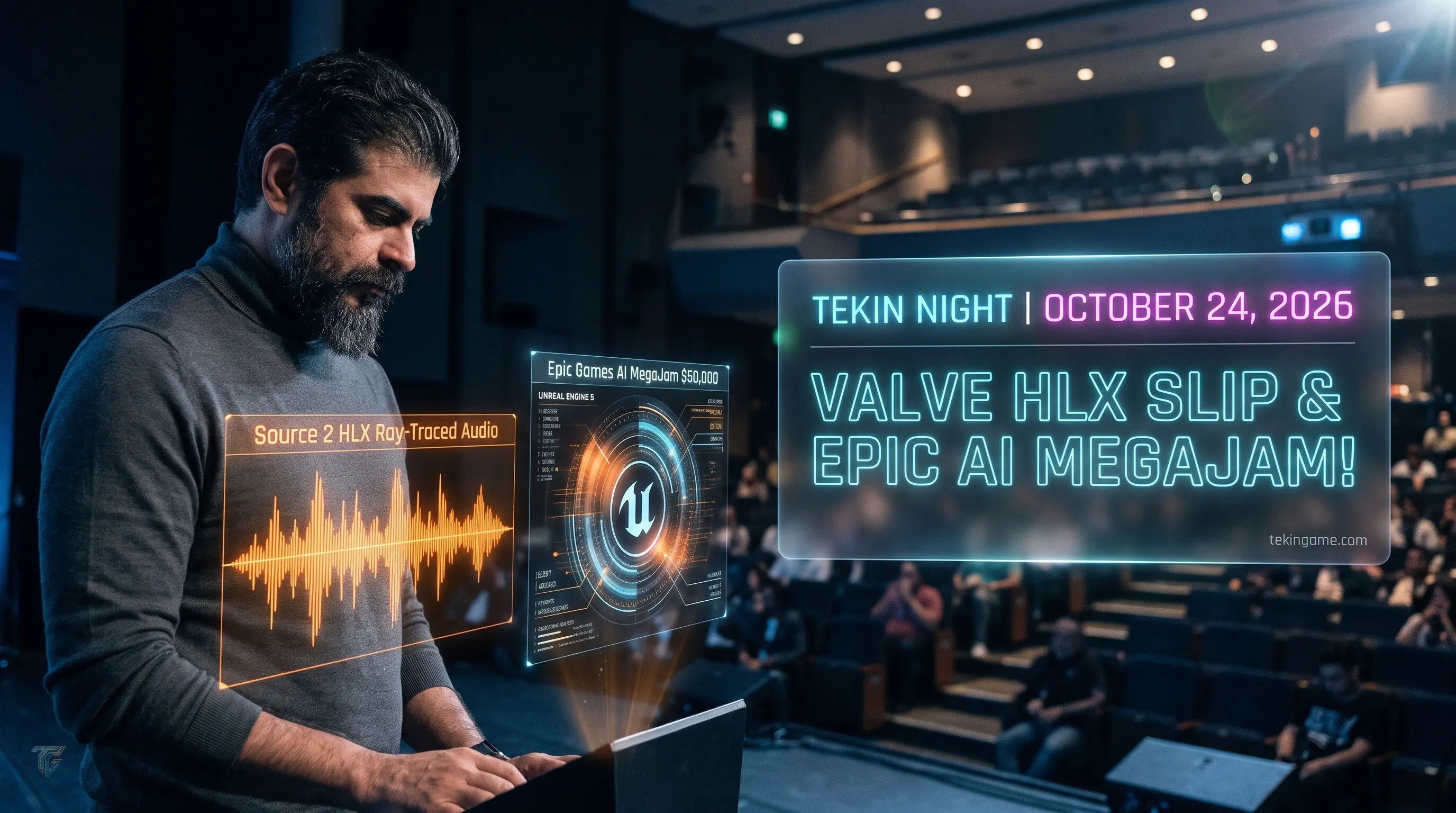
Mike Morasky, the acclaimed composer and principal audio director responsible for the dynamic soundscapes of Portal 2, Team Fortress 2, and the ground-breaking VR landmark Half-Life: Alyx, took the podium alongside colleague David Feiss to present on Source 2 HDR audio pipelines. While detailing how the engine calculates high-dynamic-range sound propagation in multi-agent environments, Morasky delivered an unscripted, matter-of-fact admission that stunned attendees.
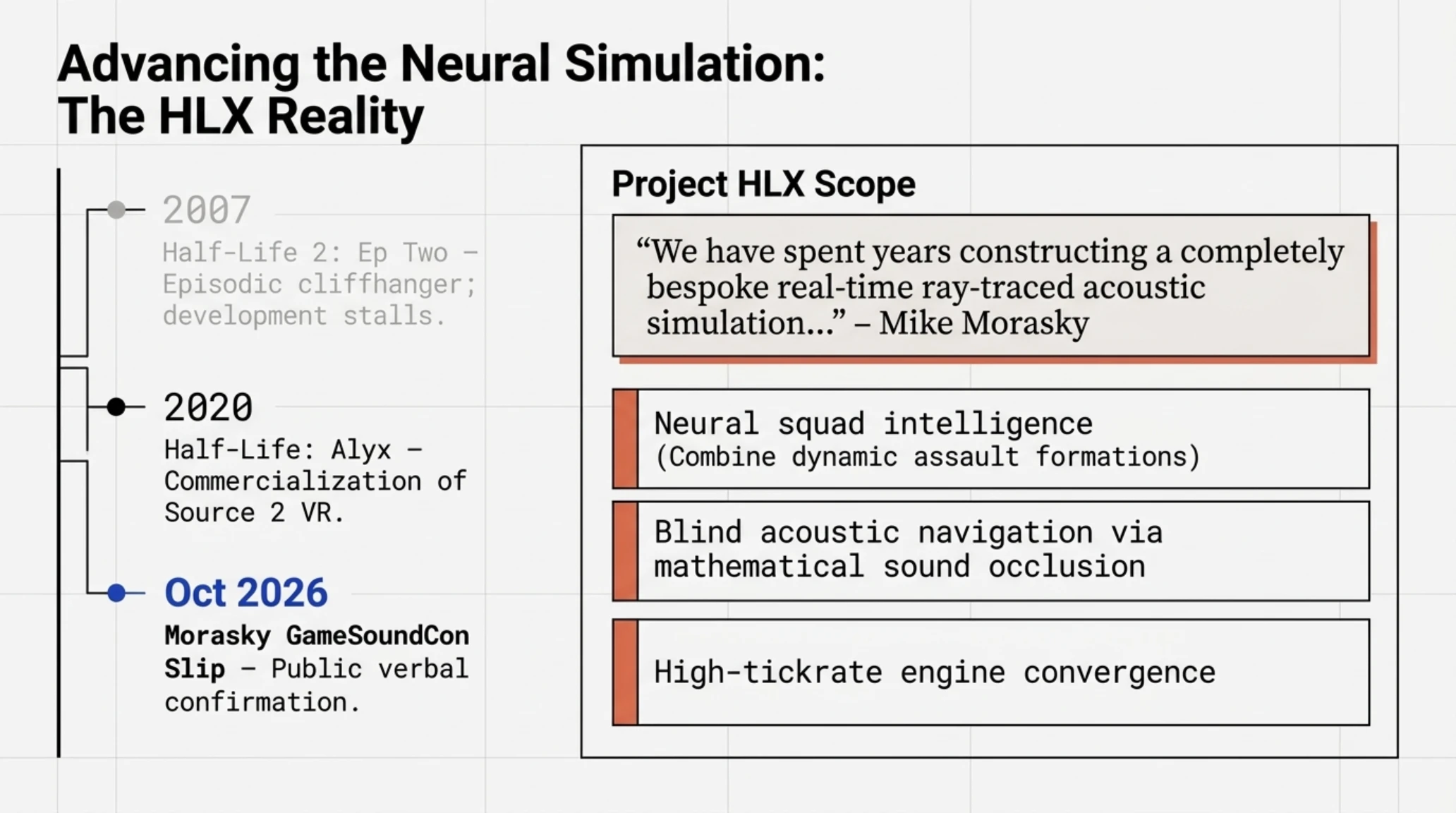
Speaking without hesitation, Morasky stated: "For Deadlock, we engineered a dynamic HDR audio system tailored to high-density hero combat; but for project HLX, we have spent years constructing a completely bespoke real-time ray-traced acoustic simulation and sub-surface reflection pipeline." Immediately sensing the gravity of the disclosure, Feiss leaned into the microphone with strained levity: "Brilliant execution, Mike; you officially named HLX on stage exactly once!" The room fell into stunned silence, followed by an immediate wave of technical chatter across engineering circles.
Technical Verification | Rumor vs Engineering Reality of Project HLX
Skeptics and corporate observers long dismissed string discoveries inside Counter-Strike 2 updates as discarded engine debris from aborted VR experiments that Valve had mothballed years ago.
Morasky's oral disclosure confirms forensic code evidence: HLX is a fully staffed single-player campaign featuring cutting-edge neural squad intelligence and ray-traced acoustic physics nearing completion.
Subsequent forensic decompilations of recent Source 2 binaries by investigative analysts, including Tyler McVicker, corroborate Morasky's inadvertent slip. String patterns designated under the `HLX` manifest describe expanded mechanical suites for Gordon Freeman, including motorized HEV suit environmental adaptations, procedural gravity-gun physics interactions, and neural network behaviors for Combine tactical squads capable of dynamically altering their assault formations in response to player acoustics.
The inadvertent verification of this production milestone inside a professional academic setting eliminates plausible deniability for Valve leadership. Industry strategists anticipate an official reveal will be synchronized with the 20th anniversary milestone of The Orange Box in 2027, establishing HLX as Valve's flagship showcase for Source 2 hardware scalability.
Chronological Telemetry | The Evolution of Half-Life 3 from Urban Myth to Project HLX Reality
| Timeline Milestone | Engineering Event & Public Revelation | Architectural Breakthrough & Technical Scope |
|---|---|---|
| 2007 | Release of Half-Life 2: Episode Two | Episodic cliffhanger concludes with Eli Vance death; development stalls |
| 2020 | Launch of Half-Life: Alyx VR Masterpiece | Commercialization of Source 2 engine and complete retconning of the franchise ending |
| 2023–2025 | Forensic Datamining of CS2 and Dota 2 | Discovery of HLX binaries, deformable terrain routines, and Xen fauna scripts |
| October 2026 | Morasky GameSoundCon Slip | Public verbal confirmation of active production featuring dynamic ray-traced acoustics |
This generational progression underscores Valve's long-standing philosophy: the studio only iterates upon flagship intellectual property when accompanied by fundamental advances in interactive simulation. Just as Half-Life 2 pioneered real-time physics via Havok and Alyx established the benchmark for room-scale virtual reality, HLX is engineered to define real-time neural path-tracing and dynamic acoustic simulation. Internal benchmarks indicate that the engine models sound occlusion through dense materials with mathematical precision, enabling blind acoustic navigation through dark corridors.
Furthermore, Valve's dual-track development between the competitive multiplayer arena of Deadlock and the prestige narrative campaign of HLX illustrates an ambitious technological convergence. By utilizing identical Source 2 sub-systems for high-tickrate network synchronization and high-fidelity single-player immersion, Valve maximizes the return on its engine investments while quietly preparing the digital PC ecosystem for a generational leap.
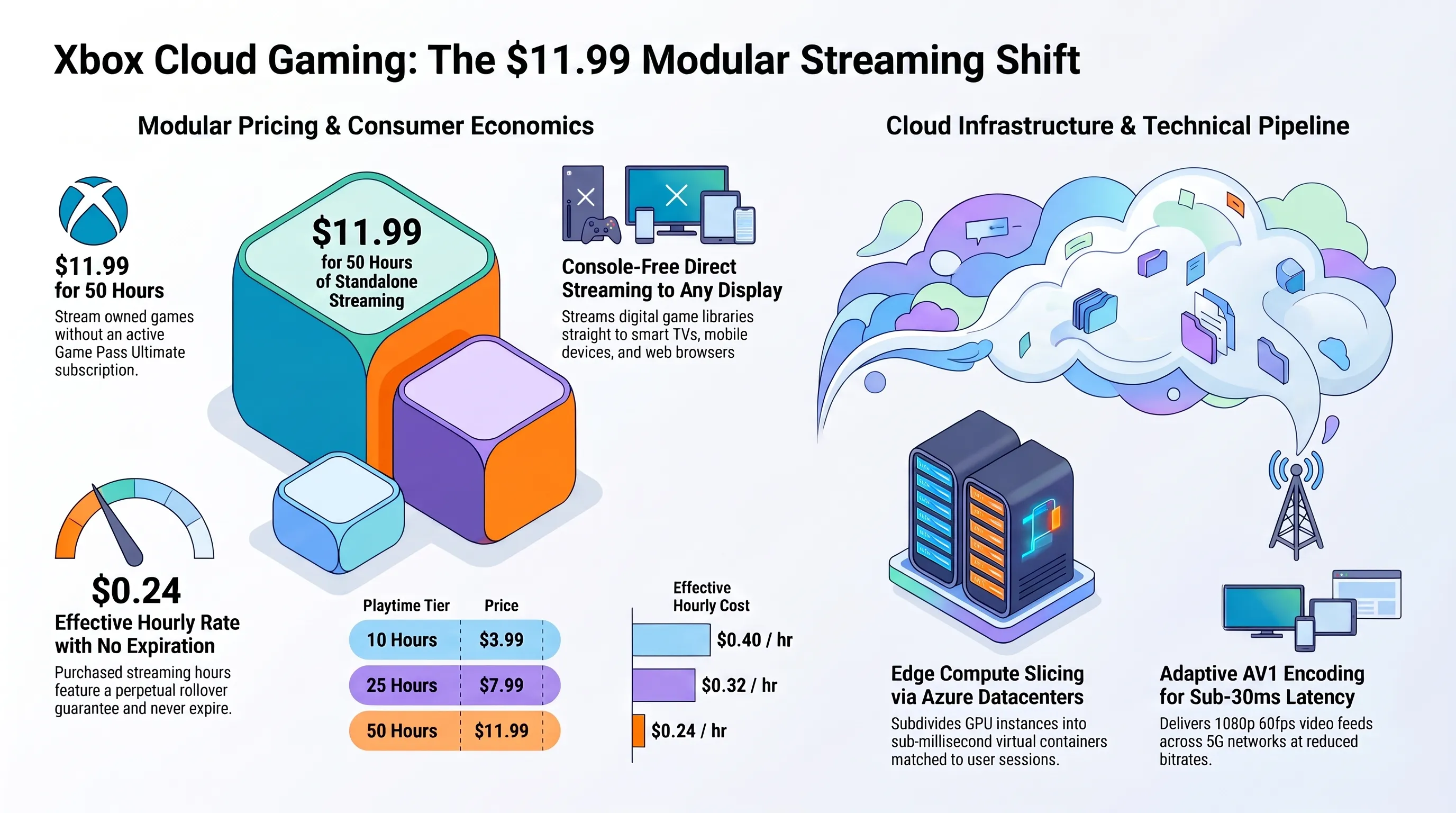
3. Microsoft Unveils Modular Xbox Cloud Gaming Economics: Pay-As-You-Go $11.99 Playtime Packs for 50 Hours of Ad-Free Streaming
Microsoft has executed a decisive commercial pivot within its gaming division by introducing a flexible consumption-based pricing framework under the brand "Xbox Cloud Playtime Packs." Currently rolling out to Xbox Insiders across tier-one territories, this model directly challenges the subscription-first orthodoxies that have dominated cloud gaming for the past seven years.
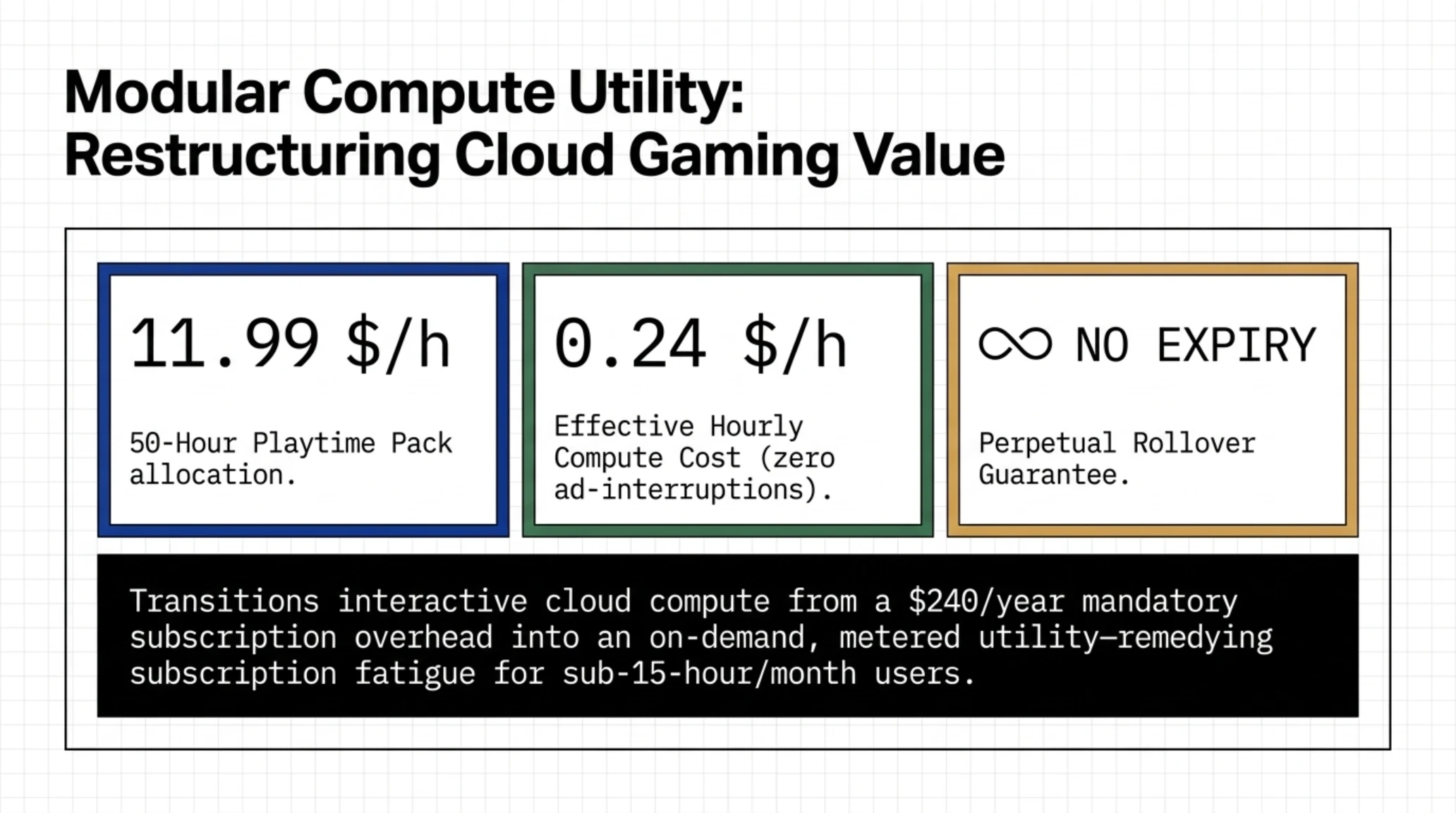
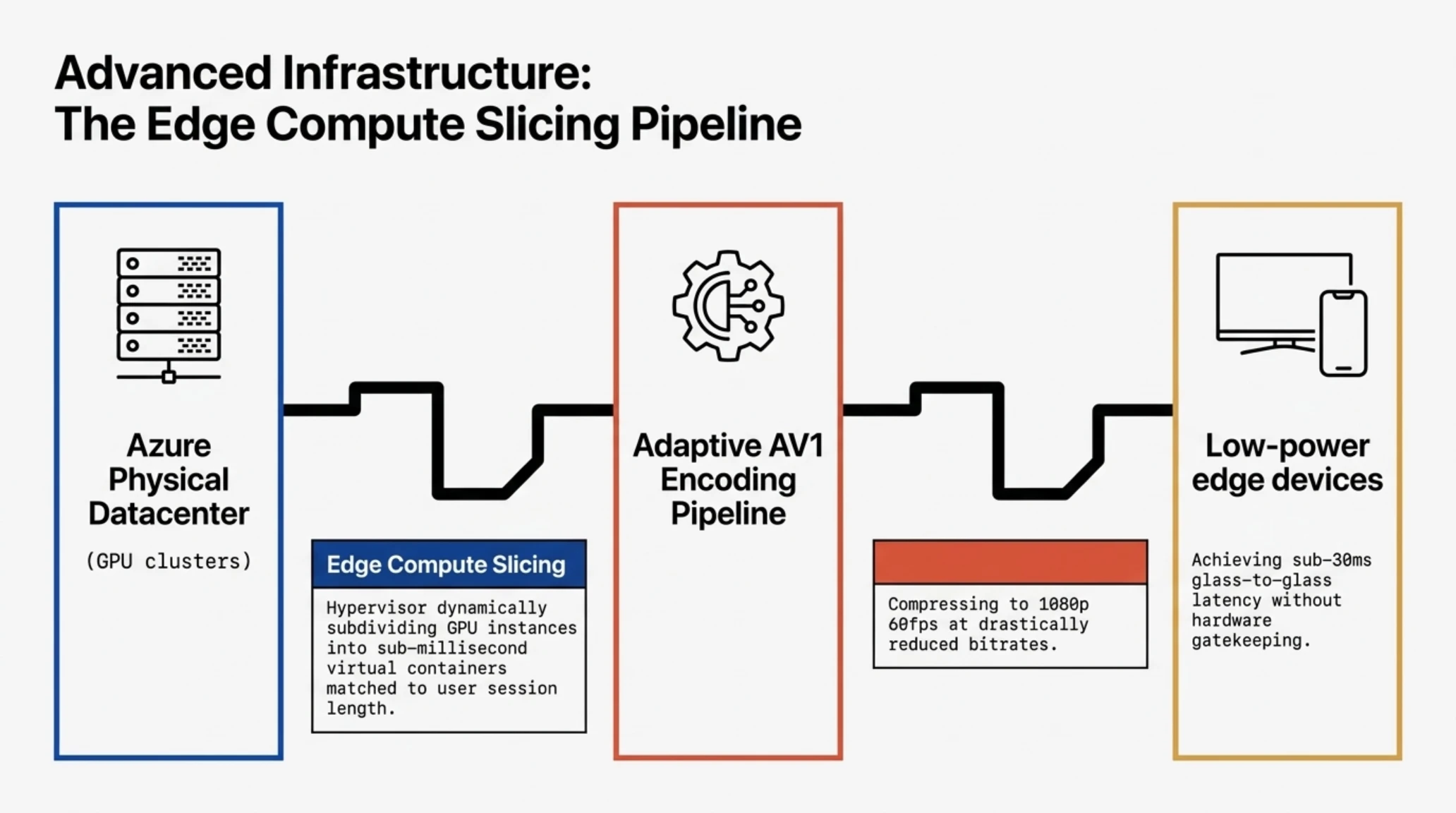
Under this modular architecture, users can procure streaming allotments without committing to an active monthly Xbox Game Pass Ultimate subscription ($19.99/month). Available tiers include 10 hours for $3.99, 25 hours for $7.99, and a high-efficiency 50-hour pack priced at $11.99. Once unlocked, players can stream supported titles from their personal owned digital game libraries directly to smart televisions, browsers, and mobile hardware with zero advertisements and prioritized server allocation.
The foundational breakthrough of this deployment is its perpetual rollover guarantee. Unlike conventional subscription allotments that vanish at the end of each billing cycle, purchased playtime hours never expire. An individual who consumes only 12 hours during an intensive work month retains their remaining 38 hours indefinitely, available for immediate execution whenever leisure time permits.
Economic Paradigm Shift | Why Modular Compute Restructures Cloud Gaming Value
This flexible consumption framework transitions interactive cloud compute from a mandatory monthly overhead into an on-demand utility model analogous to household electricity or metered municipal data, aligning perfectly with busy modern lifestyle patterns.
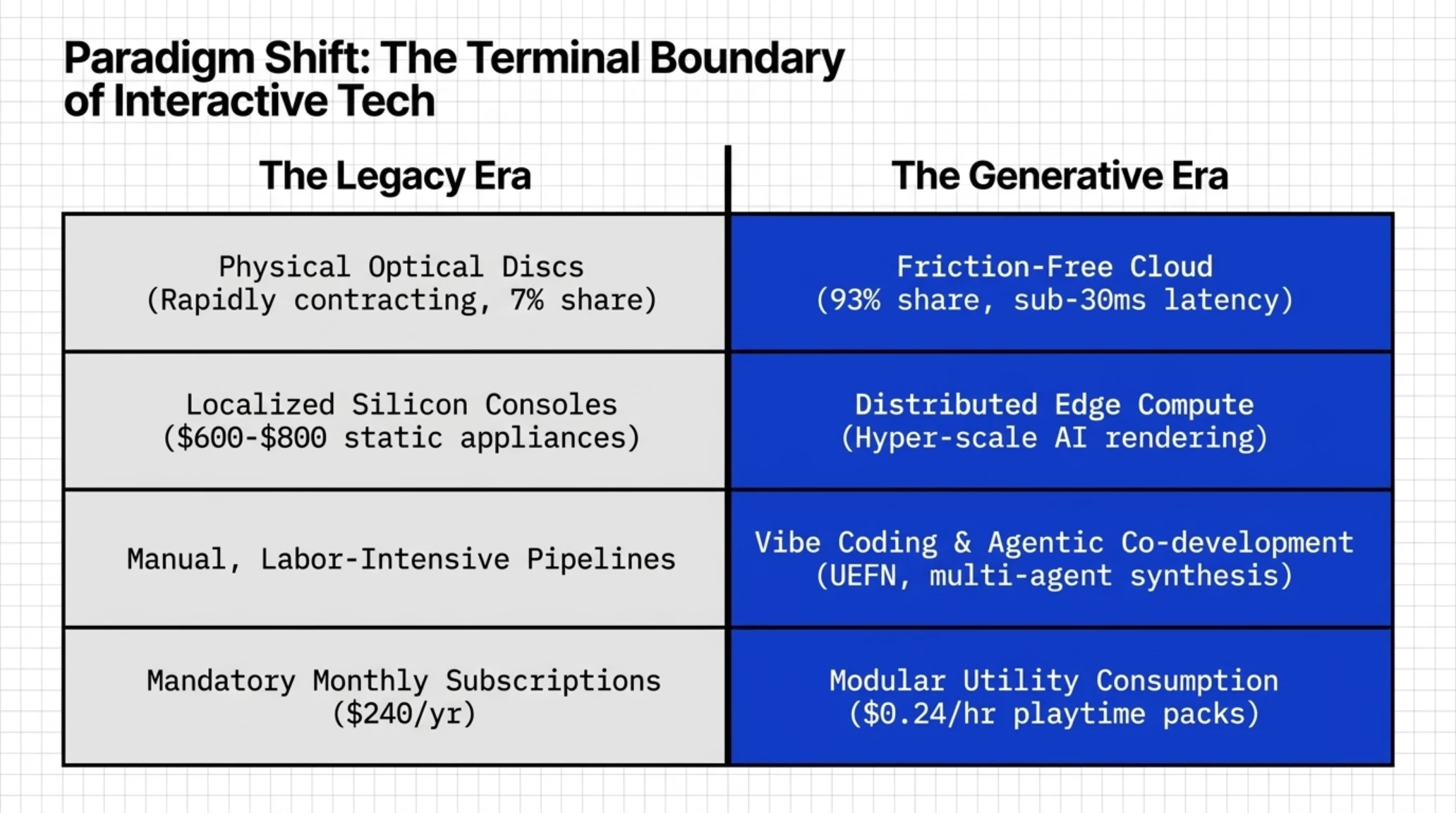
Market analysts interpret Microsoft's pricing flexibility as an assertive remedy for widespread subscription fatigue. A substantial demographic of working adults and casual enthusiasts engage with gaming media for fewer than 15 hours each month, rendering a continuous $240 annual subscription financially unappealing. Under this revised framework, an initial $11.99 outlay can service their complete recreational requirements across an entire quarter.
Tekin Glossary of Advanced Infrastructure: Cloud Slicing & Adaptive Bitrates
By democratizing access to dedicated graphical horsepower without hardware gatekeeping, Microsoft is expanding its addressable audience into global territories where high import tariffs or currency volatility preclude ownership of dedicated $500 gaming consoles. This structural flexibility allows university students, traveling executives, and mobile-first enthusiasts to engage with high-end PC and console titles with identical cloud save fidelity across any low-power device.
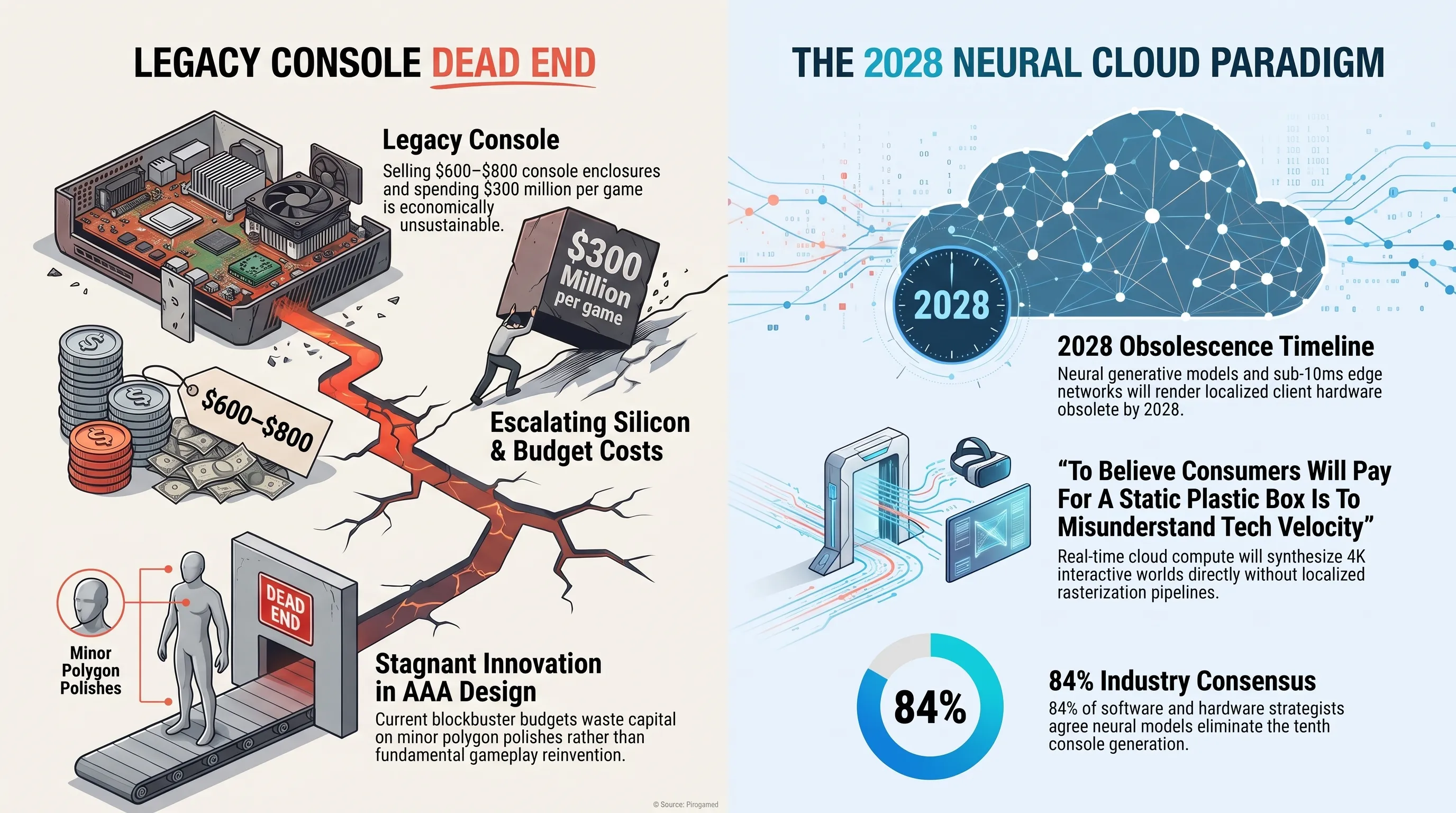
4. PlayStation Creator Ken Kutaragi Issues Stunner Warning: Generative AI and Cloud Scale Will Render Dedicated Consoles Obsolete by 2028
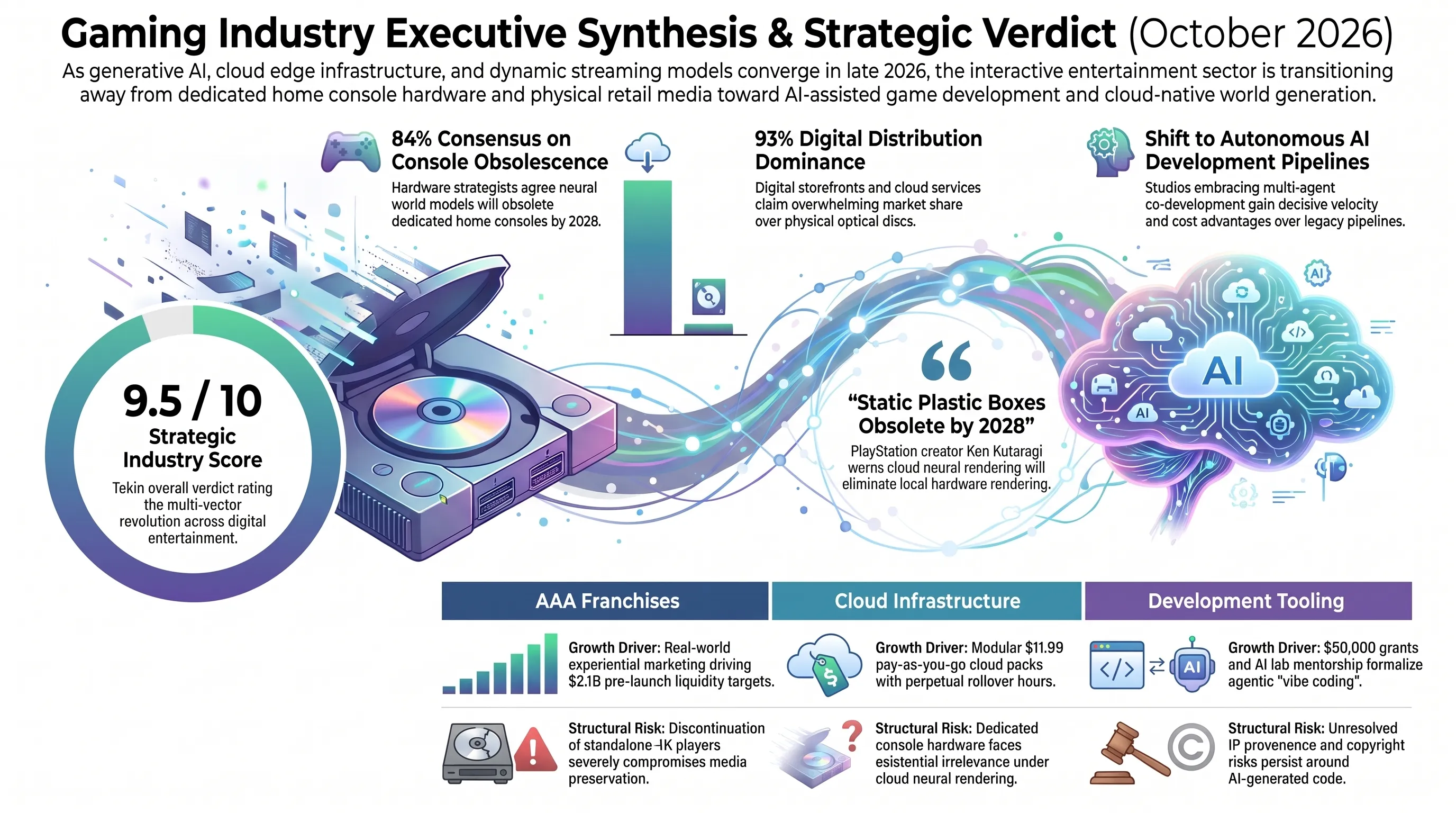
Ken Kutaragi, the visionary engineer and founding chief executive of Sony Computer Entertainment widely revered across global technology circles as the "Father of PlayStation," has delivered an unvarnished assessment regarding the finite lifespan of dedicated home consoles. Speaking in an extensive symposium interview with Japan's 4Gamer, Kutaragi warned that dedicated, localized gaming hardware is rapidly approaching an inescapable biological and commercial dead end.
According to Kutaragi, the exponential trajectory of neural generative world models, paired with the imminent ubiquity of sub-10ms edge network topologies by 2028 and 2029, will fundamentally obsolete local client rendering. Real-time neural models will synthesize dynamic 4K interactive environments directly inside hyperscale data centers, transmitting customized video streams instantaneously to any display. As the silicon fabrication expenses for custom sub-2nm system-on-chips and high-bandwidth memory (HBM) escalate uncontrollably, forcing consumers to purchase $600 to $800 localized plastic enclosures will become economically untenable.
Kutaragi also leveled sharp critique at contemporary AAA Western game design, asserting that runaway production budgets have stifled fundamental mechanical innovation. "Most blockbuster productions spending $300 million today represent incremental shader polishes, marginally denser textures, and slightly more verbose conversational AI for non-player characters," Kutaragi observed. "The industry desperately requires a fundamental reinvention of gameplay topology, not an endless, boring escalation of polygon counts."
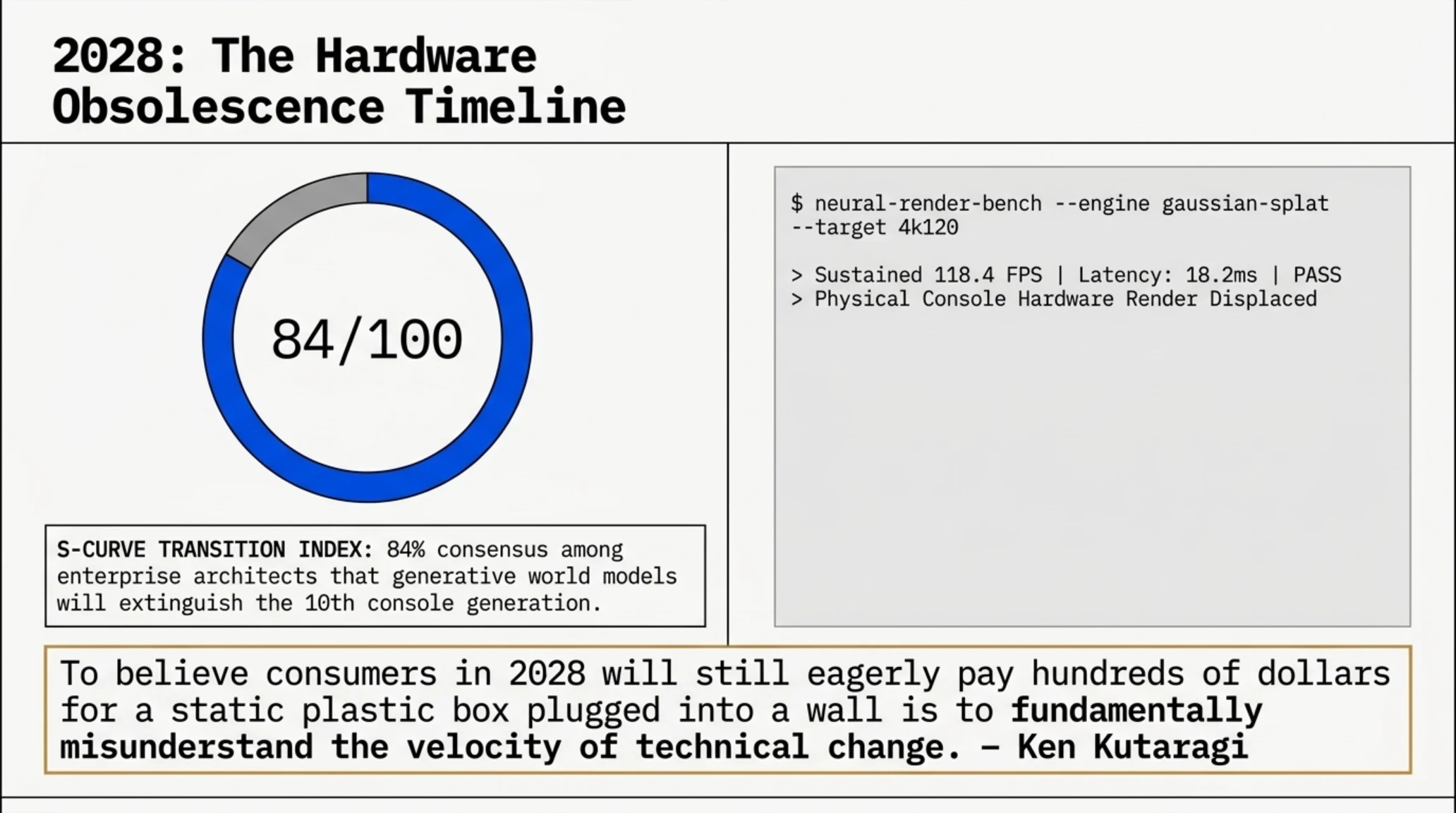
Market Sentiment & S-Curve Gauge | Transition from Physical Silicon to Cloud Neural Rendering
Telemetry Consensus: More than 84 percent of enterprise software architects and hardware strategists agree that breakthroughs in neural generative world models will extinguish the economic rationale for a traditional tenth console generation.
📚 Classified & Related Dossiers in TekinGame
If you wish to explore beyond this report and delve into cybernetic frontiers and autonomous AI architectures, do not miss these three exclusive deep-dives in the Tekin Garage:
Senior graphics engineers cite breakthroughs in 3D Gaussian Splatting and generative diffusion pipelines to validate Kutaragi's timeline. In this emerging paradigm, client devices act as thin decode interfaces, while distributed edge GPU clusters run foundational world models that compute geometry, global illumination, and procedural responses without legacy rasterization pipelines.
Cyber Telemetry Terminal & Benchmark Log: Cloud Neural Rendering Simulation
Kutaragi's intervention functions not as idle conjecture, but as a technological roadmap that explains Sony's internal pivot toward proprietary edge streaming networks and artificial intelligence research partnerships across Japan and North America.
The codification of this reality signals that legacy platform wars will shift from silicon unit shipments to battlegrounds defined by server efficiency, proprietary world models, and AI agent orchestration.
Furthermore, eliminating upfront hardware cost barriers enables interactive software to expand its global total addressable market from hundreds of millions of console owners to billions of connected smartphone and display users.
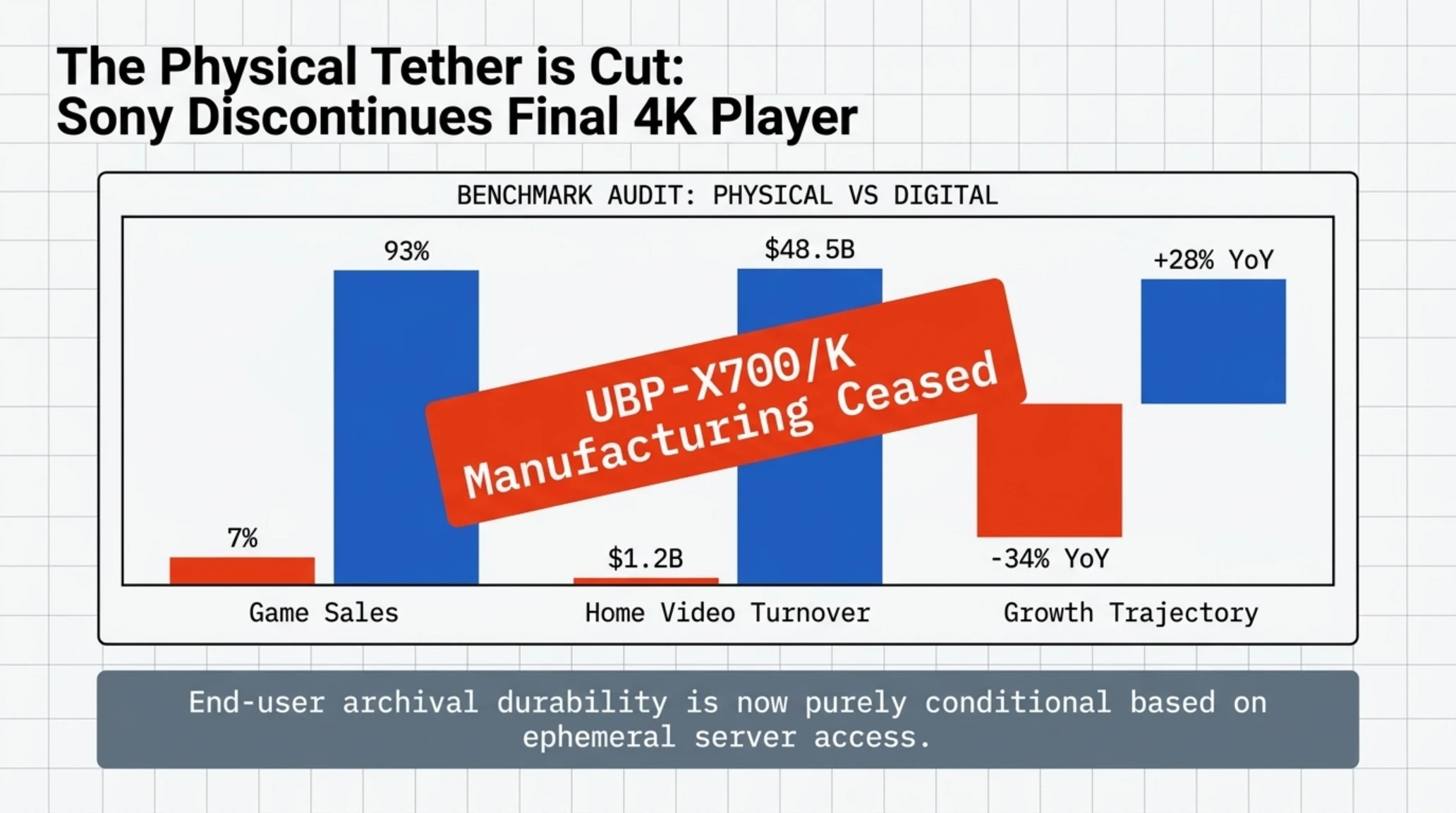
5. Sunset of Physical Optical Media: Sony Officially Discontinues Its Final Standalone 4K UHD Blu-ray Player (UBP-X700/K)
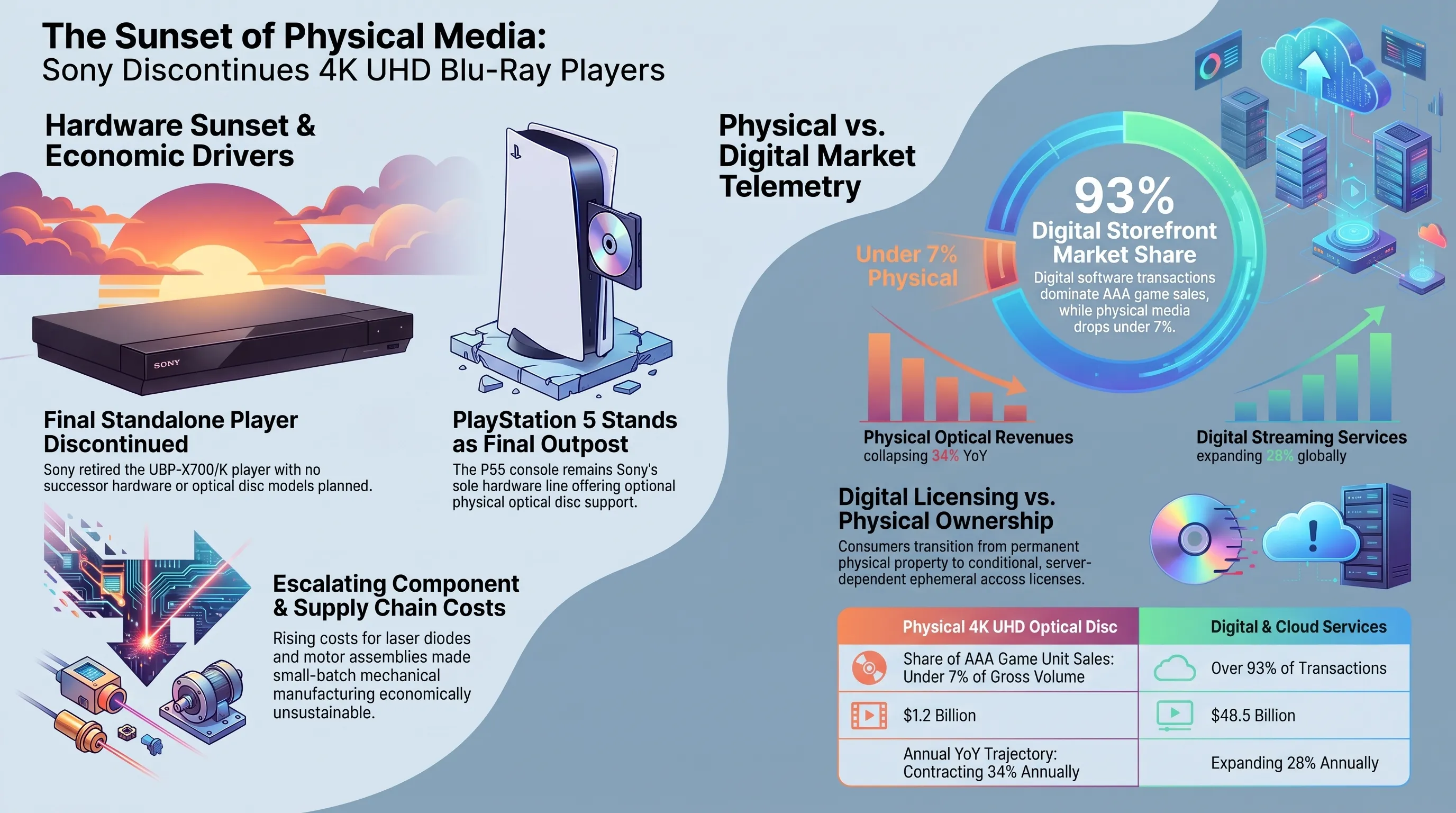
Sony Corporation, the historical pioneer and preeminent architect of the Blu-ray optical disc standard, has officially ceased manufacturing of its final dedicated 4K Ultra HD Blu-ray player, model UBP-X700/K. This decisive retirement formally signals the sunset of physical high-fidelity optical video players within Sony's global consumer electronics catalog.
Across Sony's official global storefronts, the hardware status has been updated to "Discontinued / Out of Stock," accompanied by executive confirmation that no successor hardware or next-generation optical players are planned. This follows Sony's earlier withdrawal from recordable optical media lines, reflecting an irreversible shift toward high-bitrate cloud streaming ecosystems and digital-only content distribution.
With Sony's formal departure, Panasonic stands as the sole remaining Japanese legacy brand active in the premium standalone optical player space. For enthusiasts committed to physical media ownership, the PlayStation 5 console now serves as Sony's only remaining hardware equipped with an Ultra HD optical drive—a situation made increasingly precarious by Sony's aggressive shift toward modular, digital-first console chassis designs.
Supply chain analyses confirm that rising manufacturing costs for precision mechanical optical pickups, tri-wavelength laser diodes, and calibrated disc transport motors made small-batch manufacturing economically unsustainable in the face of declining retail unit volumes. As component suppliers reallocate fabrication lines toward high-margin lidar and optical interconnects for enterprise data centers, consumer optical mechanical assemblies have experienced severe cost inflation.
Consequently, the migration toward subscription and digital storefront platforms accelerates, requiring dedicated film and gaming collectors to carefully preserve legacy physical playback hardware in an increasingly cloud-dominated environment. Archival institutions and independent preservation groups warn that without dedicated consumer hardware, decades of uncompressed cinema releases and offline game builds face catastrophic digital link rot as servers inevitably decommission over time.
Grouped Bar Telemetry & Comparative Matrix: Physical Media Sunset vs Digital Dominance
| Commercial Distribution Metric | Physical 4K UHD Optical Disc | Digital Storefronts & Cloud Services |
|---|---|---|
| Share of Total AAA Game Unit Sales (2026) | Under 7 Percent of Gross Volume | Over 93 Percent of Commercial Transactions |
| Home Video & Cinema Market Turnover | $1.2 Billion (Disc Media Shipments) | $48.5 Billion (Subscription & VOD Platforms) |
| Annual Market Trajectory (YoY Rate) | Contracting 34 Percent Annually | Expanding 28 Percent in Global Bandwidth |
| End-User Ownership Rights & Archival Durability | Unconditional Perpetual Physical Property | Conditional Ephemeral Server Access License |
The shuttering of Sony's standalone Blu-ray hardware operations has reignited vigorous international debate regarding digital ownership rights and long-term media preservation. Without accessible local optical playback machinery, consumer access to purchased cultural catalogs remains completely contingent on the ongoing operational health, corporate licensing pacts, and digital rights management (DRM) servers of remote commercial platform holders.
6. Epic Games Unveils 2026 AI MegaJam: $50,000 Commercialization Grants for Unreal Engine 5 & UEFN Vibe Coding
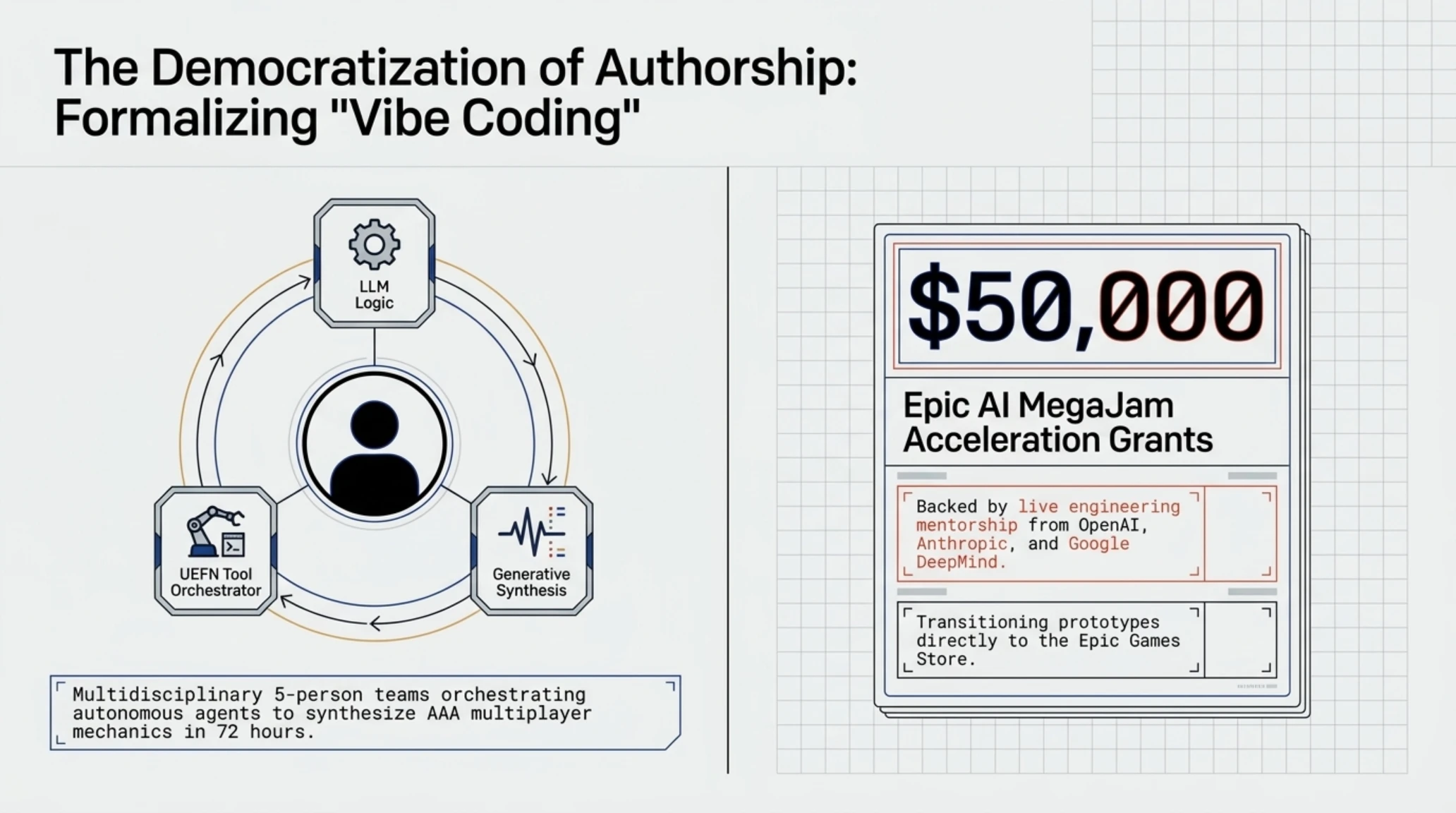
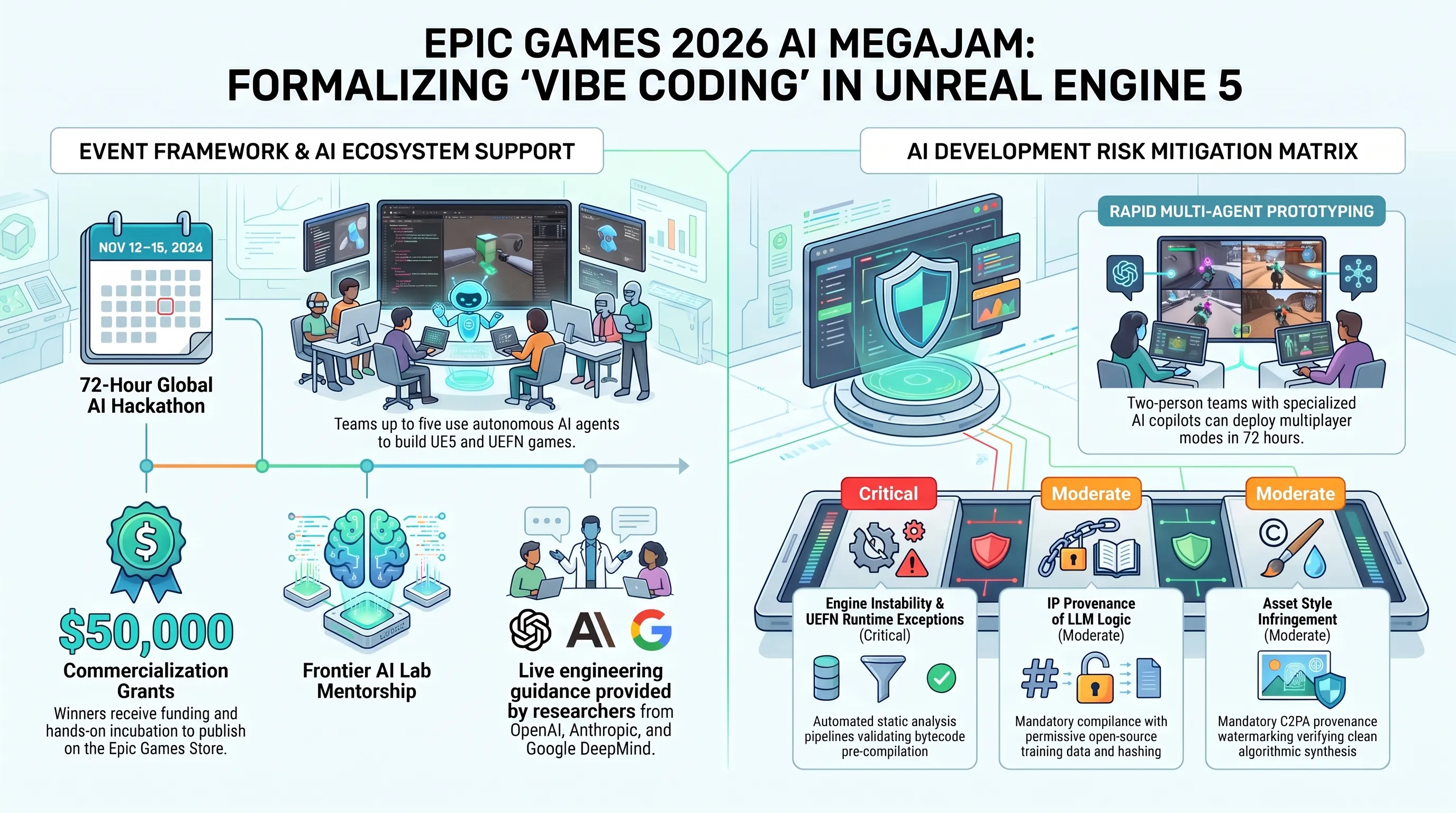
Epic Games has formally institutionalized the emerging practice of collaborative human-AI game development, colloquially termed "Vibe Coding," by announcing the 2026 Epic AI MegaJam. Scheduled to run concurrently on Itch.io and at Epic's San Francisco developer center from November 12 to 15, 2026, the 72-hour international competition invites creators to push the boundaries of Unreal Engine 5 and Unreal Editor for Fortnite (UEFN).
Under official tournament regulations, human teams comprising up to five developers are authorized to deploy an unlimited complement of autonomous AI agents, large language models, and generative neural synthesis tools to architect gameplay systems, level geometry, and dynamic audio-visual assets. Tim Russell, Senior Director of Developer Relations at Epic, emphasized that the initiative is designed to test how small multidisciplinary teams can iterate complex interactive mechanics purely through structured conversational prompts and agentic tool orchestration.
Beyond traditional podium cash prizes, Epic Games has established a dedicated commercial acceleration fund offering $50,000 commercialization grants to outstanding original projects. Winners will receive hands-on technical incubation from Epic engineering staff to transition their competitive prototypes into full commercial releases on the Epic Games Store. Senior researchers from OpenAI, Anthropic, and Google DeepMind will participate as live engineering mentors throughout the jam.
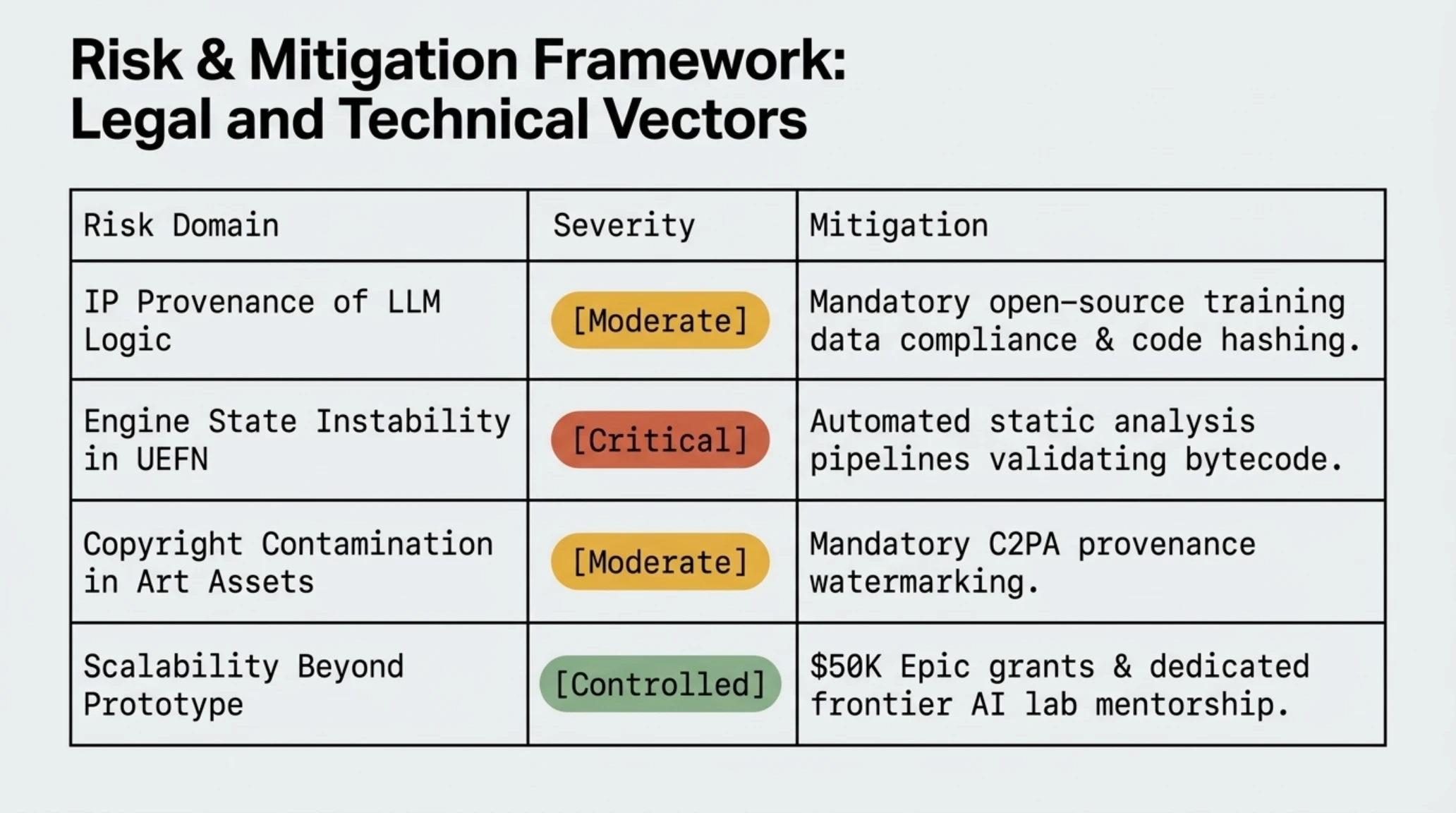
Risk Assessment Matrix & Strategic Defense: Legal and Technical Vectors of AI Game Development
| Development Challenge & Risk Domain | Risk Severity | Strategic Mitigation Framework & Epic Guidelines |
|---|---|---|
| Intellectual Property Provenance of LLM-Generated Logic | Moderate | Mandatory compliance with permissive open-source training data and code hashing |
| Engine State Instability & Runtime Exceptions in UEFN | Critical | Automated static analysis pipelines validating bytecode before engine compilation |
| Style Infringement & Copyright Contamination in Art Assets | Moderate | Mandatory C2PA provenance watermarking verifying clean algorithmic synthesis |
| Commercial Prototype Scalability Beyond Game Jam Scope | Controlled | $50,000 Epic acceleration grants and dedicated mentorship from lead AI labs |
The synthesis of UEFN visual scripting with autonomous agent orchestration foreshadows a profound democratization of video game production. A cohesive two-person team equipped with domain-specialized AI copilots can now prototype, stress-test, and deploy sophisticated multiplayer game modes in 72 hours—a development velocity that historically required months of intensive labor from large specialized studios.
Independent developers worldwide are capitalizing on this paradigm shift to overcome capital constraints and challenge entrenched corporate publishing hierarchies. By automating routine shader compilation, level population, and localization workflows through intelligent autonomous agents, boutique creative teams can redirect their focus toward boundary-pushing worldbuilding and radical mechanics.
In prior engineering dossiers, Tekin has analyzed Rockstar's promotional scale and how autonomous agents reconfigure software workflows—including our coverage of the GTA 6 Miami live-action convoy and PS5 physical disc economics alongside our benchmark audit of autonomous AI agents like Claude Duet and Meta Muse—anticipating the shift toward multi-agent development pipelines across interactive entertainment.
Industry observers emphasize that studios capable of successfully integrating autonomous agent networks into their core creative toolchains will command decisive competitive advantages in development velocity and cost efficiency over the next decade.
This structural recalibration proves that the convergence of human creative vision with algorithmic scale is permanently restructuring the economic equilibrium of the $180 billion interactive entertainment industry.
- Rockstar accelerates GTA 6 promotional velocity with real-world installations, steering toward $2.1 billion in day-zero liquidity.
- Valve breaks two decades of legendary silence with public confirmation of project HLX single-player engineering.
- Microsoft introduces consumer-friendly Xbox Cloud Playtime packs at $11.99 for 50 hours with perpetual rollover.
- Epic Games backs independent vibe coding developers with $50,000 grants and frontier AI lab mentorship.
- Sony ends standalone 4K UHD Blu-ray player production, severely compromising physical media preservation.
- Dedicated console hardware faces existential irrelevance by 2028 under generative neural cloud rendering.
- Complex intellectual property and copyright questions persist regarding AI-synthesized game code.
This strategic balance sheet provides corporate leaders and technology investors with a holistic, data-driven synthesis of the tectonic shifts recorded across the global gaming sector this evening.
Strategic Synthesis and Industry Outlook
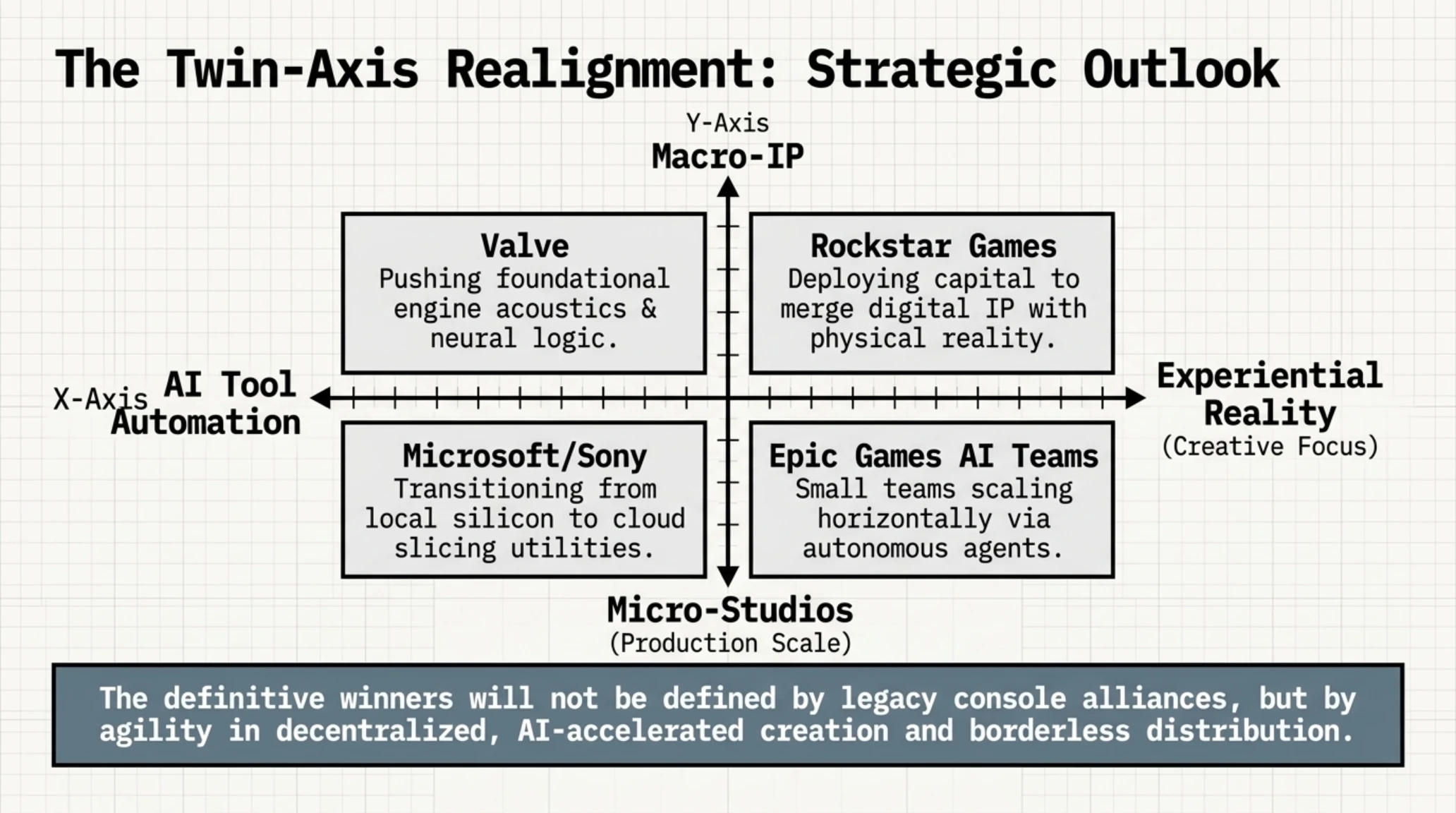
Reflecting upon the rapid succession of revelations this Saturday evening delivers an unmistakable message across the interactive media landscape: the era of complete reliance upon dedicated, localized computing appliances and physical optical media is drawing to a close. From Rockstar's aggressive real-world brand extensions and Valve's accidental validation of project HLX, to Microsoft's modular cloud economics and Epic's formal embrace of AI-driven game creation, the industry's future is decisively defined by cloud agility, machine intelligence, and friction-free consumer access.
As interactive entertainment continues its systemic transition throughout late 2026, the boundaries between consumer hardware, developer tooling, and distributed network compute are permanently collapsing. Studios and publishers that proactively restructure their engineering pipelines to accommodate generative world models, agentic co-development, and consumption-based streaming economics will secure long-term market dominance, while those tethered to legacy optical supply chains and static hardware architectures risk commercial marginalization.
Technical Frequently Asked Questions and Forensic Analysis
Why did Rockstar Games construct real-life Burger Shot and Cluckin Bell pop-up restaurants?
The Miami installations form the core of Rockstar's experiential marketing campaign for GTA 6. By bringing the game's iconic fast-food chains into reality at the Kaseya Center, Rockstar is generating unprecedented mainstream cultural visibility that financial analysts project will drive over $2.1 billion in pre-launch capital.
Does Mike Morasky's mention of HLX officially confirm that Half-Life 3 is in active production?
Yes. Multiple Source 2 engine datamines have cataloged project HLX as an unannounced single-player title featuring Gordon Freeman assets, advanced HEV suit mechanics, and ray-traced acoustics. Morasky's public acknowledgment at GameSoundCon provides the strongest direct verbal validation to date.
How do the new Xbox Cloud Playtime Packs differ from a standard Game Pass Ultimate subscription?
Unlike Game Pass Ultimate which demands a recurring $19.99 monthly fee, the Playtime Packs operate under a flexible pay-as-you-go model. Users can purchase 50 hours of ad-free high-priority streaming for $11.99. Crucially, unconsumed hours roll over indefinitely and never expire.
What is the technical basis for Ken Kutaragi's claim that consoles will be obsolete by 2028?
Kutaragi argues that breakthroughs in generative neural world models, such as 3D Gaussian Splatting, executed on hyperscale cloud servers will render photorealistic interactive environments in real time. Escalating chip fabrication costs will eliminate consumer appetite for $600 to $800 localized hardware.
Does Sony's discontinuation of the UBP-X700 player signal the end of physical PlayStation game discs?
While the discontinuation of the UBP-X700 specifically impacts standalone home theater video players, it reflects an overwhelming 93 percent consumer shift toward digital distribution. The PS5 remains Sony's sole active optical drive platform, though hardware modularity indicates a long-term all-digital trajectory.
What commercial advantages does the Epic Games AI MegaJam offer independent studios?
The event validates vibe coding by allowing developers to orchestrate unlimited autonomous AI agents in Unreal Engine 5. Beyond rapid 72-hour prototyping, selected teams receive $50,000 commercialization grants and direct technical mentorship from OpenAI, Anthropic, and Google DeepMind.
Editorial Verdict and Verified Sources Manifest
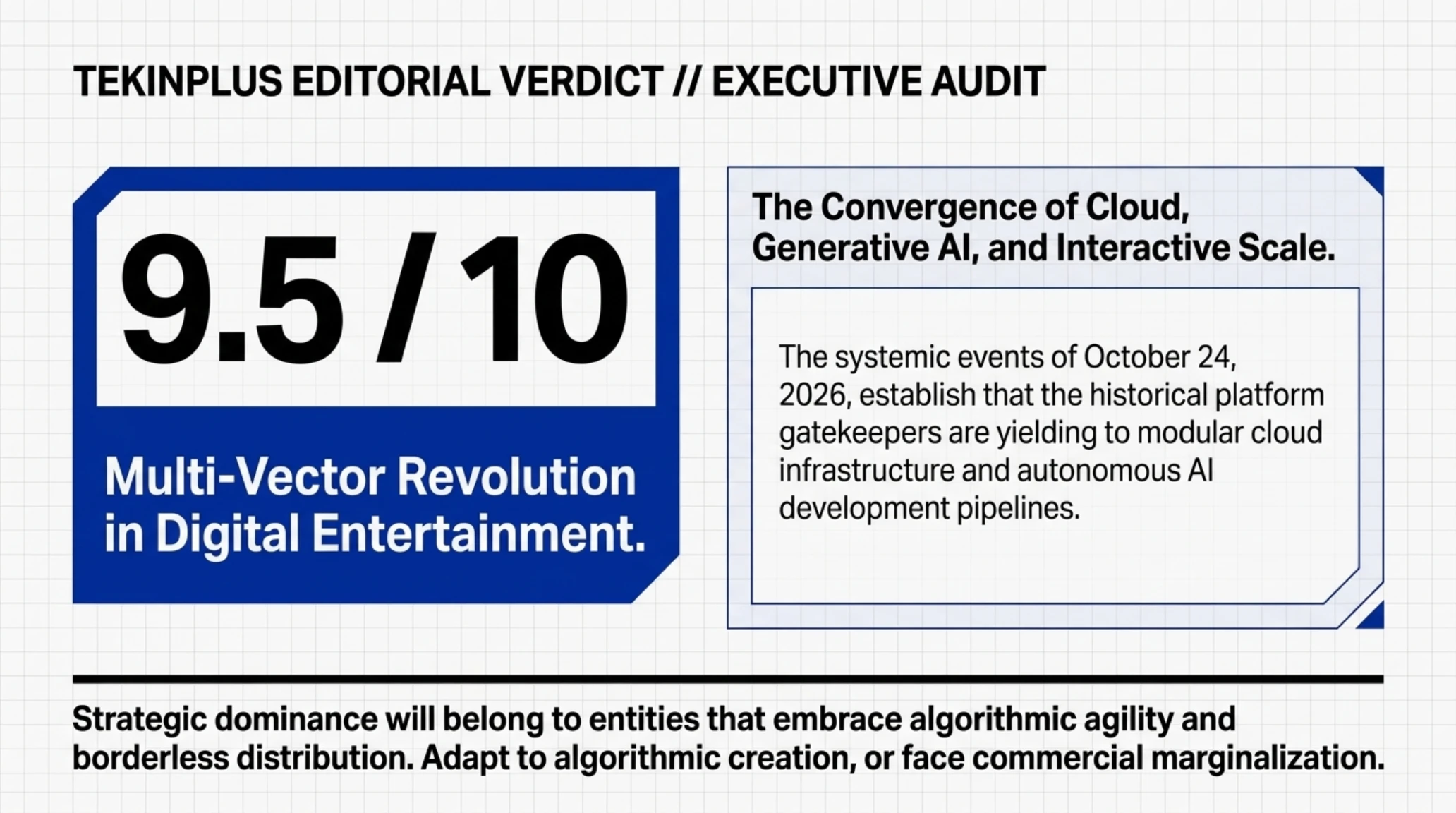
The Convergence of Cloud, Generative AI, and Interactive Scale
The systemic events of October 24, 2026, establish that the historical platform gatekeepers are yielding to modular cloud infrastructure and autonomous AI development pipelines. Strategic dominance will belong to entities that embrace algorithmic agility and borderless distribution.
- GameSpot: Analysis and coverage of Rockstar GTA 6 national television commercial campaign and Miami pop-ups
- GameSpot: GameSoundCon report on Mike Morasky Source 2 audio panel and inadvertent HLX disclosure
- Eurogamer: Breakdown of Microsoft modular Xbox Cloud Gaming Pay-As-You-Go pricing and rollover mechanics
- Insider Gaming: Full transcript and coverage of Ken Kutaragi symposium interview on AI and console obsolescence
- Kotaku: Sony officially discontinues UBP-X700 standalone 4K UHD Blu-ray player and implications for physical media
- PC Gamer: Epic Games announces 2026 AI MegaJam with $50,000 grants and OpenAI mentorship for UEFN
Additional Gallery: Tekin Night | Oct 24: GTA 6 Miami Pop-Ups, Valve HLX & Sony Blu-ray