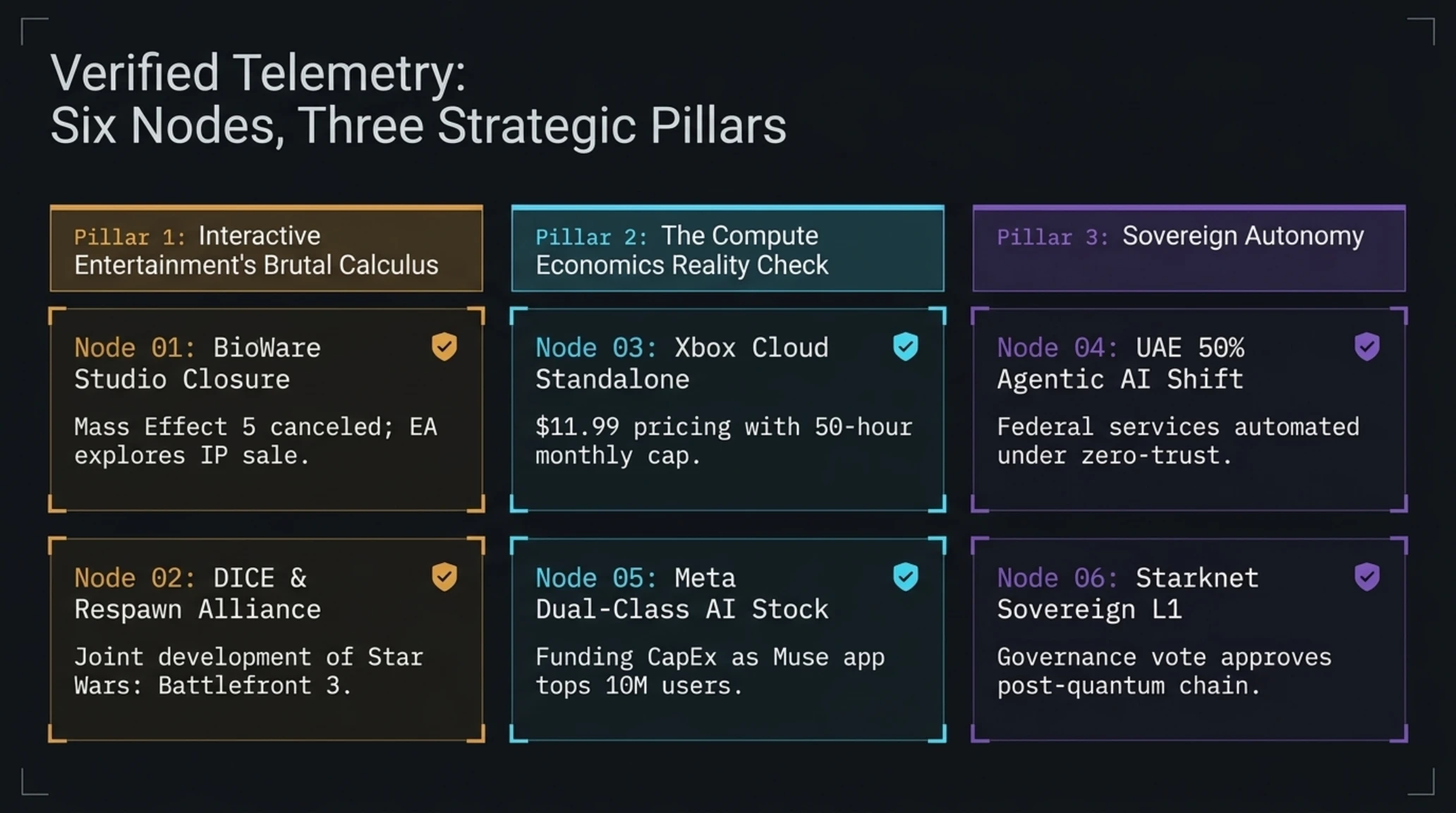
Tekin Analysis | Tekin Night Friday, October 23, 2026: BioWare Studio Closure, Battlefront 3 Coalition, Xbox Cloud 50-Hour Tiers, and UAE Agentic AI
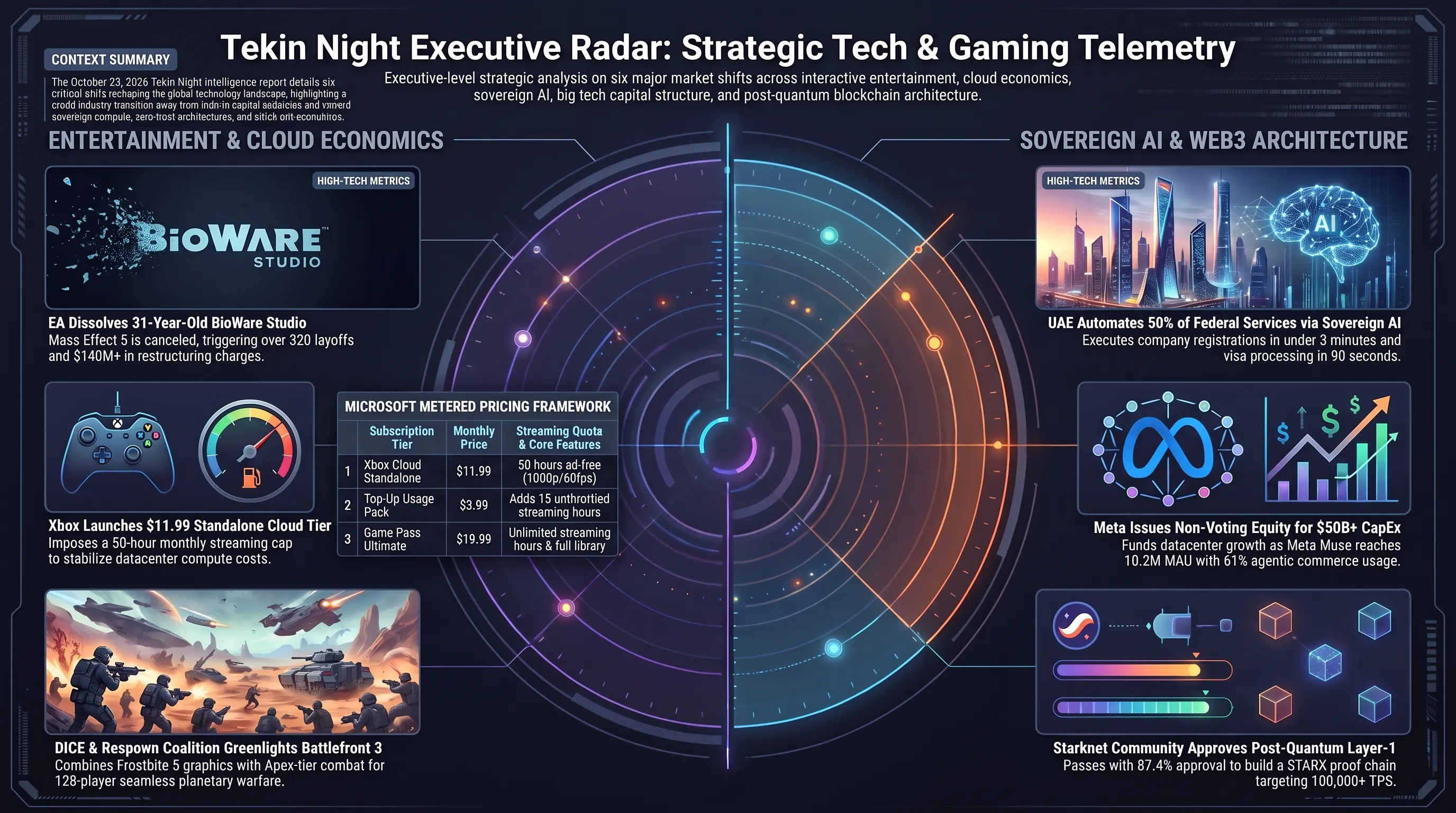
Strategic Evaluation & Key Vectors at a Glance
Industry Earthquake: BioWare Shut Down by EA After 31 Years; Mass Effect 5 Canceled as Publisher Weighs IP Sale
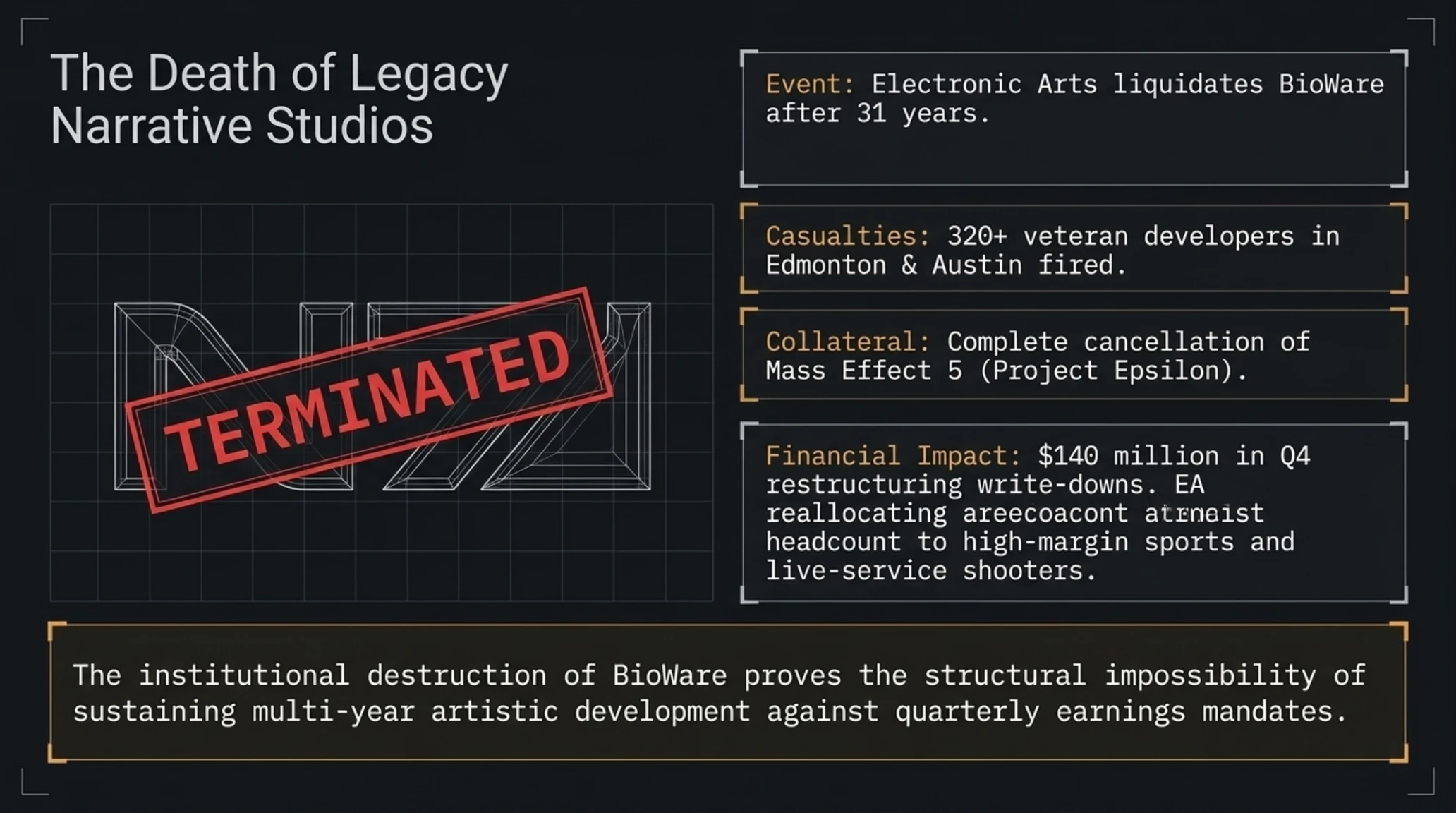
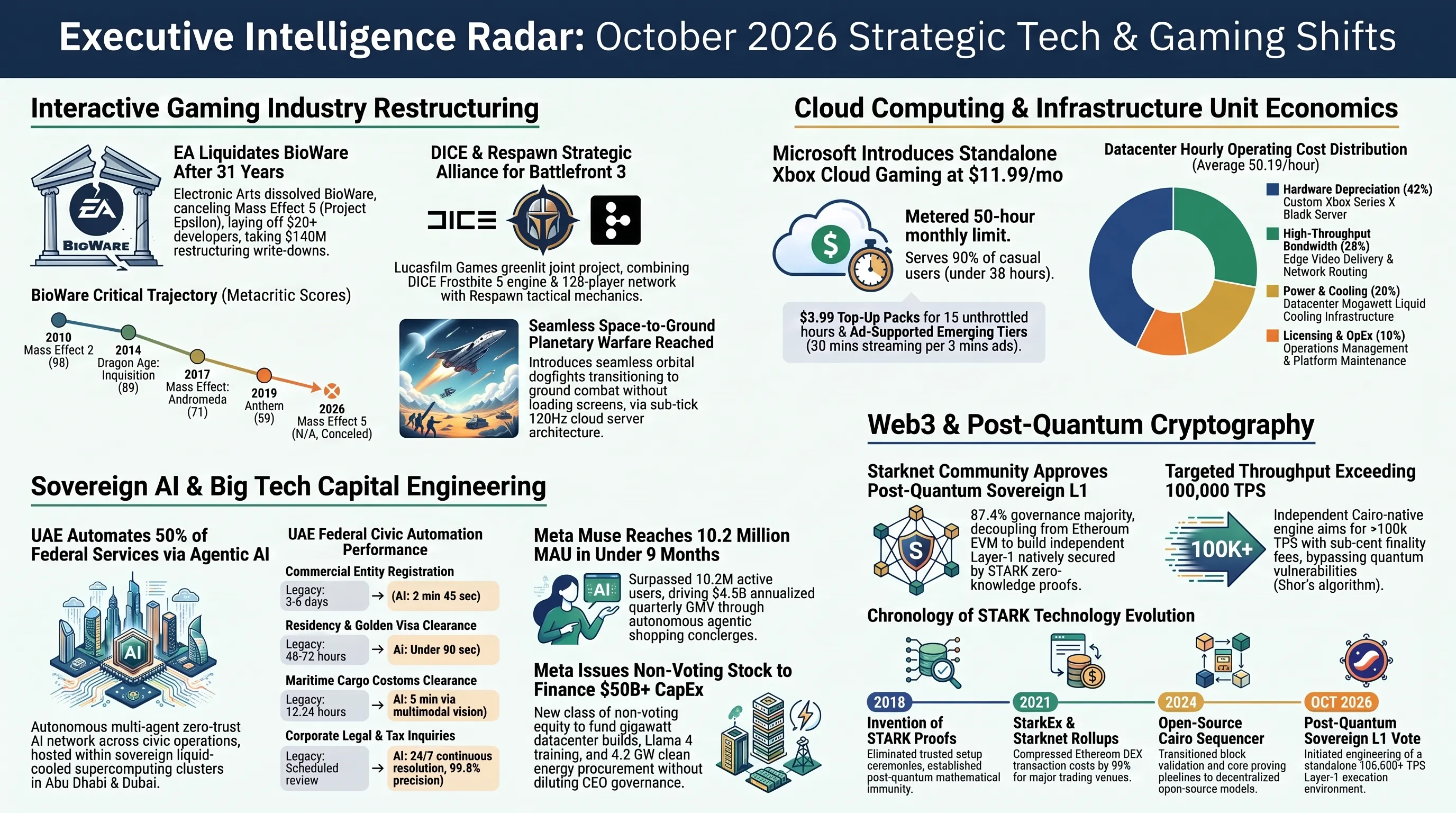
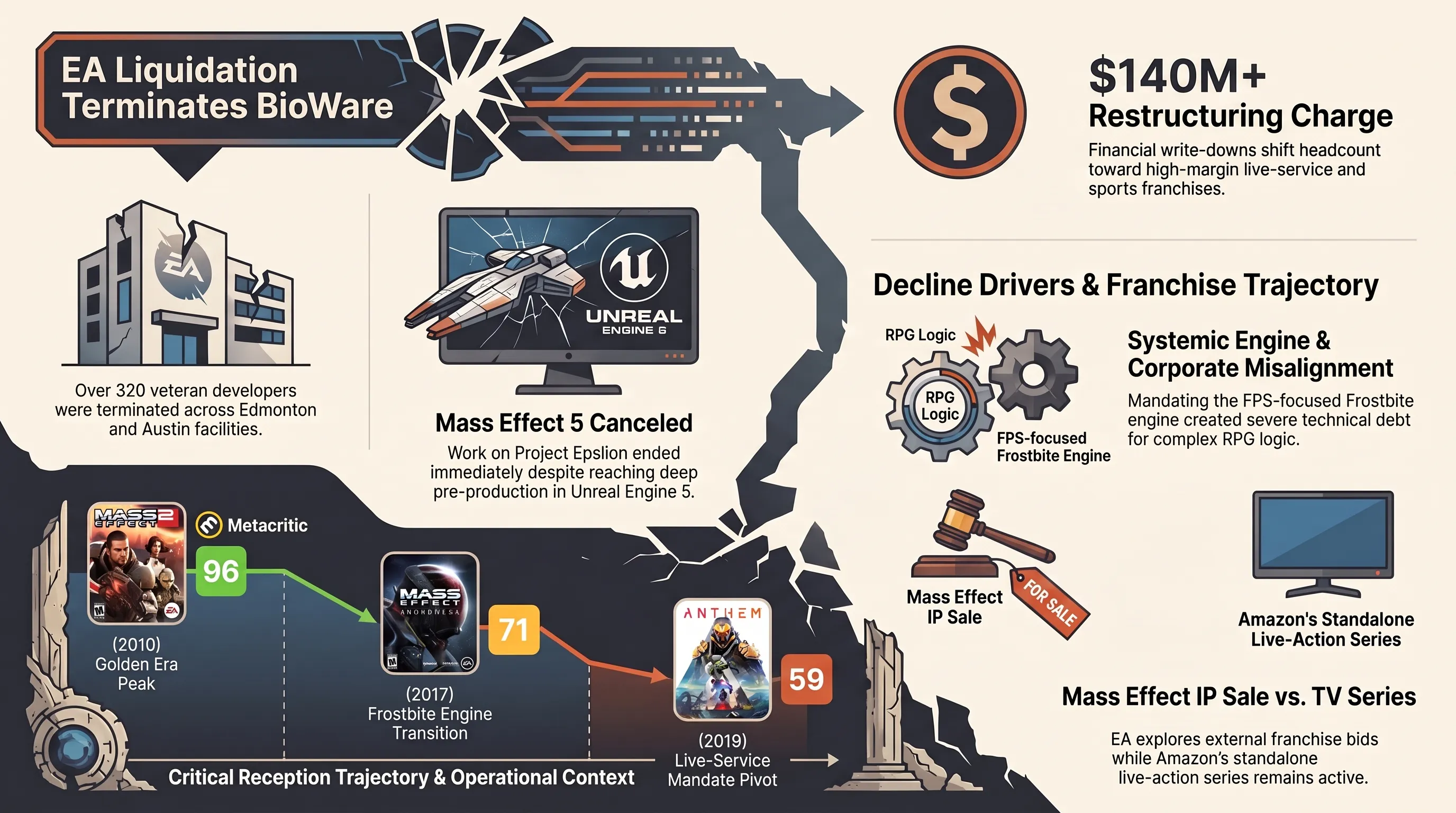
The evening of Friday, October 23, 2026, delivered one of the most devastating shocks in interactive entertainment history: Electronic Arts officially dissolved BioWare, shutting down the legendary Canadian studio after 31 years of groundbreaking role-playing game development. The abrupt corporate liquidation immediately terminates all work on Mass Effect 5 (internally codenamed Project Epsilon), triggering the immediate termination of more than 320 veteran developers, narrative architects, and cinematic designers across its Edmonton and Austin facilities.
Within hours of the formal corporate filing, senior narrative architects broke non-disclosure agreements across public forums, revealing years of systemic executive mismanagement, unsustainable budget contractions, and corporate pressure to pivot narrative-focused universes into live-service cash registers. According to lead writers, pre-production on Mass Effect 5 had reached unprecedented narrative depth within Unreal Engine 5, successfully bridging the Milky Way and Andromeda galaxies while setting benchmark standards for real-time facial performance. However, corporate demands for persistent recurring monetization sealed the project's fate.
In an exclusive report published by Insider Gaming, a former BioWare executive confirmed that Electronic Arts' corporate board has initiated formal exploratory reviews to sell off the Mass Effect intellectual property to external buyers. Seeking rapid liquidity to fund sports licensing agreements and live-service shooters, EA leadership is evaluating multi-million-dollar bids for the franchise, or alternatively shelving the IP indefinitely. Meanwhile, sources close to Amazon Studios confirmed that the live-action Mass Effect television series remains in active standalone development, unencumbered by the video game cancellation.
Forensic Breakdown: BioWare Historical Timeline & Structural Decline
| Operational Metric | BioWare Golden Era Paradigm | Electronic Arts Liquidation Outcome |
|---|---|---|
| Pioneering Creations | Baldur's Gate, KOTOR, Mass Effect, Dragon Age | Full cancellation of Mass Effect 5; Edmonton & Austin studios closed |
| Commercial Business Model | Deep narrative campaign sales and premium story DLC | Corporate enforcement of recurring monetization and live-service pipelines |
| Talent & Creative Brain Trust | Over 400 veteran narrative writers and game directors | Complete workforce termination with severance packages under restructuring |
| Mass Effect IP Future | Anchor sci-fi franchise across modern gaming | Exploratory sale to third-party publishers; independent Amazon series |
The institutional destruction of BioWare serves as a stark warning to creative studios operating within publicly traded conglomerates, highlighting the structural impossibility of sustaining multi-year artistic development against quarterly earnings mandates.
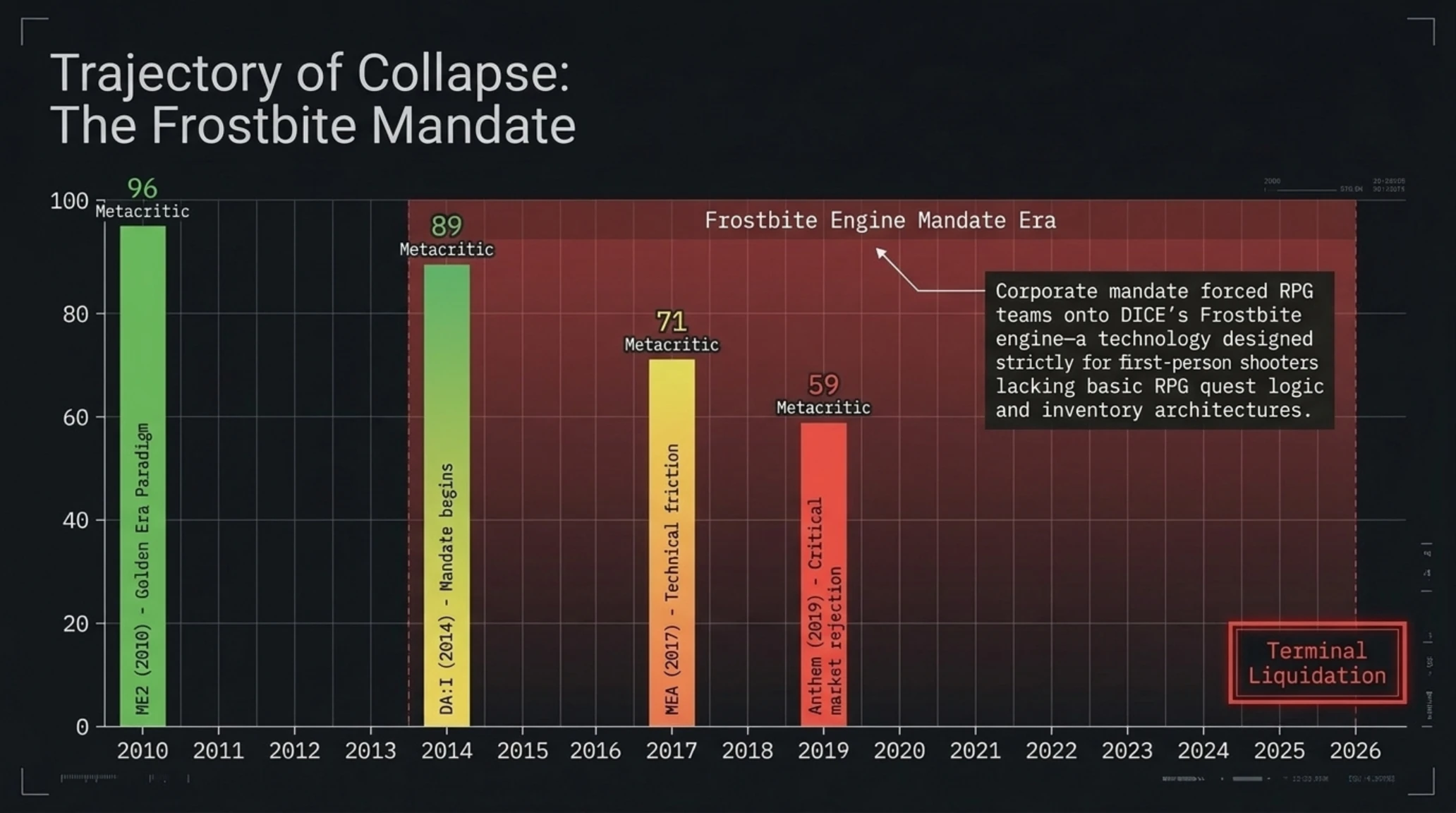
Industry analysts trace the origins of BioWare's collapse back to the corporate mandate forcing teams onto DICE's Frostbite engine for Dragon Age: Inquisition, Andromeda, and Anthem—a technology designed strictly for first-person shooters that lacked basic RPG quest logic and inventory architectures.
The tragic end of BioWare confirms that without autonomous corporate governance, even the most celebrated narrative institutions will ultimately be consumed by Wall Street's relentless short-term capital cycles.
The dissolution marks the final unraveling of the celebrated 'BioWare Magic'—a studio culture myth that long masked systemic crunch, chaotic production pivots, and chronic technical debt. The exodus of founding visionaries including Ray Muzyka, Greg Zeschuk, Casey Hudson, and Drew Karpyshyn created an institutional leadership vacuum that successive corporate restructuring cycles failed to bridge. When Dragon Age: Dreadwolf struggled through multiple narrative reboots and Anthem suffered critical market rejection, corporate patience within Electronic Arts evaporated, culminating in today's irreversible termination of operations.
From a corporate finance perspective, write-downs associated with canceling Project Epsilon and liquidating physical studio leases across Alberta and Texas are estimated to exceed $140 million in fourth-quarter restructuring charges. Wall Street analysts from Morgan Stanley and Goldman Sachs noted that while the write-down temporarily depresses quarterly earnings, it reallocates hundreds of engineering headcount toward high-margin annualized sports franchises and live-service shooters, underscoring the ruthless economic calculus driving Western AAA consolidation in 2026.
Galactic Convergence: DICE and Respawn Unite to Co-Develop Star Wars: Battlefront 3 with Seamless Planetary Warfare
Balancing the industry sorrow surrounding BioWare, Eurogamer and Insider Gaming dropped an explosive joint report confirming that Lucasfilm Games has officially greenlit Star Wars: Battlefront 3, orchestrating a historic multi-studio coalition between Battlefield creator DICE and Apex Legends architect Respawn Entertainment.
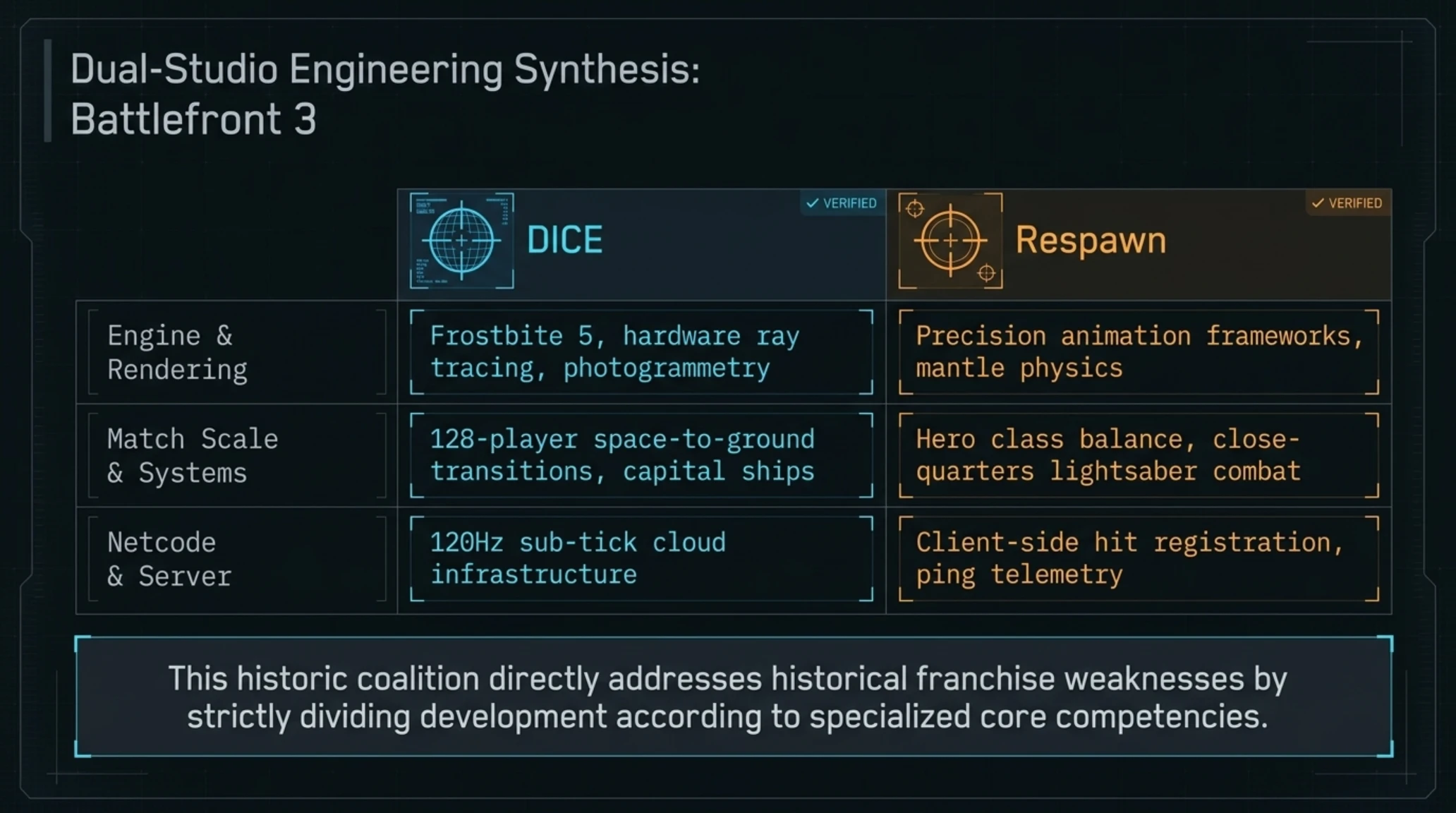
This coalition directly addresses the historical weaknesses of the franchise by dividing development responsibilities according to studio core competencies: DICE leads world-scale environmental destruction, 128-player multiplayer network architectures, and the upgraded Frostbite 5 engine rendering pipeline, while Respawn oversees character movement systems, tactical gunplay, and fluid lightsaber combat mechanics.
Leaked production briefs reveal that Battlefront 3 will fulfill the legendary vision originally attempted by Free Radical Design in 2008: seamless space-to-ground planetary warfare. Players will engage in capital ship dogfights in orbit, seamlessly board landing craft, descend through atmospheric cloud layers without loading screens, and transition immediately into frontline infantry warfare on the surface below.
Dual-Studio Technical Division: DICE and Respawn Architectural Matrix
| Engineering Vector | DICE Core Responsibilities | Respawn Entertainment Responsibilities |
|---|---|---|
| Engine & Rendering Architecture | Frostbite 5 with hardware ray tracing, volumetric smoke, and photogrammetry | Precision animation frameworks, responsive input logic, and mantle physics |
| Match Scale & Vehicle Systems | 128-player seamless space-to-ground transitions and capital ship destruction | Hero class balance, Force power choreography, and close-quarters lightsaber combat |
| Netcode & Server Infrastructure | 120Hz sub-tick dedicated cloud infrastructure and bandwidth optimization | Client-side hit registration, ping telemetry, and anti-cheat enforcement |
| Target Hardware Deployment | PlayStation 5 Pro, next-generation Xbox, and high-performance PC hardware | Controller ergonomics, DualSense haptic mapping, and high-refresh display modes |
Respawn's acclaimed track record with the Star Wars Jedi franchise provides Lucasfilm Games with absolute confidence that the close-quarters hero combat will deliver competitive depth, avoiding the floaty saber mechanics of prior Battlefront iterations.
With pre-production progressing rapidly, insider sources suggest a formal cinematic gameplay reveal will headline the upcoming Star Wars Celebration in Tokyo next spring.
From a network engineering standpoint, DICE is implementing an advanced sub-tick 120Hz cloud server architecture deployed across hybrid AWS GameLift and Microsoft Azure gaming clusters. This hybrid infrastructure dynamically synchronizes physics simulations across space and planetary combat zones, ensuring that orbital bombardment trajectories calculated in the stratosphere register with microsecond fidelity against infantry fortifications on the ground below.
Narrative and era progression will span the full breadth of the Star Wars continuity, encompassing the Clone Wars, the Galactic Civil War, and the emerging High Republic era. Respawn is spearheading the integration of dynamic environmental hazards—including Coruscant urban structural collapses and Tatooine ion sandstorms—that alter player visibility and weapon thermal dissipation in real time, injecting strategic unpredictability into 128-player multiplayer matches.
Cloud Economic Paradigm Shift: Microsoft Launches Standalone Xbox Cloud Gaming with 50-Hour Monthly Limit at $11.99
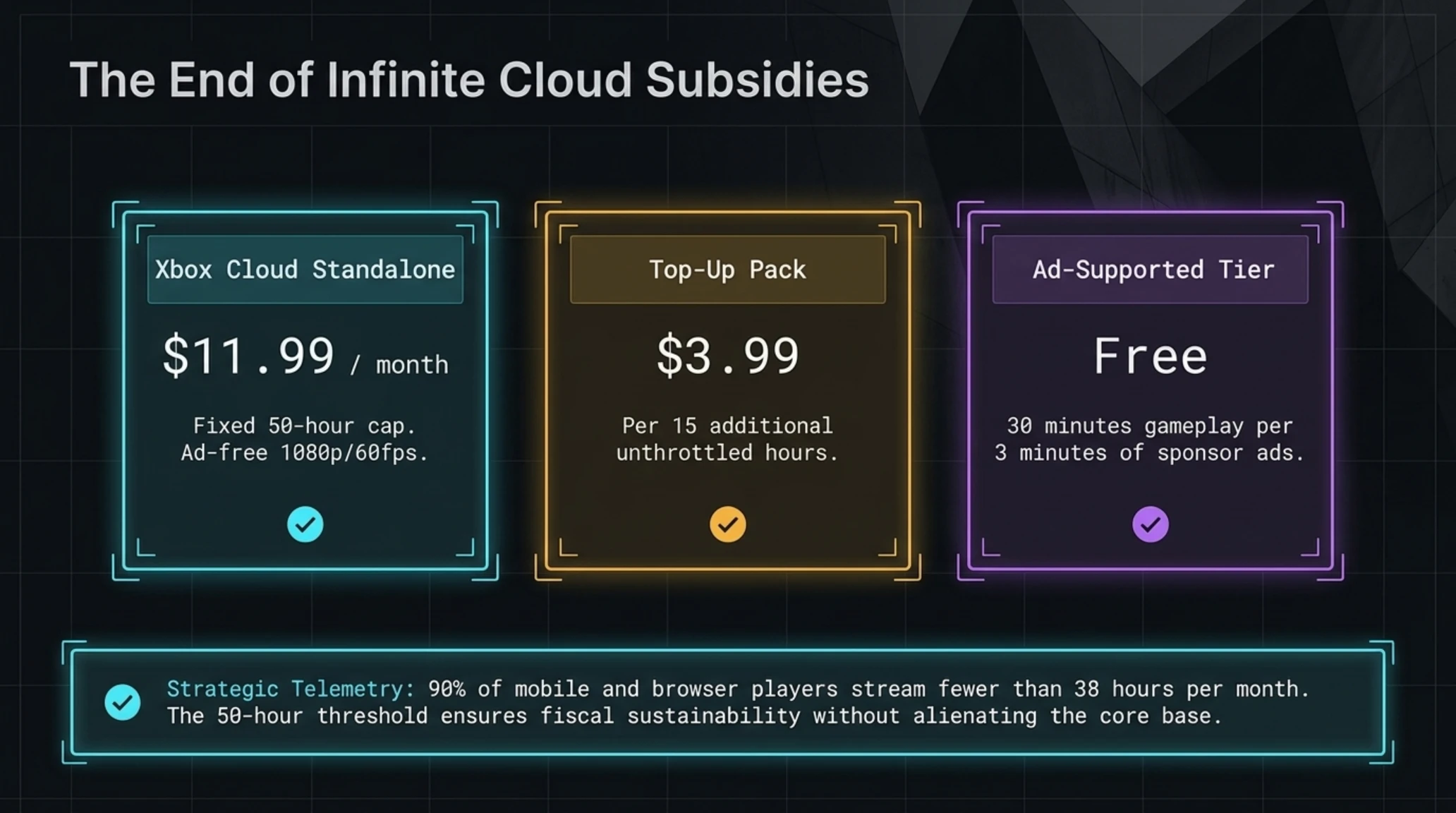
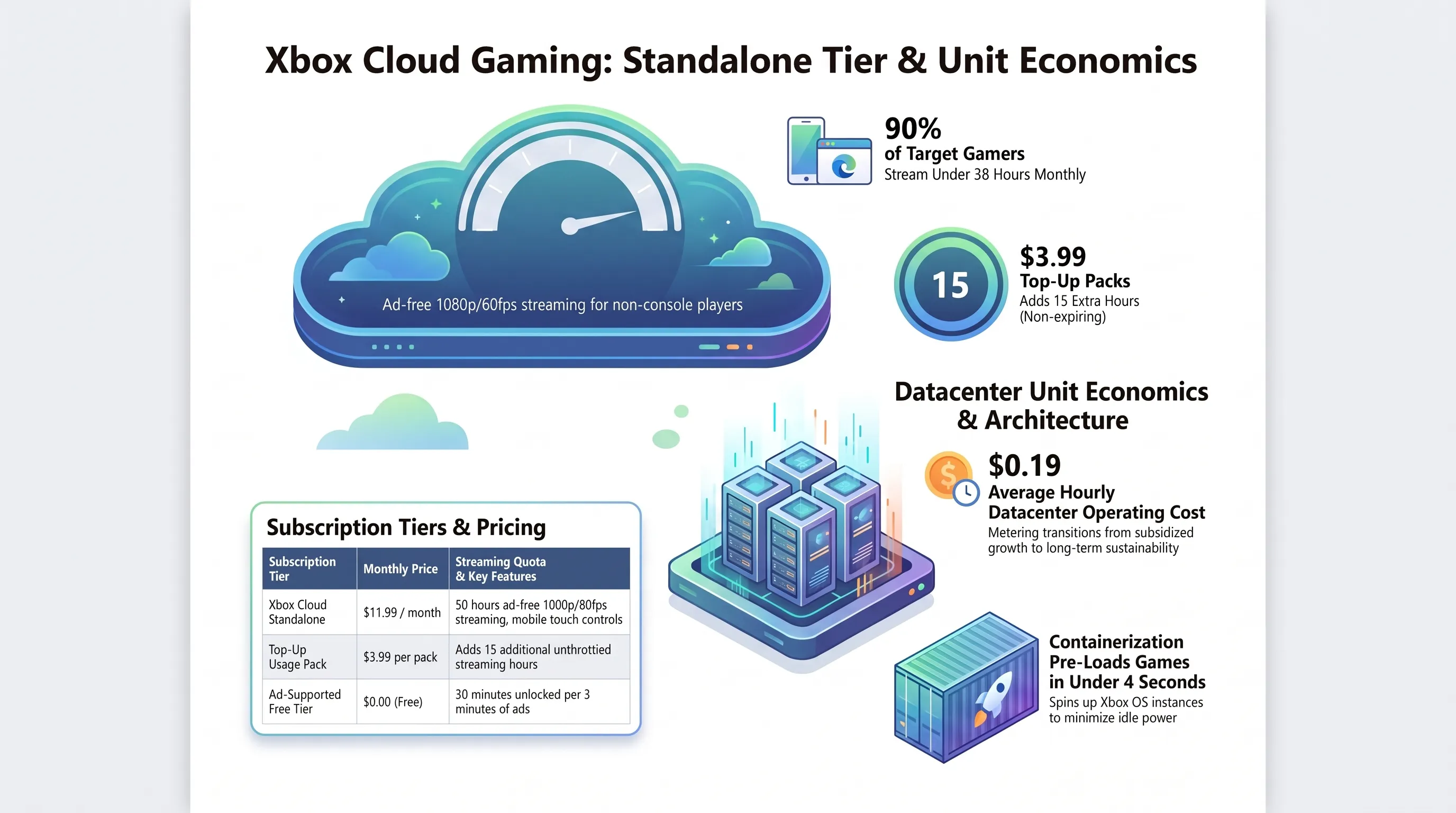
In a decisive move transforming the economics of game streaming, Microsoft officially unveiled a standalone subscription tier for Xbox Cloud Gaming priced at $11.99 per month. Designed specifically for smart TV, tablet, and browser players who have no interest in owning a physical console or paying for the full Game Pass Ultimate bundle, the standalone offering establishes a metered monthly allotment of 50 hours of high-definition, ad-free cloud streaming.
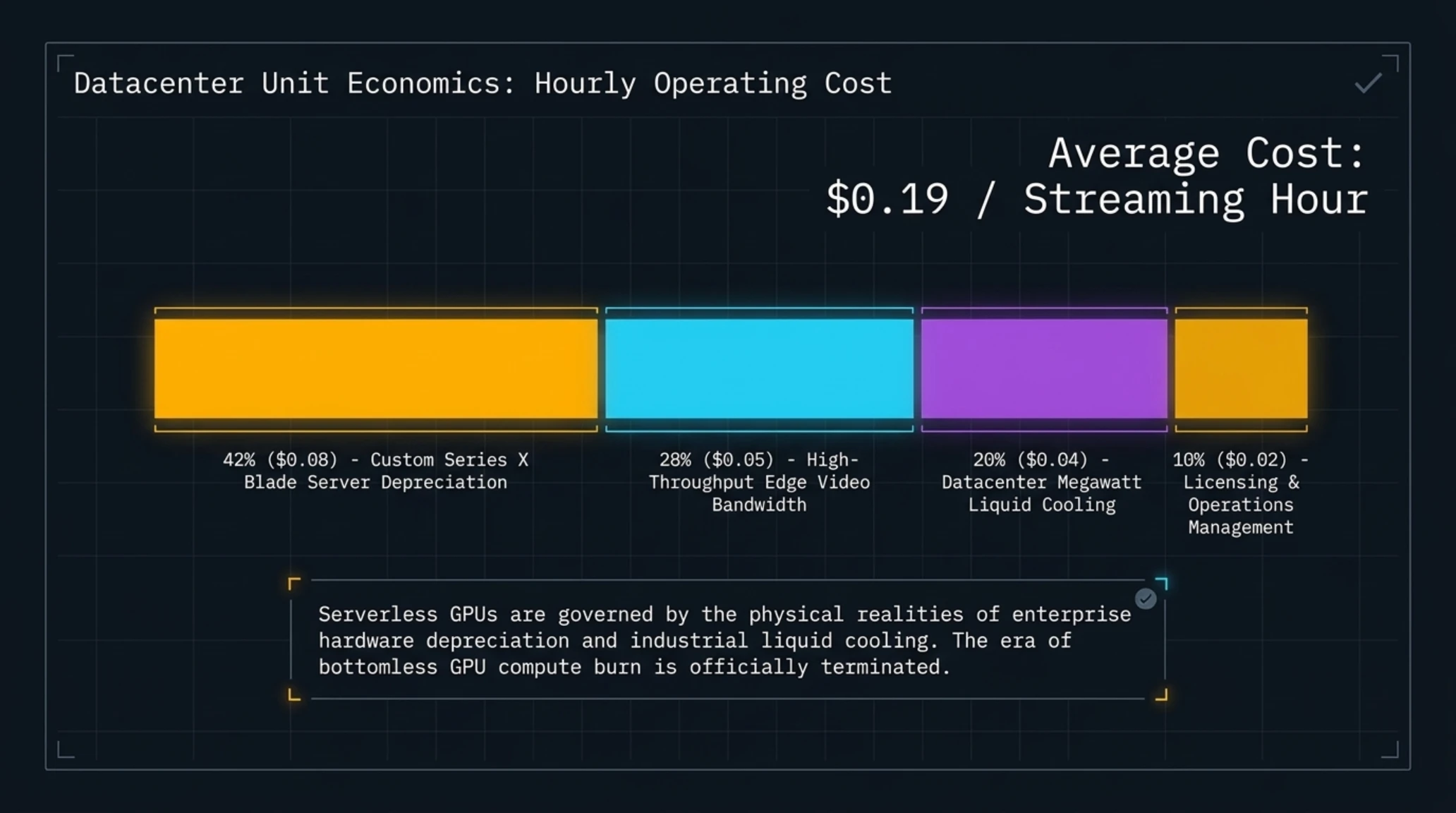
Microsoft executives justified the 50-hour cap by highlighting the escalating operational costs of enterprise datacenter compute, industrial liquid cooling, and custom Xbox Series X blade server depreciation. Telemetry analysis indicates that 90 percent of mobile and browser players stream fewer than 38 hours per month, ensuring the 50-hour threshold comfortably serves the vast majority of consumers. For hardcore enthusiasts who exceed the allotment, Microsoft introduced $3.99 top-up packs granting an additional 15 hours of streaming without expiration.
This restructuring signals a transition from subsidized consumer acquisition to fiscal sustainability across cloud platforms. Simultaneously, Microsoft launched pilot testing of an ad-supported tier in select emerging markets, allowing players to unlock 30 minutes of free game streaming by watching three minutes of targeted sponsor messages, drastically lowering the barrier to entry across entry-level Android devices.
Cloud Streaming Unit Economics & Subscription Breakdown
| Subscription Tier | Monthly Price | Streaming Quota & Feature Matrix |
|---|---|---|
| Xbox Cloud Standalone | $11.99 / month | 50 hours ad-free 1080p/60fps streaming, mobile touch controls, low-latency edge routing |
| Top-Up Usage Pack | $3.99 per pack | Adds 15 additional unthrottled streaming hours to active billing cycle |
| Ad-Supported Free Tier | $0.00 (Free) | 30 minutes of cloud gameplay unlocked per 3 minutes of interactive sponsor ads |
| Xbox Game Pass Ultimate | $19.99 / month | Unlimited streaming hours, complete PC and console library access, EA Play membership |
The standalone tier establishes a sustainable framework that enables Microsoft to compete directly with GeForce NOW and Amazon Luna without bleeding datacenter margins.
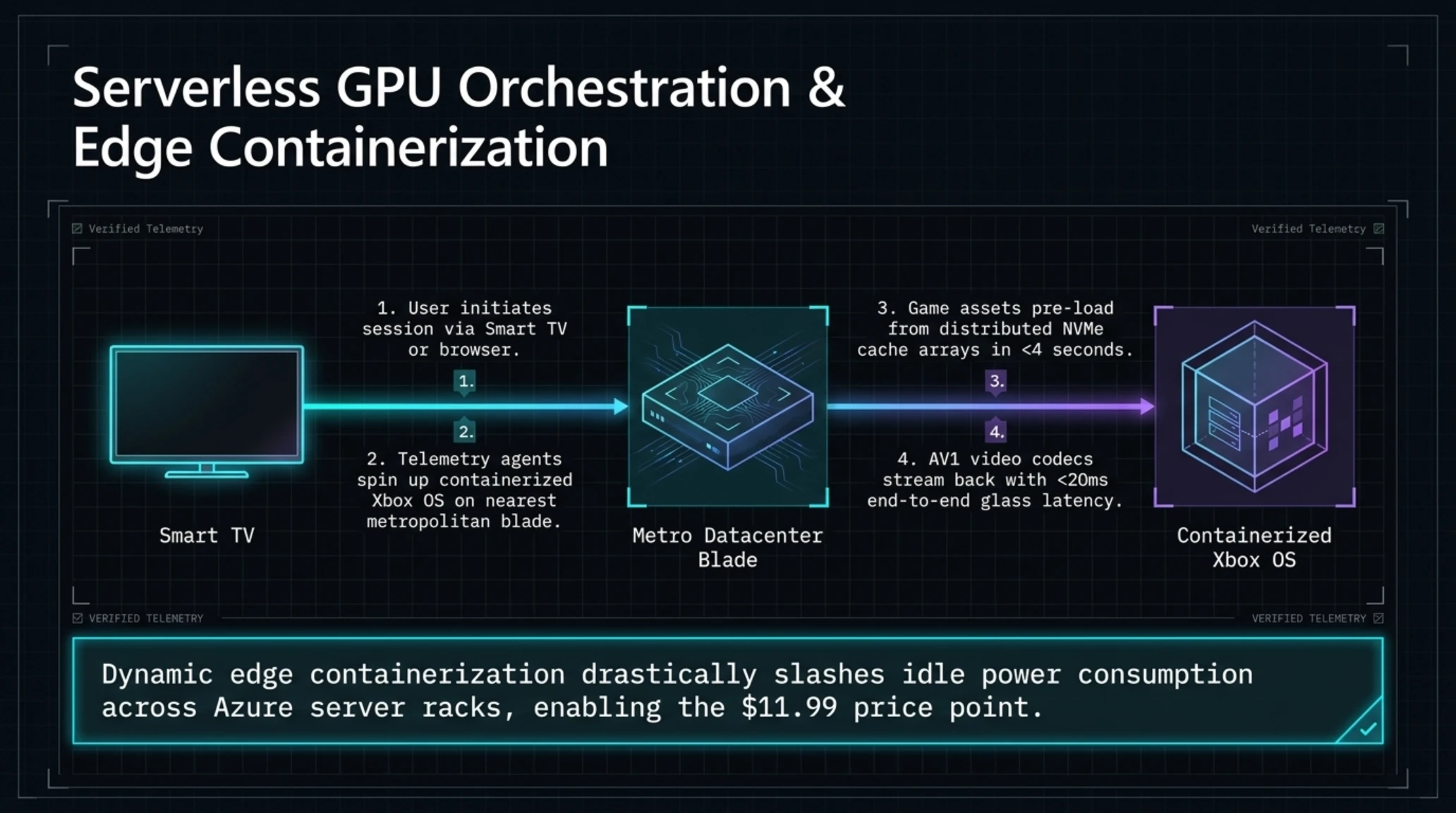
The technical architecture behind Microsoft's serverless GPU orchestration relies on intelligent dynamic edge containerization. When a player initiates a cloud session from a smart TV or browser, telemetry agents automatically spin up a containerized Xbox OS instance on the nearest metropolitan datacenter blade, pre-loading game assets from distributed NVMe cache arrays in under four seconds. This containerized design dramatically slashes idle power consumption across Azure server racks, enabling Microsoft to sustain its $11.99 price point without succumbing to the crushing operational deficits that shuttered competing cloud services earlier this decade.
The introduction of metered cloud streaming acknowledges the physical realities of cloud computing, proving that serverless GPUs must be governed by sustainable unit economics rather than infinite venture subsidies.
With ongoing upgrades to custom AV1 video codecs and neural frame reconstruction, Microsoft aims to reduce total end-to-end glass latency below 20 milliseconds across residential fiber networks.
Competitive market dynamics in the cloud gaming sector have intensified dramatically throughout 2026. While NVIDIA's GeForce NOW Ultimate dominates the high-end enthusiast segment with dedicated RTX 4080 SuperPODs delivering 4K at 120 frames per second for $19.99, Microsoft's strategy aims squarely at the mass consumer market. By decoupling cloud streaming from Game Pass Ultimate and establishing an accessible $11.99 price point, Microsoft can capture casual mobile gamers in Latin America, Southeast Asia, and India where home console penetration remains constrained by hardware import tariffs.
Sovereign Agentic Governance: UAE Successfully Automates 50% of Federal Services via Autonomous Multi-Agent AI Systems
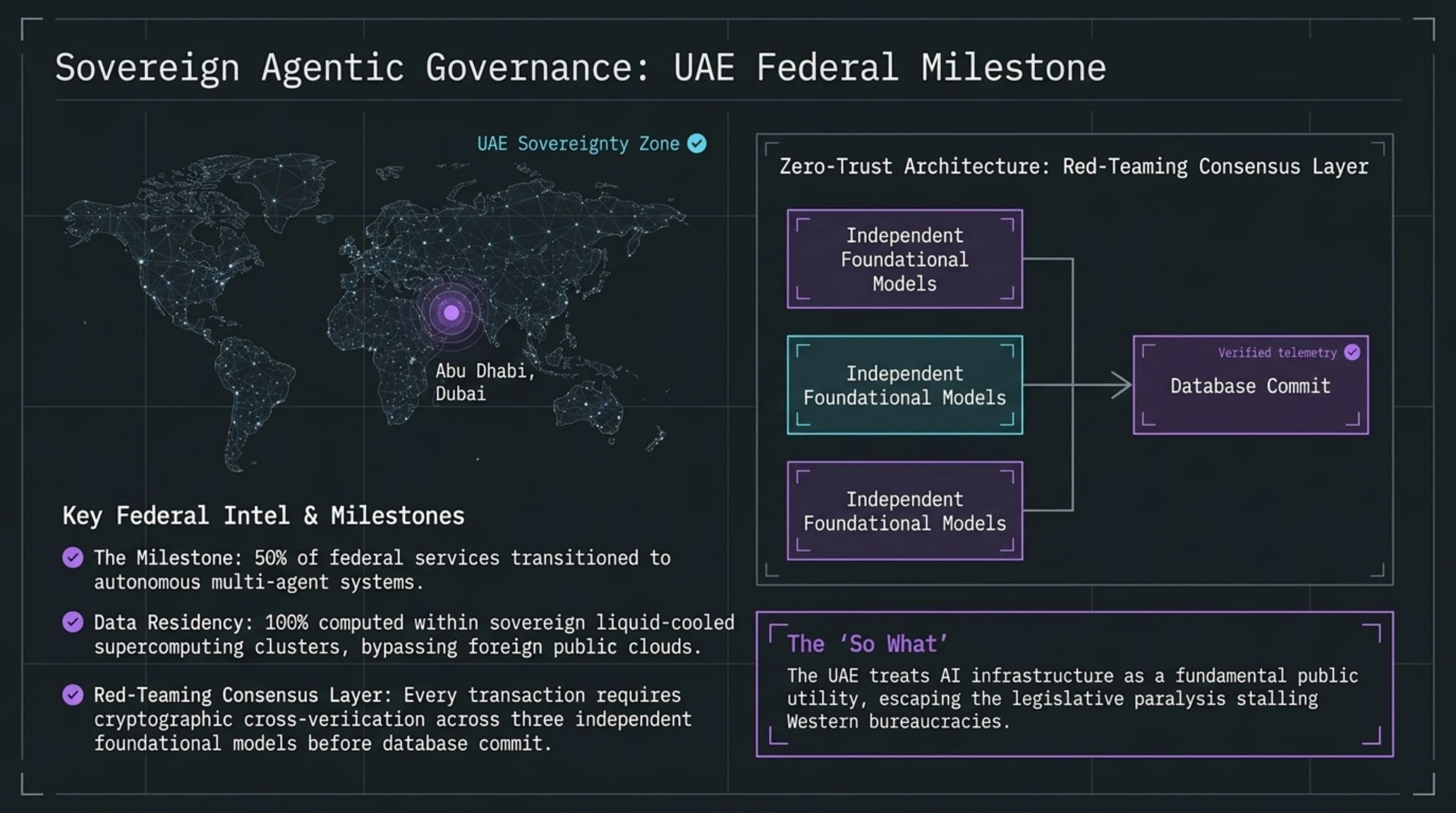
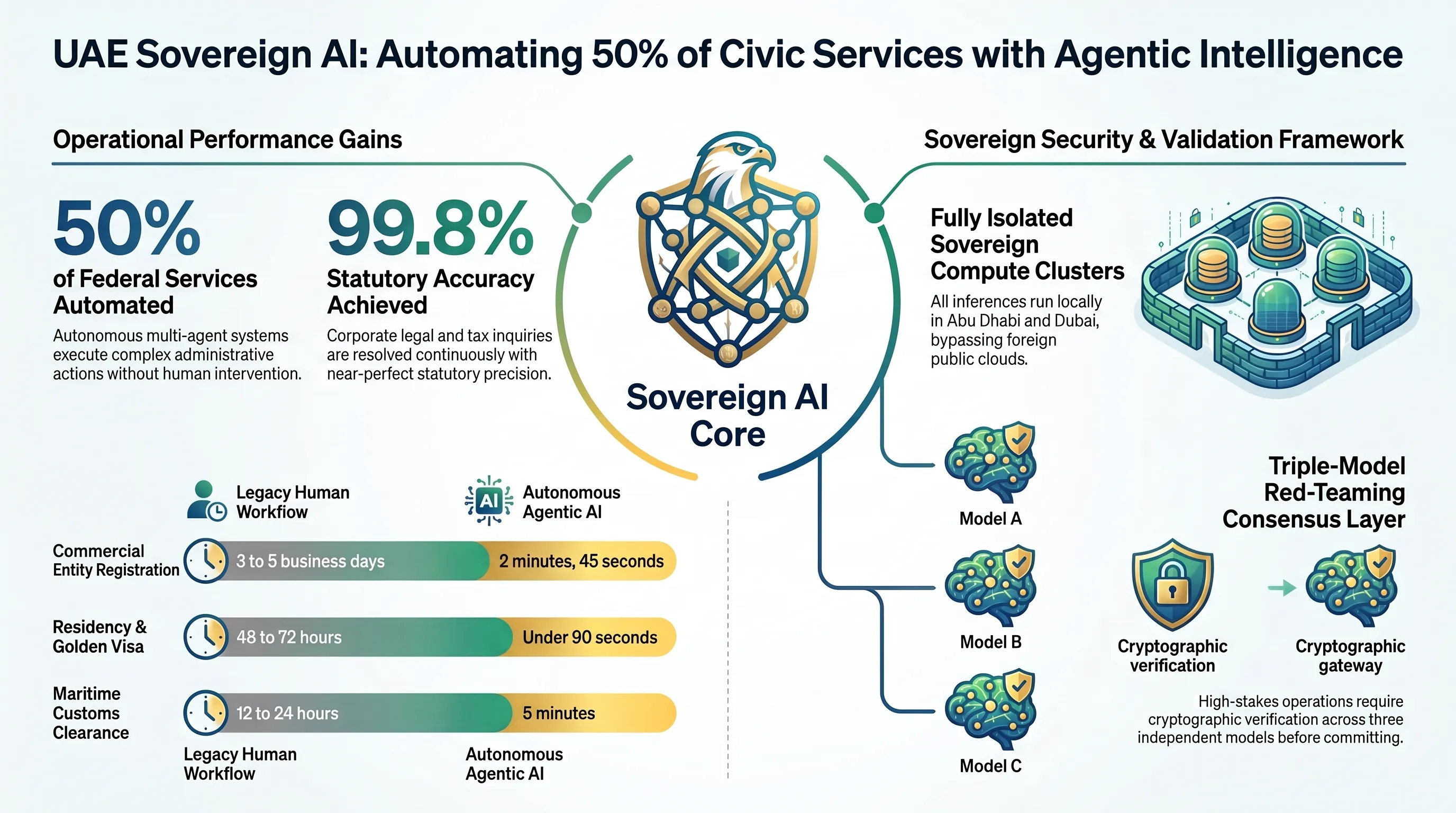
In a global milestone establishing a new benchmark for public administration and digital sovereignty, the government of the United Arab Emirates officially commemorated the complete transition of 50 percent of its federal services to autonomous agentic artificial intelligence systems under a unified zero-trust framework.
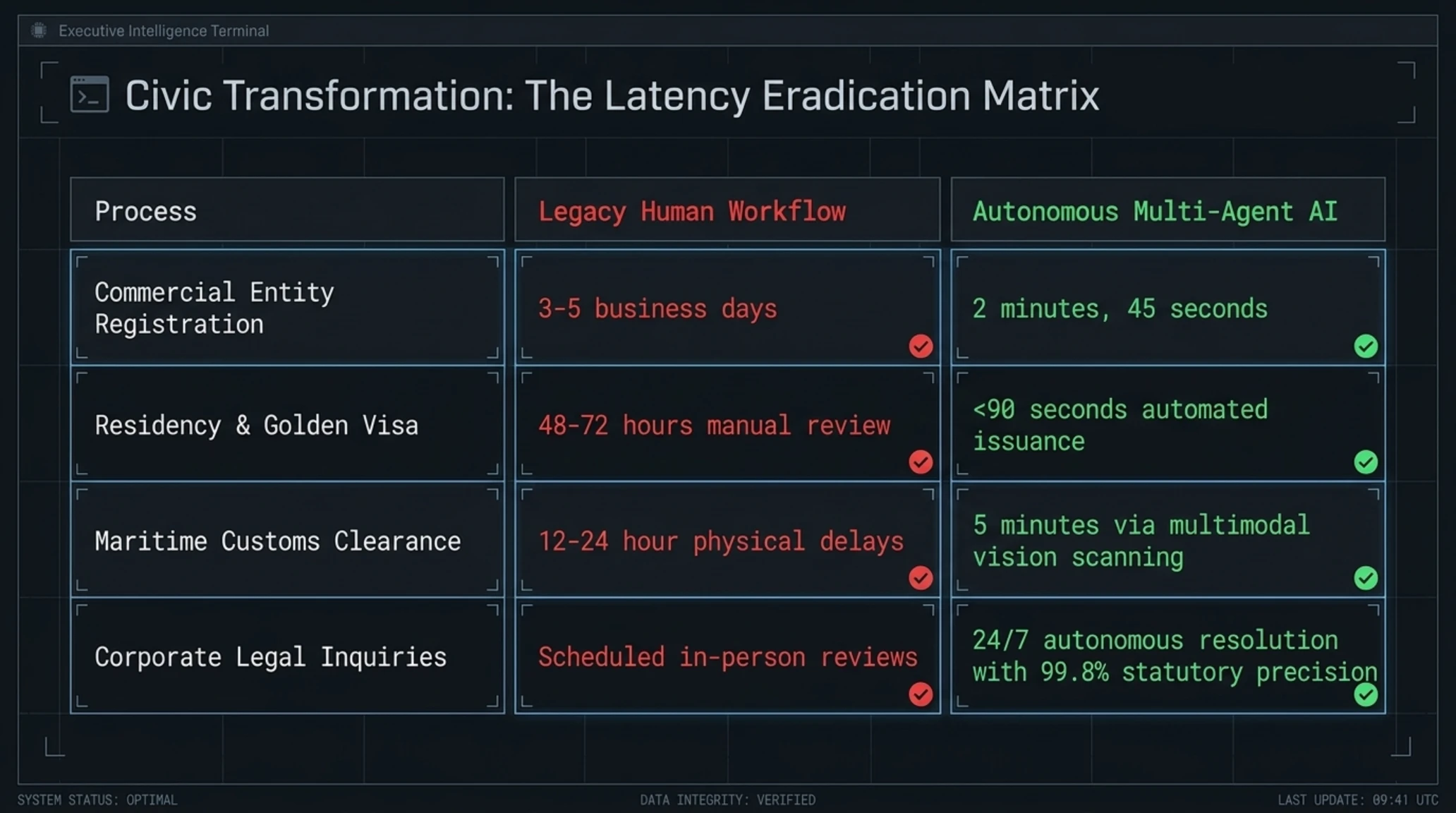
Unlike legacy automated workflows or basic customer service chatbots, the UAE's agentic infrastructure features autonomous decision-making agents capable of executing multi-stage legal and administrative actions without human intervention. The network autonomously registers international corporations in under three minutes, processes residency and Golden Visa applications in 90 seconds, resolves commercial dispute inquiries with 99.8% statutory accuracy, and coordinates maritime customs clearance via automated multimodal computer vision scanners at major regional ports.
The strategic foundation of the rollout is rooted in national data residency and sovereign compute security. All agent inferences, vector memories, and cryptographic ledger state updates are computed exclusively within sovereign liquid-cooled supercomputing clusters in Abu Dhabi and Dubai, powered by specialized Falcon foundational models and localized NVIDIA AI accelerators, completely bypassing public cross-border cloud providers.
UAE Federal Agentic Performance Metrics & Civic Transformation
| Administrative Sector | Legacy Human Processing Workflow | Autonomous Multi-Agent AI Performance |
|---|---|---|
| Commercial Entity Registration | 3 to 5 business days across multiple ministries | Instant autonomous registration completed in 2 minutes, 45 seconds |
| Residency & Golden Visa Clearance | 48 to 72 hours of manual document review | Automated background verification and issuance finalized in under 90 seconds |
| Maritime Cargo Customs Clearance | 12 to 24 hours of physical inspection delays | Multimodal vision scanning matching manifests autonomously in 5 minutes |
| Corporate Legal & Tax Inquiries | Requires scheduled in-person bureaucratic review | Continuous 24/7 autonomous resolution with 99.8% statutory precision |
By coupling sovereign compute clusters with zero-trust cryptographic boundaries, the UAE demonstrates that government operations can achieve unprecedented efficiency while immunizing sensitive national citizen registries against foreign cloud exposure.
This implementation provides a blueprint for nations seeking digital self-determination, proving that multi-agent systems can eliminate administrative latency while reinforcing sovereign institutional resilience.
To guarantee operational integrity and guard against adversarial prompt injection attacks, the UAE Cyber Security Council instituted an automated red-teaming consensus layer. Every high-stakes citizen transaction—such as automated real estate title transfers or commercial licensing approvals—must achieve cryptographic cross-verification across three distinct, independently trained foundation models before state database commits are executed. This multi-model validation architecture eliminates single-point hallucination vectors and provides mathematical immutability for all civic operations.
International observers at the United Nations and OECD have cited the UAE's sovereign AI migration as a global benchmark, contrasting its centralized, agile execution with the fragmented legislative paralysis currently stalling civic digital transformation across Western bureaucracies. By treating artificial intelligence infrastructure as a fundamental public utility on par with electrical grids and municipal water networks, the nation accelerates its long-term strategic evolution toward a post-oil, knowledge-driven sovereign economy.
Meta Financial Engineering: Zuckerberg Plans New Class of AI Stock to Fund Datacenter Expansion as Muse Hits 10M Users
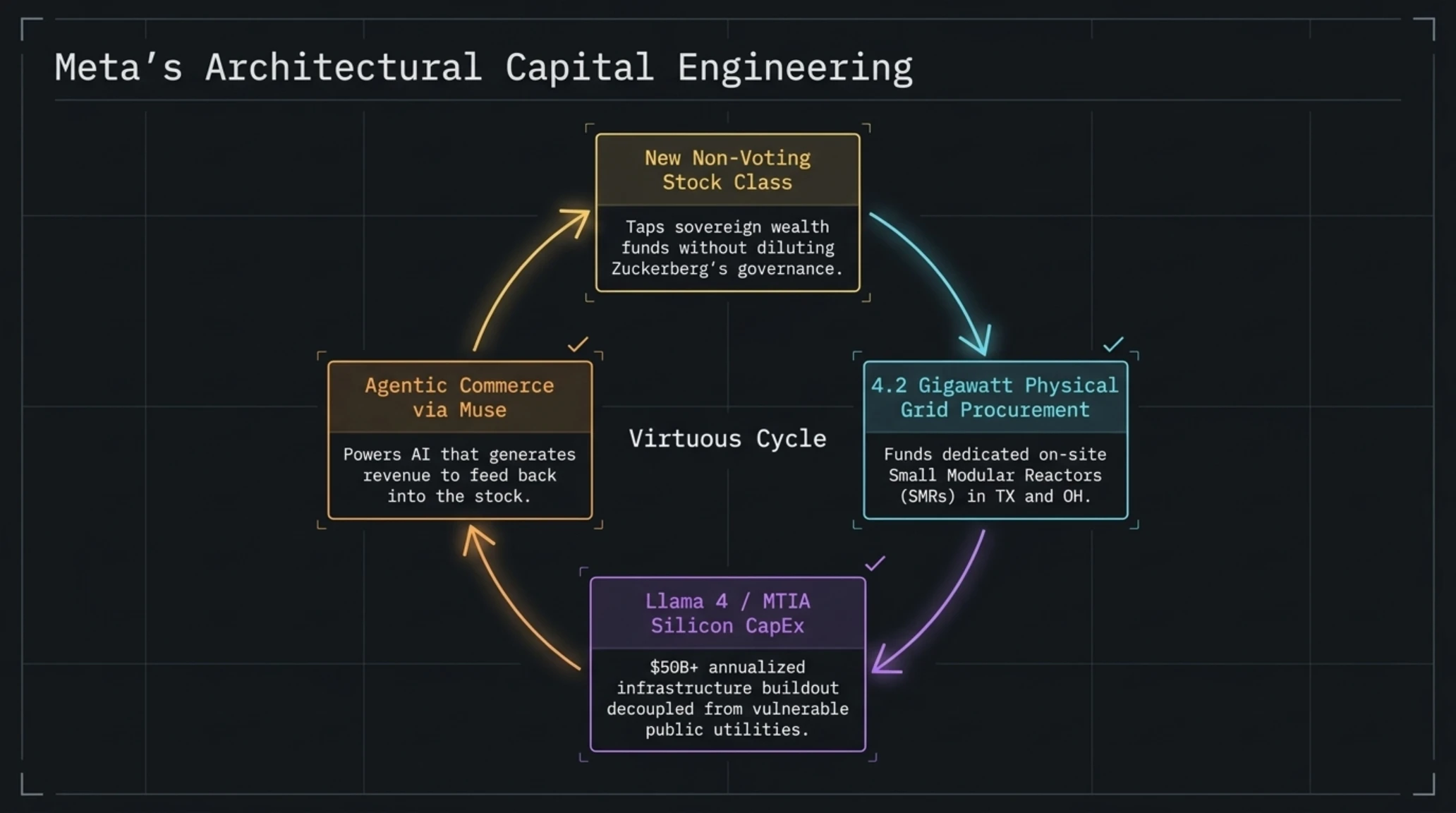
During Meta's blockbuster third-quarter earnings presentation, CEO Mark Zuckerberg revealed an audacious financial engineering strategy designed to fund the company's multi-gigawatt artificial intelligence infrastructure: the issuance of a newly created class of non-voting corporate stock dedicated specifically to underwriting tens of billions in datacenter capital expenditures.
With Meta's annualized CapEx guidance surging beyond $50 billion driven by the training requirements of Llama 4, custom MTIA silicon fabric fabrication, and massive clean-energy procurement deals, Wall Street had voiced growing concern regarding free cash flow compression. By establishing a dedicated non-voting equity class, Zuckerberg can tap sovereign wealth funds, infrastructure investment trusts, and institutional capital directly without diluting his voting dominance or exposing the company to activist hedge fund pressure.
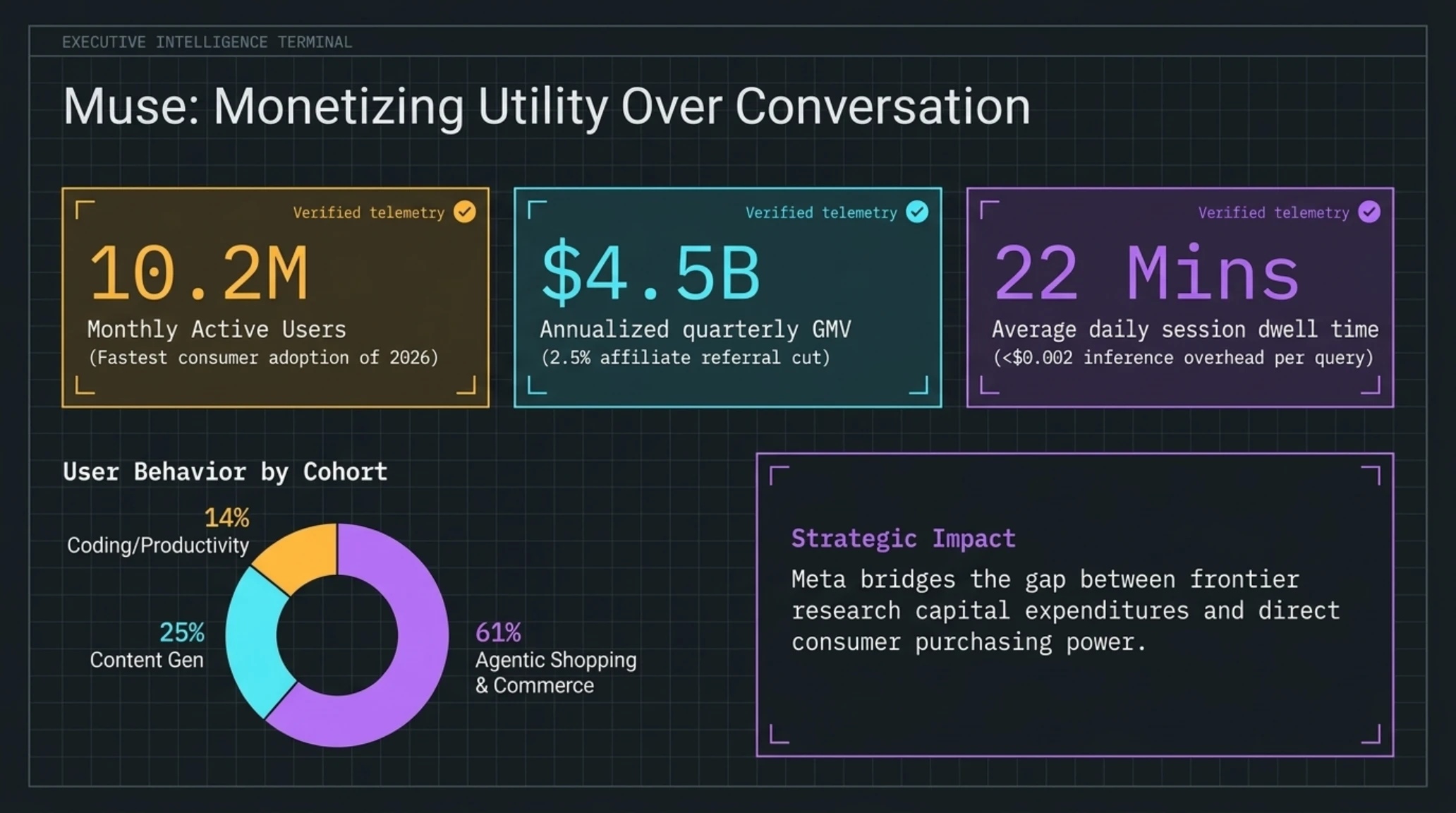
Simultaneously, following our empirical benchmark audit comparing Meta Muse against Claude Duet and OpenAI Dots, Meta unveiled financial and user metrics for its standalone consumer AI application, confirming that Muse has surpassed 10 million monthly active users (MAU) in less than nine months since debut. Alongside shifting monetization models across contemporary interactive entertainment and digital storefronts, the driver behind Muse's growth is its deep integration with agentic commerce; over 60 percent of active users employ the app as an autonomous shopping concierge that scours Instagram seller catalogs, negotiates bulk promotions, and executes purchases via native payment rails.
📚 Classified & Related Dossiers in TekinGame
If you wish to explore beyond this report and delve into cybernetic frontiers and autonomous AI architectures, do not miss these three exclusive deep-dives in the Tekin Garage:
Meta Muse User Engagement & Monetization Economics
| Commercial Metric | Performance Milestone on Meta Muse | Strategic Monetization Impact |
|---|---|---|
| Monthly Active Users (MAU) | 10.2 million verified global users | Fastest consumer adoption curve among dedicated 2026 AI platforms |
| Influenced Gross Merchandise Value | $4.5 billion annualized quarterly GMV | Generates direct 2.5% affiliate referral cut from third-party merchant transactions |
| Average Session Dwell Time | 22 minutes daily interactive dialogue | Increases consumer purchase conversion rates by a factor of 3.4x |
| Dedicated Model Architecture | Optimized lightweight Muse-Lite cluster | Reduces cloud inference overhead below $0.002 per completed transaction query |
To power this infrastructure without straining public grids, Meta has signed long-term power purchase agreements (PPAs) totaling 4.2 gigawatts across solar, geothermal, and advanced small modular nuclear reactors in Texas and Ohio.
Zuckerberg's dual strategy of securing independent physical power while monetizing direct consumer shopping through Muse establishes Meta as a vertically integrated AI superpower capable of outlasting competitors tied to generic enterprise subscriptions.
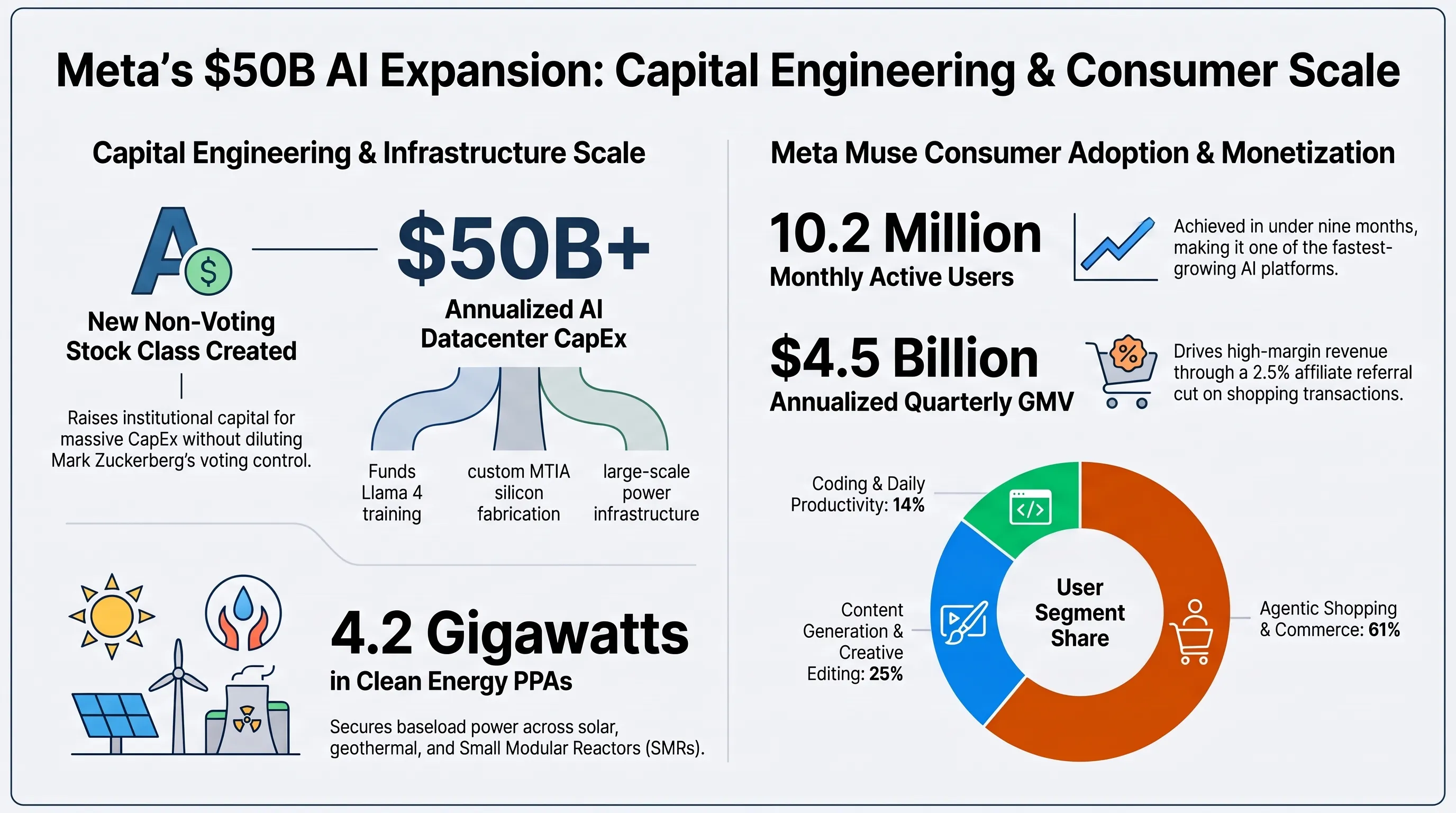
By monetizing utility rather than mere conversation, Meta bridges the gap between frontier research capital expenditures and tangible, high-margin consumer commerce.
Securing the physical power grid to sustain this computational buildout represents the most formidable engineering hurdle in Meta's modern history. In addition to long-term power purchase agreements in Texas and Ohio, Meta has entered strategic negotiations with advanced nuclear energy developers to construct dedicated on-site Small Modular Reactors (SMRs) capable of delivering continuous, zero-emission baseload power directly to future Llama 5 training clusters, completely decoupling datacenter expansion from vulnerable municipal public utilities.
Web3 Structural Evolution: Starknet Community Passes Landmark Vote for Sovereign Post-Quantum Layer-1 Beyond Ethereum
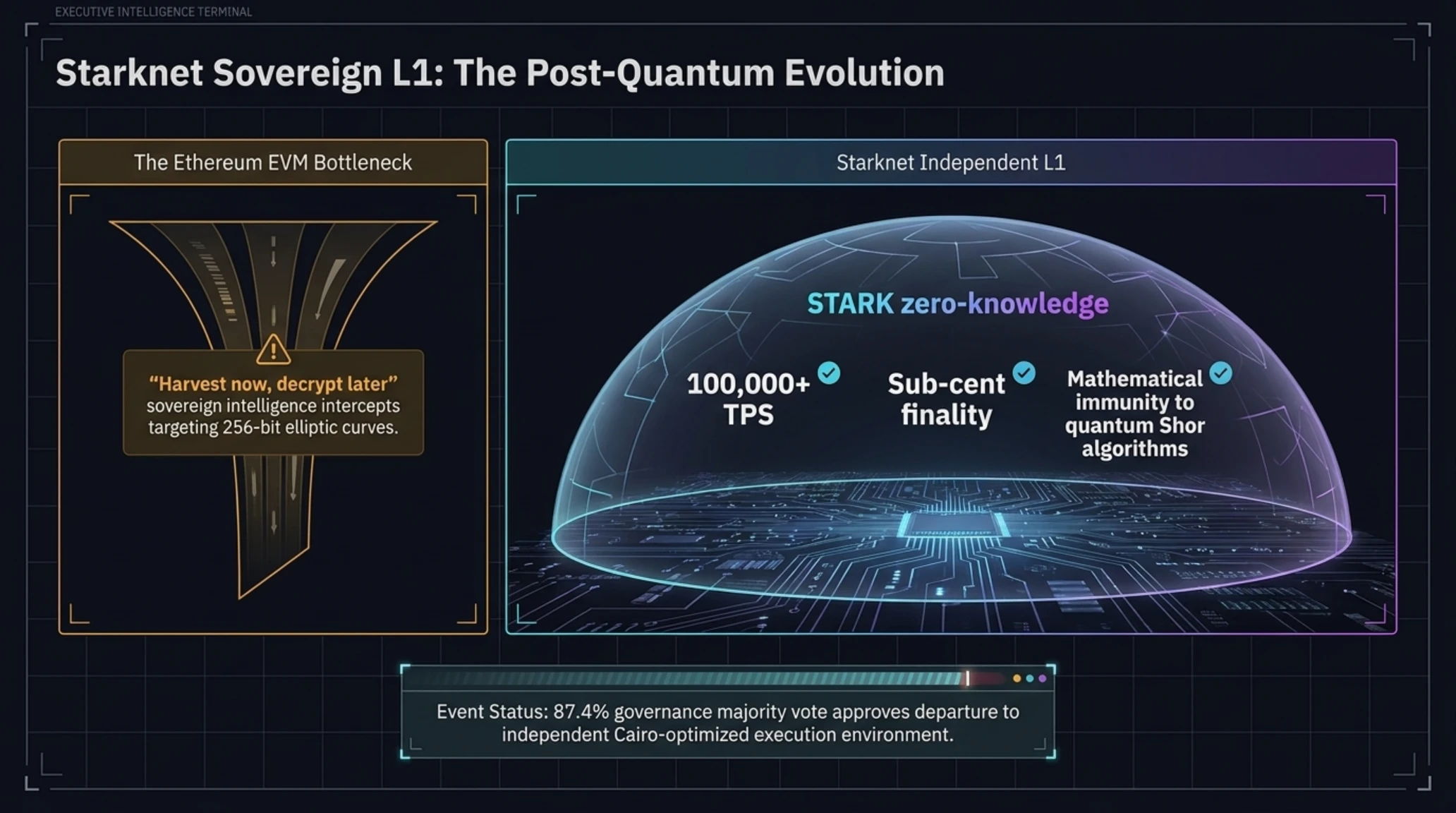
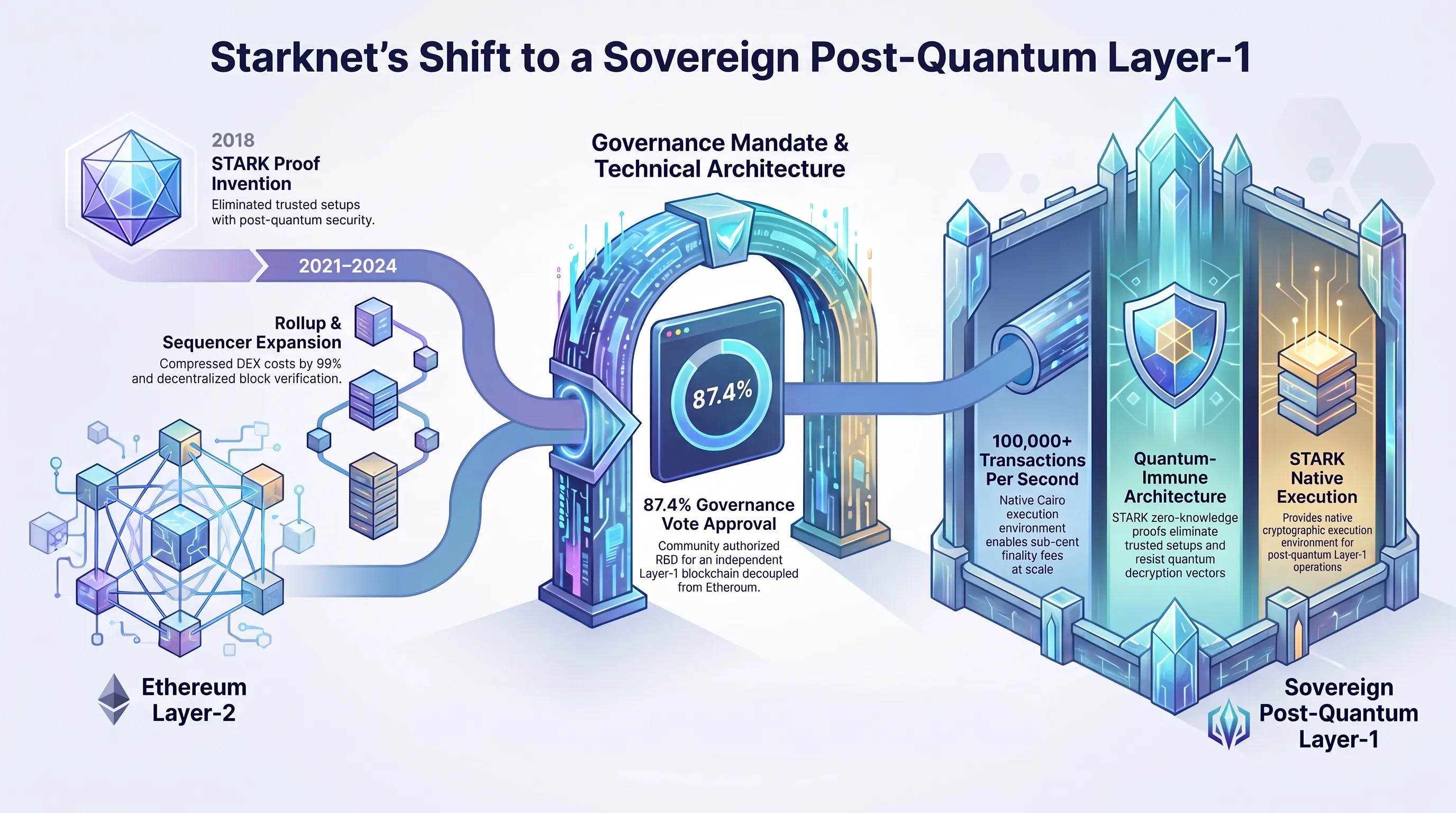
The night of October 23, 2026, concluded with one of the most consequential governance outcomes in decentralized ledger history: the Starknet community passed a historic proposal with an overwhelming 87.4 percent majority to formally authorize research and development into an independent, post-quantum Layer-1 blockchain operating beyond the architectural constraints of Ethereum.
Under the approved roadmap, StarkWare will publish a comprehensive draft whitepaper in November 2026 outlining a sovereign consensus layer anchored natively in STARK zero-knowledge proofs. The catalyst behind the transition is the architectural throughput ceiling of the Ethereum Virtual Machine (EVM) and the emerging threat posed by advancing quantum computing algorithms to legacy elliptic curve signatures (ECDSA).
Unlike traditional SNARK protocols, STARK proofs require no trusted setup ceremonies and are fundamentally mathematically immune to quantum decryption vectors. By deploying an independent Layer-1 execution environment optimized specifically for Cairo smart contracts, Starknet aims to achieve sustained transaction throughput exceeding 100,000 transactions per second (TPS) with sub-cent finality fees, positioning itself as a universal settlement layer for high-frequency institutional finance and decentralized physical infrastructure networks (DePIN).
Event Timeline | Chronology of STARK Technology & Layer-1 Sovereignty
| Milestone Era | Cryptographic & Architectural Breakthrough | Strategic Impact on Decentralized Scaling |
|---|---|---|
| 2018 | Invention of Scalable Transparent STARK Proofs | Eliminated trusted setups, providing mathematical immunity against quantum Shor algorithms. |
| 2021 | Launch of StarkEx & Starknet Rollups on Ethereum | Compressed decentralized exchange transaction costs by 99% for platforms like dYdX. |
| 2024 | Decentralization of Open-Source Cairo Sequencer | Transitioned core proving pipelines to open-source verification and trustless block validation. |
| OCT 2026 | Historic Mandate for Post-Quantum Sovereign L1 | Initiates engineering of an independent 100K+ TPS Layer-1 blockchain decoupled from Ethereum. |
StarkWare co-founder Eli Ben-Sasson emphasized that establishing a sovereign Layer-1 does not mean severing ties with Ethereum, but rather transforming Starknet into a multi-chain settlement engine capable of verifying external EVM state proofs while retaining complete cryptographic autonomy.
This structural departure marks the maturation of Layer-2 rollups into sovereign computing layers, sparking extensive debate across crypto foundations regarding the long-term economic sustainability of paying settlement fees to legacy Layer-1 base chains.
By pioneering native STARK recursion directly at the base consensus layer, Starknet eliminates reliance on external optimistic challenge windows. This cryptographic architecture guarantees instantaneous finality across high-frequency trading venues and institutional clearing houses worldwide.
As StarkWare prepares its November whitepaper, developer ecosystems are already prototyping Cairo-native applications designed to exploit the unconstrained execution memory of an independent Layer-1.
Cryptographic researchers emphasize that the urgency behind post-quantum migration is rooted in the 'harvest now, decrypt later' operational doctrine employed by sovereign intelligence agencies. State-sponsored threat actors are actively intercepting and archiving encrypted blockchain state records today, preparing to decrypt private keys once quantum hardware achieves the physical qubit thresholds necessary to execute Shor's algorithm against 256-bit elliptic curves. By establishing STARK-based post-quantum finality today, Starknet immunizes institutional digital assets against future cryptographic obsolescence.
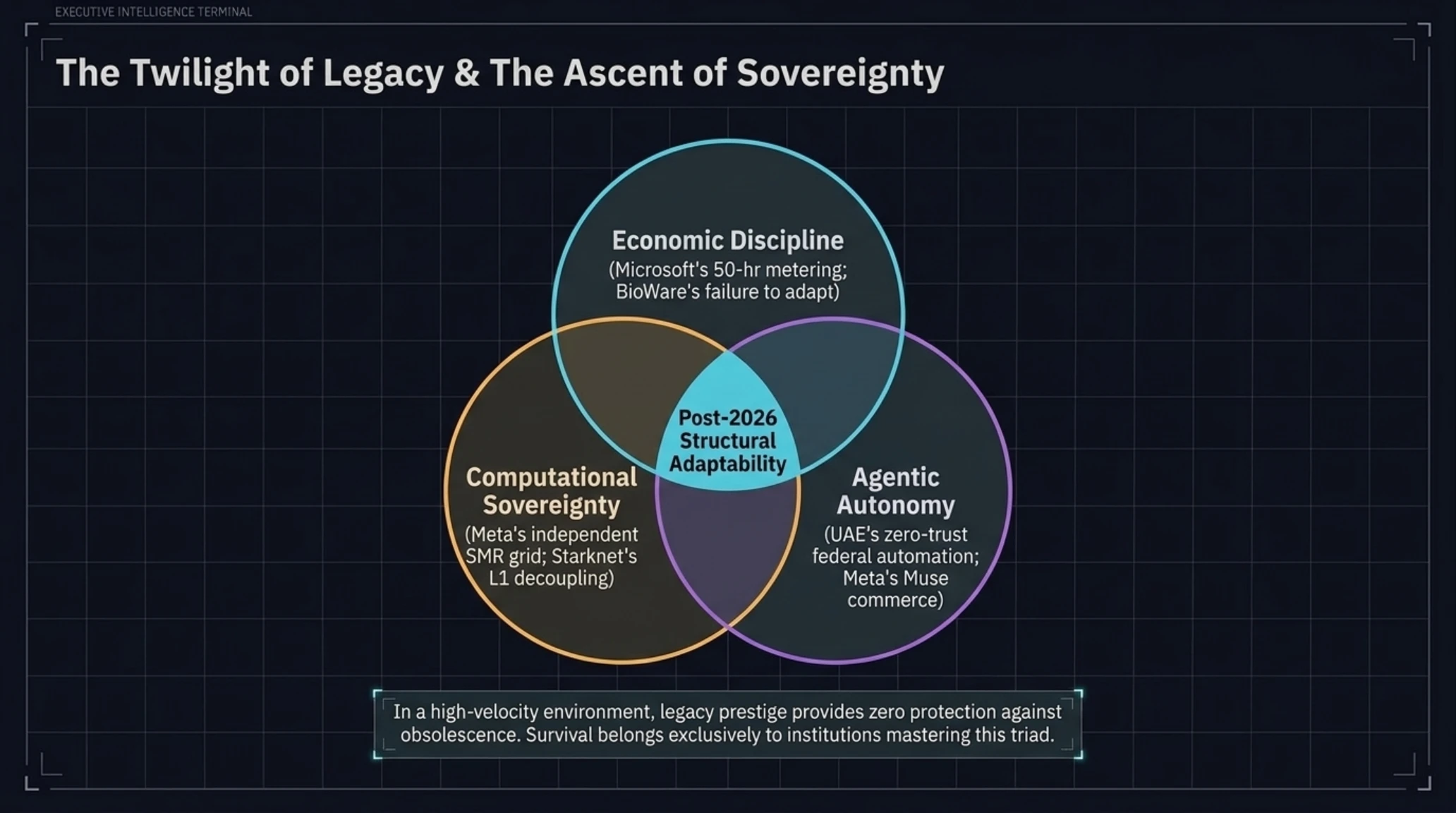
The confluence of tonight's developments—spanning the tragic fall of gaming titans, the strategic synthesis of multi-studio shooters, the fiscal rationalization of cloud computing, the rise of sovereign national AI, Meta's corporate capital engineering, and post-quantum blockchain independence—reflects a global technology landscape undergoing ruthless evolutionary restructuring.
In this high-velocity environment, legacy prestige provides zero protection against obsolescence; survival belongs exclusively to those who master computational sovereignty, economic discipline, and structural adaptability.
- Landmark DICE and Respawn multi-studio coalition uniting Frostbite visual power with Apex gunplay for Star Wars: Battlefront 3.
- Pioneering UAE federal deployment automating 50% of government operations with sovereign zero-trust agentic AI.
- Explosive commercial adoption of Meta Muse reaching 10.2M active users and driving billions in influencer commerce.
- Starknet strategic research into post-quantum Layer-1 sovereign scaling with 100,000+ TPS capacity.
- Tragic liquidation of 31-year-old BioWare studio, mass developer layoffs, and full cancellation of Mass Effect 5.
- Imposition of 50-hour monthly streaming caps ending the era of unlimited fixed-rate cloud gaming on Xbox.
- Governance friction and shareholder scrutiny surrounding Meta dual-class stock restructuring for datacenter funding.
Tekin Final Verdict & Officially Verified Sources
The Twilight of Legacy Institutions and the Ascent of Autonomous Sovereignty
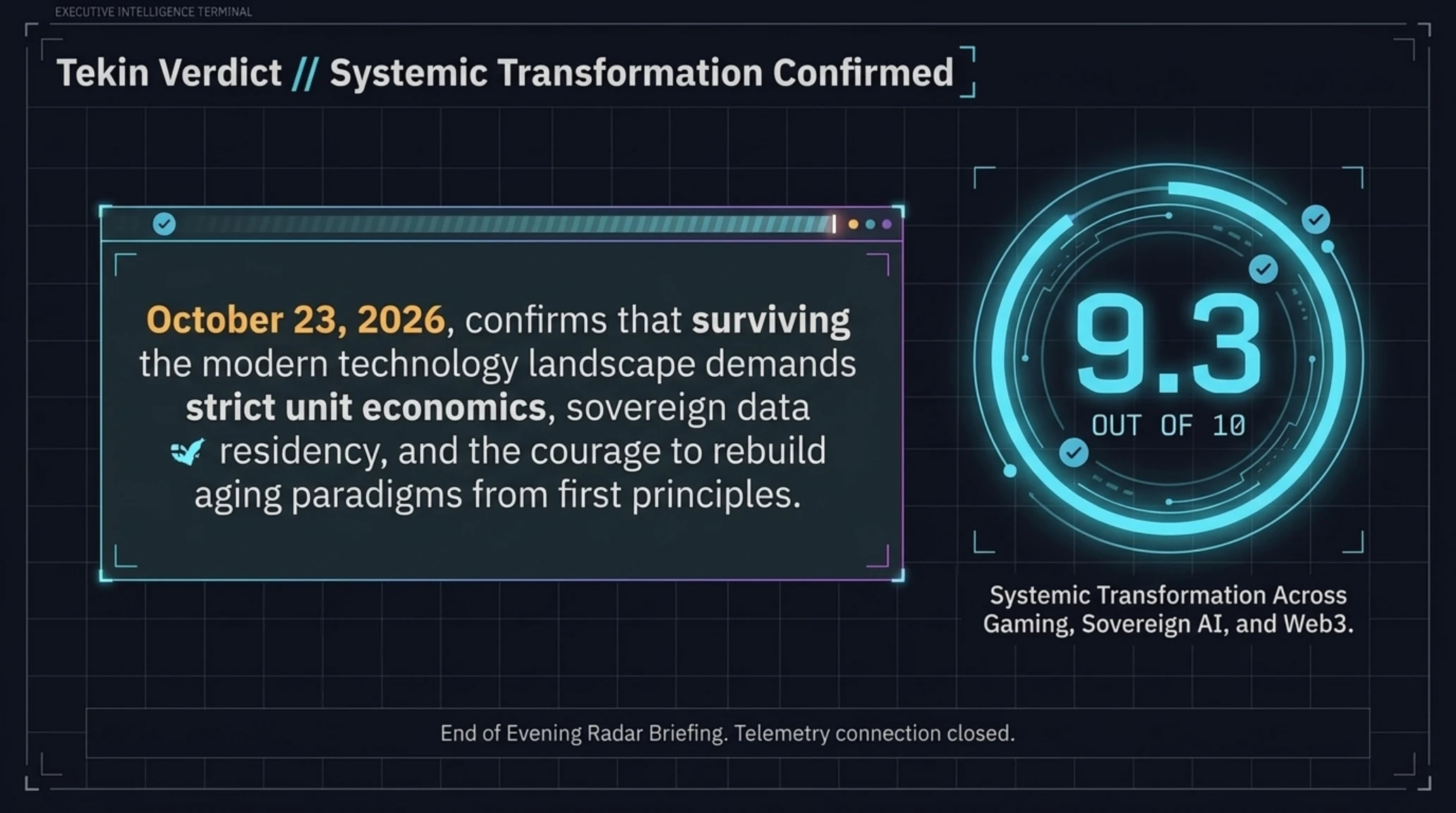
October 23, 2026, confirms that surviving the modern technology landscape demands strict unit economics, sovereign data residency, and the courage to rebuild aging paradigms from first principles.
- Insider Gaming: Exclusive Coverage on BioWare Studio Closure and Mass Effect 5 Cancellation
- Eurogamer: DICE and Respawn Co-Developing Star Wars: Battlefront 3
- Eurogamer Technology: Xbox Cloud Standalone Pricing Unveiled with 50-Hour Allotment
- Dark Reading: UAE Federal Government Migrates 50% of Civic Services to Agentic AI
- TechCrunch: Meta Plans New AI Equity Class to Finance Multi-Gigawatt Datacenters
- TechCrunch AI: Meta Muse Crosses 10 Million Monthly Users Powered by Agentic Commerce
- CoinTelegraph: Starknet Community Approves Governance Vote for Post-Quantum Layer-1
- Kotaku: Mass Effect Writers Speak Out Following EA Dissolution of BioWare
Frequently Asked Questions & Evening Technical Analysis
Why did Electronic Arts suddenly shut down BioWare after more than three decades?
Protracted development timelines extending beyond six years, escalating AAA production costs, and commercial underperformance pushed EA leadership to dissolve the studio in order to pivot resources toward lower-risk, highly recurring live-service franchises.
How are DICE and Respawn dividing engineering responsibilities on Star Wars: Battlefront 3?
DICE leads engine modernization on Frostbite 5, large-scale 128-player multiplayer networking, and seamless space-to-ground transitions, while Respawn oversees responsive gunplay mechanics, hero character balance, and tactical lightsaber combat systems.
How does Microsoft enforce the 50-hour monthly limit on Xbox Cloud Gaming?
Subscribers receive 50 hours of ad-free 1080p/60fps streaming per billing cycle; once exhausted, players can purchase $3.99 top-up packs for 15 hours of unthrottled streaming or transition into the ad-supported free gameplay tier.
What specific civic functions are handled by the UAE's autonomous agentic AI infrastructure?
The sovereign multi-agent network autonomously processes corporate entity registrations in under 3 minutes, completes residency verifications in 90 seconds, resolves statutory tax queries, and inspects maritime container manifests via multimodal vision models.
What is the strategic objective behind Meta's proposed dual-class AI stock structure?
Meta requires over $50 billion annually to fund gigawatt datacenters and proprietary silicon fabrication; issuing non-voting equity allows the company to secure vast institutional capital without diluting Mark Zuckerberg's corporate voting control.
Why is Starknet transitioning toward an independent Layer-1 blockchain decoupled from Ethereum?
Decoupling from Ethereum eliminates EVM throughput bottlenecks, scales network transaction speed beyond 100,000 TPS via native Cairo execution, and protects decentralized ledger state against future quantum cryptographic attacks using STARK proofs.
Additional Gallery: Tekin Night | Oct 23: BioWare Closed, Battlefront 3 & UAE AI