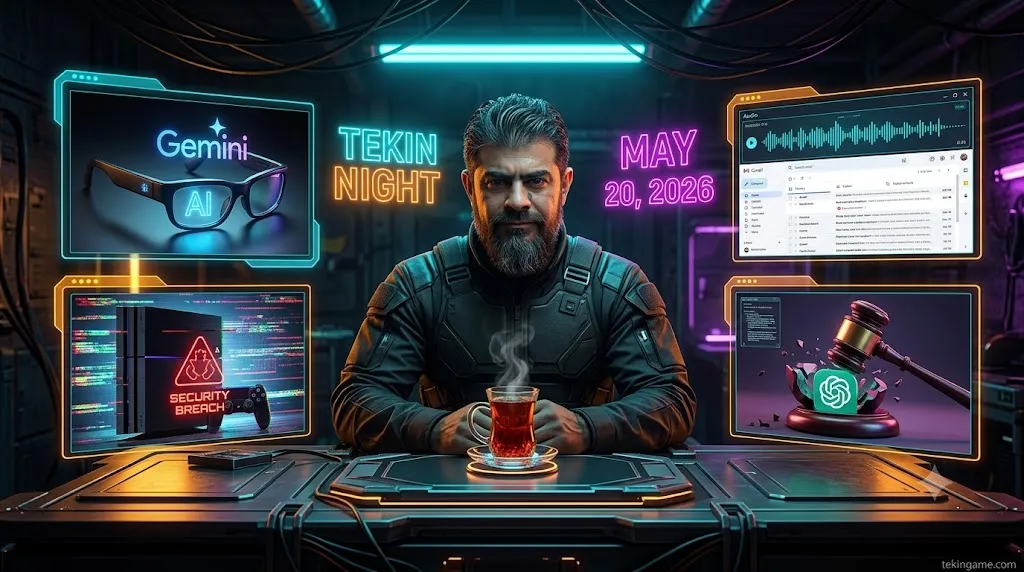
🌙 Welcome to Tekin Night — May 20, 2026
Wednesday night delivered one of the most news-dense evenings in recent tech history. Google I/O 2026 dropped a torrent of announcements reshaping AI, developer tooling, and wearables. Meanwhile, a federal jury handed Elon Musk his biggest legal defeat, and PSN's security crisis deepened.
⚡ Tonight's Headlines:
🤖 Gemini App 2.0: 900M users, Gemini Spark 24/7 agent, Daily Brief & Neural Expressive redesign
🕶️ Google's Smart Glasses with Warby Parker & Gentle Monster — Fall 2026 launch
💻 Android CLI 1.0 & Antigravity 2.0: The agentic coding revolution
📧 Gmail Live: Voice-search your inbox with Gemini
🎮 PSN Security Crisis: Colin Moriarty hacked despite 2FA
⚖️ Musk Loses: Federal jury dismisses OpenAI lawsuit in under 2 hours
📓 NotebookLM experiences service disruptions
☕ Grab your coffee — this is the biggest Google I/O night in years.
🤖 1. Gemini App Overhaul: From Chatbot to AI Life Hub
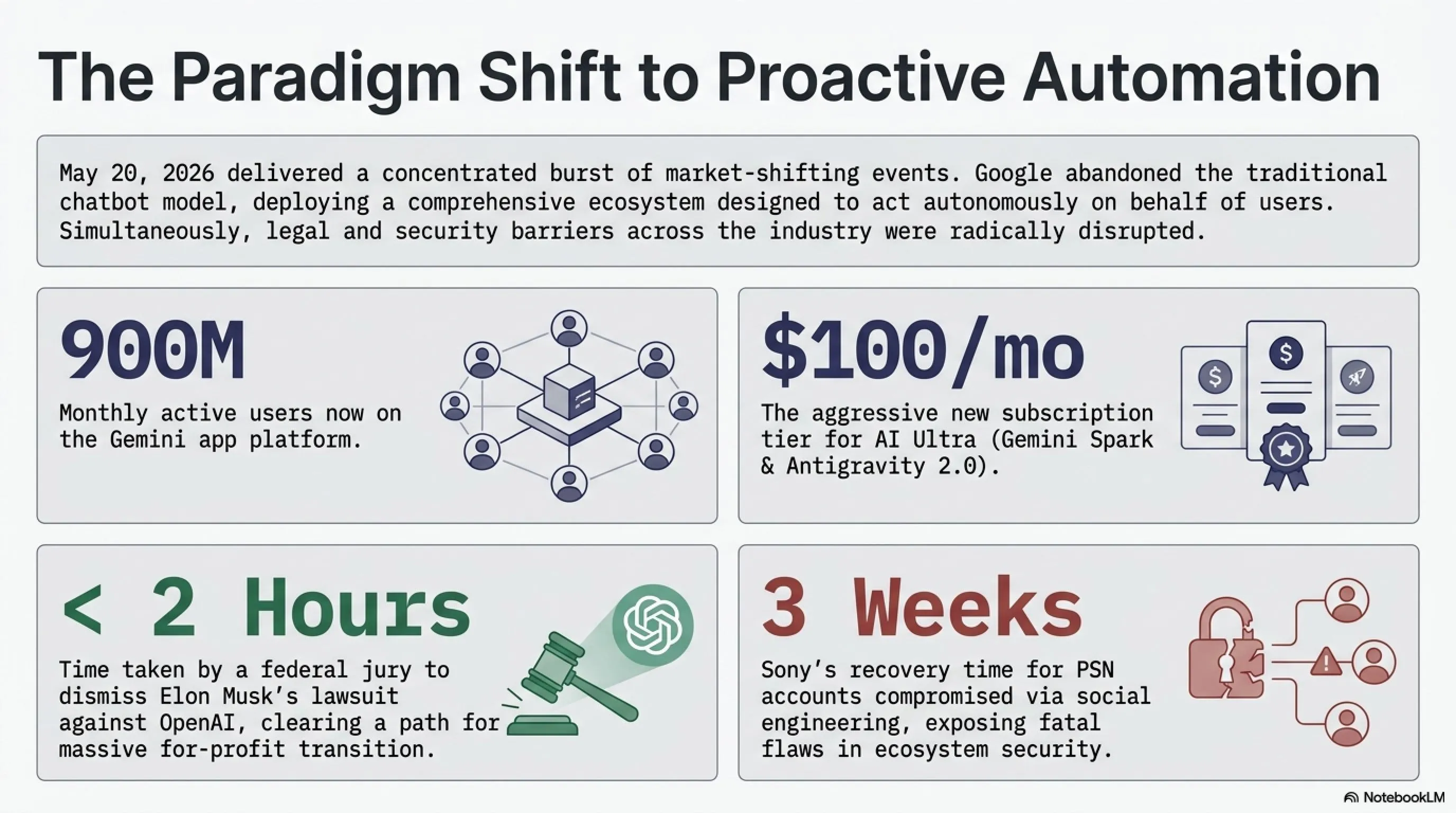
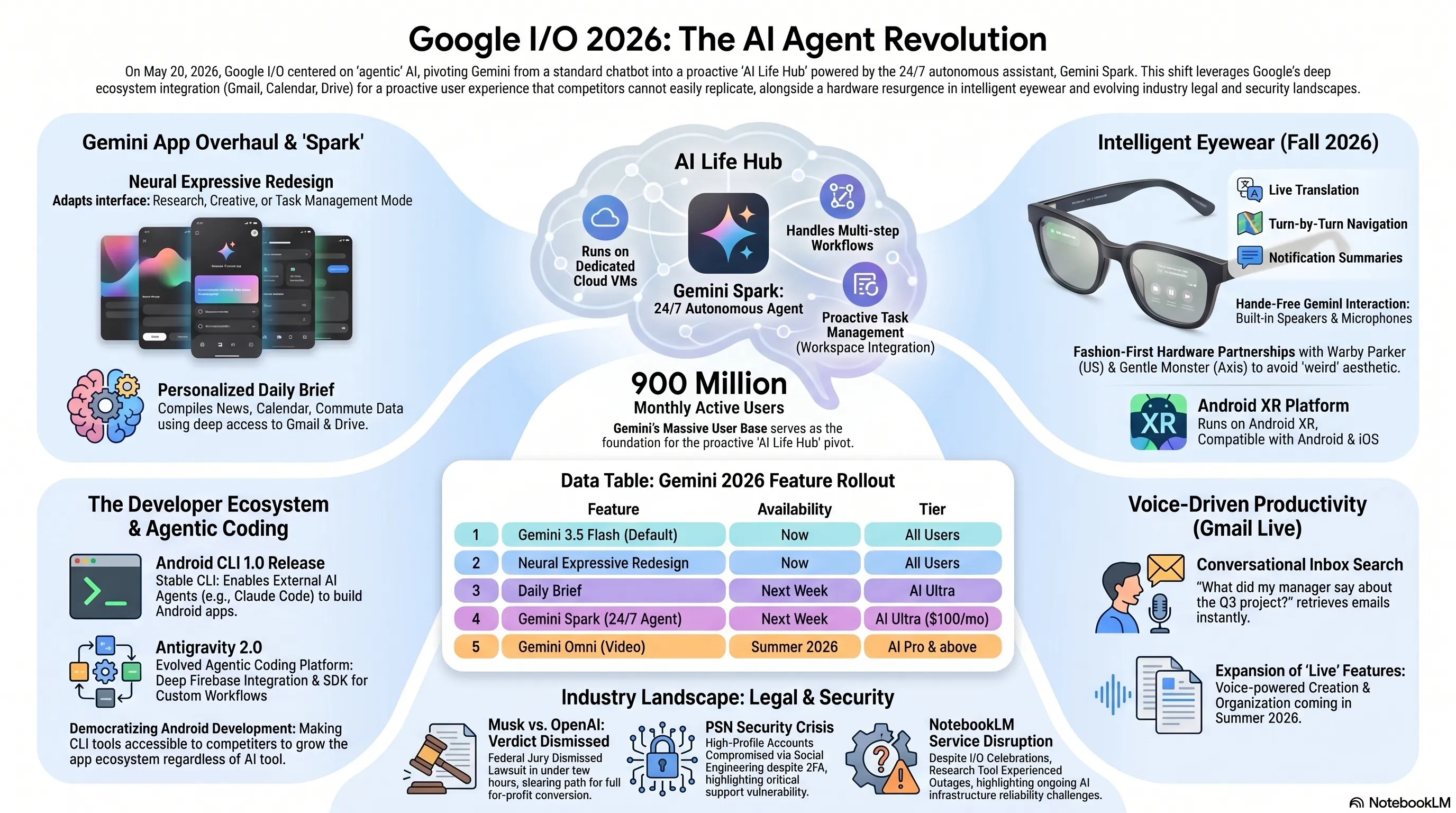
At Google I/O 2026 in Mountain View, California, Google revealed that the Gemini app now has over 900 million monthly active users — a staggering figure that underscores just how rapidly this platform has grown since its launch. But the numbers are only part of the story. What Google announced tonight represents a fundamental shift in what Gemini is: not a chatbot, but an AI life hub.
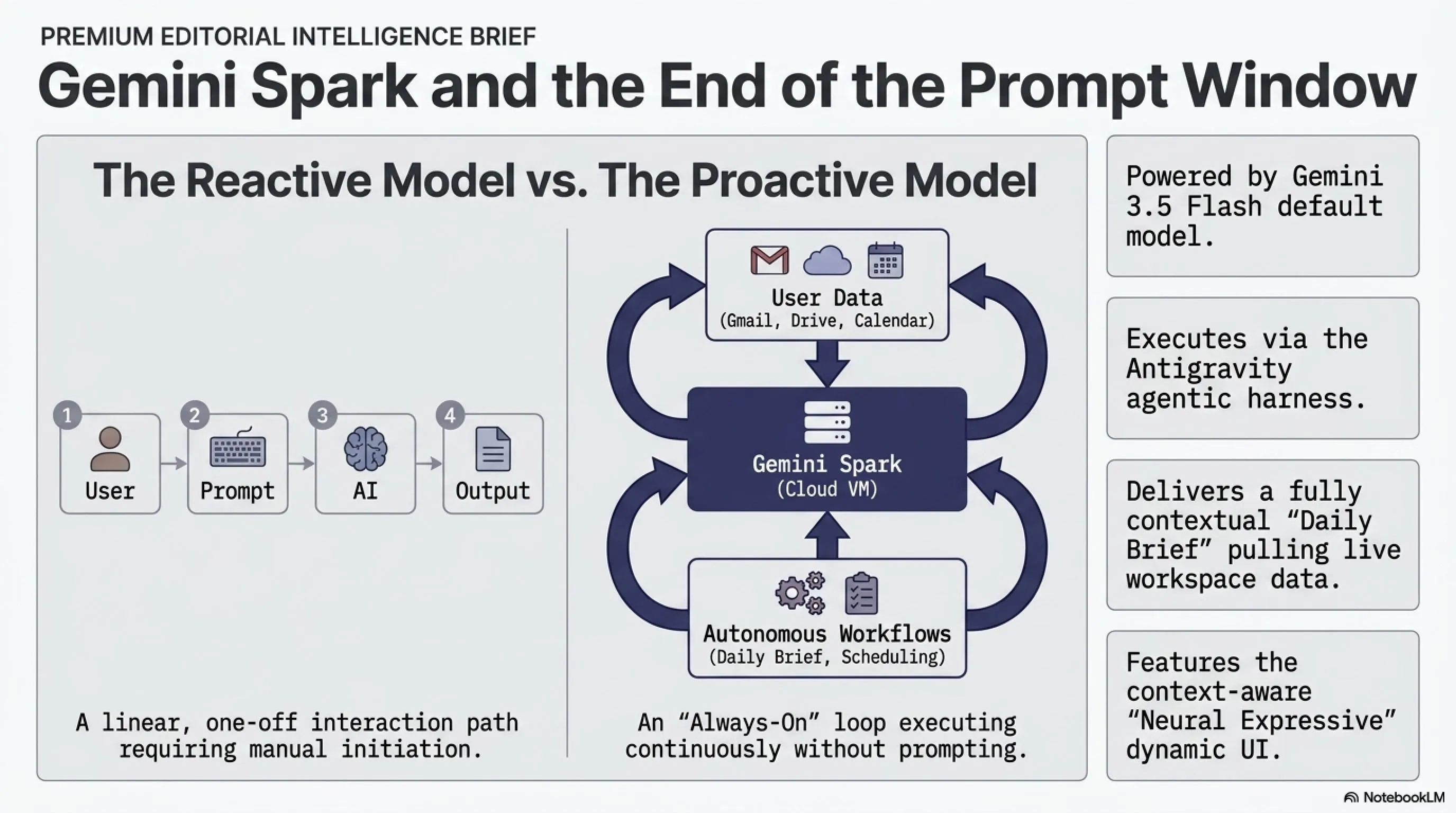
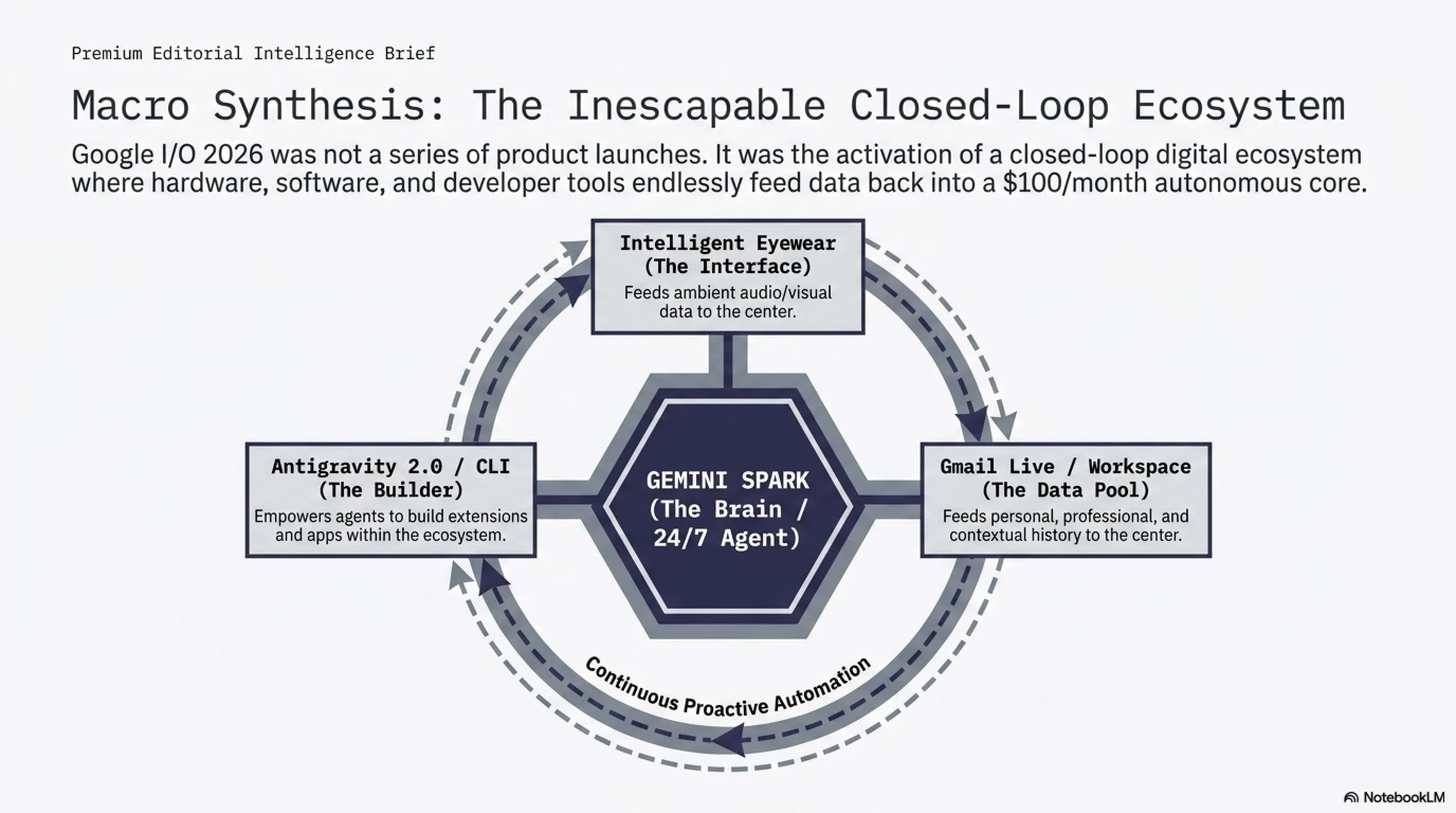
The centerpiece announcement is Gemini Spark — a 24/7 agentic AI assistant that runs on dedicated cloud virtual machines. Unlike traditional AI assistants that wait for your commands, Spark proactively manages tasks, integrates natively with Gmail and Google Workspace, and can handle complex multi-step workflows autonomously. It's built on Gemini 3.5 base models and the Antigravity agentic harness. Initially available to AI Ultra subscribers at $100/month, Spark represents Google's most ambitious bet yet on autonomous AI.
📊 Gemini at Google I/O 2026 — Key Numbers
The Daily Brief feature is arguably the most immediately useful addition. Every morning, Gemini compiles a personalized digest of important news, calendar events, pending tasks, and even your commute traffic. This is what Google Assistant promised for years but never delivered convincingly. The difference now is that Gemini has access to your actual Gmail, Calendar, and Drive data — making the brief genuinely contextual rather than generic.
The Neural Expressive redesign overhauls the app's interface to be more dynamic and context-aware. The UI adapts based on what you're doing — research mode looks different from creative mode. Gemini Omni, a new AI video model, is now accessible directly through the app, enabling short video generation. And Gemini 3.5 Flash becomes the default model — Google claims it's significantly faster and better at agentic tasks, with improved ability to generate "richer, more interactive web UIs and graphics."
📅 Gemini Feature Rollout Timeline
| Feature | Availability | Tier |
|---|---|---|
| Gemini 3.5 Flash (Default) | Now | All Users |
| Neural Expressive Redesign | Now | All Users |
| Daily Brief | Next Week | AI Ultra |
| Gemini Spark (24/7 Agent) | Next Week | AI Ultra ($100/mo) |
| Gemini Omni (Video) | Summer 2026 | AI Pro and above |
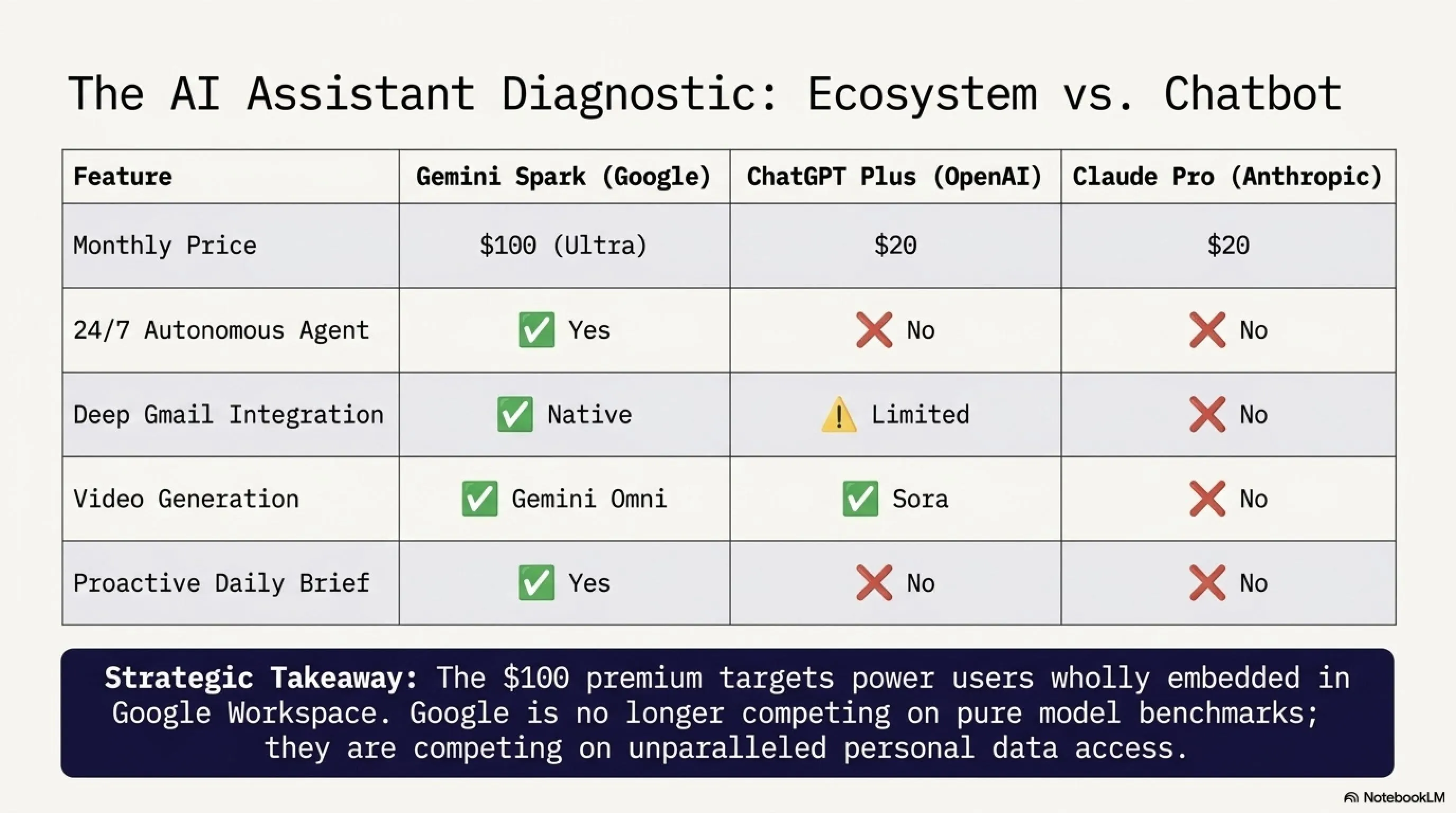
⚔️ Gemini Spark vs ChatGPT vs Claude — Head to Head
| Feature | Gemini Spark | ChatGPT Plus | Claude Pro |
|---|---|---|---|
| 24/7 Autonomous Agent | ✅ Yes | ❌ No | ❌ No |
| Deep Gmail Integration | ✅ Native | ⚠️ Limited | ❌ No |
| Video Generation | ✅ Gemini Omni | ✅ Sora | ❌ No |
| Daily Brief | ✅ Yes | ❌ No | ❌ No |
| Monthly Price | $100 (Ultra) | $20 (Plus) | $20 (Pro) |
🔍 Tekin Analysis: Why Gemini Spark Is a Genuine Threat to OpenAI
Google's I/O 2026 strategy is crystal clear: instead of competing purely on model benchmarks, Google is leveraging its unparalleled ecosystem advantage. Gemini Spark isn't a better chatbot — it's an intelligent layer over your entire digital life. Gmail, Calendar, Drive, Workspace — Google has access to data that OpenAI simply cannot replicate. The $100/month price point is steep, but for power users who live in Google's ecosystem, the value proposition is compelling. The real question is whether users will trust Google with this level of access to their personal data. For enterprise customers, this is a no-brainer. For privacy-conscious consumers, it's a harder sell.
✅ What's Great
- Deep Gmail/Workspace integration
- Gemini Spark — true 24/7 autonomous agent
- Personalized Daily Brief
- 900M users — massive network effect
- Gemini 3.5 Flash faster and smarter
❌ Concerns
- Gemini Spark locked behind $100/month AI Ultra
- Privacy concerns with deep Gmail access
- Gemini Omni not yet widely available
- Fierce competition from ChatGPT and Claude
- AI Ultra pricing excludes most global users
📌 Section Takeaway: Gemini Spark and Daily Brief signal Google's intent to transform Gemini from a reactive chatbot into a proactive life assistant. With 900M users and deep ecosystem integration, this is the most credible challenge to OpenAI's dominance yet.
🕶️ 2. Google's Smart Glasses: Taking on Meta Ray-Ban with Fashion Partners
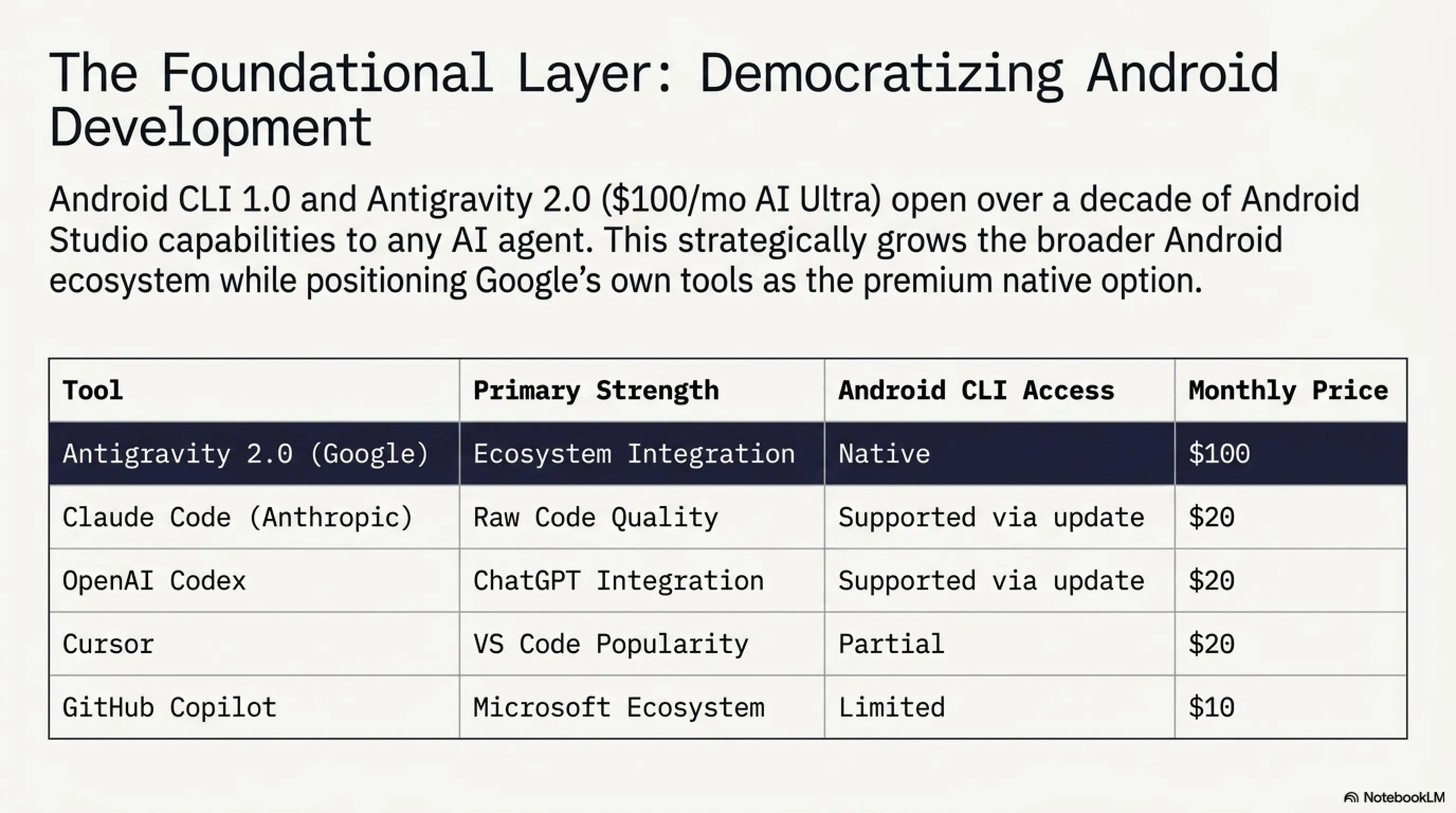
Google's second major I/O 2026 announcement was the unveiling of its first "Intelligent Eyewear" — Android XR audio glasses developed in partnership with Samsung, American eyewear brand Warby Parker, and Korean luxury brand Gentle Monster. Launching in Fall 2026, these glasses represent Google's most serious attempt at smart eyewear since the ill-fated Google Glass in 2013.
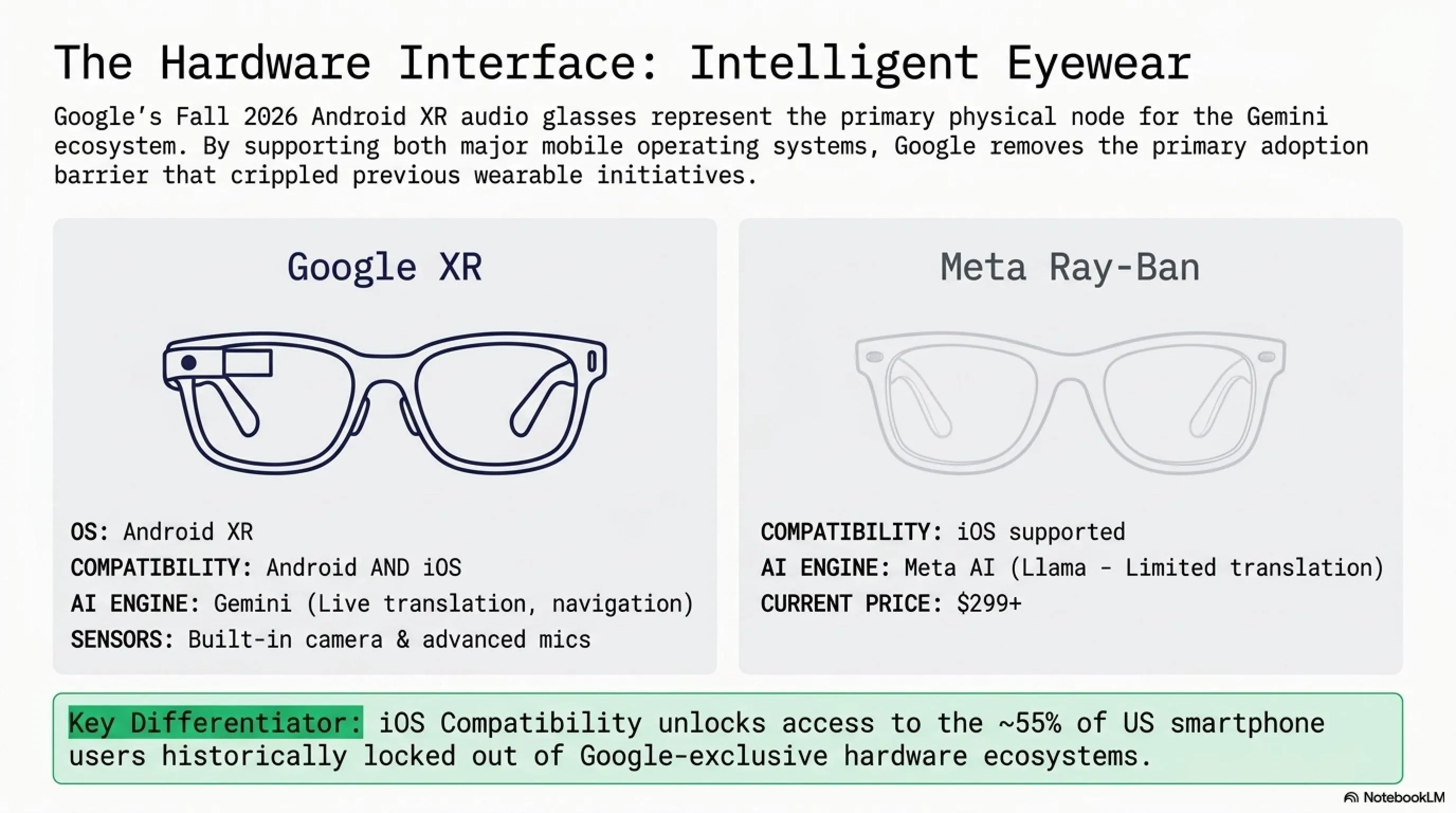
The glasses run on Android XR and are compatible with both Android and iOS — a critical strategic decision that dramatically expands the potential market. Built-in speakers, advanced microphones, and a camera enable hands-free Gemini interaction. Key capabilities include live translation, turn-by-turn navigation, notification summaries, music playback, and phone calls — all without touching your phone.
🔧 Google Intelligent Eyewear — Technical Specs
⚔️ Google Intelligent Eyewear vs Meta Ray-Ban Smart Glasses
| Feature | Google XR Glasses | Meta Ray-Ban |
|---|---|---|
| iOS Compatibility | ✅ Yes | ✅ Yes |
| AI Assistant | Gemini | Meta AI (Llama) |
| Live Translation | ✅ Yes | ⚠️ Limited |
| Ecosystem Integration | Google Workspace | Meta/Facebook |
| Fashion Partners | Warby Parker + Gentle Monster | Ray-Ban (EssilorLuxottica) |
| Current Price | TBA (Fall 2026) | $299+ |
🔍 Tekin Analysis: Why the Warby Parker + Gentle Monster Choice Is Brilliant
Google Glass failed in 2013 because it looked weird and made wearers seem antisocial. Meta Ray-Ban succeeded because it leveraged an iconic fashion brand. Google has learned this lesson. Warby Parker is the darling of millennial and Gen Z Americans — affordable, stylish, and culturally relevant. Gentle Monster is a Korean luxury brand with massive cachet across Asia, particularly in South Korea, China, and Southeast Asia. This dual-brand strategy simultaneously targets the US market (Warby Parker) and the Asian market (Gentle Monster) — two of the biggest consumer electronics markets in the world. The iOS compatibility is equally smart: it removes the biggest barrier to adoption for the ~55% of US smartphone users who own iPhones. What to watch: pricing. If Google can hit $249-$299, this could be a genuine Meta Ray-Ban killer.
💻 3. Android CLI & Antigravity 2.0: The Agentic Coding Revolution
Google's I/O 2026 developer announcements were headlined by two major releases: Android CLI 1.0 — a stable command-line interface for AI coding agents — and Antigravity 2.0, Google's agentic coding platform that has evolved into a full developer suite.
Android CLI enables AI agents — including Claude Code (Anthropic), OpenAI Codex, and Google's own Antigravity — to build Android apps faster from the command line. The CLI provides a lightweight interface for AI agents to perform tasks and retrieve knowledge about Android development. Crucially, it unlocks access to Android Studio's capabilities — over a decade of Android expertise — for any AI agent. Developers can update with a simple android update command.
Antigravity 2.0 launched simultaneously with a revamped desktop app, a new CLI built in Go, and an SDK for custom agent workflows. The update also introduces deep integrations with Firebase, Google AI Studio, and Android. You can now export projects from AI Studio directly to your local Antigravity app, carrying over all context for seamless agentic development. A new $100/month AI Ultra plan was also announced, retiring Gemini CLI for consumer users.
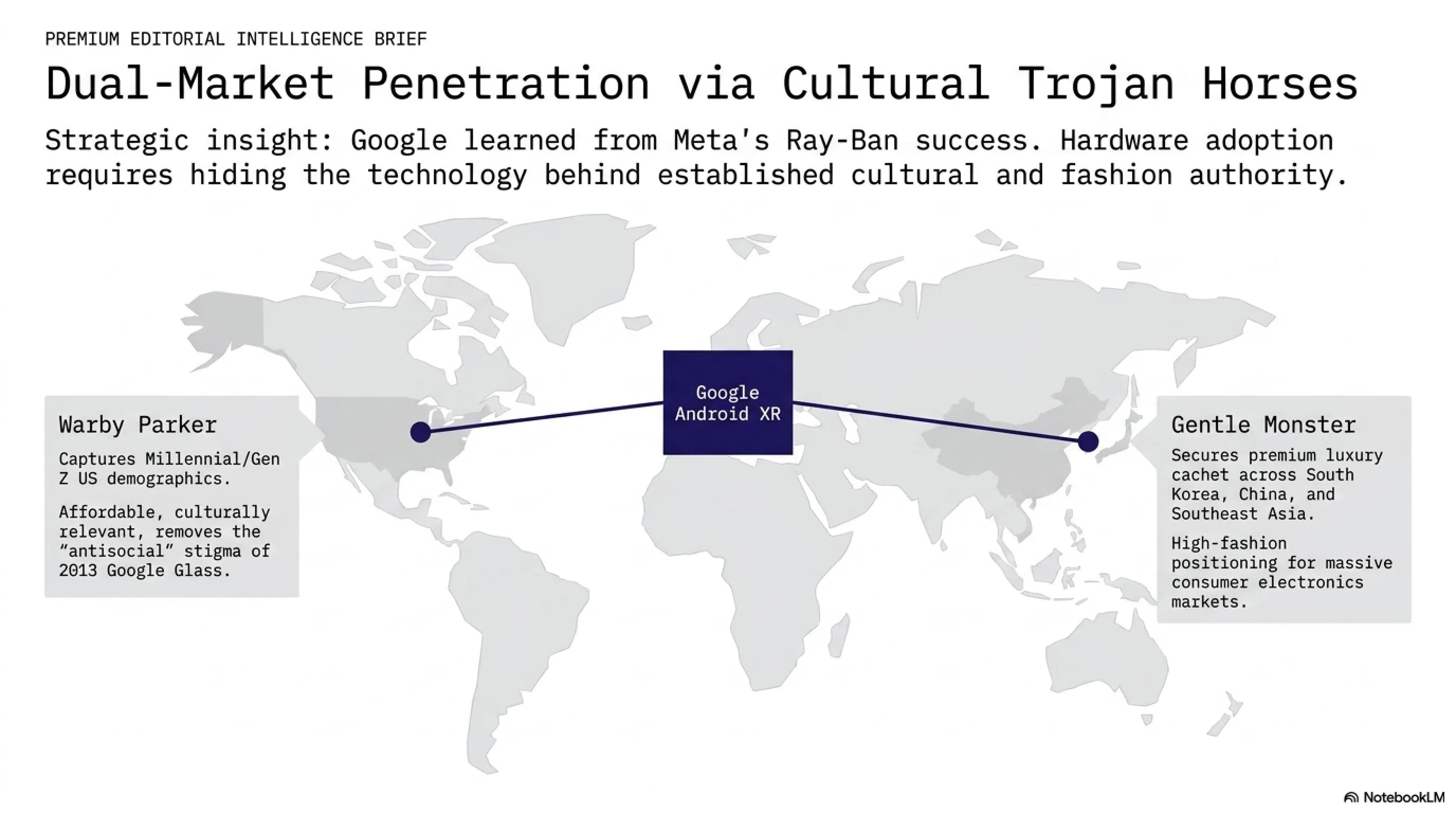
⚔️ AI Coding Tools 2026 — The Competitive Landscape
| Tool | Strength | Android CLI Support | Price |
|---|---|---|---|
| Antigravity 2.0 | Google ecosystem integration | ✅ Native | $100/mo (Ultra) |
| Claude Code | Best code quality | ✅ Via Android CLI | $20/mo (Pro) |
| OpenAI Codex | ChatGPT integration | ✅ Via Android CLI | $20/mo (Plus) |
| Cursor | VS Code-based, popular | ⚠️ Partial | $20/mo (Pro) |
| GitHub Copilot | Microsoft/GitHub integration | ⚠️ Limited | $10/mo |
🔍 Tekin Analysis: What Android CLI Means for the Developer Ecosystem
The significance of Android CLI 1.0 goes beyond just Google's own tools. By making Android Studio's capabilities accessible to any AI coding agent — including competitors like Claude Code and Codex — Google is essentially democratizing Android development. This is a smart move: it grows the Android ecosystem (more apps = more users = more revenue for Google) while positioning Antigravity as the premium option with the deepest integration. The $100/month AI Ultra price point is aggressive, but for professional Android developers, the productivity gains could easily justify the cost. The real winner here might be Claude Code, which now has native Android development capabilities without needing to build them from scratch.
📧 4. Gmail Live: When Your Inbox Talks Back
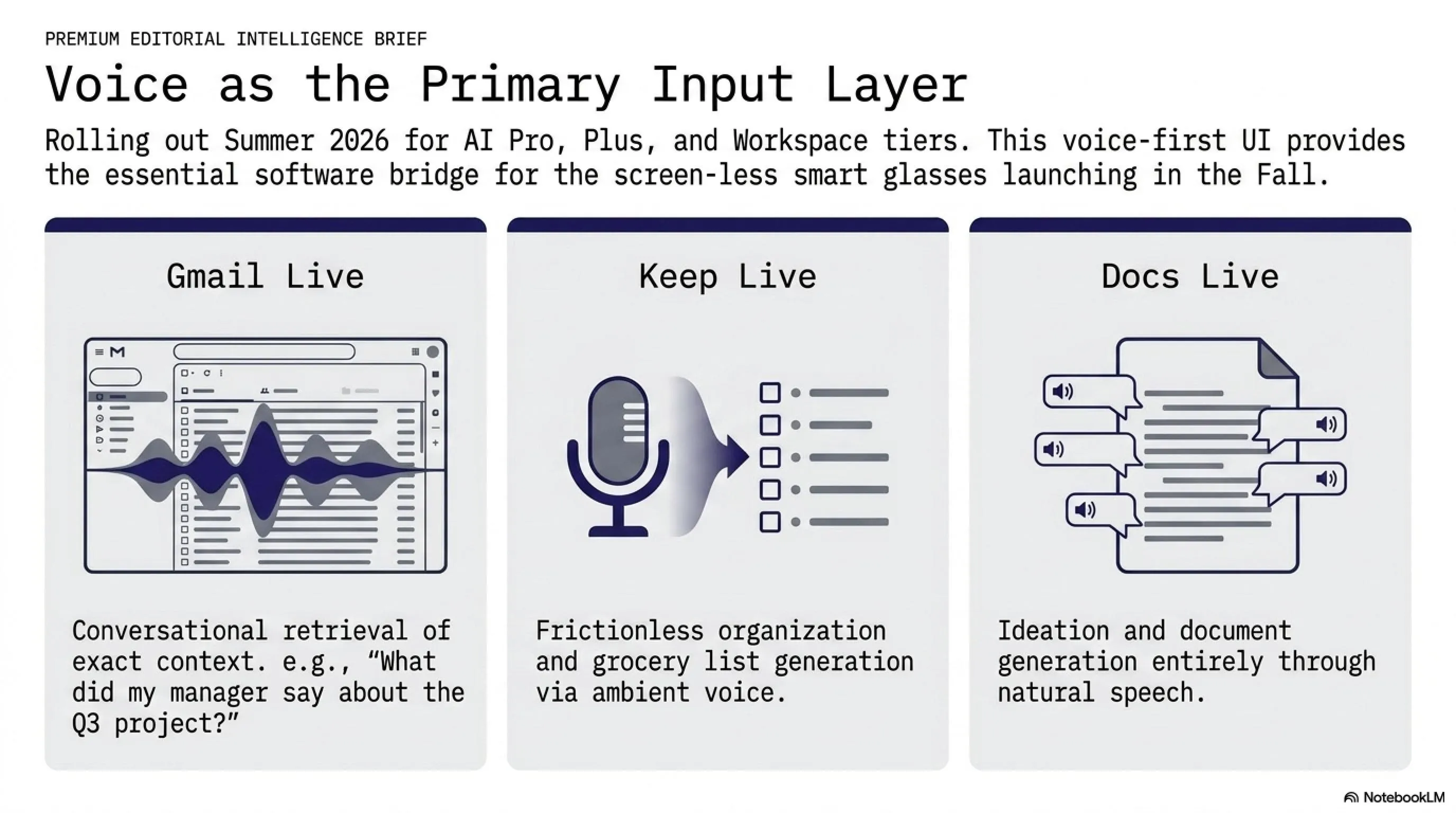
Google's fourth major I/O 2026 announcement was Gmail Live — a conversational voice search feature for Gmail's AI Inbox. Instead of typing search terms, users can ask Gemini natural language questions: "Find the flight confirmation from last week," "What did my manager say about the Q3 project?" or "Show me all unread emails from the finance team." Gemini understands context and retrieves the relevant emails instantly.
The AI Inbox experience is also expanding beyond AI Ultra subscribers to AI Pro and AI Plus tiers, making it accessible to a much larger user base. Similar voice AI capabilities are coming to Google Keep (organize notes and create grocery lists by speaking) and Google Docs (create and edit documents by talking through your ideas with Gemini). These features roll out this summer for premium subscribers and Workspace business users.
📊 Gmail Live — Feature Breakdown
🔍 Tekin Analysis: Gmail Live and the Future of Email Interaction
Gmail Live represents a paradigm shift in how we interact with email — from "type and click" to "speak and listen." The implications become even more profound when you consider the Google smart glasses launching this fall. Imagine walking to a meeting, asking your glasses "Do I have any urgent emails?" and getting an instant audio summary — without ever touching your phone. This is the integrated ecosystem Google is building: Gemini Spark managing your tasks autonomously, Gmail Live answering your questions by voice, and smart glasses delivering the interface. For enterprise users who receive hundreds of emails daily, this could be genuinely transformative. The key question is whether Google can maintain user trust with this level of access to personal communications.
🎮 5. PSN Security Crisis: Why 2FA Isn't Enough Anymore
📚 Classified & Related Dossiers in TekinGame
If you wish to explore beyond this report and delve into cybernetic frontiers and autonomous AI architectures, do not miss these three exclusive deep-dives in the Tekin Garage:
In gaming news, Colin Moriarty — prominent PlayStation journalist, former IGN editor, and host of the Sacred Symbols podcast — announced that his PSN account was hacked despite having two-factor authentication enabled. Moriarty posted on X: "My PSN account was hacked, seemingly as part of an ongoing sophisticated series of moves against both random and 'prominent' users."
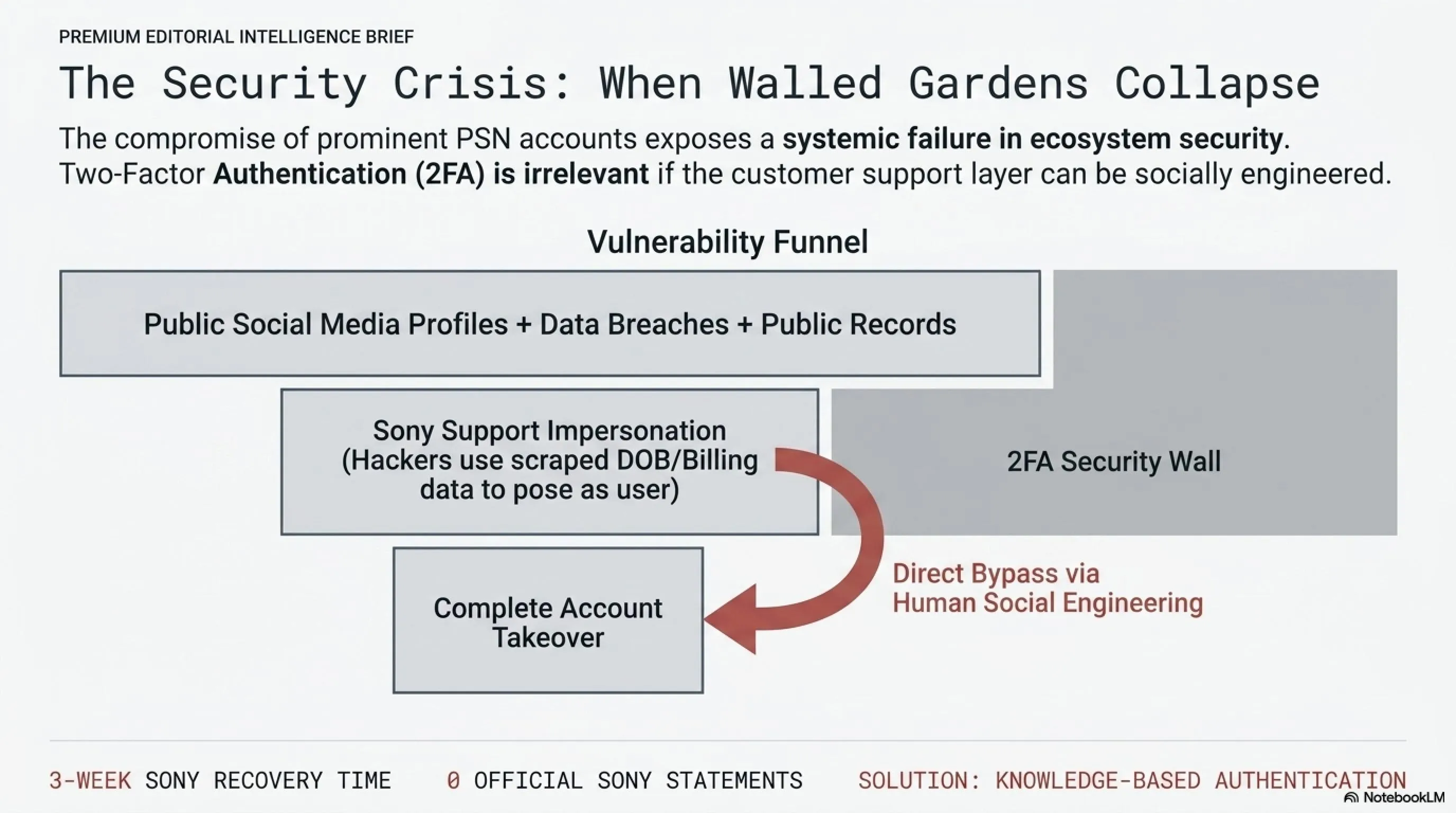
The attack used social engineering — hackers contacted PlayStation Support, impersonated Moriarty using publicly available personal information (name, email, date of birth), and convinced support agents to bypass 2FA and transfer account access. This exposes a critical vulnerability: Sony's support system allows identity verification using information that's easily scraped from social media profiles.
🚨 PSN Security Vulnerability — The Hard Facts
PlayStation Support initially told Moriarty recovery could take up to three weeks. He was only able to recover his account quickly because of personal contacts within Sony and its first-party studios — a privilege unavailable to ordinary users. This incident is part of a broader wave of attacks targeting prominent PlayStation accounts, including trophy hunters and gaming influencers. Sony has issued no official statement or guidance.
🔍 Tekin Analysis: The Systemic Problem with PSN Account Security
The PSN hack problem isn't a 2FA problem — it's a support system problem. Sony allows support agents to verify identity using information that's publicly available: name, email address, date of birth, billing address. Hackers aggregate this data from social media, data breaches, and public records, then call support pretending to be the account owner. The fix is straightforward: Sony needs to implement knowledge-based authentication that uses information only the real account owner would know (like specific purchase history or security questions set during account creation). Until Sony addresses this, no PSN account is truly secure — regardless of 2FA status. For high-profile users, the risk is especially acute because their personal information is more publicly available.
✅ How to Protect Yourself Now
- Use a dedicated email for PSN only
- Don't use real personal info in public PSN profile
- Keep 2FA enabled (still adds friction)
- Use a unique, strong password
- Monitor account activity regularly
❌ Sony's Failures
- Support system vulnerable to social engineering
- 3-week recovery time is unacceptable
- No official statement or guidance from Sony
- Ordinary users lack insider connections to escalate
- No proactive security alerts for suspicious activity
⚖️ 6. Musk vs. OpenAI: The Verdict That Changes Everything
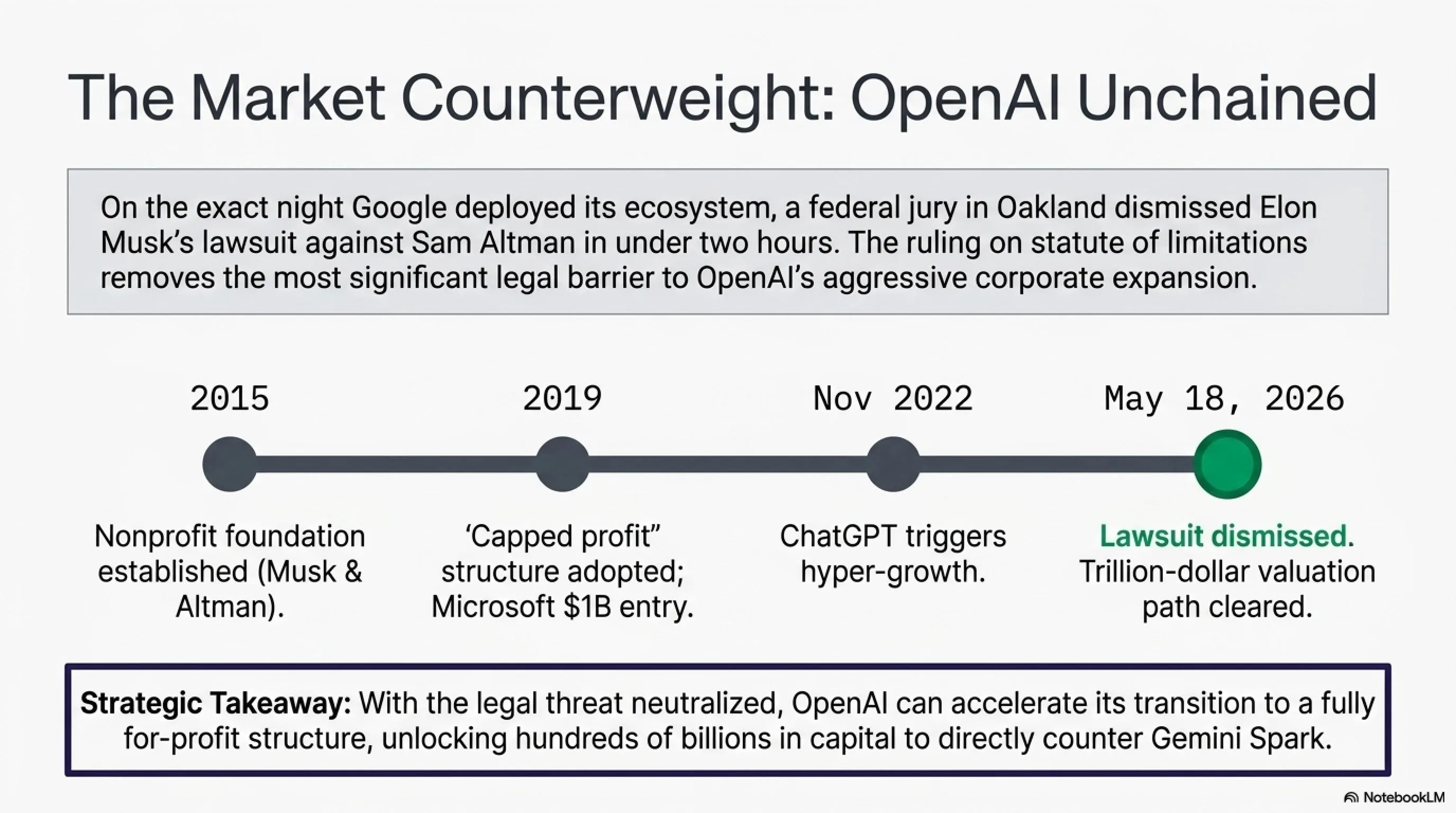
In a landmark ruling, a federal jury in Oakland, California unanimously sided with Sam Altman and OpenAI, dismissing Elon Musk's lawsuit in under two hours of deliberation. The nine-member jury found that Musk had waited too long to file his claims, missing the statute of limitations. U.S. District Judge Yvonne Gonzalez Rogers adopted the advisory verdict and formally dismissed the case.
Musk had accused Altman, co-founder Greg Brockman, and Microsoft of illegally transforming OpenAI from a charitable nonprofit into a for-profit venture. The three-week trial in Oakland revealed that Musk's case was fundamentally weak — in part because evidence showed Musk himself had similar commercial ambitions for OpenAI before his 2018 departure from the board. Musk called the verdict a "technicality" and vowed to appeal.
📅 Musk vs. OpenAI — Complete Timeline
| Date | Event |
|---|---|
| 2015 | Musk and Altman co-found OpenAI as a nonprofit |
| 2018 | Musk resigns from OpenAI board |
| 2019 | OpenAI adopts "capped profit" structure; Microsoft invests $1B |
| Nov 2022 | ChatGPT launches, becomes fastest-growing app in history |
| 2024 | Musk files lawsuit against OpenAI, Altman, and Brockman |
| May 2026 | Three-week trial in Oakland federal court |
| May 18, 2026 | Jury rules against Musk in under 2 hours — case dismissed |
📈 Strategic Impact of the Verdict
🔍 Tekin Analysis: What This Verdict Means for the AI Industry
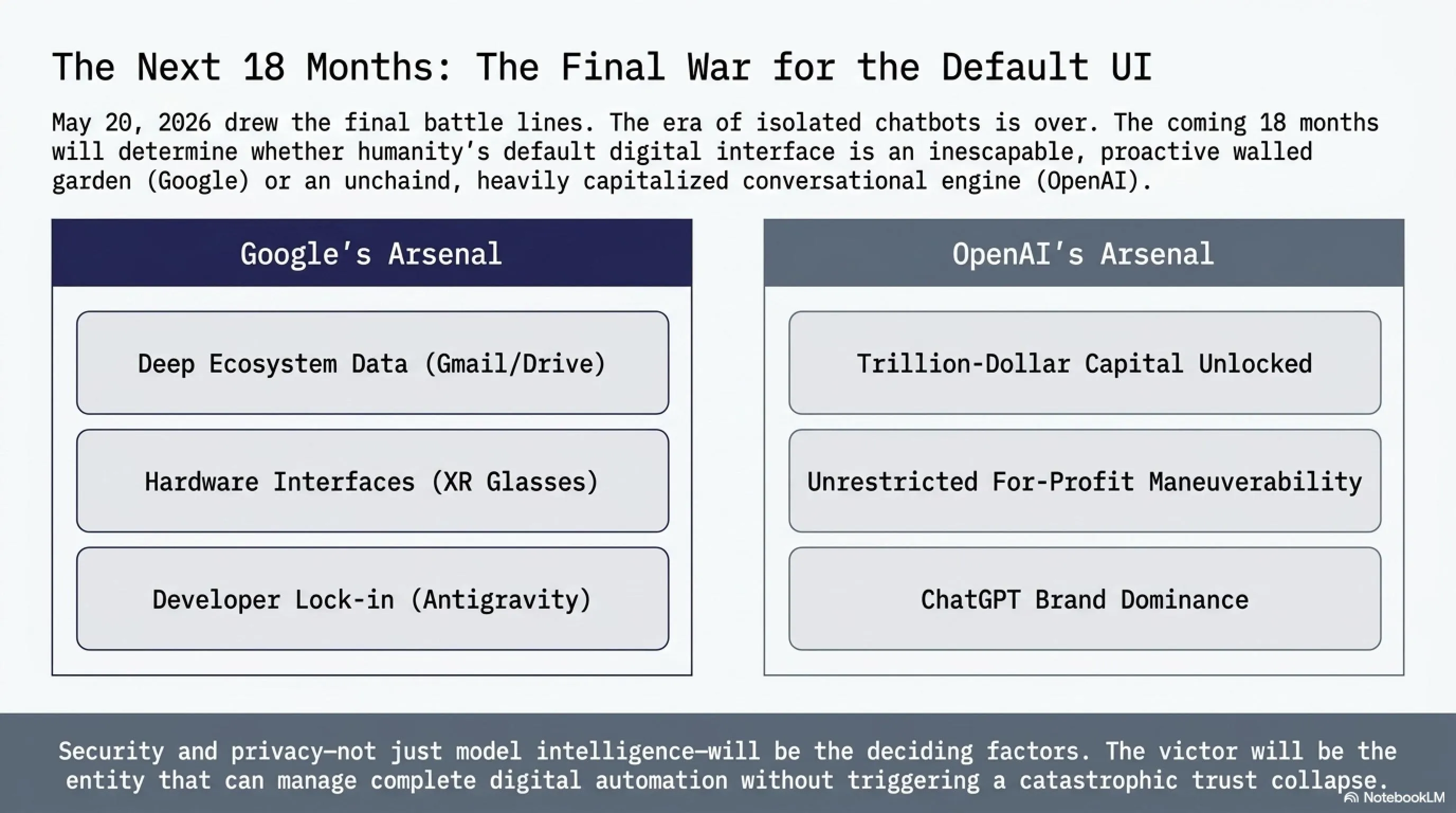
This verdict is more than a legal outcome — it's a signal about the future of AI governance. With the lawsuit dismissed, OpenAI can accelerate its transition to a fully for-profit structure, potentially unlocking hundreds of billions in new investment. The trillion-dollar valuation that seemed aspirational is now a realistic near-term target. But the verdict also raises deeper questions: if OpenAI can abandon its nonprofit mission without legal consequence, what accountability mechanisms remain? The irony is that Musk — who founded xAI as a direct competitor — may have actually helped OpenAI by forcing the company to publicly defend its mission and demonstrate its value. The real battle now shifts from courtrooms to the market: Google's I/O 2026 announcements tonight show that OpenAI's dominance is far from guaranteed. The next 18 months will determine whether Gemini Spark or ChatGPT becomes the default AI assistant for the world.
📚 Full Coverage: Musk vs. OpenAI on Tekin
Related articles we've covered:
📓 7. NotebookLM Outage: Google's AI Service Stumbles
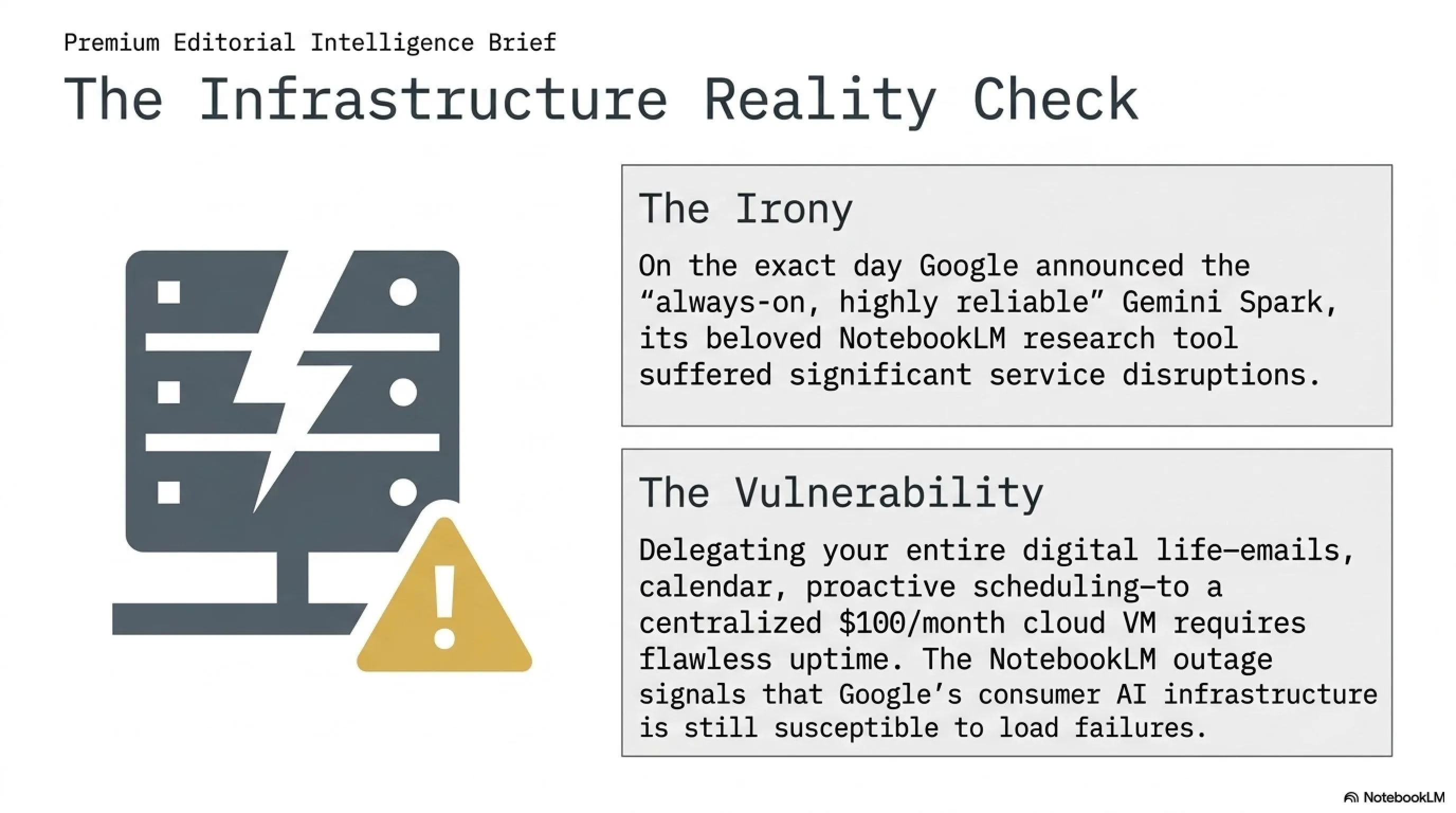
On the same day Google was celebrating its biggest I/O in years, NotebookLM — Google's popular AI research and note-taking tool — experienced service disruptions affecting user experience quality. The NotebookLM team posted on X and Discord: "NotebookLM is currently experiencing issues that may affect the quality of your experience. Follow us on X or Discord for updates."
The timing is notable: NotebookLM went down on the same day Google announced Gemini Spark, a 24/7 autonomous AI agent. The irony of an AI service outage during an event celebrating AI reliability wasn't lost on the tech community. NotebookLM has become one of Google's most beloved AI tools, particularly among researchers, students, and knowledge workers who use it to analyze documents and generate audio summaries.
🌙 Final Thoughts: A Historic Night for Tech
May 20, 2026 will be remembered as the night Google declared all-out war on the AI status quo. Gemini Spark, smart glasses, Android CLI, Gmail Live — these aren't incremental updates. They're the building blocks of a new AI-first computing paradigm where Google's ecosystem becomes the intelligent layer over your entire digital life.
The Musk verdict clears the path for OpenAI's trillion-dollar ambitions, setting up the most consequential AI competition in history. The PSN hack reminds us that as our digital lives become more valuable, the attacks on them become more sophisticated.
The next 18 months will determine whether Gemini or ChatGPT becomes the default AI assistant for humanity. Tonight, Google made its strongest move yet.
❓ Frequently Asked Questions
📚 Sources
- TechCrunch: Google updates its Gemini app to take on ChatGPT and Claude at IO 2026 (May 19, 2026)
- TechCrunch: Google takes a page out of Meta's book, announces new audio-powered smart glasses at IO 2026 (May 19, 2026)
- TechCrunch: Agentic app coding gets an upgrade with Google's release of Android CLI (May 19, 2026)
- TechCrunch: You can now talk to your Gmail inbox, as seen at Google IO 2026 (May 19, 2026)
- Kotaku: Hacker Targets High-Profile PlayStation Podcaster, Raising Concerns About Account Security (May 19, 2026)
- TechCrunch: Elon Musk said Sam Altman 'stole' a non-profit — but the trial showed he had similar aims (May 19, 2026)
- 9to5Google: Gemini app rolling out 'Neural Expressive' redesign, 3.5 Flash, 24/7 Spark agent, & Daily Brief (May 19, 2026)
- The Verge: The 13 biggest announcements at Google I/O 2026 (May 19, 2026)
- NPR: Jury dismisses all claims in Elon Musk's lawsuit against OpenAI CEO Sam Altman (May 18, 2026)
- Android Developers Blog: Android CLI stable 1.0 — agent development (May 19, 2026)
- Tekin Editorial Team — Analysis and Research: May 2026
🌐 Stay Connected With Us
For the latest tech, gaming, and gadget news, follow us on social media:
📸 Instagram 🆔 Telegram Arabia 🆔 Telegram Global 🆔 Telegram Iran 💬 Direct Contact 📧 majid@tekingame.com🌐 Stay Connected With Us 🎮✨
For the latest tech, gaming, and gadget news, follow us on our official social media channels:
Additional Gallery: 🌙 Tekin Night May 20: Google I/O Revolution, Smart Glasses, PSN Hack & Musk Trial Ends