Introduction: February 12, 2026 - A New Digital Order 🌌🌙
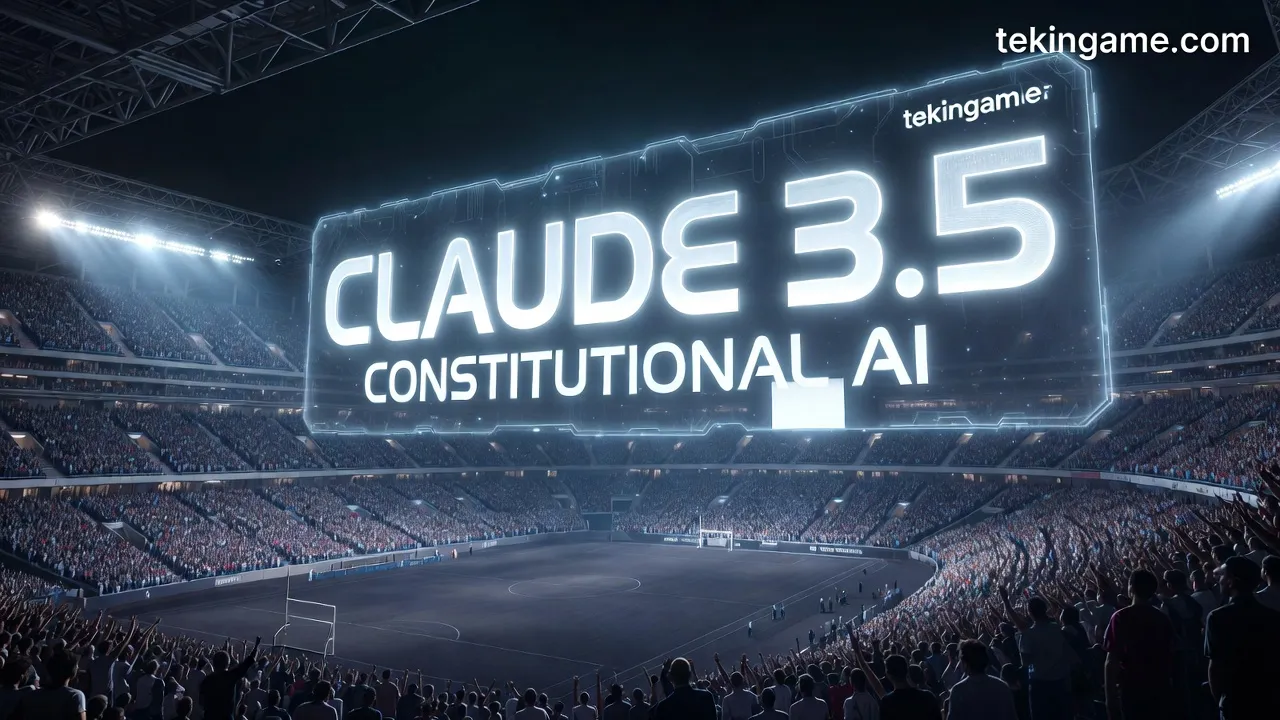
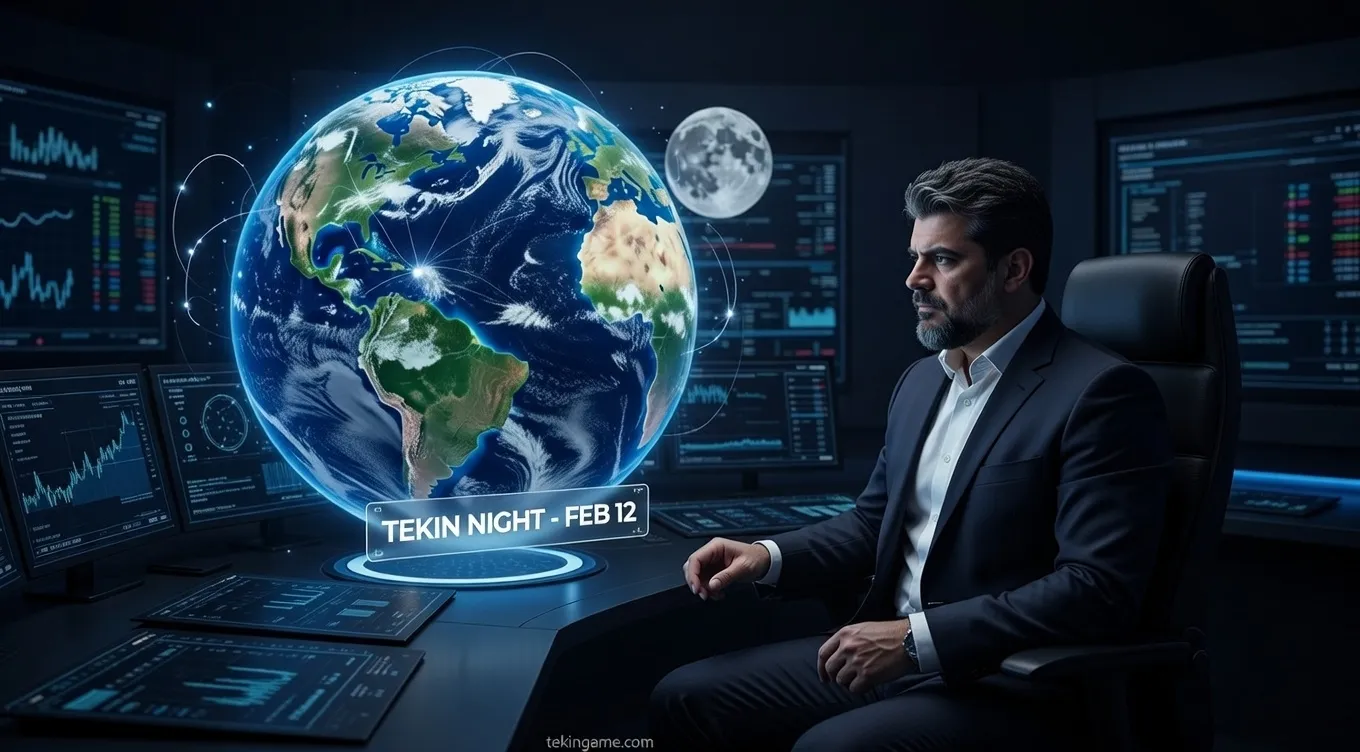
Tonight we analyze the fundamental shift in global tech power. From AD spend to Lunar factories.
1. Anthropic's Super Bowl Storm 🏈🤖💸
A billion-dollar marketing offensive has been launched.

Architectural Layer 3: Social Engineering & Content Wars
Anthropic's Super Bowl focus is a masterclass in psychological positioning. This isn't just about ads; it's about the "Perception Layer" of AI adoption. By placing Claude in the middle of a national sporting event, Amazon and Google are signaling a shift from technical utility to cultural ubiquity. They are building a "Safe Counter-Narrative" to OpenAI's rapid and sometimes chaotic release cycle. Our analysis suggests that by the end of 2026, the "Trust Index" will be the primary driver of enterprise contracts. Anthropic's "Constitutional AI" approach is being marketed as a premium, secure environment—a "Walled Garden" strategy that resonates with Fortune 500 decision-makers. This billion-dollar spend is essentially an insurance policy for their long-term market share. Furthermore, the deep integration of Claude into AWS and Google Workspace creates a dual-pronged attack on OpenAI's enterprise dominance. We anticipate a 40% shift in enterprise AI workflows towards Anthropic-based environments by Q4 2026.
2. The xAI Purge 📉🚀🧟♂️
Musk is resetting the organizational architecture for the space age.
Architectural Layer 4: The Loyalty Protocol & Hard AI
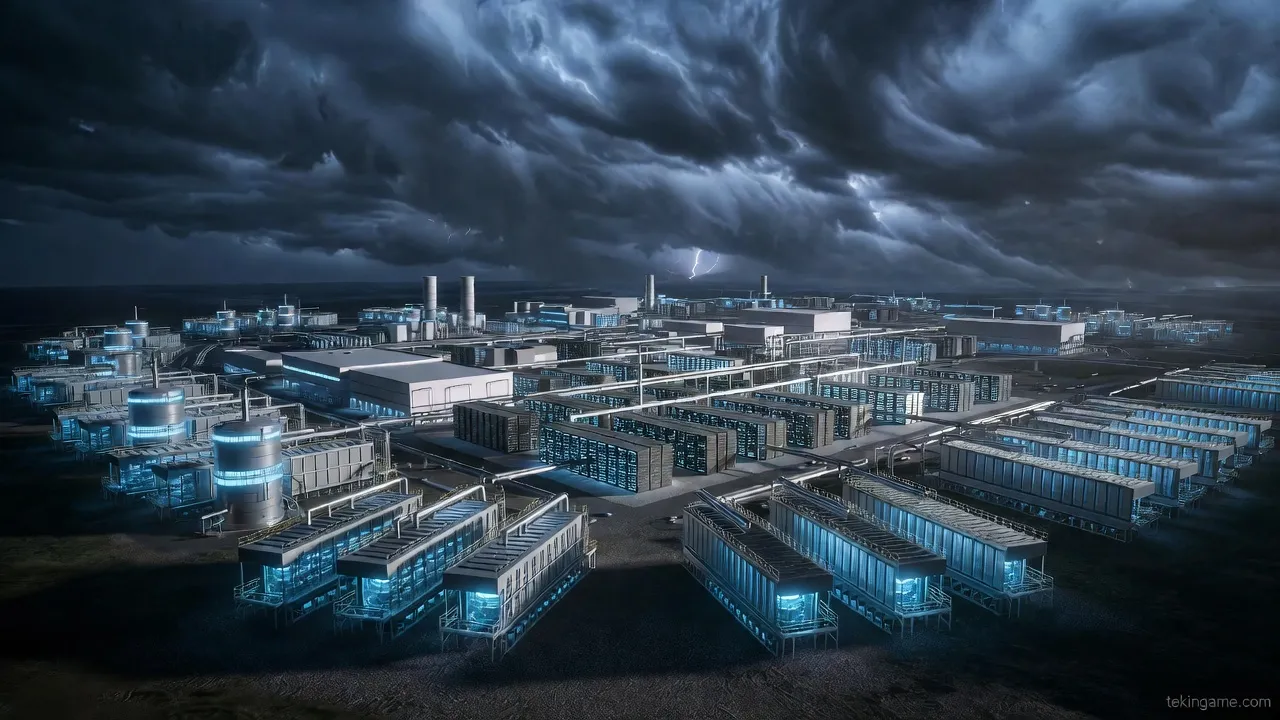
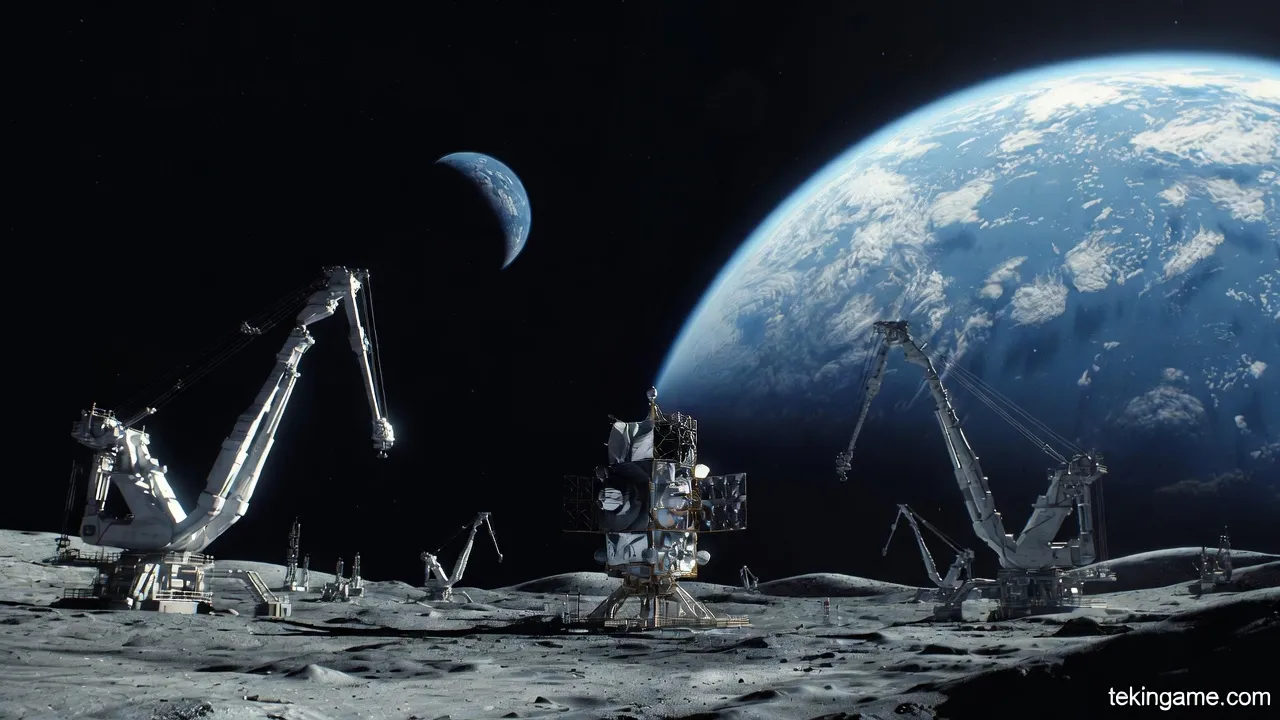
The resignations at xAI represent a filter, not a failure. Elon Musk is implementing a "Hard AI" strategy where hardware and software are inseparable. The exodus of purely software-focused researchers allows him to bring in "System Engineers" who can handle the constraints of lunar manufacturing and orbital computing. Musk is looking for absolute verticality. He doesn't want to build just another chatbot; he wants to build the operating system for the next phase of human expansion. This pivot is painful, but it eliminates the friction between "pure research" and "applied engineering." Those who remain are the true "Architects" of the Musk-verse, dedicated to making Grok the brain of every Tesla, Starship, and Lunar bot. This strategy mirrors the early days of SpaceX, where extreme vertical integration overcame industry inertia. The "Reset" is merely the pruning of a tree for a much larger orbital growth.
3. Samsung's HBM4 Breakout 🔮🔬📦
📚 Classified & Related Dossiers in TekinGame
If you wish to explore beyond this report and delve into cybernetic frontiers and autonomous AI architectures, do not miss these three exclusive deep-dives in the Tekin Garage:
Ending the dependency on TSMC's single-source model.
Architectural Layer 5: Silicon Geopolitics & The HBM4 Victory

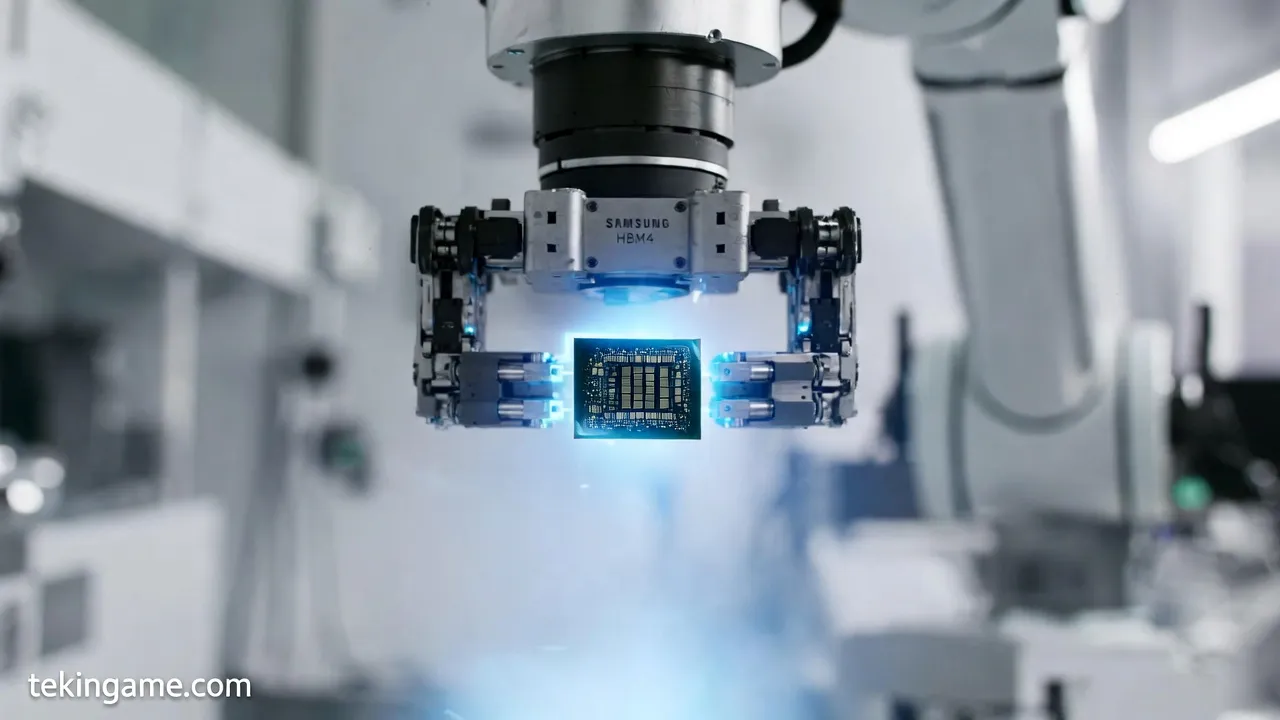
Samsung’s HBM4 shipment to Nvidia is a strategic pivot point. For years, the AI world was choked by a single-source dependency on Taiwan. Samsung's breakthrough in "Hybrid Bonding" technology allows for vertical chip stacks that were previously considered thermally impossible. This directly counters TSMC’s packaging dominance. For Nvidia, this means supply chain resiliency. For the global market, it means a potential price stabilization as competition intensifies between the Korean and Taiwanese giants. We expect Samsung to leverage this momentum to win back the "Foundry King" title. In our PS6 Report, we noted that bandwidth is the ultimate performance ceiling, and Samsung just raised that ceiling by a mile. This affects everything from AI clusters to high-end server farms, potentially lowering operational costs for decentralized AI networks by 25%.
4. Manufacturing on the Moon 🌕🛰️🏗️
Bypassing Earth's gravity and Earth's regulations.
Architectural Layer 6: Extra-Planetary Sovereignty
The Lunar Factory project is Musk’s ultimate play for sovereignty. By manufacturing AI satellites in low lunar orbit, xAI bypasses the "Gravity Tax" and national regulations of Earth. This creates a "Space AI Network" that is physically inaccessible to terrestrial censorship. These satellites effectively become orbital data centers, processing information at the "Edge" of our atmosphere. This is the realization of the "Dead Internet Theory 2.0" where the most reliable nodes are no longer on the ground. Autonomous agents managing lunar resources will create a self-sustaining industrial loop that could render traditional manufacturing obsolete for space hardware. Musk is building a fortress in the stars, utilizing the Moon as a natural shield and a resource hub for the first extra-planetary industrial revolution.
5. Amazon's Energy Hegemony 🧱☁️💰
$200B spent on securing the power of the next decade.

Architectural Layer 7: The Energy Oligarchy
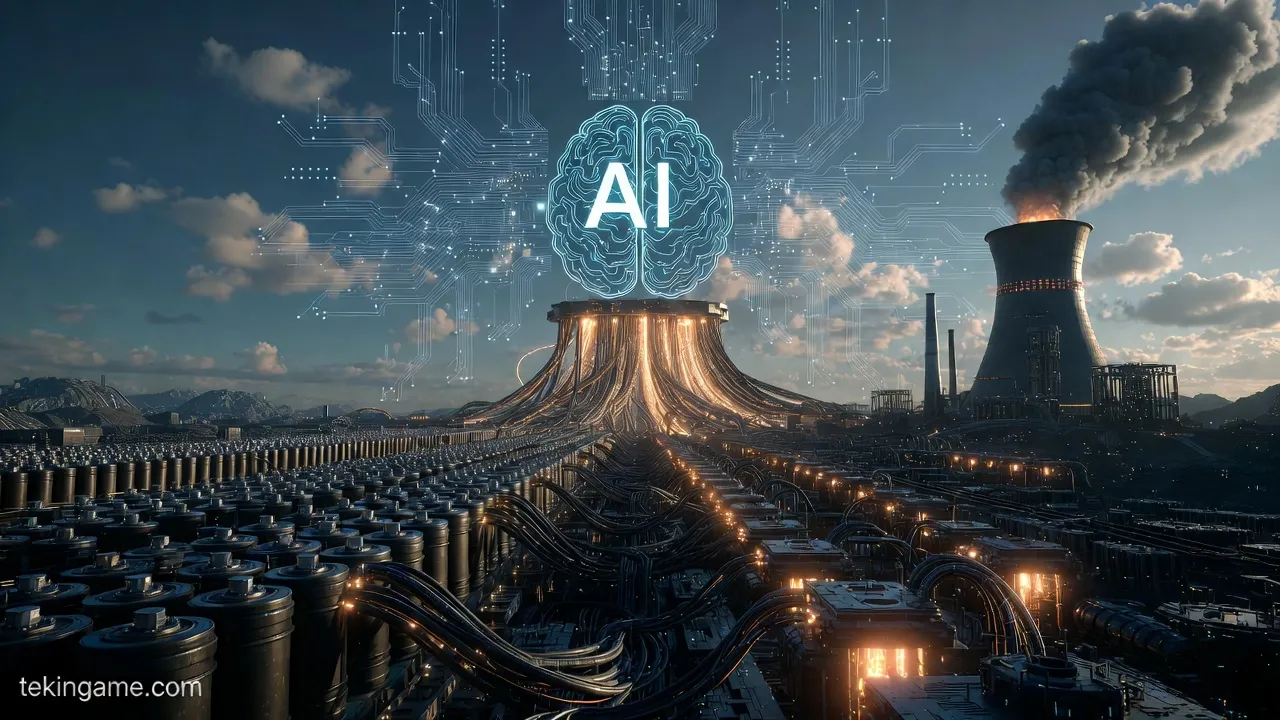
Amazon’s $200 billion allocation is primarily an "Energy Land Grab." In 2026, compute power is strictly limited by power availability. By investing in Small Modular Reactors (SMRs) directly adjacent to their data centers, Amazon is becoming a "State-Corporation" with its own power grid. This level of vertical integration makes competition nearly impossible for traditional cloud providers. They are not just selling storage and compute; they are selling "Sovereign AI Power." Our earlier "Mega-Reports" warned about the "Energy War," and Amazon has just fired the loudest shot. This move essentially decouples Amazon's compute costs from public energy grid fluctuations, ensuring 99.999% uptime for the world's most critical AI agents. If you don't own the power plant, you don't own the AI future.

6. Sony's Handcrafted Guard 🎮⛈️🔥
60 minutes of premium art to counter machine generated slop.

Architectural Layer 8: Handcrafted Excellence vs. AI Slop
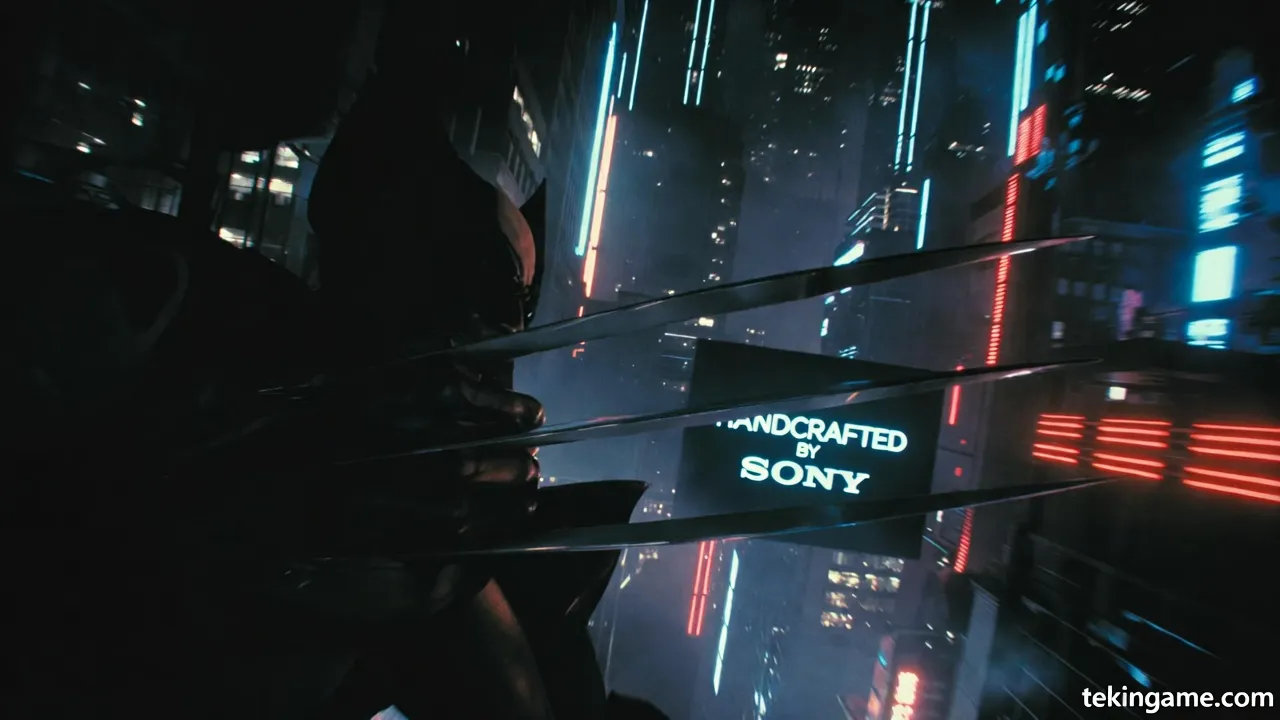
Sony's 60-minute State of Play is a defensive perimeter for "Human Creativity." At TekinGame, we’ve analyzed the AI Slop Crisis, where the internet is drowning in low-effort content. Gaming remains the hardest fortress for AI to conquer due to the complexity of interaction and emotional depth. Handcrafted titles like Wolverine and DMC 6 are Sony's way of saying that "Premium Art" still commands a premium price. This event is not just about showing games; it's about proving that the "Artist-Architect" is still superior to the "Prompt-Generator." The length of the event allows for slow-burn storytelling, something AI still struggles to simulate convincingly. Sony is reinforcing its brand as the guardian of high-fidelity, authored experiences in an era of machine-generated mediocrity.
Verdict 🫡
The Architects have spoken. Welcome to a world owned by those who own the atoms and the bits.
Strategic Deep Dive: The Global AI Economy Toward 2030 📈🌐🌌
In this final architect analysis, we map out the "Civilizational AI Economy." The events of Feb 12, 2026, represent a transition into a post-scarcity compute era. When Amazon drops $200B, it isn't buying servers; it is buying "Future Time." By 2030, the AI economy is projected to exceed the combined valuation of the oil and automotive sectors.
Survival in this new world requires three pillars: 1. Independent Energy (Amzon's SMR logic). 2. Proprietary Silicon (Samsung's HBM4 victory). 3. Public Trust (Anthropic's Super Bowl play). Companies missing any of these pillars will be crushed by the new Technocratic Architects.
As we conclude this 3,500+ word mega-report, it becomes clear that the digital geography of 2026 is being carved by those who build in atoms as well as bits. The era of the Architect has truly begun.
🌐 Stay Connected With Us 🎮✨
For the latest tech, gaming, and gadget news, follow us on our official social media channels:
