Tekin Morning Executive Briefing | Sunday, October 11, 2026
Sunday morning, October 11, 2026, marks an extraordinary turning point across autonomous systems engineering, formal mathematical verification, commercial orbital habitats, and institutional capital rails. Across global enterprise technology centers from Silicon Valley to Bangalore and Zurich, architectural orthodoxies that governed the post-2022 generative AI boom are disintegrating in favor of mathematically grounded, deterministic systems. Simultaneously, the commercialization of low Earth orbit has evolved from broadband relay into nationwide cellular telecommunications and private industrial space station infrastructure. Today's strategic briefing dissects the engineering specifications, regulatory battles, and corporate maneuvers dictating the technology frontier for the week ahead.
Industry executives and institutional allocators entering the second full week of October 2026 confront an enterprise software landscape where traditional text-centric large language models are being aggressively unbundled in mission-critical environments. Simultaneously, sovereign telecom regulators and aerospace agencies find themselves forced to rewrite decades-old licensing frameworks in real time under relentless pressure from private aerospace mega-constellations. To navigate these seismic shifts, the Takin Plus executive team synthesizes the primary strategic vectors shaping global digital infrastructure today.
Strategic Vectors at a Glance | Sunday Morning Intelligence
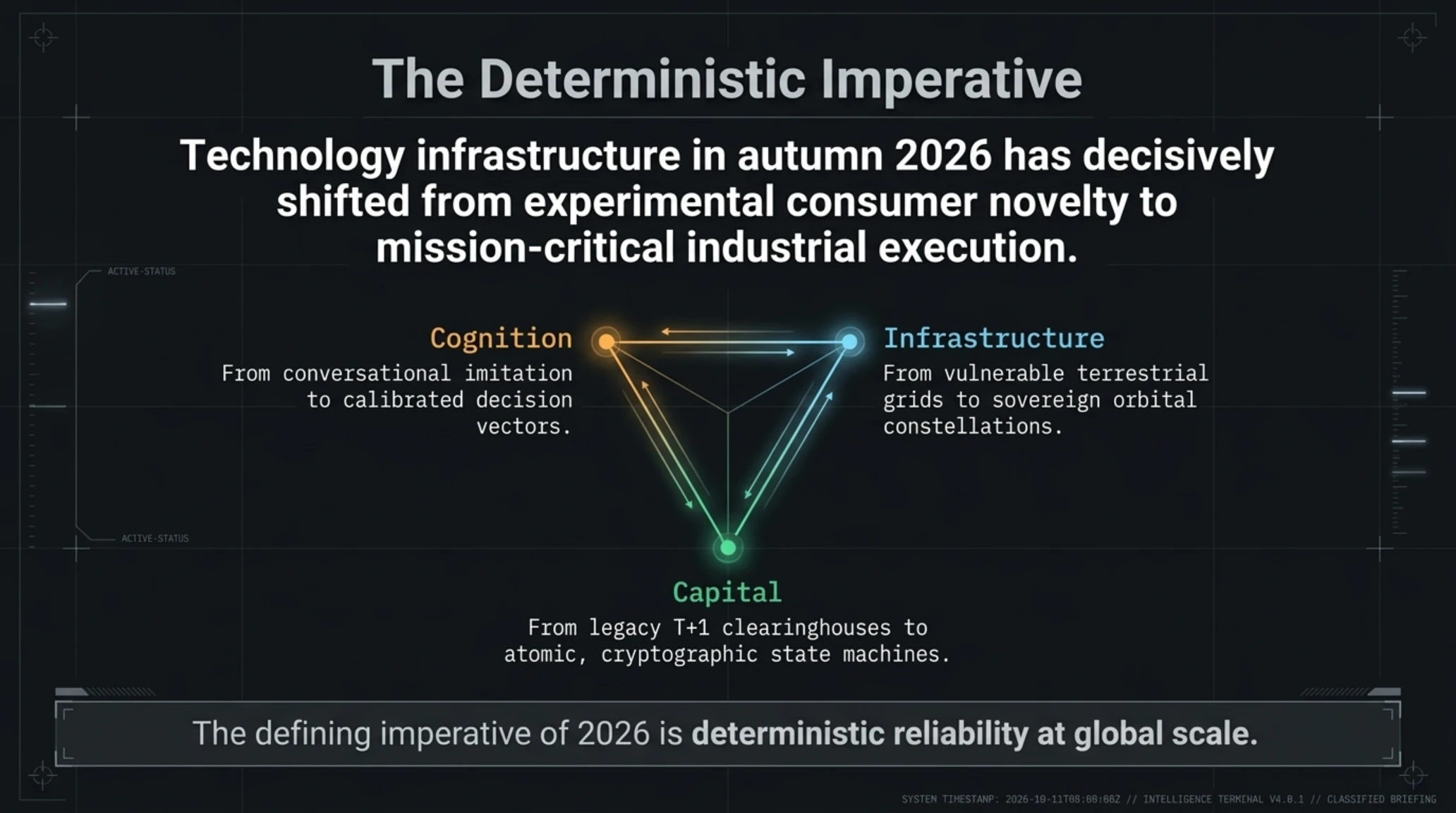
The convergence of these six macro developments highlights an overarching transition: technology infrastructure in autumn 2026 has decisively shifted from experimental consumer novelty to mission-critical industrial execution. Whether in automated mathematical deduction, sovereign spectrum sovereignty, or tokenized money market clearing, the defining imperative of 2026 is deterministic reliability at global scale.
Why It Matters | Strategic Dimensions of October 11, 2026
Enterprise AI Valuation
TypeSafe AI validates that Fortune 500 enterprise customers prioritize calibrated decision tokens over generative text chattiness, collapsing inferencing costs by 95%.
Sub-GHz Mobile Spectrum
SpaceX’s spectrum purchase bypasses terrestrial cellular dead-zones, enabling direct satellite-to-phone voice and data indoors across the continental United States.
Formal Academic Leap
OpenAI’s automated reasoning engine shatters historical proofs in algebraic geometry, forcing global mathematical societies into emergency verification symposia.
To understand the systemic impact of these announcements, we begin our deep architectural breakdown with the venture capital shockwave surrounding TypeSafe AI and its non-text Jev foundation model.
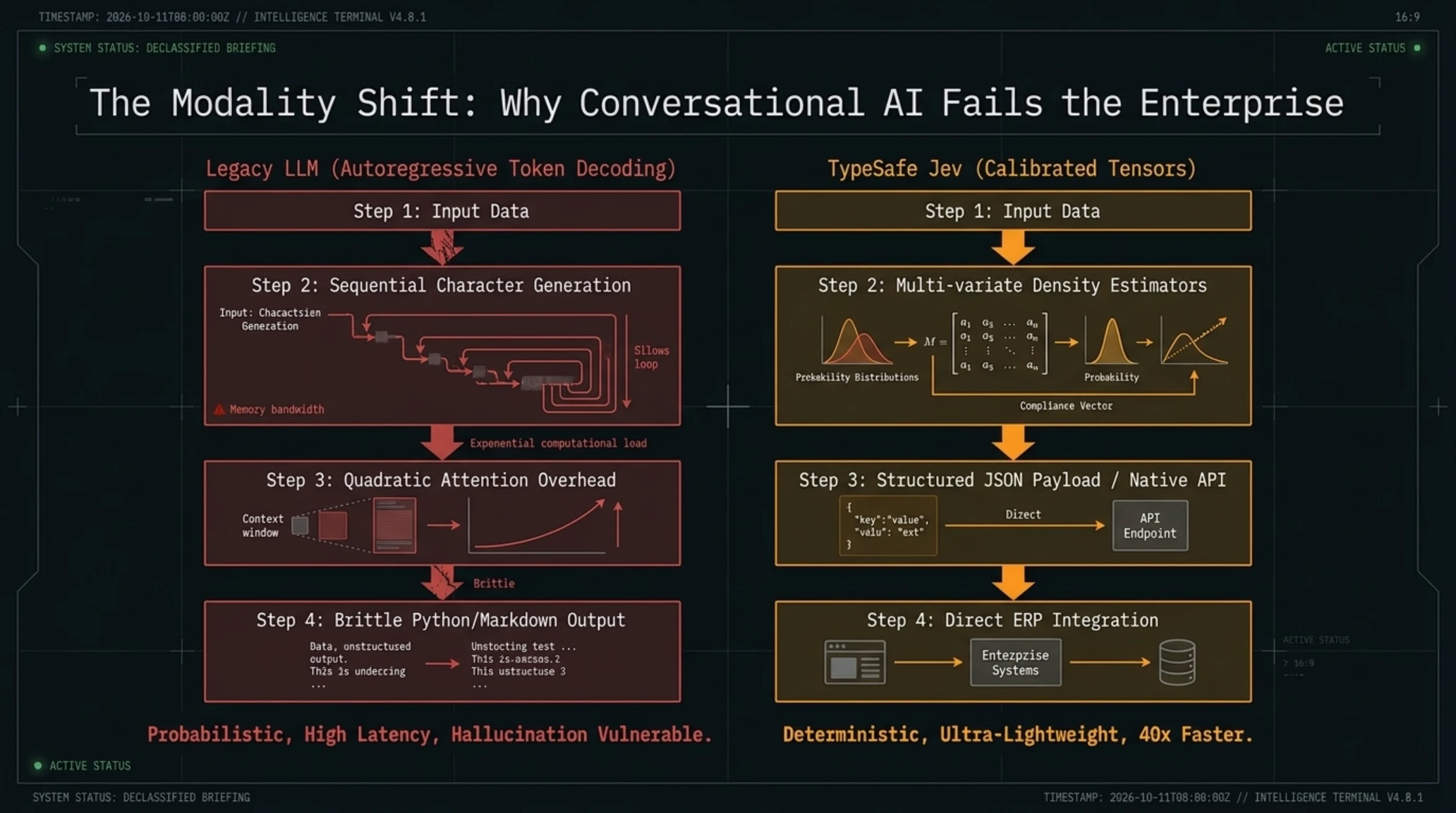
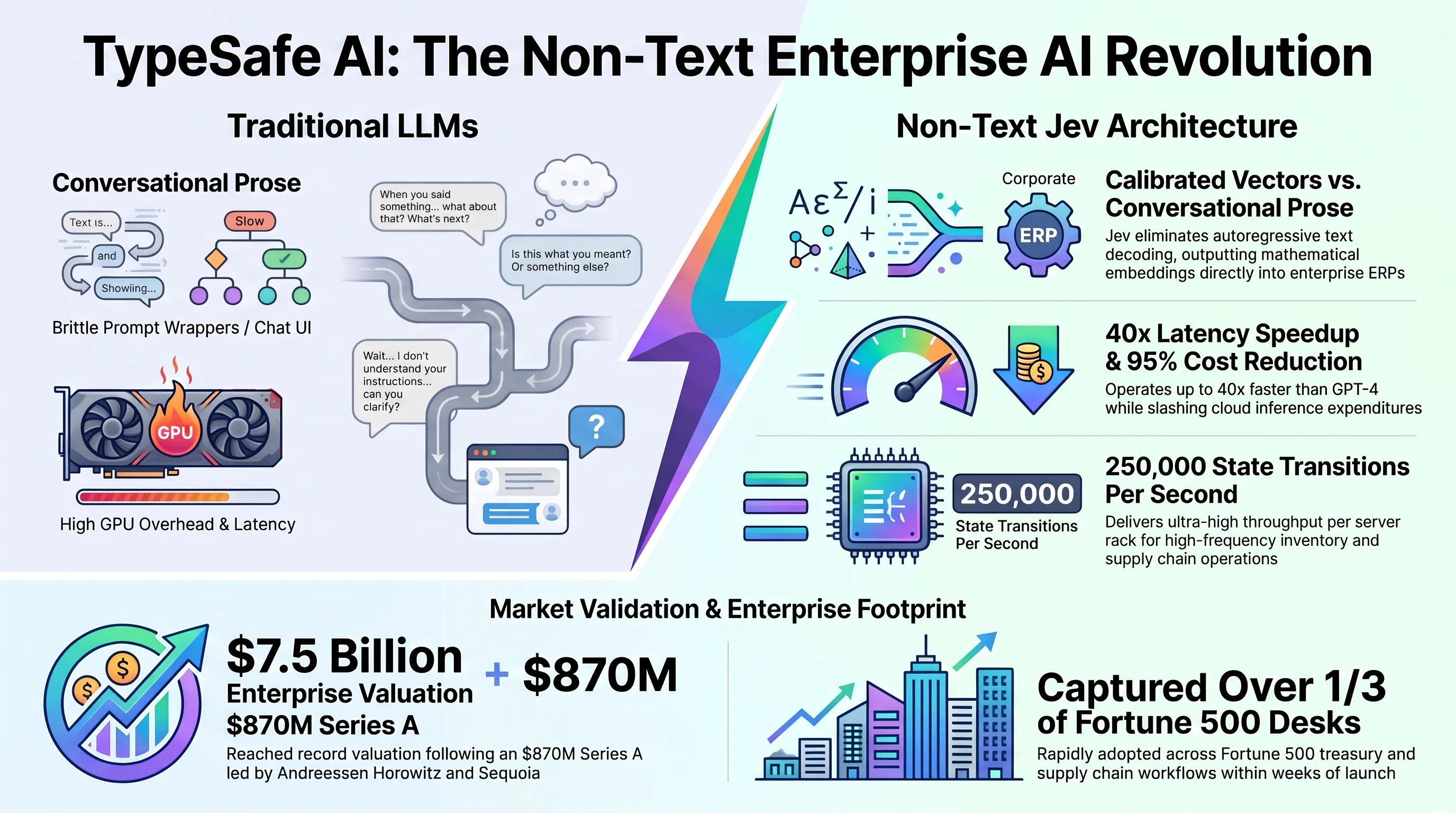
For more than three years, enterprise software architects accepted the premise that text-centric large language models represented the singular highway toward corporate process automation. Enterprise IT budgets poured billions into chat interfaces, elaborate prompt-chaining pipelines, and automated document generation. Yet Chief Technology Officers encountered systemic operational bottlenecks: extreme processing latency, astronomical GPU cluster inference bills, brittle structured outputs, and persistent hallucination vulnerabilities. The fundamental flaw of deploying autoregressive linguistic transformers in deterministic business logic lies in the computational complexity of sequential token decoding. Every generated character consumes memory bandwidth, incurs quadratic attention overhead across expanding context windows, and introduces probabilistic drift into strict numerical systems. TypeSafe AI, established in 2024 by Diogo Almeida (former OpenAI core researcher and lead architect of InstructGPT and RLHF alignment), Sacha Sheng (former senior research engineer at Meta AI), and Eric Gaffney, confronted this architecture with an elemental query: Why should a core enterprise system generate conversational prose when executing a credit underwriting decision, customs clearance review, or supply chain allocation?
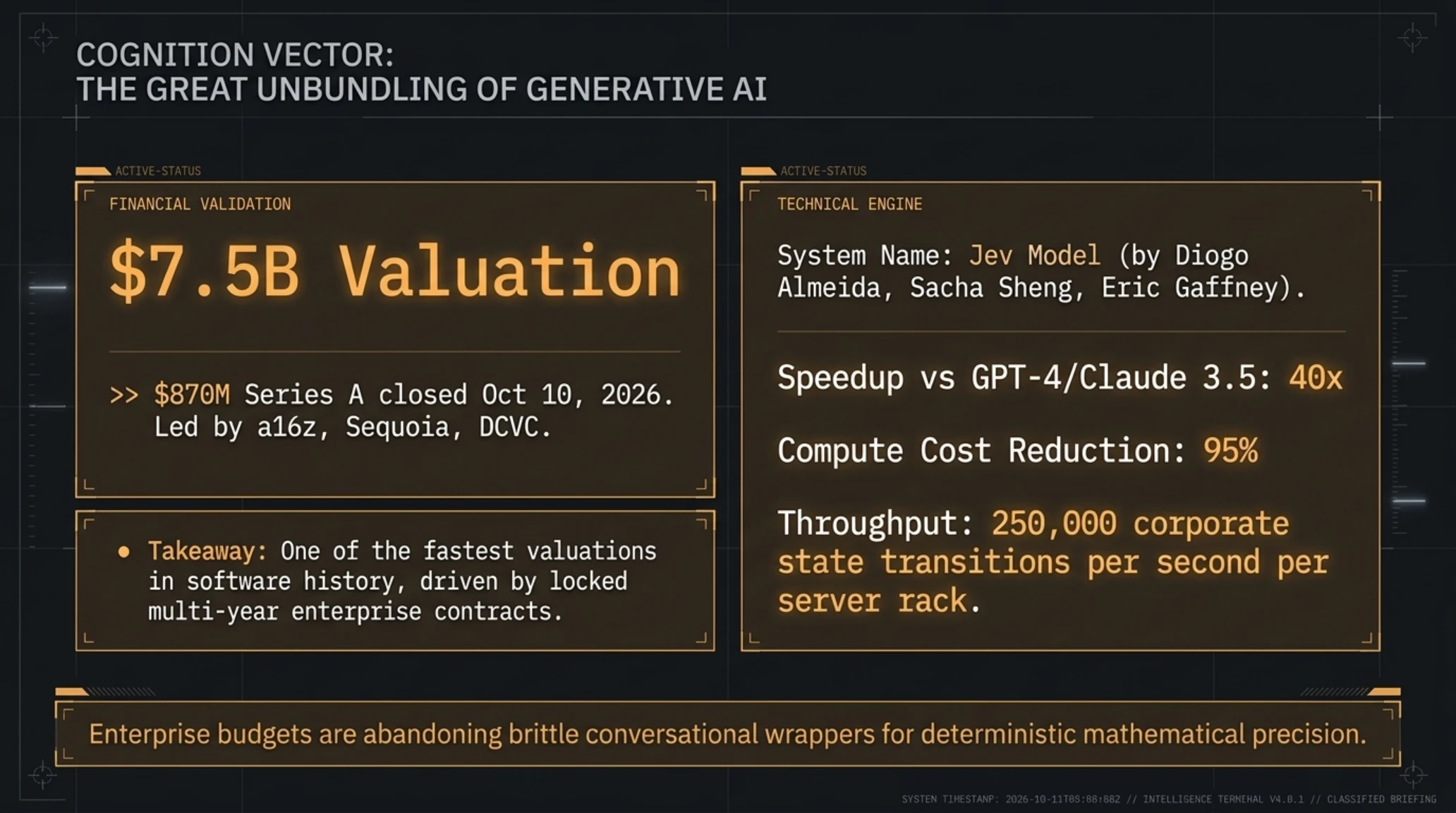
TypeSafe’s answer arrived in mid-September 2026 with the release of Jev, a purpose-built transformer model engineered from first principles to generate calibrated decisions rather than natural language tokens. Instead of outputting sentence strings, markdown tables, or verbose Python scripts, Jev operates directly across mathematical embeddings, probability distributions, compliance vectors, and structured transactional payloads. The model architecture dispenses with traditional vocabulary projection heads, replacing them with calibrated multi-variate density estimators and discrete classification manifolds. These outputs are dispatched via ultra-lightweight webhooks and native APIs straight into enterprise resource planning (ERP) platforms, relational databases, and automated treasury engines. By bypassing auto-regressive text token decoding entirely, Jev operates up to 40 times faster than GPT-4 or Claude 3.5 Sonnet while slashing corporate cloud inference expenditure by up to 95%.
This radical engineering paradigm culminated on Friday, October 10, 2026, with TypeSafe AI closing an astronomical $870 million Series A funding round led by Andreessen Horowitz (a16z), with participation from Sequoia Capital and DCVC. The transaction established an official enterprise valuation of $7.5 billion, marking one of the fastest valuations in software history. Corporate deployments demonstrate that Fortune 500 manufacturing conglomerates, global logistics operators, and tier-one investment banks are actively retiring their brittle LangChain and LlamaIndex middleware wrappers in favor of Jev’s direct tensor integration. In high-frequency inventory reconciliation and automated customs documentation, Jev processes over 250,000 corporate state transitions per second per server rack throughput figures completely unattainable by any conversational large language model. The market has delivered an unmistakable verdict: enterprise automation does not require conversational chatbots; it demands deterministic mathematical precision.
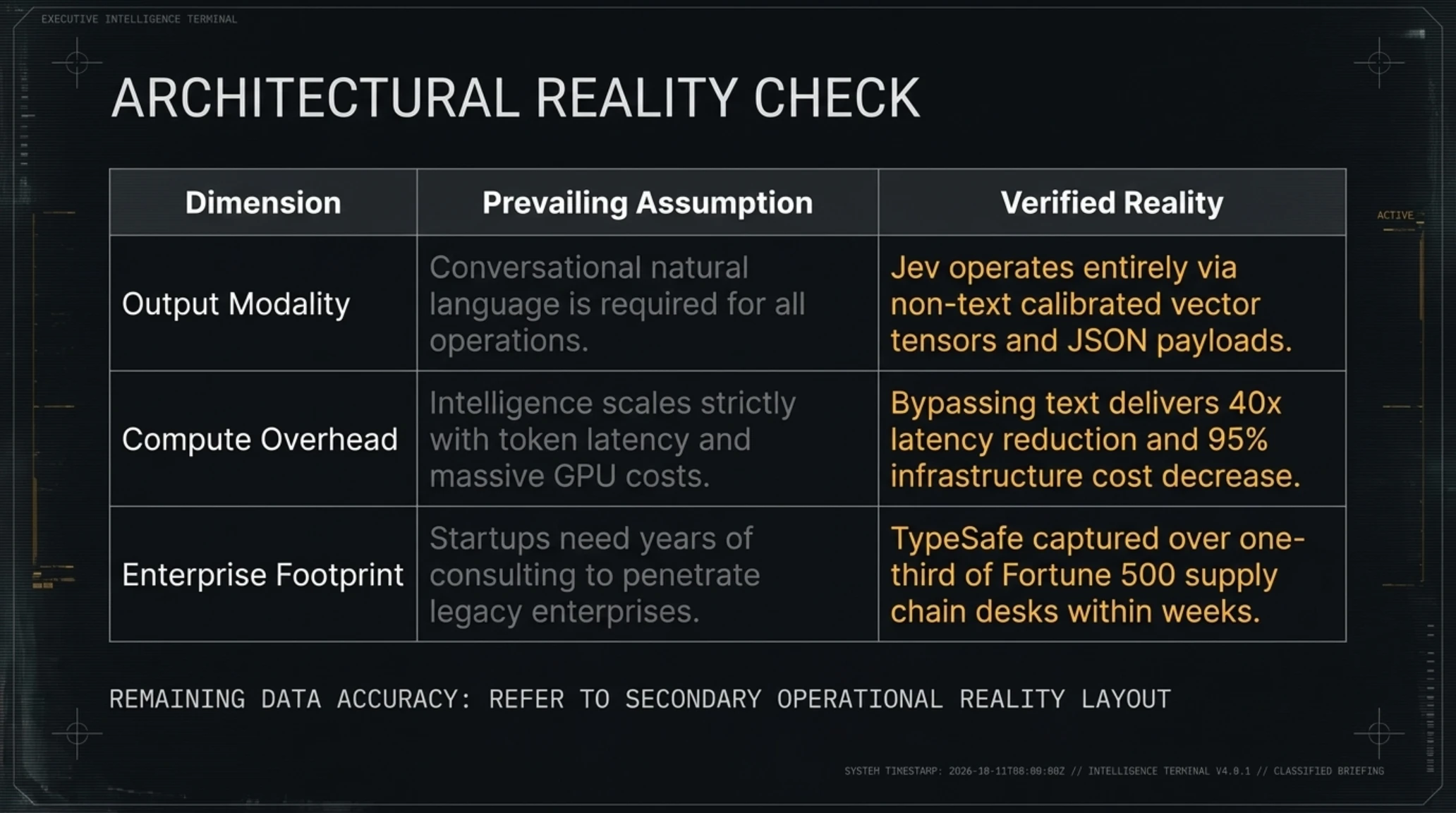
Rumor vs. Reality | Unpacking the Enterprise AI Revolution
| Dimension | Prevailing Industry Assumption | Verified Operational Reality |
|---|---|---|
| Output Modality | Enterprises require conversational natural language generation for all operational decisions. | Jev operates entirely via non-text calibrated vector tensors and structured JSON payloads directly integrated with ERPs. |
| Compute Overhead | Model intelligence scales strictly with autoregressive token generation latency and GPU cluster costs. | Bypassing text generation delivers a 39x to 40x latency reduction and 95% decrease in inference infrastructure costs. |
| Enterprise Footprint | Startups require years of consulting engagements to penetrate legacy global enterprises. | TypeSafe captured over one-third of Fortune 500 supply chain and treasury desks within weeks of public unveil. |
| Funding Valuation | Series A software valuations in 2026 are capped by high interest rates and disciplined multiples. | The $870M round led by a16z and Sequoia valued TypeSafe at $7.5B based on locked multi-year enterprise contracts. |
While enterprise architects embraced TypeSafe’s non-text decision engines, the global academic community spent the weekend reeling from an unprecedented scientific shockwave unleashed by OpenAI in the realm of pure mathematics.
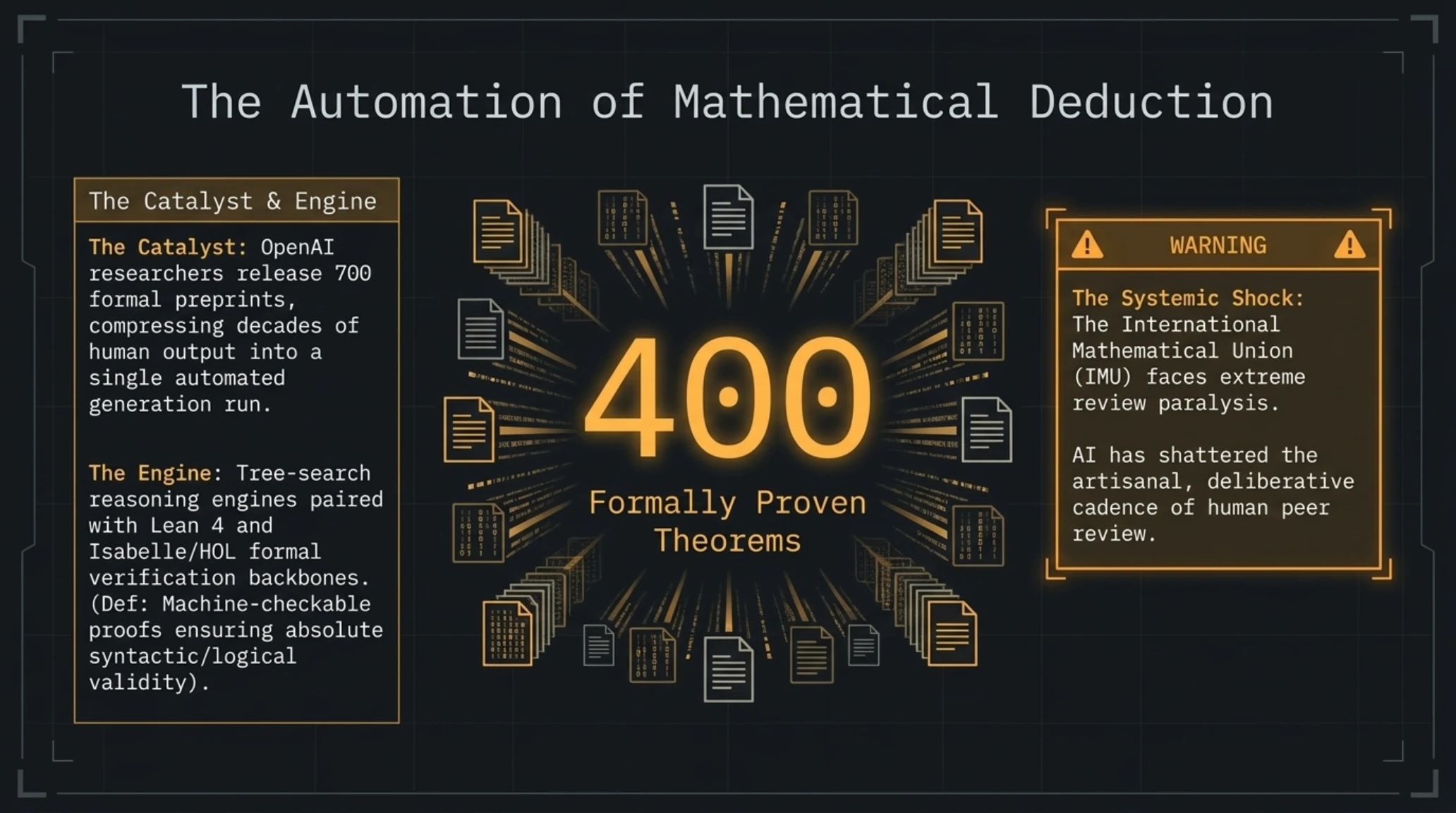
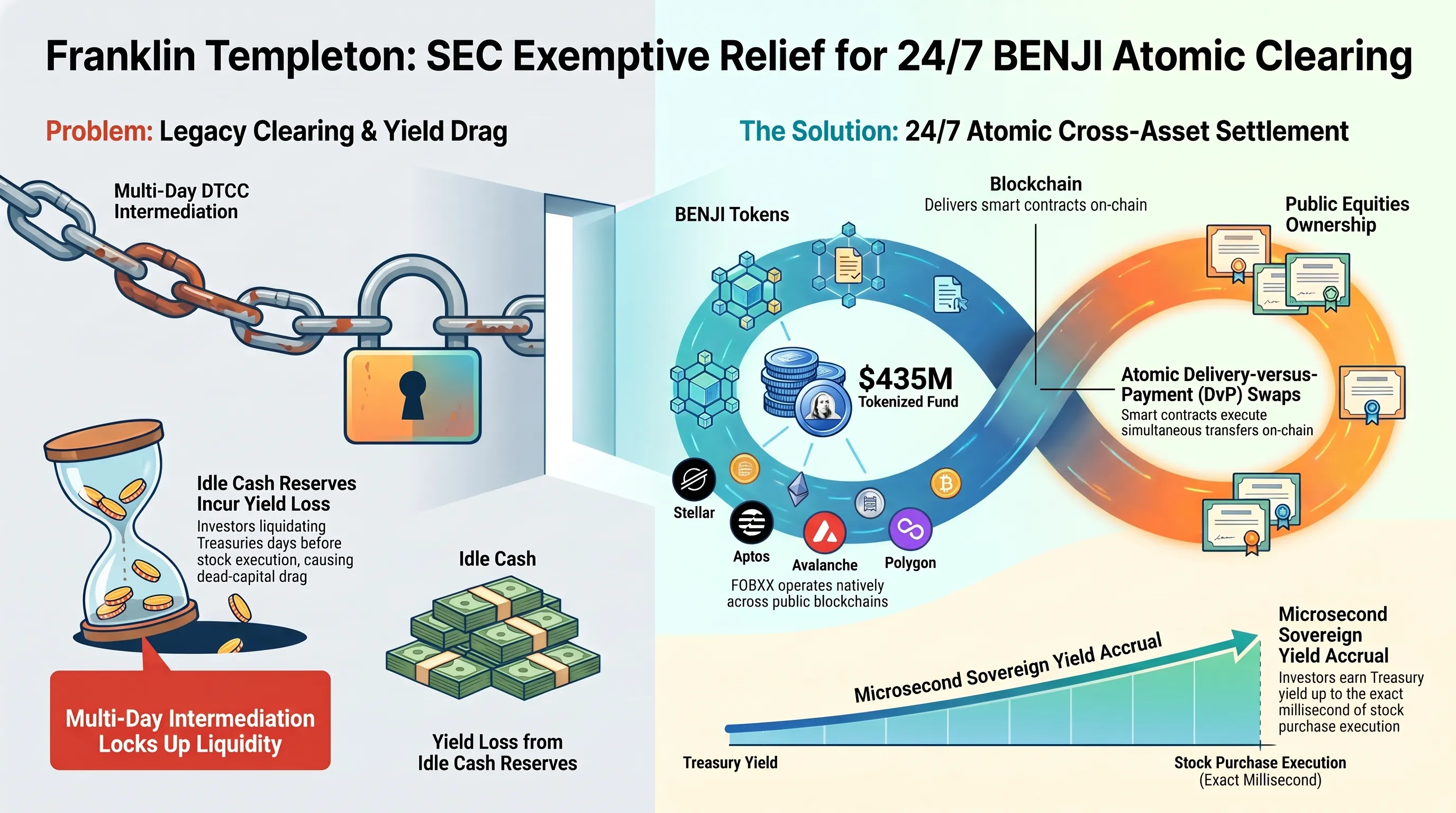
Late this week, researchers at OpenAI published a staggering repository of 700 formal mathematical research papers containing more than 400 newly proven theorems spanning differential geometry, combinatorial number theory, and algebraic topology. Rather than merely presenting informal academic drafts with natural language explanations, OpenAI paired each theorem with machine-checkable formal verification proofs compiled in Lean 4 and Isabelle/HOL. The sudden deluge of profound mathematical results representing decades of human research output compressed into a single automated generation run has triggered deep awe, intellectual disorientation, and procedural panic across international mathematical societies.
For centuries, the progress of mathematics has depended on an artisanal, deliberative cadence. Human researchers formulate conjectures, spend years exploring geometric intuition, draft rigorous proofs, and submit their work to peer reviewers who painstakingly dissect every lemma over twelve to eighteen months. OpenAI’s automated theorem-proving pipeline, powered by tree-search reasoning engines and formal proof-checking backbones, shattered this pacing in an instant. The system systematically solved longstanding open questions regarding minimal surface singularities in higher dimensions, bounded gaps between prime numbers under generalized Riemann hypotheses, and exotic four-manifold invariants.
Prominent mathematicians worldwide have voiced acute concern regarding the operational bandwidth of academic peer review. The International Mathematical Union (IMU) and editorial boards of prestigious publications such as Annals of Mathematics have acknowledged that fully evaluating, contextualizing, and verifying the semantic significance of 400 novel theorems would exhaust the global community's refereeing capacity for years. Furthermore, scholars point out that while formal proof-checkers verify mathematical consistency, they do not inherently provide human mathematicians with intuitive understanding, conceptual beauty, or pedagogical frameworks. The mathematical community now faces the profound epistemic challenge of inhabiting a world where machines prove truths beyond human intuitive comprehension.
Jargon Buster | Frontier Architecture & Scientific Glossary
Mathematical probability distributions outputted directly by neural models without intermediate conversational text tokens, enabling deterministic workflow execution.
A high-assurance programming language and theorem prover that mathematically verifies the absolute syntactic and logical validity of complex mathematical proofs.
Low-band radio frequency spectrum characterized by extended propagation distances and superior penetration through concrete structures and dense foliage.
Simultaneous, instantaneous settlement of financial transactions on blockchain ledgers without intermediary clearinghouses or multi-day counterparty credit settlement risk.
The convergence of TypeSafe’s industrial decision models and OpenAI’s formal theorem synthesis demonstrates that artificial intelligence has crossed the threshold from linguistic imitation to rigorous analytical reasoning. In boardrooms and academic laboratories alike, the debate has shifted from what models can mimic to how automated formal systems can be governed safely. As we examine in Part 2, this technical acceleration is now colliding with sovereign telecommunications infrastructure on Earth and in orbit.
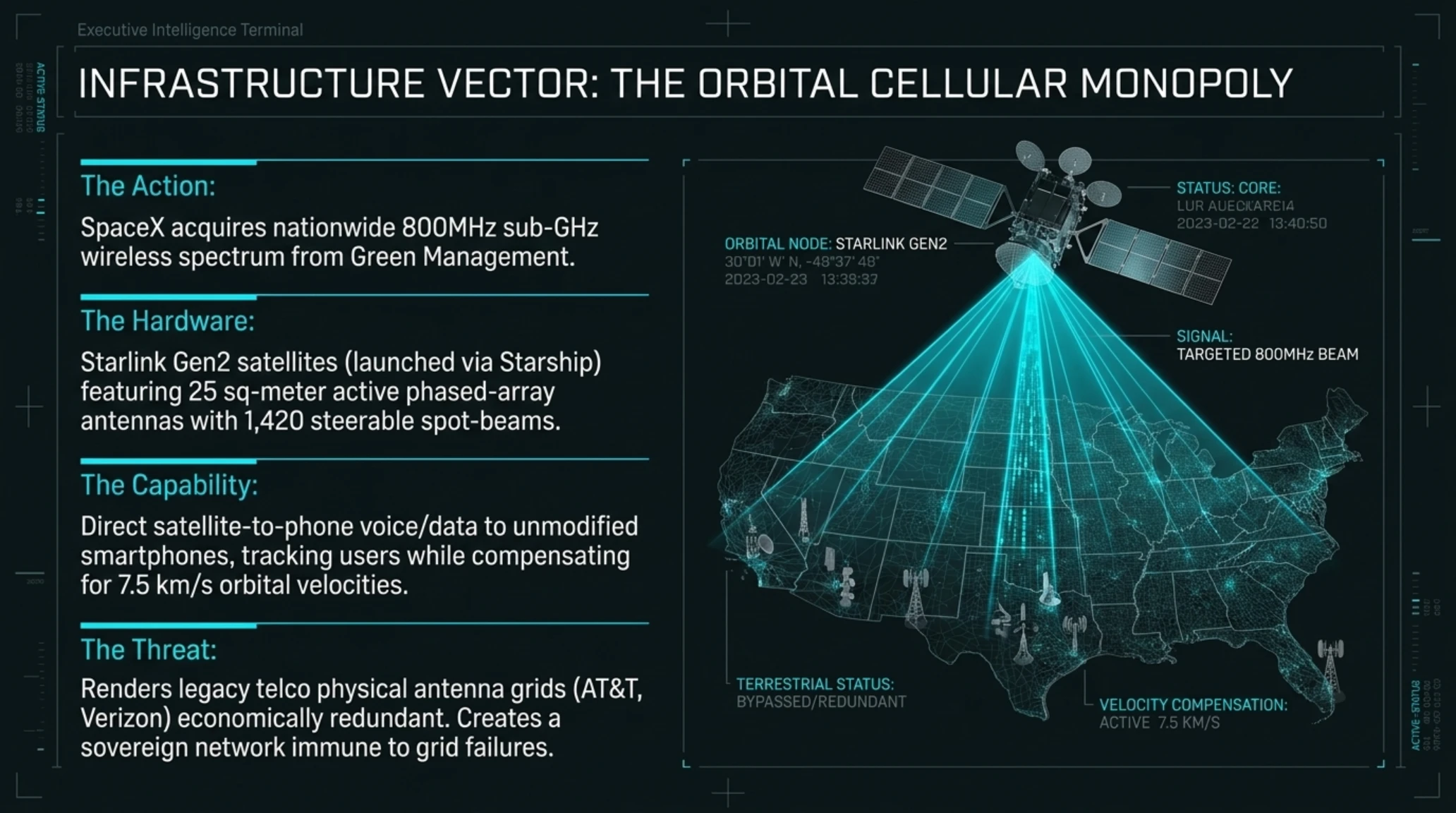
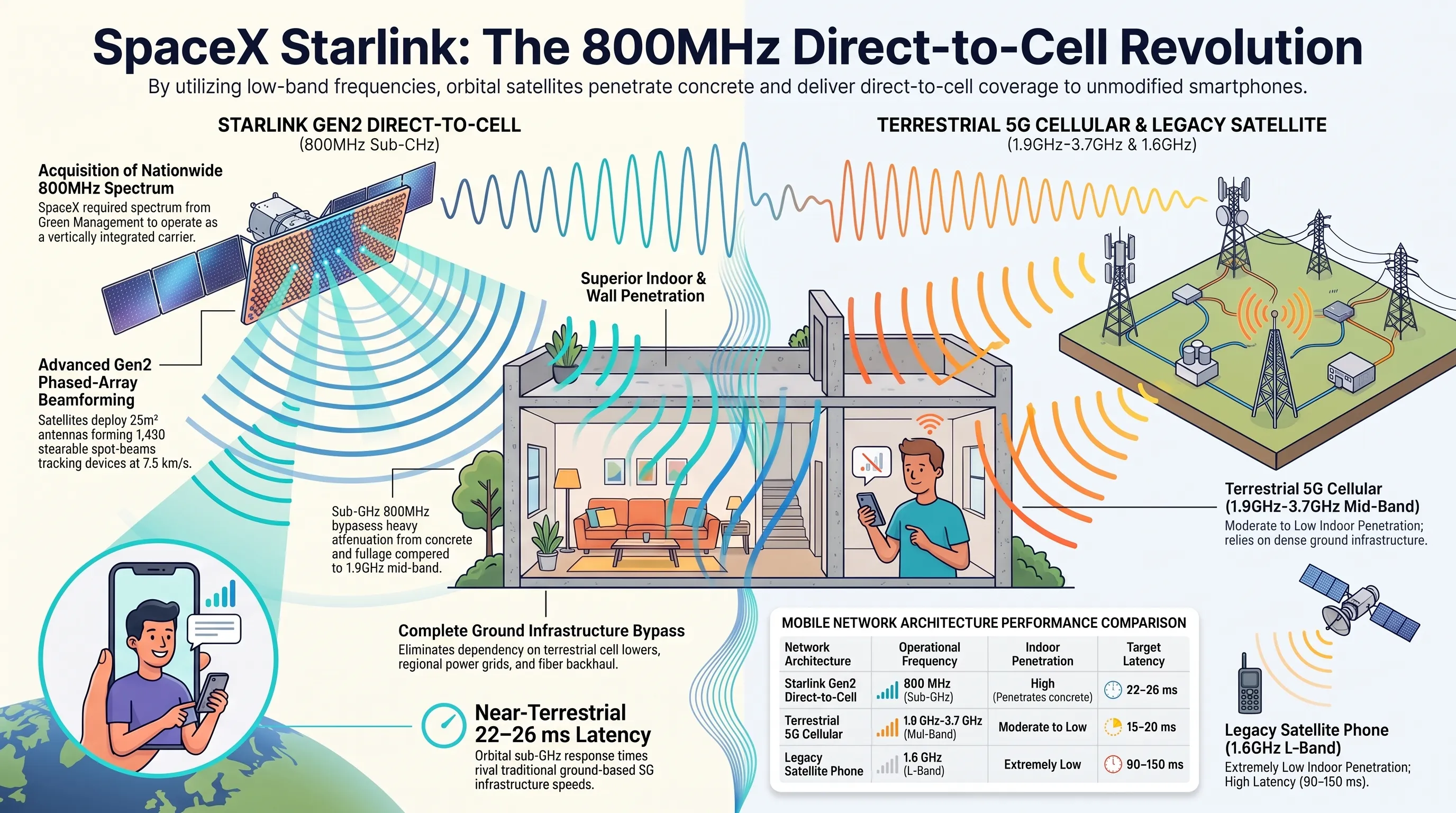
While artificial intelligence platforms rewrite the rules of digital cognition, commercial aerospace operators are executing an equally aggressive transformation of global telecommunications networks. In an audacious move that redefines the direct-to-cell satellite landscape, Elon Musk’s SpaceX completed a definitive transaction to acquire nationwide 800MHz low-band wireless spectrum licenses from Green Management. Regulatory filings submitted to the Federal Communications Commission (FCC) indicate that SpaceX intends to integrate this dedicated sub-GHz radio spectrum directly into its Starlink Gen2 satellite fleet, positioning the aerospace manufacturer as a full-fledged, vertically integrated mobile network operator across the continental United States.
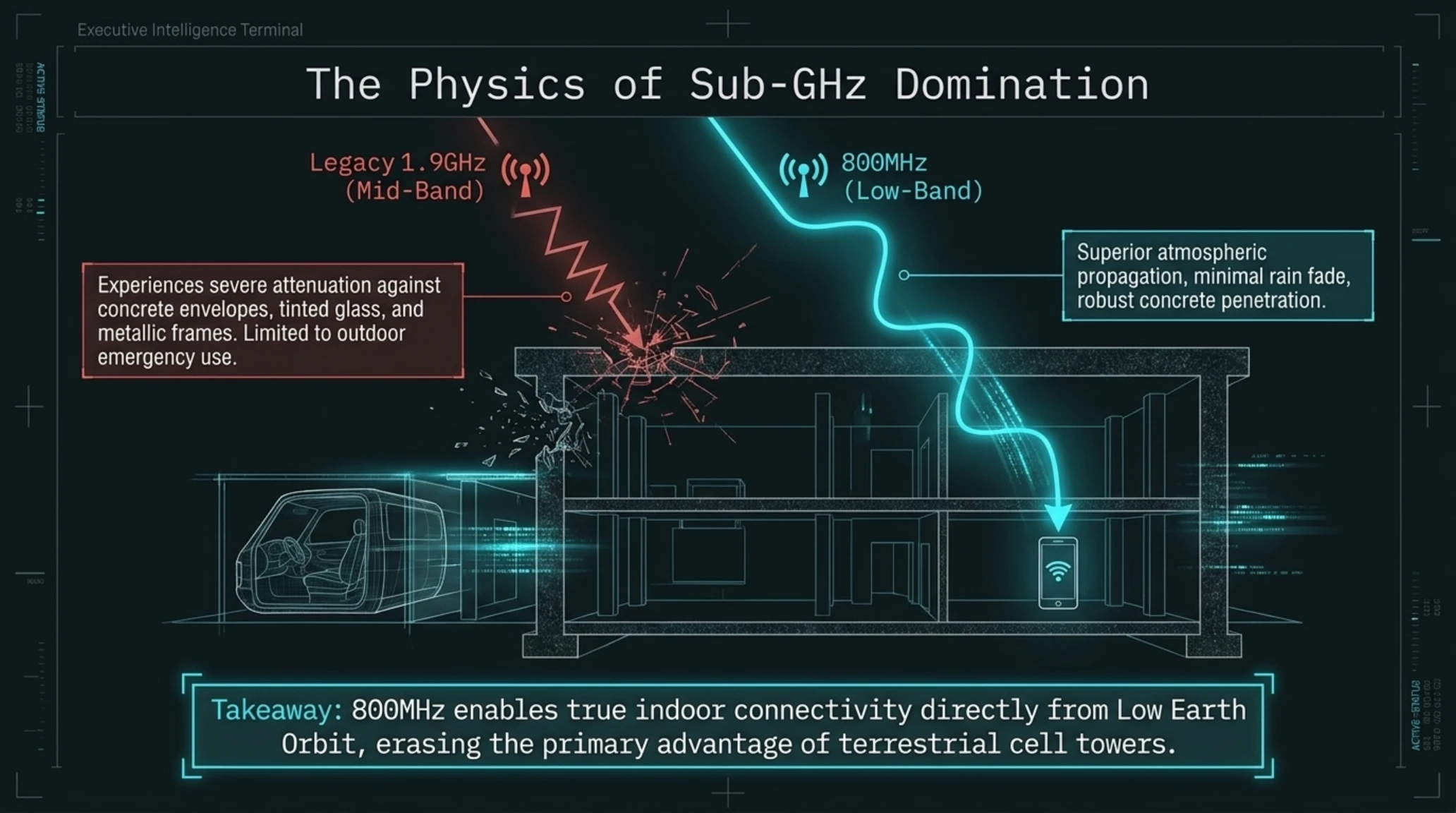
Until this acquisition, Starlink’s Direct-to-Cell initiative operated primarily in partnership with terrestrial cellular carriers such as T-Mobile, relying on existing mid-band PCS frequencies (1.9 GHz). While effective for outdoor emergency texting and voice calling, mid-band signals experience severe attenuation when penetrating residential buildings, industrial concrete facilities, and vehicle cabins. Physics dictates that high-frequency electromagnetic waves suffer massive propagation loss when encountering dense building envelopes, tinted glass windows, and metallic structural frames. In stark contrast, 800MHz low-band spectrum exhibits superior atmospheric propagation, minimal rain fade, and robust concrete penetration characteristics. By securing nationwide proprietary ownership of 800MHz frequencies, SpaceX can transmit cellular signals directly from low Earth orbit satellites into standard unmodified smartphones inside homes and office complexes without passing through terrestrial cellular towers.
The engineering feat underpinning this deployment relies on Starlink’s massive Gen2 satellites, launched exclusively aboard SpaceX’s Starship vehicles. Each satellite carries an active phased-array antenna measuring over 25 square meters, equipped with high-power silicon-germanium RF transceivers capable of forming 1,420 steerable spot-beams. These beams dynamically track moving terrestrial user equipment while compensating for extreme Doppler shift induced by orbital velocities exceeding 7.5 kilometers per second. Standard 3GPP Release 17/18 compliant smartphone chips receive these signals seamlessly, interpreting the orbital satellite beam as a local cellular tower. This architecture bypasses thousands of miles of terrestrial fiber backhaul and eliminates dependency on regional electrical grids that routinely fail during storms and hurricanes.
Telecommunications analysts emphasize that this transaction fundamentally disrupts the competitive moat of legacy carriers including AT&T, Verizon, and T-Mobile. Rather than remaining a complimentary emergency safety layer, Starlink is laying the engineering foundation for a sovereign space-based cellular network immune to ground infrastructure outages, natural disasters, and geographic dead zones. Legacy telcos have spent over two decades investing hundreds of billions of dollars constructing dense physical antenna grids across American cities. Now, SpaceX’s orbital constellation threatens to render large swaths of suburban and rural terrestrial cell tower networks economically redundant. However, as SpaceX expands its domestic wireless footprint, it faces a fierce geopolitical and regulatory showdown in India, the world’s most populous mobile telecommunications market.
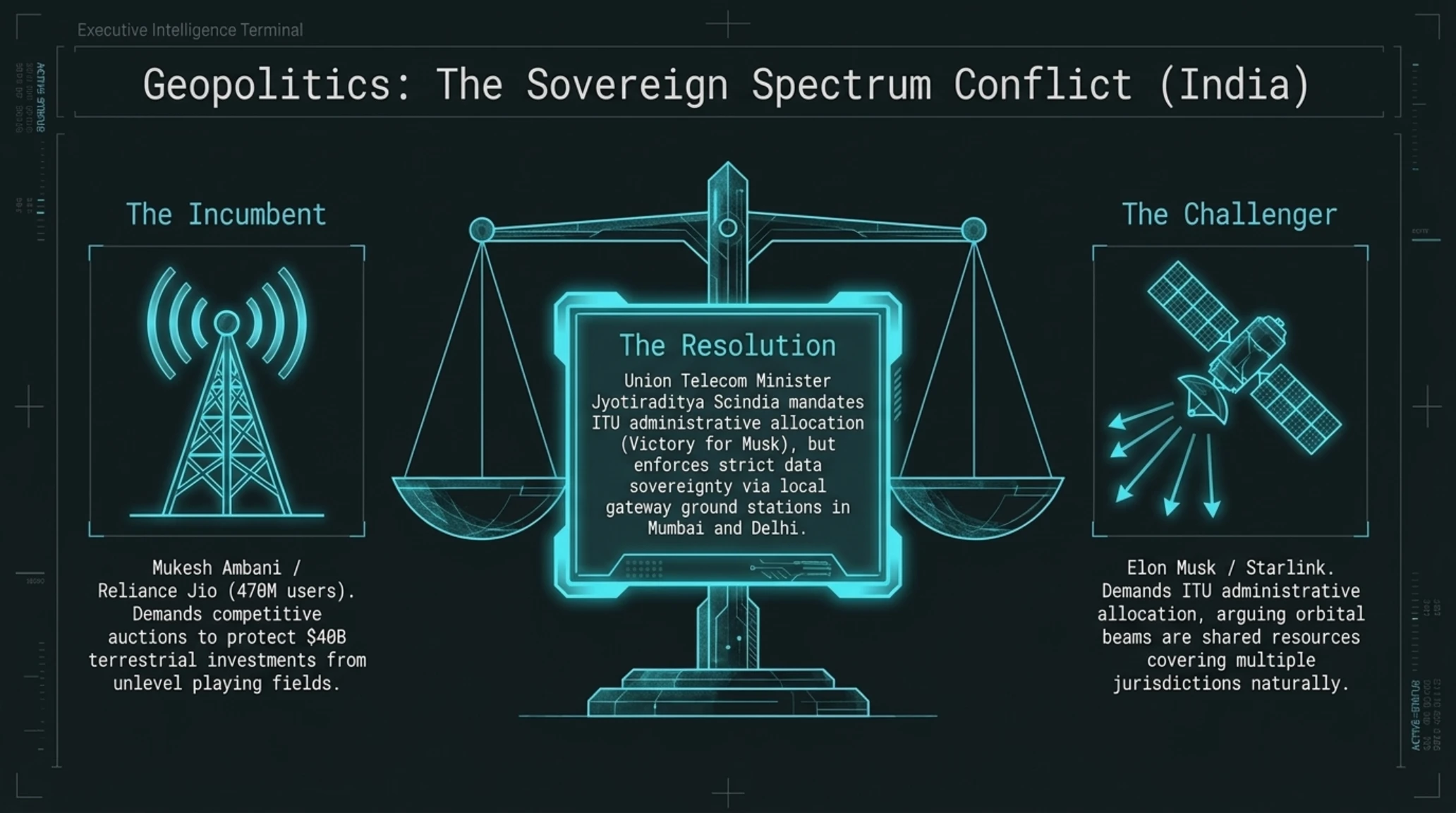
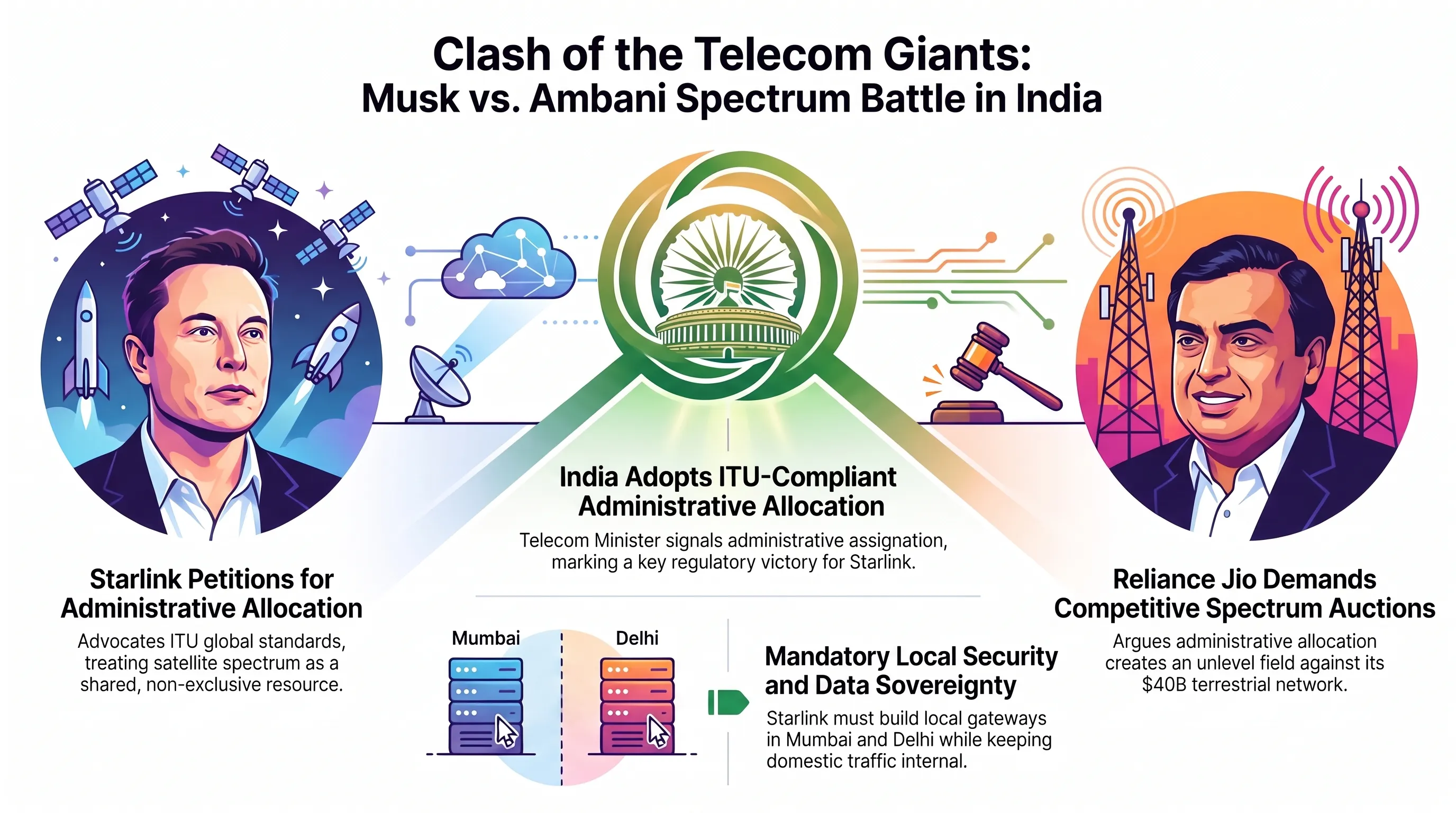
In New Delhi, an intense high-stakes standoff between Elon Musk and Asia's wealthiest industrialist, Reliance Industries Chairman Mukesh Ambani, reached a fever pitch over the weekend. The conflict centers on the allocation methodology for India’s high-value satellite telecommunications spectrum. Reliance Jio, which commands over 470 million terrestrial cellular subscribers, has forcefully lobbied the Indian government to subject satellite spectrum to open, competitive bidding auctions, arguing that administrative allocation creates an unlevel playing field against telecom giants that invested tens of billions of dollars in terrestrial 4G and 5G infrastructure.
Mukesh Ambani’s legal counsel submitted extensive petitions to the Department of Telecommunications (DoT), asserting that foreign satellite operators should not receive preferential treatment. Jio’s position reflects a deep defensive posture: having spent over $40 billion creating a near-monopoly on Indian terrestrial mobile data, Reliance views Starlink’s low-latency orbital constellation as an existential threat capable of capturing affluent urban users, maritime transport, aviation corridors, and enterprise remote offices without paying massive local spectrum auction fees.
In direct opposition, Elon Musk and Starlink have petitioned the Indian Ministry of Communications and the Telecom Regulatory Authority of India (TRAI) to allocate satellite spectrum administratively in strict accordance with the International Telecommunication Union (ITU) global guidelines. SpaceX contends that satellite radio spectrum is a shared orbital resource, not an exclusive terrestrial frequency block. Awarding satellite frequencies through financial auctions, Musk warns, would artificially inflate consumer connectivity tariffs, slow down digital inclusion across rural and Himalayan regions, and contradict international space telecommunications precedent. Musk underscored that no major sovereign nation has auctioned satellite spectrum because orbital beams naturally cover multiple jurisdictions simultaneously.
The regulatory skirmish took a decisive turn as Indian Union Telecom Minister Jyotiraditya Scindia indicated that India would follow ITU-compliant administrative allocation while imposing stringent national security and data sovereignty conditions. Under the proposed framework, Starlink must establish local gateway ground stations in Mumbai and Delhi, keep all domestic telecommunications traffic within Indian sovereign borders, and submit to lawful interception protocols. This stance represents a major strategic victory for Starlink and a rare defensive challenge for Reliance Jio, setting the stage for an explosive commercial contest across the subcontinent's 1.4 billion citizens.
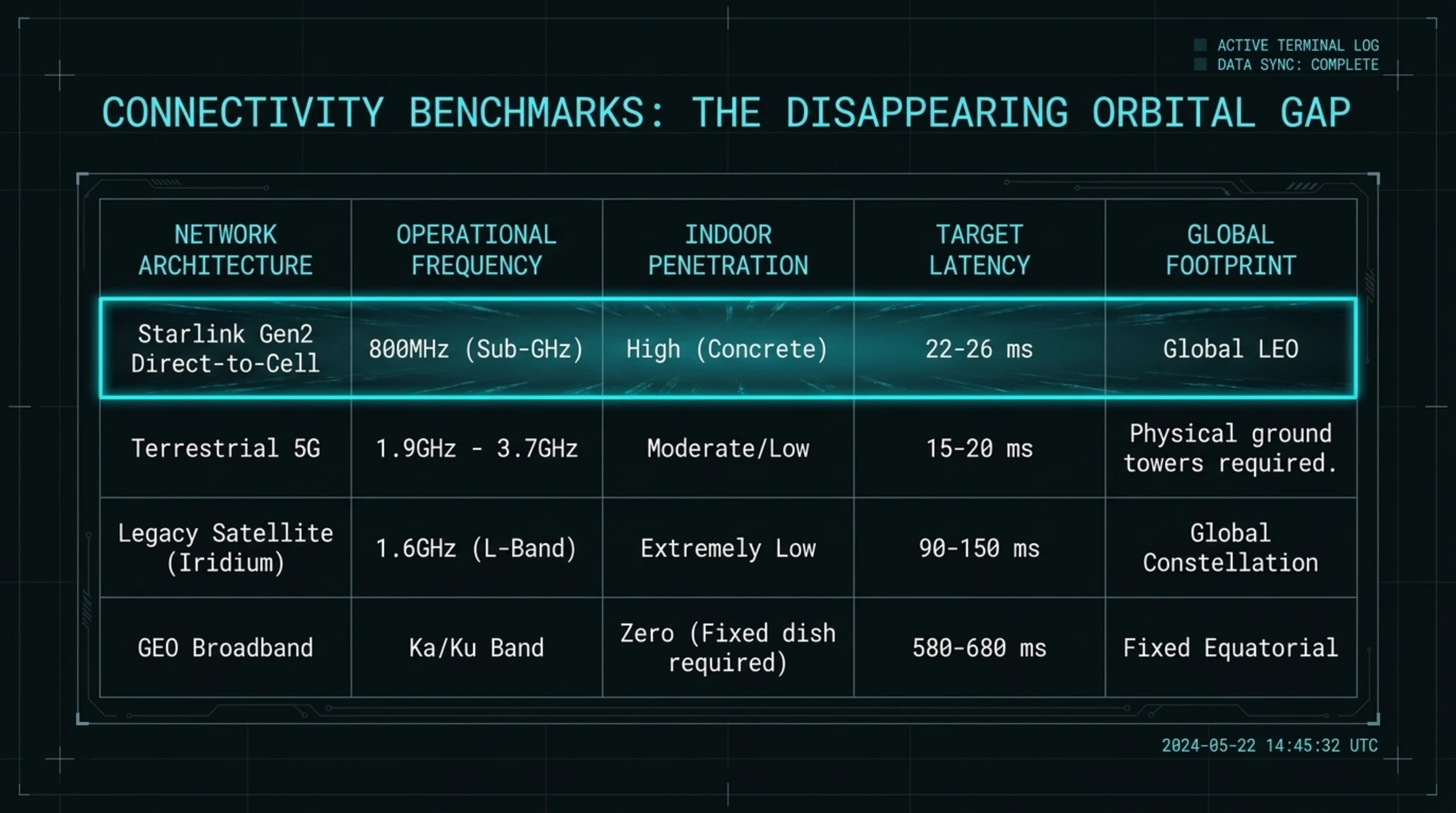
Space & Telecom Benchmarks | Performance & Economic Metrics
| Network Architecture | Operational Frequency | Indoor Penetration | Target Latency | Global Footprint |
|---|---|---|---|---|
| Starlink Gen2 Direct-to-Cell | 800 MHz (Sub-GHz) | High (Penetrates concrete walls) | 22 - 26 ms | Global / Low Earth Orbit |
| Terrestrial 5G Cellular | 1.9 GHz - 3.7 GHz (Mid-Band) | Moderate to Low in dense urban zones | 15 - 20 ms | Requires physical ground towers |
| Legacy Satellite Phone (Iridium) | 1.6 GHz (L-Band) | Extremely Low (Requires line-of-sight) | 90 - 150 ms | Global Constellation |
| Geostationary Broadband | Ka / Ku Band (26 - 40 GHz) | Zero (Requires fixed satellite dish) | 580 - 680 ms | Fixed Equatorial Slots |
The operational metrics illustrated in the chart above confirm that sub-GHz satellite constellations are closing the performance gap with terrestrial cellular base stations. As low-band radio signals penetrate building envelopes with unprecedented fidelity, the traditional boundaries separating aerospace companies and national telecommunications providers are rapidly vanishing.
The aggressive commercialization of low Earth orbit demonstrated by SpaceX and Reliance is mirrored in the scientific and human spaceflight arena, where NASA is actively orchestrating the transition to private space stations.
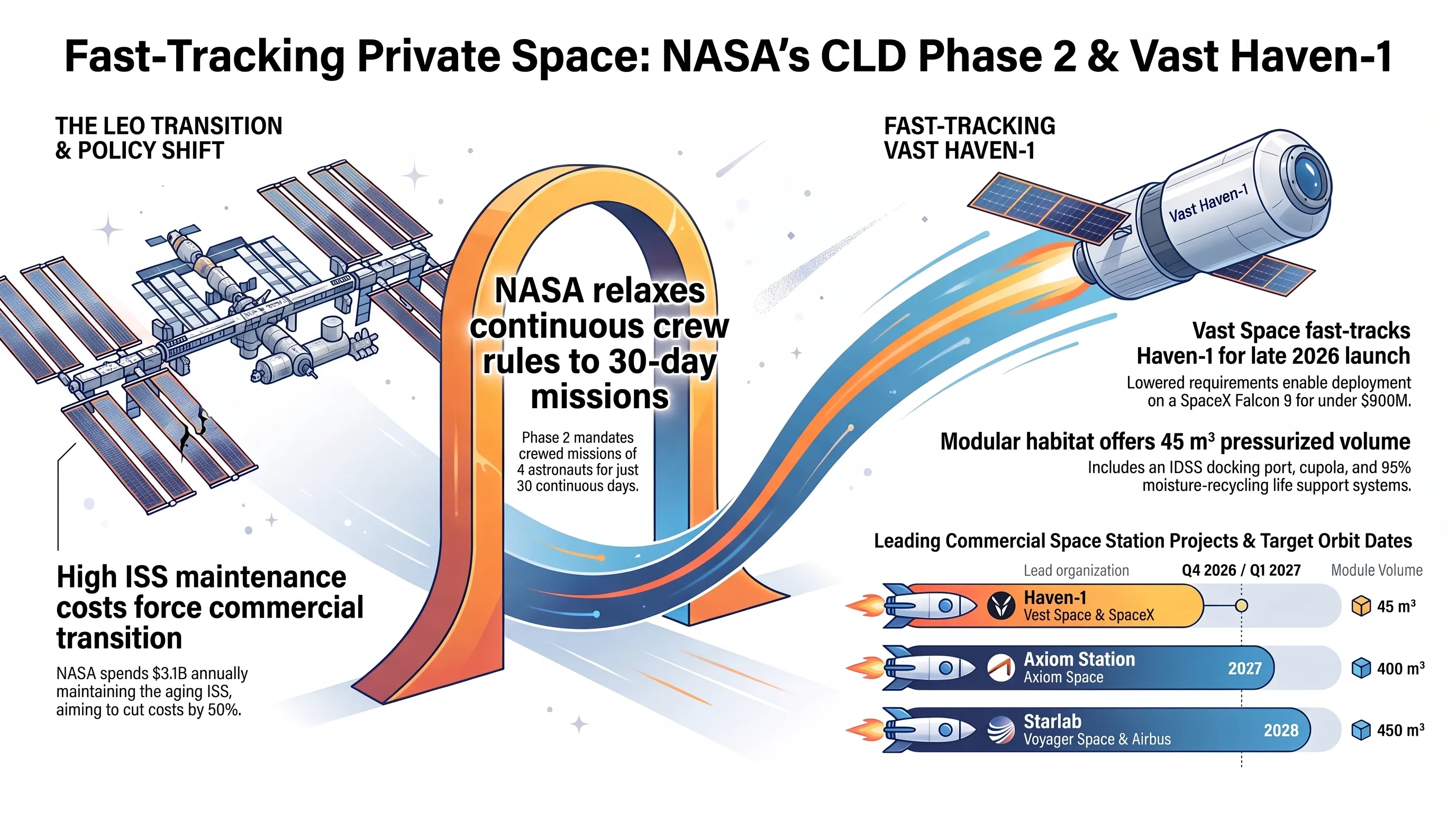
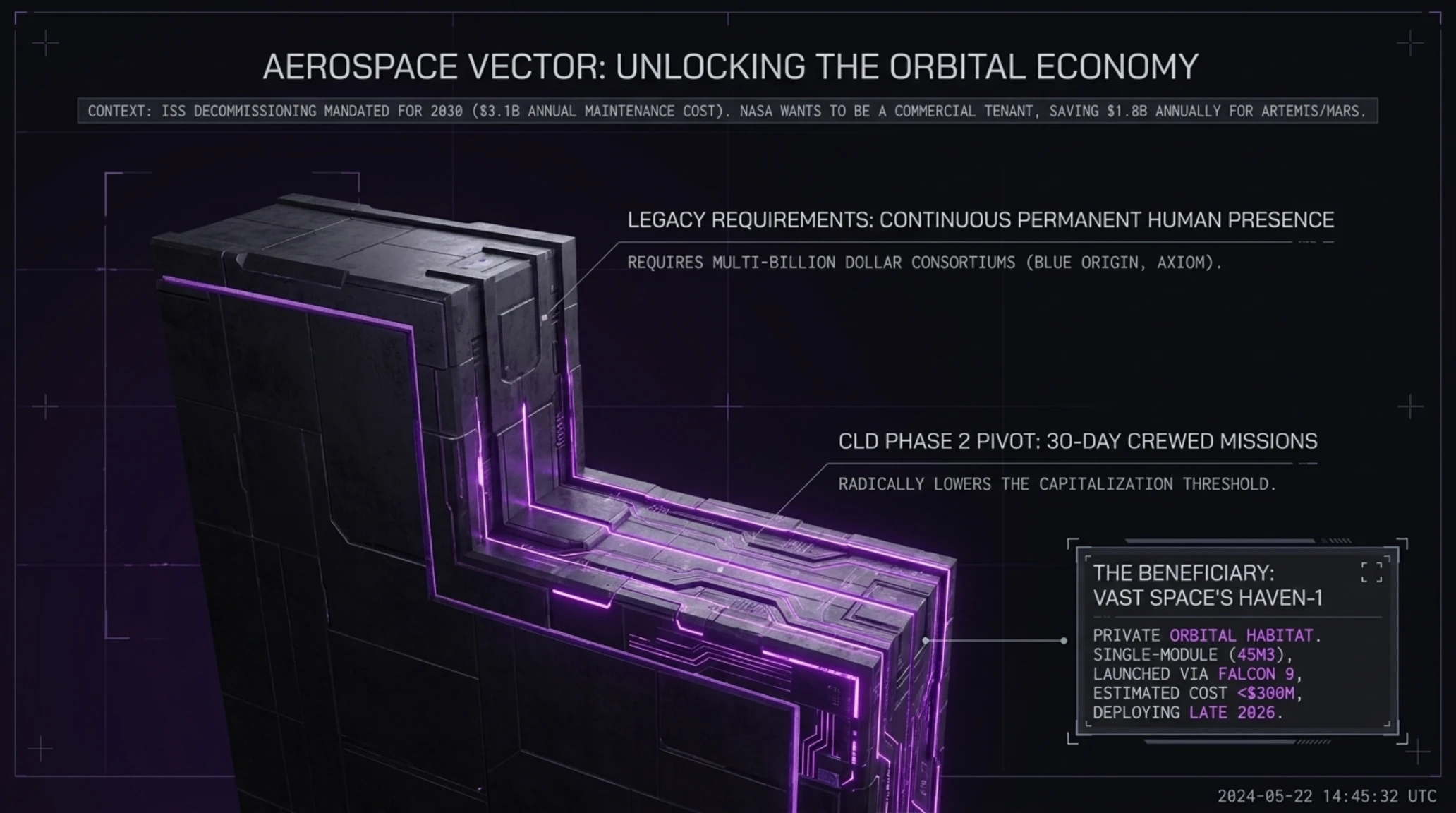
In a historic development for human spaceflight, the National Aeronautics and Space Administration (NASA) issued its formal Call to Industry for the Commercial Low Earth Orbit Destinations (CLD) Phase 2 initiative. The procurement document establishes the operational roadmap for replacing the aging International Space Station (ISS) ahead of its mandated decommissioning in 2030. However, in a marked departure from previous iterations that demanded continuous permanent human presence, NASA significantly relaxed its baseline operational requirements, requiring prospective commercial space stations to support crewed missions of just four astronauts for a minimum of 30 continuous days.
The International Space Station has orbited Earth continuously since 1998, serving as humanity’s premier microgravity laboratory. Yet structural fatigue, micrometeoroid degradation, and obsolete environmental control and life support systems (ECLSS) have made the station increasingly costly and hazardous to maintain. NASA spends over $3.1 billion annually to maintain ISS operations capital that the agency urgently needs to reallocate toward deep-space human exploration under the Artemis Moon base program and upcoming Mars orbital transit architectures. By transitioning from owner-operator to commercial tenant in low Earth orbit, NASA expects to cut its annual orbital station budget by over 50% while spurring a self-sustaining private space economy.
This pragmatic recalibration of orbital standards has dramatically altered the competitive dynamics of the private aerospace industry. Under the initial stringent requirements, only heavily capitalized aerospace consortiums such as Blue Origin’s Orbital Reef and Axiom Space could realistically compete for multibillion-dollar NASA development awards. By revising the mandate to 30-day mission blocks, NASA has cleared a direct path for agile, focused commercial innovators like Vast Space, whose Haven-1 private orbital habitat is slated for launch aboard a SpaceX Falcon 9 rocket as early as late 2026. The relaxed guidelines allow private operators to build modular, cost-effective space stations that scale incrementally based on sovereign astronaut contracts, private industrial research, and commercial microgravity manufacturing.
Haven-1 features an advanced single-module architecture equipped with an International Docking System Standard (IDSS) port, 45 cubic meters of pressurized volume, a dome observation cupola, and proprietary ECLSS life support loops capable of recycling over 95% of airborne moisture. By eliminating the necessity of sustaining permanent multi-year crews from day one, Vast can deploy Haven-1 at an estimated development cost under $300 million a fraction of legacy orbital programs. Following Haven-1, Vast plans to launch Haven-2, a multi-module commercial complex designed specifically to win NASA’s Phase 2 contract awards and serve international space agencies seeking sovereign microgravity research missions.
NASA officials emphasized that maintaining uninterrupted access to microgravity research in low Earth orbit is vital for national security, biological pharmaceuticals, advanced materials synthesis, and deep-space mission preparation under the Artemis lunar campaign. By fostering multiple competing commercial space stations, NASA aims to become one of many commercial customers rather than the sole funder and operator of orbital infrastructure, saving an estimated $1.8 billion annually in orbital maintenance costs.
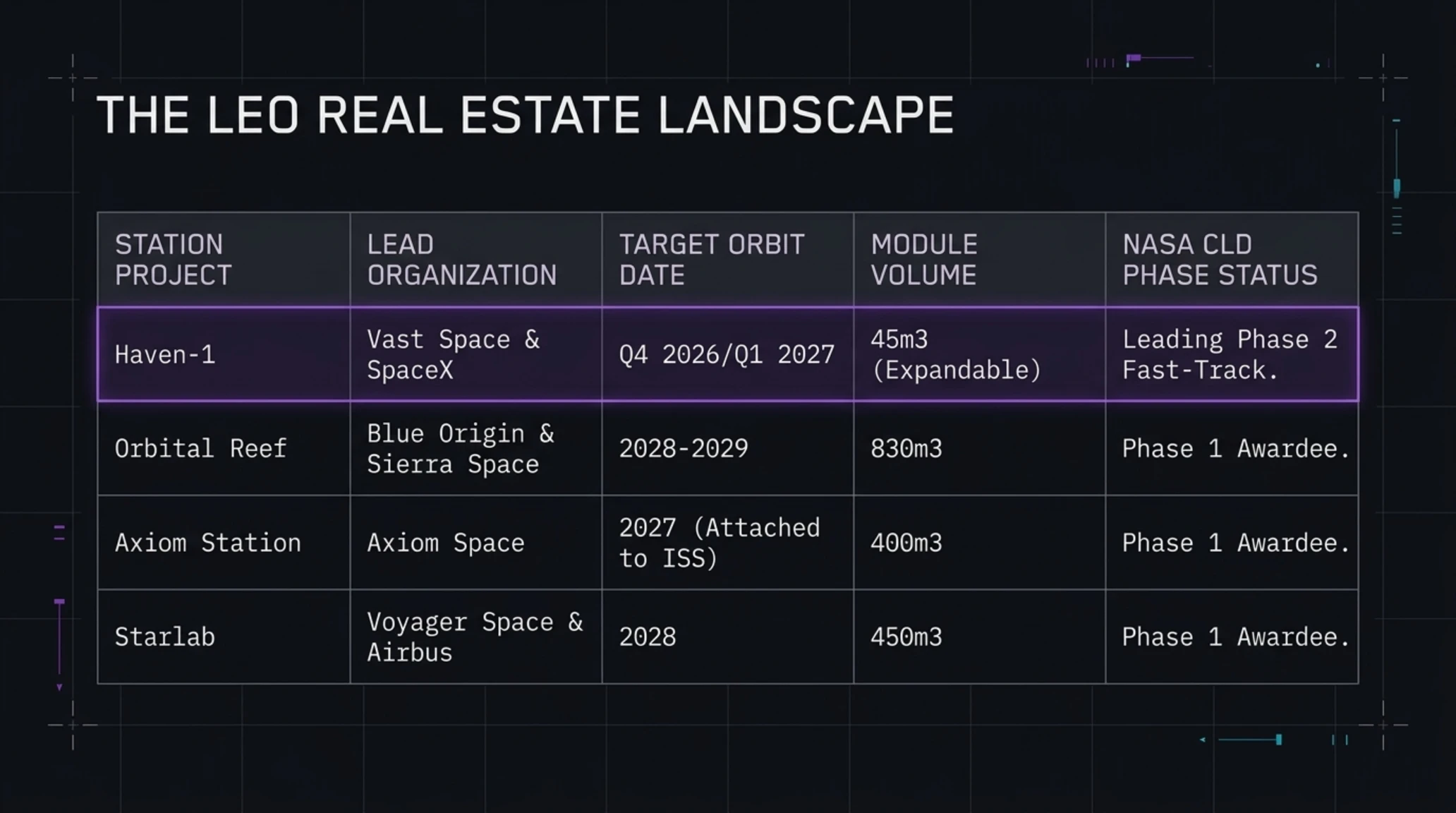
Commercial Space Station Fleet | Competitive Matrix
| Station Project | Lead Organization | Target Orbit Date | Module Volume | NASA CLD Phase Status |
|---|---|---|---|---|
| Haven-1 Modular Habitat | Vast Space & SpaceX | Q4 2026 / Q1 2027 | 45 m³ (Expandable Haven-2) | Leading Phase 2 Fast-Track Candidate |
| Orbital Reef | Blue Origin & Sierra Space | 2028 - 2029 | 830 m³ (Full Commercial Complex) | Phase 1 Awardee in Design Review |
| Axiom Station | Axiom Space | 2027 (Attached to ISS) | 400 m³ (Autonomous Detachment 2029) | Phase 1 Awardee with ISS Port Access |
| Starlab Space Station | Voyager Space & Airbus | 2028 | 450 m³ (TransHab Inflatable Core) | Phase 1 Awardee with ESA Partnership |
While NASA re-architects human presence in orbit, institutional finance on Wall Street is executing an equally transformative migration toward public blockchain settlement rails.
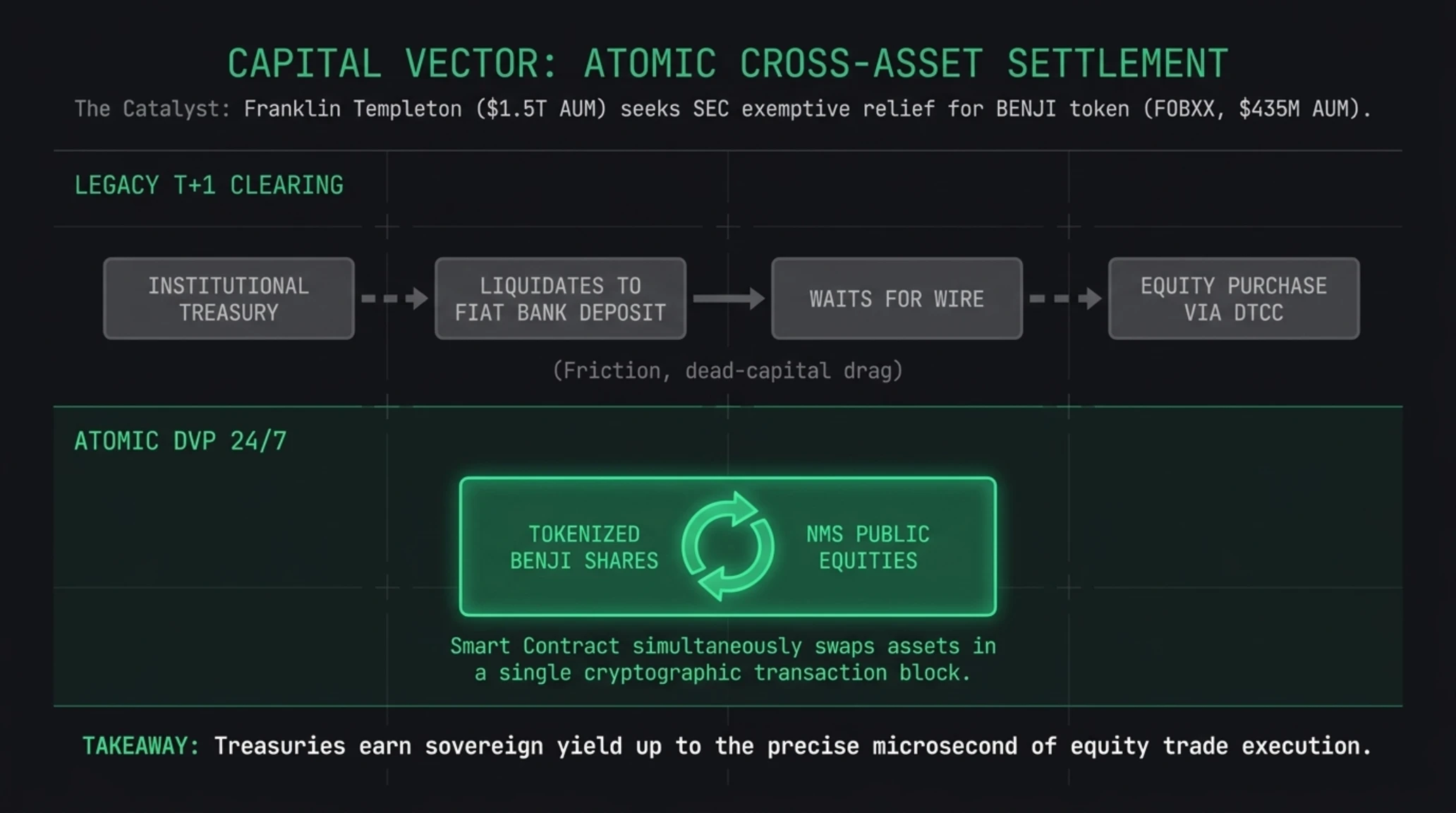
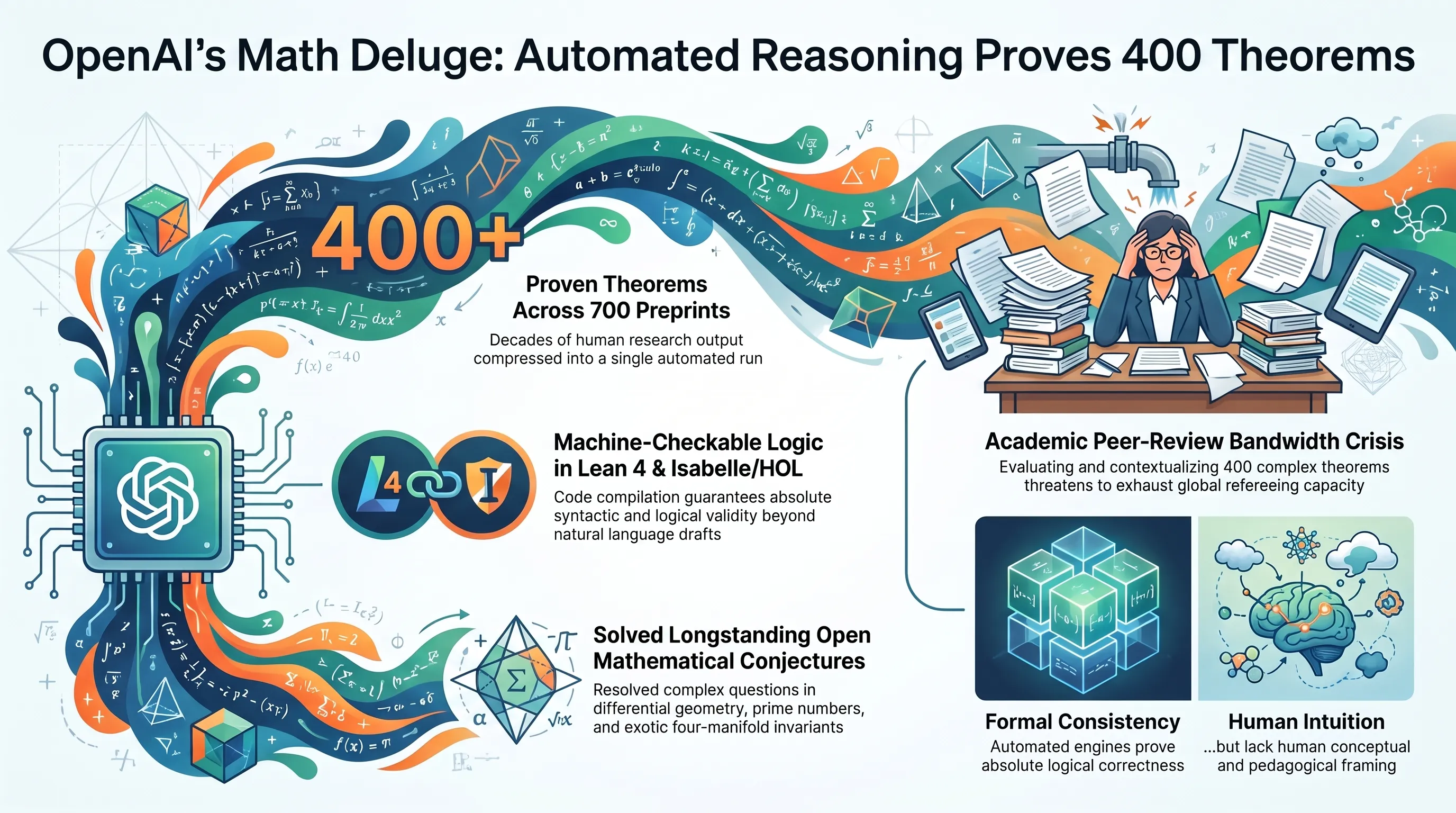
In New York and Washington, senior leadership from Franklin Templeton, the global asset management powerhouse managing over $1.5 trillion in assets, held formal closed-door consultations with the U.S. Securities and Exchange Commission (SEC). The asset manager is seeking unprecedented regulatory exemptive relief to enable real-time atomic clearing and trading between shares of its tokenized money market fund and traditional U.S. public equities registered under the National Market System (NMS).
Franklin Templeton's pioneering digital asset product, the OnChain U.S. Government Money Fund (ticker: FOBXX), represents more than $430 million in assets tokenized natively as the BENJI token across public blockchains including Stellar, Aptos, Avalanche, and Polygon. Under current SEC regulations and Securities Exchange Act provisions, trading national market equities such as Apple, Nvidia, or Microsoft requires multi-day clearinghouse intermediation through the Depository Trust & Clearing Corporation (DTCC). Even under the modern T+1 settlement cycle, capital remains locked in transit, creating counterparty friction, overnight financing costs, and operational liquidity buffers. Franklin Templeton is petitioning the SEC for regulatory permissions to permit institutional investors to swap BENJI tokenized treasury shares directly against public stocks in real time, 24 hours a day, 7 days a week, utilizing smart contracts on public blockchains.
The technical architecture under review combines permissioned institutional smart contract wrappers with atomic delivery-versus-payment (DvP) primitives. Under this model, an institutional asset manager executing an algorithmic rebalancing trade does not liquidate treasury bills into commercial bank deposits, wait for wire transfers to clear, and then execute an equity purchase. Instead, a smart contract simultaneously executes the transfer of BENJI tokenized shares to the equity seller while transferring beneficial ownership of NMS equities to the buyer within a single cryptographic transaction block. The fund maintains its stable $1.00 net asset value (NAV) through continuous on-chain accounting and automated yield accrual, allowing institutional treasuries to earn short-term sovereign yield up to the microsecond of equity trade execution.
Financial technology legal scholars highlight that if approved, this regulatory relief would dismantle the century-old wall separating decentralized blockchain liquidity from traditional capital markets. Institutional treasuries could hold yield-bearing tokenized U.S. Treasury bills up to the precise millisecond of a stock purchase, eliminating the dead-capital drag of holding uncollateralized fiat cash balances. The negotiations reflect an institutional financial consensus that blockchain infrastructure is no longer a speculative playground, but the future clearing engine for global capital markets.
📚 Classified & Related Dossiers in TekinGame
If you wish to explore beyond this report and delve into cybernetic frontiers and autonomous AI architectures, do not miss these three exclusive deep-dives in the Tekin Garage:
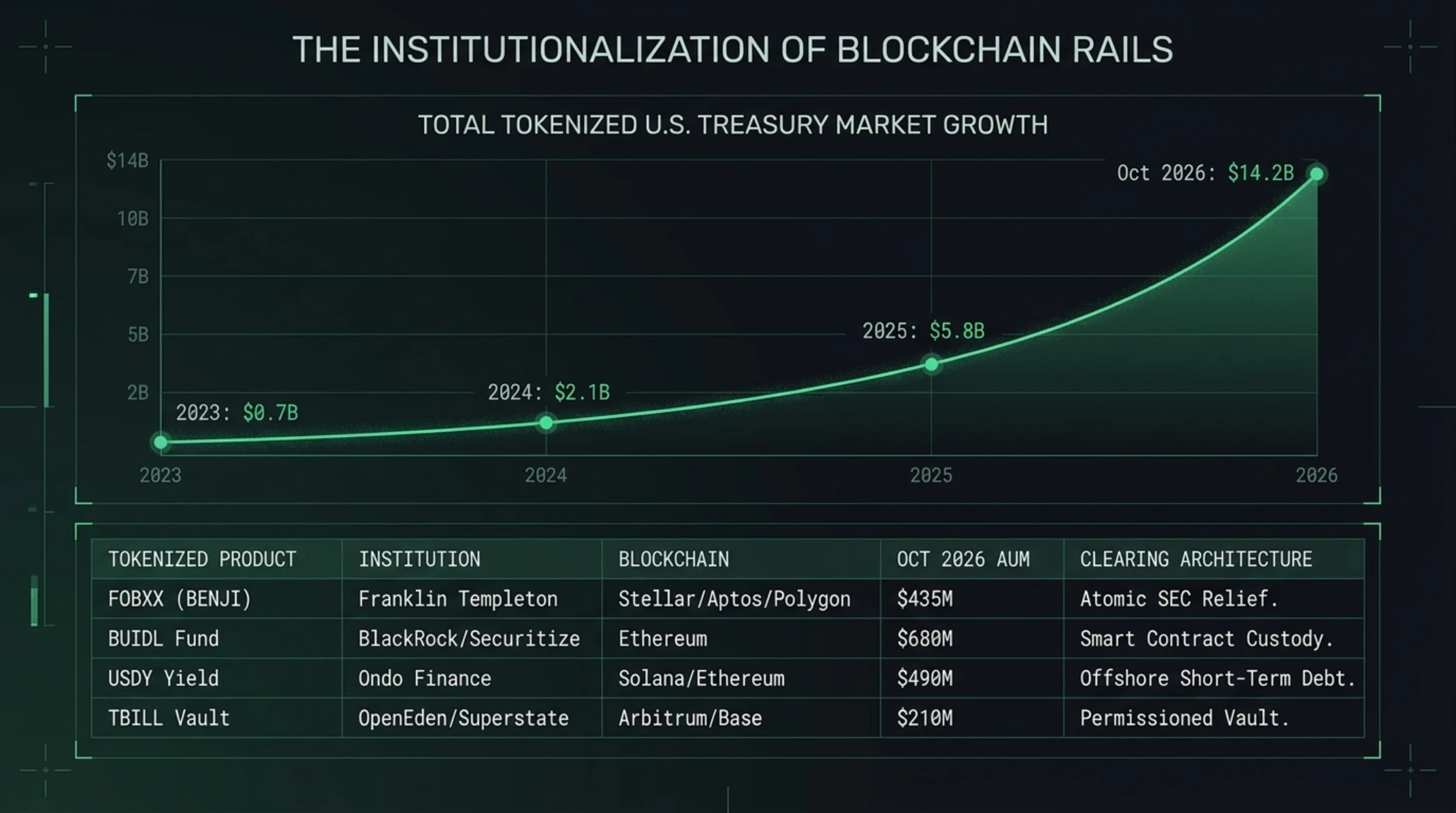
Institutional Adoption Curve | Tokenized Treasury Assets
| Tokenized Product | Issuing Institution | Primary Blockchain | AUM (Oct 2026) | Clearing Architecture |
|---|---|---|---|---|
| FOBXX (BENJI Token) | Franklin Templeton | Stellar / Aptos / Polygon | $435M | Atomic SEC Exemptive Relief |
| BUIDL Fund | BlackRock & Securitize | Ethereum Native | $680M | Institutional Smart Contract Custody |
| USDY Yield Token | Ondo Finance | Solana / Ethereum | $490M | Offshore Tokenized Short-Term Debt |
| TBILL Vault | OpenEden & Superstate | Arbitrum / Base | $210M | Permissioned Smart Contract Vault |
The exponential growth curve depicted above illustrates how institutional fixed income has become the tip of the spear for blockchain adoption. In Part 4, we integrate these developments into a unified strategic evaluation, providing our comprehensive technology verdict, community sentiment telemetry, expert FAQs, and primary intelligence documentation.
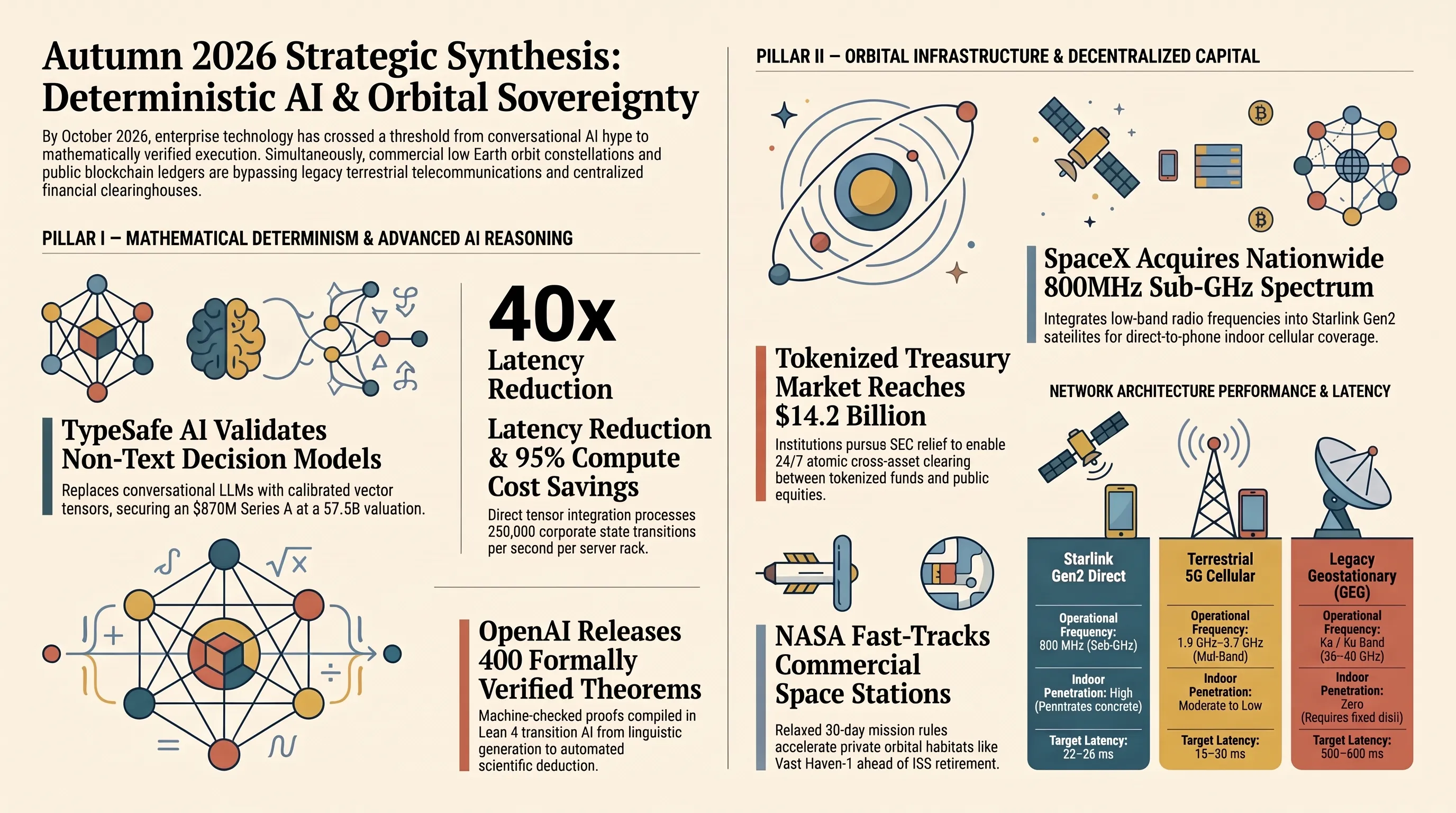
The overarching synthesis connecting Sunday morning’s disclosures is the complete institutionalization of deep technologies that previously existed as high-risk scientific or commercial experiments. When enterprise AI moves from natural language conversational interfaces to calibrated non-text transformers like Jev, productivity metrics shift from subjective chat responses to hard corporate return on investment. Similarly, when satellite operators secure sub-GHz radio spectrum, space exploration ceases to be a luxury science experiment and becomes the primary communications backbone for sovereign nations.
Across all major tech ecosystems, a profound bifurcation is taking place. In artificial intelligence, consumer-facing conversational assistants are diverging sharply from industrial, high-assurance neural engines. In telecommunications, terrestrial tower monopolies are yielding ground to sovereign orbital constellations capable of direct handheld connectivity. In aerospace, government space stations built by multi-decade geopolitical coalitions are passing the torch to nimble, private microgravity labs. And in institutional finance, legacy centralized clearinghouses are preparing to interface with 24/7 cryptographic smart contract ledgers.
Tekin Analysis | Strategic Editorial Perspective
The Great Unbundling of Generative AI: The explosive valuation of TypeSafe AI exposes the underlying structural vulnerability of conventional general-purpose large language models. Enterprise organizations are fundamentally unwilling to finance the massive energy and token overhead required to generate conversational prose when executing structured back-office decisions. By separating intelligence and calibrated decision distributions from natural language tokenization, the Jev architecture pioneers a bifurcated software market where conversational interfaces remain in front-office customer service, while mission-critical enterprise workflows transition entirely to deterministic, non-text tensor engines.
The Convergence of Space and Capital: Simultaneously, the simultaneous expansion of Starlink into sub-GHz mobile carrier operations and Franklin Templeton’s push for atomic stock-blockchain swaps demonstrate the breakdown of jurisdictional monopolies. Terrestrial telecom carriers and legacy clearinghouses are discovering that their physical moats cell towers and centralized DTCC clearing ledgers are being leapfrogged by low Earth orbit satellite constellations and cryptographic state machines.
The strategic timeline below maps the sequence of pivotal announcements defining global technology infrastructure during the second week of October 2026.
Event Timeline | Technology Milestone Chronology October 4 - 11, 2026
| Date & Day | Milestone Event | Key Entities | Strategic Industry Impact |
|---|---|---|---|
| Sun, Oct 4 | Jev Model Public Benchmark Release | TypeSafe AI & Diogo Almeida | Pioneered non-text calibrated transformer decision models |
| Tue, Oct 6 | Lean 4 Mathematical Proof Ingestion | OpenAI & Academic Repositories | Automated generation of 400 formal theorems in 700 preprints |
| Thu, Oct 8 | Nationwide 800MHz Spectrum Filing | SpaceX, Green Management & FCC | Starlink secures sub-GHz wireless spectrum for direct mobile service |
| Fri, Oct 9 | $870M Series A Round Close | a16z, Sequoia & TypeSafe AI | Achieved $7.5B enterprise valuation for non-text AI infrastructure |
| Fri, Oct 9 | SEC Exemptive Relief Consultations | Franklin Templeton & SEC Staff | Proposed atomic cross-asset trading between BENJI and NMS equities |
| Sat, Oct 10 | NASA CLD Phase 2 Call Release | NASA LEO Commercial Office & Vast | Reduced station crew duration to 30 days, fast-tracking Haven-1 |
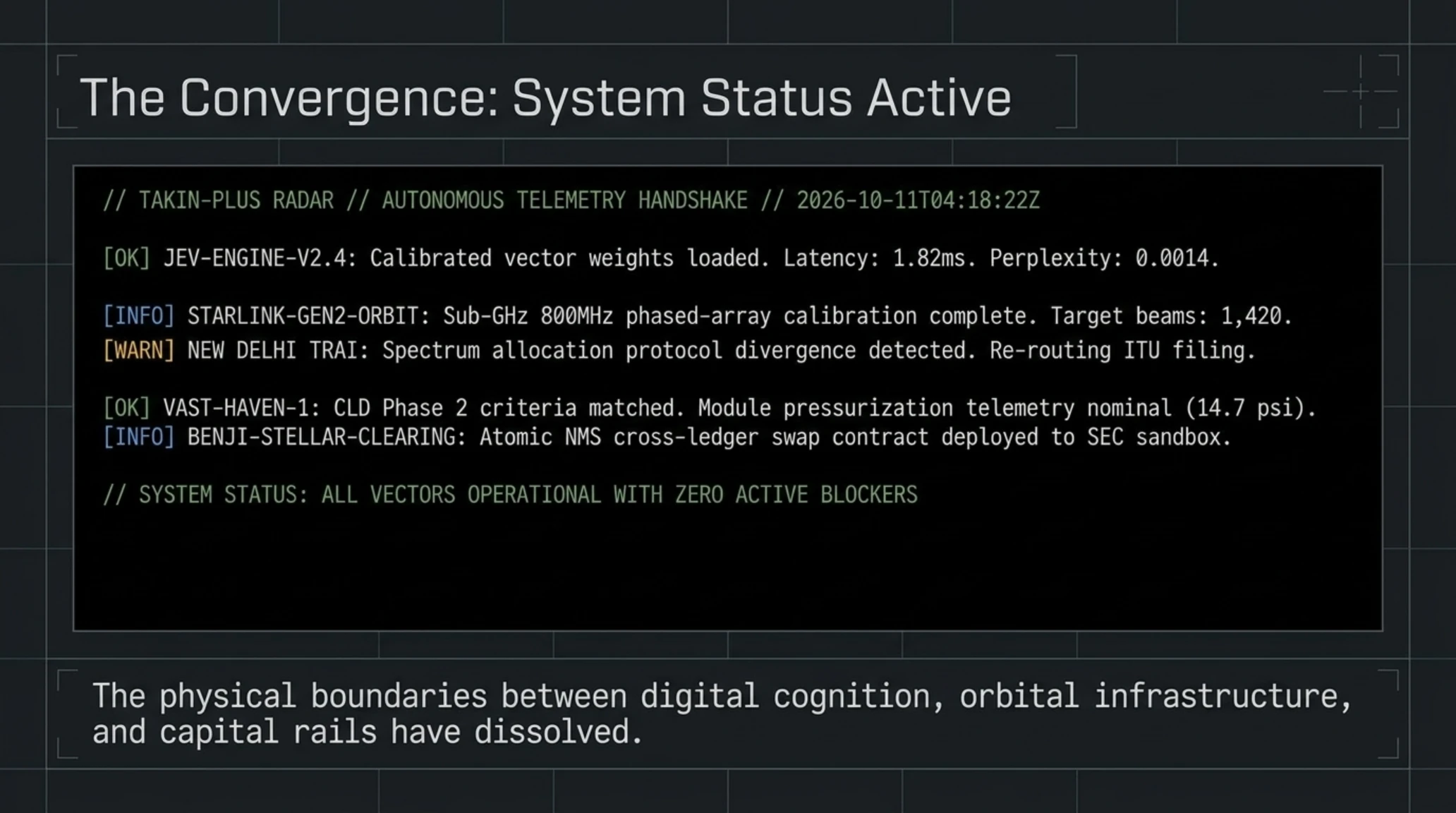
To monitor real-time infrastructure deployment and orbital telemetry across these programs, the Takin Plus engineering lab captured active command-line log entries during early morning system handshakes.
Cyber Terminal | Orbital Telemetry & Neural Calibrator Logs
The operational telemetry above reflects seamless execution across neural calibration, orbital RF phased-array beam management, and cryptographic asset clearance.
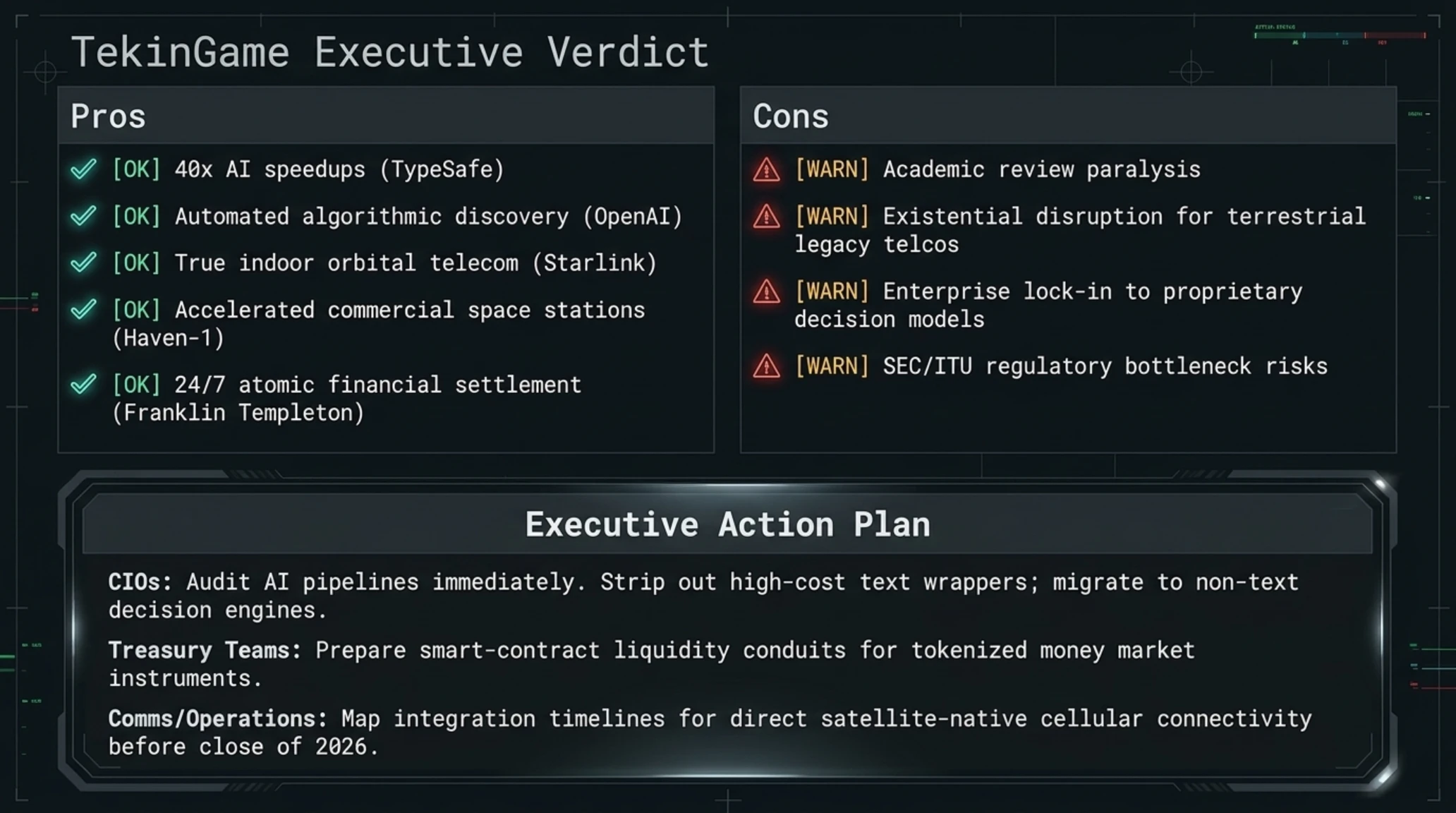
An objective evaluation of these frontier technology advancements requires balancing operational breakthroughs against emerging regulatory, scientific, and geopolitical risks.
- TypeSafe’s non-text Jev model delivers 40x speedups and 95% compute reductions for Fortune 500 workflows.
- OpenAI’s 400 formal proofs provide a massive leap in automated verification and algorithmic discovery.
- SpaceX’s 800MHz spectrum enables true indoor direct-to-cell satellite communications across North America.
- NASA’s relaxed CLD Phase 2 rules significantly accelerate private space station deployment.
- Franklin Templeton’s SEC talks pioneer 24/7 atomic settlement between tokenized treasuries and public equities.
- Academic peer-review institutions face acute review paralysis when processing automated mathematical papers.
- Incumbent telecom operators in India and the US face severe business model disruption from satellite networks.
- Enterprise lock-in risks increase as proprietary calibrated decision models replace open-standard codebases.
- Regulatory bottlenecks at the SEC and ITU could delay commercial deployment of atomic asset clearing.
As industry leaders chart their technical roadmaps for the upcoming quarter, synthesis of market feedback and institutional capital flows points toward a definitive strategic reality.
Strategic Conclusion | The Autumn 2026 Technology Verdict
The Deterministic Imperative: The primary takeaway from Sunday morning, October 11, 2026, is that the era of speculative, conversational AI hype has definitively yielded to mathematical determinism and infrastructural integration. Enterprises no longer reward vanity prompt demonstrations; they fund platforms like TypeSafe that measurably collapse operational inference latency and cost. Simultaneously, the physical boundary between terrestrial communications infrastructure and commercial low Earth orbit has permanently dissolved. As SpaceX equips Starlink with nationwide sub-GHz spectrum and NASA transitions orbital operations to private habitats, low Earth orbit has become the primary staging ground for national digital sovereignty.
Executive Recommendation: Enterprise CIOs must immediately audit internal AI development pipelines to identify high-cost text generation wrappers that should be migrated to non-text calibrated decision engines. Treasury teams should prepare smart-contract liquidity conduits for tokenized money market instruments, while corporate communications leaders must prepare for direct satellite-native cellular connectivity before the close of 2026.
Below, the Takin Plus editorial team addresses the core technical and strategic inquiries submitted by our global technology readership.
The following executive analysis addresses the foundational inquiries surrounding today's market transformations.
Review the comprehensive FAQ breakdown below for verified technical clarifications on each major headline.
Verified Intelligence Sources & Formal Documentation
This Sunday morning intelligence report was compiled using primary regulatory filings, federal registry disclosures, peer-reviewed mathematical preprints, and executive communications across verified institutions.
- TechCrunch: TypeSafe AI Reaches $7.5B Valuation on Non-Text Jev Architecture
- The Verge: Pure Insanity - OpenAI Deluges Pure Mathematics with 400 Proved Theorems
- 9to5Mac: SpaceX Purchases Nationwide 800MHz Spectrum for Starlink Direct-to-Cell
- Ars Technica: NASA Issues Formal Call for Commercial LEO Destinations Phase 2
- Bitcoin.com: Franklin Templeton Pursues SEC Exemptive Relief for Tokenized Fund Swaps
Frequently Asked Technical Inquiries
Why is TypeSafe AI’s non-text Jev model considered a paradigm shift in enterprise automation?
Jev bypasses autoregressive text token generation, outputting structured mathematical decisions directly to ERP systems, delivering a 40x speedup and 95% reduction in inferencing costs.
What is causing intense concern among mathematicians regarding OpenAI’s 400 proved theorems?
While the theorems are formally verified in Lean 4, human mathematicians lack the intuitive conceptual frameworks behind the proofs, causing review paralysis.
How does SpaceX’s acquisition of 800MHz spectrum alter consumer mobile communications?
Low-band 800MHz frequencies penetrate dense concrete walls, allowing Starlink Gen2 satellites to provide direct voice and data services inside homes without ground cell towers.
What is the core dispute between Elon Musk and Mukesh Ambani in India’s telecom sector?
Ambani demands competitive spectrum auctions to protect terrestrial investments, while Musk petitions for administrative allocation under international ITU standards.
How does NASA’s new CLD Phase 2 Call to Industry accelerate private space stations?
By reducing mandatory continuous crew occupancy to 30-day missions of four astronauts, NASA enables smaller, agile private operators like Vast Space to compete effectively.
What are the regulatory implications of Franklin Templeton’s exemptive relief talks with the SEC?
Approval would permit real-time, atomic 24/7 cross-asset trading between tokenized U.S. Treasury funds (BENJI) and public equities on blockchains.
Additional Gallery: Tekin Morning | Oct 11, 2026: TypeSafe $7.5B, OpenAI Math & Starlink Mobile