Tekin Morning: Sept 6
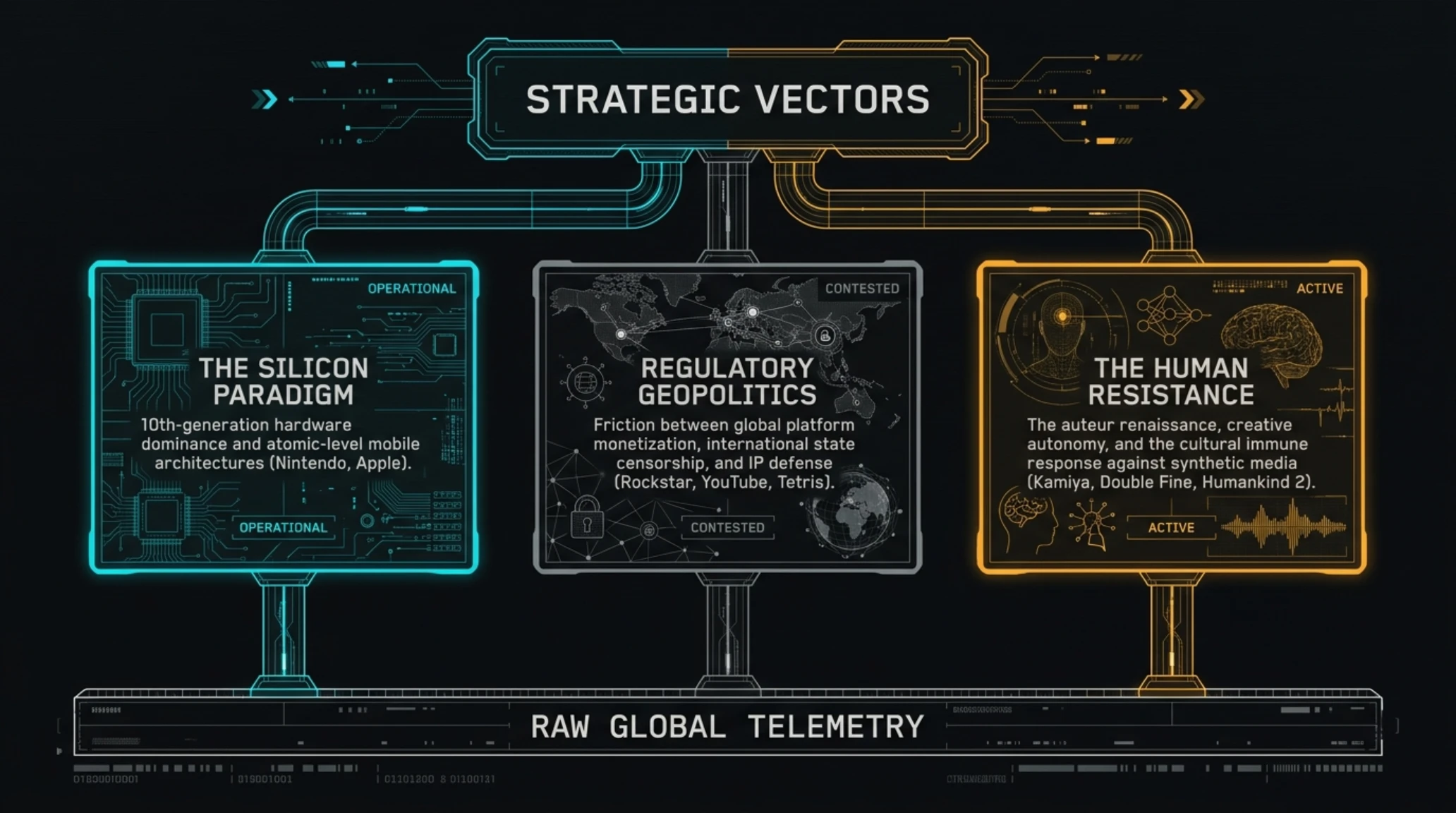
- 🎮Nintendo Doubleheader- Consecutive Directs on Sept 8 & 9 celebrating Zelda's 40th and the Switch 2 launch lineup
- 🎧GTA 6 China Censorship- Rockstar modifies trailer assets for NRTA while YouTube overhauls gaming violence monetization
- 🚀Apple's John Ternus Era- Previewing the Sept 9 keynote: 2nm A20 Pro silicon and buttonless titanium hardware
- 🗡️Scalebound Revival Push- Hideki Kamiya appeals to Xbox leadership to resurrect the cancelled dragon epic
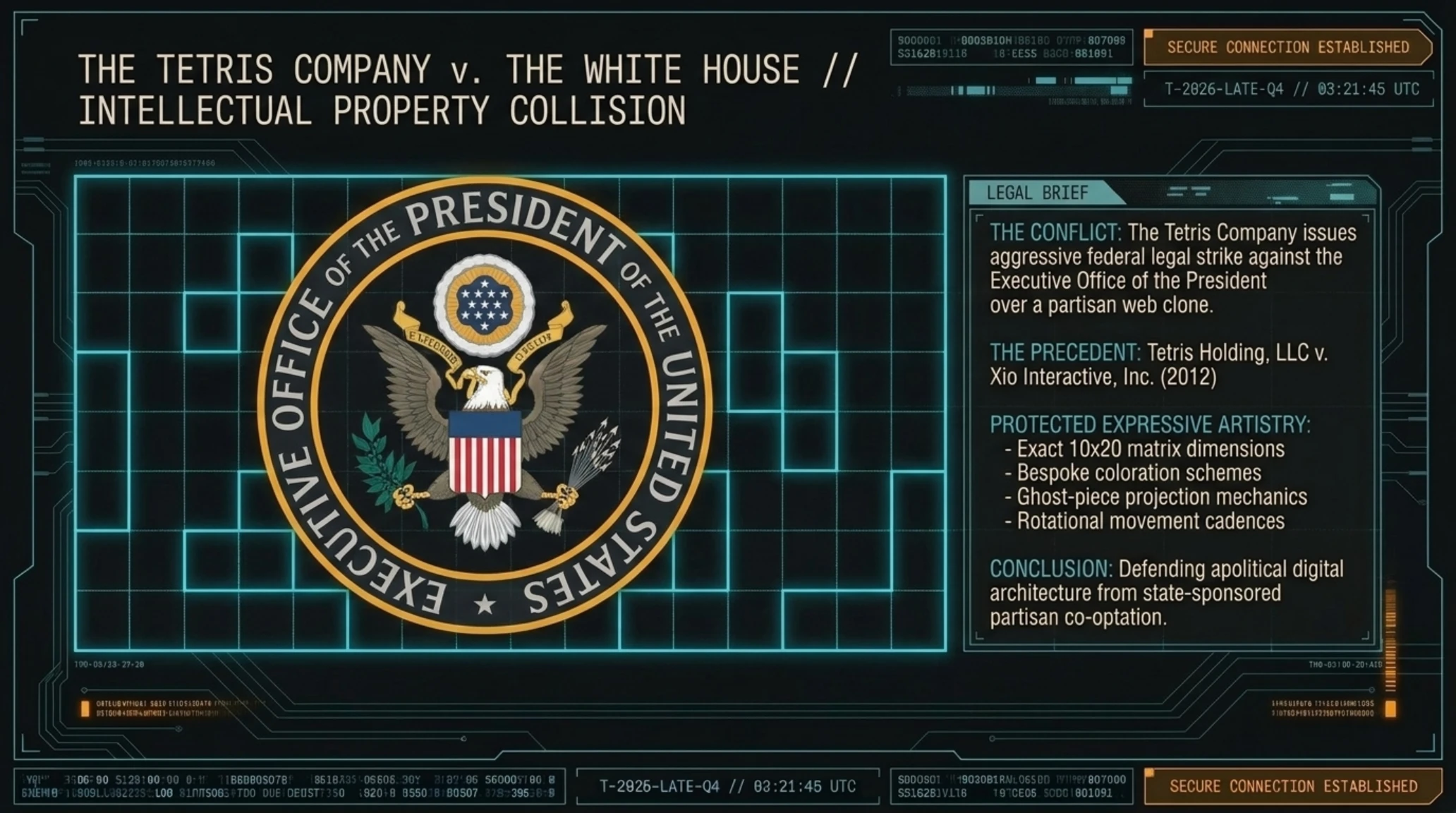
- 📰Tetris Sues White House- Copyright defense against a political web clone alongside developer anxiety over 'AI Slop'
- ⚔️Crazy Taxi Triumphs- Sega's classic arcade chaos electrifies PAX West attendees in Seattle
Sunday morning across the global technology and interactive entertainment landscape represents an essential moment of strategic clarity. It is the precise juncture where the breathless velocity of weekday breaking news consolidates into actionable commercial intelligence, and where systems architects, executive leadership, and forward-thinking consumers examine the structural shifts governing the digital economy. Here at the TekinGame international intelligence desk, our Sunday morning begins with freshly roasted single-origin coffee, real-time hardware telemetry feeds, and forensic cross-examination of global disclosures to provide you with an unmatched intellectual foundation for the week ahead.
The past twenty-four hours have unleashed an extraordinary confluence of hardware, regulatory, and creative milestones. From Kyoto, Japan, where Nintendo has radically broken with decades of institutional precedent to command global media attention across consecutive days, to Silicon Valley, where Apple prepares for its first major product keynote under the singular leadership of John Ternus, the tech ecosystem is moving with astonishing vigor. This morning briefing synthesizes these defining developments into an authoritative roadmap for discerning professionals worldwide.
Executive Summary: Strategic Takeaways for Sunday Morning
- Nintendo's unprecedented decision to host consecutive Direct showcases on September 8 and 9 establishes an aggressive two-pronged offensive: honoring forty years of Zelda heritage while locking down tenth-generation hardware dominance with Switch 2.
- Digital Foundry's independent hardware evaluation confirms that the custom Nvidia Tegra architecture inside the Nintendo Switch 2 maintains a locked 60 FPS in Elden Ring using neural upscaling, matching PS5 performance profiles at under 15 watts.
- Rockstar Games' calculated censorship of GTA 6 promotional materials for Chinese regulators demonstrates that access to East Asian market scale remains mandatory even for the most culturally defiant western entertainment franchises.
- A generational leadership pivot within Microsoft Gaming has created fresh commercial oxygen for author-driven prestige projects, prompting legendary director Hideki Kamiya to demand the revival of Scalebound.
- The psychological phenomenon of 'AI Panic' has forced premier game studios into intense defensive posture, compelling developers to issue comedic and legal certificates of authentic human artistic craftsmanship.
1. Nintendo Rewrites the Playbook: Back-to-Back Doubleheader Directs for Zelda's 40th & Switch 2
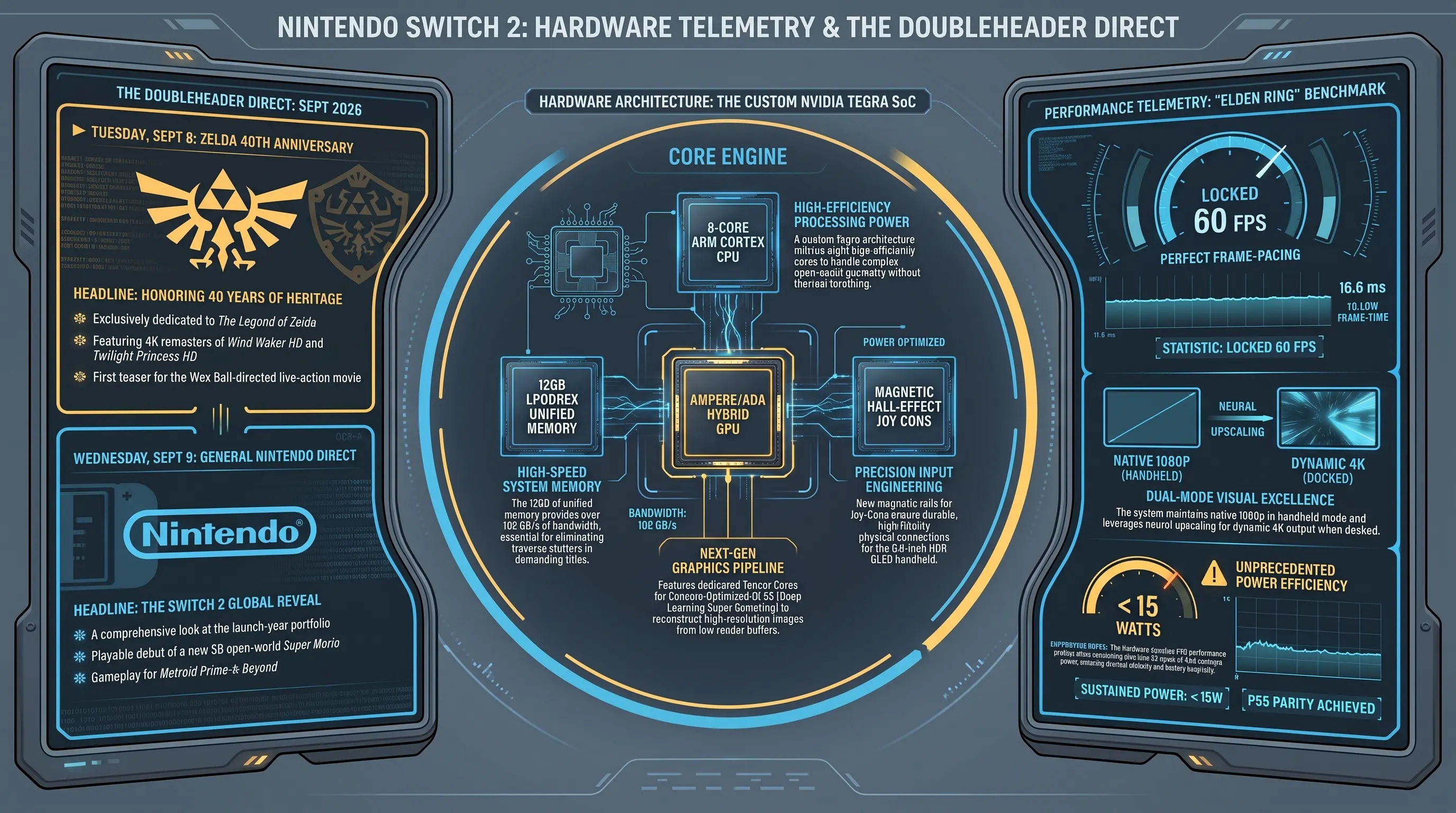
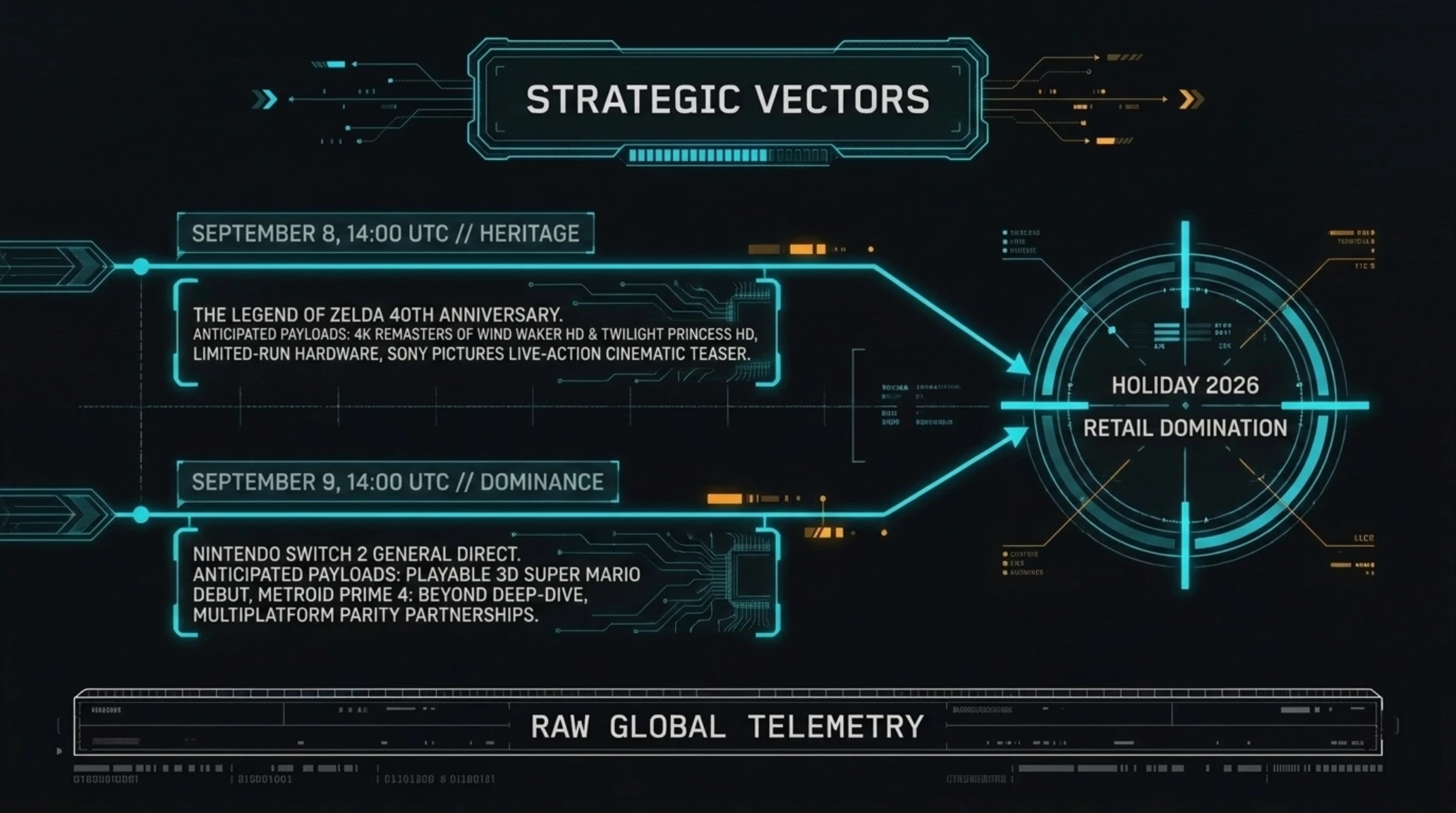
In a promotional maneuver devoid of historical precedent, Nintendo dispatched shockwaves through the global gaming community on Saturday by officially announcing an unprecedented doubleheader Nintendo Direct broadcast scheduled across consecutive days: Tuesday, September 8 and Wednesday, September 9, 2026, streaming globally at 14:00 UTC. While the veteran Kyoto entertainment giant has traditionally spaced major marketing broadcasts across multi-month intervals, this synchronized double-strike signals an all-out corporate mobilization to dominate global retail heading into the critical holiday launch corridor.
The strategic architecture of this dual broadcast is masterfully calibrated. The first showcase on September 8 is exclusively dedicated to the 40th anniversary of The Legend of Zelda. Insider reports and verified Japanese trademark filings suggest that the broadcast will feature upwards of fourteen major franchise announcements. Fans are anticipating the formal unveiling of definitive 4K remasters of The Legend of Zelda: The Wind Waker HD and Twilight Princess HD re-engineered for modern display pipelines, alongside commemorative historical retrospectives, limited-run anniversary collector hardware, and the first cinematic teaser for the live-action Zelda motion picture currently in active production under Sony Pictures and director Wes Ball.
However, the true commercial thunderclap will arrive on September 9 with the general Nintendo Direct, explicitly constructed to establish unassailable market dominance for the Nintendo Switch 2. Industry analysts expect Nintendo to pull back the curtain on its complete launch-year first-party and third-party software portfolio, featuring the playable debut of the next mainline 3D open-world Super Mario odyssey, comprehensive gameplay breakdowns of Retro Studios' Metroid Prime 4: Beyond, and landmark western publisher partnerships designed to demonstrate that the new platform will enjoy uncompromising multiplatform parity with Sony and Microsoft consoles throughout the generation.
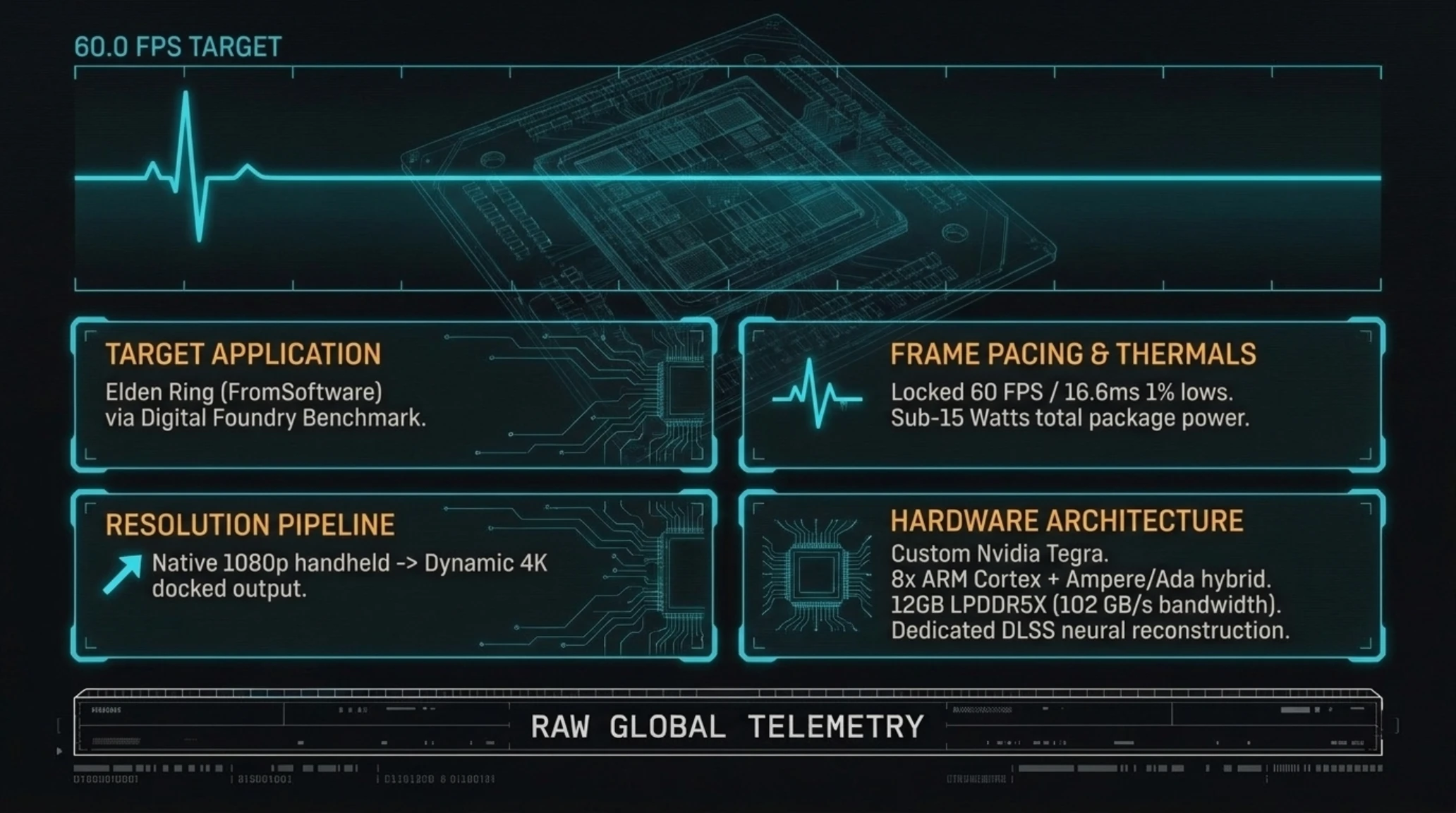
Coinciding with this announcement, the esteemed technical analysts at Digital Foundry delivered one of the most consequential hardware benchmark reviews of 2026: an exhaustive forensic examination of FromSoftware's masterpiece Elden Ring running on final Switch 2 production development kits. Leveraging a custom Nvidia Tegra system-on-chip equipped with dedicated Tensor cores and console-optimized deep learning super sampling (DLSS), the hardware achieved a rock-solid, locked 60 frames per second at native 1080p handheld and dynamic 4K docked output. The benchmark documented immaculate frame-pacing and thermal stability without aggressive fan acoustics, establishing performance parity with PlayStation 5's dedicated performance mode while consuming less than 15 watts of total package power.
A closer inspection of Digital Foundry's telemetry data illuminates the sophisticated memory orchestration powering this mobile silicon breakthrough. The custom Tegra architecture pairs eight high-efficiency ARM Cortex cores with an Ampere/Ada hybrid graphics processor, backed by 12 gigabytes of high-speed LPDDR5X unified system memory delivering over 102 gigabytes per second of bandwidth. In demanding open-world scenarios such as traverse stutters across the fog-drenched landscapes of Limgrave or complex particle-heavy sorcery battles within the Royal Capital of Leyndell the system maintained flawless 1% low frame-time metrics of 16.6 milliseconds. By offloading intensive geometry reconstruction to dedicated neural hardware, FromSoftware and Nintendo's engineers successfully avoided the thermal throttling and aggressive battery drain that plagued earlier handheld PC iterations, proving that bespoke console silicon co-design remains vastly superior to brute-force commodity hardware.
Moreover, the strategic decision to inaugurate this hardware era through the lens of The Legend of Zelda honors a forty-year philosophical lineage that fundamentally defined modern interactive entertainment. Since Shigeru Miyamoto and Takashi Tezuka introduced the golden cartridge on the Famicom Disk System in February 1986, the Zelda franchise has served as Nintendo's avant-garde laboratory for design paradigms: from pioneering battery-backed non-volatile game saves and 3D Z-targeting in Ocarina of Time, to the chemistry-based emergent open-air physics engine of Breath of the Wild. Celebrating this milestone with specialized hardware remasters immediately before unleashing the Switch 2 launch lineup creates an unassailable emotional and commercial bridge connecting multi-generational consumer demographics.
This calculated promotional offensive positions Nintendo at the epicenter of international tech discourse. By harmonizing four decades of emotional nostalgic goodwill with state-of-the-art mobile silicon capabilities, Nintendo has effectively preempted competitive hardware narratives, preparing the ground for an unprecedented retail hardware launch that promises to reshape consumer gaming economics for the remainder of the decade.
2. Pragmatic Geopolitics: Rockstar Censors GTA 6 for China as YouTube Overhauls Violence Rules
As global anticipation for Grand Theft Auto VI scales to unprecedented commercial peaks, an unexpected development unfolded across major Asian digital distribution networks over the weekend: Rockstar Games quietly deployed an exclusively localized, heavily sanitized revision of its official extended gameplay look trailer across Chinese social video platforms including Bilibili, Weibo, and Douyin.
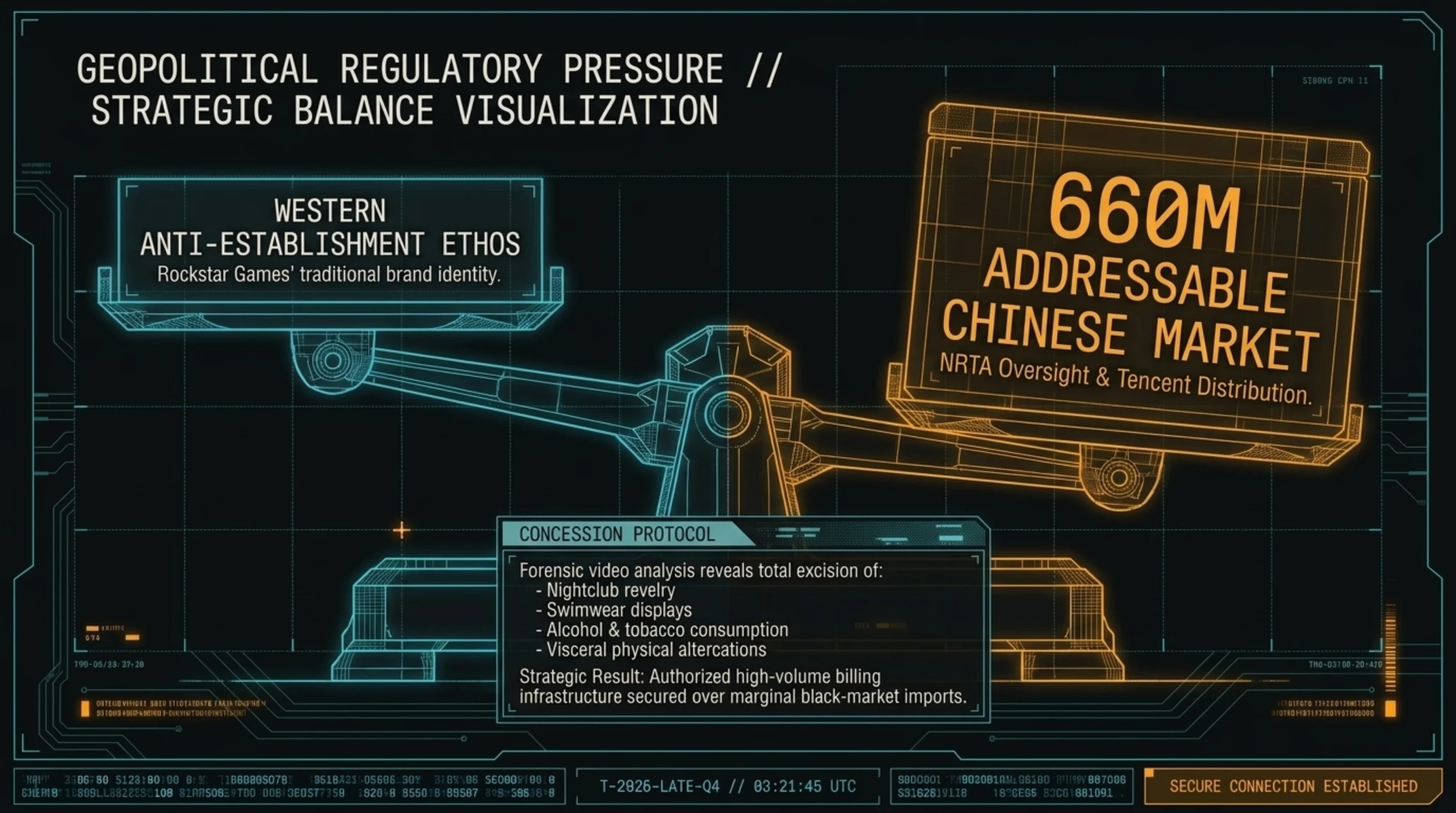
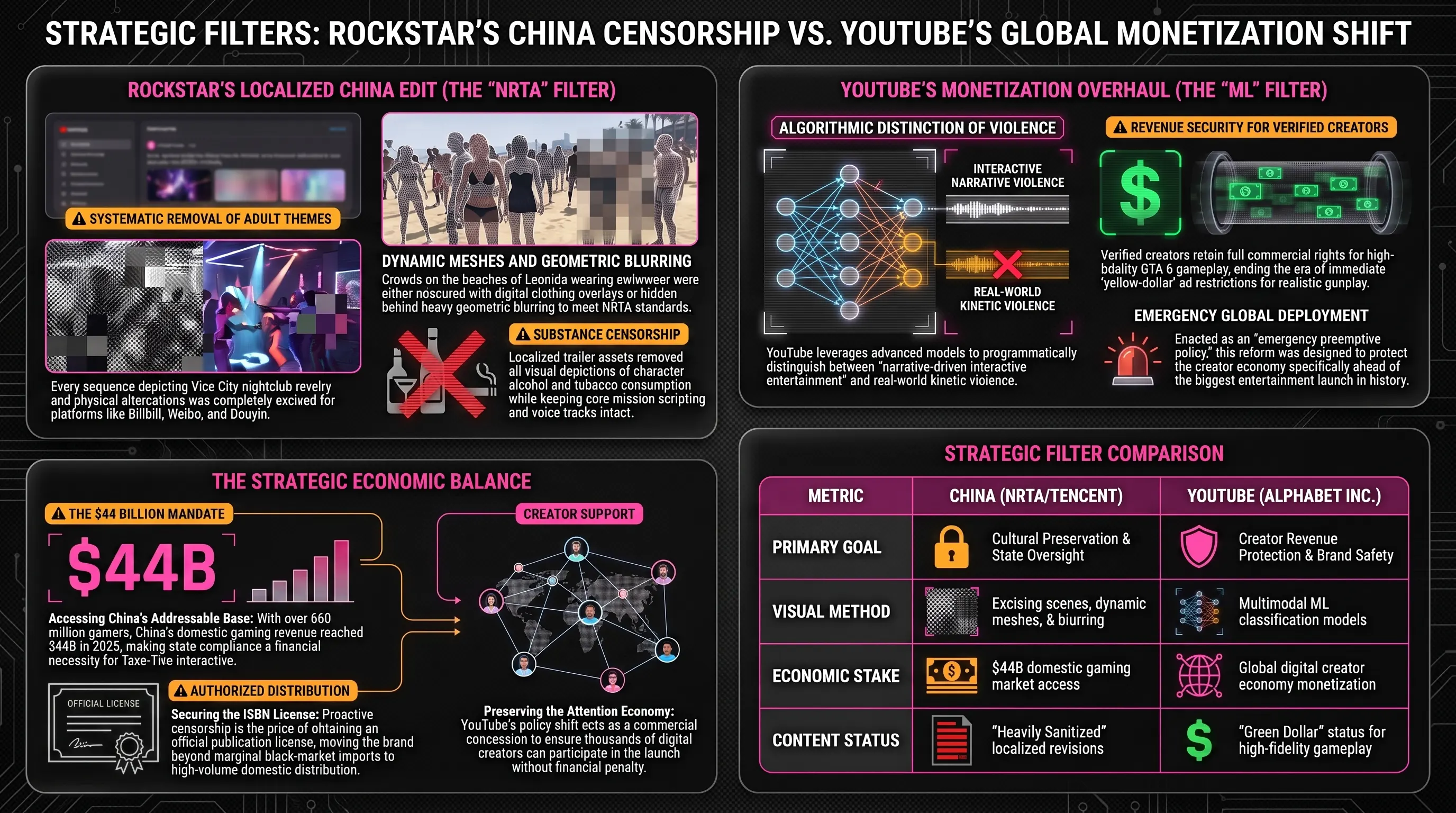
Forensic side-by-side video analysis conducted by digital media researchers revealed sweeping modifications designed to satisfy the draconian oversight standards enforced by China's National Radio and Television Administration (NRTA) and domestic distribution gatekeeper Tencent. In the Chinese trailer cut, every sequence depicting nightclub revelry in Vice City, swimwear-clad crowds across the beaches of Leonida, character alcohol and tobacco consumption, and visceral physical altercations was either completely excised or obscured with digital clothing overlays and heavy geometric blurring. This calculated concession illustrates the profound tension between Rockstar's celebrated anti-establishment ethos and the commercial reality of modern global publishing; walking away from China's addressable base of over 660 million gamers would sacrifice billions of dollars in multi-year digital software sales and subscription microtransactions across the expanding NoPixel virtual ecosystem.
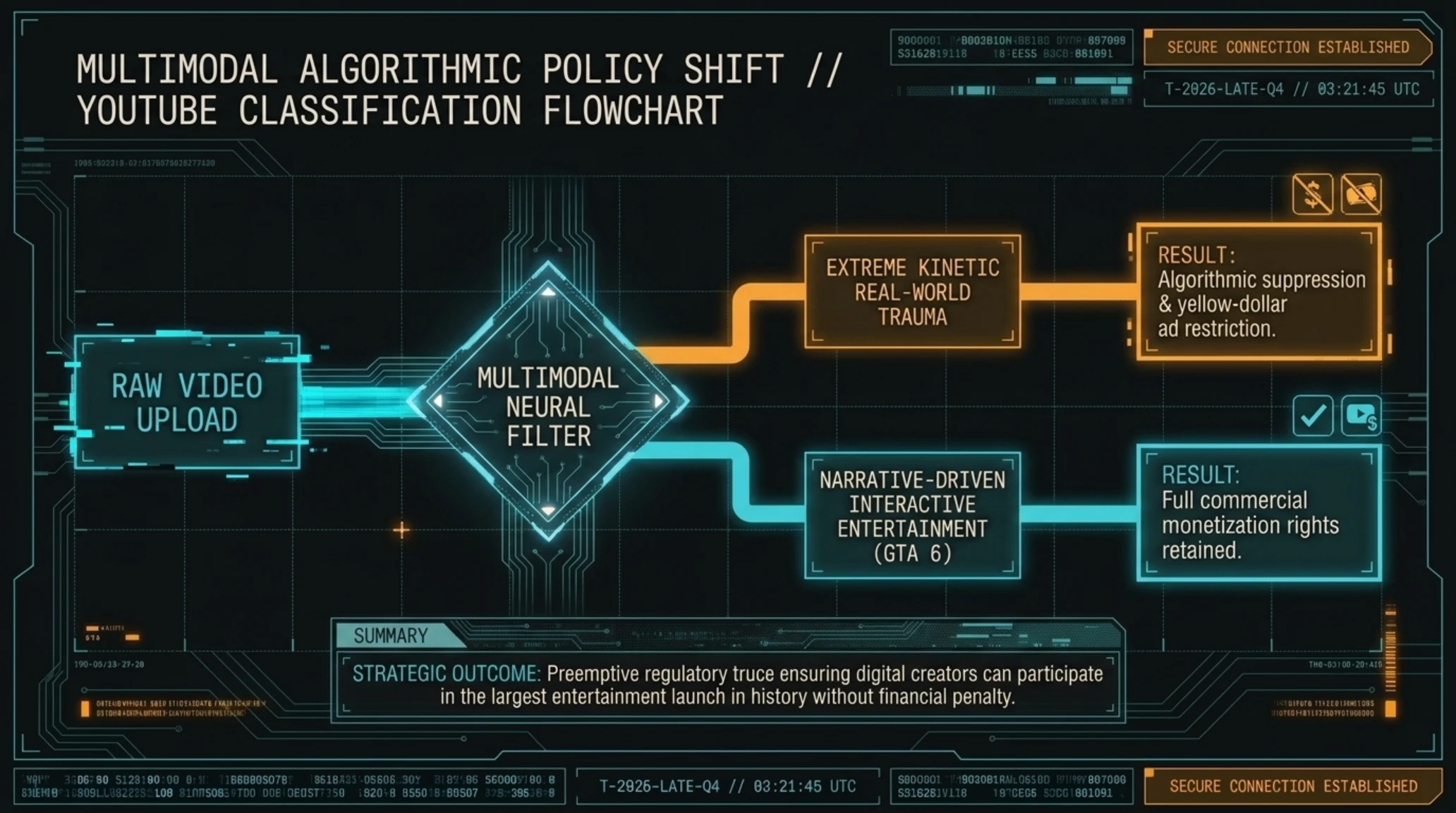
Meanwhile, in San Bruno, California, video infrastructure colossus YouTube (a subsidiary of Alphabet Inc.) enacted an emergency preemptive policy reform to protect creator revenue ahead of the title's launch. For years, independent gaming creators, investigative journalists, and esports casters have grappled with YouTube's hyper-sensitive automated demonetization systems, where realistic depiction of gunplay, vehicular destruction, or crime drama resulted in immediate 'yellow-dollar' ad restrictions and algorithmic suppression.
Under the revised Gaming Violence Monetization Guidelines deployed globally on Saturday, YouTube has leveraged advanced multimodal classification models to programmatically distinguish between real-world kinetic violence and narrative-driven interactive entertainment. Verified gaming creators broadcasting or publishing high-fidelity Grand Theft Auto VI gameplay will now retain full commercial monetization rights, provided the content does not depict extreme real-world trauma or intentional gore tutorials. This regulatory truce marks an essential commercial concession, ensuring that the thousands of digital creators who drive the modern attention economy can participate fully in the biggest entertainment launch in human history without financial penalty.
The geopolitical ramifications of Rockstar's Chinese localization extend far beyond mere cosmetic adjustments. Industry market telemetry confirms that China's domestic gaming revenues surpassed $44 billion in 2025, driven by an insatiable appetite for high-fidelity open-world simulations across PC and mobile tiers. For Take-Two Interactive, obtaining an official publication license (ISBN) from the NRTA represents the difference between marginal black-market console imports and authorized, high-volume domestic distribution supported by localized billing infrastructure. By proactively expunging culturally contentious imagery while leaving core mission scripting and cinematic voice tracks intact, Rockstar's operational brass executed a masterclass in market preservation, ensuring that the title's commercial momentum remains truly planetary in scope.
Technical Jargon Buster: Navigating Critical Concepts of the Day
- NRTA Regulatory Framework: China's National Radio and Television Administration, which mandates zero-tolerance censorship against visual depictions of gang activity, substance abuse, and excessive sexuality in commercial media.
- Advertiser-Friendly Guidelines (AFG): The algorithmic content monetization framework utilized by digital video platforms to categorize video uploads as safe for global corporate brand marketing.
- Neural Machine-Learning Upscaling: Silicon hardware architectures that utilize dedicated matrix multiplication cores to infer high-resolution pixel grids from low-overhead native render buffers in real time.
- On-Device Security Mesh: Decentralized smart-home architecture where private video surveillance feeds are encrypted and analyzed entirely by local neural silicon without transmitting raw telemetry to cloud servers.
3. Keynote Countdown: The John Ternus Era Begins at Apple's September 9 Showcase
At Apple Park in Cupertino, the global technology press is assembling for what promises to be the most scrutinized consumer hardware event of the post-pandemic era: Apple's September 9 keynote address at the Steve Jobs Theater. While September hardware presentations are an established annual tradition, this event carries monumental corporate significance as the official public debut of John Ternus as Chief Executive Officer, marking the formal close of Tim Cook's historic fifteen-year stewardship.
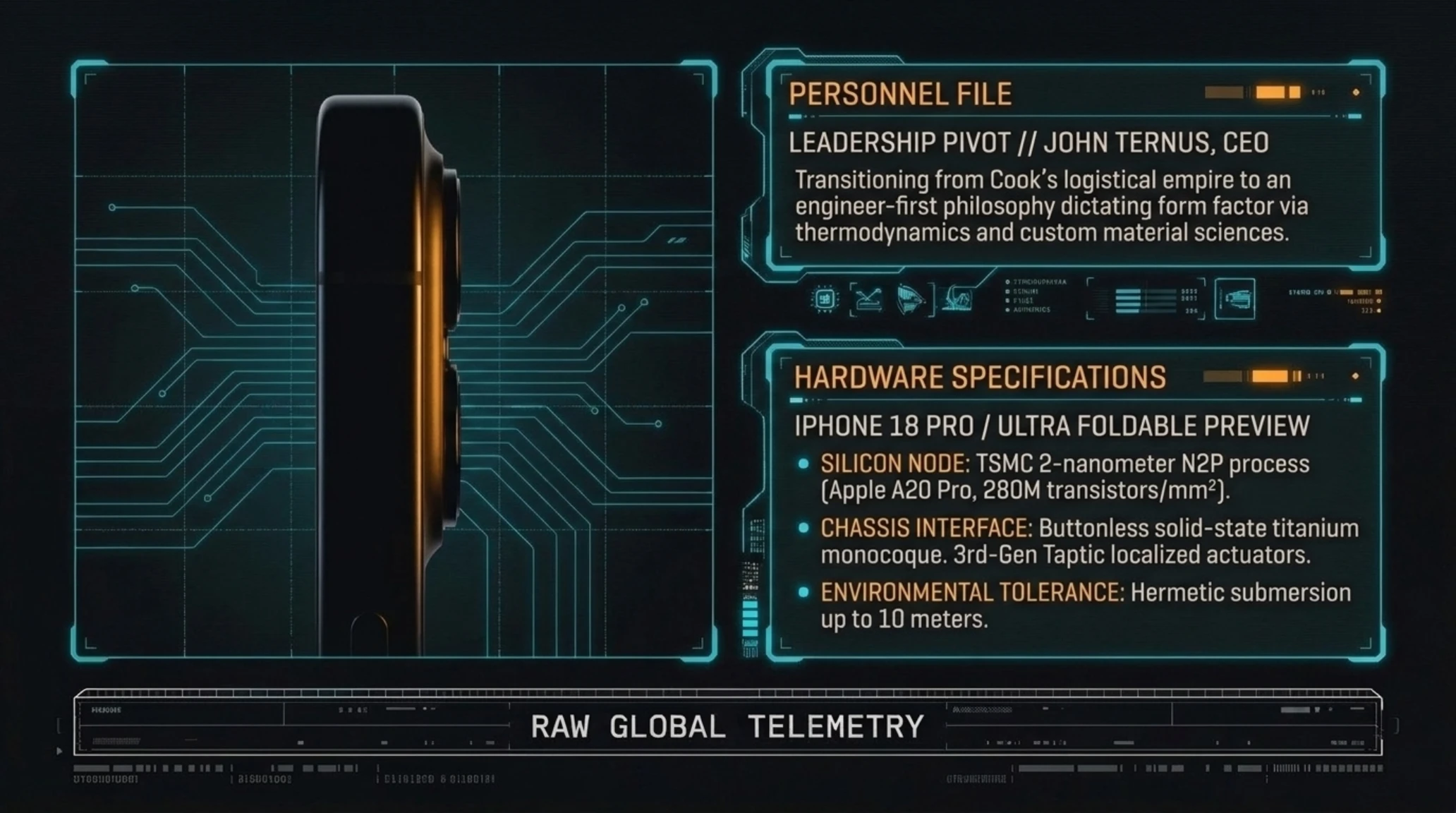
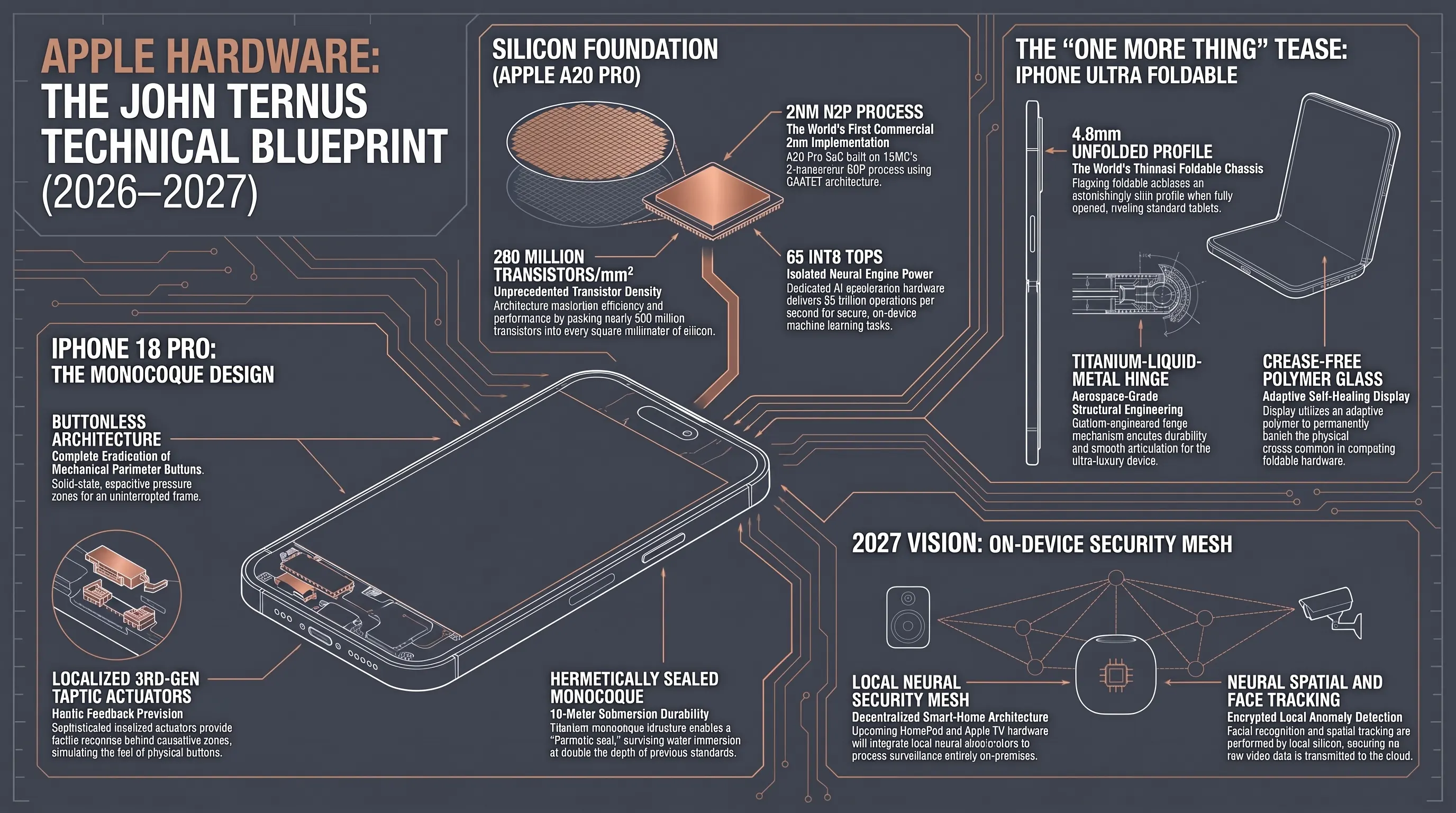
Wall Street institutional analysts and hardware engineers universally anticipate an unapologetic hardware-first presentation. Under Ternus's technical direction, Apple is set to formally introduce the iPhone 18 Pro family, anchored by the world's first commercial implementation of TSMC's 2-nanometer N2P process: the Apple A20 Pro system-on-chip. Beyond packing upwards of 280 million transistors per square millimeter, the device realizes Ternus's long-standing design ambition: the complete eradication of mechanical perimeter buttons. Utilizing solid-state, capacitive pressure zones backed by localized third-generation Taptic Engine actuators, the device achieves an uninterrupted, hermetically sealed titanium monocoque structure capable of surviving water immersion to a depth of ten meters.
Ternus's ascension represents a profound philosophical correction within Silicon Valley executive governance. While Tim Cook was the quintessential master of global logistical leverage and services monetization, Ternus is an engineer's engineer a mechanical specialist who cut his teeth designing iPad structural frames before masterminding Apple's historic architectural divorce from Intel processors in favor of Apple Silicon. Under his leadership, engineering teams have ceased designing devices around supply-chain margin thresholds; instead, silicon architecture, thermal thermodynamics, and custom material sciences dictate product form factors from inception.
However, technology insiders are abuzz with reports of an audacious 'One More Thing' reveal designed to cement Ternus's engineering authority: a technology preview of Apple's long-rumored ultra-luxury foldable flagship, tentatively designated iPhone Ultra Foldable. Engineered with an aerospace-grade titanium-liquid-metal hinge mechanism, the device reportedly achieves an astonishing unfolded chassis profile of just 4.8 millimeters while employing an adaptive self-healing polymer glass display to permanently banish the physical display crease that has compromised competing foldable hardware.
Simultaneously, an investigative report published by Bloomberg exposed Apple's classified architectural blueprint to disrupt the residential security and smart surveillance industry by early 2027. By integrating dedicated local neural accelerators within upcoming HomePod and Apple TV hardware, Apple plans to launch an end-to-end encrypted home security subscription that performs all facial recognition, spatial tracking, and anomaly detection directly on customer premises without transmitting a single byte of video data to the cloud. In a parallel gesture of cross-platform pragmatism, Google quietly rolled out an updated Quick Share protocol for its Pixel Tablet, establishing frictionless, high-speed local wireless file transfers with iOS devices confirming that user convenience is increasingly overcoming historical ecosystem rivalries.
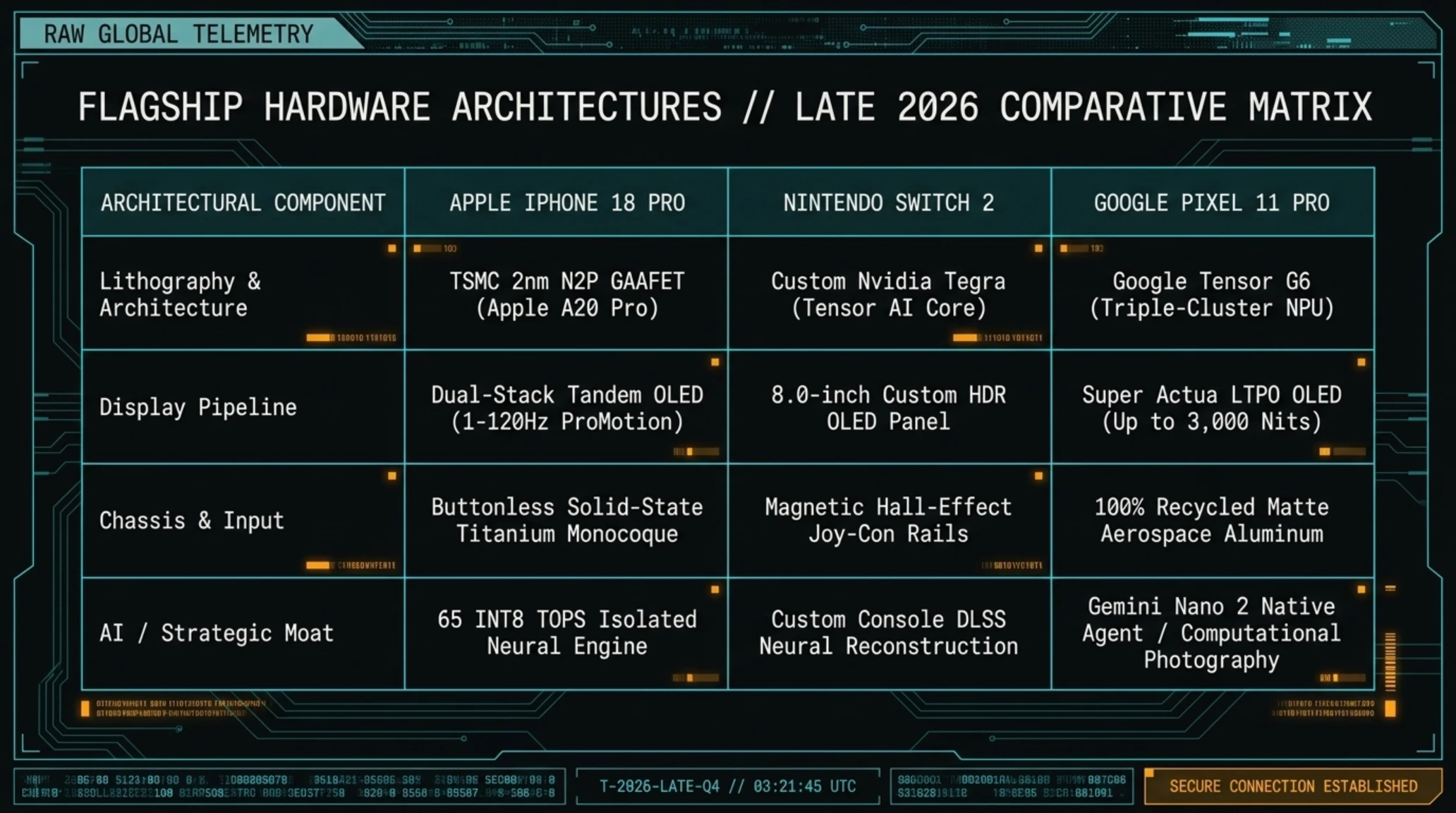
Comparative Hardware Specifications: Fall 2026 Flagship Silicon & Devices
| Technical Metric & Architecture | Apple iPhone 18 Pro | Nintendo Switch 2 | Google Pixel 11 Pro |
|---|---|---|---|
| Lithography & Processor Architecture | TSMC 2nm N2P GAAFET (Apple A20 Pro) | Custom Nvidia Tegra (Tensor AI Core) | Google Tensor G6 (Triple-Cluster NPU) |
| Display Technology & Refresh Rate | Dual-Stack Tandem OLED (1–120Hz ProMotion) | 8.0-inch Custom HDR OLED Panel | Super Actua LTPO OLED (Up to 3,000 Nits) |
| Physical Chassis & Input Engineering | Buttonless Solid-State Titanium Monocoque | Magnetic Hall-Effect Joy-Con Rails | 100% Recycled Matte Aerospace Aluminum |
| Dedicated On-Device AI Acceleration | 65 INT8 TOPS Neural Engine (Isolated) | Custom Console DLSS Neural Reconstruction | Gemini Nano 2 Multimodal Native Agent |
| Primary Strategic Market Moat | Hermetic Submersion Durability (10m Water) | Exclusive First-Party Nintendo Software Library | Computational Photography & Real-Time Voice |
📚 Classified & Related Dossiers in TekinGame
If you wish to explore beyond this report and delve into cybernetic frontiers and autonomous AI architectures, do not miss these three exclusive deep-dives in the Tekin Garage:
4. The Auteur Renaissance: Hideki Kamiya Demands Scalebound Revival as Double Fine Celebrates Independence
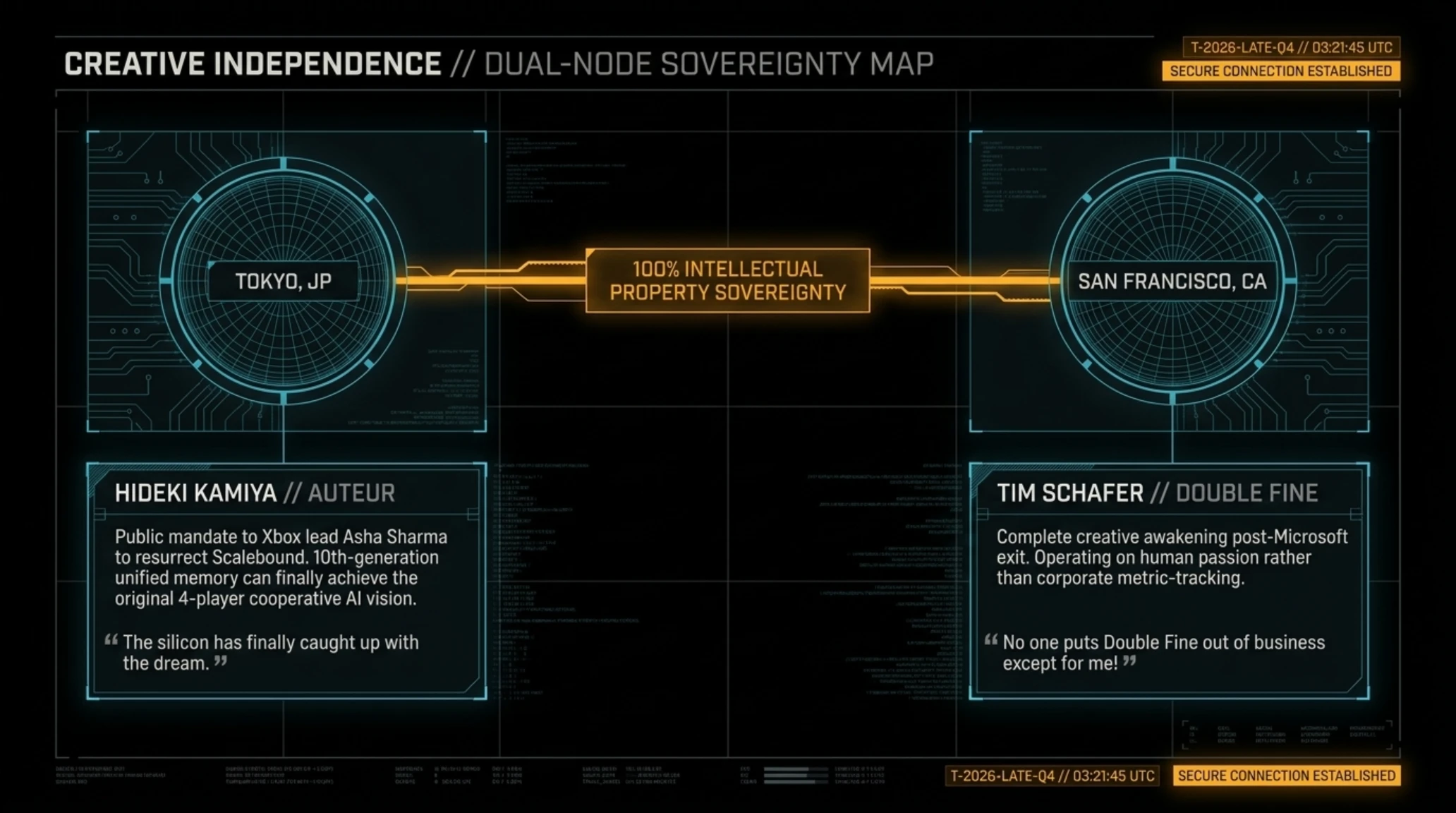
One of the most emotionally charged and creatively electrifying disclosures of the weekend unfolded within the Japanese game development community, as legendary auteur Hideki Kamiya the visionary director behind genre-defining classics including Bayonetta, Devil May Cry, and Okami issued an unreserved public appeal to Microsoft Gaming leadership. In an extensive interview published in Tokyo, Kamiya asserted that he is '100% serious' about resurrecting the cancelled dragon-riding epic Scalebound, explicitly calling upon Asha Sharma, Microsoft's newly appointed executive overseeing Xbox platform strategy and studio relations, to greenlight the project.
Originally unveiled at E3 2014 as an ambitious Xbox One exclusive combining high-speed aerial combat with massive companion-dragon artificial intelligence and four-player cooperative multiplayer, Scalebound was abruptly cancelled in 2017 under Phil Spencer's leadership, leaving an enduring scar on the gaming collective consciousness. Kamiya candidly acknowledged that the hardware constraints of the eighth console generation, compounded by the limitations of early multi-threaded game engines, prevented PlatinumGames from executing its true creative vision. However, Kamiya emphasized that the computational muscle of ninth- and tenth-generation hardware, unified memory architectures, and modern real-time streaming engines eliminate those technical bottlenecks: 'The silicon has finally caught up with the dream. Let's make it happen the ball is firmly in Redmond's court.'
Simultaneously, legendary industry pioneer Tim Schafer, founder and creative director of Double Fine Productions (celebrated for masterpieces such as Psychonauts 2 and Grim Fandango), delivered an inspiring retrospective on his studio's transition following its amicable exit from Microsoft's corporate umbrella to reclaim complete private ownership. Schafer described the recovery of 100% intellectual property sovereignty as a 'glorious creative awakening,' dismissing corporate anxieties regarding financial fragility in volatile macroeconomic climates with trademark sharp wit: 'No one puts Double Fine out of business except for me! We have never actively tried to make a game we thought was going to lose money, but our goal is to touch human souls, not optimize quarterly shareholder spreadsheets. As long as we retain the uncompromised freedom to pursue eccentric, deeply human ideas, we will thrive.'
These parallel declarations underscore an essential ideological realignment across the interactive entertainment landscape. Following years of aggressive corporate consolidation that frequently resulted in bureaucratic inertia, mass studio layoffs, and creative homogenization, visionary game directors are forcefully reasserting their artistic authority, demanding collaborative commercial partnerships that respect human creative autonomy over algorithmic metric-tracking.
5. Intellectual Property Clashes: Tetris Challenges the White House as Studios Grapple with 'AI Panic'
In a bizarre and volatile collision between sovereign politics, intellectual property law, and video game history, The Tetris Company the exclusive global steward of Alexey Pajitnov's legendary forty-year-old puzzle franchise issued an aggressive formal legal condemnation against the Executive Office of the President of the United States. The controversy erupted following the deployment of a browser-based political promotional game on official White House digital domains that blatantly replicated the geometric Tetrimino matrix, rotation mechanics, and audio-spatial iconography of Tetris to deliver partisan political slogans.
In an unsparing public statement, The Tetris Company affirmed that the Tetris brand represents a universal, apolitical cultural monument that has united generations of players across geopolitical divides: 'We take federal trademark infringement and copyright counterfeiting with the utmost gravity, and we will not permit any government entity or political campaign to co-opt our intellectual property for propaganda purposes.' Legal scholars noted that the threat of federal litigation against government administrative portals marks a historic escalation in the defense of digital interactive copyrights.
The legal foundation of The Tetris Company's challenge rests upon an unassailable precedent in federal intellectual property jurisprudence: the landmark 2012 ruling in Tetris Holding, LLC v. Xio Interactive, Inc. While fundamental gameplay mechanics and mathematical abstractions cannot be monopolized under copyright doctrine, the court firmly established that the specific audiovisual expression including the exact 10x20 matrix dimensions, block coloration schemes, ghost-piece projection mechanics, and rotational movement cadences constitutes legally protected expressive artistry. By copying these bespoke visual and mechanical elements wholesale to distribute partisan campaign messaging, the digital operations team behind the White House web clone crossed a dangerous boundary, exposing administrative domains to statutory damages and demonstrating how state actors often demonstrate reckless indifference toward commercial creative copyrights.
Concurrently, the interactive entertainment sector is confronting a debilitating psychological phenomenon characterized by industry sociologists as 'AI Panic'. In the wake of intense consumer backlash against low-effort, algorithmically synthesized assets pejoratively branded as 'AI slop' independent and mid-tier studios now find their promotional materials subjected to forensic, paranoid scrutiny by online communities hunting for synthetic artifacts.
This atmosphere of hyper-suspicion produced a delightfully absurd yet deeply poignant response from the development team behind the forthcoming historical strategy title Humankind 2. After the premiere of their latest cinematic trailer was besieged by conspiratorial social media claims alleging the use of generative AI art tools, the studio issued an official comedic rebuttal that went viral worldwide: 'We categorically and solemnly certify that every single concept sketch, texture layer, and script line in this trailer was hand-crafted by real, severely caffeinated human beings and at least five fully certified free-range chickens. Zero synthetic algorithms were harmed or utilized in this production.' While delivered with biting levity, the statement reflects a serious underlying truth: in 2026, authentic human artistic labor has become such a rare and valued premium that creative artists must actively litigate their own humanity to earn consumer trust.
Industry sociologists interpret this aggressive scrutiny not as mere cynicism, but as an essential cultural immune response. As generative neural networks flood online repositories with generic, emotionally hollow synthetic media, gaming audiences are fiercely protecting the medium from algorithmic erosion. Studios that demonstrate authentic devotion to human craft celebrating the idiosyncrasies, physical hand-drawn textures, and authentic voice talent of living creators are discovering that human artistic authenticity is no longer just an ethical preference; it is the single most valuable commercial differentiator in twenty-first-century entertainment.
- Nintendo's masterstroke doubleheader Directs honoring Zelda's 40th anniversary and Switch 2
- Flawless locked 60 FPS Elden Ring benchmark on Nintendo Switch 2 hardware verified by Digital Foundry
- Hideki Kamiya's impassioned crusade to resurrect Scalebound backed by studio independence movements
- YouTube's proactive monetization guideline overhaul protecting gaming creators ahead of GTA 6
- Rockstar's forced censorship of GTA 6 gameplay assets to placate Chinese state media regulators
- Escalating trademark infringement battles as political entities co-opt iconic gaming IP like Tetris
- Pervasive industry-wide 'AI Panic' forcing human artists into defensive posture to prove their craft
- Persistent global supply chain pressures keeping initial flagship console prices at premium levels
6. Arcade Nostalgia Triumphs: Sega's Crazy Taxi Electrifies PAX West Amid Labor Day Consumer Deals
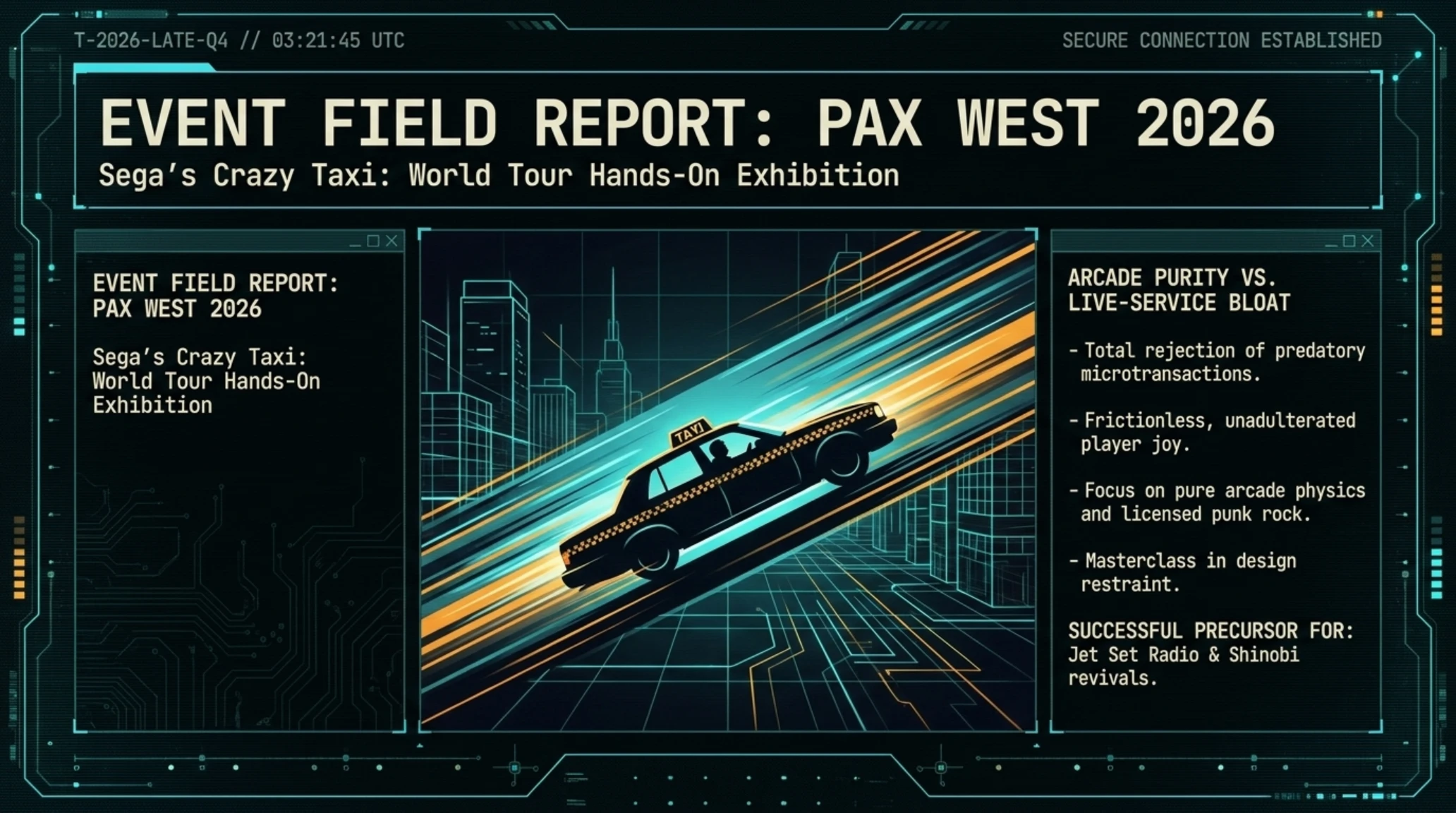
In the final chapter of our Sunday morning global intelligence dispatch, we turn our gaze to the exhibition floor of PAX West 2026 in Seattle, Washington, where Japanese gaming giant Sega orchestrated a spectacular cultural renaissance with hands-on public demos of Crazy Taxi: World Tour. The title, which formally revives the legendary arcade and Sega Dreamcast franchise after more than two decades in hiatus, drew hours-long queues, uniting veteran enthusiasts and younger players around its intoxicating blend of frantic arcade physics, licensed high-octane punk rock anthems, and vibrant open-world urban navigation.
Early critical impressions emerging from the PAX West show floor universally celebrated Sega's restraint in preserving the pure, frictionless essence of late-nineties arcade design while executing modern technical enhancements. Players assume the role of reckless, charismatic cab drivers racing across hyper-stylized metropolitan maps spanning Tokyo, London, and San Francisco, executing death-defying pedestrian near-misses, high-speed coastal drifts, and outrageous ramp jumps to maximize customer fares. By eschewing predatory live-service mechanics and predatory microtransactions in favor of pure, responsive arcade joy, Sega demonstrated that timeless design fundamentals remain vastly more compelling than bloated modern design tropes a triumph that augurs exceptionally well for Sega's upcoming revivals of Jet Set Radio and Shinobi.
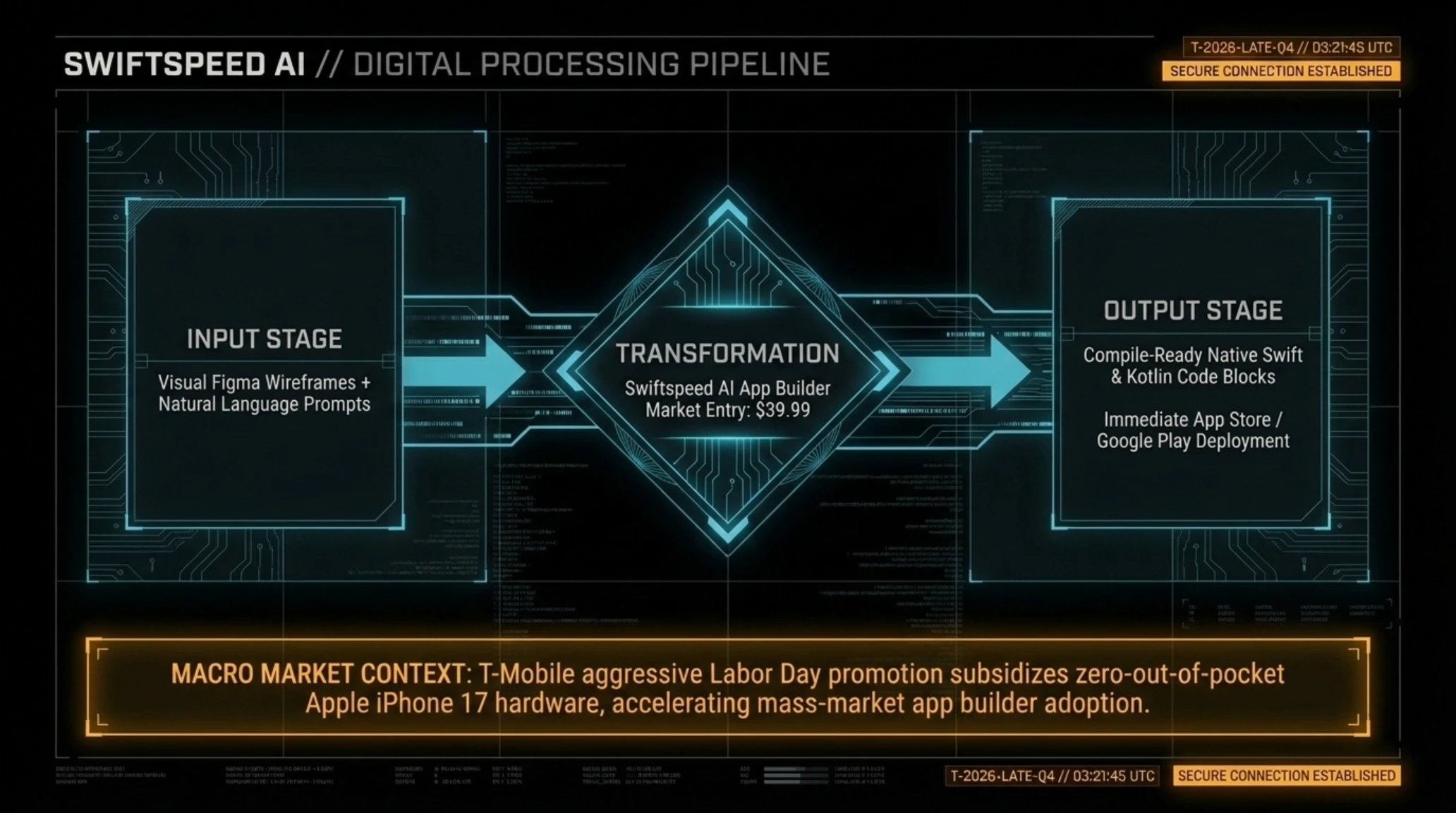
In the consumer electronics and mobile infrastructure market, North American telecommunications titan T-Mobile captured widespread headlines by deploying an aggressive end-of-summer Labor Day promotional blitz. Under the promotional campaign, new and existing subscribers on premium multi-line plans can secure flagship Apple iPhone 17 and iPhone 17 Pro hardware with zero out-of-pocket handset costs through eligible trade-ins, sparking a fierce holiday customer acquisition battle among Tier-1 cellular carriers. Concurrently, the independent software engineering ecosystem celebrated the public launch of Swiftspeed AI App Builder, an accessible cloud platform priced at an introductory $39.99 that enables non-technical entrepreneurs to translate visual Figma wireframes and natural language system prompts into fully compile-ready, native Swift and Kotlin codebases for immediate deployment across the Apple App Store and Google Play.
For the international technology community, this Sunday opens a transformative week packed with high-consequence platform shifts. With Nintendo's historic doubleheader Directs approaching on Tuesday and Wednesday, followed immediately by Apple's monumental September 9 keynote address under John Ternus, the TekinGame investigative desks will continue to provide real-time, comprehensive coverage, delivering forensic technical and market intelligence to keep you continuously ahead of the frontier.
Related Tech Intelligence on Tekin Game
• 🌙 Tekin Night | Call of Duty, Nintendo & Vision Pro Digest
• 🎭 Tekin Analysis | Apple AI Teardown & July 2026 Digest
• 🌙 Tekin Night | NVIDIA $500B Deal & iPhone 18 Leak
Frequently Asked Questions: Tekin Morning Briefing
Why is Nintendo hosting two separate Direct broadcasts on September 8 and 9?
Nintendo structured the events sequentially to separate the historic celebration of The Legend of Zelda's 40th anniversary (Sept 8) from the forward-looking hardware and launch software reveals dedicated to the Switch 2 (Sept 9).
What were the findings of Digital Foundry's Elden Ring benchmark on Switch 2?
Digital Foundry confirmed the Switch 2 executes Elden Ring at a stable 60 FPS at native 1080p handheld, leveraging dedicated Nvidia Tensor cores and custom DLSS to match PS5 performance modes.
Why did Rockstar Games release a censored version of the GTA 6 trailer in China?
To secure commercial broadcast approval from China's NRTA, Rockstar excised nightclub sequences and tobacco usage, ensuring access to China's lucrative 660-million-player market.
What is the strategic significance of Apple's September 9 keynote?
Beyond debuting the iPhone 18 Pro with its 2nm A20 Pro SoC and buttonless titanium chassis, the event marks John Ternus's first keynote as CEO, signaling a return to hardware engineering innovation.
What prompted The Tetris Company to threaten legal action against the White House?
The Tetris Company condemned an unauthorized political web clone on government domains that replicated Tetris mechanics for partisan messaging, asserting the apolitical icon must be protected from counterfeiting.
Official Intelligence Sources & References
Additional Gallery: ☀️ Tekin Morning Sept 6, 2026 | Nintendo Direct Doubleheader & GTA 6 Censorship