Tekin Morning | March 9, 2026: From Foldable Legion Go to the 6,000mAh Razr Fold
Good morning, Tekin Legion! The tech news cycle for March 9, 2026, is serving an explosive breakfast of hardware innovation and ruthless market strategy. From Lenovo aggressively rewriting the rules of portable gaming with a foldable OLED console, to Tesla executing a stunning supply chain maneuver to exploit Canadian import tariffs. We also dissect the launch of the highly anticipated Galaxy S26 featuring hardware-level privacy, Xiaomi's 200MP telephoto behemoth, and Motorola's direct assault on the book-style foldable market. Let's dive into the autopsy.
Strategic Evaluation & Key Takeaways at a Glance
Lenovo Legion Go Fold: When Gaming Goes Foldable!
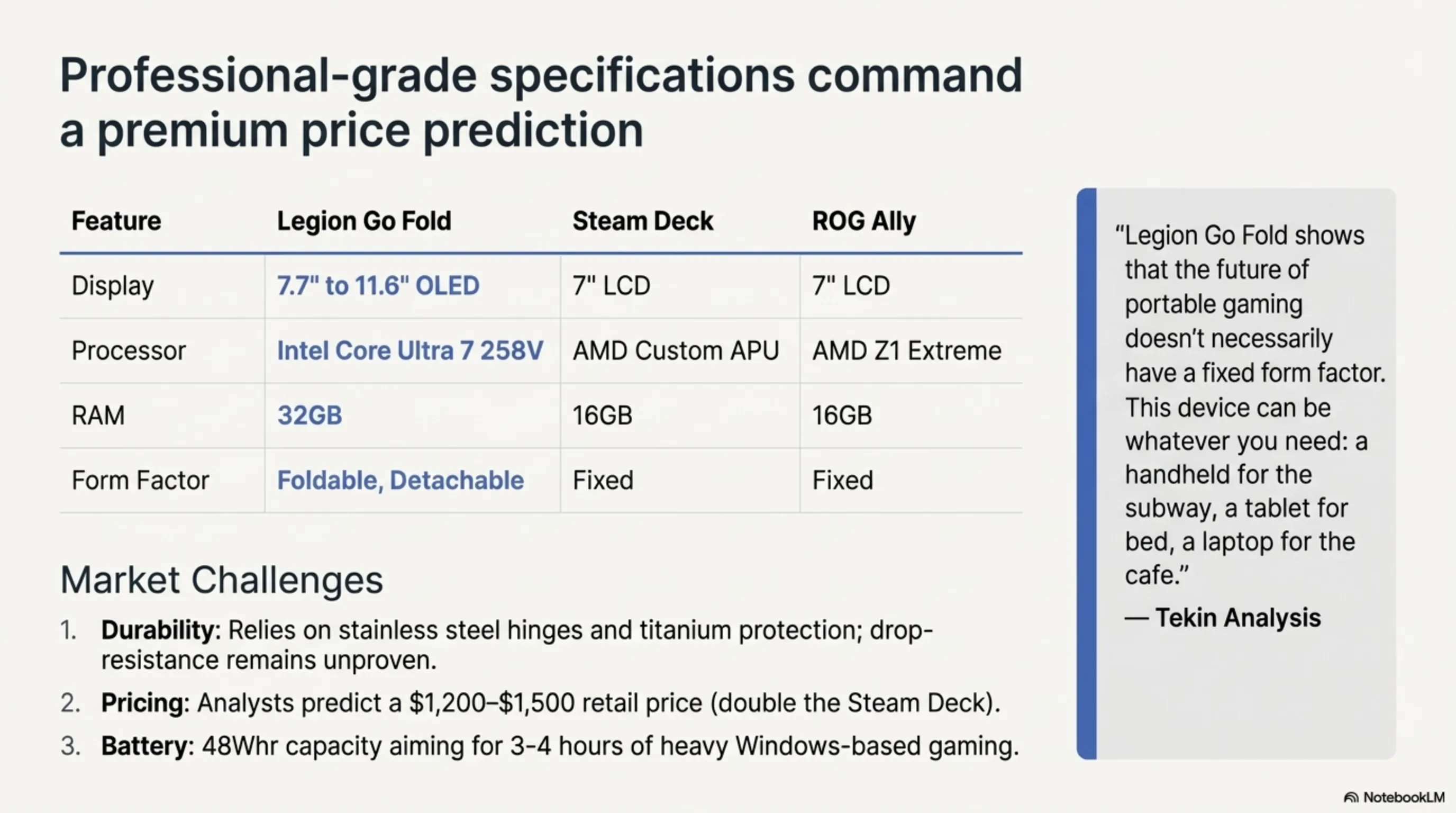
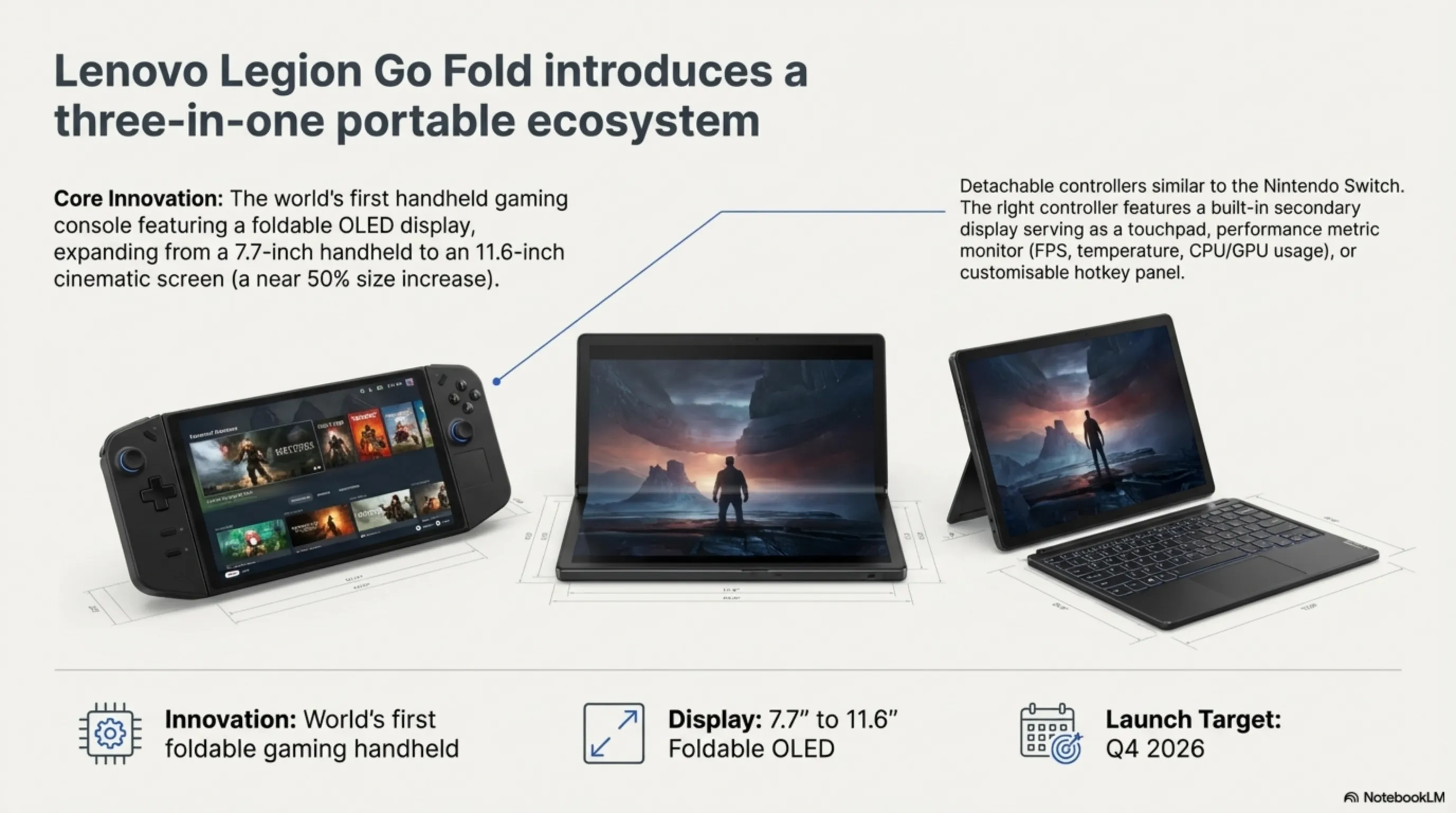
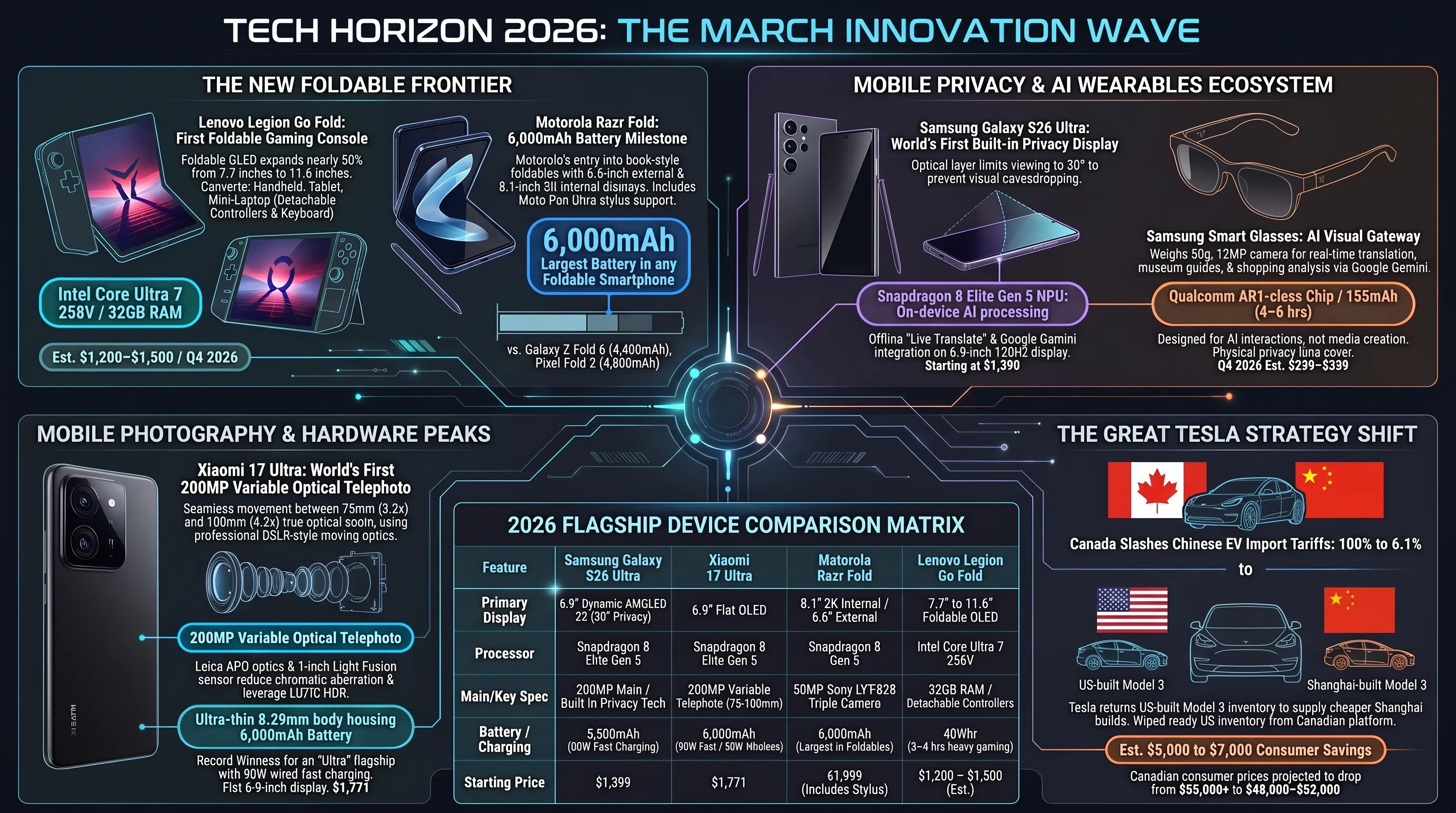
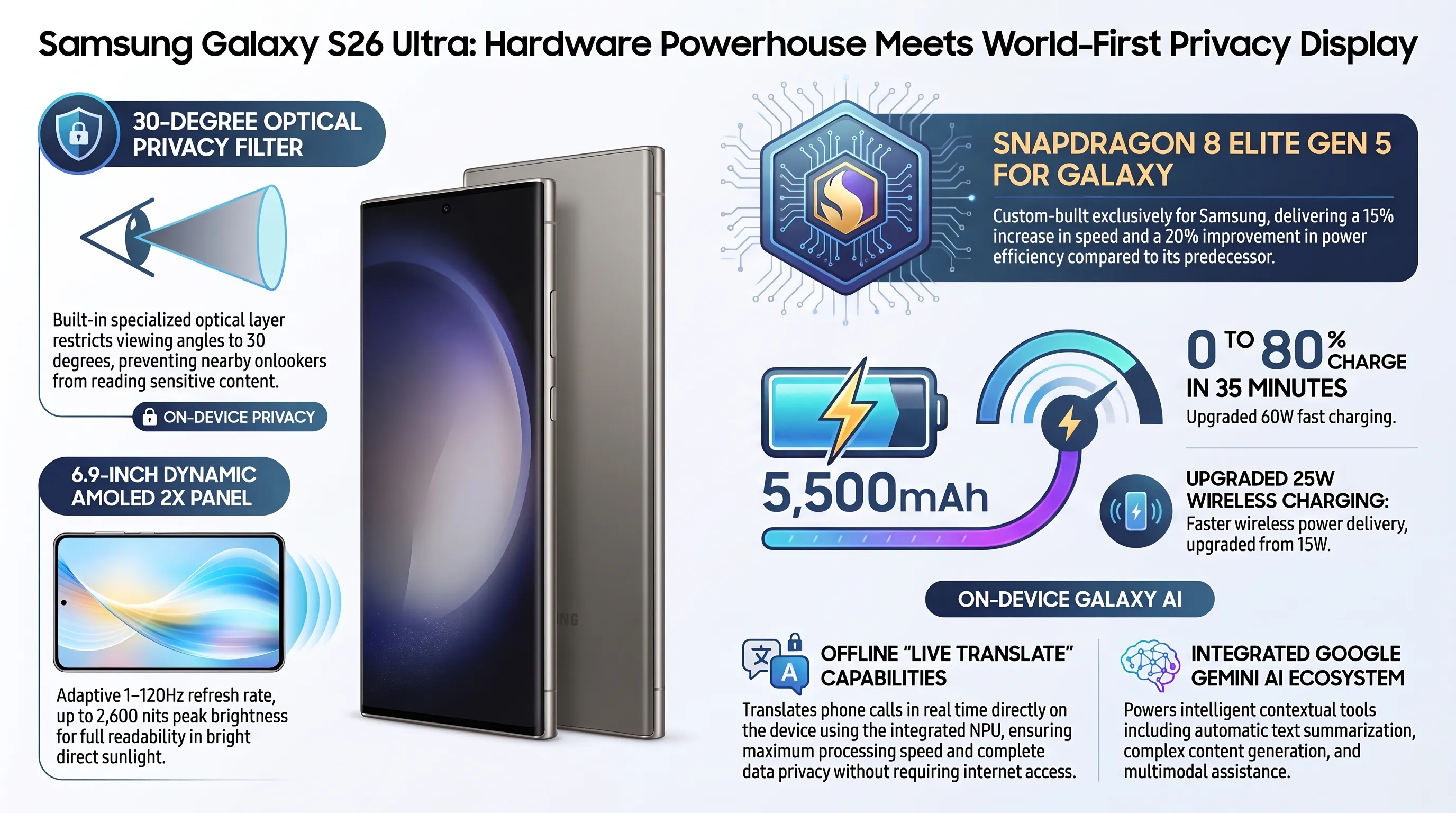
MWC 2026 Barcelona witnessed one of the most audacious hardware innovations of the year: the Lenovo Legion Go Fold. This is the world's first handheld gaming console featuring a foldable OLED display, effectively destroying the rigid boundaries between a handheld, a tablet, and a mini-laptop. In folded mode, it operates as a standard 7.7-inch console; unfolded, it transforms into an immersive 11.6-inch cinematic display expanding its surface area by nearly 50%.
Powered by the Intel Core Ultra 7 258V (Meteor Lake architecture) and backed by a massive 32GB of RAM, this device possesses the raw compute necessary to handle AAA PC titles seamlessly. Borrowing the Nintendo Switch's modularity, the Legion Go Fold features detachable controllers. The right controller even houses an integrated mini-display serving as a touchpad or a real-time telemetry screen for monitoring FPS and thermal metrics without breaking immersion.
Hardware Clash: Legion Go Fold vs. Traditional Handhelds
| Core Specification | Lenovo Legion Go Fold | Steam Deck (OLED) | ASUS ROG Ally |
|---|---|---|---|
| Display Tech | 7.7" → 11.6" Foldable OLED | 7.4" OLED (Fixed) | 7.0" LCD (Fixed) |
| Processing Engine | Intel Core Ultra 7 258V | AMD Custom APU | AMD Z1 Extreme |
| Memory (RAM) | 32GB (Heavy Multitasking) | 16GB | 16GB |
| Controller Design | Detachable (w/ telemetry screen) | Fixed to chassis | Fixed to chassis |
| Estimated MSRP | $1,200 - $1,500 (Projected) | $549 - $649 | $699 |
However, engineering challenges loom large. The physical durability of a foldable screen subjected to the intense, aggressive inputs of hardcore gaming remains a serious question, despite Lenovo's claims of titanium reinforcement and stainless steel hinges. Scheduled for a Q4 2026 launch with a projected price tag hovering between $1,200 and $1,500, this premium "concept" must prove it can survive the real world.
Tesla Model 3 Canada: A Brutal Supply Chain Maneuver
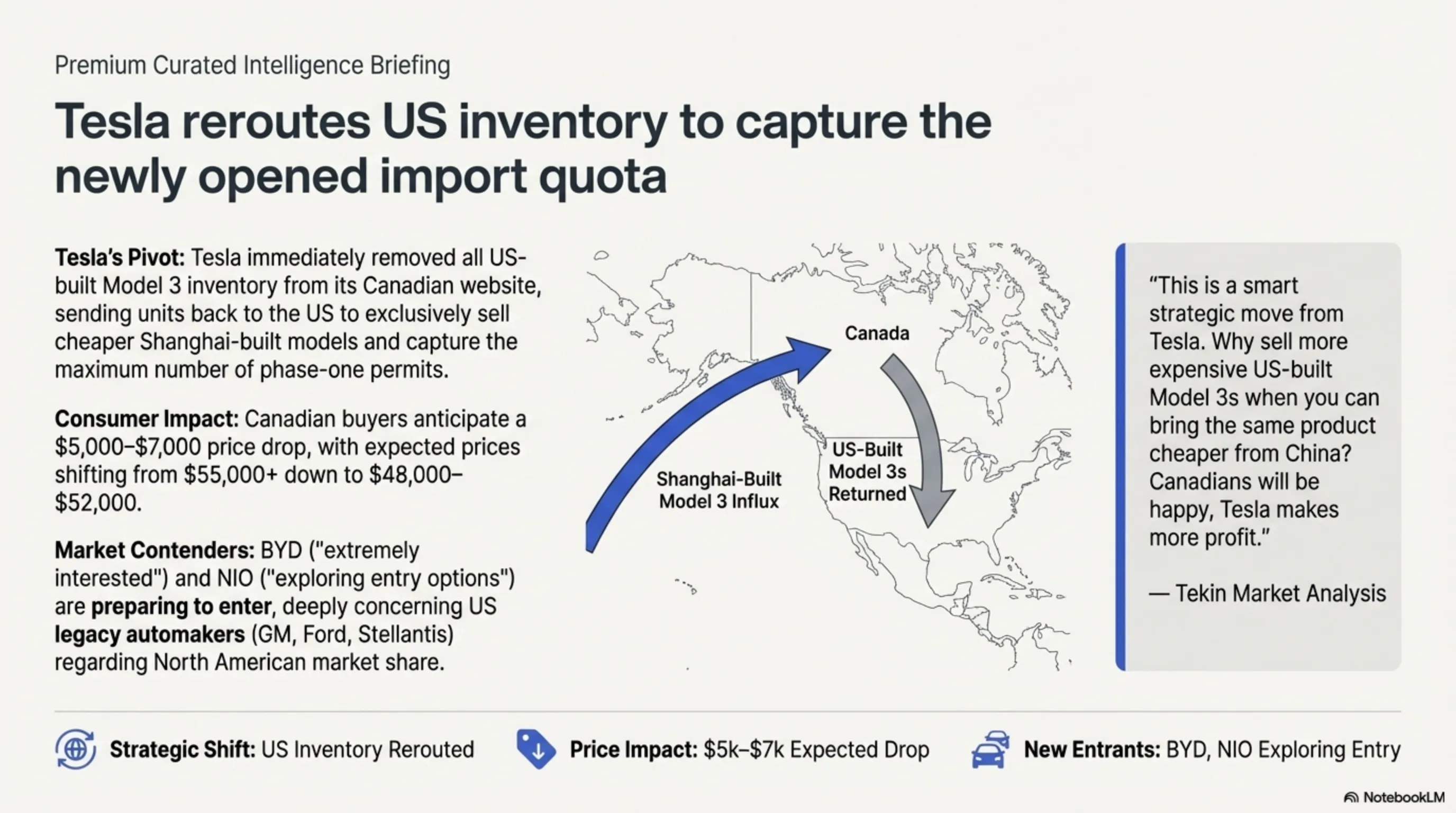
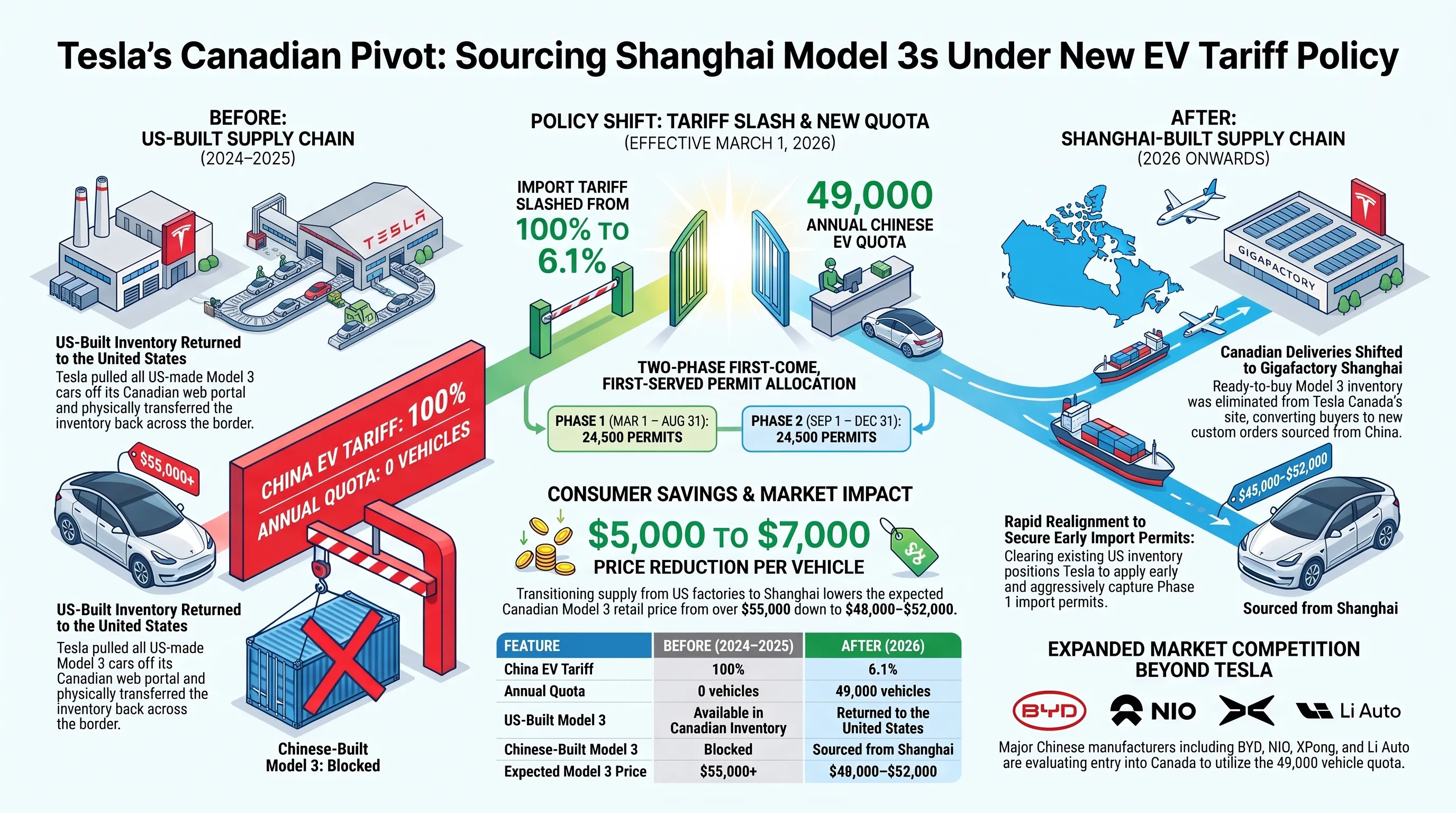
In a ruthless and brilliantly calculated supply chain maneuver, Tesla abruptly removed all US-built Model 3 inventory from its Canadian storefronts, physically repatriating the vehicles back to the United States. The catalyst? On March 1, 2026, the Canadian government enacted a new EV import program, drastically slashing the punishing 100% tariff on Chinese-built electric vehicles down to a mere 6.1%.
Tesla intends to be first in line to flood the Canadian market with significantly cheaper Model 3s manufactured at Gigafactory Shanghai. The Canadian program operates on a first-come, first-served basis, issuing a quota of 24,500 import permits between March and August 2026, with an additional 24,500 in Phase Two. By clearing US stock, Tesla is aggressively positioning itself to monopolize these permits before Chinese titans like BYD and NIO can establish a foothold.
Market Dissection: The Canadian EV Tariff Shift
| Trade Metric / Impact | Pre-March 2026 Status | Post-March 2026 Reality |
|---|---|---|
| Chinese EV Import Tariff | 100% (Prohibitive) | 6.1% (Highly Competitive) |
| Annual Import Quota | Effectively Zero | 49,000 Units Annually |
| US-Built Model 3 Status | Primary Canadian Supply | Recalled & Repatriated to US |
| Projected Model 3 Price | $55,000+ CAD | $48,000 - $52,000 CAD |
While Canadian consumers stand to save $5,000 to $7,000 on a new Model 3, US legacy automakers (GM, Ford, Stellantis) are terrified. This tariff reduction serves as a massive beachhead for cheap Chinese EVs to conquer the North American continent, potentially sparking a brutal new trade war.
Samsung Galaxy S26: Hardware-Level Privacy Display
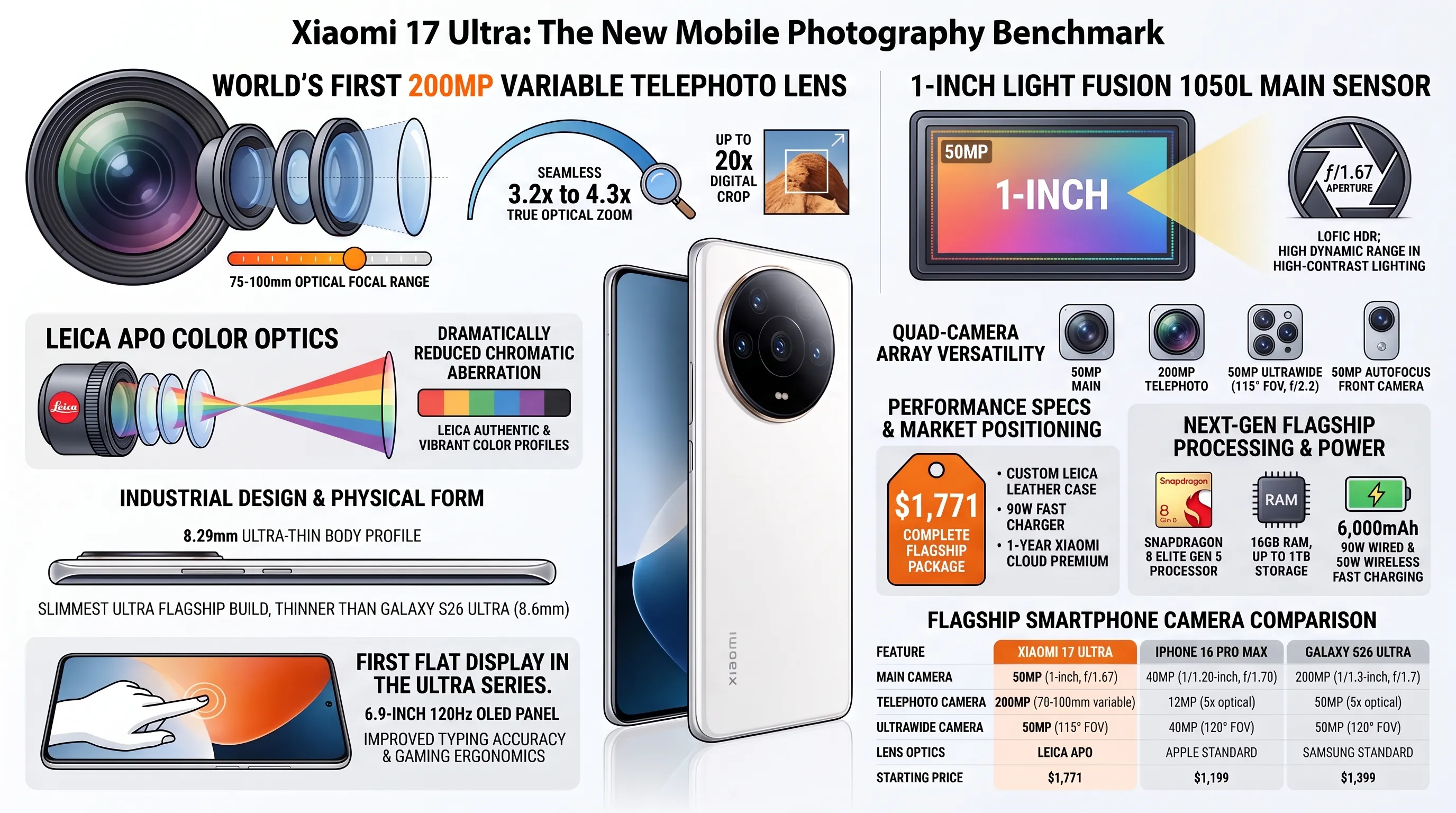
Launching tomorrow, March 11, 2026, the Samsung Galaxy S26 Ultra brings a profound feature to the flagship arena: the world's first hardware-level Privacy Display. Designed to permanently defeat "Shoulder Surfing" in public spaces, this proprietary optical layer dynamically restricts the screen's viewing angle to a tight 30 degrees, rendering the display invisible to anyone sitting beside you without requiring a degraded, physical screen protector.
Beyond privacy, the S26 Ultra is a computational beast, armed with Qualcomm's Snapdragon 8 Elite Gen 5 processor (customized specifically for Galaxy). The device boasts a massive 6.9-inch Dynamic AMOLED 2X display pushing 2,600 nits of peak brightness. Fast charging has finally received a vital upgrade to 60W wired and 25W wireless, allowing the 5,500mAh battery to hit 80% in just 35 minutes.
Flagship Matrix: The Galaxy S26 Lineup
| Hardware Spec | Galaxy S26 (Base) | Galaxy S26+ | Galaxy S26 Ultra |
|---|---|---|---|
| Display Size | 6.3" AMOLED 2X | 6.7" AMOLED 2X | 6.9" AMOLED 2X |
| Processing Engine | Exynos 2600 | Exynos 2600 | Snapdragon 8 Elite Gen 5 |
| Battery & Charging | 4,500mAh (45W) | 5,000mAh (45W) | 5,500mAh (60W Fast Charge) |
| Privacy Display | Not Included | Not Included | Integrated Optical Layer |
| Base Price (MSRP) | $899 (+$50 Increase) | $1,099 (+$50 Increase) | $1,399 (+$100 Increase) |
📚 Classified & Related Dossiers in TekinGame
If you wish to explore beyond this report and delve into cybernetic frontiers and autonomous AI architectures, do not miss these three exclusive deep-dives in the Tekin Garage:
Samsung has also deeply integrated Google Gemini into the OS, powering features like "Live Translate" that processes real-time phone translation entirely on-device via the NPU, ensuring absolute privacy. Despite the $100 price hike, abandoning the 128GB tier for a 256GB baseline softens the blow.
Samsung Smart Glasses: The Visual AI Gateway
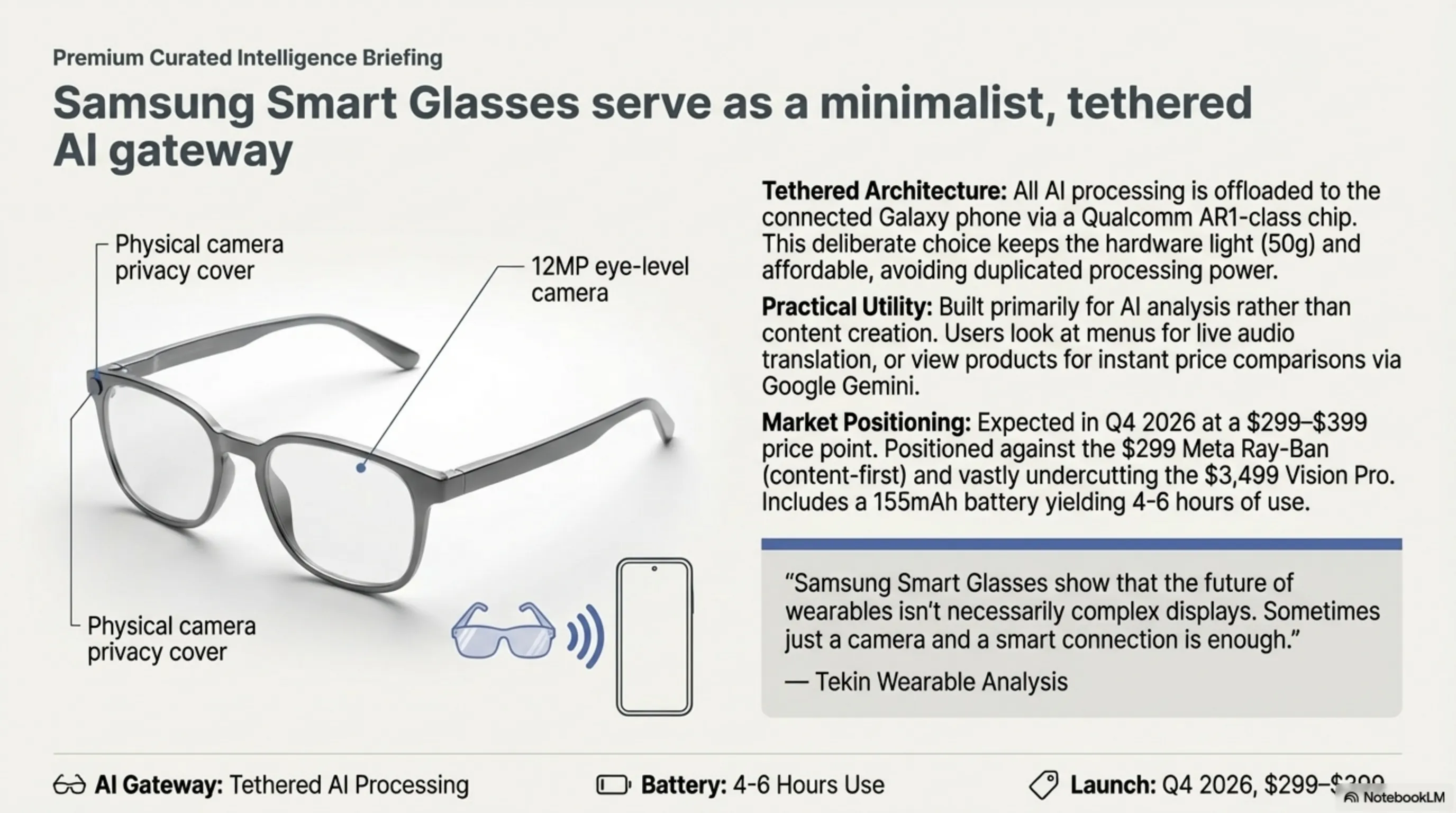
Samsung also shocked MWC with the announcement of its upcoming Smart Glasses, slated for Q4 2026. Defying the industry trend of heavy, isolating MR headsets, these glasses weigh a mere 50 grams. They feature a single 12MP eye-level camera designed not for vlogging, but to act as a dedicated visual input gateway for Google Gemini running on the paired Galaxy smartphone.
Look at a foreign menu, and Gemini translates it instantly into your earbuds. Stare at a product, and the AI conducts a real-time price comparison. By offloading all compute to the phone, the glasses maintain a minimalist design and a 155mAh battery capable of 4-6 hours of continuous use. With a physical privacy shutter and a projected price of $299-$399, Samsung is aggressively undercutting the Vision Pro's dystopian complexity.
Xiaomi 17 Ultra: The 200MP Telephoto King
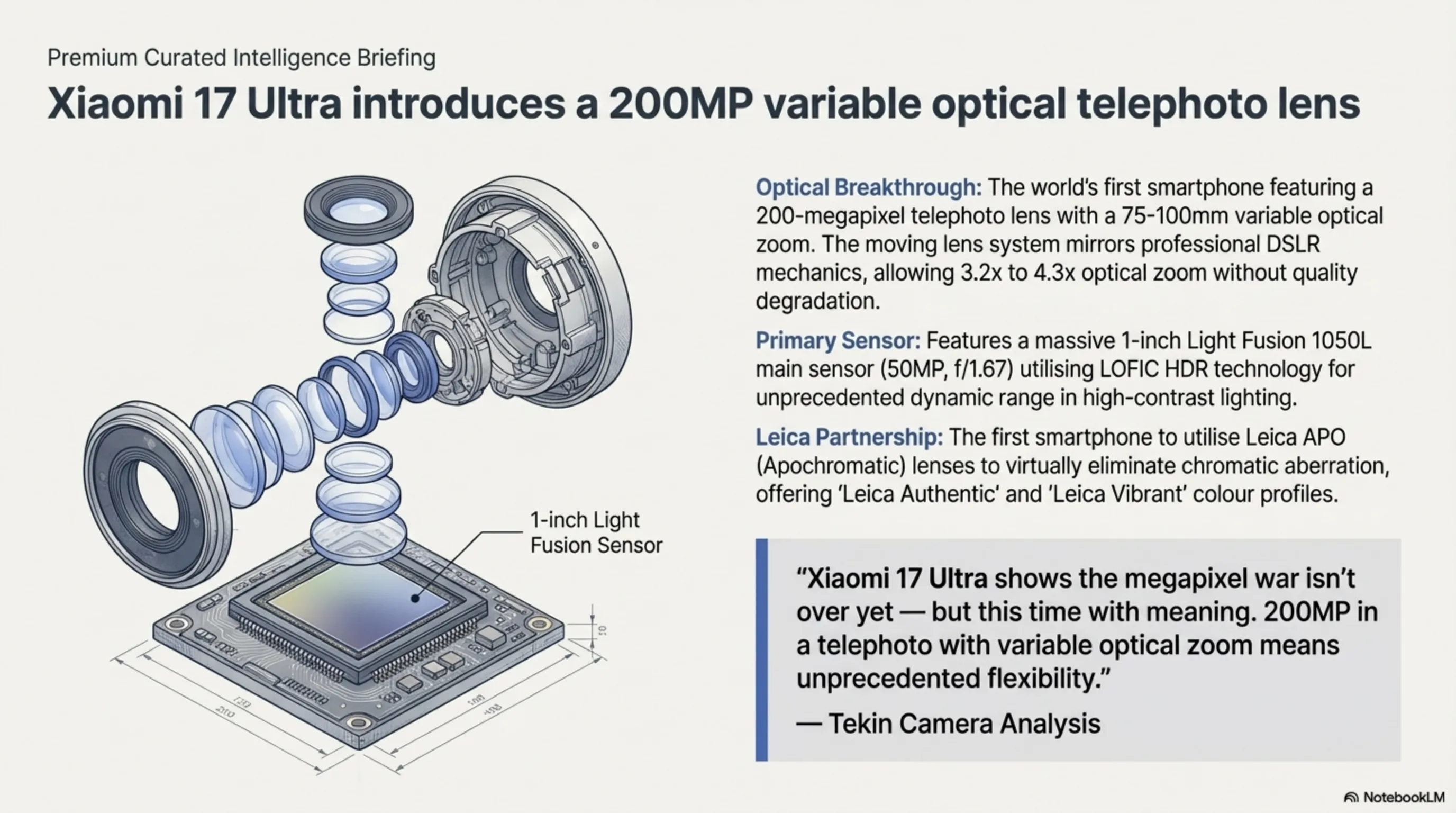
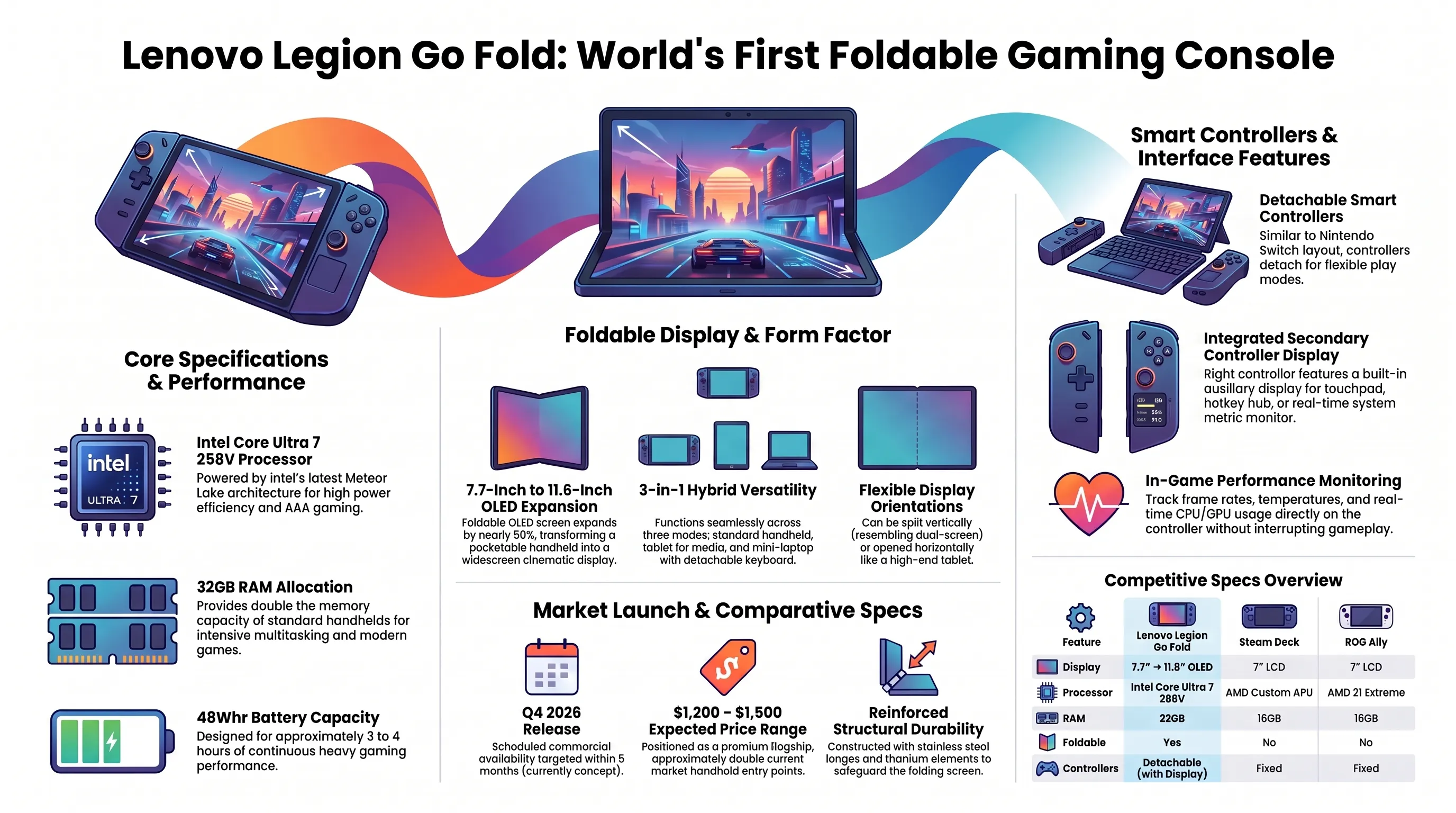
Xiaomi has firmly declared war on traditional DSLR cameras with the Xiaomi 17 Ultra. This flagship introduces the world's first 200-megapixel telephoto lens with variable optical zoom (75-100mm), utilizing moving optical elements to seamlessly shift between 3.2x and 4.3x zoom without digital degradation.
The primary shooter houses a massive 1-inch Light Fusion 1050L sensor (outclassing the iPhone 16 Pro Max's 1/1.28-inch sensor) with an f/1.67 aperture and LOFIC HDR technology, ensuring unprecedented dynamic range in extreme lighting conditions. Tuned in collaboration with Leica and utilizing Leica APO lenses to eliminate chromatic aberration, this device is a photographer's absolute dream.
Optics Matrix: Xiaomi 17 Ultra vs. The Competition
| Camera Hardware | Xiaomi 17 Ultra (Leica) | iPhone 16 Pro Max | Galaxy S26 Ultra |
|---|---|---|---|
| Primary Sensor | 50MP 1" (f/1.67) | 48MP 1/1.28" (f/1.78) | 200MP 1/1.3" (f/1.7) |
| Telephoto Zoom | 200MP Variable (75-100mm) | 12MP (Fixed 5x Optical) | 50MP (Fixed 5x Optical) |
| Ultrawide Lens | 50MP (115° FOV) | 48MP (120° FOV) | 50MP (120° FOV) |
| Chassis Thickness | 8.29mm (Thinnest Ultra) | 8.25mm | 8.60mm |
| Global Price | $1,771 USD | $1,199 USD | $1,399 USD |
Despite housing a 6,000mAh battery and a Snapdragon 8 Elite Gen 5 processor, the 17 Ultra is remarkably sleek at 8.29mm thick. At $1,771, it carries a severe luxury tax, but for professionals requiring pocketable DSLR performance, it stands entirely unmatched.
Motorola Razr Fold: 6,000mAh Book-Style Behemoth
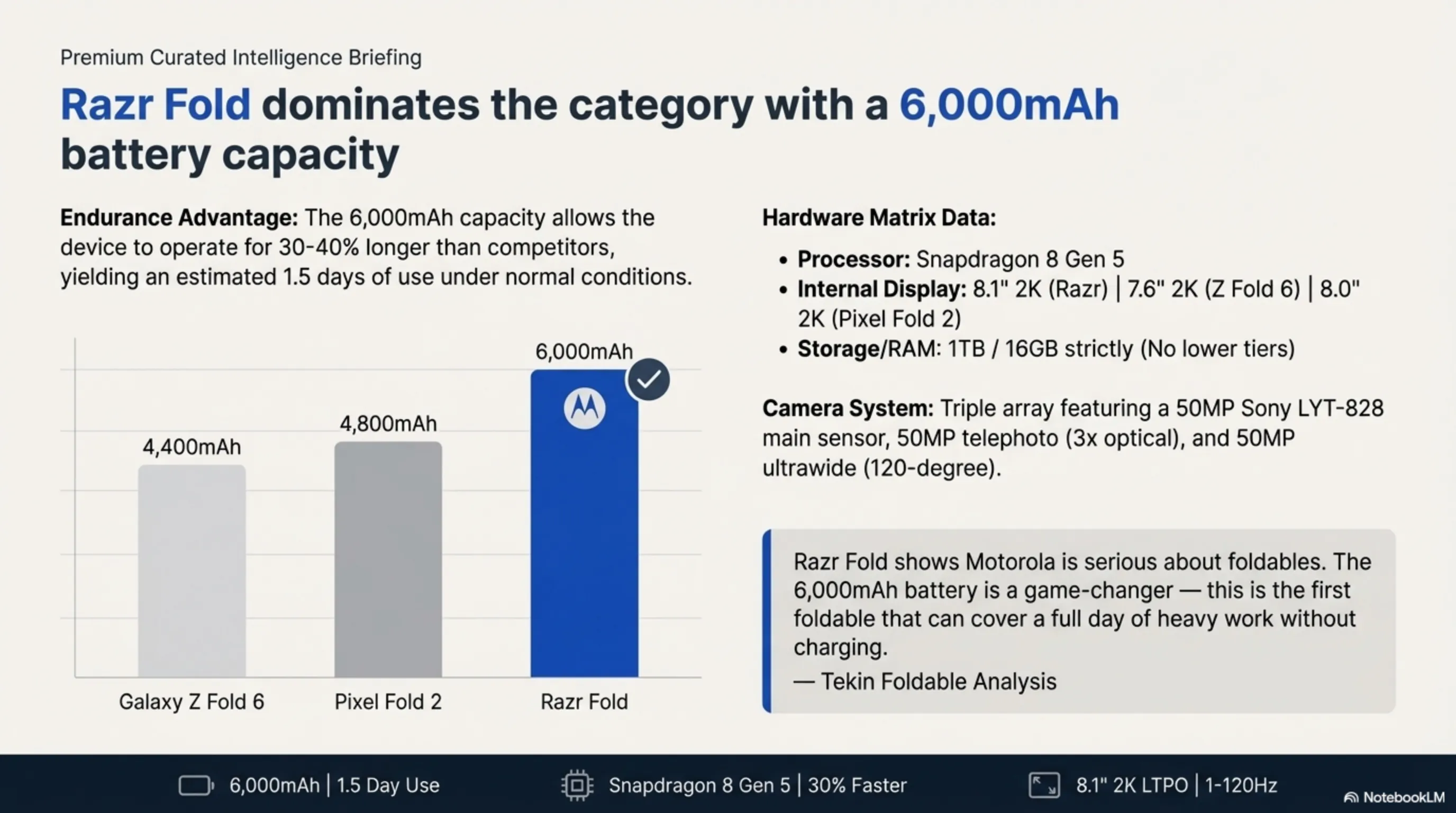
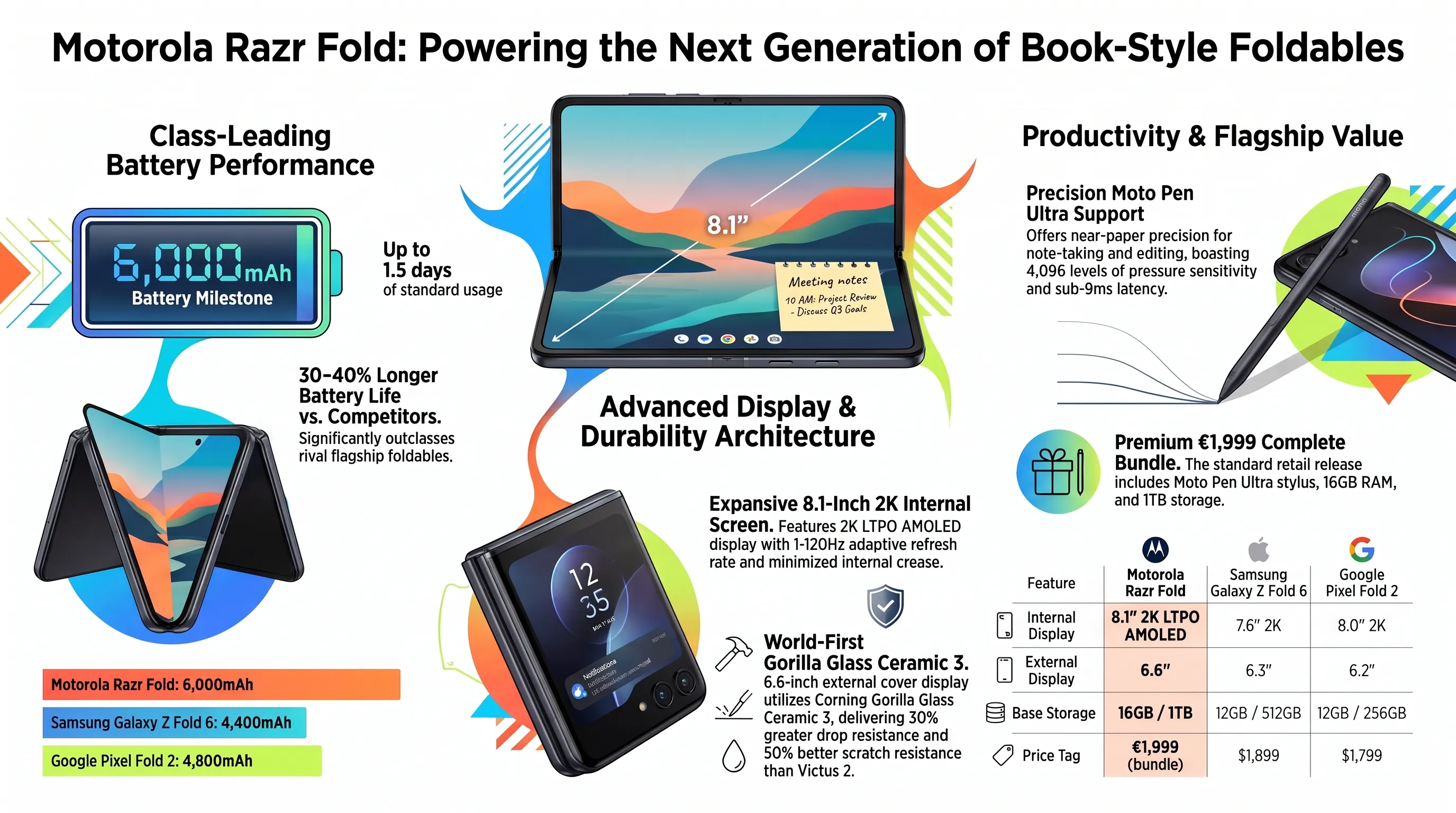
Finally, Motorola has escalated the foldable wars, pivoting from its iconic flip-phones to introduce its first book-style foldable: the Motorola Razr Fold. Directly challenging the Galaxy Z Fold 6, Motorola's killer feature is sheer endurance it houses a monstrous 6,000mAh battery, claiming 1.5 days of heavy use without a charge.
The device sports a 6.6-inch external display fortified by Corning Gorilla Glass Ceramic 3, rendering it 30% more shatter-resistant than Victus 2. Inside, an 8.1-inch 2K LTPO AMOLED display utilizes a titanium backplate and stainless steel teardrop hinge to nearly eliminate the dreaded crease. Powered by the Snapdragon 8 Gen 5, packing 1TB of storage, and bundled with the ultra-low latency (9ms) Moto Pen Ultra, the €1,999 Razr Fold is a serious productivity powerhouse.

- Lenovo's bold destruction of the rigid handheld form factor with the 11.6" foldable OLED Legion Go Fold.
- Samsung's vital integration of hardware-level Privacy Displays, securing public usage of the Galaxy S26 Ultra.
- Xiaomi's absolute mastery of mobile optics via a true 1-inch sensor and variable optical 200MP telephoto lens.
- The exorbitant pricing models driving flagships closer to the $2,000 mark (Xiaomi 17 Ultra and Razr Fold).
- Severe questions regarding the physical durability of foldable gaming screens enduring intense controller inputs.
- The dangerous economic implications of Tesla utilizing Chinese import loopholes, sparking fears of a North American EV trade war.
Final Editorial Verdict & Official Reference Sources
The Annihilation of the Status Quo
Today's announcements confirm that playing it safe is no longer an option. From hardware-level privacy and foldable consoles to aggressive EV tariff exploitation, the tech sector is embracing radical, high-risk evolution.
Frequently Asked Questions & Technical Analysis
What makes the Lenovo Legion Go Fold different from the Steam Deck?
The Legion Go Fold utilizes a flexible OLED display that expands from a 7.7-inch handheld into an 11.6-inch mini-laptop. It runs on the powerful Intel Core Ultra 7 processor and features detachable controllers with an integrated telemetry screen.
Why did Tesla pull all US-built Model 3s out of Canada?
Canada implemented a new EV import program reducing the tariff on Chinese-built EVs from 100% to 6.1%. Tesla removed US inventory to rapidly exploit this quota, bringing in cheaper Shanghai-built vehicles to increase profit margins and undercut competitors.
How does the Privacy Display on the Galaxy S26 Ultra actually work?
It utilizes a proprietary, physical optical layer built directly into the screen hardware. It dynamically restricts the viewing angle to a strict 30 degrees, making the screen completely black to anyone attempting to 'Shoulder Surf' from the side.
What is 'Variable Optical Zoom' on the Xiaomi 17 Ultra?
Unlike digital zoom which crops an image and reduces quality, variable optical zoom uses a physically moving lens system (similar to DSLR cameras) to seamlessly adjust between 3.2x and 4.3x magnification on its massive 200MP telephoto sensor without losing any optical fidelity.
How did Motorola solve the battery issue in book-style foldables?
By optimizing internal chassis space and utilizing a high-density silicon-carbon cell, the Motorola Razr Fold managed to pack an unprecedented 6,000mAh battery into the device, far surpassing the Galaxy Z Fold 6's 4,400mAh capacity.
Additional Gallery: Tekin Morning | From Foldable Legion Go to Motorola's Battery Monster; March 9 News Bombs