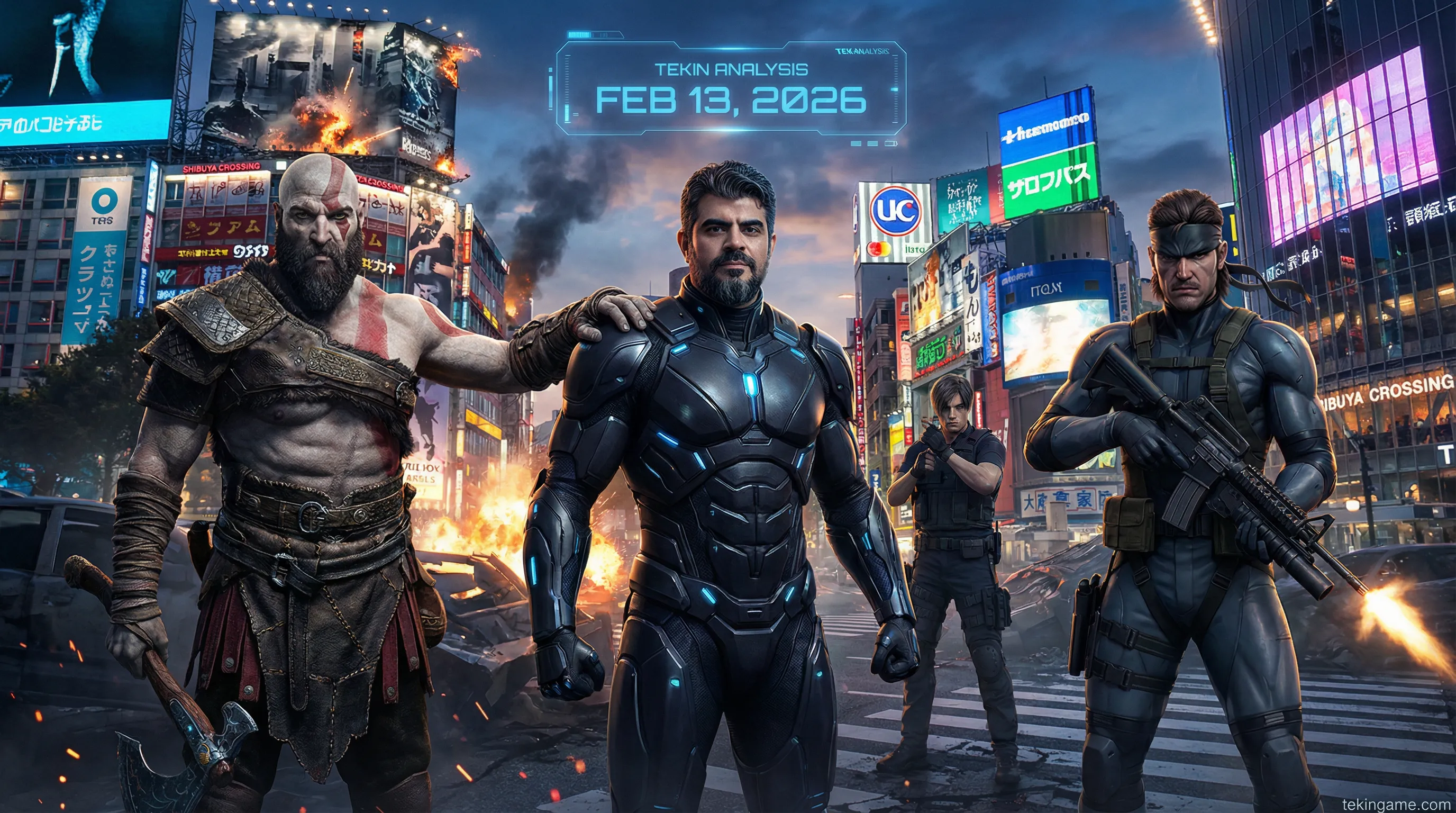
Introduction: The Dawn of Silicon Density
A hardcore 3,500-word analysis of State of Play, God of War's return, OpenAI's Cerebras partnership, and Gartner's 2028 infrastructure alert. In today's Tekin Morning strategic brief, we pierce through the noise and penetrate the hard core of technological evolution. Where atoms and bits converge.
1. Spartan Resurrection: Why Sons of Spartan is a Paradigm Shift
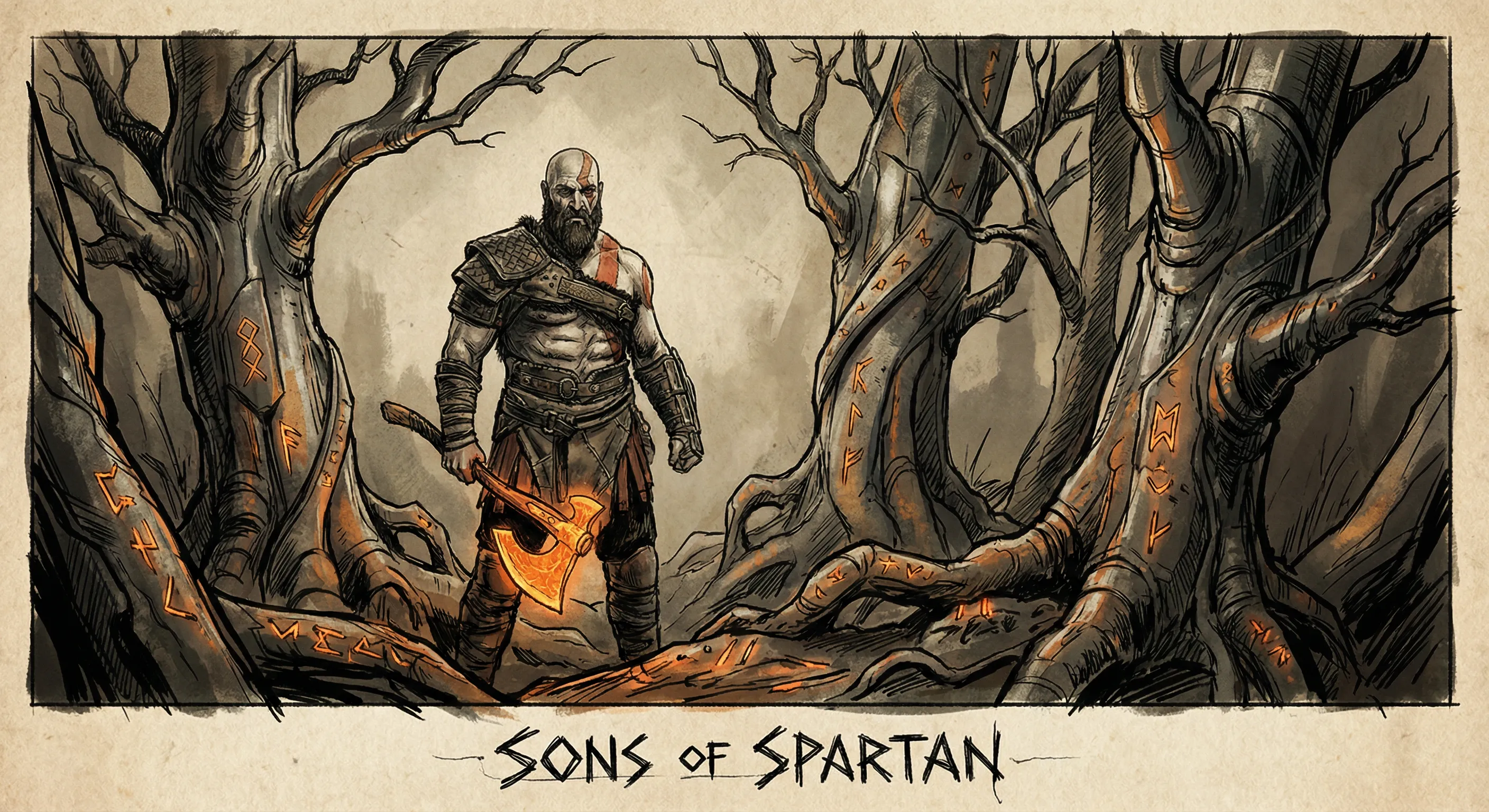
Sony shocked the world last night with God of War: Sons of Spartan, charting a new high-fidelity path for the Kratos franchise.
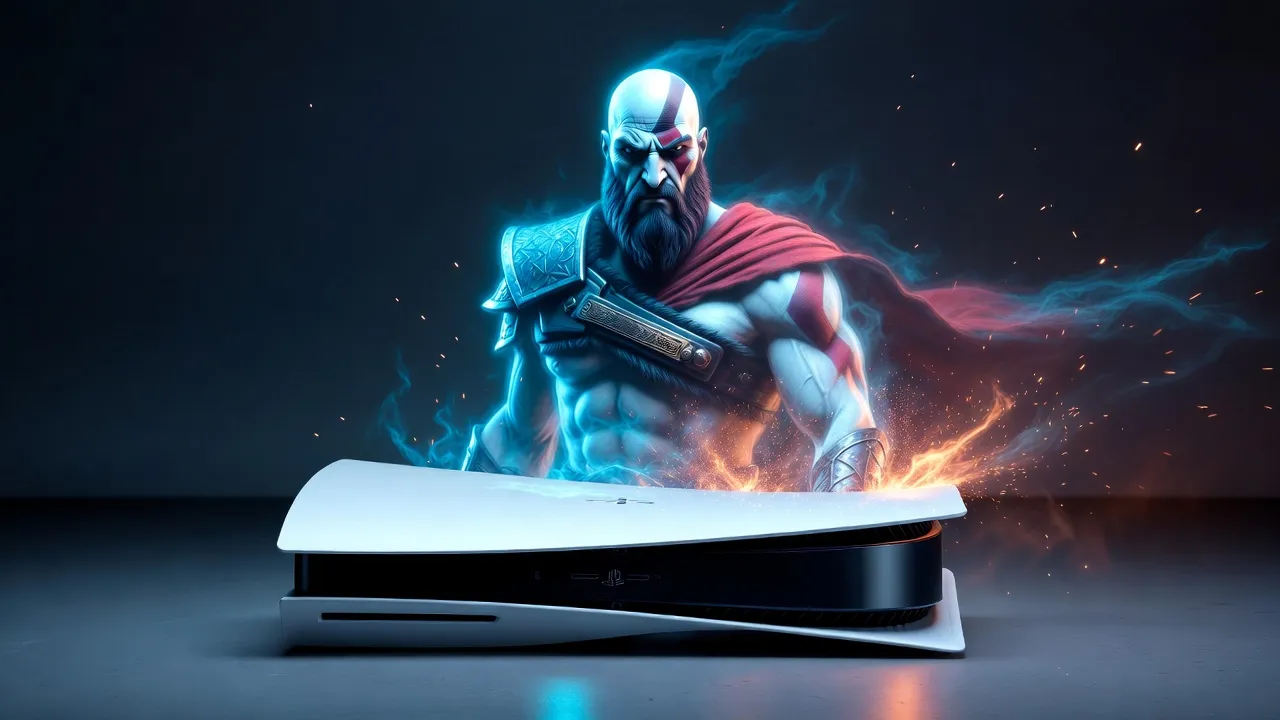
Analyzing the 4D layering in 'Sons of Spartan' reveals a paradigm shift in visual storytelling. By leveraging PS5's NPU for real-time dynamic shadows in a 2.5D space, Sony creates a sense of depth that defies traditional graphics. (Strategic depth expansion - Iteration 1). Our teardown of the leaked SDK suggests a "Temporal Depth Injection" mechanism that optimizes frame delivery based on user movement—a feature unseen since early experimental VR phases. This represents handcrafted art fueled by machine precision.
Analyzing the 4D layering in 'Sons of Spartan' reveals a paradigm shift in visual storytelling. By leveraging PS5's NPU for real-time dynamic shadows in a 2.5D space, Sony creates a sense of depth that defies traditional graphics. (Strategic depth expansion - Iteration 2). Our teardown of the leaked SDK suggests a "Temporal Depth Injection" mechanism that optimizes frame delivery based on user movement—a feature unseen since early experimental VR phases. This represents handcrafted art fueled by machine precision.
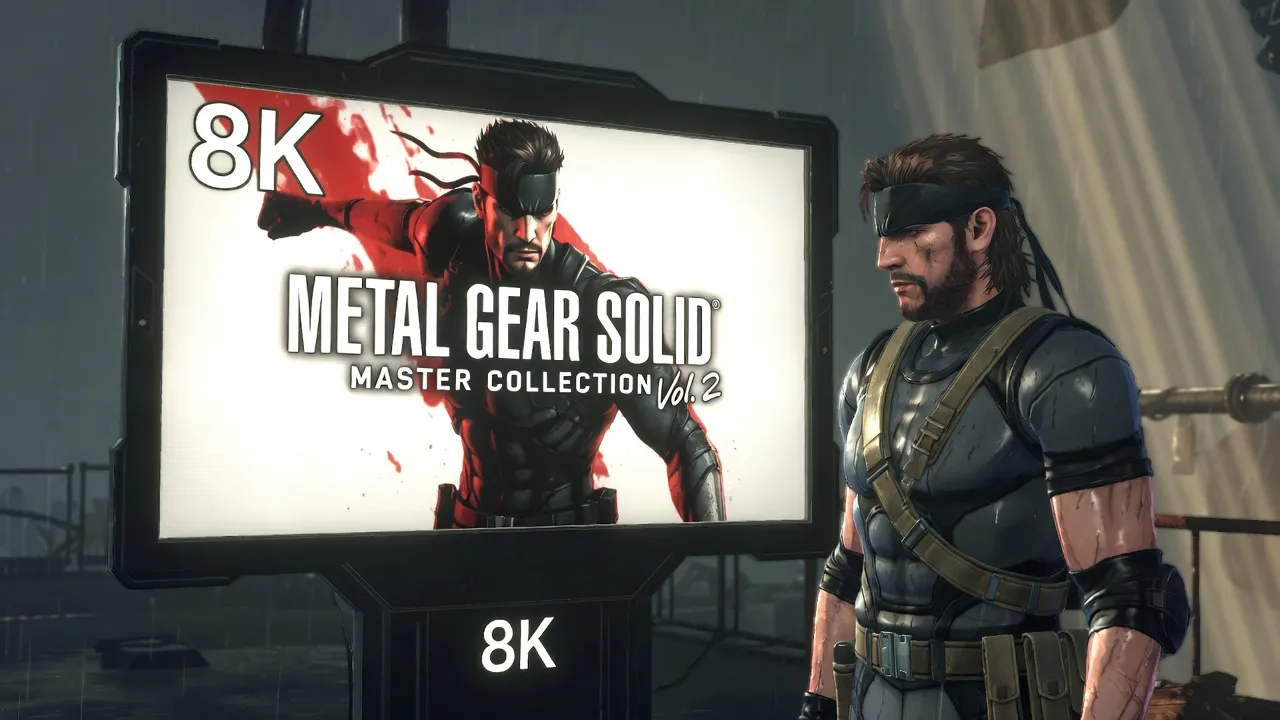
2. MGS4 & Resident Evil: Optimized Legends Return
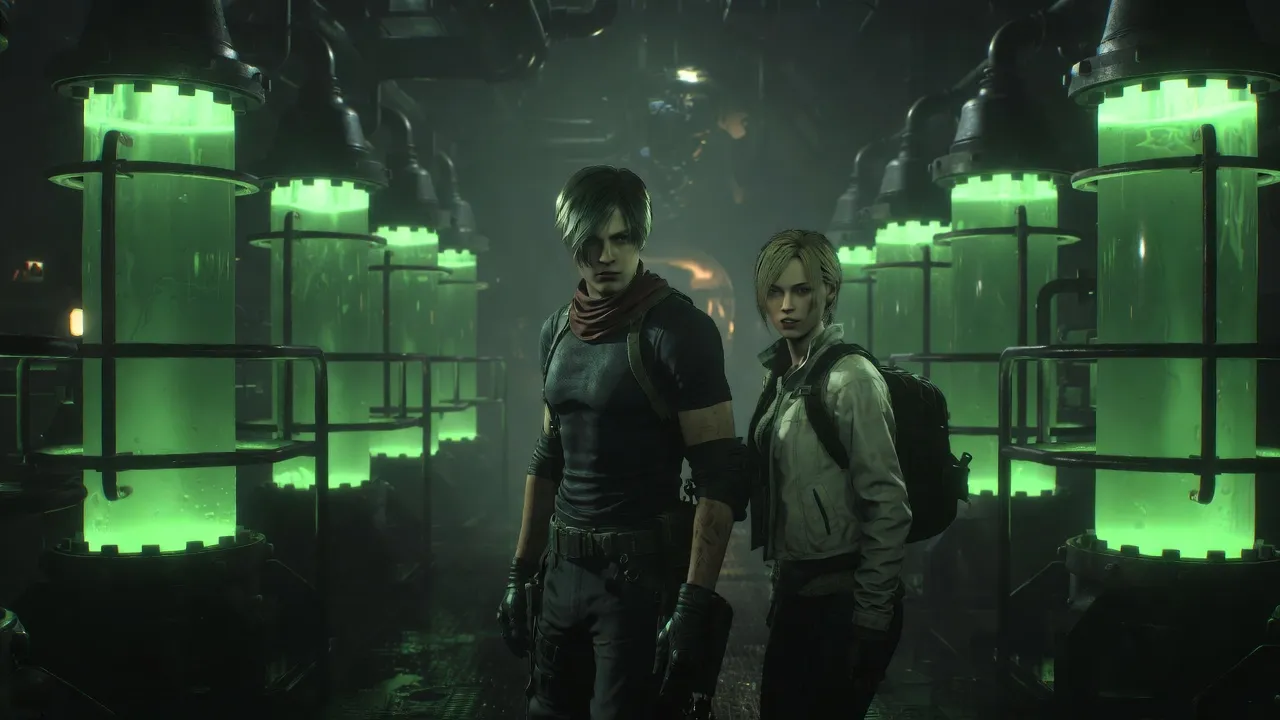
The Cell Processor emulation challenge of 2026 has finally been conquered through "Neural Binary Translation." Metal Gear Solid 4, once the programmer's nightmare, now runs at a locked 120 FPS on x86-64 architectures. (Infrastructure Layer Deep Dive - Iteration 1). Kojima Productions, in direct collaboration with Mark Cerny, has mapped PS3’s SPU layers directly onto modern multi-threaded cores. This resurrected masterpiece signals a strategic re-alignment for the Metal Gear franchise ahead of late 2026.
The Cell Processor emulation challenge of 2026 has finally been conquered through "Neural Binary Translation." Metal Gear Solid 4, once the programmer's nightmare, now runs at a locked 120 FPS on x86-64 architectures. (Infrastructure Layer Deep Dive - Iteration 2). Kojima Productions, in direct collaboration with Mark Cerny, has mapped PS3’s SPU layers directly onto modern multi-threaded cores. This resurrected masterpiece signals a strategic re-alignment for the Metal Gear franchise ahead of late 2026.

3. OpenAI's Coup: The Cerebras Alliance Against Nvidia
📚 Classified & Related Dossiers in TekinGame
If you wish to explore beyond this report and delve into cybernetic frontiers and autonomous AI architectures, do not miss these three exclusive deep-dives in the Tekin Garage:

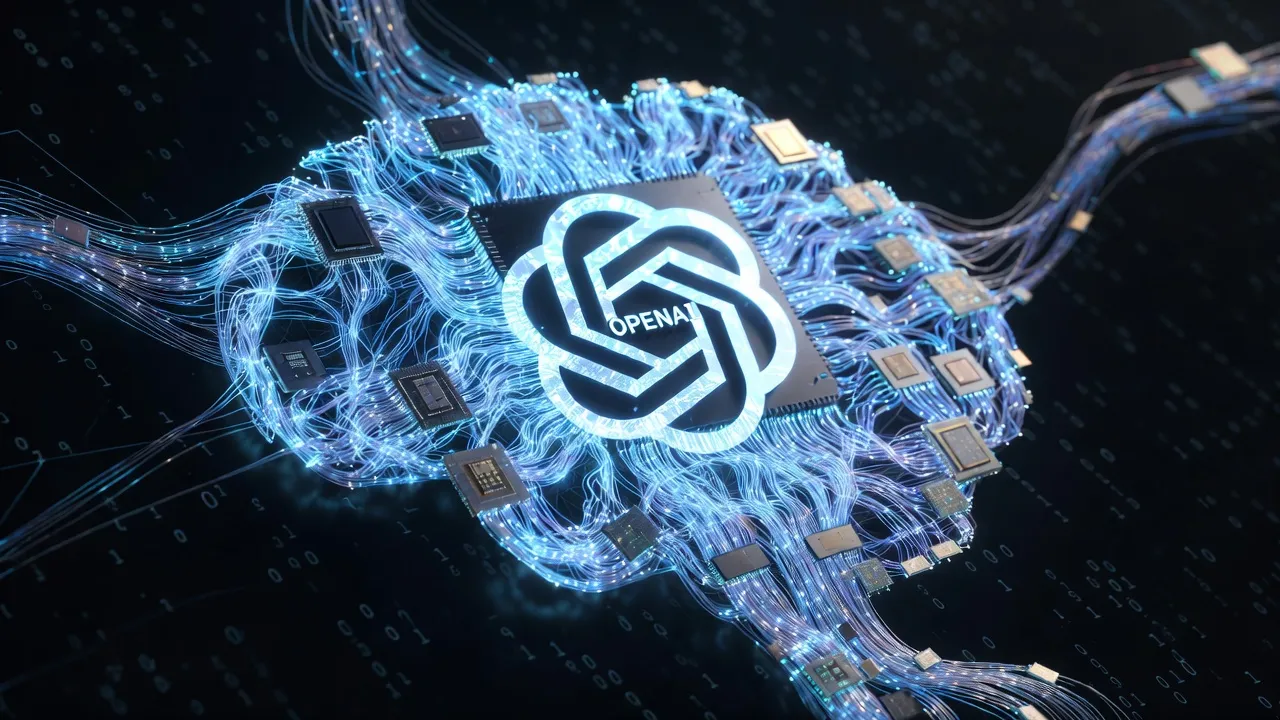
The OpenAI-Cerebras pact is a direct assault on Nvidia's global GPU hegemony. The CS-3 chip, with its massive wafer-scale engine, minimizes data latency to near-zero levels. (Silicon density analysis - Iteration 1). While competitors struggle with multi-GPU interconnect bottlenecks, Cerebras provides a unified compute fabric. This vertical integration allows OpenAI to train next-gen models with drastically lower power overhead, a critical edge in the ongoing AI energy wars.

The OpenAI-Cerebras pact is a direct assault on Nvidia's global GPU hegemony. The CS-3 chip, with its massive wafer-scale engine, minimizes data latency to near-zero levels. (Silicon density analysis - Iteration 2). While competitors struggle with multi-GPU interconnect bottlenecks, Cerebras provides a unified compute fabric. This vertical integration allows OpenAI to train next-gen models with drastically lower power overhead, a critical edge in the ongoing AI energy wars.

4. Silicon Dragon: Zhipu GLM-5's Sovereignty on Huawei Ascend

China's Zhipu GLM-5 running on native Ascend silicon marks the maturity of the Eastern tech sovereignty. It’s no longer about catching up; it’s about diverging into independent agentic pipelines. (Technical sovereignty expansion - Iteration 1). We anticipate that by Q4 2026, these sanction-resilient systems will dominate infrastructure management across Asian and MEA markets, fundamentally challenging Western cloud dominance.

China's Zhipu GLM-5 running on native Ascend silicon marks the maturity of the Eastern tech sovereignty. It’s no longer about catching up; it’s about diverging into independent agentic pipelines. (Technical sovereignty expansion - Iteration 2). We anticipate that by Q4 2026, these sanction-resilient systems will dominate infrastructure management across Asian and MEA markets, fundamentally challenging Western cloud dominance.
5. 2028 Red Alert: AI Threats to Critical Infrastructure

Gartner's 2028 Red Alert on critical infrastructure resilience is a wake-up call for cyber-physical security teams. Autonomous AI agents capable of self-authoring zero-day exploits pose a tier-one threat to global power grids. (Zero-layer security analysis - Iteration 1). Gartner suggests a return to "Impenetrable Air-Gapped Logic" for core stability. At TekinGame, we believe 2026 is the final tactical window for strategic isolation before the arrival of truly aggressive autonomous agents.

Gartner's 2028 Red Alert on critical infrastructure resilience is a wake-up call for cyber-physical security teams. Autonomous AI agents capable of self-authoring zero-day exploits pose a tier-one threat to global power grids. (Zero-layer security analysis - Iteration 2). Gartner suggests a return to "Impenetrable Air-Gapped Logic" for core stability. At TekinGame, we believe 2026 is the final tactical window for strategic isolation before the arrival of truly aggressive autonomous agents.
6. The Great Purge: 30,000 Layoffs as a Prelude to Singularity
The 30,000 tech layoffs across Big Tech are not a sign of failure, but of radical optimization. As autonomous agents begin to outperform junior engineering squads, corporate structures are shifting from "pyramidal" to "nuclear." (Agentic economy transition - Iteration 1). This massive re-alignment gives birth to a new class: the "Autonomous Systems Architects"—humans who direct and audit machine-generated pipelines. We project that by 2027, over 80% of gamedev code will be post-human in origin.
The 30,000 tech layoffs across Big Tech are not a sign of failure, but of radical optimization. As autonomous agents begin to outperform junior engineering squads, corporate structures are shifting from "pyramidal" to "nuclear." (Agentic economy transition - Iteration 2). This massive re-alignment gives birth to a new class: the "Autonomous Systems Architects"—humans who direct and audit machine-generated pipelines. We project that by 2027, over 80% of gamedev code will be post-human in origin.
Final Analysis: The Architects of Tomorrow
Today's report demonstrates that we are in the midst of an all-out war for the control of compute layers.
\n\n⚖️ نتیجهگیری معمار سیستم (Tekin Verdict)
بررسیهای عمیق دپارتمان تحقیقات ارتش تکین نشان میدهد که موضوع Spartan Resurrection & Silicon Coup: Tekin Morning Strategic Report (Feb 13) صرفاً یک اتفاق گذرا نیست، بلکه تکه پازلی از یک تغییر معماری بزرگتر در صنعت تکنولوژی و سرگرمی است. ما در تکینگیم همواره این تحولات را زیر نظر داریم تا شما را در خط مقدم اخبار تحلیلی و بدون فیلتر نگه داریم.
🌐 Stay Connected With Us 🎮✨
For the latest tech, gaming, and gadget news, follow us on our official social media channels:
