☕ Tekin Morning | Saturday with Six Hot Tech Stories
Start your beautiful day with transformative news from the world of technology and video gaming
- 🎮🔬 IBM Quantum Breakthrough- First verified quantum advantage that defeated classical supercomputers
- 🎧🛡️ Pharmaceutical Giant Data Breach- Amgen lost patient medical information and proprietary drug formulas
- 🚀🎮 Sony's PS6 Investment- 40% profit increase with concrete budget allocation for next-gen platform
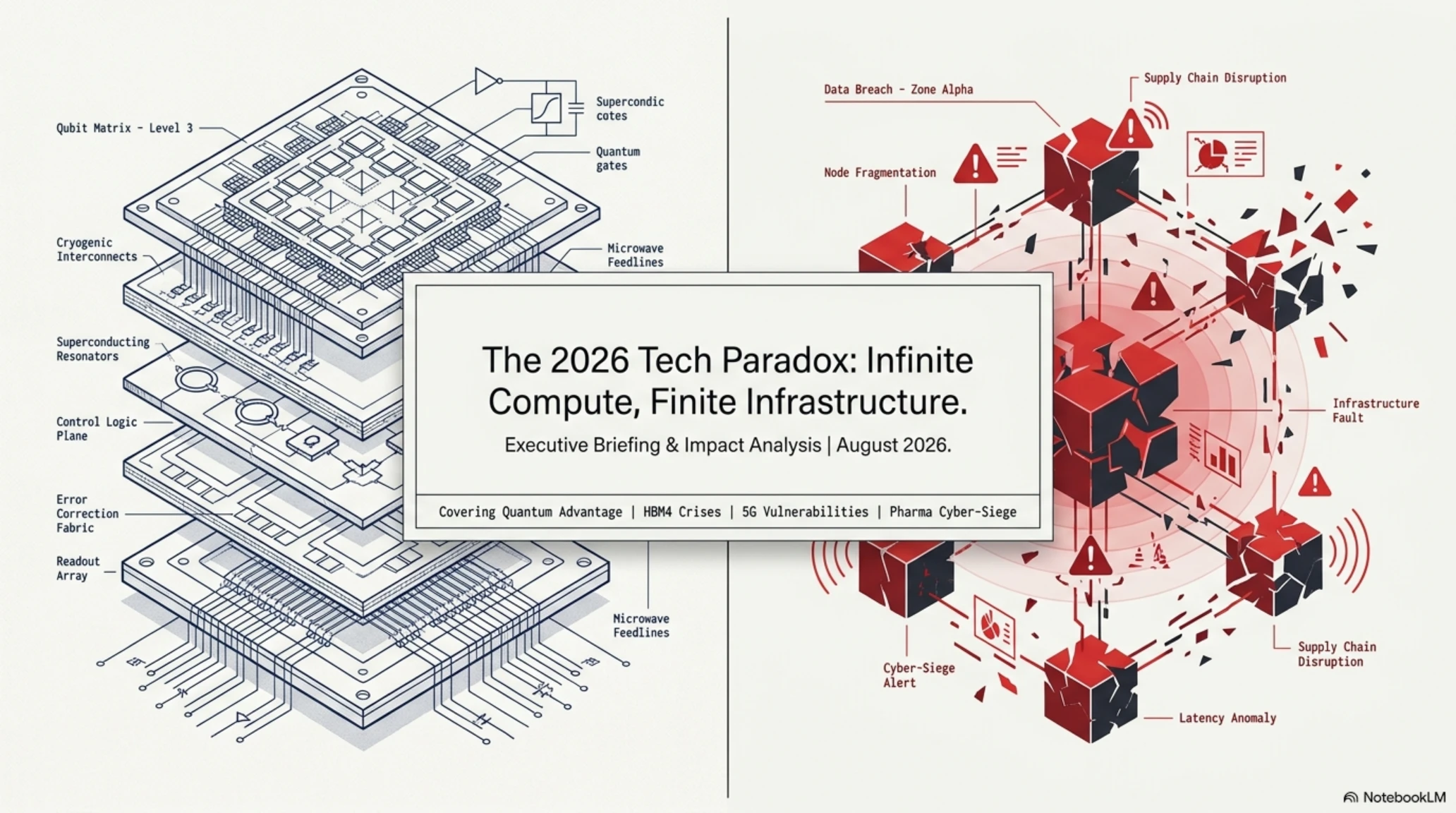
Saturday morning, August 1, 2026 begins with six stories that will each transform the face of global technology in their own way. From a historic achievement in quantum computing that IBM has recorded, to a widespread security breach in the pharmaceutical industry, and from Sony's heavy investment in the next generation of PlayStation to the artificial intelligence memory crisis that is driving prices sky-high. We also witness today the disclosure of 84 critical vulnerabilities in 5G networks and the breach of medical data of 345,000 American patients.
At a Glance
- IBM and University of Chicago proved verified quantum advantage with 70 logical qubits
- Hackers infiltrated Amgen's cloud servers and stole patient data and proprietary drug formulas
- Sony allocated concrete budget for PS6 and gaming division profit grew 40%
- Researchers discovered 84 critical vulnerabilities in 4G and 5G networks enabling user session hijacking
- Micron sold out entire 2027 HBM4 production capacity as AI memory shortage deepens
- CareCloud healthcare tech company disclosed breach affecting 345,000+ patients
IBM and University of Chicago Open the Door to Real Quantum Computing
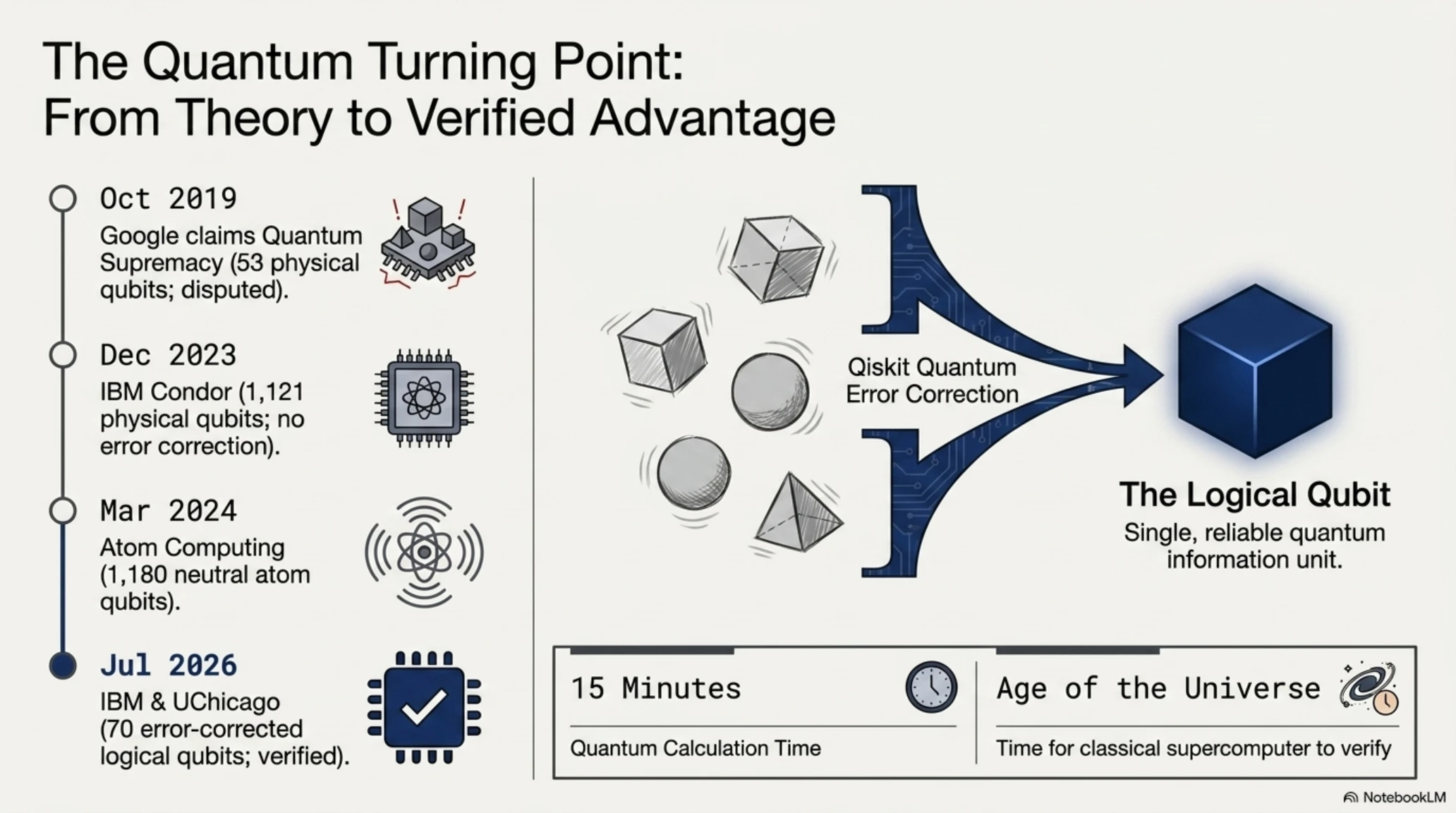
July 30, 2026 marks a turning point in the history of computer science. IBM, in collaboration with the University of Chicago, has for the first time in the world successfully proven verified quantum advantage — meaning performing calculations that are impossible for classical supercomputers while the accuracy of results can be proven with mathematical methods.

The research team succeeded in running a complex algorithm on 70 logical qubits with quantum error correction capabilities. This calculation was completed in just 15 minutes — while estimates suggest that classical supercomputers would need more time than the age of the universe for the same task.
What distinguishes this achievement from previous experiments is the concept of verifiability. In Google's Quantum Supremacy project in 2019, the results of the quantum machine could not be compared with classical computers, and some researchers questioned its accuracy. But here, researchers proved using mathematical protocols that the quantum processor returned the correct answer.
What is a Logical Qubit?
Dr. Isaac Chuang, team leader at the University of Chicago, stated in his interview: "This is the first time we can confidently say that a quantum computer has done something that no classical machine can. This is no longer just theory, it's reality." IBM announced in its official statement that this achievement was made possible through a new quantum error correction approach called Qiskit Quantum Error Correction.
Timeline: Quantum Computing Milestones
Real-World Applications of Quantum Computing
Verified quantum advantage is the gateway to the era of real quantum computing applications. Until now, quantum machines have been mostly limited to laboratory prototypes designed only to solve specific mathematical problems. But from now on, real industrial problems can be addressed.
Drug molecule simulation is one of the most important applications of quantum computing. Today, discovering a new drug typically takes ten to fifteen years and costs billions of dollars. With quantum computers, the behavior of millions of chemical compounds can be simulated in a matter of days, identifying the best candidates.
Air traffic optimization is another application. Airlines today use complex algorithms to route flights to reduce fuel and time. But these algorithms cannot consider all variables simultaneously. A quantum computer can calculate optimal routing for thousands of flights simultaneously, creating millions of dollars in savings.
Climate change prediction will also benefit from quantum modeling. Current climate models must make simplifications due to computational power limitations. Quantum computers can provide more accurate simulations of Earth's atmosphere and increase prediction accuracy.
The Quantum Threat to Cybersecurity
But this development is not only an opportunity but also a serious challenge for global cybersecurity. The infrastructure protecting our digital lives — from banking systems to government communications — is built on cryptographic algorithms that quantum computers will eventually break. The race to develop post-quantum cryptography is now a matter of national security.
The NIST has been working since 2016 to standardize post-quantum cryptographic algorithms. Four finalist algorithms have been selected: CRYSTALS-Kyber for key encapsulation, and CRYSTALS-Dilithium, FALCON, and SPHINCS+ for digital signatures. Major tech companies including Google, Microsoft, and Apple have already begun implementing these algorithms in their products.
Amgen in the Fire of Data Breach; Patient Information and Drug Formulas Stolen
On July 31, 2026, American pharmaceutical giant Amgen announced it had fallen victim to a major security breach. Hackers successfully infiltrated third-party cloud servers used by the company and stole significant amounts of patient medical data and proprietary research information.
According to the filing submitted to the US Securities and Exchange Commission, the stolen data includes patient personal information, protected medical records, and proprietary information on drug research in development stages. This means not only patient privacy but also the secrets of drug formulas are at risk.

With $28 billion in annual revenue, Amgen is one of the world's largest biotechnology companies, producing drugs for intractable diseases including cancer and cardiovascular diseases. This security breach could severely affect the company's competitive advantage.
The company has announced it is notifying affected patients and will provide free identity theft monitoring services for one year. However, it is still unclear exactly how many patients were affected or what volume of research information fell into attackers' hands.
Cloud Provider Responsibility in Security Breaches
Why Are Pharmaceutical Data Breaches More Dangerous Than Others?
Medical data is considered the most sensitive type of personal information because it permanently retains value — unlike a password that can be changed, a person's medical history can never be altered. Cybercriminals can use this data for ransomware, insurance fraud, or even blackmail of celebrities.
But the other issue is the theft of proprietary research information. In the pharmaceutical industry, each new drug requires years of research and billions of dollars in investment. If this data falls into the hands of competitors or foreign governments, it could trigger a new economic war in the pharmaceutical industry.
Security analysts warn that the pharmaceutical industry must review its cybersecurity standards. Especially when critical data is stored on third-party cloud servers, more advanced encryption mechanisms and real-time monitoring should be used.
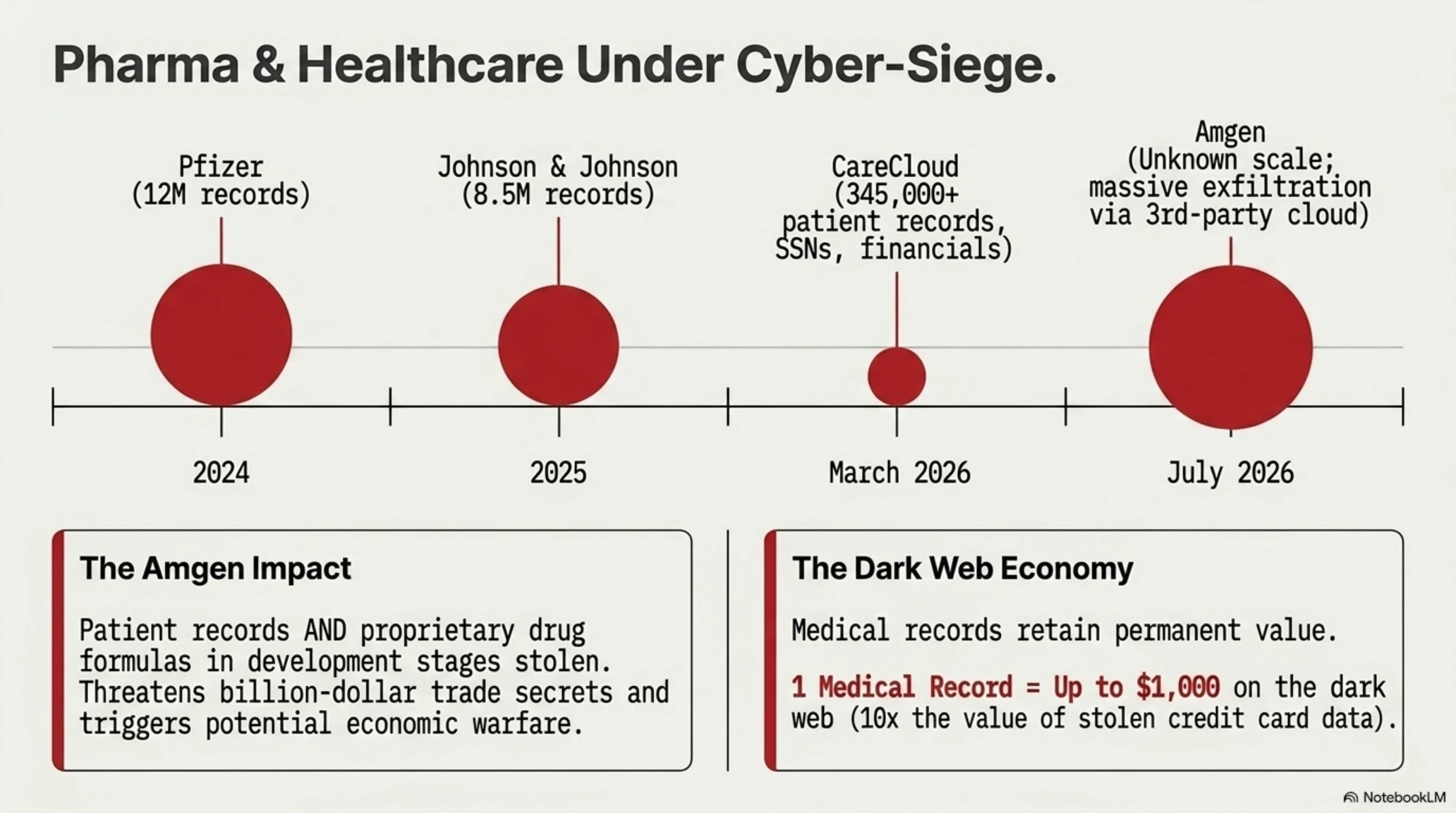
Pharmaceutical Industry Under Cyber Siege
- Pfizer: 12M records (2024)
- Johnson & Johnson: 8.5M (2025)
- Amgen: Unknown scale (2026)
- CareCloud: 345K+ (2026)
- High-value medical data
- Trade secrets worth billions
- Aging IT infrastructure
- Regulatory compliance gaps
This incident is not the first major security breach in the pharmaceutical industry in 2026. In March, CareCloud also announced that medical data of more than 345,000 patients had been stolen. This worrying trend shows that the healthcare industry is still not adequately prepared to deal with cyber threats.
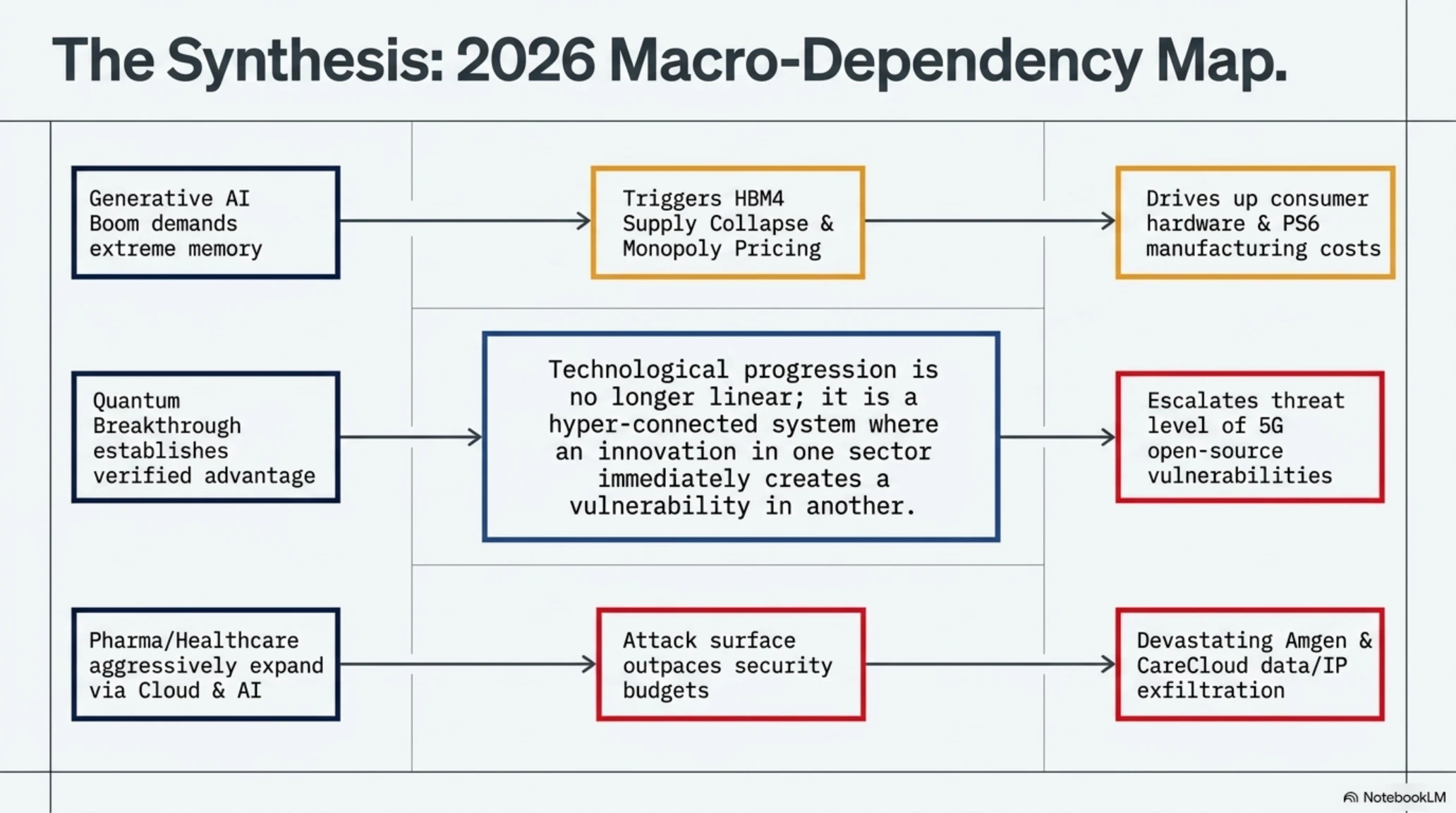
The pharmaceutical industry faces a unique cybersecurity challenge: balancing innovation speed with security rigor. Drug development increasingly relies on cloud computing, AI-driven analysis, and collaborative research platforms — all of which expand the attack surface. Meanwhile, regulatory frameworks like HIPAA in the US and GDPR in Europe haven't kept pace with these technological shifts.
Sony Hits the Gas on PS6; Gaming Division Profit Surges 40%
In the financial report for the first quarter of fiscal year 2026 published on July 31, Sony explicitly mentioned allocating a specific budget for the next-generation platform for the first time. This is a clear signal: PlayStation 6 development has officially entered the acceleration phase.

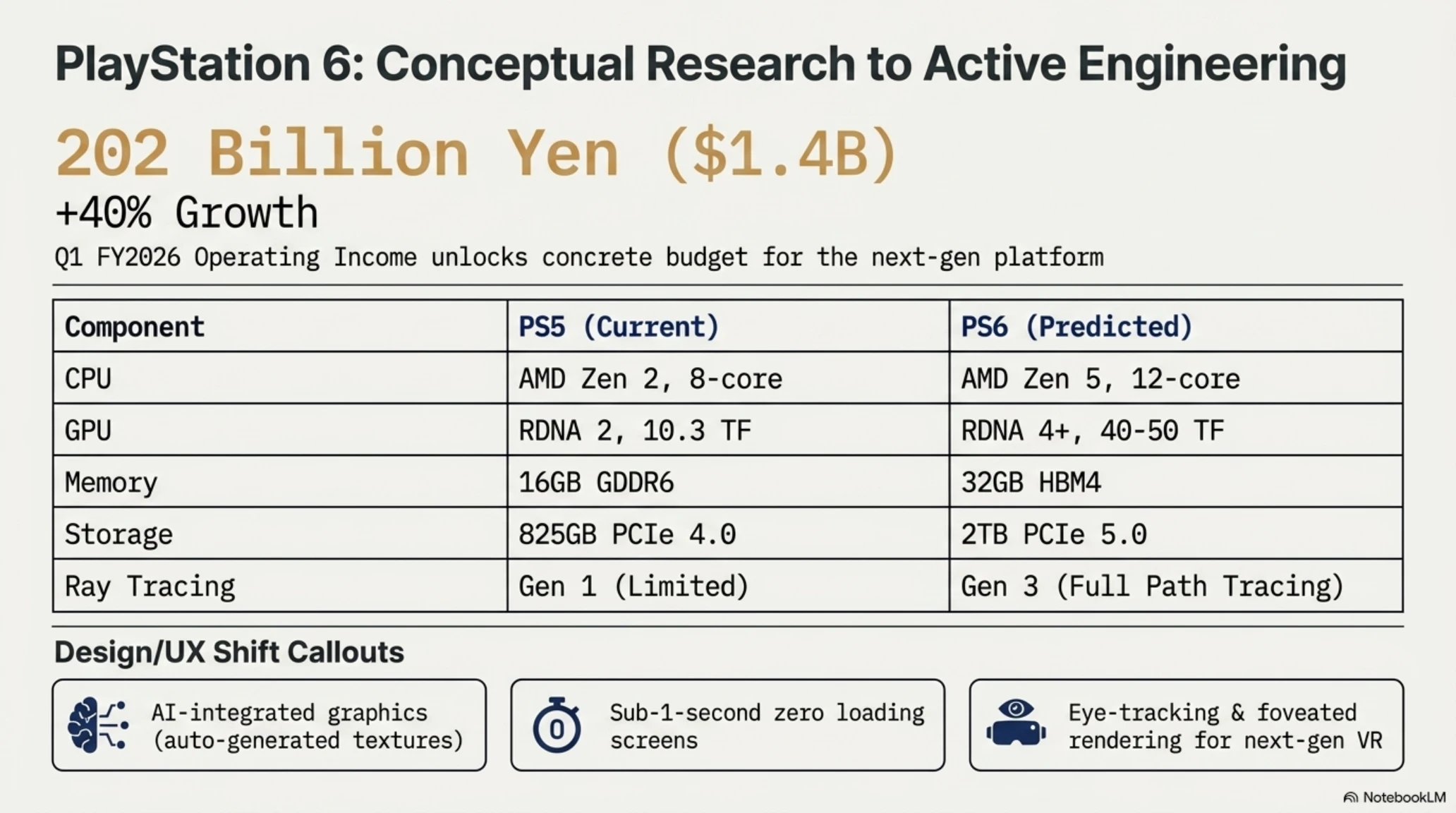
Sony's video game division recorded operating income of 202 billion yen (approximately $1.4 billion) in the first quarter of fiscal year 2026, a 40% increase compared to the same period last year. This unprecedented growth has occurred while PS5 is in the maturity stage of its life cycle.
Sony announced in its report that a significant portion of this profit has been allocated to investment in the next-generation platform. This is the first time the Japanese company has used the phrase next-generation platform instead of more general expressions like long-term research — a sign that PS6 has moved from the design phase to actual construction.
Financial analysts predict PS6 will be introduced between 2027 and 2028. If this timeframe is correct, Sony will leave about seven years between PS5 and PS6 — a standard cycle consistent with previous generations.
What Features Will PS6 Have?
Although Sony has not yet disclosed any technical details about PS6, based on industry trends and analyst predictions, several key developments can be expected. First, full support for third-generation hardware Ray Tracing with physically accurate light reflection quality. Second, AI integration in the graphics engine for automatic generation of realistic textures and animations.
Third, PS6 will likely use HBM4 memory technology, which has much higher bandwidth than current GDDR6 memory. This technology is now used in Nvidia and AMD flagship graphics cards and will allow PS6 to run games with much larger worlds and unprecedented detail.
Fourth, PS6 will probably use a much faster SSD with PCIe 5.0 standard, bringing loading speed to less than one second. This will allow developers to design games that no longer need loading screens or level design limitations.
PS6 Rumored Specifications (Industry Predictions)
| Component | PS5 (Current) | PS6 (Predicted) |
|---|---|---|
| CPU | AMD Zen 2, 8-core | AMD Zen 5, 12-core |
| GPU | RDNA 2, 10.3 TF | RDNA 4+, 40-50 TF |
| Memory | 16GB GDDR6 | 32GB HBM4 |
| Storage | 825GB PCIe 4.0 | 2TB PCIe 5.0 |
| Ray Tracing | Gen 1 (Limited) | Gen 3 (Full Path Tracing) |
Fifth, PS6 is expected to have more advanced virtual reality capabilities than PS VR2. Sony will likely invest in eye-tracking and foveated rendering technology to make the VR experience more realistic and less bulky.
The competitive landscape for PS6 will be drastically different from PS5's launch. Microsoft's next Xbox is rumored to focus heavily on cloud gaming integration, while PC gaming continues to erode console market share. Sony must balance bleeding-edge technology with consumer-friendly pricing — a challenge made harder by the ongoing AI memory shortage driving component costs upward.
Researchers Discover 84 Critical Vulnerabilities in 4G and 5G Networks
On July 31, 2026, an international research team published a comprehensive report identifying 84 security vulnerabilities in 4G and 5G network implementations. These vulnerabilities enable denial-of-service attacks and user session hijacking.
The vulnerabilities were discovered in seven open-source mobile network core implementations including free5GC, Open5GS, and Ella Core. These cores are the central part of mobile networks responsible for user authentication, session management, and data routing.

The most concerning vulnerability discovered is the ability to hijack user sessions. An attacker can exploit this flaw to seize control of a user's network session and access the internet on their behalf. This means a hacker can enter the internet with the victim's identity and do anything — from accessing bank accounts to sending malicious messages.
Researchers have stated that these vulnerabilities were discovered in open-source implementations, but commercial versions used by major operators may also be affected. Because many commercial implementations are built on the same open-source code.
Types of Possible Attacks
- Denial of Service (DoS): Attacker can disconnect the network for all users in an area
- Session Hijacking: Control of a user's internet session and using it for malicious activities
- Eavesdropping: Monitoring network traffic and accessing user's sent and received data
- Packet Injection: Sending fake packets to the victim's device
- Identity Spoofing: Impersonating legitimate network nodes to intercept communications
Who Is at Risk?
These vulnerabilities are particularly dangerous for small operators and private companies using open-source implementations. Many companies use open-source versions to save costs instead of buying expensive commercial solutions.
But large operators should not feel secure either. Although they use commercial implementations, many of these solutions are built on open-source code and may have the same vulnerabilities.
Researchers have recommended that operators examine their systems as quickly as possible and install security patches if vulnerabilities exist. It is also recommended that operators set up real-time monitoring systems to detect potential attacks.
Comparison: 4G vs 5G Security Vulnerabilities
| Vulnerability Type | 4G (LTE) | 5G (NR) |
|---|---|---|
| Session Hijacking | High Risk | Critical Risk |
| DoS Attacks | Medium Risk | High Risk |
| Eavesdropping | Medium Risk | Low Risk (Encrypted) |
| Total Known Flaws | 36 documented | 84 newly discovered |
The irony is that 5G was marketed as inherently more secure than 4G, yet this research reveals the opposite in practice. The increased complexity of 5G network architecture — with its network slicing, edge computing, and virtualized core functions — has created a vastly expanded attack surface. Each new feature designed to improve performance or flexibility has inadvertently introduced new security risks.
AI Memory Shortage Crisis Deepens; Micron Sells Out 2027 Production
The global shortage of memory for artificial intelligence is becoming a real crisis. Micron announced it has pre-sold its entire HBM4 memory production capacity for 2027. Meanwhile, Nvidia and AMD raised wholesale prices of their GPU kits within ten days.

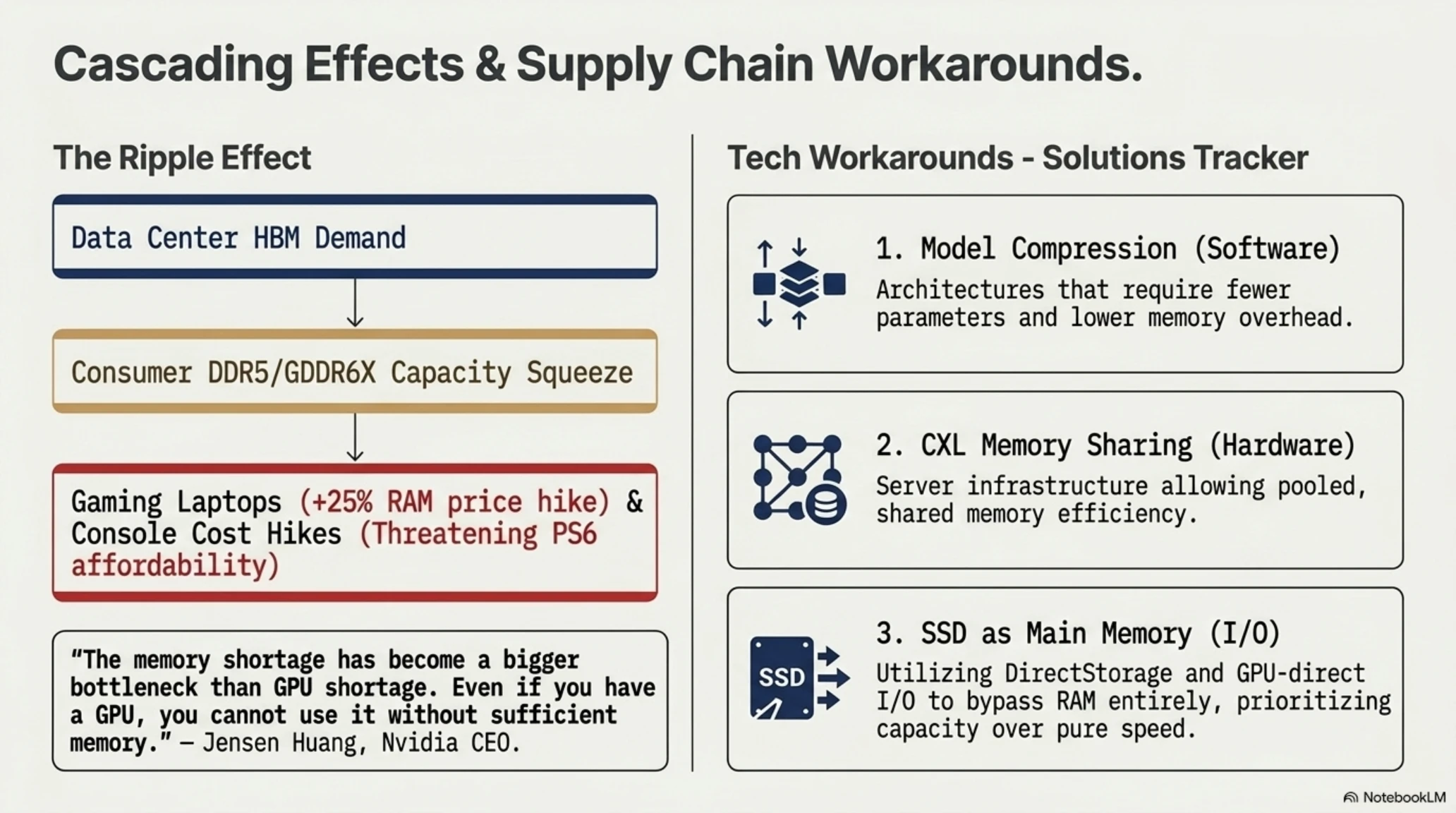
Memory shortage is now a bigger bottleneck than GPU shortage for AI data centers. Even if a company can buy a GPU, it cannot use it without sufficient memory. This situation has also increased RAM prices for consumer products, laptops, and gaming consoles.
HBM4 (High Bandwidth Memory fourth generation) is a special type of memory used alongside artificial intelligence processors. This memory has very high bandwidth and allows AI processors to process huge volumes of data in a short time.
Only three companies in the world are capable of producing HBM: Samsung, SK Hynix, and Micron. This monopoly has caused prices to rise rapidly. According to reports, the price of each HBM module has doubled in the past six months.
Why Is HBM So Important?
Impact of Memory Crisis on Gaming Industry
This crisis is not just about AI data centers. The gaming industry has also been affected. Nvidia and AMD have been forced to raise prices of their graphics cards because memory costs have increased.
Console makers like Sony and Microsoft are also facing this problem. Higher memory prices could cause PS6 and next-generation Xbox to be released at higher prices than previous generations or have less memory.

Gaming laptops have also been affected. DDR5 RAM prices have increased by 25% in the past three months. This price increase has caused many users to postpone buying a new laptop.
Analysts predict this crisis will continue until mid-2027. Micron and Samsung have announced they are increasing production capacity, but building new production lines requires at least two years.
HBM Supply Chain Crisis Statistics
Potential Solutions for Memory Crisis
One potential solution is using new architectures that require less memory. Some companies are developing model compression techniques that allow AI models to work with less memory.
Another solution is using CXL memory, which allows servers to share memory. This technology can increase memory efficiency and reduce the need to buy more memory.
Some companies are also exploring the possibility of using SSD memory as a replacement for main memory. Although SSDs are slower than HBM, they can provide much more capacity at lower cost. Technologies like DirectStorage and GPU-direct I/O are making this approach more viable than ever before.
CareCloud: Medical Data Breach Affecting 345,000+ American Patients
On July 30, 2026, American healthcare technology company CareCloud began notifying more than 345,000 patients about a security breach that occurred in March 2026. The stolen data includes medical records, Social Security numbers, financial information, and protected health data.
This breach resulted from unauthorized access to cloud servers storing sensitive patient information. CareCloud is a software platform for clinics and physicians that provides electronic health record management, medical billing, and appointment scheduling capabilities.

What makes this breach more concerning is the four-month delay in notification. The breach occurred in March but the company waited until the end of July to notify patients. According to HIPAA (Health Insurance Portability and Accountability Act) regulations, companies are required to notify patients within a maximum of 60 days after discovering a breach.
CareCloud has announced it is providing free credit monitoring services for two years to affected patients. The company also stated it has implemented additional security measures to prevent similar incidents in the future.
- CareCloud provides free credit monitoring for two years
- Company implemented additional security measures
- No evidence of actual data misuse has been reported
- Proactive notification to all affected patients
- Four-month delay in patient notification
- Extensive volume of stolen data (SSN, medical records)
- Lack of transparency about how breach occurred
- Potential future use of data for fraud
- Violation of HIPAA 60-day notification requirement
Why Are Healthcare Data Breaches So Common?
The healthcare industry is one of the favorite targets of cybercriminals. The reason is simple: medical data has very high value. A complete medical record can be sold for up to $1,000 on the dark web — ten times more than credit card information.
But another problem is that many healthcare centers and health technology companies have old and insecure systems. Many of these systems are decades old and have not been updated. This makes penetration relatively easy for hackers.
Many healthcare facility employees have not received sufficient cybersecurity training. This makes phishing attacks and social engineering effective against them. According to statistics, more than 70% of security breaches in the healthcare industry occur through human error.
How to Protect Your Medical Data
- Ask clinics and physicians about their cybersecurity standards
- Regularly check your credit report to be aware of suspicious activities
- Use identity theft monitoring services
- Only provide your Social Security number when absolutely necessary
- Use strong passwords for online medical portals
- Enable two-factor authentication wherever available
- Review Explanation of Benefits (EOB) statements carefully for fraudulent charges
Analysts predict that 2026 will see a significant increase in security breaches in the healthcare industry. The main reason for this prediction is increased use of cloud systems and digitization of medical records — without sufficient investment in cybersecurity.
The healthcare industry faces a perfect storm: aging infrastructure, inadequate security budgets, staff shortages including cybersecurity professionals, and an explosion in the volume of digital health data. Electronic Health Records (EHR) systems, telemedicine platforms, wearable health devices, and AI diagnostic tools have all expanded the attack surface exponentially.
Tekin Analysis: Healthcare's Cybersecurity Paradox
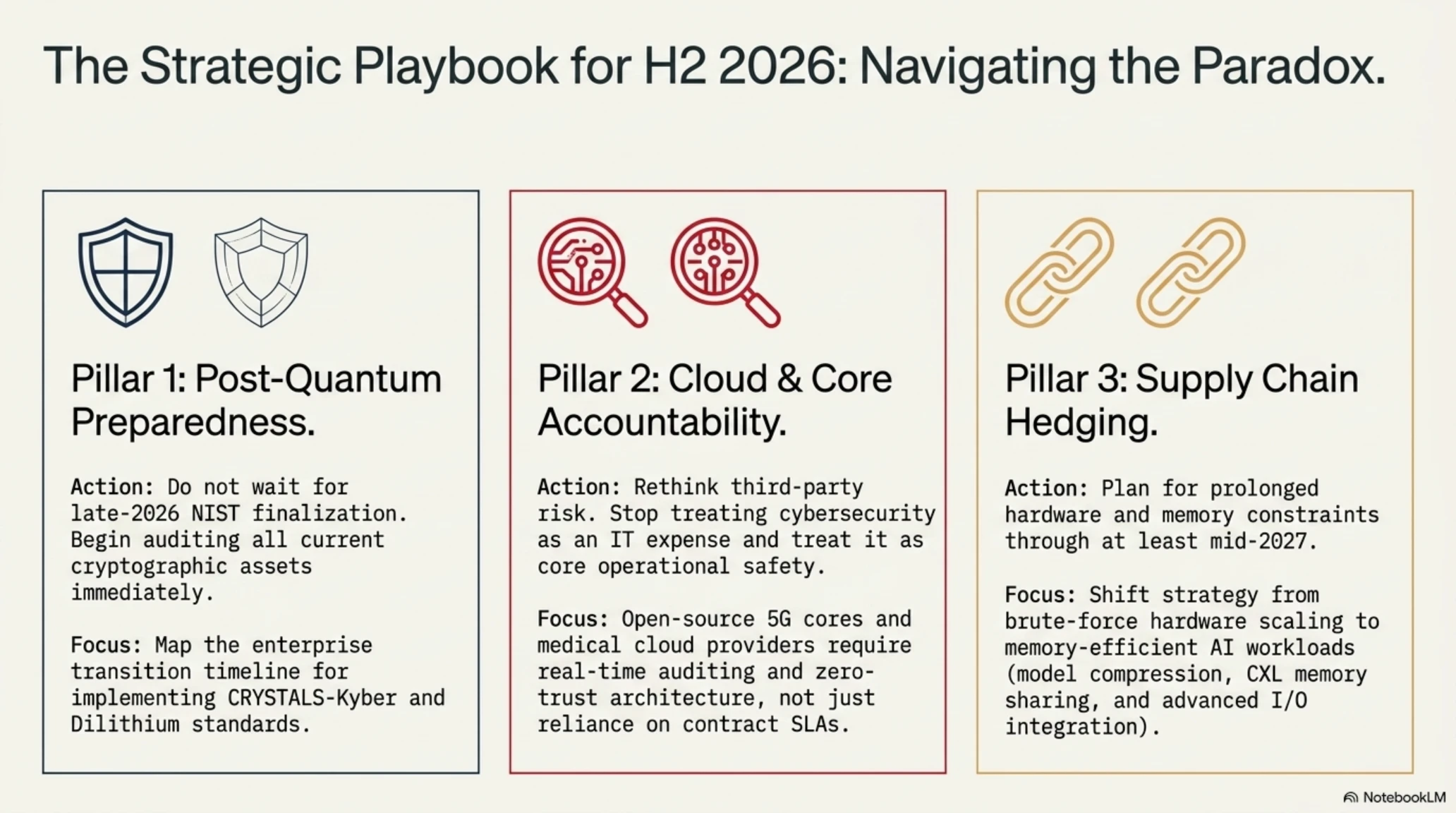
Conclusion
Frequently Asked Questions
Why is IBM's quantum advantage more important than Google's Quantum Supremacy?
IBM's quantum advantage is verifiable — meaning the correctness of results can be proven with mathematical methods. In Google's 2019 experiment, it was impossible to definitively verify the result was correct. Additionally, IBM used 70 logical qubits which are more stable and reliable than physical qubits. The verification aspect is crucial for real-world applications where incorrect results would be catastrophic.
Should I be concerned about the security of my medical data?
Yes. Security breaches in the healthcare industry are increasing. It is recommended to regularly check your credit report and use identity theft monitoring services. Also ask clinics and physicians about their cybersecurity standards. Consider requesting that your SSN not be used as an identifier, and carefully review all medical billing statements for fraudulent charges.
When will PS6 be released?
Sony has not yet announced an exact date, but analysts predict PS6 will be introduced between 2027 and 2028. This timeframe is consistent with the seven-year cycle between Sony console generations. The concrete budget allocation mentioned in Q1 FY2026 earnings suggests development has moved beyond conceptual planning into active engineering.
Do 5G vulnerabilities affect me?
If you use a mobile network, yes. These vulnerabilities can hijack your internet session. It is recommended to use a VPN to protect your traffic so that in case of session hijacking, your data remains encrypted. The vulnerabilities affect both 4G and 5G, so even older devices are at risk. Enterprise users with sensitive data should consider dedicated APNs or private 5G networks.
Why have RAM and graphics card prices increased?
The global AI memory shortage has caused all memory prices to increase. AI companies are buying huge amounts of HBM memory, which has caused production capacity shortages. This shortage has spread to consumer memory like DDR5 and GDDR6. The situation is expected to persist until mid-2027 when new fabrication capacity comes online.
Will quantum computing break current encryption?
Yes, powerful quantum computing can break current cryptographic algorithms like RSA. For this reason, international organizations are developing post-quantum cryptography. The US National Institute of Standards and Technology (NIST) is scheduled to publish the first standards by the end of 2026. Organizations should begin planning migration strategies now, as the transition will take years.
How does the AI memory shortage affect console gaming?
The shortage drives up memory costs for all electronics, including consoles. PS6 and next-gen Xbox may launch at higher prices or with less memory than originally planned. Gaming laptops and pre-built gaming PCs have already seen 15-25% price increases due to memory costs. The shortage also affects game development, as AI tools used for asset creation and testing require substantial memory.
Are open-source 5G implementations safe to use?
The recent discovery of 84 vulnerabilities shows that open-source 5G cores need significant security hardening. However, commercial implementations may have similar issues since many are based on the same code. Organizations using open-source implementations should apply all security patches immediately, implement network segmentation, and deploy intrusion detection systems. Regular security audits are essential.
Sources
- IBM Quantum Advantage: BleepingComputer - Amgen Data Breach (July 31, 2026)
- Sony PS6 Investment: Metro UK - Sony PS6 Development (July 31, 2026)
- 5G Vulnerabilities: The Hacker News - 84 Flaws in 4G and 5G (July 31, 2026)
- AI Memory Shortage: The Motley Fool - AI Memory Shortage (July 30, 2026)
- CareCloud Breach: TechCrunch - CareCloud Data Breach (July 30, 2026)
Additional Gallery: Tekin Morning Aug 1, 2026 | IBM Quantum Breakthrough, Amgen Pharma Hack & Sony PS6 Budget