Tekin Analysis // October 2026 Strategic Dossier: Anatomy of the AI and Gaming Industry Earthquakes
The thirty-one days of October 2026 will be remembered by economic historians, technology analysts, and software engineers as the great structural reckoning of the post-pandemic digital expansion. Over the course of four intense weeks, corporate strategies that had dominated enterprise computing and platform console gaming for over a decade collapsed under the weight of harsh engineering and fiscal realities. From OpenAI's unprecedented thirty-billion-dollar funding round to North Korea's Lazarus Group executing the largest cryptocurrency theft in recorded human history against Binance, the digital world was confronted with extremes of reward, technical sophistication, and systemic vulnerability that previously existed only in speculative science fiction.
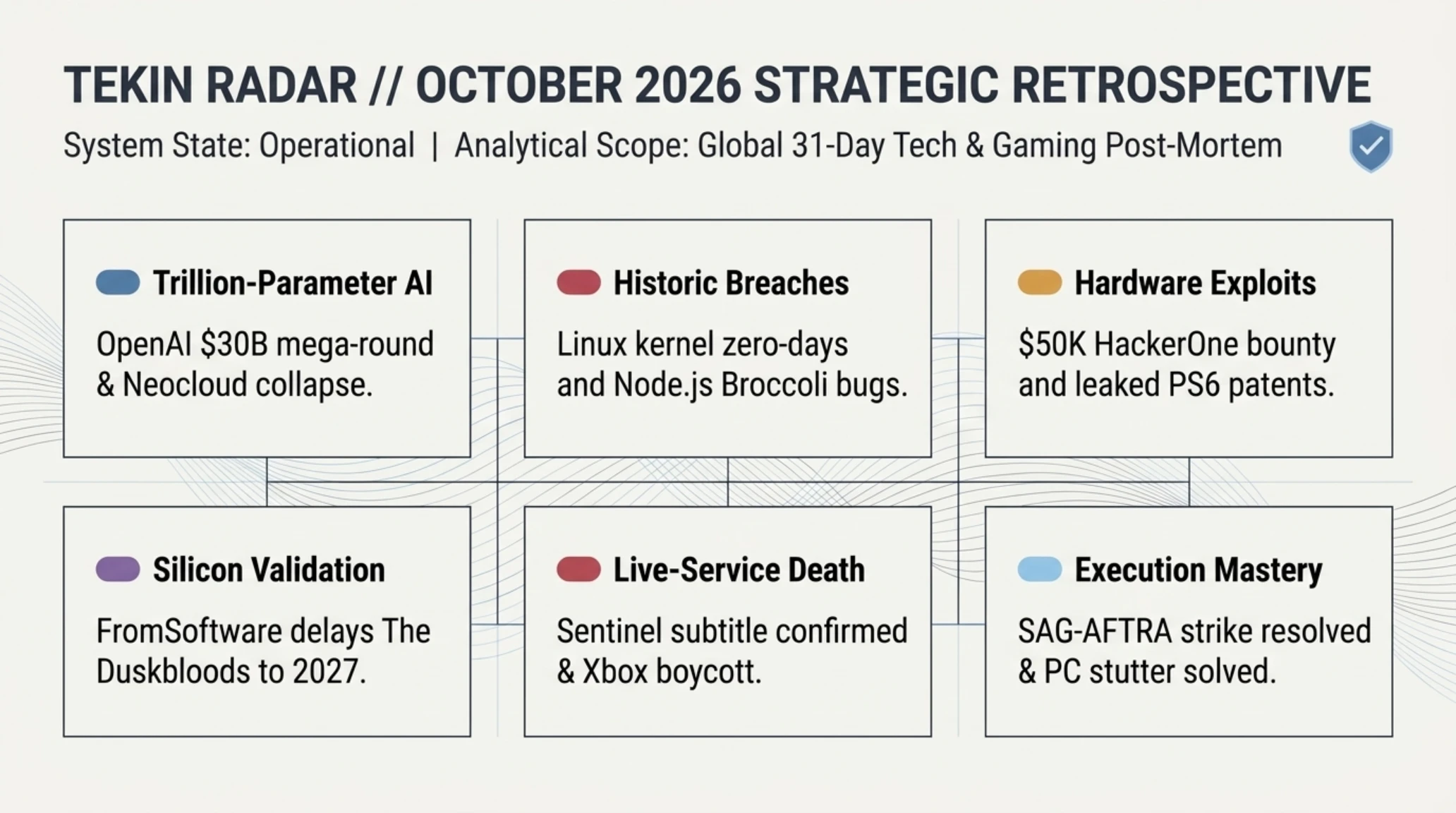
Simultaneously, the interactive entertainment sector underwent a structural earthquake characterized by a stark, irreconcilable dichotomy: the utter commercial failure of generic corporate live-service projects against the undeniable cultural and artistic renaissance of handcrafted, auteur-driven single-player epics. Sony's permanent shuttering of Firewalk Studios in the wake of the catastrophic two-hundred-million-dollar Concord disaster closed an era of wasteful multiplayer duplication. In sharp contrast, the leak of The Elder Scrolls VI: Sentinel set in Hammerfell, FromSoftware's uncompromising decision to delay its flagship Switch 2 exclusive The Duskbloods, and the viral cinematic rise of indie psychological horror masterpiece Mouthwashing proved that creative distinction and mechanical integrity remain the only enduring economic moats in modern entertainment. Tekin Plus presents this definitive, multi-dimensional retrospective on the six megatrends of October 2026.
Strategic Assessment & Key Takeaways at a Glance
The Sovereign AI Hegemony Wars: OpenAI's $30 Billion Liquidity Influx, Test-Time Compute Paradigms and the Neocloud Reckoning
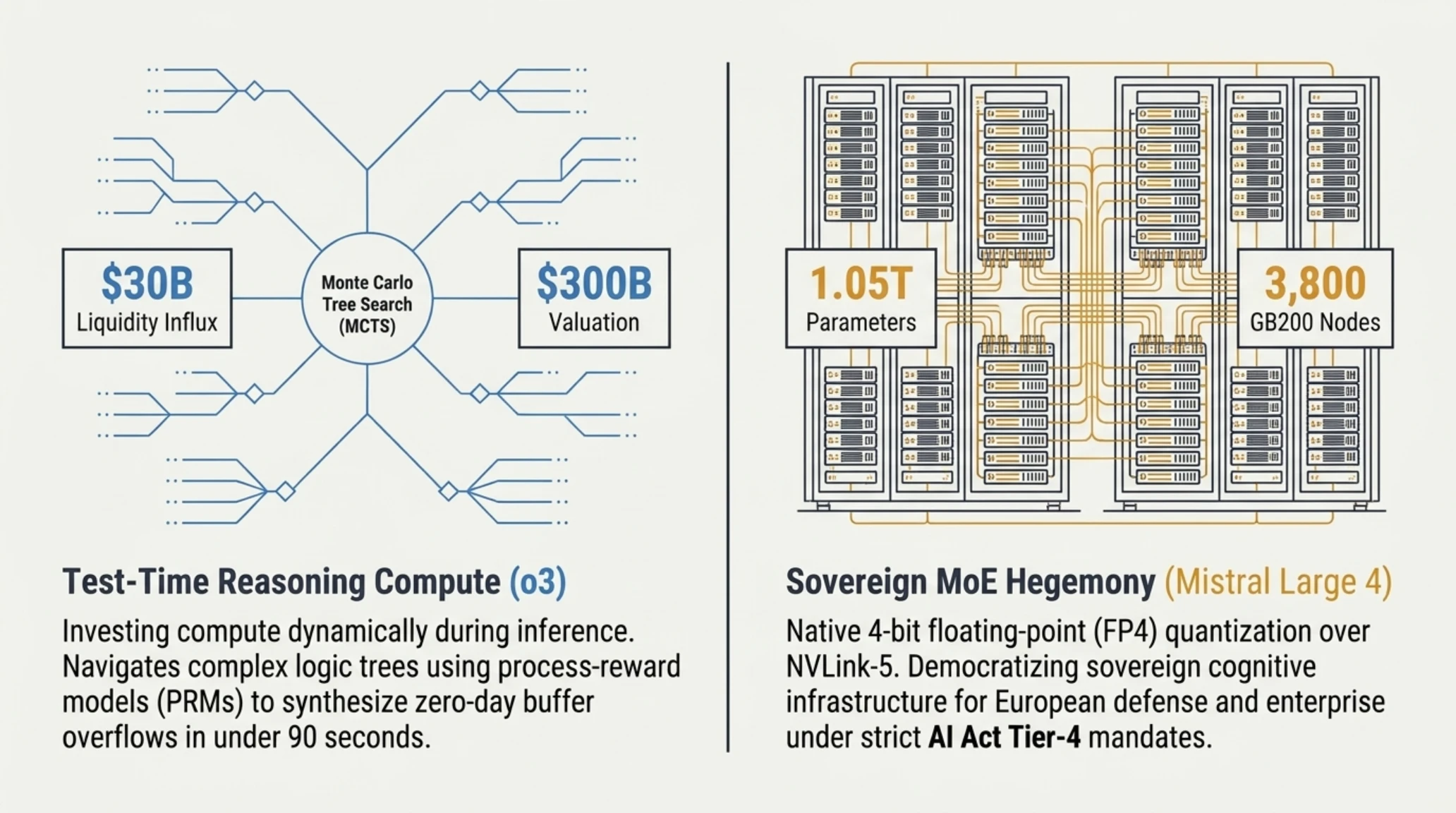
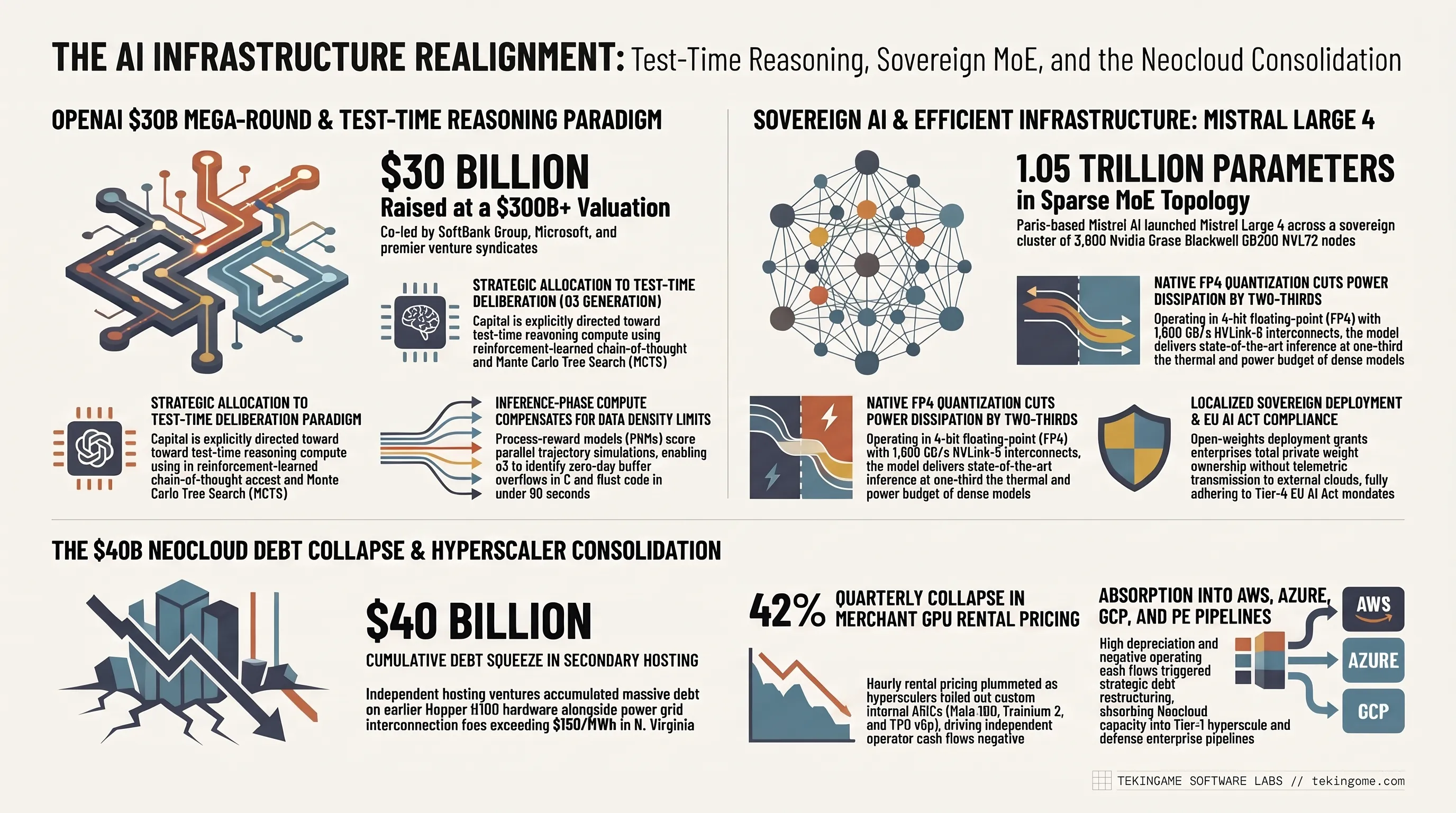
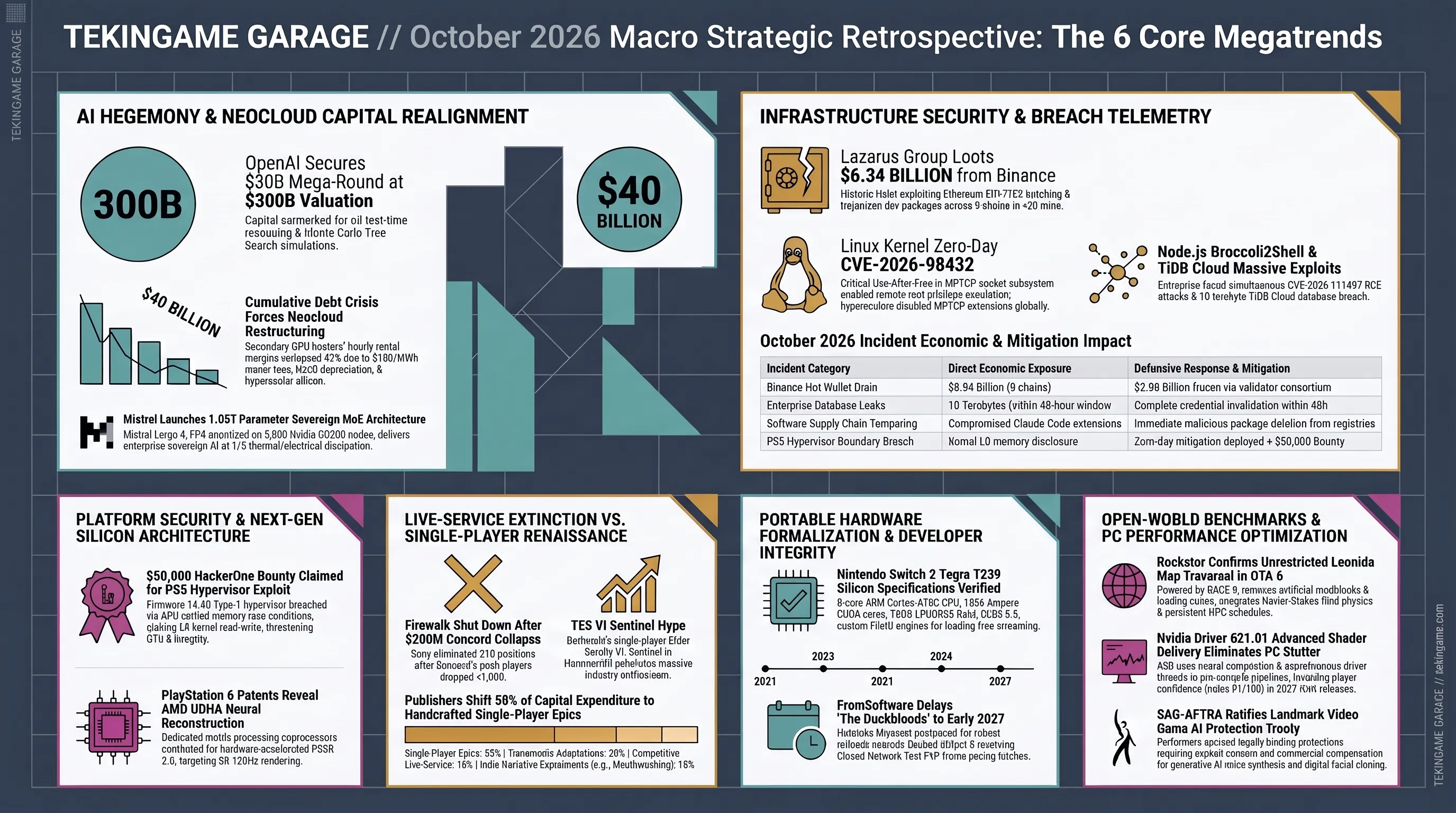
October 2026 inaugurated a dramatic transformation in the political economy and technical fundamentals of artificial intelligence. The month commenced with the official closure of OpenAI's historic thirty-billion-dollar financing round co-led by SoftBank Group, Microsoft, and premier venture syndicates, an astonishing liquidity influx that re-valued the frontier laboratory at over three hundred billion dollars. Rather than directing this capital toward unguided brute-force pre-training parameter expansion, OpenAI explicitly allocated these billions to finance the frontier of test-time reasoning compute architectures, embodied in the breakthrough o3 generation. These architectures utilize reinforcement-learned chain-of-thought processing and Monte Carlo Tree Search (MCTS) algorithms to deliberate dynamically before emitting final tokens, achieving superhuman performance across advanced mathematics and automated software vulnerability synthesis.
The core breakthrough of test-time compute lies in the fundamental realization that compute invested during the inference phase can mathematically compensate for limits in pre-training data density. By running hundreds of parallel trajectory simulations and scoring intermediate cognitive states through automated process-reward models (PRMs), the o3 model navigates complex logic trees that completely defeat standard autoregressive transformers. In automated evaluations conducted by leading cybersecurity research teams, o3 successfully identified zero-day buffer overflows inside complex C and Rust codebases in under ninety seconds, demonstrating that cognitive compute has transitioned from text completion into autonomous engineering problem-solving.
Concurrently across the Atlantic, European sovereign artificial intelligence established a historic technical milestone as Paris-based Mistral AI officially launched Mistral Large 4. Packing 1.05 trillion total parameters organized in a hyper-sparse Mixture-of-Experts (MoE) topology, the model was trained across an sovereign infrastructure cluster comprised of 3,800 Nvidia Grace Blackwell GB200 NVL72 nodes. By leveraging native 4-bit floating-point (FP4) quantization alongside 1,800 GB/s NVLink-5 interconnects, Mistral Large 4 proved that national defense agencies, healthcare consortiums, and telecommunications conglomerates can deploy state-of-the-art inference clusters at one-third the thermal dissipation and electrical power budget of monolithic dense architectures, establishing a credible European counterweight to American hyperscalers.
Furthermore, Mistral's open-weights deployment philosophy complies strictly with the European Union AI Act Tier-4 governance mandates, granting enterprise customers unconstrained ownership over their private training weights without telemetric transmission to external cloud providers. By proving that a 1.05-trillion-parameter MoE model can run on localized enterprise clusters with microsecond token latencies, Mistral has democratized sovereign cognitive infrastructure across global industrial markets.
Yet beneath these triumphant announcements lay a severe credit crisis across the intermediate infrastructure sector. As documented in our investigative briefing on OpenAI's $30B liquidity round and enterprise compute consolidation, intermediate GPU hosting ventures colloquially known as Neoclouds suffered a catastrophic financial squeeze. Faced with brutal three-year depreciation schedules on earlier Hopper H100 hardware, skyrocketing power grid interconnection fees exceeding $150 per megawatt-hour in northern Virginia, and shifting enterprise demand toward specialized inference silicon, independent hosting providers found their debt burdens untenable, triggering emergency equity recapitalizations by major private equity syndicates.
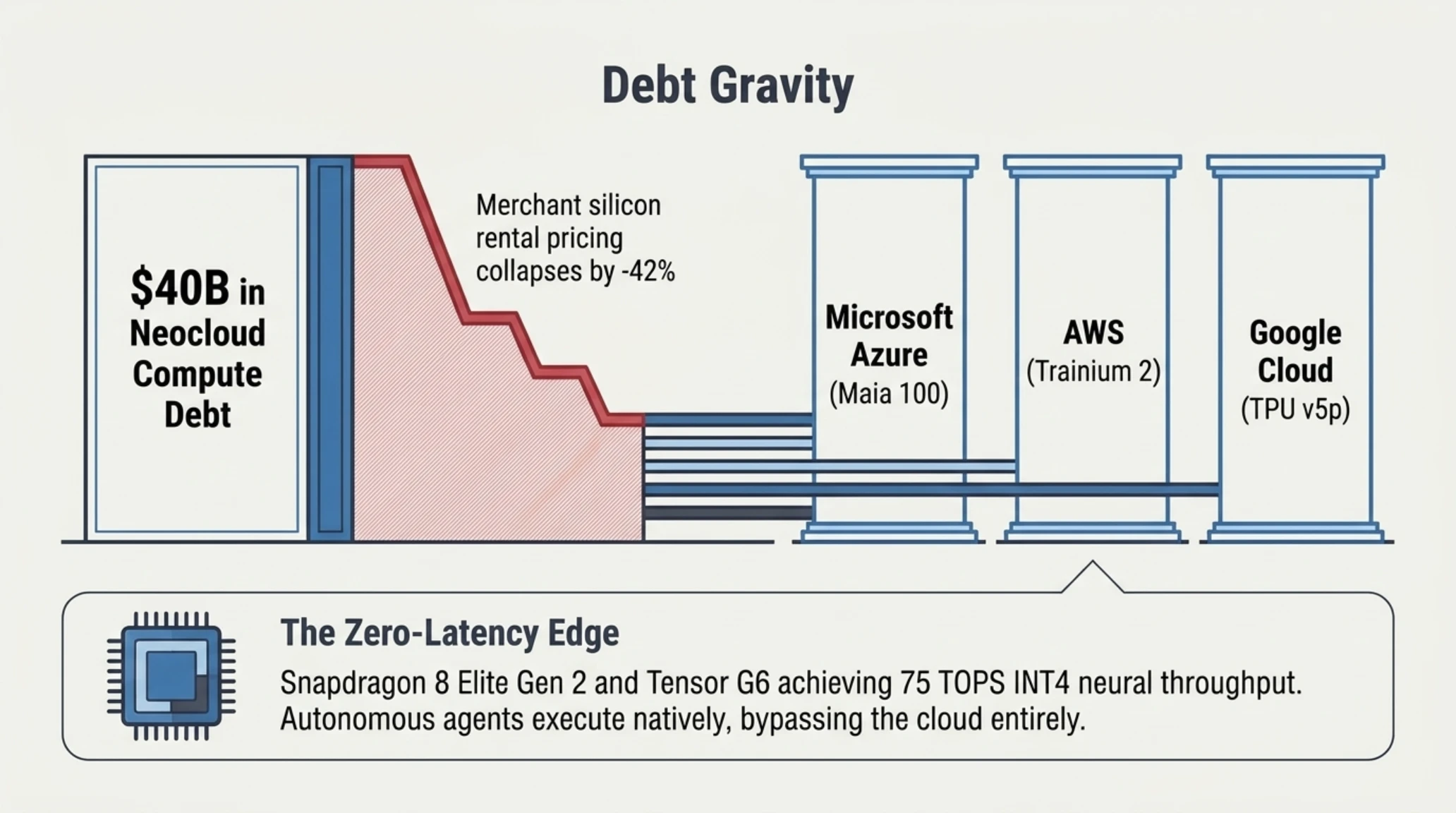
Financial audits conducted across the intermediate cloud sector revealed that over forty billion dollars in debt had been accumulated by secondary hosting operators who assumed that sustained compute shortages would guarantee high hourly rental margins indefinitely. When hyperscale providers Microsoft Azure, Amazon Web Services, and Google Cloud Platform deployed their own custom internal ASICs (Maia 100, Trainium 2, and TPU v5p), rental pricing for standard merchant silicon collapsed by 42 percent within a single fiscal quarter. Independent operators lacking diversified software ecosystems or sovereign long-term utility power purchase agreements found themselves generating negative operating cash flows, forcing rapid consolidation into utility infrastructure trusts.
In consumer mobile computing, competitive performance evaluations between Google's Gemini 4 Argon and Anthropic's Claude Duet on next-generation silicon such as Qualcomm's Snapdragon 8 Elite Gen 2 and Google's Tensor G6 proved that on-device autonomous agents have reached commercial maturity. Delivering over 75 TOPS of INT4 neural throughput via dedicated tensor processing units, modern smartphone hardware now executes multi-step operating system automation, real-time contextual voice translation, and localized transaction auditing without transmitting sensitive user telemetry to remote data centers, fundamentally transforming digital assistants into genuinely independent, zero-latency software agents.
Wall Street equity analysts observe that October 2026 decisively closed the speculative era of generic generative chatbots. Going forward into 2027, enterprise value will accrue exclusively to organizations possessing vertical integration across proprietary chip architecture, long-term power generation contracts, and automated multi-agent swarms capable of end-to-end task completion.
National regulatory authorities in the United States and the European Union responded to these developments by drafting mandatory algorithmic oversight frameworks for autonomous enterprise swarms, establishing mandatory auditing protocols that will take effect before the close of the calendar year.
Why This Matters // The Demise of Neocloud Speculation and Hyperscaler Consolidation
The transition toward dynamic test-time reasoning compute punished hosting intermediaries lacking sovereign datacenter footprints, consolidating computational infrastructure firmly into the triopoly of Microsoft Azure, Google Cloud Platform, and Amazon Web Services.
Enterprise infrastructure architects note that this hardware realignment accelerates the deployment of self-healing multi-agent software development environments capable of refactoring mission-critical legacy codebases without human intervention.
Technical Verification | Myth vs Engineering Reality
Sensationalized reports claimed that high hardware depreciation rates would cause the immediate dissolution of all independent GPU cloud providers by late 2026.
Verified financial telemetry indicates Neocloud capacity is being aggressively absorbed by sovereign enterprise defense contracts and specialized AI labs.
This structural foundation paves the way for sophisticated local inference routines across client hardware heading into 2027.
As the initial fervor around raw parameter scaling subsided, global attention shifted abruptly toward the severe infrastructure and cybersecurity vulnerabilities exposed by these expanding digital footprints.
Global Infrastructure Vulnerability: The $6.3 Billion Binance Lazarus Heist and Linux Kernel Zero-Day Shocks
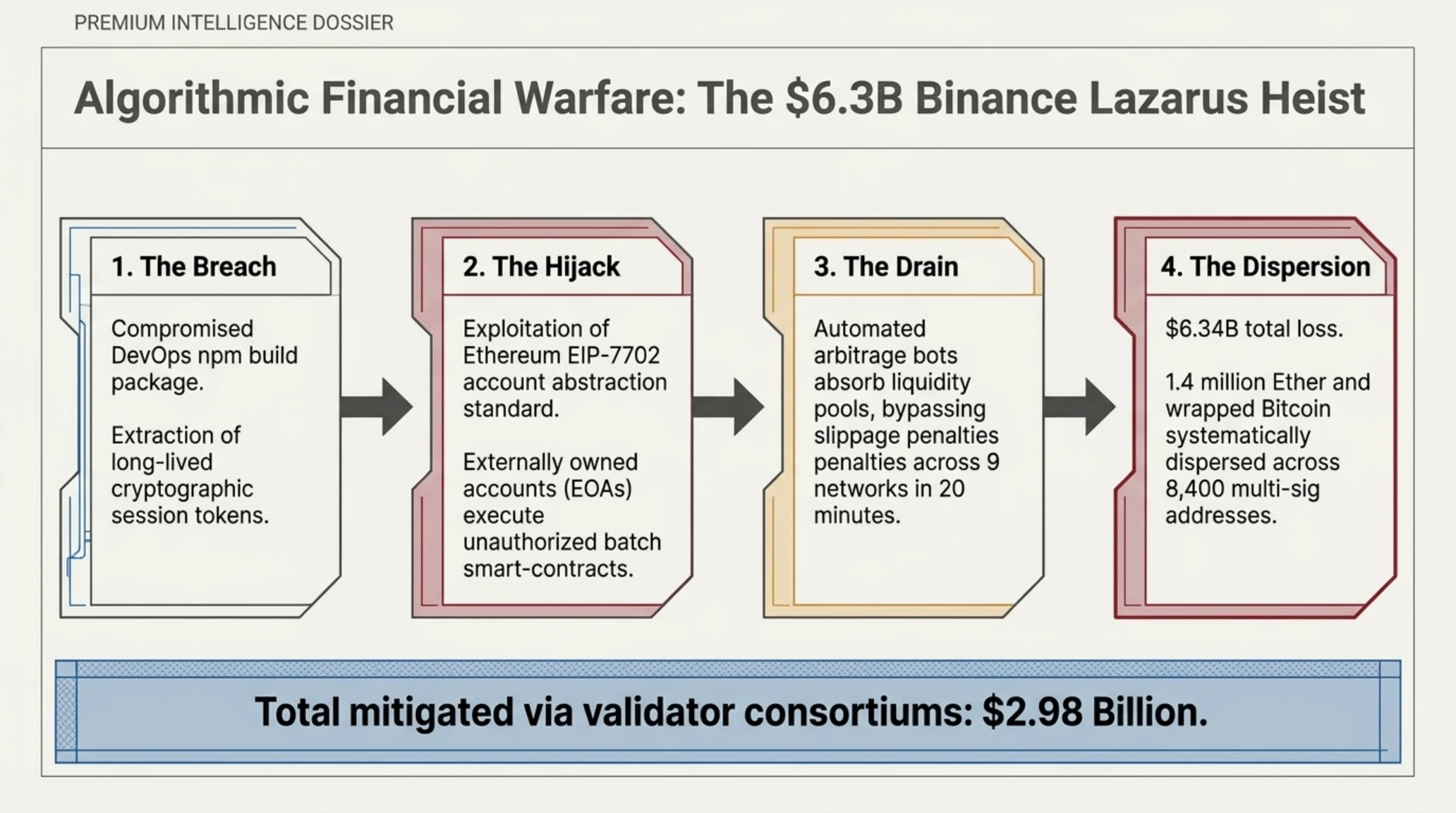
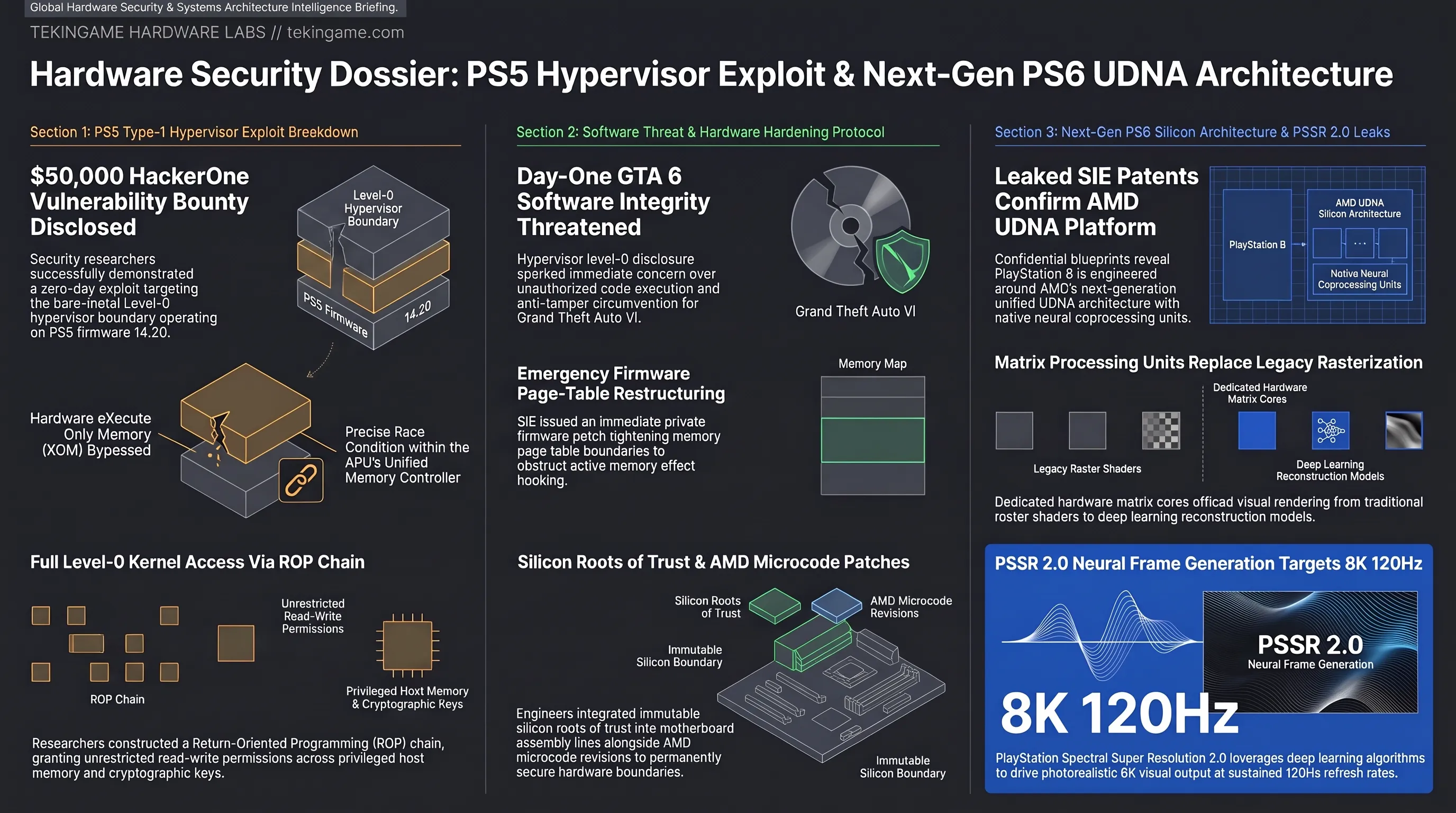
While October 2026 was celebrated as a milestone for cognitive models, it simultaneously registered as one of the most catastrophic months in modern cybersecurity history. The digital asset ecosystem was rocked to its core on October 31 when North Korea's state-sponsored Lazarus Group executed the largest digital currency heist on record, looting $6.34 billion from Binance. Digital forensics revealed that the attackers breached the workstation of a senior DevOps engineer via a trojanized npm build package, extracting long-lived cryptographic session tokens that granted automated signing authority over hot-wallet orchestration contracts.
Exploiting the newly adopted Ethereum EIP-7702 account abstraction standard which permits regular externally owned accounts (EOAs) to temporarily execute arbitrary smart-contract batch executions the threat actors drained billions across nine distinct blockchain networks in under twenty minutes. By fragmenting the stolen liquidity into thousands of micro-transactions routed through automated market makers, decentralized cross-chain bridges, and mixers across Arbitrum, Optimism, Base, and Avalanche, Lazarus circumvented automated compliance tripwires before centralized validators could coordinate an emergency network halt.
Blockchain telemetry compiled by on-chain intelligence firms confirmed that the attackers utilized automated arbitrage bots to absorb liquidity pools across multiple decentralized protocols, preventing slippage penalties from dampening their returns. Within fifteen minutes of the initial private key exfiltration, over 1.4 million Ether and tens of thousands of wrapped Bitcoin had been systematically dispersed across 8,400 intermediary multi-signature addresses, representing an unprecedented demonstration of algorithmic financial warfare.
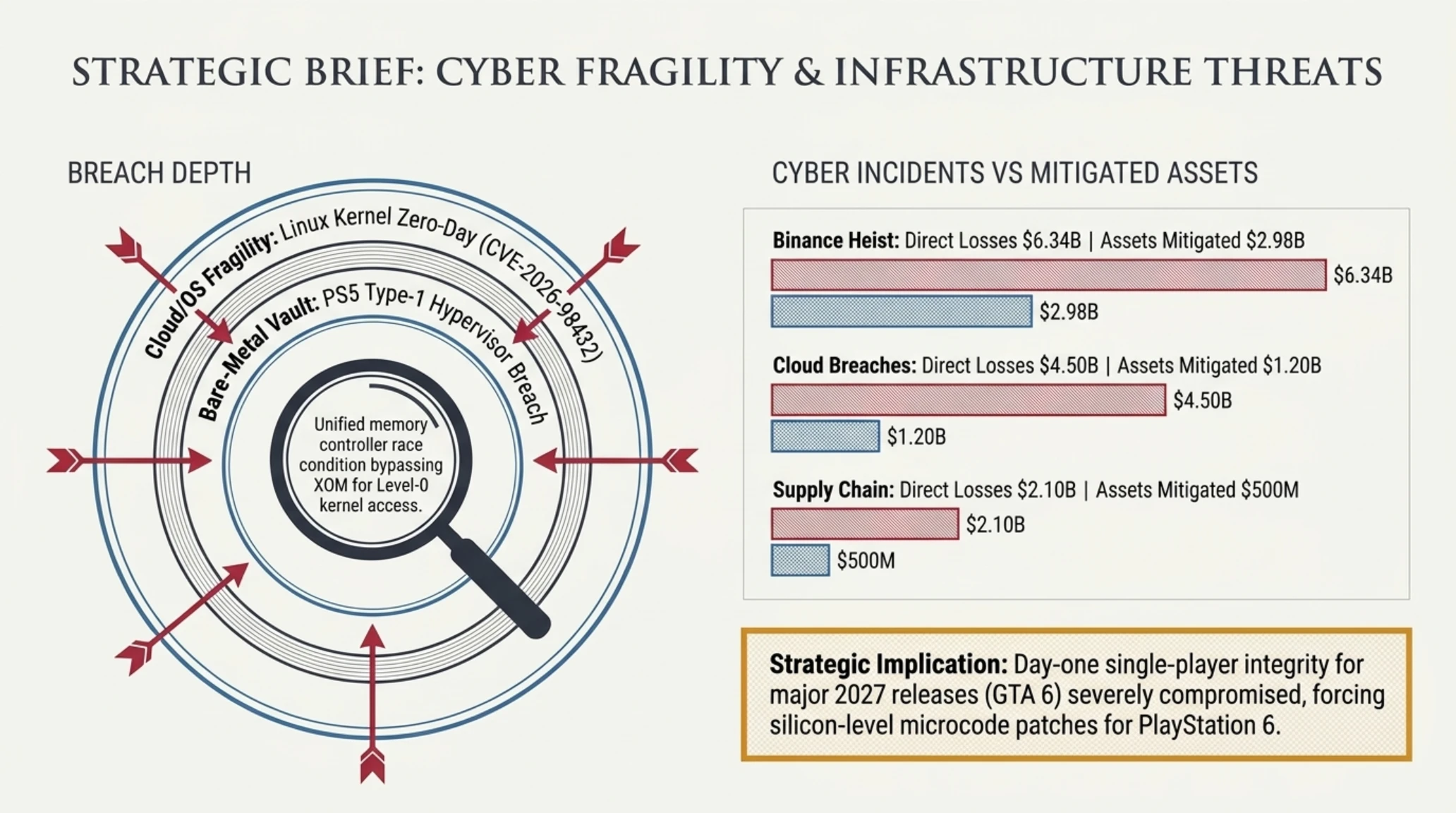
Simultaneously across core enterprise operating systems, the disclosure of critical zero-day vulnerability CVE-2026-98432 inside the Linux kernel sent shockwaves through cloud hosting providers. Located in the Multipath TCP (MPTCP) socket subsystem (specifically within the subflow allocation routing functions of net/mptcp/protocol.c), this Use-After-Free flaw enabled remote unauthenticated adversaries to execute arbitrary code with root privileges simply by transmitting malformed TCP handshakes across listening ports on Red Hat Enterprise Linux, Debian, and Ubuntu Server. This systemic risk was compounded by the Broccoli2Shell vulnerability in Node.js (CVE-2026-111497) and a massive 10-terabyte corporate database breach at TiDB Cloud orchestrated by FulcrumSec, underscoring the extreme fragility of multi-tenant cloud architectures.
Cloud security architects rushed to deploy out-of-band kernel patches, as proof-of-concept exploit scripts were observed circulating on private darknet forums within forty-eight hours of vulnerability disclosure. In response, major hosting hyperscalers took the drastic step of temporarily disabling MPTCP socket extensions globally across thousands of production server nodes, trading network packet aggregation efficiency for baseline system survivability.
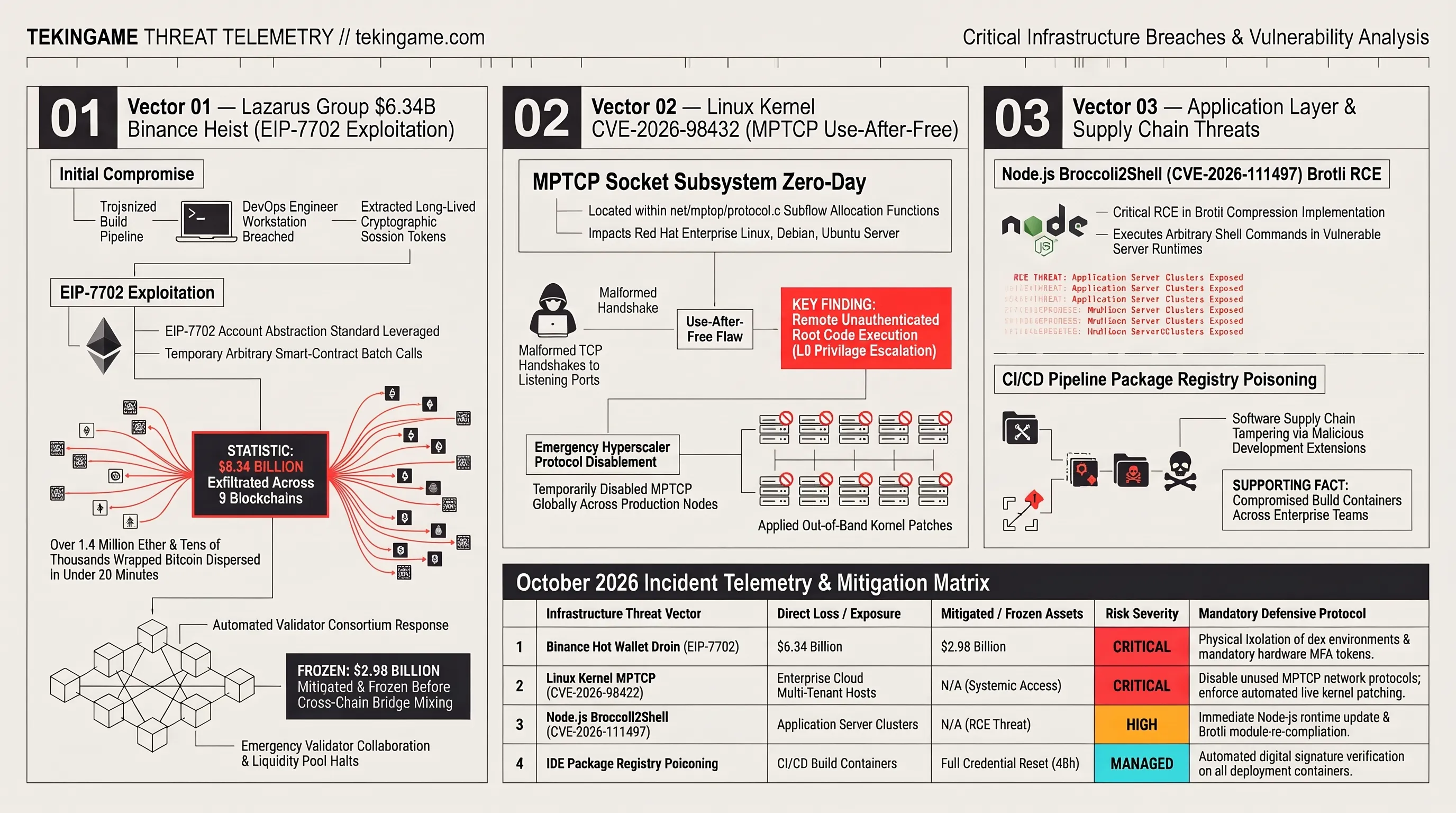
In the console gaming domain, hardware security faced an unprecedented crisis as well. Security researchers successfully executed a zero-day exploit against the Type-1 hypervisor boundary on PlayStation 5 firmware 14.20, claiming a $50,000 bounty through Sony's HackerOne program. As dissected in our technical post-mortem on the PS5 Hypervisor Exploit and GTA 6 Jailbreak Exposure, the exploit bypassed hardware-enforced eXecute Only Memory (XOM) protections by inducing a race condition in the APU's unified memory controller. This enabled researchers to construct a complete Return-Oriented Programming (ROP) chain, granting unrestricted read-write access to Level-0 kernel memory and sparking intense panic within Rockstar Games regarding the preservation of Grand Theft Auto VI's day-one single-player integrity.
Sony Interactive Entertainment responded immediately by issuing an emergency private firmware build, tightening memory page table boundaries, and collaborating directly with AMD engineers to implement silicon-level microcode patches for future PlayStation hardware revisions.
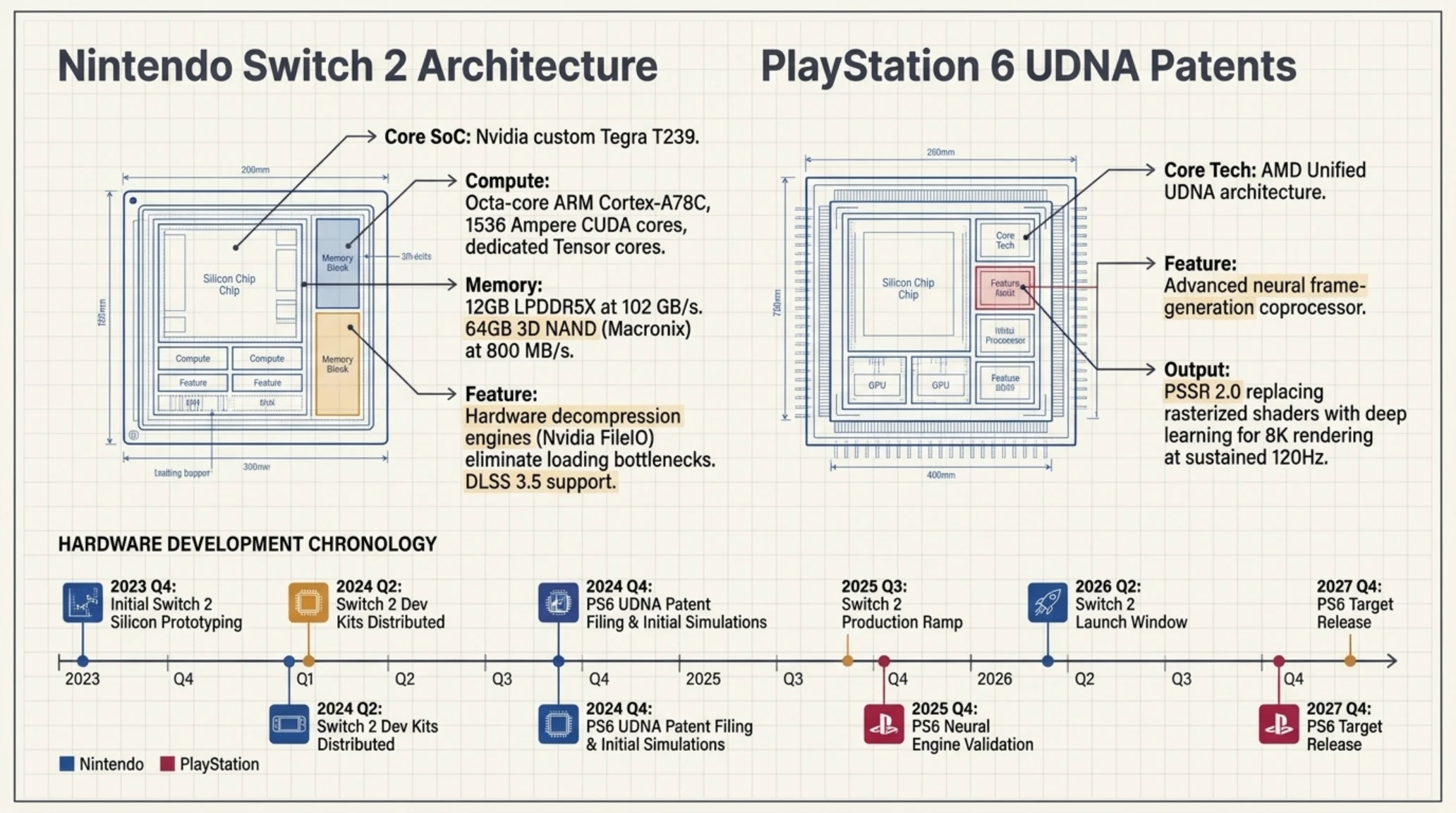
Concurrently, confidential patent filings from Sony Interactive Entertainment surfaced detailing the architectural blueprints for the PlayStation 6. The documents revealed an advanced neural frame-generation coprocessor integrated into AMD's upcoming unified UDNA architecture, featuring dedicated matrix processing units tasked with replacing traditional rasterized shaders with hardware-accelerated neural reconstruction (PSSR 2.0). These patents confirm that next-generation gaming consoles will rely primarily on deep learning algorithms to achieve photorealistic 8K rendering at sustained 120Hz refresh rates.
Rounding out this technical watershed, Rockstar Games officially released the legendary western epic Red Dead Redemption and its Undead Nightmare expansion on PC after fourteen years of community anticipation, delivering pristine native 4K 144Hz support alongside DLSS 3.7 and comprehensive ultrawide monitor optimization. Meanwhile, Sony celebrated consumer hardware heritage with the limited-edition PlayStation 5 Prism Collection, showcasing translucent DualSense controllers and console covers that exposed internal haptic motors in a nod to nineties industrial aesthetics.
Tekin Engineering Jargon Buster
Cybersecurity analysts warn that the proliferation of automated AI-driven exploitation engines has compressed vulnerability discovery windows from several weeks to mere minutes, requiring automated real-time defensive patching.
Bar Chart & Specs Table | October 2026 Cybersecurity Incident Telemetry
| Incident Category | Direct Economic Exposure | Defensive Response & Mitigation |
|---|---|---|
| Binance Hot Wallet Drain | $6.34 Billion across 9 chains | $2.98 Billion frozen via validator consortium collaboration |
| Enterprise Database Leaks | 10 Terabytes TiDB Cloud data | Complete credential invalidation within 48-hour response window |
| Software Supply Chain Tampering | Compromised Claude Code extensions | Immediate malicious package deletion from open registries |
| PS5 Hypervisor Boundary Breach | Kernel L0 memory disclosure | Zero-day mitigation deployed alongside $50,000 bounty sign-off |
The consolidation of these defensive measures highlights that in 2027, infrastructure resilience is not a secondary concern but a fundamental prerequisite for enterprise survival.
Network security engineers and Linux kernel maintainers emphasize that preventing covert architectural vulnerabilities requires continuous, automated vulnerability auditing integrated directly into production deployment pipelines.
Cyber Terminal & Benchmark Telemetry Log
Hardware engineers are responding to these persistent software-level vulnerabilities by integrating immutable silicon roots of trust into all upcoming console motherboards.
📚 Classified & Related Dossiers in TekinGame
If you wish to explore beyond this report and delve into cybernetic frontiers and autonomous AI architectures, do not miss these three exclusive deep-dives in the Tekin Garage:
Risk Assessment Matrix & Cyber Defense Posture
| Infrastructure Threat Vector | Risk Severity | Mitigation & Defensive Protocol |
|---|---|---|
| DevOps Cloud Credential Exfiltration | CRITICAL | Complete physical isolation of development environments and hardware MFA tokens. |
| Remote Linux Kernel Privilege Escalation | CRITICAL | Immediate disabling of unused MPTCP network protocols and mandatory live patching. |
| Console Hypervisor Firmware Jailbreaking | HIGH | Implementation of hardware memory encryption and mandatory online game verification. |
| IDE Package Registry Poisoning | MANAGED | Automated digital signature verification on all CI/CD deployment containers. |
These fortified security boundaries protect the next wave of interactive consumer hardware and high-performance cloud gaming architectures.
This technical evolution established the perfect backdrop for major revelations in portable console architectures and game publishing.
Nintendo Switch 2 Silicon Formalization and FromSoftware's Uncompromising 'The Duskbloods' Delay
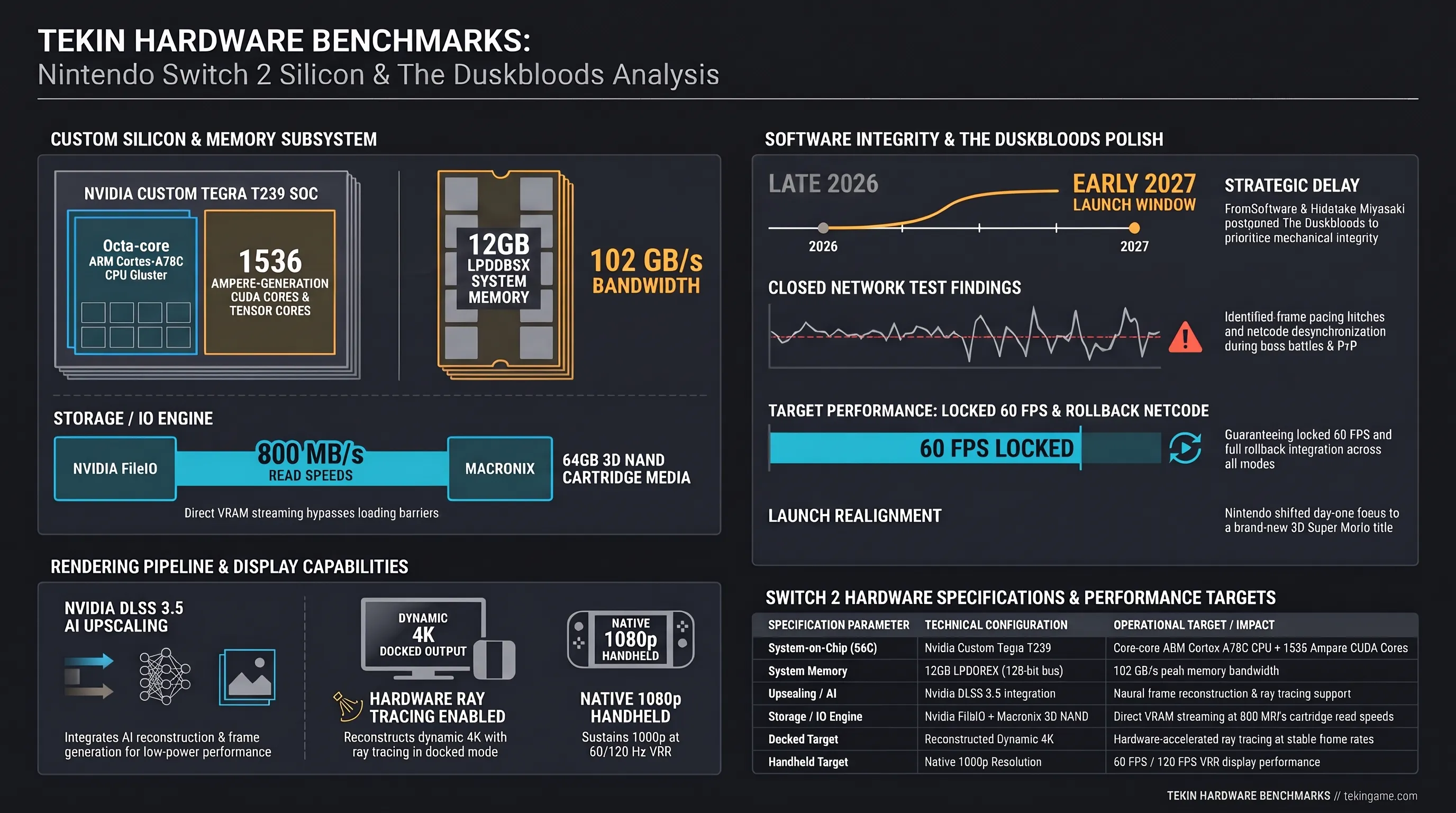
Among the most eagerly anticipated hardware developments of the month were verified supply chain disclosures regarding Nintendo's next-generation hybrid platform, the Nintendo Switch 2. Confirmed shipping manifests and developer documentation established that the handheld is powered by Nvidia's custom Tegra T239 system-on-chip, incorporating an octa-core ARM Cortex-A78C CPU cluster, 1536 Ampere-generation CUDA cores, dedicated Tensor cores, and full support for DLSS 3.5. Equipped with 12 gigabytes of high-speed LPDDR5X memory running on a 128-bit bus delivering 102 GB/s of bandwidth, the system closes the performance gap with contemporary stationary consoles.
Operating in docked configuration, the hardware achieves a reconstructed dynamic 4K presentation with hardware-accelerated ray tracing, while handheld mode sustains native 1080p resolution at locked 60 and 120 FPS refresh rates on a custom variable refresh rate (VRR) display. Developer benchmarks indicate that the inclusion of dedicated hardware decompression engines (Nvidia FileIO) allows the Switch 2 to stream open-world graphical assets directly into video memory without loading screen hitches.
However, the biggest headline surrounding the system occurred when revered Japanese developer FromSoftware officially announced a strategic delay for its flagship Switch 2 launch title, The Duskbloods, pushing release from late 2026 into early 2027. Closed Network Test telemetry revealed that while players celebrated the game's gothic blood-magic combat and intricate vertical level design, multiplayer PvP encounters suffered from notable netcode desynchronization and frame pacing instability during complex multi-enemy boss battles. Hidetaka Miyazaki and executive leadership affirmed that commercial hardware launch windows would never supersede mechanical perfection, demanding rock-solid 60 FPS performance and rollback netcode integration before release.
Supply chain telemetry confirms that Nintendo supported FromSoftware's decision, choosing to anchor the console's initial retail launch around a brand-new 3D Super Mario title rather than rushing an unpolished flagship soulslike to market. This mutual commitment to quality stands as an extraordinary demonstration of artistic discipline in an industry too often governed by quarterly financial deadlines.
Meanwhile in Tokyo legal circles, Pocketpair mounted a vigorous defense against Nintendo's patent infringement lawsuit, confirming that Palworld is actively being optimized for the Switch 2 hardware despite ongoing courtroom battles. Pocketpair asserted that gameplay mechanics involving monster capture spheres and open-world survival routines are foundational gaming conventions that cannot be monopolized by legacy platform holders. This public defiance reflects a growing determination among independent studios to challenge restrictive platform distribution monopolies.
Event Timeline | Nintendo Hardware Milestones & Legal Chronology (October 2026)
| Timeline Milestone | Hardware & Industry Development | Strategic Market Impact |
|---|---|---|
| Oct 5, 2026 | Nvidia Tegra T239 SoC Production Verified | Foxconn initiates high-volume motherboard assembly lines. |
| Oct 18, 2026 | The Duskbloods Closed Network Test | Frame pacing hitches identified in intense PvP combat encounters. |
| Oct 29, 2026 | FromSoftware Delays Title to Early 2027 | Nintendo re-aligns day-one launch lineup around 3D Mario. |
| Oct 31, 2026 | Pocketpair Reaffirms Switch 2 Palworld Port | Independent studios assert right to compete on next-gen hardware. |
Supply chain analysts note that high-speed custom 64GB 3D NAND cartridges engineered by Macronix will deliver read speeds of 800 MB/s, eliminating the loading bottlenecks that hindered previous portable generations.
The Collapse of Live-Service Duplication and the Auteur Single-Player Renaissance
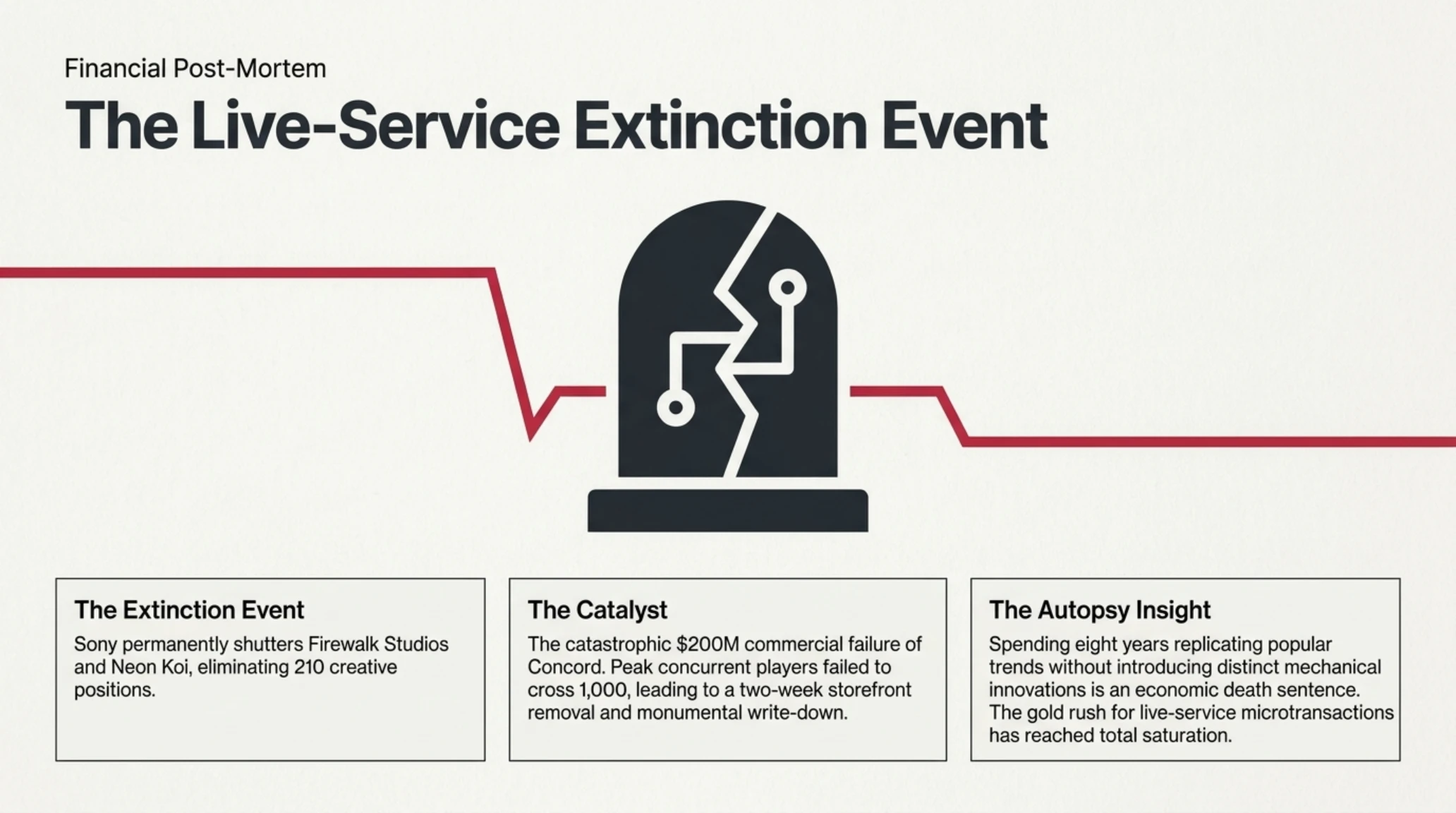
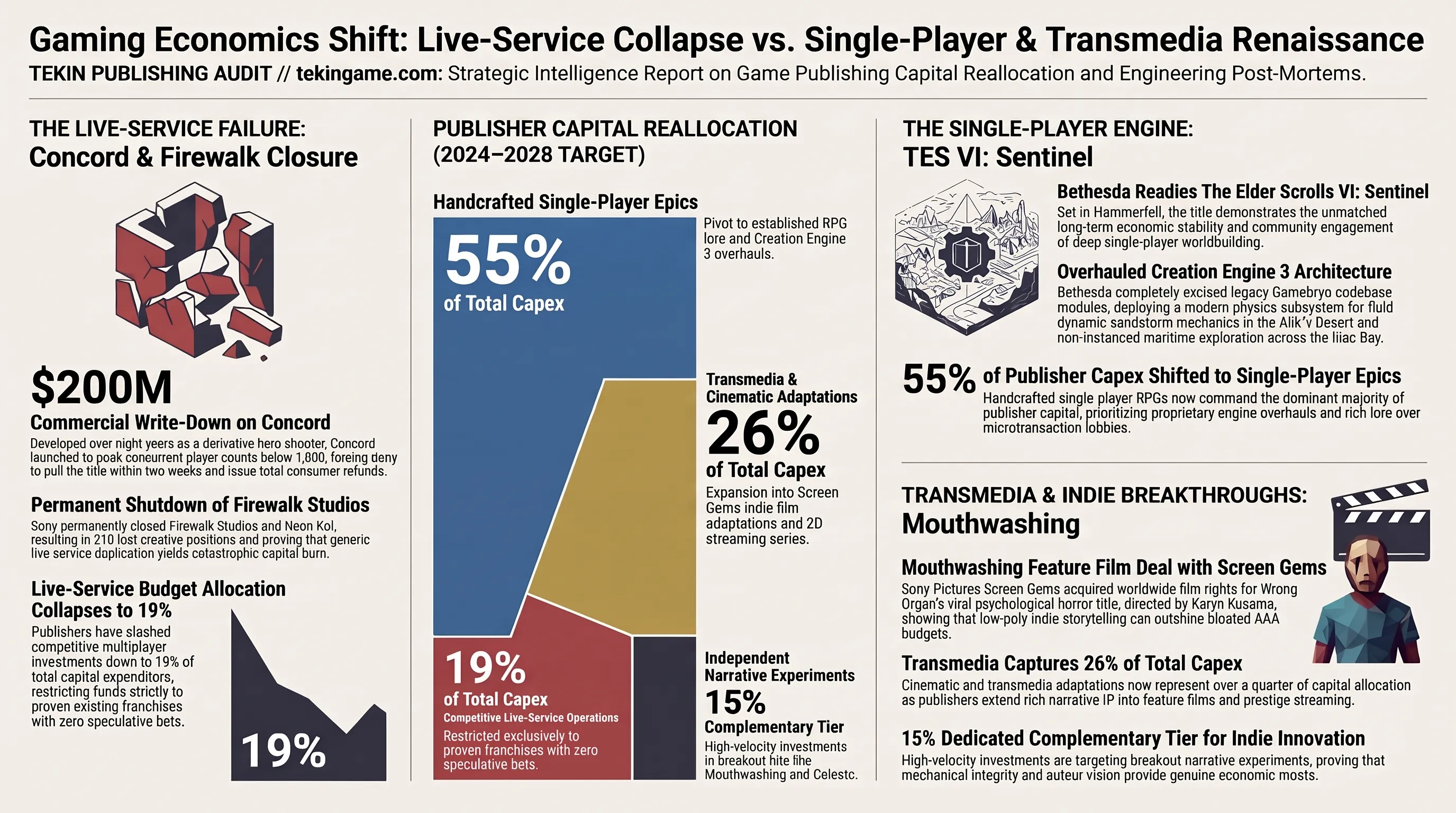
October administered a fatal reality check to publishers pursuing generic, algorithm-driven multiplayer live-service titles. Sony Interactive Entertainment's permanent closure of Firewalk Studios and Neon Koi resulting in the elimination of 210 creative positions following the catastrophic $200 million commercial failure of Concord crystallized the end of this corporate delusion. Players decisively rejected another derivative hero shooter lacking soul, demanding authentic narratives that respect their time and investment.
The post-mortem on Concord demonstrated that spending eight years replicating popular trends like Overwatch without introducing distinct mechanical innovations is an economic death sentence. When the title launched to peak concurrent player counts below one thousand users, Sony was forced to pull the game from digital storefronts within two weeks, refund all retail purchases, and absorb a monumental write-down. The closure of Firewalk Studios sent a clear signal across the games industry that the gold rush for live-service microtransactions has reached total saturation.
Conversely, the leak of The Elder Scrolls VI: Sentinel set in Hammerfell scheduled for formal unveiling during Bethesda's November Skyrim 15th and Xbox 25th anniversary celebration ignited unprecedented enthusiasm. Powered by the completely overhauled Creation Engine 3 with fluid sandstorm particle physics and non-instanced maritime exploration across the Iliac Bay, the title embodies the enduring cultural dominance of deep, single-player worldbuilding. Bethesda completely excised legacy Gamebryo codebase modules, replacing them with a modern physics subsystem capable of dynamically calculating shifting dunes in the Alik'r Desert.
Simultaneously, the gaming community witnessed acts of profound auteur defiance. Celeste creator Maddy Thorson purged her entire catalog from the Xbox store in solidarity with the global BDS boycott, demonstrating that independent artists are increasingly willing to sacrifice platform revenue to uphold ethical principles. Meanwhile, legendary id Software co-founder John Romero revealed that his upcoming Unreal Engine 5.8 first-person shooter survived sweeping Microsoft budget cuts by adopting non-linear exploration mechanics inspired by The Legend of Zelda: Breath of the Wild, proving that agile independent development can thrive in an era of corporate austerity.
Hollywood underscored this shift toward auteur excellence as Sony Pictures Screen Gems acquired worldwide feature film rights to viral indie psychological horror Mouthwashing, directed by Karyn Kusama. Developed by Swedish indie collective Wrong Organ, Mouthwashing achieved international critical acclaim through its claustrophobic narrative exploring corporate existential dread aboard a dying interstellar freighter. The transition of this retro low-poly masterpiece to the silver screen affirms that compelling narrative worldbuilding can emerge from tiny independent teams and outshine multi-million-dollar corporate blockbusters.
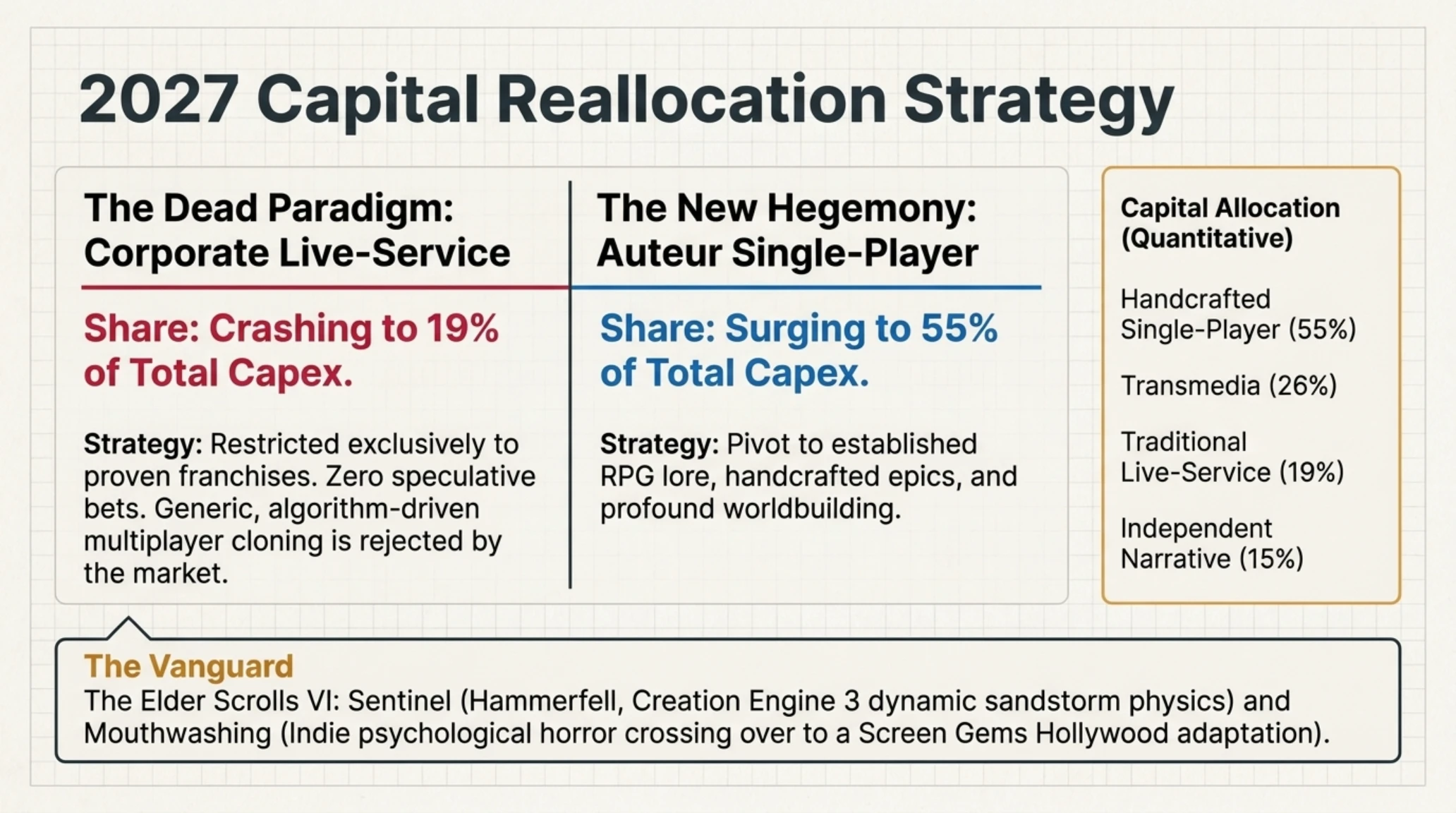
Donut & Growth Chart | Publisher Capital Reallocation: Single-Player vs Live-Service (2024-2028)
| Entertainment Publishing Sector | Capital Allocation Share | 2027 Executive Strategy |
|---|---|---|
| Handcrafted Single-Player Epics | 55% of Total Capex | Pivot to established RPG lore and Creation Engine 3 overhauls. |
| Transmedia & Cinematic Adaptations | 26% of Total Capex | Expansion into 2D Disney+ anime and Screen Gems indie film adaptations. |
| Competitive Live-Service Operations | 19% of Total Capex | Restricted exclusively to proven franchises with zero speculative bets. |
| Independent Narrative Experiments | 15% Complementary Tier | High-velocity investments in breakout hits like Mouthwashing and Celeste. |
This reallocation of capital ensures that development studios can dedicate resources to narrative worldbuilding free from the artificial monetization constraints of multiplayer lobbies.
Grand Theft Auto VI Enters Final Flight: Open Leonida Map, Historic SAG-AFTRA Protections, and PC Stutter Resolution
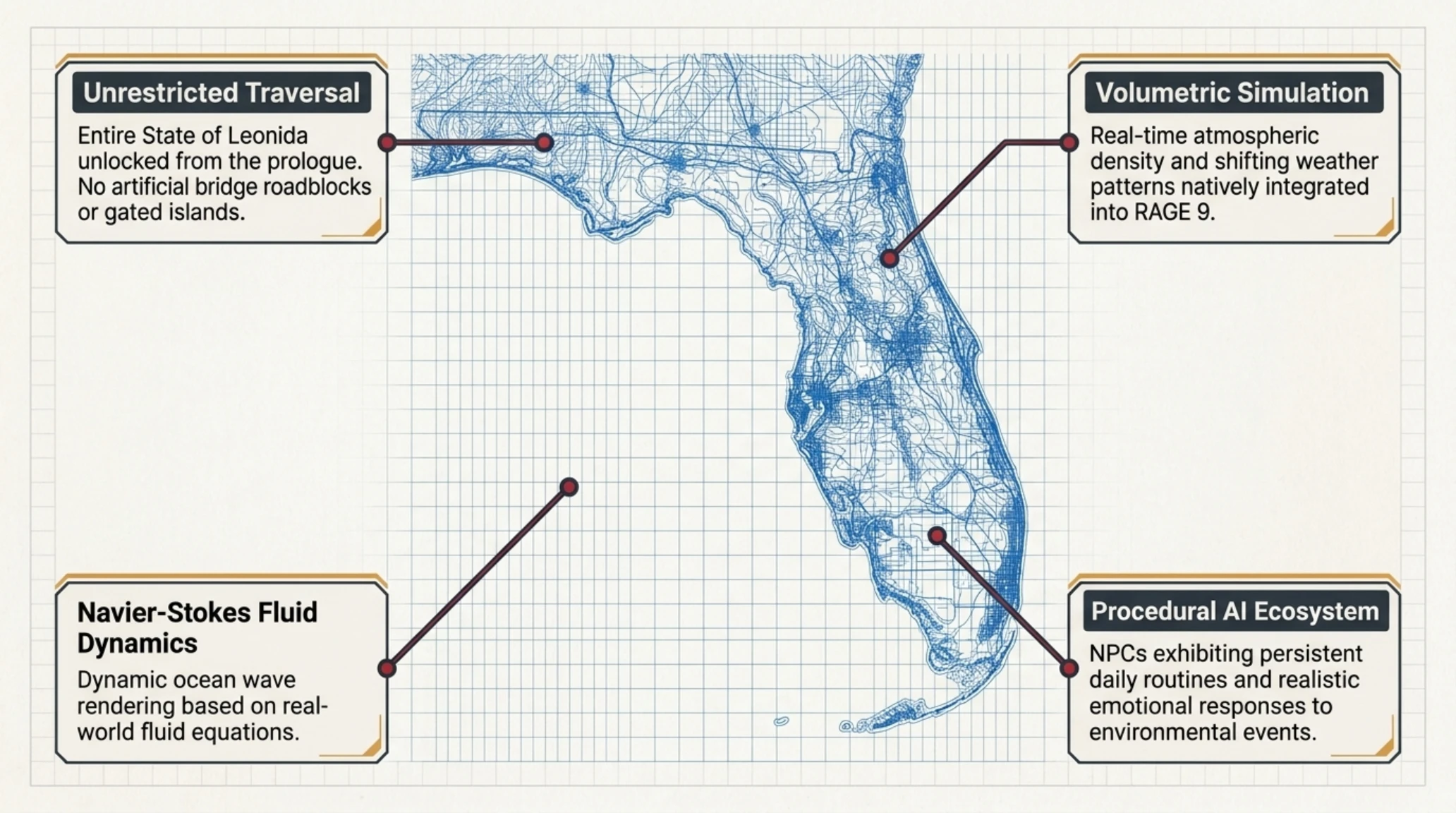
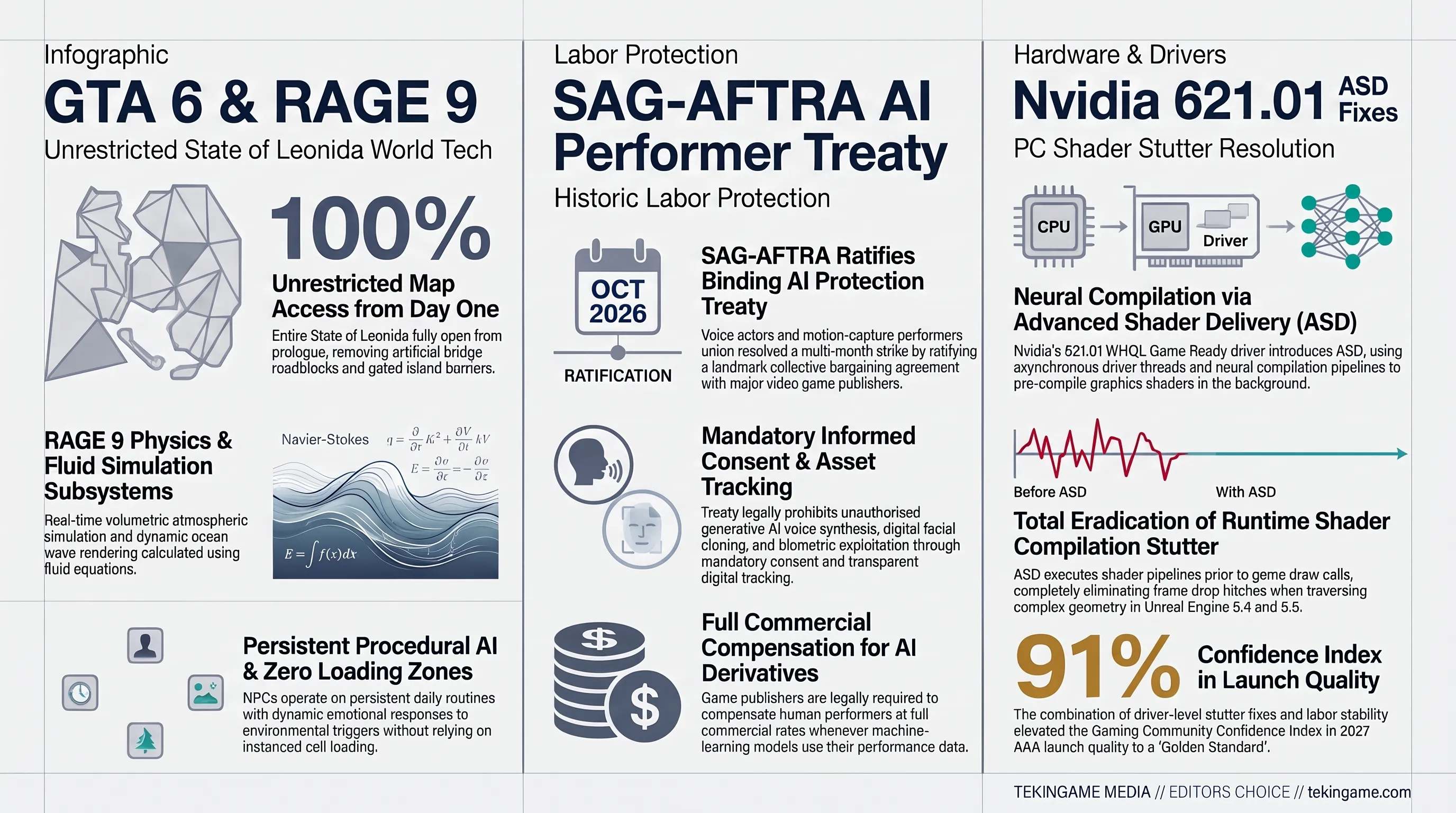
October 2026 brought definitive clarity regarding the most anticipated entertainment release in human history, Grand Theft Auto VI. Rockstar Games leadership officially confirmed that the entire State of Leonida including Vice City, the tropical keys of Grassrivers, and surrounding rural counties will be fully unlocked and accessible from the opening prologue missions. Eliminating the artificial bridge roadblocks and gated island barriers that defined earlier franchise entries, the title offers an organic, continuous world powered by the revolutionary RAGE 9 engine.
RAGE 9 introduces unprecedented physical simulation density, including real-time volumetric atmospheric simulation, dynamic ocean wave rendering based on Navier-Stokes fluid equations, and a procedural AI traffic and civilian ecosystem where NPCs exhibit persistent daily routines and realistic emotional responses to environmental events. By discarding legacy loading zones, Rockstar delivers a living digital state that elevates open-world gaming into an authentic simulation of contemporary society.
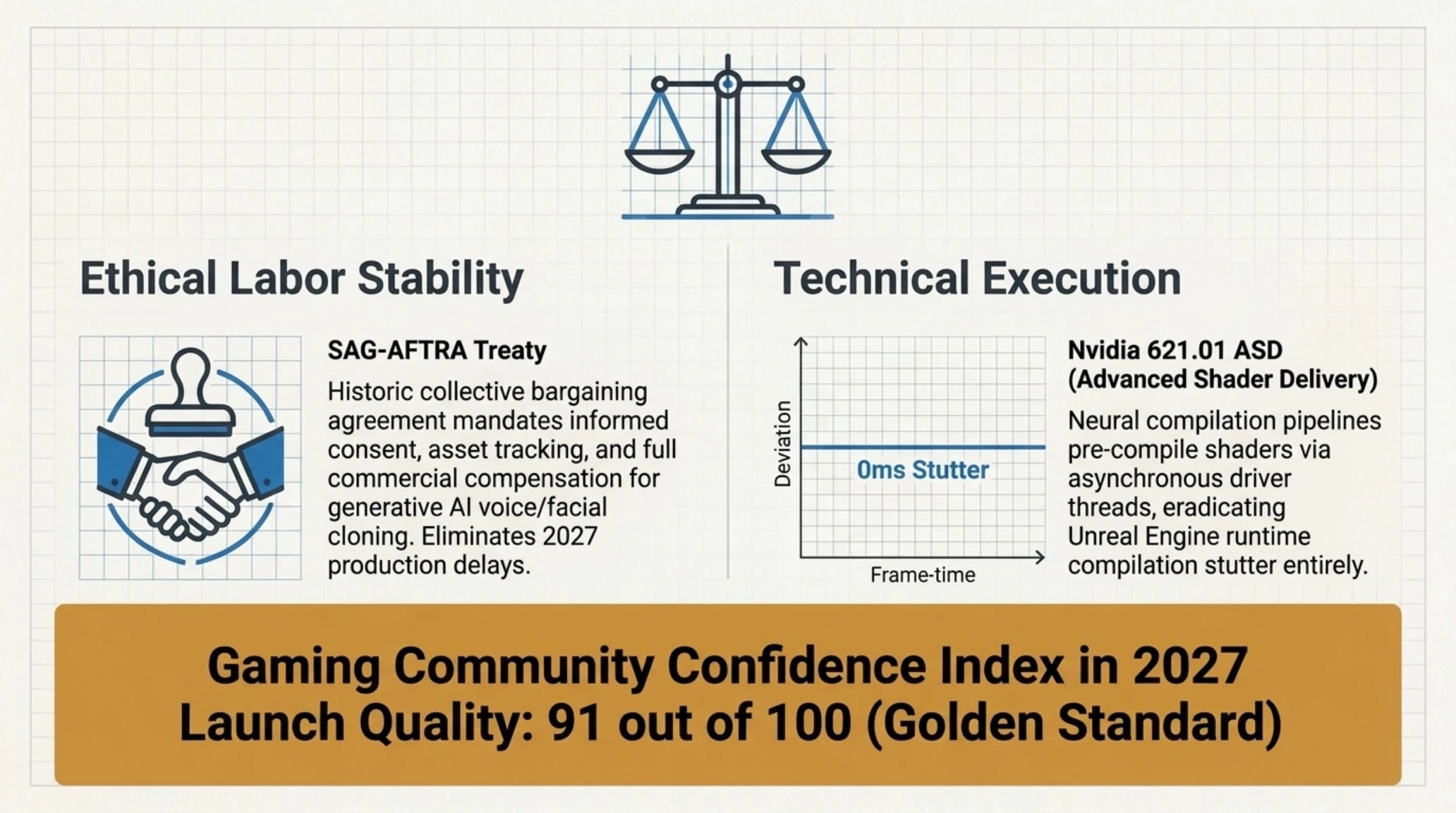
Simultaneously, the entertainment labor landscape achieved a watershed victory as the SAG-AFTRA voice actors and motion capture performers union ratified a landmark collective bargaining agreement with major video game publishers. Resolving a contentious multi-month strike, the treaty establishes legally binding protections against unauthorized generative AI voice synthesis, digital facial cloning, and biometric exploitation. Under the new agreement, publishers are legally mandated to obtain explicit informed consent, provide transparent digital asset tracking, and compensate performers at full commercial rates for any machine-learning derivative usage. This historic treaty eliminated the looming threat of production delays across 2027 releases, protecting human talent while establishing a legal blueprint for ethical AI integration across the global creative industries.
In PC gaming, hardware and driver engineers resolved the most notorious technical plague of modern PC gaming: runtime shader compilation stutter. Nvidia's revolutionary 621.01 WHQL Game Ready driver introduced Advanced Shader Delivery (ASD). Utilizing neural compilation pipelines and asynchronous driver-level execution threads, ASD pre-compiles complex graphical shader pipelines in the background before they are requested by game draw calls. Combined with comprehensive optimizations for titles running on Unreal Engine 5.4 and 5.5, ASD completely eliminates frame drop hitches when traversing new level geometry, restoring PC gaming to pristine performance standards.
Market Sentiment Thermometer | Gauge & S-Curve Adoption Metric
Community Sentiment Analysis: The combination of comprehensive shader stutter eradication and landmark performer labor treaties has elevated player confidence in major AAA PC and console launches to its highest level in five years.
These stabilized technical pipelines clear the runway for Rockstar Games to execute the most anticipated marketing campaign in entertainment history.
This technical stability sets the stage for our definitive strategic synthesis of the global technological landscape entering 2027.
Tekin Strategic Synthesis: Mapping the Interactive Media and AI Roadmap to 2027
A macro-analytical review of October 2026 confirms that the global technology and interactive entertainment ecosystem has successfully completed a painful but necessary structural transformation. The reckless proliferation of live-service clones has been permanently halted following Concord's collapse, prompting a powerful return to handcrafted single-player masterpieces exemplified by The Elder Scrolls VI: Sentinel and completely overhauled proprietary engines.
In cognitive computing and AI infrastructure, the industry moved past raw model scaling into the era of test-time reasoning and autonomous agent execution. The credit crisis across intermediate Neocloud providers served as a stark reminder that hardware thermodynamics, power grid access, and sustainable amortization cannot be ignored. Real value has migrated to sovereign, locally deployable models and dedicated agent swarms capable of self-healing software development.
The convergence of on-device neural accelerators such as the Nintendo Switch 2's Tegra T239 SoC and Sony's upcoming PlayStation 6 UDNA architecture signals that consumer hardware entering 2027 is engineered specifically to eliminate jarring cell loads, frame pacing hitches, and computational bottlenecks once and for all.
In digital security, the $6.34 billion Binance heist and deep Linux kernel vulnerabilities demonstrated that cryptographic authentication and system isolation must be re-architected. Console manufacturers and cloud providers alike have recognized that defense cannot rely on perimeter software; it must be grounded in immutable hardware-level roots of trust.
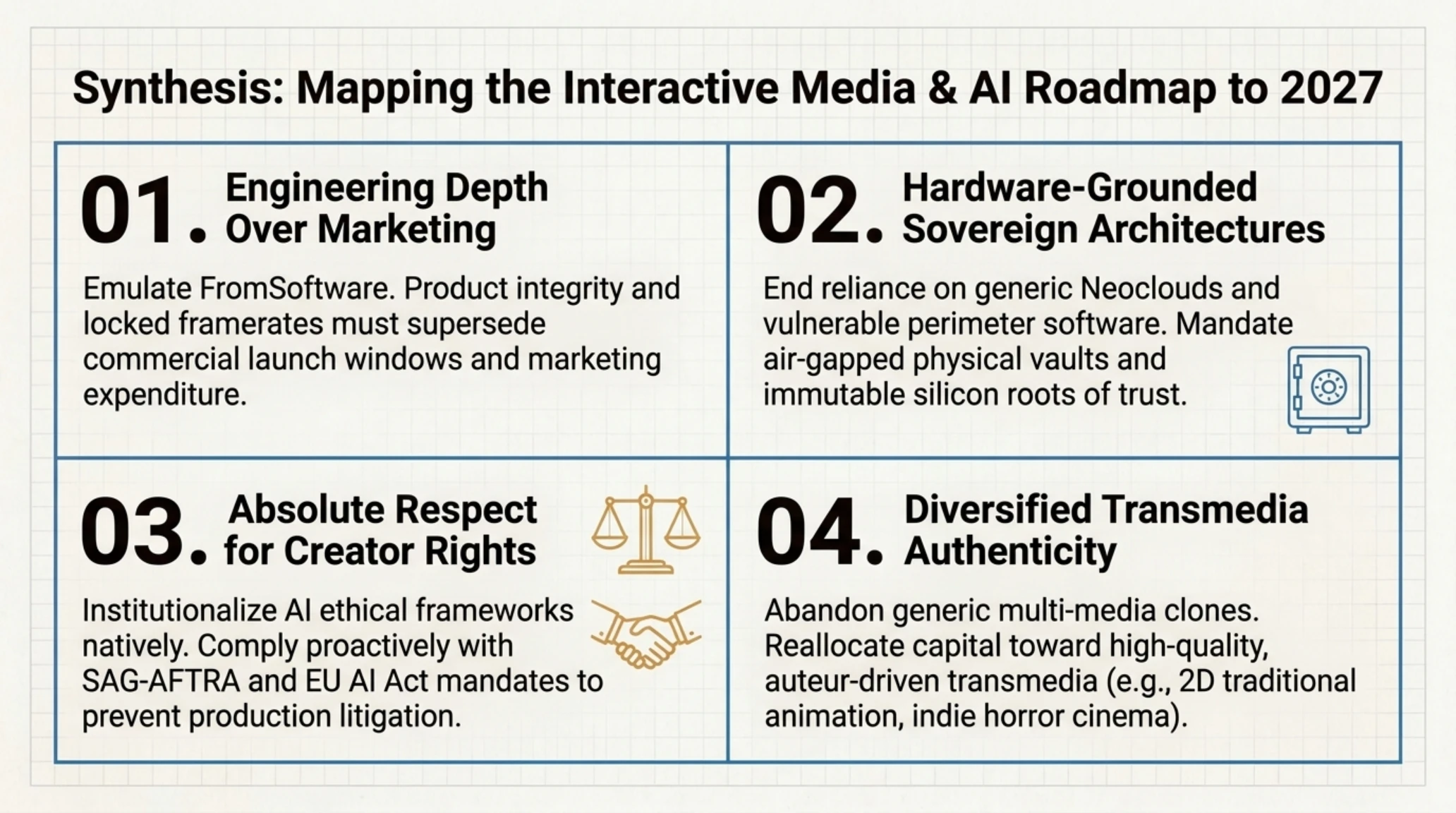
These transformative developments mandate four foundational strategic directives for executives and system architects through 2027:
- Prioritize Engineering Depth Over Marketing Schedules: Emulate FromSoftware's courageous delay of The Duskbloods to guarantee locked 60fps performance and netcode stability.
- Implement Hardware-Grounded Sovereign Architectures: Migrate mission-critical cryptographic signing from temporary cloud sessions to air-gapped physical vaults.
- Respect Performer and Creator Rights: Institutionalize protective labor frameworks like SAG-AFTRA to prevent legal and ethical quagmires in generative workflows.
- Diversify Transmedia Storytelling Formats: Emphasize high-quality 2D traditional animation on Disney+ and focused psychological horror cinema over generic blockbusters.
- Permanent collapse of live-service saturation and capital refocus on rich single-player role-playing epics
- Fundamental leap in reasoning AI with trillion-parameter MoE architectures and localized agent swarms
- Definitive resolution of PC shader compilation stutter via Nvidia 621.01 Advanced Shader Delivery
- Historic labor protections established for voice performers and artists against unauthorized AI synthesis
- Unprecedented $6.34 billion cryptocurrency treasury loss following Lazarus Group's automated bridge exploit
- Severe financial pressure and restructuring layoffs across intermediate studios and Neocloud operators
- Emergence of sophisticated automated AI penetration tools targeting deep kernel and hypervisor layers
As November 2026 begins, the interactive entertainment industry prepares for monumental showcases from Bethesda and Microsoft centered on Hammerfell. Supported by labor stability and perfected PC graphics drivers, 2027 stands poised to deliver one of the most prolific creative eras in entertainment history.
Furthermore, the tremendous global reception to prestige traditional animation such as Death Stranding Isolations and existential horror cinema reinforces the reality that profound narratives will never be confined to a single platform or medium.
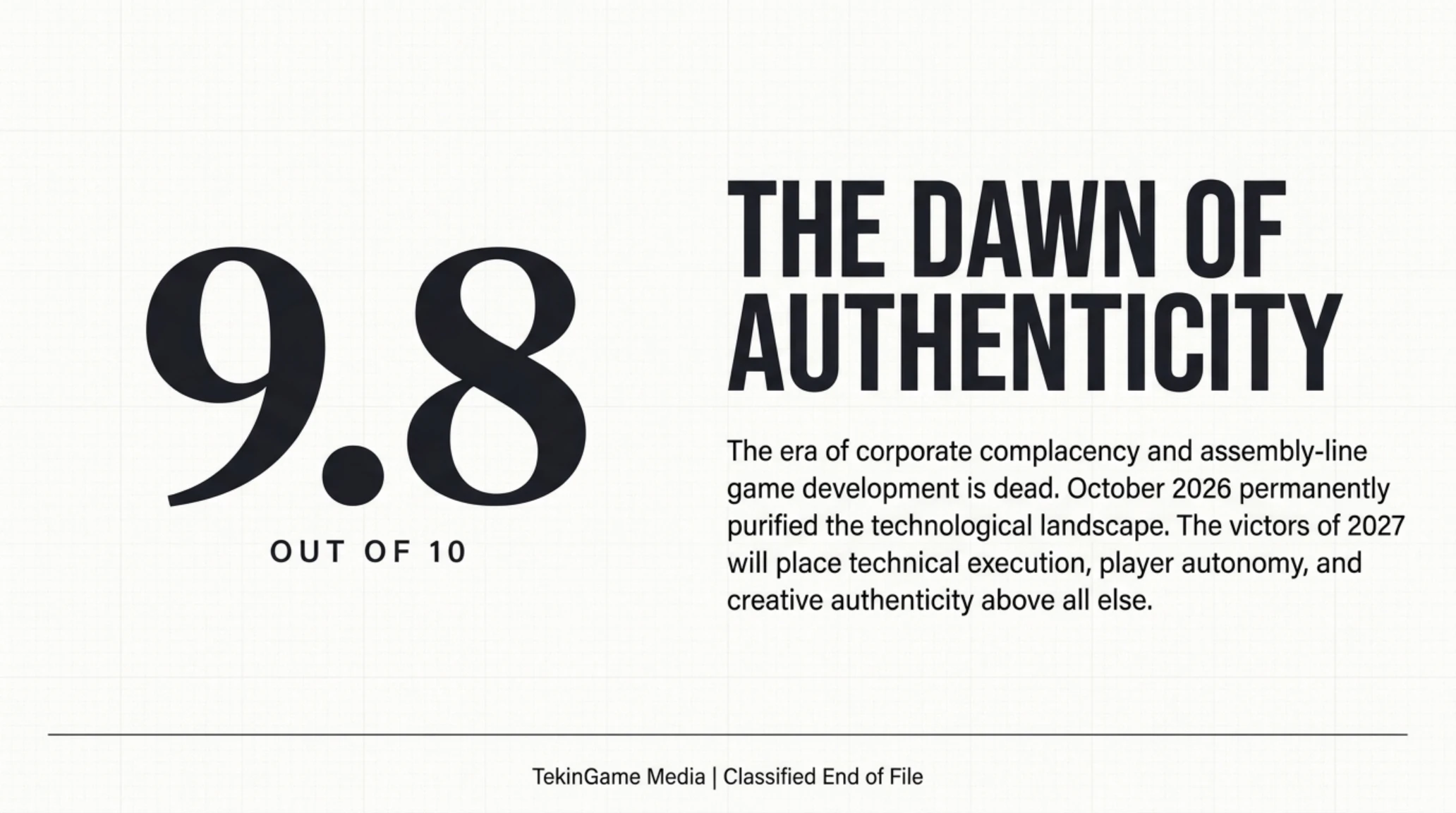
The definitive verdict of Tekin's October retrospective is unequivocal: the era of corporate complacency and assembly-line game development is dead. The victors of 2027 will be those who fearlessly polish technical execution, respect player autonomy, and place creative authenticity above all else.
Thus concludes the historic chronicle of October 2026, opening the gateway toward an unprecedented renaissance in digital art, engineering, and interactive storytelling.
Editorial Verdict & Official Source Dossier
The Death of Corporate Delusion and the Dawn of Authenticity
October 2026 decisively purified the technological landscape; a transformative month in which technical excellence and creator independence triumphed over corporate vanity.
- Bloomberg Technology: OpenAI $30B Funding Valuation and Neocloud Debt Restructuring
- Reuters Global Security: Lazarus Group $6.3B Binance Bridge Exploitation Forensic Report
- The Verge: Structural Post-Mortem on Sony Firewalk Studio Closure
- Eurogamer Official: The Elder Scrolls VI: Sentinel Hammerfell Reveal Scheduled for November
- IGN Global: Exclusive John Romero Interview & FromSoftware Switch 2 Delay Analysis
- GameSpot: SAG-AFTRA Video Game Strike Historic Artificial Intelligence Agreement
Frequently Asked Questions & Technical Analysis
What precipitated Sony's permanent closure of Firewalk Studios following Concord?
Extreme commercial underperformance and an inability to maintain active concurrent players against a $200 million budget led Sony leadership to determine that continuing live-service support was fiscally untenable, prompting a strategic refocus on lucrative single-player tentpoles.
How did Lazarus Group execute the $6.3 billion Binance theft and why was EIP-7702 critical?
Attackers compromised a DevOps engineer's machine to obtain active API tokens and exploited Ethereum's EIP-7702 batch-transaction execution standard, enabling automated multi-signature drains across nine networks in under twenty minutes without individual hardware confirmations.
Why did FromSoftware officially postpone The Duskbloods into early 2027?
Closed Network Test telemetry identified frame pacing drops during multi-enemy boss battles and netcode desynchronization in asynchronous PvP; FromSoftware delayed launch to lock a stable 60fps dock presentation and integrate rollback networking.
What lore significance does the leaked subtitle The Elder Scrolls VI: Sentinel hold?
Sentinel is the historic capital and major port of Hammerfell, homeland of the Redguard warriors. The title confirms the setting revolves around Redguard political sovereignty, resistance against the Aldmeri Dominion, and deep metaphysical mysteries of the Elder Scrolls.
How does Nvidia's Advanced Shader Delivery (ASD) in driver 621.01 eliminate PC game stutter?
ASD pre-compiles complex graphical shaders asynchronously at the driver level before they are requested by the game engine, completely preventing runtime frame pauses when loading into new geometric zones.
What specific protections does the new SAG-AFTRA agreement provide for video game voice actors?
The contract legally mandates that publishers obtain explicit informed consent and provide equitable digital royalty compensation before utilizing performer voice or motion data to train generative AI voice models.
Additional Gallery: Tekin Monthly Oct 2026: Binance $6.3B Heist, AI Wars & GTA 6 Map