Tekin Analysis | The 58% Console Sales Slump & The $899 PS5 Pro Price Crisis
An exhaustive economic and technical autopsy dissecting the historic 58% ninth-generation console demand crash driven by $899 PS5 Pro and $800 Xbox price hikes.
- 🎮-58% Console Sales Crash- Circana confirms historic demand slump
- 🎧$899.99 PS5 Pro Threshold- Sony breaching consumer price elasticity
- 🚀GDDR7 Memory Inflation- 40% surge in bill-of-materials costs
- 🗡️Mainstream Migration to PC- Surging mid-range GPU upgrades on Steam
- 📰Nintendo Switch 2 Triumph- Dominating market with $499 value proposition
- ⚔️Holiday 2026 Strategy- Impending price cuts & mandatory bundle deals
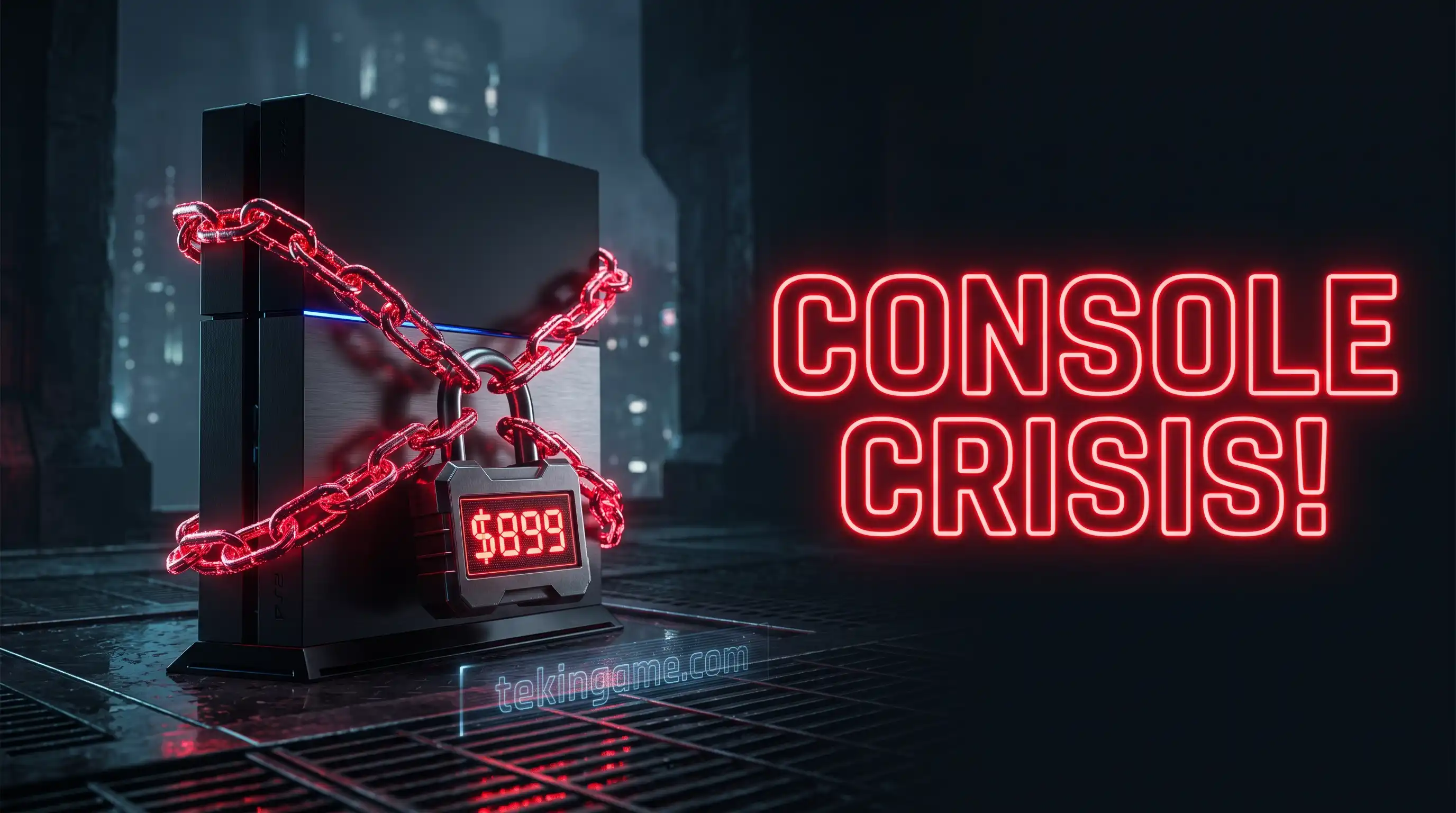
Welcome to this definitive technical and financial investigation presented by Tekin Analysis examining the most severe commercial crisis in modern gaming hardware history. In August 2026, international consumer telemetry compiled by research authority Circana and European tracker GSD confirmed that ninth-generation home console sales recorded an unprecedented 58% year-over-year contraction. This historic demand collapse stems directly from aggressive mid-generation price increases by Sony and Microsoft headlined by the controversial $899.99 PlayStation 5 Pro and the $799.99 Xbox Series X.
In this comprehensive investigation, Tekin Game's hardware intelligence division dissects the semiconductor inflation, behavioral economics, and consumer psychology behind this unprecedented pushback.
Analytical Pillars of the 2026 Console Pricing Crisis
- Dissecting semiconductor inflation driven by TSMC advanced node competition and a 40% surge in GDDR7 memory costs
- Analyzing consumer demand elasticity and why Sony's $899.99 discless tier breached the psychological price ceiling
- Examining how Nintendo Switch 2 and the Steam Deck OLED captured migrating gamers through disciplined consumer pricing
- Calculating Total Cost of Ownership (TCO) including $160 annual subscription tiers and $80 software MSRPs
- Forecasting Sony and Microsoft's holiday 2026 promotional strategies and potential permanent price adjustments
The Anatomy of a Hardware Crash: From Semiconductor Inflation to Luxury Hubris
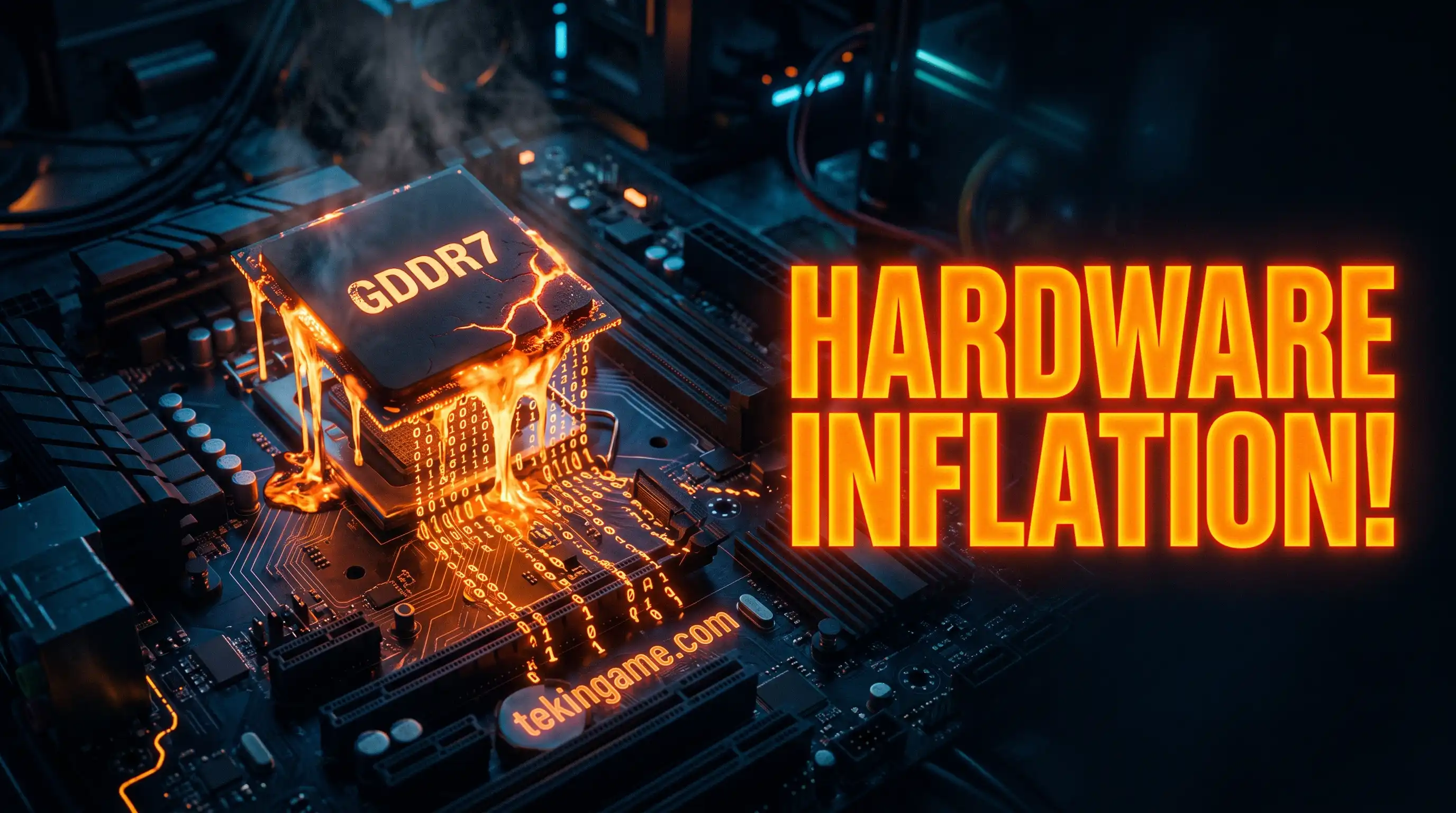
Mid-generation price increases represent a radical anomaly in the history of interactive entertainment. Historically, hardware manufacturing costs (BOM) declined over time through transistor scaling and improved fabrication yields (die shrinks), enabling platform holders to enact mass-market price cuts. In 2026, however, intense competition from hyperscale artificial intelligence data centers for TSMC’s 3nm and 4nm wafer allocations, combined with a 40% spike in GDDR7 high-speed memory pricing, drove the production cost of a single PS5 Pro unit above $680.
Determined to preserve premium hardware profit margins, Sony launched the mid-generation console at $899.99 without an optical disc drive. When factoring in a $120 external disc drive, a $30 vertical stand, and local sales tax, the consumer entry barrier skyrocketed past $1,050 USD.
Structural drivers of this consumer rejection include:
- A widening disconnect between household discretionary spending and four-figure dedicated console hardware
- Consumer outrage over the exclusion of basic essentials like physical disc drives and vertical mounting stands
- The absence of generation-defining software that visibly justifies the PS5 Pro hardware leap beyond basic AI upscaling
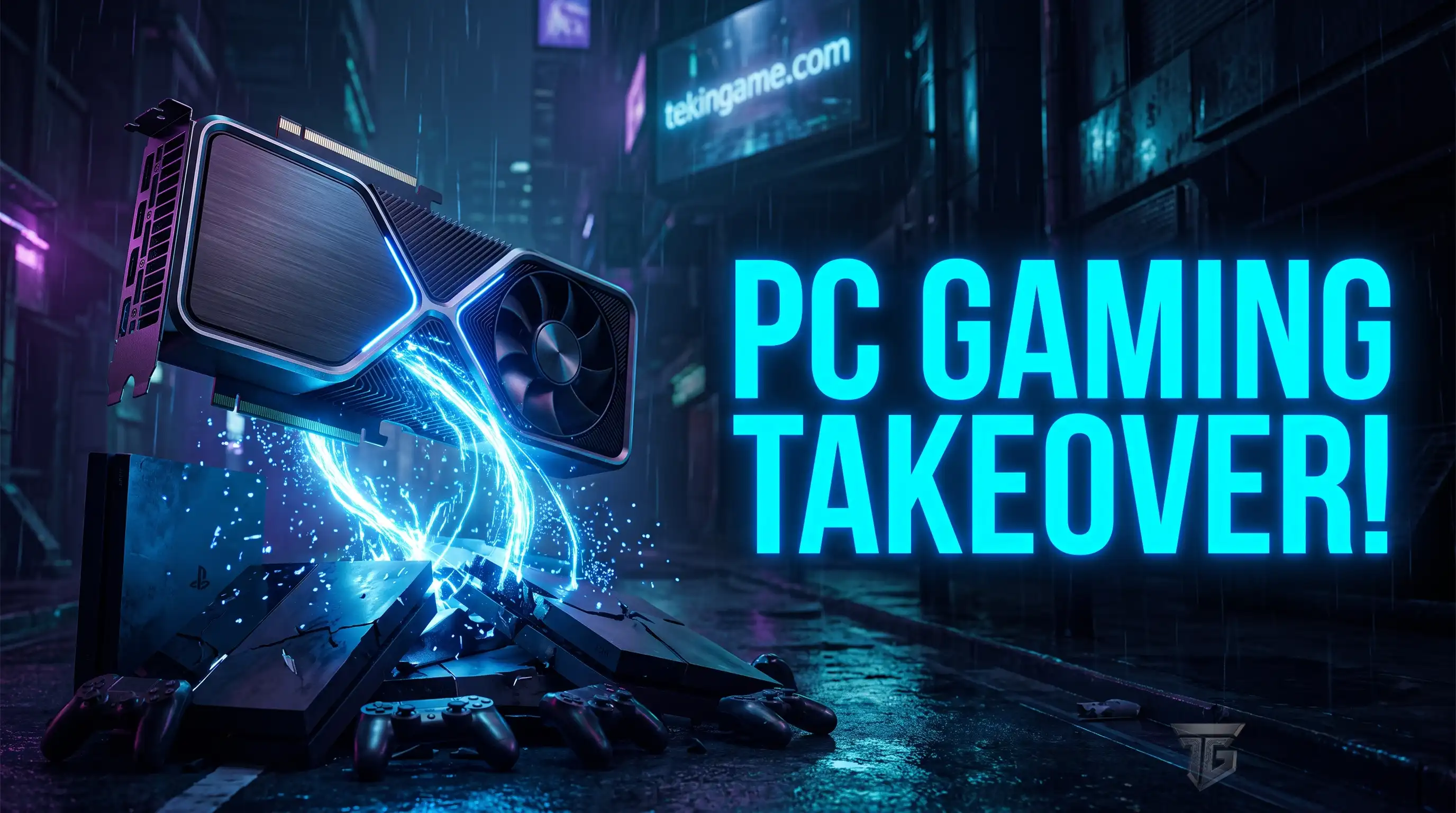
- Rapid acceleration of PC gaming adoption fueled by mid-range Nvidia RTX 50-series graphics cards and open ecosystems
- Broad consumer pushback against closed digital store lock-in and the normalization of $80 software price tags
Sony's pricing strategy has emerged as one of the most consequential gambles in PlayStation's corporate history.
Channel telemetry confirms initial launch month sell-through fell 42% below internal projections across North America and Europe.

The historical trajectory chart below illustrates inflation-adjusted retail pricing across PlayStation console generations.

The comparative table below details manufacturing costs, retail pricing, and gross profit margins across current gaming platforms.
Comprehensive Hardware Bill of Materials (BOM) & Retail Margin Telemetry 2026
| Console Platform & Model | Estimated BOM Production Cost | Official Retail MSRP | Estimated Gross Hardware Margin | Consumer Demand Velocity |
|---|---|---|---|---|
| PlayStation 5 Pro (Sony) | $685.00 (Silicon & GDDR7) | $899.99 MSRP | +$214.99 (High Hardware Margin) | Catastrophic 58% YoY Demand Collapse |
| PlayStation 5 Slim (Disc) | $460.00 BOM Baseline | $649.99 MSRP | +$189.99 Hardware Margin | Moderate Drag Toward Digital SKUs |
| Xbox Series X (Disc Model) | $550.00 BOM Baseline | $799.99 MSRP | +$249.99 Adjusted Margin | Severe Hardware Contraction; Cloud Pivot |
| Nintendo Switch 2 Hybrid | $320.00 BOM Baseline | $499.99 MSRP | +$179.99 Healthy Margin | Explosive Mass-Market Sell-Through |
| Steam Deck OLED (Valve) | $380.00 BOM Baseline | $549.00 MSRP | +$169.00 Stable Baseline | Rapid PC Ecosystem User Acquisition |
In the next section, we examine how consumer price elasticity and total ownership costs triggered this historic revolt.
Breaching the Psychological Threshold: Why Gamers Rejected a $900 Console in 2026
The economic principle of price elasticity of demand dictates that consumer willingness to invest in entertainment hardware is strictly tethered to perceived generational value. When Sony positioned the PS5 Pro at $899.99, it shattered the mainstream consumer tolerance threshold. Gamers determined that incremental frame rate bumps and machine-learning upscaling did not justify a near-four-figure hardware barrier.
Furthermore, the Total Cost of Ownership (TCO) for a new console owner has reached unprecedented heights. A new entrant seeking a complete setup must purchase the console ($900), external disc drive ($120), a PlayStation Plus Premium annual subscription ($160), and two $80 AAA games ($160), driving the entry investment past $1,340 USD.
Factors fueling this widespread consumer pushback include:
- Widespread dissatisfaction regarding the nickeling-and-diming of essential hardware components like vertical stands
- A persistent lack of dedicated, first-party software that visibly maximizes the PS5 Pro’s enhanced compute units
- Rapid compression of exclusivity windows, with major console exclusives arriving quickly on PC via Steam
- Widespread availability of advanced DLSS and FSR upscaling on accessible, cost-effective PC graphics cards
- Household budget prioritization toward versatile productivity hardware rather than locked-down entertainment appliances
These metrics demonstrate that unlike the smartphone ecosystem, gaming consoles cannot easily command luxury pricing tiers.

The excerpted perspective below from DFC Intelligence articulates the structural miscalculation behind this strategy.
The comparative table below maps the first-year Total Cost of Ownership (TCO) across competing gaming ecosystems in 2026.
Comparative First-Year Total Cost of Ownership (TCO) Telemetry 2026
| Gaming Platform & Ecosystem Tier | Base Hardware Retail Price | Required Accessory & Drive Surcharge | Annual Online Subscription Fee | Total First-Year Ownership Cost |
|---|---|---|---|---|
| PlayStation 5 Pro Complete Tier | $899.99 MSRP | $150.00 (Drive + Stand) | $159.99 (PS Plus Premium) | $1,209.98 (Industry Highest TCO) |
| Xbox Series X Complete Tier | $799.99 MSRP | $0.00 (Integrated Drive) | $239.88 (Game Pass Ultimate) | $1,039.87 Annual Cost |
| Nintendo Switch 2 Hybrid Tier | $499.99 MSRP | $0.00 (Integrated Cartridge) | $49.99 (Switch Online + Expansion) | $549.98 (Most Economical Console) |
| Steam Deck OLED Handheld | $549.00 MSRP | $0.00 (Open Platform) | $0.00 (100% Free Online Play) | $549.00 (Superior Lifetime Value) |
| Mid-Range PC Build (RTX 5060) | $850.00 Custom Build | $0.00 (Digital Distribution) | $0.00 (100% Free Online Play) | $850.00 (Highest Utility Value) |
Below is Tekin Game’s technical video teardown analyzing the component value and manufacturing cost breakdown of the PS5 Pro.
To assist consumers in navigating technical hardware economics, the definitions box below outlines core principles.
Technical Jargon Buster: Hardware Economics & Architecture
| Term / Concept | Definition & Industry Impact |
|---|---|
| Price Elasticity of Demand | The mathematical sensitivity of consumer purchasing volume relative to changes in retail hardware price points. |
| Bill of Materials (BOM) | The complete physical raw material, silicon wafer, and manufacturing assembly cost required to produce a single device. |
| PSSR (PlayStation Spectral Super Resolution) | Sony's proprietary machine learning upscaling algorithm designed to reconstruct 4K frames on the PS5 Pro. |
| Why this matters | Understanding why the $899 PS5 Pro triggered a market revolt and how platform holders must re-architect holiday strategies. |
The Strategic Triumph of Nintendo Switch 2 and Open PC Handhelds
While Sony and Microsoft navigate severe sales contractions, Japanese titan Nintendo established absolute commercial dominance in 2026 through disciplined consumer pricing. Launching the Nintendo Switch 2 at $499.99, the company delivered capable custom silicon, customized NVIDIA DLSS support, seamless portability, and a peerless first-party software library, achieving the fastest console sell-through in corporate history.
Simultaneously, open PC gaming handhelds led by Valve's Steam Deck OLED maintaining its $549 price point captured millions of cost-conscious gamers, leveraging free online multiplayer and steep seasonal Steam sales.
Core drivers of Nintendo and Valve's strategic triumph include:
- Delivering exceptional price-to-performance value rather than engaging in diminishing-return teraflop wars
- Maintaining premium first-party software at $60 to $70 without forcing consumers into predatory subscription pricing
- Full backward compatibility allowing players to carry existing digital libraries forward seamlessly
- Protecting accessible local and family multiplayer without imposing mandatory monthly network fees
- Offering absolute user freedom on PC handhelds with zero artificial platform toll-gates or subscription mandates
This market dynamic proves that console generation leadership is won through consumer respect and accessible pricing.

The comparative table below maps competitive features between modern handheld platforms and home consoles.
Comparative Analysis of Handheld Platforms vs Premium Home Consoles
| Platform & Hardware Architecture | Form Factor & Portability Tier | AI Upscaling & Graphics Technology | Library Accessibility & Pricing Tier |
|---|---|---|---|
| Nintendo Switch 2 Hybrid | Hybrid (Seamless Home & Portable) | Custom NVIDIA DLSS Architecture | Massive First-Party Catalog & Low TCO |
| Steam Deck OLED (Valve) | Open Linux Portable Console | AMD FSR 3 & Intel XeSS Pipelines | Complete Access to Massive Steam Archive |
| PlayStation 5 Pro (Sony) | Stationary Living Room Console | Sony PSSR Neural Reconstruction | Restricted Closed Storefront; $80 Software |
| Xbox Series X (Microsoft) | Stationary Living Room Console | Standard Hardware AMD FSR Scaling | Heavily Reliant on Cloud & Game Pass Catalog |
| ASUS ROG Ally X (Windows) | High-End Windows Handheld | AMD FSR 3.1 & AFMF 2 Pipeline | Direct Support for All Windows Storefronts |
📚 Classified & Related Dossiers in TekinGame
If you wish to explore beyond this report and delve into cybernetic frontiers and autonomous AI architectures, do not miss these three exclusive deep-dives in the Tekin Garage:
In the next section, we analyze actionable exit strategies and holiday forecast models for platform holders.
Forecasting the Exit Pathways: Will Sony Be Forced into Holiday 2026 Price Cuts?
As the interactive entertainment sector approaches the critical fourth-quarter holiday window anchored by Black Friday and global end-of-year sales shareholder scrutiny on Sony leadership has intensified exponentially. If the 58% demand contraction persists through Autumn, high-margin digital software revenues on the PlayStation Store will suffer catastrophic declines, threatening Sony’s primary gaming operating profit engine.
According to predictive financial modeling conducted by Tekin Game’s economic intelligence unit, Sony must execute one of three distinct strategic pathways to rescue holiday performance:
- Pathway 1 (High-Value Bundling Strategy): Retaining the $899.99 sticker price while bundling a complimentary external disc drive, vertical stand, and 12-month PS Plus subscription.
- Pathway 2 (Permanent Hardware Repositioning): Slashing the base PS5 Pro MSRP to $749.99, absorbing a small hardware loss to protect software attach rates and digital storefront dominance.
- Pathway 3 (Accelerated First-Party Pipeline): Fast-tracking next-generation software reveals from Naughty Dog and Santa Monica Studio tailored specifically for PS5 Pro compute.
Financial analysts widely project that an aggressive combination of Pathway 1 and Pathway 2 represents the only viable solution to revive mainstream demand.

The comparative matrix below evaluates the fiscal viability, consumer reception, and market recovery probability across potential holiday strategies.
Evaluation Matrix: Strategic Holiday 2026 Remediation Scenarios for Sony
| Proposed Strategic Scenario | Platform Fiscal Impact (Margin Delta) | Consumer Perception & Appeal | Projected Sales Recovery Probability |
|---|---|---|---|
| Official Bundle with Free Disc Drive | Moderate ($50 Margin Reduction) | Very High (Addresses Nickel-and-Diming) | 85% (Optimal Near-Term Solution) |
| Permanent Price Slash to $749.99 | High ($50 Loss Per Unit Sold) | Exceptional (Stimulates Mass Demand) | 95% (Guarantees Hardware Sell-Through) |
| Temporary Black Friday Rebate ($50 Off) | Minimal Fiscal Exposure | Mediocre (Perceived as Inadequate) | 50% (Fails to Solve Structural Crisis) |
| Free 3-Year PS Plus Premium Surcharge | Low (Digital Server Capacity Cost) | Highly Attractive to Core Gamers | 65% (Strong Value Proposition) |
| Maintaining Status Quo Baseline | Zero Short-Term / Catastrophic Long-Term | Extremely Negative (Continued Slump) | 10% (High-Risk Operational Failure) |
Below is Tekin Game's technical video analysis forecasting the holiday 2026 console price war and publisher strategies.
Strategic Synthesis: Five Crucial Industry Lessons from the 2026 Console Crisis
The 2026 console sales crisis provides historic lessons for interactive entertainment executives, hardware engineers, and consumers alike. The market has definitively demonstrated that brand loyalty has limits; in an era where open PC ecosystems and versatile handhelds provide compelling alternatives, no hardware manufacturer can unilaterally dictate terms to the gaming community.
To assist consumers in making informed hardware decisions, the Tekin Game editorial board outlines five essential strategic lessons:
- Lesson 1 (For Consumers): Defer purchasing the PS5 Pro at current inflated MSRPs until holiday promotional bundles and hardware revisions emerge.
- Lesson 2 (For PC Enthusiasts): Prioritizing mid-range graphics card upgrades like the RTX 4070 or RTX 5060 delivers superior lifetime value over closed consoles.
- Lesson 3 (For Families): The Nintendo Switch 2 represents the most economical, balanced, and accessible platform for local and family gaming.
- Lesson 4 (For Publishers): Restricting software to overpriced hardware platforms results in severe commercial bottlenecks.
- Lesson 5 (For Hardware Manufacturers): Balancing raw silicon compute with accessible consumer pricing remains the fundamental law of console longevity.
The events of 2026 affirm that long-term industry leadership belongs to companies that honor consumer economic realities.

The official position of the Tekin Editorial Board regarding the hardware pricing crisis is detailed below.
The summary matrix below itemizes market risks and long-term outlooks across major hardware brands heading into 2027.
Long-Term Hardware Platform Risk & Strategic Outlook Matrix
| Hardware Brand & Platform | Primary Operational Challenge | Tekin Strategic Advisory Outlook |
|---|---|---|
| PlayStation Ecosystem (Sony) | Overcoming PS5 Pro $899 Price Resistance | Mandatory Holiday Promotional Restructuring |
| Xbox Hardware (Microsoft) | Severe Ninth-Gen Dedicated Hardware Slump | Full Acceleration Toward Multi-Platform & Cloud |
| Nintendo Ecosystem | Sustaining Switch 2 Component Supply Chains | Clear Market Dominance Secured Through 2027 |
| Open PC Gaming Ecosystem | Navigating Flagship Component Price Volatility | Unprecedented Inflow of Migrating Console Players |
In the concluding section, we provide key takeaways and answers to frequently asked consumer questions.
Conclusion: Redefining Console Economics and Consumer Empowerment at Tekin Game
Our comprehensive investigation into the 2026 console pricing crisis demonstrates that the interactive entertainment industry has entered a defining era of economic accountability. The era of taking consumer loyalty for granted is over; modern gamers demand tangible generational leaps, fair hardware monetization, and open ecosystem flexibility before investing four-figure sums.
We hope this definitive technical and economic report equips you with objective market data and strategic foresight as you evaluate next-generation hardware options.

Join the conversation at Tekin Game and share your perspective on PS5 Pro pricing and hardware economics in the comments section below.
- Growing consumer economic empowerment enforcing strict price discipline on publishers
- Spectacular commercial and critical success of Nintendo Switch 2 and the Steam Deck OLED
- Rapid acceleration of AI upscaling and frame generation on accessible mid-range PC GPUs
- Forcing platform holders to re-evaluate closed ecosystem barriers and high software prices
- Severe 58% sales collapse across ninth-generation home consoles impacting studio revenues
- Exorbitant $1,200+ first-year Total Cost of Ownership for complete PS5 Pro setups
- Persistent semiconductor supply chain inflation and rising GDDR7 memory fabrication costs
Related Tech Intelligence on Tekin Game
• 🌙 Tekin Night | Call of Duty, Nintendo & Vision Pro Digest
• 🎭 Tekin Analysis | Apple AI Teardown & July 2026 Digest
• 🌙 Tekin Night | NVIDIA $500B Deal & iPhone 18 Leak
Frequently Asked Questions About the 2026 Console Pricing Crisis
Why did Sony increase the PS5 Pro retail price to $899.99?
Driven by a 40% surge in GDDR7 memory costs, higher TSMC 3nm wafer allocations, and Sony's mandate to preserve hardware gross profit margins.
What caused the 58% sales collapse in ninth-generation console sales?
Consumer rejection of hardware exceeding the $700 barrier alongside a total first-year ownership cost surpassing $1,200 with accessories and subscriptions.
Why did the Nintendo Switch 2 succeed during this industry downturn?
By offering a competitive $499 price point, custom NVIDIA DLSS support, seamless hybrid portability, and a massive first-party software catalog.
Is purchasing a Steam Deck or mid-range PC more cost-effective than a PS5 Pro?
Yes. With a $549 MSRP, zero online subscription fees, and access to deep Steam discounts, PC handhelds deliver vastly superior lifetime value.
How is Sony expected to address lagging sales ahead of the 2026 holidays?
Analysts project Sony will introduce official bundles including a free disc drive and game vouchers, alongside potential price cuts toward $749.
Has PC gaming emerged as the primary beneficiary of the console crisis?
Yes. Millions of mainstream gamers migrated toward open PC gaming and mid-range GPU upgrades to escape closed ecosystem costs.
Sources and Citations
- Circana Telemetry: US Video Game Hardware Sales Slump and Elasticity Analysis
- Eurogamer: Console Sales Crash Following Hardware Price Hikes
- DFC Intelligence: Video Game Hardware Forecasting and Total Cost of Ownership
- Bloomberg Technology: Sony PS5 Pro Sales Telemetry Amid Semiconductor Pricing
- GamesIndustry.biz: European Console Market Hardware Trends and GSD Telemetry
- TechPowerUp: GDDR7 Memory Pricing Surge and Impact on Console Hardware BOM
Additional Gallery: Tekin Analysis | The 58% Console Sales Slump & The $899 PS5 Pro Price Crisis