Strategic Key Takeaways
- SSD speeds redefine open-world seamlessness
- NVMe drives eliminate traditional loading screens
- HDDs are relegated strictly to archival roles
Strategic Key Takeaways
- NVMe PCIe 4.0 and 5.0 drives offer speeds exceeding 7,000 MB/s, completely dwarfing mechanical HDDs.
- Next-generation game design relies heavily on asset streaming capabilities unique to solid-state architecture.
- Cost per gigabyte still favors HDDs, making hybrid storage strategies popular for massive game libraries.
Introduction: The Storage Paradigm Shift
In modern gaming, choosing the right storage architecture remains one of the most critical hardware decisions for enthusiasts. Traditional mechanical hard disk drives (HDDs) once reigned supreme as the sole option for massive data retention. However, the advent of Solid State Drives (SSDs)—particularly high-speed NVMe solutions—has irrevocably rewritten the industry rules.
Ninth-generation consoles like the PlayStation 5 and Xbox Series X/S cemented this transition by baking ultra-fast SSDs into their core architectures. This shift begs the question of whether it is finally time to bid farewell to traditional spinning disks. Our comprehensive analysis dissects every angle of this ongoing technological evolution.
Under the Hood: How the Technology Works
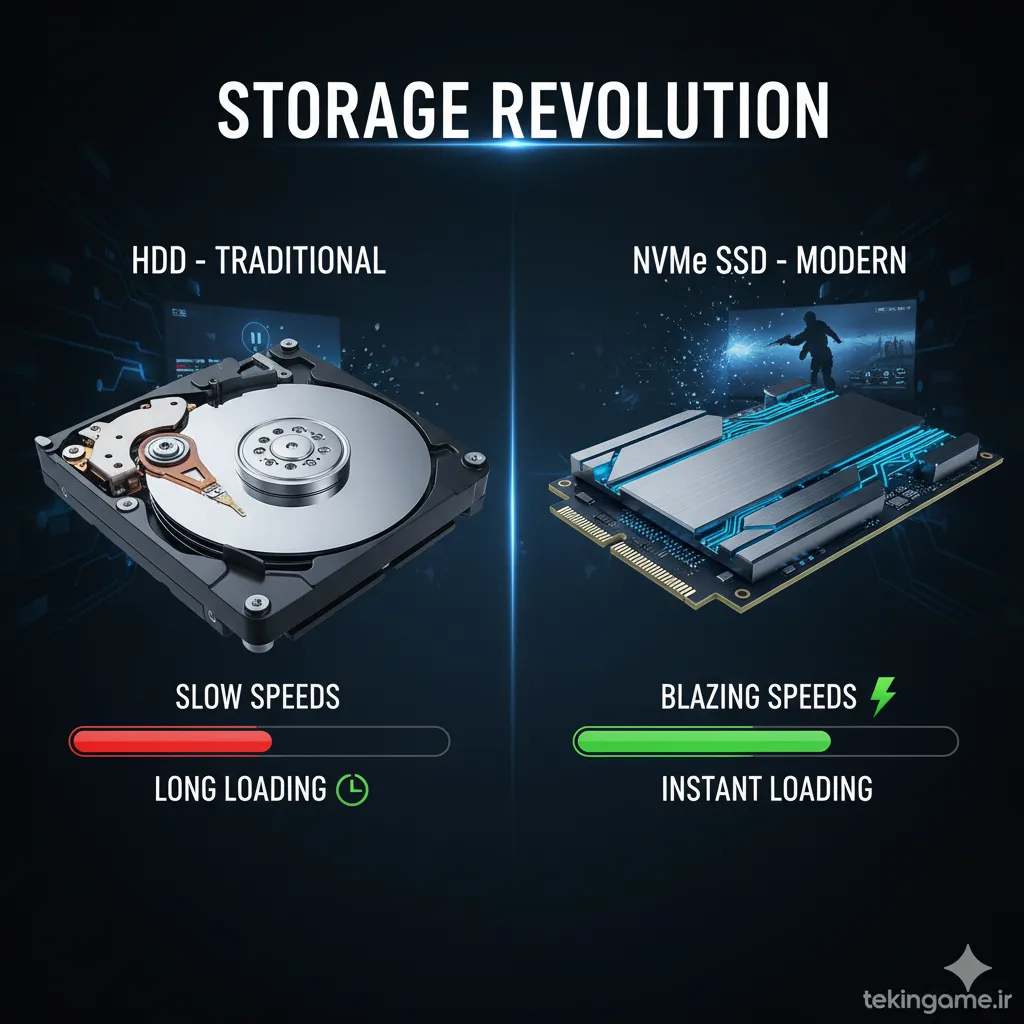
Mechanical hard drives rely on intricate moving parts, including magnetic platters spinning at thousands of RPMs alongside physical read-write heads. This decades-old design inherently introduces strict physical bottlenecks regarding latency and seek time. In stark contrast, SSDs utilize NAND flash memory with zero moving parts.
NVMe SSDs connect directly to the PCIe bus, bypassing legacy SATA limitations to unlock mind-boggling throughput. This fundamental divergence in engineering directly dictates performance profiles, physical durability, thermal output, and market pricing. Grasping these differences empowers gamers to build optimized rigs.
Speed Supremacy: Where SSDs Truly Shine
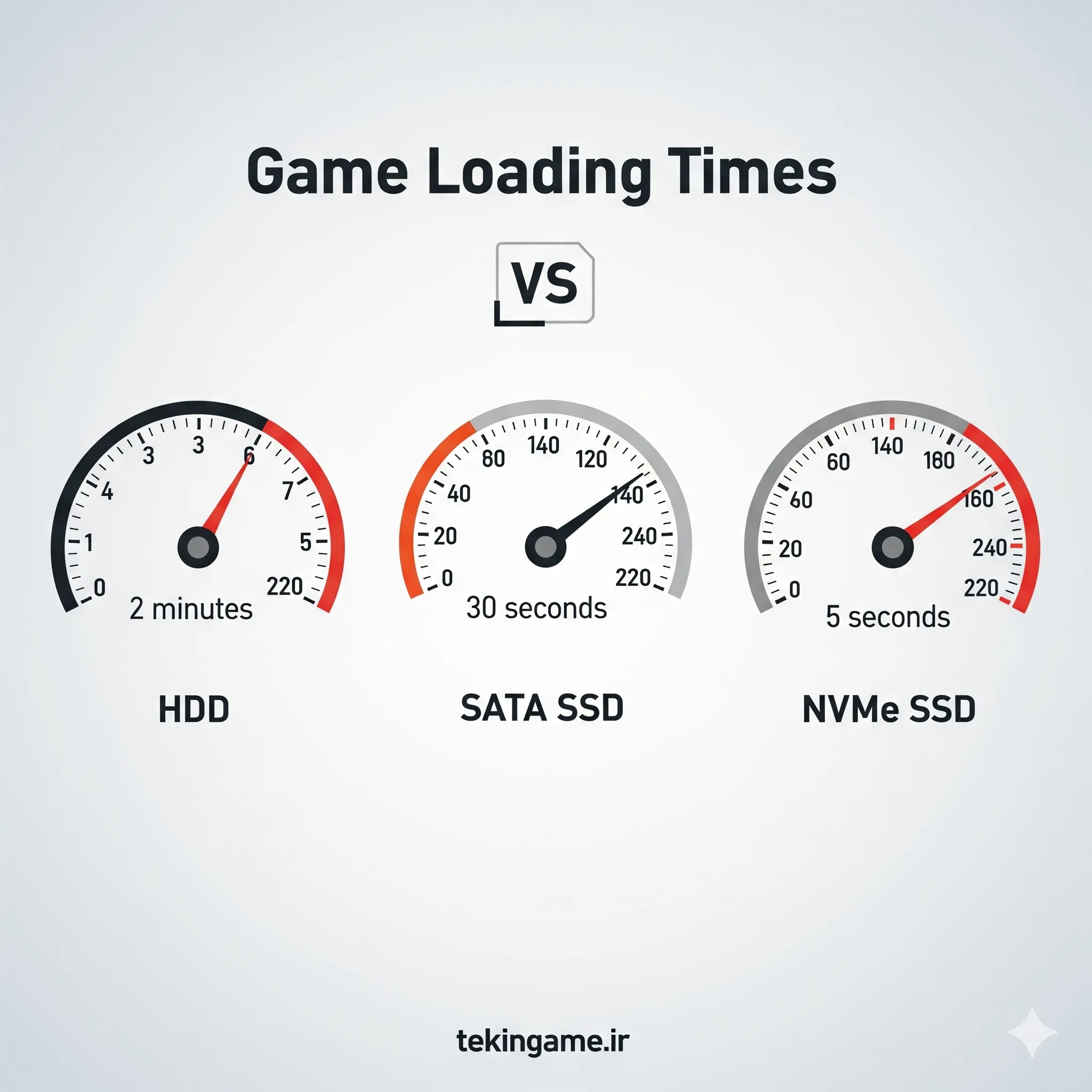
The single most apparent advantage of solid-state drives lies in raw data transfer speeds. Standard HDDs max out around 100 to 160 MB/s, whereas basic SATA SSDs achieve roughly 550 MB/s. Modern NVMe drives, however, easily shatter past 7,000 MB/s—operating up to seventy times faster than legacy disks.
This astronomical performance gap translates directly into near-instantaneous load times and seamless transitions across massive digital worlds. Games engineered around high-speed streaming demonstrate how responsive storage fundamentally elevates interactive entertainment.
Beyond Load Times: Transforming Game Design
The impact of SSD integration extends far beyond eliminating waiting screens in modern software titles. Open-world games leverage high-speed storage for real-time asset streaming, loading distant terrain and high-resolution textures dynamically in the background without stutter.
This capability allows developers to pack virtual environments with unprecedented graphical fidelity and denser object counts. Titles utilizing advanced streaming architectures prove that rapid storage is a core pillar of modern game engine design.
Price and Capacity: The Last Bastion of HDDs
Despite clear performance victories, traditional hard drives retain distinct advantages in two critical areas: cost and raw capacity. A high-capacity 2TB mechanical drive remains remarkably inexpensive, whereas a solid-state drive of identical size commands a much higher market premium.
Gamers maintaining massive digital libraries often utilize a hybrid approach. They pair blazing-fast NVMe drives for active titles with high-capacity HDDs reserved exclusively for long-term media archiving and backup purposes.
Durability and Reliability: Assessing Longevity
Durability metrics reveal distinct trade-offs between both storage philosophies. Mechanical hard drives feature delicate moving components vulnerable to physical shocks, vibrations, and mechanical wear over extended operational lifespans.
Solid-state drives, lacking moving parts, offer superior resistance to physical drops and motion shocks. However, flash memory features finite write endurance cycles, meaning heavy enterprise workloads can theoretically wear down cells over many years.
Technical Specifications & Performance Breakdown
| Dimension | Status | Assessment |
|---|---|---|
| Engine Architecture | DirectX 12 / Vulkan Optimized | High-FPS stability across desktop and portable hardware |
| Spatial Audio | Multi-channel 3D Directional | Accurate positioning vital for tactical awareness |
| Player Capacity | Co-Op / Multi-Squad Ready | Optimized network replication and synchronization |
📚 Classified & Related Dossiers in TekinGame
If you wish to explore beyond this report and delve into cybernetic frontiers and autonomous AI architectures, do not miss these three exclusive deep-dives in the Tekin Garage:
- Massively reduced loading times
- Enables real-time asset streaming
- No moving parts, highly durable
- Compact form factors for modern builds
- Higher cost per gigabyte
- Write cycles have finite limits
- High-end PCIe 5.0 drives require robust cooling
Final Verdict & Official Sources
Frequently Asked Questions
Are HDDs completely dead for gaming?
Not entirely. While they are terrible for modern games that require fast asset streaming, HDDs remain viable for storing older indie titles, emulators, and media archives.
Do SSDs improve frame rates?
SSDs generally do not increase average frame rates, but they drastically minimize stuttering caused by slow asset streaming in open-world games.
What is the ideal storage size for a gaming PC today?
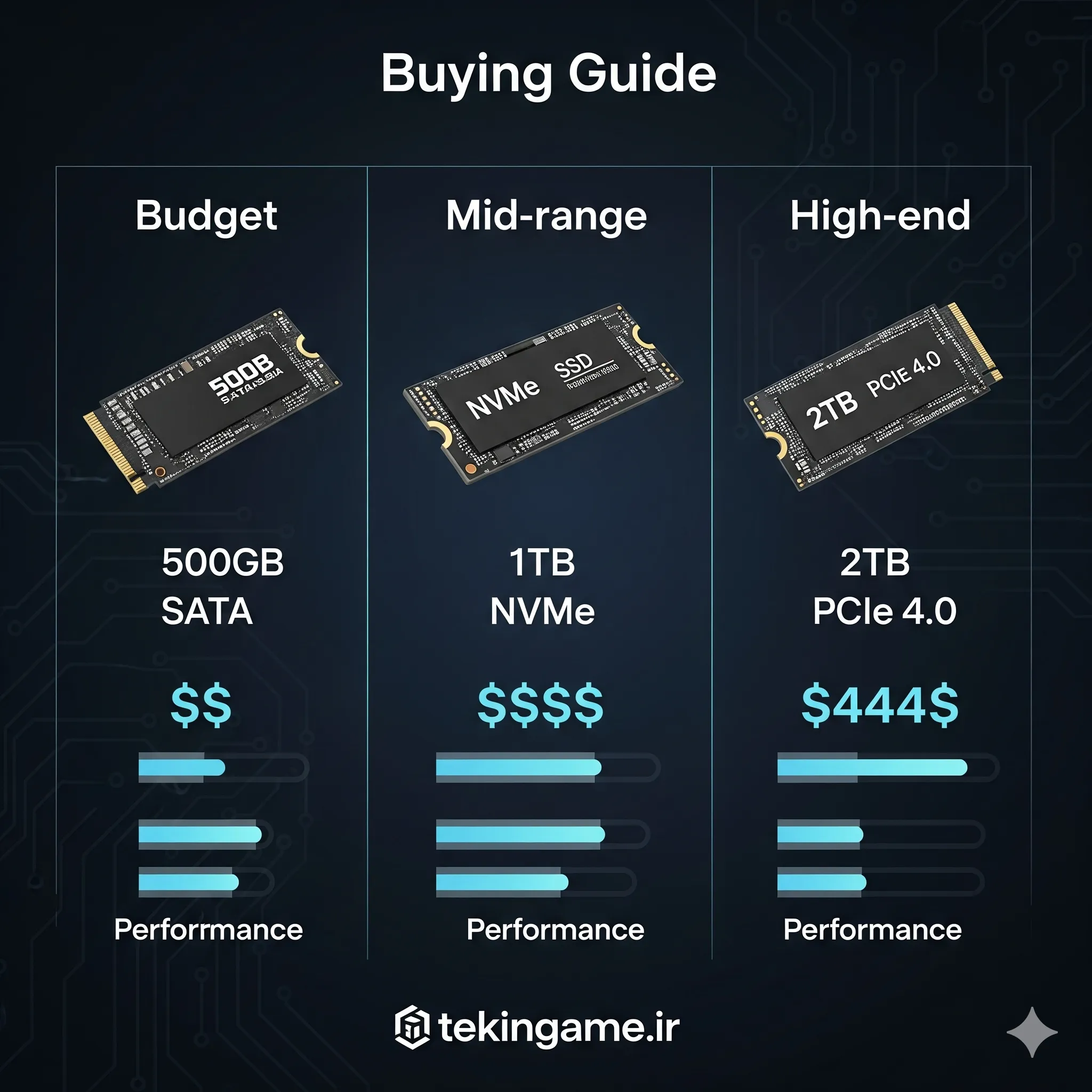
A 1TB to 2TB NVMe SSD serves as the current sweet spot, accommodating the operating system alongside multiple massive modern game installations.
Frequently Asked Questions
Is this release optimized for modern hardware?
Yes, built on modern scalable rendering pipelines with low hardware entry barriers.
Does it support full cross-platform cooperative play?
Yes, seamless squad matchmaking is fully supported.
