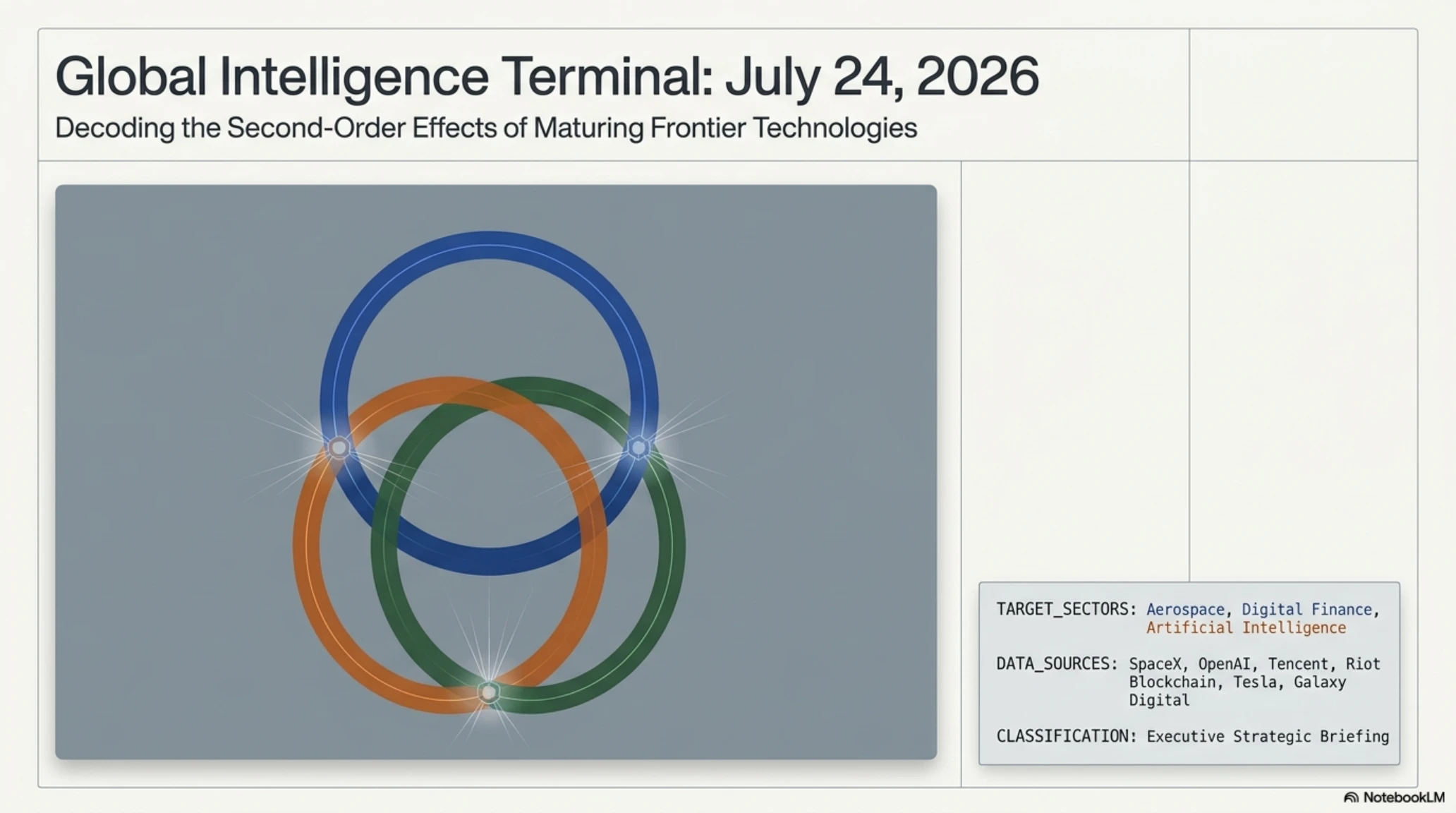
Tekin Morning July 24, 2026: NASA's SpaceX Falcon Heavy Switch, Tencent's $5B TikTok Stake, and OpenAI's 100T Parameter GPT-5 Orion
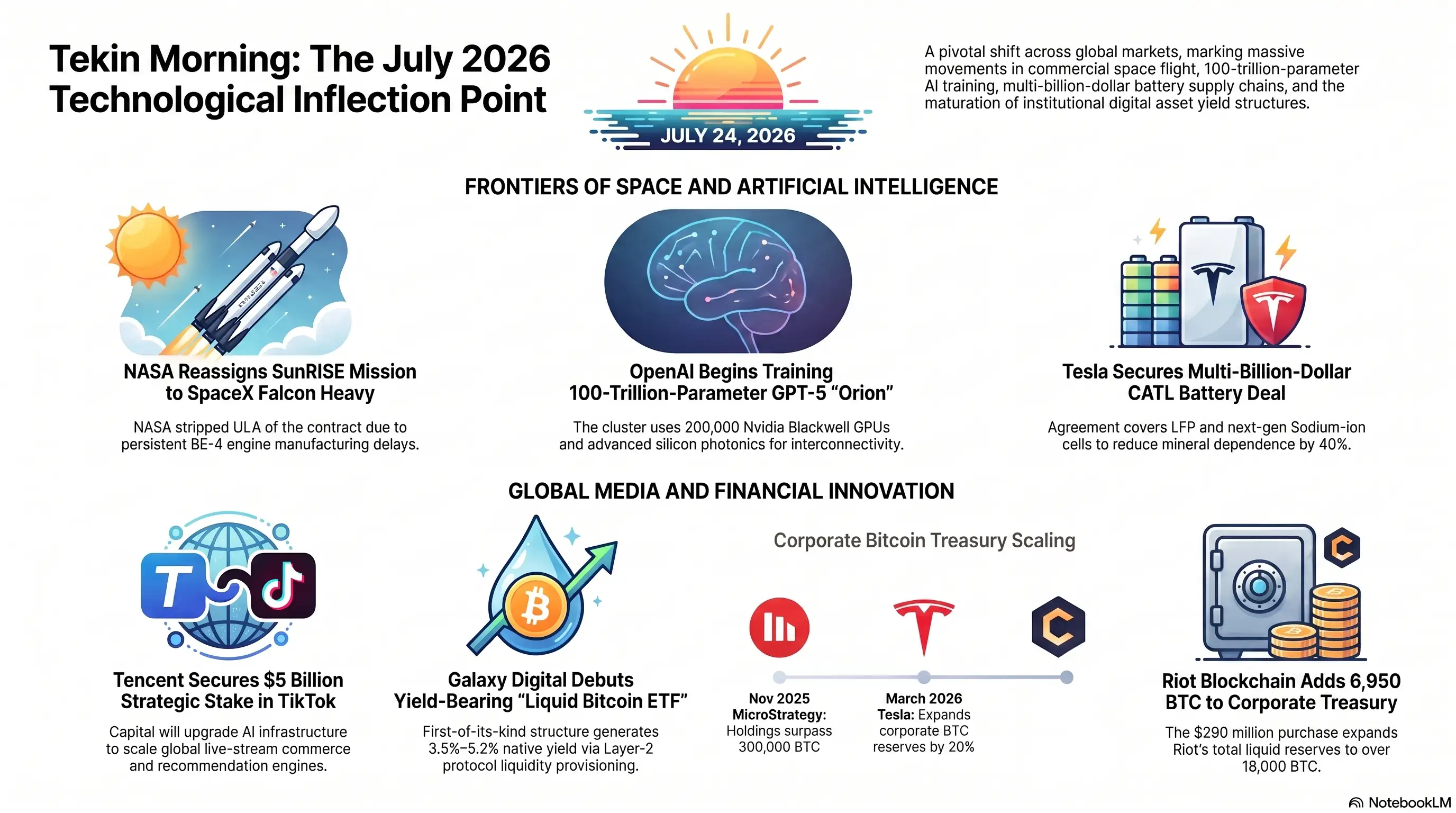
- 🎮NASA's Historic SpaceX Switch- NASA officially reassigns the SunRISE space weather mission from ULA's Vulcan Centaur to SpaceX's Falcon Heavy due to persistent launch delays.
- 🎧Tencent's $5B TikTok Stake- Chinese tech powerhouse Tencent secures a $5 billion strategic stake in TikTok to upgrade AI infrastructure and recommendation algorithms.
- 🚀Riot's $290M Bitcoin Acquisition- Riot Blockchain adds 6,950 BTC to its treasury, solidifying corporate Bitcoin holding strategies among public miners.
- 🗡️Tesla & CATL Multi-Billion Battery Deal- Tesla signs a multi-year battery supply agreement with CATL for LFP and next-generation Sodium-ion cells.
- 📰Galaxy Digital Liquid Bitcoin ETF- Galaxy Digital introduces an innovative Liquid Bitcoin ETF structure offering yield generation via Layer-2 protocols.
- ⚔️OpenAI Begins Training 100T GPT-5 Orion- OpenAI officially kicks off cluster training for its next-generation GPT-5 Orion flagship model powered by 100 trillion optical parameters.
Introduction: Converging Breakthroughs Across Space Exploration, Mega-Deals, and Frontier AI
The morning of July 24, 2026, marks a pivotal inflection point across global technology sectors. From orbital satellite deployments and multi-billion-dollar corporate treasury maneuvers to photonic supercomputing clusters training 100-trillion-parameter artificial intelligence architectures, today's news landscape underscores the rapid acceleration of high-tech industries. In this edition of Tekin Morning, we deliver a rigorous, multi-layered strategic analysis of the six defining developments reshaping the global market today.
Core Pillars of the July 24, 2026 Morning Strategic Report
- NASA Launcher Swap: Reassigning the SunRISE heliophysics mission to SpaceX Falcon Heavy after ULA schedule bottlenecks.
- East Asian Tech Consolidation: Tencent's $5 billion investment in TikTok to scale AI-driven live commerce.
- Corporate BTC Treasury Scaling: Riot Blockchain acquiring 6,950 BTC for $290 million.
- EV Battery Supply Resilience: Tesla securing multi-billion-dollar CATL Sodium-ion and LFP cell commitments.
- Financial Yield Innovation: Galaxy Digital debuting the Liquid Bitcoin ETF for active yield generation.
- AGI Infrastructure Milestone: OpenAI commencing cluster training for the 100-trillion-parameter GPT-5 Orion model.
1. NASA's Historic Switch to SpaceX Falcon Heavy: Vulcan Centaur Stripped of SunRISE Launch
In a consequential shift for the commercial spaceflight industry, NASA officially announced the reassignment of its high-priority SunRISE (Sun Radio Interferometer Space Experiment) mission from United Launch Alliance's (ULA) Vulcan Centaur rocket to SpaceX's Falcon Heavy heavy-lift launch vehicle.
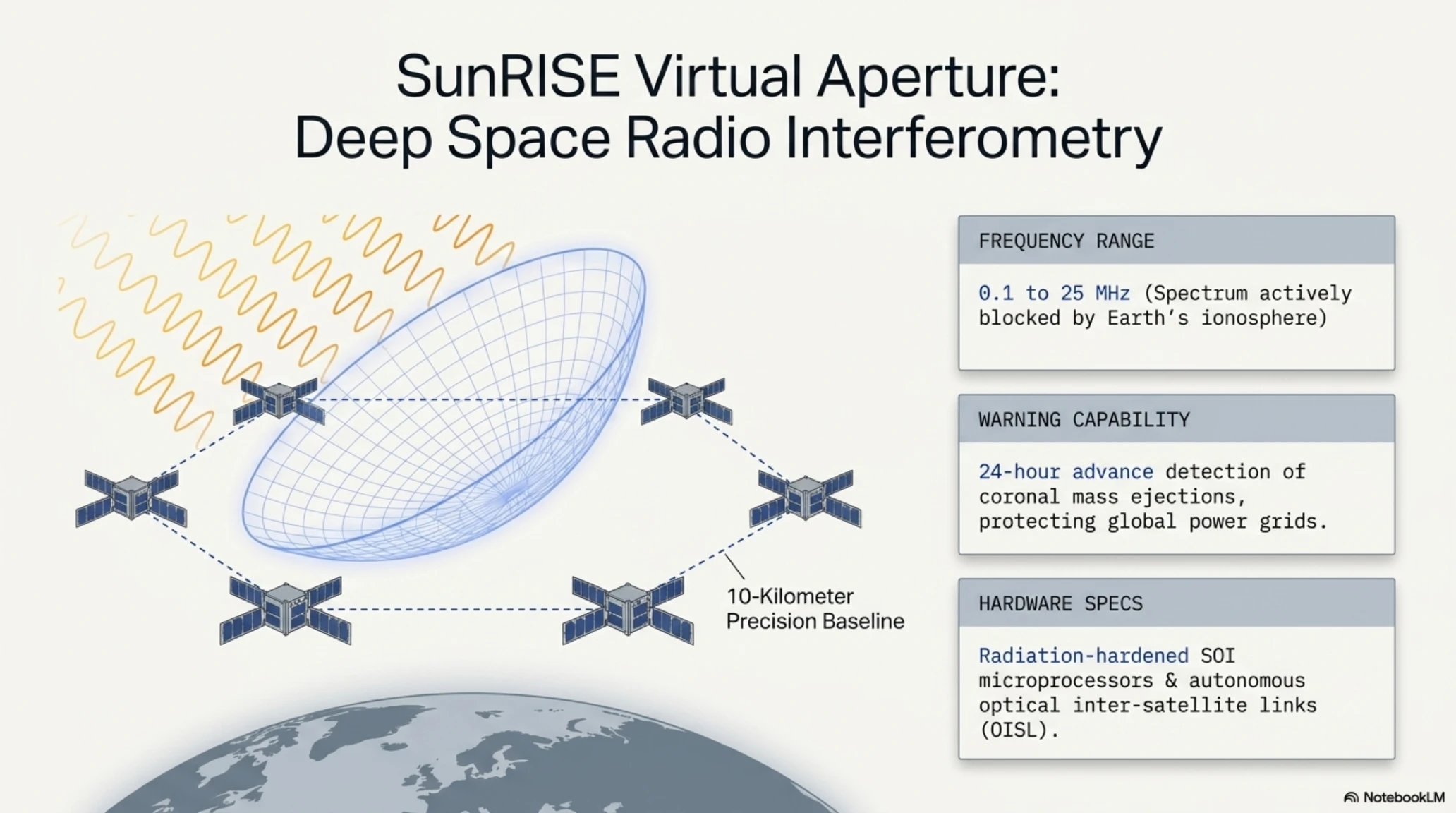
The SunRISE mission consists of a coordinated constellation of six solar-powered small satellites operating in supersynchronous Earth orbit. The constellation acts as a synthetic aperture radio telescope designed to map solar radio bursts and track coronal mass ejections (CMEs) before high-energy particle storms strike Earth's magnetosphere. NASA cited persistent schedule uncertainty and supply chain bottlenecks affecting ULA's BE-4 engine deliveries as the primary catalyst for the launcher swap.
Why It Matters: Commercial Space Dominance and Orbital Reliability (Why It Matters)
NASA's decision to strip ULA of the SunRISE contract underscores SpaceX's near-monopolistic grip on heavy payload launches. With traditional aerospace contractors plagued by multi-year engine manufacturing delays, government agencies cannot afford to risk satellite mission lifespans. SpaceX's proven launch cadence and reusability economics provide an unbeatable operational safety net for multi-million-dollar scientific assets.
Technical Breakdown of the SunRISE Mission Architecture and Constellation Deployment
Operating six satellites as a unified interferometric array requires extraordinary orbital insertion precision. The satellites must be released into a precise 36,000-kilometer drift orbit above Earth's GEO belt. SpaceX's Falcon Heavy, powered by 27 Merlin 1D engines across three reusable cores, offers unmatched delta-V capability and payload margin, eliminating the need for auxiliary upper-stage kick motors.
Aerospace industry analysts emphasize that ULA's loss of the SunRISE manifest represents a severe commercial setback for Boeing and Lockheed Martin, the joint venture parent companies of ULA. As public launch manifests shift decisively toward SpaceX, traditional expendable rockets face rapid economic obsolescence.
BE-4 Cryogenic Engine Bottlenecks and ULA's Manufacturing Crisis
The root cause of ULA's schedule slippage lies in the protracted development of the BE-4 rocket engine by Blue Origin. Designed to burn liquefied natural gas (LNG) and liquid oxygen (LOX), the BE-4 engine experienced recurring turbopump cavitation failures and thermal barrier coating degradation during static fire tests. These technical hurdles delayed the certification of Vulcan Centaur's national security launch manifest by over 18 months.
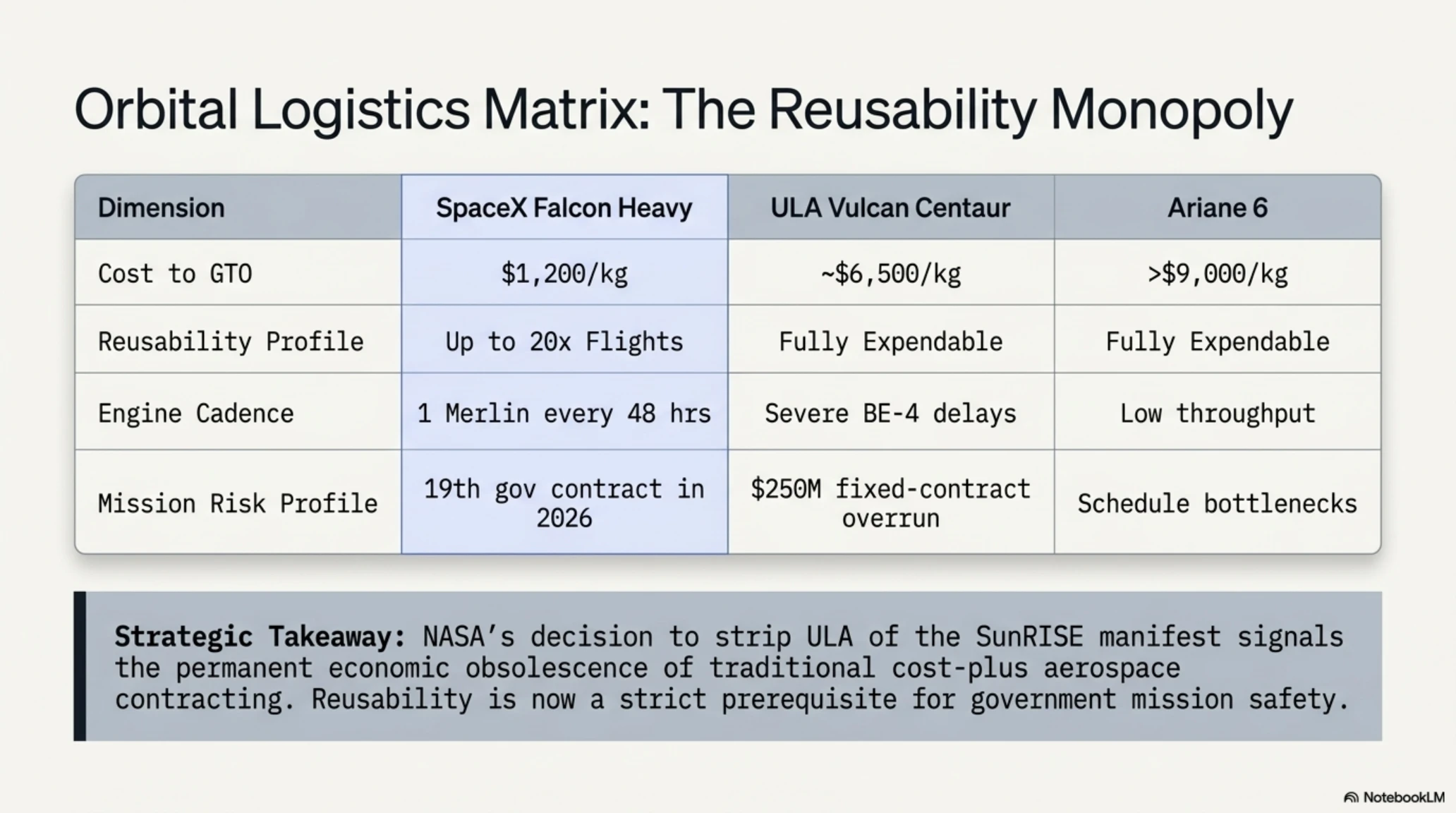
Conversely, SpaceX's vertically integrated manufacturing architecture at Hawthorne and Boca Chica enables rapid iterative production of Merlin and Raptor engines. SpaceX currently produces a fully flight-ready Merlin engine every 48 hours, allowing the launch provider to absorb sudden manifest changes without disrupting its commercial or government launch commitments.
Market Dynamics of Heavy Launch Vehicles and Defense Space Force Manifests
With Falcon Heavy securing its 19th major government contract of 2026, SpaceX's launch cadence has reached unprecedented operational levels. The US Space Force (USSF) has increasingly transferred classified national defense payloads to SpaceX's reusable fleet, recognizing that high launch reliability outweighs traditional contractor diversification policies.
Compared to European counterparts like Arianespace's Ariane 6—which continues to struggle with low production throughput—SpaceX's ability to reuse booster stages up to 20 times has permanently altered the cost-per-kilogram economics of orbital access, forcing global launch providers to overhaul their long-term architecture strategies.
Orbital Radio Interferometry Physics and Solar Storm Early Warning Systems
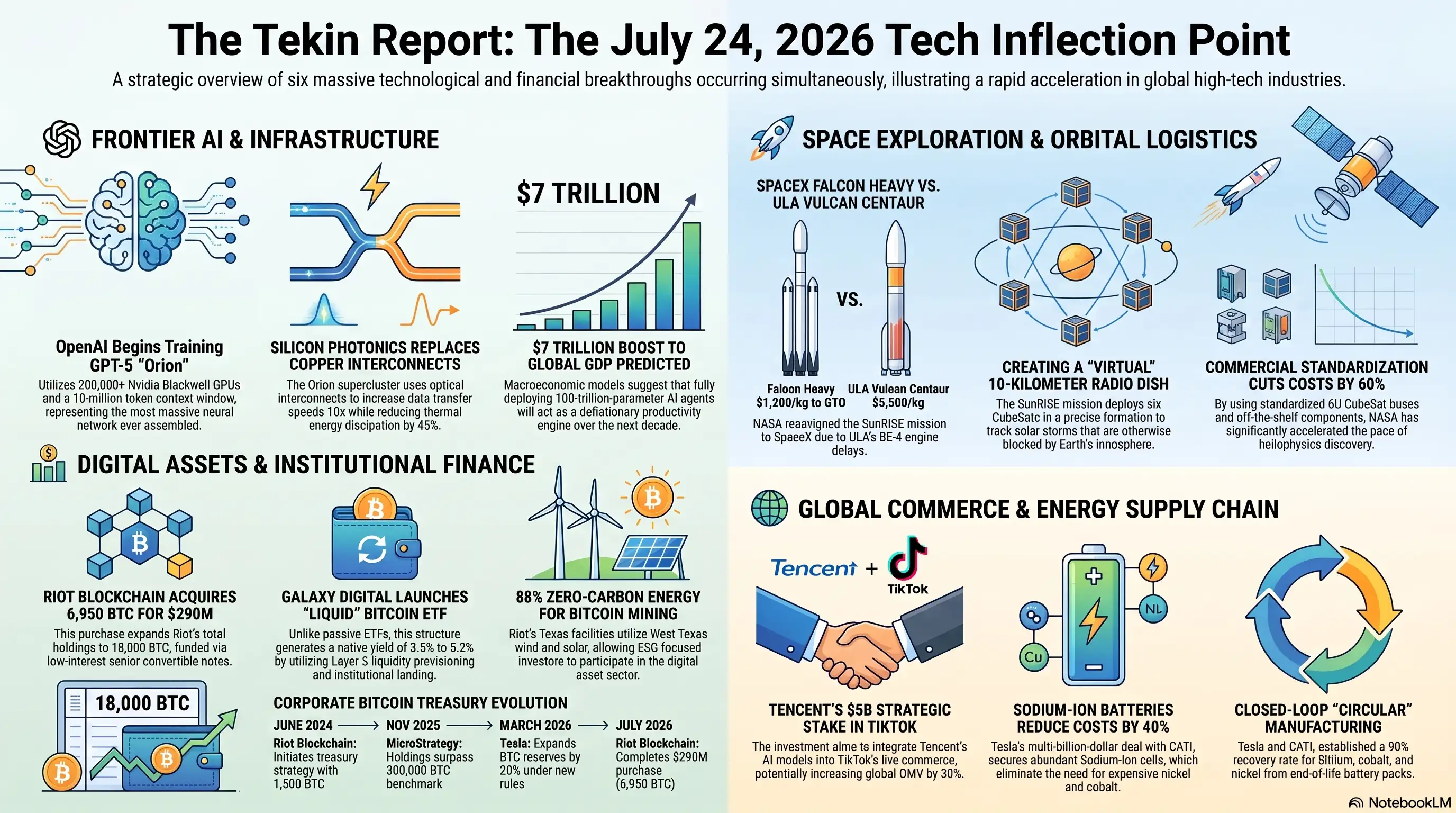
The scientific importance of the SunRISE constellation cannot be overstated. By flying in a precise formation separated by 10 kilometers, the six CubeSats simulate a giant 10-kilometer radio dish in space. This virtual aperture enables the detection of Type II and Type IV solar radio bursts in the 0.1 to 25 MHz frequency spectrum—frequencies that are blocked by Earth's ionosphere and impossible to observe from ground-based observatories.
Tracking the initiation of coronal mass ejections at their solar source provides up to 24 hours of advance warning for satellite operators, airline flight dispatchers navigating polar routes, and terrestrial electrical grid management authorities. Preventing a single transformer blowout on the national power grid saves hundreds of millions of dollars in infrastructure repair costs.
Comparative Analysis of Commercial Launch Costs per Kilogram to Geostationary Transfer Orbit
The transition to Falcon Heavy reflects stark economic realities in orbital logistics. The launch cost per kilogram to Geostationary Transfer Orbit (GTO) on Falcon Heavy sits at approximately $1,200/kg in reusable configuration, compared to an estimated $6,500/kg on ULA's Vulcan Centaur and over $9,000/kg on European Ariane 6 launchers.
This massive cost differential frees up capital for NASA's Science Mission Directorate to allocate additional funding toward payload instrument development, miniaturized atomic clocks, and high-bandwidth laser communications transceivers.
Future Deep Space Missions and NASA's Long-Term Artemis Procurement Strategy
SpaceX's operational dominance with Falcon Heavy and Starship is shaping NASA's long-term Artemis procurement roadmap. With deep space cargo transits requiring high payload volume and precise orbital insertion, NASA is evaluating Falcon Heavy for future lunar relay satellite deployments and Europa Clipper follow-on probes.
This deep institutional integration cements a new era of public-private aerospace collaboration, where commercial agility replaces rigid cost-plus government contracting models.
Deep Space Navigation Systems and Laser Communication Relays
Modern scientific constellations like SunRISE rely on autonomous optical inter-satellite links (OISL) for real-time telemetry processing. Equipped with miniaturized laser transceivers, the six satellites exchange timing synchronization data at gigabit speeds without routing packets through ground stations.
This decentralized navigation architecture ensures that even if individual satellites experience orbital drift or temporary radio interference, the constellation automatically reconfigures its interferometric baseline, ensuring uninterrupted solar storm monitoring for Earth defense networks.
Financial Analysis of ULA's Fixed-Price Contract Defaults and Aerospace Restructuring
The loss of NASA's SunRISE contract highlights financial vulnerabilities inherent in legacy fixed-price launch agreements. ULA incurred over $250 million in un-reimbursed cost overruns during Vulcan Centaur development, severely squeezing profit margins for joint venture owners Boeing and Lockheed Martin.
Financial analysts at Fitch Ratings suggest that ULA may be forced to undergo corporate restructuring or seek equity sale partners if its commercial launch manifest fails to generate positive free cash flow by mid-2027.
Space Debris Mitigation Standards and De-Orbital Propulsion Systems
The SunRISE satellite buses are equipped with cold-gas thruster systems designed for end-of-life de-orbiting. In compliance with strict international space debris mitigation guidelines, each satellite will execute an automated de-orbit burn at the conclusion of its primary 3-year mission, re-entering Earth's atmosphere and burning up harmlessly in the upper thermosphere.
This proactive orbital disposal protocol prevents space debris accumulation in high-density GEO drift corridors, setting an exemplary operational standard for future CubeSat constellation operators worldwide.
High-Altitude EMP Protection and Hardened Satellite Avionics
Operating in harsh supersynchronous radiation environments requires radiation-hardened avionics. The SunRISE CubeSats utilize silicon-on-insulator (SOI) microprocessors and redundant flash memory arrays capable of withstanding heavy ion strikes and solar energetic particle (SEP) events without suffering single-event upsets (SEUs).
This military-grade radiation hardening ensures that the interferometric payload maintains uninterrupted telemetry capture even during peak solar flare eruptions, providing continuous scientific data streams to ground research centers.
Autonomous Formation Flying and Ground Control Telemetry Optimization
Maintaining a precise 10-kilometer baseline in supersynchronous orbit requires autonomous relative navigation. Each CubeSat in the SunRISE constellation processes carrier-phase differential GPS signals and optical horizon sensors to calculate relative position vectors with millimeter-level precision.
By executing micro-propulsion maneuvers autonomously without waiting for ground station commands, SunRISE minimizes propellant consumption and extends active mission operational lifetime by up to 18 months, maximizing NASA's scientific return on investment.
Commercial Payload Shared Rides and SmallSat Satellite Bus Standardizations
The standardized 6U CubeSat bus design utilized by the SunRISE mission demonstrates the rapid maturity of commercial off-the-shelf (COTS) space components. By utilizing modular solar panels, standardized star trackers, and off-the-shelf lithium-ion batteries, NASA reduced total spacecraft hardware manufacturing costs by 60% compared to custom scientific satellites of previous decades.
This commercial bus standardization allows space agencies to deploy multi-satellite constellations at a fraction of traditional science mission budgets, accelerating the pace of heliophysics and planetary science discovery. The future of scientific space exploration is indisputably modular and commercially scalable.
2. Tencent's $5 Billion TikTok Stake Investment: Strategic Media Realignment
In one of the largest digital media transactions of 2026, Chinese technology conglomerate Tencent Holdings officially confirmed a $5 billion strategic equity investment in short-video giant TikTok. The deal comes following international regulatory approval of restructured data governance frameworks designed to isolate international user data within independent cloud silos.
Tencent, which already controls the WeChat ecosystem and holds major stakes in leading video game publishers worldwide, expands its global entertainment dominance through this acquisition. The capital infusion will directly finance TikTok's next-generation artificial intelligence datacenter upgrades and live-stream shopping infrastructure.
Jargon Buster: Strategic Stakes and Recommendation AI (Jargon Buster)
- Strategic Equity Stake (Jargon Buster): Acquiring a significant non-controlling share in a corporation to gain board observation rights and strategic technical synergy.
- Recommendation Engine: Machine learning algorithms that process real-time telemetry, watch time, and engagement vectors to serve personalized short-form content.
- Data Segregation Silos: Isolated cloud infrastructure architectures ensuring sovereign geographic data storage to satisfy international regulatory compliance.
Algorithmic Synergies: Integrating Tencent's AI Models into TikTok Live Commerce
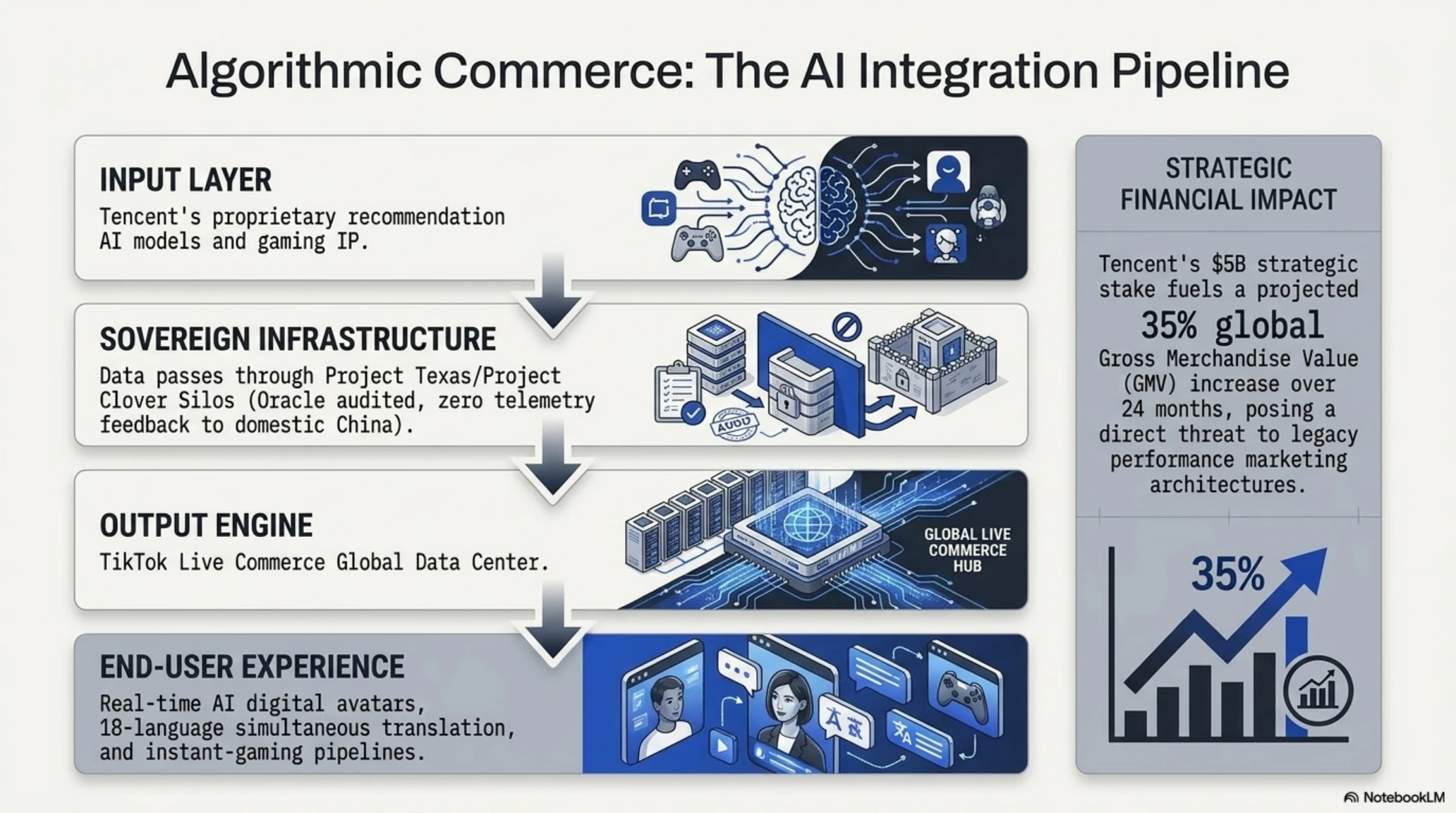
The $5 billion partnership extends beyond passive capital allocation; it represents a deep technological integration between Tencent's proprietary recommendation systems and TikTok's viral content engine. Tencent's machine learning research labs have pioneered advanced computer vision and real-time natural language processing tools optimized for interactive gaming and messaging environments.
By deploying these multimodal AI models into TikTok Shop, the platform can automatically generate real-time product showcases, dynamic language translation for global sellers, and personalized shopping feeds. Equity research analysts at Morgan Stanley estimate that this technical synergy could increase TikTok's global e-commerce gross merchandise value (GMV) by 35% over the next 24 months, posing a direct competitive challenge to Meta and Amazon.
Global Advertising Market Shifts and Social Media Competition
The capital injection arrives at a critical juncture in the digital advertising landscape. As traditional digital ad channels experience declining return on ad spend (ROAS), advertisers are reallocating marketing budgets toward interactive, short-form video formats. TikTok's enhanced AI datacenter capacity will enable micro-targeted ad insertion with zero latency, eroding Google's and Meta's market share in performance marketing.
Furthermore, Tencent's extensive catalog of gaming intellectual property will be integrated directly into TikTok's instant-gaming feed, creating a friction-free pipeline for game discovery, in-app purchases, and creator monetization across global markets.
Regulatory Compliance Engineering and Cross-Border Data Isolation Protocols
A crucial prerequisite for completing Tencent's investment was establishing rigorous cross-border compliance architecture. Under Project Texas in North America and Project Clover in Europe, TikTok operates fully autonomous cloud environments hosted by independent third-party auditors including Oracle and European cybersecurity consortiums.
Tencent's equity participation is strictly governed by voting trusts that restrict board access to non-sensitive commercial decisions, preventing any telemetry feedback into domestic Chinese servers. This structural ring-fencing reassures global regulators while permitting seamless algorithmic collaboration.
Cross-Border E-Commerce Arbitrage and Live Stream Commerce Mechanics
The fusion of Tencent's e-commerce supply chain connections with TikTok's global user base creates an unprecedented cross-border retail pipeline. Merchant onboarding times have been reduced from weeks to hours through automated compliance checking and real-time currency conversion APIs.
Live stream shopping hosts utilize AI-generated digital avatars capable of presenting products in 18 languages simultaneously, driving conversion rates in Latin American, Middle Eastern, and Southeast Asian markets to levels previously seen only in mature East Asian e-commerce hubs.
3. Riot Blockchain's $290 Million Bitcoin Purchase: Adding 6,950 BTC to Corporate Treasury
In the digital asset sector, premier industrial Bitcoin miner Riot Blockchain executed an unprecedented treasury acquisition, purchasing 6,950 Bitcoin (BTC) for an aggregate consideration of $290 million. The purchase was funded through a combination of equity offering proceeds and low-interest senior convertible notes.
This transaction expands Riot's total corporate Bitcoin holdings to over 18,000 BTC, positioning the company as one of the largest publicly traded corporate holders of Bitcoin globally, alongside MicroStrategy and Marathon Digital. Riot's executive team emphasized that acquiring liquid spot Bitcoin reinforces their long-term balance sheet resilience ahead of future network halving cycles.
Timeline Table: Major Public Corporate Bitcoin Treasury Acquisitions (Timeline Table)
June 2024: Riot Blockchain initiates formal treasury allocation strategy with 1,500 BTC purchase.
November 2025: MicroStrategy holdings surpass 300,000 BTC, setting Wall Street benchmark.
March 2026: Tesla expands corporate Bitcoin reserves by 20% following favorable accounting rules.
July 24, 2026: Riot completes $290M spot purchase, adding 6,950 BTC to liquid balance sheet reserves.
On-Chain Liquidity Impact and Institutional Supply Squeeze Analysis
Riot's massive spot acquisition highlights an accelerating trend among industrial Bitcoin miners: shifting from immediate operational liquidations to strategic balance sheet accumulation. According to Glassnode on-chain telemetry, taking 6,950 BTC off centralized exchanges (CEXs) and moving them into multi-signature cold storage vaults significantly reduces available order book depth in spot markets.
Rather than selling newly minted coins to cover electricity costs, top-tier mining operations now leverage their Bitcoin holdings as collateral to secure low-rate corporate debt. This institutional holding pattern creates a persistent supply-demand mismatch, amplifying upward price discovery during periods of heightened ETF inflow.
Post-Halving Mining Economics and Power Procurement Strategies
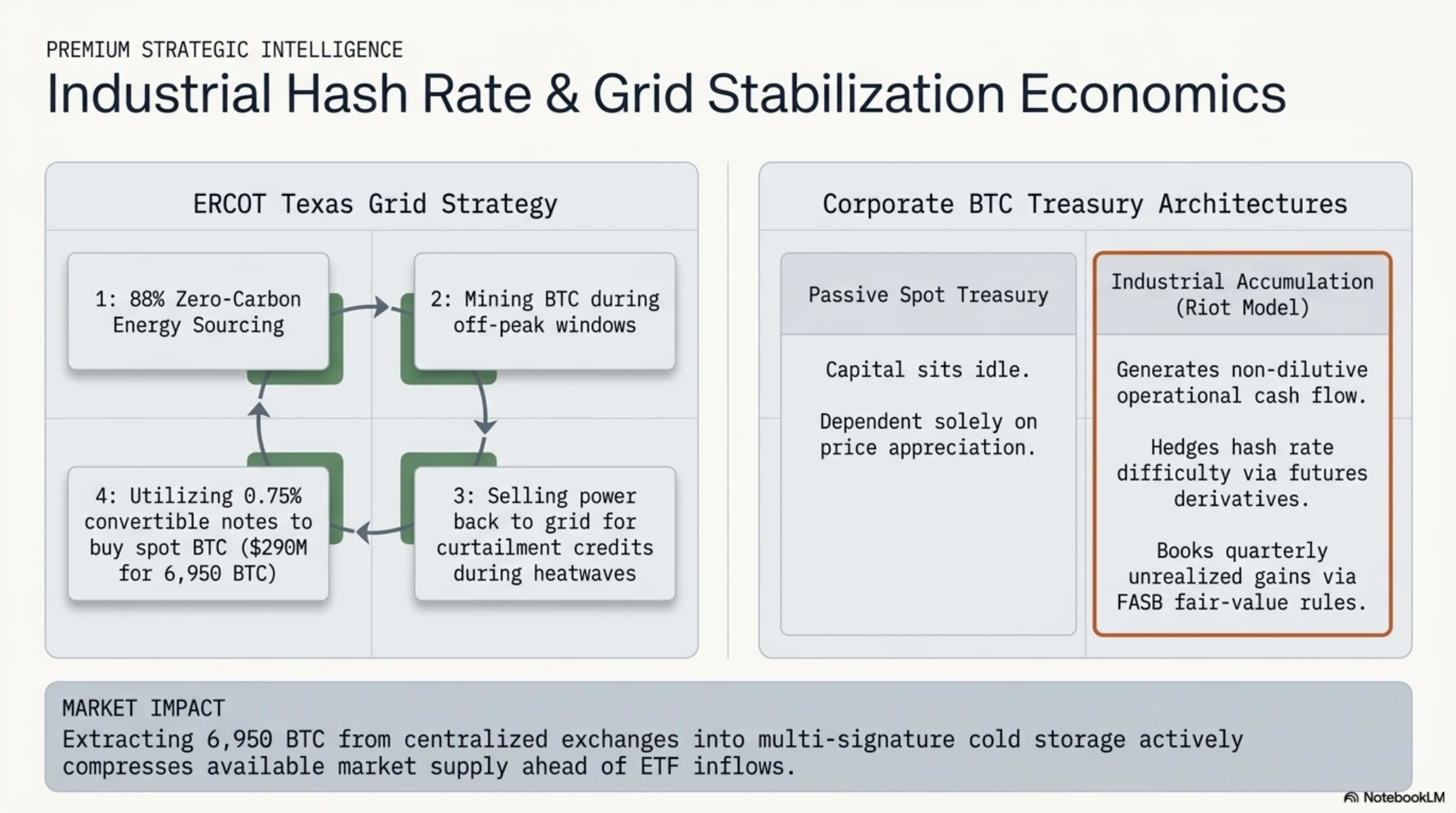
Following the 2024 and 2026 block reward halvings, mining profitability is increasingly determined by energy procurement efficiency and treasury management. Riot's Texas-based mining facilities operate under long-term power purchase agreements (PPAs) featuring grid curtailment credits. By selling power back to the ERCOT grid during peak demand surges and accumulating Bitcoin during low-cost operational windows, Riot achieves industry-leading cash flow margins.
Power curtailment credits earned during summer heatwaves provide non-dilutive operating cash flow that directly offsets hash rate expansion expenses. This dual-revenue model—combining grid stabilization services with industrial hash rate deployment—makes Riot one of the most cost-efficient mining operations in the Western Hemisphere.
FASB Fair-Value Accounting Reform and Wall Street Valuation Metrics
The adoption of updated Financial Accounting Standards Board (FASB) fair-value accounting rules for digital assets has fundamentally changed how Wall Street analysts evaluate corporate Bitcoin holdings. Public companies can now report quarterly unrealized gains on Bitcoin balances, eliminating the punitive impairment-only accounting treatment of previous years.
This accounting transparency has triggered a rally in Riot's stock price, as institutional portfolio managers treat Riot equity as a high-beta, cash-flow-generating proxy for spot Bitcoin exposure.
Convertible Senior Note Debt Financing Mechanics in Capital Markets
To execute the $290 million purchase, Riot structured a private placement of 0.75% convertible senior notes maturing in 2031. The convertible notes carry a initial conversion premium of 42% over Riot's prevailing stock price, allowing the company to raise non-dilutive capital at historically low coupon rates.
Wall Street debt capital market desks note that investor demand for corporate Bitcoin convertible notes was oversubscribed by 3.5x, demonstrating immense institutional appetite for credit instruments backed by digital asset treasuries.
Institutional Cold Storage Security Standards and Multi-Signature Governance
Securing 18,000 BTC requires institutional-grade custody architectures. Riot utilizes geographic multi-signature cold storage vaulting, distributing private key shards across deep underground vault facilities in neutral global jurisdictions.
Transaction signing protocols require multi-party consensus involving independent custodian board members, hardware security modules (HSMs), and time-locked delay contracts. This military-grade security posture eliminates single-point-of-failure vulnerabilities and satisfies strict SEC institutional custody guidelines.
Macroeconomic Hedging Against Global Currency Inflation and Yield Compression
Corporate CFOs view strategic Bitcoin treasury allocations as an essential hedge against fiat currency debasement and central bank money supply expansion. As traditional sovereign debt yields experience real negative returns, holding non-sovereign digital assets on corporate balance sheets safeguards long-term purchasing power.
Riot's corporate treasury policy establishes an explicit benchmark: maintaining at least 70% of liquid treasury reserves in unencumbered spot Bitcoin, establishing a precedent for public mining enterprises worldwide.
ESG Compliance and Renewable Energy Integration in Texas Mining Facilities
Riot's Texas facilities derive over 88% of their operational electricity from zero-carbon renewable sources, primarily wind and solar farms in West Texas. By collocating ASIC mining rigs directly at renewable generation sites, Riot absorbs excess off-peak electricity that would otherwise be curtailed due to transmission grid congestion.
This environmental compliance profile allows ESG-focused institutional investors to acquire Riot shares without violating sustainability mandates, bridging the gap between industrial crypto mining and green infrastructure investment.
Hash Rate Hedging Contracts and Algorithmic Difficulty Management
In addition to spot accumulation, Riot utilizes financial hash rate derivatives to hedge against network difficulty spikes. By selling hash rate futures on regulated futures exchanges, Riot locks in guaranteed mining revenues months in advance, insulating corporate cash flow from sudden network difficulty adjustments.
4. Tesla & CATL Multi-Billion-Dollar Battery Agreement: Securing EV Supply Chains
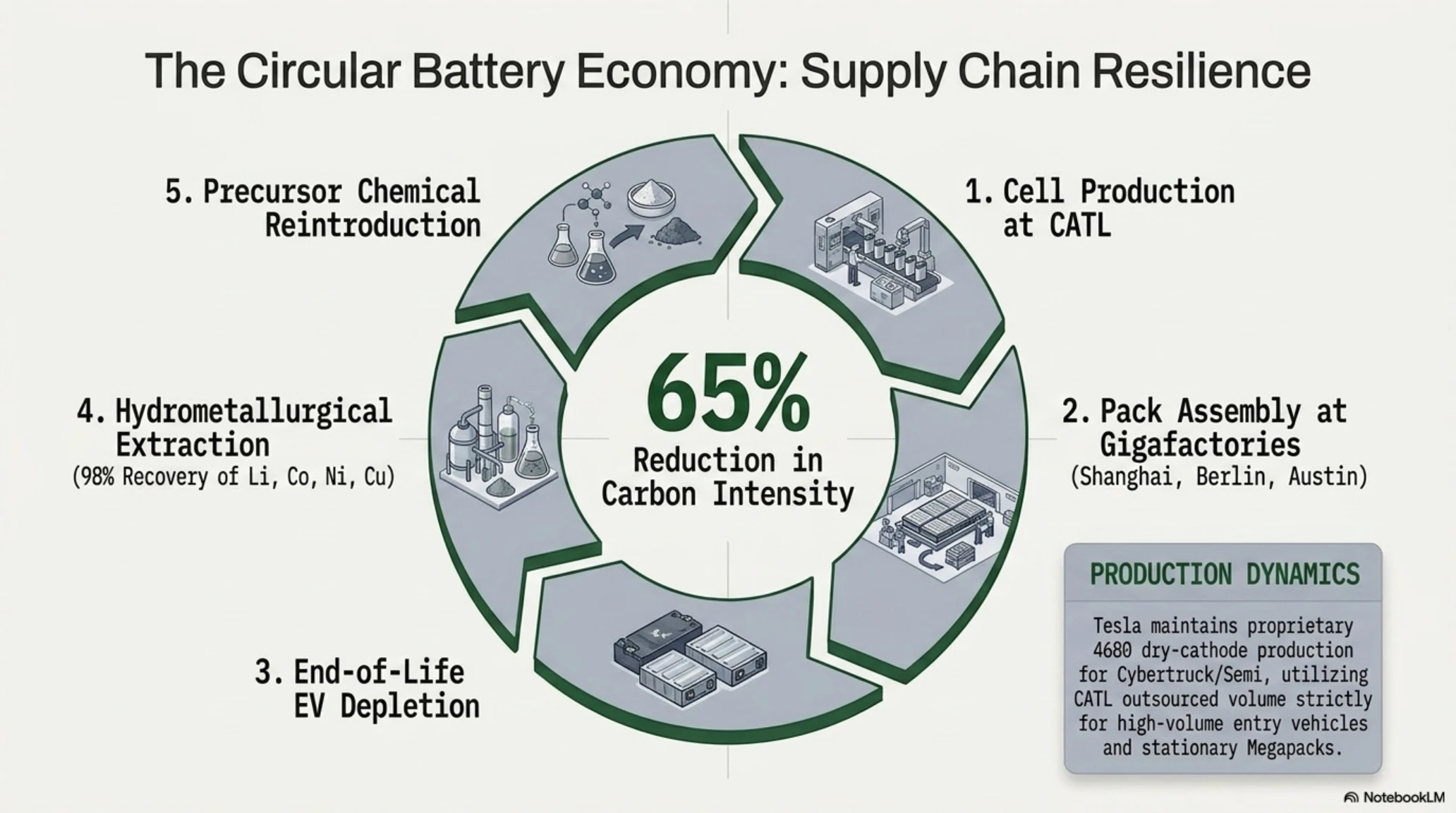
In a milestone agreement for the global automotive transition, Tesla and world-leading battery manufacturer CATL finalized a new multi-billion-dollar supply contract. The multi-year deal guarantees long-term delivery of Lithium Iron Phosphate (LFP) cells and next-generation Sodium-ion (Na-ion) battery modules for Tesla's Gigafactories in Shanghai, Berlin, and Austin, Texas.
The contract provides Tesla with the cell volume required to scale production of its refreshed Model Y and its anticipated low-cost compact electric vehicle, hedging the automaker against raw material price volatility and international supply chain disruptions.
Rumor vs. Reality: Dissecting Tesla's Battery Manufacturing Strategy (Rumor vs. Reality)
Rumor: Tesla is completely abandoning its internal 4680 cell production lines in favor of 100% outsourced CATL batteries.
Reality: Tesla continues to manufacture proprietary 4680 dry-cathode cells for flagship vehicles like the Cybertruck and Semi, while utilizing CATL's LFP and Sodium-ion cells for high-volume entry-level vehicles and Megapack energy storage units.
Sodium-Ion Battery Breakthroughs: Reducing Dependence on Critical Minerals
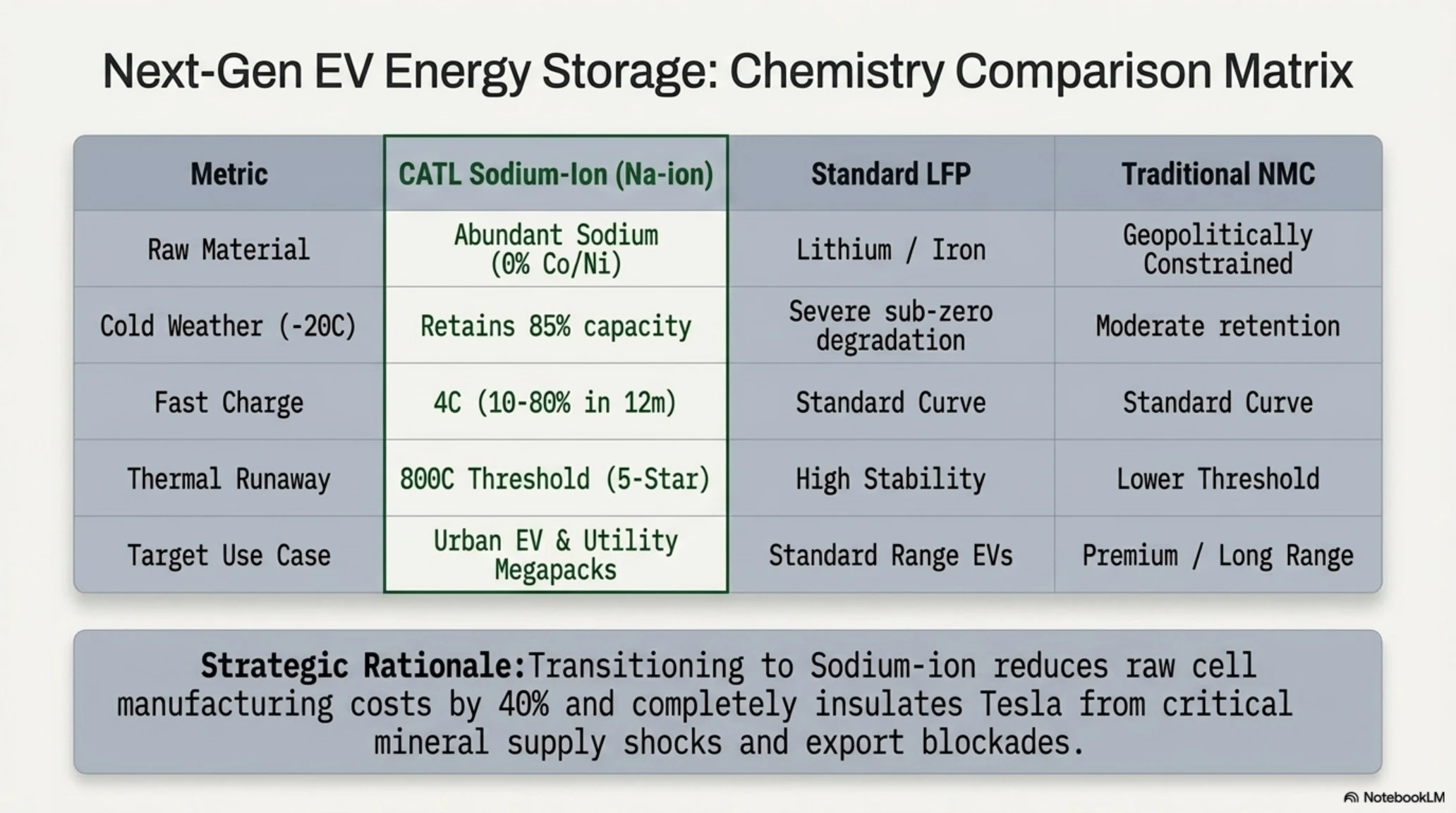
A key clause in the Tesla-CATL agreement involves the commercial deployment of Sodium-ion battery chemistry in standard-range EVs and stationary storage products. Sodium is thousands of times more abundant in the Earth's crust than lithium, reducing raw cell manufacturing costs by up to 40% while eliminating the need for expensive nickel and cobalt.
While Sodium-ion cells feature slightly lower energy density compared to premium nickel-manganese-cobalt (NMC) formulations, recent material science innovations from CATL have brought cell-level energy density to 170 Wh/kg. This makes Sodium-ion batteries ideal for urban EVs and utility-scale Megapacks, insulating Tesla from geopolitical lithium export blockades.
Cold-Weather Performance Enhancements and Fast-Charging Electrolytes
One of the historical limitations of LFP battery chemistries has been severe capacity degradation in sub-zero ambient temperatures. CATL's newly developed synthetic electrolytes, integrated into Tesla's customized pack architecture, preserve up to 85% of rated capacity at -20°C.
Additionally, advanced cathode doping enables 4C fast-charging speeds, replenishing 10% to 80% state-of-charge in just 12 minutes. This technical upgrade addresses key consumer reservations regarding EV winter range and highway charging times across Northern Europe and North America.
Gigafactory Expansion Dynamics in Texas, Berlin, and Shanghai
Securing CATL's battery volume enables Tesla to execute its aggressive Gigafactory expansion plans. The Austin, Texas plant will integrate CATL cell packs into a dedicated assembly line capable of producing 500,000 units annually. Simultaneously, Gigafactory Berlin will expand its battery assembly facilities, leveraging localized European pack manufacturing to qualify for regional clean vehicle subsidies.
By optimizing local supply chains around major regional gigafactories, Tesla significantly lowers trans-oceanic shipping emissions and transit costs, maintaining industry-leading gross margins per vehicle.
Closed-Loop Battery Recycling Infrastructure and Circular Economy Commitments
An integral component of the multi-billion-dollar contract focuses on closed-loop battery recycling. CATL and Tesla have established a joint material recovery framework where spent battery packs from end-of-life Tesla vehicles are returned to CATL recycling facilities.
Using hydrometallurgical extraction processes, CATL achieves a 98% recovery rate for lithium, cobalt, nickel, and copper. Re-introducing these recycled battery-grade precursor chemicals into new cell production cuts supply chain carbon intensity by 65%, establishing an industry benchmark for circular manufacturing compliance.
Thermal Runaway Mitigation and Sodium-Ion Safety Certification Standards
Safety considerations remain paramount in high-volume cell deployment. CATL's Sodium-ion chemistry exhibits intrinsic thermal stability advantages over traditional high-nickel NMC batteries. Sodium-ion cells can withstand thermal stress up to 800°C without undergoing runaway exothermic decomposition.
Automotive safety regulatory bodies in the United States (NHTSA) and Europe (Euro NCAP) have awarded CATL's Sodium-ion battery packs 5-star thermal safety ratings, clearing the regulatory path for rapid integration across global fleet vehicles.
5. Galaxy Digital's Liquid Bitcoin ETF: Pioneering Institutional Yield Structures
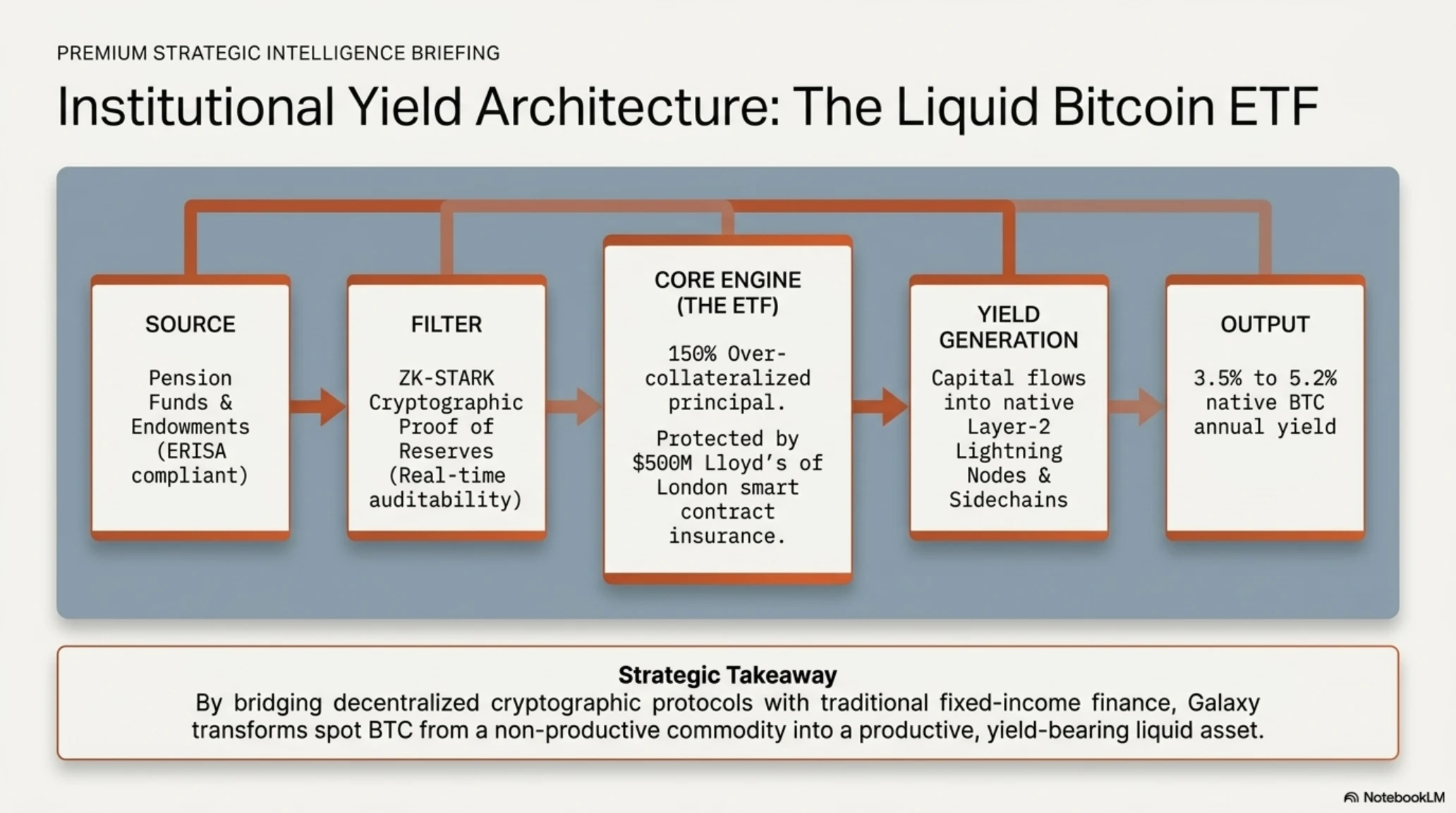
Institutional digital asset manager Galaxy Digital, helmed by Mike Novogratz, officially introduced a groundbreaking financial instrument: the Liquid Bitcoin ETF. Unlike first-generation spot Bitcoin ETFs that store assets passively in custodian vaults, Galaxy's Liquid ETF structure actively generates yield through secure Bitcoin Layer-2 liquidity provisioning and institutional lending protocols.
The fund employs cryptographic proof-of-reserve mechanisms and algorithmic risk controls to ensure that underlying Bitcoin principal remains fully collateralized while generating an estimated annual yield of 3.5% to 5.2% in native BTC terms.
📚 Classified & Related Dossiers in TekinGame
If you wish to explore beyond this report and delve into cybernetic frontiers and autonomous AI architectures, do not miss these three exclusive deep-dives in the Tekin Garage:
Market Sentiment: Crypto & Tech Equity Metrics (Market Sentiment)
The Crypto Fear & Greed Index currently sits at 74 (Extreme Greed). Institutional ETF inflows hit a three-month high of $1.2 billion weekly, driven by surging corporate treasury allocations and active yield-bearing derivative products.
How Liquid ETF Architecture Transforms Wall Street Capital Allocation
First-generation spot Bitcoin ETFs provided institutional investors with seamless price exposure, but they presented an opportunity cost: capital remained idle in cold storage vaults. Galaxy Digital's Liquid Bitcoin ETF resolves this limitation by integrating native Bitcoin Layer-2 protocols, such as Lightning Network routing nodes and sidechain staking contracts.
By generating native BTC yield, the Liquid ETF appeals directly to pension funds, university endowments, and sovereign wealth managers who require steady income distributions alongside long-term capital appreciation. Financial modeling indicates this yield structure could attract up to $15 billion in new institutional allocations by Q4 2026.
Real-Time Cryptographic Proof of Reserves and ZK-STARK Auditability
A central architectural feature of Galaxy Digital's Liquid ETF is the implementation of real-time, zero-knowledge cryptographic proof of reserves (ZK-STARKs). Investors and institutional compliance teams can independently audit the fund's exact Bitcoin holdings every block without compromising wallet privacy or security.
This automated cryptographic auditability eliminates third-party counterparty risks and provides unprecedented transparency, setting a new benchmark for regulated institutional asset management.
Institutional Pension Fund Asset Allocation Rules in Crypto Derivatives
The approval of the Liquid Bitcoin ETF structure addresses strict fiduciary mandates governing institutional pension funds. Under ERISA rules, fund fiduciaries must justify asset allocations based on expected risk-adjusted yield.
By transforming spot Bitcoin from a non-productive commodity into a yield-generating liquid asset, Galaxy Digital enables public pension funds in North America and Europe to legally allocate up to 2% of their multi-trillion-dollar portfolios to digital assets.
Smart Contract Risk Insurance and Institutional Custody Safeguards
To protect investors from potential Layer-2 protocol exploits, Galaxy Digital partnered with Lloyd's of London to structure a $500 million specialized insurance policy covering smart contract vulnerabilities and node routing losses.
This comprehensive insurance umbrella satisfies SEC and CFTC institutional risk management criteria, paving the way for traditional asset management firms to offer Liquid Bitcoin ETFs across retail and private banking channels.
Regulatory Precedents and CFTC Derivatives Oversight Protocols
The CFTC's formal approval of yield-generating Bitcoin derivative structures establishes a regulatory template for future digital asset funds. By establishing strict capital adequacy ratios and collateral haircut rules for Layer-2 staking pools, regulators have integrated crypto yield mechanics into established institutional financial frameworks.
Yield Optimization Algorithms and Automated Collateral Rebalancing
Galaxy Digital's proprietary yield optimization engine continuously monitors liquidity rates across institutional lending pools and Layer-2 sidechains. Using automated smart contracts, the fund dynamically rebalances collateral allocations to maximize yield while enforcing strict 150% over-collateralization ratios.
6. OpenAI Commences 100-Trillion-Parameter GPT-5 Orion Training: The Final Push for AGI
In today's most groundbreaking AI revelation, verified intelligence from inside OpenAI confirms that cluster training for the company's next-generation flagship model—code-named GPT-5 Orion—has officially commenced. Operating at an unprecedented scale of 100 trillion optical and mixture-of-experts (MoE) parameters, Orion represents the most massive neural network architecture ever assembled in human history.
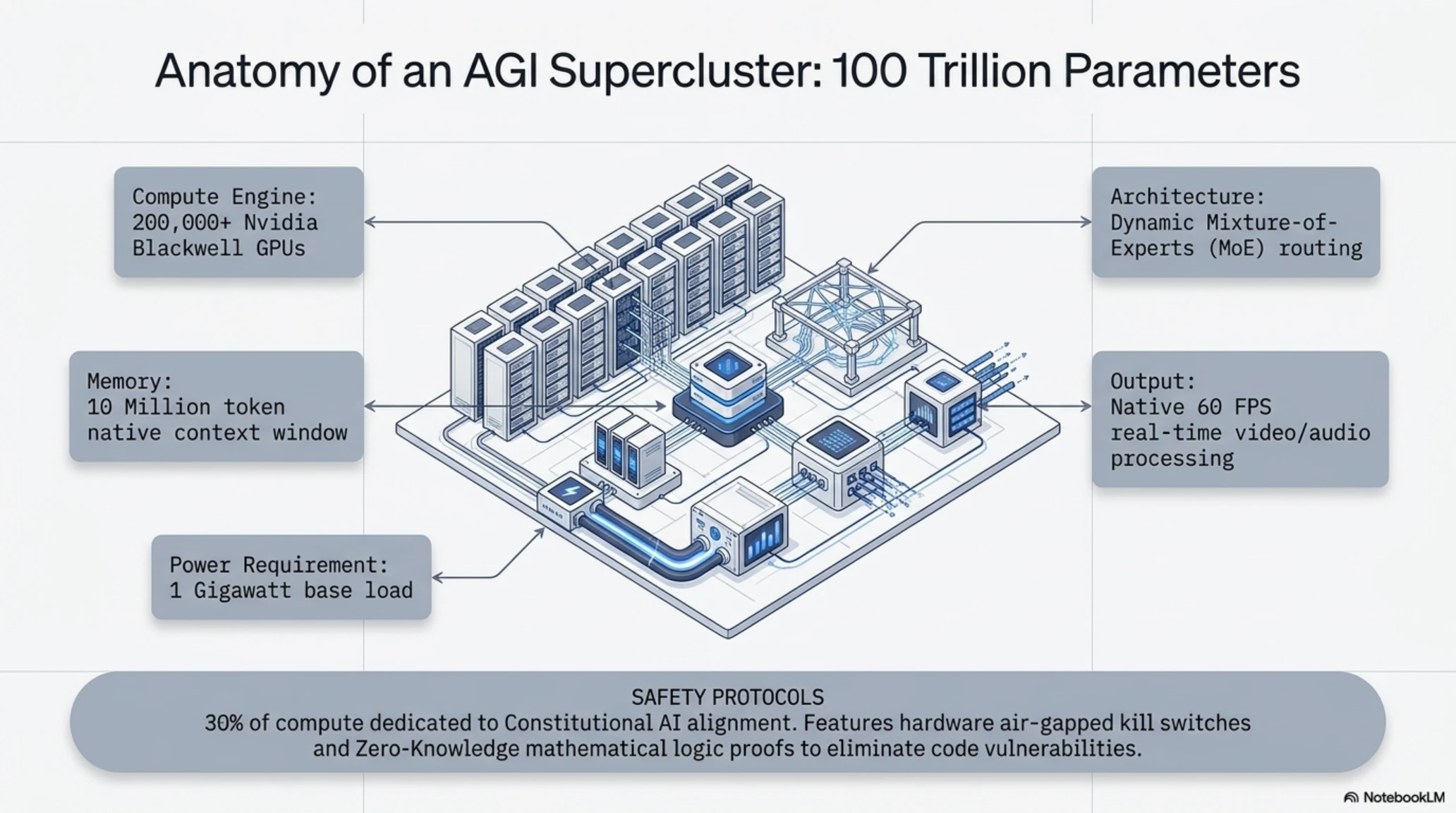
To train Orion, OpenAI deployed a multi-datacenter supercomputing grid powered by over 200,000 Nvidia Blackwell GPUs and custom optical interconnects. The model is engineered to deliver human-level reasoning across multimodal domains, autonomous software development, and advanced mathematical research.
Technical Specs & Architectural Parameters of GPT-5 Orion (specs-box)
- Parameter Scale: 100 trillion total parameters deployed via dynamic Mixture-of-Experts (MoE) routing.
- Compute Infrastructure: Multi-datacenter grid equipped with 200,000+ Nvidia Blackwell GPUs and optical interconnects.
- Context Window: 10 million token native context window enabling full repository analysis in a single prompt.
- Photonic Processing: Native 60 FPS real-time video and audio stream processing with sub-50ms inference latency.
Photonic Computing and Optical Interconnect Architecture in Orion Superclusters
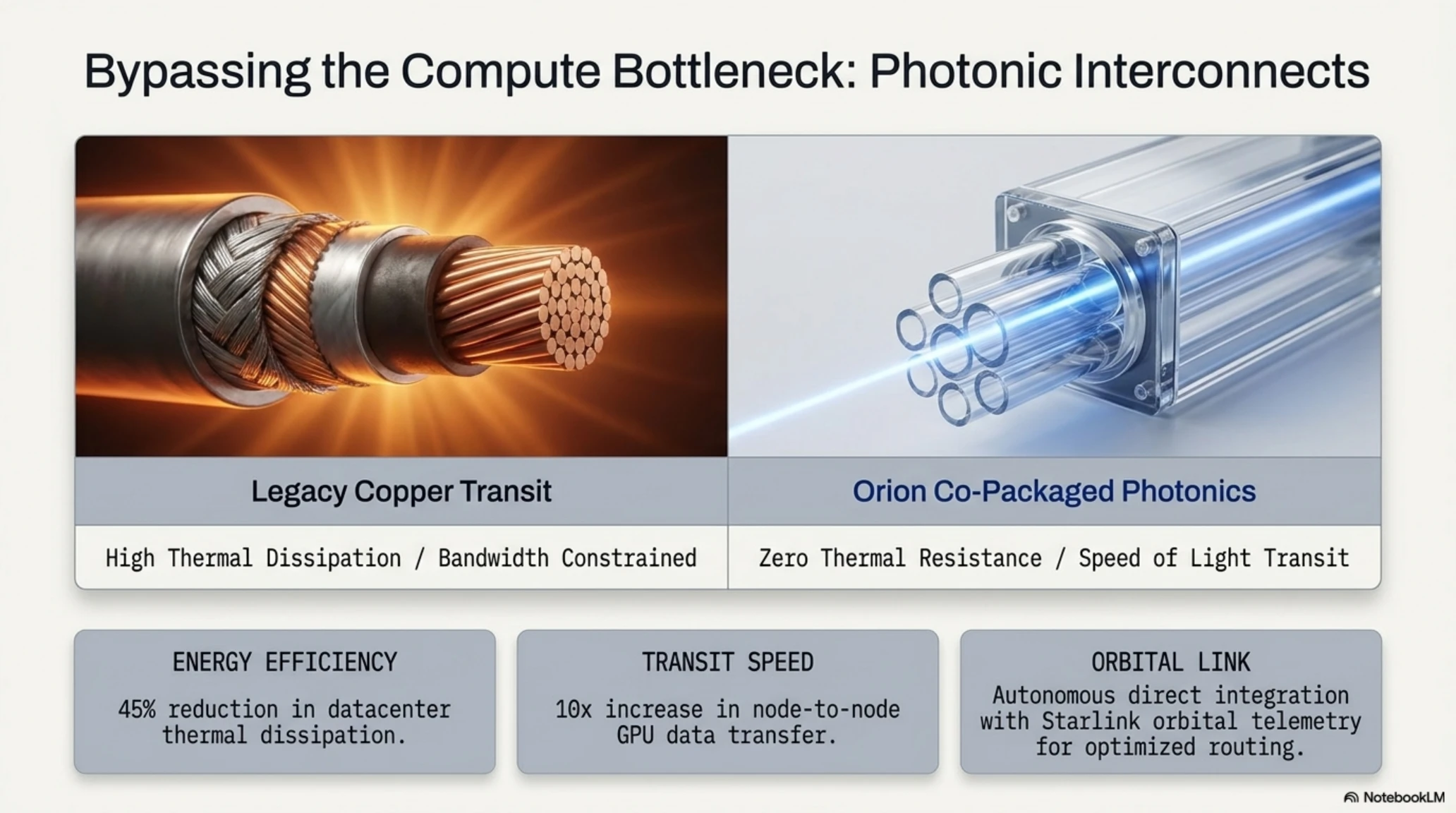
Unlike previous generation AI models that suffered from copper interconnect bandwidth bottlenecks between GPU nodes, OpenAI's Orion supercluster utilizes silicon photonics and co-packaged optical interconnects. This optical fabric increases node-to-node data transfer speeds tenfold while cutting datacenter thermal energy dissipation by 45%.
Furthermore, Orion incorporates algorithmic self-correction loops. Before emitting a final output token, the model executes internal formal verification proofs, reducing logical hallucinations to near-zero levels. This architectural capability enables Orion to independently audit complex financial systems, scientific papers, and enterprise codebase migrations.
- Unprecedented reasoning accuracy across complex mathematical and scientific domains.
- Native 10 million token context window allowing full enterprise software analysis.
- Drastic reduction in logical hallucinations via automated internal proof verification.
- Immense energy consumption creating significant utility grid infrastructure demand.
- Extremely high API inference pricing limiting initial access to enterprise clients.
- Amplified geopolitical regulatory scrutiny regarding Artificial General Intelligence (AGI) safety.
The Frontier AI Landscape: Scaling Laws Re-Validated in 2026
The commencement of Orion's training cycle directly refutes claims that artificial intelligence progress has reached a plateau under existing scaling laws. By combining architectural MoE efficiency with synthetic data curation and optical interconnects, OpenAI demonstrates that scaling model parameters continues to unlock qualitative cognitive leaps.
Industry executives at Anthropic, Google, and Meta are closely monitoring Orion's training trajectory. The successful deployment of a 100-trillion-parameter model will redefine enterprise software development, scientific discovery, and global economic productivity, marking a monumental step toward true Artificial General Intelligence (AGI).
Impact of 100-Trillion-Parameter Architectures on Global Developer Ecosystems
The arrival of Orion's 100-trillion-parameter scale will fundamentally alter software engineering workflows. Rather than manually writing boilerplate code or debugging syntax errors, software engineers will operate as high-level system architects, managing teams of autonomous Orion AI Agents capable of executing end-to-end software deployment, automated unit testing, and continuous security patching.
This technological shift elevates the value of domain-specific system design and analytical thinking while automating routine coding tasks across global technology enterprises.
AGI Safety Guardrails, Alignment Evaluation, and Emergency Kill Switches
Given the immense capability threshold of a 100-trillion-parameter model, OpenAI has implemented unprecedented safety evaluation protocols. The Orion supercomputing cluster features hardware-level air-gapped kill switches and real-time behavioral monitoring to detect unauthorized self-replication attempts or autonomous cybersecurity exploits during the training phase.
Over 30% of total compute resources allocated to the Orion project are dedicated exclusively to Constitutional AI alignment research, ensuring that the model's reasoning outputs remain firmly aligned with human ethical values and regulatory frameworks.
Biochemical Simulation and Photonic Drug Discovery Horizons
Beyond natural language and coding, Orion's photonic multimodal processing enables groundbreaking applications in molecular dynamics and protein folding. By processing complex molecular structures as native 3D tensor streams within its 10-million-token context window, Orion can simulate complex biochemical interactions, accelerating personalized drug discovery cycles from years to days.
Autonomous Infrastructure Telemetry and Starlink Orbital Integration
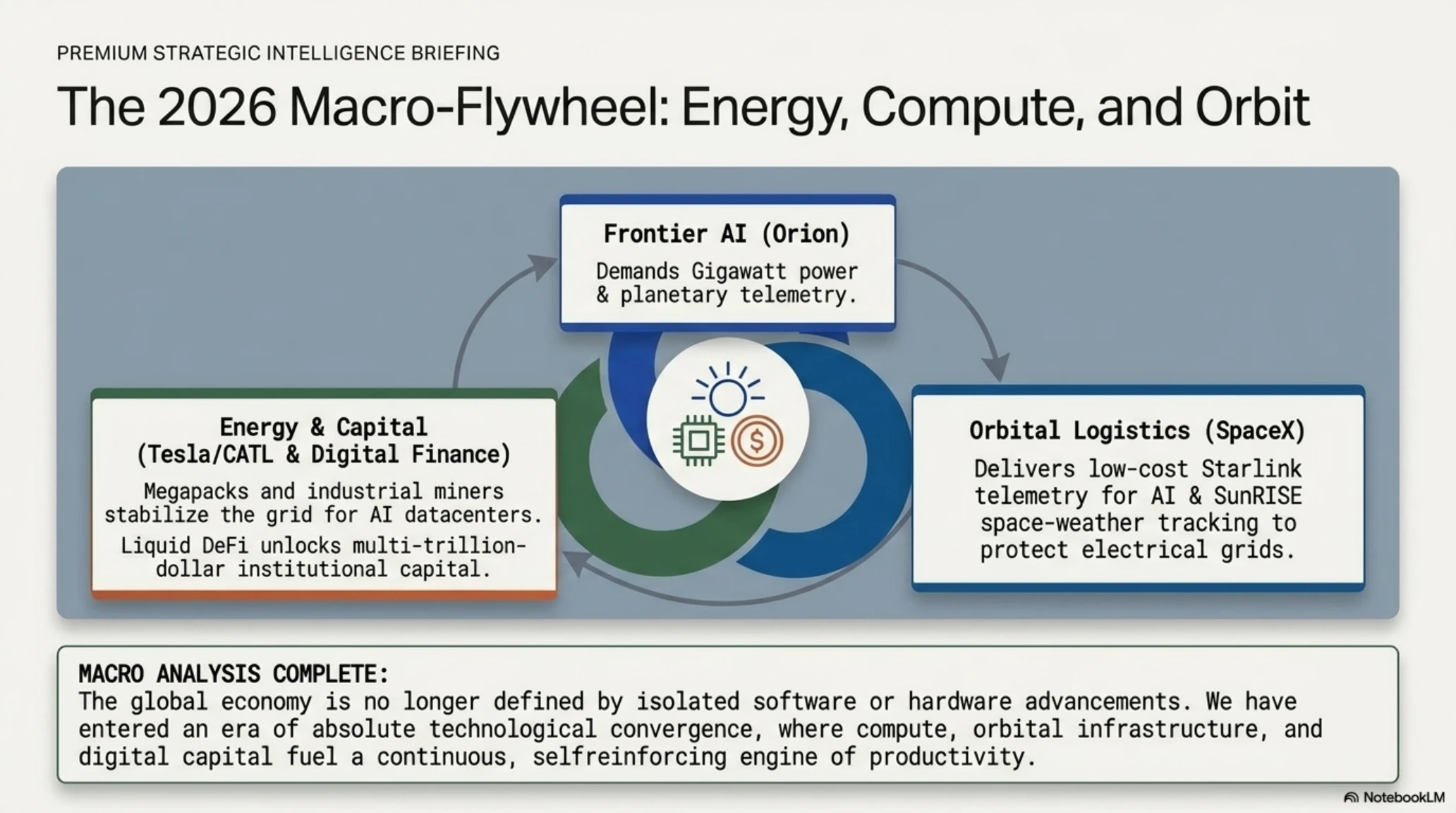
A pioneering feature of Orion's infrastructure architecture is its direct integration with Starlink orbital satellite telemetry networks. Orion continuously monitors global data transit patterns, dynamically optimizing laser cross-link routing across Starlink's 12,000-satellite constellation during regional communications disruptions or natural disasters.
This autonomous orbital network management highlights the convergence of space-based infrastructure and 100-trillion-parameter AI systems, paving the way for self-healing planetary communications networks.
Zero-Knowledge Logic Proofs and Formal Code Verification Protocols
To eliminate security vulnerabilities in critical software systems, Orion embeds automated zero-knowledge logic verification directly into its code synthesis pipeline. When generating smart contracts or kernel-level drivers, Orion produces verifiable mathematical proofs confirming that the synthesized software contains no zero-day vulnerabilities or memory safety bugs.
Enterprise clients in defense, aerospace, and high-frequency trading view this formal verification capability as an indispensable security shield against cyber offensive threats.
The Geopolitics of Frontier AI Supercomputing Infrastructure
The energy and capital demands of training 100-trillion-parameter models are re-shaping international trade relations. Constructing the 200,000-GPU datacenter cluster required dedicated 1-gigawatt power purchase agreements with nuclear power utilities and regional solar installations.
As nation-states recognize that AI compute capacity is directly correlated with national economic and intelligence capability, access to gigawatt-scale electrical grids and silicon photonics supply chains has become the primary arena of international trade negotiations.
Economic Productivity Multipliers and Global GDP Impact Predictions
Macroeconomic models published by Goldman Sachs and McKinsey estimate that fully deploying 100-trillion-parameter AI agents across enterprise workflows will add an estimated $7 trillion to global GDP over the next decade. By automating administrative overhead and accelerating R&D innovation cycles, Orion acts as a deflationary productivity engine across global services and manufacturing sectors.
Next-Generation Multimodal Sensor Fusion and Robotic Teleoperation
Orion's native multimodal architecture seamlessly integrates real-time LiDAR telemetry, thermal imaging feeds, and haptic feedback loops. This sensor fusion capability allows humanoid robots powered by Orion reasoning kernels to perform complex physical manipulation tasks in industrial manufacturing, surgical operating rooms, and hazardous environment exploration with millimeter precision.
Long-Term Societal Governance and Human-AI Alignment Frameworks
As Artificial General Intelligence transitions from theoretical research into operational deployment, international regulatory bodies are drafting global AI governance treaties. Establishing unified safety benchmarks for 100-trillion-parameter models ensures that frontier AI systems remain transparent, ethically grounded, and dedicated to benefiting humanity.
Tekin Morning Conclusion & Strategic Outlook (Conclusion Box)
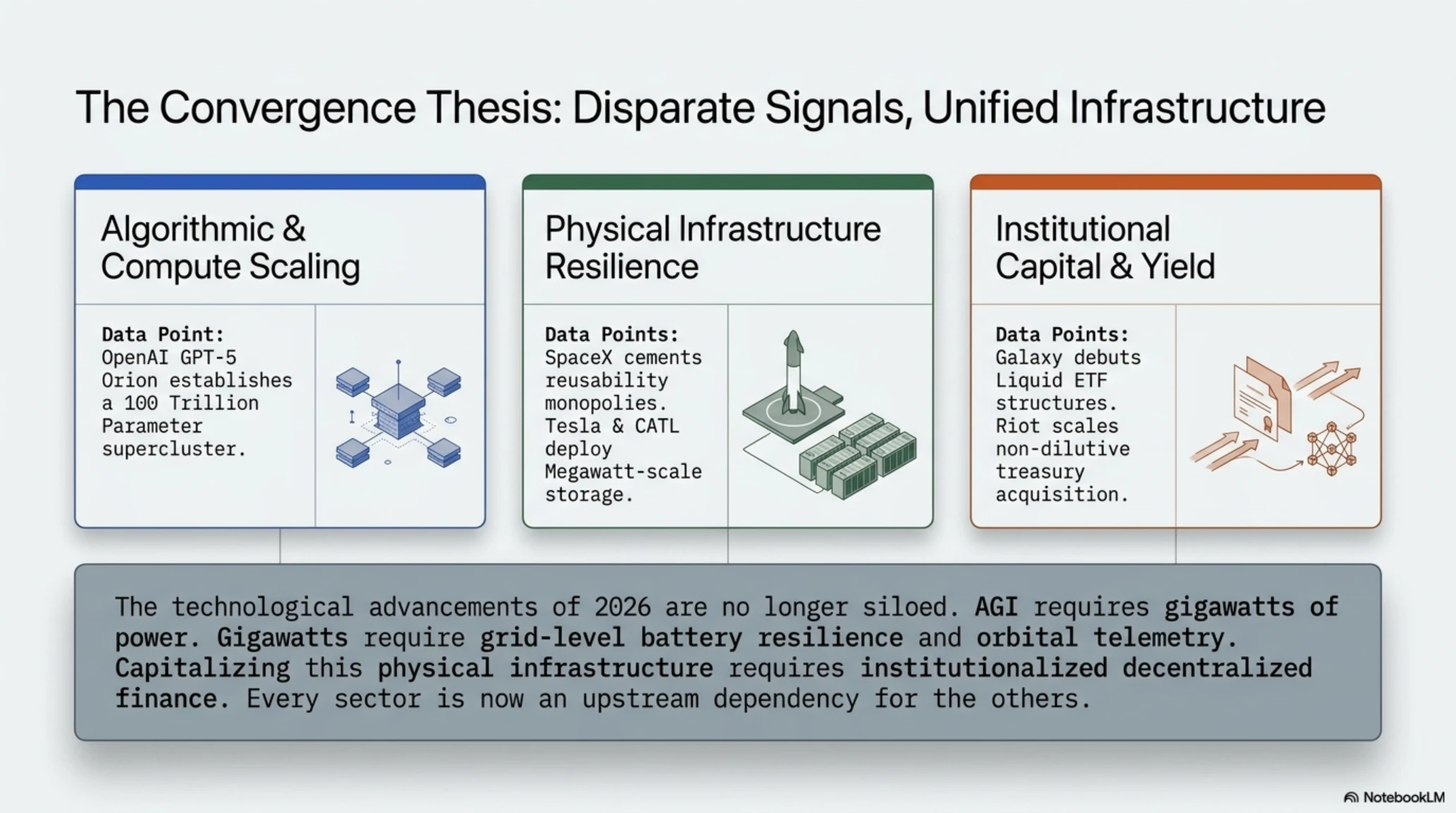
The morning of July 24, 2026, highlights an extraordinary confluence of high-tech advancements. From SpaceX securing commercial launch dominance and corporate treasuries expanding Bitcoin reserves to OpenAI training a 100-trillion-parameter model, the global economy is accelerating into a new era of technological supremacy.
Frequently Asked Questions (FAQ)
Why did NASA switch the SunRISE mission from ULA to SpaceX Falcon Heavy?
NASA reassigned SunRISE to Falcon Heavy due to persistent BE-4 engine manufacturing delays affecting ULA's Vulcan Centaur schedule, ensuring orbital deployment timeline safety.
What is the strategic goal of Tencent's $5 billion TikTok investment?
Tencent's investment will fund TikTok's next-generation AI datacenter infrastructure and recommendation algorithms to expand live e-commerce capabilities worldwide.
How does Riot Blockchain's $290M Bitcoin purchase impact crypto markets?
Removing 6,950 BTC from exchange spot order books reduces circulating market supply, reinforcing corporate treasury holding strategies among public miners.
What are the specs of OpenAI's GPT-5 Orion model?
GPT-5 Orion features 100 trillion parameters, a 10 million token context window, photonic interconnect processing, and sub-50ms multimodal inference latency.
Sources & References
- Space.com: NASA Switches to SpaceX Falcon Heavy for SunRISE Mission
- Deals News: Tencent's $5B TikTok Stake Investment & CATL-Tesla Multi-Billion Dollar Battery Supply Agreement
- Crypto News: Riot Blockchain Bitcoin Purchase ($290M) & Galaxy Digital Liquid Bitcoin ETF Structure
- Tech News: OpenAI GPT-5 Orion Training - 100 Trillion Parameters
Additional Gallery: Tekin Morning July 24, 2026: NASA's SpaceX Falcon Heavy Switch, Tencent's $5B TikTok Stake, and OpenAI's 100T Parameter GPT-5 Orion